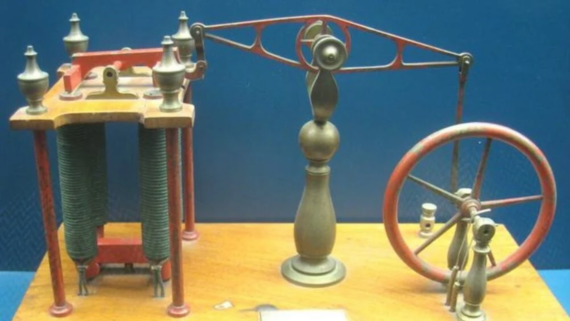
Machines that changed the world rarely transformed society the moment someone switched them on. Their real power appeared when they removed a stubborn limit: how quickly information could spread, how much land one person could farm, how far goods could travel, or how fast a calculation could be completed.
Some of these machines now look almost quaint, all wood, gears, belts, levers, and exposed metal. But each represents a moment when humans suddenly discovered they could do something on a scale that had previously seemed impossible.
1. The Gutenberg Printing Press Turned Copying Into Reproduction
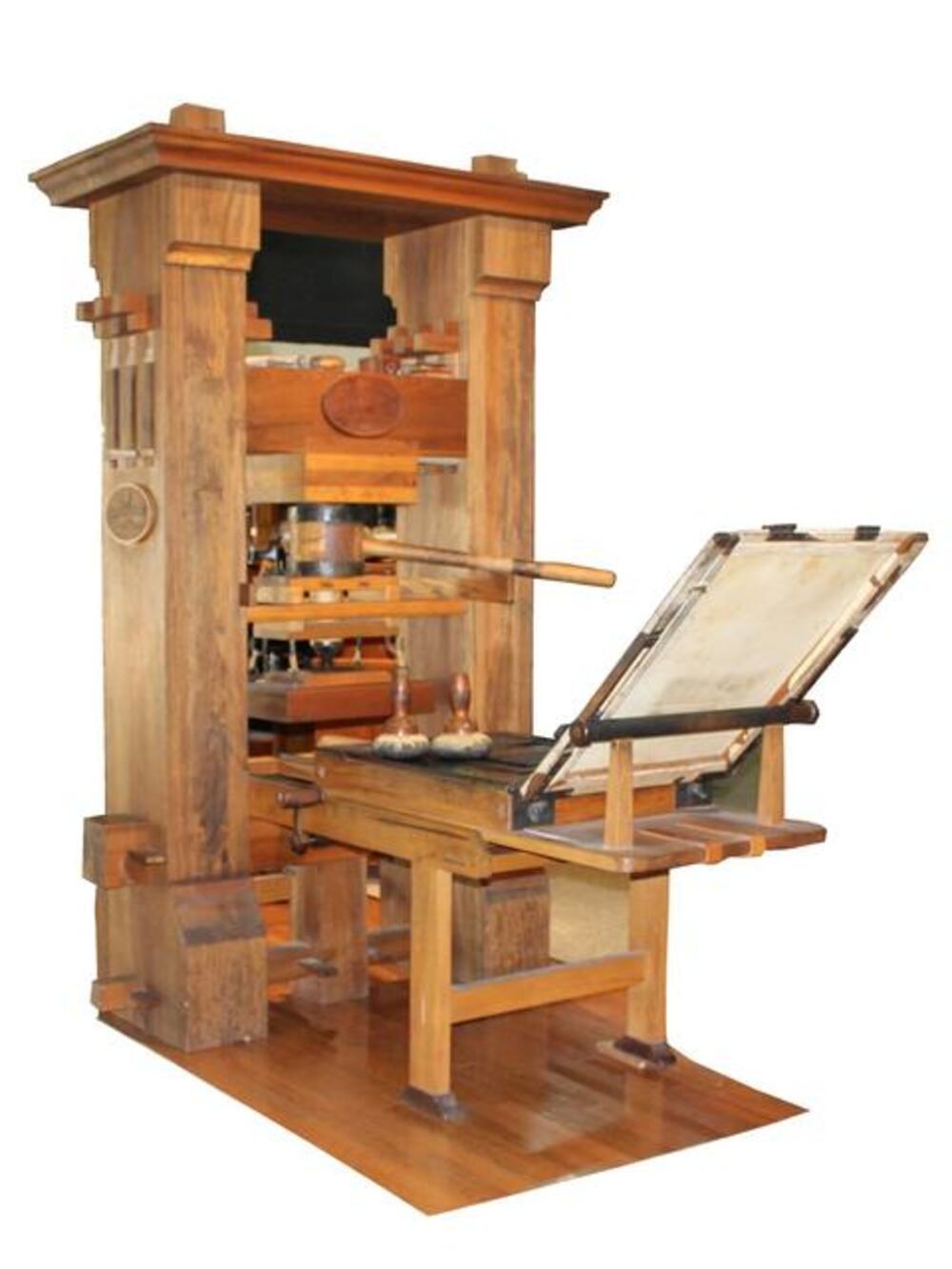
Before mechanical printing, producing another copy of a book could mean painstaking manual work. Gutenberg’s mid-15th-century system combined movable metal type with a mechanical press, making it possible to reproduce texts far more efficiently. The bigger revolution came afterward: printed information could circulate on a scale manuscript culture simply could not match, with enormous consequences for literacy, scholarship, religion, and public debate.
2. The Steam Engine Uncoupled Power From Muscle, Wind and Water
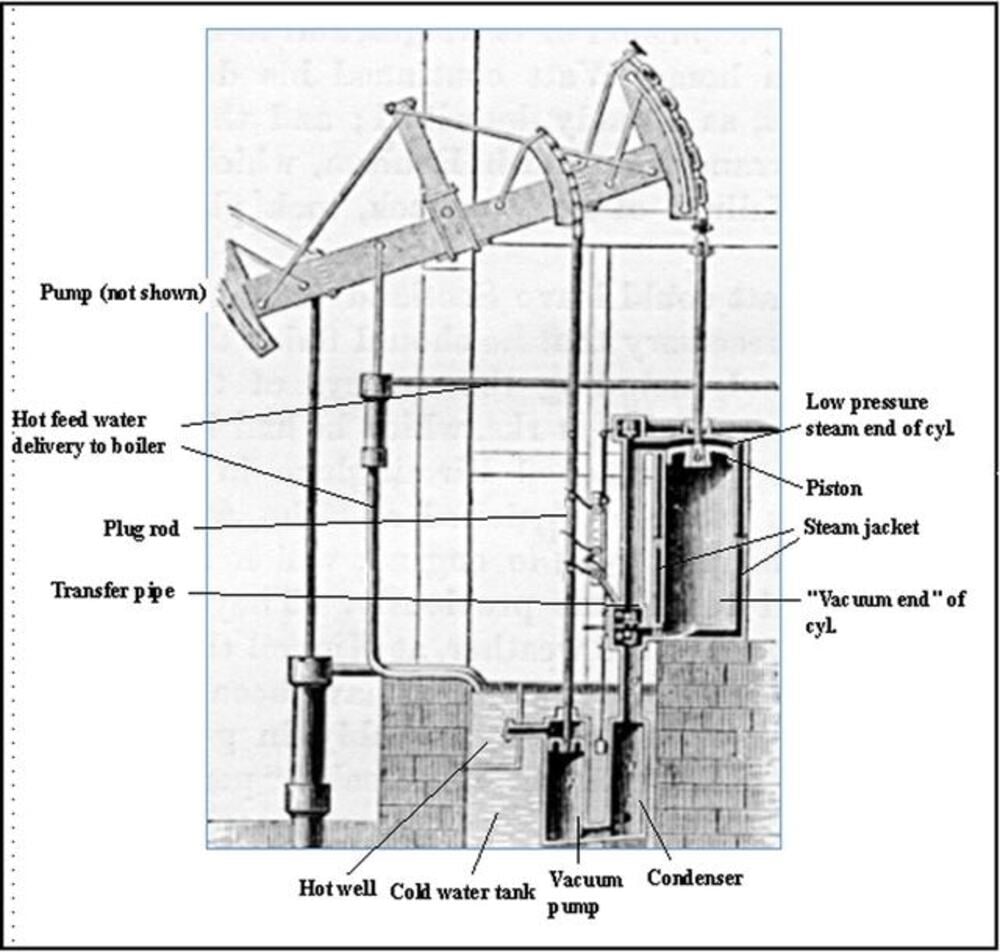
For most of history, useful power came with strings attached. It depended on muscles, moving water, or favorable wind. Early Newcomen engines showed what steam could do by pumping water from mines, while later improvements associated with James Watt made steam power far more practical for industry and transportation. Suddenly, mechanical power did not have to wait for nature to cooperate.
3. The Cotton Gin Made Cotton Faster and Slavery More Profitable
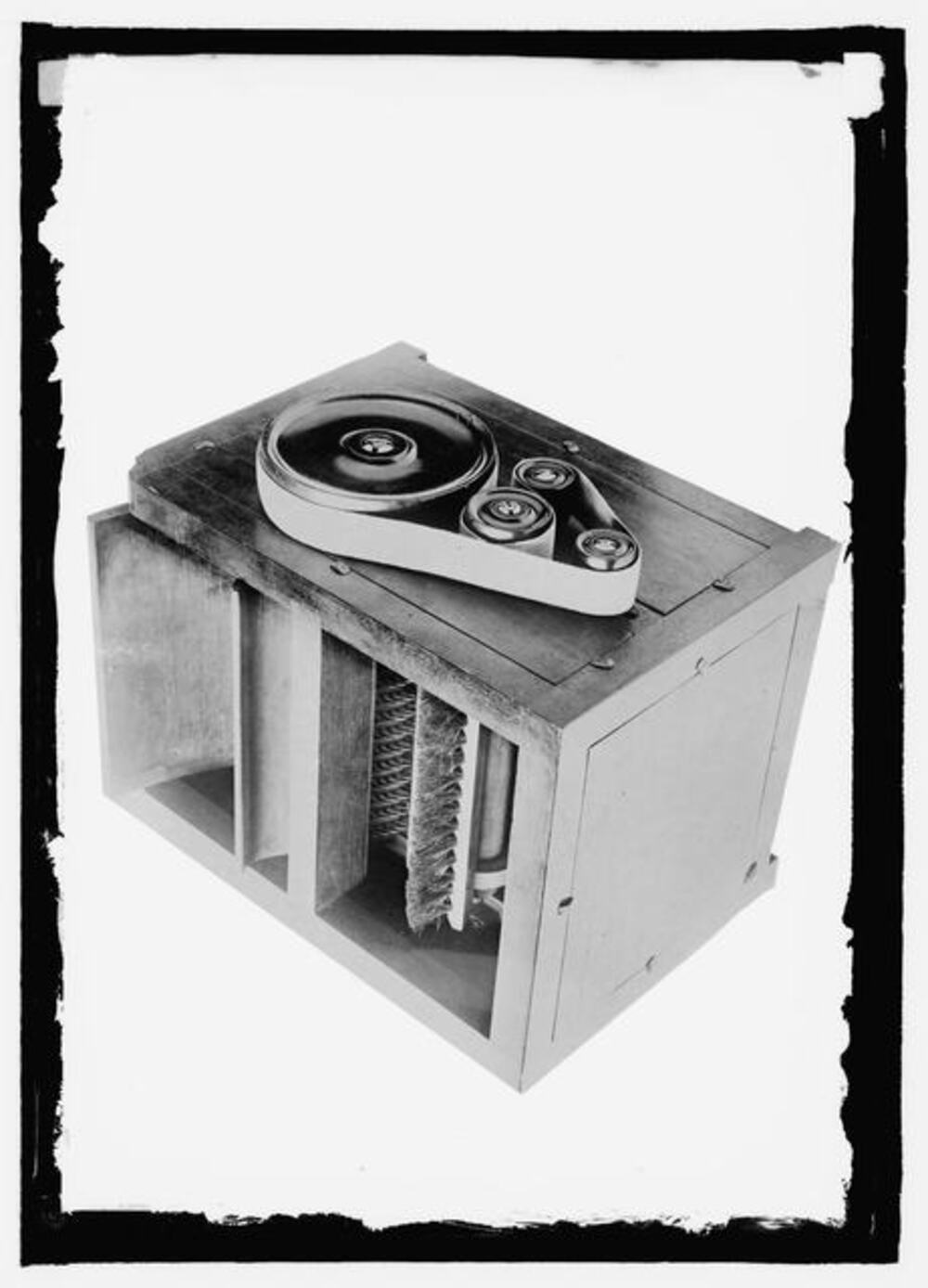
A machine that separated cotton fiber from its seeds sounds like a straightforward productivity breakthrough. Eli Whitney’s patented cotton gin did exactly that at remarkable speed compared with hand processing, but its consequences were much darker. As cotton processing became more profitable, the expanding Southern cotton economy became deeply intertwined with the expansion of enslaved labor. Faster machinery did not automatically mean human progress.
4. The Jacquard Machine Put Instructions Into Punch Cards
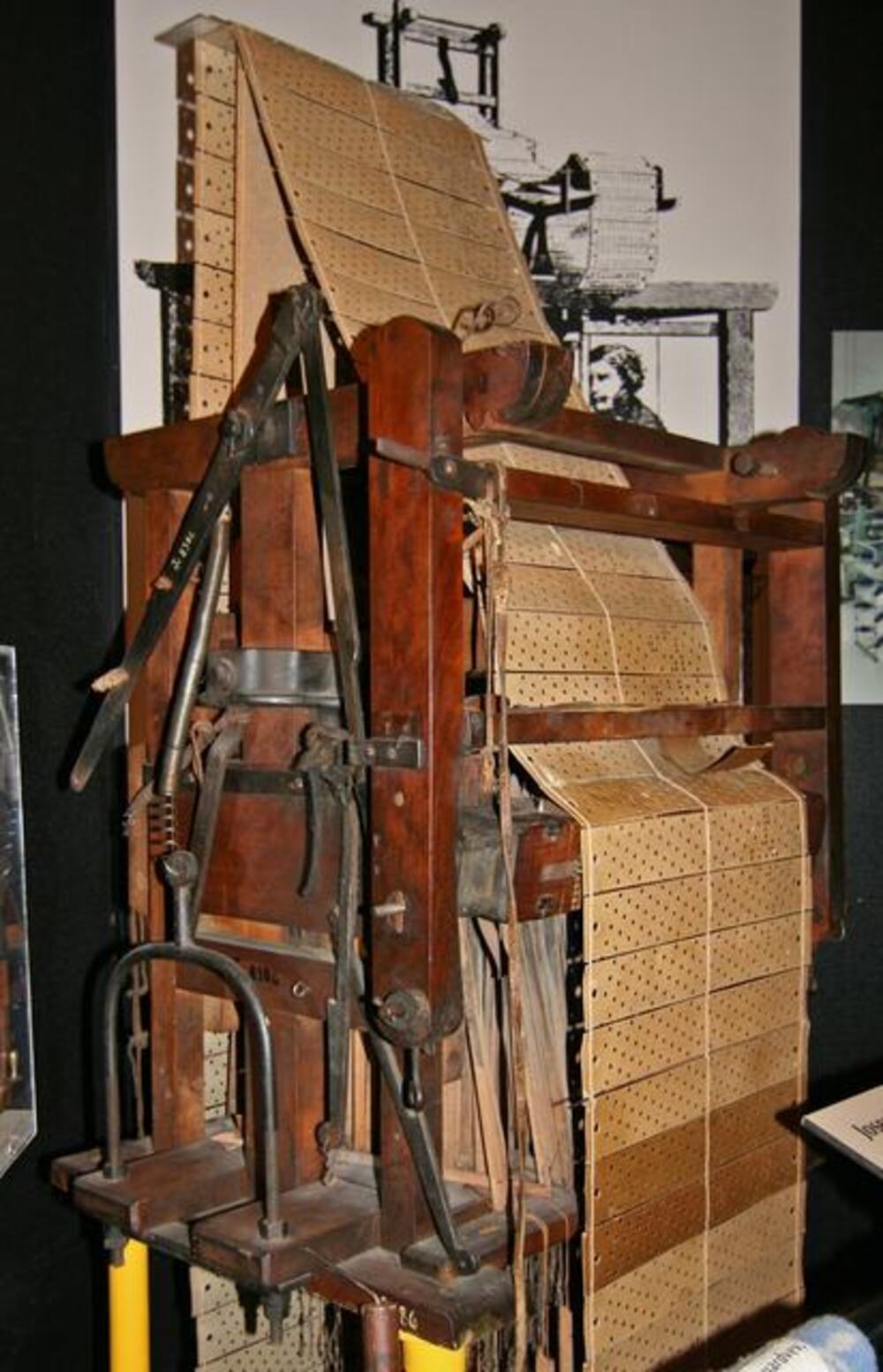
Here is where a loom starts to look unexpectedly like an ancestor of computing. The Jacquard machine used punched cards to determine which warp threads should be raised, allowing intricate woven patterns to be produced automatically. The intriguing part is the idea hidden inside the mechanism: instructions could be physically encoded and then read by a machine. That concept would later influence Babbage and become important to data-processing machinery.
5. The Mechanical Reaper Changed How Much Land One Farm Could Work
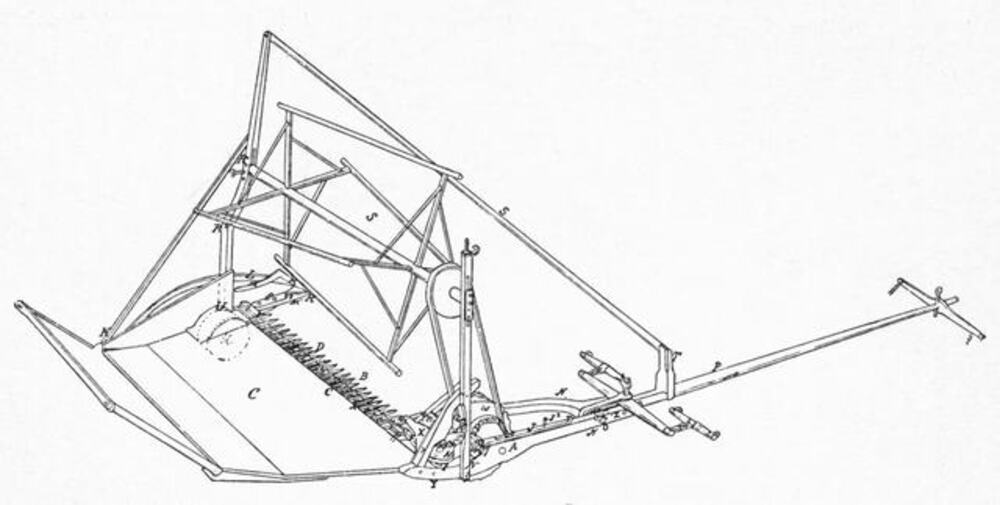
Harvesting created a brutally simple problem: crops could only be cut as quickly as available workers could manage. Mechanical reapers, including McCormick’s and competing designs, attacked that bottleneck directly. By mechanizing harvesting, they dramatically increased the acreage a workforce could handle and helped push agriculture toward larger-scale commercial farming. How much could farming change when human hands were no longer setting the speed of the harvest?
Trending on The Scroller


6. The Bessemer Converter Made Steel an Industrial Material
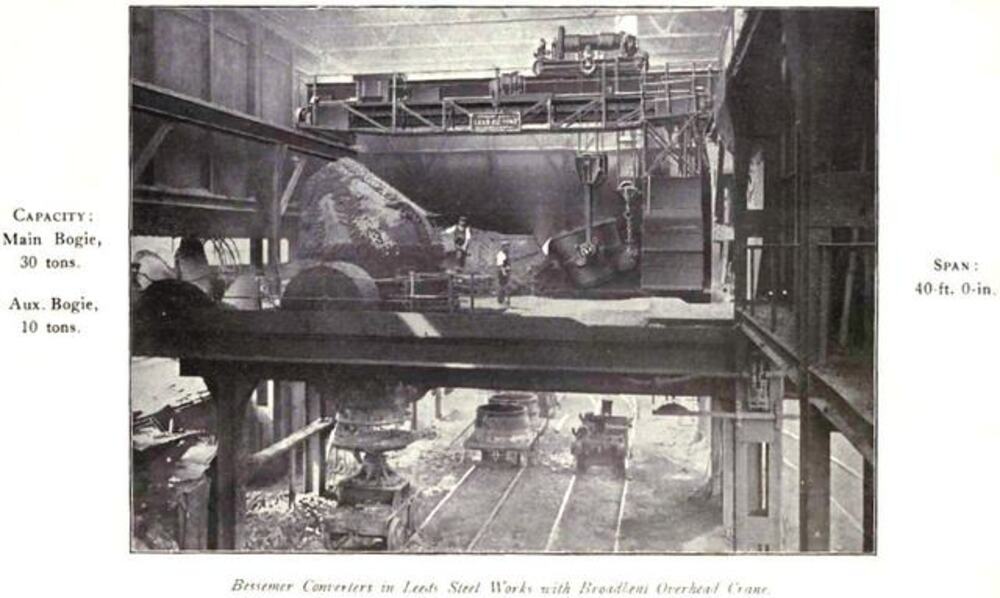
Steel existed long before the Bessemer converter, but producing it cheaply and at enormous scale was another matter. The Bessemer process forced air through molten iron to remove impurities, transforming the economics of steelmaking. Mass-produced steel then fed an expanding industrial world of railways, bridges, ships, heavy machinery, and eventually skyscrapers.
7. The Steam Locomotive Compressed Distance
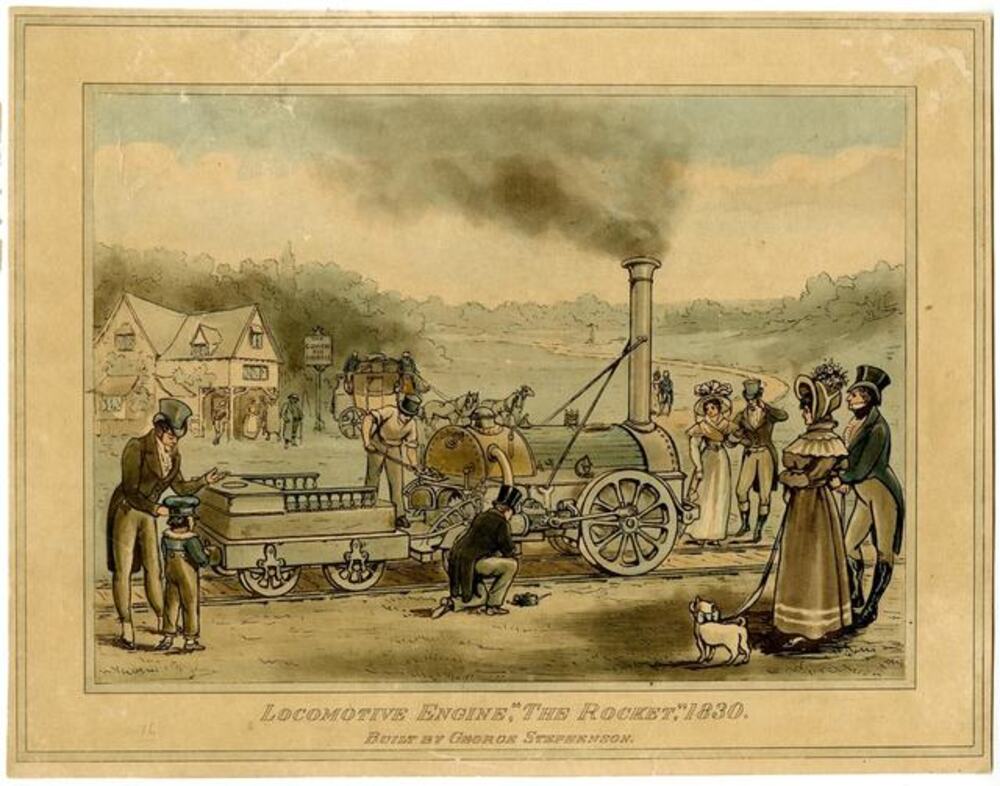
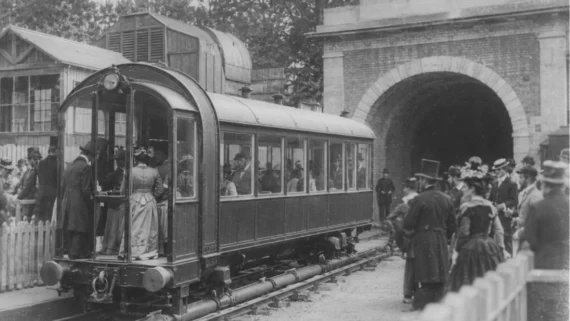
The steam locomotive did more than make travel faster. Practical locomotives could move heavy freight and passengers on regular routes, tying distant markets and communities together in ways overland transportation had struggled to achieve. Railways reshaped trade, settlement, access to goods, and even timekeeping. A place had not physically moved closer, yet economically and socially, it suddenly could feel much nearer.
8. The Linotype Machine Mechanized the Written Page
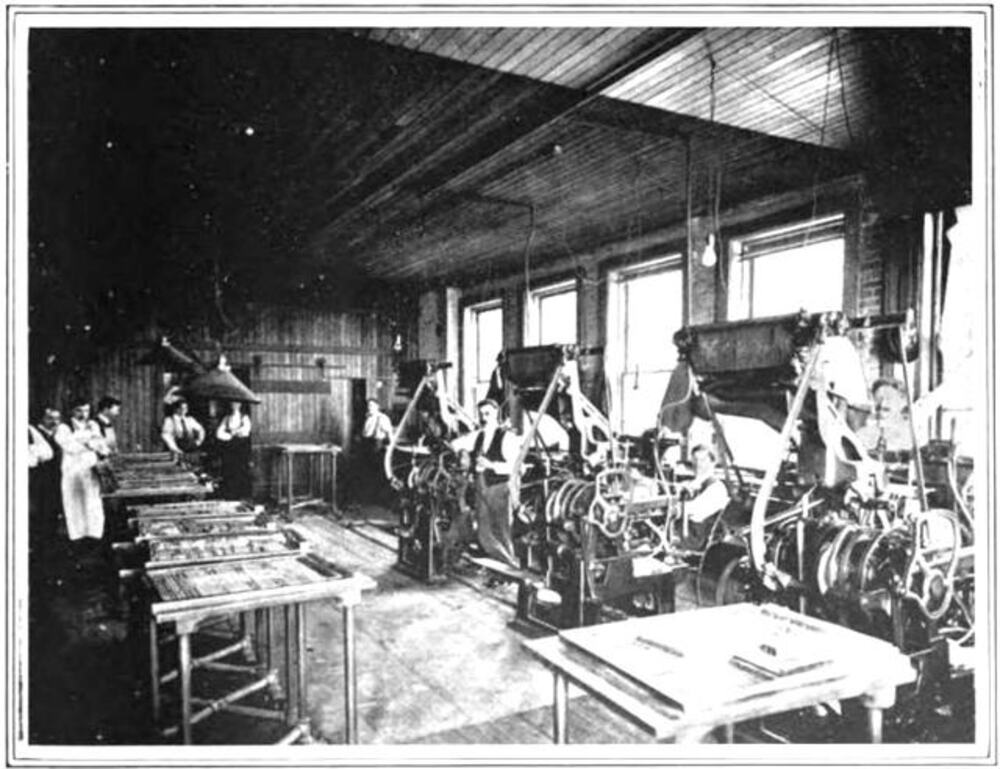
Imagine setting every newspaper page one individual character at a time. Ottmar Mergenthaler’s Linotype changed that equation by casting an entire line of metal type from keyboard input. First used commercially in the 1880s, it accelerated typesetting and helped make large daily newspapers and mass print culture economically practical. The press could finally move closer to the speed of the news it was trying to report.
Sign up for our newsletter
9. The Electric Motor Turned Electricity Into Motion Everywhere
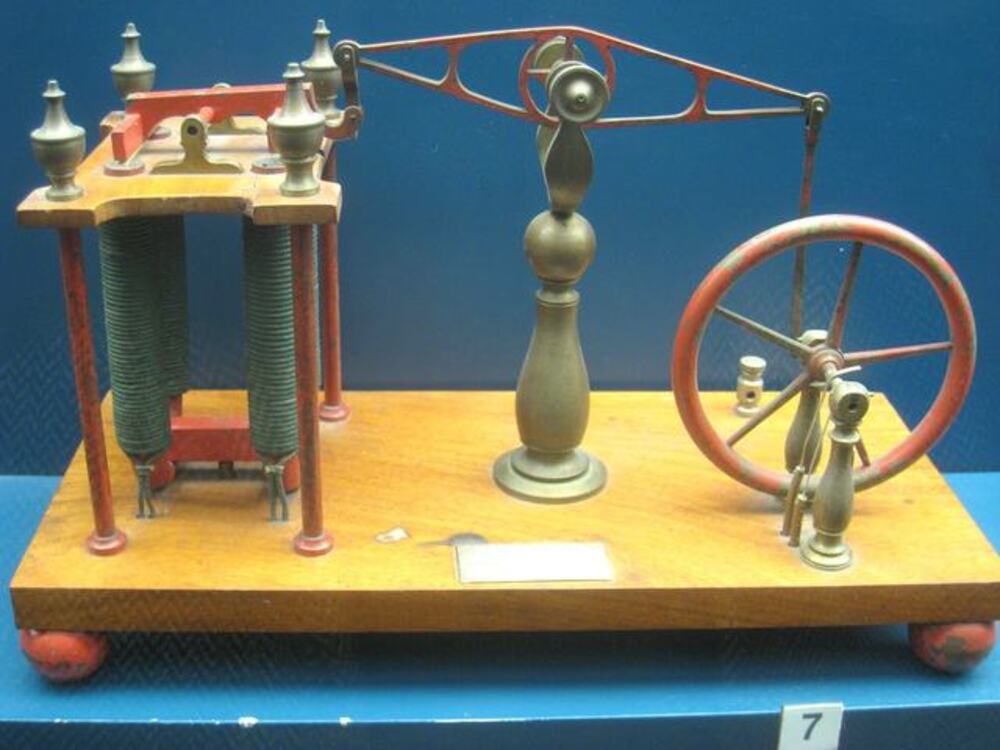
One enormous shift in industrial design happened when power stopped needing to travel mechanically across an entire factory. Electric motors converted electrical energy directly into mechanical rotation, eventually allowing individual machines to have their own source of motion instead of relying on a factory-wide shaft system. That flexibility helped reshape factories, transportation, and appliances around a remarkably simple proposition: put the power exactly where it was needed.
10. The Steam Turbine Made Large-Scale Electricity Practical
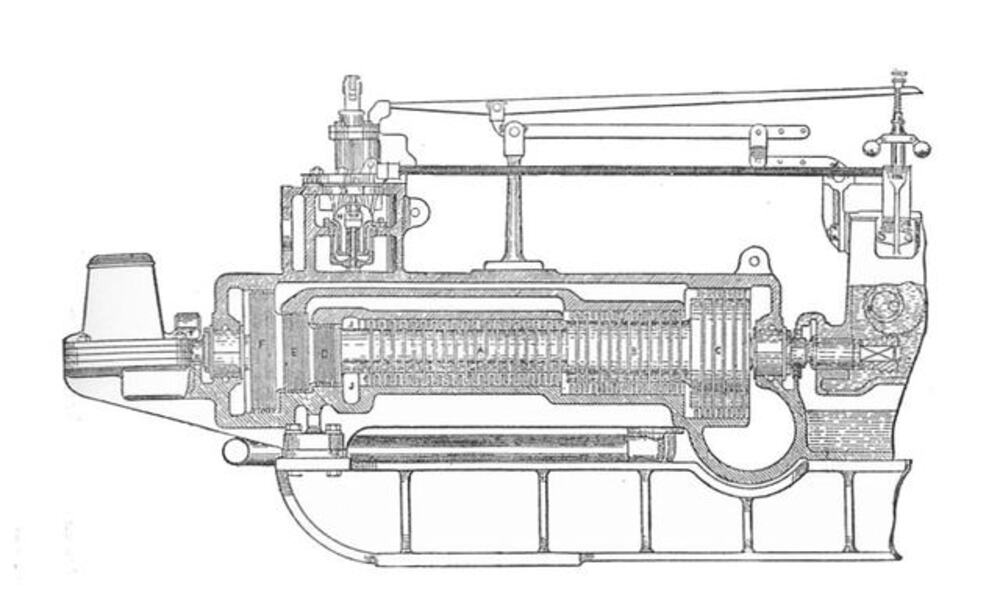
Machines that changed the world sometimes connect one technological era directly to the next. Charles Parsons´steam turbine, introduced in the 1880s, produced efficient high-speed rotary power and became fundamental to electrical generation as well as marine propulsion. Steam had already powered the Industrial Revolution through pistons; the turbine helped carry that same basic energy source into the age of large-scale electricity.
11. The Diesel Engine Changed Heavy Transport and Industry
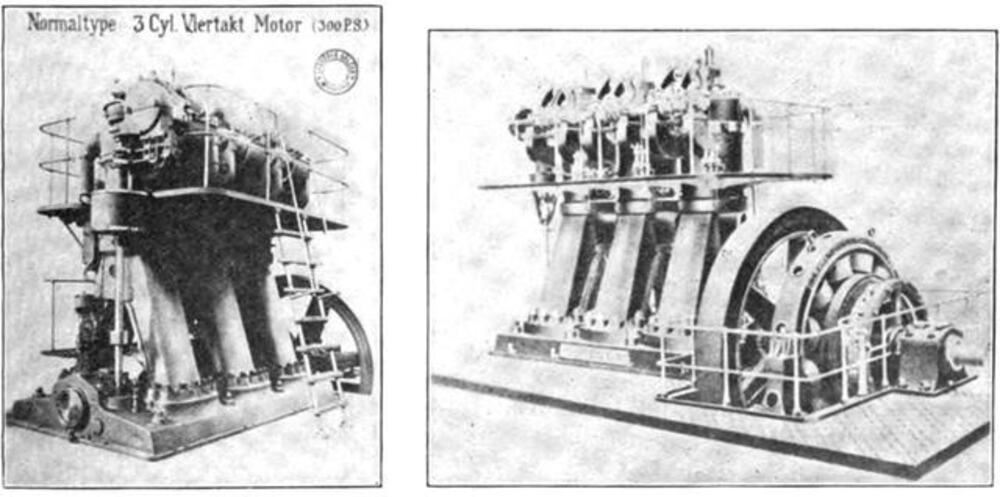
Rudolf Diesel’s compression-ignition engine offered something especially valuable wherever serious work had to be done efficiently. Diesel engines became important for ships, trucks, locomotives, generators, and heavy machinery, embedding themselves in the infrastructure that moved freight and powered industry. Not every civilization-changing machine becomes glamorous. Some simply become so useful that modern life quietly builds itself around them.
12. The Moving Assembly Line Rebuilt Manufacturing Around the Product
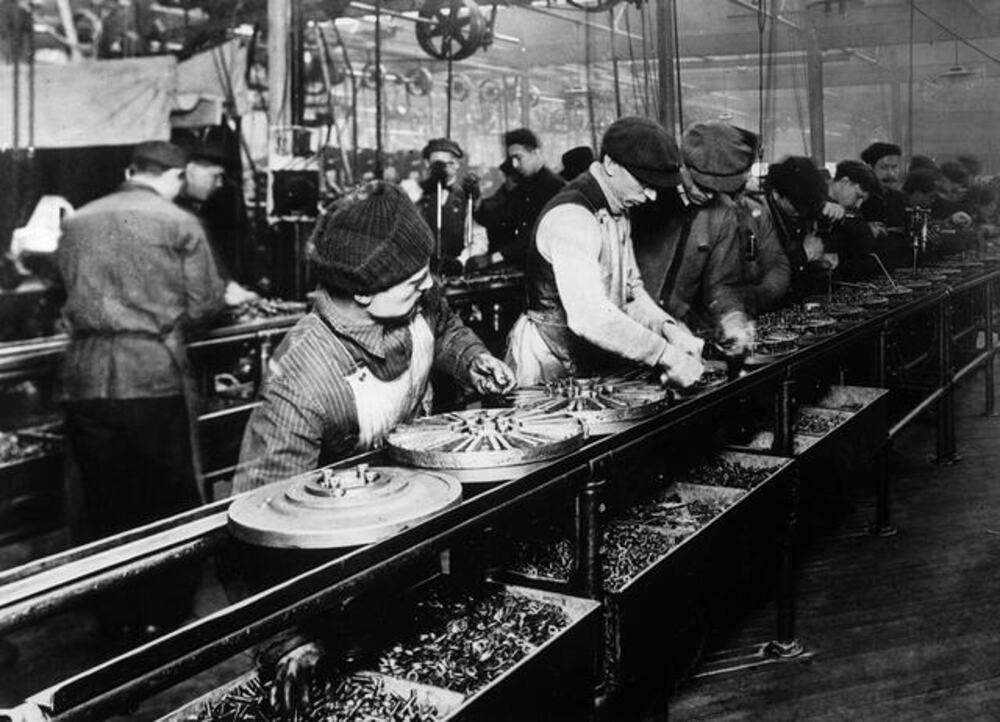
What if workers did not have to move around the factory because the product came to them? At Ford’s Highland Park plant in 1913, the moving automobile assembly line organized conveyors, standardized parts, and specialized labor into one tightly sequenced production system. Ford had adapted existing conveyor and flow-production ideas rather than inventing assembly from nothing, but the result dramatically increased production while helping drive Model T prices downward.
13. The Combine Harvester Collapsed Several Farm Jobs Into One Machine
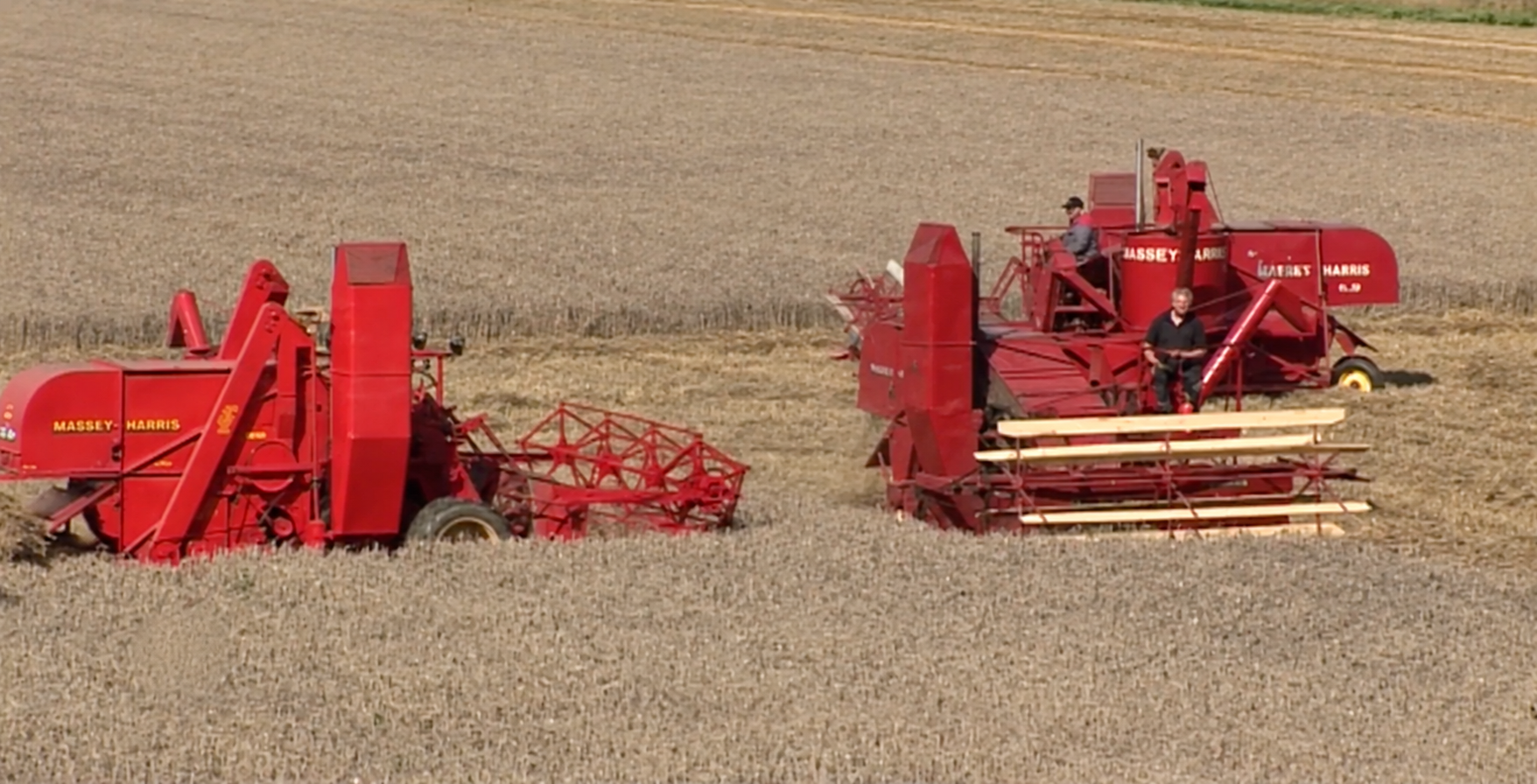
The clue is right there in the word “combine.” Instead of treating reaping, threshing, and winnowing as separate stages, the combine harvester brought them together inside a single moving machine. The important change was not simply that harvesting became faster. Far fewer workers could accomplish a much larger job, helping make enormous mechanized farms possible.
14. The Jet Engine Rewrote the Geography of Long-Distance Travel
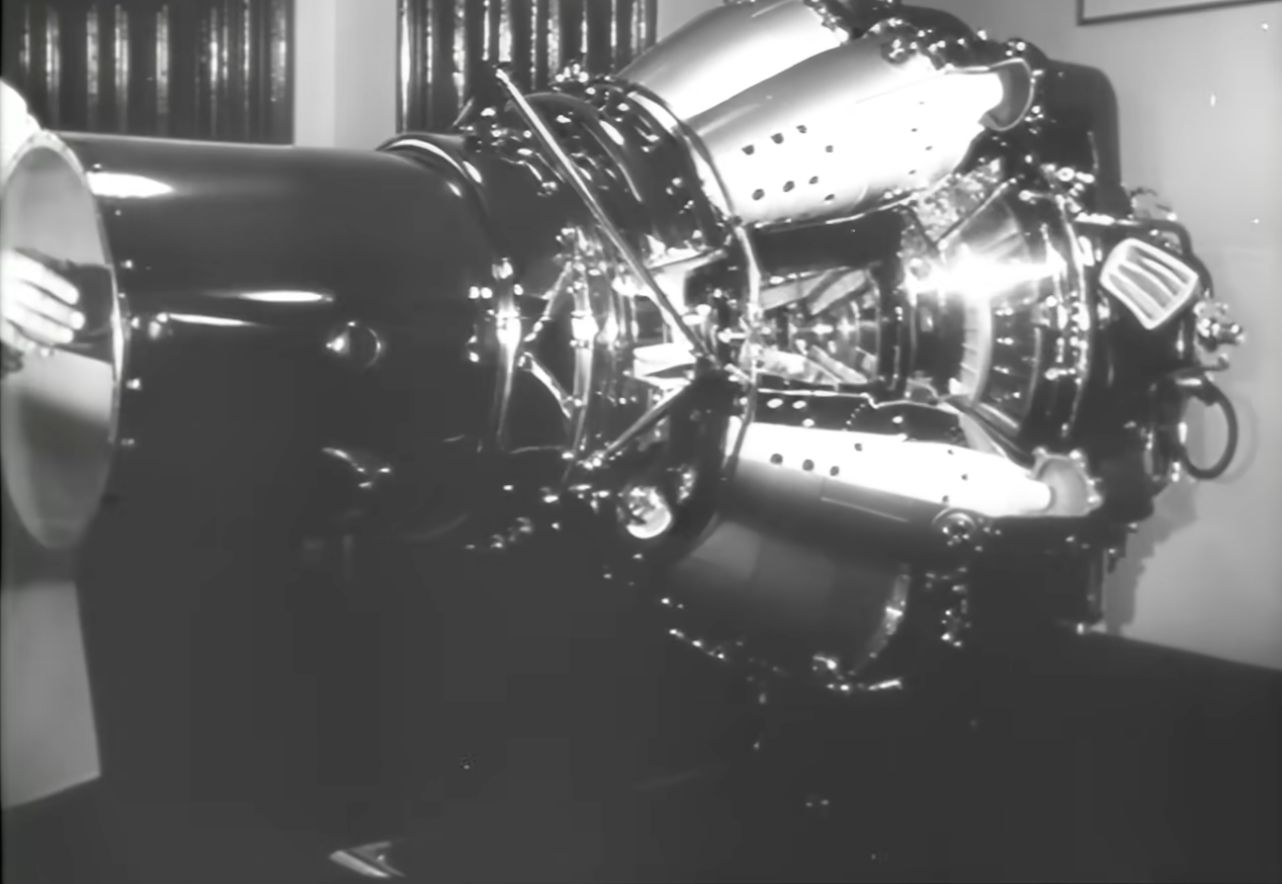
A journey across an ocean once had to be understood in days rather than hours. Turbojets developed during the 1930s and 1940s made sustained high-speed flight practical, first reshaping military aviation and later commercial travel. Once jet propulsion entered civilian aviation, continents did not shrink, but schedules certainly did. Could earlier generations have imagined crossing distances in hours that had once consumed a significant piece of a lifetime?
15. ENIAC Proved Electronic Calculation Could Outrun Mechanical Thinking
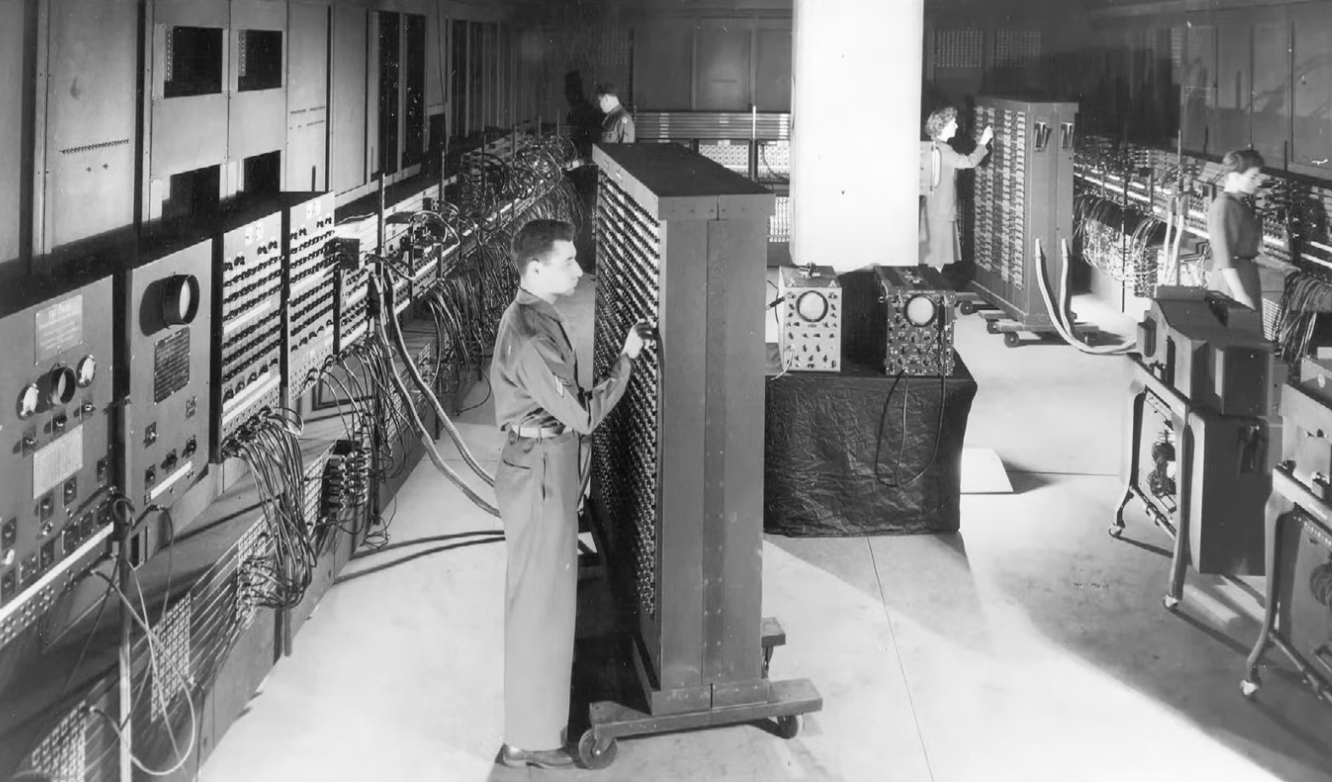
ENIAC looked less like a modern computer than a room that had somehow become one. Completed in the 1940s and built with roughly 18,000 vacuum tubes, it performed calculations electronically rather than at electromechanical speed and was more than 1,000 times faster than previous computing systems. It was not simply “the first computer ever,” but it became a landmark in the transition toward large-scale electronic digital computing.
16. The CT Scanner Let Doctors See Inside a Living Body in Slices
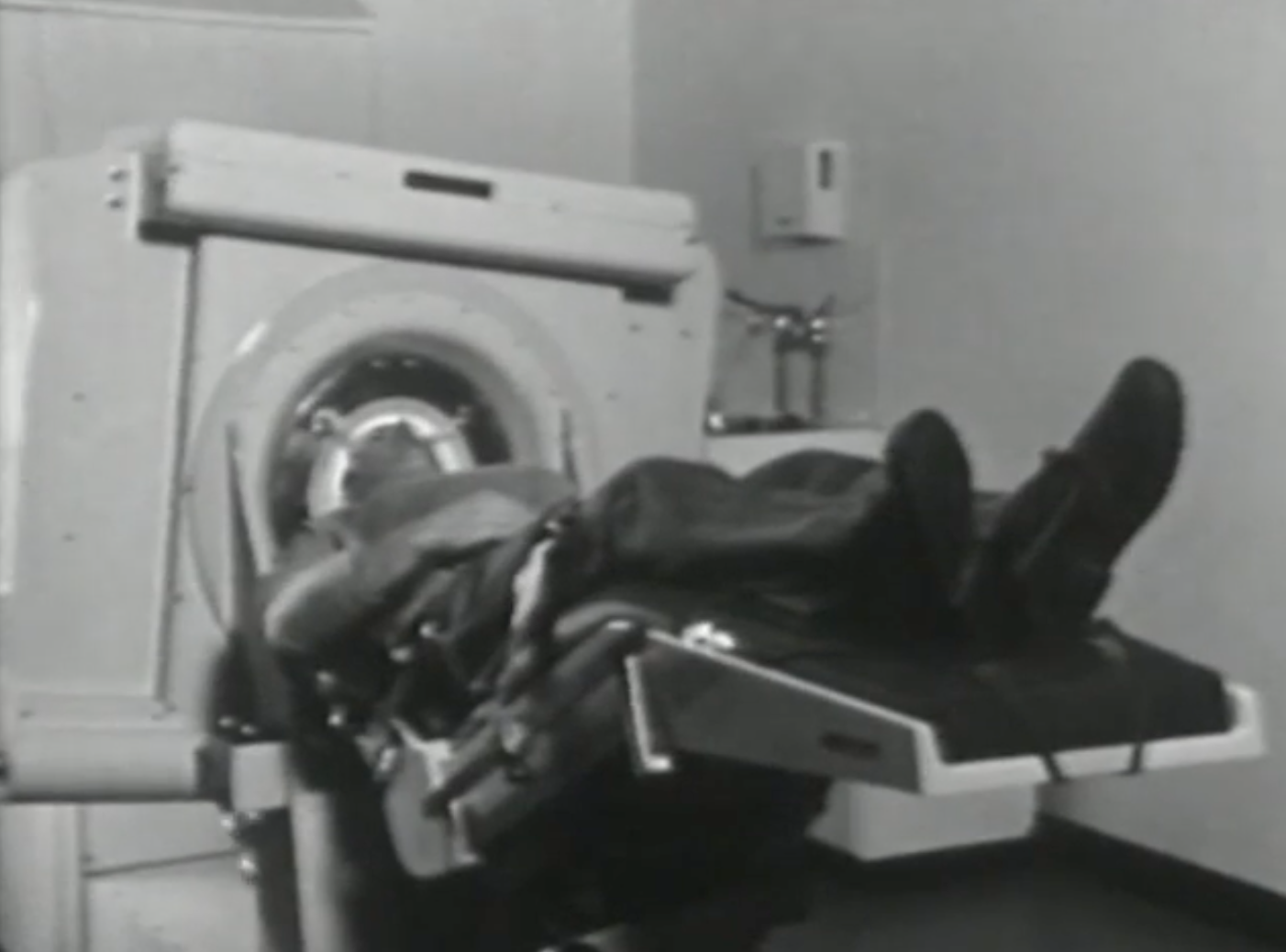
For centuries, understanding what was happening inside a living body came with obvious limits. Computed tomography changed the view by combining X-ray measurements taken from multiple angles with computer reconstruction to produce cross-sectional images. The first patient CT examination took place in 1971, opening a new era in which physicians could investigate internal structures noninvasively in an entirely different way.
17. The Industrial Robot Made Automation Programmable
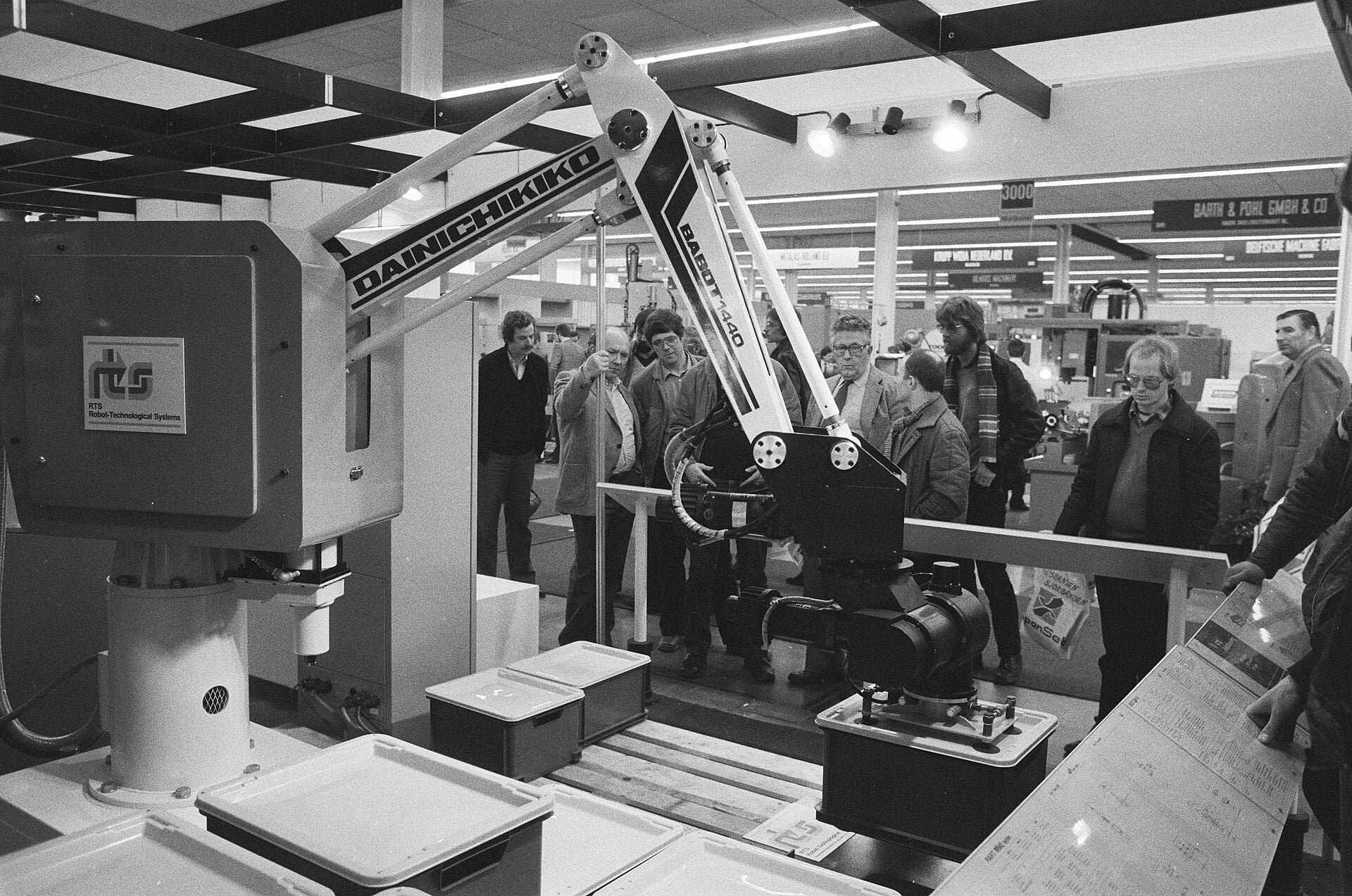
Factories had automated individual tasks before robots arrived, but Unimate introduced a more flexible idea. Installed on a General Motors production line in 1961, the industrial robot could repeatedly perform programmed physical tasks rather than being built around only one fixed mechanical action. That distinction helped open the path toward increasingly automated manufacturing, where changing instructions could change what a machine did.
Looking back, the strangest thing about these machines may be how ordinary their breakthroughs eventually became. Printed information, mechanized farms, steel infrastructure, rapid transportation, electronic computation, medical imaging, and programmable automation now form part of the background machinery of modern life. Each began by breaking one particular limitation, then quietly changed what society considered normal.
Keep Exploring The Scroller
Civilization has left plenty more turning points hiding in plain sight. Keep exploring The Scroller for the inventions, breakthroughs, and strange mechanical leaps that made the modern world possible:
14 Forgotten Office Machines That Once Made Businesses Run
18 Vintage Photos of Laundromats and the Machines That Filled Them