
When we observe the futuristic technological milestones achieved during the height of the mid-century space race, we naturally visualize massive rocket boosters, complex life support systems, and shimmering metallic astronaut suits. We view the historic legacy of national astronomical laboratories as a series of highly specialized, multi-billion-dollar engineering breakthroughs designed exclusively to keep humans alive in the absolute vacuum of the cosmos. Over the generations, slick documentary features and historical archives have conditioned the general public to focus almost entirely on the interstellar triumphs achieved far beyond our atmosphere. This traditional view frames our understanding of cosmic exploration, leaving audiences to assume that the advanced hardware engineered for lunar voyages has absolute zero relevance to our routine civilian lives back on Earth.
However, a closer analysis of contemporary domestic environments reveals a remarkably practical, deeply intertwined connection to the history of cosmic research. The fascinating reality of industrial manufacturing proves that several of the single most common tools, materials, and food processing systems utilized inside your private kitchen were originally engineered specifically for space operations. Instead of emerging from traditional consumer appliance laboratories, these household essentials were developed by visionary aerospace teams tasked with solving high-stakes interstellar logistics like zero-gravity resource management and extreme atmospheric insulation. It was only through the systematic commercial transfer of aerospace patents that these highly advanced materials successfully migrated into our daily cooking routines. Let’s open the pantry doors of technological history as we explore fourteen everyday items that were originally born for space and are now waiting in your kitchen.
1. Freeze-dried fruit comforts

This highly efficient method of preserving nutritional value and structural freshness without adding heavy water weight was pioneered extensively during the early Mercury and Apollo mission configurations. Aerospace nutritionists desperately needed to supply astronauts with lightweight, shelf-stable ingredients that would not spoil over multi-week voyages or crumble into dangerous floating debris inside the pressurized cabin layout. The resulting freeze-drying commercial process involves freezing the raw food item completely and then utilizing a high-power vacuum chamber to sublime the ice content straight into vapor. A little-known piece of culinary history reveals that this exact cosmic preservation technique is what allows modern breakfast manufacturers to pack cereal boxes with perfectly crisp, colorful strawberries that rehydrate instantly in milk. Today, this interstellar preservation method provides families with nutrient-dense pantry snacks that carry an incredibly long shelf life.
2. The cordless handheld vacuum
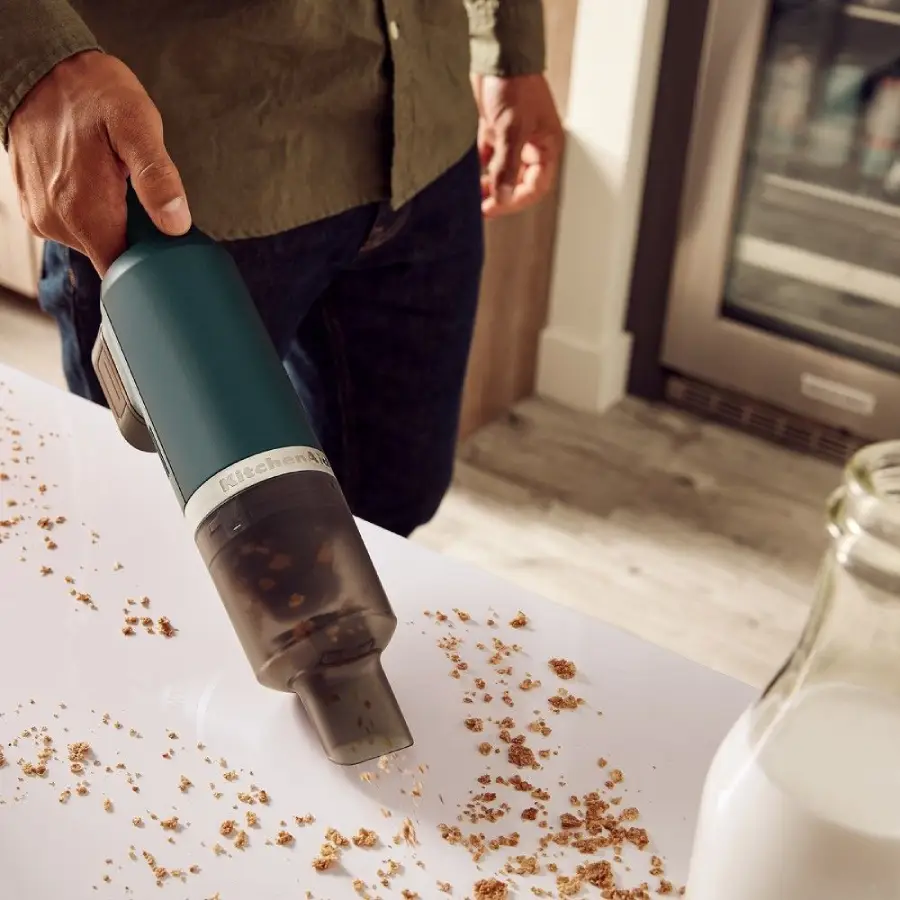
The lightweight, battery-powered portable cleaning appliances that we routinely deploy to rapidly clear breadcrumbs off our kitchen counters owe their entire mechanical existence to lunar soil collection initiatives. Aerospace engineers collaborated closely with tool manufacturer Black and Decker in the late 1960s to develop a specialized, battery-operated rotary drill capable of extracting deep core samples directly from the moon’s surface. To ensure the hardware could function efficiently within a harsh celestial environment without draining the main lunar module power grids, developers engineered a highly efficient electromagnetic motor system. This identical, low-power battery infrastructure was subsequently co-opted by commercial designers to manufacture the iconic DustBuster handheld vacuum cleaner in 1979. This successful transfer of military-grade battery tech completely revolutionized domestic cleaning habits for generations of busy families worldwide.
3. High-performance water purification filters

Maintaining absolute biological safety inside a closed cosmic capsule requires recycling every single drop of moisture, forcing engineers to develop unparalleled water filtration systems. Traditional chemical purification methods utilized on Earth were far too heavy, volatile, and logistically complex to implement safely aboard early interstellar craft. To solve this critical dilemma, research teams engineered a highly sophisticated, compact purification system utilizing activated charcoal blocks combined with specialized silver ions to systematically sanitize pathogens without leaving a toxic chemical residue. This exact multi-stage purification blueprint was later transferred to the civilian consumer market, directly enabling the manufacturing of modern countertop filter pitchers and built-in refrigerator water dispensers. Every single time you enjoy a crisp, perfectly clean glass of filtered water in your kitchen, you are utilizing an advanced life-support mechanism designed for cosmic transit.
4. Scratch-resistant plastic lens coatings
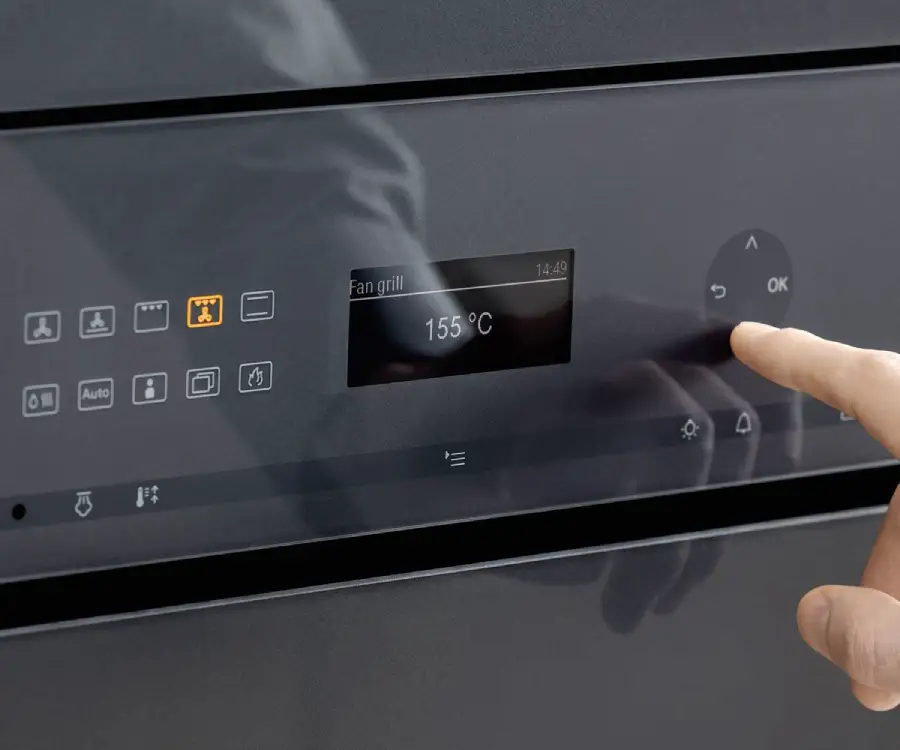
The durable, crystal-clear plastic surfaces that shield our digital kitchen scales, blender display monitors, and everyday cooking timers from accidental drops were originally engineered to combat cosmic dust. Early astronaut helmet visors and spacecraft display monitors were manufactured using advanced plastic composites that were lightweight but incredibly vulnerable to scratching from microscopic debris. To preserve the visual sightlines of pilots during high-stakes maneuvers, research specialists developed a unique, diamond-like carbon layer coating that bonded permanently with plastic structures to provide unparalleled scratch resistance. This protective chemical process was rapidly co-opted by commercial optical manufacturers and appliance developers to protect consumer touchscreens and plastic kitchenware from the daily abrasions of metal utensils. This simple aerospace innovation ensures our critical household measurement tools remain perfectly legible through years of intense culinary activity.
5. Memory foam kitchen comfort mats

The plush, pressure-relieving anti-fatigue floor mats positioned directly in front of contemporary kitchen sinks were originally engineered to absorb the crushing physical forces of atmospheric rocket launches. Aeronautical engineer Charles Yost collaborated with research centers in 1966 to develop an open-cell polymeric foam material capable of custom-molding itself to an astronaut’s distinct body contour before springing back to its original shape. This high-density, energy-absorbing polyurethane composite was systematically integrated into custom cockpit seating layouts to protect pilots from severe spinal trauma during extreme acceleration sequences. The commercial market eventually realized that this pressure-distributing material was incredibly effective at reducing physical strain on human joints during extended periods of standing on hard hardwood floors. Today, this high-tech cushioning compound turns the mundane chore of washing evening dinner dishes into an incredibly comfortable experience.
Trending on The Scroller

6. The handheld infrared kitchen thermometer
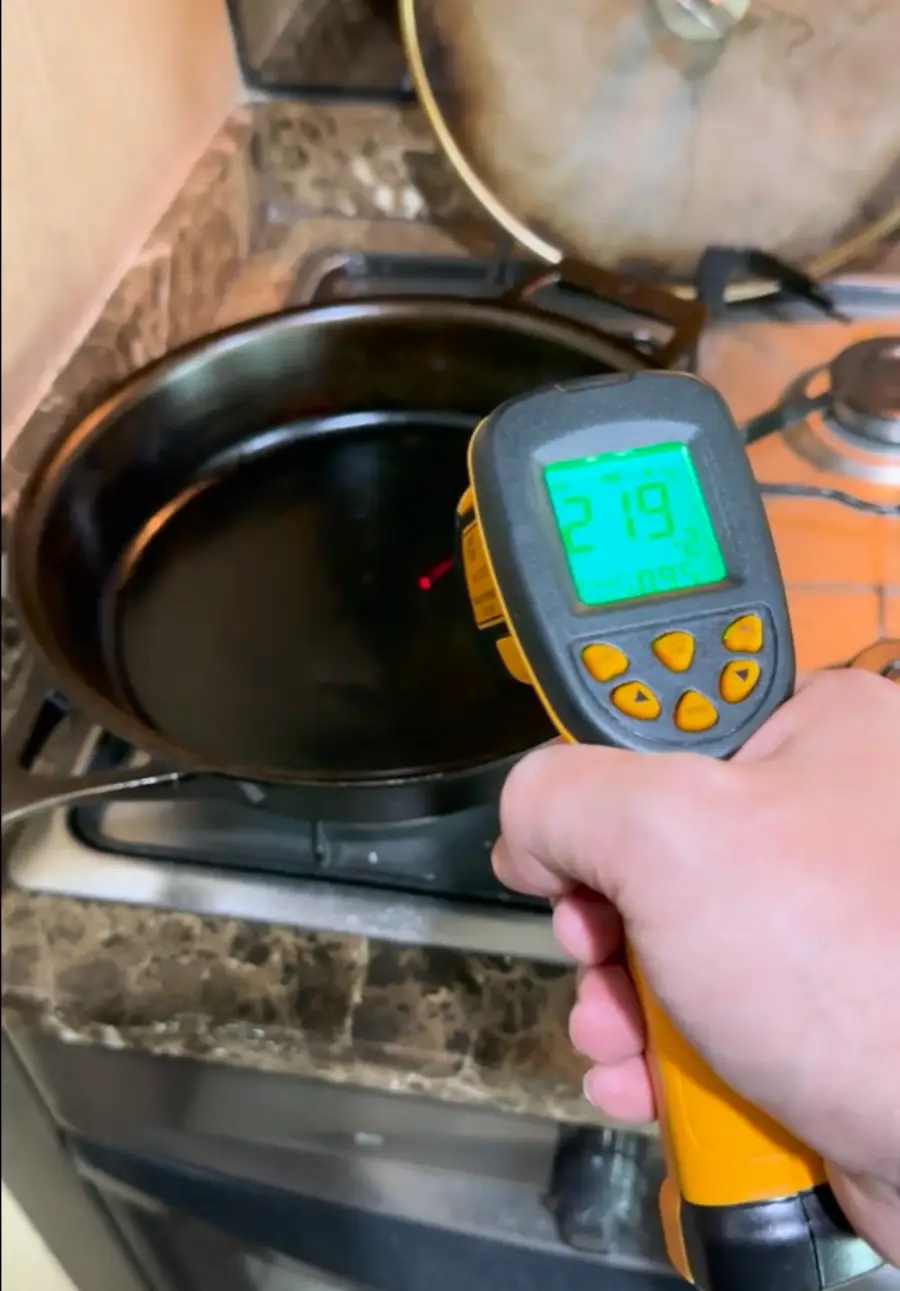
Executing a perfectly seared steak or checking the surface temperature of a hot pizza stone without making direct physical contact requires wielding a high-precision infrared laser thermometer gun. This sleek optical technology was originally developed by aerospace teams tasked with measuring the volatile surface temperatures of distant celestial bodies, stars, and traveling comets. Because traditional glass mercury thermometers are completely useless in the absolute vacuum of deep space, scientists engineered advanced infrared sensor matrices capable of calculating thermal radiation from great distances. This sophisticated sensory system was subsequently miniaturized and distributed to commercial culinary markets, providing professional chefs with real-time temperature tracking capabilities across hot cooking surfaces. This diagnostic aerospace tool allows modern home cooks to monitor their pans with absolute scientific precision.
7. Teflon-coated non-stick cookware material
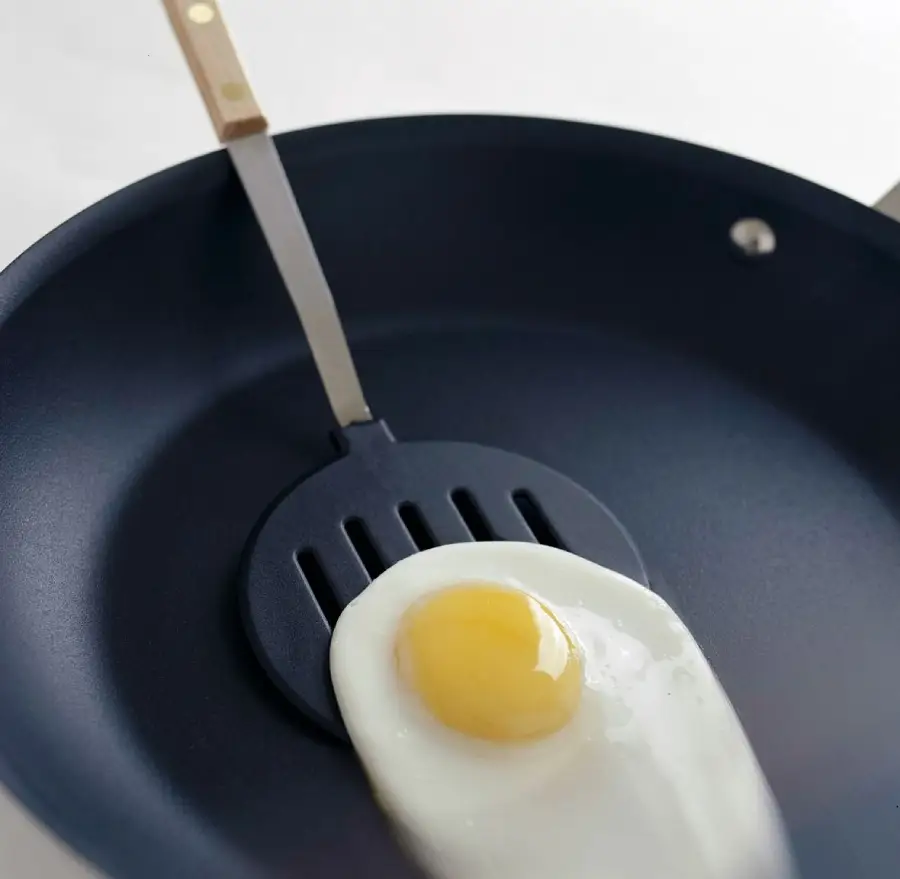
The slick, heat-resistant non-stick coating that allows delicate morning eggs to slide effortlessly off your favorite frying pan experienced a massive technological evolution due to early cosmic insulation demands. While the base polytetrafluoroethylene chemical compound was originally discovered entirely by accident in a commercial laboratory before World War II, its widespread structural stabilization required intense aerospace development. Engineers systematically co-opted the ultra-slick material to construct high-temperature heat shields, durable spacesuit outer layers, and protective fuel line coatings capable of enduring volatile atmospheric friction. This rigorous cosmic validation process dramatically accelerated the mass production metrics of the material, paving a direct commercial path into post-war domestic kitchens. Today, this durable aerospace lining remains an absolute staple of contemporary time-saving culinary hardware.
8. Invisible aluminum polyethylene foil
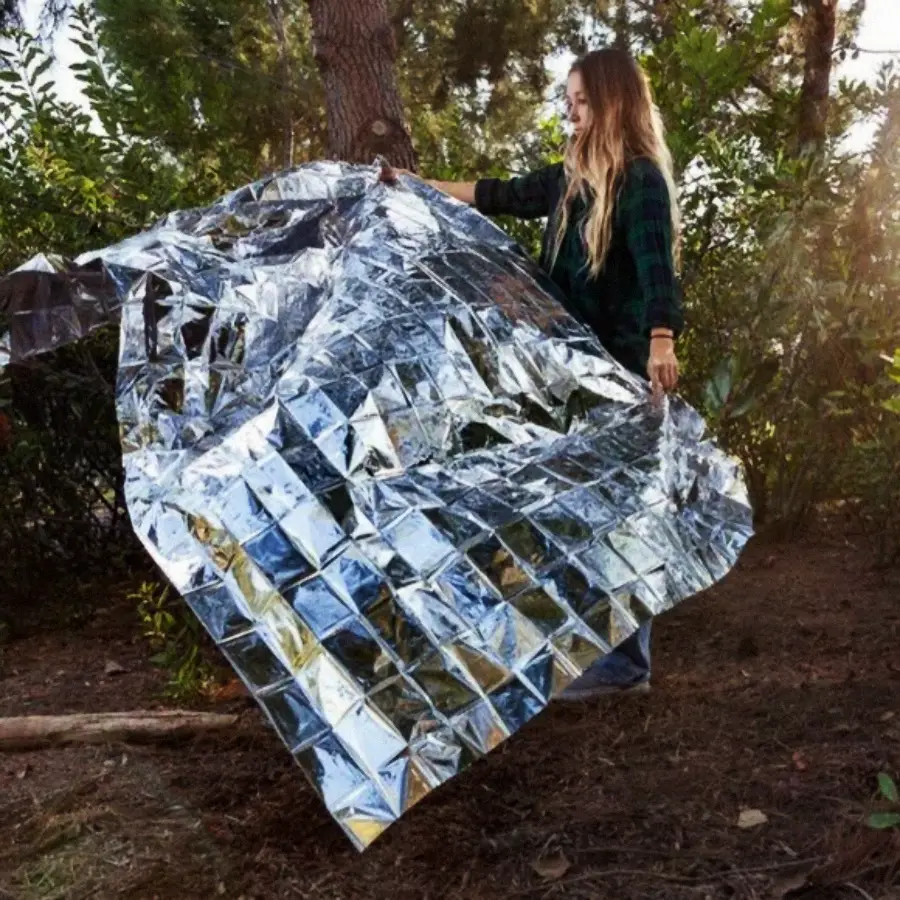
The highly reflective, ultra-thin metallic sheets that outdoor enthusiasts deploy for survival and home cooks occasionally use to insulate specialized culinary smoking chambers were engineered for solar protection. Aerospace technicians developed this lightweight material by vacuum-depositing a highly concentrated layer of pure aluminum onto a flexible polyethylene matrix sheet. This gleaming insulation wrap was systematically deployed to shield delicate spacecraft computer arrays and lunar landing modules from the intense, unfiltered thermal radiation of the sun. The commercial kitchen market rapidly adopted this high-efficiency thermal barrier to construct specialized professional baking sheets, advanced cooler bag linings, and high-performance cooking insulation sheets. This shimmering material remains one of the single most visually recognizable symbols of cosmic-era engineering ingenuity.
Sign up for our newsletter
9. Advanced hazard analysis food safety systems (HACCP)

The rigid, highly structured quality control protocols that govern modern commercial food processing facilities and protect your kitchen pantry from dangerous biological outbreaks were created for astronaut safety. Aerospace management collaborated with the Pillsbury Company in the early 1960s to develop a comprehensive, preventative food security matrix known as Hazard Analysis Critical Control Point. Traditional quality control methods relied on testing the final product after manufacturing, a high-risk strategy that was completely unacceptable for cosmic voyages where a single case of food poisoning could permanently compromise a multi-million-dollar mission. The resulting preventative management system systematically maps out every potential point of biological contamination across the entire manufacturing supply chain, from raw harvesting to final packaging lines. This zero-defect aerospace matrix is what ensures the packaged ingredients you buy at the supermarket are completely free from deadly foodborne pathogens.
10. Durable polycarbonate plastic kitchenware
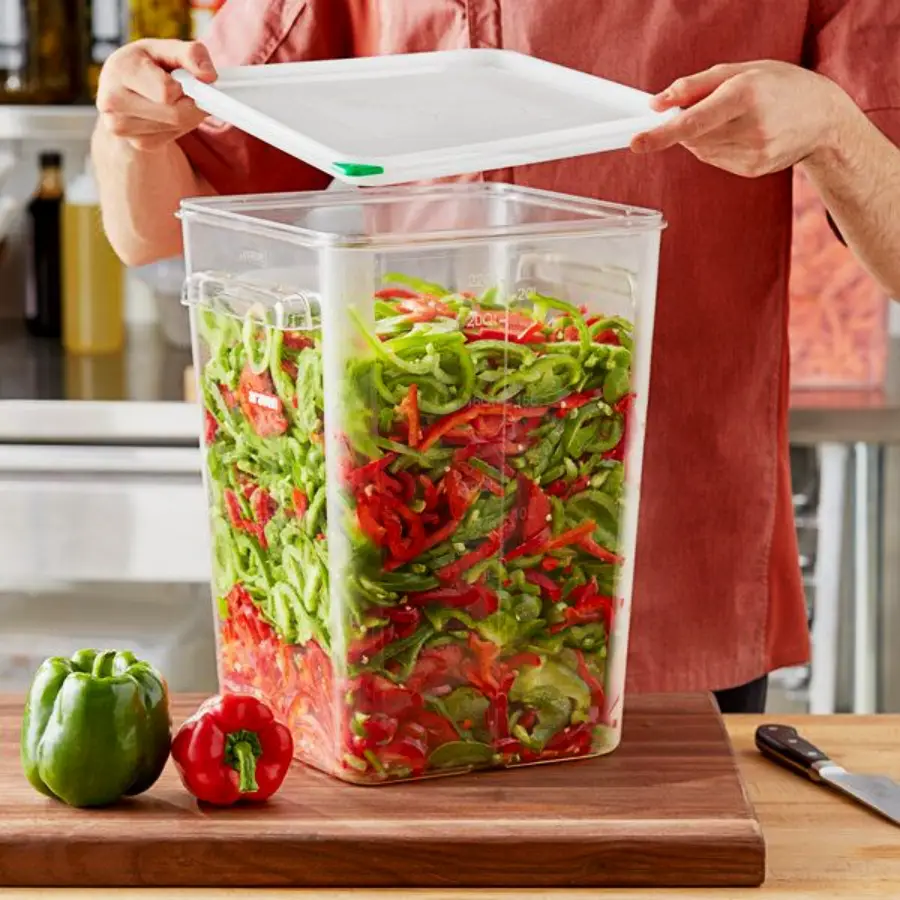
The virtually indestructible, crystal-clear plastic storage containers, measuring cups, and blender jars that routinely endure the high-velocity impacts of modern kitchens were forged for astronaut protection. Material scientists developed high-performance polycarbonate resins to construct resilient spacecraft windows, optical camera lenses, and protective astronaut helmet faceplates capable of withstanding high-impact orbital debris. This industrial-grade plastic variant provided an unprecedented combination of optical clarity, lightweight, and absolute shatterproof durability that traditional glass could never match. The consumer manufacturing sector rapidly integrated this advanced polymer into everyday kitchen hardware, creating mixing bowls and storage systems that can survive being dropped onto hard tile floors without scratching. This resilient material brings a vital layer of heavy-duty aerospace safety into our active domestic culinary spaces.
11. Low-voltage LED cabinet lighting matrices

The sleek, energy-efficient light-emitting diode strips that beautifully illuminate contemporary kitchen countertops from beneath dark wooden cabinets were refined to keep plants alive in orbit. Early space station development teams encountered an immense logistical challenge when attempting to cultivate fresh crops inside pressurized capsules lacking natural sunlight. Traditional incandescent lightbulbs consumed entirely too much electricity, generated hazardous amounts of heat, and were highly prone to mechanical shattering under intense launch vibrations. Scientists engineered highly specialized, low-voltage LED arrays capable of emitting specific light wavelengths to maximize plant photosynthesis while drawing minimal power from solar arrays. This successful agricultural experiment directly accelerated the commercial democratization of residential LED fixtures, providing modern kitchens with durable, low-profile lighting options.
12. Heavy-duty aluminum foil packaging liners
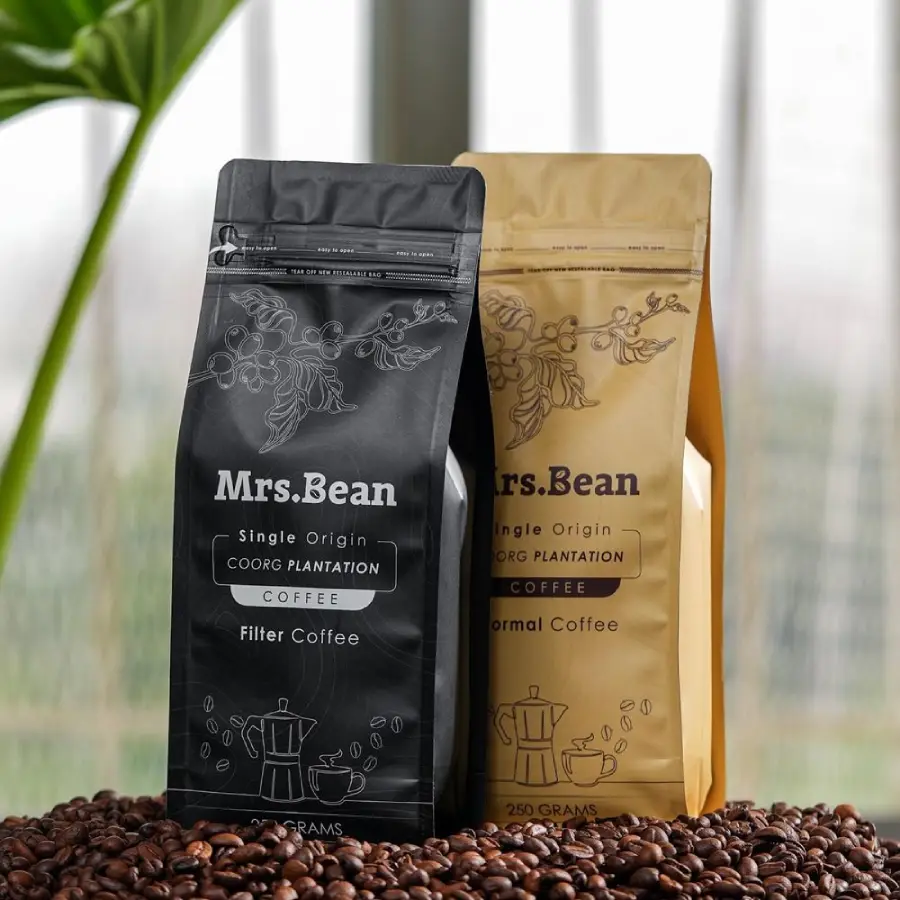
The specialized, multi-layered flexible foil pouches that preserve the absolute freshness of your morning coffee grounds, dry soup mixes, and juice boxes were engineered for long-term orbital shelf life. Aerospace packaging experts needed to construct a completely impermeable barrier capable of shielding dehydrated astronaut rations from moisture, oxygen transmission, and ambient light degradation during extended voyages. They pioneered a complex manufacturing process that bonded microscopic layers of pure aluminum foil directly with high-strength food-grade plastics, creating a lightweight pouch that performed identically to heavy glass jars. This flexible packaging innovation was rapidly co-opted by commercial food conglomerates to safely ship everyday ingredients across global distribution networks without requiring refrigeration. This thin aerospace lining is what keeps your favorite pantry items tasting perfectly fresh for months at a time.
13. High-torque brushless DC blender motors

The immense, ice-crushing power hidden inside contemporary high-end kitchen blenders and food processors relies on advanced motor technology refined for satellite deployment. Traditional electric motors utilized carbon brushes that generated substantial internal friction, dropped mechanical efficiency, and released tiny electrical sparks that posed a severe fire hazard inside oxygen-rich spaces. To eliminate these critical operational risks, aerospace technicians systematically perfected brushless direct-current motor systems, utilizing digital electronic controllers to manage rotation speeds with absolute precision. This heavy-duty engineering upgrade dramatically extended the lifespan of the machinery while maximizing torque output within a highly compact housing frame. This identical brushless architecture is what permits modern high-end kitchen blenders to pulverize dense ingredients for hours without overheating.
14. High-efficiency radiant cooktop elements
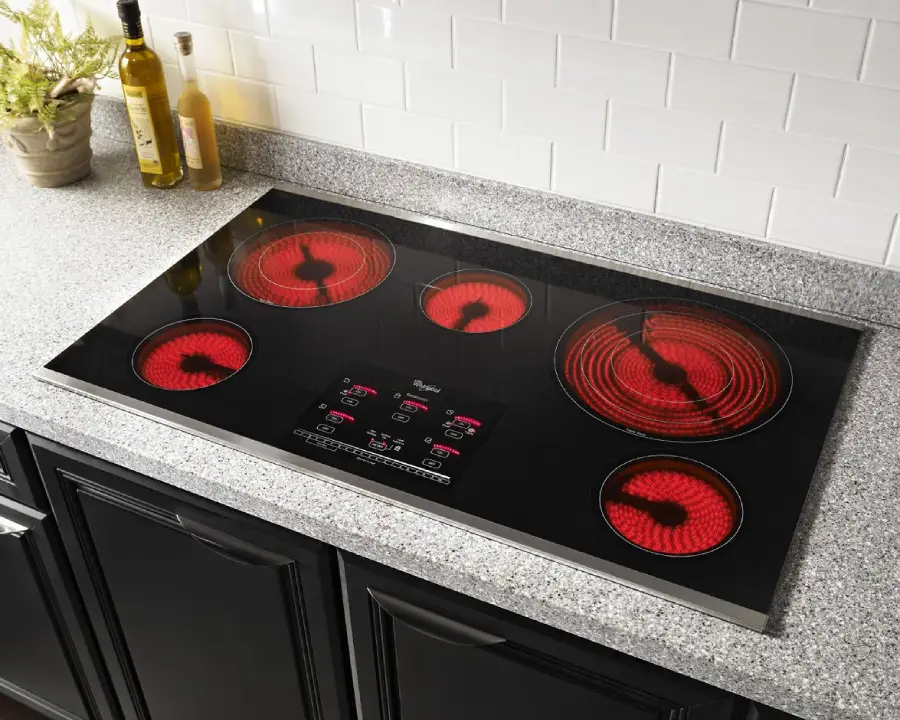
The rapid-heating ceramic glass cooktops that provide sleek visual symmetry and easy cleaning maintenance to contemporary kitchens utilize heating technology engineered for thermal testing. Aerospace simulation facilities required high-intensity, immediate radiant heat arrays to test how experimental alloy metals and insulating tiles would respond to the extreme thermal shocks of atmospheric re-entry. Engineers developed specialized halogen and radiant ribbon elements capable of reaching maximum thermal temperatures within a fraction of a second, broadcasting heat energy vertically through heavy quartz glass surfaces. Commercial appliance manufacturers successfully integrated this high-velocity heating matrix into residential ranges, replacing traditional exposed iron coils with smooth, easy-to-wipe ceramic cooking surfaces. This elegant kitchen upgrade perfectly demonstrates how high-stakes thermal engineering can be beautifully humanized to simplify our daily meal preparation routines.
Discover more amazing inventions:
Delving into the profound, multi-layered technological inheritance hidden across our daily culinary spaces serves as a powerful reminder that the true dividends of cosmic exploration are frequently preserved best inside our homes. Watching these advanced materials, life-support filtration systems, and safety management matrices successfully transition from high-stakes aerospace platforms to ordinary kitchen countertops proves that the pursuit of the stars actively enriches our shared civilian reality. When we choose to view our everyday cooking tools through the refined lens of industrial history, we gain a profound appreciation for the immense engineering grit, creative cross-disciplinary adaptation, and operational craftsmanship required to humanize technical infrastructure. If you enjoyed this eye-opening, deeply analytical journey looking back at the cosmic origins of our favorite household essentials, make sure to explore these 18 Modern Inventions That Nobody Actually Asked For, or 15 Mid-Century Inventions That Failed to Change the World. You can also check out these 20 Forgotten Inventions That Were Way Ahead of Their Time.