
Some phobia names sound like punchlines until you remember how specific fear can get when it attaches itself to the body, a place, an object, or even a routine. Clinicians do not need a fear to sound ordinary for it to be real; they look at distress, avoidance, persistence, and how much it interferes with daily life. That is why a fear of buttons or belly buttons can sit in the same broad clinical neighborhood as more familiar fears like heights, spiders, or enclosed spaces. The names can be odd. The experience, for the people dealing with it, usually is not.
Koumpounophobia, Fear of Buttons
PICS / VIA REDDIT.COM
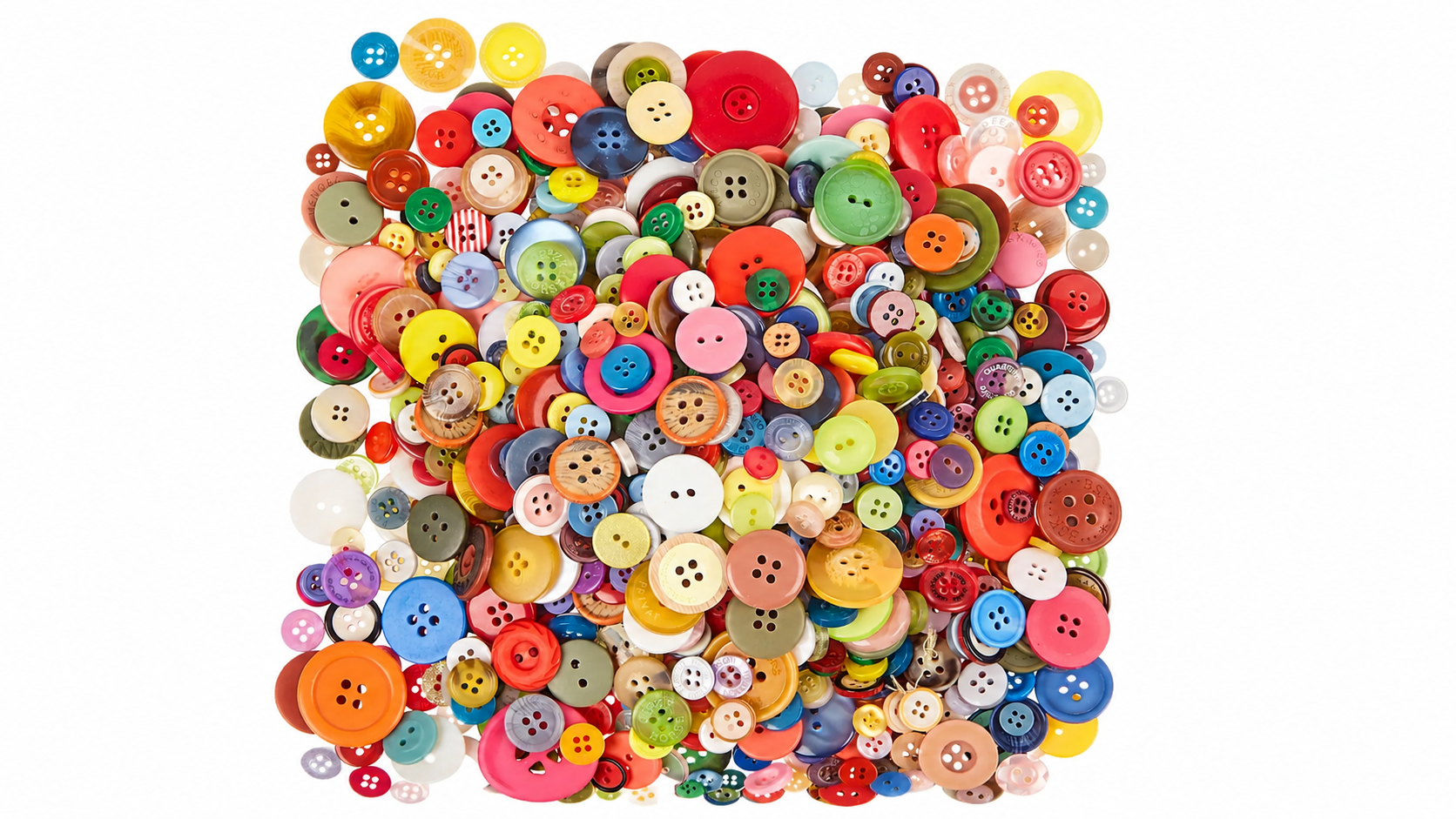
Buttons are easy to ignore until they are the whole problem. Koumpounophobia, the fear of buttons, has been discussed in clinical case literature, including work around a child whose fear involved both disgust and avoidance. It is not always about a button doing anything dangerous. Sometimes the trigger is texture, sometimes the look of clustered buttons, sometimes the idea of contamination. That can turn a school uniform, a cardigan, or a pile of laundry into something that has to be negotiated rather than simply worn. It is the kind of phobia that sounds almost too specific from the outside, but daily life is full of buttons, and that is where the problem starts.
Globophobia, Fear of Balloons
TODAYILEARNED / VIA REDDIT.COM
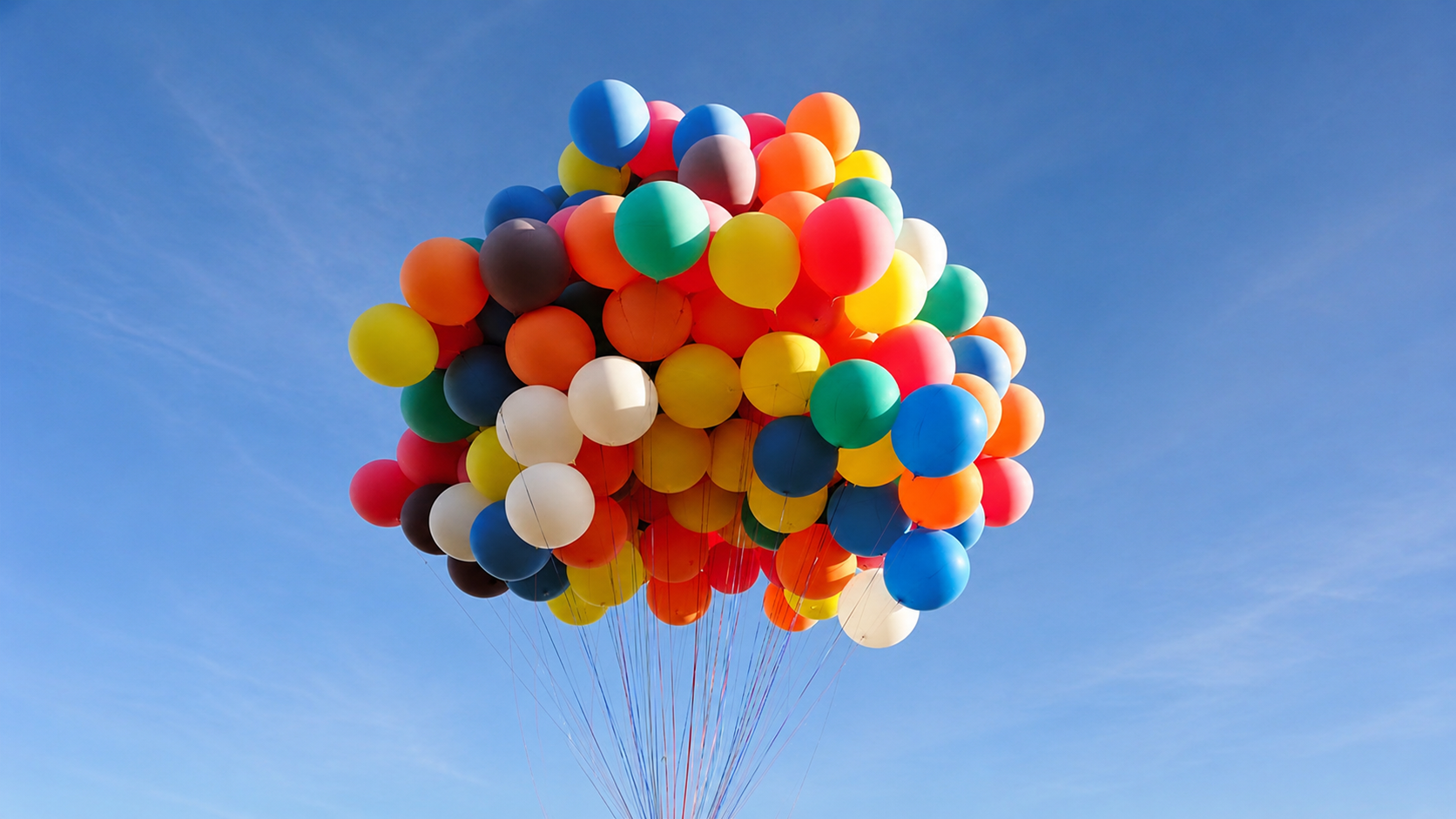
A balloon is supposed to make a room feel lighter. For someone with globophobia, it can make the same room feel impossible to stay in. The fear often has less to do with the balloon as an object and more to do with what might happen next: the sudden pop, the sharp sound, the waiting. Clinical reports have described balloon phobia and treatment through behavioral approaches, which makes sense because the trigger is not rare in ordinary life. Birthday parties, school events, store openings, wedding decorations, all of them can become places to avoid.
Emetophobia, Fear of Vomiting
EMETOPHOBIARECOVERY / VIA REDDIT.COM
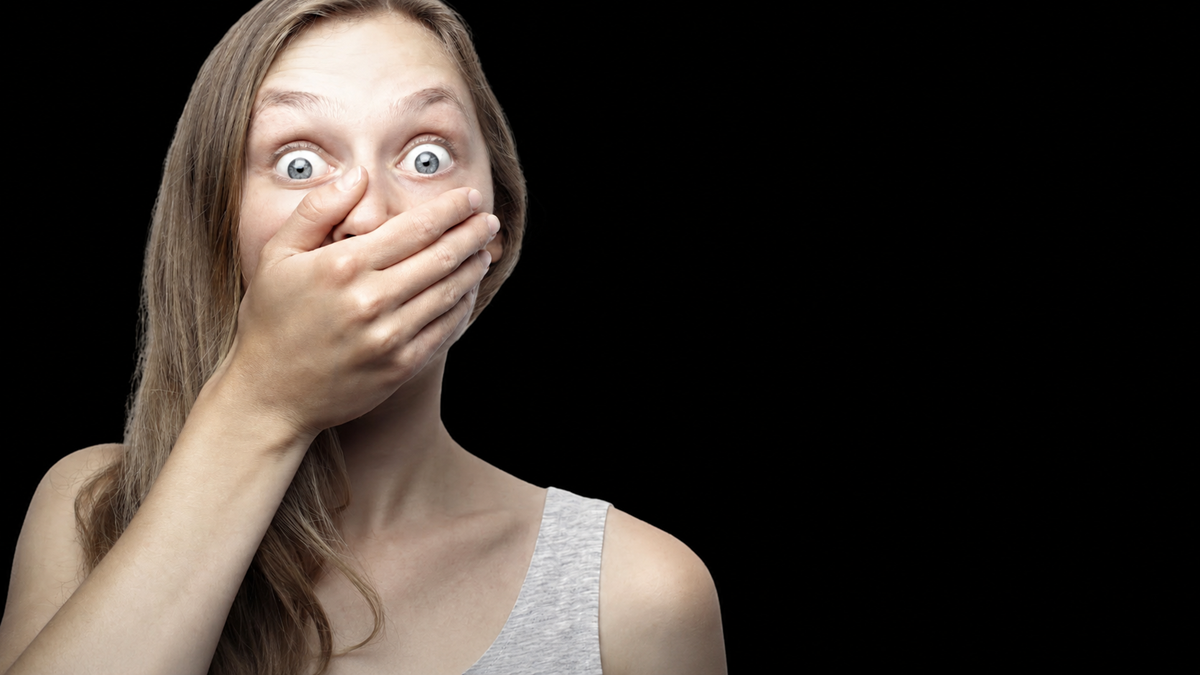
Emetophobia is one of those that can quietly take over more territory than people expect. It can involve fear of vomiting, seeing someone else vomit, feeling nauseated, hearing it happen, or being trapped somewhere if it might happen. Restaurants, public transport, alcohol, travel, pregnancy, school classrooms, and even certain foods can become part of the fear map. The clinical literature treats it as a disabling anxiety problem for many people, not just an intense dislike. What makes it especially hard is that nausea itself can be a symptom of anxiety, so the fear can end up feeding the sensation it is trying to avoid.
Genuphobia, Fear of Knees
TODAYILEARNED / VIA REDDIT.COM
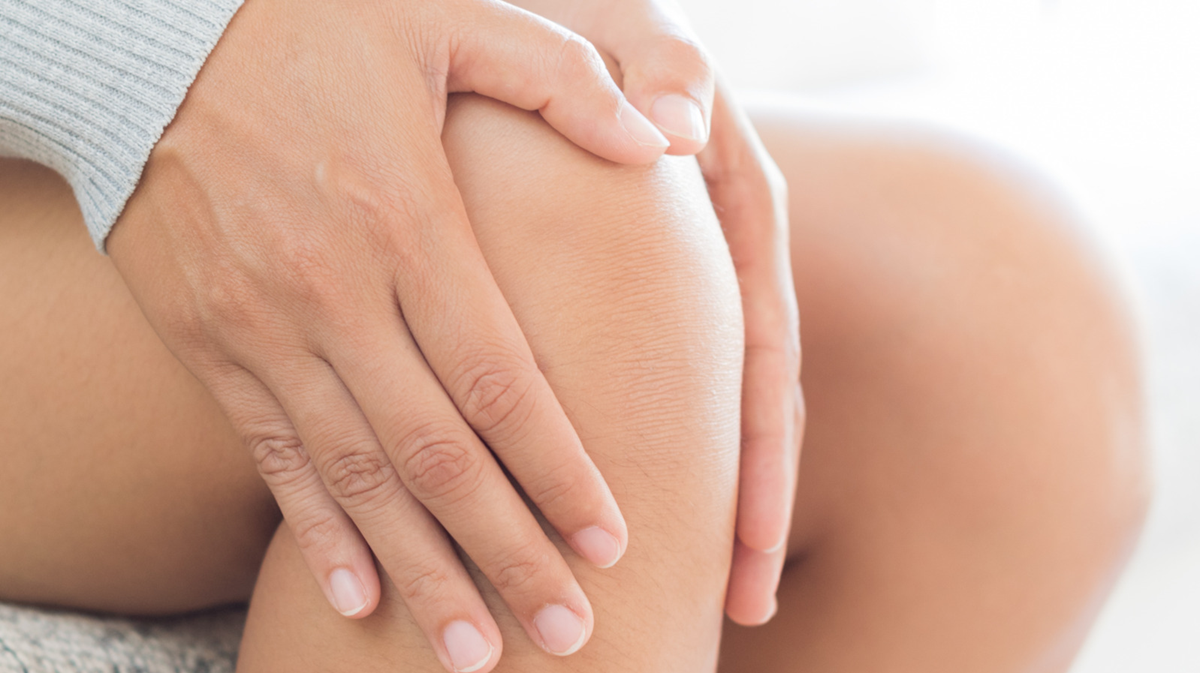
Genuphobia sounds like it was invented for a strange trivia segment, but medical sources describe it as a fear of knees or knee injuries. The trigger can be seeing knees, touching them, kneeling, or thinking about damage to the joint. That makes summer clothes, sports, gyms, beaches, and medical appointments more complicated than they look. It is rare enough to seem bizarre, but the structure is familiar: a specific body part becomes loaded with anxiety.
Omphalophobia, Fear of Belly Buttons
ABSOLUTELYNOTANIME_IRL / VIA REDDIT.COM
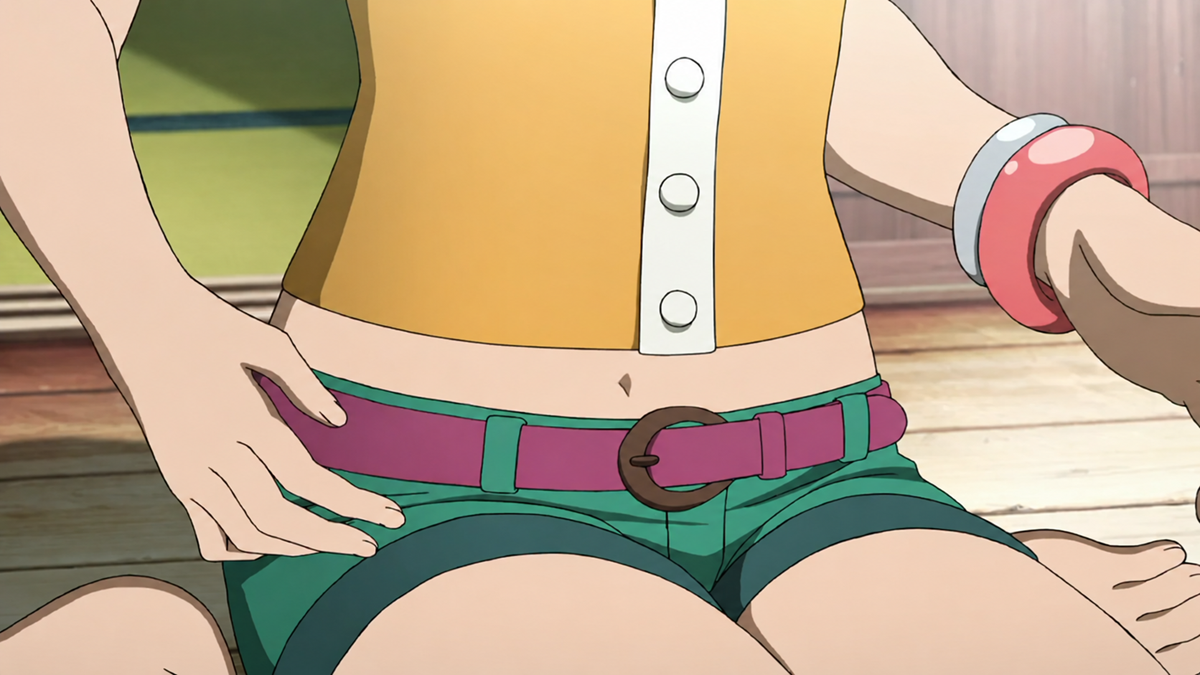
There is something oddly intimate about omphalophobia. The fear centers on belly buttons, either one’s own or someone else’s, and it can involve looking, touching, or even thinking about them. Medical explainers usually place it under specific phobia rather than treating it as a separate formal diagnosis. It can still interfere with ordinary things: swimming pools, changing rooms, crop tops, beach days, doctor visits. A tiny part of the body can create a surprisingly large avoidance pattern.
Trending on The Scroller
Phagophobia, Fear of Choking or Swallowing

VIA FOOD GUIDES
Phagophobia gets serious quickly. Published case reports describe people avoiding food or liquids because swallowing feels linked to choking, sometimes after a real choking or aspiration episode. It can lead to weight loss, social withdrawal, and a shrinking list of “safe” foods. Unlike a fear that can be avoided by skipping a location or object, this one follows the person into every meal. The body needs food, and the fear knows it.
Ablutophobia, Fear of Bathing or Washing
ADHDMEME / VIA REDDIT.COM
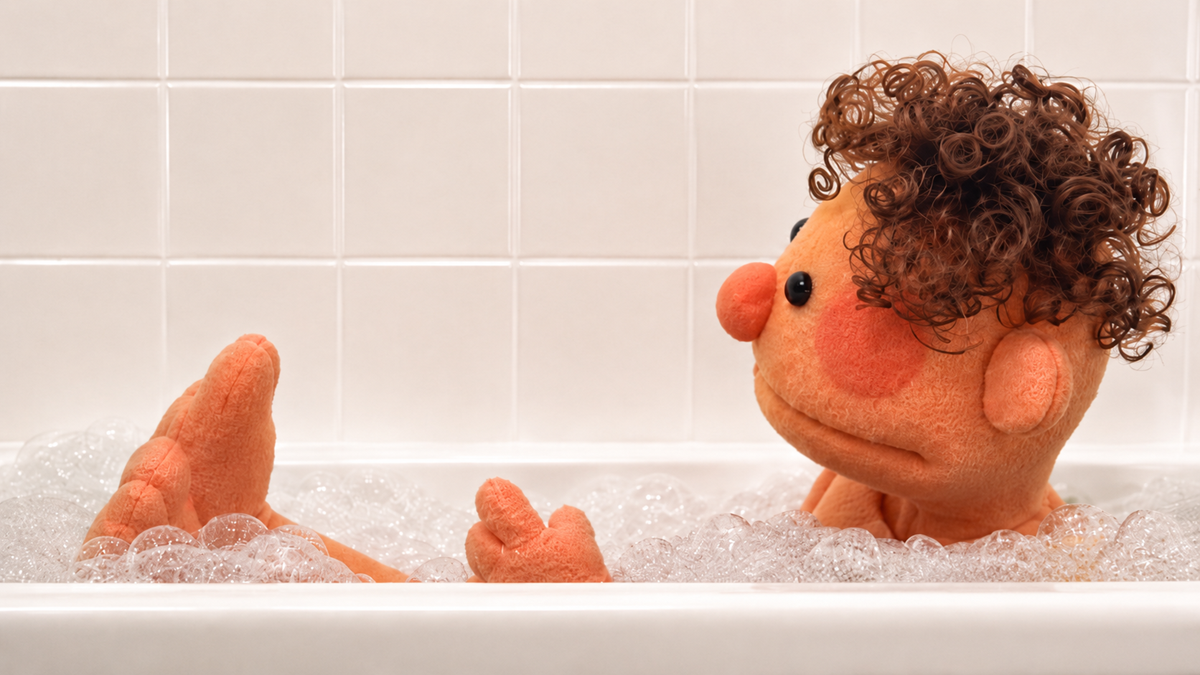
Ablutophobia can sound like a lazy excuse if someone hears only the headline. Clinically, it is a fear of bathing, washing, or cleaning that can fit under specific phobia when it is persistent and impairing. The consequences are not subtle, because hygiene is tied to work, school, relationships, and health. A person can hide many fears, but this one has a way of becoming visible. That social pressure can make the anxiety worse, not better.
Nomophobia, Fear of Being Without a Mobile Phone

SCIENCE / VIA REDDIT
Nomophobia is newer, messier, and more culturally revealing than most phobia names. It refers to anxiety around being without a mobile phone, losing signal, running out of battery, or being unable to stay connected. Researchers have studied it across smartphone use, anxiety, and modern dependency, though it is still debated more than classic phobias like spiders or heights. It sounds fake because the object is modern. The panic around disconnection, though, is not hard to understand in a world where work, banking, maps, identity checks, and social life all live in one device.
Sign up for our newsletter
Somniphobia, Fear of Sleep
PSYCHOLOGY / VIA REDDIT.COM
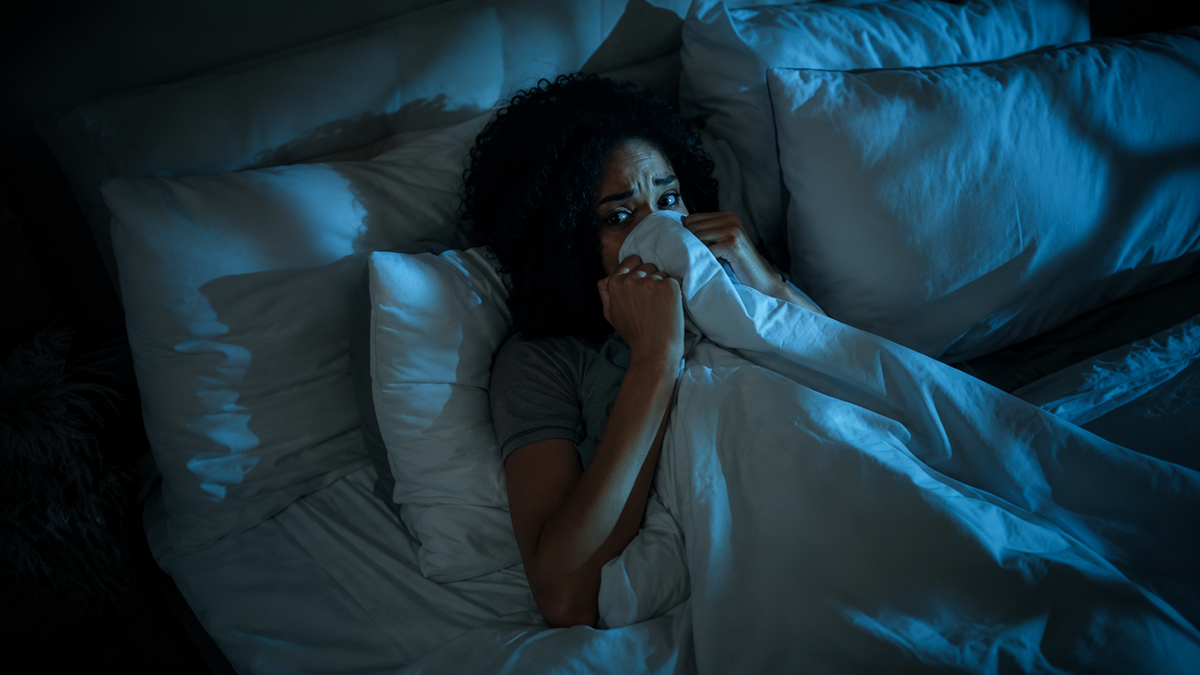
Sleep is meant to be the part of the day where control can finally loosen. Somniphobia flips that into the problem. People may fear nightmares, sleep paralysis, dying in sleep, losing awareness, or being vulnerable while unconscious. It can overlap with insomnia, trauma, panic, or other anxiety patterns, which makes it less neat than a simple fear label. The cruel part is the loop: fear keeps the person awake, and exhaustion makes the next night harder.
Arachibutyrophobia, Fear of Peanut Butter Sticking to the Roof of the Mouth
VIA REDDIT.COM
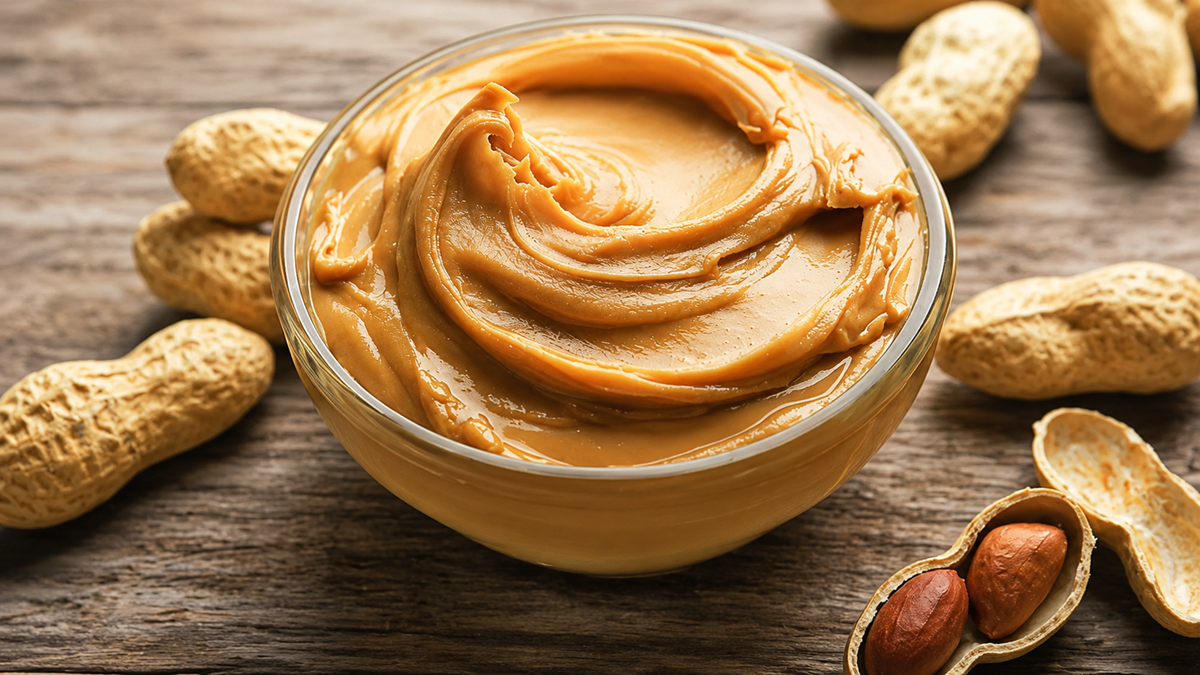
The name is almost too easy to laugh at. Arachibutyrophobia refers to fear around peanut butter sticking to the roof of the mouth, often tied to choking anxiety or distress over the sticky sensation. Not everyone who dislikes peanut butter has a phobia, obviously. The clinical point is whether the fear causes intense distress or avoidance. For some people, a sandwich is not just lunch; it is a texture problem, a choking worry, and a panic trigger all at once.
Sesquipedalophobia, Fear of Long Words
MEMES / VIA REDDIT.COM
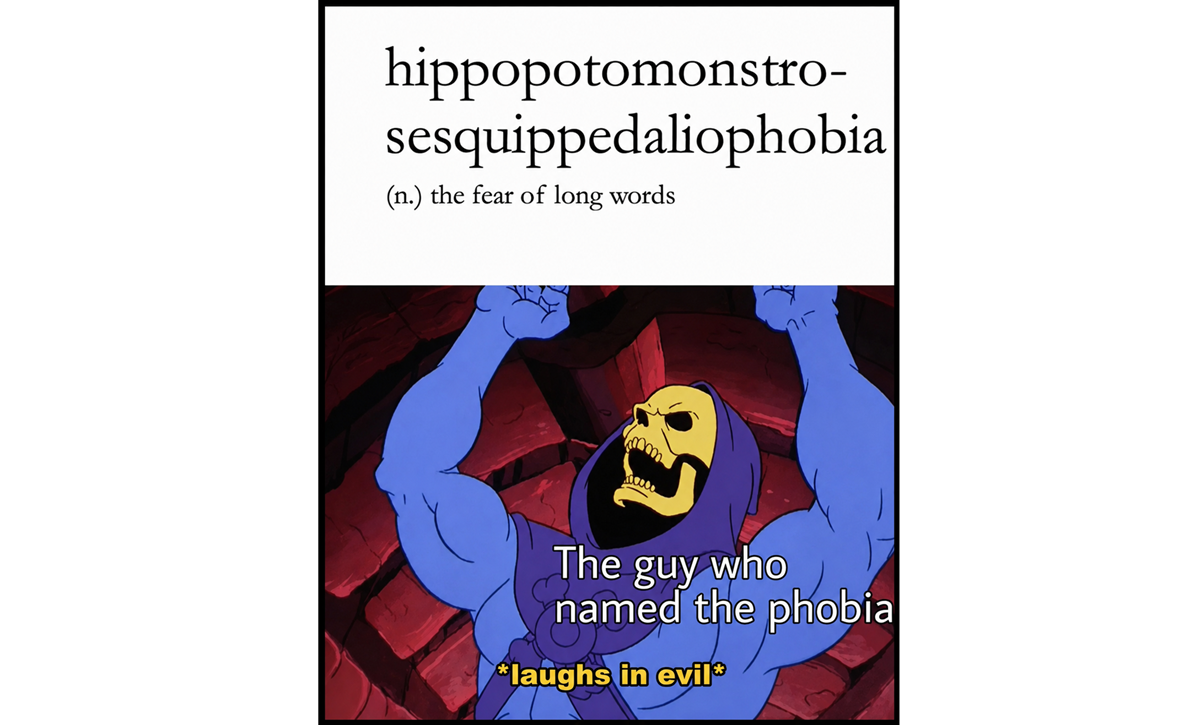
The longer joke version, hippopotomonstrosesquippedaliophobia, feels deliberately cruel. Sesquipedalophobia is the more restrained term for fear of long words, and it can show up around reading aloud, school, public speaking, or situations where pronunciation becomes a threat. It is not usually treated as a neat standalone diagnosis in the way the name suggests. Still, if long words trigger panic or avoidance, clinicians can understand it through specific phobia, social anxiety, or performance-related fear. Anyone who has ever frozen mid-sentence in front of a room probably understands at least the outline.
Ligyrophobia, Fear of Loud Sounds
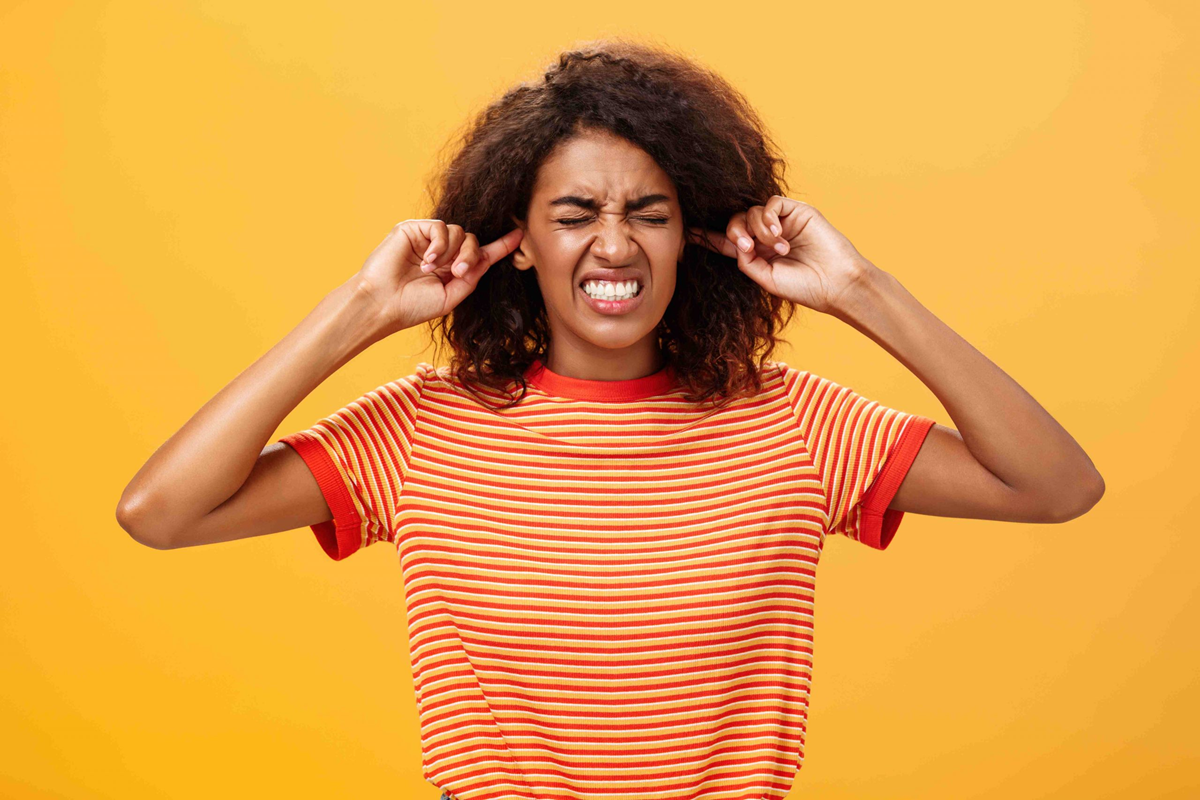
VIA A HEALTH PLACE
Not everyone who hates loud sounds has ligyrophobia. The difference is intensity and avoidance. Fireworks, sirens, alarms, popping balloons, or sudden bangs can become things to plan around. This fear can be especially difficult because loud sounds do not always announce themselves politely. They arrive without warning, and that unpredictability is often the real problem.
Automatonophobia, Fear of Human-Like Figures
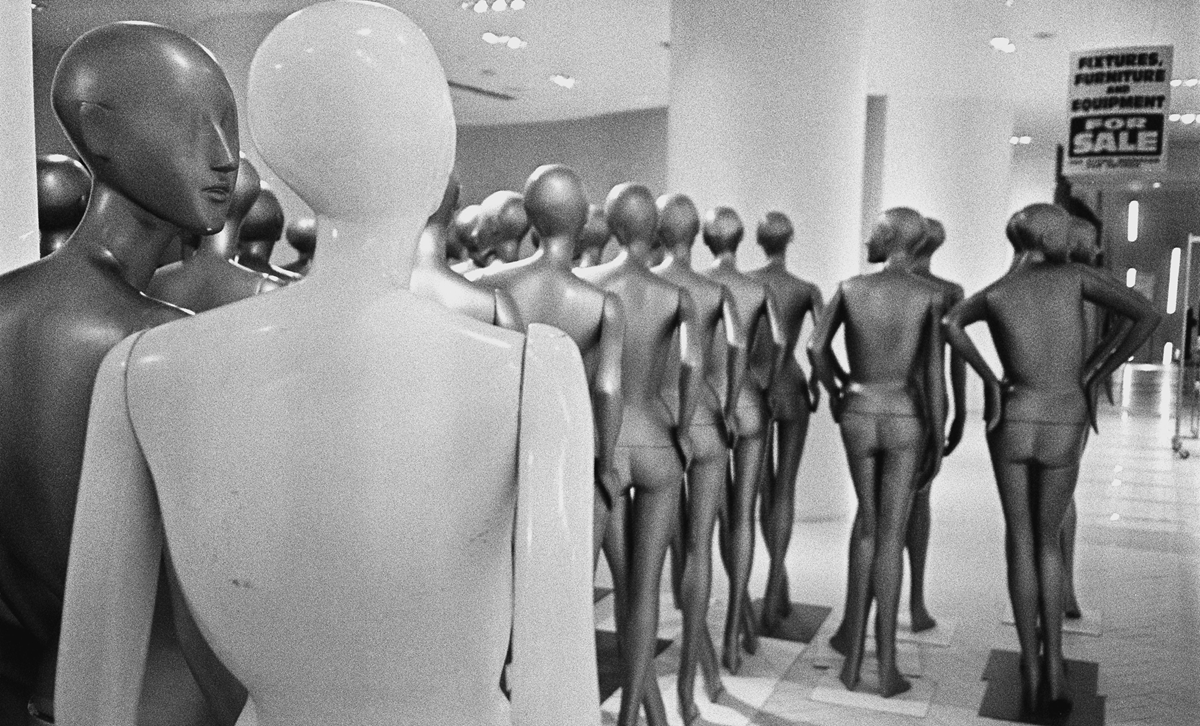
TORONTO / VIA REDDIT.COM
Wax figures, animatronics, mannequins, ventriloquist dummies, even certain dolls, automatonophobia sits right in that uneasy space where something looks human but not quite human enough. It is not hard to see why it gets discussed alongside the “uncanny valley,” that uncomfortable reaction to almost-human faces and movements. Clinically, the fear can be treated like other specific phobias when it produces panic, avoidance, or major distress. The trigger may sound theatrical, but modern life keeps producing new versions of it: theme parks, museum displays, store windows, horror marketing, robot demos. Some fears age out. This one keeps getting new props.
Pogonophobia, Fear of Beards
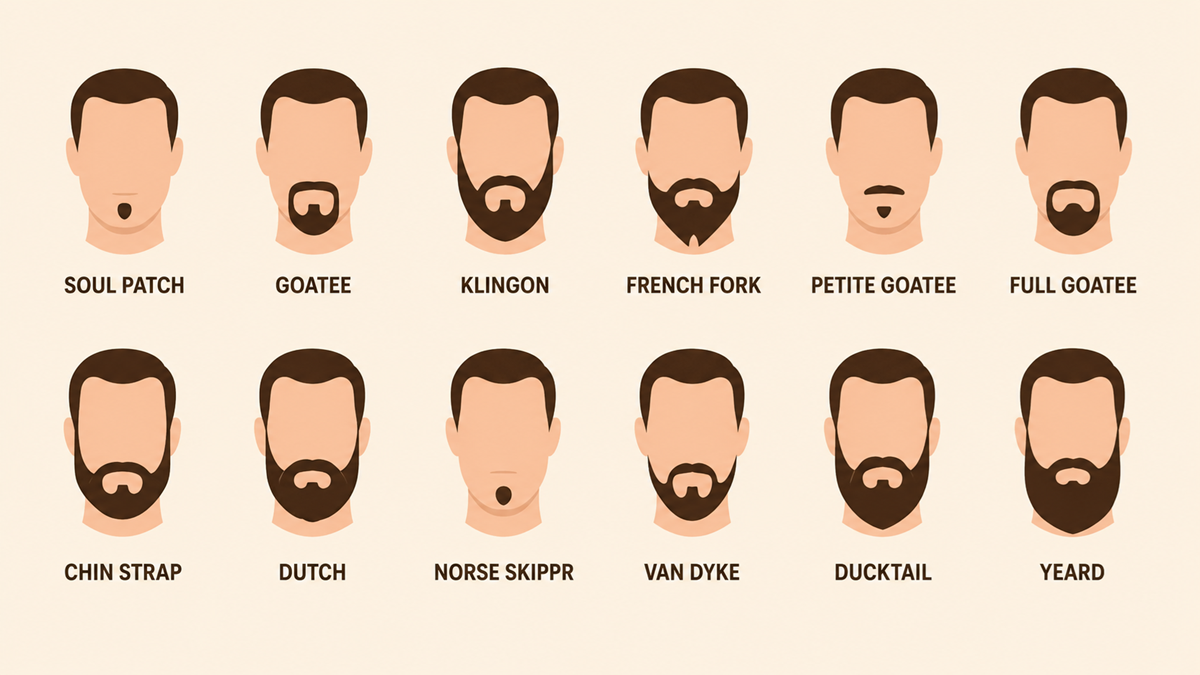
MALEGROOMING / VIA REDDIT.COM
Beards carry a lot of cultural baggage: style, age, religion, masculinity, fashion, rebellion, authority, sometimes all at once. Pogonophobia, fear of beards, sounds like a fake Victorian insult, but it has been described as a specific fear that may involve disgust, anxiety, or avoidance around facial hair. It can be awkward because the trigger is not an object someone can simply remove from a room. It is on people’s faces. That makes ordinary conversation, dating, workplaces, family gatherings, and public transport more unpredictable than they should be.
In the mood for more?
Check out 20 Ocean Facts That Might Spark Thalassophobia. If you want to see more science facts, you can check out 20 Science Facts That Sound Fake but Are 100% True or 14 True Stories That Revolutionized Science and Inspired Hit Movies