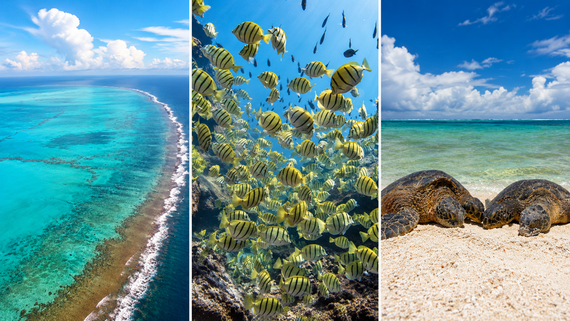
The most famous UNESCO sites are hard to picture without the crowds. But far from Machu Picchu, Venice, and the pyramids, some World Heritage properties see only a few thousand visitors a year, or a few hundred, or almost none. Isolation explains many of them. Strict permits, fragile ecosystems, rough seas, and conservation rules matter just as much. These 15 places show how far off the tourist trail a World Heritage Site can be.
1. Aldabra Atoll, Seychelles
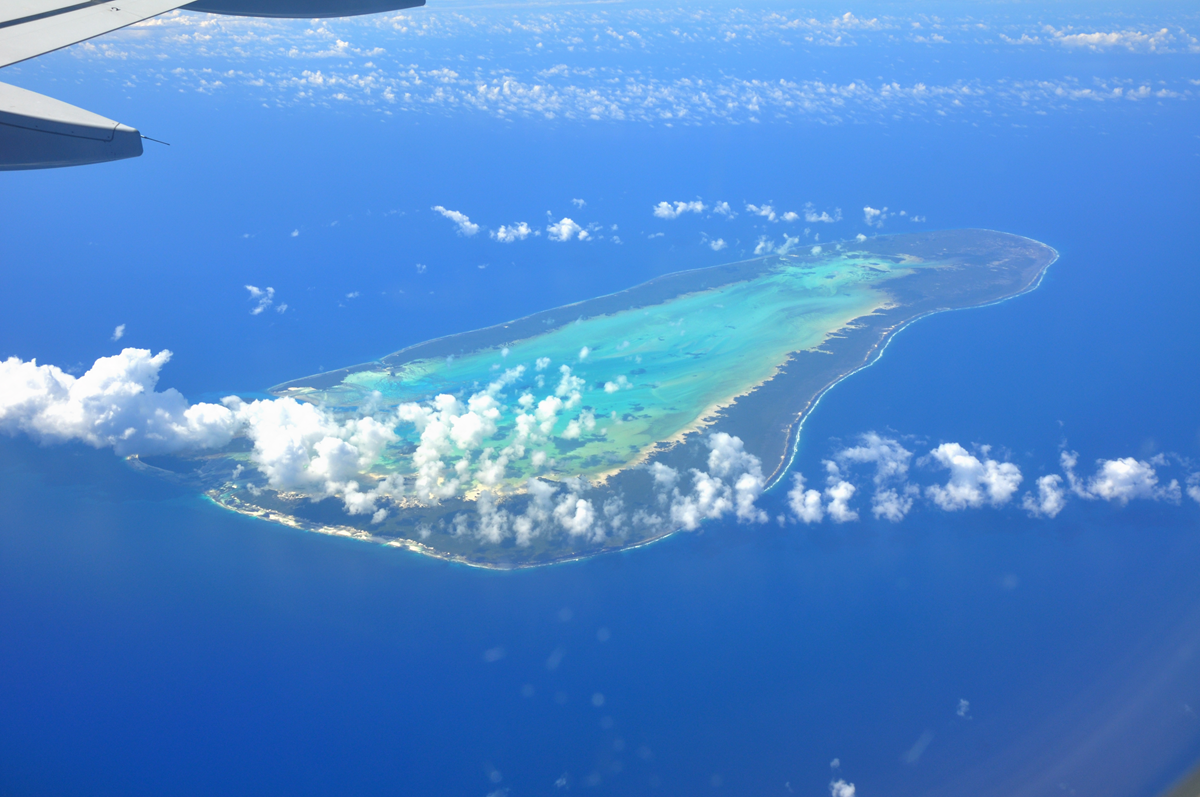
Getting to Aldabra is closer to an expedition than an island trip. The coral atoll is more than 1,000 kilometers from Mahé and has historically received only a few hundred visitors a year, with access tightly controlled to protect its ecosystem. Giant tortoises live here in huge numbers, along with mangroves, coral reefs, seabirds, and turtles, in a landscape that has seen relatively little human disturbance. There are no beach resorts, and that’s the point.
2. Tubbataha Reefs Natural Park, Philippines
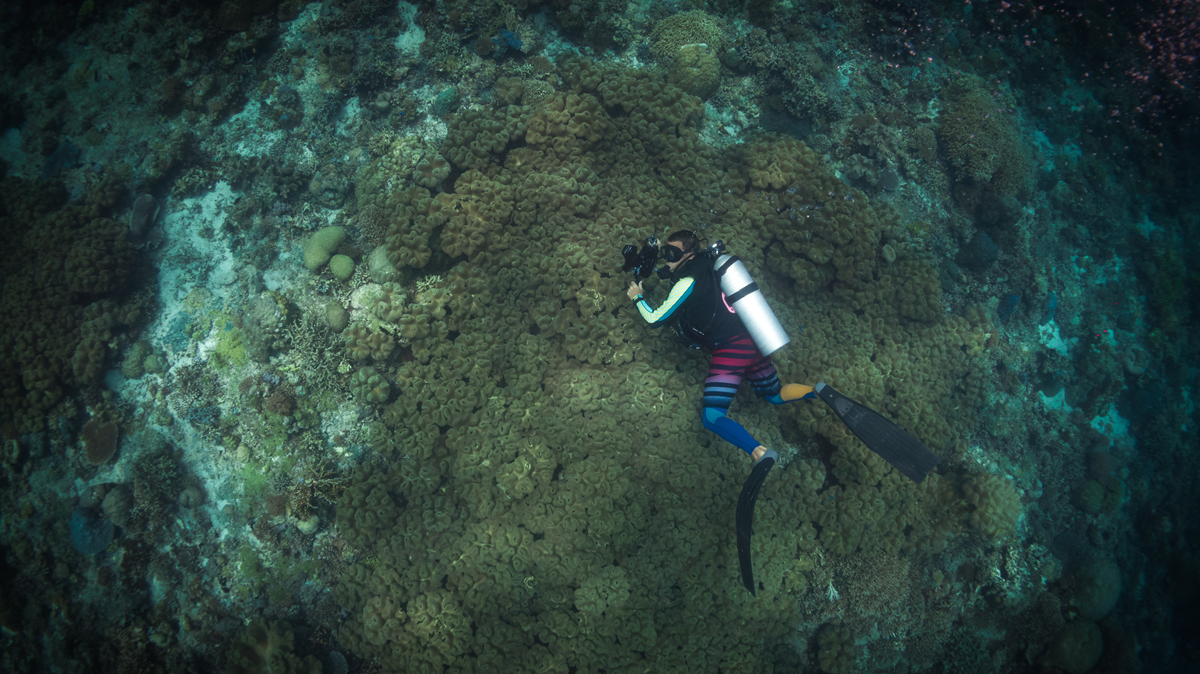
Tubbataha sits in the middle of the Sulu Sea, far from any inhabited island, so you usually need a liveaboard dive boat to reach it. The season is short, and published figures put visitor numbers at a small fraction of those at better-known Philippine destinations. Underwater, the scale is anything but small. There are coral walls, sea turtles, rays, sharks, seabirds, and huge schools of fish in one of Southeast Asia’s richest reef systems.
3. Bikini Atoll, Marshall Islands
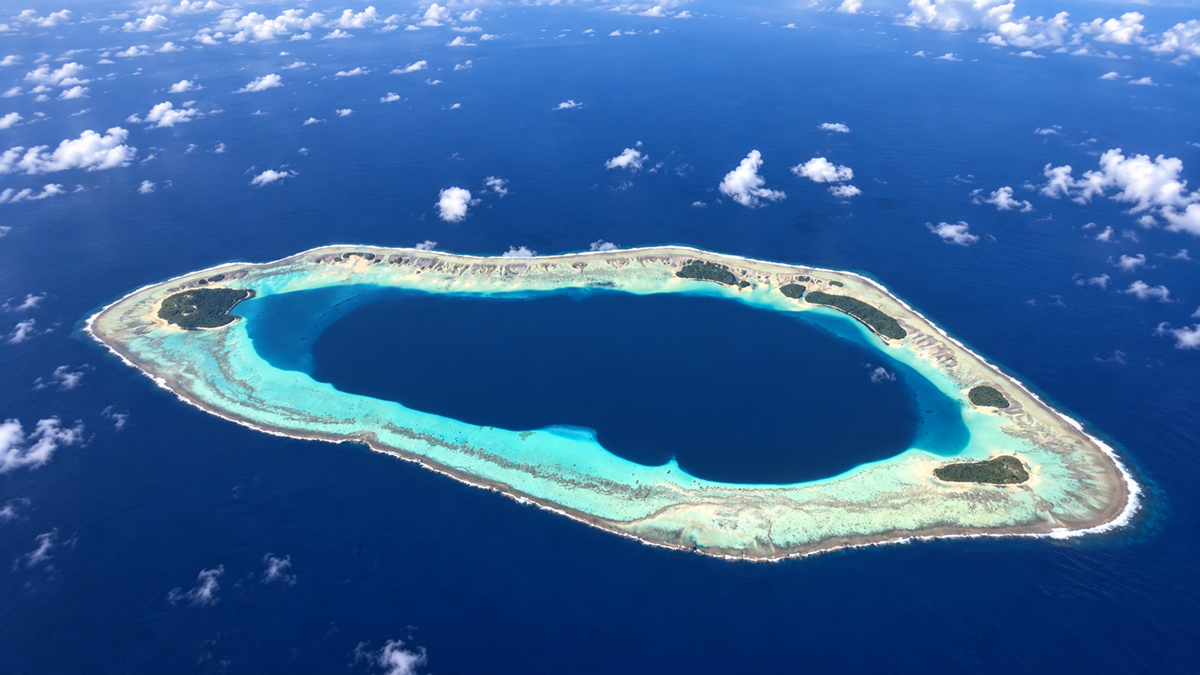
There’s nowhere else quite like Bikini Atoll. Between 1946 and 1958, the United States conducted 23 nuclear tests here, leaving a legacy of displacement and contamination, plus a lagoon full of famous shipwrecks. Organized tourism has historically drawn only a few hundred people a year, many of them experienced divers interested in the ships sunk during Operation Crossroads. The remoteness and the radiation history make casual tourism impractical.
4. Macquarie Island, Australia
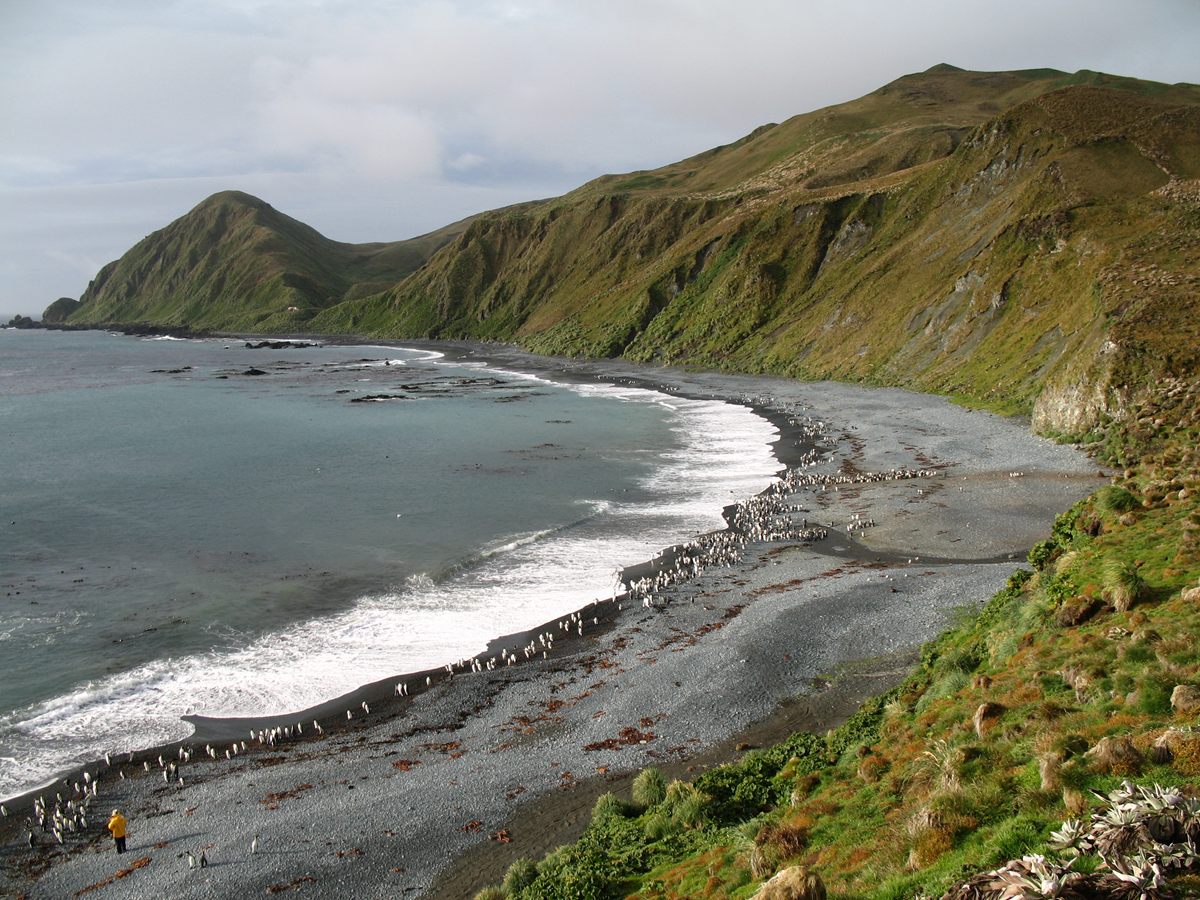
Macquarie Island is a thin strip of land in the Southern Ocean, roughly halfway between Tasmania and Antarctica. Tourist landings have historically numbered only in the hundreds, mostly passengers on expedition ships heading to polar waters. Those who get ashore see huge penguin colonies, elephant seals, windswept slopes, and geology exposed where two tectonic plates meet. It feels close to the edge of the world.
5. Natural System of Wrangel Island Reserve, Russia
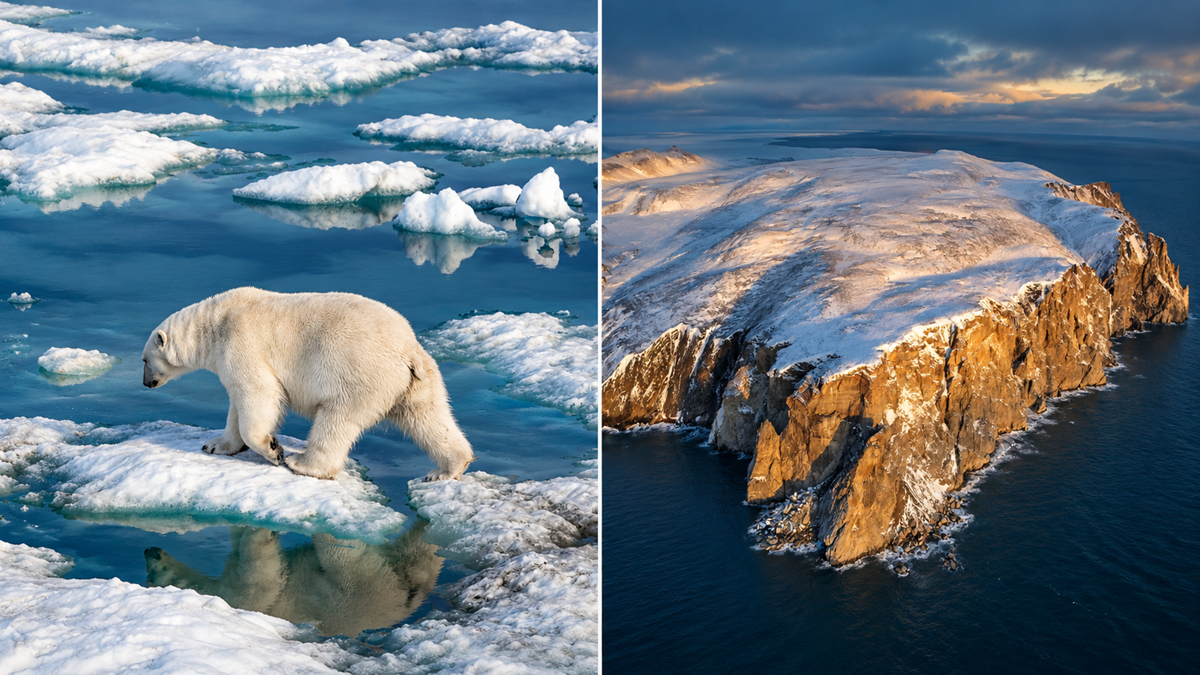
Wrangel Island’s short Arctic summer leaves little room for tourism. UNESCO conservation reporting has put annual visitor numbers at around 500 during some periods, usually arriving on expedition vessels. The island supports large numbers of polar bears and walruses, plus migratory birds and tundra vegetation. Archaeological finds show that woolly mammoths survived here thousands of years after disappearing from most of the planet. Isolation has been one of its best protections.
Trending on The Scroller

6. Nan Madol, Micronesia
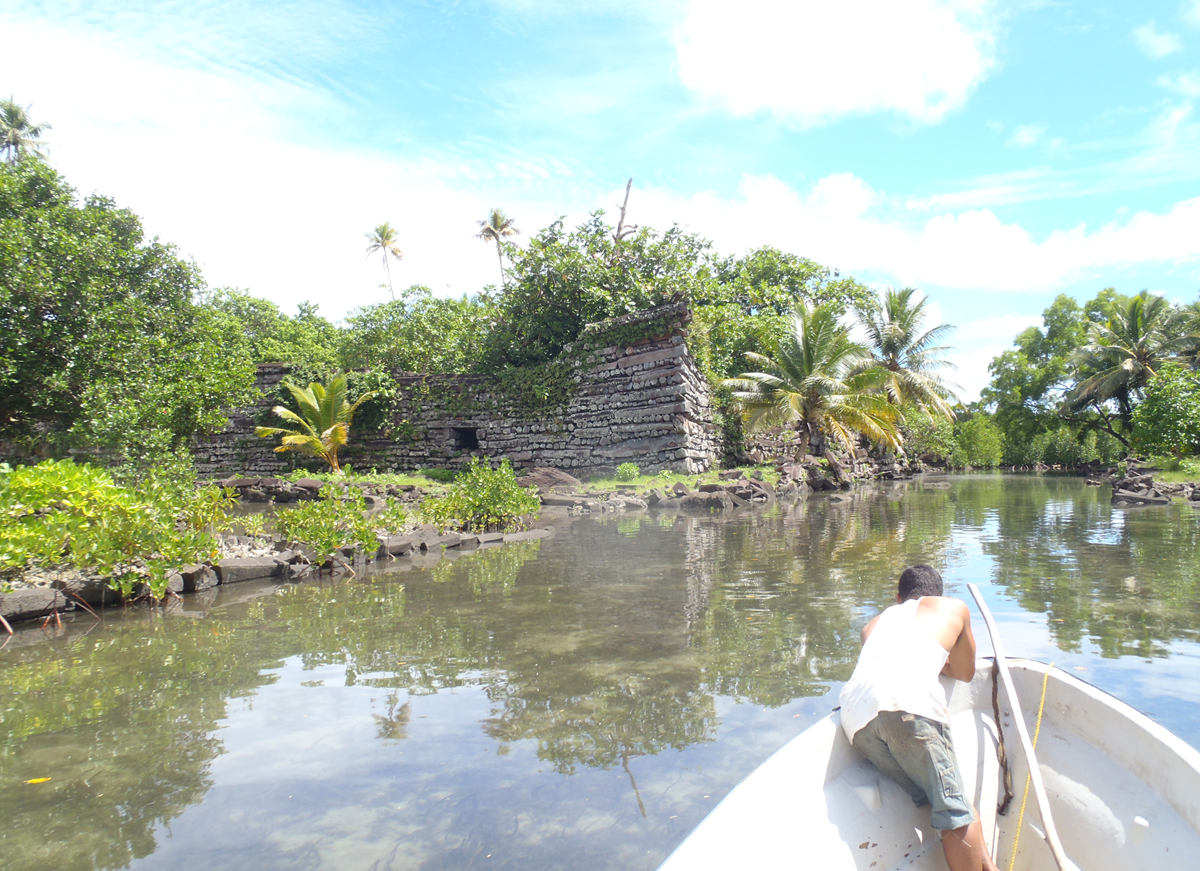
Off the coast of Pohnpei, more than 90 artificial islets make up the ceremonial center known as Nan Madol. Basalt walls, tombs, residences, and waterways were built here over centuries, and the site became the political and religious center of the Saudeleur dynasty. UNESCO nomination material described visitation at only a few people per day, which puts annual numbers well below 10,000. The tropical vegetation, canals, and massive stonework make it look almost fictional.
7. East Rennell, Solomon Islands
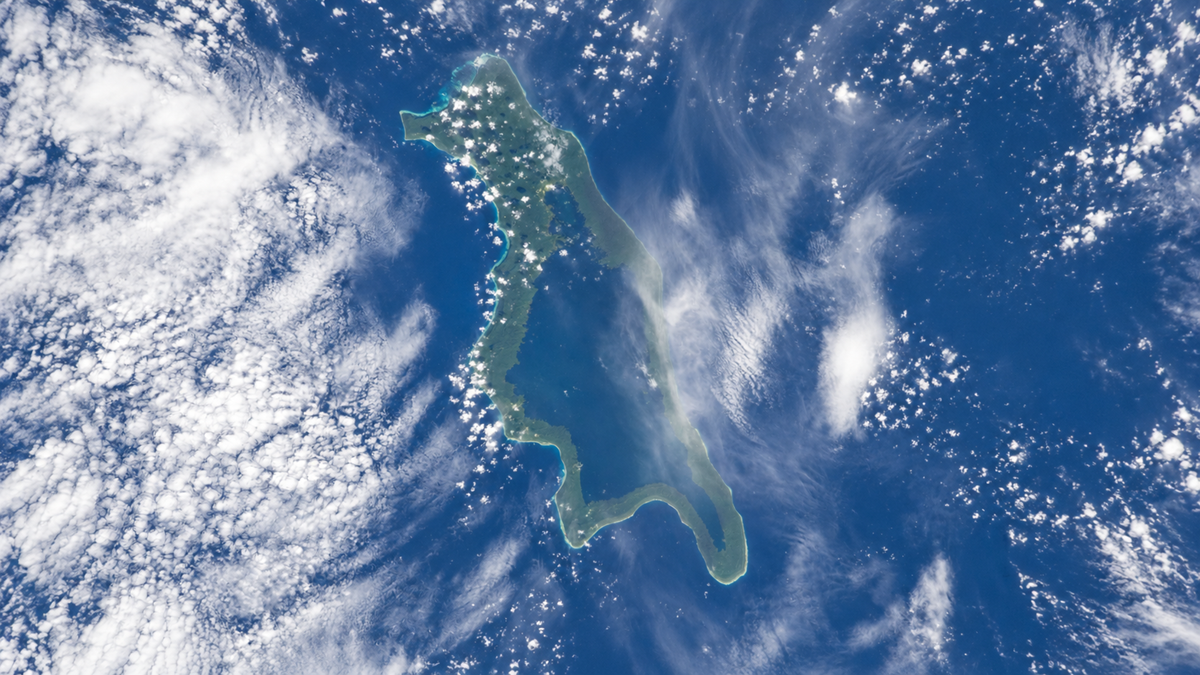
Visitor numbers to East Rennell have at times been counted in dozens, not thousands. The World Heritage property covers part of Rennell Island and includes Lake Tegano, a vast former lagoon dotted with limestone islands and surrounded by forest. Getting there is difficult, infrastructure is limited, and tourism statistics are sporadic. That helps explain why such an unusual landscape is almost unknown internationally.
8. Surtsey, Iceland
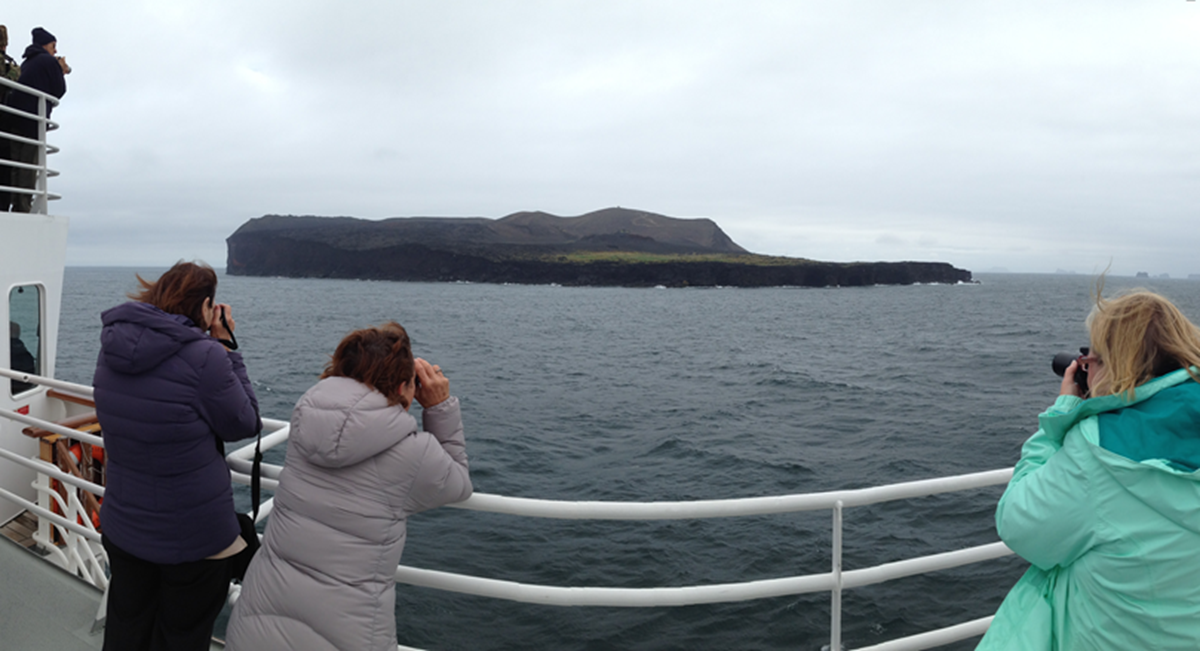
Surtsey is quiet because it’s supposed to be. The volcanic island rose from the Atlantic during eruptions that began in 1963, and it was protected so researchers could study how life colonizes newly formed land. Ordinary visitors can’t just show up and walk ashore, so most human presence is limited to authorized scientists.
Sign up for our newsletter
9. Papahānaumokuākea, United States
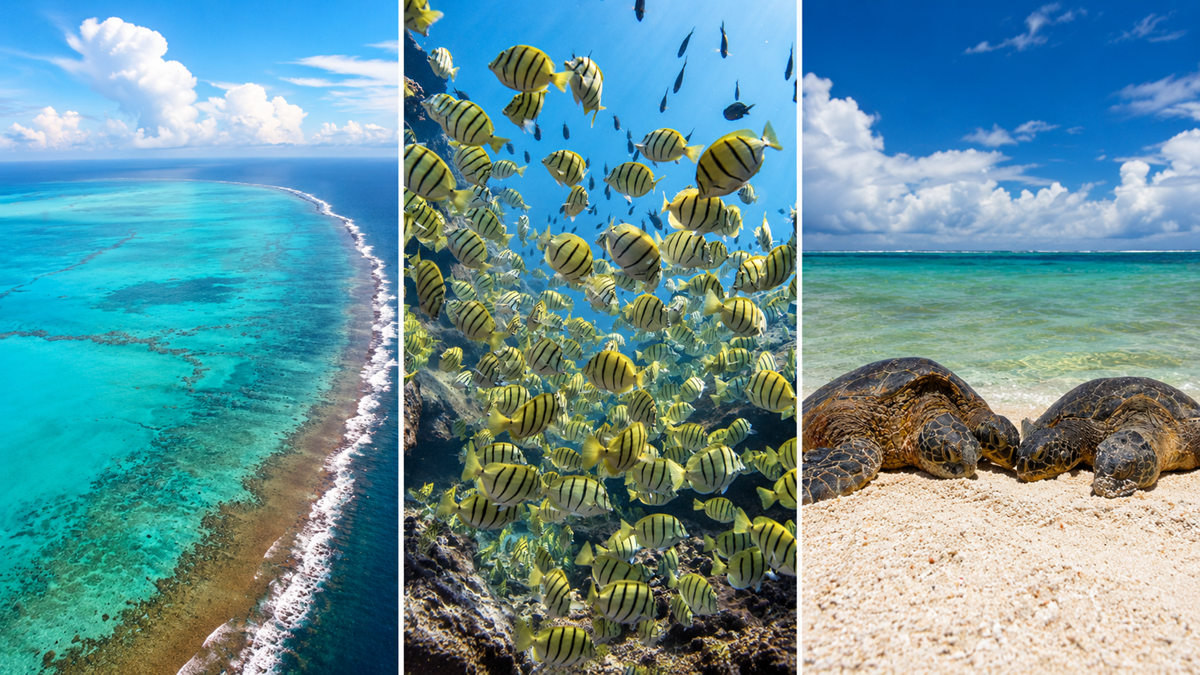
Papahānaumokuākea stretches across much of the northwestern Hawaiian Islands. It protects reefs, seabird colonies, endangered marine life, archaeological remains, and places of major importance in Native Hawaiian culture. Public access is heavily restricted, and activities within the monument generally require authorization. Even Midway Atoll, once the most accessible part of the region for limited tourism, hasn’t operated as a normal public vacation destination in recent years. For a World Heritage property covering such a vast area, very few people ever experience it firsthand.
10. Heard and McDonald Islands, Australia
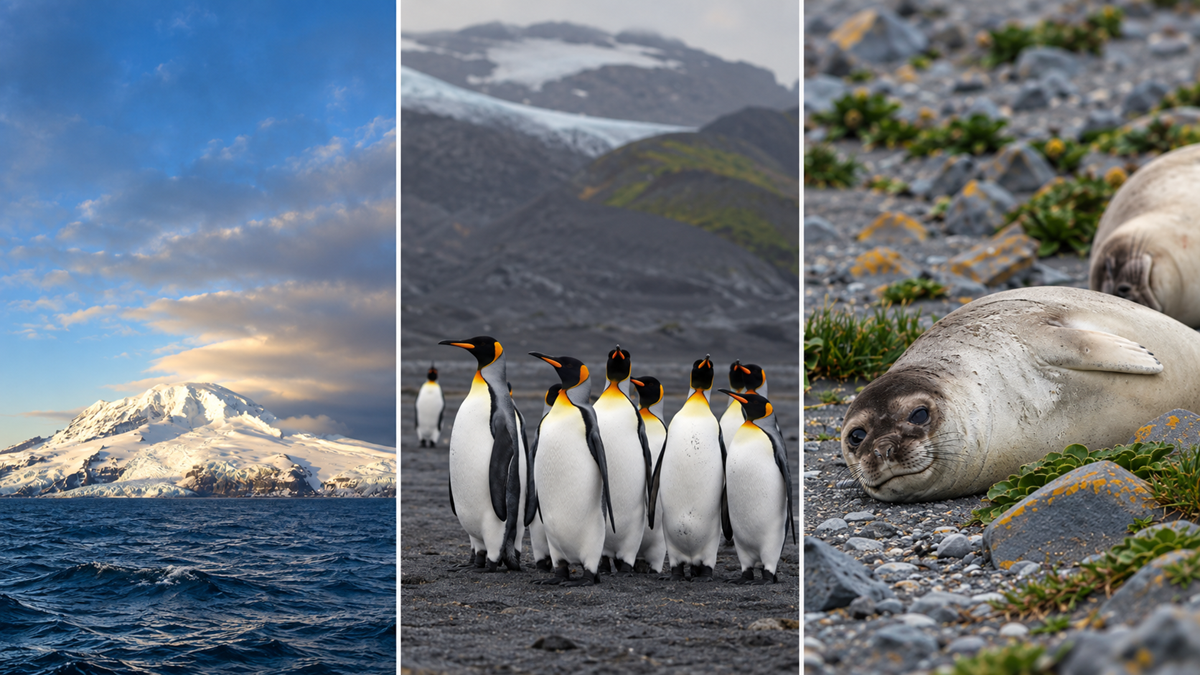
There’s no airport, no town, no hotel, and no convenient route. Heard Island and the McDonald Islands sit deep in the southern Indian Ocean, thousands of kilometers from Australia and surrounded by notoriously rough seas. Glaciers descend from volcanic mountains, and penguins, seabirds, and seals gather along the coast. Human visits are exceptionally rare, and some parts of the property have been reached only a handful of times.
11. St Kilda, Scotland
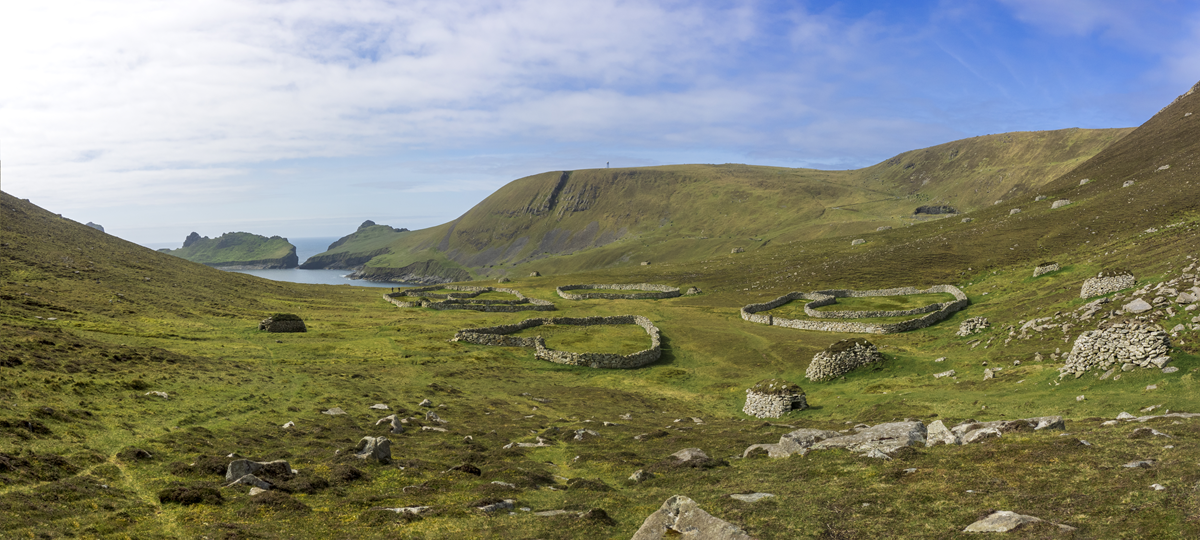
St Kilda once supported a permanent island community, but its last 36 residents were evacuated in 1930. Today the Outer Hebridean archipelago is visited mainly in the short window when boats can handle the North Atlantic crossing, and a UNESCO UK report listed about 5,000 tourist visits in 2018. Hirta still has the remains of houses and the stone storage structures known as cleits, and huge seabird colonies fill the cliffs beyond the abandoned village.
12. Cocos Island National Park, Costa Rica
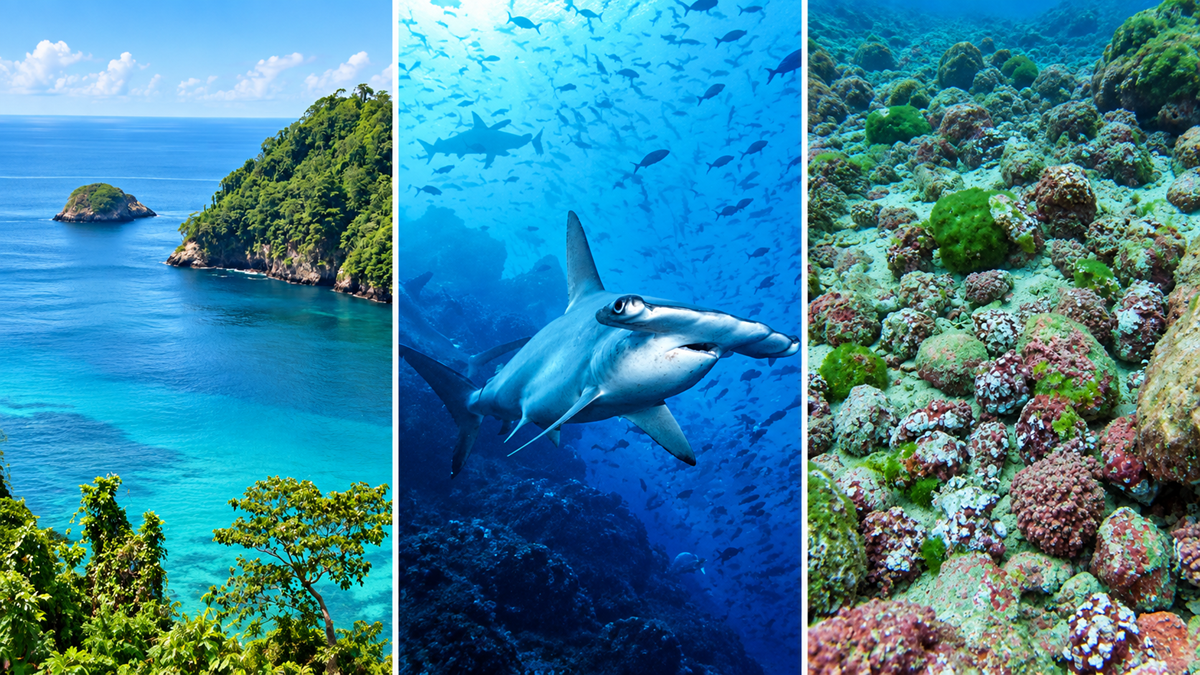
Costa Rica gets millions of international travelers, but very few make the trip 500 kilometers out into the Pacific to Cocos Island. National Geographic has reported roughly 1,100 visitors a year, while other UNESCO material has cited about 3,000 for a different period. Both are well below 10,000. Most people come for the underwater world, where hammerhead sharks, rays, tuna, dolphins, and other large marine species move through extremely productive waters. The boat ride from the mainland takes well over a day, so a spontaneous visit is basically impossible.
13. Henderson Island, Pitcairn Islands
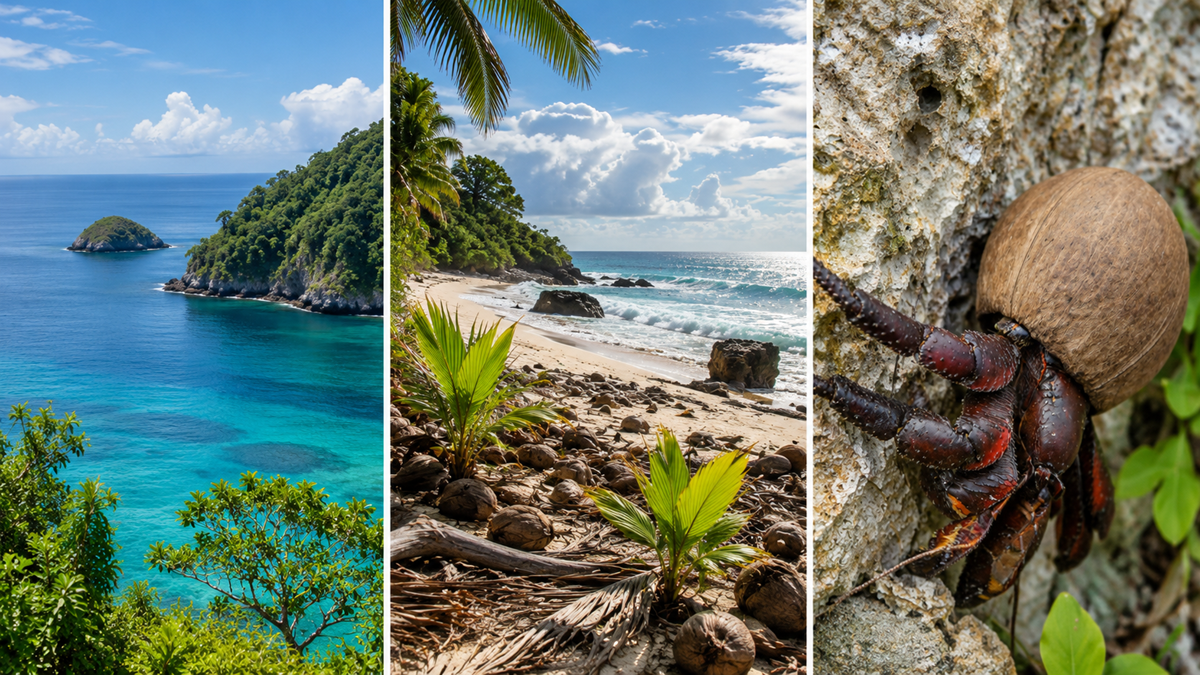
Henderson Island has no permanent population, little fresh water, and no major landmass within thousands of kilometers. The raised coral atoll is one of the world’s least altered island ecosystems, with endemic plants and birds found nowhere else. Passing sailors can’t just land, either. Access requires a license issued through the Pitcairn administration.
14. Chiribiquete National Park, Colombia
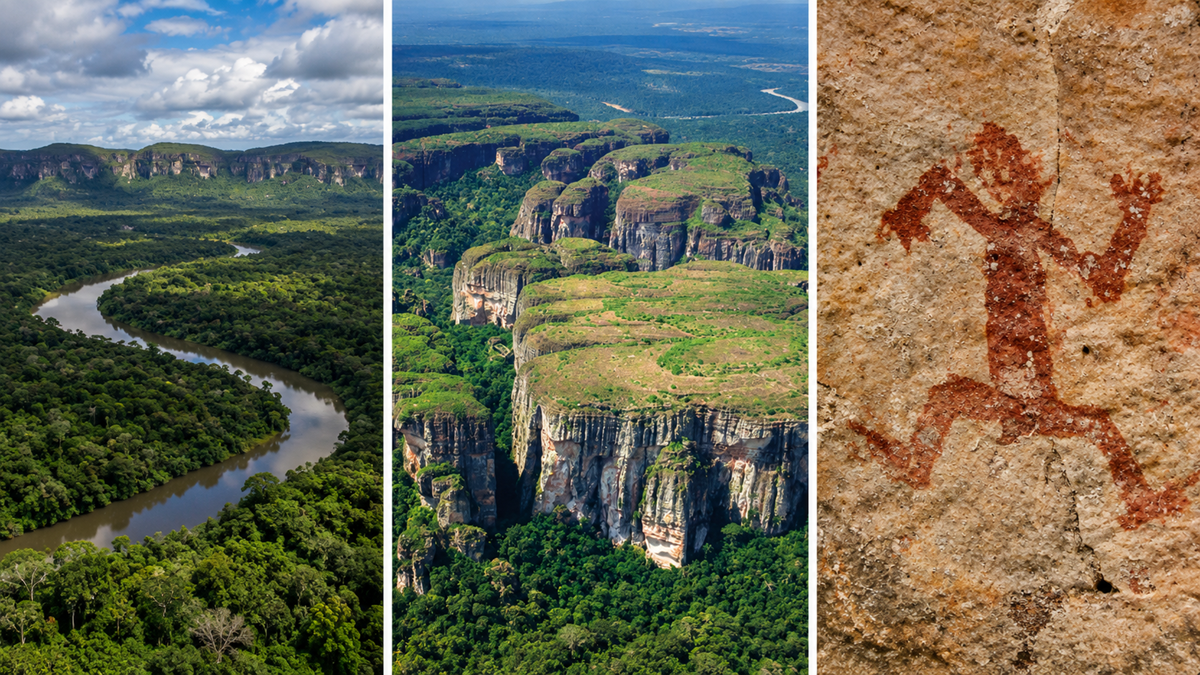
Some extraordinary places stay little visited because authorities want them that way. Chiribiquete covers a huge stretch of the Colombian Amazon, with tabletop mountains, forests, exceptional biodiversity, and thousands of ancient rock paintings. UNESCO states that tourism is not permitted inside the property, partly for conservation reasons and partly to protect the rights and safety of Indigenous peoples living in voluntary isolation. That makes its visitor count unlike almost any conventional heritage attraction.
15. New Zealand Sub-Antarctic Islands
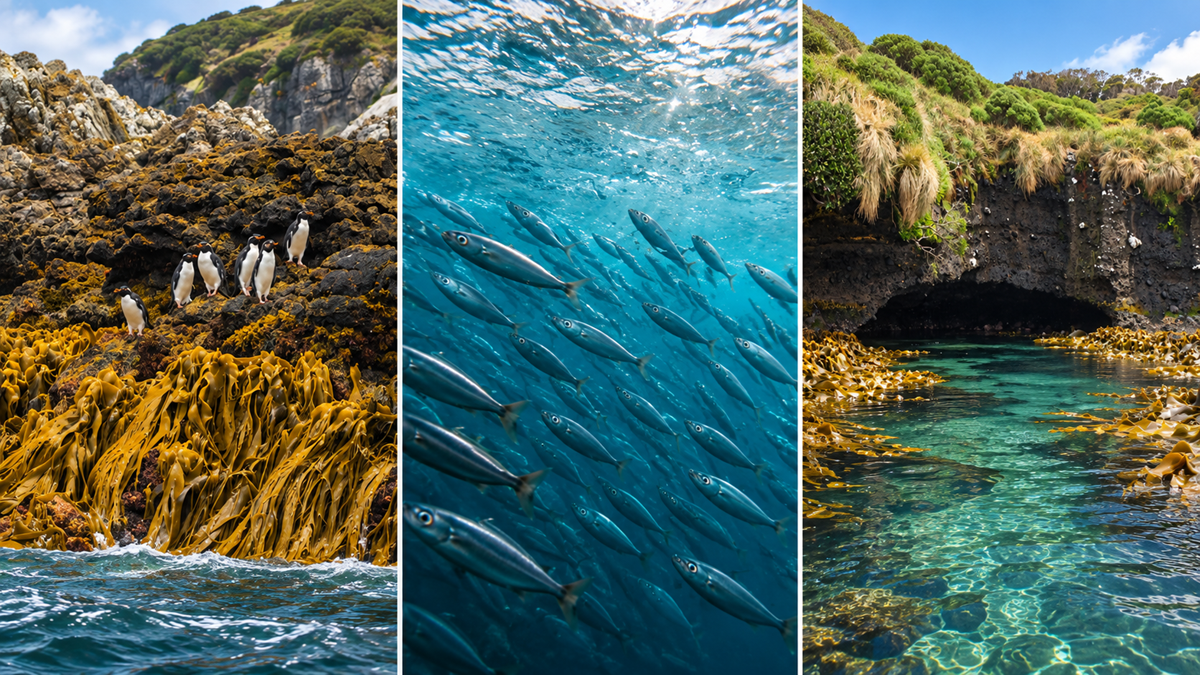
South of mainland New Zealand, the Auckland, Campbell, Antipodes, Bounty, and Snares island groups support huge numbers of seabirds, penguins, and marine mammals, along with unusual plants and species found nowhere else. Access is carefully regulated, with landing quotas historically in the hundreds, or around a thousand people, even at the larger approved sites. Expedition passengers are a tiny presence compared with the wildlife around them.
In the mood for more?
Check out 16 Places Around the World That Humans Are Forbidden to Visit, or take a look at 15 Places Around the World That Look Photoshopped, But Aren’t. If you want more overlooked destinations, try 15 Overlooked Countries That Surprise Almost Everyone Who Visits.