
History usually gets told through battles, treaties, elections, and big public speeches. But sometimes, the pressure point is much smaller, hidden inside a word that did not travel cleanly from one language to another. A treaty clause could shift meaning, a diplomatic phrase could sound more threatening than intended, or a promise could become blurry once it passed through interpreters, legal systems, and cultural assumptions. Not every case is a simple “wrong word, huge disaster” story, but each one shows how translation can bend events in ways people only fully understand later. Here are 11 moments where language did more than carry history; it helped steer it.
1. The Treaty Word That Helped Push Ethiopia and Italy Toward War
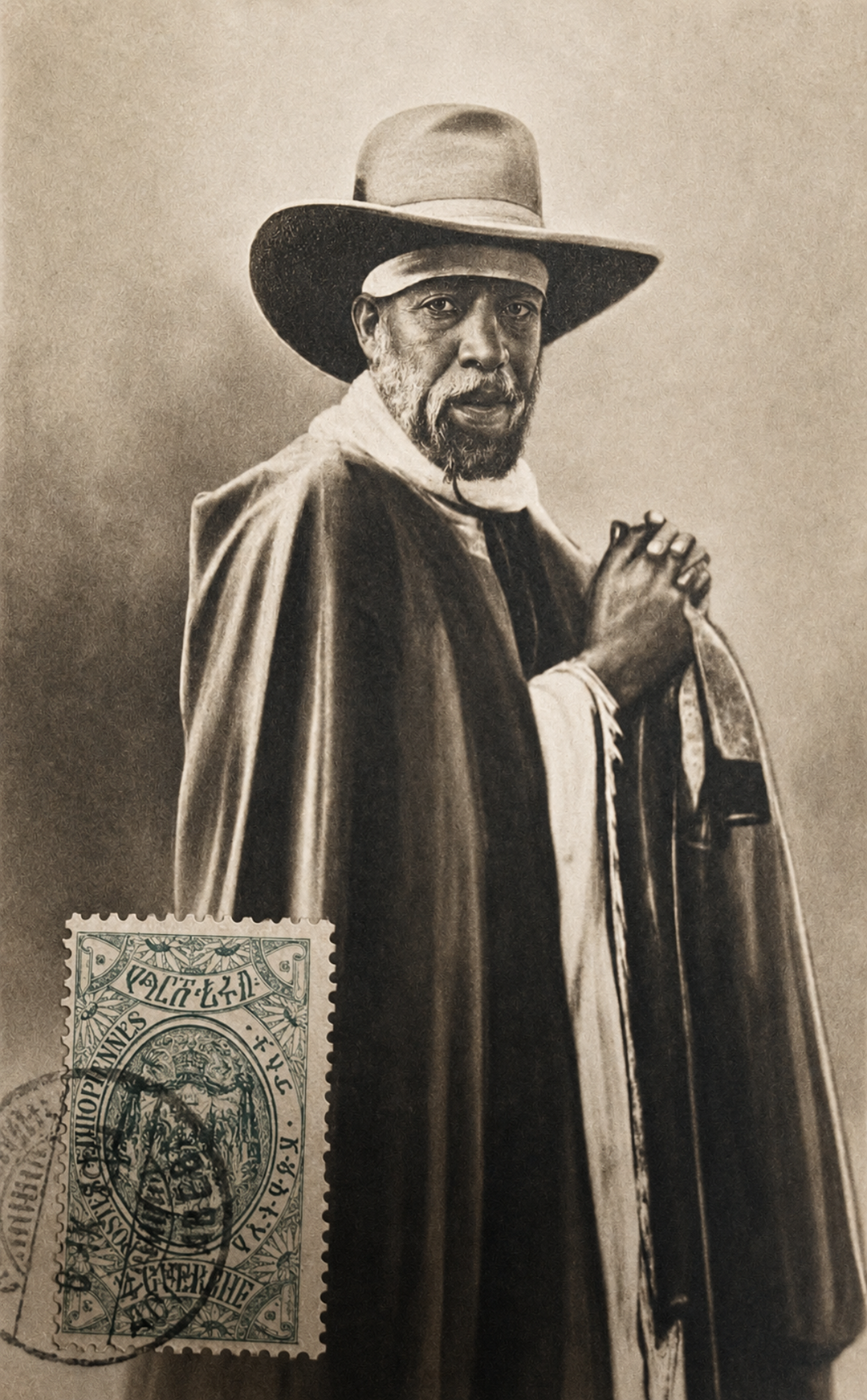
In 1889, Ethiopia and Italy signed the Treaty of Wuchale, meant to formalize relations between Emperor Menelik II and the Italian state. The problem sat inside Article 17. In the Amharic version, Ethiopia could use Italy for foreign affairs if it wished, while the Italian version suggested Ethiopia had to do so, effectively turning the country into an Italian protectorate. Menelik rejected that interpretation, Italy insisted on it, and the dispute became one of the sparks behind the First Italo-Ethiopian War. A clause that looked like diplomatic housekeeping ended up tied to one of the most important anti-colonial victories of the 19th century, Ethiopia’s defeat of Italy at Adwa in 1896.
2. The Treaty of Waitangi’s Two Versions
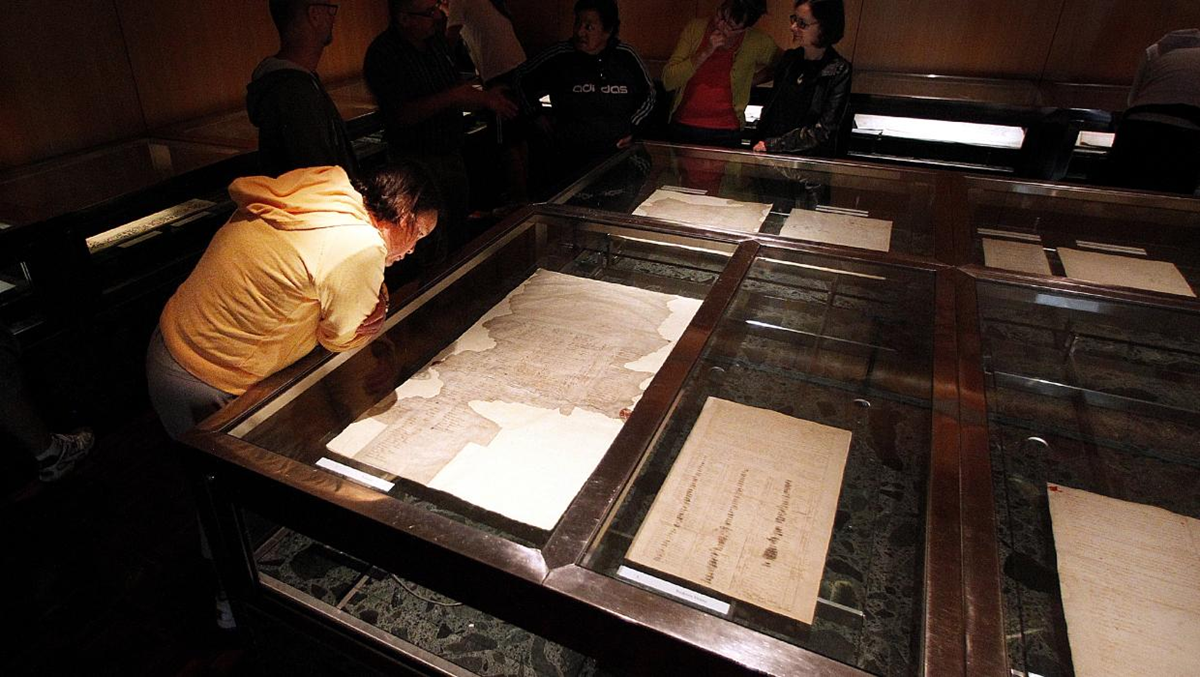
New Zealand’s founding document was not one clean text understood the same way by everyone in the room. The Treaty of Waitangi, signed in 1840, existed in English and te reo Māori versions, and the differences between them still matter deeply. In English, the Crown’s authority was framed in terms of sovereignty, while the Māori text used wording closer to governance, with Māori chiefs retaining rangatiratanga, or chiefly authority. That gap was not just a translation footnote. It shaped land disputes, legal arguments, protest movements, and the continuing debate over what the treaty actually promised.
3. The Japanese Word That Became Part of the Atomic Bomb Debate
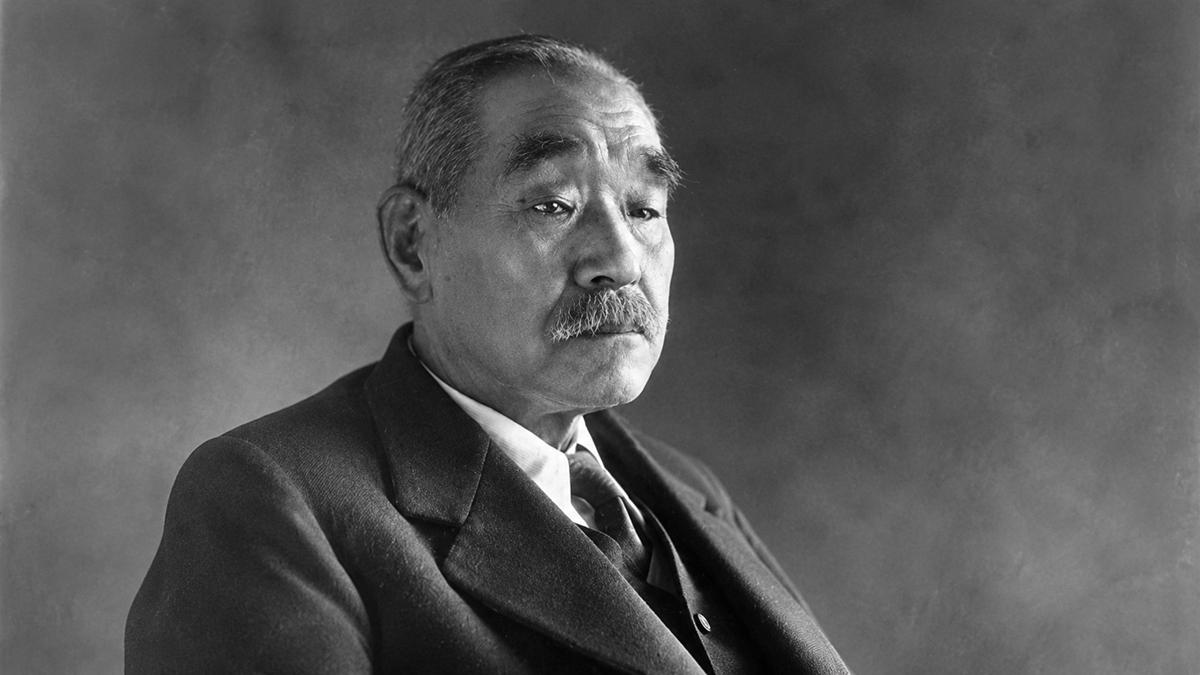
Few translation stories are as loaded as mokusatsu. In July 1945, Japanese Prime Minister Kantarō Suzuki used the word when responding to the Allies’ Potsdam Declaration, and it was rendered in English in a way that suggested Japan was ignoring or rejecting the ultimatum. Some later writers argued that it could have meant something closer to withholding comment, which would make the Allied reading dangerously harsh. Historians still debate how much the translation itself mattered, since Japan’s military and political situation was already extremely tense. Even so, the word became a lasting example of how ambiguity can become terrifying when governments are already moving toward catastrophe.
4. Khrushchev’s “We Will Bury You”
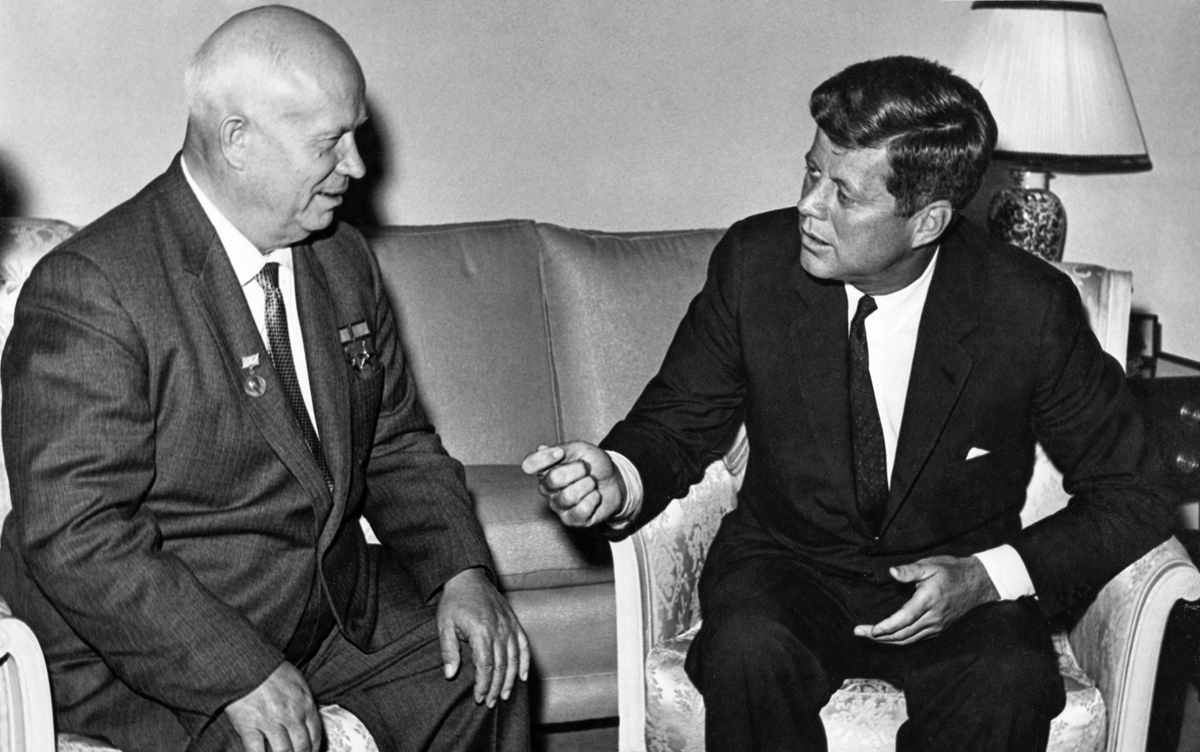
At a reception in Moscow in 1956, Soviet leader Nikita Khrushchev used a Russian phrase that reached English-speaking audiences as “We will bury you.” In the middle of the Cold War, that sounded like a direct threat, almost like a promise of destruction. The phrase was closer to a rough ideological boast, meaning communism would outlast capitalism, but that softer reading did not travel well. Newspapers, diplomats, and ordinary readers heard menace. One translation helped turn an already aggressive political rivalry into something that felt even more personal and explosive.
5. Jimmy Carter’s Awkward Arrival in Poland
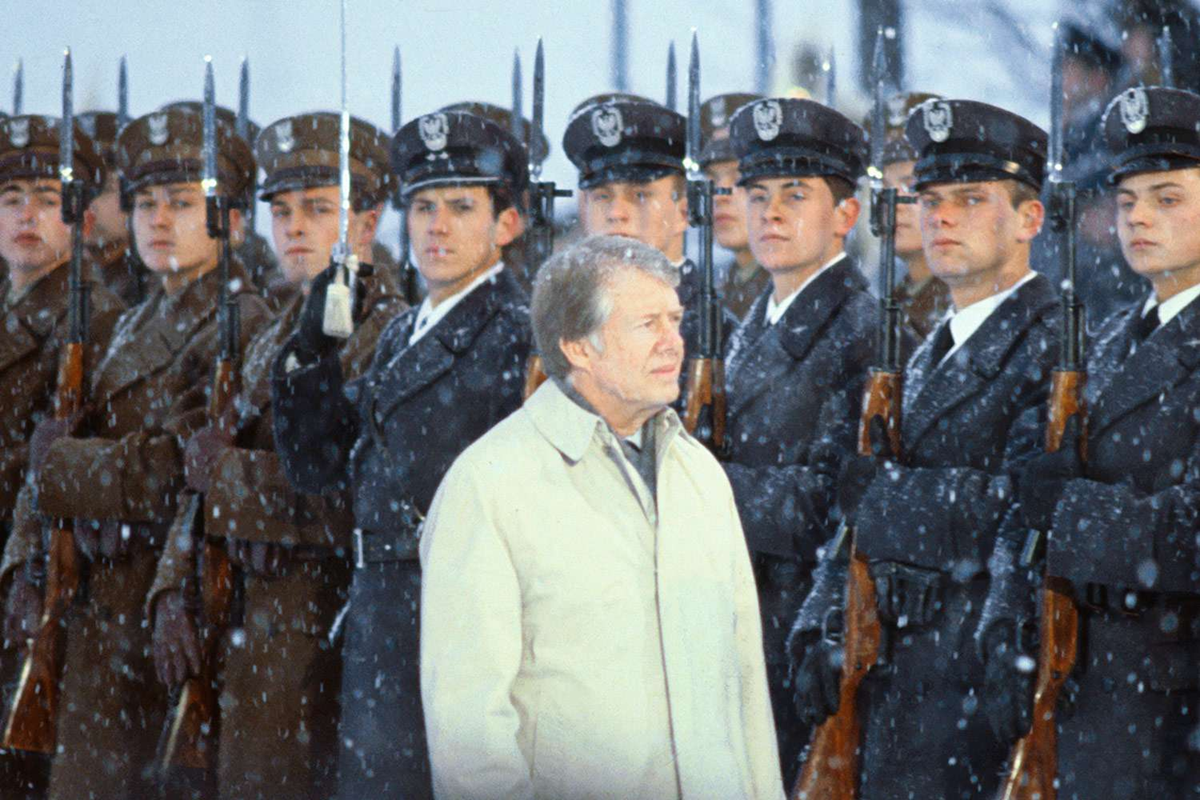
Diplomatic visits are carefully staged, which made Jimmy Carter’s 1977 trip to Poland all the more uncomfortable. His interpreter, Steven Seymour, became famous for allegedly turning Carter’s polite remarks into strange or embarrassing Polish phrases. Some versions of the story grew wilder over time, but the basic episode became a case study in how badly things can go when an interpreter is out of depth. Carter had come to signal warmth and respect. Instead, for a while, the story became about desire, confusion, awkward laughter, and a president whose words seemed to have wandered off without him.
Trending on The Scroller


6. The Martian “Canals” That Launched Alien Fever
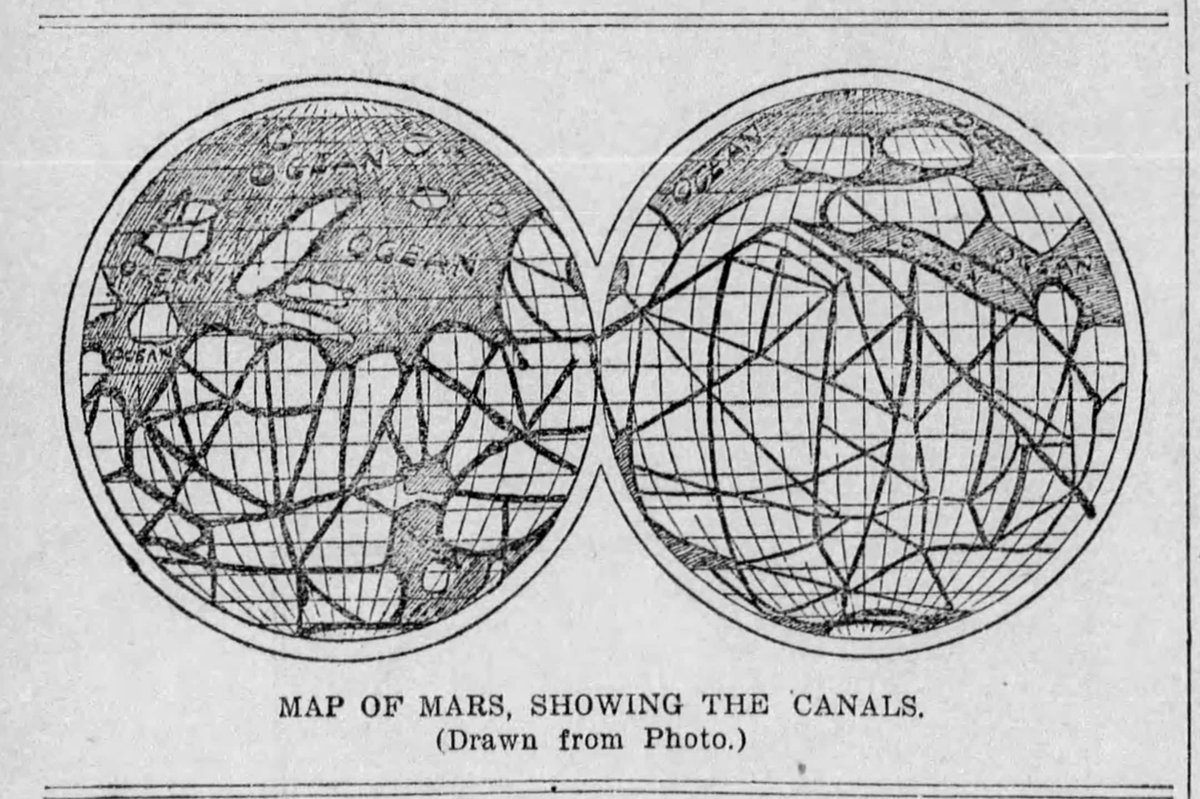
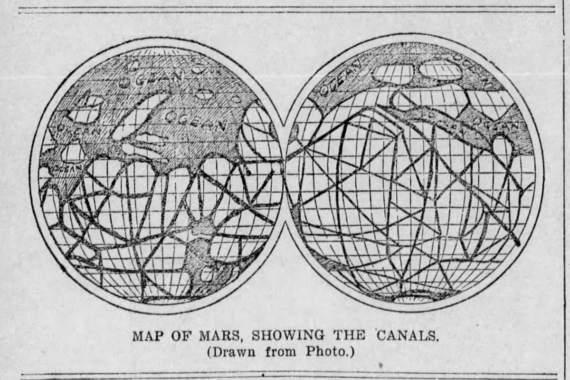
When Italian astronomer Giovanni Schiaparelli described lines on Mars as canali in the late 19th century, he meant something more like channels. In English, the word became canals, which carried a very different implication. Canals sound engineered, and that helped fuel the idea that intelligent beings had built a water system across the Red Planet. Percival Lowell ran with the concept, mapping elaborate Martian canal networks and helping push Mars into the center of science fiction and popular astronomy. The lines later turned out to be an optical illusion and an overinterpretation, but the mistranslated word had already done its work.
7. The Horns on Moses
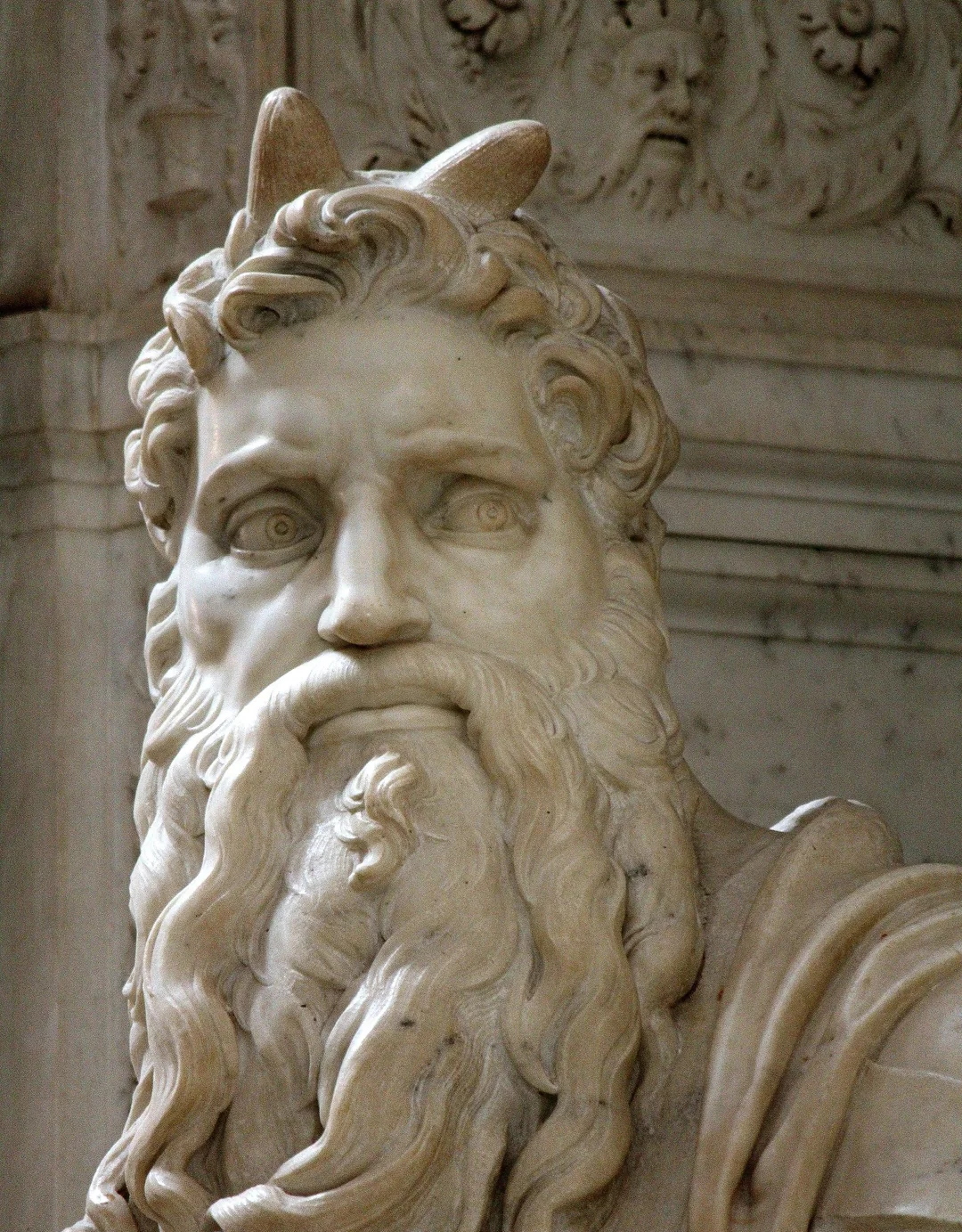
For centuries, artists showed Moses with horns, and the reason goes back to a difficult biblical translation. In the Latin Vulgate, the Hebrew description of Moses’ face after speaking with God was rendered in a way that suggested he was horned, though many later readings understand the passage as saying his face shone or radiated light. That single choice shaped religious art across Europe. Michelangelo’s famous Moses still carries the visual echo of it, a stone reminder that one translated word can outlive whole empires.
8. The Missing “The” in Resolution 242
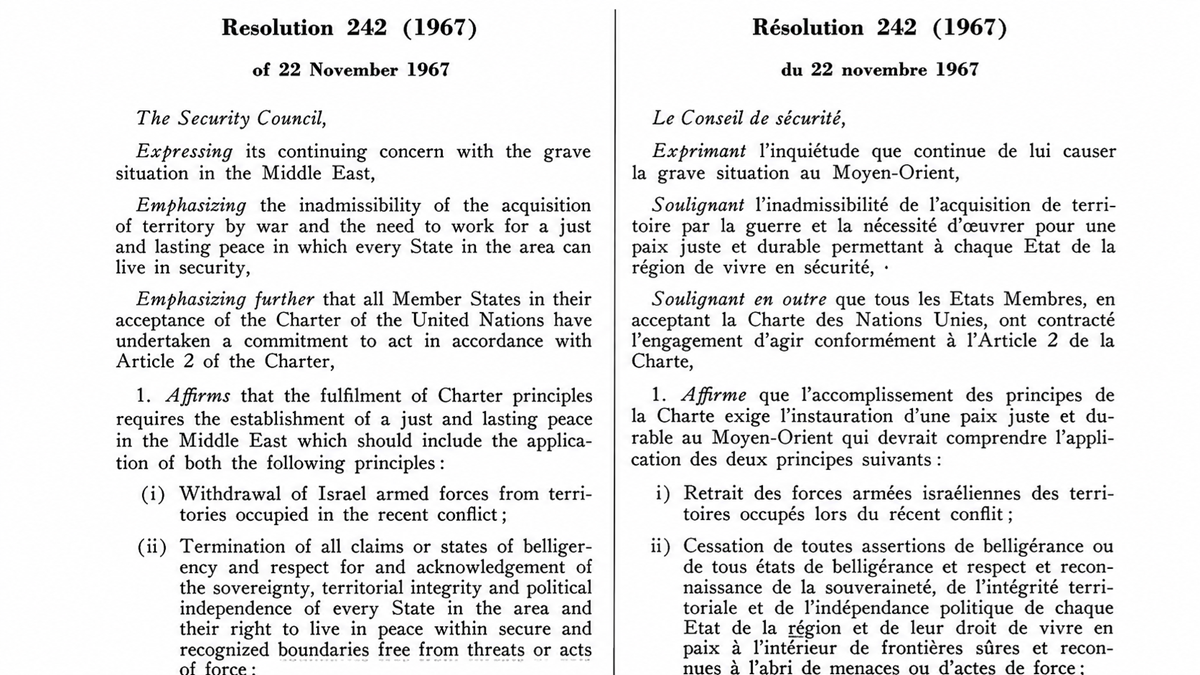
After the 1967 Six-Day War, United Nations Security Council Resolution 242 became one of the most examined documents in modern diplomacy. The English version called for withdrawal “from territories occupied in the recent conflict,” while the French version was read as “from the territories occupied,” a difference that made the scope of withdrawal a point of argument. It was not a simple typo, and diplomats have long argued over whether the ambiguity was deliberate. Still, the difference between “territories” and “the territories” became one of those tiny grammatical details that carried enormous political weight.
Sign up for our newsletter
9. The Interpreter Problems Behind the Treaty of Fort Laramie
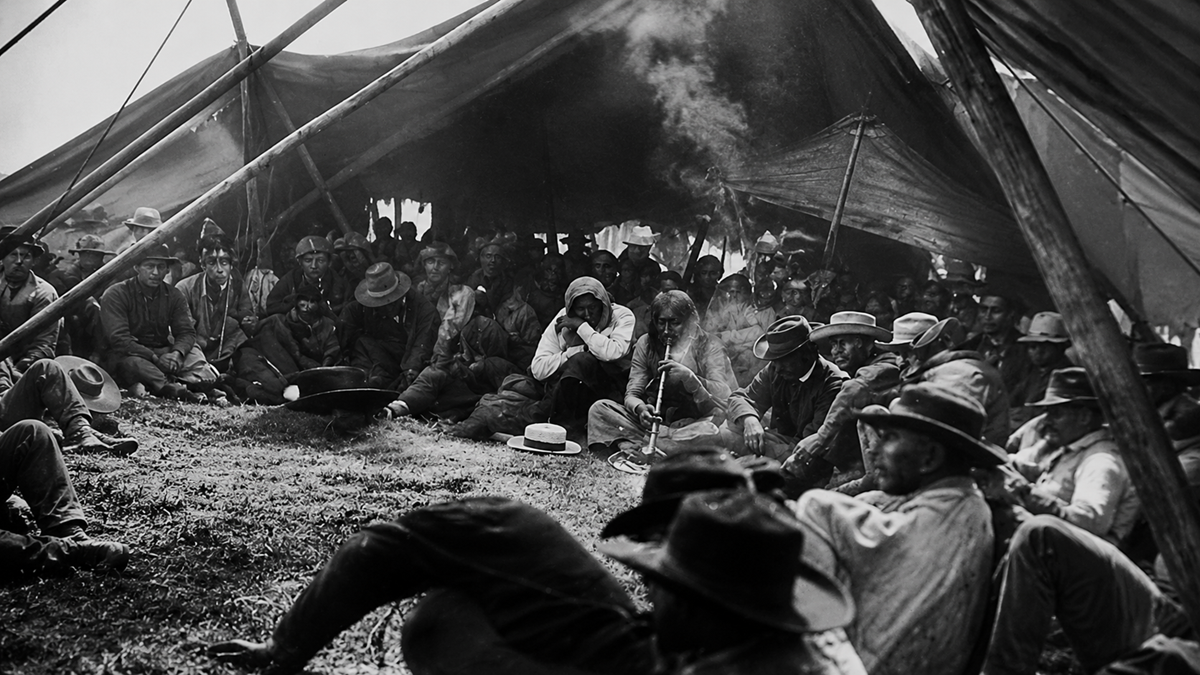
The 1868 Treaty of Fort Laramie recognized the Black Hills as part of the Great Sioux Reservation, but the agreement was written in English and negotiated across very different legal and cultural systems. Interpreters could not always carry the full meaning of U.S. treaty language into Lakota terms, leaving room for conflicting views on land, sovereignty, hunting rights, and government promises. The treaty later became central to the Black Hills dispute, and in 1980, the U.S. Supreme Court ruled that the land had been taken illegally.
10. The Ambiguous Arabic Behind the McMahon-Hussein Letters
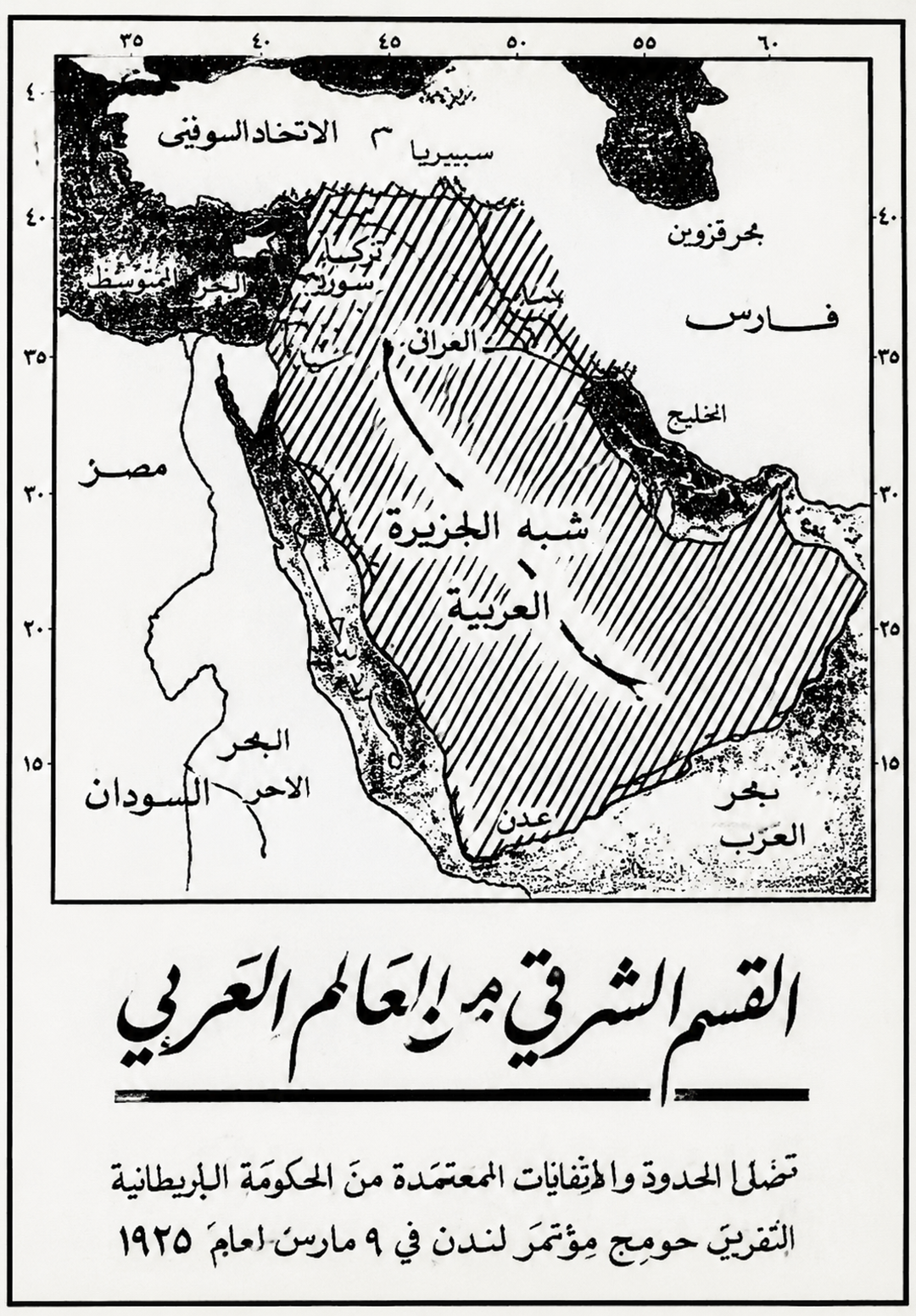
During World War I, Britain exchanged letters with Sharif Hussein of Mecca to encourage an Arab revolt against the Ottoman Empire. But the promises about future Arab independence passed through English, Arabic, wartime secrecy, and vague geography. One phrase about excluding parts of Syria west of Damascus, Homs, Hama, and Aleppo became a lasting source of dispute, especially over whether Palestine was included. It was not a simple mistranslated word, but it shows how unclear diplomatic language can leave whole regions arguing over what one sentence meant.
In the mood for more?
Check out 12 Cold War Close Calls That Nearly Sparked World War III, or take a look at 15 Wars That Started Over the Most Absurd Reasons in History. If you want to see more jobs badly done, you can check out 25 Photos of People Who Had “One Job” And Failed Spectacularly.