History likes to reduce complicated conflicts to one unforgettable detail. Sometimes that detail is a pig, a pastry shop, a wandering dog, or an argument about whether lobsters swim. The real causes usually involved borders, trade, political resentment, or national pride, but the final spark could still be remarkably small. These 15 wars and armed confrontations prove that nations do not always need a sensible reason to start moving troops.
1. The Pig War
TODAYILEARNED / VIA REDDIT
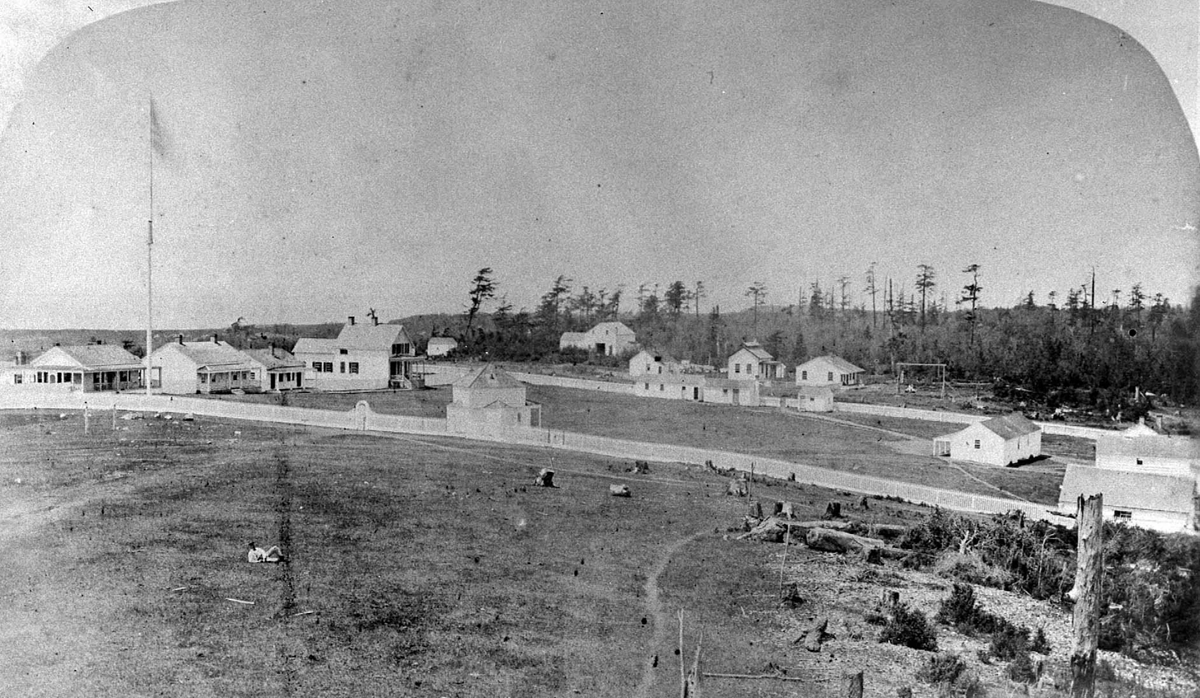
In 1859, an American settler named Lyman Cutlar found a pig eating potatoes in his garden on San Juan Island and shot it. The animal belonged to the British-run Hudson’s Bay Company, and the disagreement over compensation quickly became part of a much larger dispute over whether Britain or the United States controlled the island. American soldiers arrived, British warships appeared offshore, and hundreds of troops eventually faced one another. The confrontation lasted for years without a battle, leaving the pig as its only casualty.
2. The Pastry War
HISTORY / VIA REDDIT
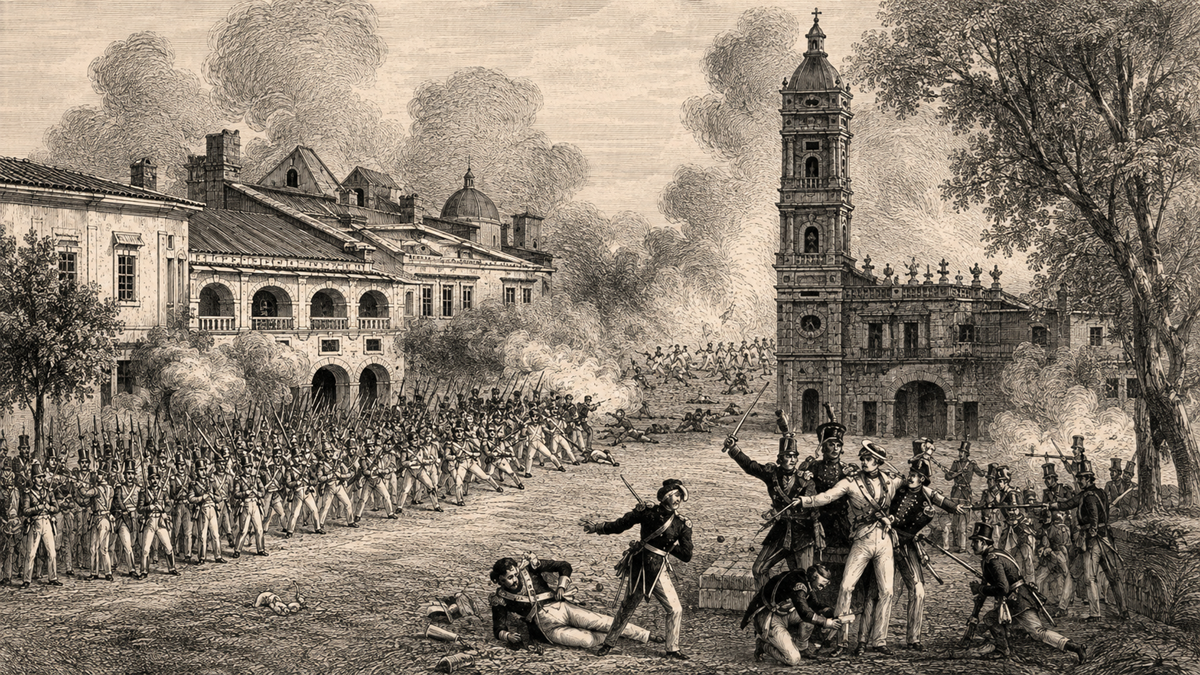
A damaged pastry shop helped give France an excuse to attack Mexico in 1838. The shop’s French owner, known as Monsieur Remontel, claimed that Mexican officers had looted his business during a period of unrest and demanded an enormous payment. His complaint was only one of several French claims, but it became the memorable symbol of the dispute. When Mexico refused France’s wider demand for compensation, French forces blockaded ports and attacked the fortress of San Juan de Ulúa near Veracruz.
3. The War of Jenkins’ Ear
TODAYILEARNED / VIA REDDIT
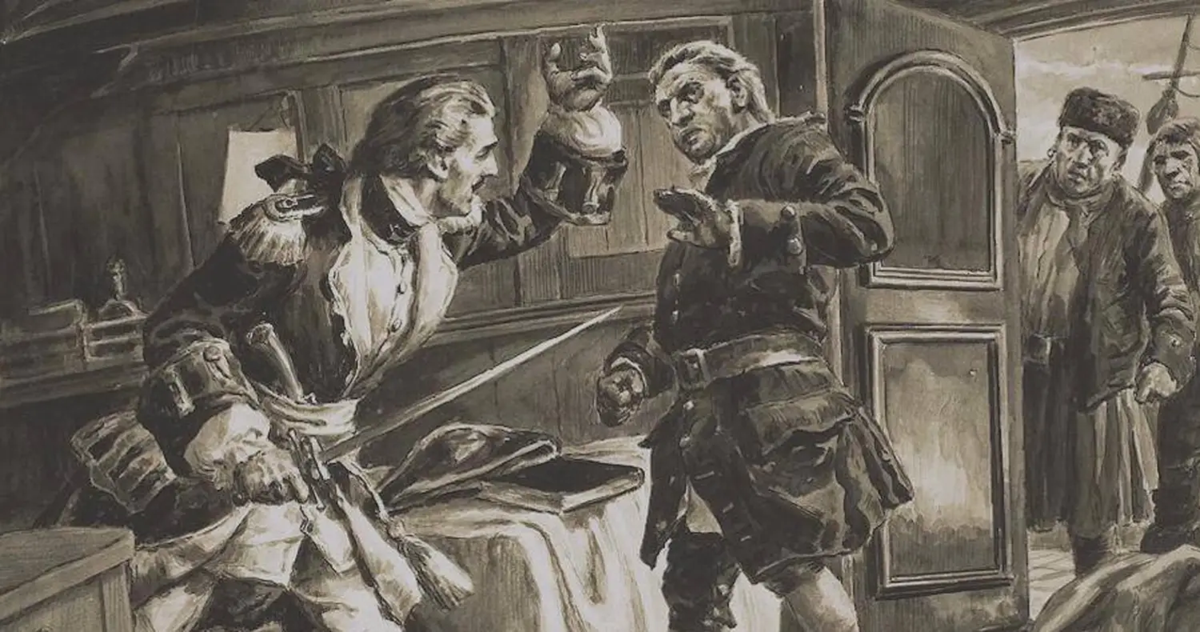
British captain Robert Jenkins claimed that Spanish coast guards boarded his ship in 1731, accused him of smuggling, and cut off his ear. According to the famous version of the story, Jenkins later displayed the preserved ear before Parliament. Britain and Spain already had serious arguments over commerce, colonial territory, and Spanish searches of British vessels, but the severed ear became a convenient rallying point. Britain declared war in 1739, eight years after the incident.
4. The War of the Stray Dog
INTRIGUE ARCHIVE / VIA X
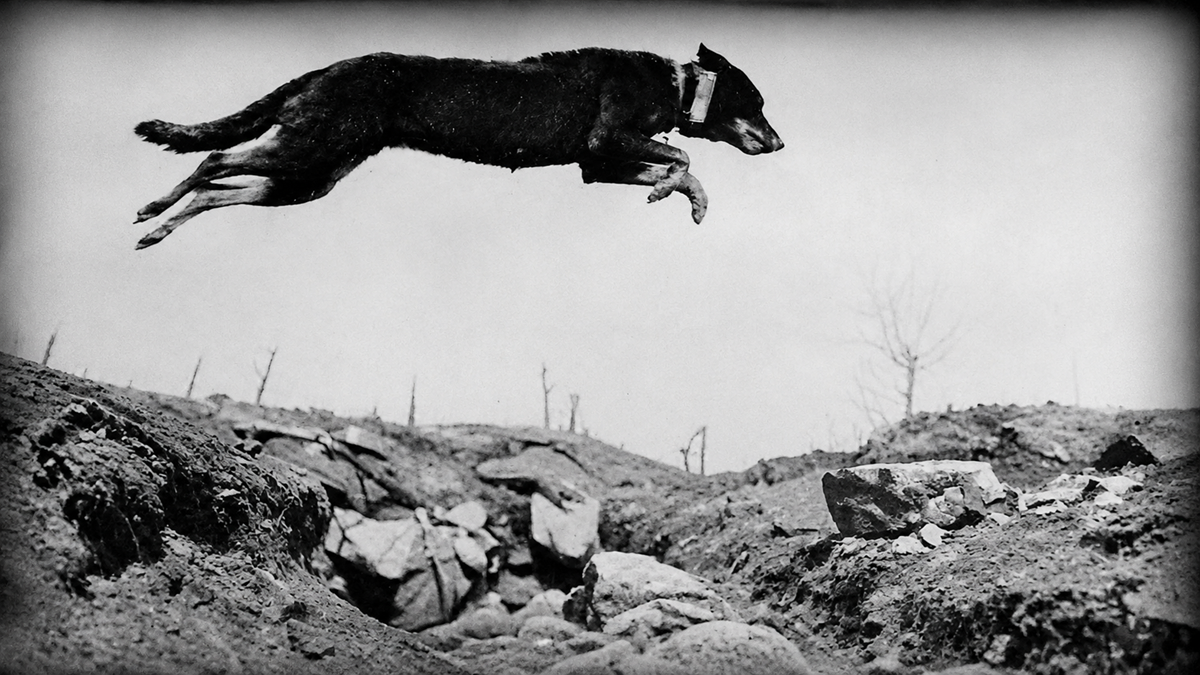
One version of this 1925 border crisis says a Greek soldier chased his dog across the Bulgarian frontier and was shot by a sentry. Other accounts describe Bulgarian troops attacking a Greek post, so the dog story cannot be treated as certain. What is clear is that the deaths of Greek personnel led Greece to invade Bulgarian territory before the League of Nations intervened. Deep regional hostility was already present, but a confused encounter at the border was enough to release it.
5. The Football War
U.S. NAVAL INSTITUTE / VIA X
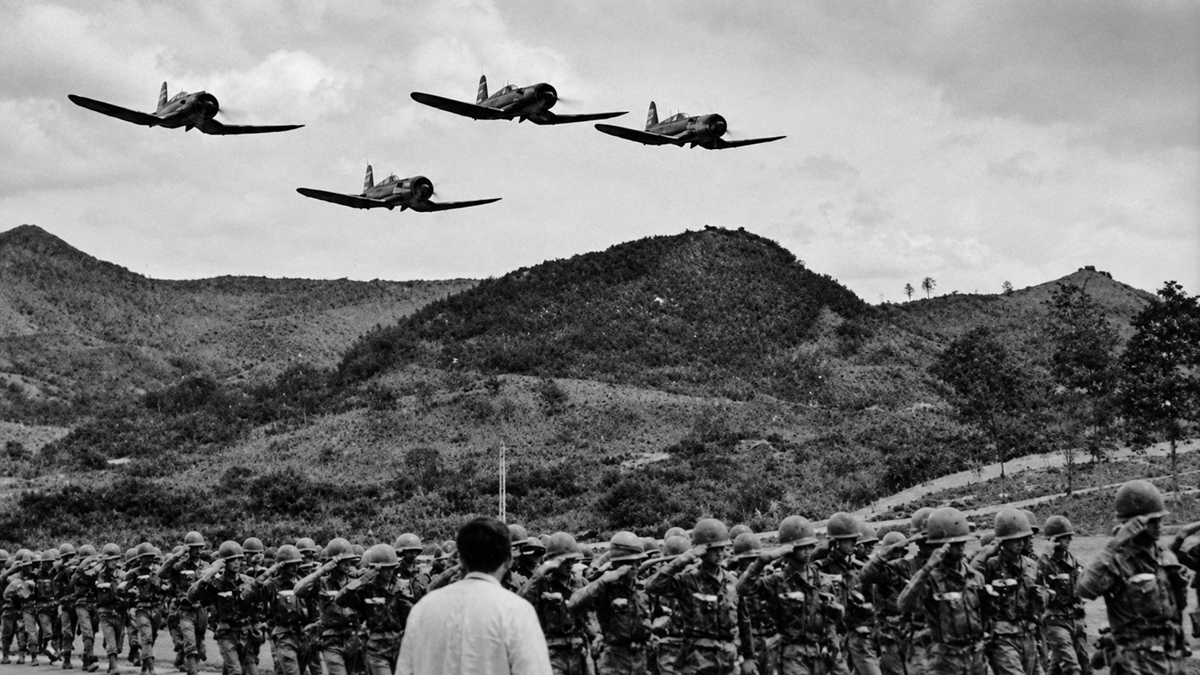
El Salvador and Honduras played three heated World Cup qualifying matches in 1969 while relations between the countries were already collapsing. Violence surrounding the games made the situation look like an international conflict caused by soccer, and the nickname stuck when war began shortly afterward. In reality, the central issues included migration, land ownership, economic inequality, and the treatment of Salvadorans living in Honduras. The matches did not create those problems, but they gave nationalism a highly visible stage.
Trending on The Scroller
6. The Kettle War
TODAYILEARNED / VIA REDDIT
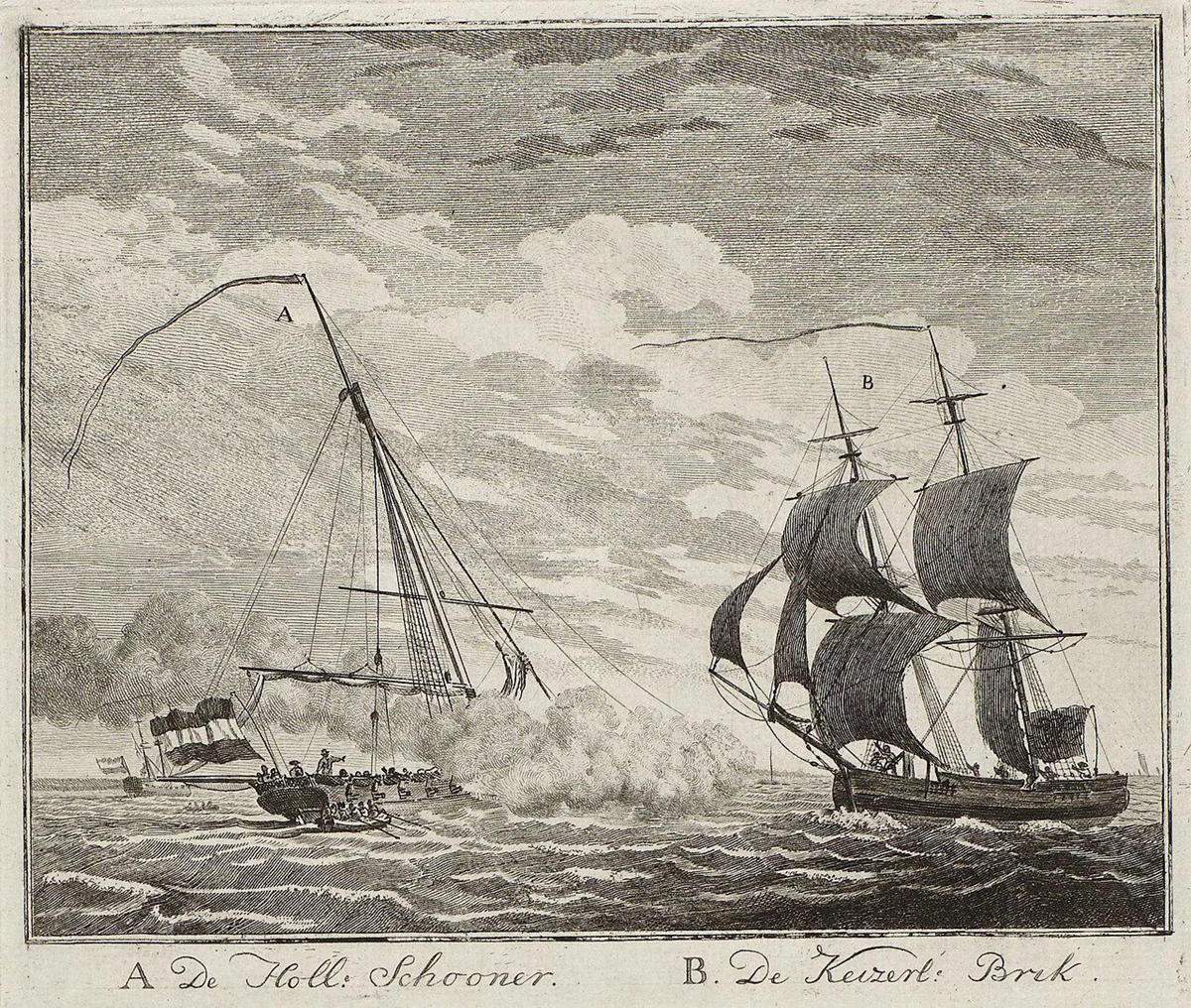
The Kettle War involved one cannon shot, no human casualties, and an unfortunate soup kettle. In 1784, a Dutch warship stopped an Austrian vessel attempting to sail along the Scheldt River during a dispute over navigation rights. The Dutch fired; the cannonball reportedly struck a kettle on deck, and the Austrian crew surrendered. Europe had seen longer lunch breaks than the military phase of this confrontation.
7. The Lobster War
WIKIMEDIA COMMONS
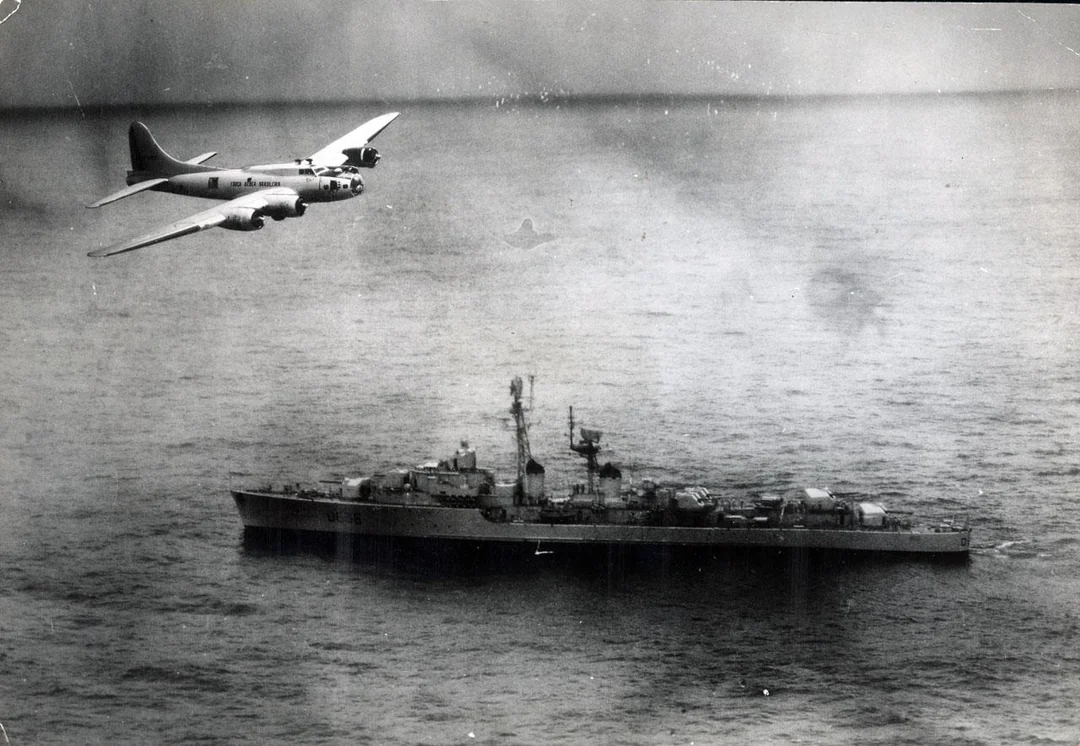
Brazil and France came uncomfortably close to a naval clash in the early 1960s over French boats catching spiny lobsters near Brazil’s northeastern coast. The argument became strangely biological: Brazil maintained that lobsters crawled along its continental shelf, while the French position treated their movement more like swimming in open water. Both countries deployed military vessels before diplomacy brought the crisis under control. No one was killed, but warships had genuinely been mobilized over the legal behavior of crustaceans.
8. The Cod Wars
EUROPE / VIA REDDIT
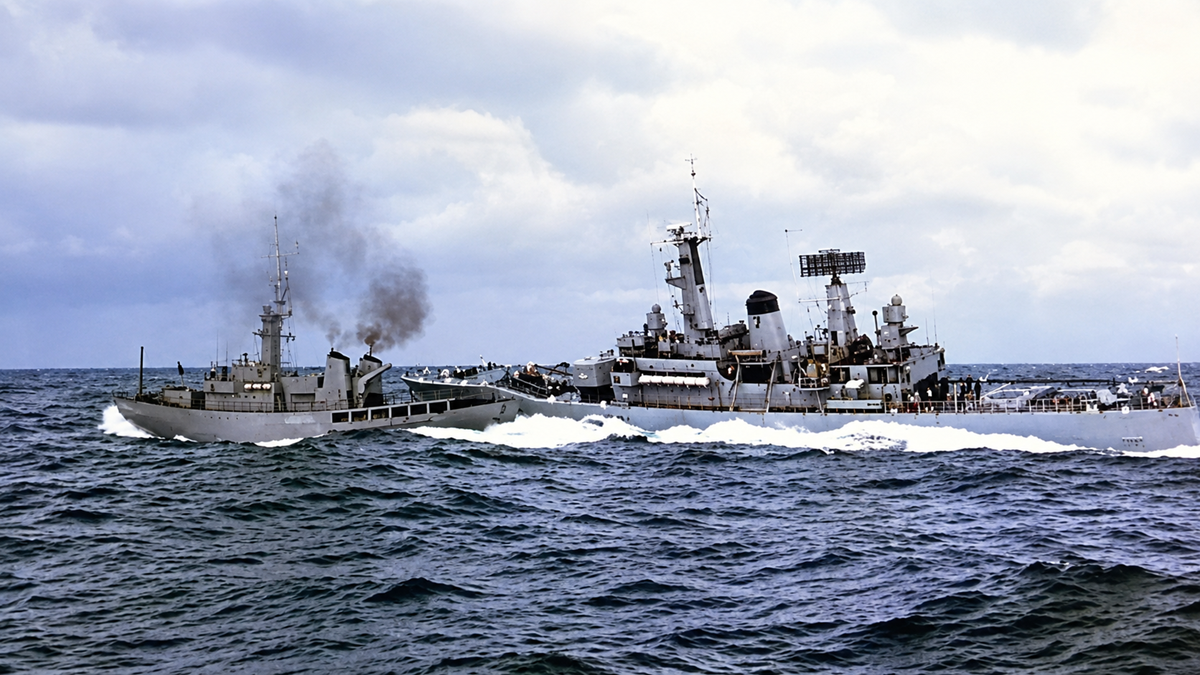
Fish were serious national business for Iceland, whose economy depended heavily on access to rich waters in the North Atlantic. Between the 1950s and 1970s, Iceland repeatedly expanded its fishing limits, while British trawlers continued operating in areas they had used for decades. Icelandic patrol boats cut fishing nets, British ships rammed vessels, and naval escorts entered the dispute. They were called wars, though the confrontations stopped short of a conventional shooting conflict.
Sign up for our newsletter
9. The Turbot War
NATO Canada
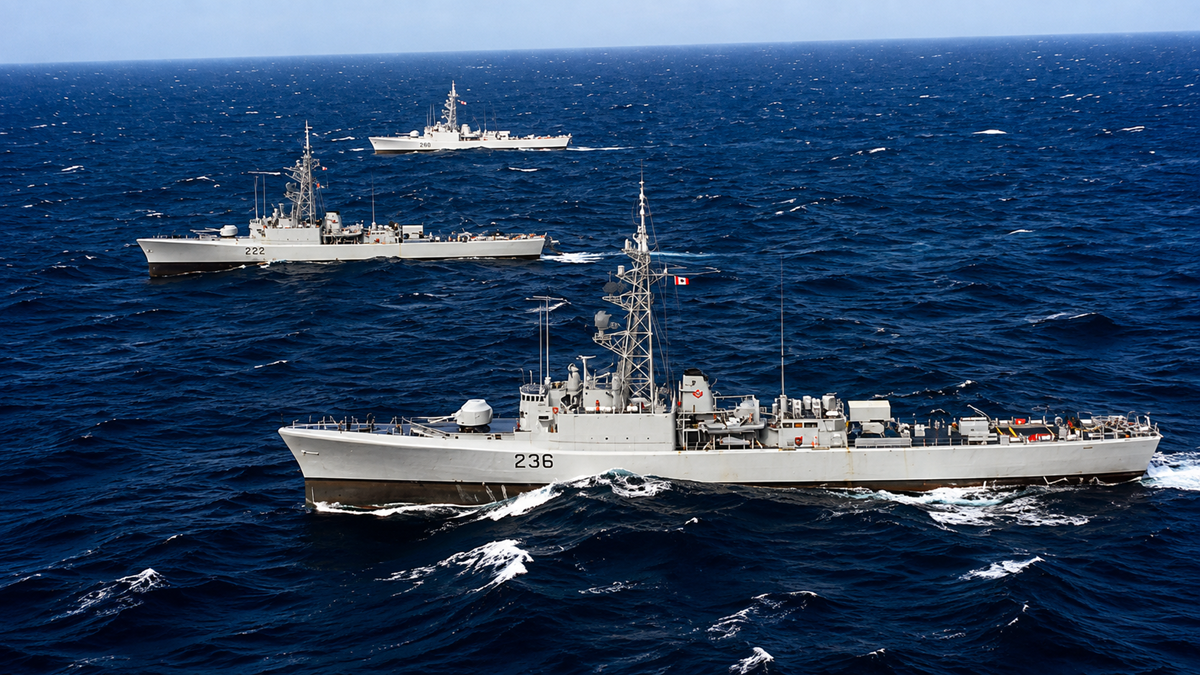
In 1995, Canadian authorities seized the Spanish fishing vessel Estai outside Canada’s exclusive economic zone, accusing it of illegally catching Greenland halibut, commonly called turbot. Spain sent patrol vessels, Canada dispatched additional ships, and crews faced one another across the North Atlantic. The confrontation was resolved without a battle, but fishing nets and quotas briefly caused a serious diplomatic crisis between Canada and the European Union.
10. The Aroostook War
NEWBRUNSWICKCANADA / VIA REDDIT
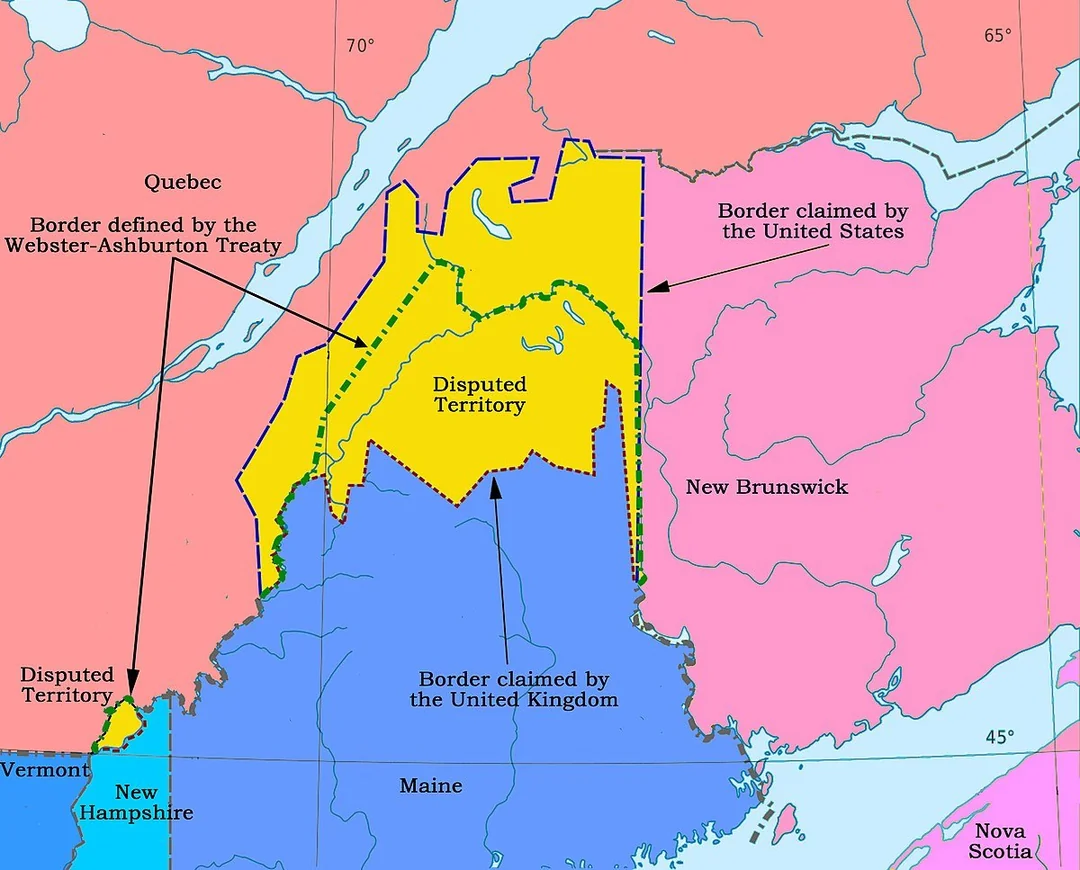
The United States and British-controlled New Brunswick disputed a heavily forested section of the Maine border during the 1830s. Much of the immediate trouble came from competing groups of lumberjacks cutting timber in the same area. Maine and New Brunswick sent armed forces, fortifications appeared, and arrests raised fears of another Anglo-American war. Despite the name, the crisis ended through negotiation without the opposing armies fighting a major battle.
11. The Honey War
OUR IOWA HERITAGE
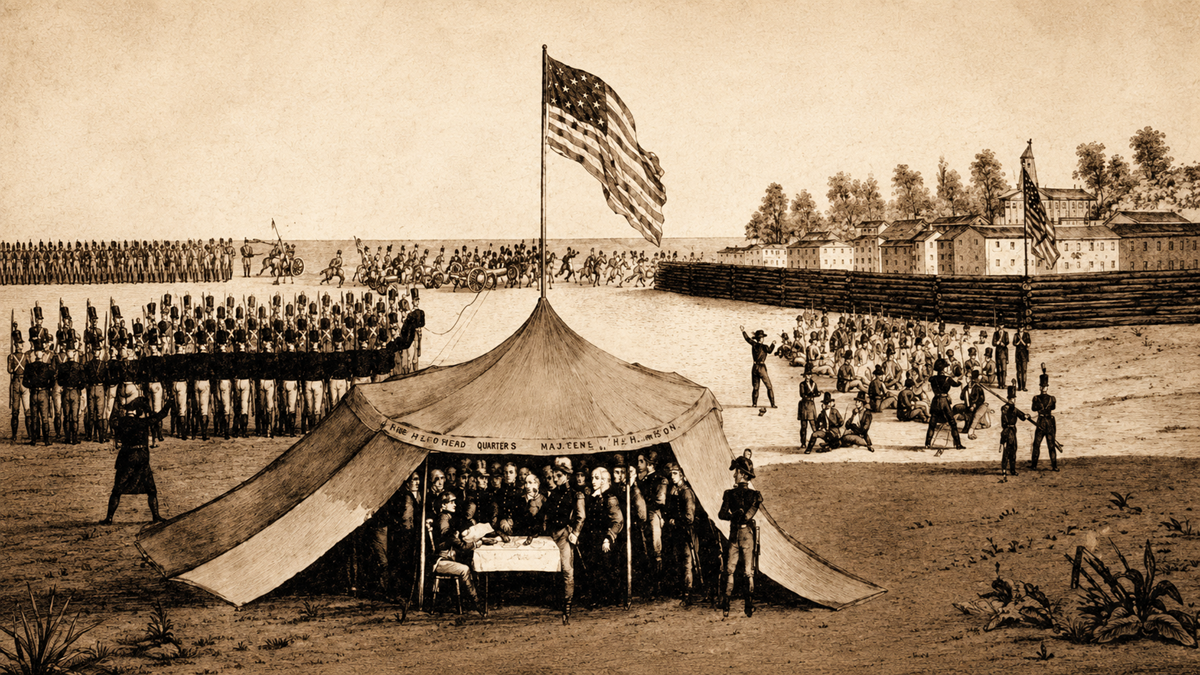
Missouri and Iowa argued over their border in 1839 after conflicting surveys placed the line in different locations. Tensions rose when a Missouri official tried to collect taxes in the disputed area, and several valuable trees containing beehives were cut down. Militia units gathered, though they never fought. The dispute eventually went to the United States Supreme Court, a calmer venue for determining who owned the honey trees.
12. The Chincha Islands War
WIKIMEDIA COMMONS
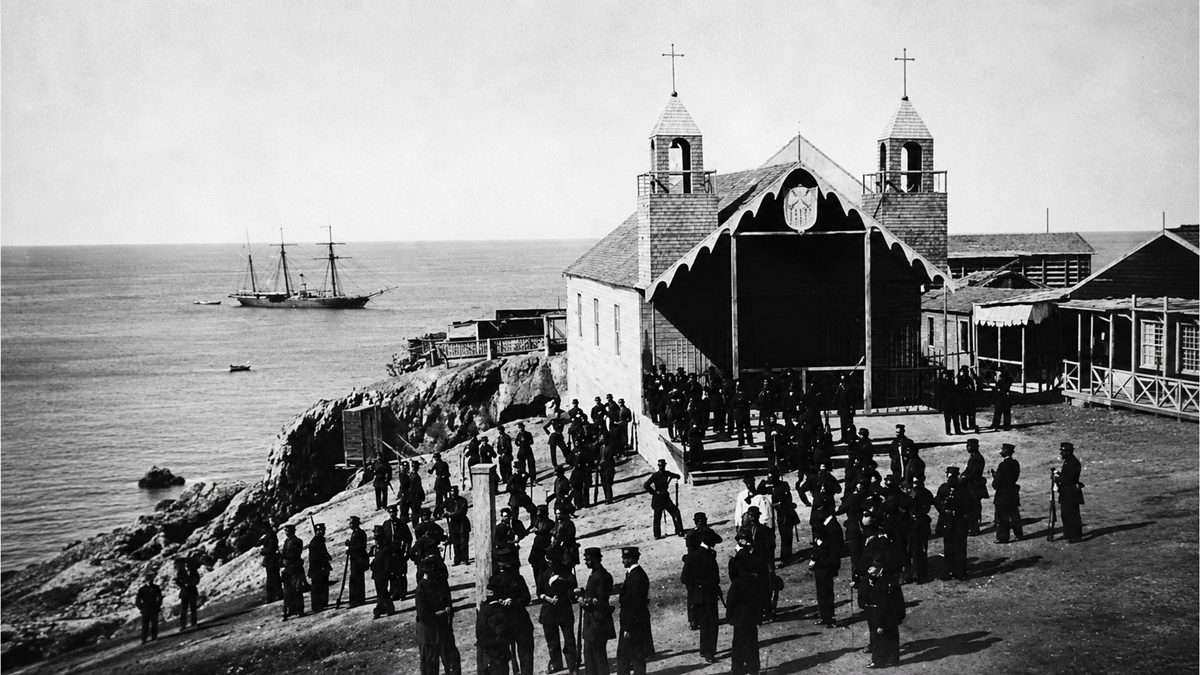
Spain’s seizure of Peru’s Chincha Islands in 1864 turned a diplomatic dispute into a war involving several South American countries. The islands looked barren, but their huge deposits of seabird guano were extremely valuable as fertilizer and represented a major source of Peruvian income. Spain presented the occupation as leverage during arguments over debts and the treatment of Spanish citizens. To outside observers, however, it looked remarkably like nations were preparing for battle over piles of bird droppings.
13. The War of the Golden Stool
HISTORY / VIA REDDIT
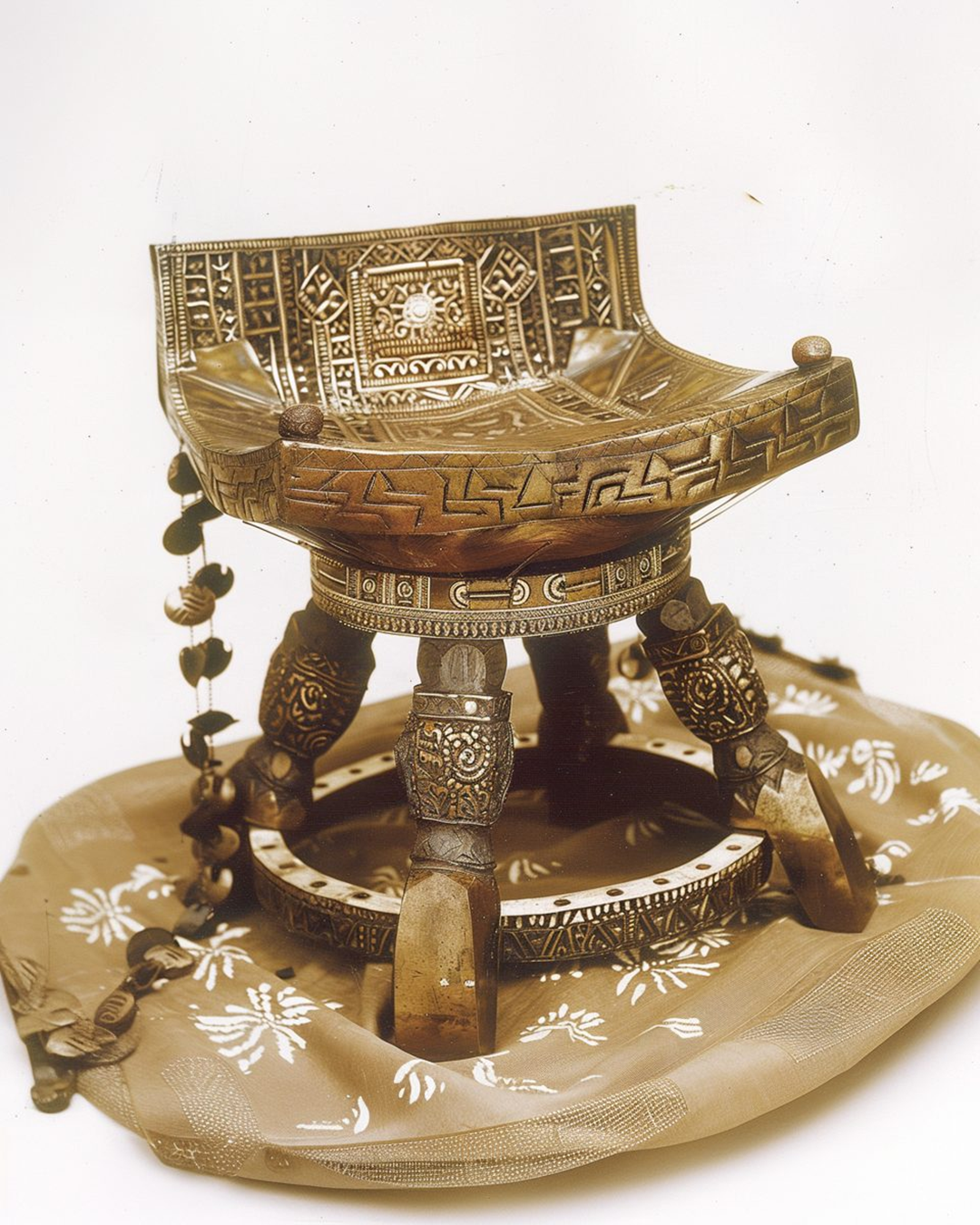
When British governor Frederick Hodgson demanded to sit on the Golden Stool of the Ashanti in 1900, he gravely underestimated what the object represented. It was not ordinary furniture but a sacred symbol associated with the spirit, unity, and sovereignty of the Ashanti nation. The demand helped provoke an uprising led by Yaa Asantewaa, with British forces besieged at Kumasi. A war apparently sparked by a chair sounds absurd only when its cultural meaning is removed.
14. The War of the Bucket
TODAYILEARNED / VIA REDDIT
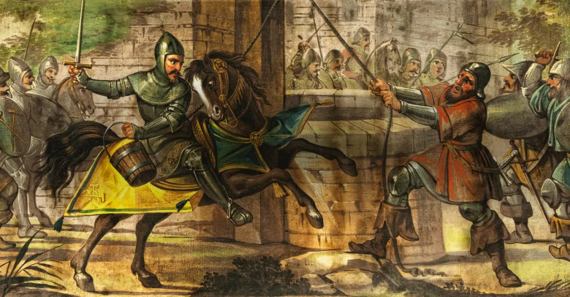
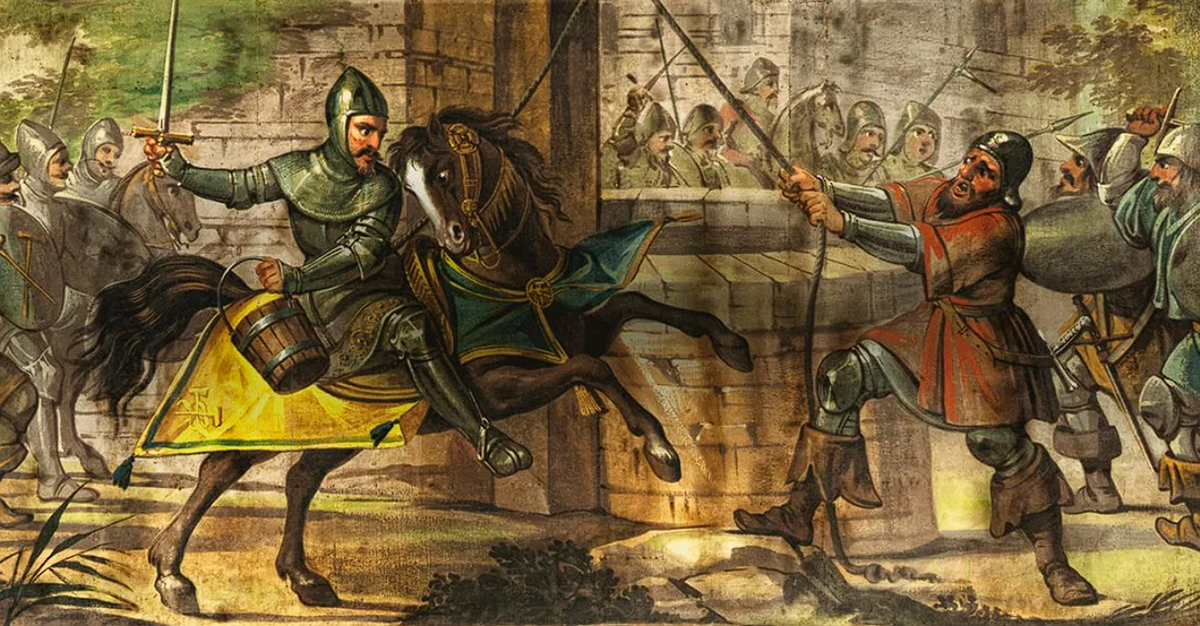
The famous story says Bologna and Modena went to war after Modenese soldiers stole a wooden bucket from a Bolognese well. It is memorable, visual, and almost certainly misleading. The two Italian cities were already rivals aligned with opposing political factions, and the bucket appears to have been taken as a trophy rather than serving as the original cause of the fighting. Its survival as a symbol shows how easily one ridiculous object can replace a complicated political explanation.
In the mood for more?
Check out 12 Cold War Close Calls That Nearly Sparked World War III, or take a look at 15 Wars That Started Over the Most Absurd Reasons in History. If you want to see more unusual history, you can check out 19 World War I Facts That Sound Completely Unreal.