Unfinished historical projects tell a fascinating story about ambition, patience, and the people who dreamed bigger than their own lifetimes. Behind some of the world´s most recognizable landmarks are architects, artists, and visionaries who spent years planning something extraordinary, only to leave before the final piece was in place.
And sometimes, that final piece still hasn’t arrived. From bridges completed by the next generation to monuments that remain works in progress, these 20 projects reveal what happens when a grand idea outlives the person who started it.
1. Brooklyn Bridge — John A. Roebling
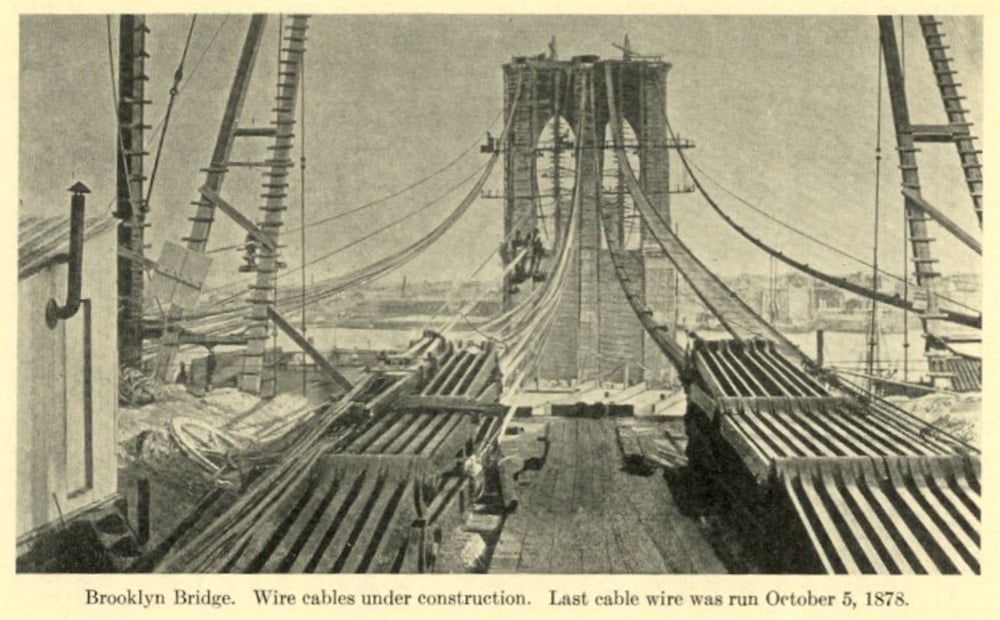
Imagine designing one of the world’s most famous bridges and never seeing its cables stretch across the river. John A. Roebling died in 1869, before construction of the Brooklyn Bridge had truly gotten underway. His son Washington took over as chief engineer, while Washington’s wife, Emily, became an essential link between the construction team and her increasingly ill husband. When the bridge finally opened in 1883, it represented far more than one man’s vision. It was a remarkable family achievement that took fourteen years to bring to life.
2. Washington Monument — Robert Mills
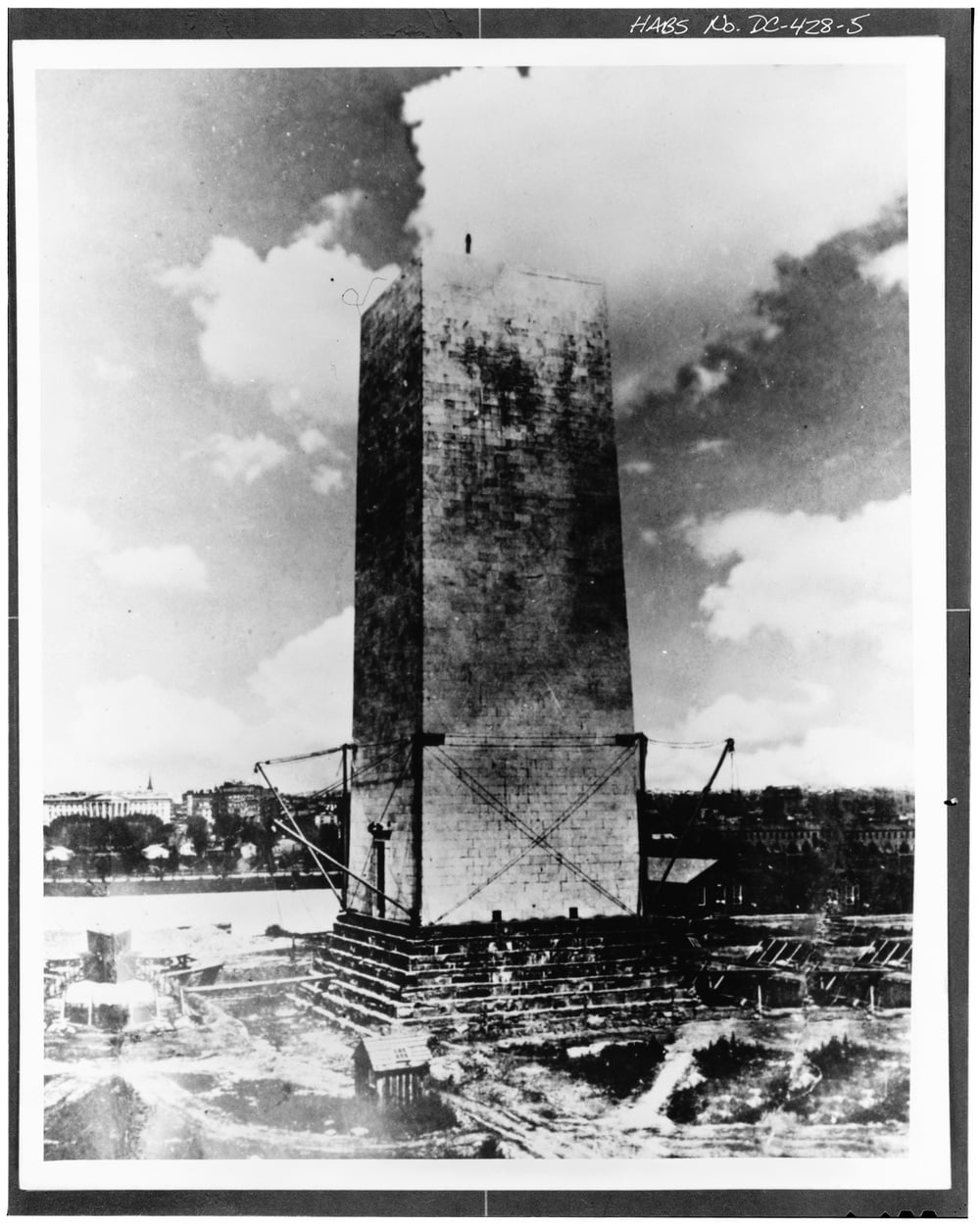
For years, the Washington Monument stood in the nation’s capital, looking as if someone had simply forgotten to finish it. Architect Robert Mills died in 1855, long before the towering obelisk was completed in 1884. Funding problems, political disagreements, and changes to the original design had repeatedly interrupted construction. The difference in stone color still visible on the monument tells part of that story. What Mills never witnessed was his unfinished tribute becoming one of America’s most recognizable landmarks.
3. Mount Rushmore — Gutzon Borglum
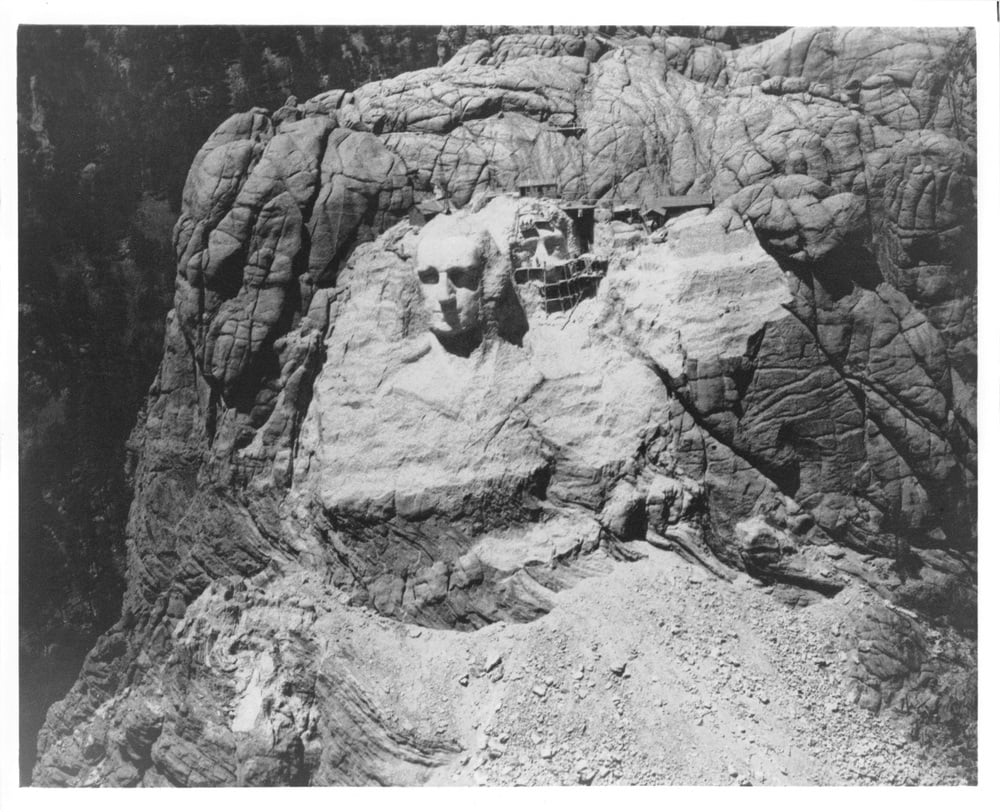
Carving four presidential faces into a mountainside was never going to be a small undertaking. Sculptor Gutzon Borglum began work on Mount Rushmore in 1927 and spent years overseeing the enormous project. But he died in March 1941, just months before construction ended. His son Lincoln supervised the final work that year, although the original plans for more extensive presidential figures were never fully realized. The monument became world-famous, even if the finished result was more modest than Borglum originally imagined.
4. FDR Four Freedoms Park — Louis Kahn
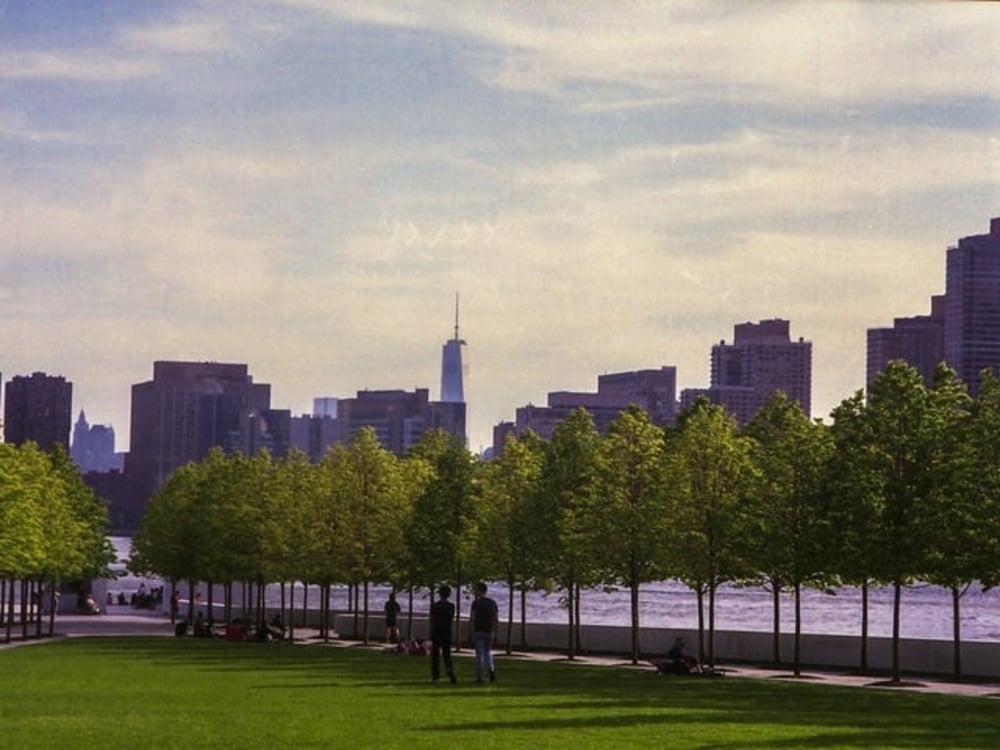
Some architectural ideas have to wait decades for their moment. Louis Kahn designed a memorial honoring President Franklin D. Roosevelt on New York City’s Roosevelt Island, but he died in 1974 before construction could begin. His plans remained unrealized for years until supporters finally brought the project to life. When Four Freedoms Park opened in 2012, it preserved the essential vision Kahn had left behind. Nearly four decades after his death, visitors could finally walk through a space he had imagined but never experienced.
5. Baghdad Gymnasium — Le Corbusier
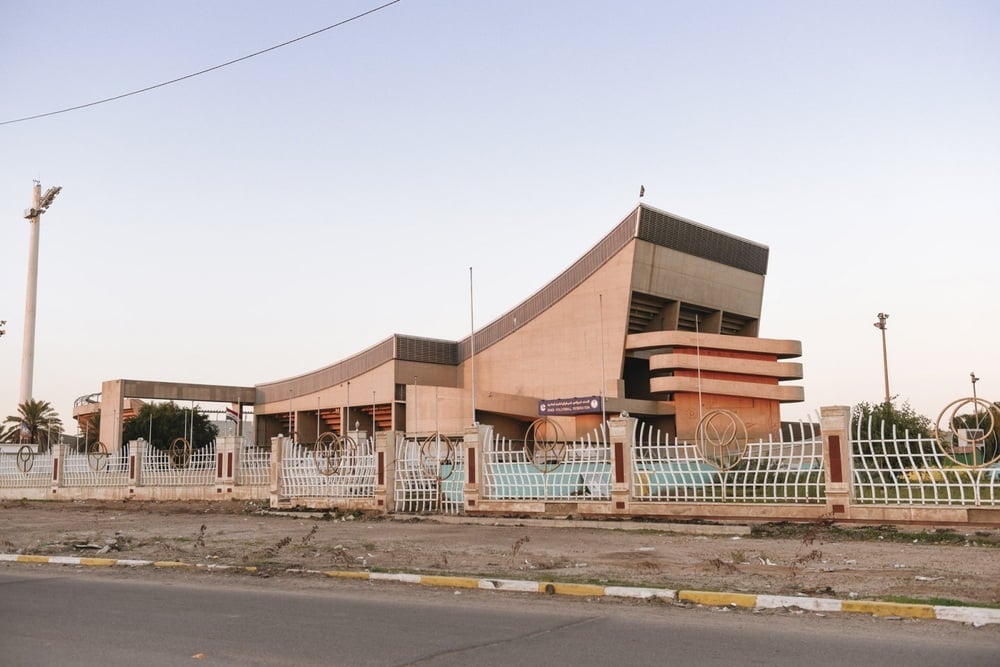
What happens when an architect’s plans survive longer than the architect himself? Le Corbusier developed designs for a sports complex in Baghdad, but he died in 1965 before the project was built. The gymnasium eventually opened in 1980, with the completed building reflecting a later realization of his architectural ideas. It wasn’t simply a matter of following every original drawing without changes, but the project remains an unusual example of a major modernist design taking physical shape after its creator was gone.
Trending on The Scroller

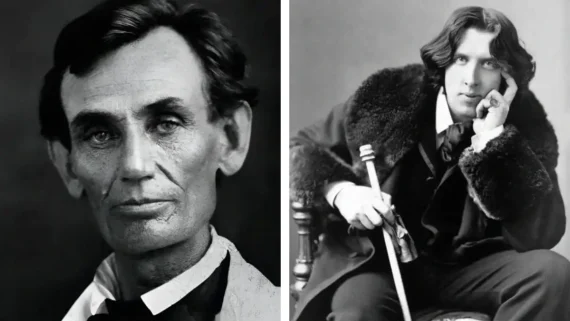
6. House for an Art Lover — Charles Rennie Mackintosh
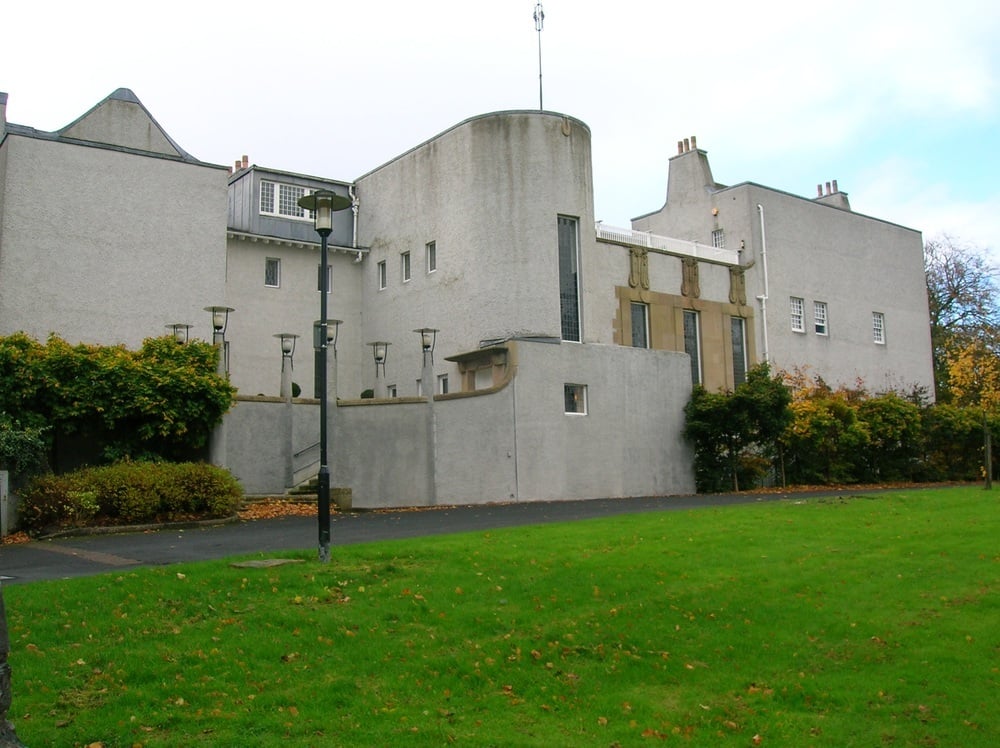
A house designed in 1901 and built almost a century later sounds like an architectural time capsule. Scottish architect Charles Rennie Mackintosh created the design with Margaret Macdonald Mackintosh for a competition, but the house was never constructed during his lifetime. Mackintosh died in 1928, leaving the drawings behind. Decades later, the design was interpreted and brought to life in Glasgow, opening in 1996. The result offers a rare opportunity to step inside an architectural vision that originally existed only on paper.
7. Massaro House — Frank Lloyd Wright
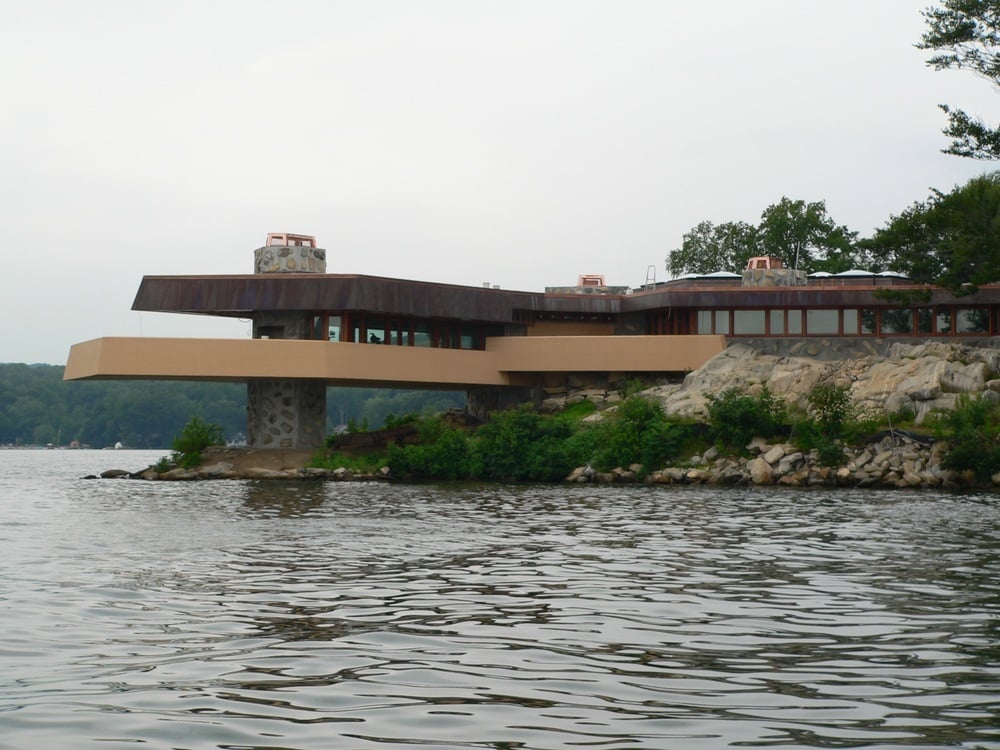
Frank Lloyd Wright left behind more than enough architectural ideas to keep people busy after his death in 1959. One of the most controversial examples is Massaro House, built decades later on Petra Island in New York from an unrealized Wright design. The house was completed in 2007, but its interpretation of the original plans sparked debate over how faithfully it represented Wright’s intentions. Can a building truly be called a Wright creation when he never supervised its construction? That’s part of what makes this project so intriguing.
8. L’Arc de Triomphe, Wrapped — Christo
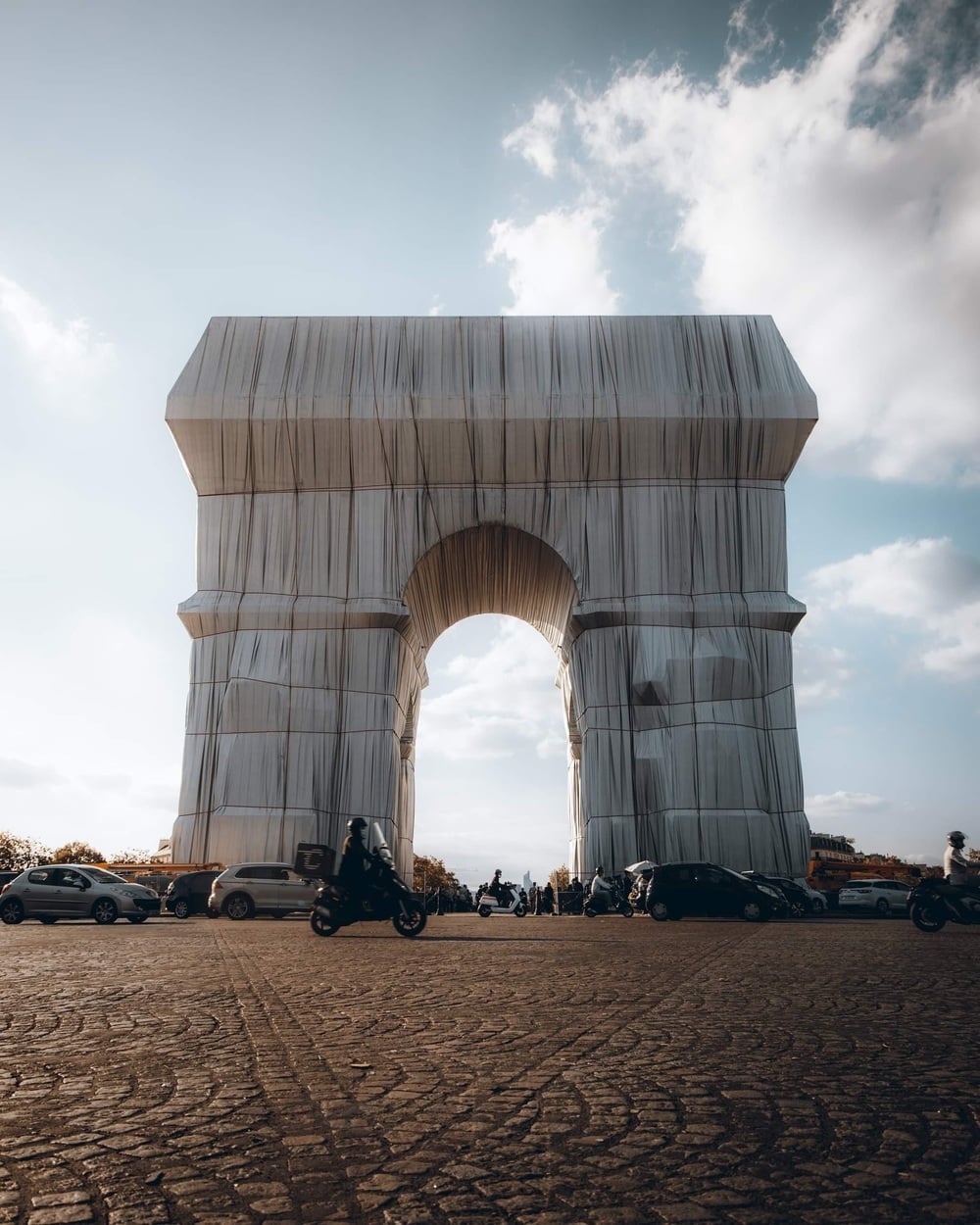
Paris’s Arc de Triomphe looked completely different for a brief period in 2021, covered in shimmering fabric as part of an extraordinary art installation. The concept came from Christo, who had envisioned wrapping the monument decades earlier. Unfortunately, he died in 2020 before seeing the project realized. His team continued the work, and the temporary installation finally appeared the following year. It lasted only sixteen days, but those days brought a long-imagined artistic vision into the real world.
Sign up for our newsletter
9. Scott Monument — George Meikle Kemp
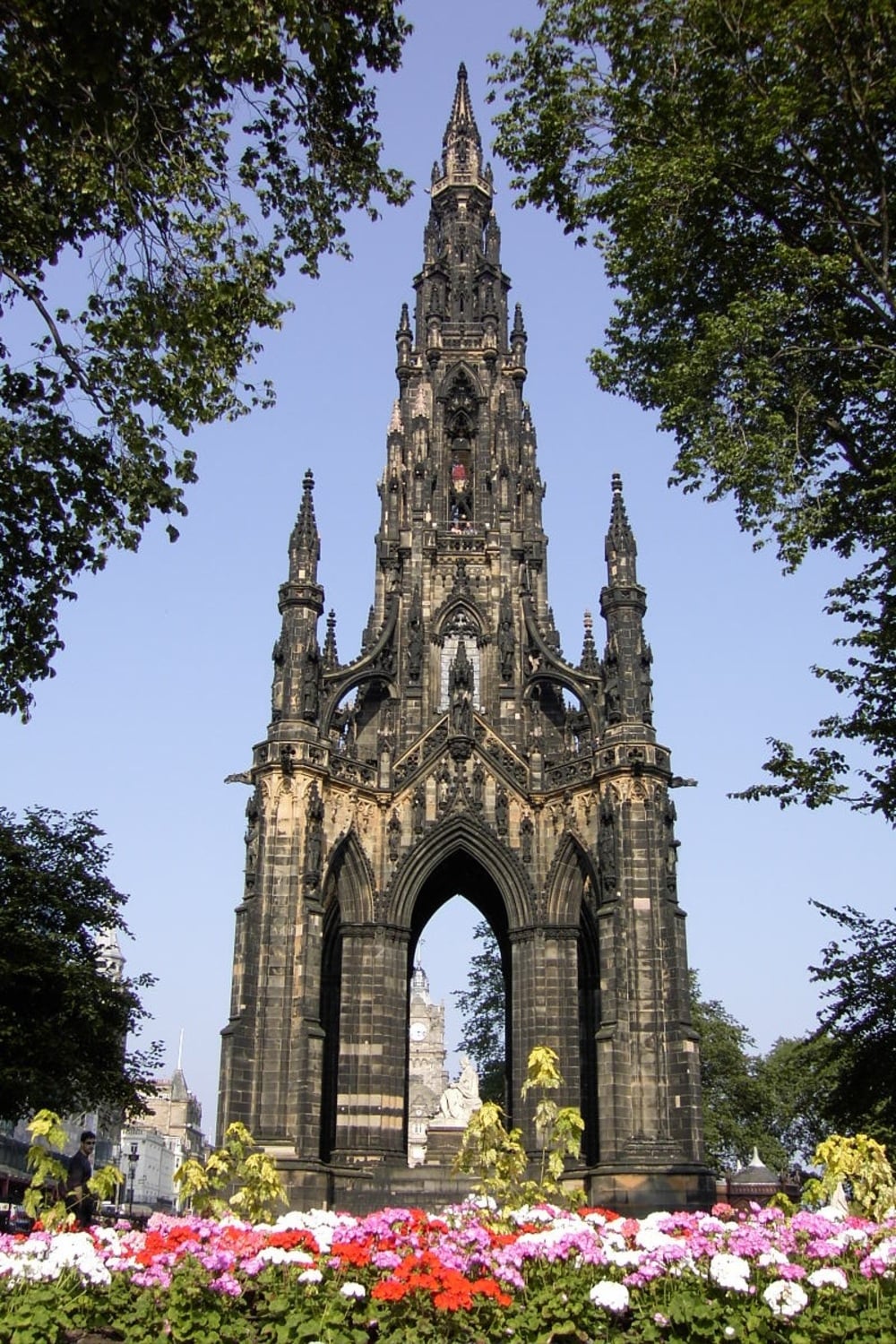
Edinburgh’s Scott Monument looks like something lifted straight from a Gothic fairy tale, but its architect never saw the completed structure. George Meikle Kemp won the design competition for the memorial to writer Sir Walter Scott and oversaw much of its construction. Tragically, Kemp died in 1844, shortly before the monument was completed. Work continued, and the towering landmark became one of Edinburgh’s most distinctive sights. It’s a particularly poignant story of an architect coming so close to seeing his greatest achievement finished.
10. Statue of Liberty — Eugène Viollet-le-Duc
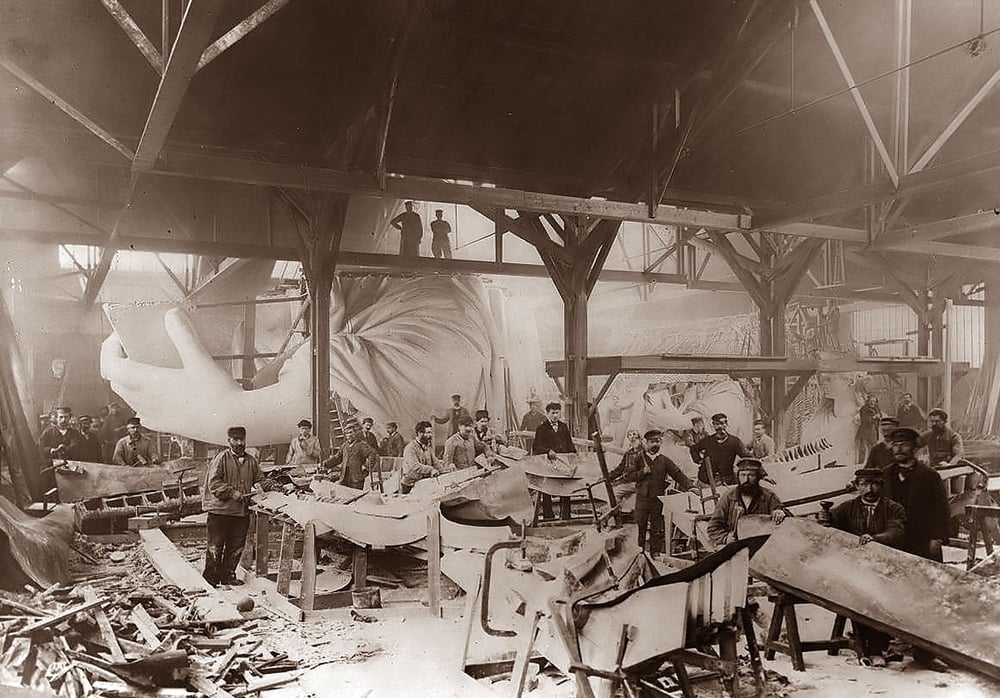
Unfinished historical projects sometimes involve contributors whose names are overshadowed by the people who ultimately completed them. The Statue of Liberty is closely associated with sculptor Frédéric Auguste Bartholdi and engineer Gustave Eiffel, but French architect Eugène Viollet-le-Duc also worked on its early structural planning. He died in 1879, before the statue was completed and dedicated in 1886. Eiffel later developed the internal support system that helped make the monument possible. It´s a reminder that even the world´s most famous creations can have complicated histories of collaboration.
11. Guggenheim Museum — Frank Lloyd Wright
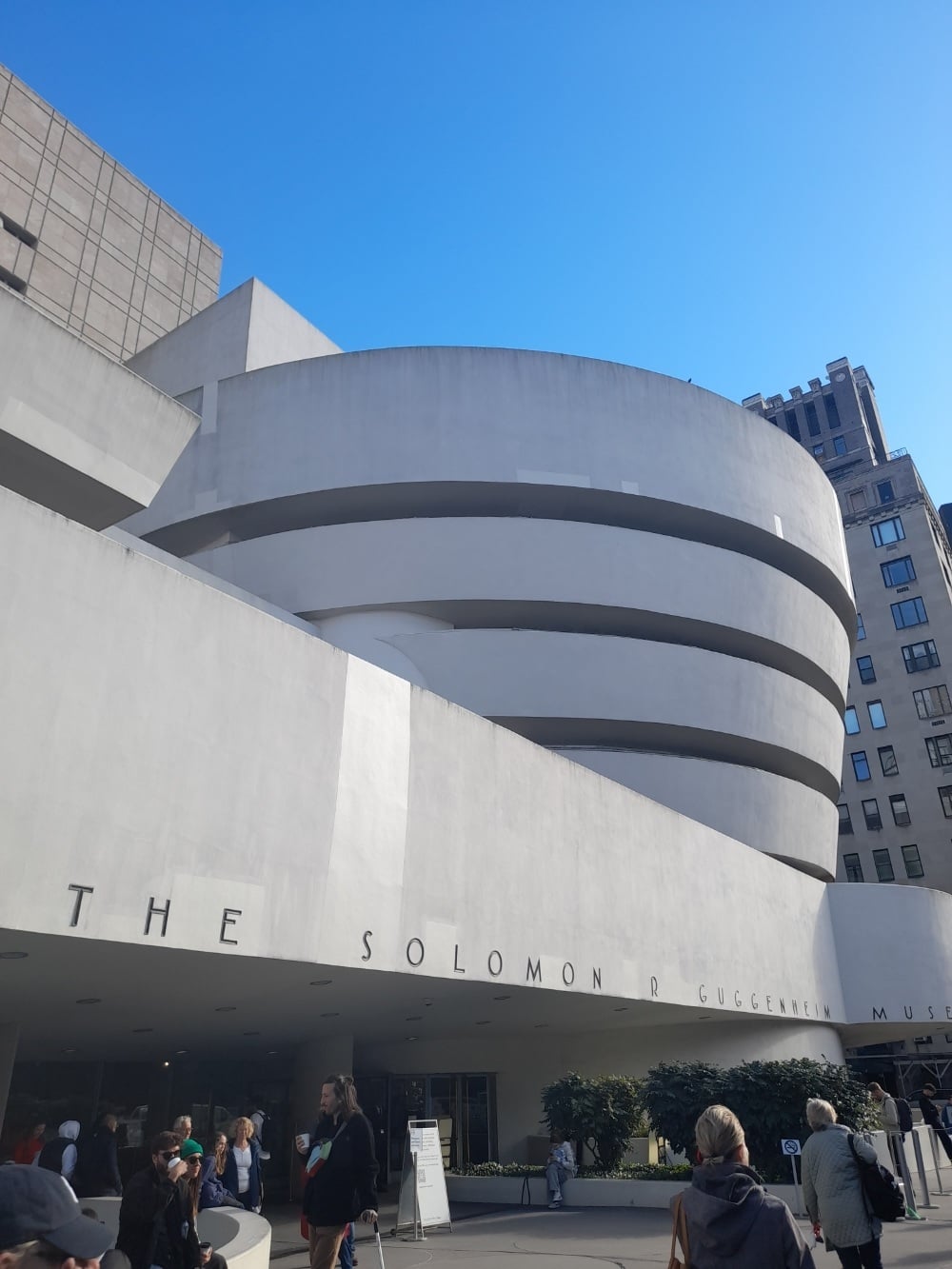
Here’s a particularly frustrating bit of timing: Frank Lloyd Wright died in April 1959, only months before New York’s Guggenheim Museum opened that October. The architect had spent years developing its revolutionary spiral design, challenging conventional ideas about what a museum should look like. Construction continued through the final stages, and the building opened to the public without its creator there to see the reaction. Today, its sweeping curves are among the most recognizable features of modern American architecture.
12. Cathedral of Saint John the Divine — Generations of Architects
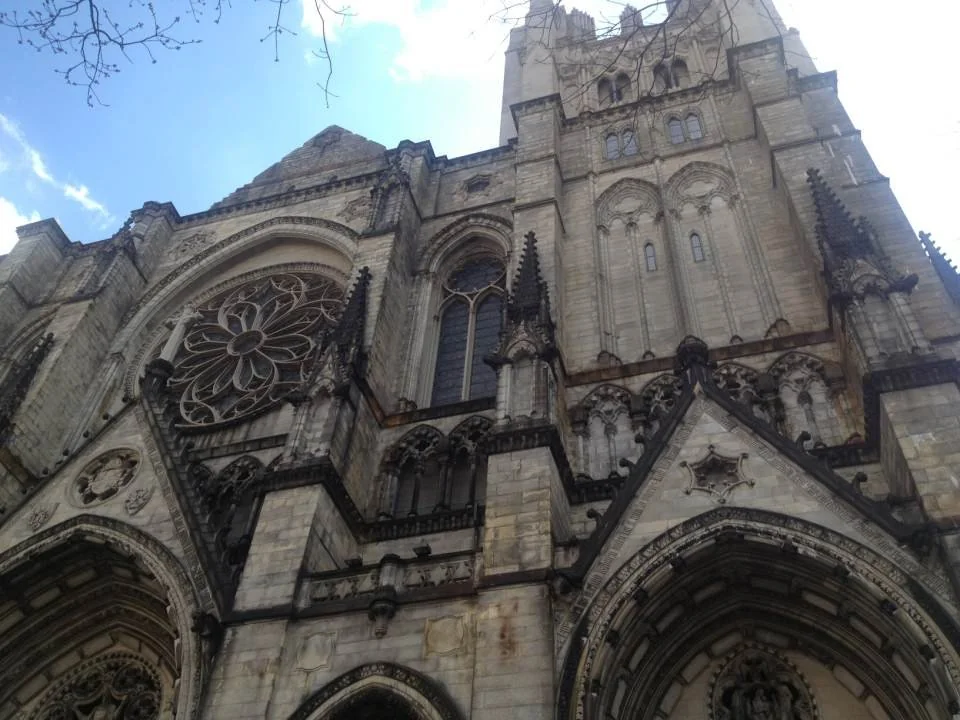
Some projects outlive their creators without ever reaching a conventional finish line. Construction of New York’s Cathedral of Saint John the Divine began in 1892, and generations of architects and craftspeople have contributed to its changing design. Several of those involved died while work remained incomplete, and the cathedral still isn’t fully finished. Yet it functions as an active place of worship and a major cultural landmark. Perhaps the most surprising part is that a building can become an important piece of a city’s identity while technically remaining a work in progress.
13. Sagrada Família — Antoni Gaudí
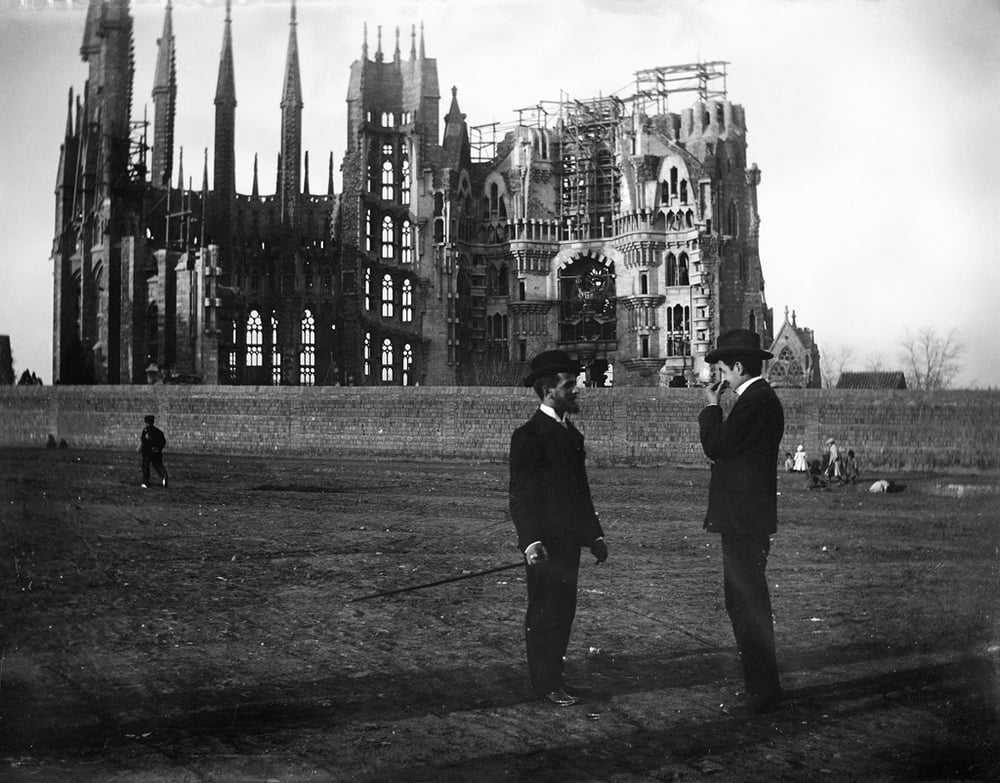
Few architects have become as closely identified with an unfinished masterpiece as Antoni Gaudí. He devoted much of his later life to Barcelona’s Sagrada Família, developing an extraordinary design filled with intricate symbolism and organic forms. When he died in 1926, only a portion of the basilica had been completed. Successive generations of architects and builders continued the work, reaching major construction milestones a century later. Even in 2026, the entire project was not fully complete, making it one of history’s most remarkable examples of a vision extending far beyond its creator’s lifetime.
14. Crazy Horse Memorial — Korczak Ziolkowski
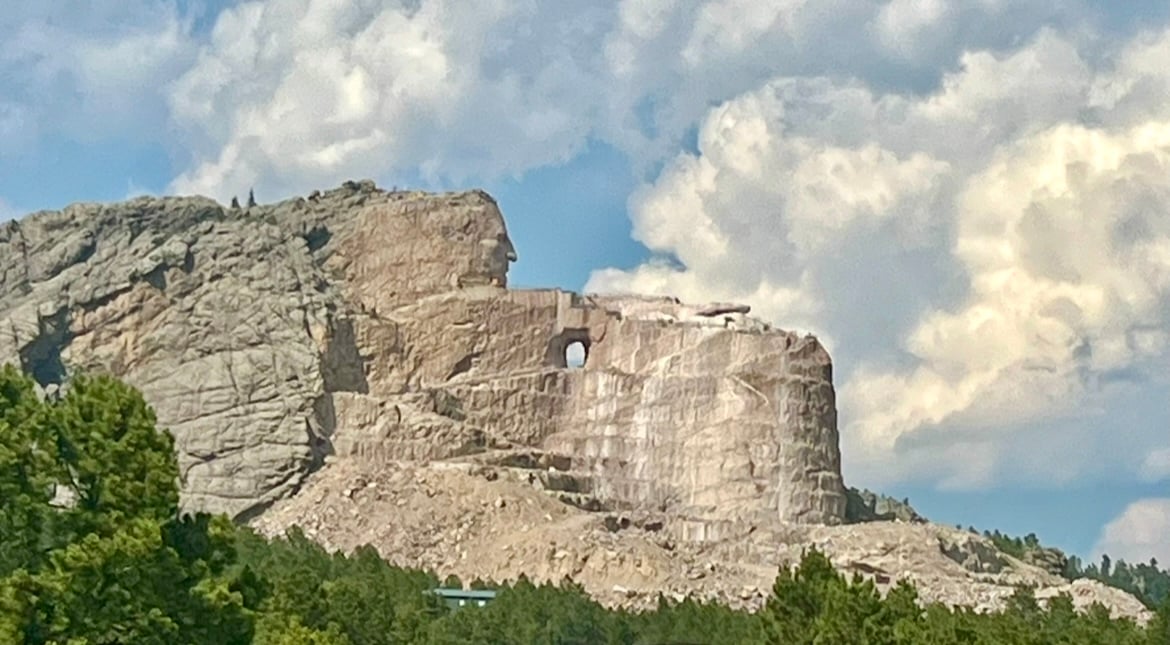
Imagine beginning a sculpture so enormous that finishing it could take generations. That’s the scale of the Crazy Horse Memorial in South Dakota’s Black Hills. Sculptor Korczak Ziolkowski began work in 1948, envisioning a monumental tribute to the Lakota leader Crazy Horse. He died in 1982, leaving behind a project that was nowhere near finished. His family and the memorial organization continued the effort, and construction remains ongoing. Unlike most monuments, this one is as much a story about persistence as it is about the final sculpture.
15. Cologne Cathedral — Generations of Medieval Builders
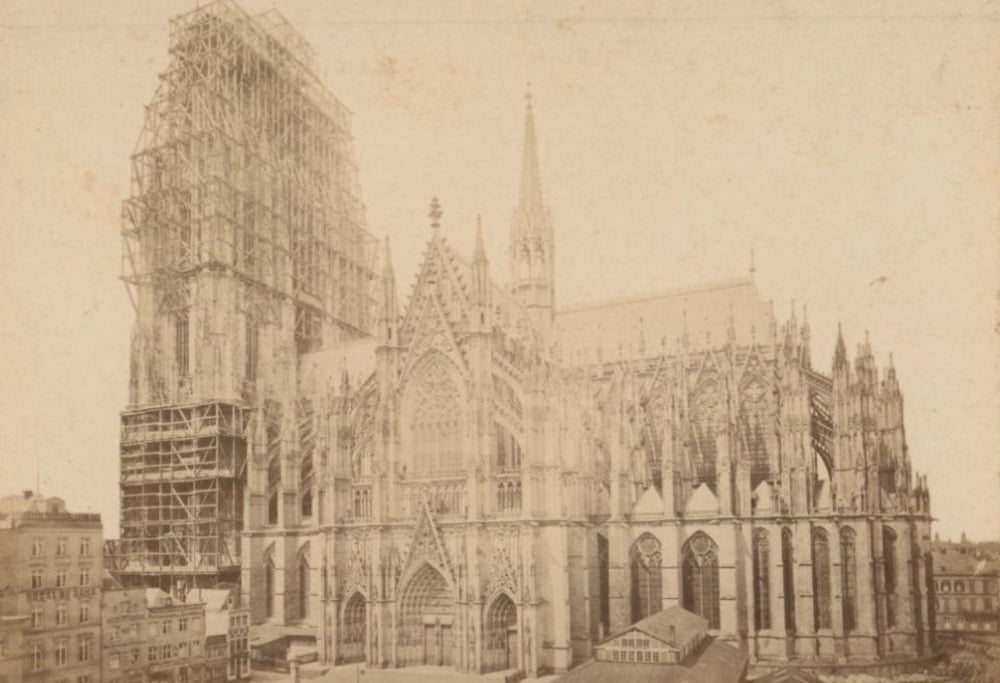
How long is too long to finish a cathedral? In Cologne, Germany, the answer was apparently more than six centuries. Construction began in 1248, but the enormous Gothic project experienced interruptions lasting generations. Its earliest builders could never have imagined that the cathedral wouldn’t be completed until 1880. By then, the people responsible for its original medieval plans had been gone for centuries. The completed towers stand as a reminder that some architectural ambitions require an almost unimaginable amount of patience.
16. Florence Cathedral Dome — Arnolfo di Cambio
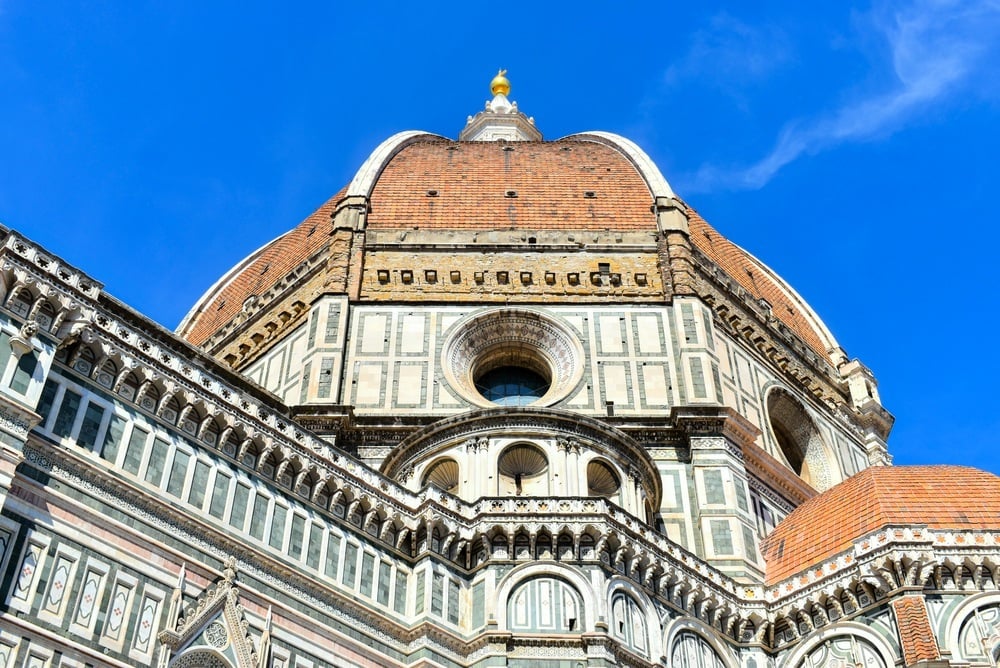
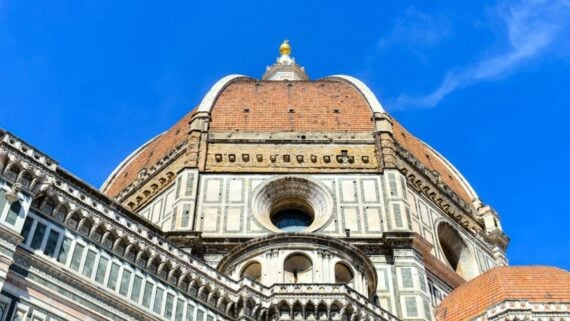
Florence’s magnificent cathedral dome is one of the great achievements of Renaissance engineering, but the building’s story began long before Filippo Brunelleschi designed that famous roof. Architect Arnolfo di Cambio helped establish the cathedral’s original design in the late 13th century and died in the early 1300s, long before the structure reached completion. Brunelleschi’s dome was finished in 1436, transforming the skyline. The cathedral became a masterpiece through the work of different generations, each adding something its original architect never lived to see.
17. Palace of Westminster — Charles Barry
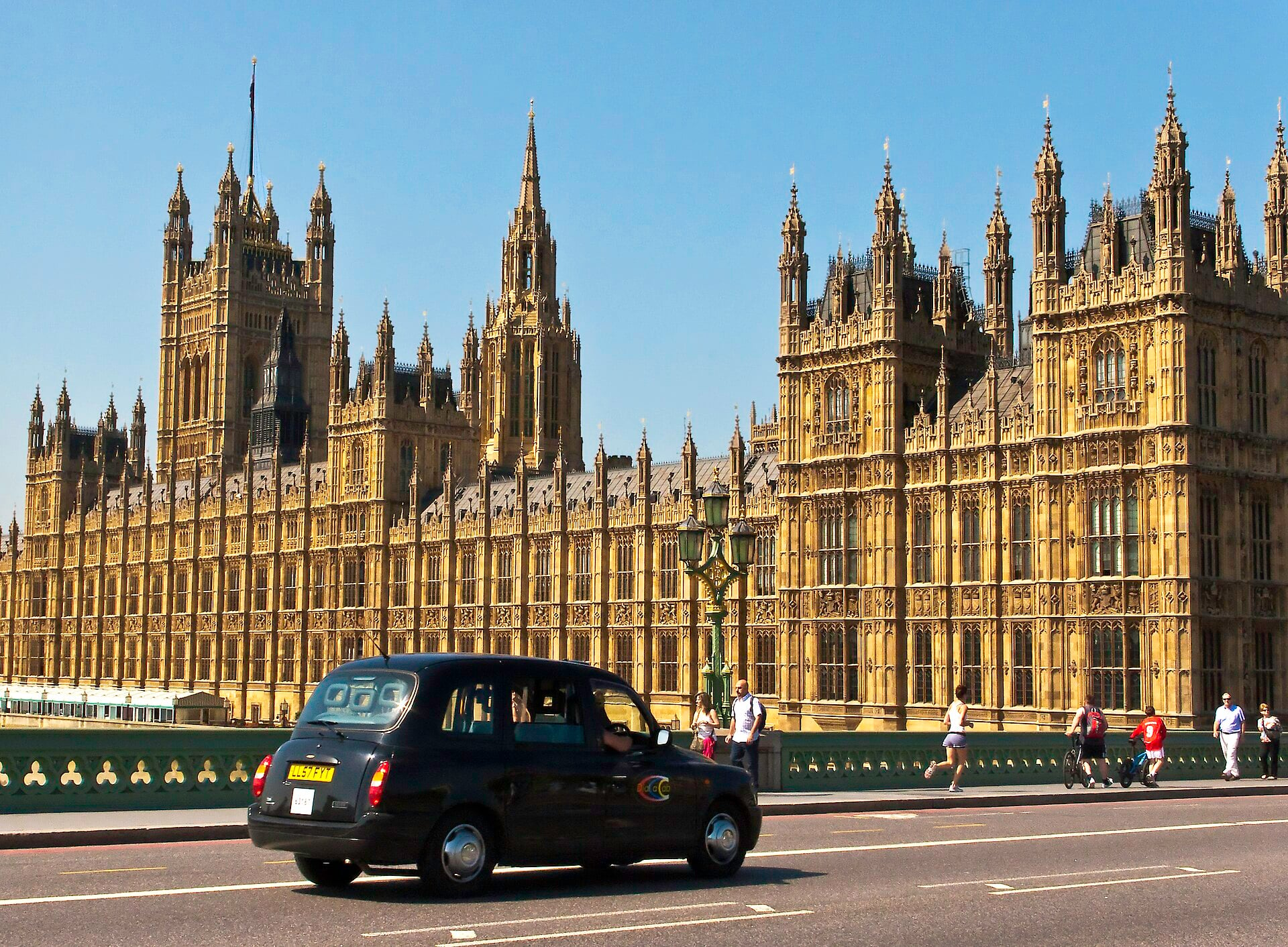
Rebuilding Britain’s Parliament after a devastating fire was an enormous architectural challenge. Charles Barry won the competition to design the new Palace of Westminster and spent decades overseeing its construction. But he died in 1860 while portions of the complex remained unfinished. His collaborator Augustus Pugin had also died years earlier, leaving others to continue the work. The familiar Gothic Revival landmark eventually took shape through a prolonged building process, proving that even a project at the center of government couldn’t escape delays.
18. Palais Garnier — Napoleon III
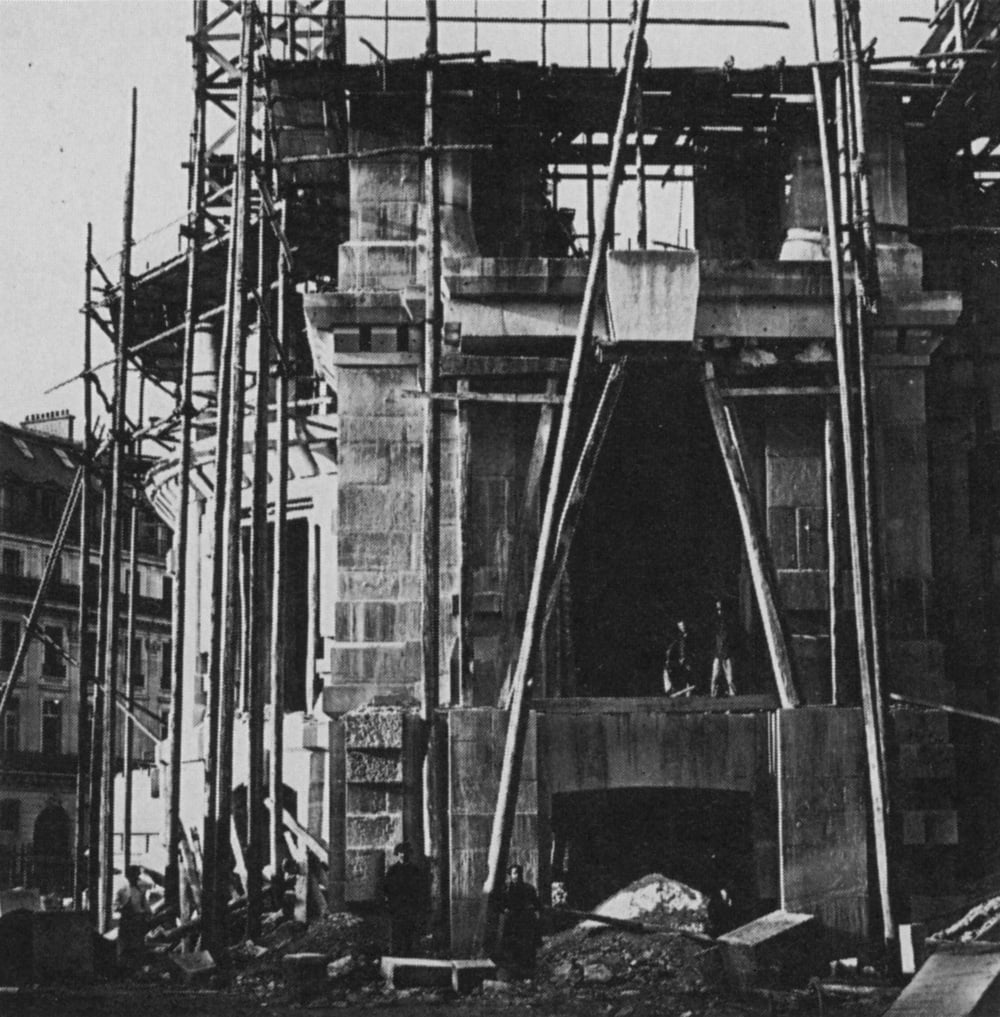
Napoleon III wanted Paris to have a magnificent new opera house, and architect Charles Garnier delivered a design worthy of the imperial ambition. Construction began in 1861, but political upheaval and delays complicated the project. Napoleon III died in 1873, two years before the Palais Garnier opened in 1875. Although Garnier himself lived to see the building completed, the emperor who commissioned it never did. The lavish opera house became one of Paris’s architectural treasures, even as the political world that inspired it had already disappeared.
19. Hoover Dam — The Vision That Took Generations
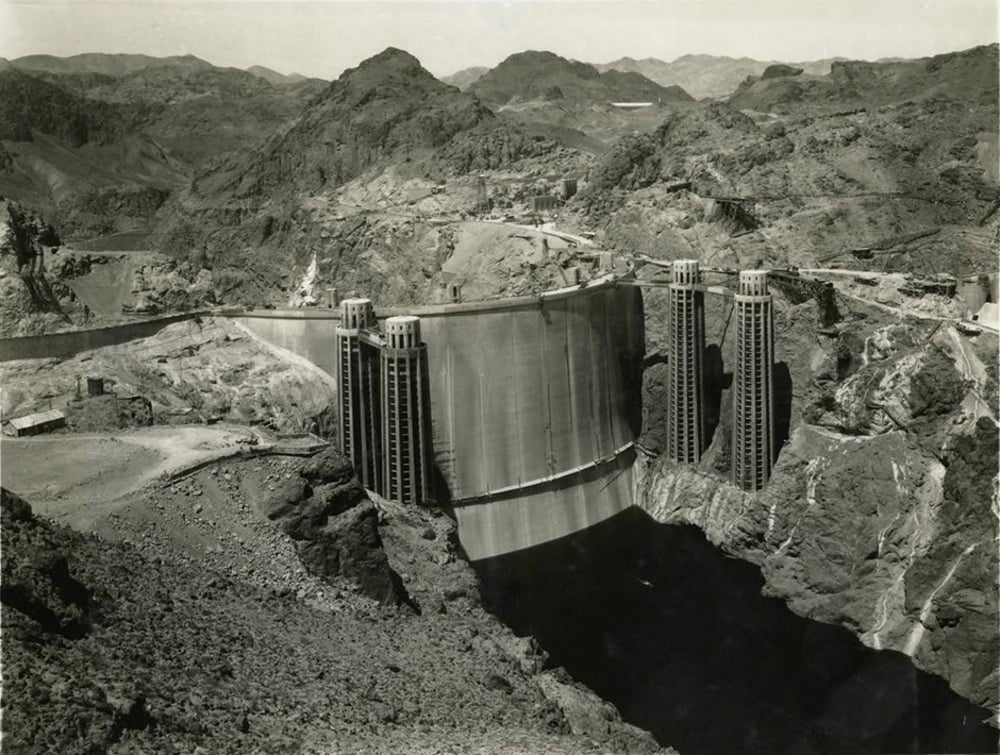
Long before Hoover Dam became an engineering icon, the idea of controlling the Colorado River had occupied planners and officials for years. Early proposals gradually evolved into the enormous federal project that took shape during the 1930s. The dam was completed in 1936, transforming water management and power generation in the American Southwest. Unlike the other stories here, however, there isn’t a single clearly documented original creator whose death neatly connects the first vision to the completed structure. Its history is better understood as a collective achievement built on decades of planning.
20. Panama Canal — Ferdinand de Lesseps
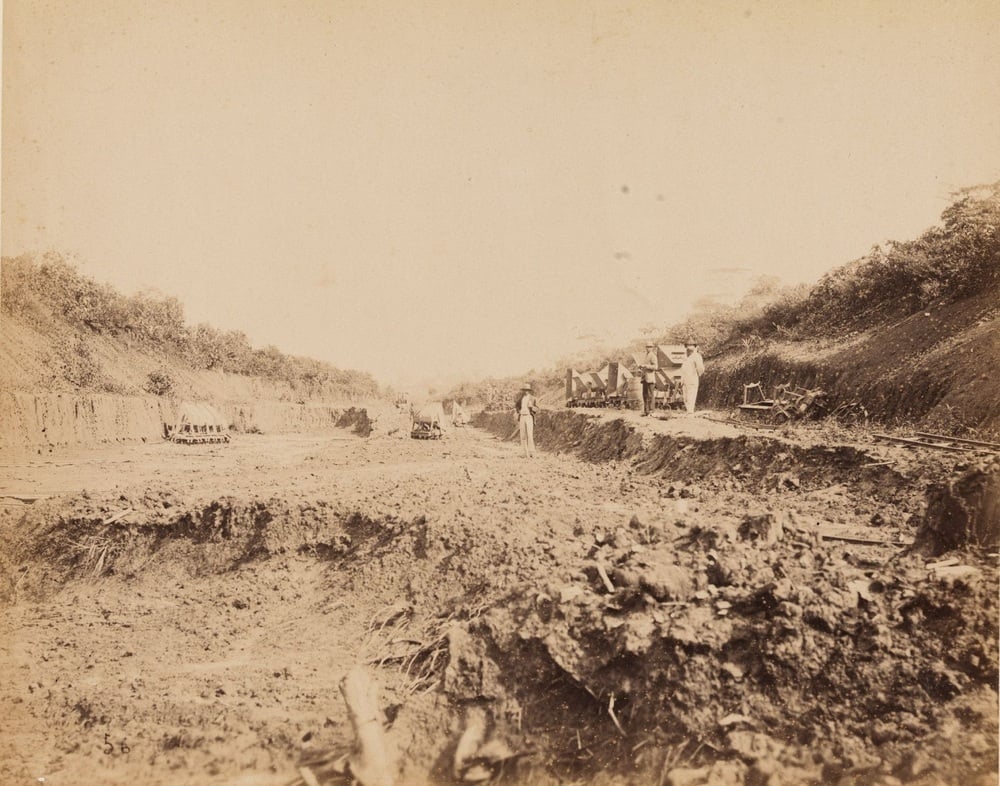
Ferdinand de Lesseps had already helped make the Suez Canal a reality when he turned his attention to Panama. In the 1880s, he led an ambitious French attempt to build a canal connecting the Atlantic and Pacific Oceans. But the effort collapsed amid enormous engineering difficulties, disease, and financial problems. De Lesseps died in 1894, never seeing a completed canal across the isthmus. The United States later undertook a substantially different engineering project, opening the Panama Canal in 1914. His original plan didn’t survive intact, but the larger dream eventually became reality.
Some of history’s greatest achievements began with people who never got to enjoy the finished result. Others remain incomplete, passed from one generation to the next like an enormous unfinished puzzle. Whether the final result arrived years, decades, or centuries later, these projects reveal something fascinating about human ambition: sometimes the dream is simply too big for one lifetime.
Keep Exploring The Scroller
Ever wonder how many familiar landmarks have stories hiding behind their walls? Keep exploring The Scroller for extraordinary engineering feats, forgotten historical figures, and ambitious ideas that changed the world long after their creators were gone:
15 Property Holdouts That Forced Builders to Work Around Them