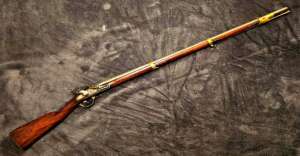
The 1800s were a turning point in the history of firearms. As empires expanded and revolutions sparked around the globe, technological advancements in weaponry played a critical role in shaping warfare, politics, and society.
Flintlock ignition systems in firearms that changed history at that time became dominant, military forces standardized their arms, and firearm design began moving toward mass production, laying a foundation for modern weaponry.
1. Brown Bess Musket (British, 1722)

The Brown Bess Musket was the British Army´s standard-issue musket for over a century. It was widely used in conflicts such as the American Revolutionary War, the Seven Years’ War, and the Napoleonic Wars. Now, it´s a symbol of British imperial power and military standardization.
2. Charleville Musket (French, 1717)
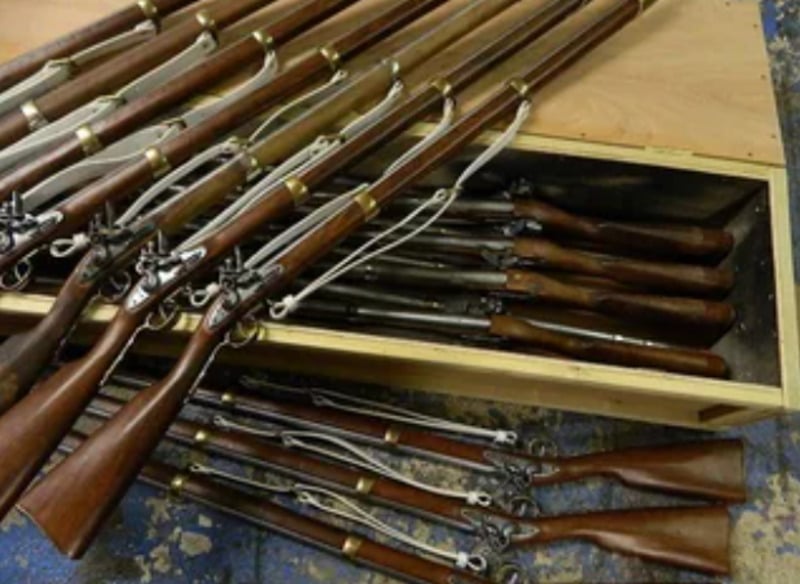
This .69 caliber musket was the main infantry weapon of the French Army and influenced the design of the American Springfield musket. The Charleville played a major role in the American Revolution, especially after French arms were supplied to the Continental Army.
3. Pennsylvania/Kentucky Rifle (American Colonies, 18th Century)
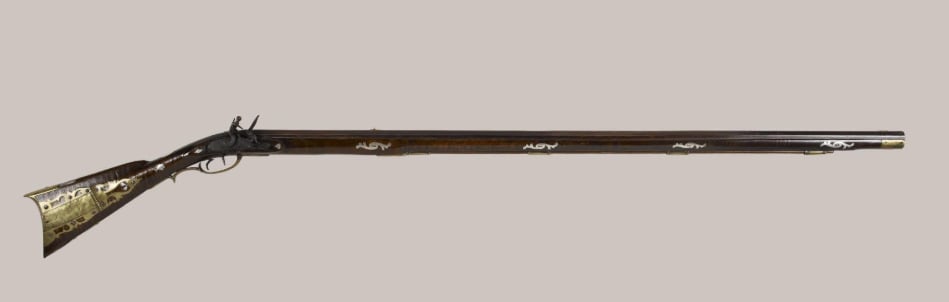
Known for its long barrel and rifled bore, this American-made rifle offered far greater accuracy than standard muskets. It was used effectively by American frontiersmen and sharpshooters during the Revolutionary War, influencing guerrilla tactics and long-range engagements.
4. Jaeger Rifle (German States, early 1700s)
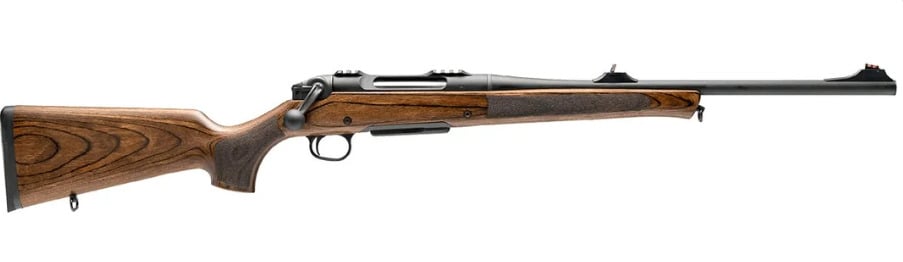
A precursor to the American long rifle, the Jaeger rifle was a short, accurate hunting firearm used in Central Europe. German mercenaries, such as the Hessians, brought this technology to the American colonies, where it influenced the design of frontier weapons.
5. Model 1777 Corrigé Musket (France, 1777)
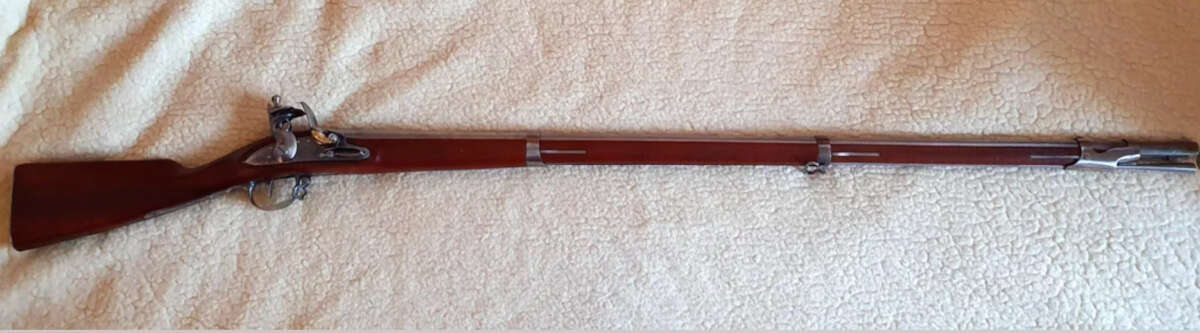
An improved version of the earlier Charleville, the Model 1777 incorporated simplified construction and improved durability. It became a critical weapon during the French Revolutionary and Napoleonic Wars and helped standardize firearm production in France.
Trending on The Scroller

6. Puckle Gun (Britain, 1718)
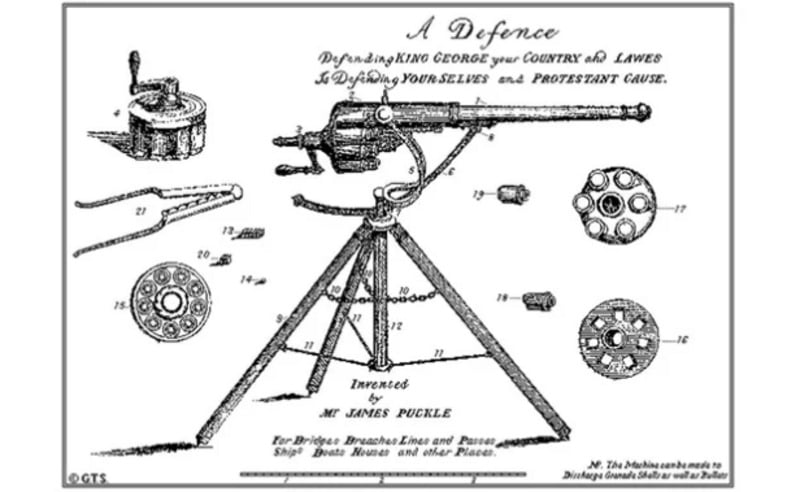
Often called the first machine gun prototype, the Puckle Gun was a flintlock revolver-style firearm mounted on a tripod. Though it never saw widespread use, its rotating cylinder design foreshadowed later developments in repeating arms.
7. Blunderbuss (Europe, 18th Century)
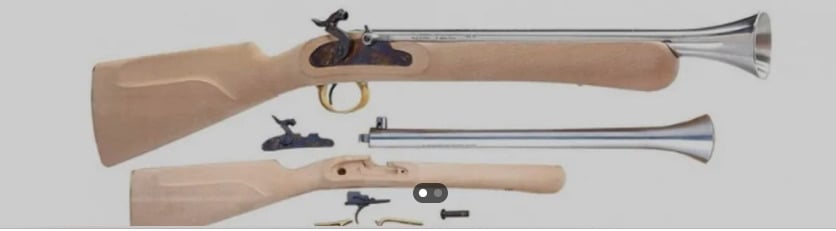
A short, flared-barrel firearm used primarily for defense in close quarters, including by coachmen and naval crews. It was especially effective in repelling boarders or ambushers at short range with a wide, scattershot blast.
8. Spanish Miquelet Musket (Spain, 18th Century)
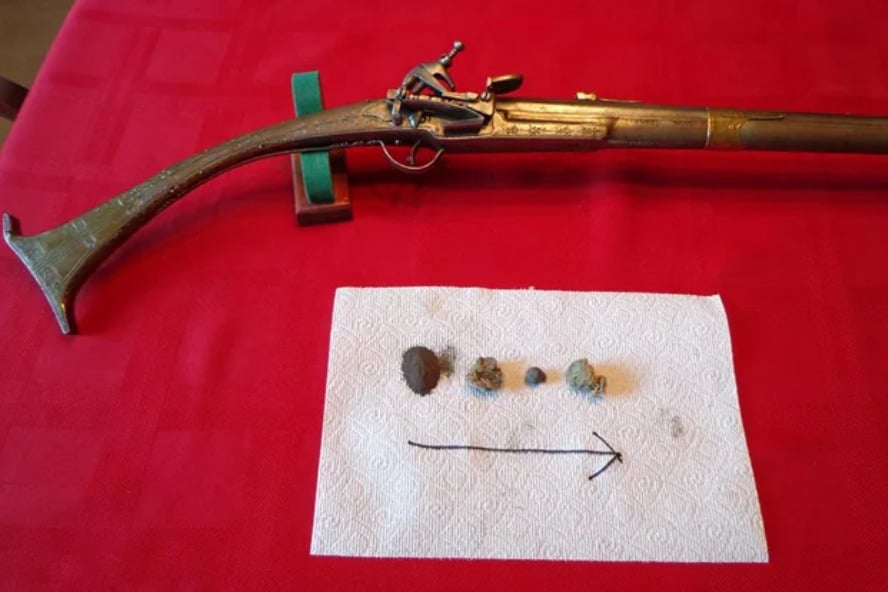
The Spanish infantry relied on the Miquelet lock, a variant of the flintlock with a distinct external mechanism. These weapons were used in colonial and European wars, including conflicts in the Americas and against Napoleonic France.
Sign up for our newsletter
9. Turkish Flintlock Musket (Ottoman Empire, 18th Century)
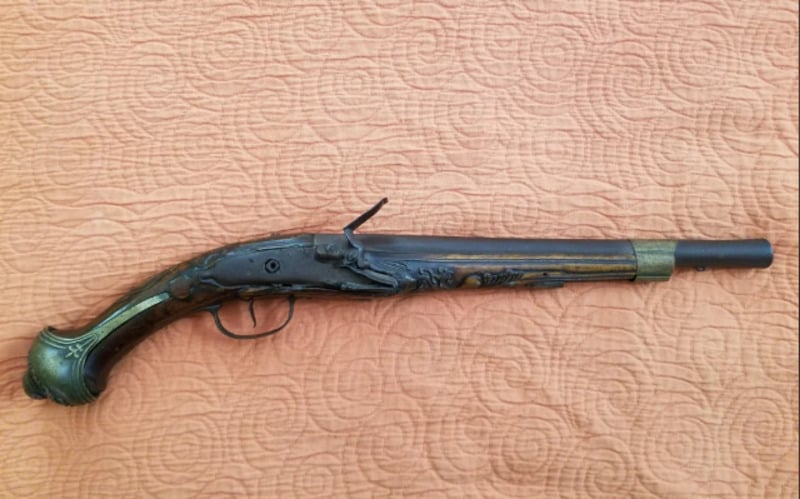
Used by Ottoman forces throughout the century, these muskets often featured ornate decoration and practical battlefield functionality. They saw action in wars with Russia, Austria, and Persia, marking a period of shifting military balance in the region.
10. Nock Volley Gun (Britain, 1779)

This seven-barrel musket was designed for naval use and intended to fire all barrels simultaneously. Though powerful, it was quickly discounted due to extreme recoil and risk of injury, but it remains a fascinating example of 18th-century firearms experimentation.
11. Swiss Military Rifle (Switzerland, 1700s)
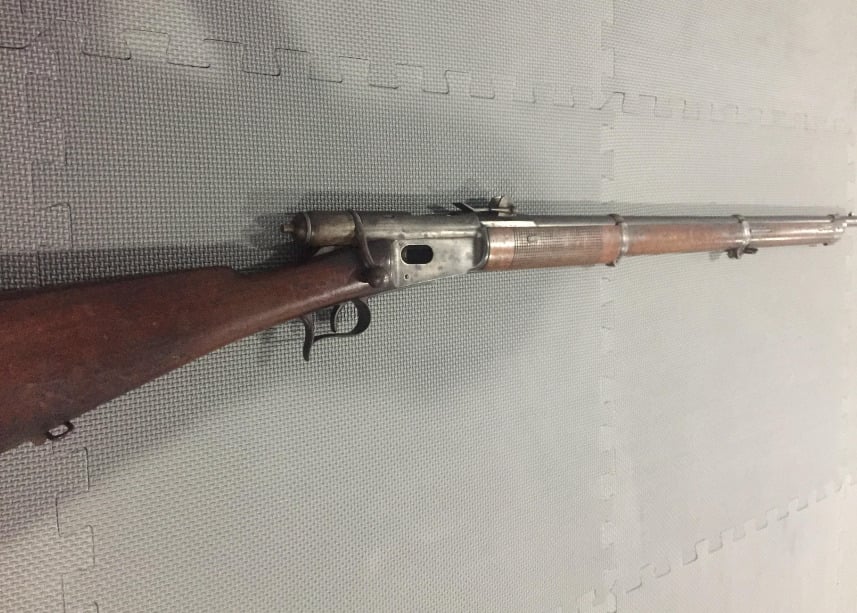
Swiss riflemen used precision-made flintlock rifles with advanced sighting systems, with an emphasis on marksmanship over volley fire. These weapons were used both in regional defense and mercenary service, which contributed to Switzerland´s reputation for sharpshooting.
12. Dragoon Musketoon (Europe, 18th Century)
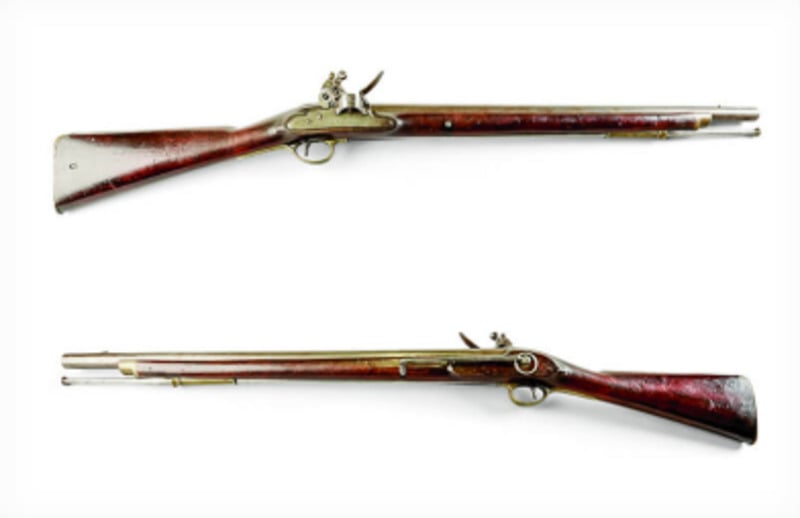
This shorter-barreled musket was issued to mounted infantry (dragoons). Easier to handle on horseback, it allowed mobility and versatility, especially during raids or skirmishes where full-length muskets were impractical.
13. Russian Flintlock Infantry Musket (Russian, 18th Century)
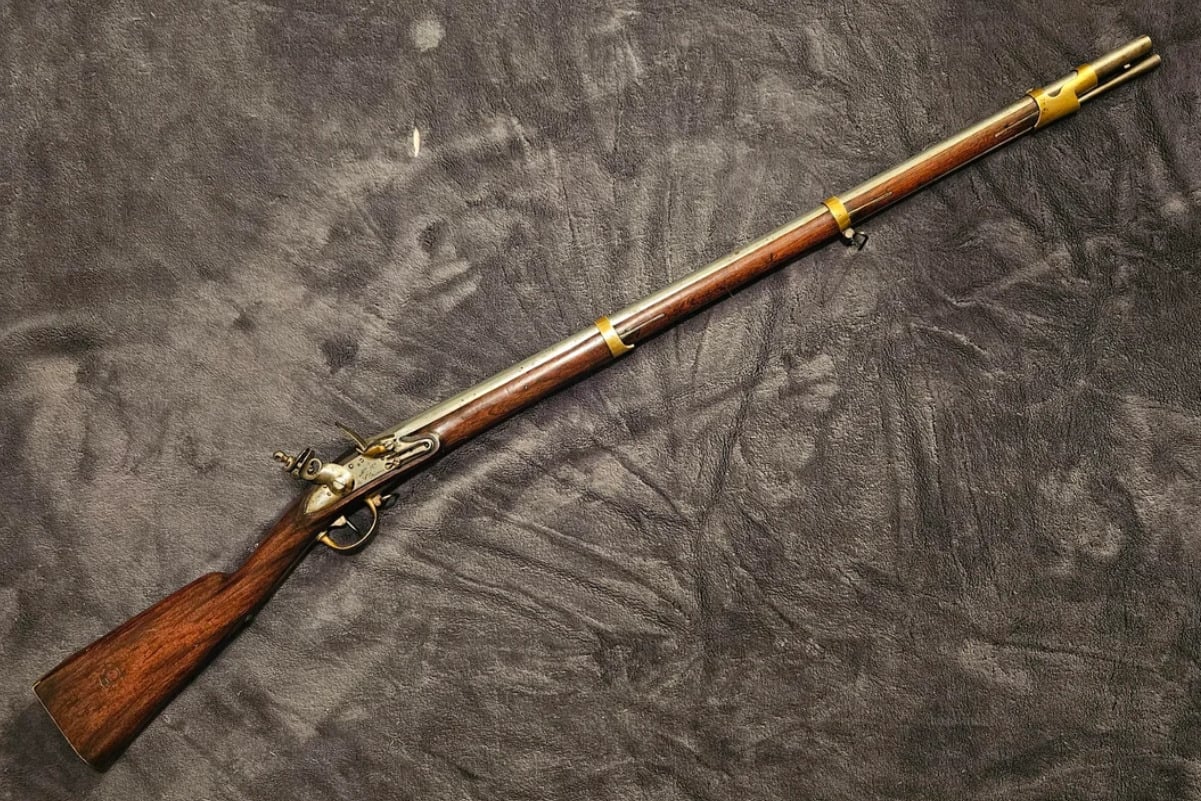
Standardized under Peter the Great and later rulers. These muskets helped modernize the Russian military. They were used in campaigns against Sweden, the Ottoman Empire, and during the Napoleonic Wars, during the growth of Russia´s influence.
14. Indian Matchlock and Flintlock Hybrids (Mughal & Maratha India)
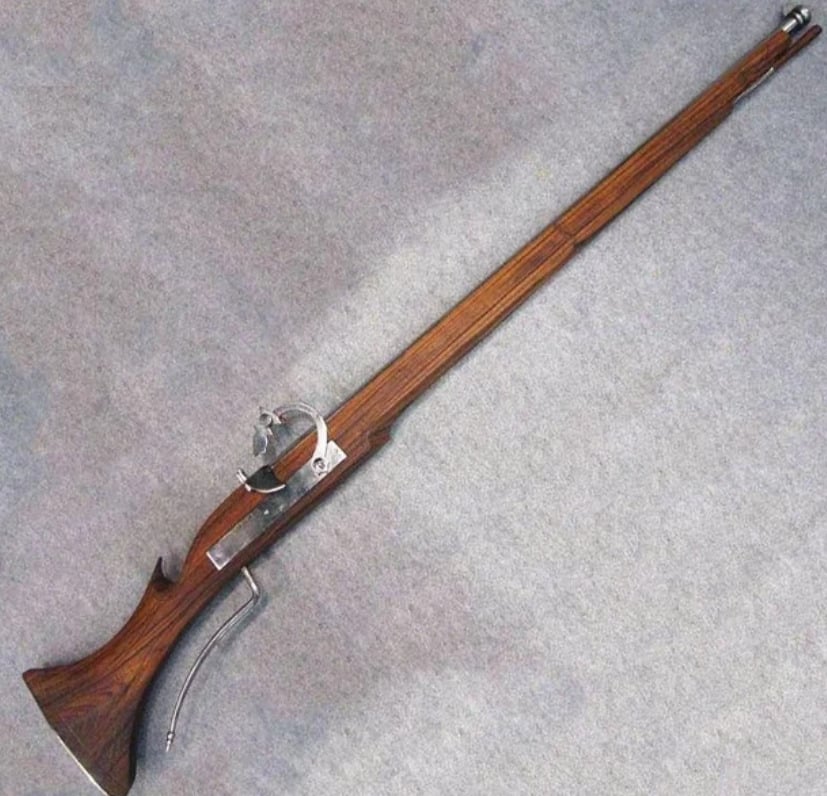
Though matchlocks remained in use in rural regions, Indian gunsmiths began producing hybrid weapons that integrated flintlock mechanisms. These were used in conflicts such as the Anglo-Mysore Wars and Anglo-Maratha Wars during the technological transition in South Asia.
15. Prussian Potsdam Musket (Germany, early to mid-1700s)
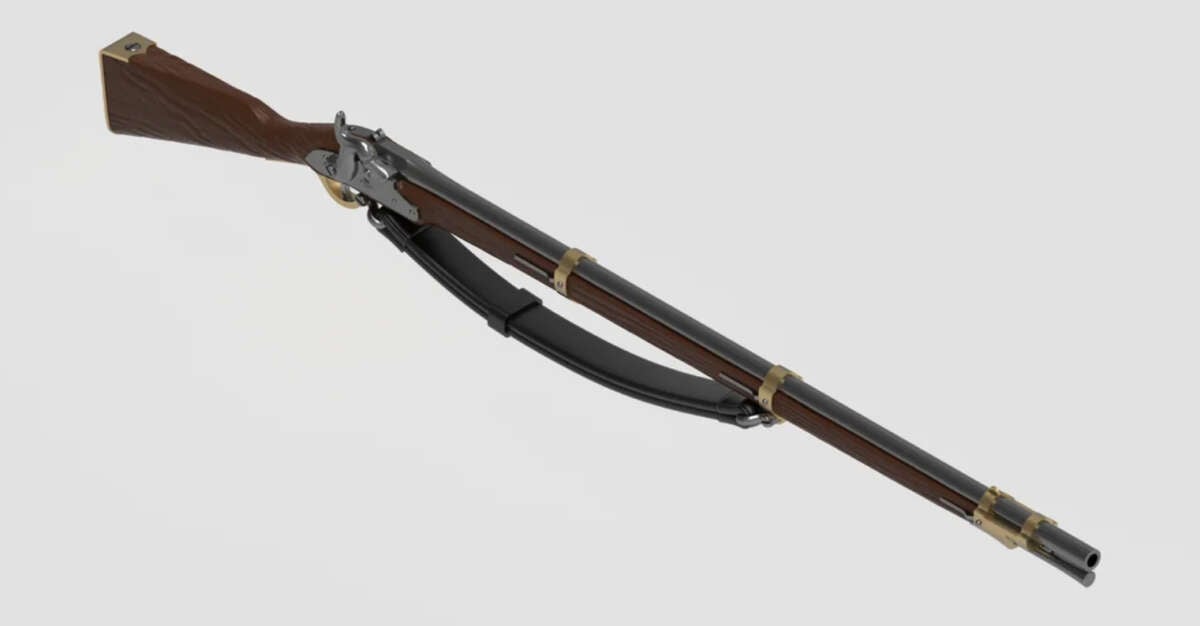
It was used by the Prussian Army under Frederick the Great; this flintlock musket played a central role in the disciplined linear tactics of the era. Its use in the Seven Years’ War and other European conflicts helped establish Prussia as a formidable military power.
16. Tower Sea Service Pistol (Britain, 18th Century)
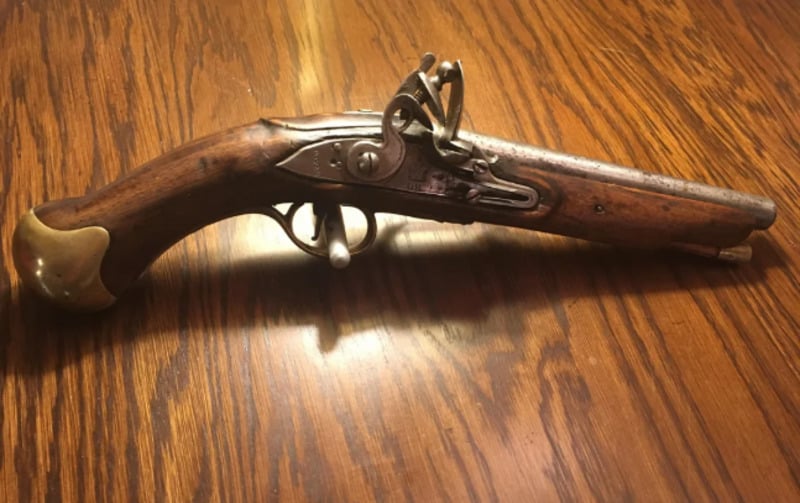
This heavy, single-shot flintlock pistol was issued to Royal Navy personnel. Rugged and reliable was the common weapon aboard British ships during the century´s numerous maritime conflicts.
17. American Committee of Safety Musket (Colonial America, 1770s)
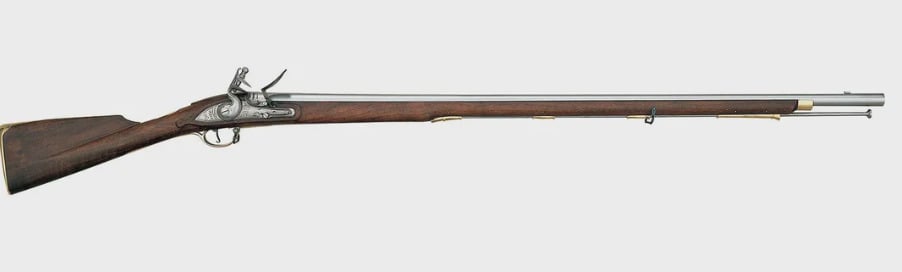
Before widespread arms imports, colonial gunsmiths produced Committee of Safety muskets to equip local militias. These weapons played a key role in the early stages of the American Revolution.
Explore more vintage content:
The 18th Century was a time of rapid innovation and global upheaval. The firearms developed and used during this period not only transformed the battlefield but also reshaped empires, revolutions, and national identities. For more on influential weaponry, explore 15 Firearms That Changed History and Its Course, or take a lighter look at the past with 10 Cool-Looking Weapons That Were Totally Useless.