
Throughout human history, facing the unpredictable forces of nature and sudden misfortune left people searching for any possible way to take control of their destiny. Long before modern science and weather forecasting could explain why crops failed or why a fever suddenly spiked, folks turned to the supernatural for protection. Pockets, doorframes, and even the internal walls of homes were packed with curious artifacts meant to form a magical barrier against unseen threats. Warding off unexpected misfortune became a daily obsession that shaped how our ancestors dressed, built their houses, and raised their children.
The sheer creativity behind these protective charms reveals just how terrified early societies were of curses, evil spirits, and bad luck. Instead of relying on simple good luck charms, people went to extreme lengths by hoarding mummified animals, drinking from specialized animal horns, and carrying bizarre organic stones. Exploring these forgotten artifacts highlights a fascinating era where the line between everyday survival and folk magic was completely blurred. Here are fourteen highly unusual objects that people once fiercely believed could keep tragedy at bay.
1. Concealed shoes
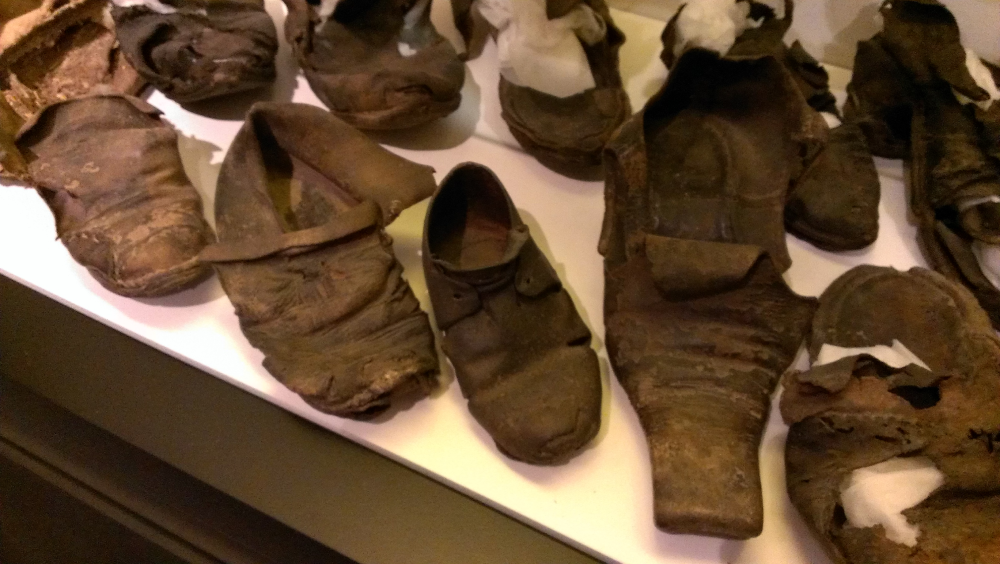
During the Victorian era, builders routinely sealed old, worn-out leather shoes inside the walls and chimneys of newly constructed homes. Folklorists believe these hidden garments were meant to act as spiritual decoys, tricking wandering ghosts or witches into attacking the empty shoe instead of the sleeping family.
2. Toadstones
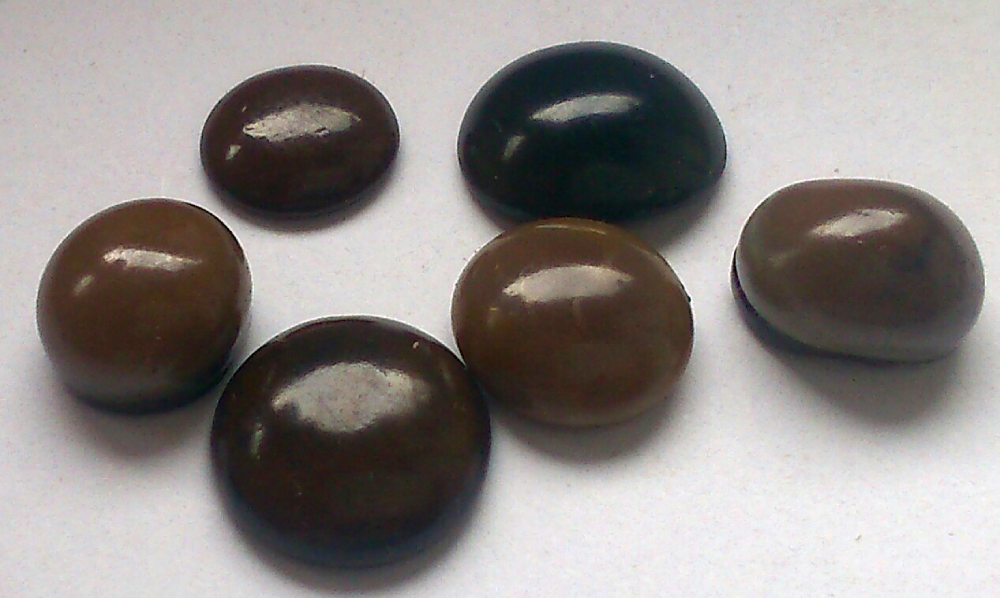
Medieval royalty spent fortunes on these small gems, firmly believing they were harvested directly from the living heads of large toads. Jewelers set them into heavy gold rings because the stone was supposed to physically heat up and change color if you reached for a goblet laced with poison.
3. Witch bottles
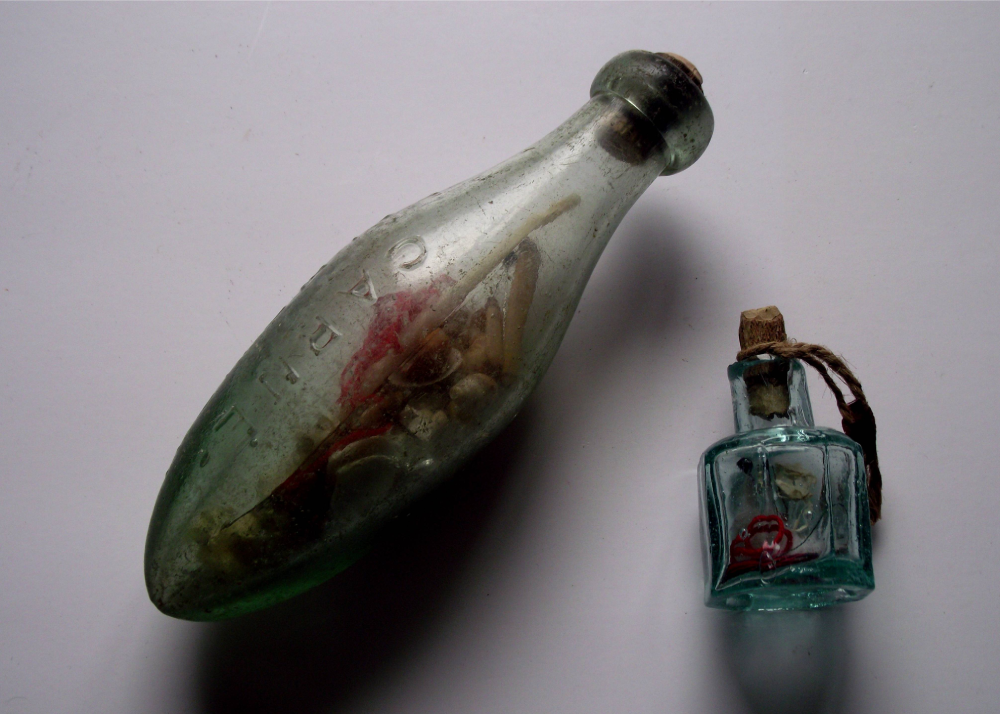
Homeowners in the seventeenth century buried sealed ceramic jugs under their floorboards filled with bent iron nails, rusty pins, and human urine. If a local witch attempted to cast a hex on the property, the sharp objects and bodily fluids were thought to trap the dark magic and reflect the curse back at the caster.
4. Bezoars
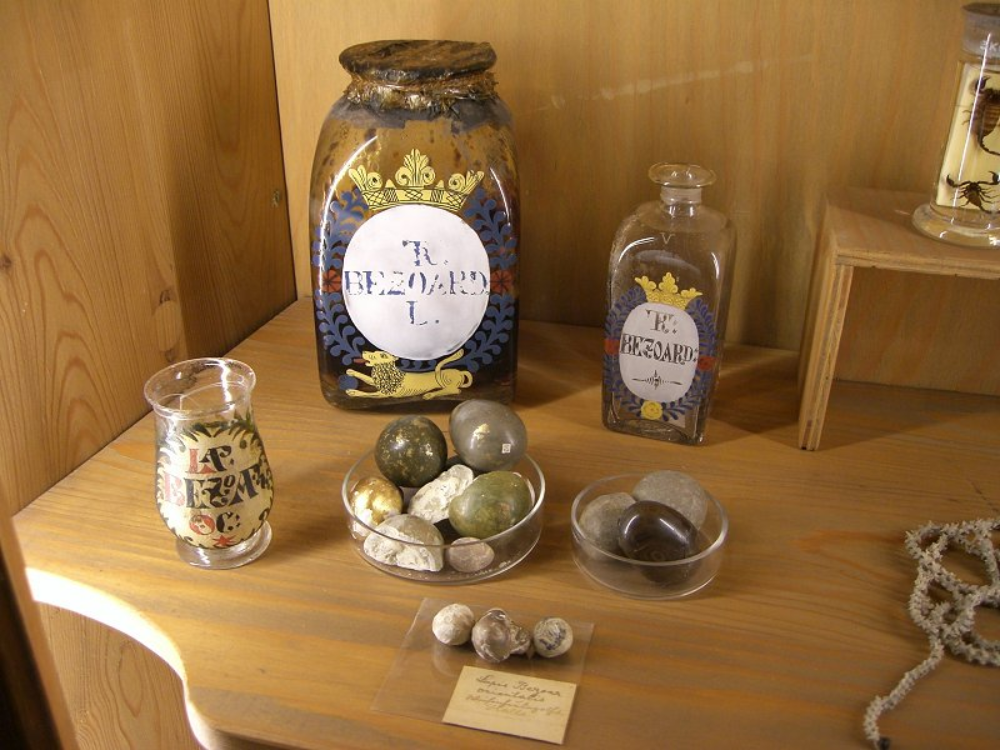
These hard calcified masses are found inside the digestive tracts of goats and deer, but Renaissance nobles treated them as the ultimate medical insurance. Kings would routinely drop a bezoar stone directly into their wine glasses before a feast, trusting the organic mass to neutralize any deadly arsenic smuggled into their drink.
5. A sailor’s caul
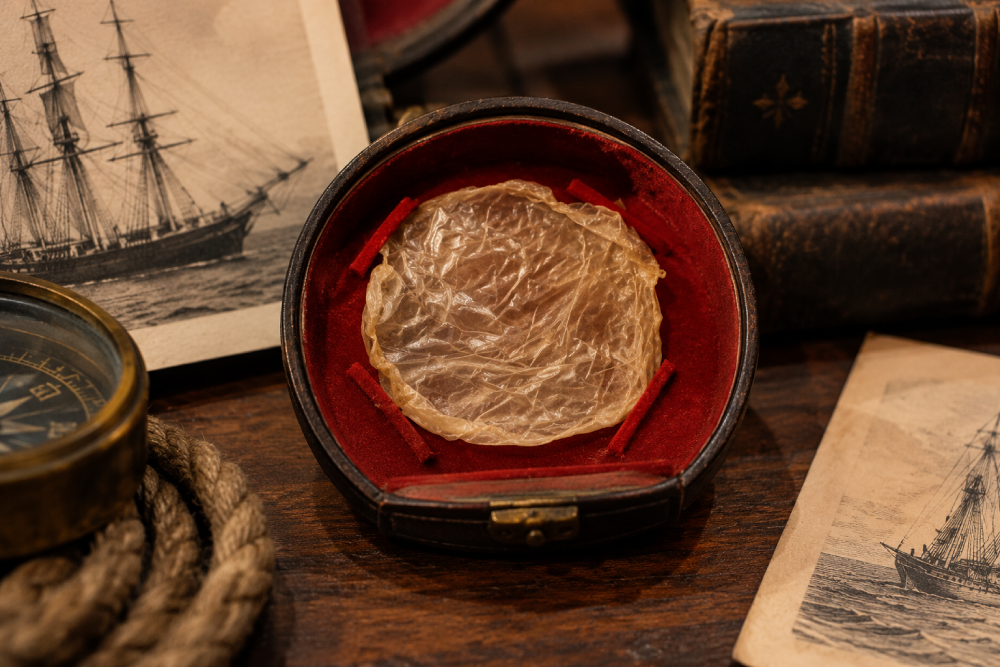
A caul is a rare piece of amniotic membrane that occasionally covers a newborn baby’s face during birth, which midwives used to carefully dry and press onto paper. Nineteenth-century sailors paid massive sums to carry these dried membranes in their pockets because maritime superstition dictated that anyone holding a caul could never drown at sea.
Trending on The Scroller

6. Rowan wood crosses
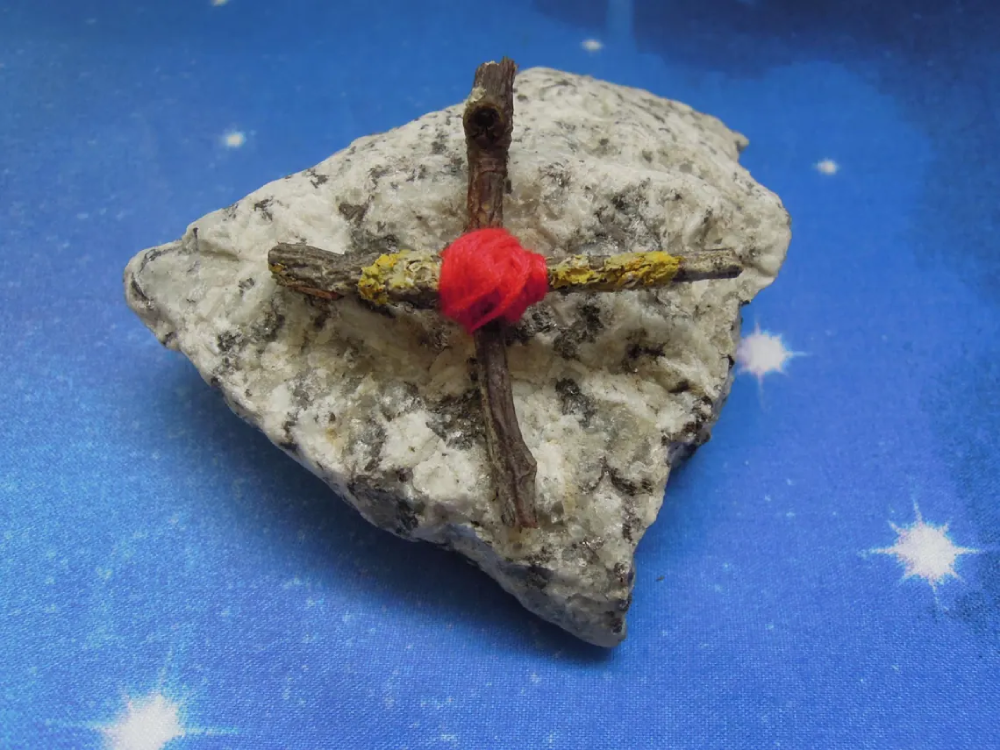
Highlanders in rural Scotland frequently bound small twigs of rowan wood together with red thread to craft protective charms for their homes and livestock. Folk traditions held that the rowan tree possessed inherent magical power capable of repelling witches, preventing milk from souring, and keeping bad luck away from farmland.
7. Rhinoceros horn cups
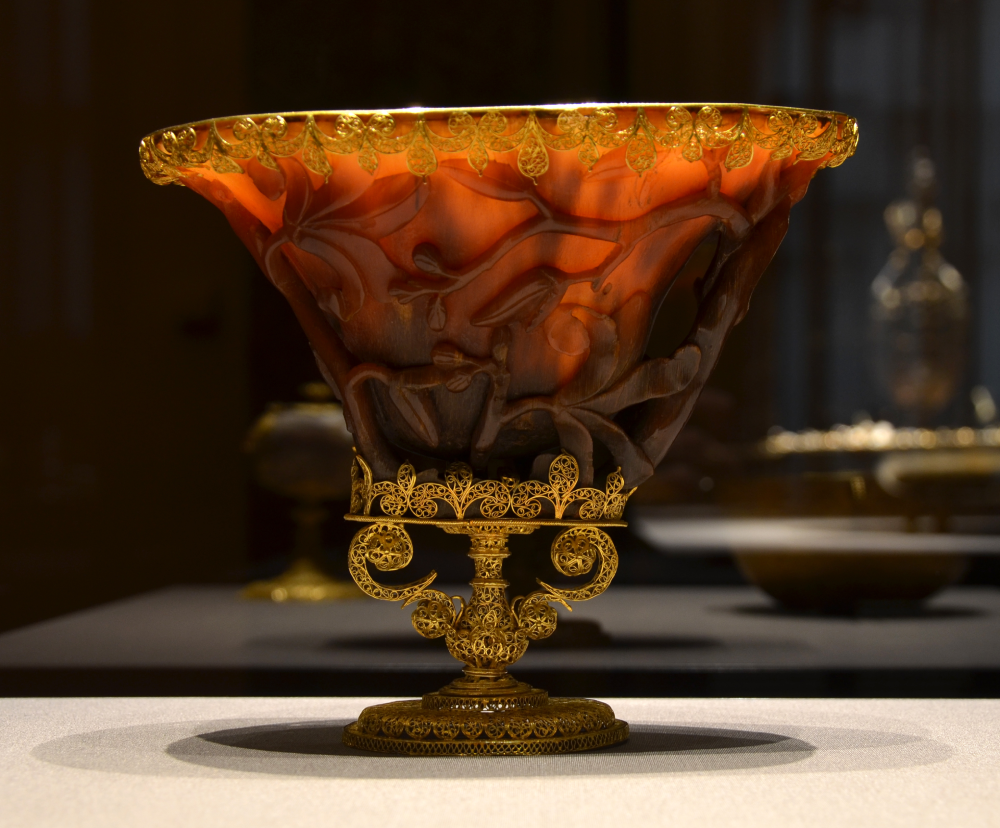
Ancient Chinese and Persian emperors commissioned master carvers to turn solid rhinoceros horns into elaborate drinking chalices for their royal banquets. The organic keratin material was highly prized because leaders falsely believed the cup would violently fizz and bubble if a servant poured a toxic liquid inside.
8. Hag stones
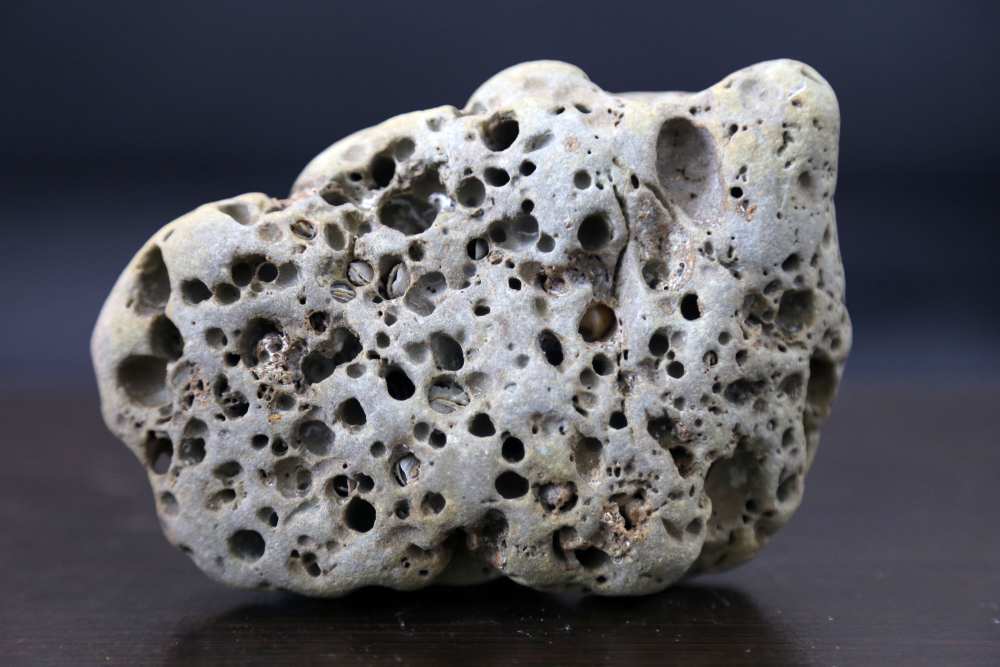
Coastal foragers actively hunted for these unique rocks, which featured natural holes carved out by centuries of flowing water and friction. Hanging a hag stone from a bedpost was considered the ultimate defense against night terrors, as people believed the magical hole would trap dark spirits trying to steal their breath.
Sign up for our newsletter
9. Thunderstones
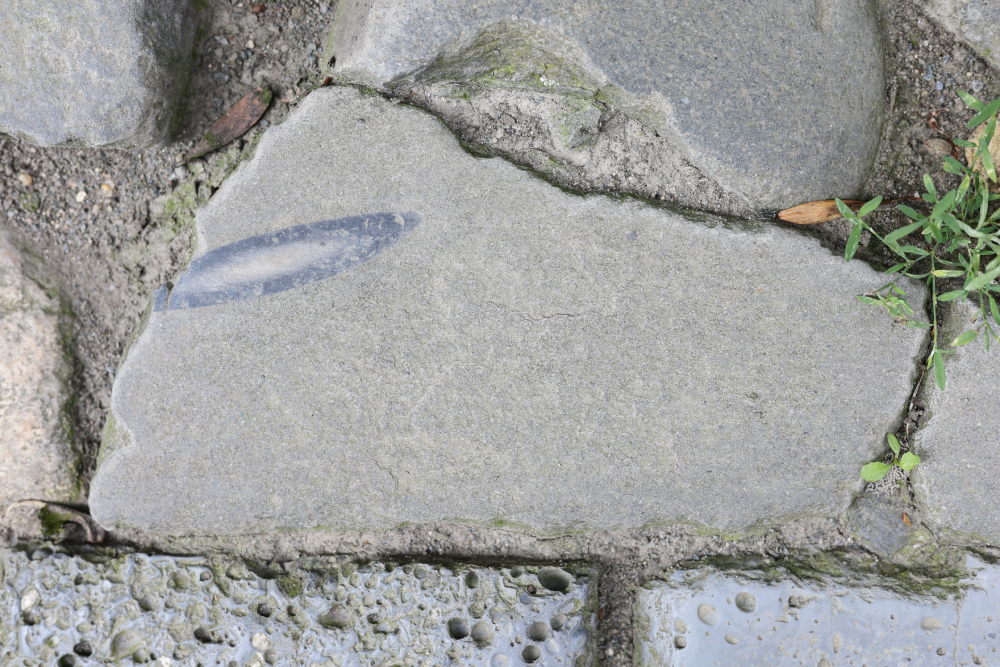
Whenever medieval European farmers dug up fossilized sea urchins or ancient stone arrowheads in their fields, they firmly believed these heavy objects were literal lightning bolts that had struck the earth and solidified. Homeowners proudly tucked these stones into their thatched roofs and floorboards, trusting the ancient folk logic that a house already holding a thunderstone could never be destroyed by a lightning strike twice.
10. Pazuzu pendants
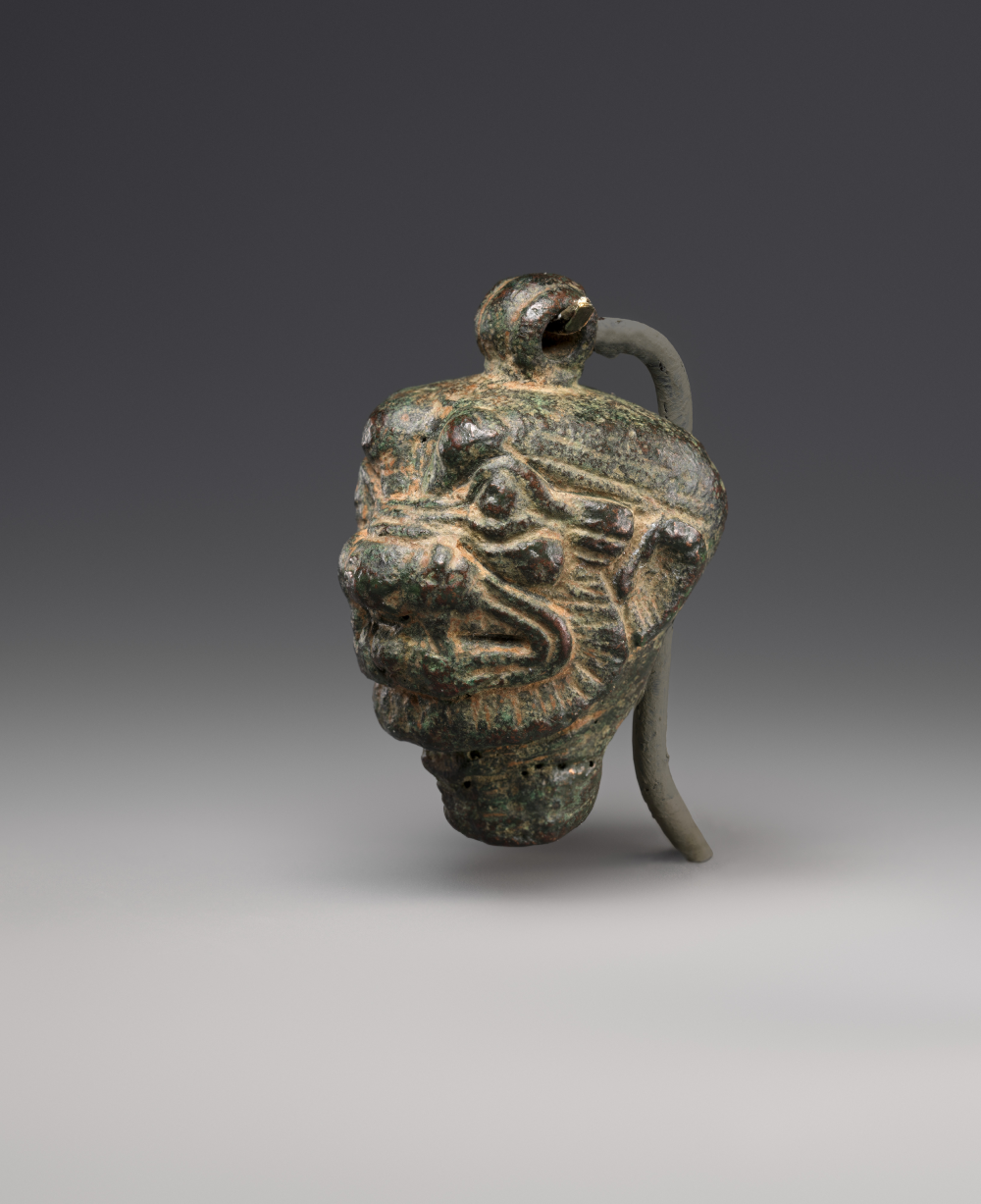
In ancient Mesopotamia, pregnant women wore bronze necklaces depicting Pazuzu, a terrifying demon king with canine teeth and scorpion tails. They invoked this monstrous figure not to cause harm, but to scare away Lamashtu, a rival female demon known for bringing severe sickness to newborn infants.
11. Red coral teething rings
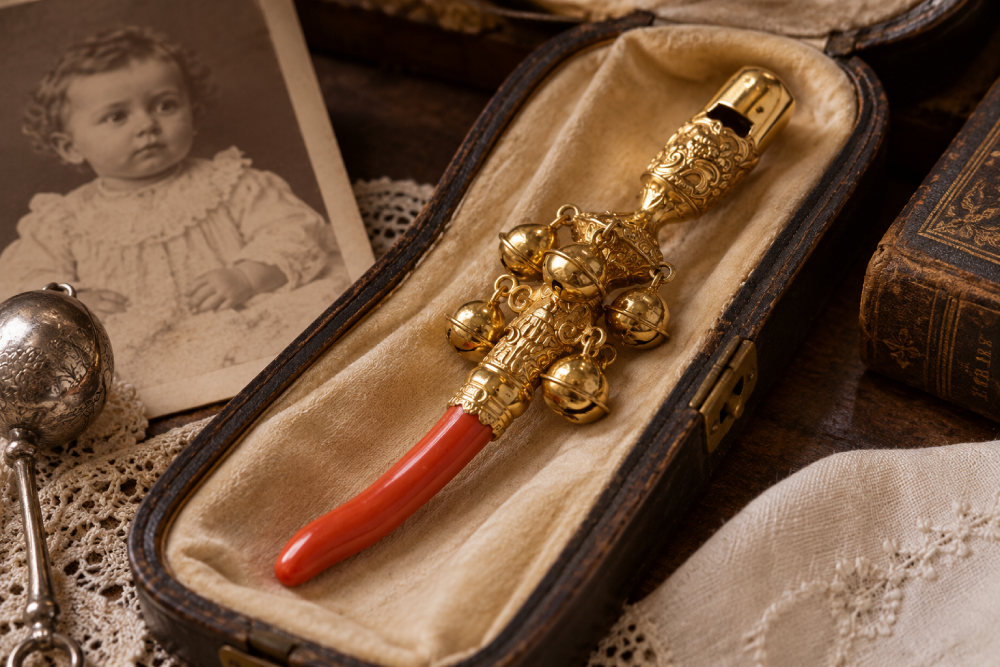
Wealthy Victorian parents refused to let their toddlers chew on standard wood, opting instead for imported branches of polished red ocean coral. The striking red color was thought to possess immense vital energy that could absorb childhood diseases and physically weaken the gaze of jealous neighbors.
12. Cold iron horseshoes
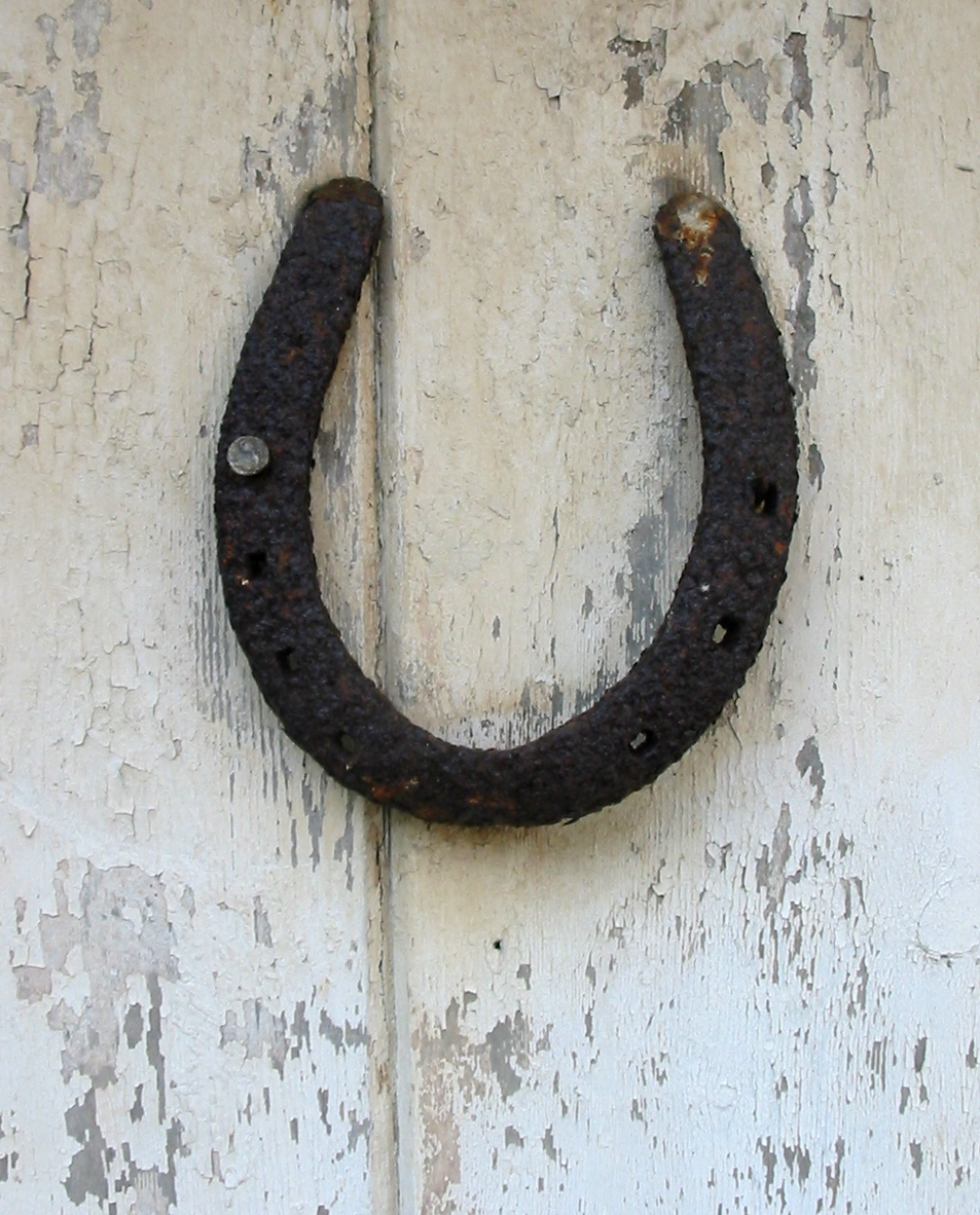
Nailing a horseshoe above a barn door is a well-known tradition, but the specific rules of the folk magic required the iron to be completely cold and unheated. Iron was believed to be toxic to chaotic fairy folk, and the shoe had to be mounted with the prongs facing upward so the protective luck would not spill out onto the ground.
13. Mandrake poppets
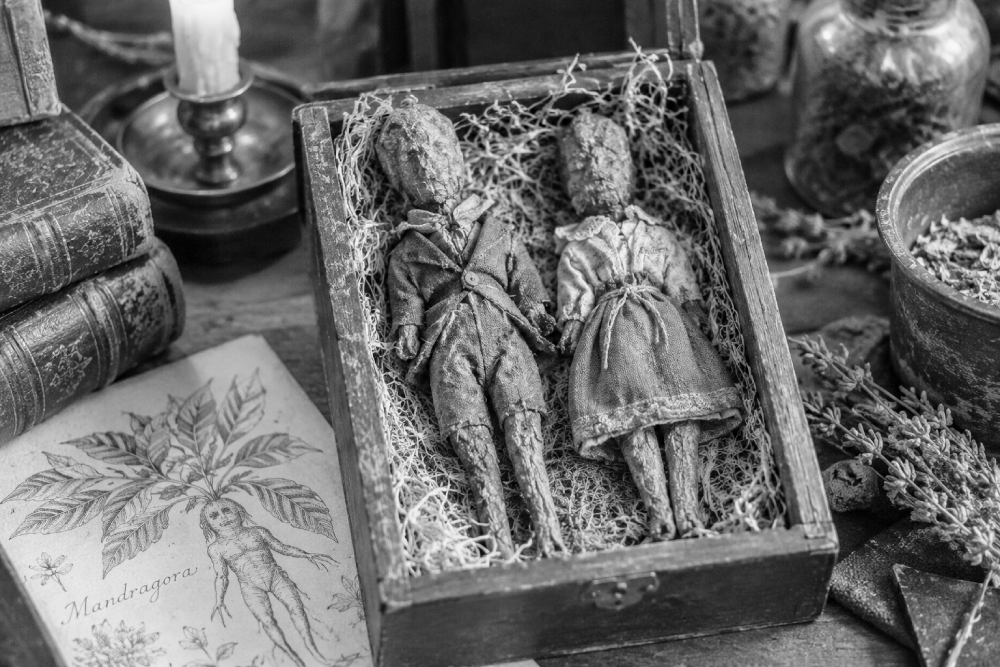
The thick roots of the mandrake plant naturally split into shapes resembling tiny human legs, which medieval foragers carefully dug up and clothed in miniature outfits. Owners kept these little wooden figures hidden in secret boxes and fed them drops of milk, believing the pampered root would block demonic possession and bring financial prosperity.
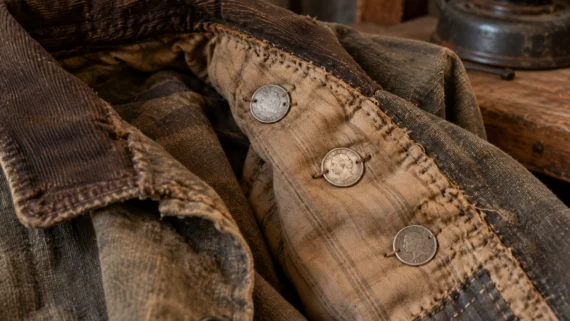
14. Silver dimes
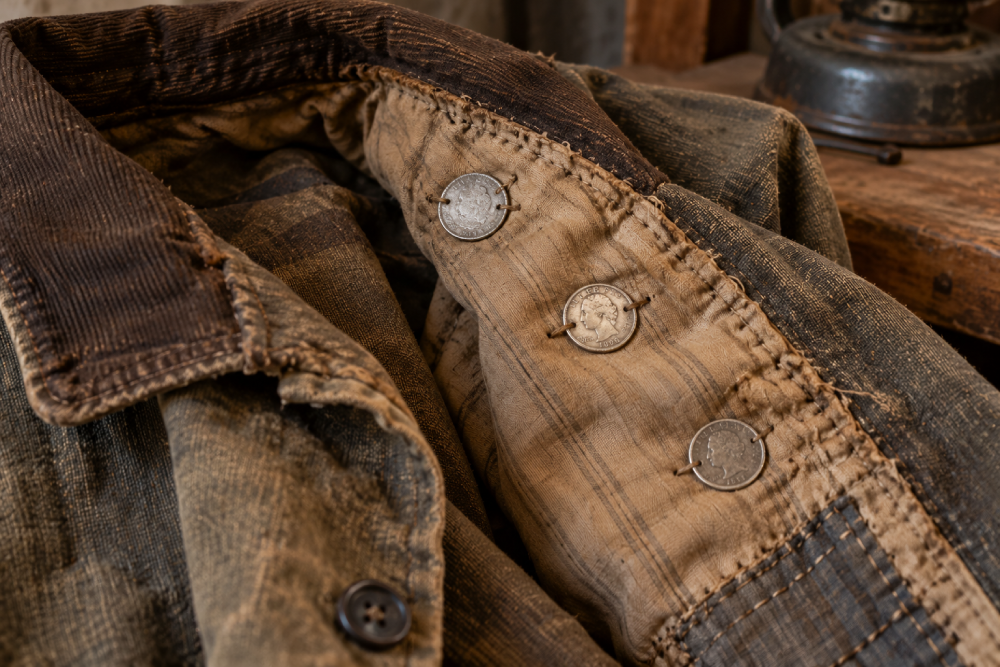
In nineteenth-century Appalachia, farmers terrified of local curses would physically sew silver coins into the inner linings of their daily work coats. If a dairy cow suddenly stopped producing milk or a crop inexplicably failed, wearing the pure silver was thought to instantly break the witch’s invisible hold over the property.
Check out more superstitions from the past:
It is completely mind-boggling to imagine a time when hiding old shoes in the ceiling or carrying a fossilized fish tooth felt like a perfectly logical safety precaution. While we rely on home security systems and medical science today, those strange historical artifacts prove that the human desire to feel safe has always been a powerful driving force. If you love taking deep dives into forgotten folklore, bizarre historical trends, and fascinating vintage retrospectives, make sure to check out these 14 Old Superstitions and the Reasons People Believed Them or these 18 Myths from the 1800s That People Once Believed. You may also like these 20 Everyday Superstitions People Still Follow.
