

Everyday superstitions people still follow are hiding in some surprisingly ordinary moments. A quick knock on a wooden table, a sudden change of direction when a black cat appears, or an umbrella that absolutely must remain closed until everyone is safely outside.
Many of these little rituals survive even among people who insist they are not superstitious. Some have been passed between cultures for generations, while others have accumulated several competing origin stories along the way.
Whatever their beginnings, they share one fascinating quality: we often perform them almost automatically. Somewhere between habit, tradition, and the tiny voice whispering “better not risk it,” superstition keeps finding a place in everyday life.
1. Knocking on Wood
Say something confidently optimistic, and suddenly there is an urgent need to find the nearest wooden surface. Knocking on wood is commonly used to avoid “tempting fate” after mentioning good fortune. Explanations for its origins vary considerably across cultures, which might be fitting. The ritual has survived even when many people performing it have absolutely no idea whom, or what, they are knocking for.
2. Avoiding Walking Under a Ladder
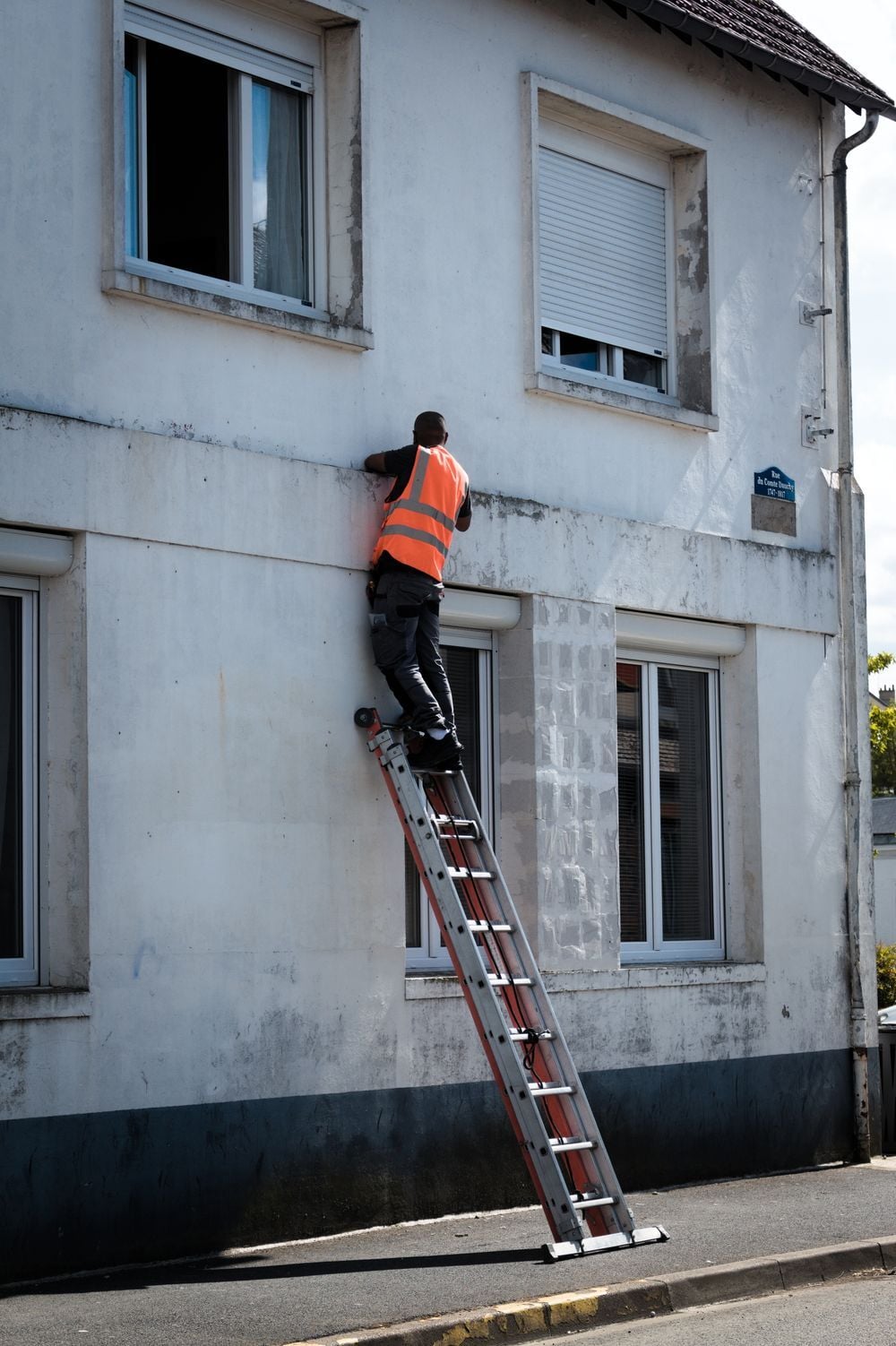
A ladder leaning against a wall creates a perfectly ordinary triangle and, for some people, an invisible detour sign. Walking underneath one has long been associated with bad luck in Western superstition, although explanations for why vary. There is also a wonderfully practical reason to avoid it: objects and people working above have an unfortunate relationship with gravity.
3. Throwing Spilled Salt Over the Shoulder
Spilling salt is annoying enough without supernatural consequences, yet tradition found a way to raise the stakes. One familiar response is tossing a pinch over the left shoulder to counteract the supposed bad luck. Salt was historically valuable and accumulated plenty of symbolic associations, but the exact origin of the ritual is disputed. Either way, the floor now needs cleaning twice.
4. Avoiding Black Cats Crossing the Path
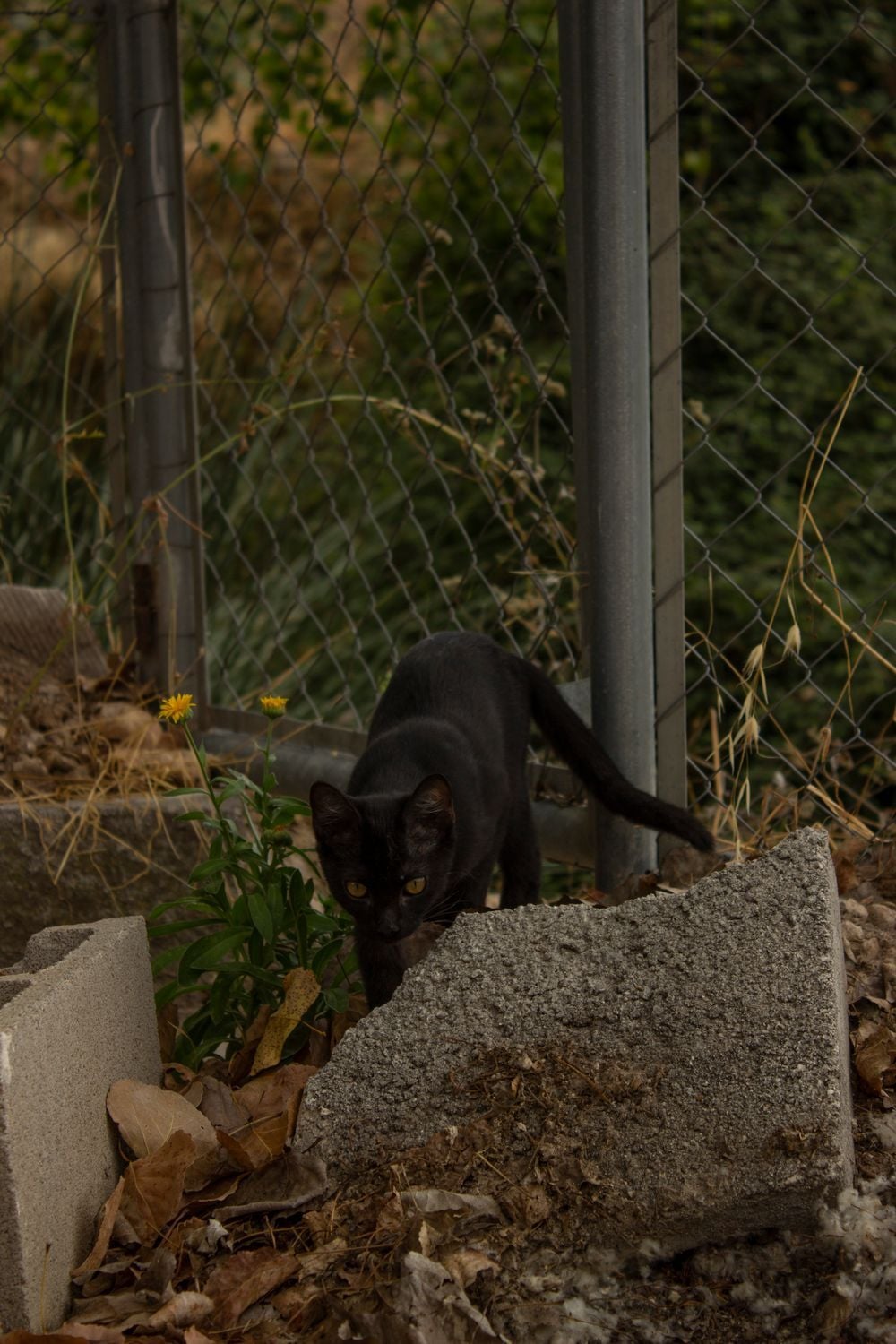
Few animals have received worse supernatural public relations than the black cat. In some Western traditions, one crossing the path became associated with bad luck, particularly through centuries of folklore connecting black cats with witchcraft. But this belief is far from universal. In other cultures and traditions, black cats can represent good fortune instead. Apparently, even superstition cannot agree on the cat.
5. Not Opening an Umbrella Indoors
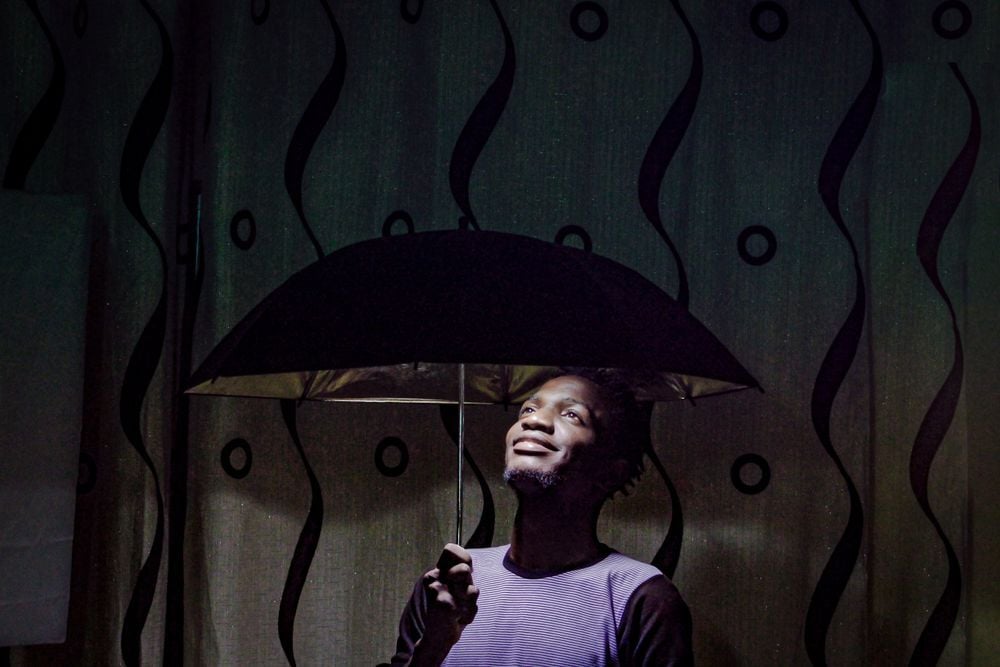
Opening an umbrella inside the house feels strangely forbidden even when nobody can explain the rule. The superstition is often said to bring bad luck, but proposed origins range from ancient symbolism to much more recent explanations involving early umbrellas and their awkward mechanisms. And to be fair, opening a large umbrella in a crowded room remains an excellent way to make everyone nearby nervous.
Trending on The Scroller


6. Avoiding the Number 13
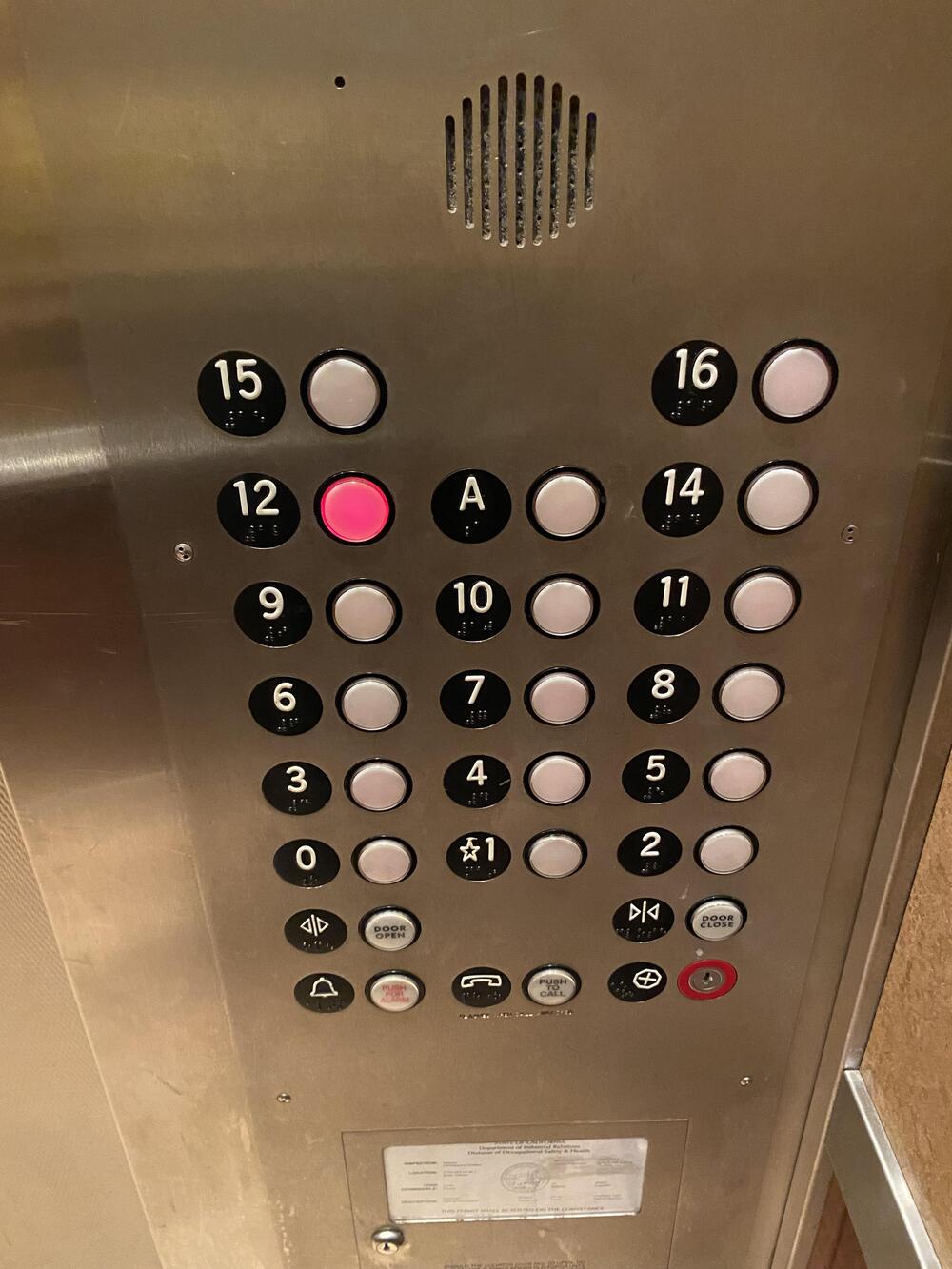
Some buildings jump directly from the 12th floor to the 14th, as if arithmetic itself might invite trouble. Fear surrounding the number 13 has become especially prominent in Western culture, appearing in hotels, airplanes, and even Friday the 13th traditions. The curious part? Renaming the floor does not make it disappear. Everyone is still standing on number 13.
7. Making a Wish at 11:11
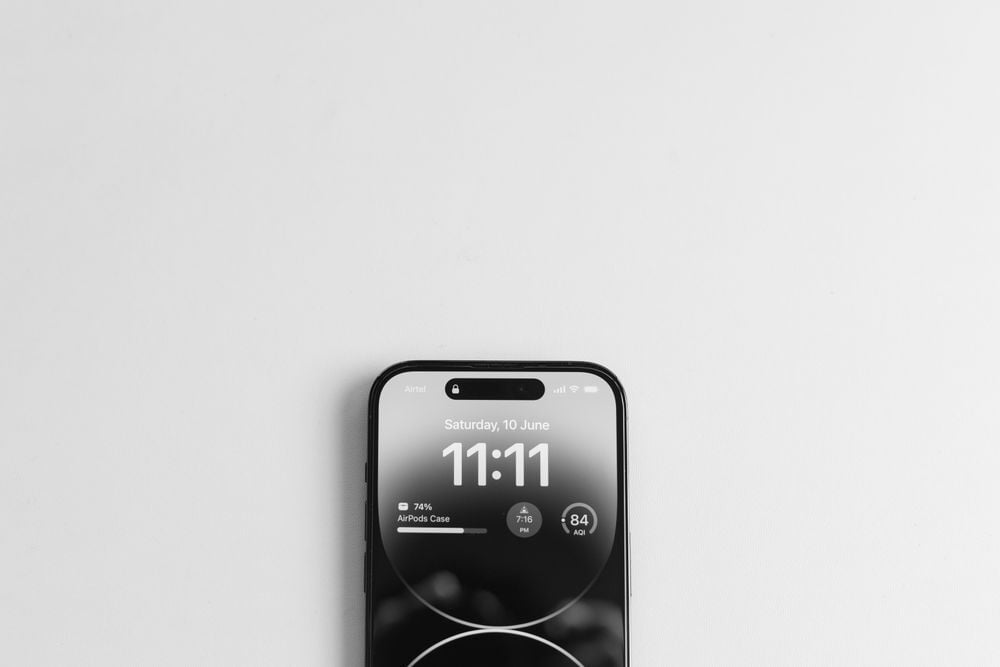
The clock reads 11:11 and suddenly four identical digits feel too perfectly arranged to ignore. Making a wish at that exact moment is a relatively modern ritual compared with many older superstitions, and its precise origin is difficult to pin down. Still, there is something irresistible about turning an ordinary minute into a tiny daily opportunity for luck.
8. Crossing Fingers for Luck

No equipment required. No special location. Just two fingers and a little optimism. Crossing the index and middle fingers has become a familiar gesture for hoping that something turns out well. People even use the crossed-fingers emoji without thinking twice about its superstitious roots. Have you ever crossed yours while waiting for news, even though you knew it could not possibly change the outcome?
Sign up for our newsletter
9. Saying Bless You After a Sneeze

Someone sneezes. Before they have even recovered, another person says, “Bless you.” The response is so automatic in English-speaking cultures that it often feels more like etiquette than superstition. Various historical and religious explanations have been proposed for the custom, but there is no need to choose one tidy origin story. Today, the phrase frequently survives simply because silence after a sneeze somehow feels oddly incomplete.
10. Keeping a Lucky Coin
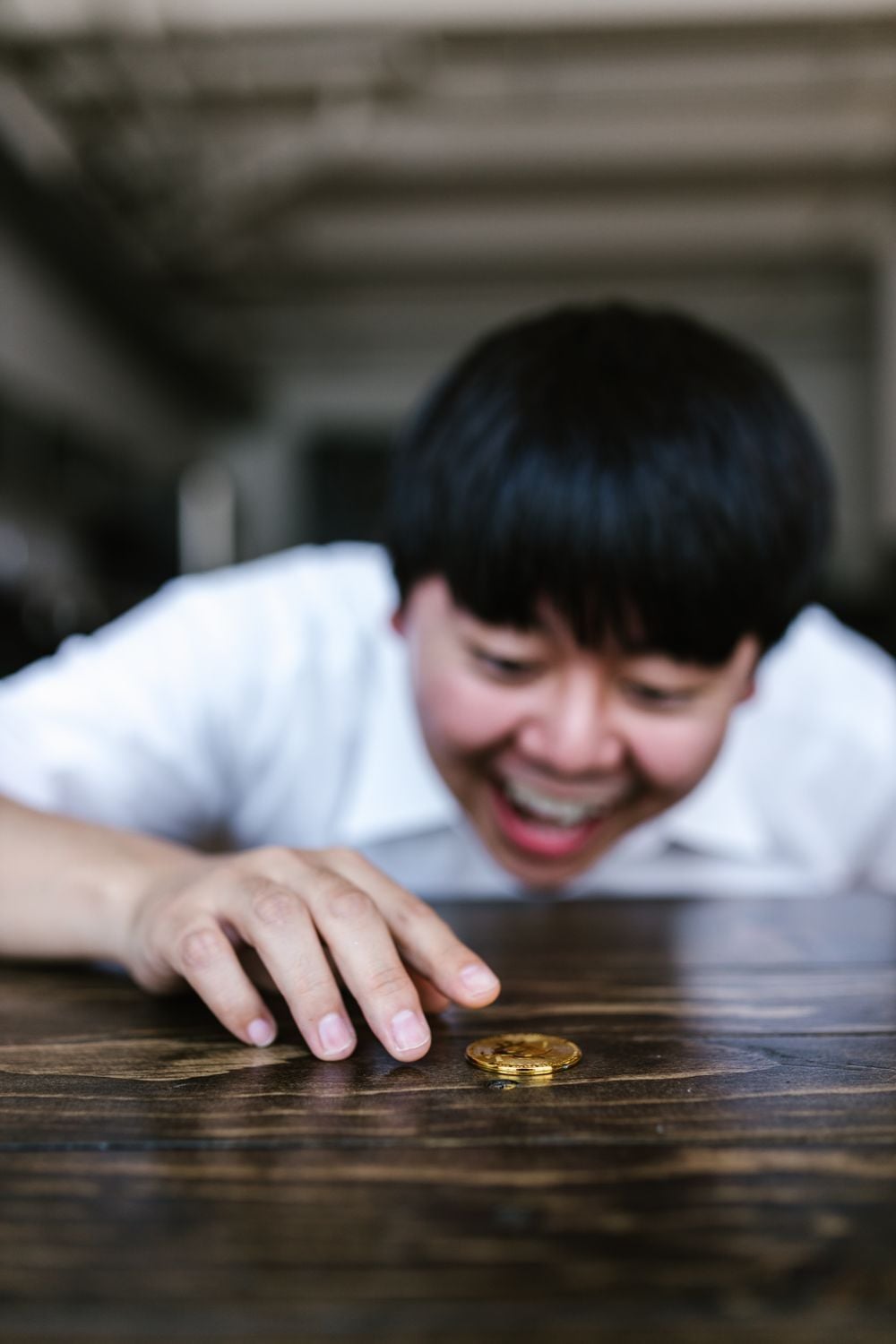
A coin can be worth exactly what is stamped on it and somehow much more to the person carrying it. Lucky coins may be kept in pockets, wallets, or tucked away before an important event. Their power is personal rather than financial. Among everyday superstitions people still follow, this one can transform the most ordinary piece of change into something nobody would dare spend.
11. Wearing Lucky Socks

Some socks are apparently too powerful for the laundry basket. Athletes, students, and anyone facing an important day may have a particular pair they associate with good results. The socks themselves are ordinary, but repetition creates the ritual: wear them, succeed, wear them again. After a few victories, convincing someone those socks are “just socks” becomes surprisingly difficult.
12. Avoiding Putting Shoes on a Table
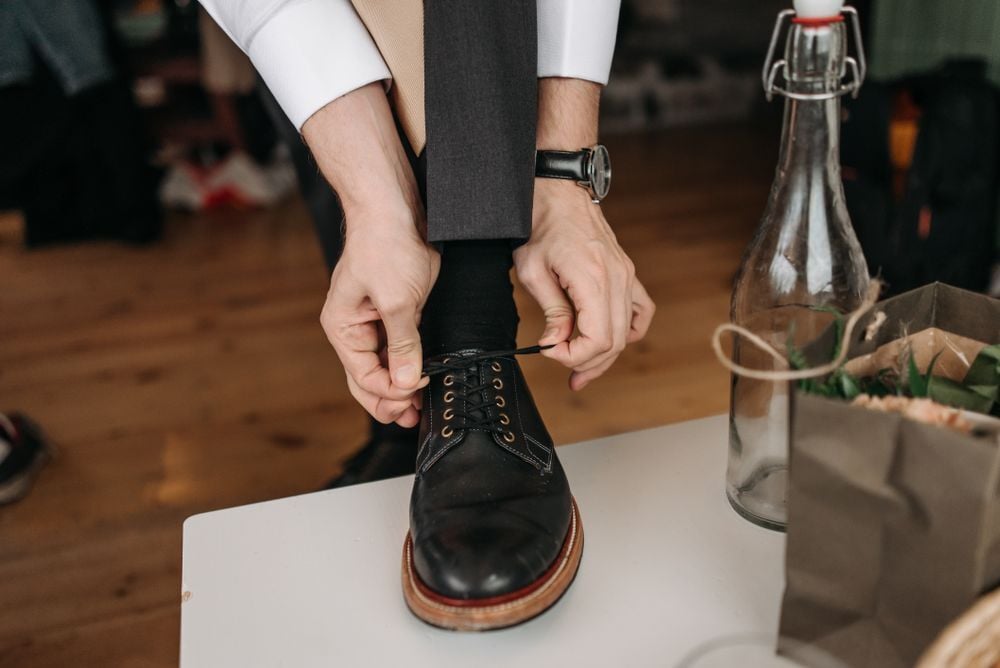
Shoes belong on feet, floors, and occasionally in an overflowing closet. A table? For some people, absolutely not. Putting shoes on a table has long been considered unlucky in certain traditions, although explanations for the belief vary. Superstition aside, this may be one of those customs where basic hygiene quietly arrives and says, “I support this message.”
13. Not Placing a Hat on a Bed

Imagine entering a bedroom, taking off your hat, and stopping just before placing it on the bed. Why does such an ordinary action feel wrong to some people? The belief that a hat on a bed brings bad luck survives in several traditions, with different explanations attached to it. Have you ever avoided doing something like this simply because someone once told you not to?
14. Holding Your Breath Through a Tunnel

The car enters a tunnel, the daylight disappears, and suddenly someone takes a giant breath. Holding it until reaching the other side has become a playful luck ritual for some travelers, especially children. There are variations involving wishes and touching parts of the car, too. It turns an otherwise ordinary stretch of road into a surprisingly intense test of lung capacity.
15. Making a Wish on a Shooting Star

A streak of light lasts only seconds, yet somehow that is enough time to make a request to the universe. Wishing on a shooting star connects a rare visual moment with the hope that something good might follow. Of course, what looks like a “falling star” is actually a meteor. Knowing the astronomy has done remarkably little to ruin the magic.
16. Avoiding Breaking a Mirror
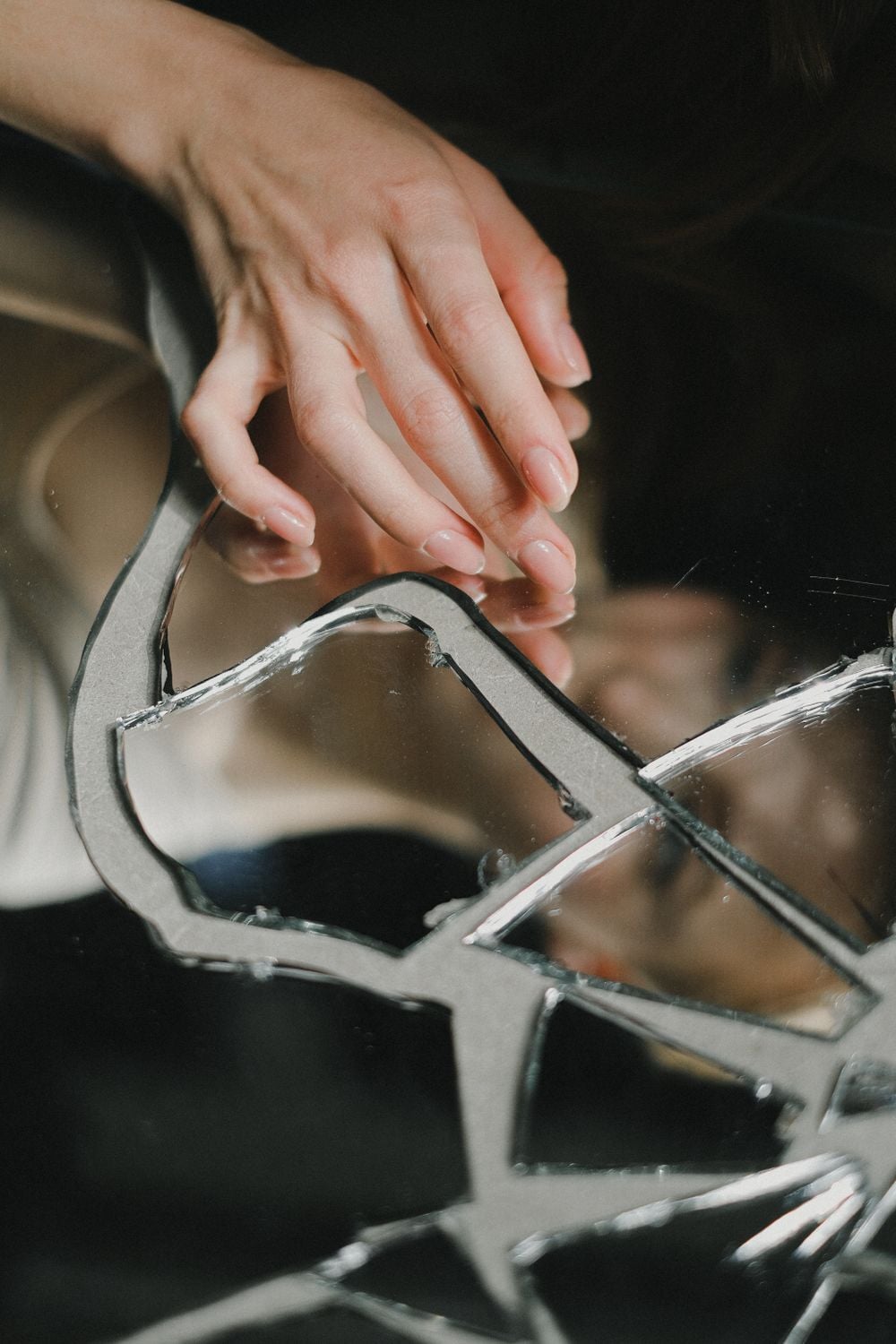
A broken mirror already creates one immediate problem: sharp pieces of glass everywhere. Superstition adds another, with the familiar warning of seven years of bad luck. The belief has accumulated several explanations over time, often involving reflections and the symbolic importance once attached to them. Either way, dropping a mirror can make even a committed skeptic stare at the pieces with mild concern.
17. Not Giving Knives as Gifts Without a Coin
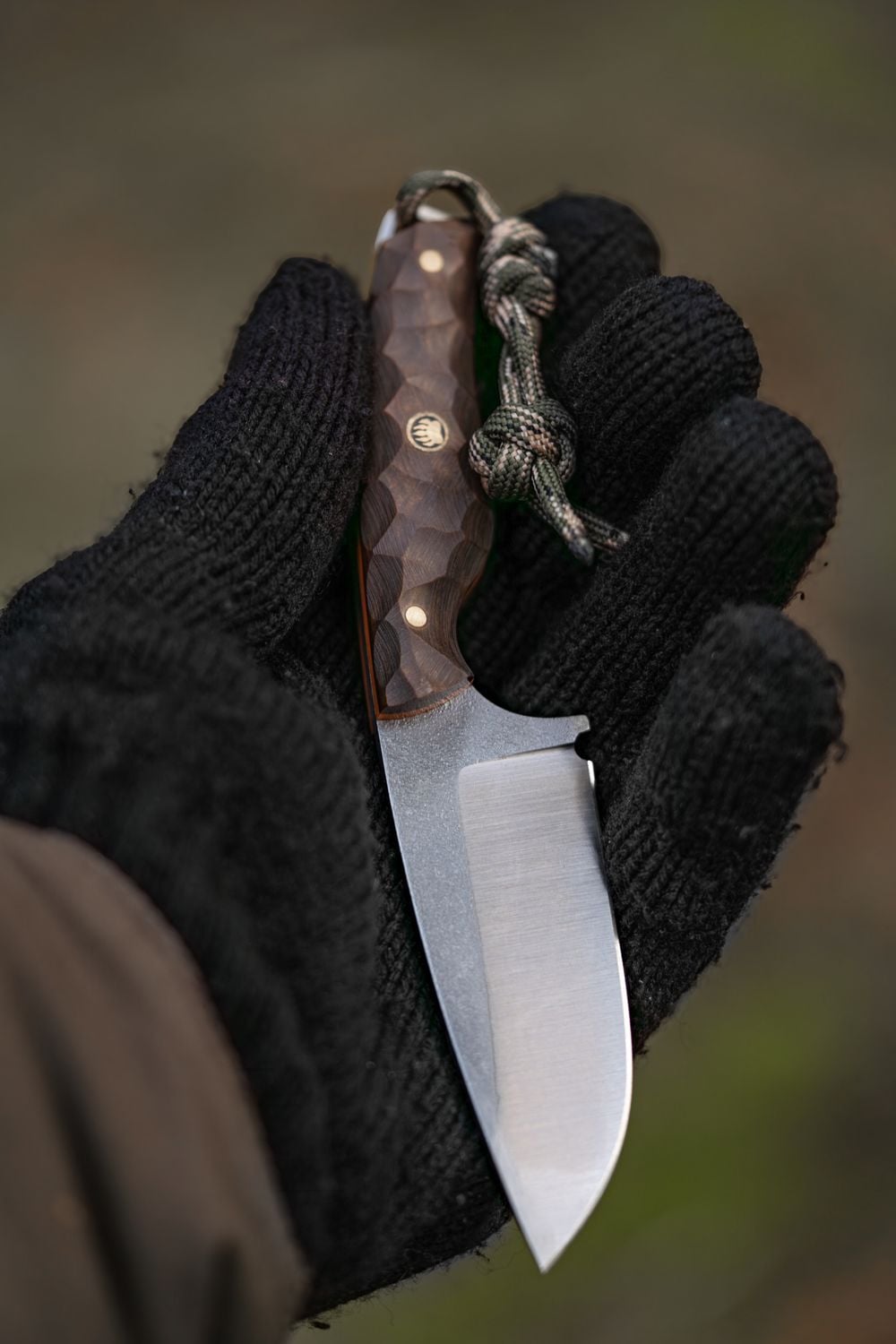
A beautiful knife might seem like a perfectly practical gift, but some traditions say giving one can “cut” the relationship between giver and recipient. The workaround is wonderfully clever: the recipient gives a coin in return, symbolically turning the gift into a purchase. Apparently friendship can survive the supernatural consequences for the bargain price of some pocket change.
18. Tossing Coins Into a Fountain
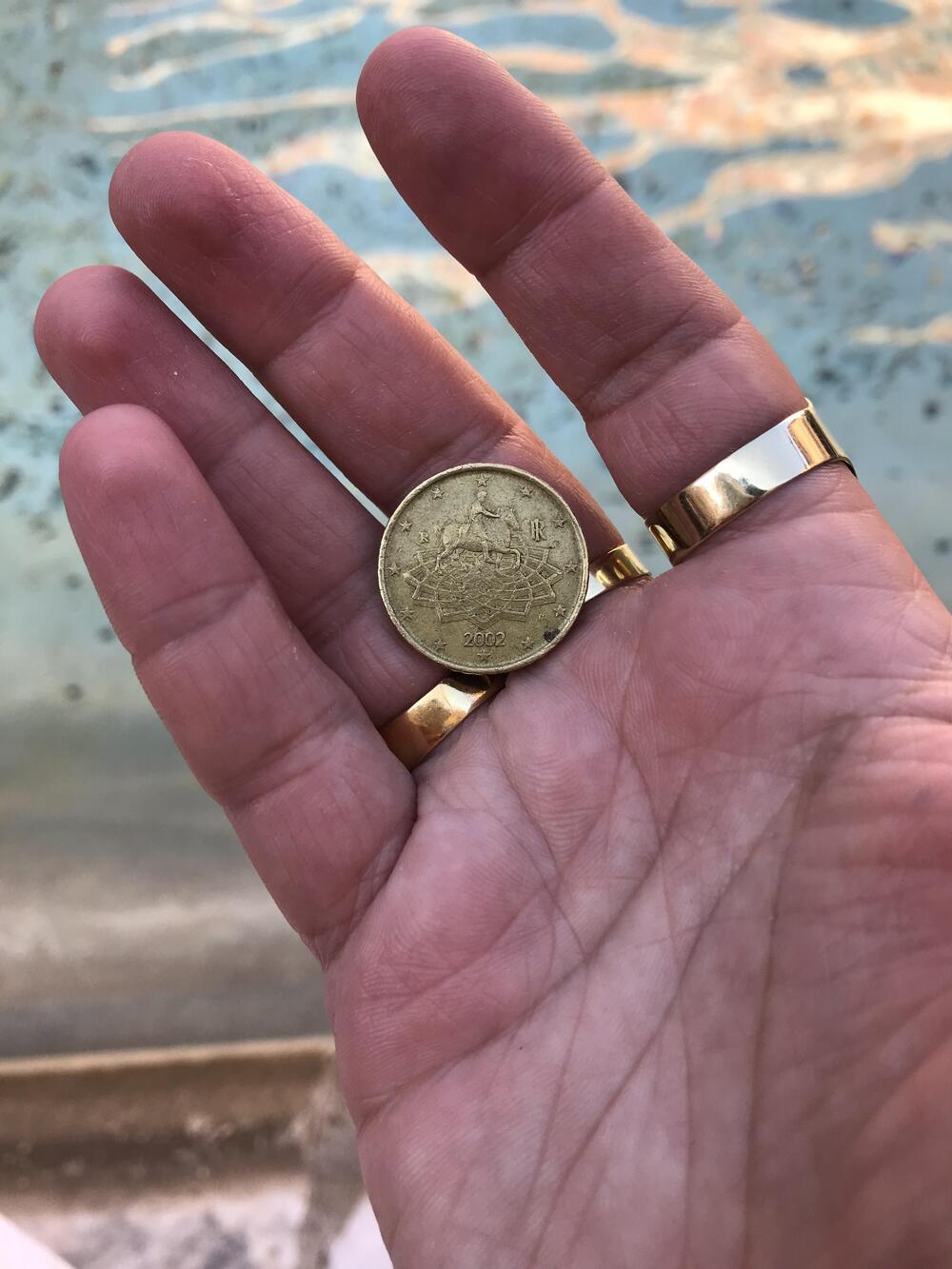
See a fountain filled with coins and the temptation is almost automatic. Turn around, make a wish, toss one in. The details vary depending on the tradition and location, but throwing coins into water has become deeply associated with wishes and good fortune. Have you ever done it while traveling, despite knowing perfectly well the fountain is not processing requests?
19. Avoiding Stepping on Sidewalk Cracks
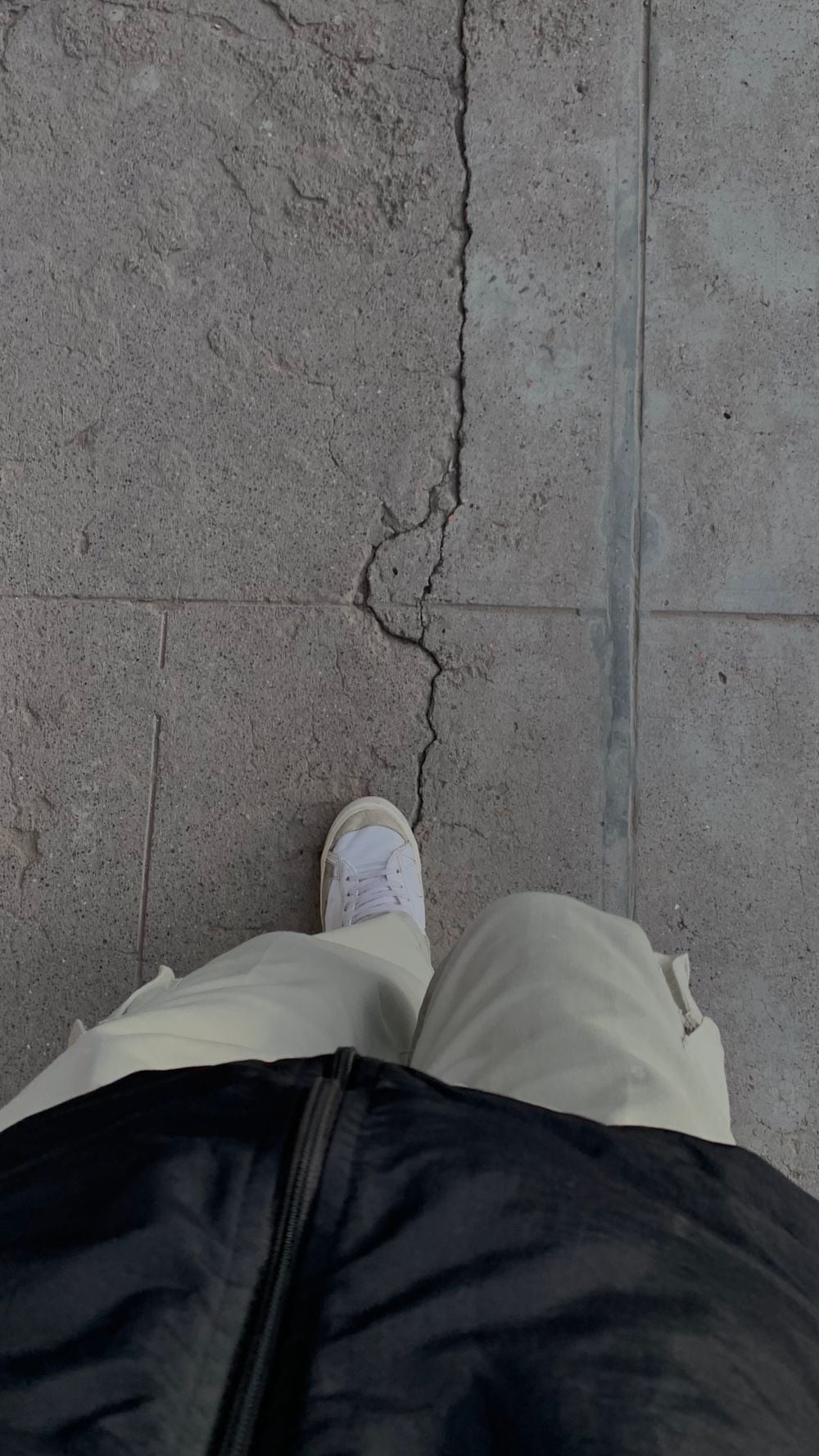
“Step on a crack, break your mother’s back.” It is one of those childhood rhymes capable of transforming an ordinary sidewalk into an obstacle course. Suddenly every seam in the pavement matters. Most people eventually stop taking the rhyme seriously, but the habit can linger. One moment you are simply walking, the next your feet are unconsciously negotiating with concrete.
20. Wishing on Birthday Candles
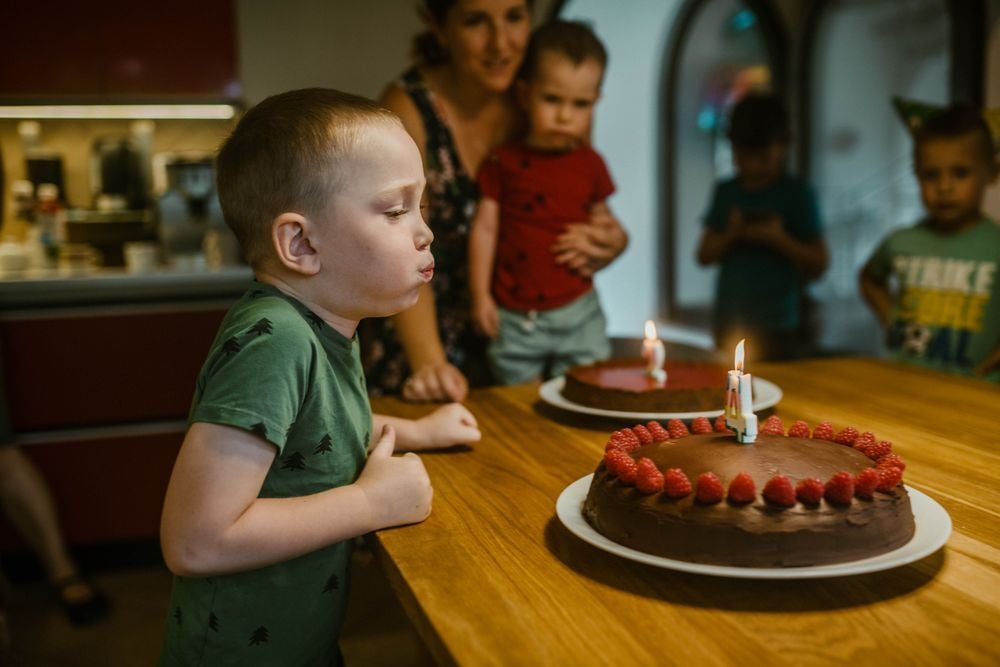
Cake arrives, candles are lit, everyone starts singing, and one rule quietly takes over: make a wish before blowing them out. Birthday traditions have changed considerably across cultures and time, but the candle wish remains instantly recognizable. Maybe that is why it makes such a fitting final superstition. After twenty rituals for avoiding bad luck, we end with one that simply asks for something good.
Superstitions do not need complete belief to survive. Sometimes all they need is repetition, a family tradition, a childhood rhyme, or that tiny feeling that ignoring the ritual might somehow be tempting fate.
From crossed fingers and lucky socks to coins, mirrors, and birthday candles, these habits turn ordinary objects into little negotiations with chance. We may know that knocking on wood cannot control the future, but when the stakes feel high enough, finding a nearby table suddenly does not seem like much trouble.
Keep Exploring The Scroller
Everyday life is packed with habits, traditions, and tiny behaviors whose origins are easier to forget than the rituals themselves. Keep exploring The Scroller for more familiar things with surprisingly unfamiliar stories:
15 Sports Superstitions So Bizarre That Coaches Actually Allowed Them
14 Old Superstitions and the Real Reasons People Once Believed Them