Think about the modern annual calendar that dictates our holidays, family gatherings, and festive shopping rushes. We live in a highly structured world where we automatically stock up on candy in October, light up pine trees in December, and hunt for colorful eggs in the spring without giving it a second thought. For most of us, these celebrations are deeply comforting milestones anchored in childhood memories and cozy contemporary traditions. We easily assume that these special dates have always been observed exactly the same way, serving as historic pillars of cultural unity since the dawn of civilization.
However, a closer look into the historical record reveals that the real stories behind our favorite seasonal breaks are far more chaotic, political, and surprising than the commercial versions we celebrate today. Many of the world’s most beloved holidays were not born out of pure romantic sentiment or straightforward spiritual history. Instead, they were strategically engineered by emperors to replace pagan rituals, utilized by presidents to soothe wartime tensions, or even weaponized by corporate entities to boost retail numbers. Let’s dive into fourteen fascinating facts about the origins of popular global celebrations, proving that history has a wild way of reshaping our shared traditions.
1. Halloween and the dissolving realm
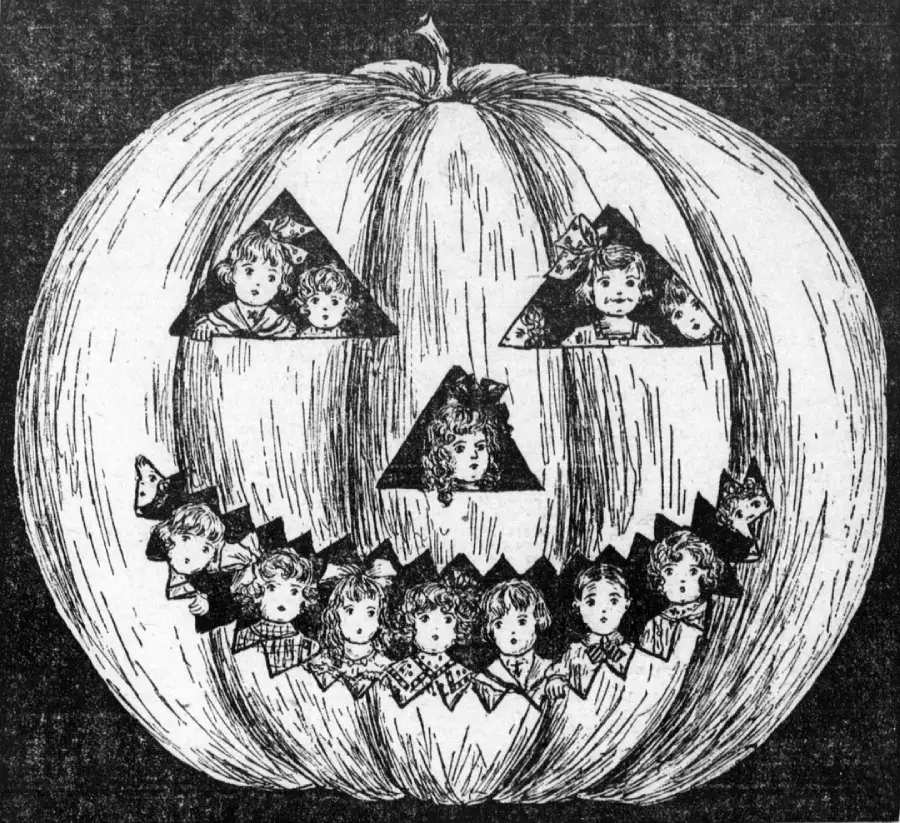
Halloween traces its deep roots back to Samhain, an ancient Celtic festival that marked the close of the harvest season and the dark onset of winter. The Celts firmly believed that on the night of October 31, the physical boundary between the living and the dead dissolved entirely, allowing spirits to roam the earth. To avoid being recognized by these wandering ghosts, people began dressing up in terrifying costumes to blend in with the supernatural crowd.
2. The strategic alignment of December 25

Christmas was officially celebrated for the first time in Rome on December 25 in the year 336 AD. Church leaders strategically selected this specific winter date to overlap with the Solstice and the popular pagan Roman festival of Sol Invictus, making it much easier to convert local populations who were already accustomed to celebrating at that time of year. Because of this calendar alignment, modern historians widely agree that Jesus of Nazareth was actually born during the spring.
3. The royal spark of the Christmas tree
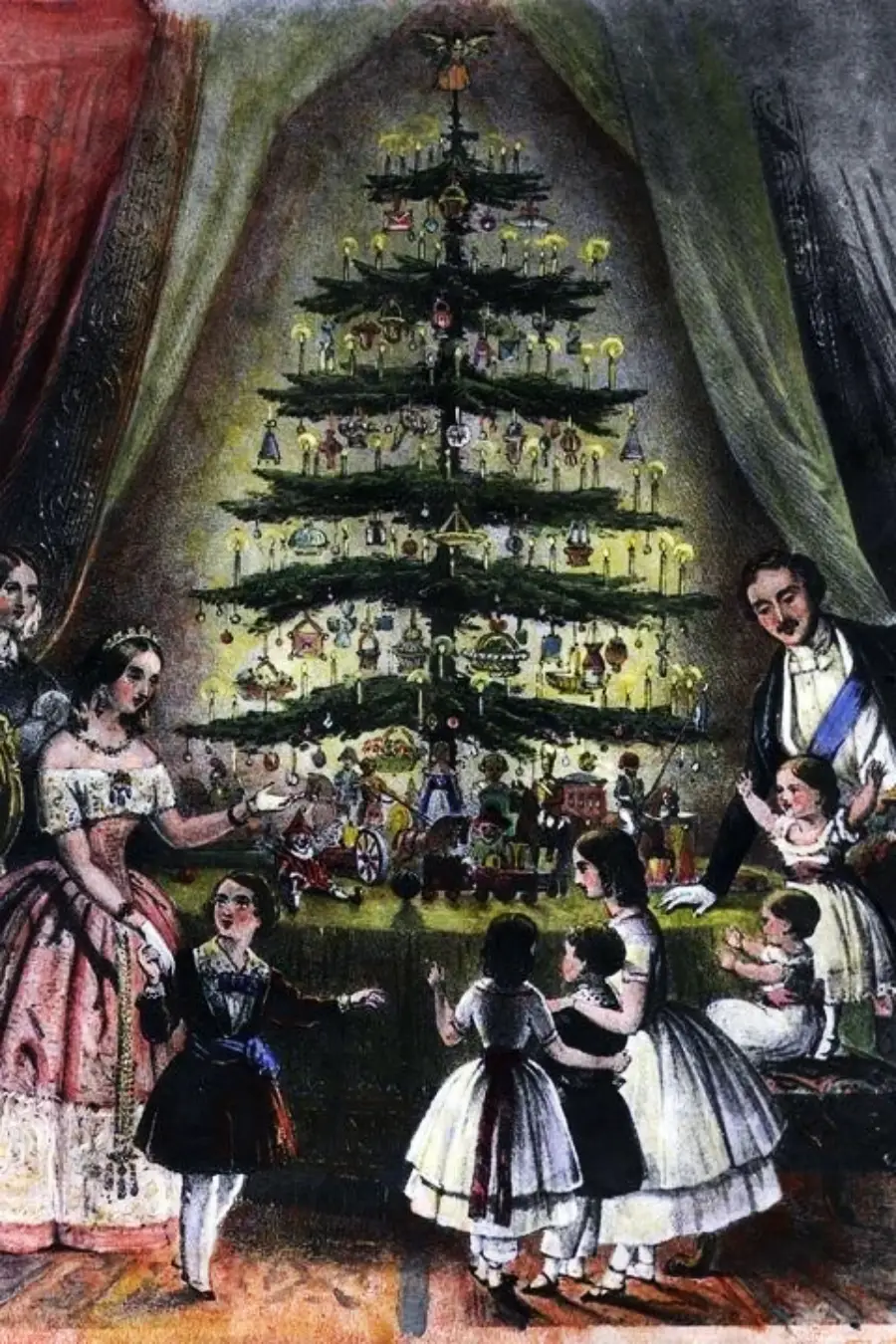
While the specific tradition of the decorated Christmas tree began in sixteenth-century Germany, ancient Romans and Egyptians had been bringing green branches indoors for millennia to symbolize life triumphing over dark winter days. The custom did not achieve widespread global popularity until 1848, when a drawing of Queen Victoria and her German-born husband, Prince Albert, standing around a decorated tree was published in England. The British and American public immediately began copying the stylish royal family, creating a permanent holiday staple.
4. Valentine’s Day and the avian myth
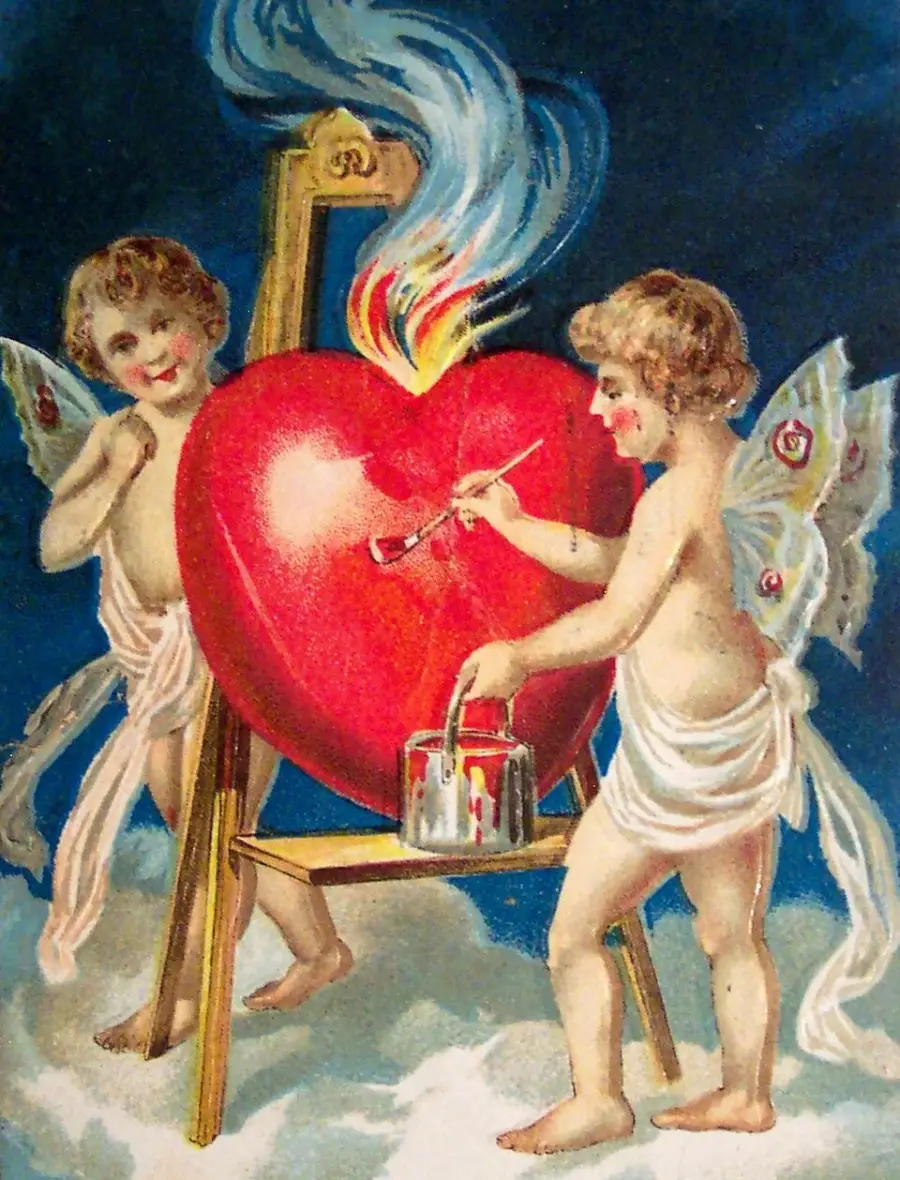
The modern day of romance has two competing historical origins, and neither is particularly soft or sentimental. The first is Lupercalia, a wild ancient Roman fertility festival held in February that involved a literal matchmaking lottery for young couples. The second is the execution of a priest named Valentine on February 14, 269 AD, who reportedly smuggled out farewell letters signed “from your Valentine” to prisoners. The soft, romantic version we celebrate today was actually popularized by poet Geoffrey Chaucer in the fourteenth century, when he wrote a poem claiming that birds chose their mates on that specific calendar date.
5. New Year’s Day and the two-faced god
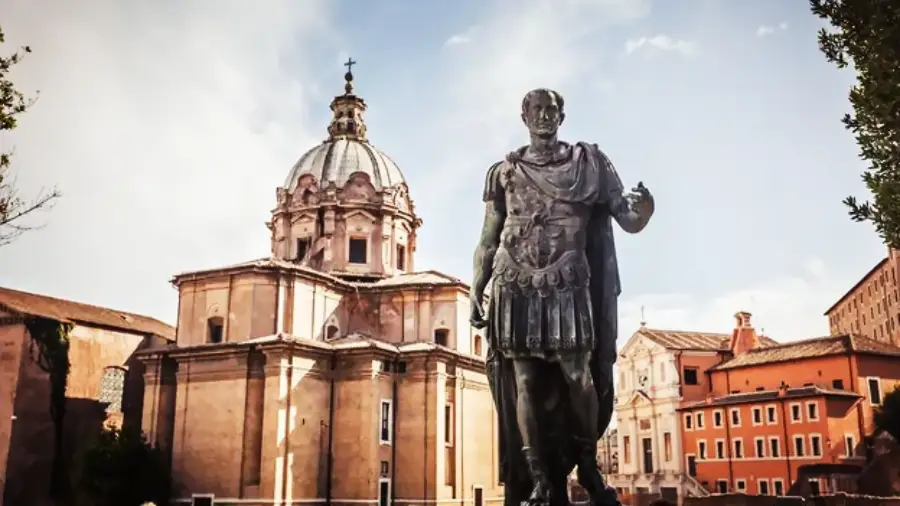
The celebration of the new year on January 1 was officially established in the year 46 BC by Julius Caesar when he completely overhauled the traditional Roman calendar. Prior to this massive imperial reform, the Roman calendar actually marked the arrival of the new year in March. Caesar specifically named the opening month of January after Janus, the Roman god of doors and new beginnings, who is traditionally depicted with two faces looking toward the past and the future at the same time.
Trending on The Scroller

6. The wartime strategy of Thanksgiving
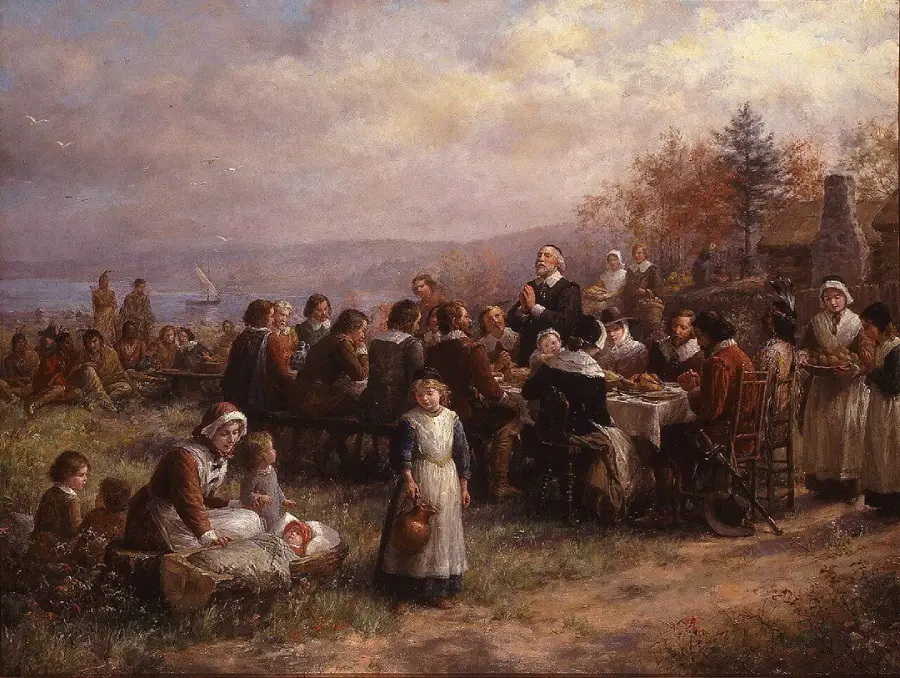
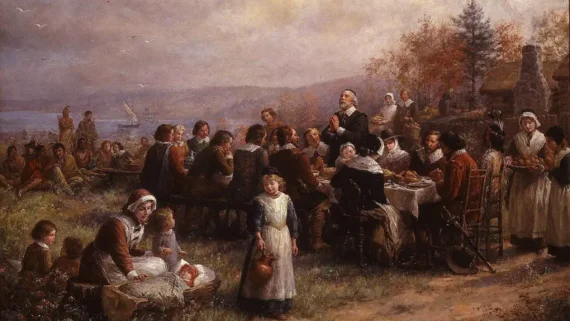
The comforting myth of the peaceful 1621 harvest feast between the Pilgrims and the Wampanoag tribe is only a fraction of the actual history behind the American holiday. The first official national Thanksgiving Day was actually proclaimed by Abraham Lincoln in 1863, right in the middle of the American Civil War, as a desperate psychological strategy to unify a fractured nation. Decades later, President Franklin Roosevelt attempted to move the date a week earlier to artificially extend the holiday shopping season, sparking such immense public outrage that Congress had to pass a law fixing it on the fourth Thursday of November.
7. Easter’s pagan spring roots
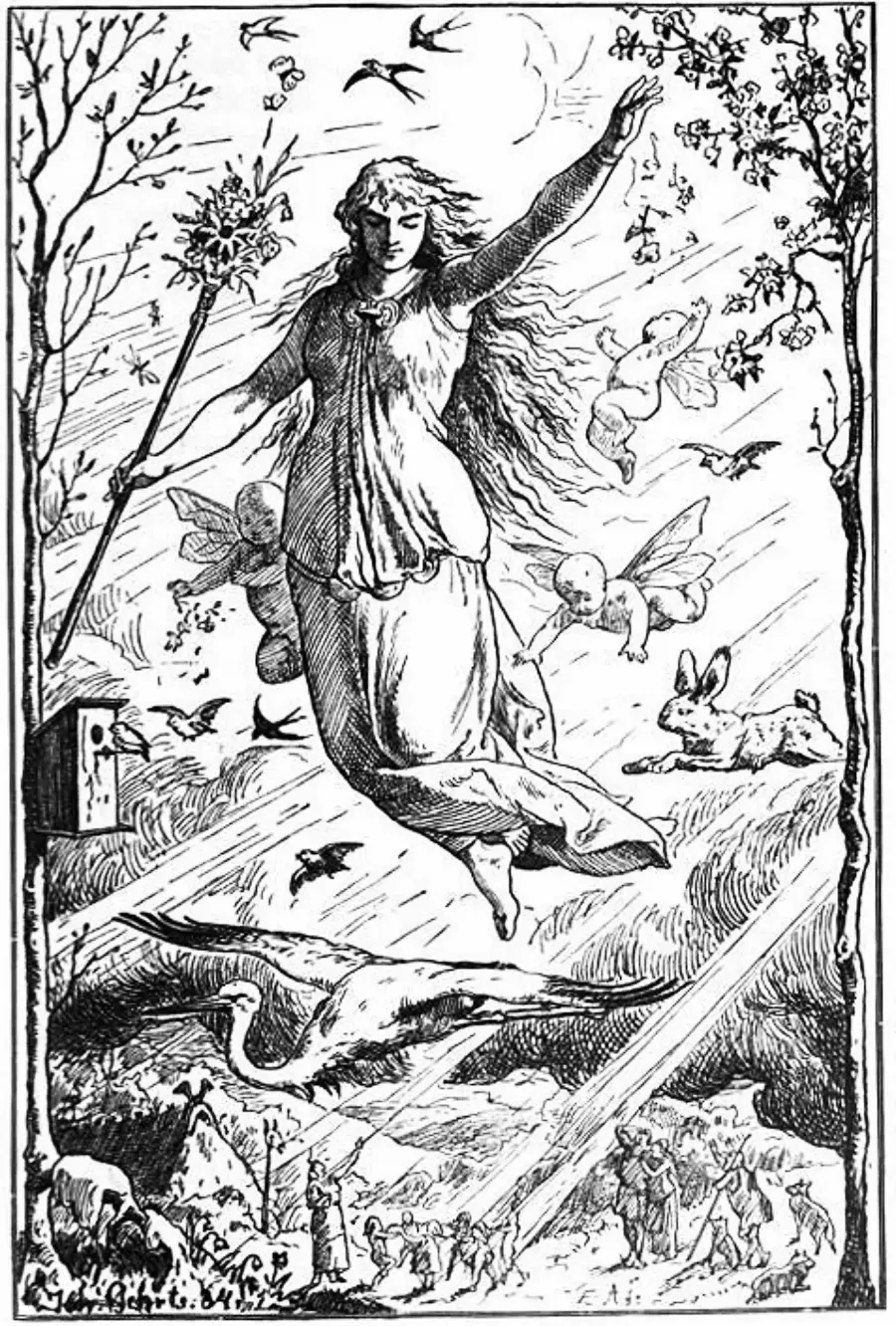
The underlying cultural roots of Easter reach back to ancient pre-Christian celebrations of the changing seasons. Long before the arrival of the modern church calendar, early European societies marked the spring equinox with high-energy festivals celebrating fertility, rebirth, and the Teutonic dawn goddess Ostara. Both the colorful decorated eggs and the legendary Easter bunny were historic pagan symbols of fertility that were gradually adopted by Christian missionaries to ease the conversion process.
8. The extravagant survival of Mardi Gras
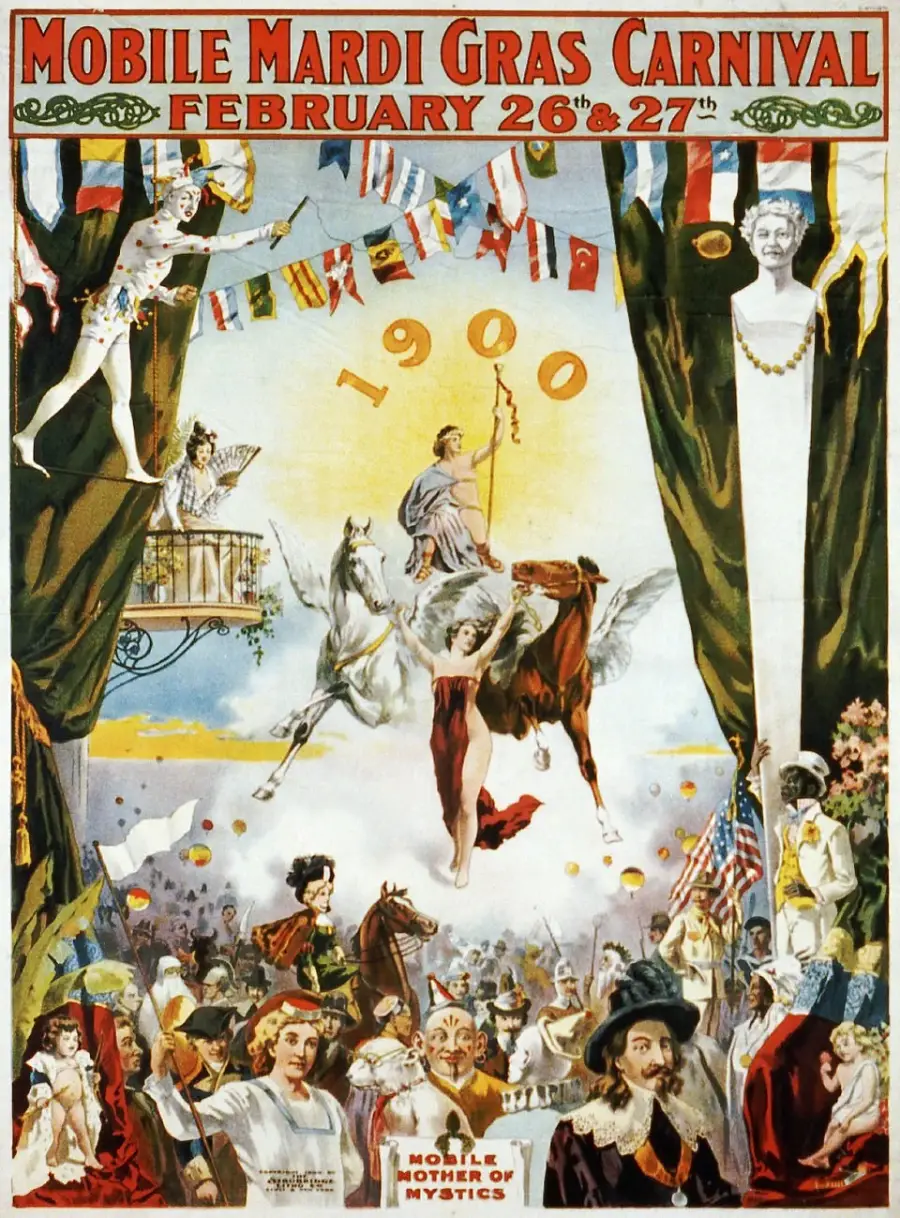
Long before European explorers ever mapped out the American landscape, ancient Romans were celebrating mid-February with Lupercalia, a chaotic carnival festival that modern historians view as the direct ancestor of Mardi Gras. The celebration officially reached the American continent in 1699 via French explorers, eventually turning New Orleans into a premier destination for excess. Interestingly, when Louisiana fell under strict English colonial rule, the government banned the public festival, prompting defiant residents to keep the custom alive through secretive, private masquerade parties.
Sign up for our newsletter
9. The gold-stuffed Christmas stockings
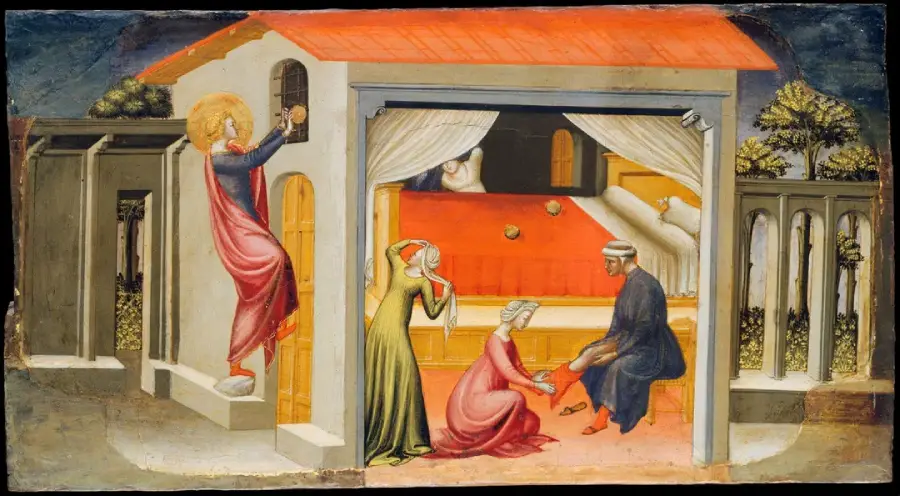
According to historical holiday folklore, the original Saint Nicholas was traveling through a small village when he learned about a local merchant who had lost his fortune and could not afford the marriage dotes for his three daughters. Knowing the proud father would flatly refuse direct charity, Nicholas climbed onto the roof under the cover of night and dropped three heavy bags of gold coins down the chimney. The bags fell directly into the girls’ freshly washed stockings, which had been hung up to dry next to the embers, sparking a global tradition that continues to this day.
10. The regretful Mother’s Day strike
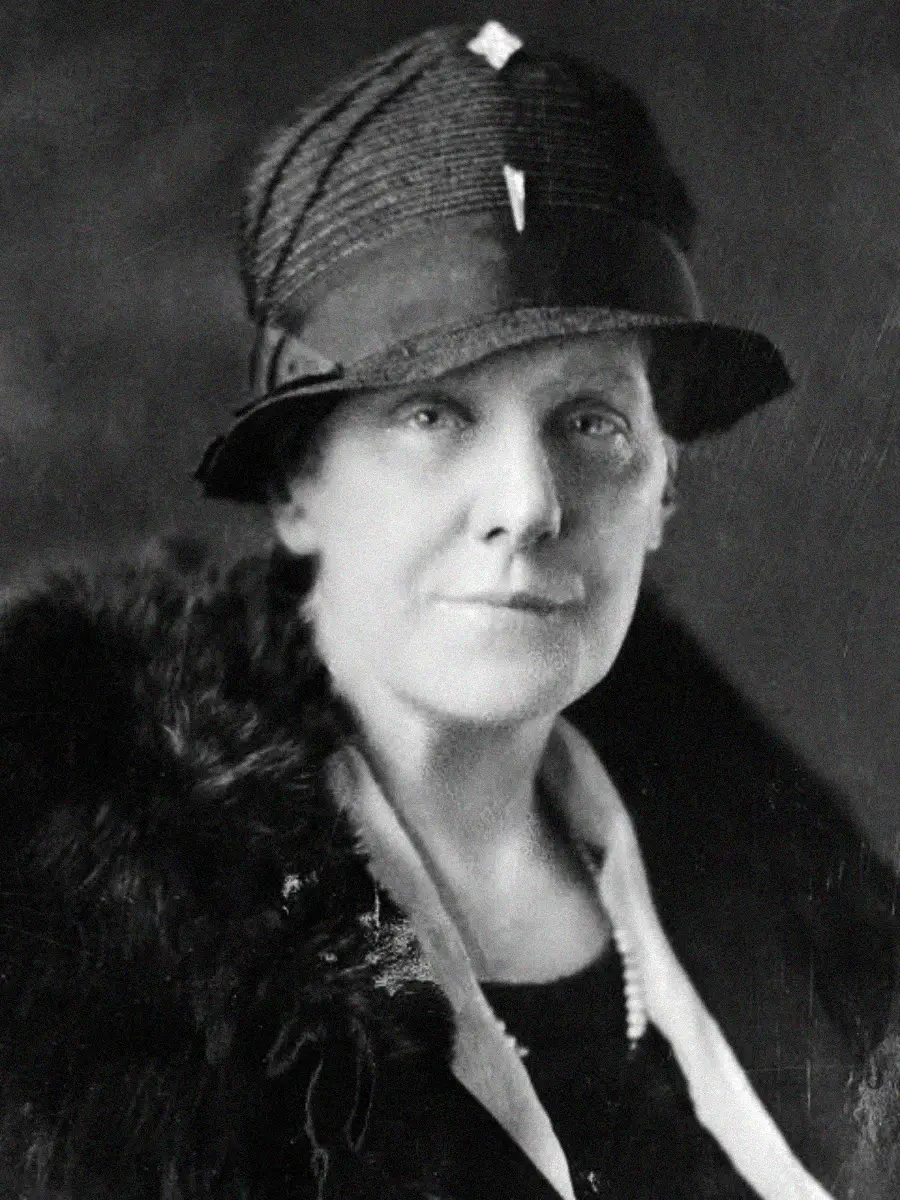
The modern iteration of Mother’s Day was created in 1908 by a devoted daughter named Anna Jarvis, who wanted a special day to honor her late mother’s memory. She successfully campaigned for years until Congress declared it an official national holiday in 1914, but her joy was incredibly short-lived. By 1918, Jarvis was so deeply horrified by the aggressive commercialization of the date by card companies and florists that she spent the rest of her life trying to legally abolish her own creation, even getting arrested during a public holiday protest in 1948.
11. Labor Day’s tense political origins
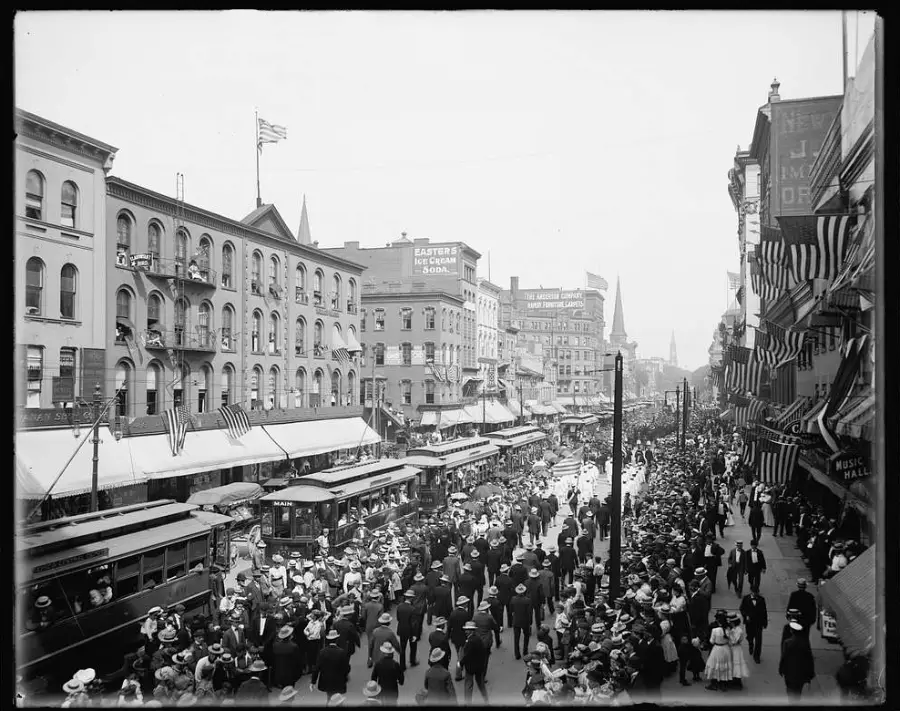
The inaugural American Labor Day was organized by a local carpenters’ union and celebrated with a massive street parade in New York City on September 5, 1882. The federal government rushed to declare it an official national holiday in 1894, signing the bill into law just six days after President Grover Cleveland ordered the military to violently suppress the famous Pullman railway strike, an action that resulted in the tragic deaths of thirty workers. The incredible speed with which the administration passed the holiday law was widely viewed as a direct, desperate attempt to soothe explosive labor tensions across the country.
12. Saint Patrick’s missing green heritage
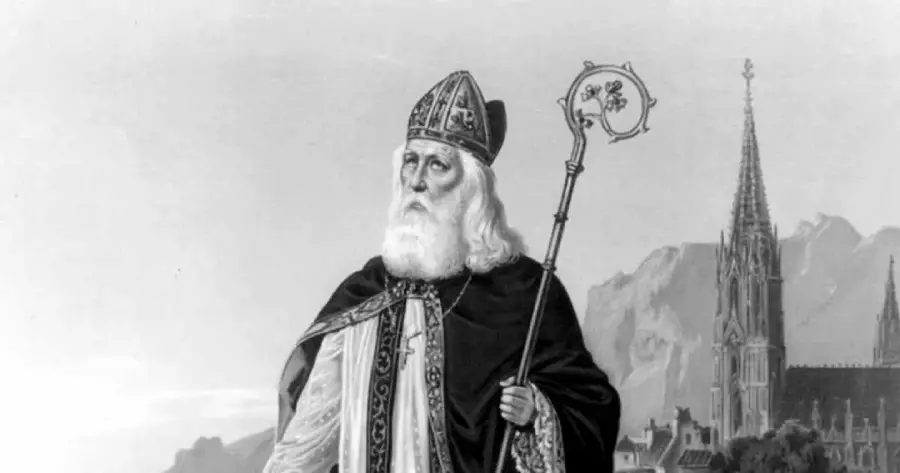
Saint Patrick, the legendary patron saint of Ireland, was not actually an ethnic Irishman at all, but a Romano-British youth born in Wales or Scotland around the year 385 AD. Furthermore, the official color associated with his order was not green, but a specific bright shade of sky blue known historically as Saint Patrick’s Blue. The color green only became linked to the holiday during the high-stakes Irish independence movement of the late eighteenth century, and the very first celebratory St. Patrick’s Day parade was actually held in New York City by Irish soldiers serving in the British military.
13. April Fools’ Day and the calendar outcasts
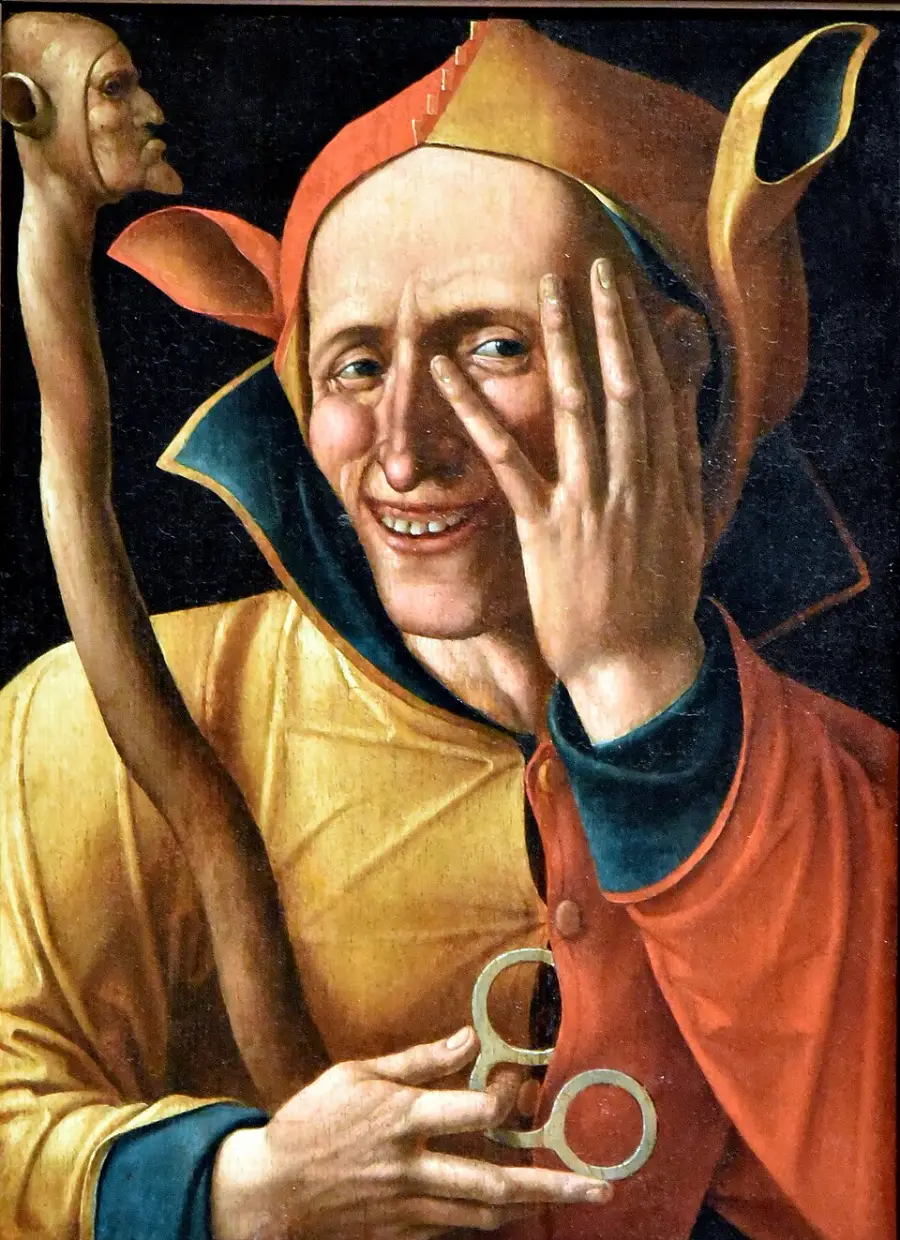
While the exact historical origin of this lighthearted day remains a subject of debate, the most widely accepted theory traces it back to 1564, when King Charles IX of France officially adopted the Gregorian calendar. This massive structural shift moved the traditional celebration of the New Year from April 1 to January 1. Citizens who lived in remote rural areas or simply refused to accept the new calendar continued to celebrate the New Year in April, causing others to mock them by playing pranks and calling them the April Fish.
14. The unnecessary casualties of Veterans Day

November 11 was specifically designated as Armistice Day because the historic treaty that brought an end to the Western Front of World War I was scheduled to take effect at exactly the eleventh hour of the eleventh day of the eleventh month in 1918. Military commanders on both sides had actually finalized the peace agreement hours beforehand, but they deliberately chose to wait for this perfect numerical symmetry before enforcing the ceasefire. This aesthetic delay resulted in thousands of unnecessary battlefield casualties during the final hours of the war as soldiers continued fighting up until the absolute last minute.
Want more interesting facts?
Discovering the complex, often messy historical pathways that shaped our favorite annual breaks is a powerful reminder of how deeply our modern lifestyles are intertwined with the political shifts of the past. Looking back at these wartime strategy shifts, hidden gold coins, and ancient Roman street carnivals proves that while our contemporary retail trends and festive decorations change across the generations, the baseline human need to pause, gather, and celebrate remains entirely constant. When we choose to look past the modern convenience of our current holiday commercialism to appreciate the rich history of our cultural past, we gain a much deeper understanding of our shared societal evolution. If you loved taking this fascinating look back through the hidden roots of our annual calendar and want to enjoy more nostalgic deep dives, make sure to explore these 15 Revolutionary War Facts About American Independence, or 18 Historic World Cup Facts Most Fans Get Completely Wrong. You can also check out these 14 Old Superstitions and the Reasons People Believed Them.