When the global soccer community gathers every four years to witness the absolute pinnacle of international sport, a massive wave of history, statistics, and lore takes center stage. Fans proudly display their encyclopedic knowledge of tournament history, eagerly debating iconic tactical shifts, legendary penalty shootouts, and unforgettable individual performances from decades past. This intense devotion to the beautiful game creates a shared cultural archive where specific stories are passed down from one generation of fans to the next. However, the sheer scale of the World Cup means that the line between historical reality and romantic mythology frequently becomes incredibly blurry during the long breaks between tournaments.
Many of the most commonly repeated historical milestones or dramatic trivia notes are actually complete fabrications, misinterpretations, or urban legends that have gone completely unchecked for decades. From the frantic logistical scrambles of the early tournaments to the behind-the-scenes bureaucracy of the modern era, the real history of the competition is often far more surprising than the popular tales repeated in sports bars. Relying on casual assumption can easily lead even the most dedicated pundits to spread sports misinformation without realizing it. Let’s look at eighteen fascinating World Cup facts that most devoted soccer fans consistently get completely wrong.
1. The real reason India withdrew from the 1950 tournament
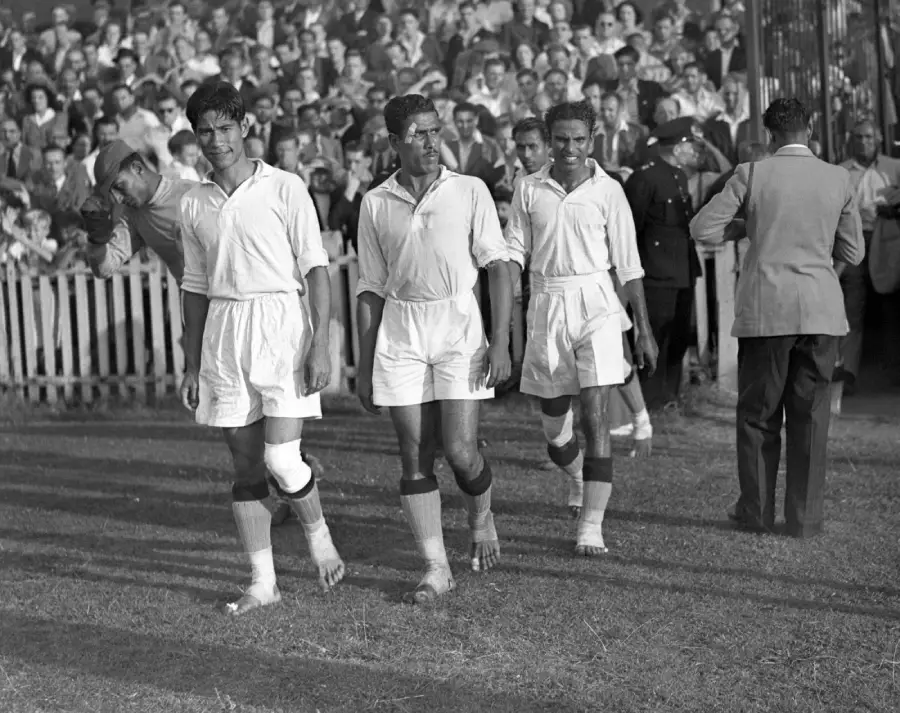
One of the most popular urban legends in soccer history claims that India pulled out of the 1950 tournament in Brazil because football executives refused to let their squad play barefoot. While governing officials had indeed mandated footwear after the 1948 Olympics, the Indian players were perfectly accustomed to wearing boots when playing conditions required them. Historical documents reveal that the national federation actually withdrew due to internal selection disputes, insufficient preparation time, and high travel costs. Crucially, the federation prioritized the Olympic Games over the tournament, completely misunderstanding the future global significance of the trophy.
2. The Jules Rimet trophy was hidden under a bed during World War II

Many fans believe that the original tournament prize spent the dangerous years of the Second World War locked safely inside a secure bank vault in Rome. In reality, with the country engulfed in geopolitical conflict, the vice president of the Italian Football Federation secretly removed the gold statue from the bank in a panic. He smuggled the precious artifact to his private home, hiding it inside a generic cardboard shoe box tucked deeply beneath his mattress. His quick thinking successfully protected the historic prize from being seized by searching foreign troops who raided the property looking for hidden valuables.
3. The myth of King Carol II choosing the 1930 Romanian squad
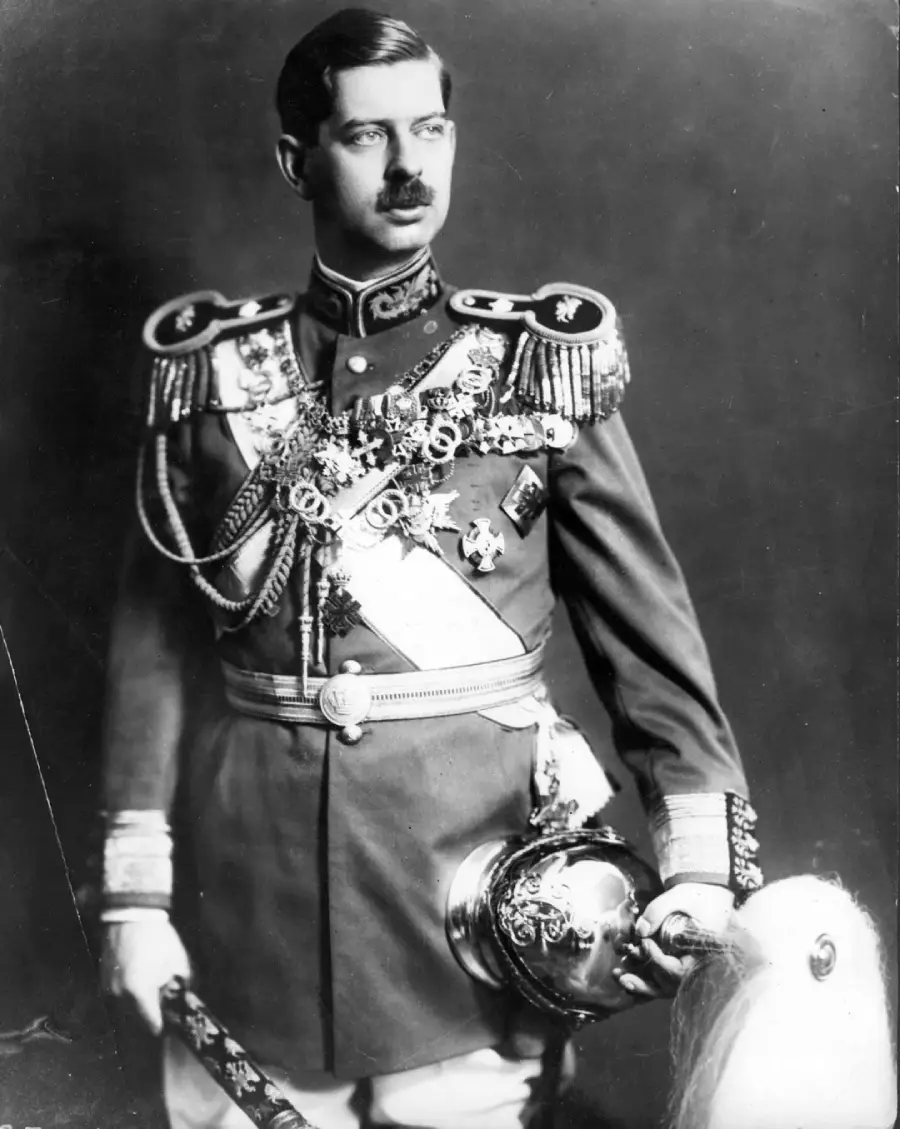
A highly popular historical tale asserts that the eccentric King Carol II of Romania personally hand-picked every single player for the inaugural 1930 competition in Uruguay. While the football-loving monarch was instrumental in securing corporate leave for his players, he did not actually manage the tactical team sheet. The squad was assembled by the official national team coach, Costel Radulescu, who handled all of the actual training sessions and player assessments. The king simply utilized his royal authority to threaten an English oil company with closure unless they granted their employed athletes paid leave to travel across the Atlantic.
4. Sir Geoff Hurst’s legendary 1966 hat-trick ball was stolen
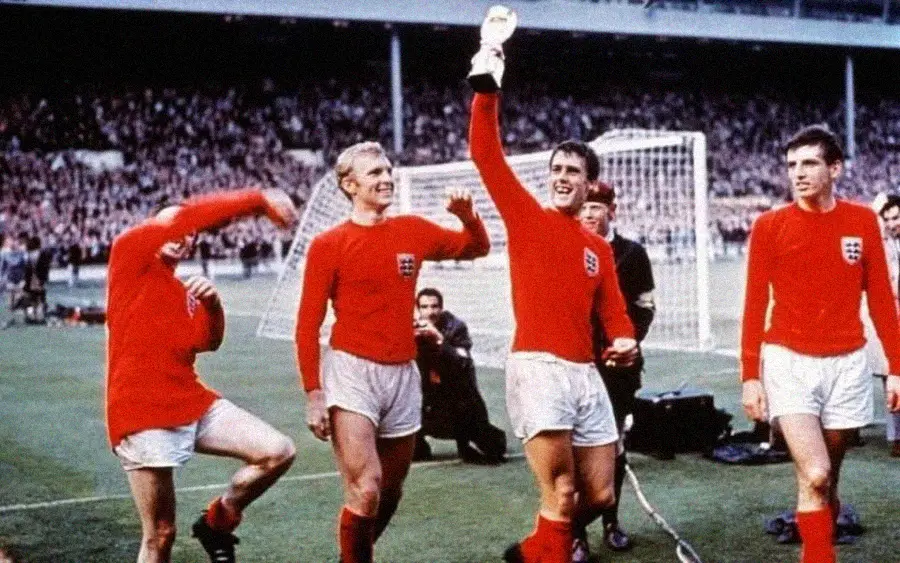
For decades, fans assumed that the historic match ball from England’s dramatic 1966 victory was safely stored by the national football association immediately after the final whistle. However, West German player Helmut Haller actually snatched the ball under his arm and smuggled it back to his home country as a personal souvenir. The ball remained inside a German basement for thirty years, with Haller’s young son regularly playing with it in the backyard. It was only in 1996 that a British newspaper coordinated a massive rescue mission to purchase the artifact back for modern museum display.
5. The true single-match individual scoring record

If you ask an average fan who scored the most goals in a single tournament match, many will confidently guess legends like Pelé, Just Fontaine, or Miroslav Klose. The actual historical record holder is Russian striker Oleg Salenko, who scored a mind-boggling five goals in a single group stage match against Cameroon in 1994. What makes this feat even more bizarre is that Russia was completely eliminated in the opening round despite its historic scoring outburst. Salenko never scored another international goal for his country after that tournament, leaving his legacy as the ultimate one-hit wonder of soccer history.
Trending on The Scroller


6. The United States finished third in the Inception Tournament
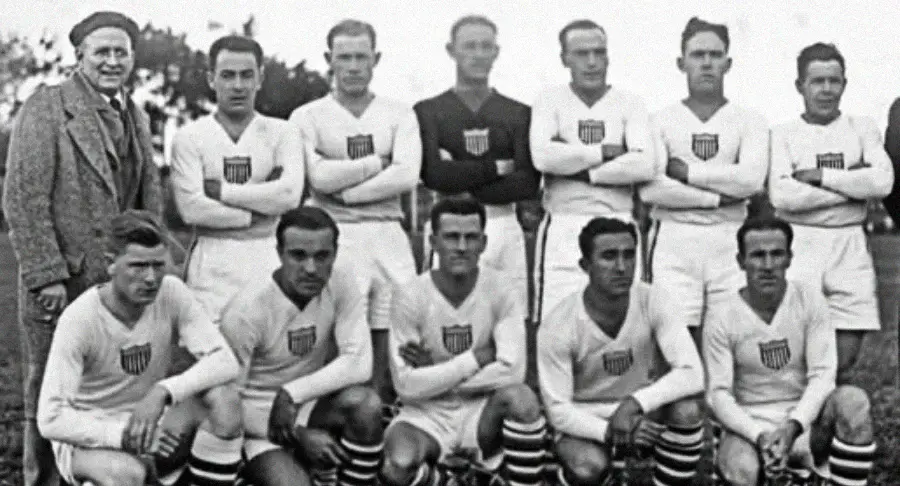
Modern fans frequently view the United States as a historically weak nation in men’s international soccer that only recently began developing a competitive program. However, during the inaugural 1930 event, the American squad marched all the way to the semi-finals, officially securing a third-place ranking based on overall tournament statistics. The roster was filled with rugged, experienced athletes who dominated their opening matches before falling to a powerhouse Argentine squad. This remarkable achievement remains the absolute highest finish for any team operating outside of Europe and South America in history.
7. The original trophy design was not called the Jules Rimet initially
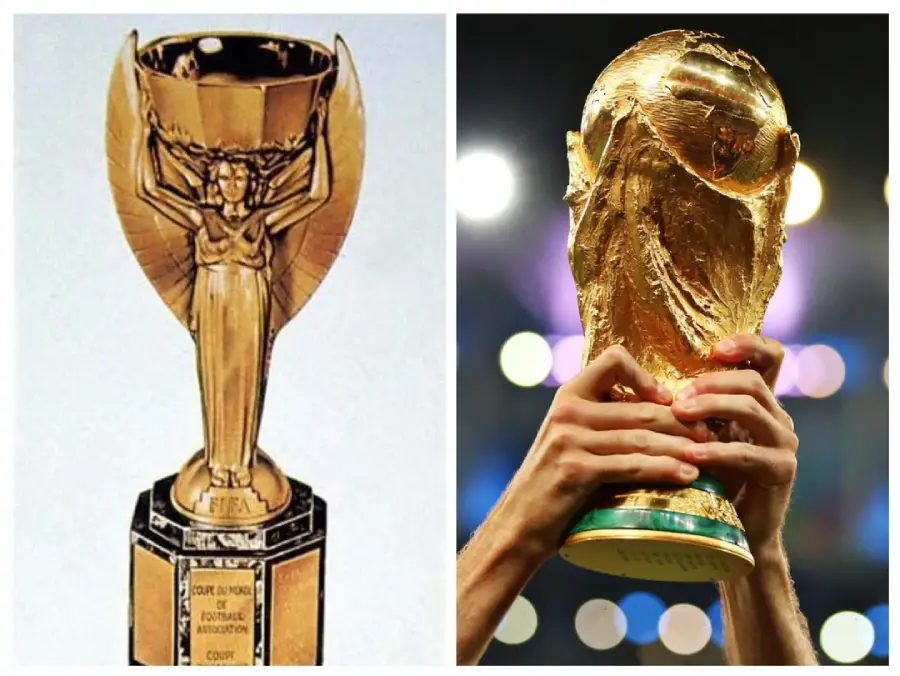
While the iconic statuette representing Nike, the Greek goddess of victory, is universally remembered as the Jules Rimet Trophy, it did not carry that name during its early years. The prize was known simply as Victory or the World Cup when it was hammered out of sterling silver and gold plating in 1930. The governing body chose to officially rename the trophy in 1946 to honor the absolute perseverance of their president, who kept the organization alive through decades of global depression and conflict. The name stuck until the prize was permanently retired and subsequently stolen in Brazil.
8. No team has ever won the modern trophy permanently
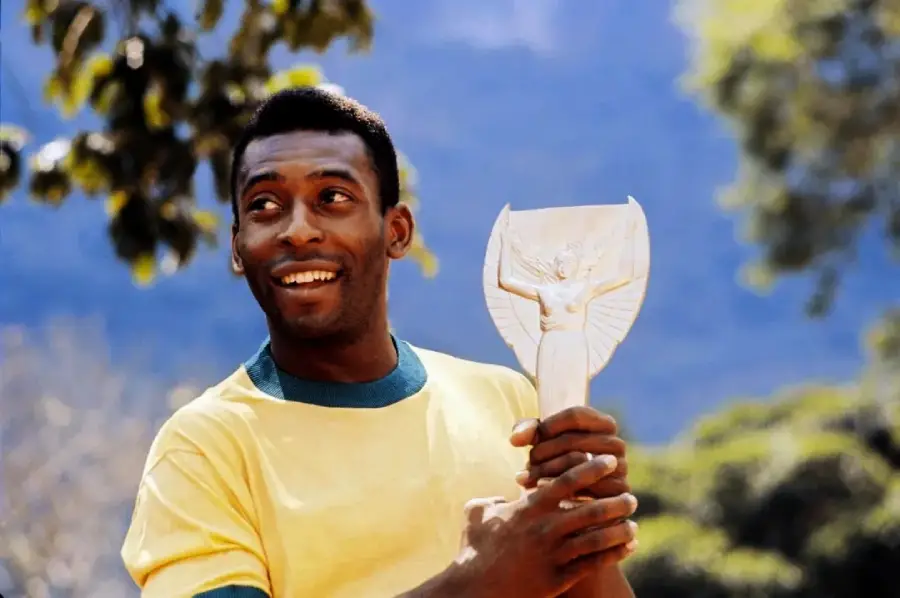
A common misconception among fans is that if a nation manages to win the tournament three times, they are granted permanent ownership of the actual gold trophy. This rule did exist for the original sculpture, which is why Brazil kept the prize after their third victory in 1970. When the current trophy was introduced in 1974, the organization changed the legal framework to ensure the original gold sculpture never leaves their possession permanently. Today, winning nations only receive a gold-plated bronze replica to display in their domestic museums, while the real solid-gold prize stays in Switzerland.
Sign up for our newsletter
9. Yellow and red penalty cards did not exist until 1970
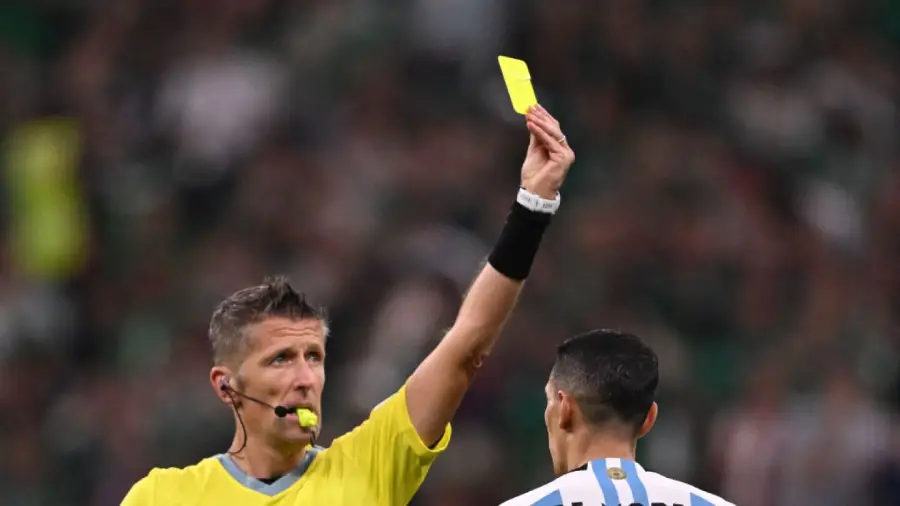
It is nearly impossible to imagine a modern soccer match operating without the tactical drama of a referee pulling a bright plastic card out of his pocket to discipline a reckless defender. However, during the first forty years of the tournament, referees had to communicate all cautions and expulsions strictly through verbal commands and physical gestures. This system created absolute chaos during a heated 1966 match when a player refused to leave the pitch because he couldn’t understand the referee’s language. The colored card system was engineered ahead of the 1970 tournament to create a universal visual language that bypassed all cultural barriers.
10. The smallest nation to ever qualify for the finals
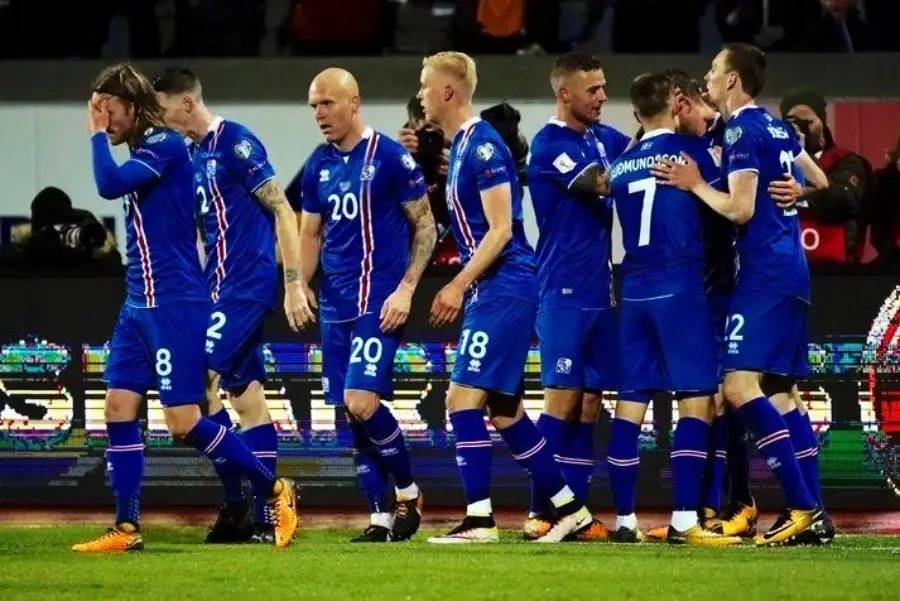
Many fans assume that small, historically successful football nations like Uruguay or Trinidad and Tobago hold the record for being the smallest population to reach the big stage. The record actually belongs to Iceland, who stunned the sporting world by qualifying for the 2018 tournament in Russia with a total national population of just 334,000 citizens. The tight-knit squad relied on an incredible system of indoor training facilities and a highly organized coaching network to out-maneuver massive continental nations. Their iconic fan chant became a massive viral sensation, proving that raw population size means absolutely nothing when a clear system is implemented.
11. Pelé is not the top goalscorer in the tournament history

Because Pelé is universally recognized as one of the most dominant and celebrated athletes to ever lace up a pair of boots, fans automatically assume he holds the all-time scoring record. While he did secure three historic winners’ medals, his twelve tournament goals put him in fifth place on the all-time scoring list. The absolute record belongs to German striker Miroslav Klose, who accumulated a staggering sixteen goals across four separate tournaments between 2002 and 2014. Klose relied on incredible spatial awareness and clinical finishing inside the penalty box to systematically dismantle opposing defenses over twelve years.
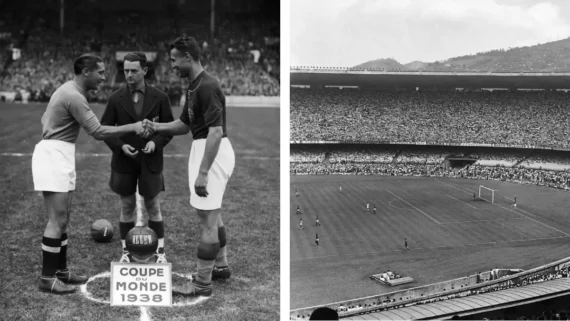
12. The bizarre reason the 1938 final match swapped ball designs
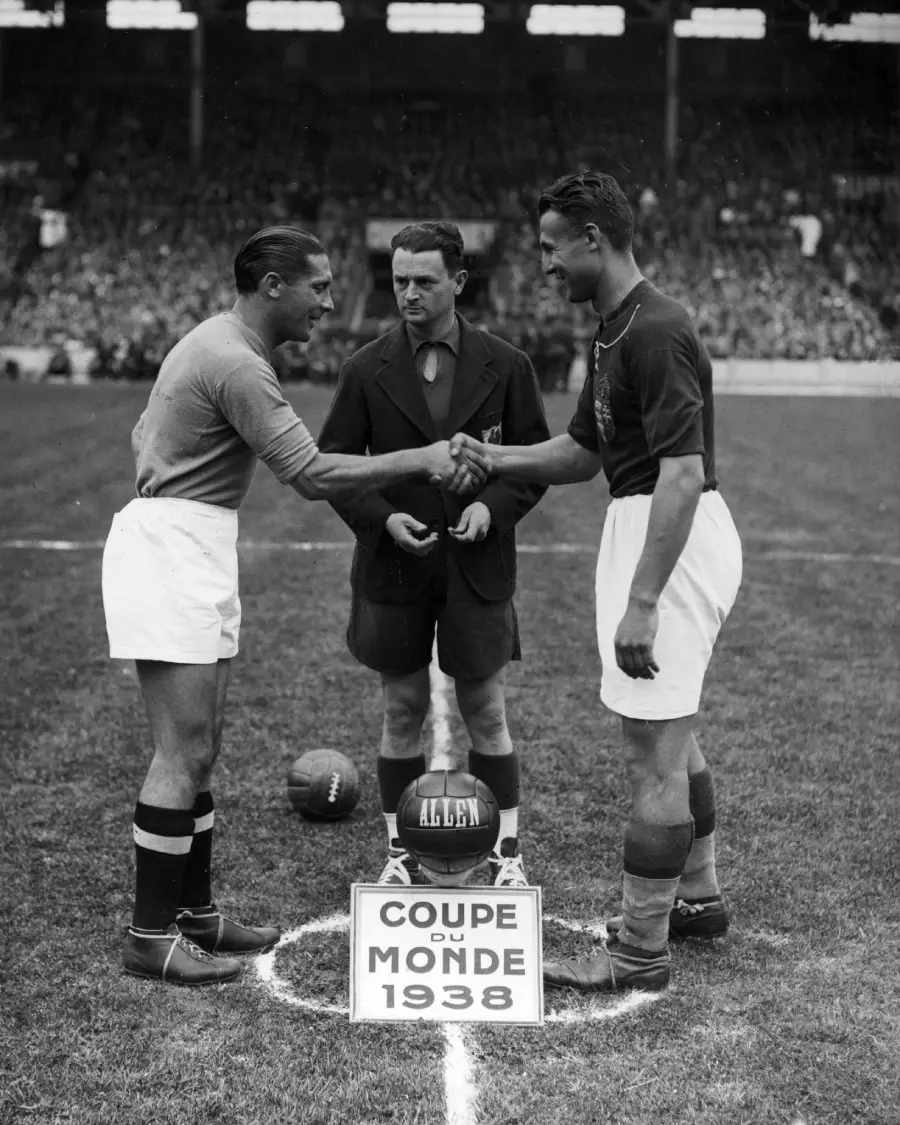
The highly intense 1938 final match between Italy and Hungary featured a bizarre equipment crisis that nearly compromised the competitive integrity of the championship game. The tournament regulations required the match to be played with a specialized, French-manufactured ball that featured a distinct heavy leather lace pattern on the outer skin. The players found the French ball completely unpredictable in flight, prompting intense arguments on the pitch during pre-match warm-ups. The officials relented and allowed the teams to play the second half with a classic Italian-designed ball, completely changing the physics of the game mid-match.
13. The highest-scoring match in tournament history had 12 goals
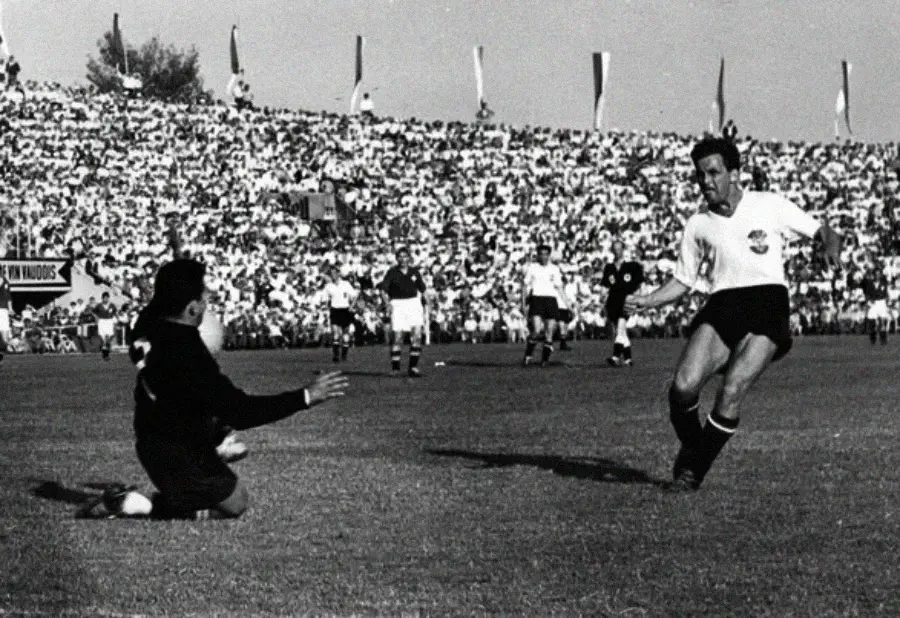
Modern international tournament matches are frequently tense, highly tactical affairs where a single defensive mistake or a lone counter-attack goal decides the outcome. Fans would be shocked to learn that the highest-scoring match in history occurred in 1954 when Austria faced Switzerland in a blistering quarter-final encounter. The match was played in brutal heat, resulting in a chaotic, non-stop offensive explosion that ended in an unbelievable 7-5 victory for Austria. The defensive structures of both squads completely collapsed due to sheer physical exhaustion, generating a record that has stood unchallenged for over seventy years.
14. Just Fontaine scored 13 goals using borrowed boots
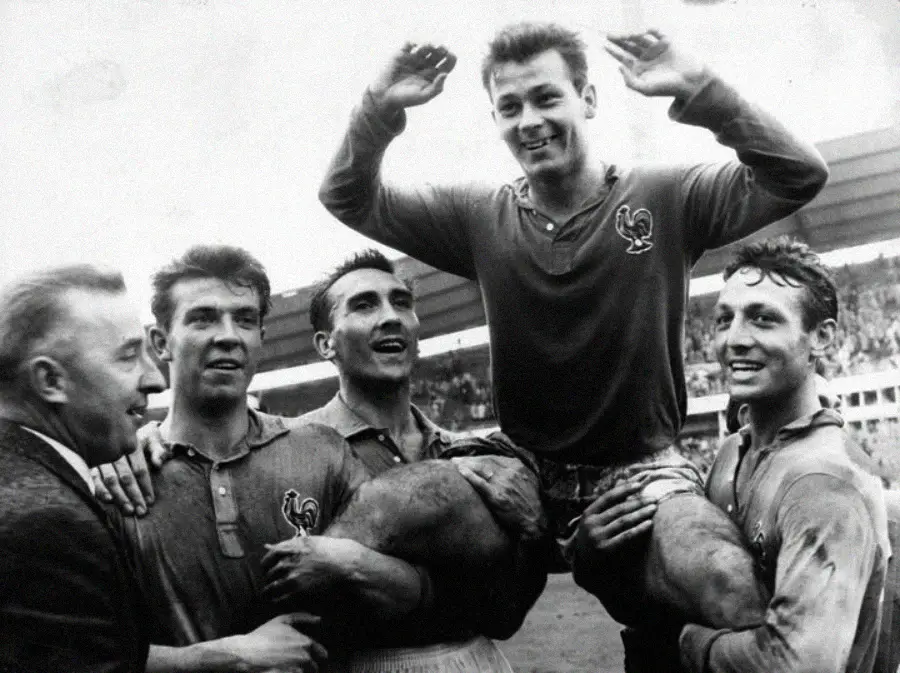
During the 1958 tournament in Sweden, French striker Just Fontaine set an absolute, mind-boggling single-tournament record by scoring thirteen goals across just six matches. What makes this pocket of sports history completely ridiculous is that Fontaine did not even bring his own football boots to the tournament after destroying his only pair during a practice session. He was forced to borrow a spare set of boots from a backup forward on the bench who happened to share the exact same shoe size. Fontaine proceeded to score a hat-trick in his opening match using the borrowed footwear, initiating the most clinical offensive display in sports history.
15. The infamous disallowed goal of 1966 was never proven by technology
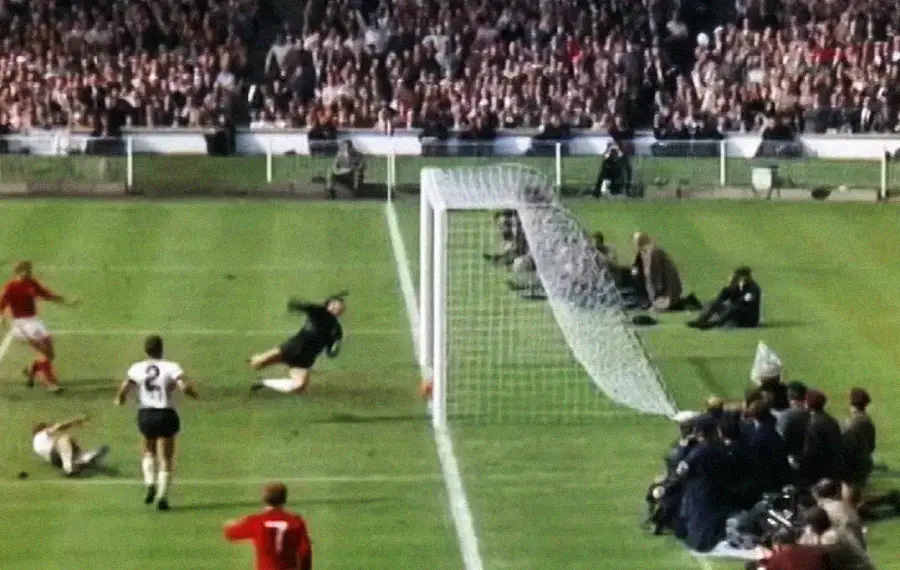
The controversial goal scored by England’s Geoff Hurst during the 1966 final against West Germany remains the most heavily debated refereeing decision in sports history. The ball struck the underside of the crossbar and bounced rapidly off the turf before being cleared away by German defenders, leaving pundits arguing whether it crossed the goal line. While British fans have insisted for decades that historical film frames prove the ball was entirely inside the net, modern digital rendering shows otherwise. Advanced computer software simulations completed by international universities indicate that the ball never fully crossed the line, meaning the decisive goal should have been disallowed.
16. The first goal in tournament history was scored by a Frenchman
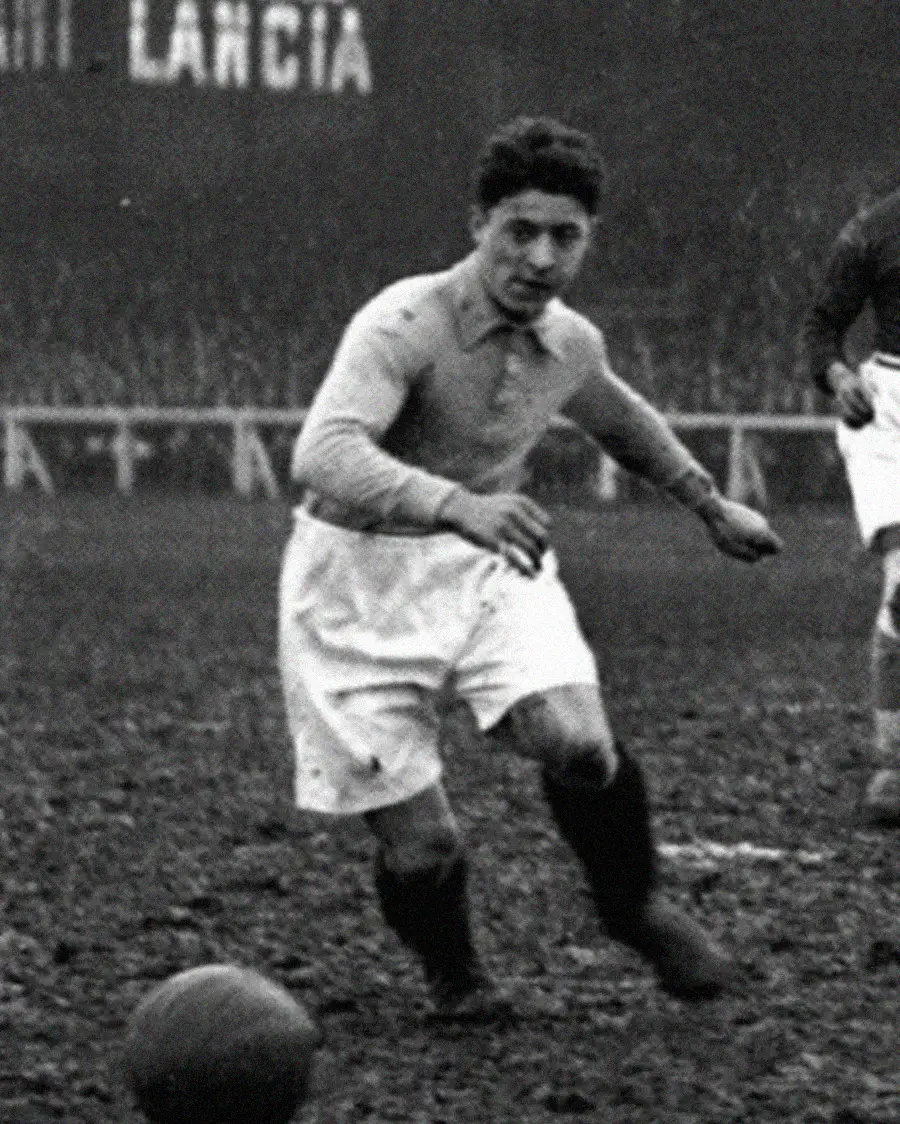
While South American powerhouses completely dominated the early competitive landscape of international soccer, the very first goal in tournament history was struck by a humble French forward named Lucien Laurent. On July 13, 1930, Laurent connected with a flying volley during a snowy opening match against Mexico in Montevideo to etch his name into the history books. At the time, the historic achievement went completely unnoticed by the global media, and Laurent returned to his daily job at a car factory shortly after the tournament concluded. It was only decades later that historians tracked him down to celebrate his pioneer role.
17. The 1950 final match was not technically a final match
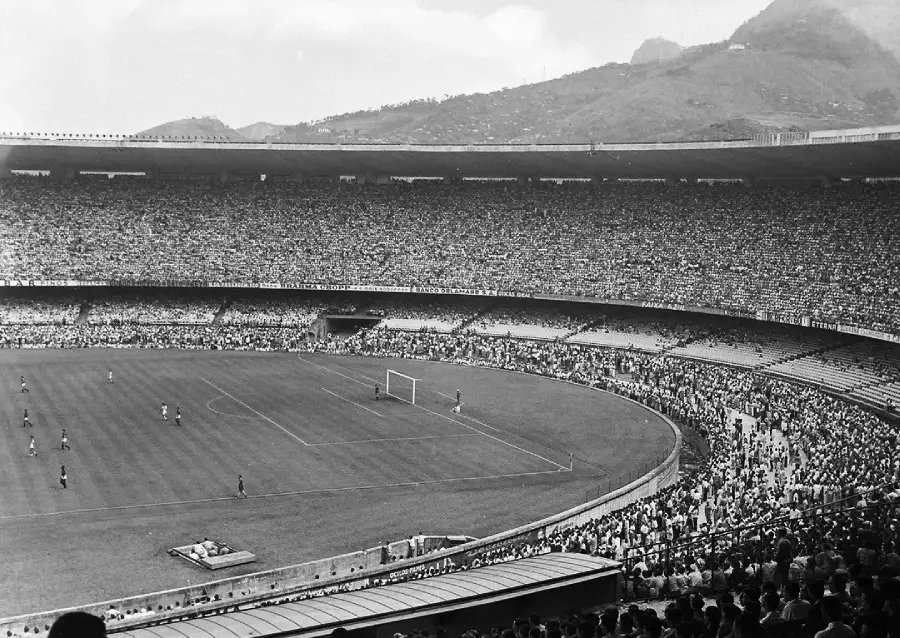
The legendary match known as the Maracanazo, where Uruguay shocked the world by defeating Brazil in front of two hundred thousand weeping fans, was not an official final match. The 1950 tournament utilized a unique, highly experimental format where the top four group winners advanced to a final round-robin league system to determine the champion. Because of how the previous group results unfolded, Brazil only required a simple draw in their final match against Uruguay to secure the trophy based on total league points. Uruguay’s stunning 20-minute comeback victory was simply the final match of the group stage, turning a round-robin league layout into an accidental final.
18. The fastest goal in history took only 11 seconds
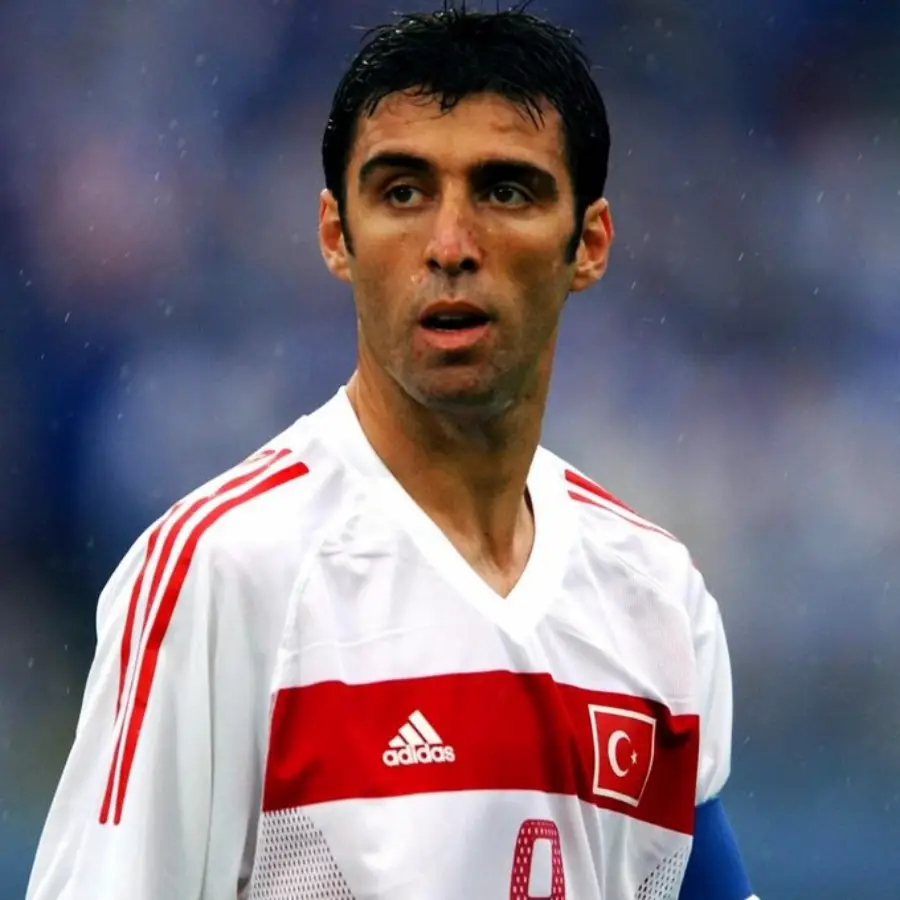
Many soccer fans assume that breaking through a world-class defensive unit at the international level requires at least a few minutes of patient passing and tactical probing. Turkish forward Hakan Şükür completely shattered this assumption during the 2002 third-place match against tournament co-hosts South Korea. Right from the opening whistle, the Korean defenders made a clumsy, unscripted mistake on the ball, allowing the Turkish midfield to steal possession and feed it directly to Şükür. He calmly slotted the ball into the back of the net exactly 10.8 seconds into the match, securing an immortal historical milestone before most fans had even found their seats.
Explore more fun facts about sports:
Uncovering the real history behind these legendary sports myths serves as a great reminder that popular memory frequently reshapes historical facts to fit a better narrative. The next time you find yourself debating international soccer history with your friends, you can confidently steer the conversation forward using verified facts rather than old urban legends. If you enjoyed this deep dive into the hidden truths of the beautiful game, make sure to explore these: When Rich Athletes Go Broke: 20 Cautionary Tales, or MLS Comeback Watch: Players Looking for Redemption in 2026. You can also check out these 20 Sports Icons Then vs. Now.