
The blockbusters of the late twentieth century established a highly specific blueprint for silver screen entertainment, relying on oversized personalities, intense physical stunts, and predictable narrative clichés. Moviegoers walking into theaters during this era knew exactly what to expect, as studios regularly deployed a familiar set of storytelling elements to keep production values high and audiences engaged. Filmmakers working during this golden age of action cinema became master orchestrators of high-octane spectacle, turning simple scripts into global box office sensations by relying on a shared visual language. These repeating tropes quickly transformed into an absolute signature for a generation of movie lovers, deeply anchoring the genre into the pop culture fabric of the time.
The reality of these classic theatrical releases highlights just how much modern film grammar was shaped by the specific structural formulas of the decade. Many prominent clichés developed an enduring legacy outside the theater walls, heavily influencing how future generations of writers and directors approached pacing, character dialogue, and special effects. From unbothered walks away from fiery explosions to villains who simply could not stop explaining their secret master plans, these tropes perfectly captured the colorful and highly stylized energy of the era. Let’s look at fourteen legendary movie clichés that completely defined the action landscape of this unforgettable decade.
1. Walking away from a massive explosion unbothered
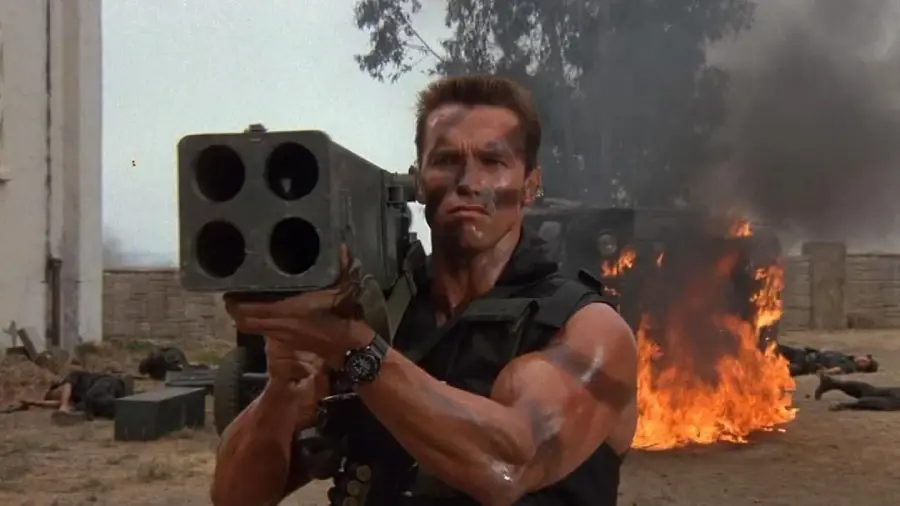
The main character routinely escapes a fiery compound blowout by walking directly toward the camera without ever looking back or quickening his pace. Arnold Schwarzenegger perfectly solidified this unbothered trope in Commando (1985), establishing a visual benchmark that Sylvester Stallone and other industry heavyweights duplicated in dozens of subsequent films to emphasize absolute, cool detachment under pressure.
2. Bullet immunity vs. single-shot takedowns
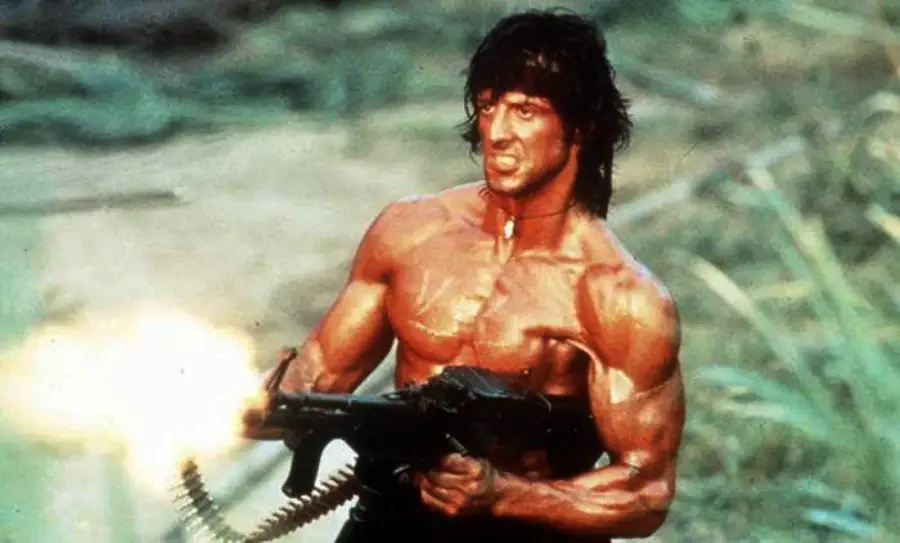
The principal hero manages to systematically eliminate an entire opposing military force using a single weapon without ever taking a significant hit in return. This specific survival formula is perfectly represented in Rambo: First Blood Part II (1985), where John Rambo cleans out a crowded jungle base while sustaining nothing more than a superficial flesh wound on his arm.
3. The highly caricatured foreign villain

Antagonists during this specific era were almost exclusively written with incredibly thick, exaggerated foreign accents, usually operating as Soviet military officials, Middle Eastern operatives, or international cartel leaders. The undisputed cinematic blueprint for this trope is Ivan Drago in Rocky IV (1985), whose rigid, minimal dialogue became the ultimate symbol of Cold War tension for global theater audiences.
4. The suspended rebel cop
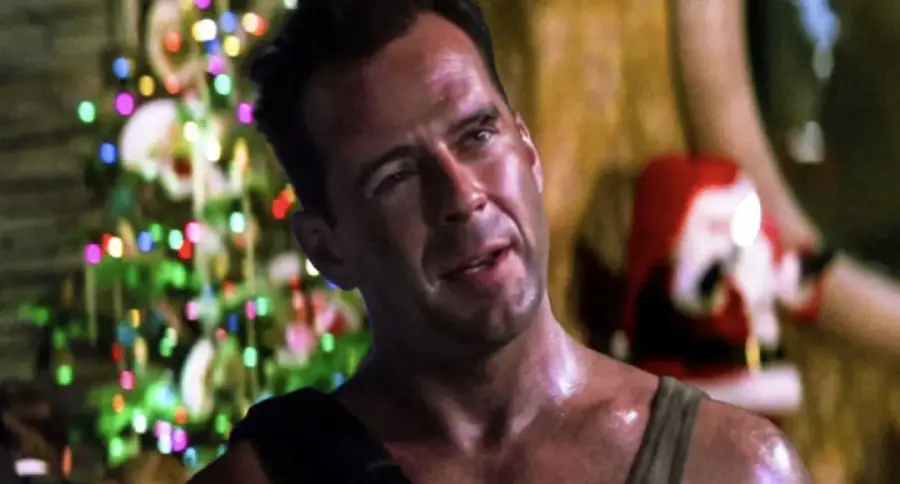
The defiant, rule-breaking detective is routinely stripped of his official police badge or suspended by an angry precinct captain right before tackling the biggest case of his entire career. While Lethal Weapon (1987) made great use of this formula, Die Hard (1988) offered a brilliant twist by trapping an off-duty John McClane inside a high-rise office building with no immediate backup.
5. The synthetic motivational training montage
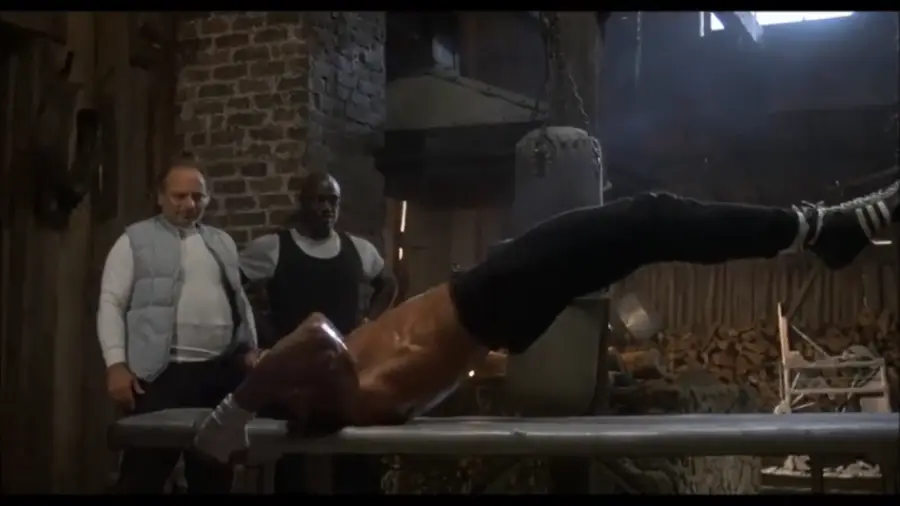
Before facing off against the primary antagonist, the main character always undergoes a grueling, rapid workout sequence set to a high-energy electronic synthesizer soundtrack. The contrast in Rocky IV (1985) perfectly captures this aesthetic, cutting between Rocky Balboa hauling heavy wooden logs through Siberian snow banks and Ivan Drago training in a sterile, high-tech scientific laboratory.
Trending on The Scroller
6. The mandatory shirtless combat shift
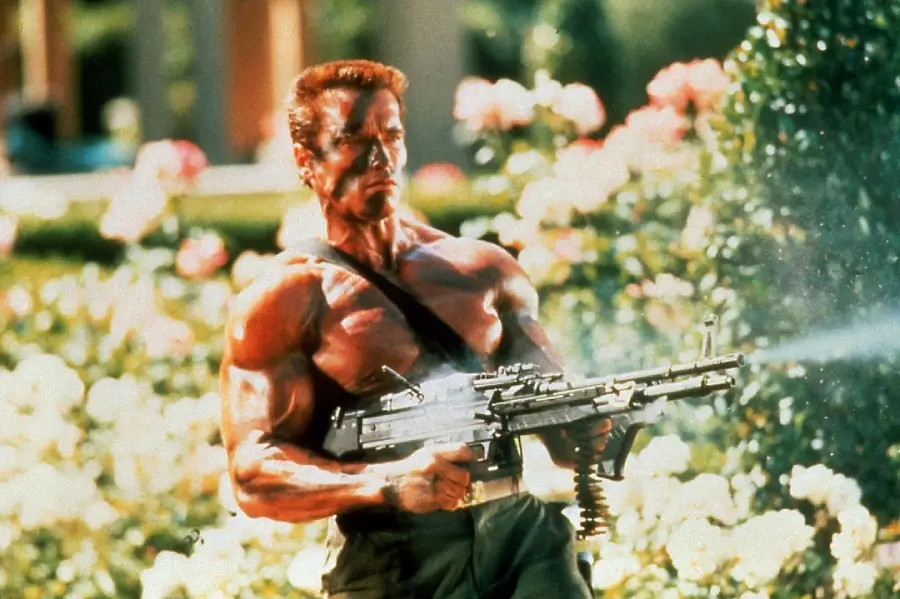
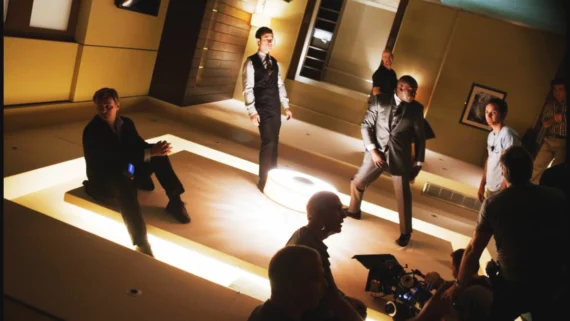
At some critical juncture in the story, usually during an intense final fistfight or a dramatic captivity sequence, the lead hero is stripped of his shirt to fully display his physique. Sylvester Stallone’s muscular appearance in Rambo III (1988) and Arnold Schwarzenegger’s preparation scenes in Commando (1985) became permanent cultural touchstones that inspired countless subsequent fitness and action trends.
7. The physics-defying vehicle jump
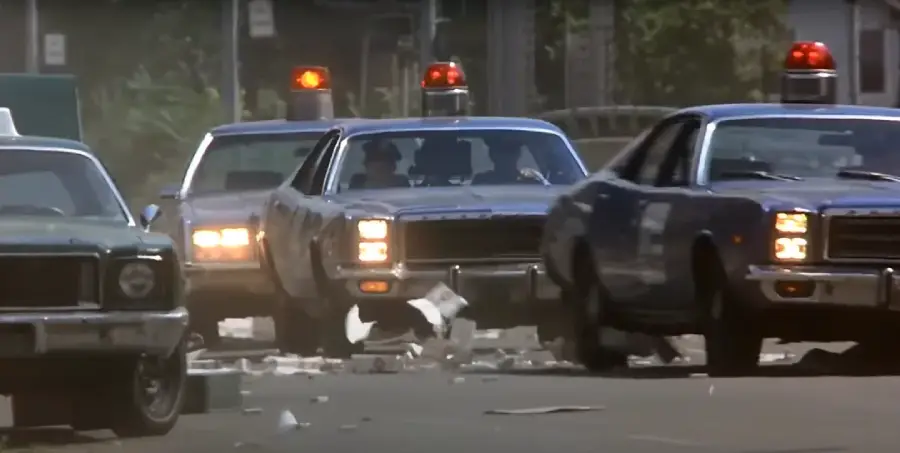
Car chases through city streets almost always culminate in an impossible, slow-motion leap over a gaping construction trench or a slowly opening drawbridge structure. While television shows popularized the stunt, the high-speed urban pursuit in Beverly Hills Cop (1984) stands as the most cited big-screen example of this high-flying vehicular tradition.
8. The doomed veteran partner
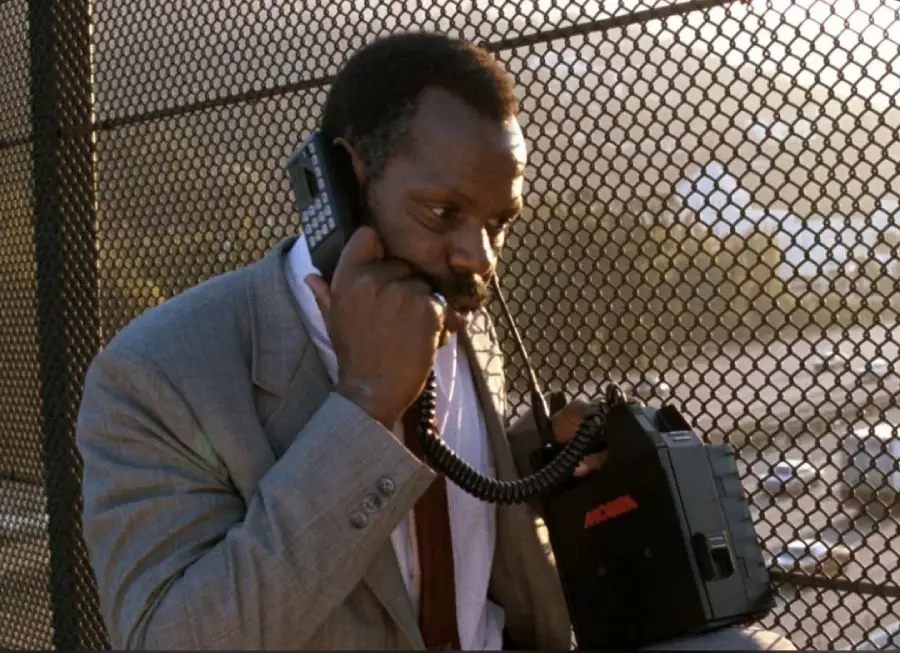
The seasoned, by-the-book police partner who is openly counting down the final days until his official retirement is systematically targeted for a tragic end or a severe injury. This specific narrative pattern was famously parodied after Roger Murtaugh’s recurring lament about being too old for this sort of trouble in Lethal Weapon (1987) turned into an instant pop culture catchphrase.
Sign up for our newsletter
9. The magically infinite magazine capacity
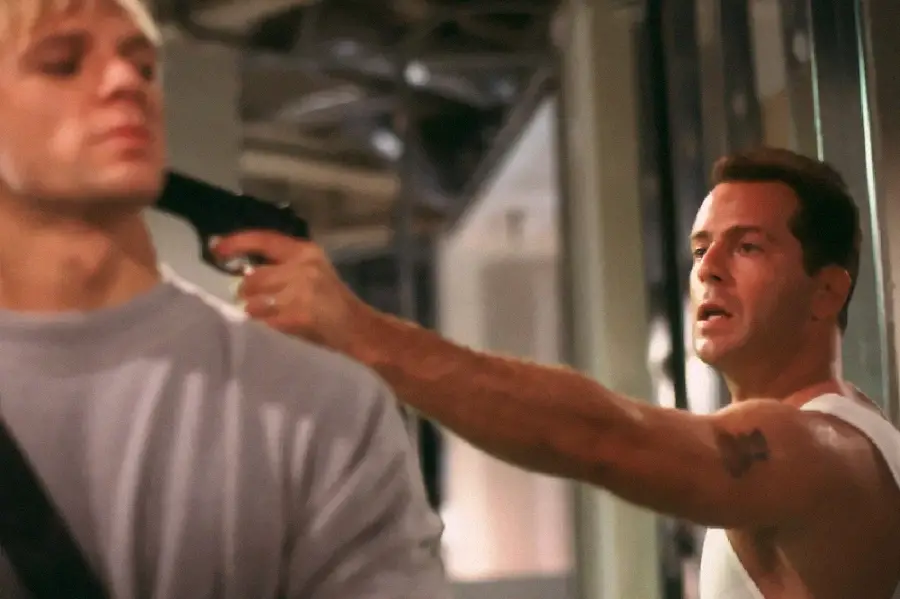
The main character’s firearm systematically operates with an endless supply of ammunition, completely bypassing real-world reload requirements until the plot demands a sudden moment of high dramatic tension. Die Hard (1988) deliberately leaned into this specific filmmaking convention, showing John McClane counting his remaining ammunition rounds aloud to manually manufacture suspense during a tight standoff.
10. The beeping tactical command map
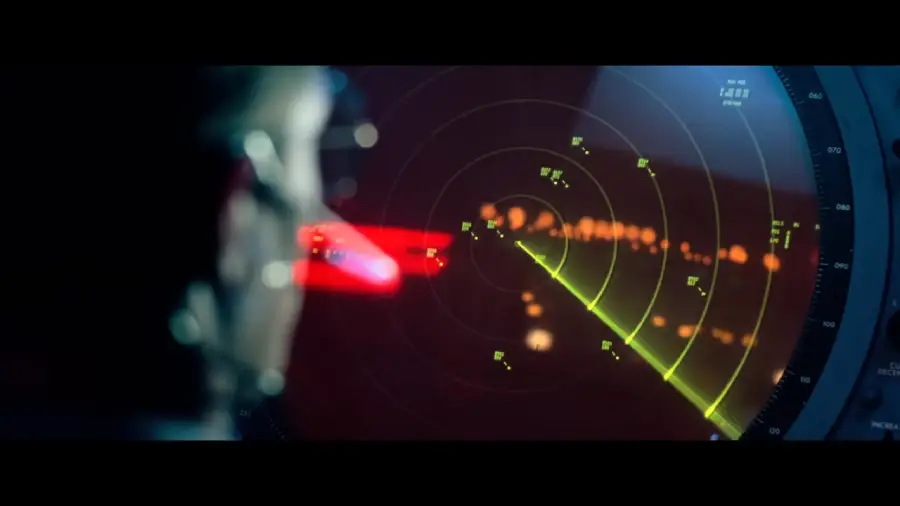
High-tech military headquarters and government command rooms were always anchored by an oversized digital projection screen displaying a geographic tracking map that emitted loud audio beeps. Top Gun (1986) brilliantly leveraged this specific visual aesthetic to coordinate radar plots and track distant aerial intercepts during its high-stakes naval aviation plotting sequences.
11. The explanatory monologue trap
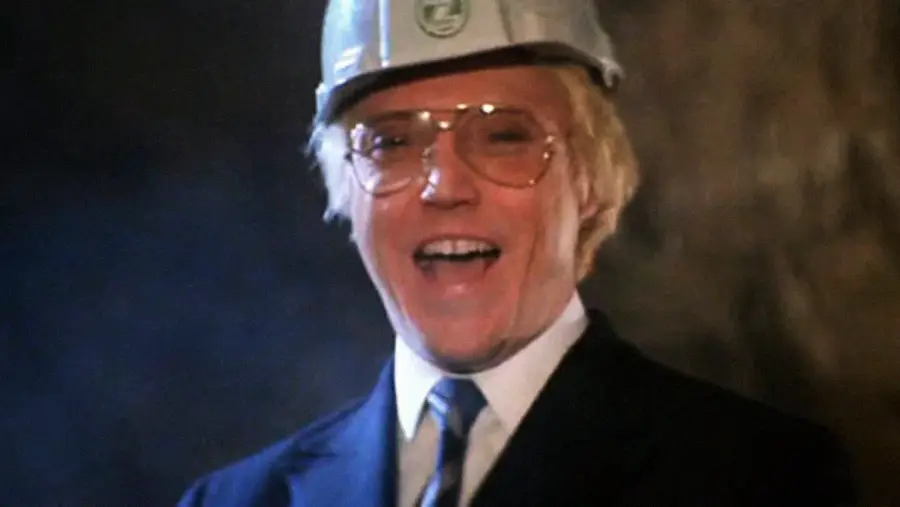
Instead of immediately eliminating the trapped protagonist, the main villain inevitably delivers a lengthy speech outlining his entire master strategy, giving the hero precious minutes to discover an escape route. This predictable pattern was played completely straight by almost every James Bond villain of the era, including Max Zorin’s drawn-out industrial planning meetings in A View to a Kill (1985).
12. The motivational kidnapping plot
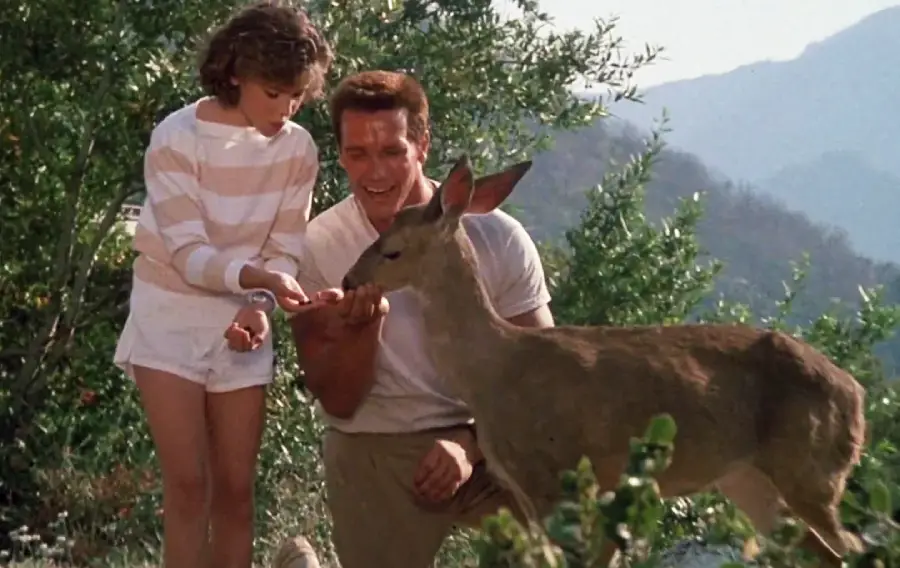
A female character, often a daughter or romantic partner, is swiftly abducted by the hostile syndicate for the sole purpose of forcing the reclusive main hero back into active duty. This specific narrative framing device serves as the entire emotional engine for Commando (1985), where the sudden capture of a young girl completely overrides her father’s peaceful retirement plans.
13. The post-mortem one-liner
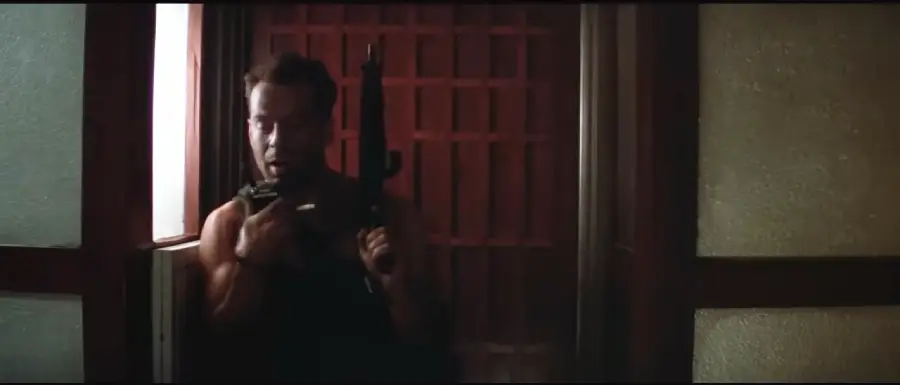
The split second after defeating a major opponent, the main character delivers a highly clever, dry pun regarding the specific manner of the villain’s demise. From the unforgettable “I’ll be back” in The Terminator (1984) to the iconic “Yippee-ki-yay” in Die Hard (1988), these punchy catchphrases were carefully calculated to elicit immediate cheers from opening-night theater crowds.
14. The severely belated authorities
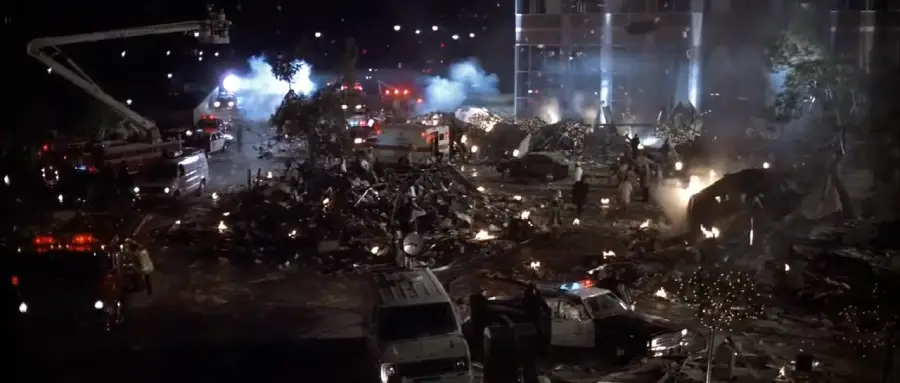
The local police department or the national military forces only manage to arrive on the scene after the lone protagonist has completely resolved the entire hostile crisis by himself. This systemic institutional failure is a central plot mechanism throughout Die Hard (1988), where the local police and federal agents spend the entire film making critical errors while John McClane works alone.
In the mood for more 80s movie stories?
Revisiting these classic silver screen conventions serves as an excellent reminder of the unique, unyielding formulas that shaped the modern landscape of mainstream entertainment. Looking back over these stoic walks away from explosions, intense training montages, and witty post-defeat catchphrases proves that while cinema special effects and studio budgets change completely across the decades, the power of a highly memorable character trope remains entirely timeless. When we choose to look past the vintage film grain of these classic releases to appreciate the deliberate storytelling mechanics built directly into their structures, we gain a much deeper understanding of our shared pop culture history. If you enjoyed this detailed look back at the cinematic traditions that defined past generations, make sure to explore these 14 Famous 80s and 90s Action Stars and Their Lives Today, or 14 Hollywood Rumors From the 80s That Became Lasting Myths. You may also like these 15 Iconic 80s Movies That Redefined the Film Industry.