When people talk about the greatest movies of the 1980s, Back to the Future is almost always one of the first titles that comes to mind. Released in 1985, the science-fiction adventure combined time travel, comedy, and heart in a way audiences had never seen before. Directed by Robert Zemeckis and written by Zemeckis and Bob Gale, the film starred Michael J. Fox as Marty McFly and Christopher Lloyd as the eccentric scientist Doc Brown. The movie became a massive box-office success, finishing as the highest-grossing film of 1985 in North America and launching one of Hollywood’s most beloved trilogies.
The impact of Back to the Future extended far beyond theaters. The film won the Academy Award for Best Sound Effects Editing, inspired theme park attractions, video games, merchandise, and countless pop culture references that continue today. Together, Michael J. Fox and Christopher Lloyd created one of cinema’s most memorable friendships, while the DeLorean became an icon recognized around the world. Because Back to the Future remains a comfort movie for generations of fans, we’re taking a trip behind the scenes to explore some of the most fascinating confirmed facts from the making of all three films.
1. Eric Stoltz Originally Played Marty McFly
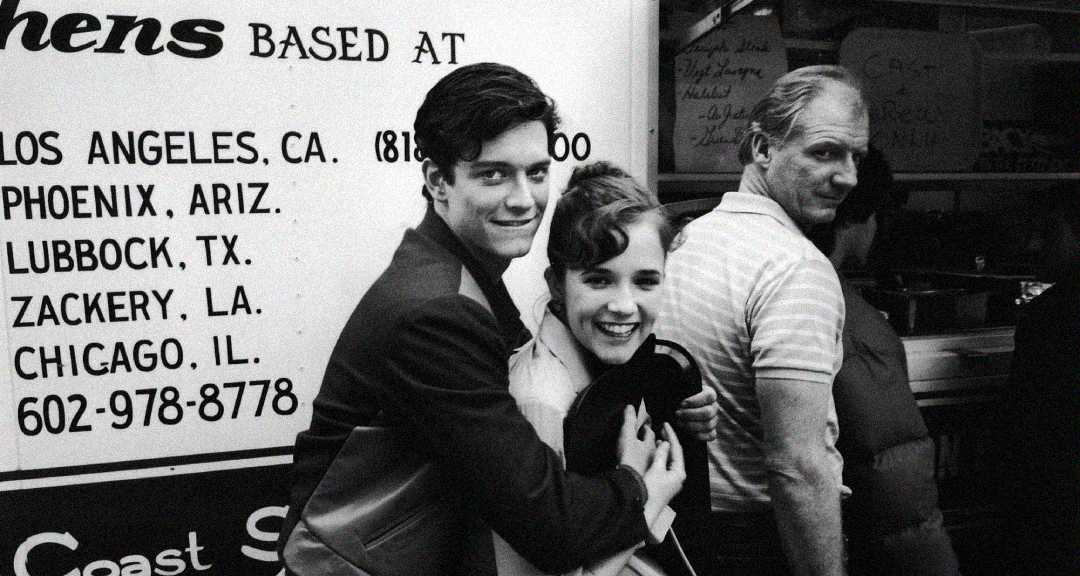
One of the most famous facts about Back to the Future is that Michael J. Fox was not the original Marty McFly. Actor Eric Stoltz filmed for several weeks and completed many scenes before the filmmakers decided the performance wasn’t capturing the comedic tone they wanted. Producer Steven Spielberg, Robert Zemeckis, and Bob Gale ultimately replaced him with Michael J. Fox, forcing the production to reshoot much of the movie. A few photographs and footage of Stoltz’s version have since been officially released.
2. Michael J. Fox Worked Two Jobs at Once
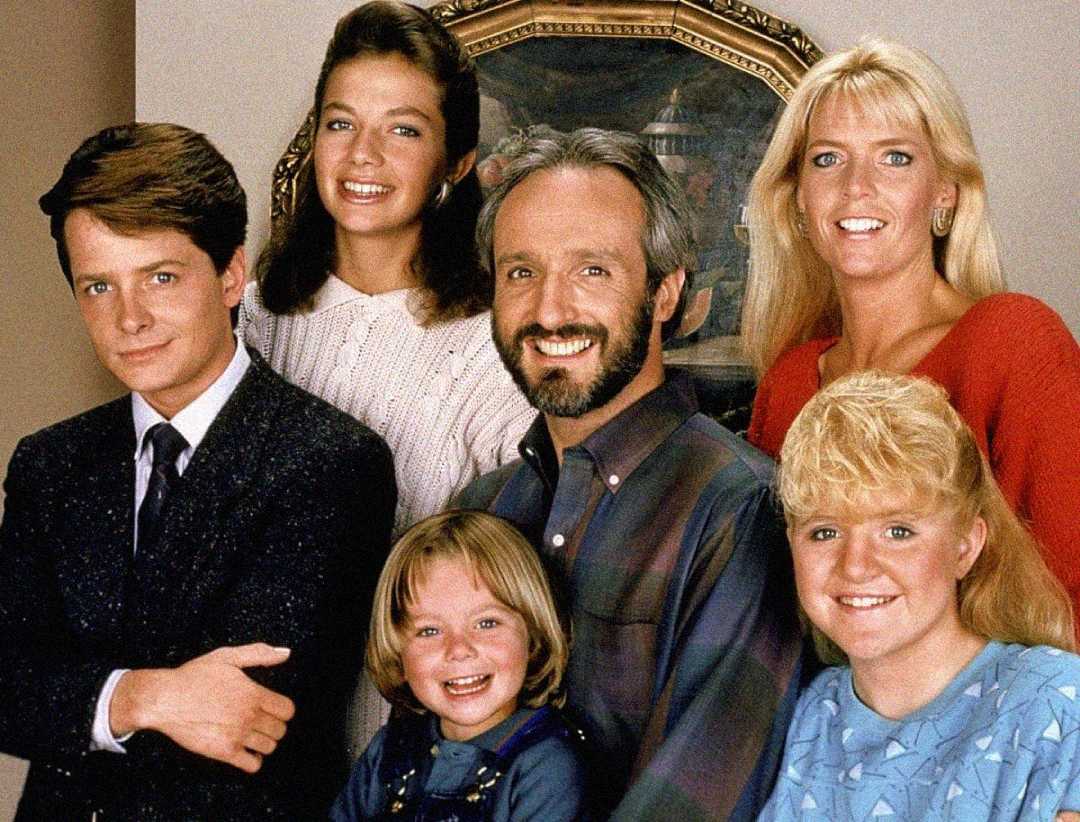
Because Fox was committed to the TV sitcom Family Ties, filming Back to the Future required an exhausting schedule. He shot television scenes during the day and worked on the movie through the night, often getting only a few hours of sleep. For weeks, Fox maintained this routine while helping transform Back to the Future into a blockbuster.
3. The DeLorean Was Chosen Late in Development
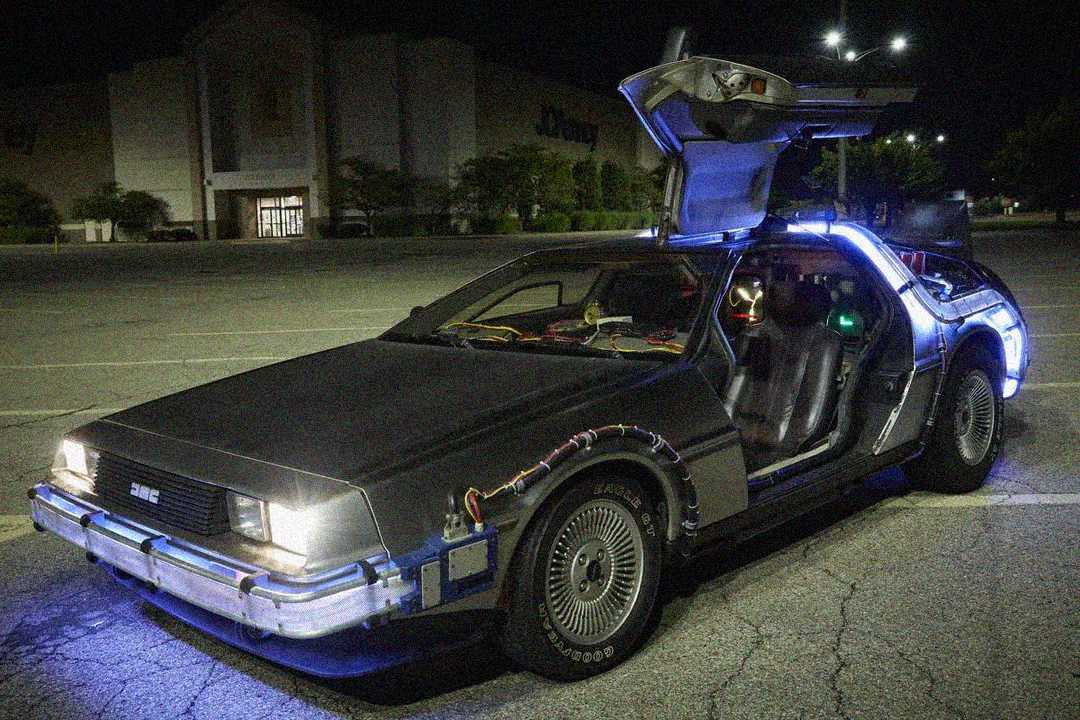
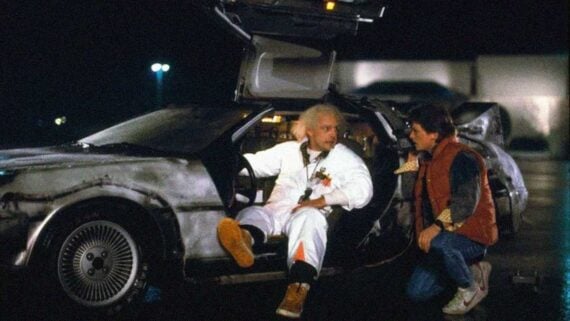
The time machine wasn’t always going to be a DeLorean. Early versions of the script featured a refrigerator as the time-travel device. The writers eventually decided that a car would create more exciting visual sequences. The DeLorean’s futuristic design made it the perfect choice and helped create one of the most iconic vehicles in movie history.
4. The Clock Tower Was Built Specifically for the Film
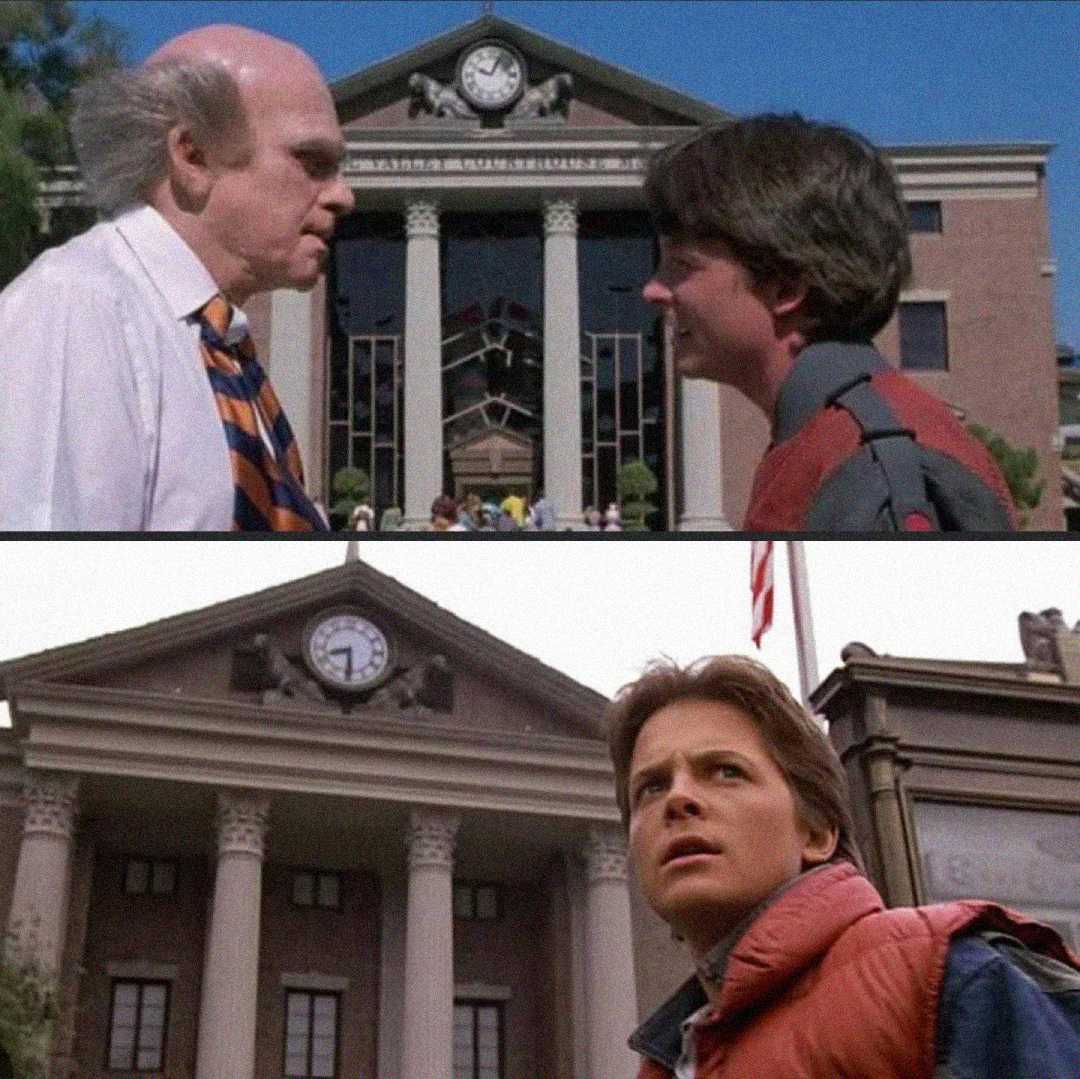
Hill Valley’s courthouse square became one of the defining locations in Back to the Future. The famous clock tower set was constructed on the Universal Studios backlot and was so successful that it continued to be used in numerous movies and television shows long after the trilogy ended.
5. Crispin Glover Added Many George McFly Quirks Himself
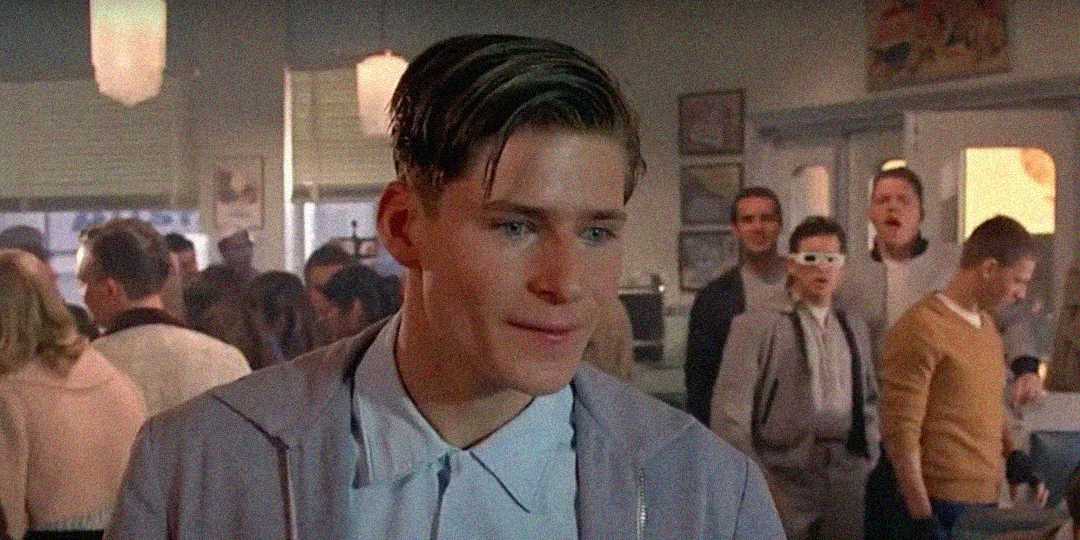
Actor Crispin Glover brought several unique mannerisms to George McFly. His nervous posture, unusual laugh, and awkward physical behavior helped make George one of the most memorable supporting characters in Back to the Future. Many of these details came from Glover’s own creative choices rather than the script.
Trending on The Scroller
6. “Johnny B. Goode” Was Inspired by a Real Story
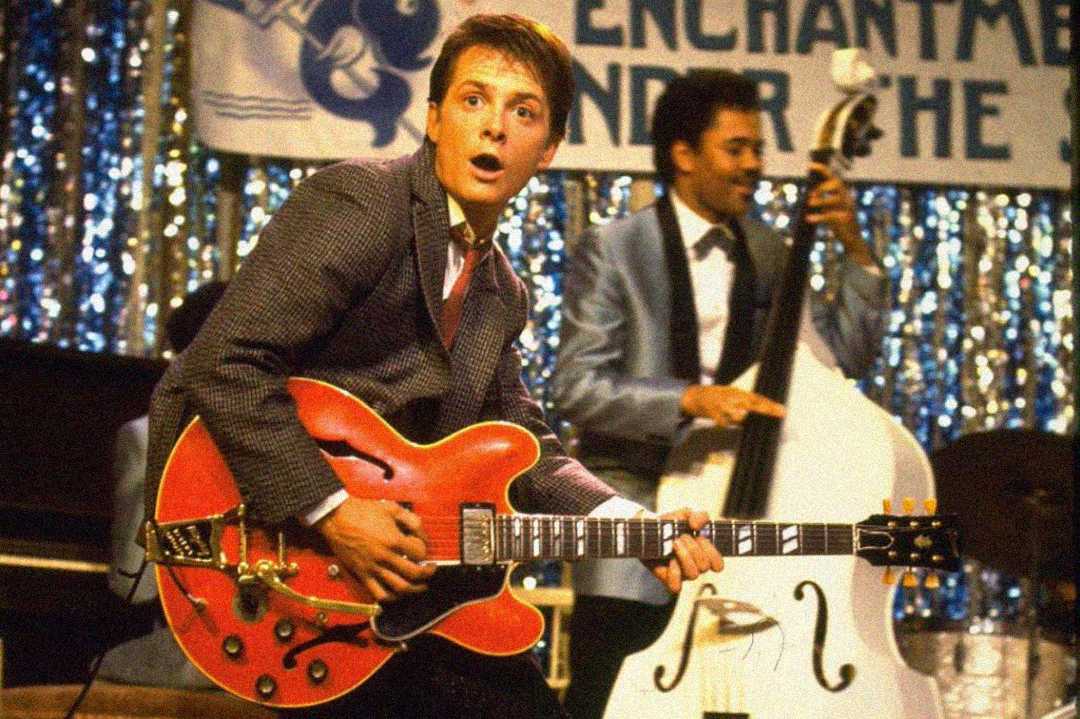
During the Enchantment Under the Sea dance sequence, Marty performs “Johnny B. Goode” years before its official release. The joke was inspired by the idea of a time traveler accidentally influencing music history.
7. Christopher Lloyd Almost Turned Down Doc Brown
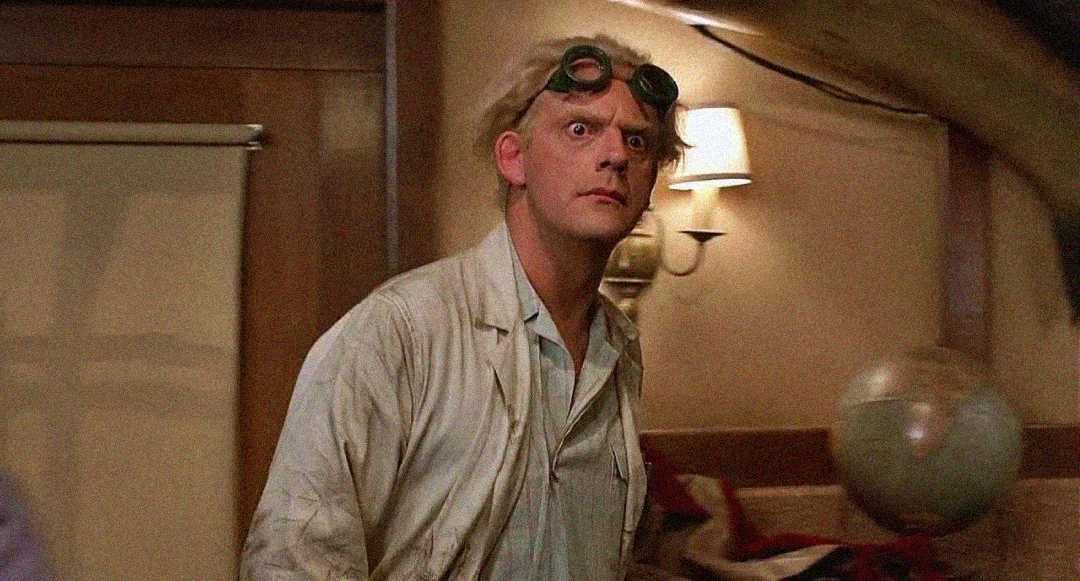
Christopher Lloyd initially wasn’t interested in playing Doc Brown. After discussing the script with family members and reading it more carefully, he changed his mind. His energetic performance eventually became one of the most beloved characters in science-fiction cinema.
8. The Skateboard Chase Was Inspired by Real Life
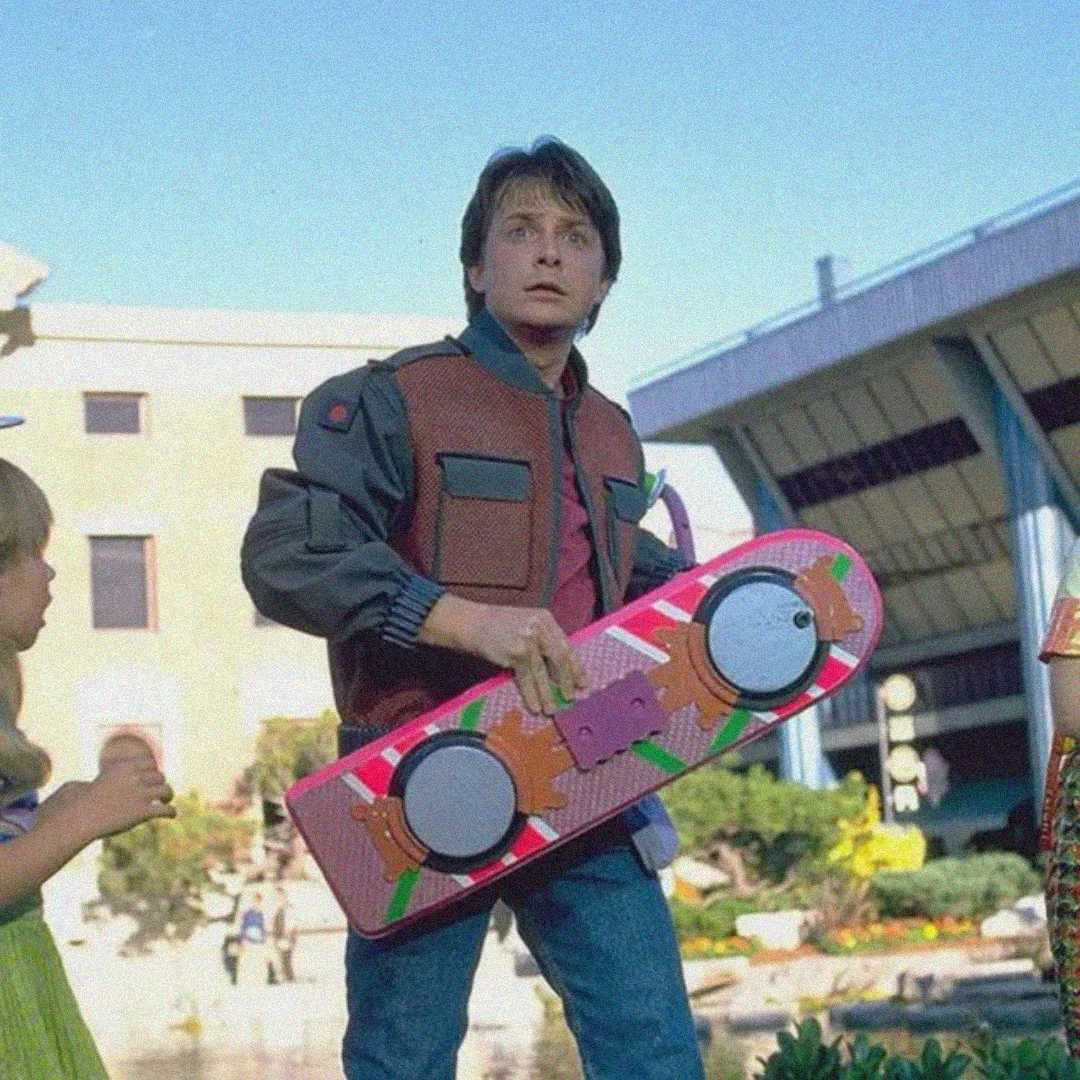
Marty’s skateboard scenes helped define his character. Bob Gale drew inspiration from his own experiences and childhood memories of holding onto moving vehicles. The sequences gave Back to the Future a youthful energy that connected strongly with audiences.
Sign up for our newsletter
9. Huey Lewis Judged His Own Song
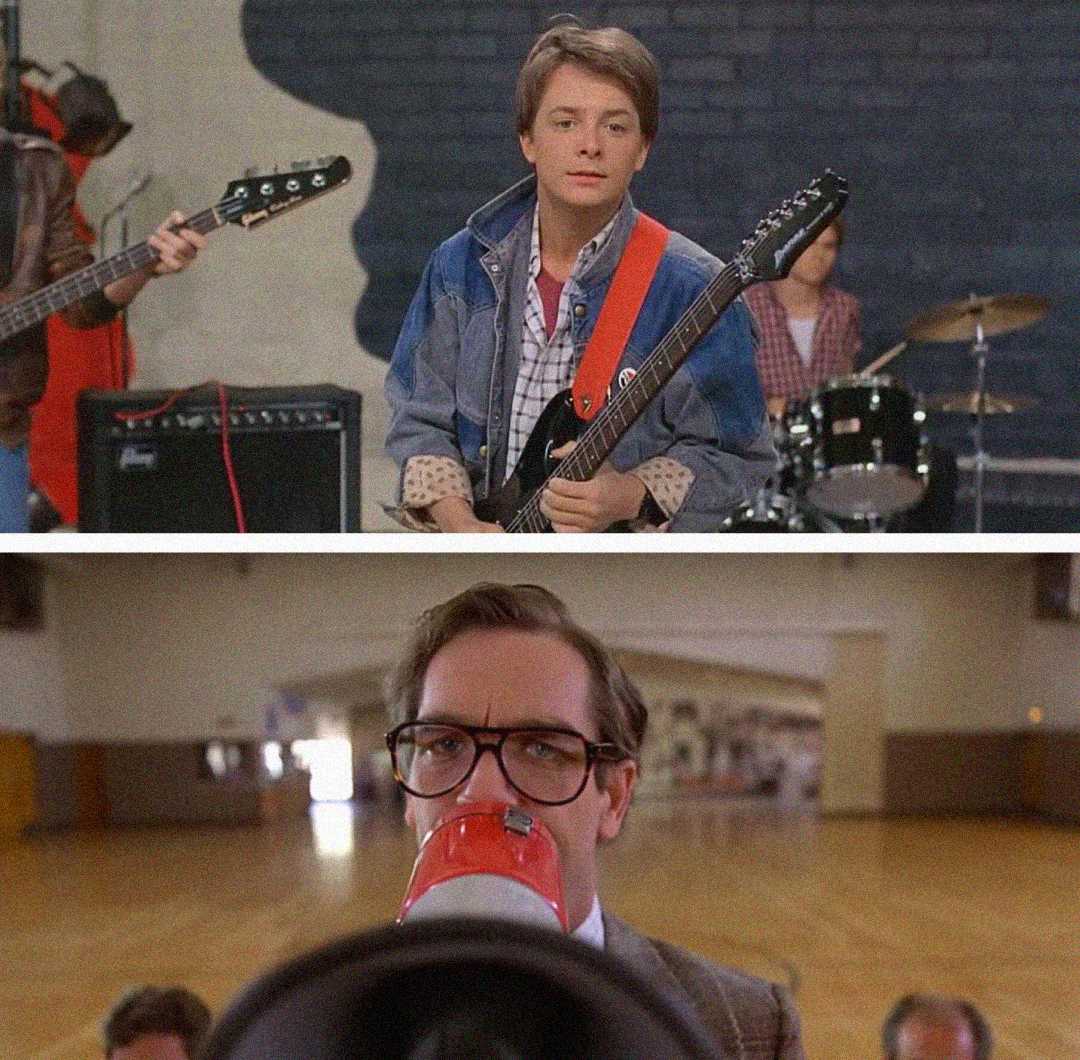
The school audition scene contains a clever inside joke. Musician Huey Lewis appears as one of the judges rejecting Marty’s band for being “too darn loud.” The band is performing “The Power of Love,” a song Lewis himself recorded for Back to the Future.
10. The Hoverboard Was So Convincing People Thought It Was Real
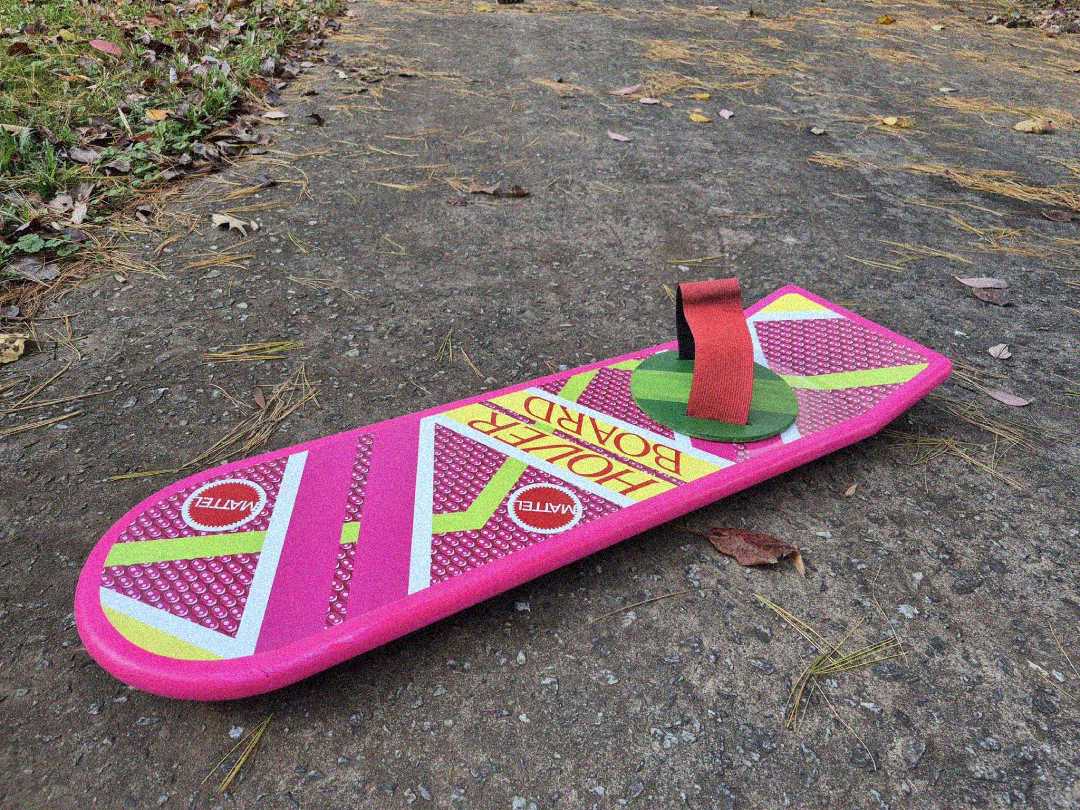
After Back to the Future Part II premiered in 1989, countless fans believed hoverboards actually existed. The special effects team used a combination of practical effects, wires, and visual tricks to create the illusion. The rumors became so widespread that cast members were regularly asked where people could buy one.
11. Part II and Part III Were Filmed Back-to-Back
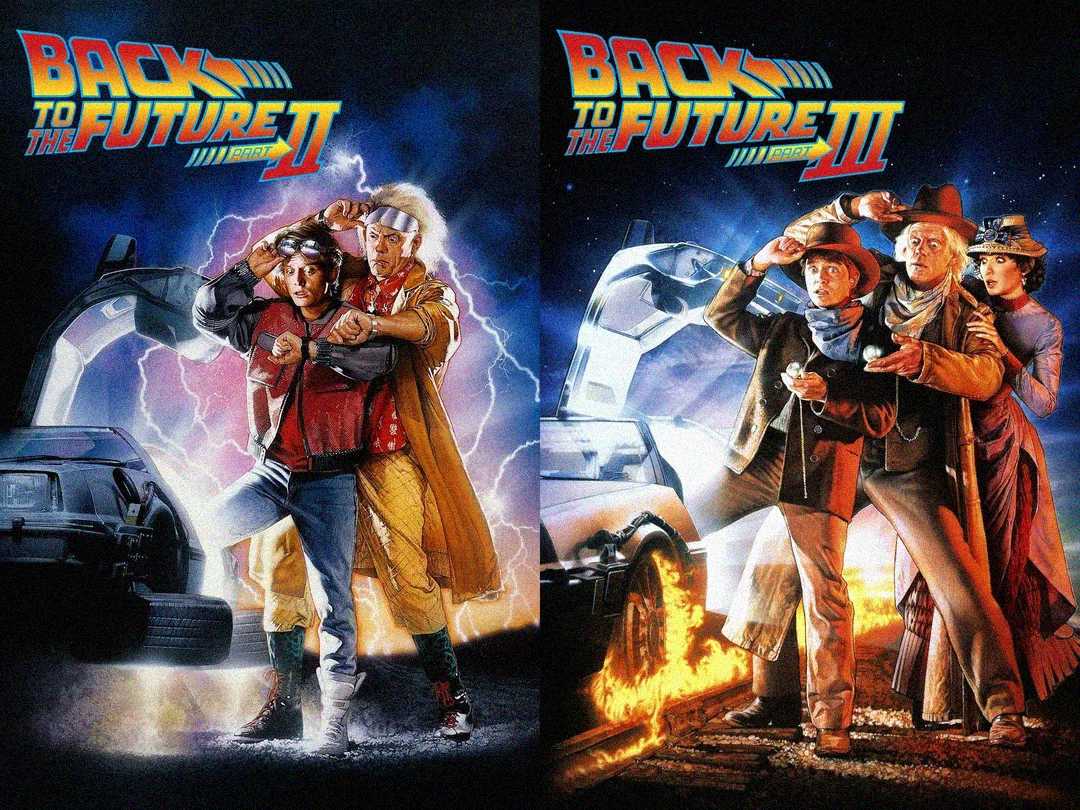
Unlike the original movie, the sequels were produced simultaneously. Filming Back to the Future Part II and Part III together helped reduce costs and allowed the creative team to maintain consistency between the stories.
12. Multiple Michael J. Fox Characters Shared Scenes
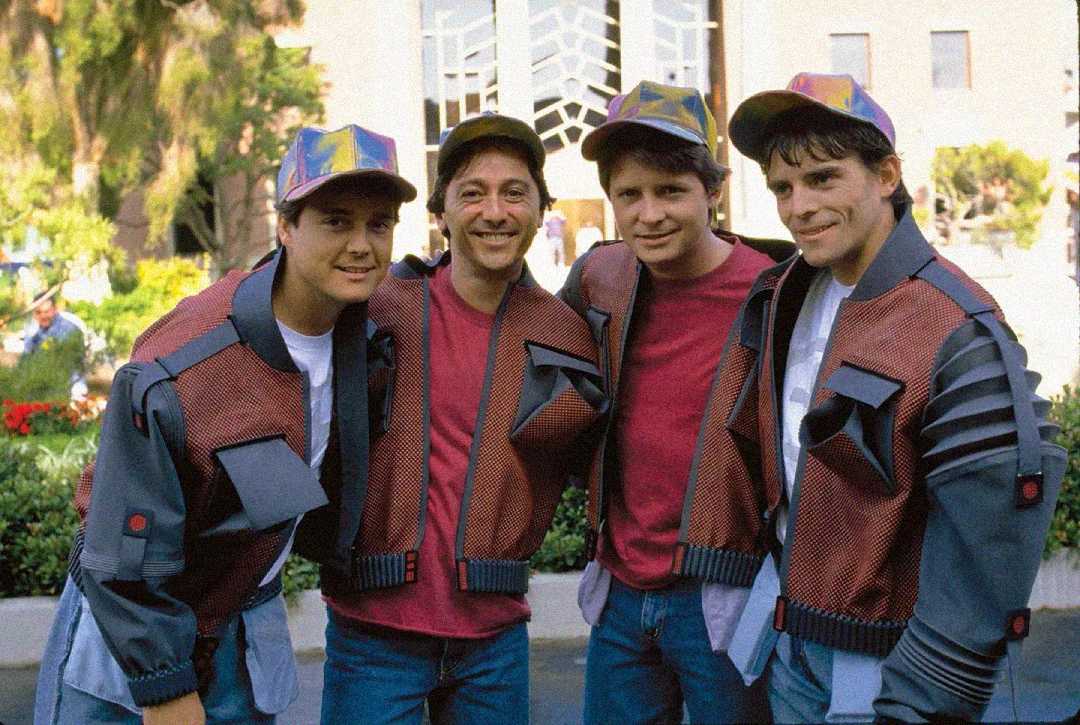
In Back to the Future Part II, Fox plays Marty, Marty Jr., Marlene McFly, and other family members. Several scenes required sophisticated motion-control camera technology so Fox could interact with himself on screen. The technique was groundbreaking for its time.
13. The Future Technology Predictions Were Surprisingly Accurate
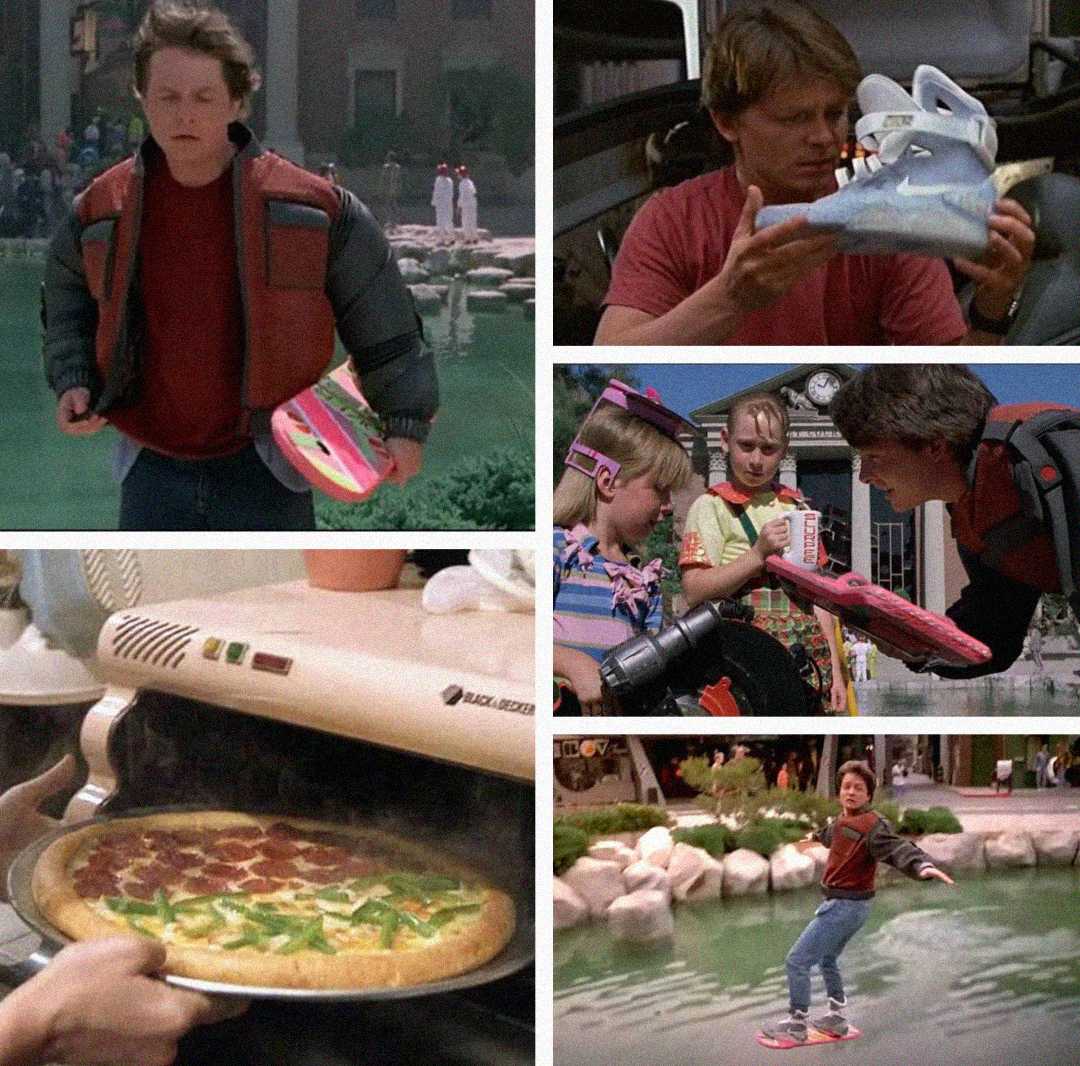
While many futuristic inventions from Part II never became reality, some predictions came remarkably close. Video calls, wearable technology, smart devices, and biometric systems all appeared in the film decades before becoming common in everyday life.
14. The Western Town Was Built From Scratch
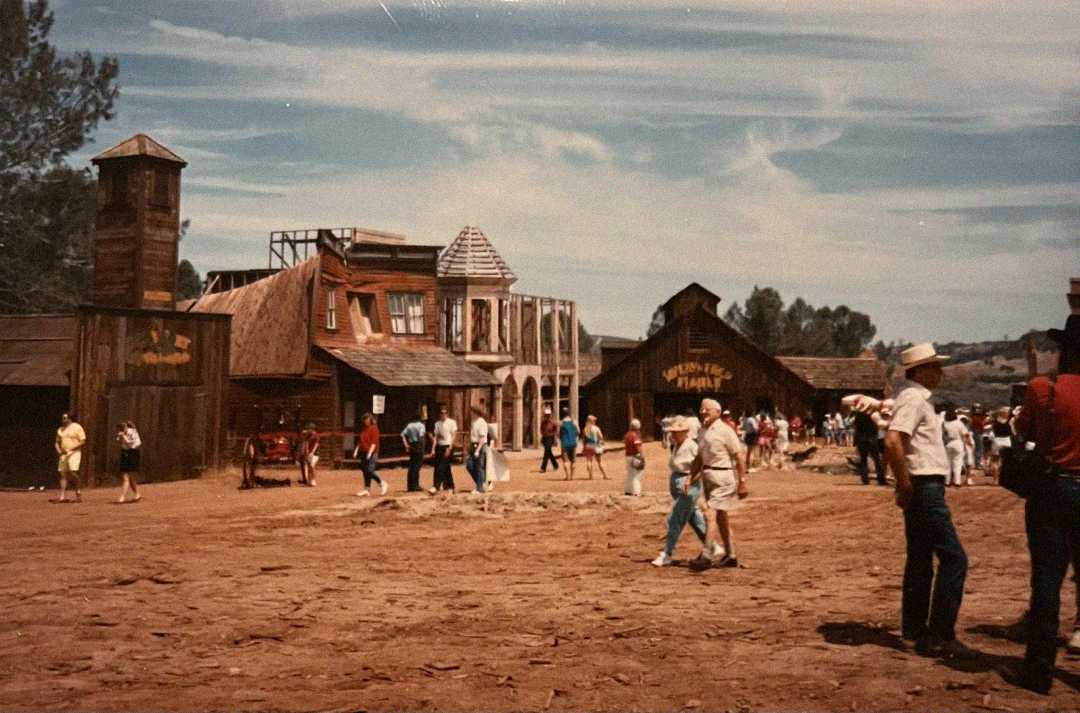
For Back to the Future Part III, filmmakers constructed much of 1885 Hill Valley specifically for the movie. The detailed western environment helped distinguish the third film while preserving familiar locations from earlier entries.
15. Doc Brown’s Wild Hair Had Scientific Inspiration
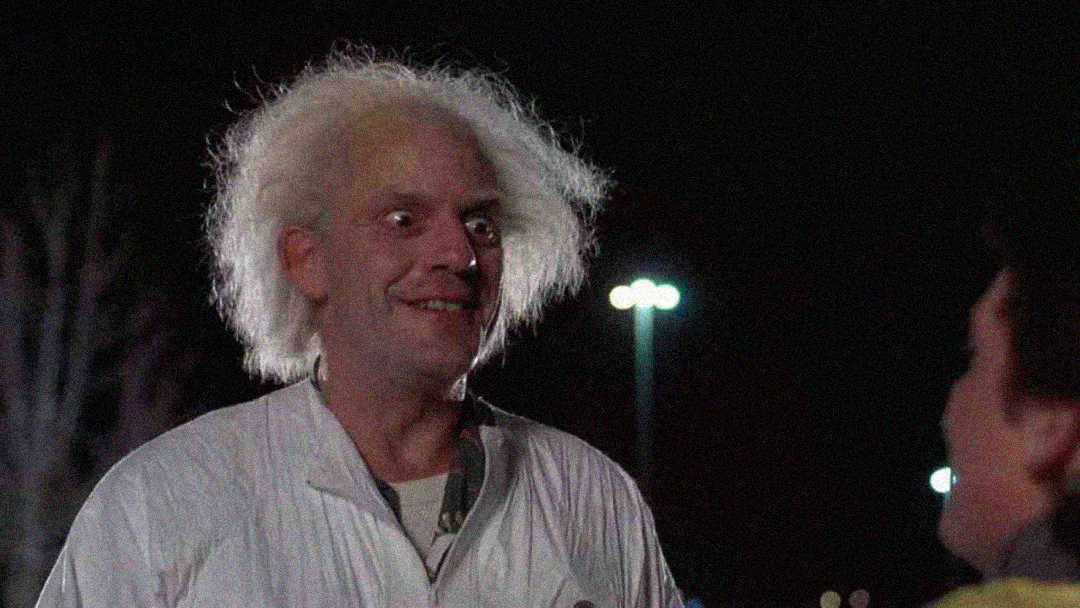
Christopher Lloyd and the creative team drew inspiration from famous scientists, particularly images associated with Albert Einstein. The result was Doc Brown’s unforgettable appearance, which became instantly recognizable around the world.
16. The Ending Was Never Planned as a Sequel Setup
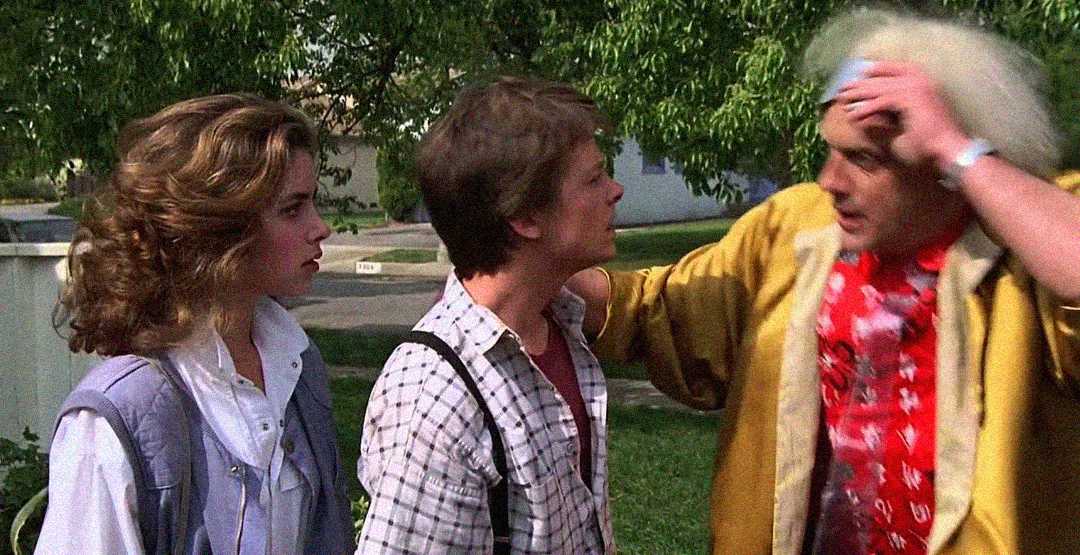
The ending of the first Back to the Future, where Doc arrives from the future and announces that Marty and Jennifer must come with him, was intended primarily as a joke. The filmmakers did not initially expect to make sequels. Once the movie became a massive hit, that final scene became the perfect launching point for the rest of the trilogy.
Let’s go Back to the Future and discover even more amazing movie secrets by exploring the rest of our articles.
The enduring appeal of Back to the Future comes from much more than time travel. The trilogy gave fans memorable performances, groundbreaking visual effects, and one of cinema’s greatest friendships in Marty McFly and Doc Brown. Decades later, viewers still dream about riding in the DeLorean, visiting Hill Valley, and having a loyal friend and mentor like Doc. Few films have remained as beloved across multiple generations, which is why Back to the Future continues to hold a special place in movie history.
If you enjoyed this article and love classic 1980s movies like Back to the Future, don’t miss our latest content. We have plenty more nostalgia-filled articles waiting for you. Start with some of our top recommendations and keep exploring the films that defined a generation: 16 Behind-the-Scenes Facts About the Rocky Franchise, 14 Things Only People Who Grew Up Watching Scary Movie Will Remember, and 16 Famous People Who Got Their Big Break Because Someone Else Said No at the Last Minute.