At the turn of the millennium, the horror genre was experiencing a massive commercial resurgence driven by self-aware, teenage slasher films that completely dominated the global box office. Audiences were thoroughly accustomed to the predictable formulas of masked killers, isolated suburban neighborhoods, and characters who routinely made the absolute worst decisions under pressure. In the summer of 2000, the Wayans brothers weaponized this predictable cinematic landscape, unleashing a chaotic parody that completely shattered Hollywood’s traditional boundaries of studio comedy. Watching Scary Movie became an absolute cultural rite of passage for a generation of teenagers, offering a relentless barrage of irreverent physical slapstick, absurd pop culture references, and completely unforgettable line deliveries.
Growing up with this unique cinematic phenomenon meant experiencing a piece of media that fundamentally altered how we consumed horror tropes for decades to come. The film did not simply mock contemporary blockbusters; it completely hijacked their most iconic visual imagery and permanently converted them into immortal comedic folklore. Long before modern internet memes dominated our digital daily feeds, lines from this hilarious parody were being passionately shouted across high school hallways and mid-century school cafeterias. Let’s take a nostalgic step back into the golden era of early 2000s comedy and explore fourteen distinct things that only people who grew up watching Scary Movie will ever truly understand.
1. The Shorty “wassup” tongue-wagging phone sequence
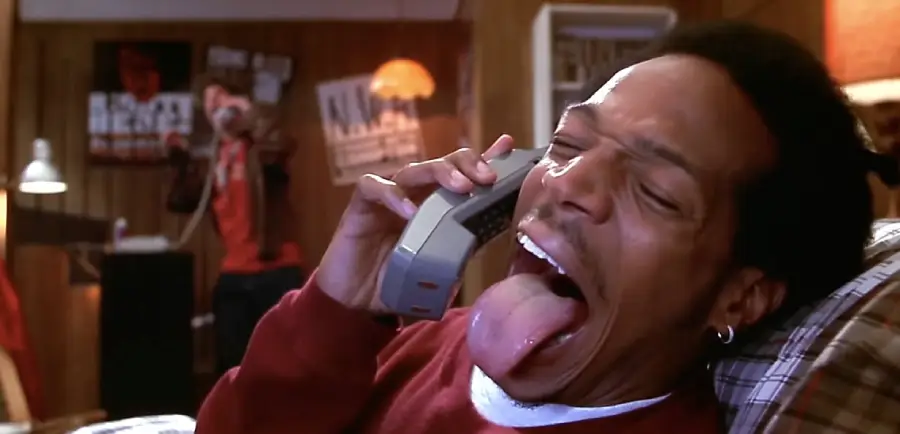
This chaotic sequence instantly transformed a contemporary television advertising campaign into an immortal piece of global cinematic comedy folklore. The scene features Marlon Wayans’s character, Shorty Meeks, answering a massive cordless landline phone while engaging in an increasingly energetic, tongue-wagging “Wassup” shout with Ghostface and his friends. This brilliant interaction successfully parodied a highly popular Budweiser commercial of the era, completely subverting the traditional tension of a home-invasion horror scene. A fascinating piece of production history reveals that Marlon Wayans heavily improvised his physical movements and facial distortions during the shoot, requiring multiple takes because the crew could not stop laughing. For a generation of viewers, this specific scene permanently ensured that we could never take the opening sequence of Scream seriously ever again.
2. Brenda Meeks loudly breaking movie theater etiquette
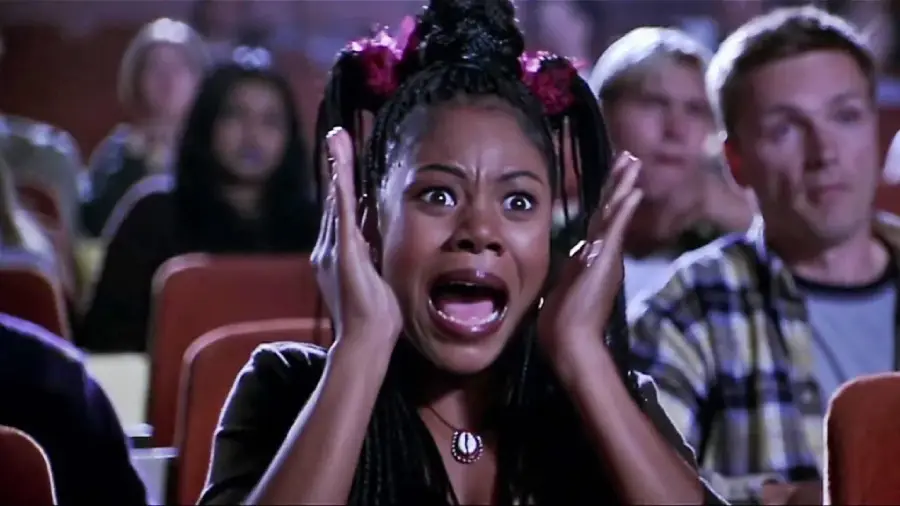
Regina Hall delivered an absolute breakout comedy masterclass by portraying the fiercely expressive, completely unfiltered Brenda Meeks during a fateful trip to the local cinema. Watching a fictional screening of Shakespeare in Love, Brenda completely abandons all traditional public theater etiquette, loudly shouting plot critiques at the screen, answering her cell phone, and aggressively shaking a massive container of snacks. Her chaotic behavior eventually pushes the fictional, frustrated theater audience to launch a full-scale mutiny against her seat. Regina Hall actually based her high-energy character delivery on real-world observations of vocal moviegoers, establishing a performance so universally beloved that studio executives explicitly mandated her character’s miraculous return for multiple franchise sequels.
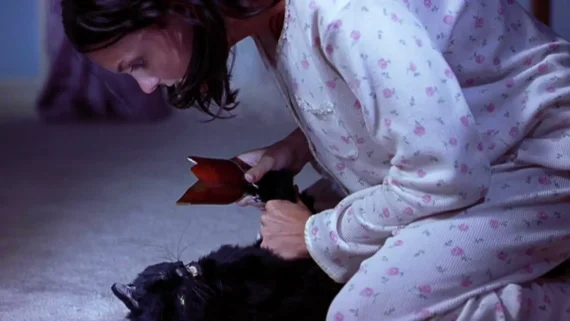
3. Cindy’s extreme physical battle with the aggressive family cat
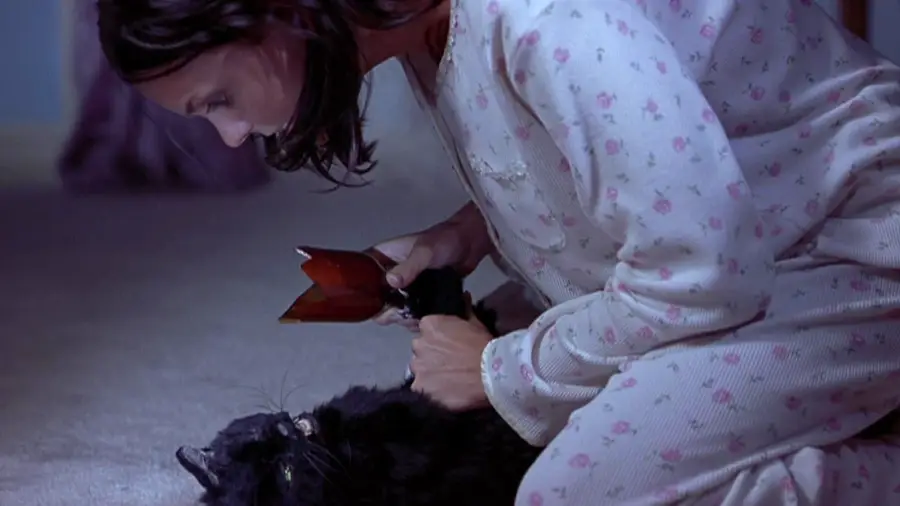
This hilarious sequence features Anna Faris executing a masterclass in high-energy physical comedy as her character, Cindy, engages in a full-scale martial arts battle against a highly aggressive domestic house pet. The scene completely subverts the traditional horror trope of a jump scare pet attack, rapidly escalating into an over-the-top, choreographed wrestling match across the entire room. From dramatic slow-motion aerial maneuvers to absurd body slams against the furniture, the sequence treated the ordinary household animal like a seasoned Hollywood stunt professional. The production team utilized a clever mix of realistic animatronic puppets, quick camera cuts, and a dedicated stunt double to pull off the frantic visual comedy without sacrificing the film’s fast-paced rhythm. It remains one of the most unexpected and universally quoted physical gags among fans who watched the film during its original home video release.
4. Cindy Campbell’s over-the-top Matrix fight scene
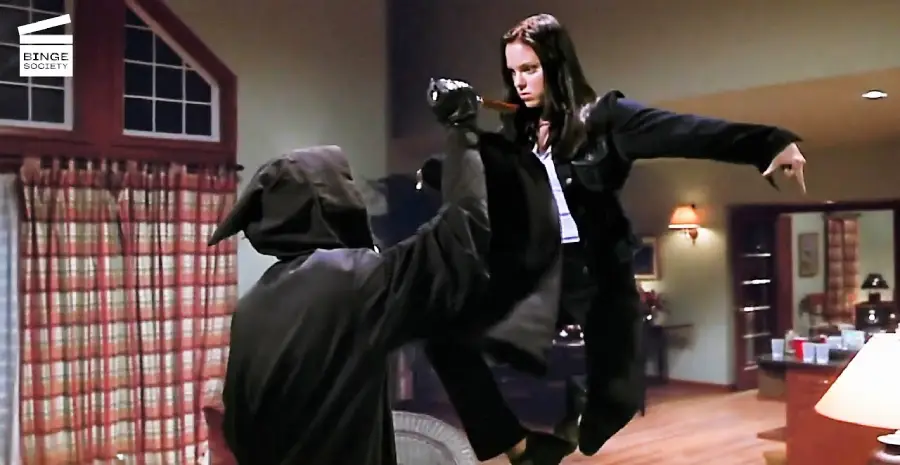
Anna Faris solidified her status as a premier comedic leading lady by executing a brilliant, frame-by-frame parody of the legendary bullet-time visual effects from The Matrix. Facing off against the killer in a high-stakes suburban hallway, Cindy floats gracefully through the air, performs impossible physical backbends, and accidentally unleashes a massive stream of domestic objects at her attacker. The production team utilized traditional, heavy green screens and complex wire-rigging mechanisms to mimic the multi-million-dollar aesthetic of the Wachowskis’ sci-fi masterpiece on a fraction of the budget. Faris famously performed the vast majority of the dizzying harness work herself, demonstrating incredible physical stamina while maintaining her signature wide-eyed, completely clueless facial expression.
5. Doofy Gilmore’s secret mastermind plot twist
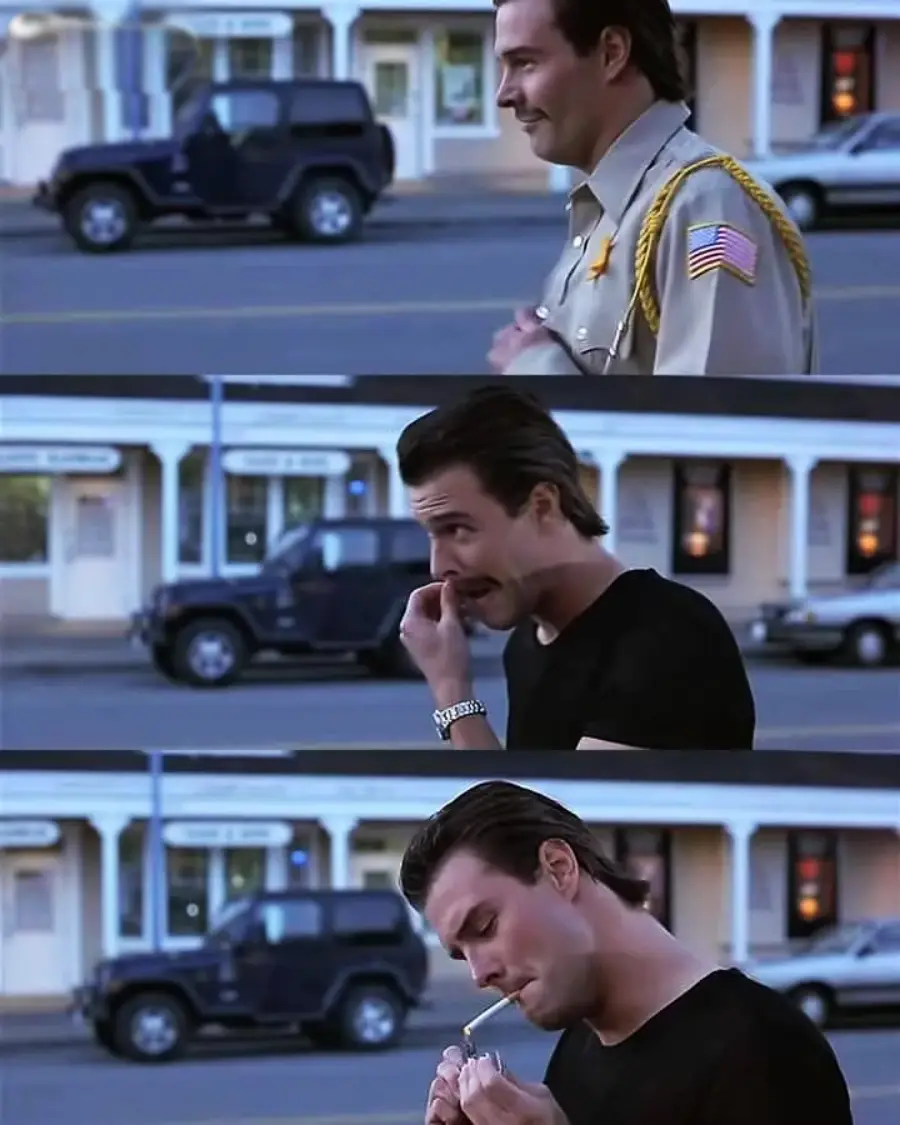
The character of Deputy Doofy Gilmore, brilliantly executed by Dave Sheridan, spent the entire narrative acting as the hyper-clumsy, socially awkward comic relief who carried a vacuum cleaner everywhere he went. The film delivers a magnificent, brilliant homage to the closing moments of The Usual Suspects during its final sequence on the police station steps. In a matter of seconds, Doofy drops his clumsy limp, tears off his fake mustache, slickback-frizzes his hair, and steps confidently into a sleek sports car driven by Miss Mann. Sheridan spent weeks meticulously practicing the sudden physical transition to ensure the physical transformation looked completely seamless to unsuspecting audiences. This hilarious revelation provided a genuinely clever narrative punchline that elevated the film beyond a simple collection of random sketches.
Trending on The Scroller
6. The excessive “I Know What You Did Last Summer” car accident
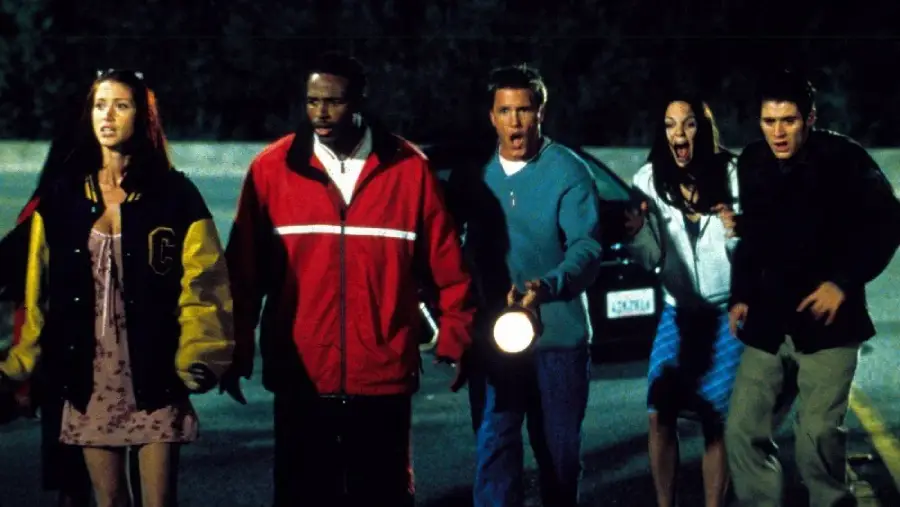
The narrative engine of the parody is kicked into high gear when the core group of high school friends accidentally strikes a pedestrian with their car on a dark coastal highway. Instead of showcasing a somber, guilt-ridden hit-and-run, the scene escalates into absolute absurdity as the teenagers violently argue over the body while systematically looting the victim’s pockets. They eventually dump the poor man over a pier, only for him to continuously survive a non-stop barrage of additional physical accidents, including falling boots and dropping anchors. This highly calculated sequence perfectly skewered the overly dramatic, self-serious tone that defined the late-90s post-Scream teen horror boom.
7. Buffie Gilmore’s absurdly delayed decapitation
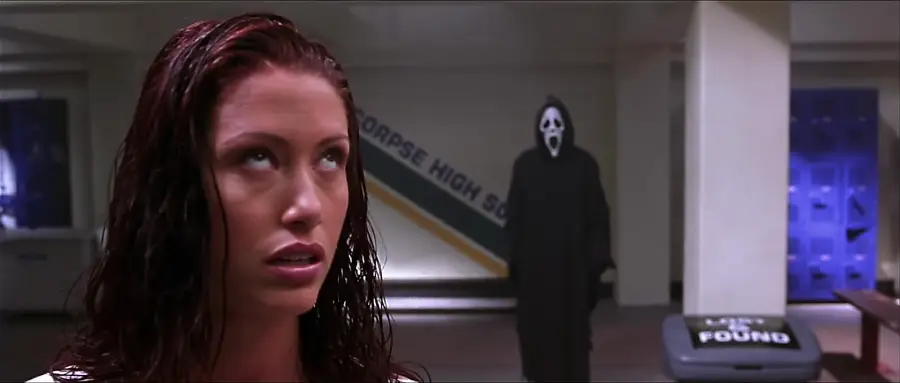
Shannon Elizabeth beautifully parodied her own newly minted status as a premier Hollywood teen heartthrob by playing the intensely vain, completely self-absorbed beauty queen Buffie Gilmore. When Ghostface corners her inside the locker room and successfully severs her head with a hook, Buffie’s detached head continues to talk seamlessly from inside a gym bag. She completely ignores the absolute biological horror of her situation, choosing instead to aggressively critique her hair quality and nag the killer about his bad skin texture. The visual effect was achieved utilizing a clever combination of a hidden table trapdoor and a highly detailed prosthetic body suit designed by specialized makeup artists.
8. Professor Oldman’s deeply unsettling “strong hand.”
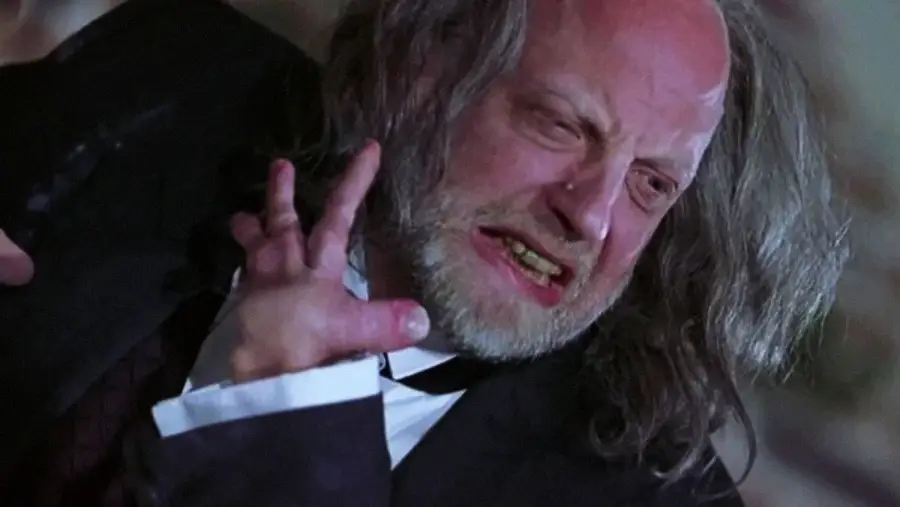
While the first installment laid the groundwork, the historic 2001 sequel permanently seared the character of Hanson the caretaker into the global comedic lexicon. Portrayed with immense commitment by Chris Elliott, the character possesses a deeply deformed, microscopic upper limb that he affectionately refers to as his strong hand. The peak of this physical comedy occurs during a formal group dinner scene where Hanson insists on utilizing his tiny hand to aggressively stuff a massive Thanksgiving turkey and stir a bowl of mashed potatoes. Elliott wore a highly specialized, custom-molded silicone prosthetic sleeve over his real arm that he manipulated with incredible, subtle dexterity to maximize the physical discomfort of his co-stars.
Sign up for our newsletter
9. Ray Wilkins being completely oblivious to his own identity
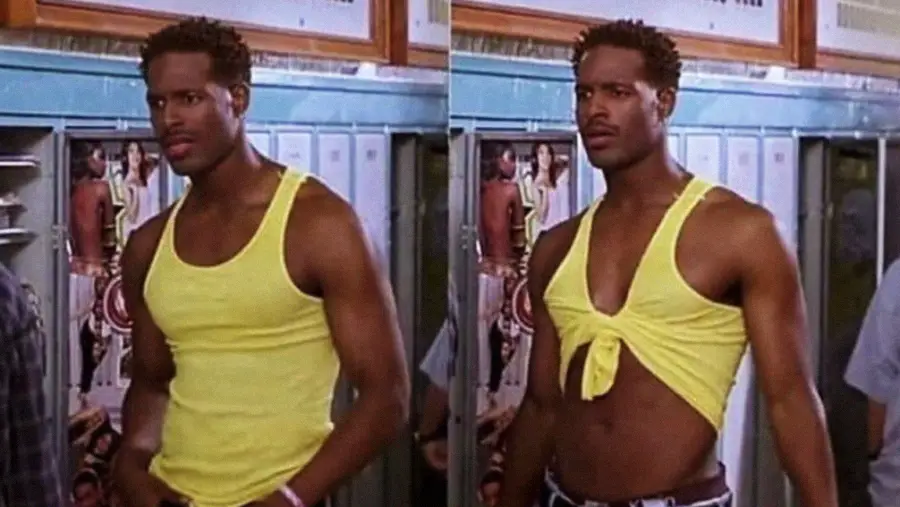
Shawn Wayans delivered an incredibly sharp, layered performance by portraying Ray Wilkins, a high school athlete who remains completely oblivious to his own highly obvious romantic preferences. Ray spends the entire film prioritizing gym locker rooms, wearing revealing athletic gear, and making intensely suggestive comments to his girlfriend Cind that sail completely over her head. This running gag served as a brilliant, direct parody of the character of Ray Bronson in I Know What You Did Last Summer, poking fun at the intensely masculine, often over-compensated archetypes of 90s teen cinema. Wayans’s deadpan, highly confident delivery turned a simple subtext joke into one of the most consistently quoted elements of the film.
10. The killer getting trapped by a TV broadcast
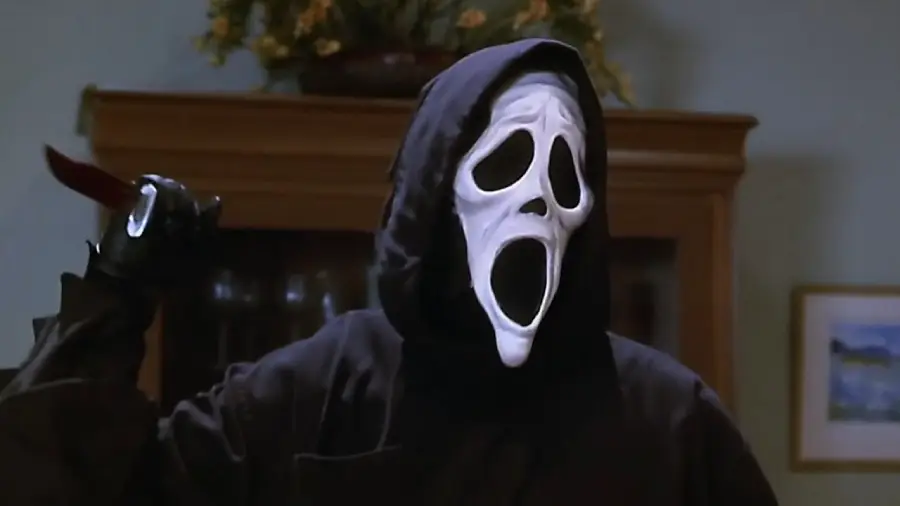
During a high-stakes chase through the upper levels of the Campbell household, Ghostface suddenly halts his pursuit of Cindy because he becomes completely mesmerized by an incoming television broadcast. The killer wanders directly toward a classic CRT television set, entirely matching his movements to the rhythmic choreography of a high-energy early 2000s electronic music advertisement. This hilarious bit successfully captured the media-saturated environment of the millennial generation, proving that even a cold-blooded killer could be completely derailed by catchy corporate marketing. It perfectly illustrated the Wayans brothers’ unique capability to blend traditional horror setups with immediate, contemporary pop culture observations.
11. Bobby Prinze’s ridiculously elaborate slasher reveal
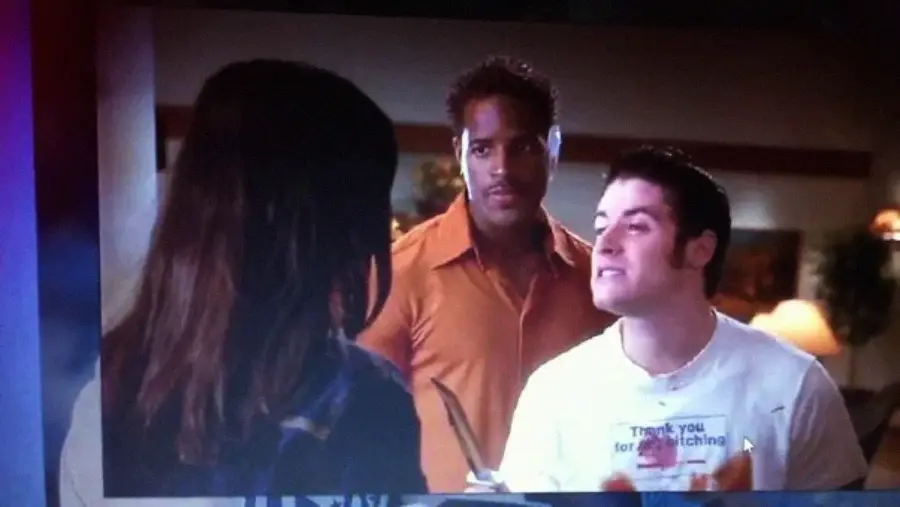
The character of Bobby Prinze, played with perfect teenage angst by Jon Abrahams, stages a ridiculously over-the-top villain monologue inside the kitchen that parodies the climax of Scream. Bobby aggressively stabs himself and his accomplice to make themselves look like innocent victims, executing a series of theatrical, dramatic grimaces that make zero practical sense. His intense commitment to looking like a brooding, dangerous cinematic bad boy is completely undone by his utter incompetence with basic cutlery. Abrahams intentionally exaggerated his physical movements to mock the intense, method-acting styles that young Hollywood stars frequently adopted during the serious slasher era.
12. Gail Hailstorm’s shameless, profit-driven journalism career
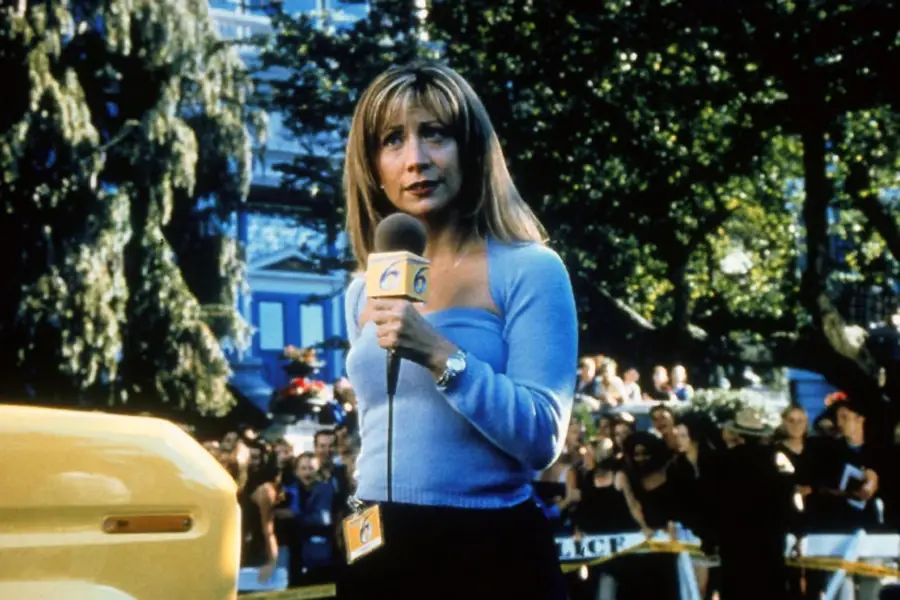
Cheri Oteri delivered a high-energy, wonderfully cynical performance as the aggressive, fame-hungry news reporter Gail Hailstorm, an explicit parody of Courteney Cox’s Gale Weathers. Gail routinely pushes past active police tape, physically assaults traumatized high school students for exclusive soundbites, and shamelessly promotes her own self-published true-crime books in front of active crime scenes. Her absolute lack of basic human empathy turns the serious profession of journalism into a hilarious study of early 2000s tabloid media excess. Oteri’s sharp comedic timing and rapid-fire line delivery made every single one of her broadcast segments a highlight of the film’s structural pacing.
13. The Cindy Campbell emotional breakdown
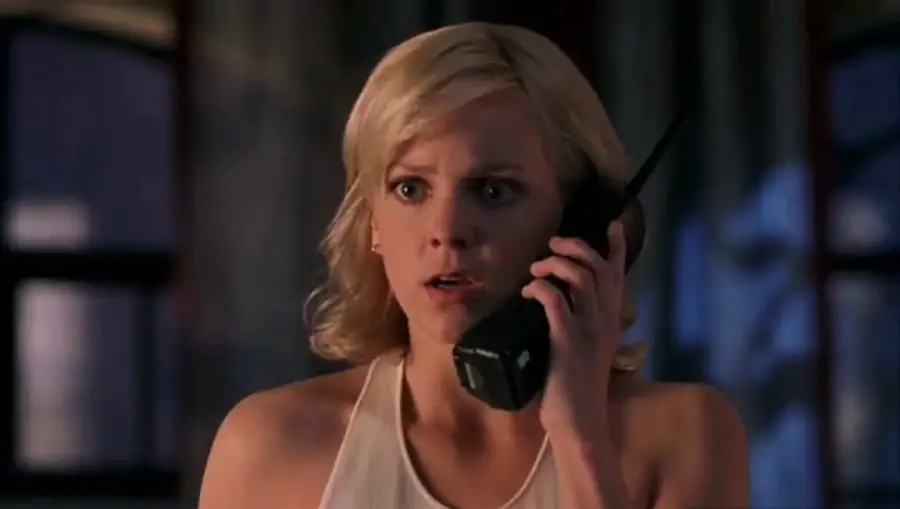
When the local sheriff’s office contacts Cindy to warn her that a dangerous killer is actively targeting her social circle, her immediate reaction is a masterclass in melodramatic acting parody. Faris throws herself across the furniture, gasps for air with extreme intensity, and drops a small, cheap domestic ceramic flower holder onto the rug. The film handles the breaking of this single piece of cheap pottery with the immense, slow-motion dramatic weight of an absolute human tragedy, complete with swelling operatic music. This brilliant micro-joke poked fun at the highly stylized, emotionally manipulative directing techniques that mainstream horror directors utilized to force audience tears.
14. Special Agent Greg’s bizarre, over-confident police briefing
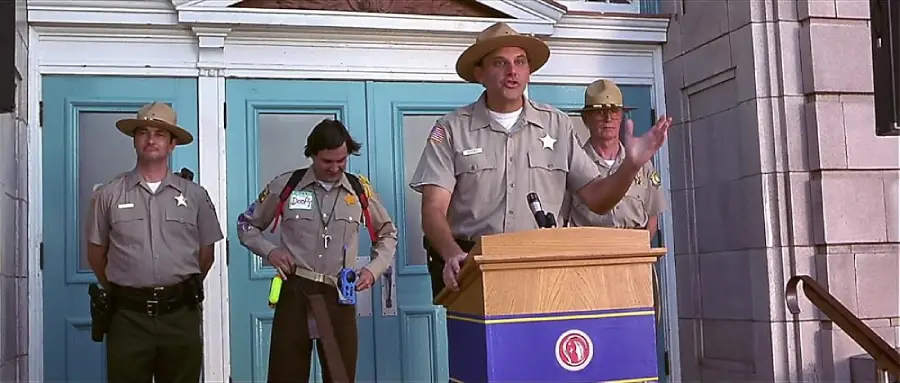
The introduction of a specialized federal investigator, played with supreme confidence by Kurt Fuller, was supposed to bring structural order to the chaotic small-town murder investigation. Instead, Special Agent Greg hosts a public press conference where he utilizes a massive whiteboard to display completely unrelated diagrams, absurd personal doodles, and zero actual legal evidence. His absolute certainty in his own non-existent deductive skills beautifully parodied the classic trope of the arrogant, outside law enforcement official who enters a horror movie just to look completely foolish. Fuller’s exceptional deadpan delivery ensured that his brief screen time left a permanent mark on the film’s comedic legacy.
Want more interesting facts about your favorite movies?
Revisiting the chaotic, boundary-pushing humor of this legendary parody serves as a fantastic reminder of an era when Hollywood comedies were completely unafraid to take massive artistic risks for a laugh. The unique capability of the Wayans brothers to systematically dismantle the scary tropes of our childhood and transform them into timeless comedic memories is an achievement that modern parodies have never quite managed to replicate. If you enjoyed this nostalgic journey looking back at the definitive comedy of the turn of the millennium, make sure to explore these 17 LOTR Fun Facts From the Making of the Trilogy You Don’t Know, or 20 Wild Marvel BTS Facts Fans Still Can’t Believe. You can also check out these 15 Strange Facts About Blockbuster Film Franchises.