When we sit down on our couches to binge-watch a critically acclaimed, record-breaking TV show, we naturally assume that the project was recognized as an absolute masterpiece from the very moment it was conceived. We view our favorite award-winning showrunners as beautifully poised creative geniuses whose brilliant concepts effortlessly ignited high-stakes bidding wars among the world’s premier broadcasting networks. Over the generations, polished corporate marketing campaigns and glossy retrospective documentaries have conditioned the public to believe that groundbreaking entertainment encounters a smooth, entirely logical path to production. This traditional view frames our collective understanding of media history, leaving audiences to assume that major television networks are staffed by visionary executives who can instantly spot a multi-million-dollar pop culture phenomenon just by reading a simple one-page treatment.
However, pulling back the heavy velvet curtain of the entertainment industry reveals a brutal, highly chaotic gauntlet of corporate gatekeeping, short-sighted executive panic, and relentless professional rejection. The fascinating truth of television history proves that some of the single most influential, commercially lucrative TV shows in modern pop culture were actively rejected a dozen or more times by short-sighted networks before finally securing a green light. Instead of receiving immediate industry validation, these historic concepts spent years languishing inside dusty desk drawers while their creators weathered patronizing notes, insulting budget cuts, and explicit demands to completely alter the unique elements that would eventually make their stories global legends. Let’s explore fourteen unforgettable instances where mainstream television networks passed on absolute creative gold, proving that the road to historic small-screen success is paved with endless strings of the word no.
1. Stranger Things
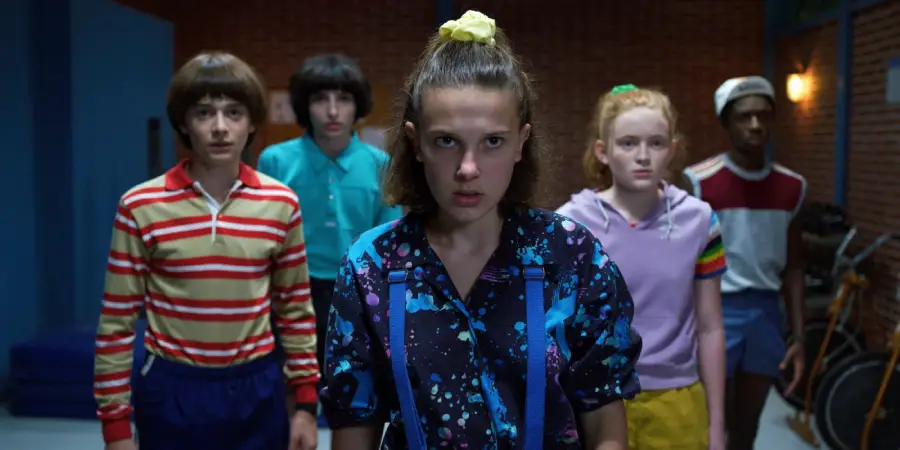
The nostalgic, high-octane flagship series that completely defined the modern streaming era was aggressively rejected between fifteen and twenty separate times by various mainstream television networks. Matt and Ross Duffer spent years pitching their atmospheric sci-fi concept under its original title Montauk, only to face a wall of patronizing executive feedback demanding they make the kids older or cut the horror elements entirely. Traditional network gatekeepers flatly asserted that a television drama centered entirely around a group of pre-teen protagonists would fail to capture a broad adult demographic unless it focused exclusively on adult characters or teen romance drama. The Duffer brothers fiercely refused to compromise their core cinematic vision, holding out until Netflix executives took a monumental gamble on their raw, unvarnished script. The rejected concept exploded into a multi-billion-dollar global juggernaut that permanently revolutionized contemporary pop culture and streaming metrics.
2. Breaking Bad
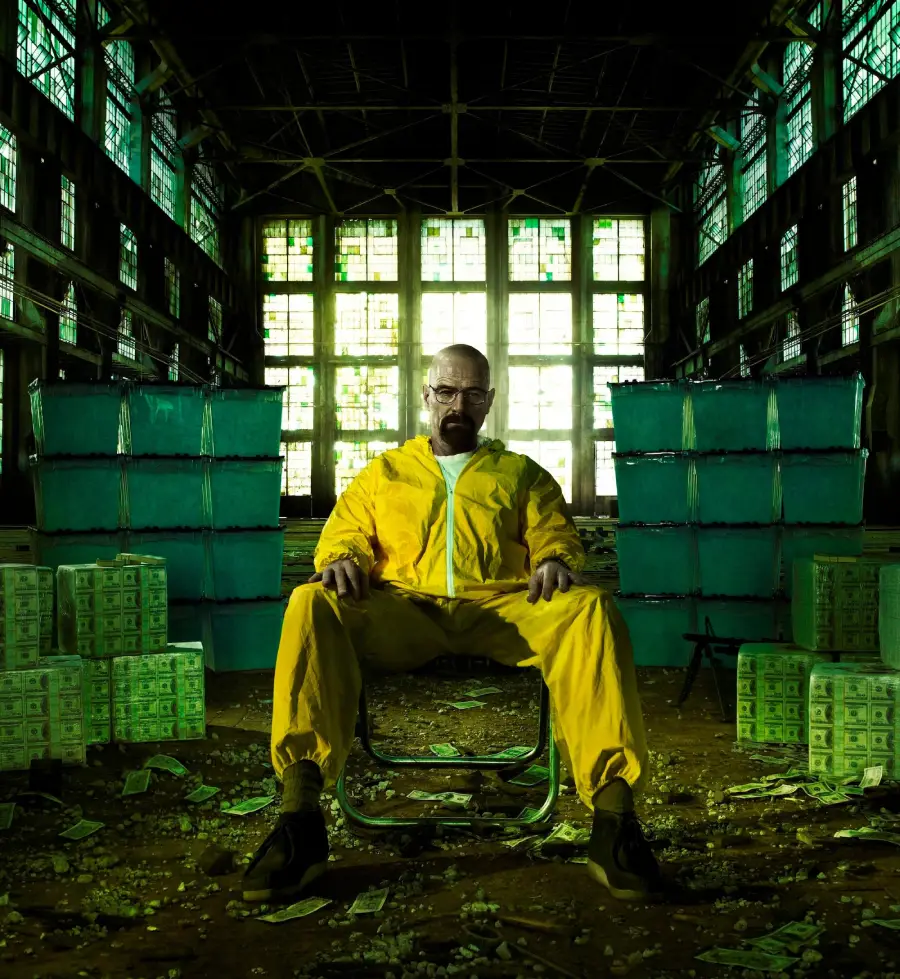
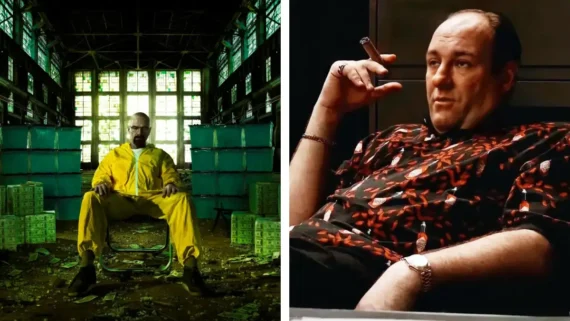
Before Vince Gilligan’s slow-burn crime masterpiece secured its place as one of the single most critically adored dramas in television history, the pitch was treated as absolute radioactive material by elite industry executives. Gilligan famously described his formal pitch meeting with HBO as the single most demoralizing and dismissive interaction of his entire professional career, with the network representative completely tuning out during his explanation and later refusing to even issue a formal courtesy rejection letter. Showtime passed on the concept because the premise felt entirely too similar to their existing dark comedy, Weeds, while TNT executives openly admitted they loved the writing but would be instantly fired if they put a methamphetamine-dealing protagonist on basic cable. Even FX networks initially purchased the project in 2005, only to rapidly shelve it to produce a short-lived, forgotten drama instead. The show eventually landed at AMC, where it systematically dismantled the traditional structural rules of television storytelling forever.
3. Squid Game
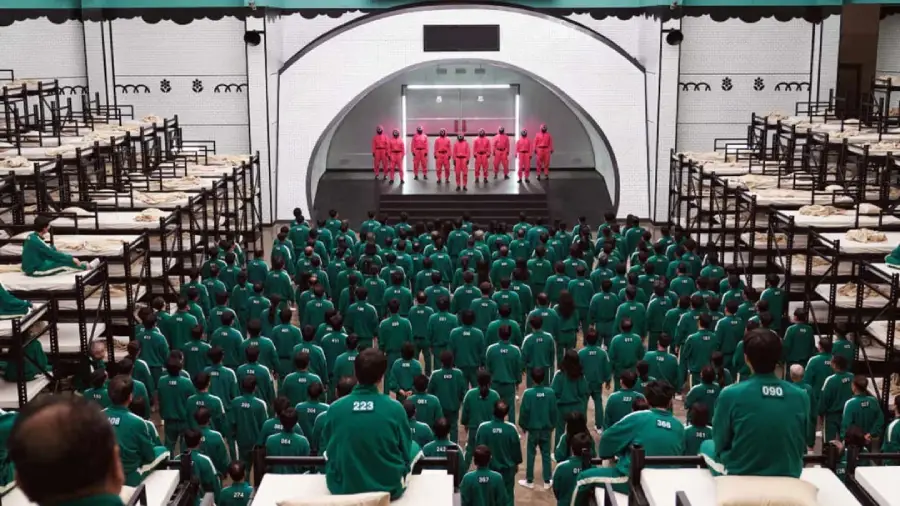
The dark, dystopian South Korean social commentary that completely broke the global internet to become Netflix’s most-watched series of all time endured a grueling, ten-year gauntlet of total industry rejection. Creator Hwang Dong-hyuk originally penned the complete script all the way back in 2009, but regional production houses and wealthy media investors systematically dismissed the concept as a grotesque, highly unrealistic cartoon that lacked any commercial viability. The financial strain of keeping the project alive grew so incredibly severe for the broke filmmaker that he was forced to physically sell his personal $675 laptop to pay his monthly apartment rent. The script languished in complete obscurity for an entire decade until the evolving socioeconomic climate of the late 2010s prompted global streaming executives to reconsider the narrative’s profound cultural relevance. The resulting production generated an astonishing nine hundred million dollars in absolute corporate value from a tiny initial investment.
4. Game of Thrones
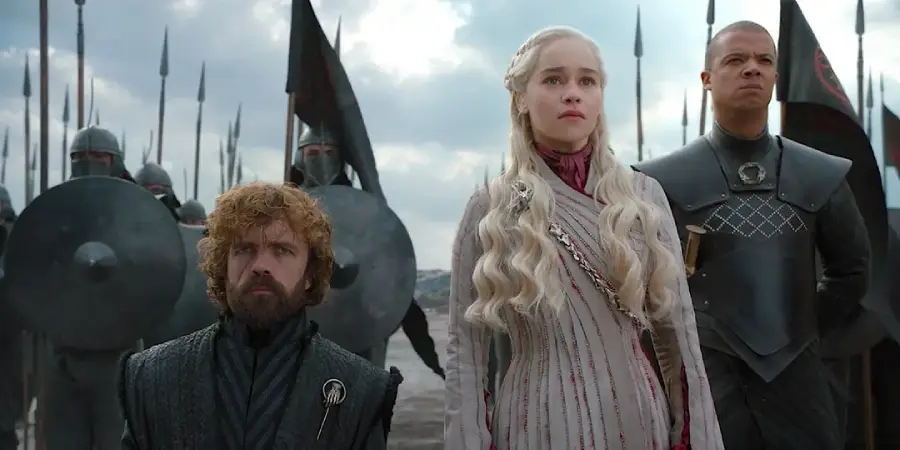
It is almost impossible to imagine a world where the defining, cultural fantasy event of the twenty-first century was passed over, but David Benioff and D.B. Weiss faced immense skepticism when they first attempted to pitch George R.R. Martin’s complex literary universe. Mainstream television networks were deeply terrified by the staggering financial budgets required to build high-end medieval battles, massive digital dragons, and sprawling international filming locations for an adult audience. Traditional network executives repeatedly pushed the creators to strip away the dense political machinations and dark adult content to reshape the story into a clean, predictable, and highly sanitized family adventure series. Even after HBO finally agreed to fund an incredibly expensive pilot episode, the initial footage was such a disorganized, confusing structural disaster that it had to be completely shelved, re-cast, and completely reshot from scratch. The massive gamble eventually paid off, transforming a high-risk literary adaptation into a global stadium-filling media phenomenon.
5. Mad Men
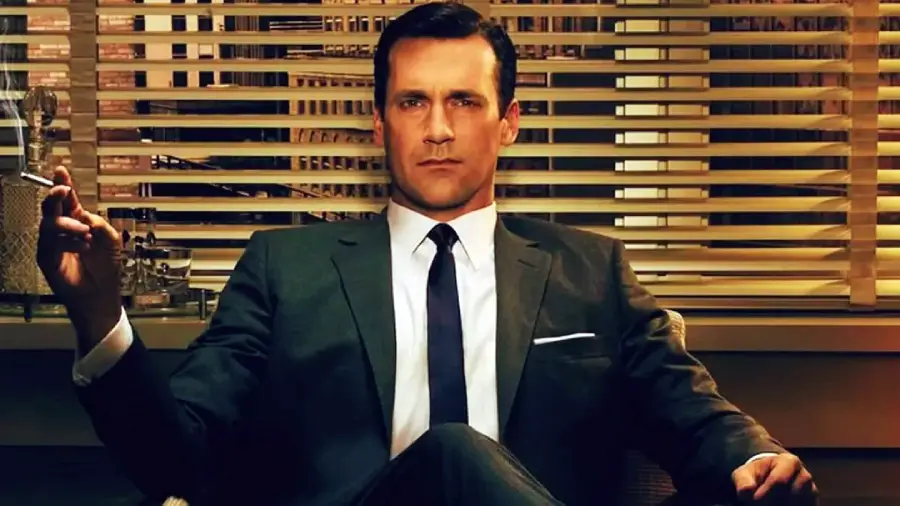
Matthew Weiner’s sleek, highly sophisticated exploration of nineties corporate advertising and mid-century American identity was aggressively rejected by every single elite premium cable network before finding a home. Weiner originally penned the brilliant pilot script while working as a staff writer on The Sopranos, directly handing the material to HBO executives who flatly refused to read the pages or fund a pilot. Showtime similarly passed on the award-winning concept, with network bosses concluding that a slow-burn, character-driven period piece focusing on the mundane details of an advertising agency lacked any long-term commercial drawing power. The project was eventually presented to AMC, a network that at the time operated exclusively as a quiet destination for old classic movies and possessed absolute zero original programming infrastructure. The massive risk completely altered the cable landscape, securing consecutive Emmy awards and launching a new golden age of prestige television drama.
Trending on The Scroller


6. The Sopranos
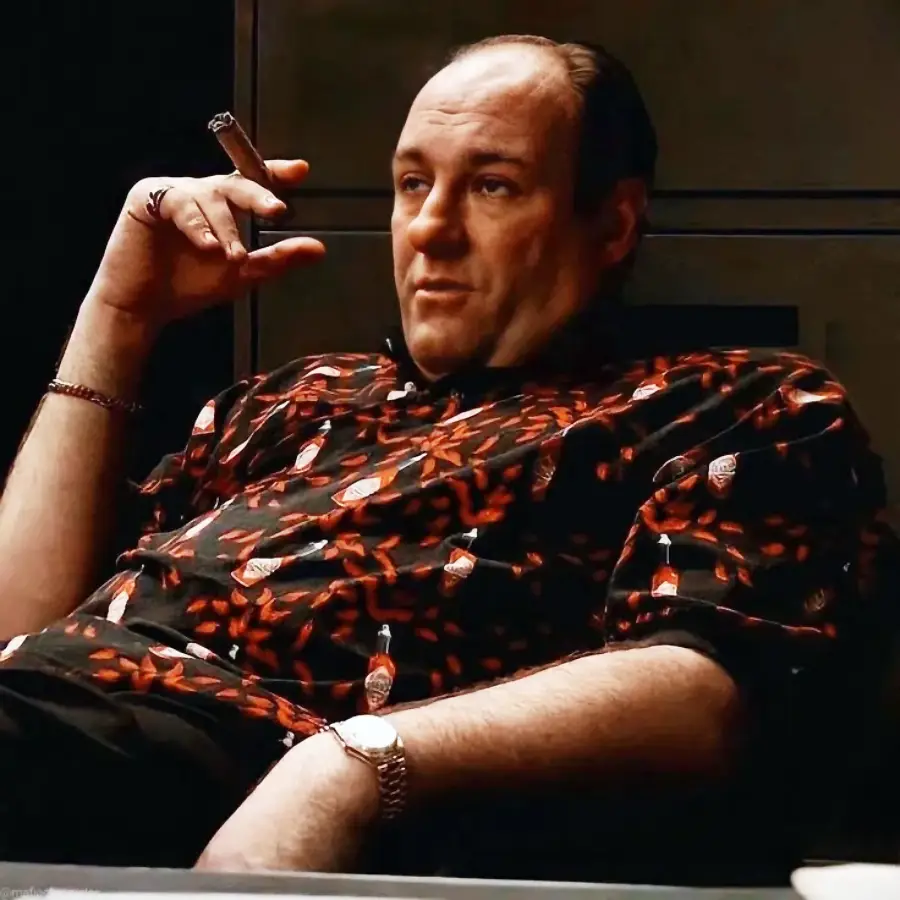
David Chase’s legendary mafia drama is universally celebrated as the foundational monument that single-handedly put premium cable on the global cultural map, but its path to production was a multi-year nightmare of network rejections. Chase originally designed the narrative as a feature film script before transforming it into a television pitch, actively presenting the concept to Fox, CBS, and NBC during the late 1990s. Fox executives actually agreed to fund a development deal, but they rapidly backed out of the project the exact second they read the completed pilot script, completely terrified by the idea of a dark protagonist who routinely murders people between therapy sessions. Chase spent months assuming the script would remain permanently buried in his desk drawers until independent programmers at HBO decided to fund a low-budget pilot run. The show successfully shattered the rigid formulas of network television, introducing the era of the modern anti-hero to global audiences.
7. Seinfeld
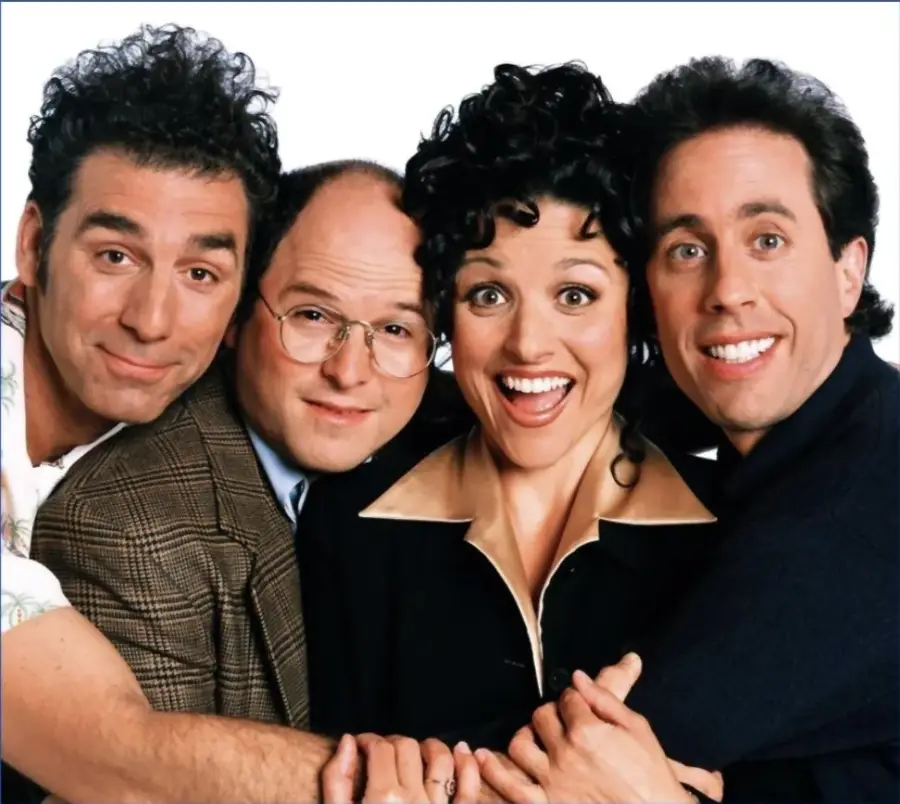
The definitive, multi-billion-dollar comedy about absolutely nothing that completely dominated 90s television ratings was viewed as an absolute, unmitigated disaster during its early development phases. NBC executives who watched the initial pilot episode in 1989 were so intensely unimpressed by the unconventional format that they officially branded the project as weak, unrelatable, and far too focused on narrow New York-specific humor to ever appeal to a broad national audience. The network actively chose to pass on ordering a full season, effectively canceling the show before a single official episode aired on television. The project was only saved from absolute oblivion because a single, highly supportive NBC executive named Rick Ludwin voluntarily sacrificed a portion of his own department’s internal budget to personally fund a tiny four-episode order. This small, unprecedented rescue operation allowed Larry David and Jerry Seinfeld to slowly refine their comedic formula, eventually building the most lucrative sitcom empire in entertainment history.
8. Desperate Housewives

Marc Cherry’s highly stylized, darkly comedic exploration of suburban secrets and neighborhood murder was flatly rejected by practically every major broadcast network, including HBO, CBS, NBC, and Fox. Executives at Lifetime Television famously turned down the project after a lengthy review process, noting that the complex blending of soapy melodrama, dark comedy, and mystery simply did not fit their established network profile. Cherry found himself facing absolute financial ruin during the extensive pitching process, maxing out his credit cards and borrowing funds from his mother just to pay his basic living expenses. The script eventually landed on the desk of a desperate new programming executive at ABC, a network that was actively suffering from a massive, years-long ratings slump. The show premiered to an absolute explosion of massive viewership numbers, single-handedly reviving the network’s corporate fortunes overnight.
Sign up for our newsletter
9. Lost
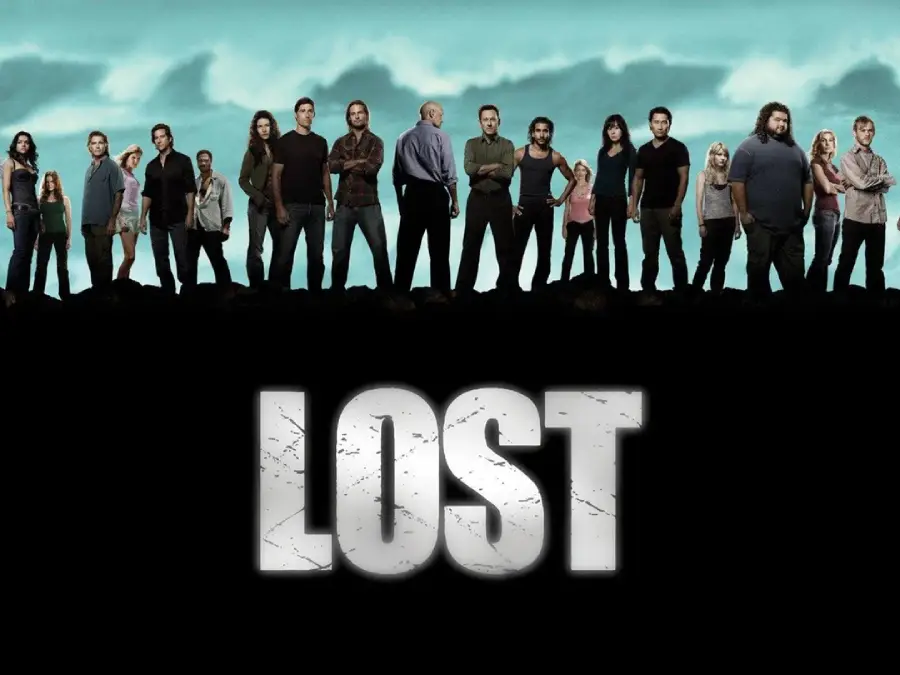
The highly complex plane-crash mystery puzzle that completely captivated the collective imagination of the mid-2000s was born in an environment of extreme corporate hostility and executive firings. The initial, sprawling concept pitched by Lloyd Braun was viewed as an absolute financial suicide mission by upper management at Disney, who openly ridiculed the idea of spending millions of dollars on a risky pilot episode involving an expensive, real-world airplane fuselage. Braun was so intensely committed to the project that he secretly greenlit the massive twelve-million-dollar production budget without formal corporate clearance, a bold move that caused top Disney executives to fire him from his position right before the show ever aired. The spectacular pilot episode went on to shatter internal network records, transforming into a global pop culture obsession that completely vindicated Braun’s high-stakes professional sacrifice.
10. The Walking Dead
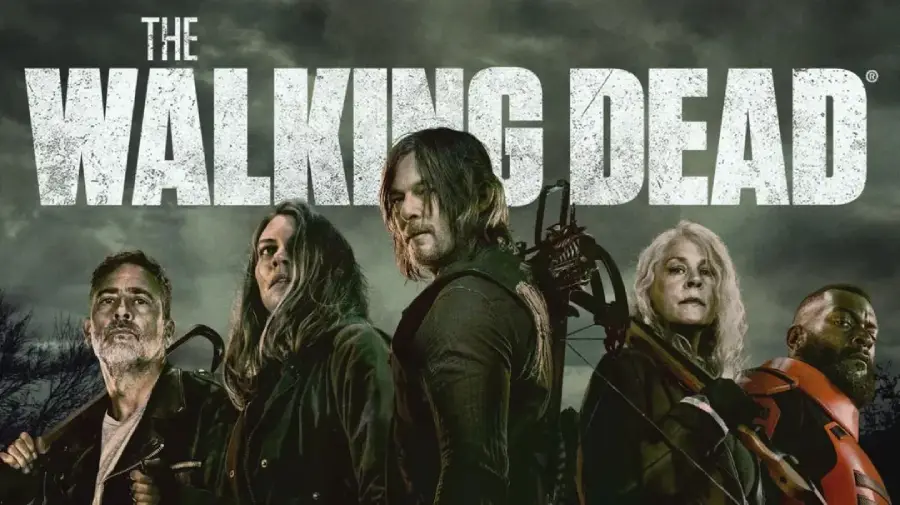
Frank Darabont’s gritty, highly cinematic adaptation of the famous post-apocalyptic zombie comic book series spent years circulating through the offices of major premium networks to absolute zero interest. NBC executives explicitly told the award-winning director that they would only consider greenlighting the high-budget project if he agreed to completely eliminate the zombies or transform the story into a standard procedural crime show where two main detectives solve a fresh monster mystery every single week. HBO similarly passed on the pitch, concluding that the immense level of visceral violence and bleak post-apocalyptic survival elements were entirely too extreme and unappealing for their core subscriber base. Darabont held onto his original, uncompromising vision until AMC executives chose to integrate the graphic survival drama into their expanding portfolio of edgy, unconventional original programming. The project rapidly mutated into a massive cable juggernaut, generating multiple successful spin-off franchises over a decade of dominant broadcasting.
11. Atlanta
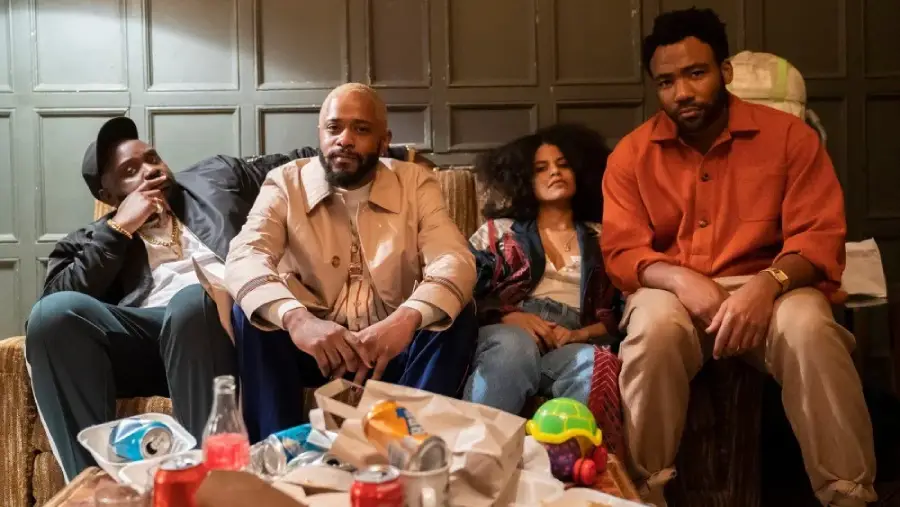
Donald Glover’s surreal, genre-bending masterpiece about the regional hip-hop scene and contemporary racial dynamics spent years trapped in a complex corporate limbo before a network finally permitted its production. Glover originally pitched the concept to FX Networks with a highly calculated, strategic psychological deception, explicitly telling corporate executives that the show would function as a standard, accessible workplace comedy about a rap manager to secure his funding. Once the contracts were officially signed, he systematically injected elements of David Lynch-style surrealism, non-linear storytelling, and existential commentary that left network bosses completely baffled during early table reads. Executives repeatedly attempted to pull the production back toward safer, more traditional sitcom formulas, but Glover fiercely used his immense star power to protect his creative freedom. The resulting television experiment earned massive critical acclaim, securing multiple prestigious Emmy awards for its uncompromising vision.
12. Cheers
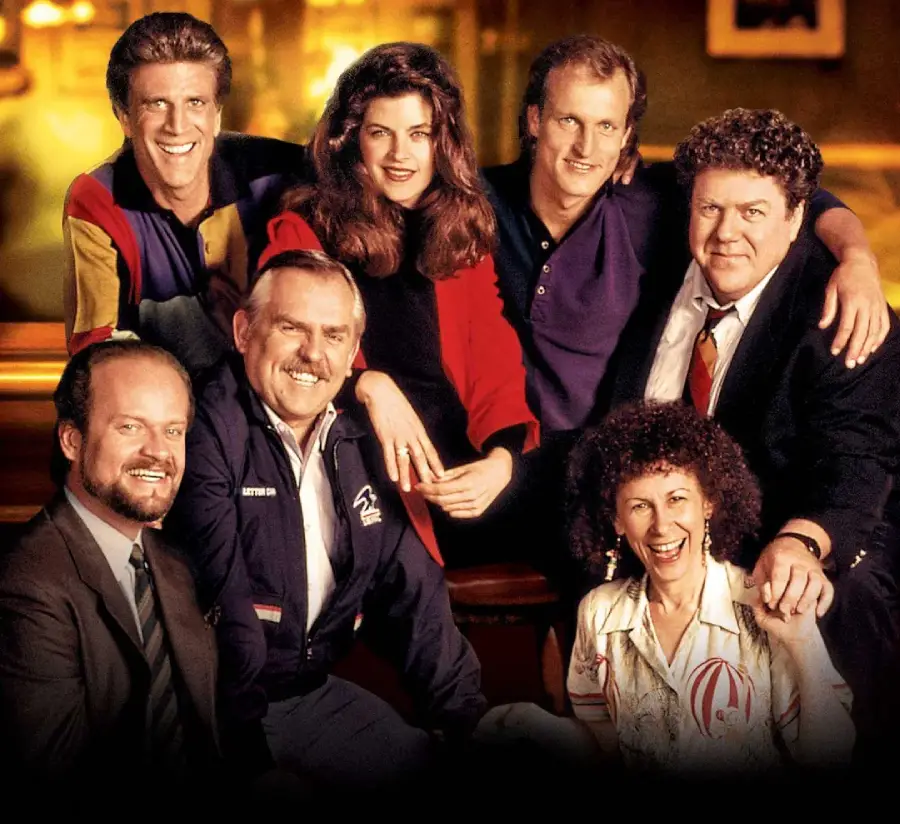
The legendary, long-running sitcom that turned the cozy environment of a Boston bar into an absolute sanctuary of global television comfort was nearly canceled by executives within weeks of its 1982 premiere. The highly stylized, dialogue-driven comedy finished dead last in the national ratings during its very first week on the air, capturing a shockingly low percentage of the available television audience. Traditional network executives aggressively pushed the creators to completely dismantle the ensemble cast, change the slow-burn romantic chemistry between Sam and Diane, or relocate the setting entirely away from a bar layout to boost immediate ratings. NBC’s upper management chose to ignore the catastrophic early data, displaying an immense level of old-school corporate patience by keeping the show on the air purely due to its high internal creative quality. The rare executive restraint allowed the series to slowly discover its audience, eventually building an unshakeable ratings empire that anchored the network’s evening lineup for over a decade.
13. The X-Files
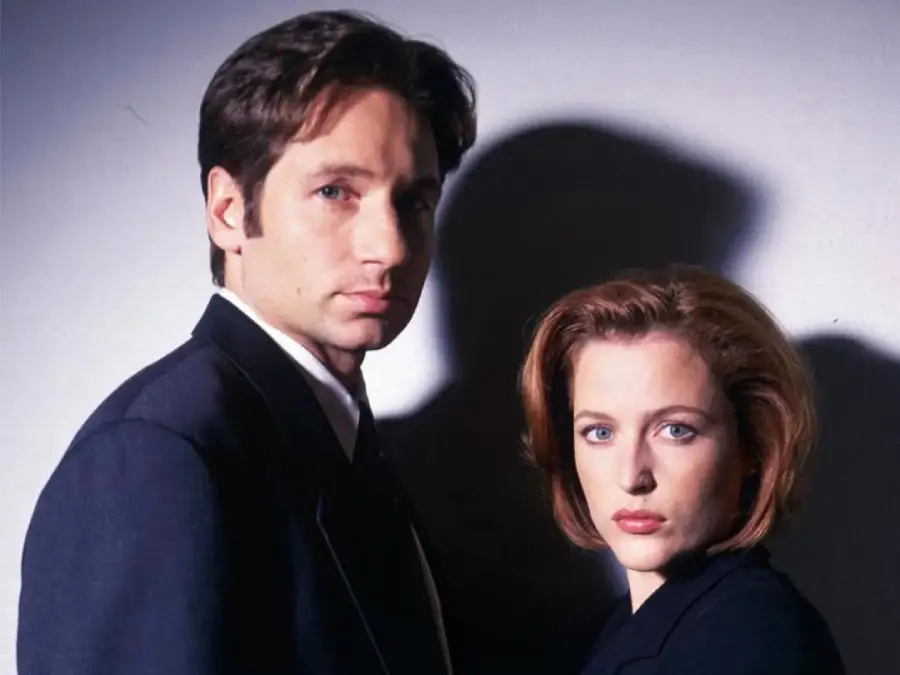
Chris Carter’s legendary sci-fi procedural that single-handedly birthed modern internet fan culture and fueled global conspiracy paranoia was systematically rejected multiple times by Fox network executives during the early 1990s. Programming bosses were deeply uncomfortable with the show’s absolute lack of a traditional, central romantic relationship, repeatedly commanding Carter to replace actress Gillian Anderson with a more traditional, hyper-stylized Hollywood starlet who would actively pursue a romantic subplot. Carter fiercely stood his ground during intense corporate boardroom standoffs, asserting that the entire psychological tension of the series depended strictly on the professional, platonic intellectual chemistry between Mulder and Scully. The network eventually relented, ordering a small initial season that rapidly exploded into an international cultural phenomenon. The show proved that mainstream audiences were deeply hungry for long-form, complex mythological storytelling on broadcast television.
14. Friends
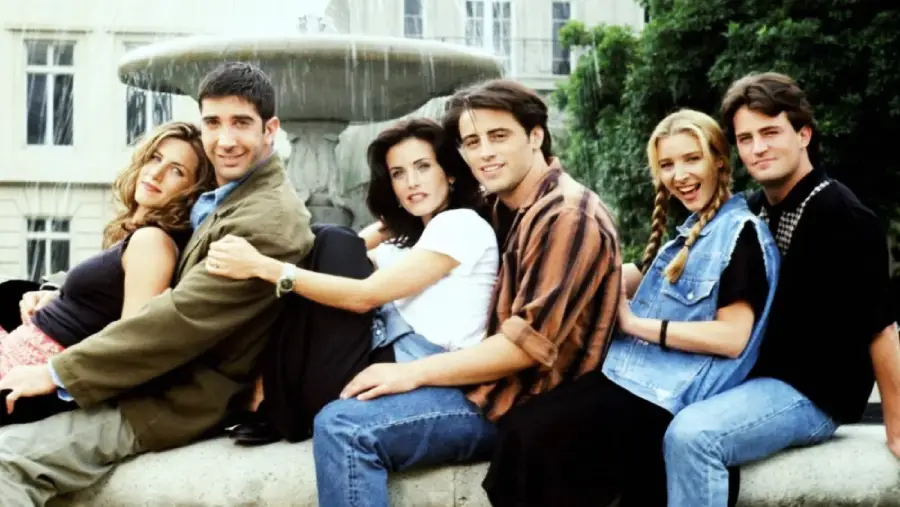
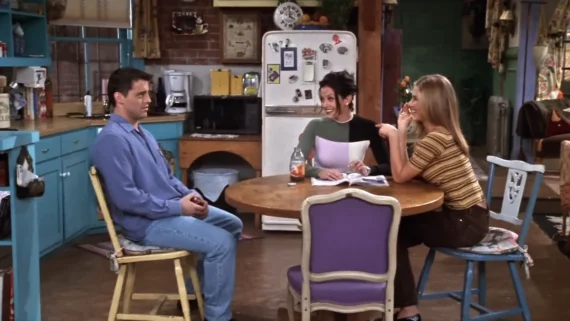
The definitive, multi-million-dollar ensemble comedy that soundtracked the lives of an entire millennial generation was viewed as an incredibly risky, highly unrelatable concept by early network testing boards. When David Crane and Marta Kauffman first pitched Insomnia Cafe, the original title of the historic project, NBC executives were deeply horrified by the absolute absence of parental figures or authority characters to anchor the young adults. The network actively demanded that the creators integrate a prominent, older mentor character into the central coffee shop dynamic to offer daily life advice to the group, a suggestion that Crane and Kauffman flatly rejected as absolute creative death. Testing audiences who watched the early pilot episode officially rated the show’s overall potential as weak, concluding that the characters were entirely too self-absorbed and cynical to ever capture long-term public adoration. The network’s final gamble to air the show exactly as written completely shattered industry predictions, transforming six unknown actors into international cultural icons.
Explore more TV shows’ secrets:
Delving into the grueling, multi-year rejections that preceded the production of these legendary television masterpieces serves as a fantastic reminder that true creative brilliance frequently requires standing completely firm against the short-sighted panic of corporate gatekeepers. Watching these dedicated showrunners successfully protect their original scripts through decades of executive skepticism proves that the most valuable landmarks of our shared pop culture are built on unyielding artistic resilience rather than an easy corporate path. If you enjoyed this eye-opening, deeply analytical journey looking back at the TV shows that network executives nearly killed before making history, make sure to explore these 15 Highly Anticipated Spin-Offs That Never Actually Worked, or 15 Iconic TV Series Finales Written Under Pressure. You can also check out these 15 Times a TV Show Foresaw Real News Events.