What if we told you that not every audience watches the same scenes when they go to the movies? Around the world, studios have often modified, shortened, or completely removed certain scenes before releasing films in specific countries. These changes can happen for many reasons, including local censorship laws, religious beliefs, political sensitivities, cultural traditions, or age-rating requirements.
Although some fans may find these edits surprising, they also reflect the reality that every country has its own history, customs, and standards about what is appropriate for public audiences. In some places, violence is restricted more heavily than language, while others focus on religious symbols, political references, or supernatural themes. These fascinating scenes show how one movie can exist in several different versions depending on where it is shown, and why filmmakers sometimes adapt their work for viewers across the globe.
1. The Statue of Liberty Ending Was Cut on Air — Planet of the Apes (1968)
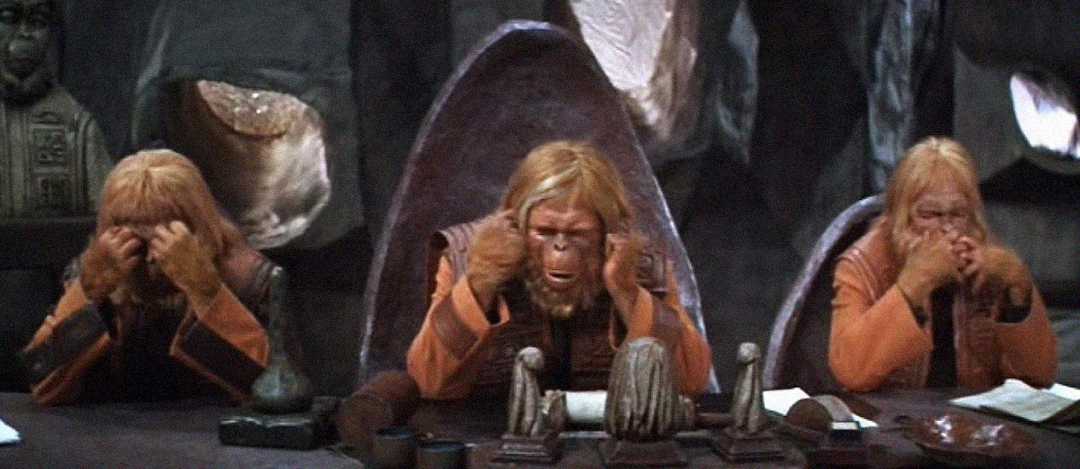
The film’s shocking final scene reveals the remains of the Statue of Liberty, confirming that the story actually takes place on Earth. When the movie was first broadcast on South African television during the apartheid era, this ending was reportedly removed because officials feared its political symbolism and pessimistic message about humanity.
2. Bohemian Rhapsody’s Romance Was Shortened — Bohemian Rhapsody (2018)
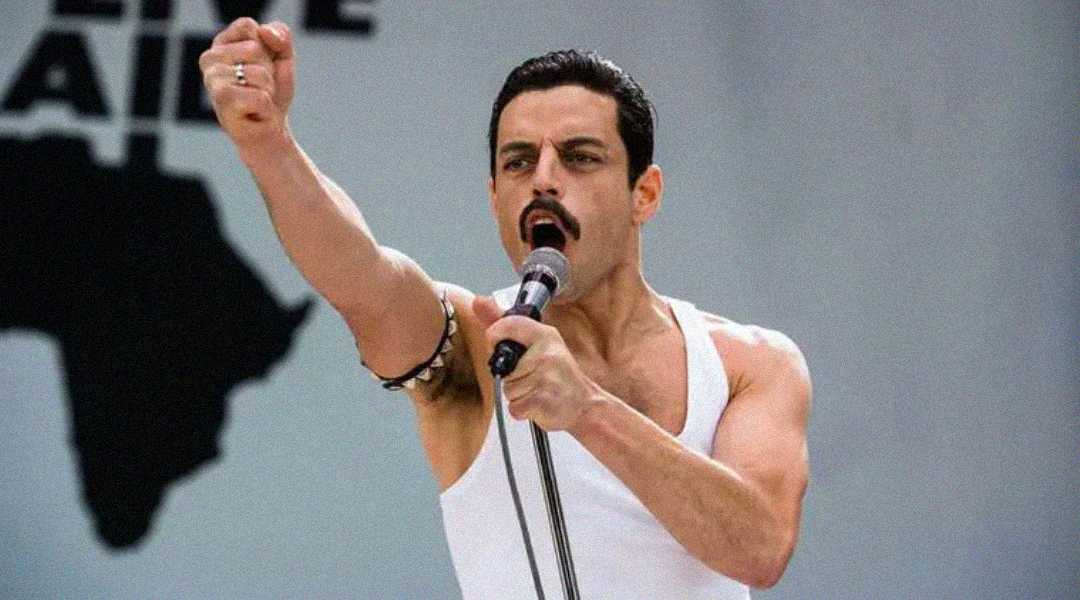
Several scenes depicting Freddie Mercury’s romantic relationships with men were trimmed or removed in countries including China and Malaysia. The edits were made because local censorship rules restrict LGBTQ+ content in mainstream theatrical releases.
3. The Kiss Between Buzz and Alisha Returned — Lightyear (2022)
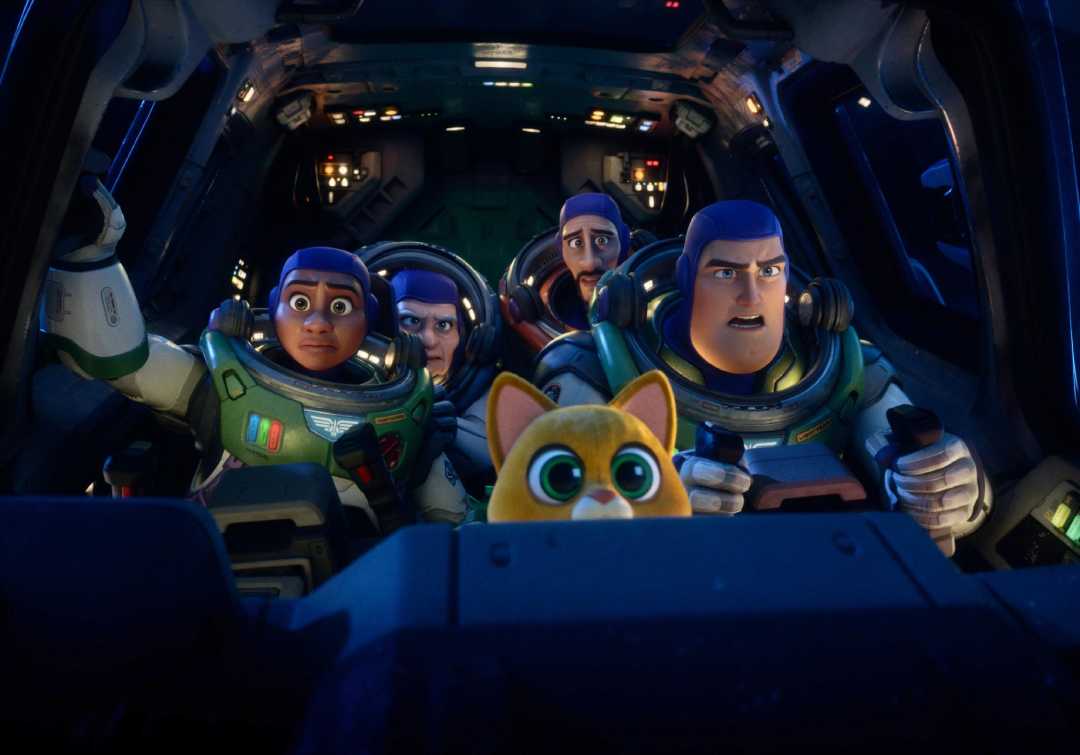
The brief same-sex kiss between Alisha Hawthorne and her wife became one of Pixar’s most discussed scenes. The movie was banned entirely in countries including Saudi Arabia, the United Arab Emirates, and Kuwait after Disney declined to remove the moment.
4. The Ancient One’s Dialogue Was Altered — Doctor Strange (2016)
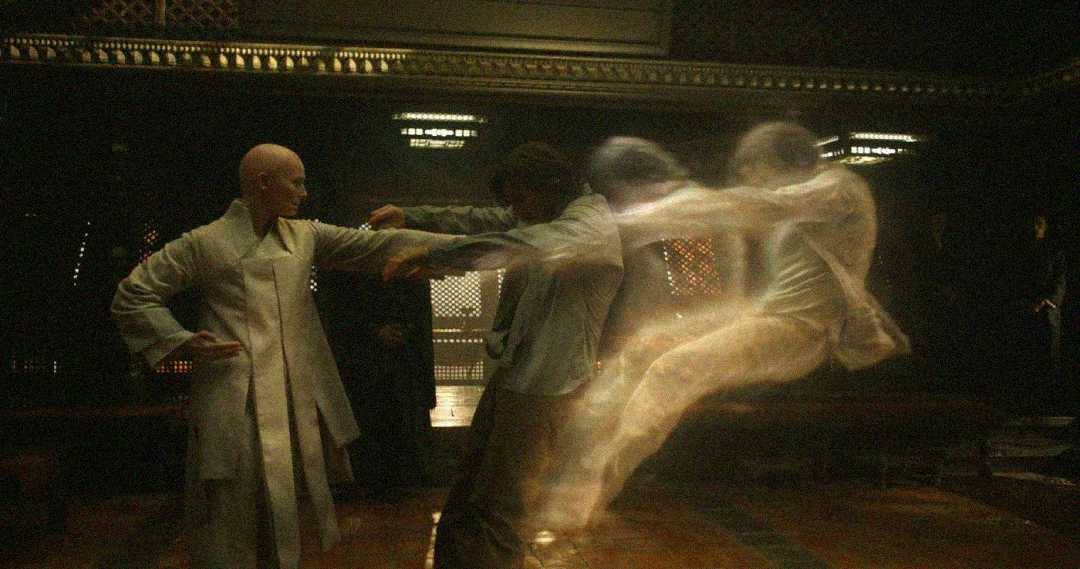
Marvel slightly adjusted dialogue and references to Tibetan spirituality in some international versions, particularly with China in mind. The changes were intended to avoid political controversy surrounding Tibet while keeping the story accessible for global audiences.
5. Tyler Durden’s Ending Was Completely Different — Fight Club (1999)
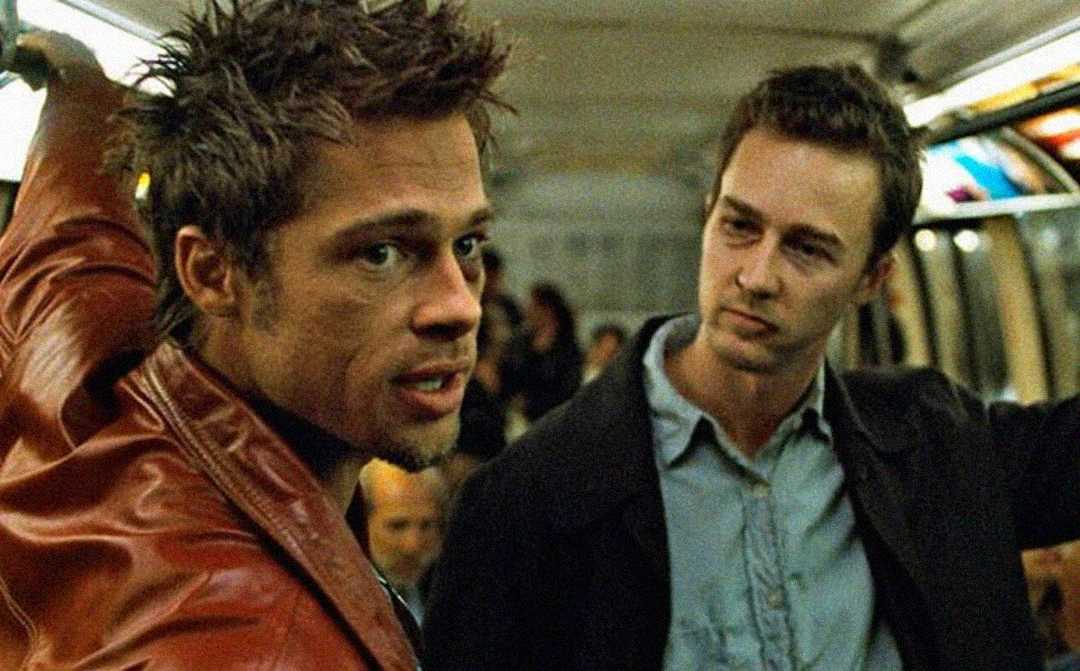
In China, the streaming version replaced the explosive finale with text explaining that police stopped the bombing plot and arrested the criminals. The altered ending dramatically changed the meaning of the original final scene.
Trending on The Scroller
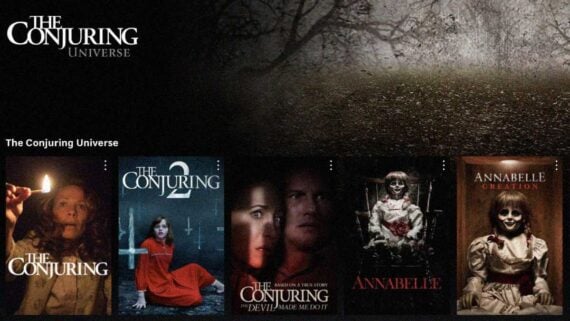
6. Ghosts Were Too Much for Some Audiences — Ghostbusters (2016)
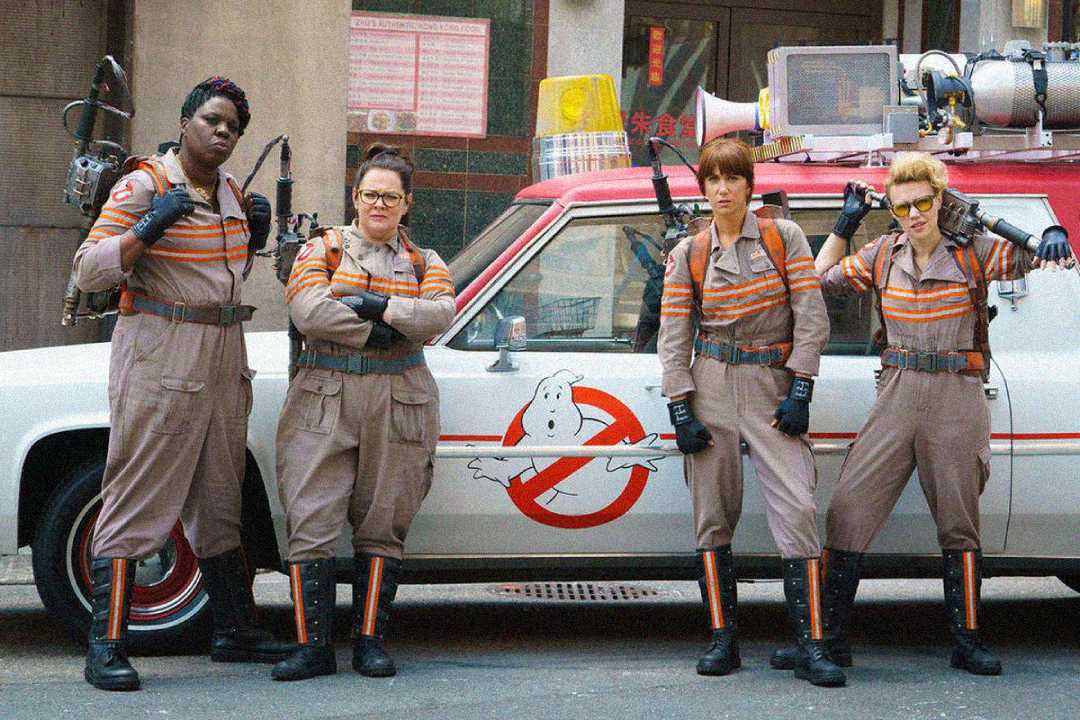
Some supernatural scenes were edited or shortened in China because regulations have historically limited media that strongly feature ghosts or the occult, particularly when presented as real supernatural events.
7. The Pig Was Digitally Changed — Toy Story 2 (1999)
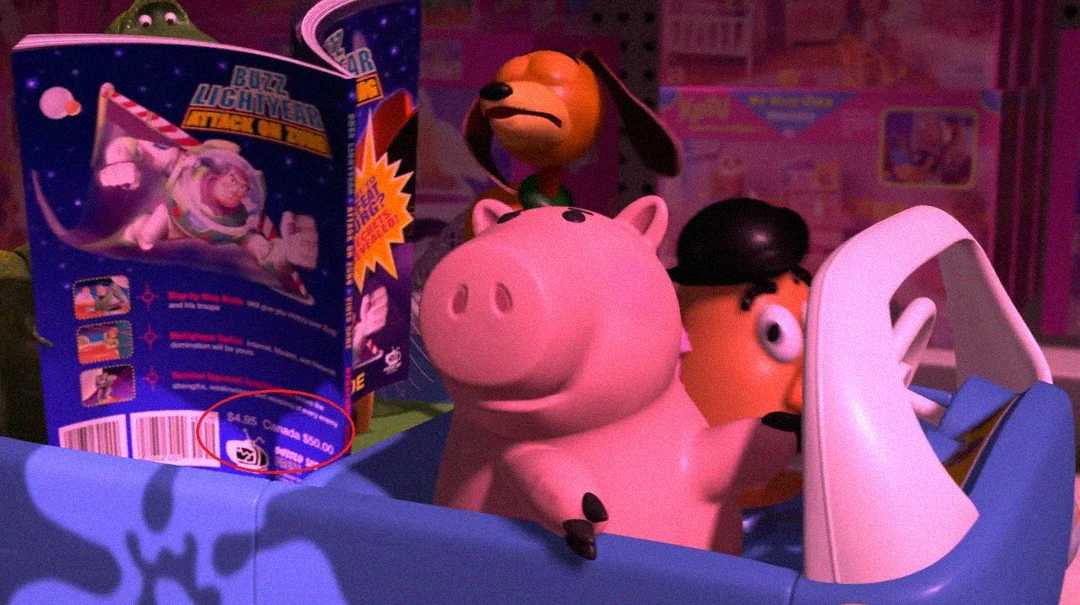
For Chinese promotional materials and some marketing, Hamm the piggy bank received less emphasis because pigs can carry different cultural associations. While the movie itself remained largely unchanged, some accompanying visuals and promotional scenes were localized.
8. Deadpool Lost Much of His Language — Deadpool (2016)
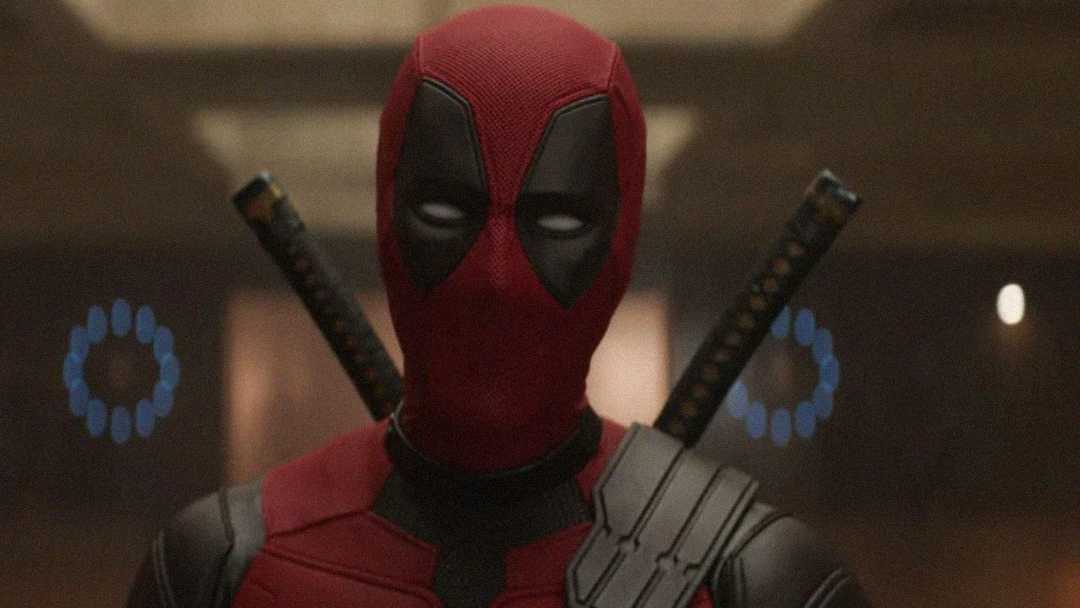
Several countries never received an official theatrical release because of the movie’s graphic violence, explicit language, and humor. Edited versions shown elsewhere softened numerous scenes to satisfy local ratings boards.
Sign up for our newsletter
9. Riley’s Dinner Looks Different Around the World — Inside Out (2015)

One of Pixar’s cleverest localized scenes appears during Riley’s dinner table sequence. In the original U.S. version, Riley refuses to eat broccoli, a vegetable many American children are stereotypically known for disliking. However, Pixar created an alternate version for Japan, replacing the broccoli with green bell peppers because Japanese children are generally more likely to dislike peppers than broccoli.
10. Zootopia’s News Anchor Changes Depending on the Country — Zootopia (2016)
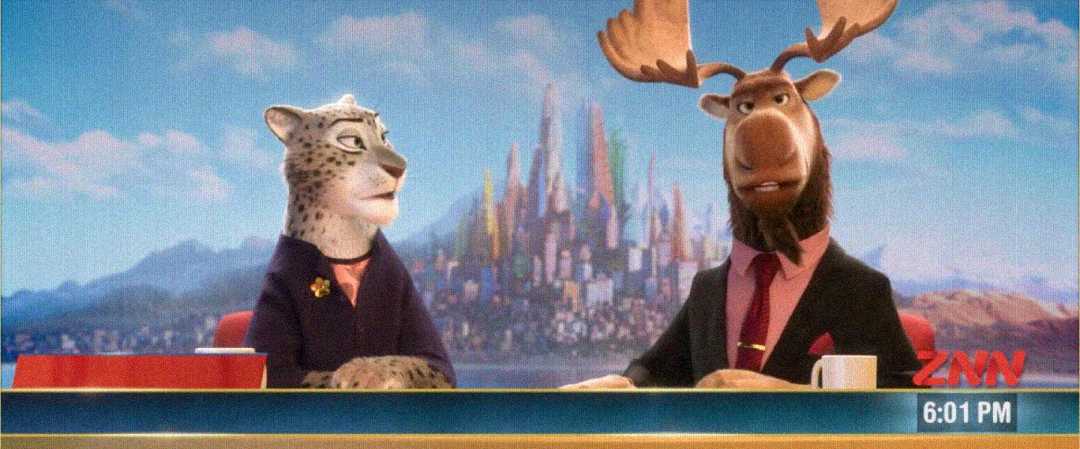
One of Disney’s most creative localized scenes comes during the news broadcasts throughout Zootopia. Instead of using the same reporter worldwide, the studio created different versions featuring animals that were more familiar to local audiences. For example, viewers in the United States, Canada, France, and the United Kingdom saw a moose news anchor, while Australia and New Zealand got a koala, China saw a giant panda, Japan featured a tanuki (raccoon dog), and Brazil had a jaguar.
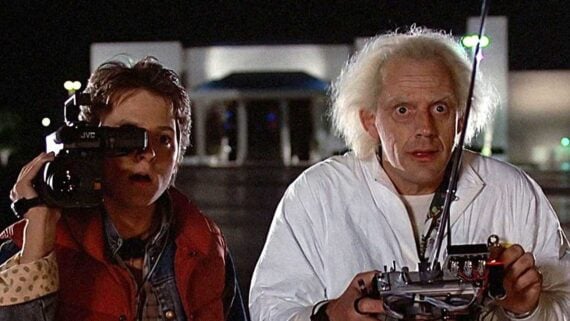
11. The Time Travel Conversation Was Removed — Back to the Future
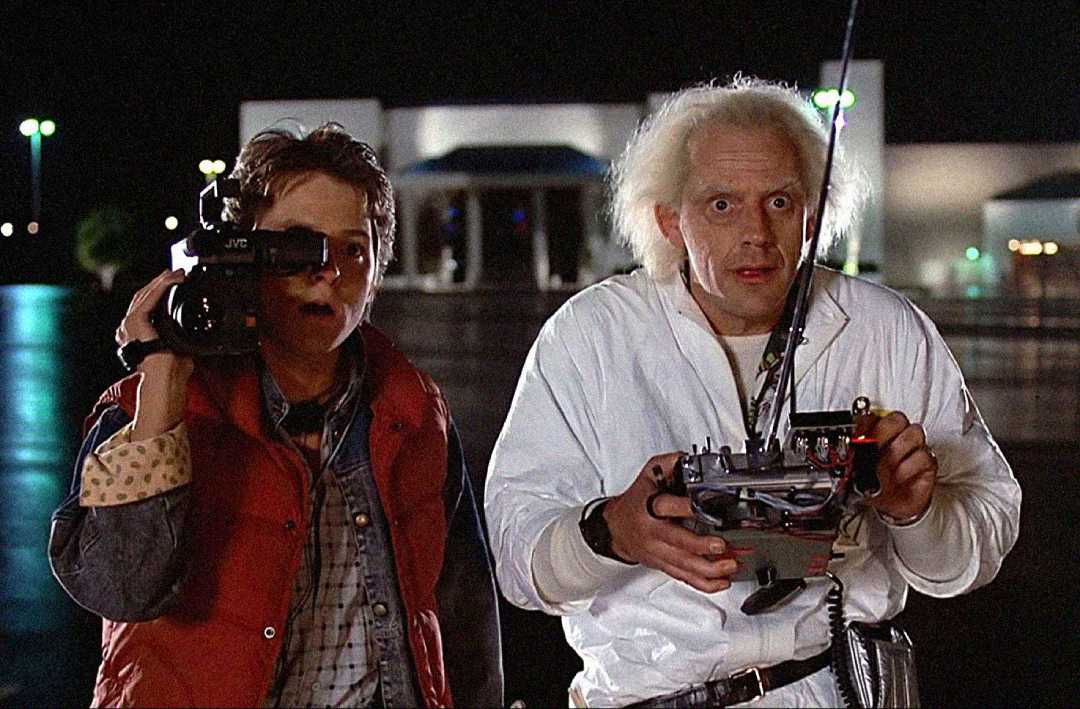
Television broadcasts in several countries have occasionally shortened dialogue involving family relationships or suggestive jokes to fit broadcast standards and local content regulations.
12. The Villains Were Digitally Erased for Chinese Posters — Minions: The Rise of Gru (2022)
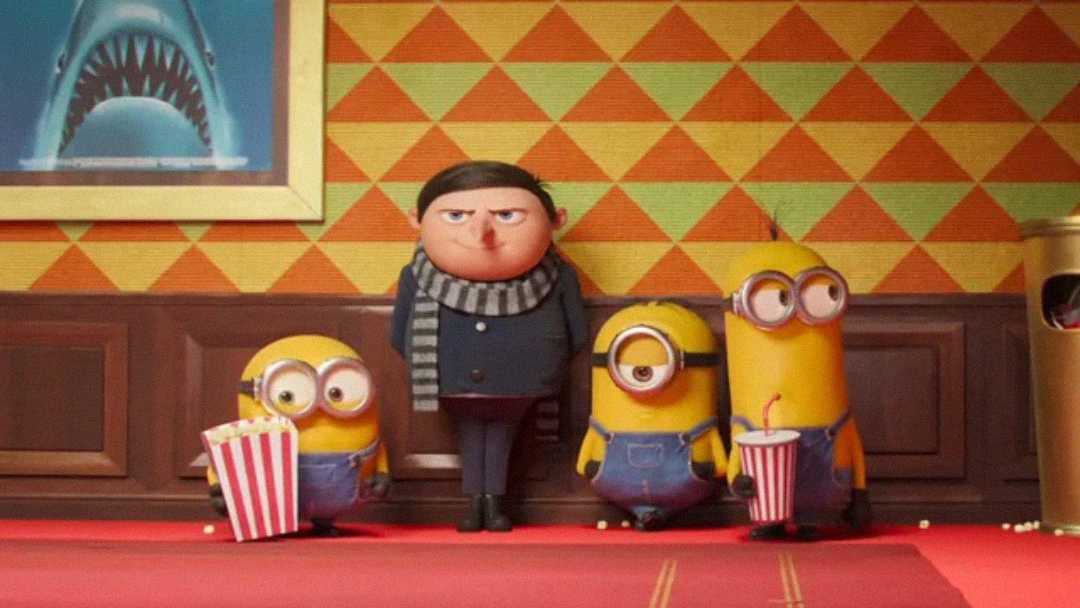
While the film itself received some edits in China, one of the most noticeable changes involved the ending and promotional materials connected to the movie. Chinese authorities reportedly required alterations that emphasized law enforcement and consequences for criminal behavior. In addition, some localized marketing removed or minimized certain villain-focused imagery. The changes reflected local guidelines that discourage stories from appearing to celebrate criminal activity.
13. The Violence Was Softened — Kingsman: The Secret Service (2014)
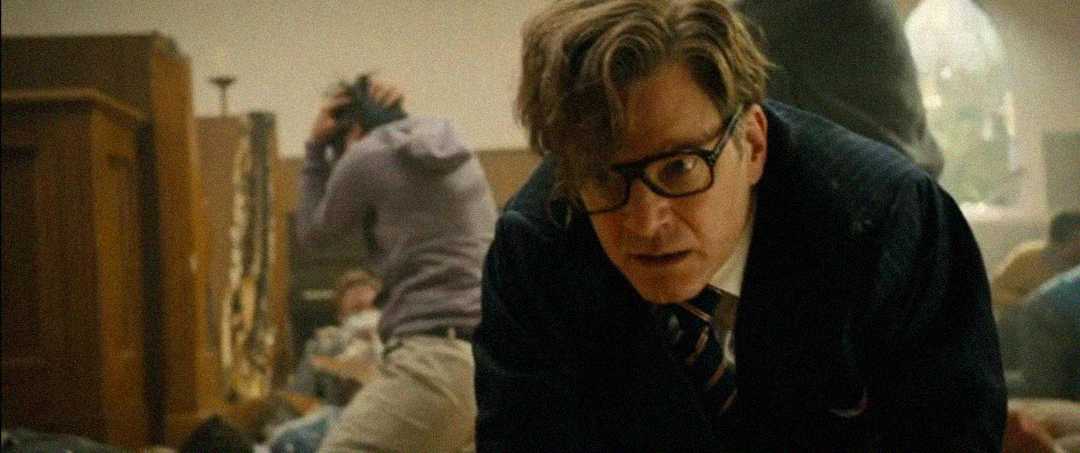
The infamous church fight contains some of the film’s most graphic scenes. Various countries required cuts to reduce bloodshed and secure lower age ratings for theatrical release.
14. The Church Burning Was Trimmed — The Da Vinci Code (2006)
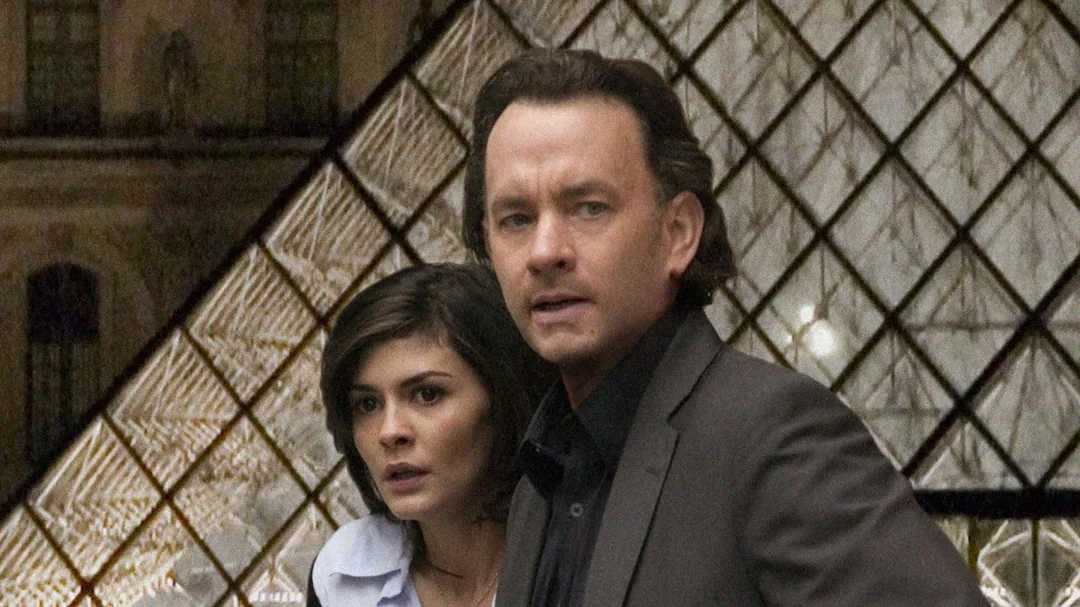
Religious imagery and certain dialogue were edited in countries with stricter censorship regarding depictions of Christianity. The film itself faced bans or delayed releases in several nations because of its controversial subject matter.
These movie scenes prove that the version you watch isn’t always the same one seen around the world. If you enjoy discovering fascinating behind-the-scenes facts, keep reading to uncover even more secrets about your favorite movies.
The history of international film releases shows just how diverse our world truly is. What one country considers perfectly acceptable may be viewed very differently somewhere else because of cultural traditions, religious beliefs, political realities, or legal requirements. While these changes can surprise movie fans, they also remind us that global entertainment often adapts to respect different audiences and their unique perspectives.
If you enjoyed learning about these altered scenes and want to discover even more fascinating movie facts, behind-the-scenes stories, and hidden filmmaking details, be sure to check out our other recommendations, you never know what surprising fact you’ll uncover next: 16 Movies That Became Part of 2000s Pop Culture, 16 Movie Posters That Promised a Very Different Film, and 14 Hollywood Myths From the 1980s and the Facts Behind Them.