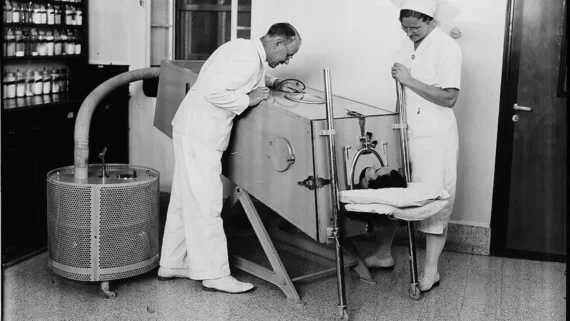
Walking into a contemporary doctor’s office or a modern hospital ward usually brings a sense of sterile, high-tech comfort. We are surrounded by whisper-quiet digital monitors, painless laser scanners, and advanced diagnostic imaging machines that can peer inside our bodies without a single scratch. It is easy to take for granted just how safe, regulated, and humane modern medical spaces have become. But if you were to travel back just a century or two, you would find a medical landscape that looked less like a science lab and more like a medieval torture chamber.
In those earlier eras, pioneering doctors had to rely on heavy mechanical levers, hand-cranked drills, and highly experimental contraptions to treat basic everyday ailments. Before the invention of modern anesthetics, antibiotics, and strict radiation safety protocols, patients routinely had to grit their teeth and hope for the best while facing some truly terrifying machinery. Let’s take a look at fourteen historical medical devices that were once considered cutting-edge science, proving just how far healthcare has evolved.
1. The tonsil guillotine
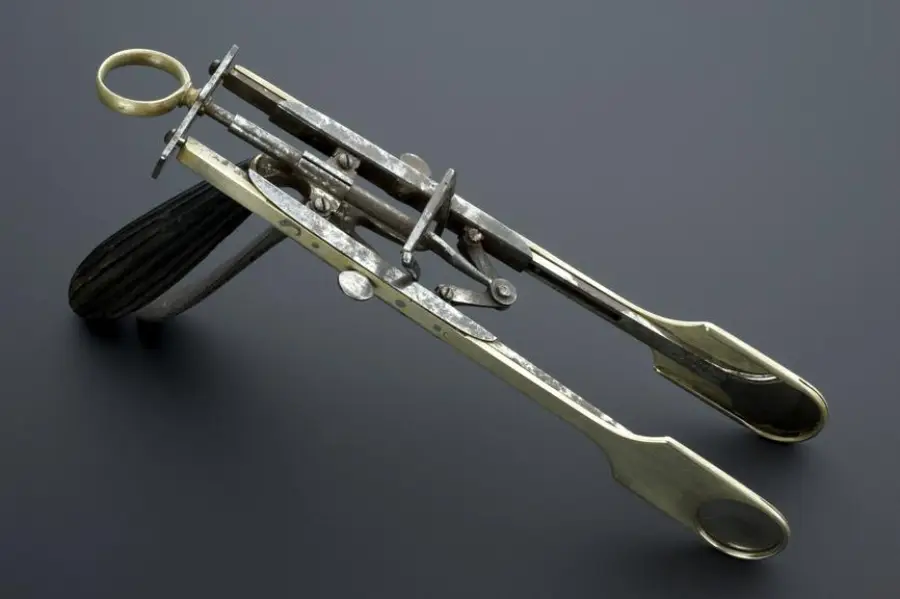
During the nineteenth and early twentieth centuries, doctors utilized this double-bladed metal ring instrument to quickly slice out infected tonsils without the use of modern anesthesia. The terrifying design was actually celebrated at the time because it allowed physicians to perform the extremely painful procedure in mere seconds before the young patient could struggle or choke on their own blood.
2. The shoe-fitting fluoroscope
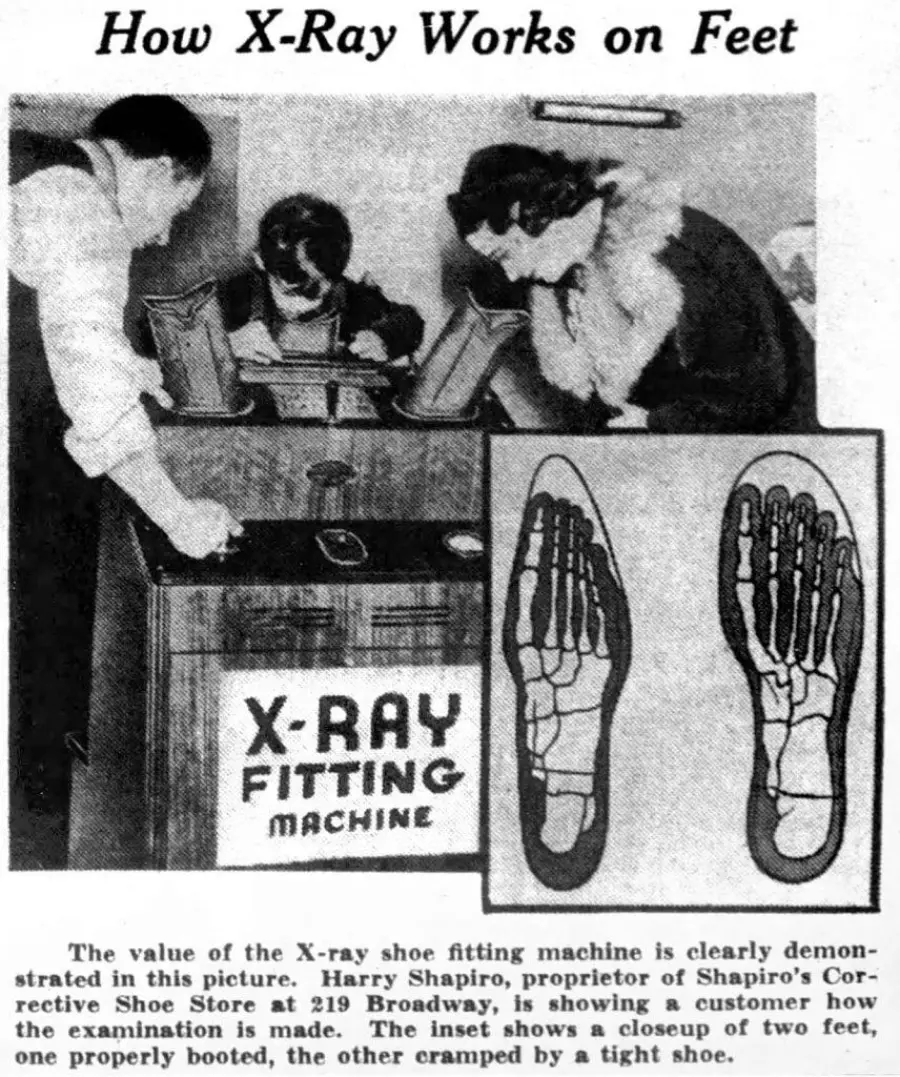
Commonly found in busy department shoe stores from the 1920s through the 1950s, this wooden cabinet was a specialized X-ray machine designed to let children look down at the bones in their feet to see if their new shoes fit correctly. The novel retail gimmick was ultimately banned after scientists realized it was exposing generations of children, parents, and retail clerks to highly dangerous levels of cumulative radiation.
3. The iron lung
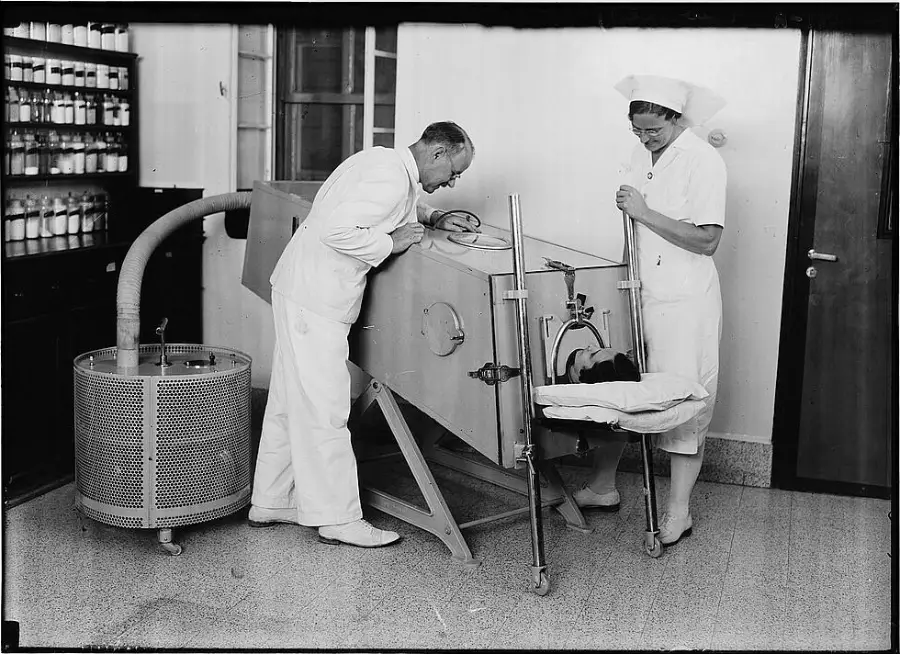
This massive, airtight steel cylinder was a vital lifesaver during the terrifying polio epidemics of the mid-twentieth century, functioning as an external respirator for patients whose breathing muscles had become completely paralyzed. By manually cycling the internal air pressure to force the patient’s lungs to expand and contract, some survivors ended up living inside these heavy metal yellow tubes for multiple decades.
4. Hearing trumpets

Long before micro-electronic ear inserts revolutionized audiology, individuals suffering from hearing loss relied on these large, flared funnels crafted from brass, copper, or polished animal horns. The acoustic devices operated on pure physics, capturing ambient sound waves from the air and physically concentrating them directly into the user’s ear canal to amplify speech.
5. The osteotome
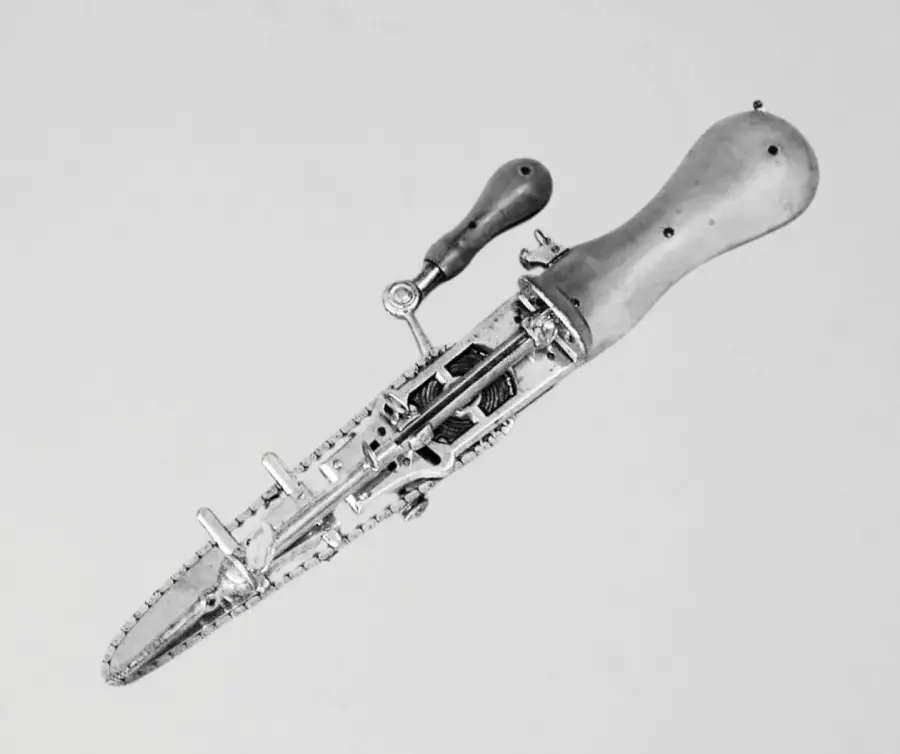
This hand-cranked, chain-driven bone-cutting tool was invented in 1830 by German physician Bernard Heine to perform highly precise skull surgery and amputations. Decades after its highly successful debut in the operating theater, creative loggers realized the cutting chain concept was incredibly efficient and scaled up the design to cut down massive forest trees, inventing the modern chainsaw we know today.
Trending on The Scroller


6. The scarificator
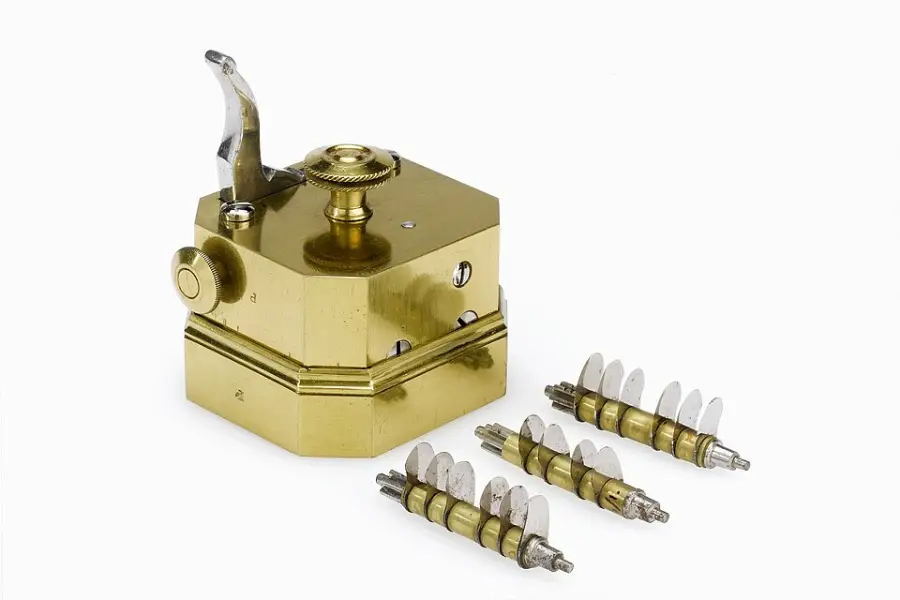
This heavy, spring-loaded brass box housed a hidden row of multiple tiny, razor-sharp steel blades that snapped forward at the push of a button to slice the patient’s skin. Doctors used this automated cutting tool during the height of the bloodletting era, believing that draining a standard amount of blood would instantly restore balance to a patient’s bodily fluids.
7. The mechanical artificial leech
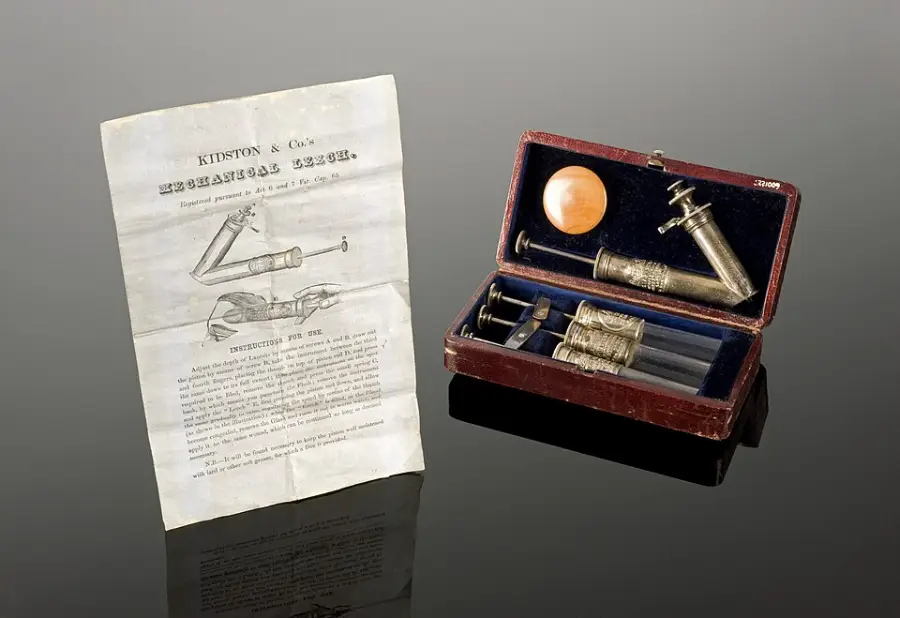
When actual, living pond leeches were in short supply during the nineteenth century, physicians opted for this mechanical brass syringe equipped with rotating internal cutters. The device would slice a neat circular pattern into the skin while the vacuum plunger extracted the blood, though patients frequently complained that the mechanical version was far more painful than the real parasite.
8. Plombage lucite balls
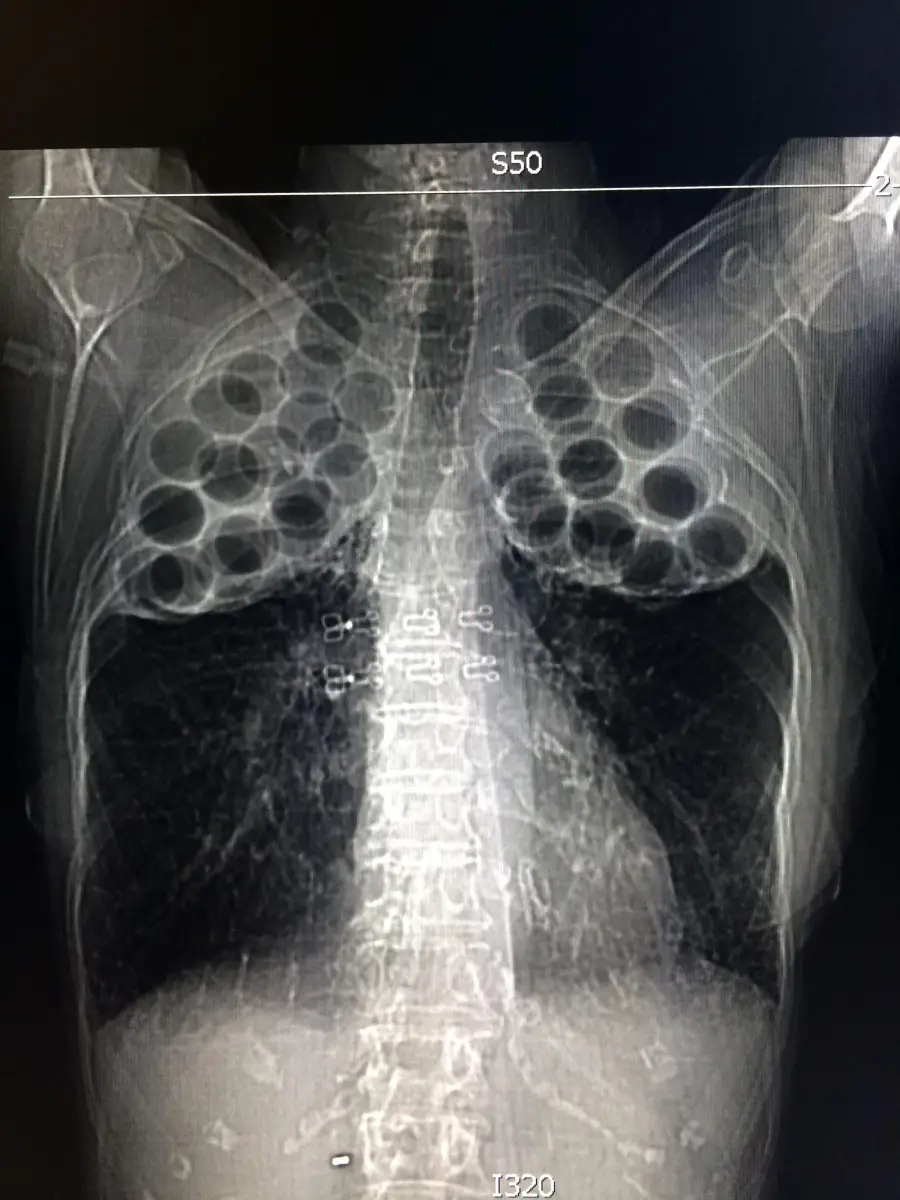
Before effective antibiotic treatments were developed for tuberculosis in the mid-twentieth century, surgeons would open a patient’s chest and pack the cavity with dozens of lightweight, clear acrylic balls. The bizarre space-filling procedure was designed to permanently collapse the diseased lung to let it rest and heal, though the plastic spheres often caused severe internal erosion and infections years later.
Sign up for our newsletter
9. The foot-powered dental drill
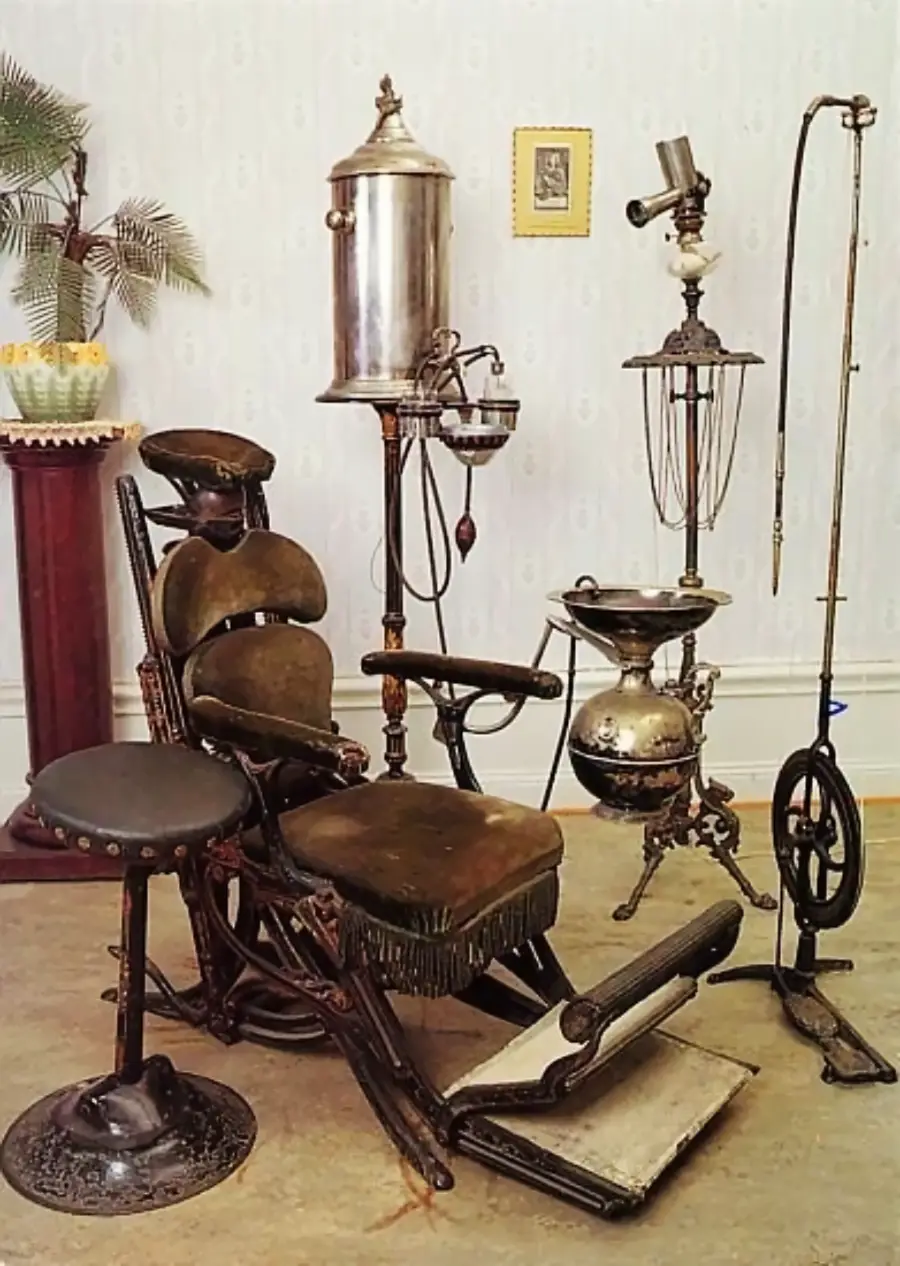
Before electric motors standardized the dental chair experience, dentists had to rapidly pump a heavy cast-iron foot pedal to spin the grinding burr inside a patient’s mouth. The speed, stability, and success of the agonizing cavity-drilling process depended entirely on the physical leg endurance of the dentist, who had to balance on one foot while working.
10. The carbolic smoke ball
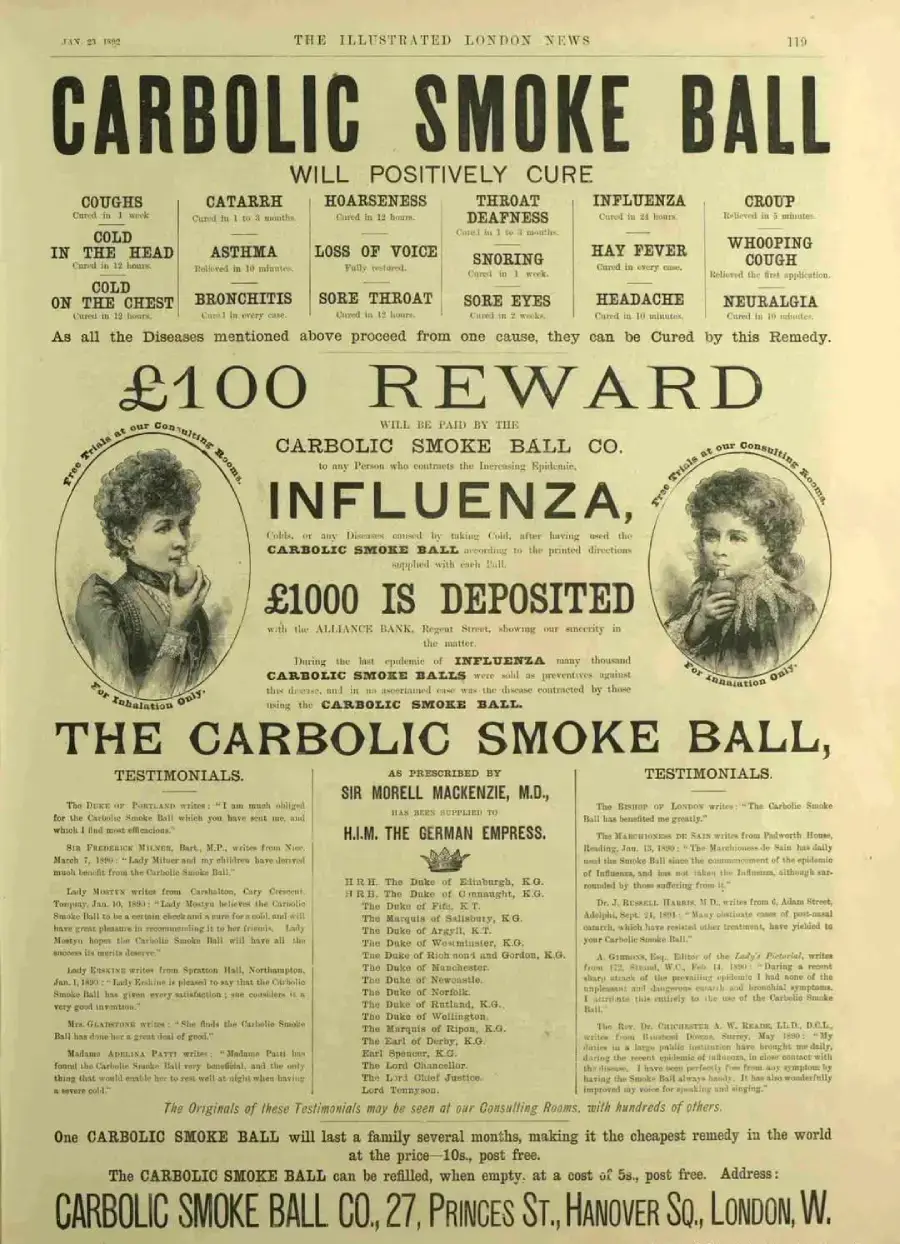
This rubber ball filled with dry carbolic acid powder was a highly popular home remedy marketed during the devastating influenza epidemic of 1889. Users would squeeze the ball to puff a dense cloud of acidic powder directly up their nostrils, causing severe irritation to their nasal passages under the false promise that the chemical reaction would ward off viral infections.
11. Antique trepanning drills
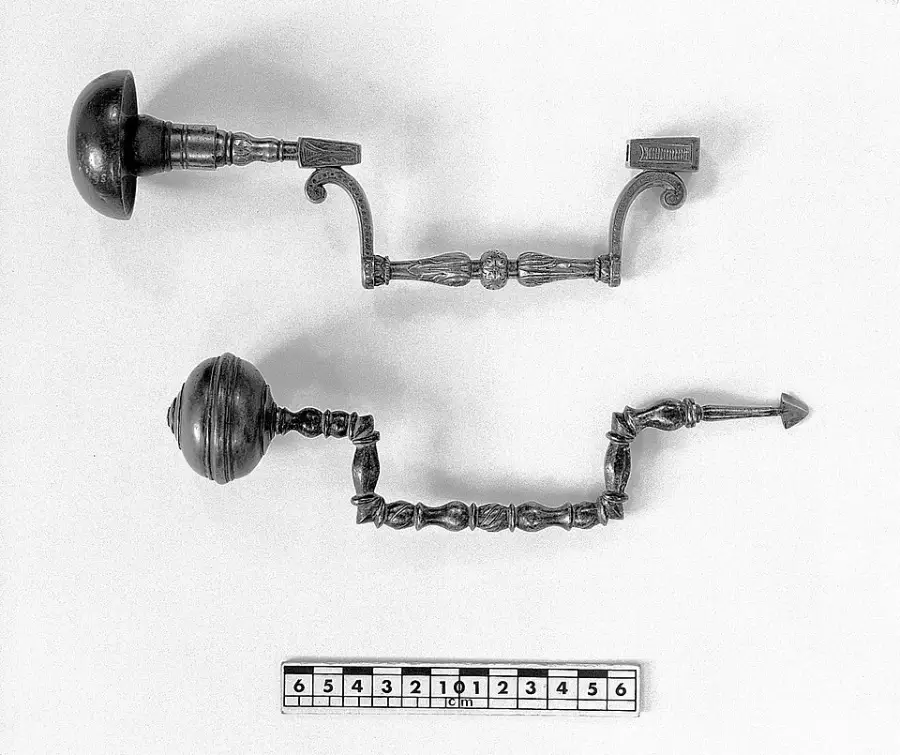
Used for thousands of years to treat head injuries, epilepsy, and even mental illness, these hand-cranked drills were designed to bore neat, circular holes directly through the human skull. Surgeons operated these heavy steel braces entirely by hand to relieve internal pressure on the brain, making it one of the oldest recorded surgical procedures in human history.
12. Uterine stem pessaries
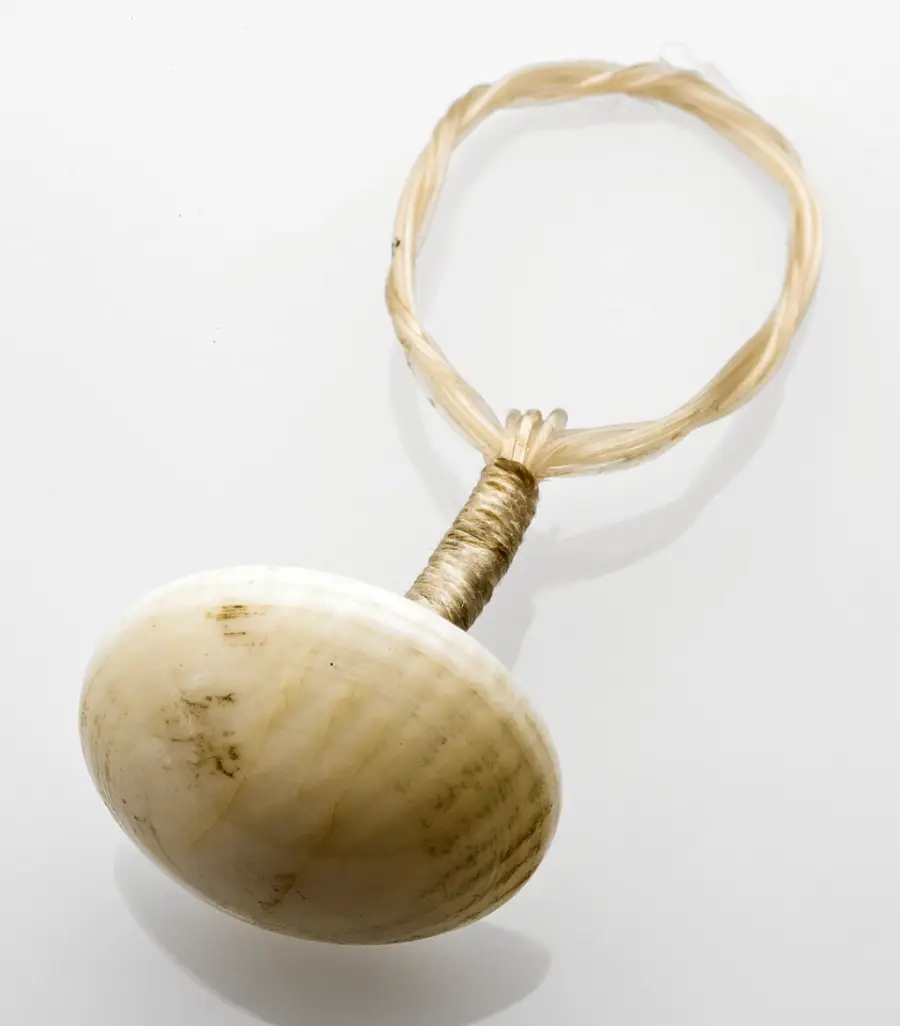
Made of hard rubber, glass, or heavy metals, these mushroom-shaped devices were inserted directly into the uterus during the Victorian era to correct displacements or treat infertility. Instead of providing therapeutic support, these rigid internal objects routinely introduced deadly bacteria into the body, causing chronic infections and severe internal scarring for thousands of women.
13. The tobacco smoke enema kit
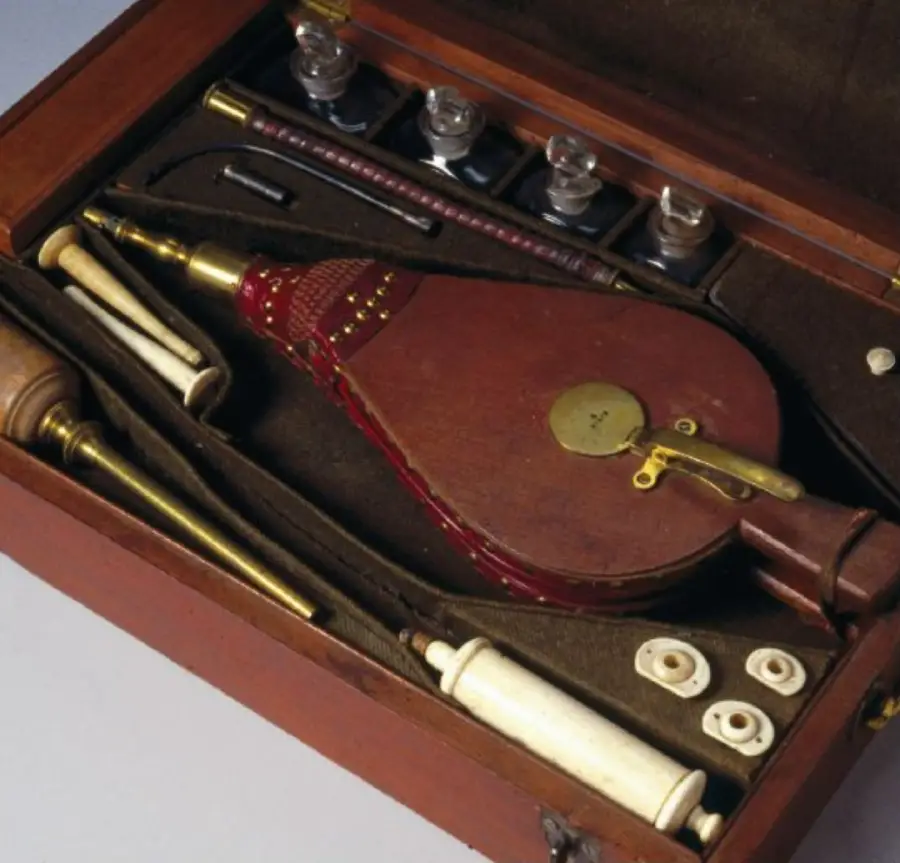
During the late 18th century, these specialized bellows kits were placed along the River Thames to revive near-drowning victims by literally pumping warm tobacco smoke into their rectal tracts. Doctors believed the stimulating nicotine fumes would instantly restore breathing, creating a highly trusted emergency procedure until the toxic dangers of the practice were finally realized.
14. Magnetic therapy belts
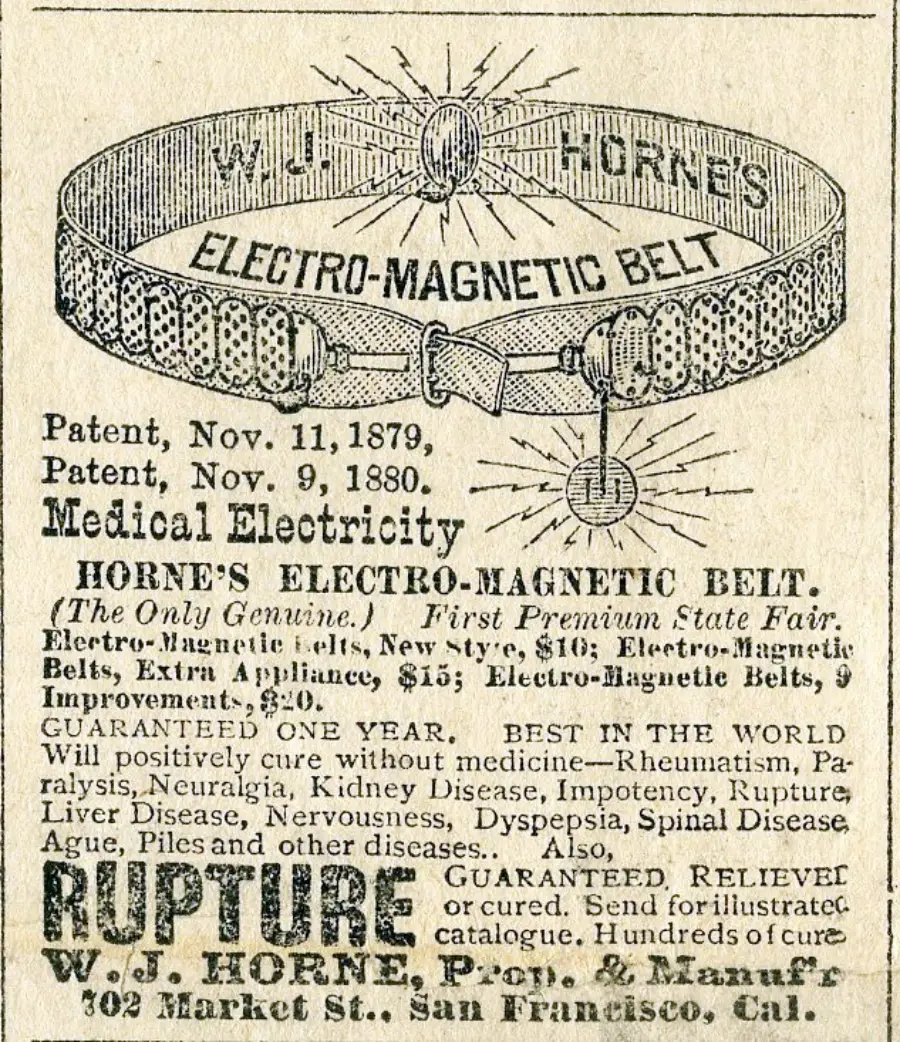
During the late Victorian electricity boom, millions of consumers purchased heavy leather belts lined with copper plates, zinc discs, and magnets to wear around their waists. Advertisers claimed these unpowered, pseudo-scientific accessories generated a healing electrical current through the body to cure everything from kidney disease to chronic indigestion.
Explore more bizarre things from the past:
Looking back at these historical clinical tools serves as an excellent reminder of just how rapidly scientific understanding can reshape our daily lives and safety standards. While it is easy to laugh at the bizarre logic of magnetic belts or shudder at the sheer sight of a tonsil guillotine, these strange contraptions were once the absolute pinnacle of cutting-edge technology. If you love exploring the fascinating ways our daily habits, technology, and culture have transformed over the years, you will definitely want to check out these 14 Historic Fashion Trends That Were Seriously Dangerous or Creepy Spirit Photos From the 1800s That Terrified the World. You can also explore these 16 Bizarre Traditions Around the World Locals Take Seriously.