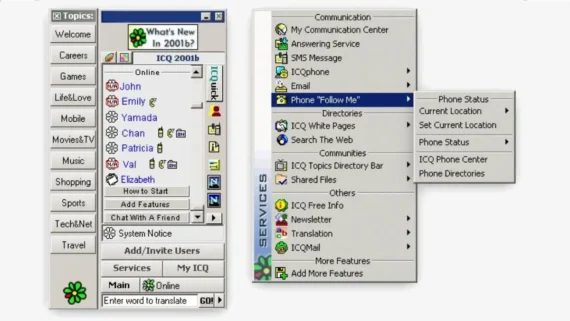
Before social feeds decided what everyone should see, online communities were usually places people had to seek out. They were smaller, stranger, harder to navigate, and often shaped almost entirely by their members. Some developed moderation systems, digital economies, collaborative publishing, and fandom cultures long before those ideas became standard. The interfaces may look ancient now, but the thinking behind them often feels surprisingly current.
1. The WELL
The Whole Earth ’Lectronic Link, better known as The WELL, opened in 1985 with a computer, a collection of modems, and an unusually ambitious idea about online conversation. Members gathered in topic-based “conferences,” used persistent identities, and formed relationships that frequently continued offline. At a time when connecting to another computer still felt technical and slightly mysterious, The WELL was already wrestling with privacy, moderation, ownership, harassment, and what people owed to a digital community.
2. Usenet
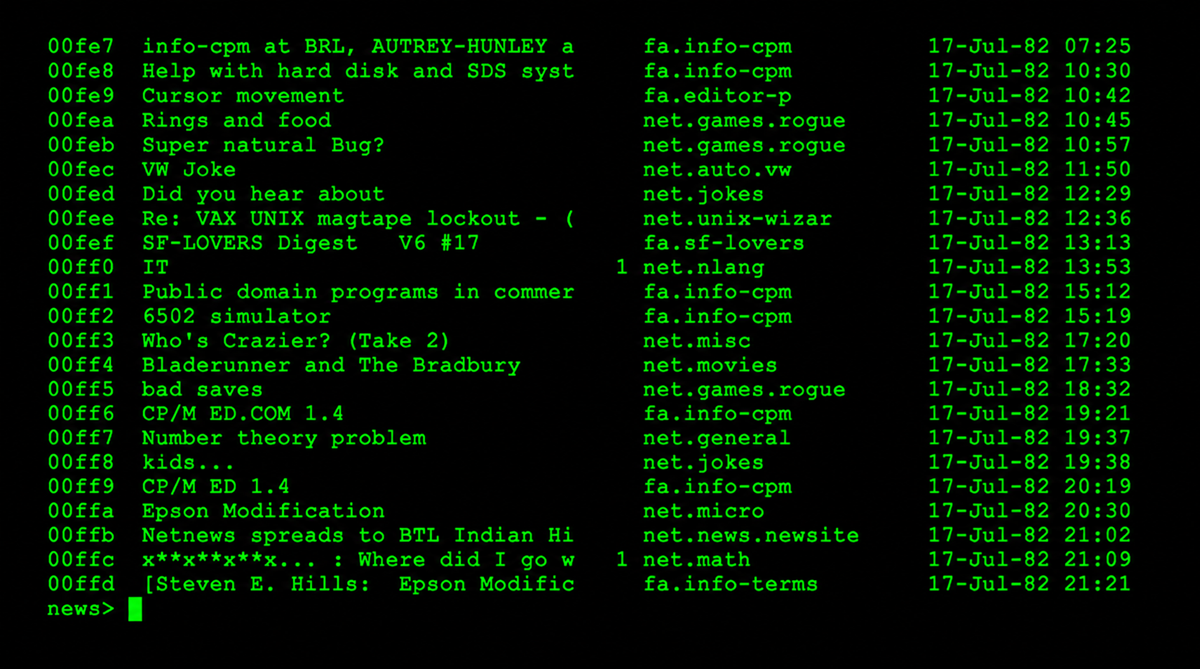
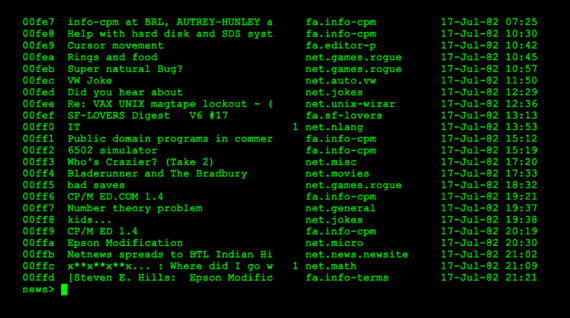
Usenet began taking shape in 1979, years before the World Wide Web, and organized conversations into decentralized newsgroups devoted to everything from computer science to recipes and popular culture. There was no single company controlling the entire network, and discussions moved between participating servers rather than living on one central platform. Its hierarchies, threaded exchanges, FAQs, flame wars, moderators, and obsessive niche groups made it look a lot like the social internet that followed, only without a polished home page.
3. LambdaMOO
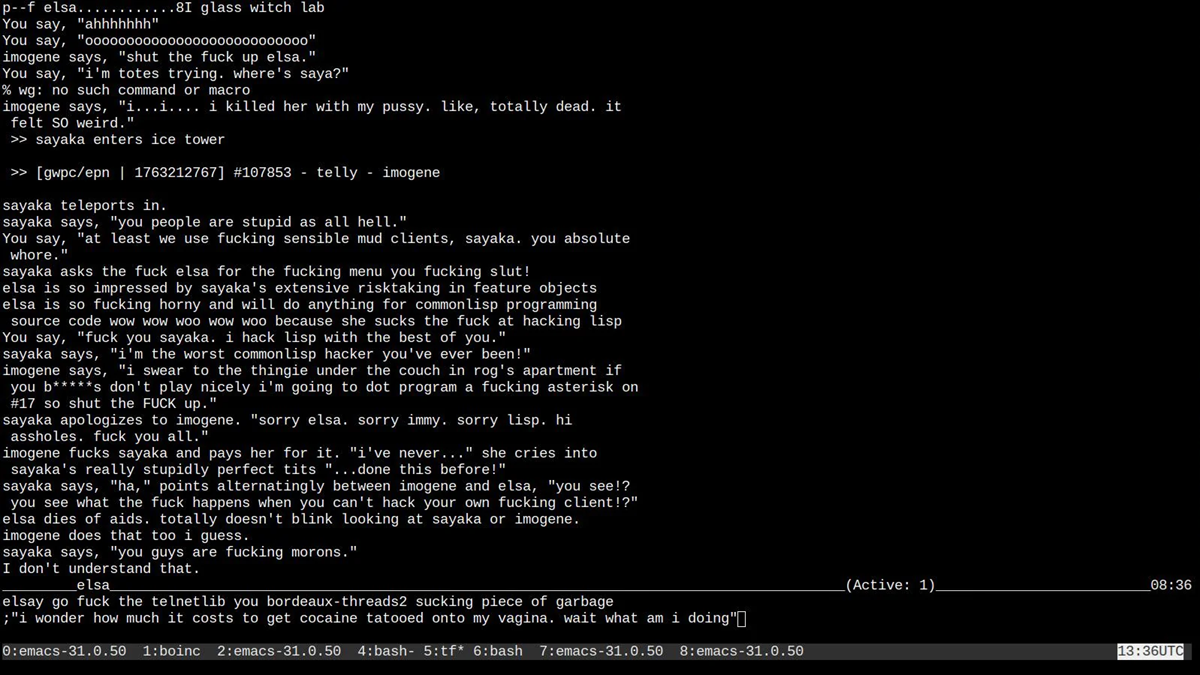
Logging into LambdaMOO in the early 1990s meant entering a text-based virtual world modeled partly on creator Pavel Curtis’s California home. Users could move through rooms, talk to one another, build objects, and, with the right permissions, program new parts of the environment themselves. It was social media, collaborative world-building, role-play, and user-generated gaming combined inside a place that had no graphics.
4. GeoCities Neighborhoods
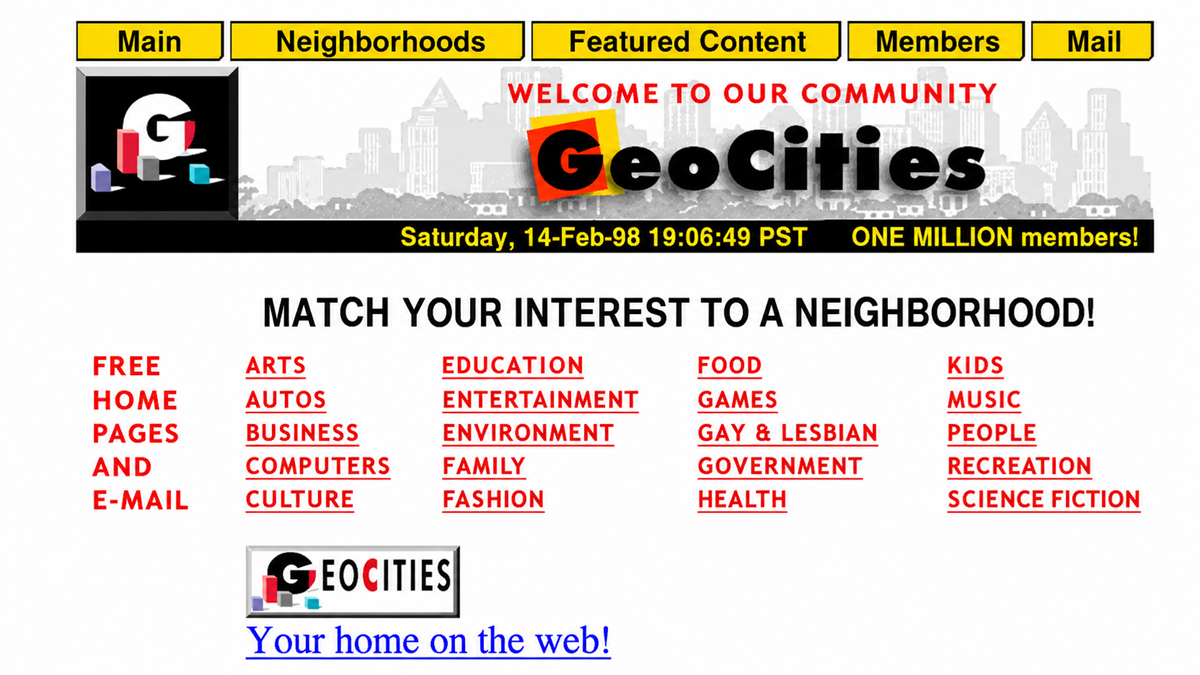
GeoCities is often remembered for blinking GIFs, visitor counters, tiled backgrounds, and pages that played music without warning. Its original neighborhood system was more interesting than the visual chaos suggests. Users placed their personal sites in themed areas such as Silicon Valley, Hollywood, Area51, or Capitol Hill, turning web hosting into a loose form of digital city planning. People were not just publishing pages; they were choosing where those pages belonged and discovering neighbors through shared interests.
5. Slashdot
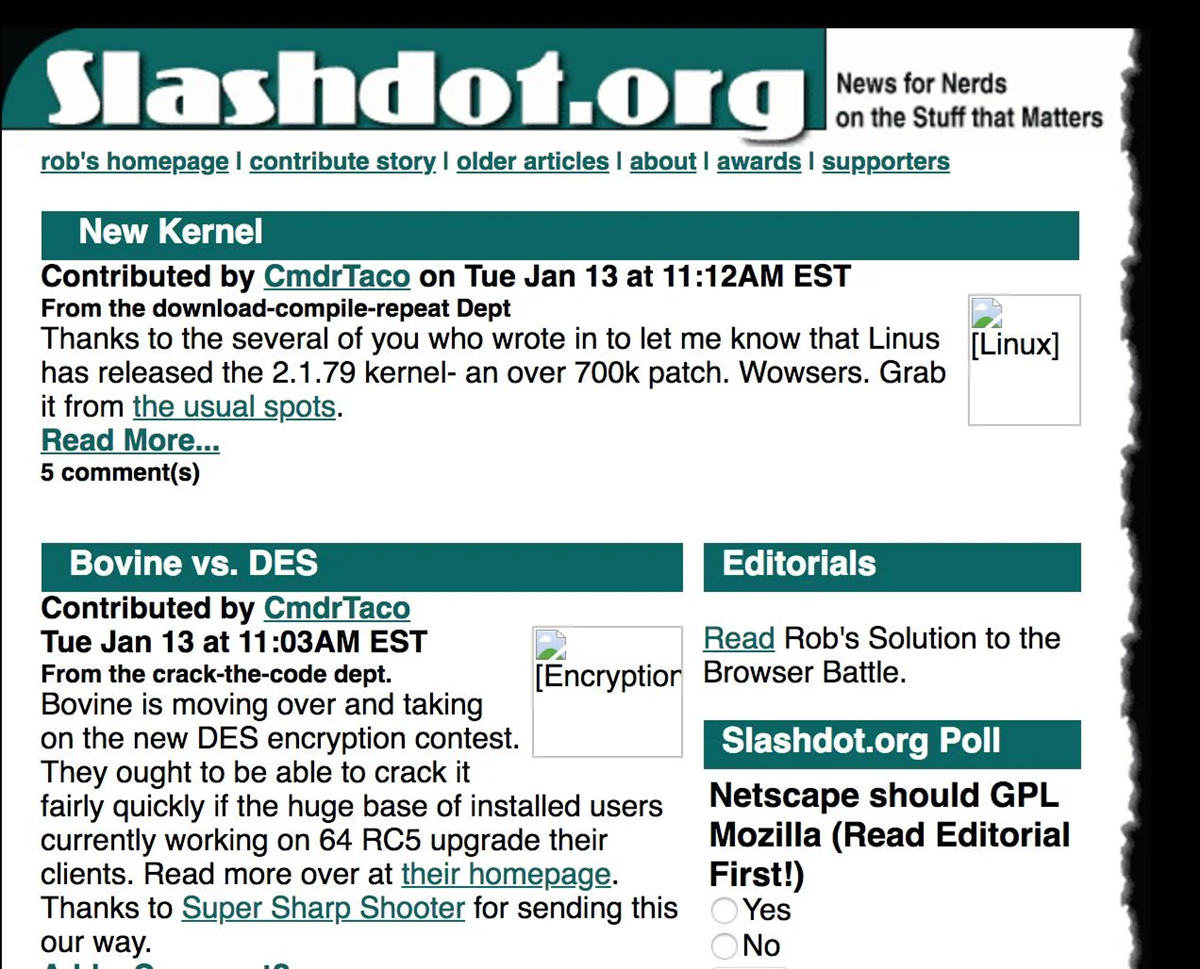
Slashdot started in 1997 as a collection of technology links selected by Rob Malda, then quickly became a noisy meeting place for programmers, Linux users, science readers, and devoted arguers. Members submitted stories, editors chose which ones appeared, and readers ranked comments through a moderation system that rewarded useful or entertaining contributions. Long before voting buttons became unavoidable, Slashdot was experimenting with reputation, community filtering, and user-powered news selection.
Trending on The Scroller


6. Soompi
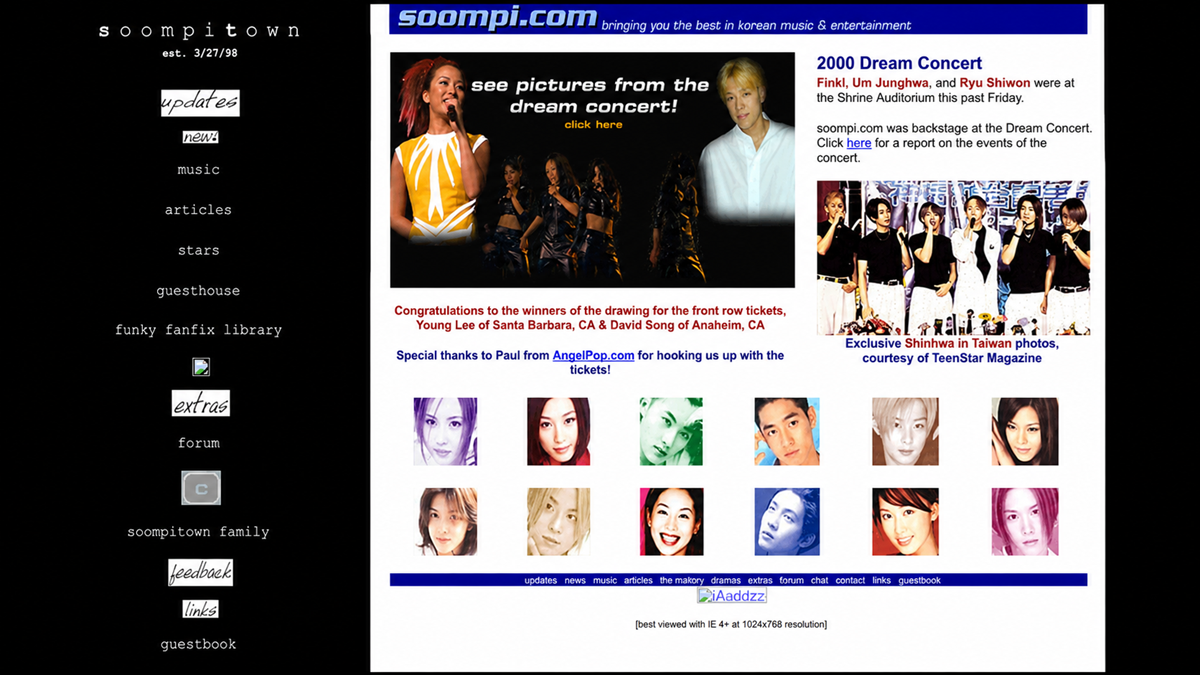
In 1998, Korean American fan Susan Kang created Soompi because English-language information about Korean pop music was difficult to find. Fans gathered to share news, translate material, trade images, and explain an entertainment industry that received little mainstream coverage outside Korea. Decades before K-pop became an international commercial force, Soompi had already built the kind of cross-border fan network that now forms almost instantly around new artists.
7. MetaFilter
MetaFilter launched in 1999 as a community weblog where members posted interesting links and discussed them together. The front page was selective, posting was limited, and the culture placed unusual value on context rather than simply being first. Ask MetaFilter, introduced in 2003, became an especially useful corner where members could request advice on jobs, relationships, travel, technology, obscure objects, or nearly anything else. It anticipated both social news sites and community question platforms without fully turning into either one.
8. LiveJournal Communities
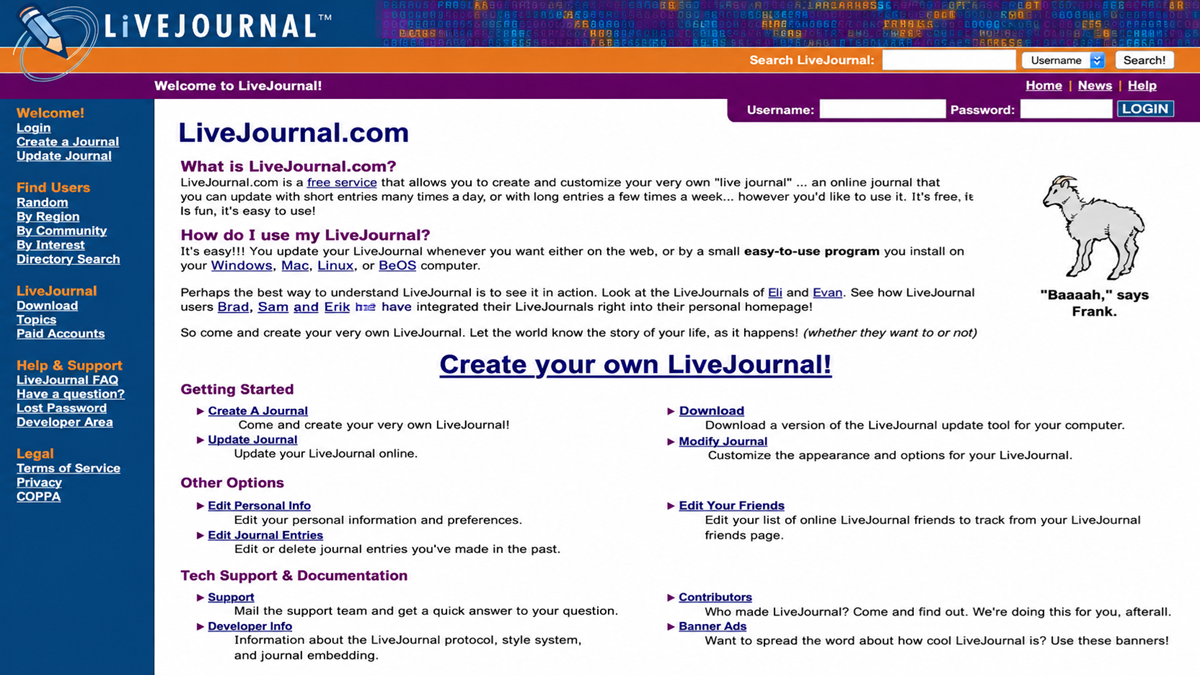
LiveJournal began as a personal journaling service in 1999, but its community feature turned private writing into a network of overlapping interest groups. Users could publish to friends, selected circles, public readers, or topic-based communities, giving them far more control than the all-or-nothing profiles common on later platforms. Fandoms, writers, activists, artists, and deeply specific subcultures used those settings to create spaces that felt intimate even when thousands of people were involved.
Sign up for our newsletter
9. Something Awful Forums
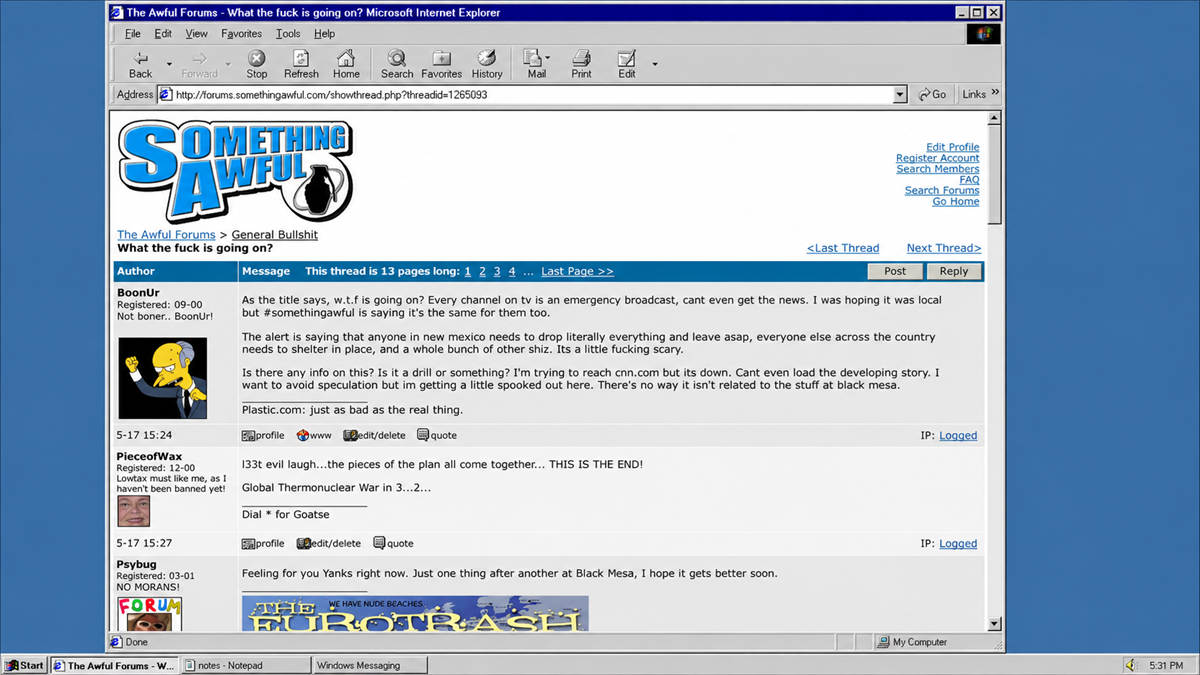
Something Awful’s forums grew out of a comedy website launched in 1999, then developed their own sprawling culture of running jokes, creative projects, game discussions, investigative threads, and harsh internal rules. Charging users for accounts was unusual, but even a small barrier helped discourage disposable profiles and gave the community a source of income. The atmosphere could be abrasive, yet the forums also showed how a group with strong norms could create its own language, entertainment, and informal institutions.
10. GameFAQs Message Boards
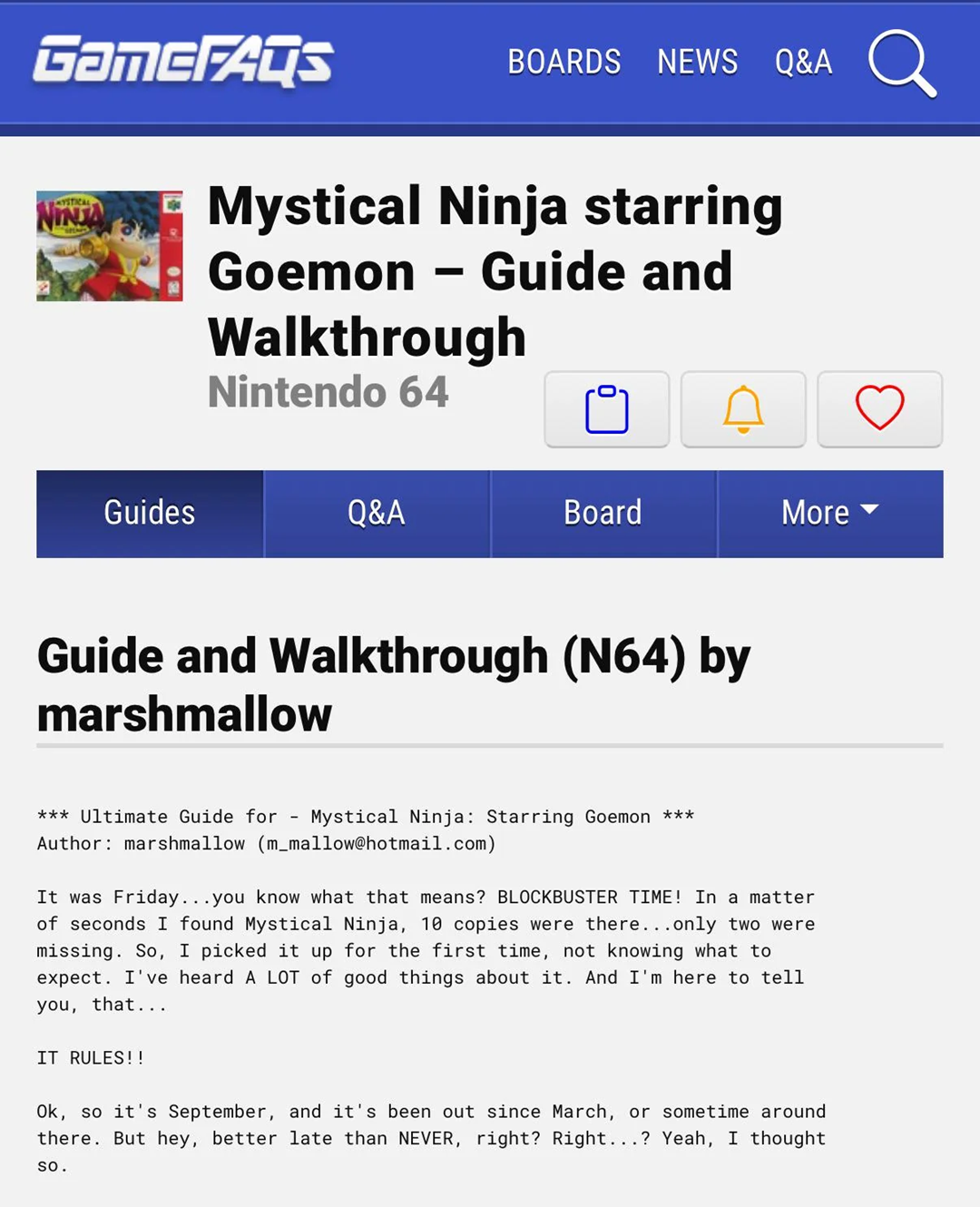
GameFAQs started in 1995 as a central archive for player-written guides, walkthroughs, and answers. When its message boards opened in 1999, every game in the database could effectively have its own miniature community. A forgotten role-playing game, an old console release, or a newly launched blockbuster could all support separate conversations, sometimes for years after most players had moved on.
11. Kuro5hin
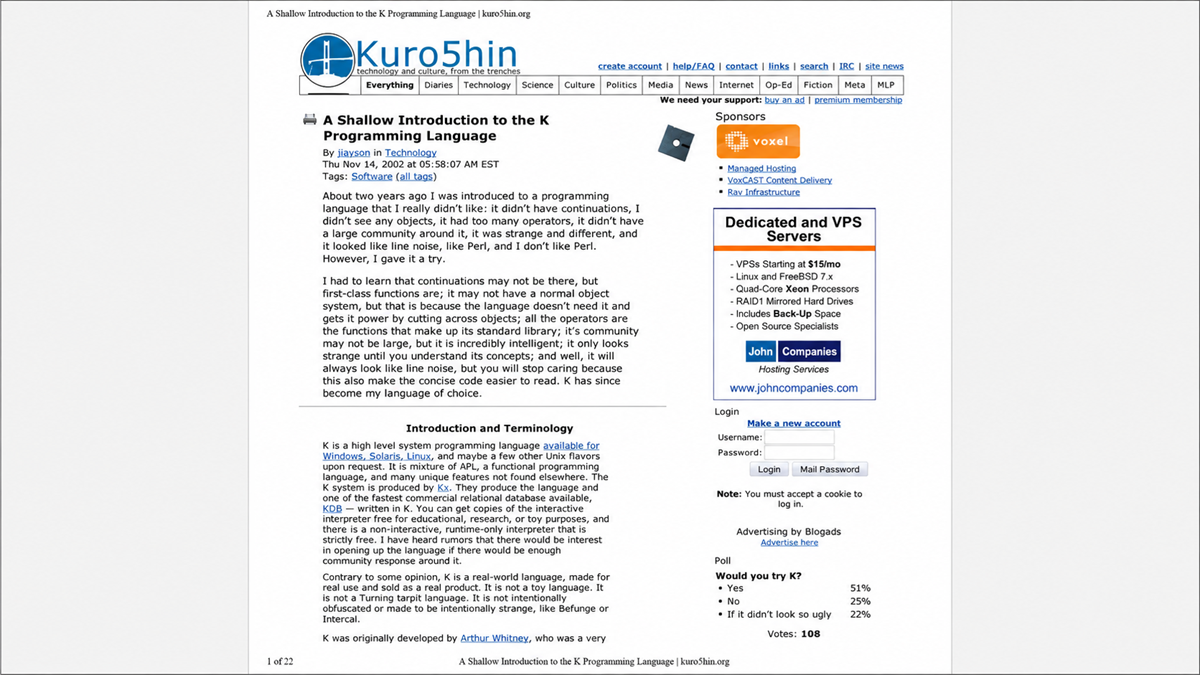
Kuro5hin took Slashdot’s community-news model and handed readers even more control. Members submitted full articles to a public queue, where other users could discuss them, suggest edits, and vote on whether they deserved publication. That made the editorial process visible rather than hiding it behind a small group of staff members. In 2002, the community even raised $35,000 in less than a week when the site’s finances became precarious.
12. Television Without Pity
Television Without Pity treated watching TV as a group activity before second-screen apps and live social commentary became routine. Beginning with detailed, sarcastic recaps of Dawson’s Creek in 1998, it expanded into forums where viewers analyzed dialogue, story structure, continuity errors, reality-show editing, and every questionable decision made by a fictional character. Writers and producers reportedly read the discussions too, giving audiences a remarkably direct, if not always comfortable, line into the television industry.
13. Fark

Fark turned strange headlines and unusual news stories into a shared daily comedy routine. Members submitted links and wrote their own headlines, while administrators selected which ones appeared publicly. The result was part news aggregator, part writers’ room, and part enormous comment section, built years before social platforms made reacting to the news a form of entertainment in itself.
14. b3ta
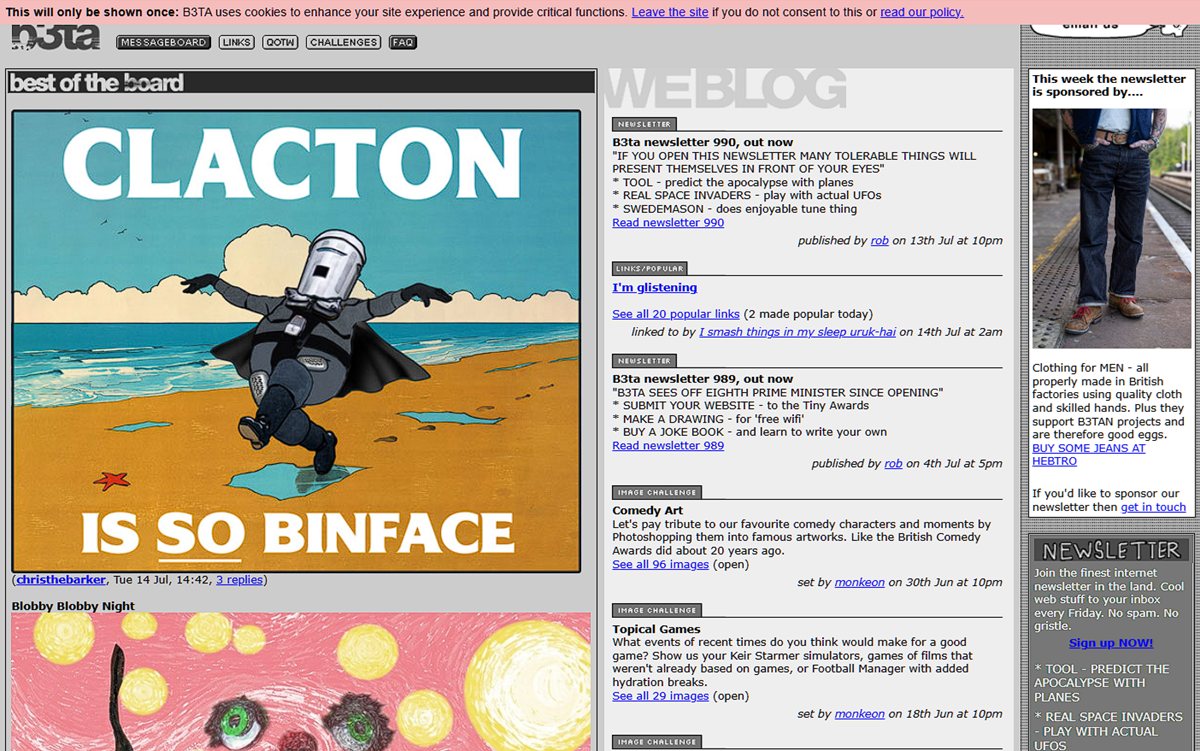
The British community b3ta, founded in 2001, gave digital artists and amateur image editors a place to make strange pictures, short animations, visual jokes, and deliberately ridiculous web experiments. Weekly challenges supplied a prompt, members created their own responses, and the strongest work moved through the community by recommendation rather than an invisible feed. Many of its regulars developed recognizable styles, proving that online creators could build an audience collectively without waiting for a major platform or publisher to discover them.
In the mood for more?
Check out 14 Ways the Internet Changed the Workplace Over the Decades, or take a look at 15 Online Hoaxes That Fooled People Who Should Have Known Better. If you want to see more digital nostalgia, you can check out 16 Tech Gadgets From the 2000s That Felt Like the Future.