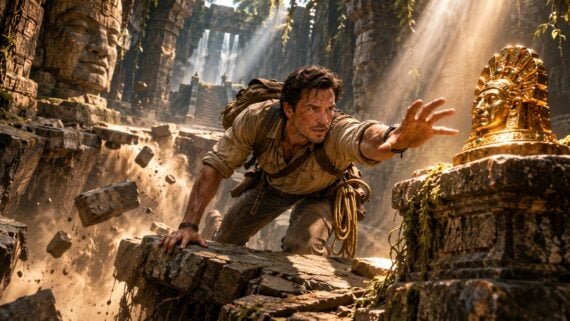
Movies have a habit of making ordinary professions look much more exciting than they really are. Detectives solve murders in a single afternoon, doctors perform miraculous recoveries, and lawyers uncover shocking evidence at just the right moment. Some of these scenes are harmless exaggerations, but others have created surprisingly persistent misconceptions about how real jobs work. These 15 Hollywood myths reveal what happens when entertainment takes a few liberties with everyday professions.
1. Detectives Solve Most Crimes by Finding One Brilliant Clue
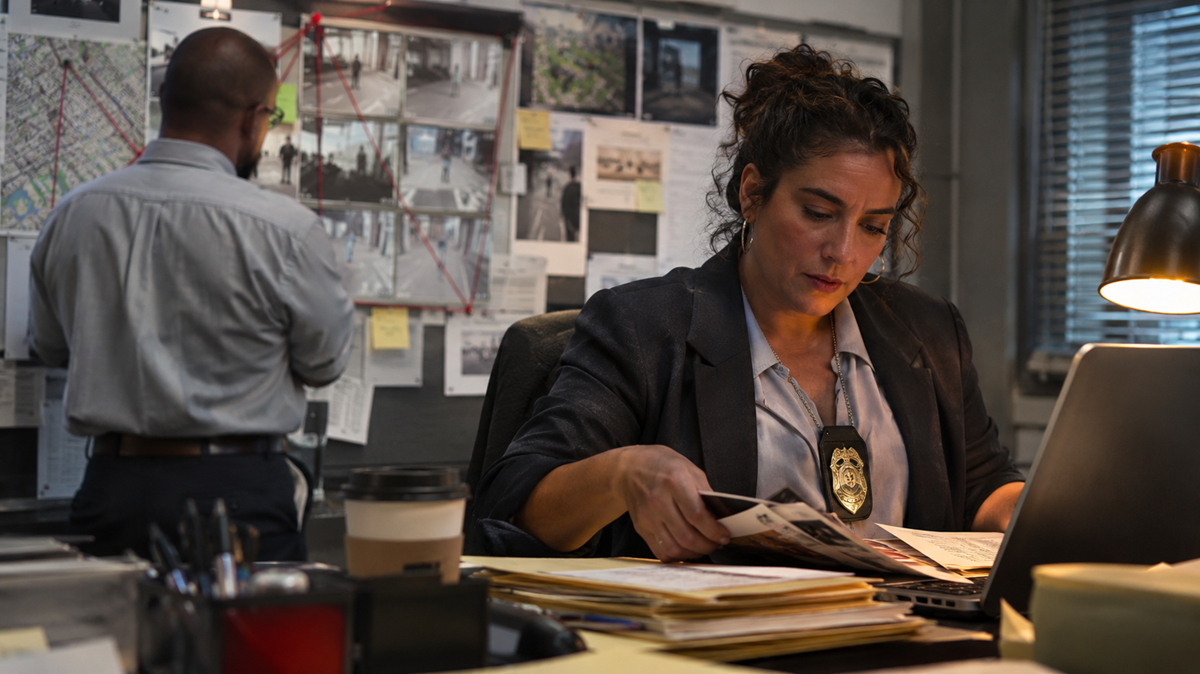
In crime movies, a detective notices a tiny scratch on a window, remembers an obscure detail, and suddenly knows who committed the murder. Real investigations rarely work that neatly. Detectives spend considerable time interviewing witnesses, reviewing surveillance footage, following leads, and organizing evidence. Even when an important clue appears, connecting it to a suspect can require weeks or months of additional work. Sometimes the breakthrough comes from something as unglamorous as checking phone records or revisiting an earlier interview.
2. Lawyers Can Surprise Everyone With Secret Evidence
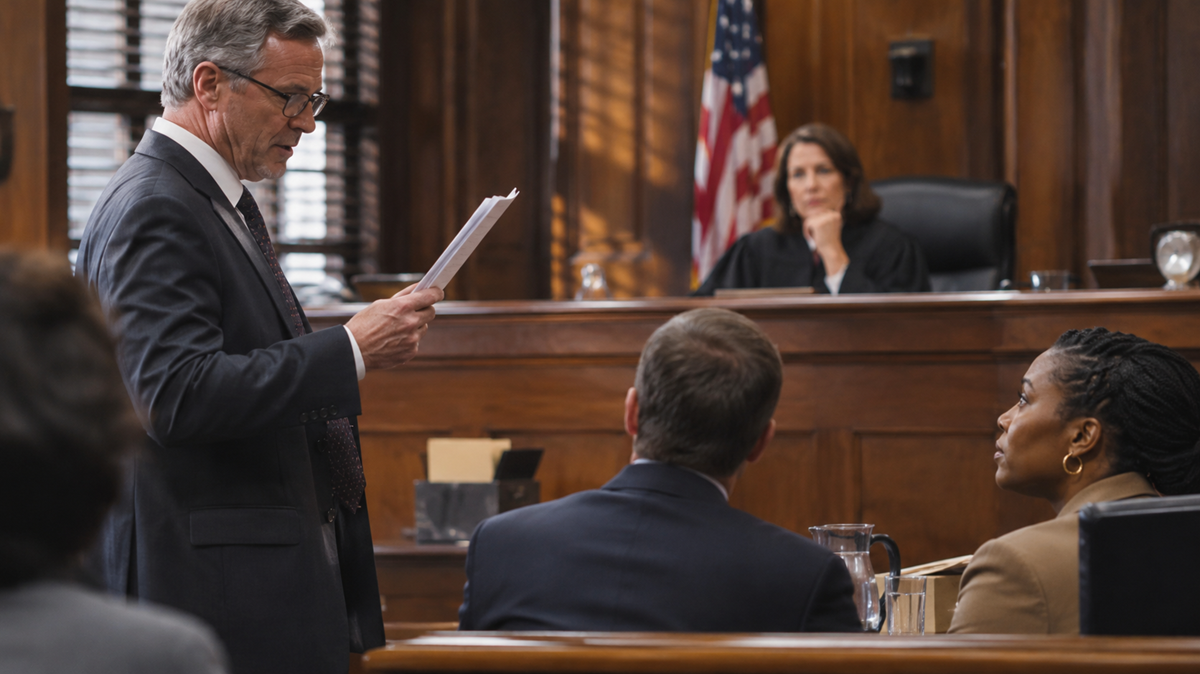
Few courtroom moments are more familiar than an attorney suddenly producing a document that changes the entire case. In American courts, however, lawyers generally must disclose evidence they intend to use before trial, although the rules differ between civil and criminal proceedings. Deliberately withholding required evidence can lead to sanctions or prevent it from being admitted. Unexpected testimony and surprising developments still happen, but the courtroom ambush is far less common than movies suggest.
3. Doctors Can Restart a Flatlined Heart With a Defibrillator
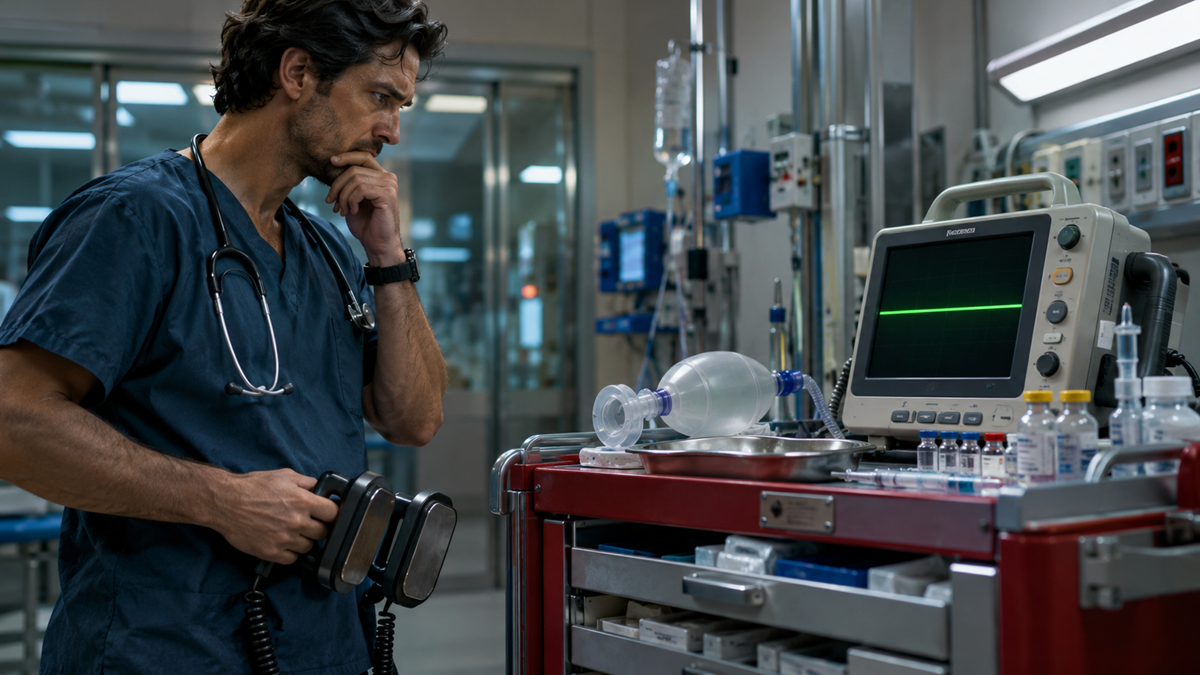
A patient flatlines, someone grabs the paddles, and one enormous shock brings the heartbeat back. It is one of the most recognizable scenes in medical dramas, and it gets an important detail wrong. Defibrillators treat certain dangerous heart rhythms, including ventricular fibrillation, but a true flatline, known as asystole, is not a shockable rhythm. Medical teams instead focus on CPR, appropriate medications, and treating reversible causes of the cardiac arrest.
4. Forensic Scientists Get DNA Results in Minutes

Onscreen crime laboratories seem capable of identifying a suspect before the detectives finish their coffee. Real forensic DNA testing involves examining evidence, extracting genetic material, analyzing the results, and reviewing the findings. Depending on the complexity of the sample and the laboratory’s workload, results can take days, weeks, or considerably longer. Rapid DNA technology can produce certain profiles much faster, but it does not make every complicated crime-scene sample instantly testable.
5. Pilots Spend Most Flights Wrestling With the Controls

Movies love showing pilots sweating over their instruments while desperately trying to keep an aircraft in the sky. Commercial aviation usually looks very different. Airline pilots use automated systems during many phases of flight, but their responsibilities extend to monitoring aircraft performance, managing navigation, communicating with air traffic control, and preparing for unexpected situations. Pilots also handle departures, approaches, and landings according to procedures and prevailing conditions. A quiet cockpit does not mean the crew has nothing to do.
Trending on The Scroller


6. Firefighters Spend Every Shift Battling Huge Fires

A firefighter in an action movie might enter three burning buildings before lunchtime. In many American fire departments, medical emergencies account for far more calls than actual fires. Vehicle crashes, public assistance, training, and equipment maintenance also take up considerable time. Firefighters still prepare constantly for dangerous situations, even if most shifts look nothing like a Hollywood rescue sequence.
7. Journalists Can Publish Anything Without an Editor

Film reporters often operate like private investigators with unlimited freedom, chasing dangerous leads and publishing explosive stories whenever they choose. Professional journalism generally involves editors, verification, legal considerations, and repeated attempts to confirm information. A major investigation can require months of interviews and document review before publication. Even a relatively straightforward article may pass through several people before readers see it.
8. Psychologists Can Diagnose Someone After One Conversation

In psychological thrillers, a therapist listens to someone speak for a few minutes and immediately identifies a complicated personality disorder or hidden trauma. Actual psychological assessment usually requires a broader understanding of the person’s history, symptoms, behavior, and circumstances. Clinicians may use structured interviews, questionnaires, or standardized assessments when appropriate. Therapy itself also tends to involve gradual progress rather than one spectacular revelation that resolves everything.
Sign up for our newsletter
9. Computer Hackers Can Break Into Any System in Seconds

A dark room, several glowing monitors, and someone typing furiously while announcing that they have entered a supposedly impenetrable computer system. Movie hacking often reduces complicated technical work to a race against a countdown clock. Real cybersecurity investigations and authorized penetration tests can involve researching vulnerabilities, checking configurations, reviewing logs, and documenting findings. Some attacks exploit surprisingly simple mistakes, including stolen passwords, but there is no universal trick that opens every computer system.
10. Archaeologists Spend Their Careers Hunting for Treasure

Indiana Jones helped turn archaeology into a profession associated with ancient temples, mysterious artifacts, and dangerous adventures. Real archaeologists are primarily interested in understanding past societies through material evidence. Excavations require careful recording because the location and surrounding context of an object can be as important as the object itself. Much of the work happens in laboratories, museums, archives, and research offices. Finding something valuable is not the point if the information surrounding it gets lost.
11. Chefs Invent Beautiful Dishes All Day

Restaurant movies often focus on the creative side of cooking, with talented chefs dreaming up extraordinary meals and dramatically arguing over ingredients. Professional kitchens depend just as much on repetition, timing, cleaning, ordering supplies, and controlling food costs. During a busy dinner service, consistency matters more than spontaneous experimentation. A head chef may spend much of the day supervising staff, checking inventory, or making sure dozens of plates leave the kitchen exactly as intended.
12. Astronauts Mostly Float Around and Look at Earth
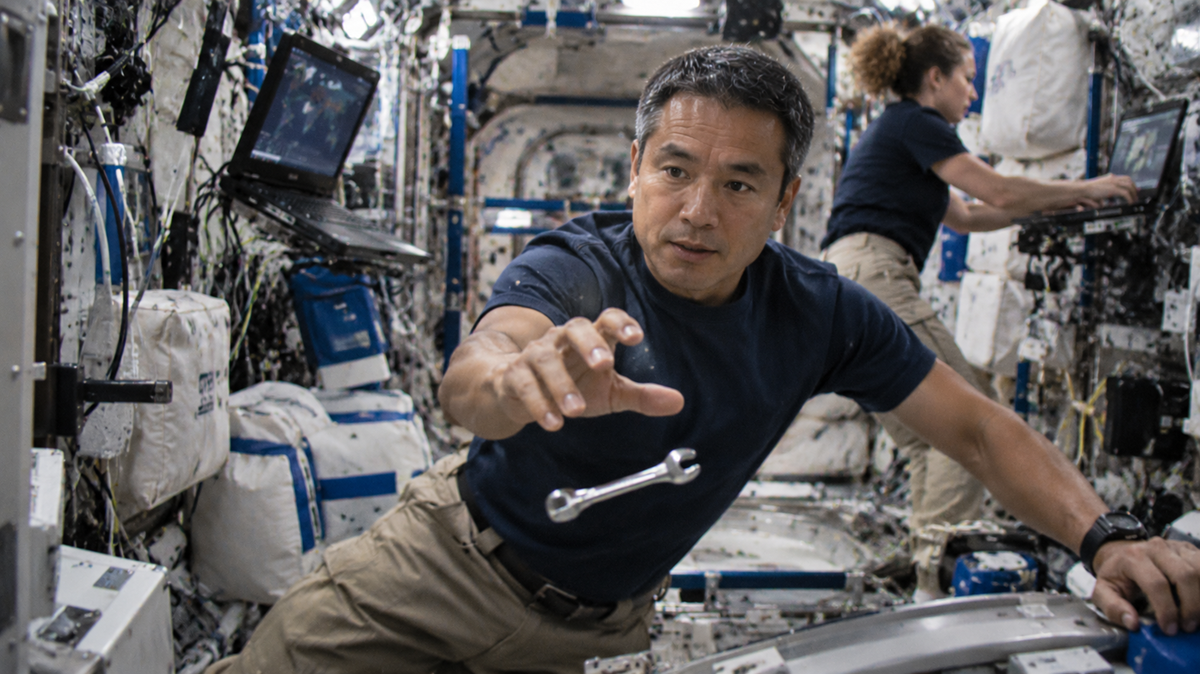
Space movies tend to concentrate on dramatic repairs, spectacular views, and unexpected emergencies. Astronauts aboard the International Space Station follow carefully planned schedules involving scientific experiments, equipment maintenance, exercise, and communication with ground teams. Crew members typically devote substantial time to physical exercise to reduce the effects of living in microgravity. Even relatively simple tasks can require extra preparation when ordinary objects refuse to stay in place.
13. Police Officers Can Ignore Rules to Catch Criminals

Hollywood frequently celebrates detectives who disregard their supervisors, enter buildings without permission, and intimidate suspects until someone confesses. Real American police officers operate under laws, departmental policies, and constitutional restrictions that affect searches, arrests, and interrogations. Evidence obtained through certain unlawful procedures can be excluded from court, although exceptions exist. A dramatic shortcut that works perfectly in a movie might create serious legal problems in an actual investigation.
14. Meteorologists Just Read Weather Reports on Television

The familiar television weather presenter standing in front of a colorful map has become the public face of meteorology. Behind those forecasts, meteorologists analyze atmospheric observations, radar information, satellite imagery, and computer models. Weather predictions also involve uncertainty, particularly when conditions change rapidly. Many meteorologists never appear on television at all, working instead in aviation, research, emergency management, and other specialized fields.
15. Librarians Spend Their Days Shelving Books and Telling People to Be Quiet

Movie librarians are often portrayed as stern figures guarding dusty shelves and enforcing silence. Modern librarians do much more than organize books. Depending on the institution, they help people conduct research, navigate digital resources, find reliable information, and use technology. Public libraries may also offer educational programs, employment resources, and community services. The job involves considerably more conversation than the old Hollywood stereotype suggests.
In the mood for more?
Check out 14 Common Myths About How People Lived Before Modern Technology, or take a look at 17 Strange Everyday Myths That Refuse to Disappear. If you want to see more behind-the-scenes stories, you can check out 17 Fascinating Secrets and Myths Behind Steven Spielberg Movies.