Modern popular culture, cinema, and historical fiction often paint a bleak picture of life prior to the Industrial Revolution and the digital age. Everyday existence in earlier centuries is frequently depicted as dirty, short, and entirely devoid of comfort, intellectual curiosity, or personal hygiene. However, many of these widespread myths underestimate the extraordinary resourcefulness, sophisticated engineering, and vibrant social traditions that defined ancient and pre-industrial societies.
Debunking these historical misconceptions reveals how deeply misinformed our view of the past can be when viewed through a modern lens. From complex sanitation systems and advanced medical practices to sophisticated timekeeping and organized leisure, past generations created clever solutions to navigate daily challenges long before electricity existed. Reassessing these prevalent myths offers a far more accurate and nuanced appreciation for human history. Here are fourteen common myths about how people lived before modern technology.
1. People rarely bathed and always smelled terrible
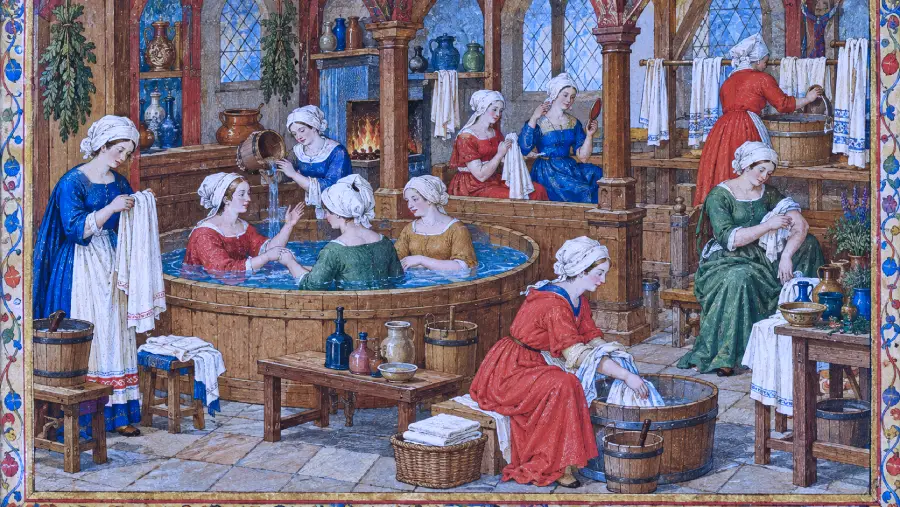
The widespread belief that medieval Europeans never bathed originated largely from Protestant Reformation propaganda criticizing communal bathhouses. In reality, public bathhouses were immensely popular throughout the Middle Ages, and people regularly washed using herb-infused soaps, scented oils, and linen cloths to maintain personal hygiene.
2. Everyone died in their thirties
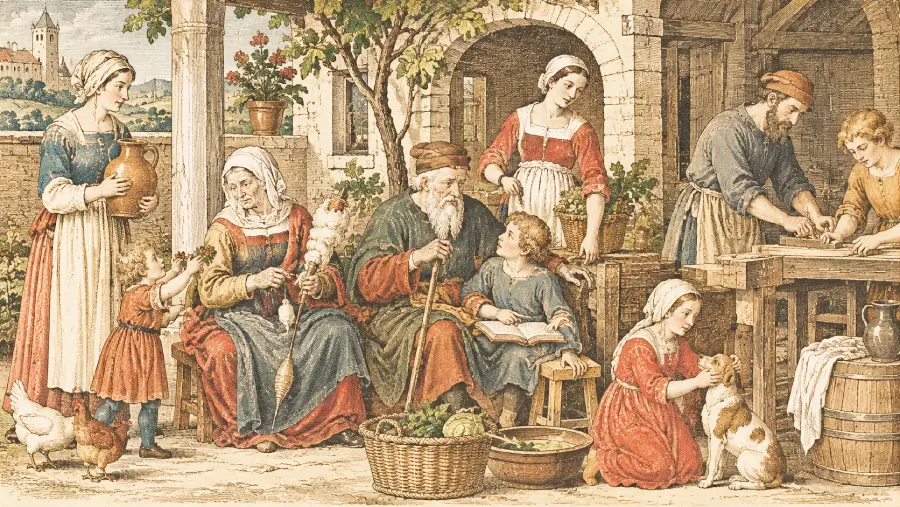
While average life expectancy figures from ancient times hover around thirty to thirty-five years, these numbers were heavily distorted by exceptionally high infant mortality rates. Once an individual survived early childhood, reaching their sixties, seventies, or eighties was remarkably common across ancient Greece, Rome, and medieval Europe.
3. People believed the Earth was flat until Columbus
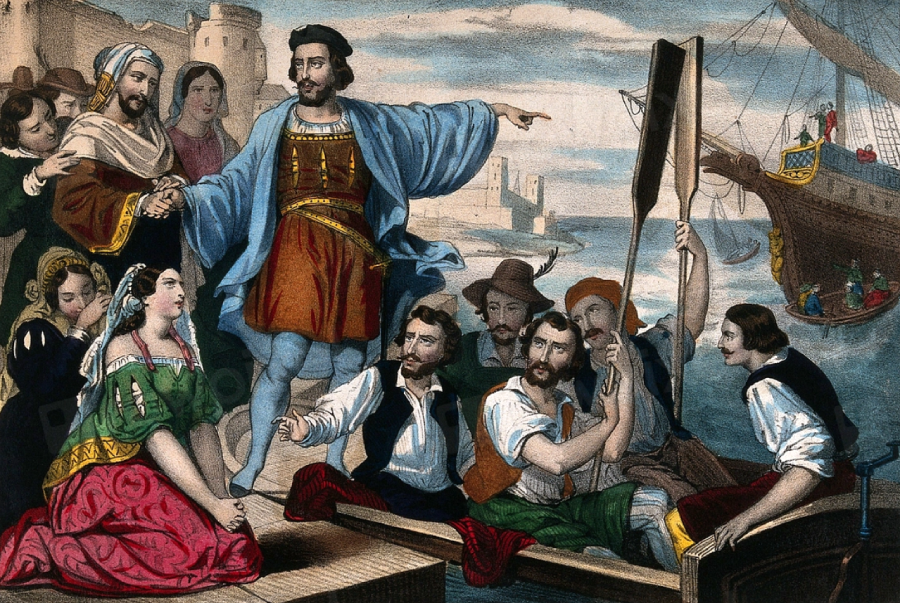
Educated societies across the globe have known the Earth is spherical since ancient Greek mathematicians like Eratosthenes calculated its circumference with incredible accuracy in the third century BC. The idea that medieval scholars thought the planet was flat was largely invented by nineteenth-century writers to romanticize early transatlantic voyages.
4. Medicine before modern science was just leeches and magic
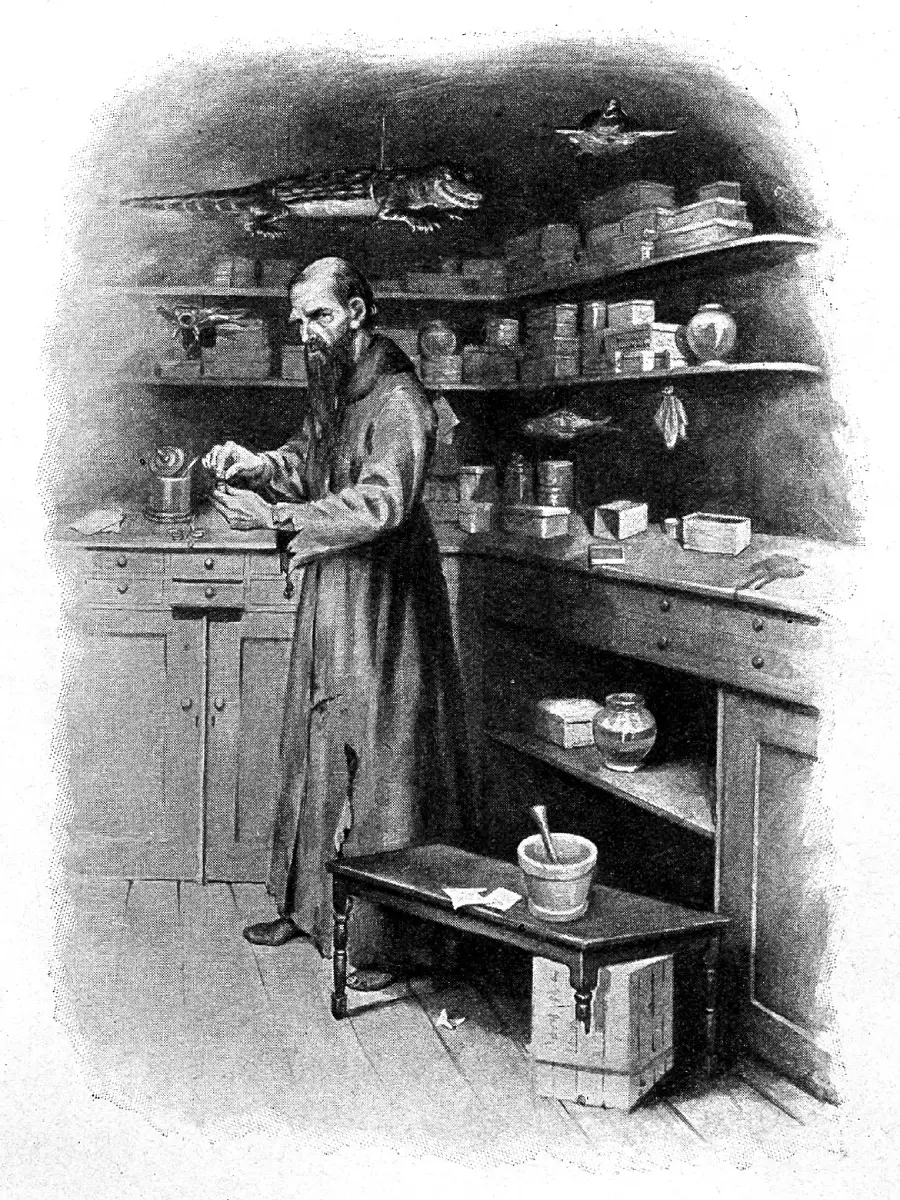
While early medical practices certainly included questionable treatments, pre-industrial doctors relied heavily on sophisticated herbal pharmacopeias, skeletal setting, and clean surgical procedures. Medieval surgeons successfully performed delicate eye cataract operations, trepanations, and antiseptic wound care using wine and vinegar solutions.
5. People drank only beer and wine because water was always poisonous
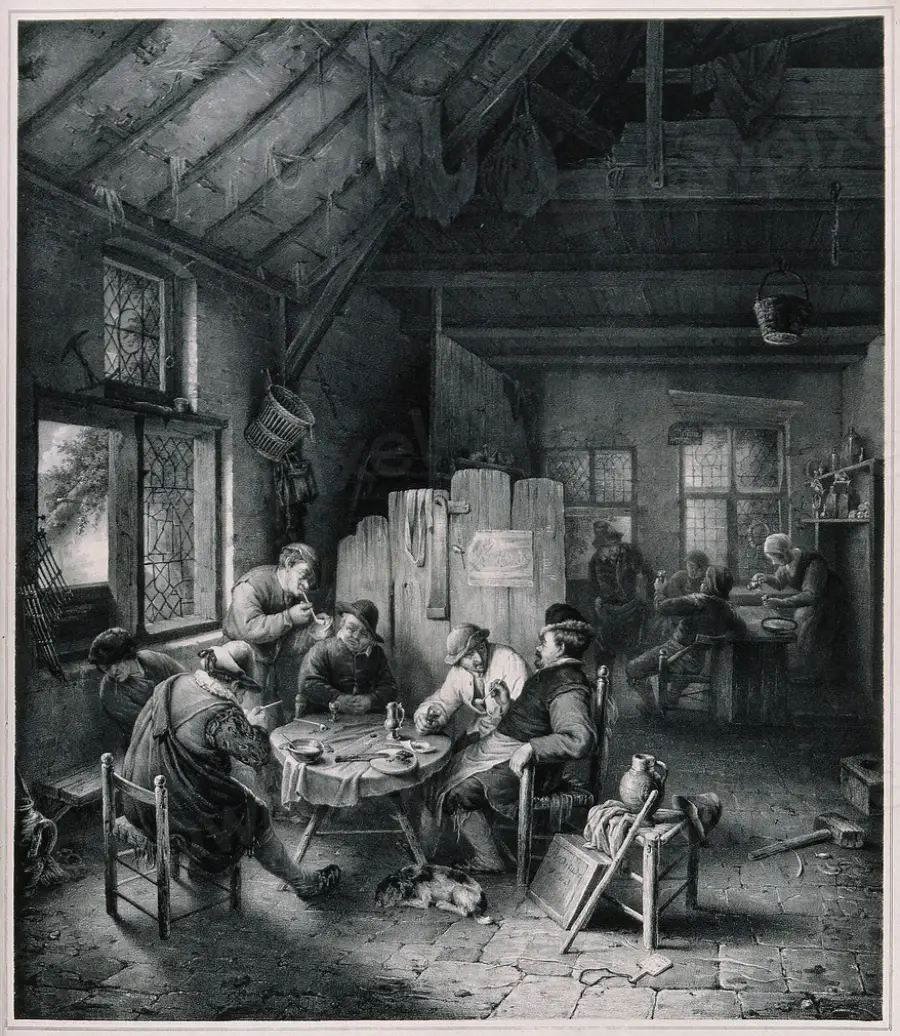
Historical communities placed enormous value on locating clean natural springs, wells, and running rivers for drinking water. Fermented beverages were popular for their caloric density, preservation qualities, and social status, but water remained the primary daily beverage for the vast majority of working populations.
Trending on The Scroller
6. Medieval food was completely bland and unseasoned
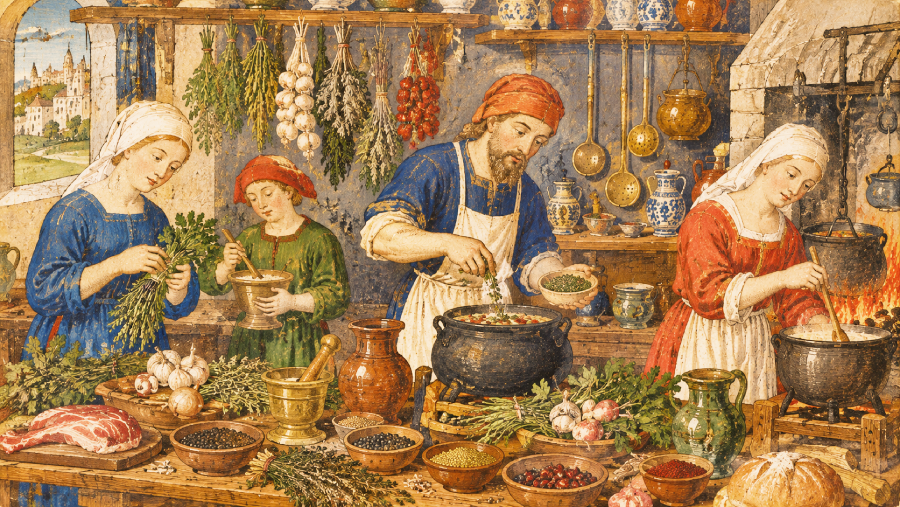
The myth that pre-modern food lacked flavor stems from assuming spices like pepper, cinnamon, and nutmeg were too expensive for anyone to afford. In practice, everyday cooks relied on a rich array of local herbs, wild garlic, horseradish, mustard, vinegar, and fermented sauces to deliver bold, complex flavors to daily meals.
7. Pre-modern people were uneducated and illiterate
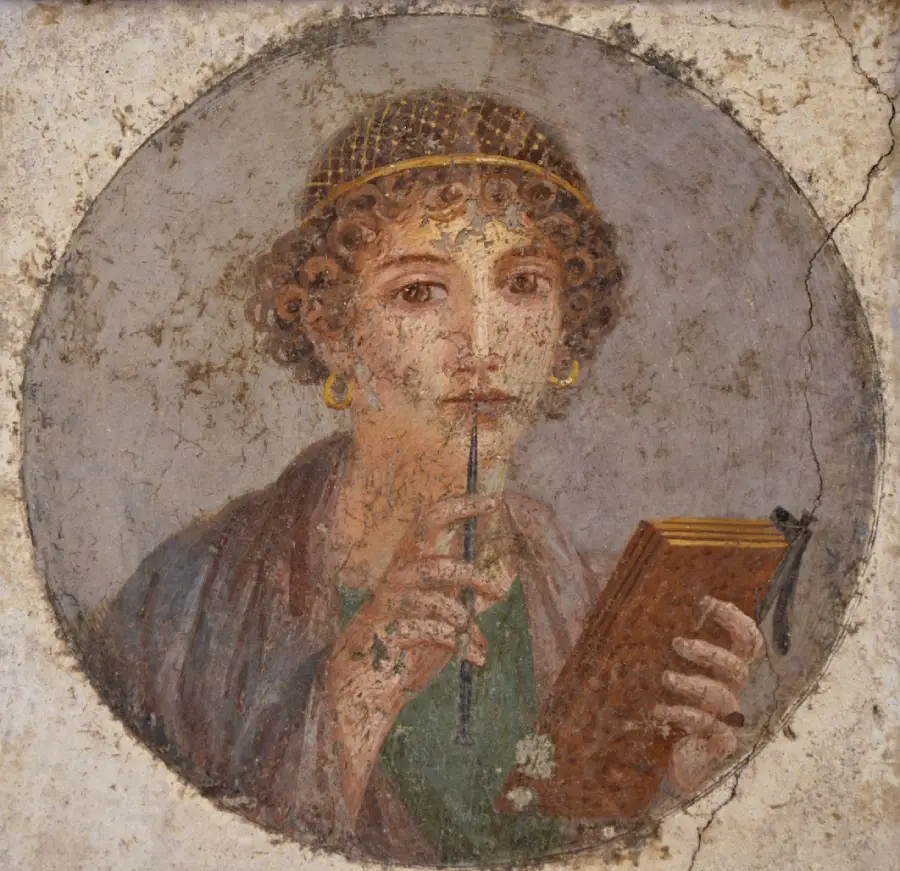
While formal literacy in Latin or written script was often reserved for nobility and clergy, many historical cultures maintained strong traditions of vernacular literacy, record-keeping, and oral storytelling. Guild apprentices, merchants, and urban craftsmen routinely learned functional math and reading skills necessary for business transactions.
8. People slept eight hours straight every night
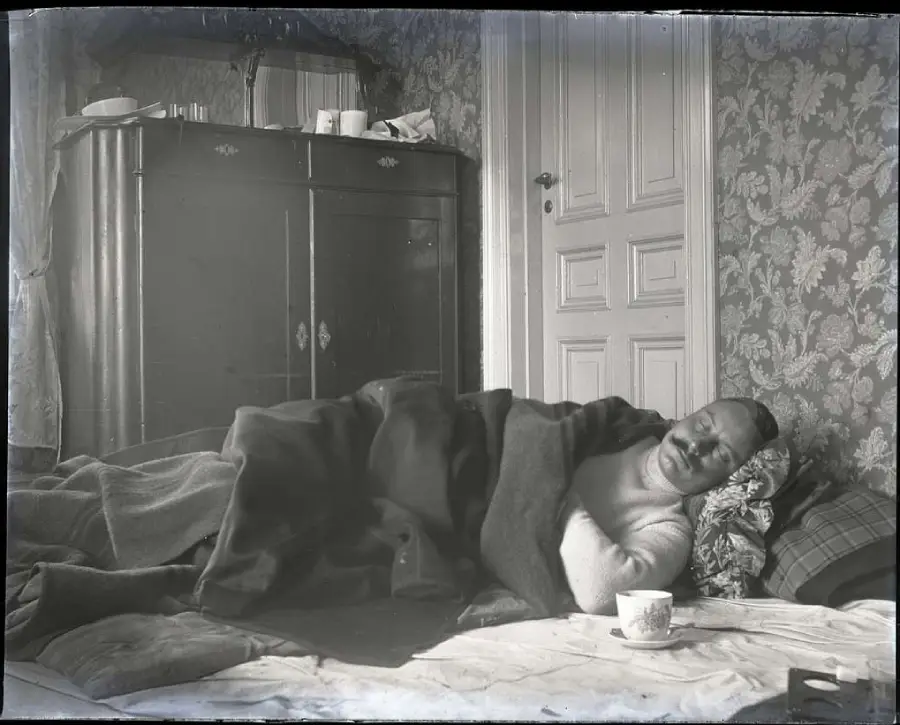
Prior to the widespread adoption of industrial gas lighting and electric bulbs, humans practiced a two-phase sleep cycle known as segmented sleep. Individuals slept for four hours, woke around midnight for an hour or two of reading, praying, or visiting neighbors, and then returned to bed for a second sleep until dawn.
Sign up for our newsletter
9. Women never worked outside the household
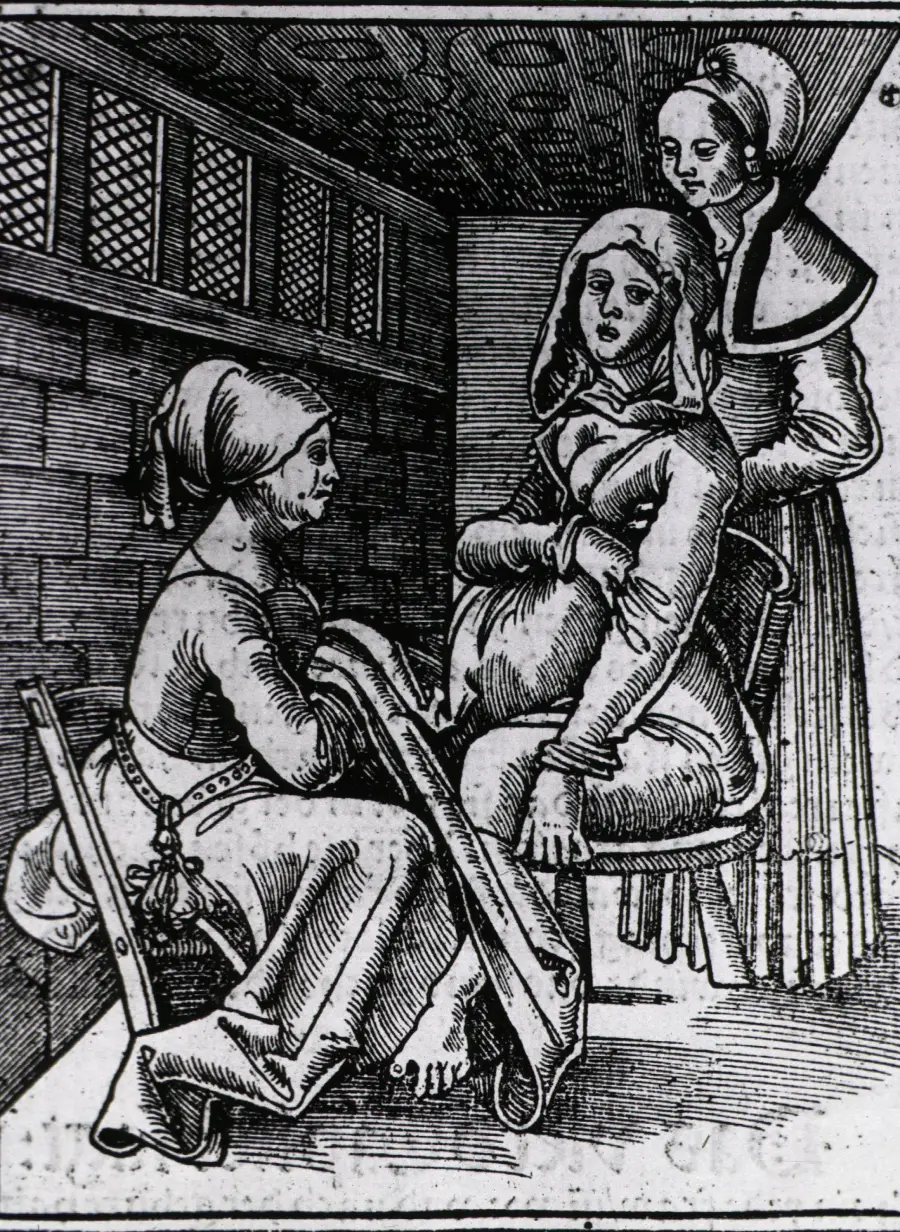
The modern concept of women remaining strictly inside the domestic sphere was an artificial ideal created during the Victorian era. Throughout ancient and medieval history, women actively worked as blacksmiths, weavers, tavern owners, merchants, midwives, and agricultural managers alongside their domestic responsibilities.
10. Peasant life was non-stop agony without vacation
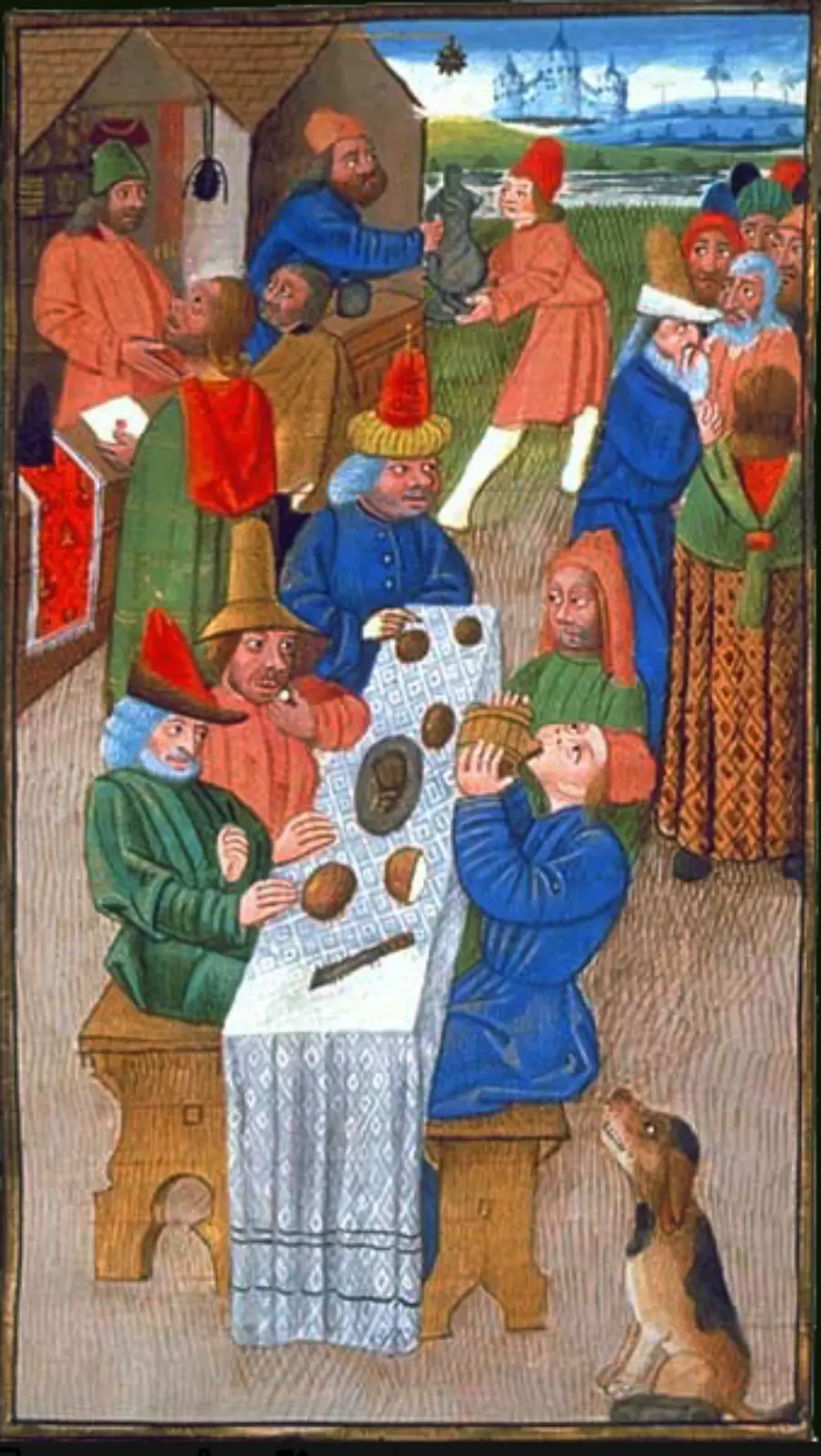
While agricultural labor was physically demanding, medieval peasants actually enjoyed significantly more time off than modern full-time workers. The Catholic church calendar mandated dozens of official saints’ days, religious festivals, and seasonal holidays that granted workers extended periods of rest and celebration.
11. Clothes were always dull, brown, and dirty
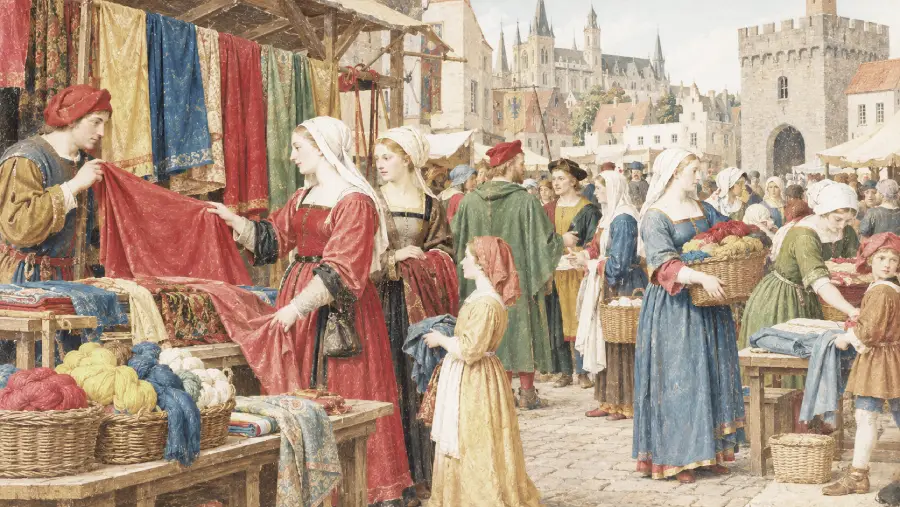
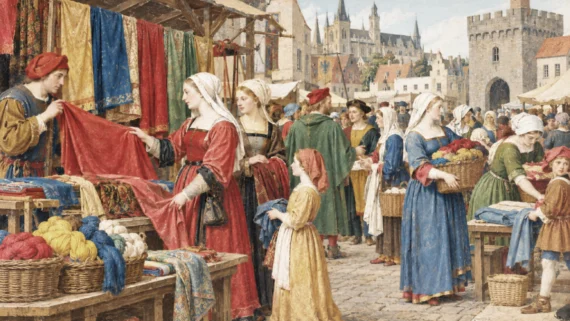
Historical films often dress pre-industrial populations in drab, muddy rags to signal the past, but historical records show a deep love for vibrant color. Even working-class families used inexpensive natural plant dyes like madder root for reds, woad for blues, and weld for bright yellows to dress colorfully.
12. Nighttime travel was entirely impossible
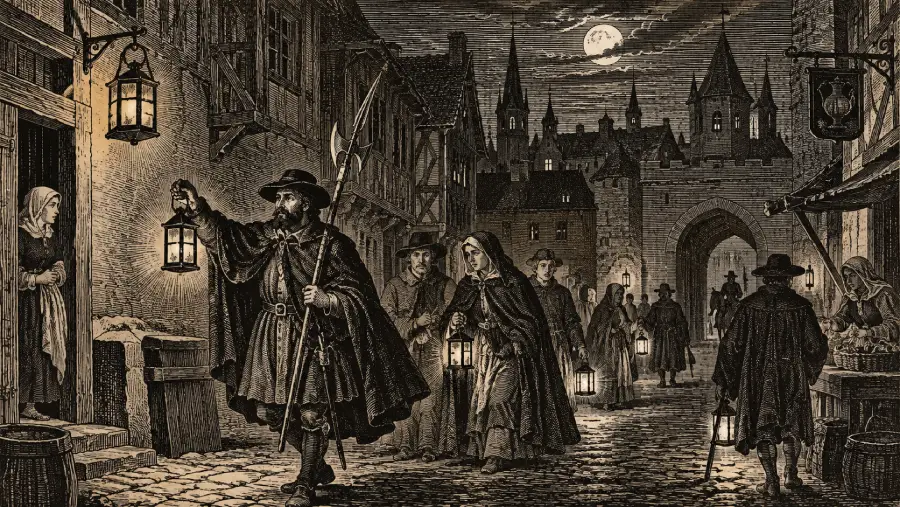
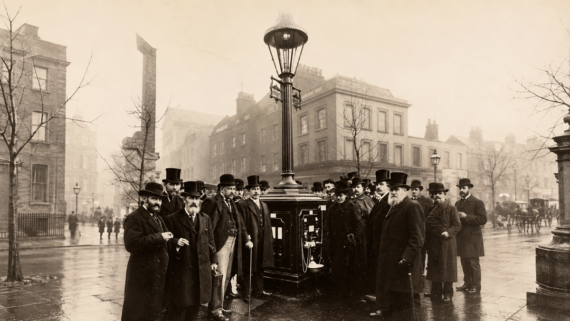
Navigating city streets and country roads after dark was far more organized than modern movies suggest. Major towns employed night watchmen, maintained street lamps powered by animal fats, and mandated that pedestrians carry portable brass lanterns, while travelers used lunar calendars to plan night journeys by moonlight.
13. Pre-modern dental health was horrible
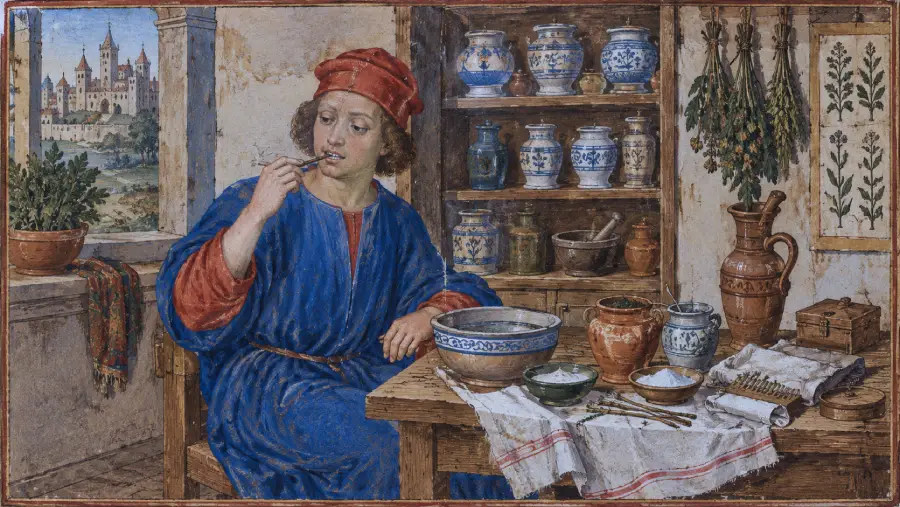
Although specialized dentistry did not exist, pre-industrial populations had significantly fewer dental cavities than modern humans due to the absence of refined sugars in their diets. People cleaned their teeth using frayed twigs soaked in aromatic oils, chalk powders, and cloth wipes to keep their gums healthy.
14. People lived isolated lives and never traveled
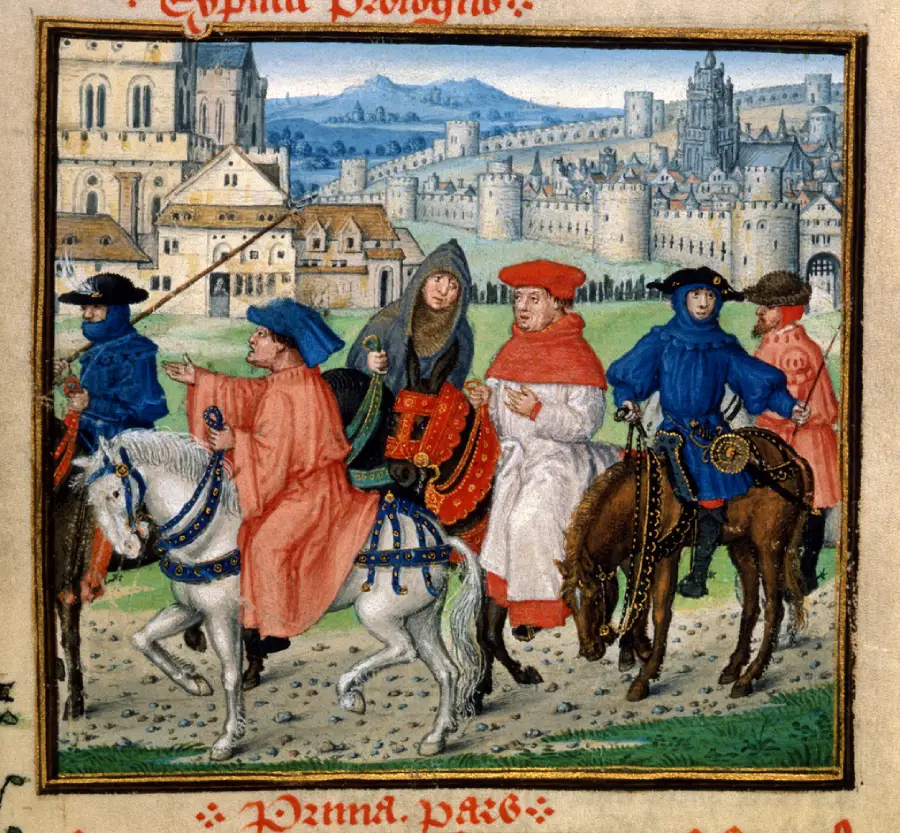
While long-distance travel was arduous, ancient and medieval populations moved frequently for trade, religious pilgrimages, military service, and craftsmanship. Pilgrimage routes like the Camino de Santiago brought thousands of international travelers together, creating vibrant networks of cultural exchange long before modern transport existed.
Discover more common myths people used to believe:
Exploring these debunked historical assumptions reveals how remarkably clever, hygienic, and culturally vibrant earlier generations truly were long before modern machines entered daily life. Overcoming these long-held historical misunderstandings allows us to appreciate the ingenuity that paved the way for our modern world. If you enjoy discovering historical deep dives, debunked cultural myths, and fascinating retrospectives on past eras, be sure to check out these 14 Historical Myths That Are Actually True, or these 14 Old Superstitions and the Reasons People Believed Them. You may also like these 14 Old Wives’ Tales Everyone Believed in the 1960s.