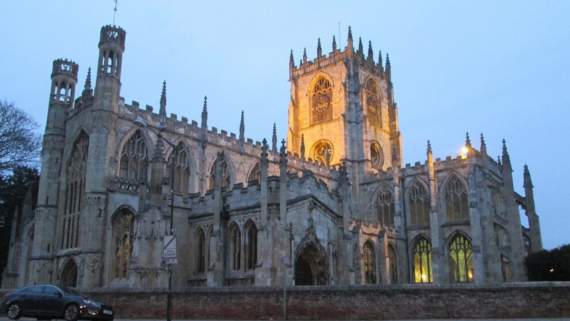

When we look back at ancient folklore, grand legends, and centuries-old rumors, we naturally classify them as creative storytelling meant to entertain around a campfire. We prefer to view modern archaeology and documented data as the absolute arbiters of reality, assuming our ancestors routinely exaggerated natural events to explain what they did not understand. Over the generations, mainstream science and traditional textbook narratives have treated tales of lost cities, advanced medical secrets, and bizarre historical conspiracies with intense skepticism. This logical mindset helps us categorize our understanding of the past, comfortably drawing a sharp line between factual chronology and fantastical fairy tales.
However, the rapid acceleration of modern archaeological technology and the discovery of fresh ancient archives have fundamentally broken this rigid skepticism. The fascinating reality of historical research reveals that some of our ancestors’ most dismissed myths were, in fact, eyewitness accounts of genuine historical events. Instead of being completely manufactured out of thin air, these astonishing tales preserved precise geological, architectural, and biological truths that were simply lost to the passing of time. Let’s explore fourteen legendary myths from across the globe that mainstream historians spent centuries laughing at, only for modern science to prove them completely true after all.
1. The legendary sun stones of the Viking navigators

For centuries, maritime historians dismissed the dramatic Norse sagas that claimed Viking captains could precisely track the position of the sun through dense fog and blinding blizzards using magical, glowing sun stones. Traditional scholars argued that navigating the open, featureless North Atlantic without a magnetic compass required pure guesswork or immense luck. Modern optical researchers completely reversed this stance by testing Icelandic spar, a naturally occurring, light-polarizing crystal found abundantly in Norse territories. The experiments proved that holding this unique crystal up to an overcast sky reveals a distinct, localized pattern of light that pinpoints the sun’s location with incredible mathematical accuracy down to a single degree.
2. The sunken royal capital of Heracleion
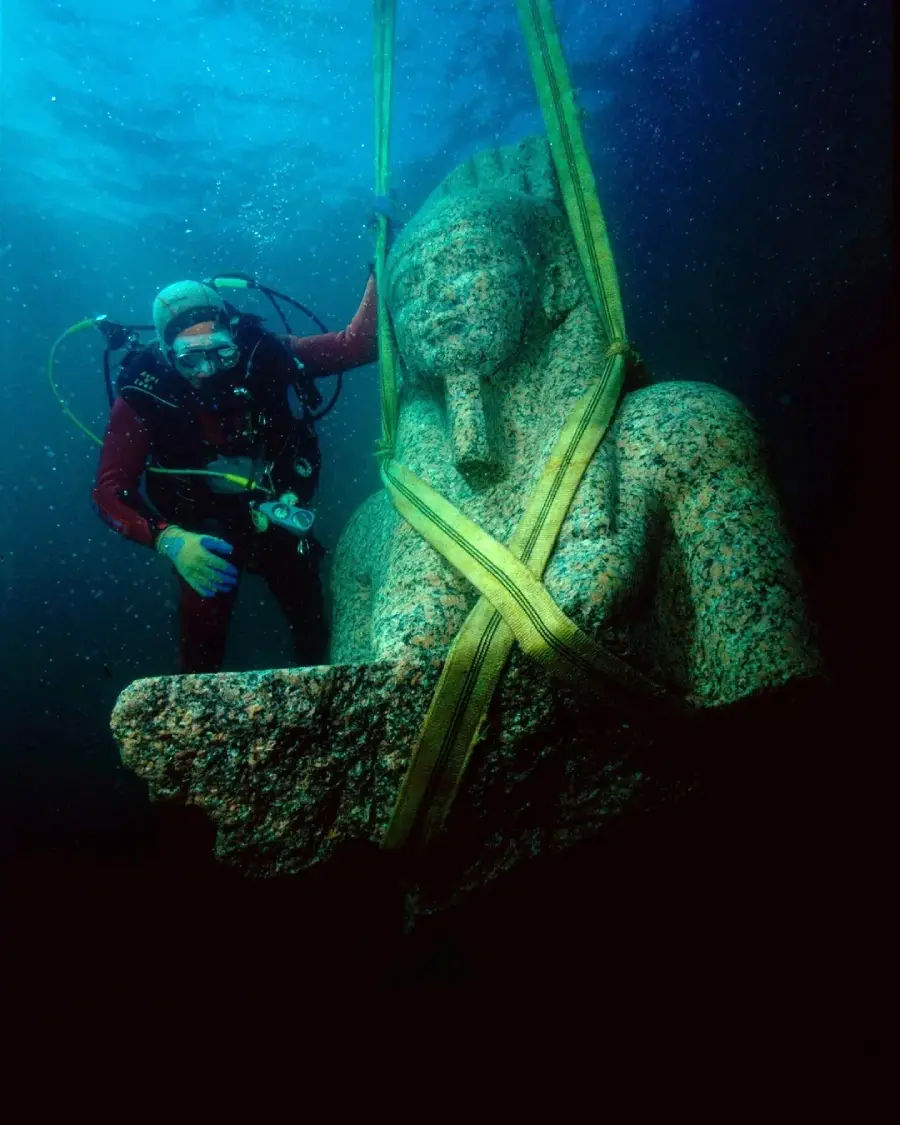
Ancient Greek historians like Herodotus frequently wrote about Thonis-Heracleion, a magnificent, ultra-wealthy port city at the mouth of the Nile River where legendary figures like Helen of Troy allegedly traveled. Because centuries of searching yielded absolutely zero physical traces of the metropolis along the Egyptian coast, modern academics comfortably categorized the city as a fictional literary invention right alongside Atlantis. This skepticism was shattered in the year 2000 when a team of marine archaeologists equipped with advanced sonar technology located the entire intact ruins submerged thirty feet underwater in Abu Qir Bay. The ocean had completely swallowed the massive city following a series of catastrophic soil liquefaction events and severe earthquakes during the late eighth century.
3. The real-world identity of the mythical kraken
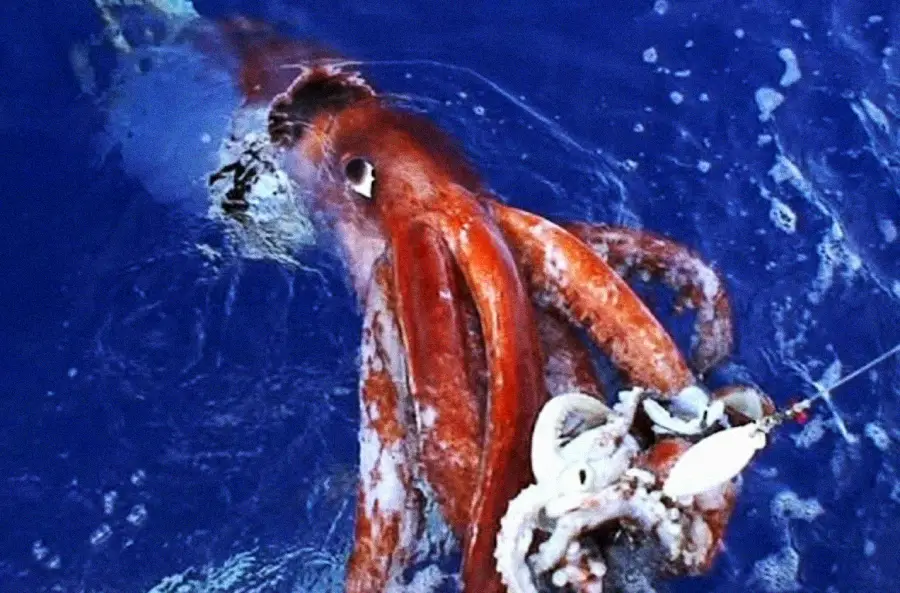
For centuries, mainstream marine biologists laughed off the terrifying tales of Nordic mariners who claimed a colossal, tentacled sea monster routinely emerged from the abyssal depths to swallow wooden ships. Skeptical researchers confidently argued that these dramatic seafaring chronicles were simply the result of mass hysteria or optical illusions caused by low-lying ocean fog. This rigid academic dismissal was permanently shattered when oceanographers verified the real-world existence of the giant squid, a deep-sea creature that can grow up to forty-three feet in length and possesses eyes the absolute size of dinner plates. The historical reality of the sailors’ accounts became undeniable when a team of Japanese scientists successfully captured the very first video footage of a live giant squid hunting in its deep-sea habitat in 2004.
4. The microscopic, mind-controlling parasite of warm-blooded mammals
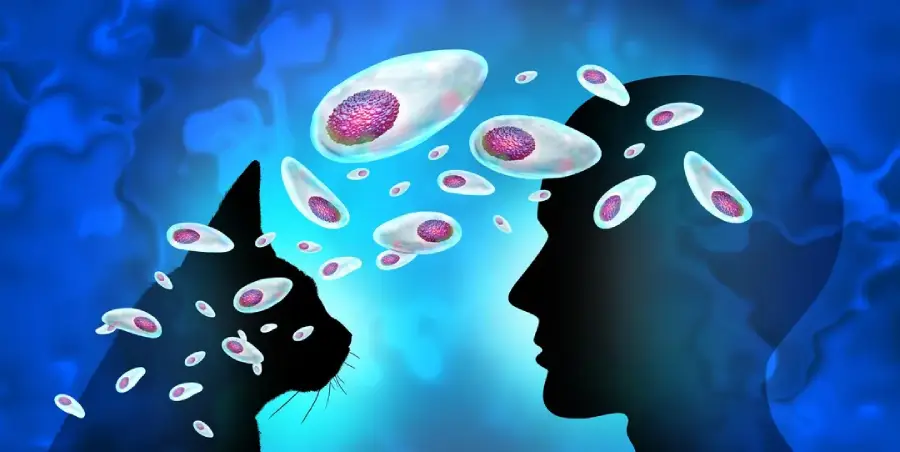
Old-world medical folklore across multiple continents frequently warned that spending excessive time around domestic felines could subtly warp a human being’s personality, causing erratic behavior, reckless driving habits, and severe neurological changes. This cultural superstition was treated by early 20th-century psychologists as a classic case of unscientific, rural paranoia regarding ordinary household pets. Modern microbiology completely validated this warning by discovering Toxoplasma gondii, a microscopic parasite that can only sexually reproduce inside the digestive tract of cats. The parasite actively migrates into the brains of infected rodents and humans, chemically altering dopamine production to systematically reduce fear reflexes and significantly increase reckless behavior patterns.
5. Julius Caesar’s shocking account of the giant European unicorns
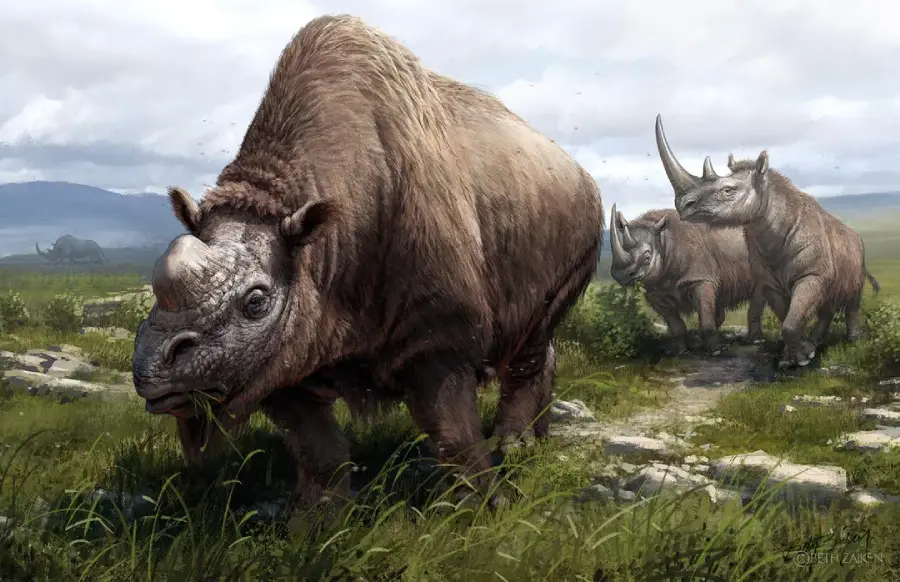
In his comprehensive military journals detailing the conquest of the dense Gallic forests, Julius Caesar meticulously described a bizarre, towering wild beast that looked like a hybrid of a massive stag and a bull, featuring a single prominent horn growing straight out of the absolute center of its forehead. For generations, Renaissance scholars and modern biologists assumed the legendary Roman general had simply fallen victim to standard campfire fabrications told by terrified frontier scouts. Modern paleontology eventually uncovered the fossilized remains of Elasmotherium sibiricum, a massive, heavily armored prehistoric rhinoceros species that possessed a single, colossal horn on its snout. Carbon-dating technology confirmed that these magnificent beasts actively coexisted with early human populations, matching Caesar’s geographical descriptions perfectly.
Trending on The Scroller


6. The catastrophic volcanic explosion that silenced the Minoan Empire
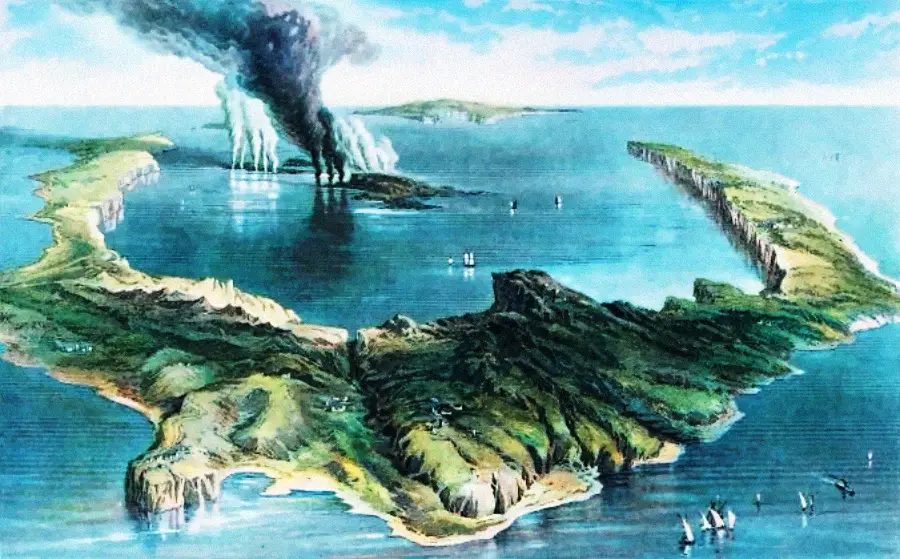
The classical Greek legend detailing the sudden, apocalyptic destruction of the advanced Minoan civilization on the island of Crete was long treated as a highly stylized, cautionary fable regarding the hubris of man. Historians struggled to find any structural political records explaining how a massive maritime superpower could vanish almost overnight without an invading army. Geologists eventually investigated the nearby volcanic island of Santorini, uncovering structural evidence of one of the single largest volcanic eruptions in the entire history of human civilization. The staggering explosion unleashed a series of massive, hundred-foot-tall tsunamis that systematically pulverized the Minoan ports, proving that the ancient nightmare was a literal transcription of a geological apocalypse.
7. The ancient medical cure sourced from moldy bread and dirt
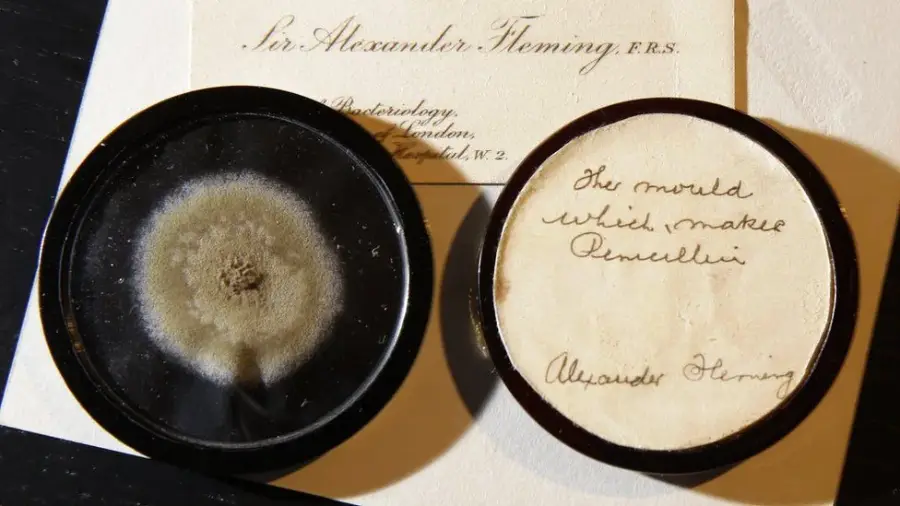
For thousands of years, traditional folk healers across ancient Egypt, Greece, and rural Europe applied thick poultices of moldy barley bread and specific forest soils directly to open wounds to stop systemic infections. Mainstream 19th-century medical practitioners viewed these sticky, unsanitary treatments as disgusting, dangerous superstitions that actively increased the risk of gangrene for the patient. This arrogant perspective was completely flipped on its head in 1928 when Alexander Fleming discovered penicillin growing naturally on a forgotten petri dish of mold. Modern biochemistry quickly confirmed that specific molds and common soil bacteria naturally manufacture incredibly potent antibiotic compounds to eliminate competing microbes, validating ancient kitchen medicine.
8. The eerie, real-life Moby Dick of the Pacific Ocean
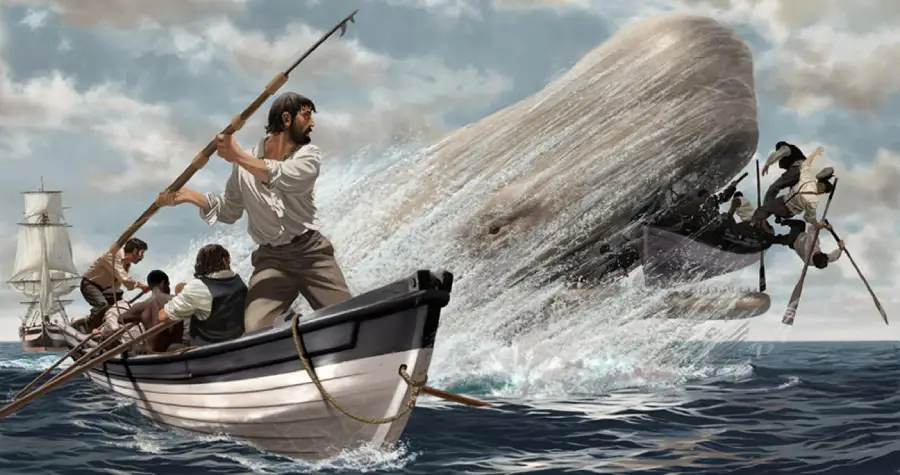
Herman Melville’s legendary 1851 literary masterpiece about a massive, uniquely aggressive white sperm whale that deliberately hunted and destroyed whaling ships was widely reviewed as an over-the-top allegory for human obsession. Critics confidently asserted that marine mammals were naturally passive creatures that would never possess the cognitive capacity to coordinate a direct, retaliatory attack against a wooden vessel. The tragic true history was revealed when researchers verified the logs of the whaleship Essex, which was literally rammed and splintered to pieces by an enraged, eighty-foot bull whale in the middle of the Pacific Ocean. Naval archives additionally confirmed the existence of Mocha Dick, a real, pale-skinned whale that survived over a hundred encounters with sailors before finally being subdued.
Sign up for our newsletter
9. The subterranean labyrinth of the Knossos Palace
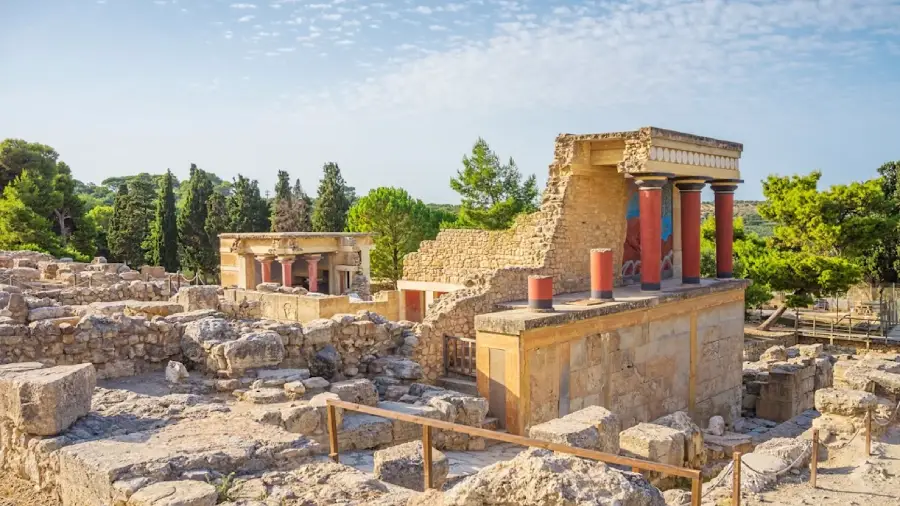
The classic mythological tale of the terrifying Minotaur locked inside a massive, inescapable underground maze built by Daedalus was treated as pure fantasy for over two thousand years. Mainstream British and European historians believed the elaborate labyrinth was a clever metaphorical symbol representing the confusing, complex political structure of the ancient Cretan state. This assumption changed forever when British archaeologist Sir Arthur Evans initiated extensive excavations on the island of Crete at the dawn of the 20th century. Evans unearthed the actual ruins of the massive Palace of Knossos, a sprawling architectural marvel featuring over one thousand interconnected rooms, dark winding corridors, and subterranean basement systems that perfectly mirrored the confusing layouts detailed in the ancient myth.
10. The legendary boiling river of the Amazon Rainforest
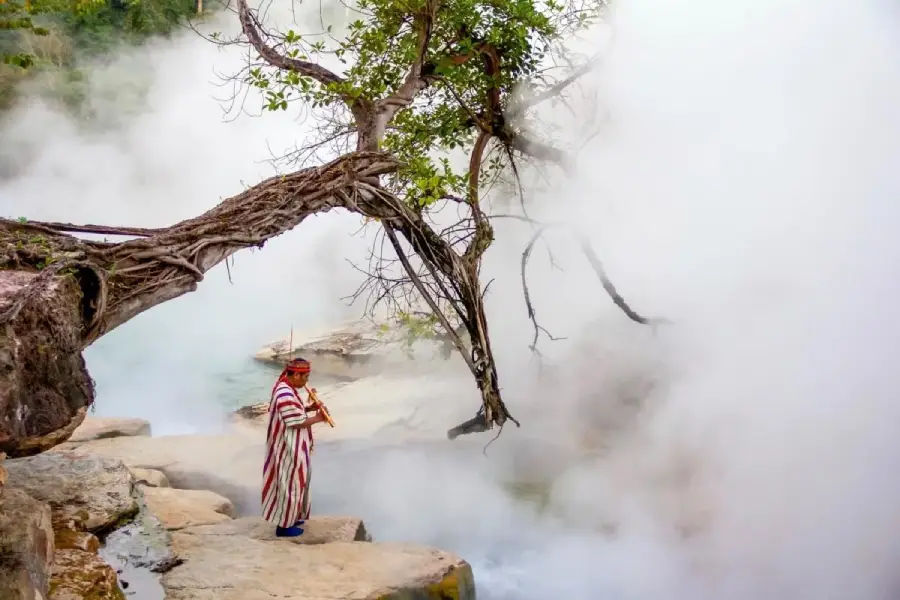
Peruvian oral traditions have spent generations warning outsiders about Shanay-Timpishka, a mythical, deeply hidden river inside the high Amazon jungle where the water temperature rises so high that it literally boils animals alive. Mainstream geologists confidently stated that a boiling river was a physical impossibility in that region because the Amazon basin sits thousands of miles away from any active volcanic thermal vents. In 2011, a persistent geoscientist named Andrés Ruzo successfully located the hidden river, confirming that the water temperatures routinely reach a staggering ninety-five degrees Celsius. The unique anomaly is actually fueled by a massive, non-volcanic geothermal system where deep, boiling groundwater rushes up through fractures in the Earth’s crust to feed the river.
11. The massive, ship-sinking rogue waves of the open ocean

For over three centuries, commercial sailors returned to port with terrifying tales of spontaneous, ninety-foot-tall walls of solid water that would appear out of a calm sea to swallow massive cargo ships whole. Oceanographers and marine engineers consistently dismissed these reports as wild, drunken exaggerations, arguing that traditional mathematical wave models proved a wave of that magnitude could only form once every ten thousand years. The maritime myth was turned into an absolute scientific fact on January 1, 1995, when a digital laser sensor mounted on the Draupner oil platform in the North Sea officially recorded a single, massive eighty-four-foot rogue wave. This concrete data forced the entire engineering world to completely redesign how modern commercial ships and offshore structures are built.
12. The multi-generational curse of the Pharaoh’s tomb

The terrifying cultural rumor that opening an ancient Egyptian sarcophagus would unleash a deadly, supernatural curse upon archeologists gained massive global traction following the sudden, tragic death of Lord Carnarvon after opening King Tutankhamun’s tomb. Skeptical journalists and rational scientists initially laughed off the panic, attributing the subsequent deaths of several team members to pure statistical coincidence or pre-existing medical vulnerabilities. Modern microbiological analysis of ancient sealed chambers eventually revealed a highly tangible, biological basis for the legendary curse. Sealed tombs frequently harbor high concentrations of Aspergillus flavus. This incredibly resilient, toxic mold spore can survive in total darkness for thousands of years before entering the lungs of unsuspecting excavators to cause fatal respiratory failure.
13. The City of Troy and the historical reality of the Trojan War
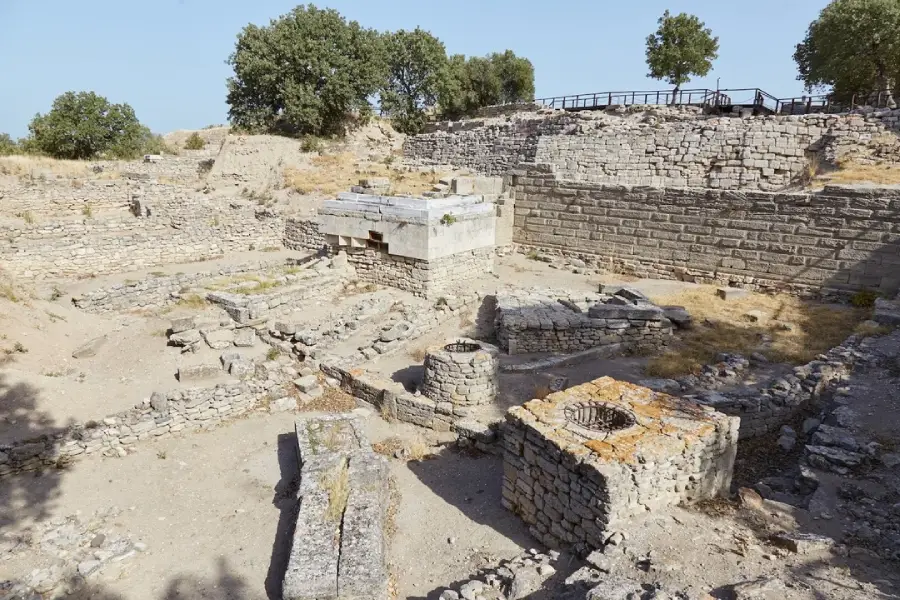
For nearly two millennia, the epic battles, legendary heroes, and structural betrayals detailed in Homer’s The Iliad were viewed by modern scholars as beautifully written national mythology. Historians firmly believed that the grand city of Troy was a purely symbolic backdrop created exclusively to explore the tragic human condition through ancient poetry. This academic consensus was completely shattered in the 1870s when a wealthy, controversial German archaeologist named Heinrich Schliemann followed geographical clues inside the poem to dig at Hisarlik, Turkey. Schliemann successfully uncovered the massive, charred remains of a heavily fortified ancient city featuring towering stone walls, extensive weapon caches, and deep structural layers that completely aligned with the Bronze Age destruction detailed in the poem.
14. The ancient Greek rumors of the massive petrified forest of Lesbos
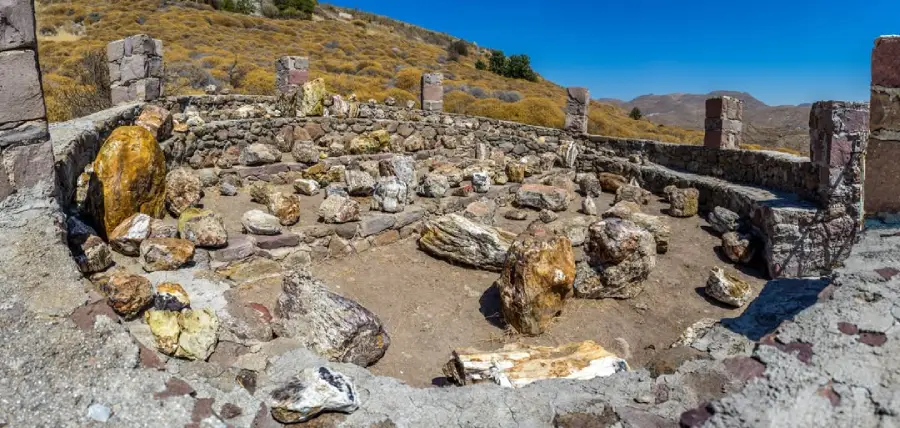
Ancient Greek philosophers and local island storytellers spent generations passing down oral histories regarding a mythical, prehistoric cataclysm where an angry god permanently turned an entire lush, towering forest of green trees into cold, solid stone. For hundreds of years, mainstream European botanists and historians dismissed these claims as pure, creative mythological allegories designed to explain standard rock erosion or basic volcanic landscapes. The incredible reality was officially verified by modern geological excavations on the island of Lesbos, which uncovered one of the single largest and most pristine petrified forests on the entire planet. Volcanic activity over twenty million years ago had completely buried the ancient ecosystem in thick ash, perfectly fossilizing entire towering redwood trees down to their absolute root systems and cell structures, just as the ancient legends claimed.
In the mood for more historical myths?
The incredible scientific validation behind these historical anomalies serves as a powerful reminder that our ancestors were often remarkably astute observers of the natural and structural world around them. When we automatically dismiss ancient folklore as primitive fantasy without conducting rigorous field research, we risk erasing invaluable chapters of our collective human experience. If you enjoyed this mind-bending journey looking back at the legends that turned out to be completely true, make sure to explore these 20 Things World War II Movies Got Completely Wrong, or 15 Myths People Believe Are True. You may also like these 15 Myths and Legends from the 1950s–1980s.