

Some myths survive because they sound scientific. Others stick around because parents, teachers, movies, and television repeated them until they became part of everyday life. Even after they have been disproved, they continue showing up in conversations, trivia games, and well-meaning advice. From swallowed chewing gum to supposedly blind bats, these familiar claims are much harder to retire than they should be.
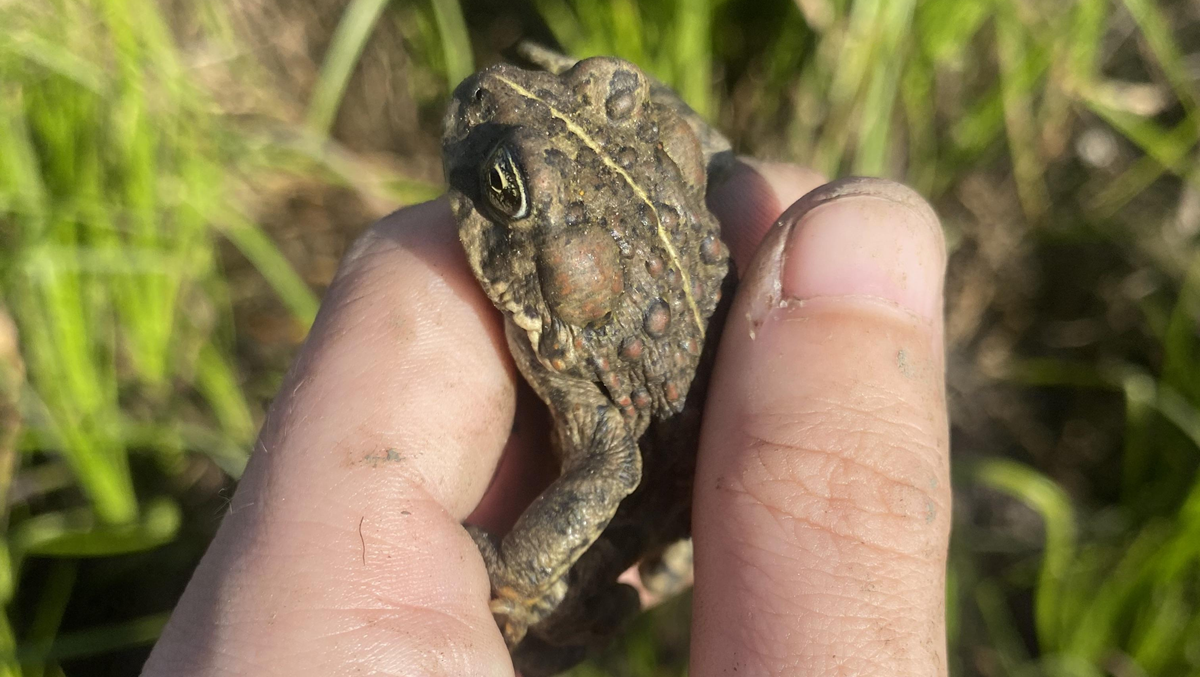
1. Touching a Toad Gives You Warts
TOADS / VIA REDDIT
Toads have rough, bumpy skin, so the connection probably seemed obvious to generations of children. Those bumps are glands, not warts, and touching them cannot give a person the human papillomavirus that causes actual warts. Some toads can release irritating substances as a defense, so washing your hands afterward is still sensible. Just do not blame the animal for a skin condition it cannot spread.
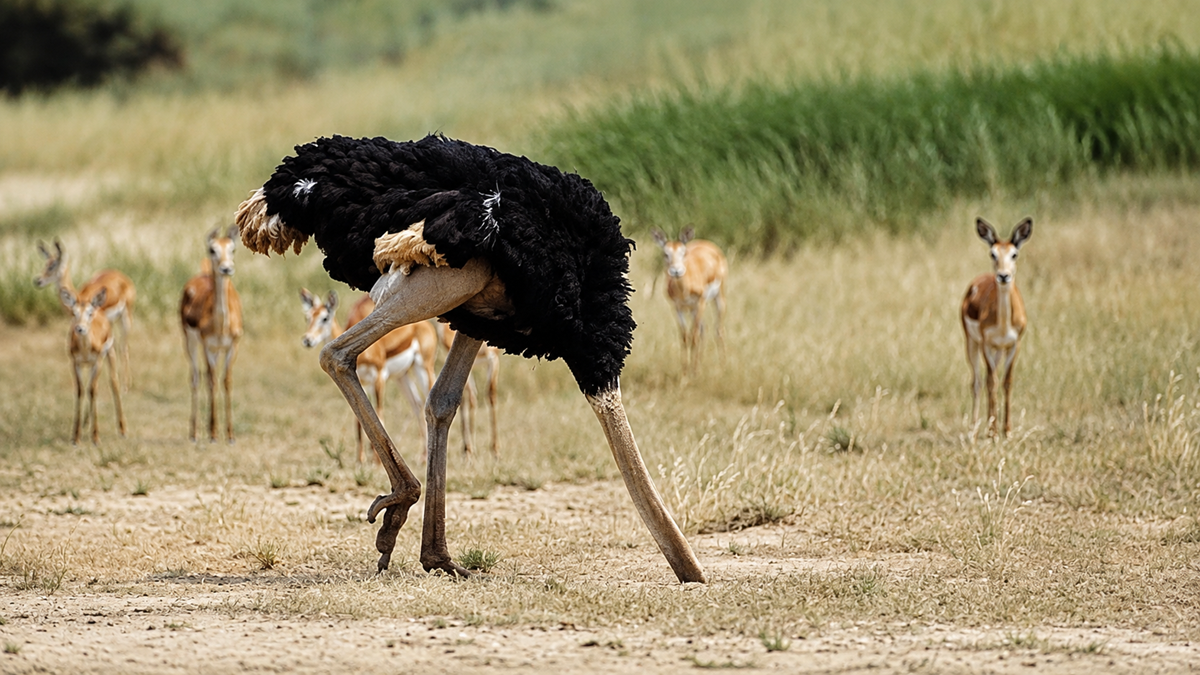
2. Ostriches Bury Their Heads in the Sand to Hide
NATURE / VIA REDDIT
Ostriches really do put their heads close to, and sometimes partly into, the sand. They dig shallow nests in the ground and regularly lower their heads to turn or inspect their eggs, which can make it look as though the head has disappeared. What they do not do is bury their heads to avoid danger. When threatened, they are more likely to crouch low, run away, or defend themselves with a powerful kick
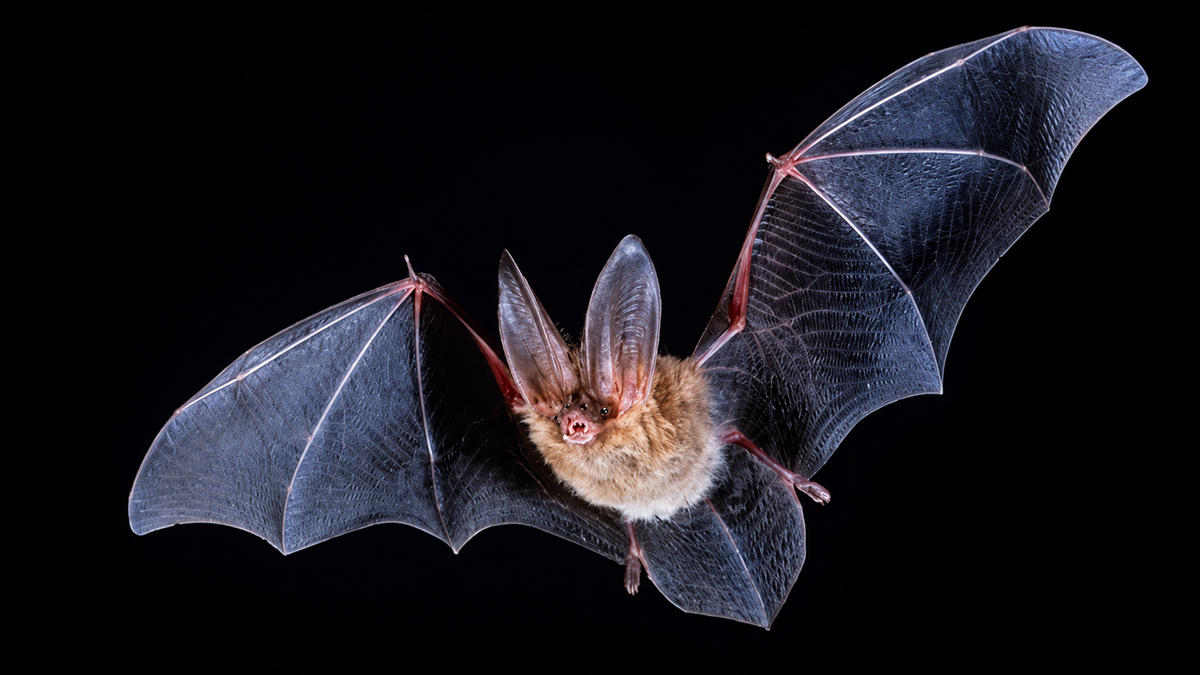
3. Bats Are Blind
TODAYILEARNED / VIA REDDIT
Bats are not flying through complete darkness with no visual information. Most species can see, and some have vision that works especially well in low light. Echolocation gives many bats an additional way to navigate and locate prey, but it does not replace eyesight entirely.
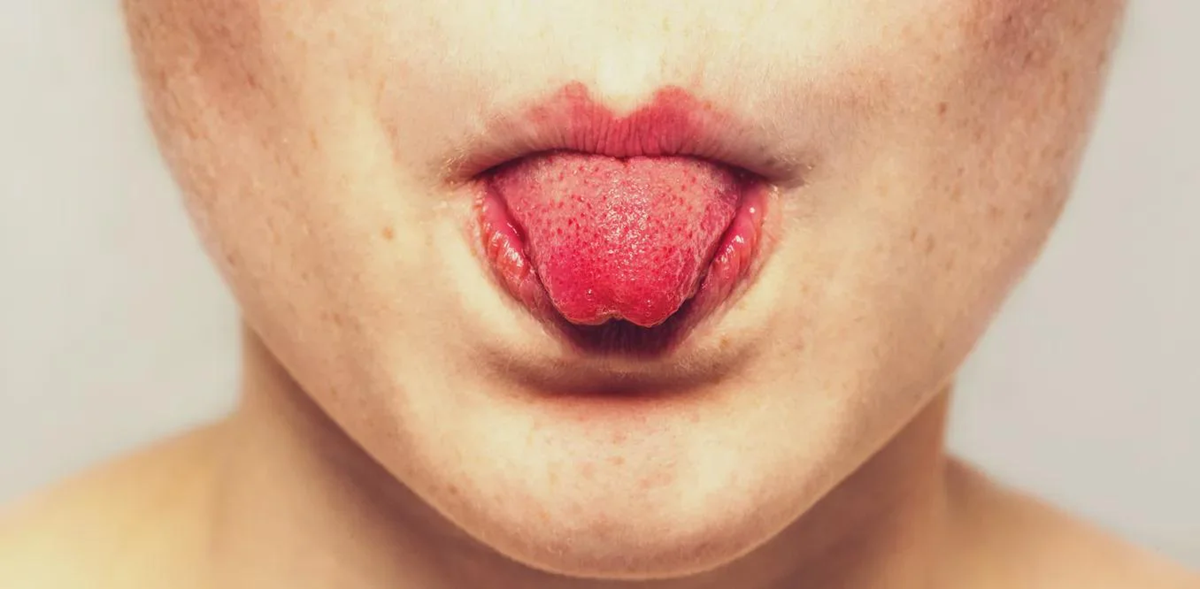
4. Different Parts of the Tongue Detect Different Tastes
TODAYILEARNED / VIA REDDIT
The familiar tongue map divides sweetness, saltiness, sourness, and bitterness into tidy little zones. Real tongues are much less organized. Taste receptors for the major flavors are spread across most areas that contain taste buds, although some spots may be slightly more sensitive than others. A square of chocolate does not become flavorless just because it lands on the “wrong” part.
5. Vitamin C Prevents the Common Cold

TODAYILEARNED / VIAREDDIT
Orange juice often appears the moment someone starts sneezing. Vitamin C supports normal immune function, but taking it does not guarantee that a cold will stay away. Regular intake may slightly shorten the illness for some people, yet swallowing a large dose after symptoms begin is unlikely to produce a dramatic rescue. The reputation is much stronger than the effect.
Trending on The Scroller


6. Earth’s Seasons Depend on Its Distance From the Sun

GEOGRAPHY / VIA REDDIT
Summer feels hotter, so it is tempting to picture Earth moving closer to the Sun. The seasons are mainly caused by the planet’s tilted axis, which changes the angle and duration of sunlight reaching each hemisphere during the year. In fact, Earth is closest to the Sun in early January, when much of the Northern Hemisphere is deep into winter.
7. You Lose Most of Your Body Heat Through Your Head
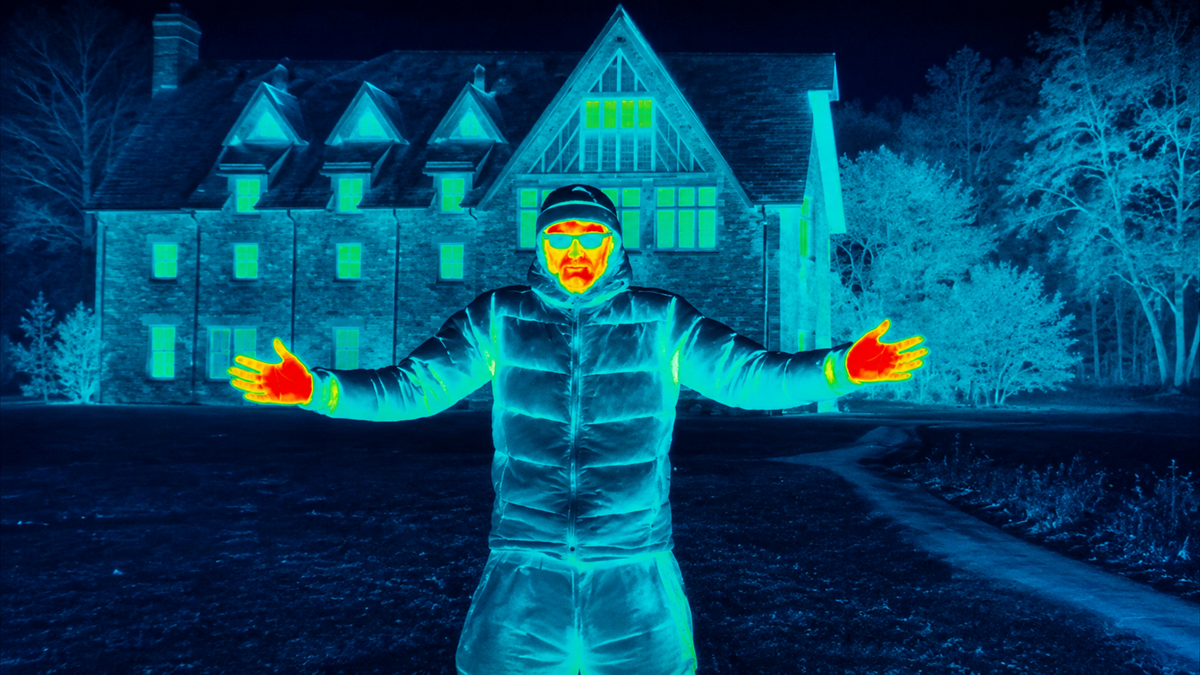
INTERESTING / VIA REDDIT
A bare head can certainly feel miserable on a cold day, but it is not a special escape hatch for body heat. Heat is lost from any uncovered area, and the amount depends largely on how much skin is exposed. A hat helps because it covers part of the body, not because the head releases some enormous percentage all by itself.
8. A Penny Dropped From a Skyscraper Can Kill Someone

INTERESTING / VIA REDDIT
The story usually involves a coin falling from the Empire State Building and striking an unlucky pedestrian below. A penny is light and shaped in a way that creates plenty of air resistance, so it would not keep accelerating without limit. It could sting or cause a minor injury, but it would not hit with the force of a bullet. The bigger concern would be heavier objects dropped from that height.
Sign up for our newsletter
9. Daddy Longlegs Are the World’s Most Venomous Spiders
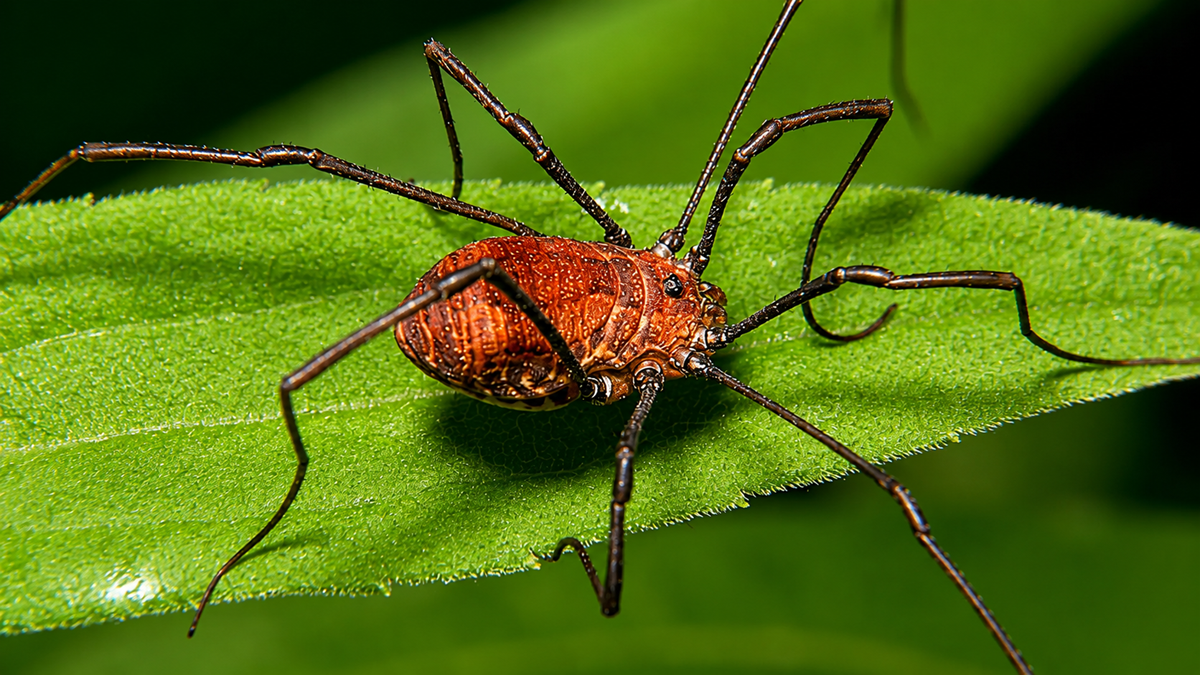
TODAYILEARNED / VIA REDDIT
This myth usually adds a convenient twist: their fangs are supposedly too short to bite humans. The name “daddy longlegs” is used for several creatures, including harvestmen, which are not true spiders and do not have venom glands. Long-legged cellar spiders do have venom for catching prey, but there is no evidence that they possess some hidden, exceptionally dangerous toxin.
10. Glass Is a Liquid That Slowly Flows Over Time
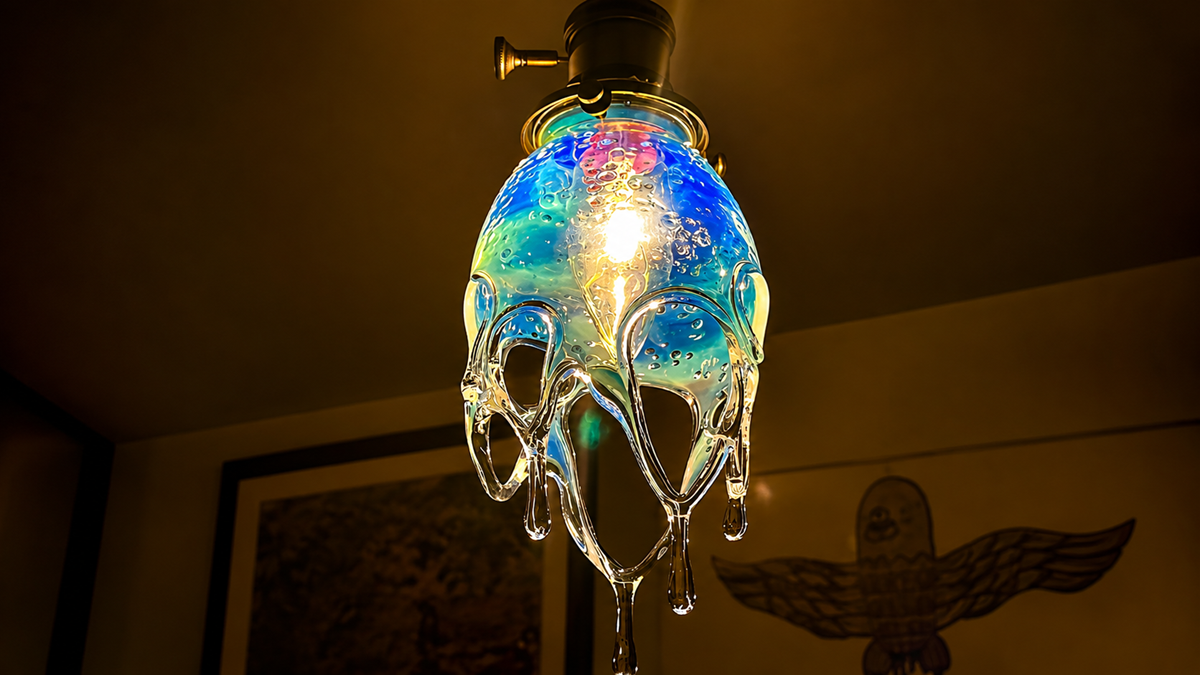
PICS / VIA REDDIT
Old windows are sometimes thicker at the bottom, which gave rise to the idea that glass slowly runs downward over centuries. Glass is an amorphous solid, and ordinary window glass does not visibly flow at room temperature. Uneven panes in older buildings were usually produced by historical manufacturing methods, then installed with the heavier edge at the bottom for stability.
11. Bananas Grow on Trees

TODAYILEARNED / VIA REDDIT
A banana plant can tower over a person and looks convincingly tree-like from a distance. Botanically, however, it is a giant herb rather than a tree. Its apparent trunk is made from tightly packed leaf bases instead of wood, and each stem produces fruit before dying back. The underground plant remains alive and sends up a new shoot for the next crop
12. Toilets Flush in Opposite Directions Across the Equator

The Coriolis effect influences enormous weather systems, but it is far too weak to determine the direction of water in an ordinary toilet or sink. The shape of the bowl, the position of the drain, and the direction of the water jets matter much more. Carefully controlled experiments can demonstrate the effect in large, still containers, but a household bathroom is not a miniature hurricane laboratory.
13. People Swallow Eight Spiders a Year While Sleeping
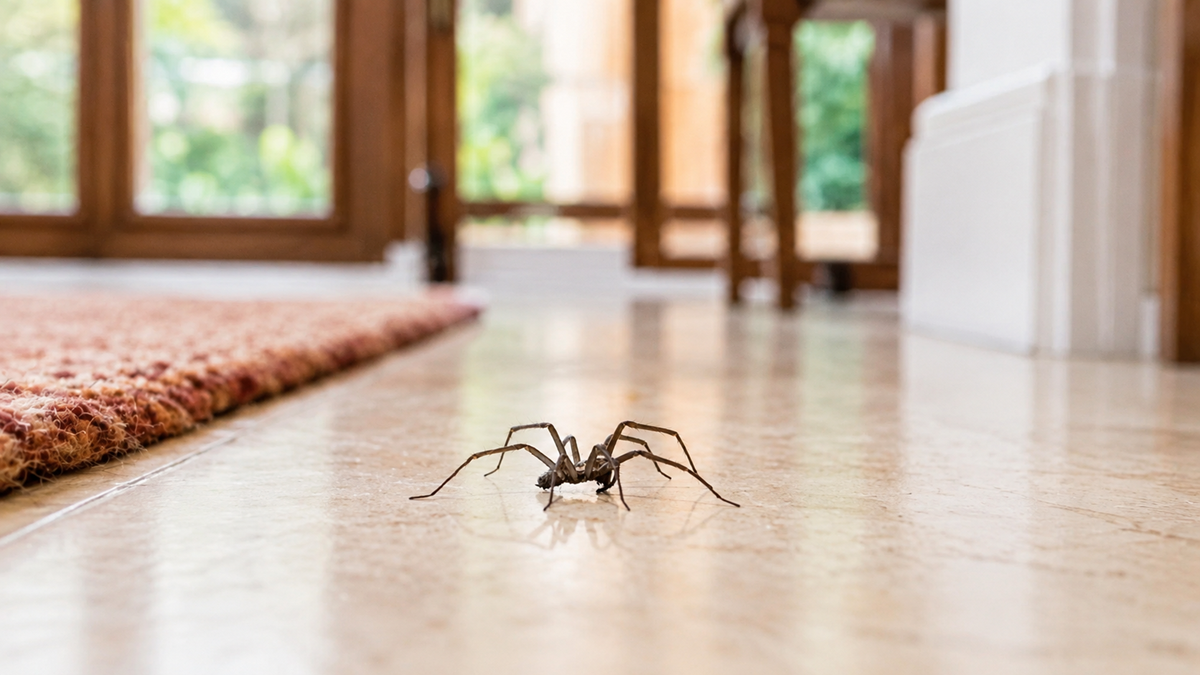
TODAYILEARNED / VIA REDDIT
There is no credible research behind this strangely specific claim. Spiders generally avoid the vibrations, breathing, and movement produced by a sleeping human. A spider accidentally wandering near someone’s face is possible, but regularly crawling into open mouths would be highly unusual behavior. The number eight appears to be memorable precisely because it sounds measured and official.
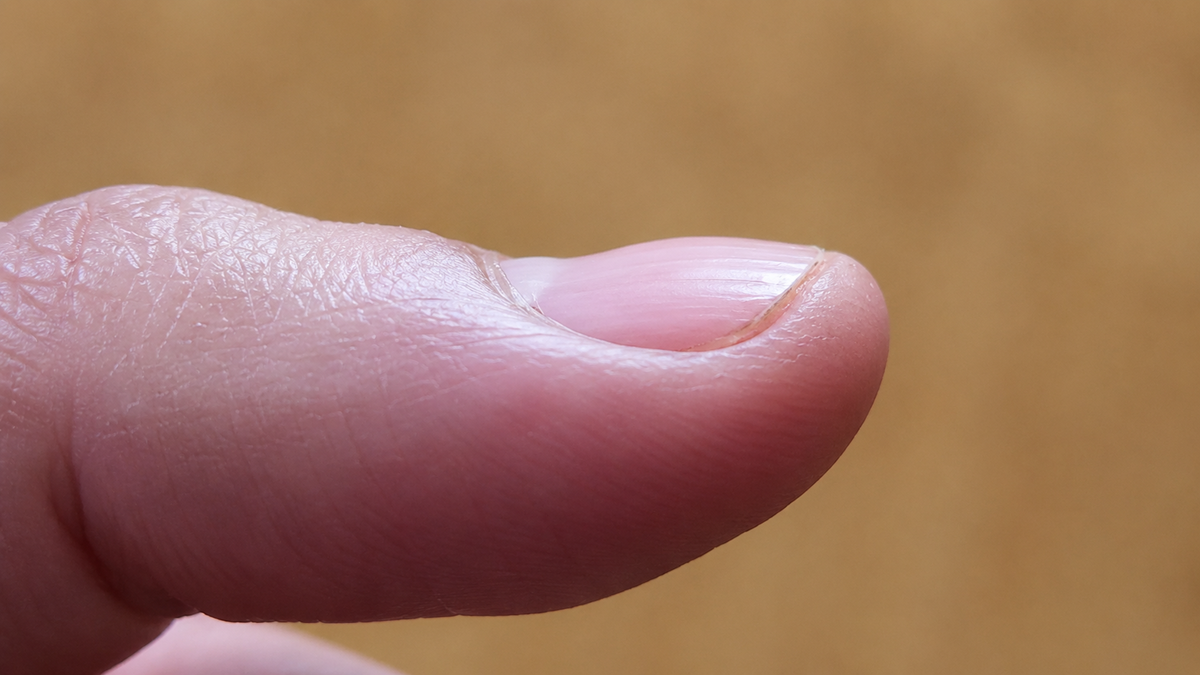
14. Hair and Fingernails Keep Growing After Death
ASKANYTHING / VIA REDDIT
They only appear to grow. After death, the skin loses moisture and begins to retract, exposing more of the hair shafts and nail beds. Actual growth requires active cells, nutrients, and hormonal processes that no longer continue.
15. Bulls Become Angry When They See Red

TODAYILEARNED / VIA REDDIT
A bull in a traditional bullfight reacts to the movement of the cape, not its color. Cattle do not perceive red in the same way humans do, and they respond similarly when a moving cloth is another color. The red cape, or muleta, is mostly part of the spectacle. It also helps make blood less visible during the later part of the fight, which is a considerably less charming explanation.
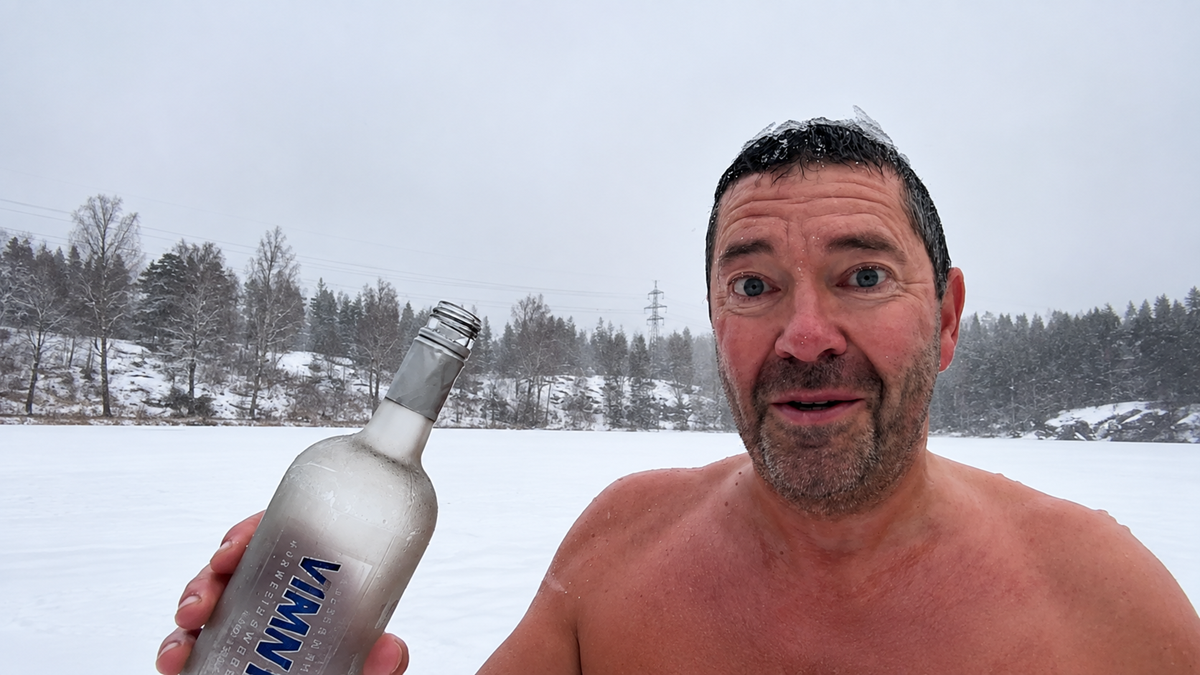
16. Alcohol Warms the Body
MILDLYINTERESTING / VIA REDDIT
A drink can produce a quick sensation of warmth because alcohol causes blood vessels near the skin to widen. That brings warm blood closer to the surface, making the face and body feel flushed. At the same time, heat escapes more quickly, which can lower the body’s core temperature. In very cold conditions, the warm feeling may hide the fact that the body is becoming colder.
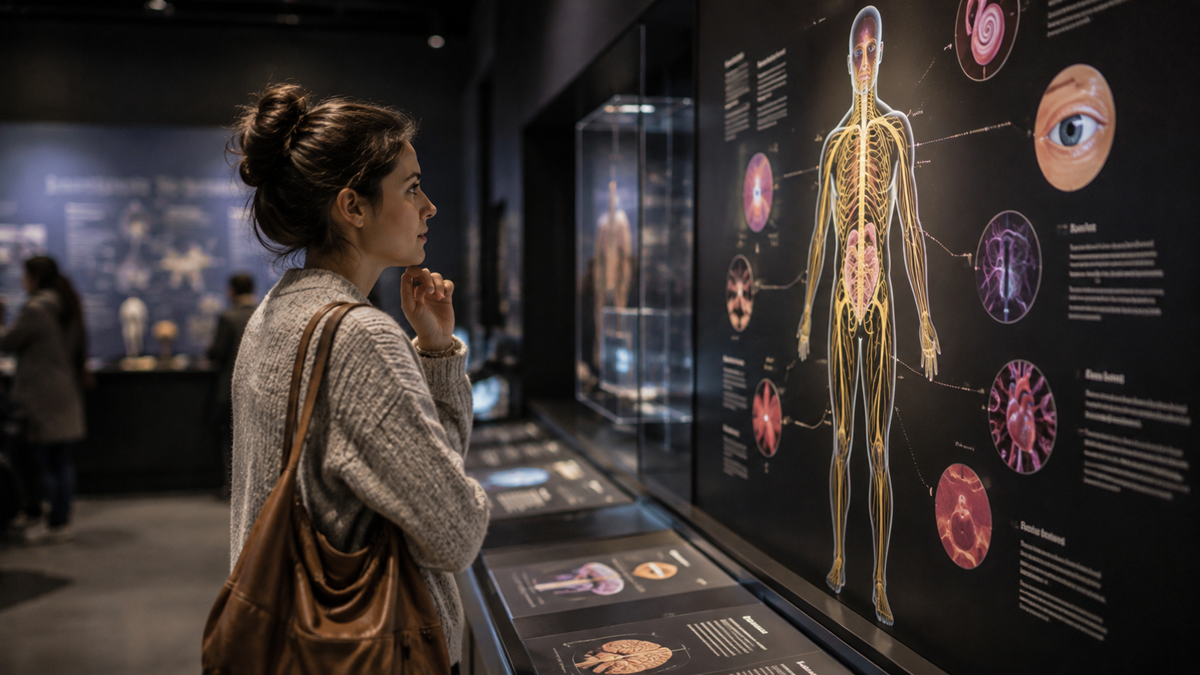
17. People Have Only Five Senses
SCIENCE / VIA REDDIT
Sight, hearing, taste, smell, and touch make a tidy list, but the human sensory system is more complicated. The body also detects balance, temperature, pain, limb position, movement, hunger, and internal pressure, among other signals. Scientists do not always group or count these systems in exactly the same way, which is why there is no universally agreed total. Aristotle’s five-sense model was easy to teach, and after more than two thousand years, it still fits neatly on a classroom poster.
In the mood for more?
Check out 20 Fascinating Facts About Humans That Defy Logic, or take a look at 15 Human Abilities That Sound Fake But Are Real. If you want to see more interesting nature facts, you can check out 15 Animals With Social Lives More Complicated Than Most Humans.