

Growing up at the turn of the millennium meant navigating a unique cultural landscape caught between the analogue past and the digital future. During the late 1990s and 2000s, older generations, educators, and mainstream media outlets frequently issued dire warnings about the shifting habits of young people. It felt like almost every new piece of technology, pop culture trend, or lifestyle choice popular among millennials was immediately labeled a societal threat destined to destroy their future prospects, attention spans, or moral character.
Years later, the reality of adult life has proven that most of these intense anxieties were completely overblown. The generation that survived the transition into the internet age managed to grow up, build careers, and navigate the world just fine, despite the catastrophic predictions of the past. Looking back at these warnings provides a hilarious and validating look at how quickly a cultural panic can fade into a normal, everyday part of life. Let’s take a look at eighteen things millennials were told would absolutely ruin them that actually turned out to be completely harmless.
1. Wikipedia as an information source
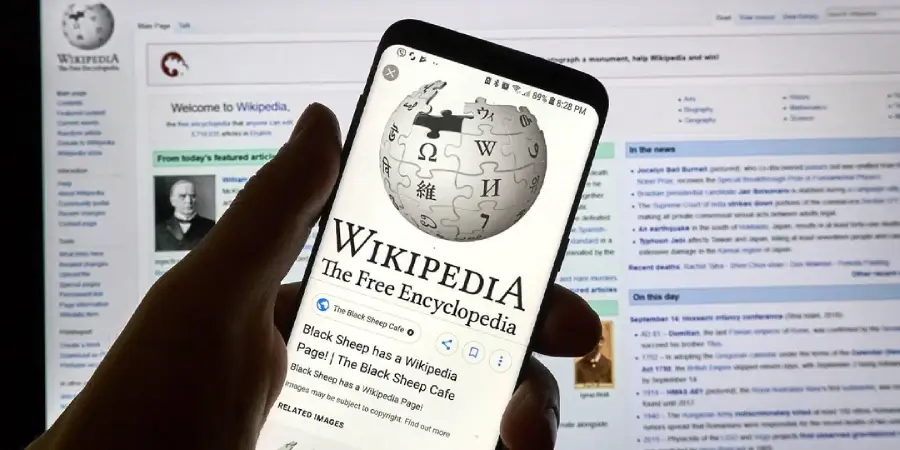
During the early 2000s, teachers and professors universally banned students from using Wikipedia, warning that it was a lawless wasteland of false information that would destroy academic research. Educators argued that because anyone could edit a page, the platform was entirely unreliable for serious learning. In reality, the site developed a highly efficient community of editors and strict sourcing guidelines that made it incredibly accurate. Today, it is widely considered one of the most successful collaborative projects in human history and a standard starting point for quick research worldwide.
2. Having a visible tattoo

There was a time when a visible piece of body art was considered an absolute corporate death sentence that would keep you trapped in entry-level jobs forever. Parents warned that getting a tattoo on an arm or wrist meant sacrificing any future career in business, law, or education. However, corporate culture shifted drastically as younger professionals moved into leadership roles. Visible tattoos have become entirely normalized in the modern workplace, with many executives, doctors, and creative directors proudly displaying their ink in formal meetings.
3. Video games rotting the brain
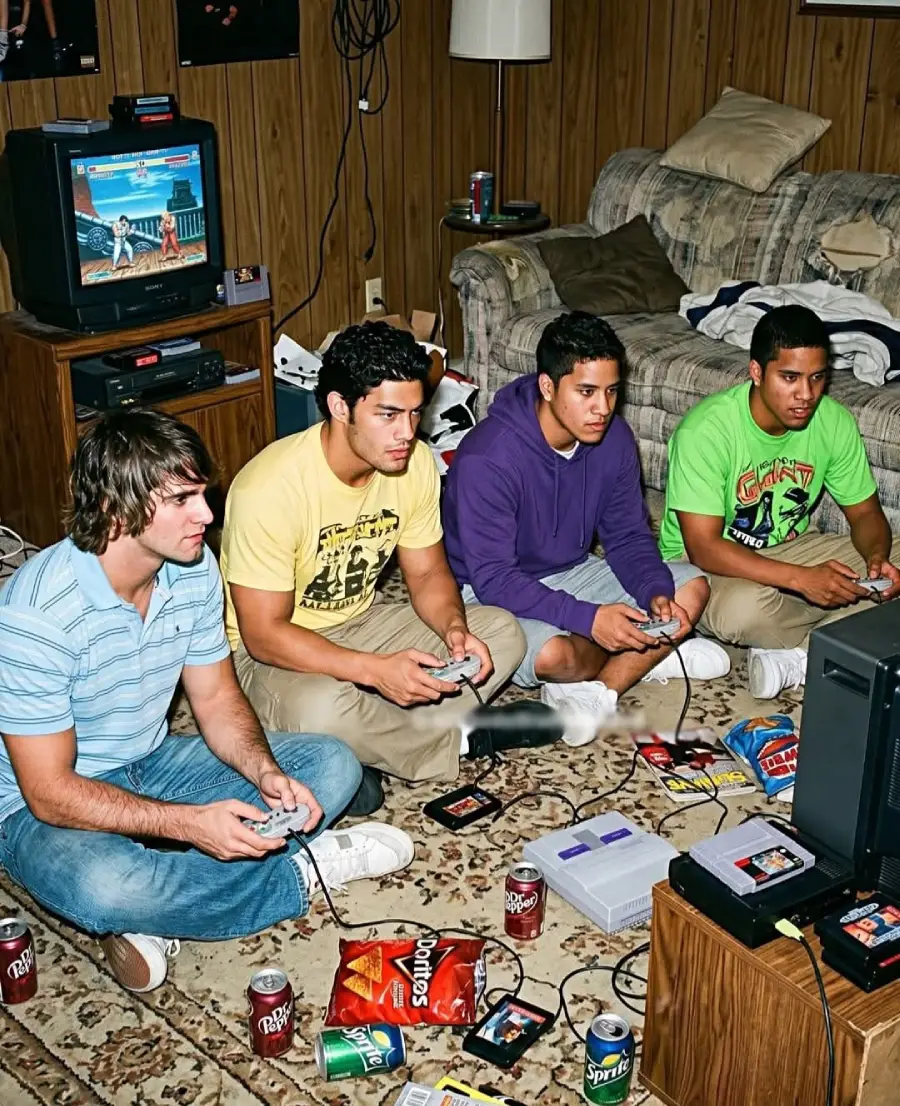
The rapid rise of home consoles and complex gaming environments triggered a massive wave of concern among child psychologists and worried parents. The consensus was that hours spent staring at a screen would permanently stunt cognitive development, reduce empathy, and destroy real-world social skills. Modern neurological studies have completely turned this theory upside down by proving that gaming can actively improve hand-eye coordination, spatial awareness, and complex problem-solving abilities. Many tech industries now highly value the strategic thinking skills that players develop over years of cooperative online gaming.
4. Text messaging destroying the English language

When mobile phones took over the youth culture, the use of abbreviations like “BRB” or “LOL” caused a minor panic among linguistic purists. Major newspapers published opinion pieces claiming that text message shorthand would permanently ruin the writing skills and vocabulary of an entire generation. Instead of destroying communication, texting actually forced a fast-paced evolution of language that allowed people to express complex emotions with fewer characters. Studies later showed that children who frequently used text slang often performed better on standard spelling and literacy tests due to their constant engagement with written words.
5. Meeting people on the internet

In the early days of chat rooms and forums, young people were repeatedly warned that the internet was entirely populated by dangerous strangers hiding behind fake profiles. Meeting an online friend in the real world was treated as an incredibly risky choice that defied basic common sense. Today, online dating and digital networking have completely shifted from an eccentric subculture into the absolute standard for human connection. The majority of modern marriages and professional partnerships now begin on an app, turning a former safety hazard into a routine part of adult socialization.
Trending on The Scroller


6. The Y2K bug
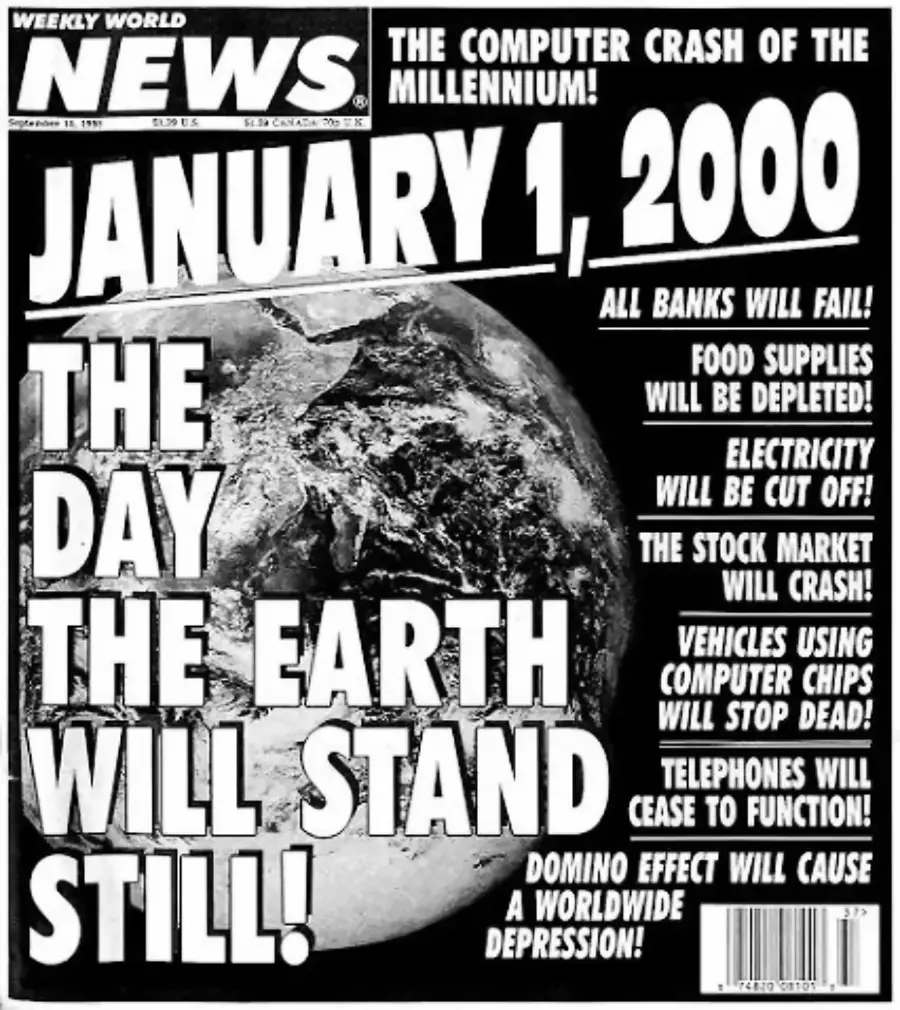
As the clock ticked down to midnight on December 31, 1999, the global media convinced the public that a computer coding error was about to trigger an immediate technological apocalypse. Experts warned that banking systems would collapse, planes would fall out of the sky, and power grids would fail because computers couldn’t process the year 2000. While a massive amount of behind-the-scenes engineering work did take place to patch the software, the actual transition happened with barely a single noticeable glitch. The world woke up on New Year’s Day to functioning electronics, turning the massive panic into an overnight historical punchline.
7. Ditching a traditional landline

When the first smartphone plans became affordable, making the choice to completely cancel a home telephone service was seen as an incredibly irresponsible move. Traditionalists argued that without a physical wire connected to a house, you would be unreachable during emergencies, power outages, or natural disasters. They believed that a cell phone was a luxury accessory rather than a reliable tool for a stable household. Today, the physical landline is a rare relic found mostly in offices, as mobile networks have achieved near-universal reliability across the globe.
8. Not memorizing every math formula

A favorite mantra of schoolteachers before the smartphone era was that students needed to memorize complex equations because they wouldn’t carry a calculator in their pocket every single day. The curriculum placed a massive amount of pressure on memorization rather than conceptual understanding of logic. Now, every single adult carries a pocket computer that can solve complex calculus, translate languages instantly, and access global databases in seconds. The focus of modern education has subsequently shifted toward analyzing data rather than simply memorizing raw numbers.
Sign up for our newsletter
9. Buying things online with a credit card

When e-commerce sites first launched, typing your credit card number into a web browser was viewed as an open invitation for identity theft and financial ruin. Financial advisors warned that hackers were constantly waiting to intercept your data and drain your bank account the second you bought a CD or a book online. This initial fear forced the development of highly advanced encryption protocols and secure digital payment gateways that made online shopping incredibly safe. Today, online shopping is a multi-trillion-dollar industry that handles the vast majority of daily retail transactions globally.
10. The dangers of rap and nu-metal music

The heavy, aggressive sounds of late 90s hip-hop and alternative rock were frequently blamed for rising teenage rebellion and parental alienation. Politicians routinely held hearings demanding warnings on album covers, claiming the lyrics would corrupt the moral fabric of youth culture. Decades later, those controversial tracks are played on classic rock stations and featured in nostalgic car commercials during major sports events. The artists who were once viewed as public enemies are now highly respected cultural icons who have won Pulitzers and Academy Awards.
11. Watching too much reality TV

The explosive popularity of early reality television shows like Survivor or The Real World led to widespread predictions about the immediate death of high-quality entertainment. Critics argued that watching ordinary people argue on camera would turn the brains of young viewers into mush and kill the art of scripted drama. Instead of destroying television, the reality boom coexisted with what historians now call the Golden Age of Scripted TV, giving rise to masterpieces like The Wire and Mad Men. It turned out that audiences were perfectly capable of enjoying silly drama on Sunday and prestige cinema on Monday.
12. Working from home is unproductive

As the first generation of tech professionals began pushing for remote options, corporate managers firmly insisted that working away from an office desk would destroy productivity and lead to total laziness. The traditional belief was that employees required constant physical supervision and the structure of a cubicle to get any real work completed. This theory was thoroughly debunked when global events forced a massive shift toward remote work systems on a massive scale. Companies quickly discovered that employees were often far more productive, focused, and satisfied when given control over their home environments.
13. Peer-to-peer file sharing

The arrival of digital music sharing platforms created an absolute panic in the entertainment industry, with executives claiming that illegal downloading would permanently bankrupt the art of music production. Artists and labels launched massive lawsuits against teenagers, predicting a future where no one would ever invest in recording albums again. While the traditional CD market did collapse, file sharing paved the way for the modern streaming models that completely revitalized the financial health of the industry. It forced a clunky business to modernize, making music more accessible to fans than ever before.
14. Casual dress codes in the office

When the tech boom introduced the concept of “Casual Fridays” and Silicon Valley hoodies to the professional world, traditional business experts predicted a rapid decline in corporate professionalism and respect. They believed that without a tailored suit and a silk tie, employees would treat clients poorly and fail to take their roles seriously. Today, the traditional suit is reserved for high-level courtrooms or political functions, as the most valuable companies on earth are run by executives in sneakers and T-shirts. Professionalism proved to be a matter of work ethic and competence rather than the presence of a collar.
15. The Harry Potter “occult” scare

When the boy wizard took the literary world by storm, a vocal contingent of groups claimed that the books were a dangerous gateway into real-world witchcraft and the occult. Some communities even held public book burnings, genuinely worried that reading about fictional spells would lead children down a dark, antisocial path. In reality, the series is widely credited with saving the reading habits of an entire generation of children during the exact moment video games and the internet were competing for their attention. It turned millions of kids into lifelong book lovers who appreciated themes of friendship and bravery.
16. Using Google Maps to navigate
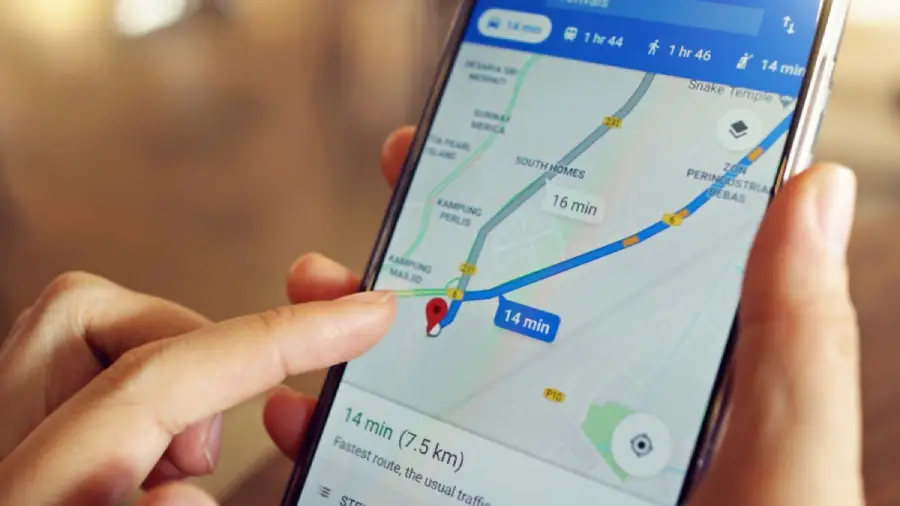
Before GPS became a standard feature on every phone, relying on digital mapping services rather than learning how to read a physical paper map was seen as a dangerous shortcut. Elders warned that if your battery died or your signal dropped in a rural area, you would be left completely stranded without any survival skills. This fear never really materialized because digital maps became incredibly advanced, incorporating offline storage and real-time traffic updates. Today, navigating a foreign city is an stress-free experience that has made global travel far more accessible to the average person.
17. The attention span of the MTV Generation
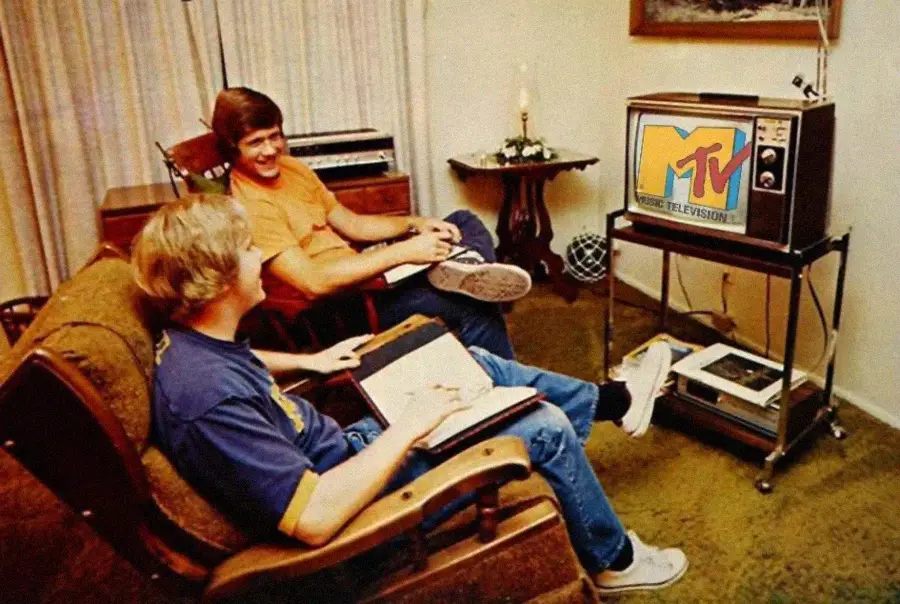
The fast-paced editing styles of 90s music videos and early internet media led to a common prediction that youth would lose the ability to focus on long-form content. Experts argued that the human brain was being rewired to only process information in short, frantic bursts of a few seconds each. This theory fell apart when that exact same generation went on to spend hours listening to three-hour episodic podcasts and binge-watching complex, serialized dramas over entire weekends. The format of the media changed, but the human capacity for deep engagement with a good story remained completely intact.
18. Consuming avocado toast and specialized coffee

In the mid-2010s, wealthy financial analysts famously claimed that the primary reason young adults couldn’t afford to purchase real estate was their obsession with trendy brunch items and expensive espresso drinks. This viral critique suggested that a basic lifestyle choice was the root cause of a complex macroeconomic housing crisis. Millennials quickly did the math and pointed out that skipping a weekly $15 breakfast would do absolutely nothing to bridge the gap toward a six-figure down payment on a house. The trend remained a harmless, delicious weekend ritual that had zero actual impact on the global banking system.
Discover more interesting facts:
The intense panics that surrounded the youth culture of the past serve as a wonderful reminder that society is often terrified of change, even when that change is entirely progress in disguise. Looking back at these warnings proves that every generation finds its own way to adapt, thrive, and make the world its own. If you enjoyed this validating trip down memory lane, be sure to explore these 20 Iconic Millennial Trends Officially Revived in 2026, or these 20 Things Boomers Won’t Understand About Millennials. You can also check out these 20 Everyday 80s Objects Millennials Have Never Used.