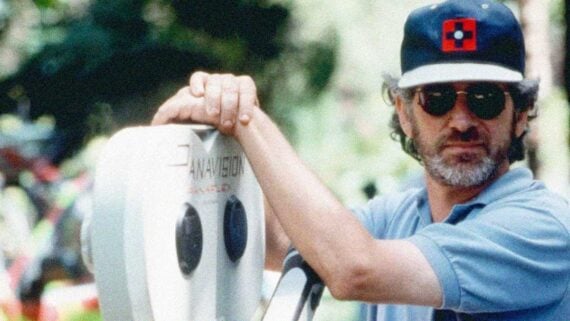
In the world of cinema, the director is often the most important figure on set because they guide the creative vision behind every scene, performance, and camera movement. Few filmmakers have shaped modern Hollywood as much as Steven Spielberg. Across several decades, Spielberg transformed blockbuster filmmaking with unforgettable movies like Jaws, E.T. the Extra-Terrestrial, Jurassic Park, Indiana Jones, Saving Private Ryan, and Schindler’s List. His ability to blend emotion, suspense, adventure, and groundbreaking visual storytelling made Spielberg one of the most influential directors in film history.
What makes Spielberg even more fascinating is the number of myths, hidden details, and behind-the-scenes stories connected to his movies. Some involve technical innovations that changed cinema forever, while others reveal unusual casting decisions, practical effects secrets, or personal inspirations that later appeared in films like The Fabelmans, the semi-autobiographical project that reflected on Spielberg’s childhood and early love for filmmaking. From legendary production disasters to subtle Easter eggs shared across multiple Spielberg films, these are the fascinating secrets and myths many movie fans still do not know.
1. The Mechanical Shark in Jaws Barely Worked
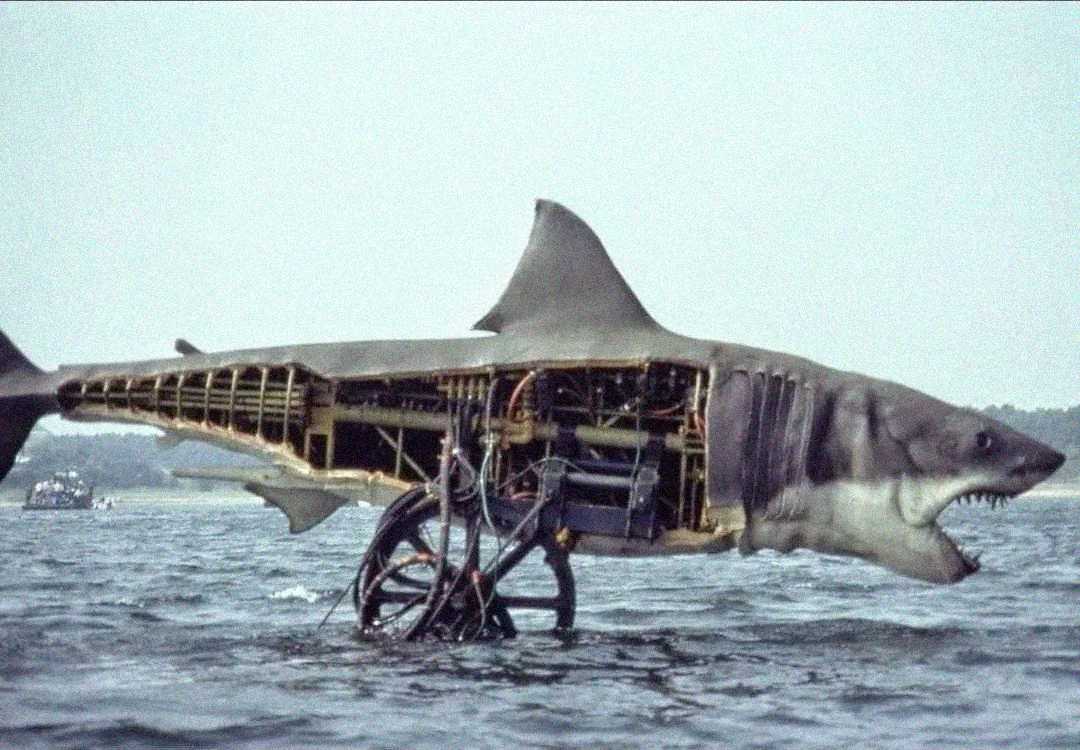
One of the most famous Spielberg production stories comes from Jaws. The mechanical shark, nicknamed “Bruce,” constantly malfunctioned during filming in the ocean. Instead of showing the shark repeatedly, Spielberg relied on suspense, music, and reaction shots to build fear. This unexpected limitation became one of the greatest strengths of the movie. Audiences imagined the shark before fully seeing it, which made the tension far more effective.
2. E.T. Was Inspired by Spielberg’s Childhood Loneliness
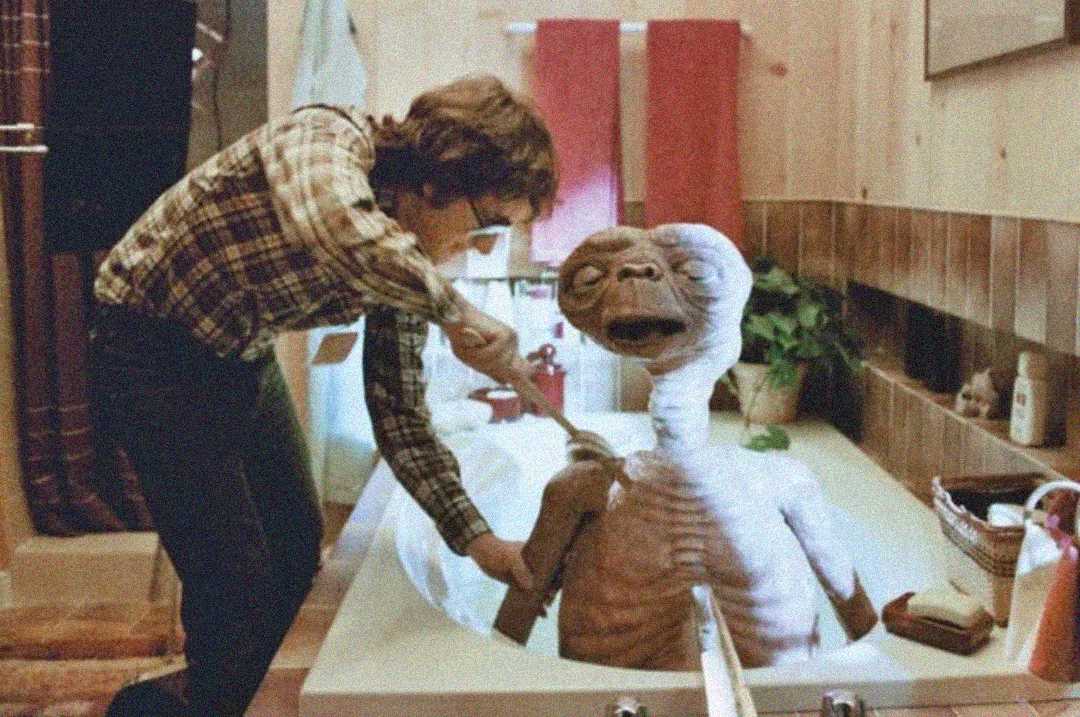
After his parents divorced, Spielberg often described feeling isolated as a child. He later explained that he imagined having an imaginary companion during difficult moments growing up. Those feelings eventually influenced E.T. the Extra-Terrestrial. The emotional bond between Elliott and E.T. reflected themes of friendship, loneliness, and family separation that Spielberg personally experienced.
3. The Face-Melting Scene in Raiders of the Lost Ark
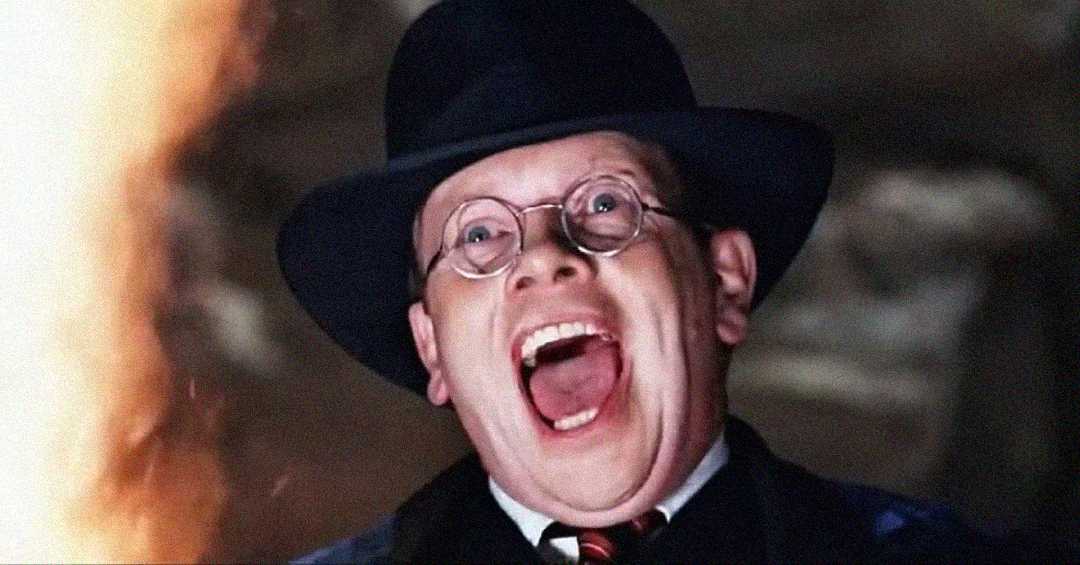
For decades, fans spread rumors about how the terrifying melting faces were created in Raiders of the Lost Ark. Some viewers believed Spielberg used extremely dangerous techniques or unusual chemicals on set. In reality, the special effects team used sculpted models made from materials like gelatin and wax. The sequence was filmed carefully with heat effects and compositing tricks.
4. Spielberg Secretly Used Real Fear in Jurassic Park
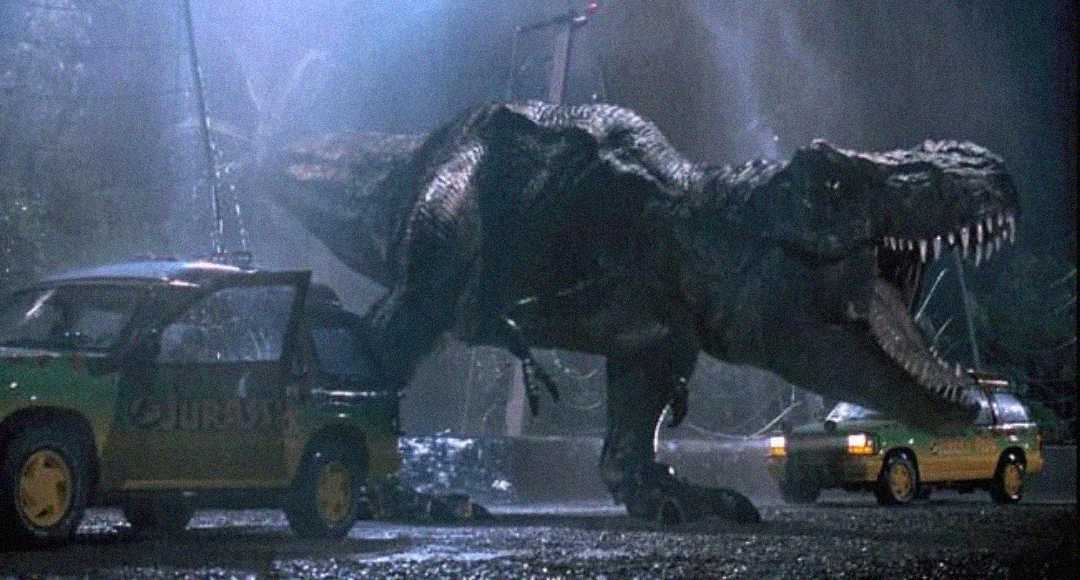
During the iconic T-Rex attack scene in Jurassic Park, Spielberg intentionally created unpredictable conditions on set. The animatronic dinosaur shook vehicles harder than many actors expected, and heavy rain made filming chaotic. The cast’s reactions often looked genuine because the set itself became physically intense during production.
5. Close Encounters of the Third Kind Included Hidden UFO References
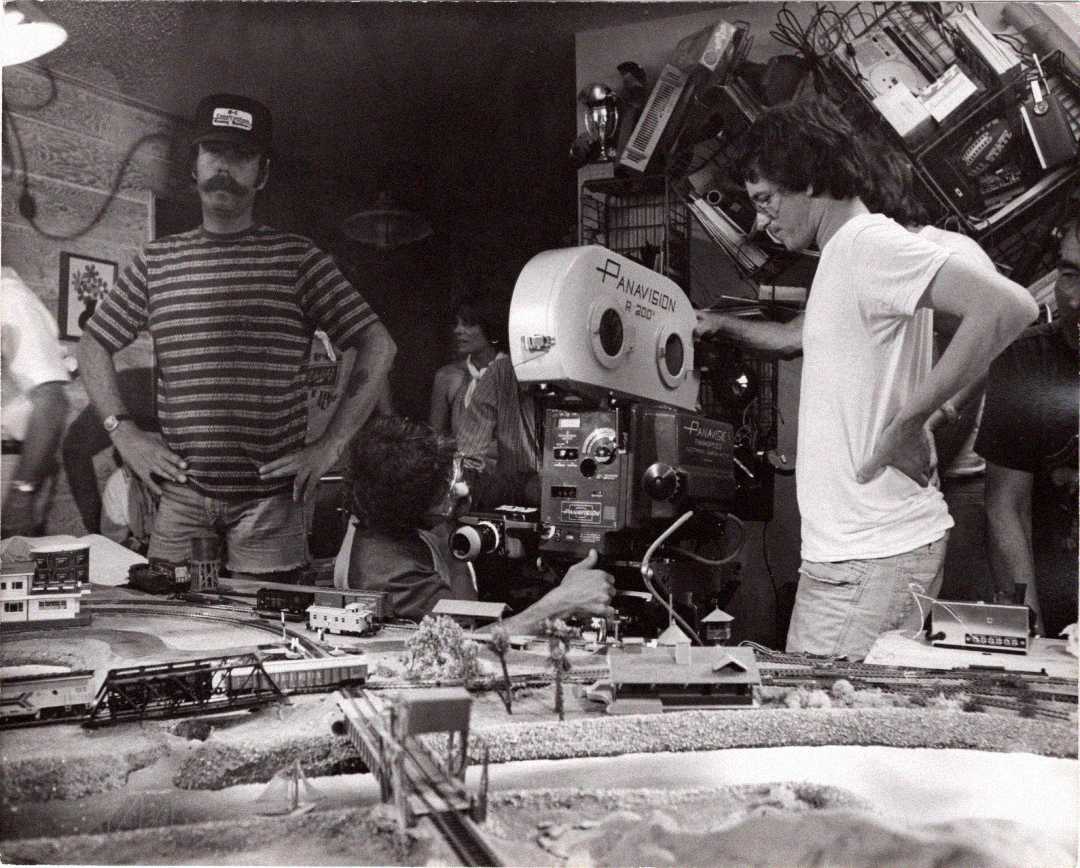
Spielberg has always loved science fiction and UFO stories. In Close Encounters of the Third Kind, he included visual references inspired by real UFO reports and popular conspiracy theories from the 1970s. Many background shapes, lights, and symbols were intentionally designed to make audiences feel uncertain about what was real. Spielberg wanted the movie to feel mysterious rather than completely explained.
Trending on The Scroller
6. The Bike Scene in E.T. Almost Looked Completely Different
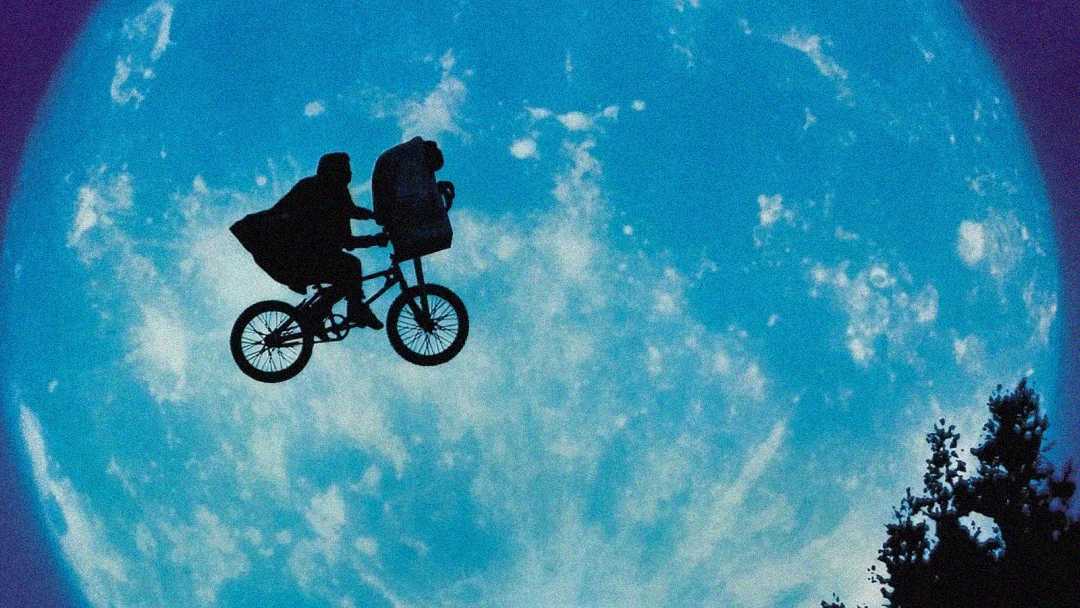
The famous flying bicycle sequence nearly became far more complicated. Early concepts involved additional effects and longer action moments. Spielberg eventually simplified the scene, focusing instead on emotion and John Williams’ music. The final version became one of the most iconic images in movie history and perfectly represented Spielberg’s ability to combine wonder with simplicity.
7. Schindler’s List Was One of Spielberg’s Most Difficult Experiences
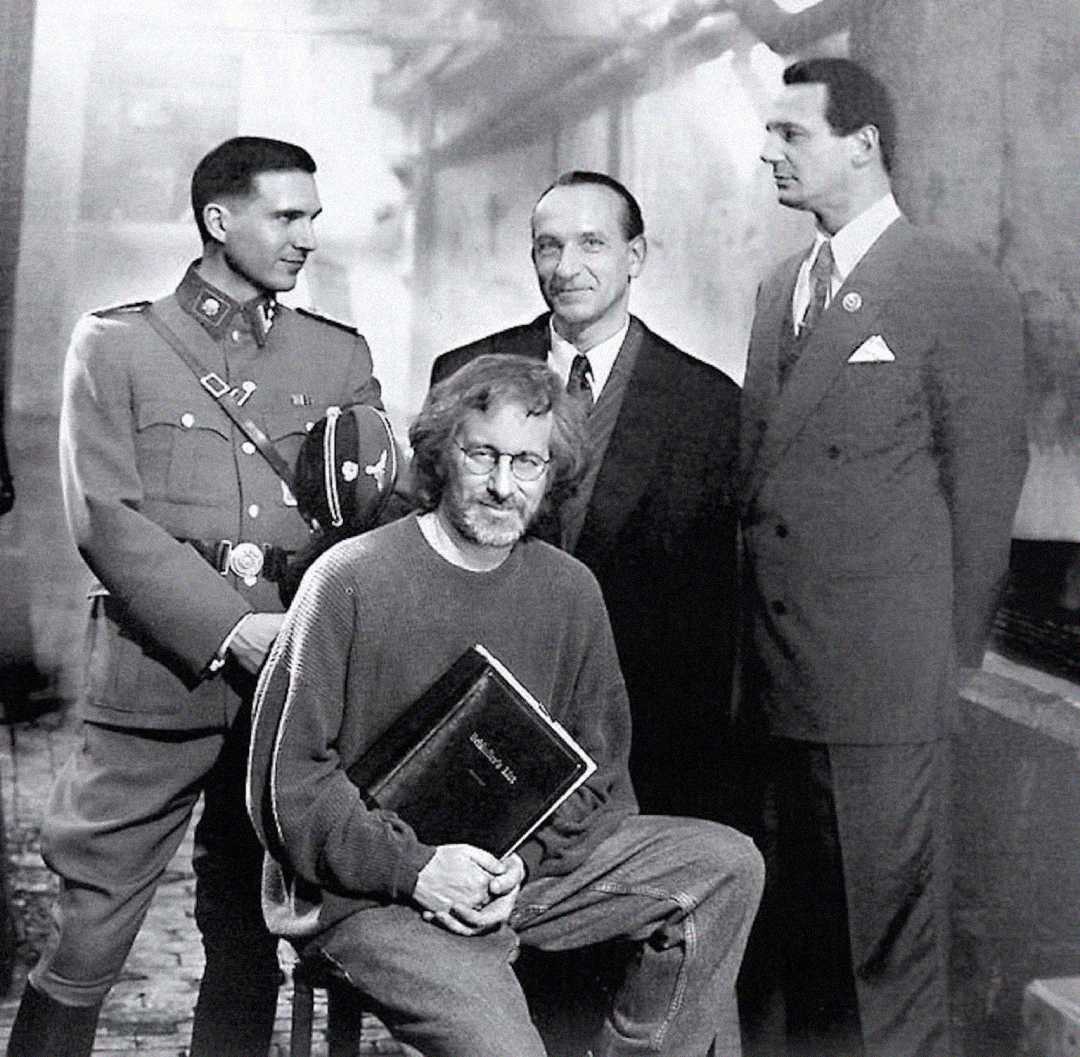
Spielberg admitted that directing Schindler’s List emotionally overwhelmed him at times. The film’s subject matter deeply affected the cast and crew during production. Unlike many Spielberg blockbusters, the movie avoided flashy cinematic techniques. Spielberg intentionally shot much of the film in black and white to create a documentary-like realism.
8. There Is a Long-Running Myth About Poltergeist
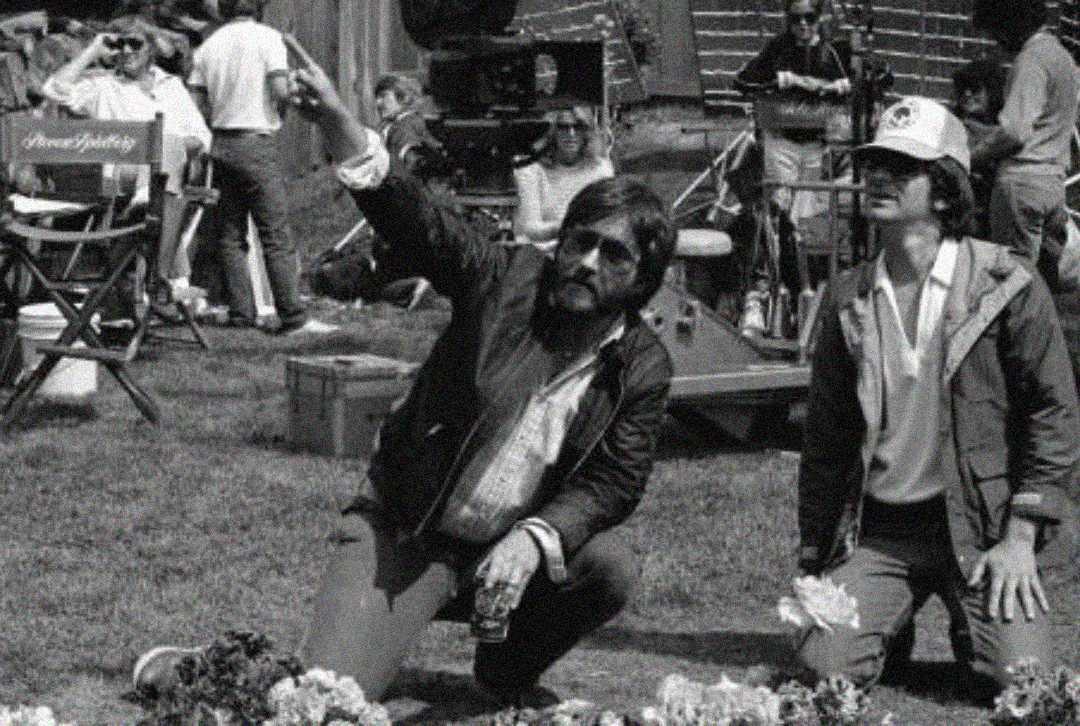
For years, movie fans argued over whether Spielberg secretly directed most of Poltergeist despite officially serving as producer and co-writer, while Tobe Hooper received directing credit. The rumors grew because Spielberg was heavily involved creatively during filming. However, official accounts consistently credit Hooper as the movie’s director, even though Spielberg’s storytelling style clearly influenced the final product.
Sign up for our newsletter
9. Spielberg Helped Invent the Modern Blockbuster
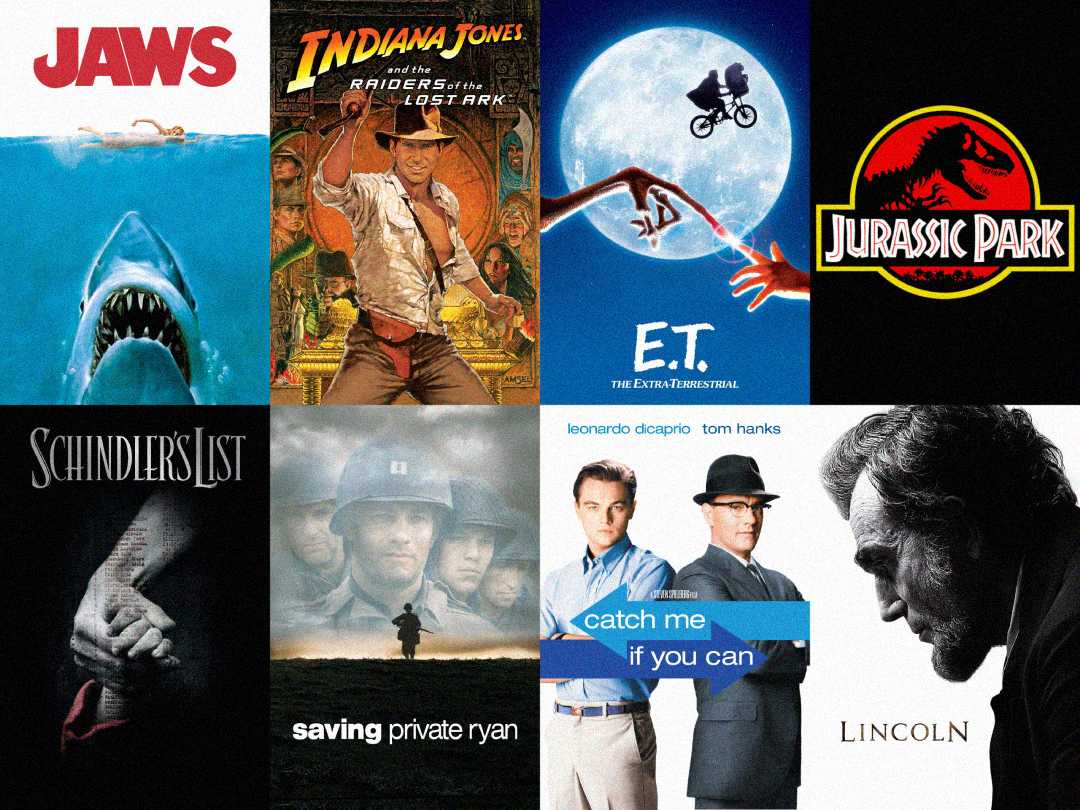
Before Jaws, movies were not typically released on thousands of screens at once during summer. Spielberg’s thriller became a massive cultural event and introduced the concept of the modern summer blockbuster. The movie’s success changed studio marketing strategies permanently. Spielberg’s influence on Hollywood business practices became almost as important as his influence on filmmaking itself.
10. Saving Private Ryan Shocked Audiences With Its Realism
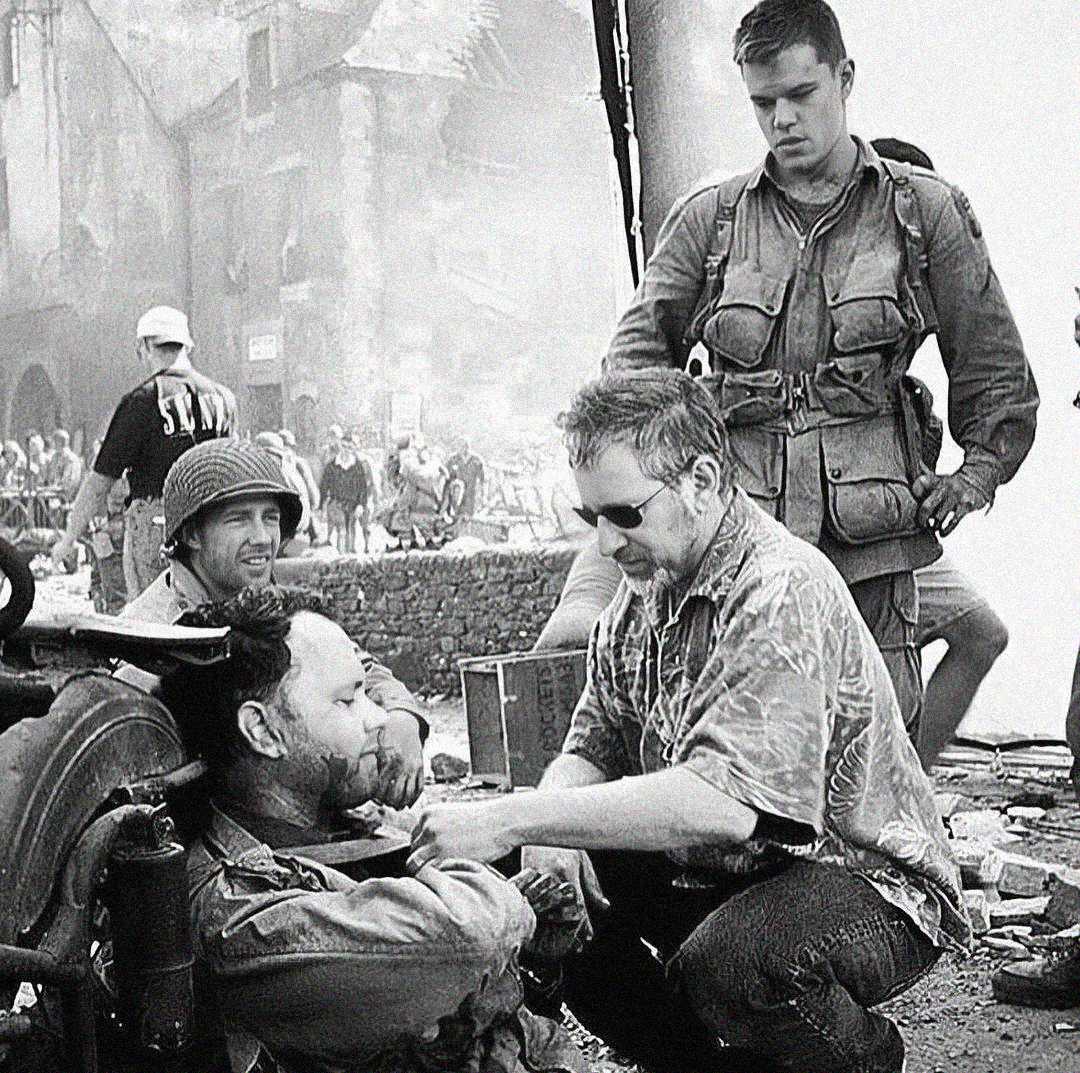
The opening D-Day sequence in Saving Private Ryan became legendary because Spielberg aimed for intense realism rather than traditional heroic war imagery. The production used handheld cameras, desaturated colors, and practical explosions to immerse audiences in the confusion of combat. Many veterans later praised the scene for capturing the emotional intensity of war more realistically than previous films.
11. The Dinosaur Sounds in Jurassic Park Came From Unexpected Animals
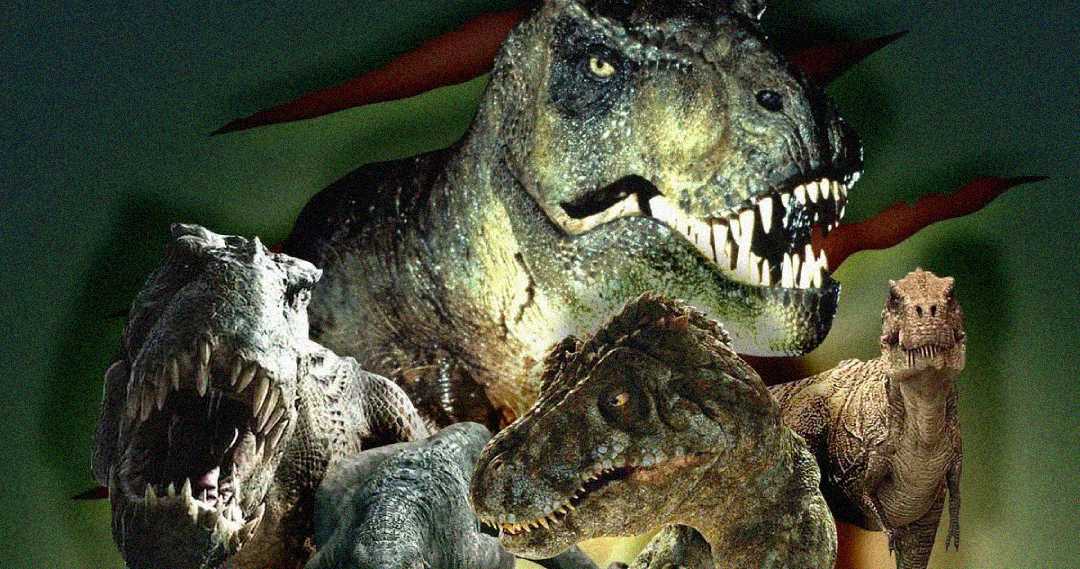
The roars in Jurassic Park did not come from a single sound effect. Audio designers combined recordings from dogs, elephants, alligators, birds, and even baby animals. Spielberg encouraged experimentation because he wanted the dinosaurs to sound believable but unfamiliar. The final result helped make the creatures feel alive decades after the movie’s release.
12. Spielberg Appears Briefly in Some of His Own Movies
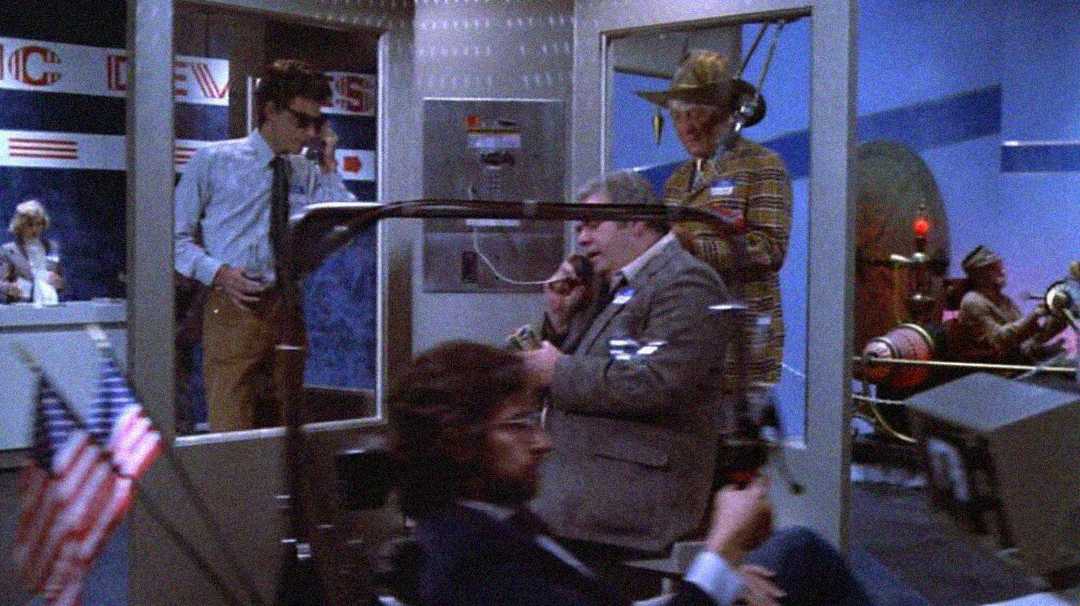
Like many famous directors, Spielberg occasionally sneaks into his films through small appearances or hidden references. Sometimes his presence is extremely subtle, including reflections, voices, or quick background moments.
13. The Fabelmans Revealed How Spielberg Started Filmmaking
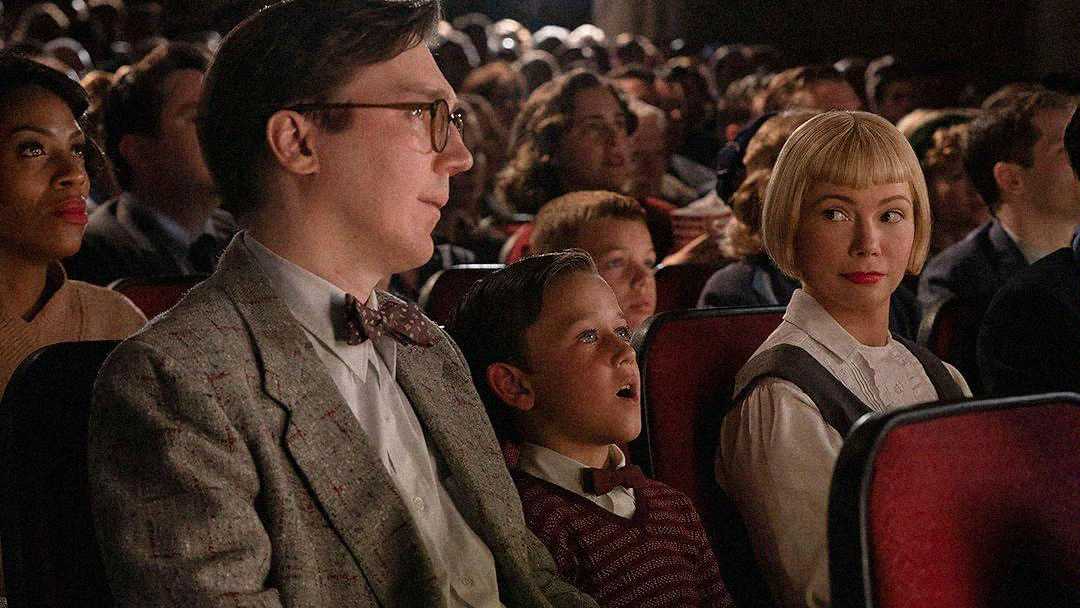
The Fabelmans gave audiences one of the clearest looks into Spielberg’s early life. The film explored how he discovered cameras, editing, and storytelling as a teenager. Several scenes were inspired by real events, including Spielberg making homemade movies with friends and learning how filmmaking could shape emotional memories. The movie also showed how family struggles influenced his creativity throughout life.
14. The Opening of Indiana Jones and the Temple of Doom Was Inspired by Musicals
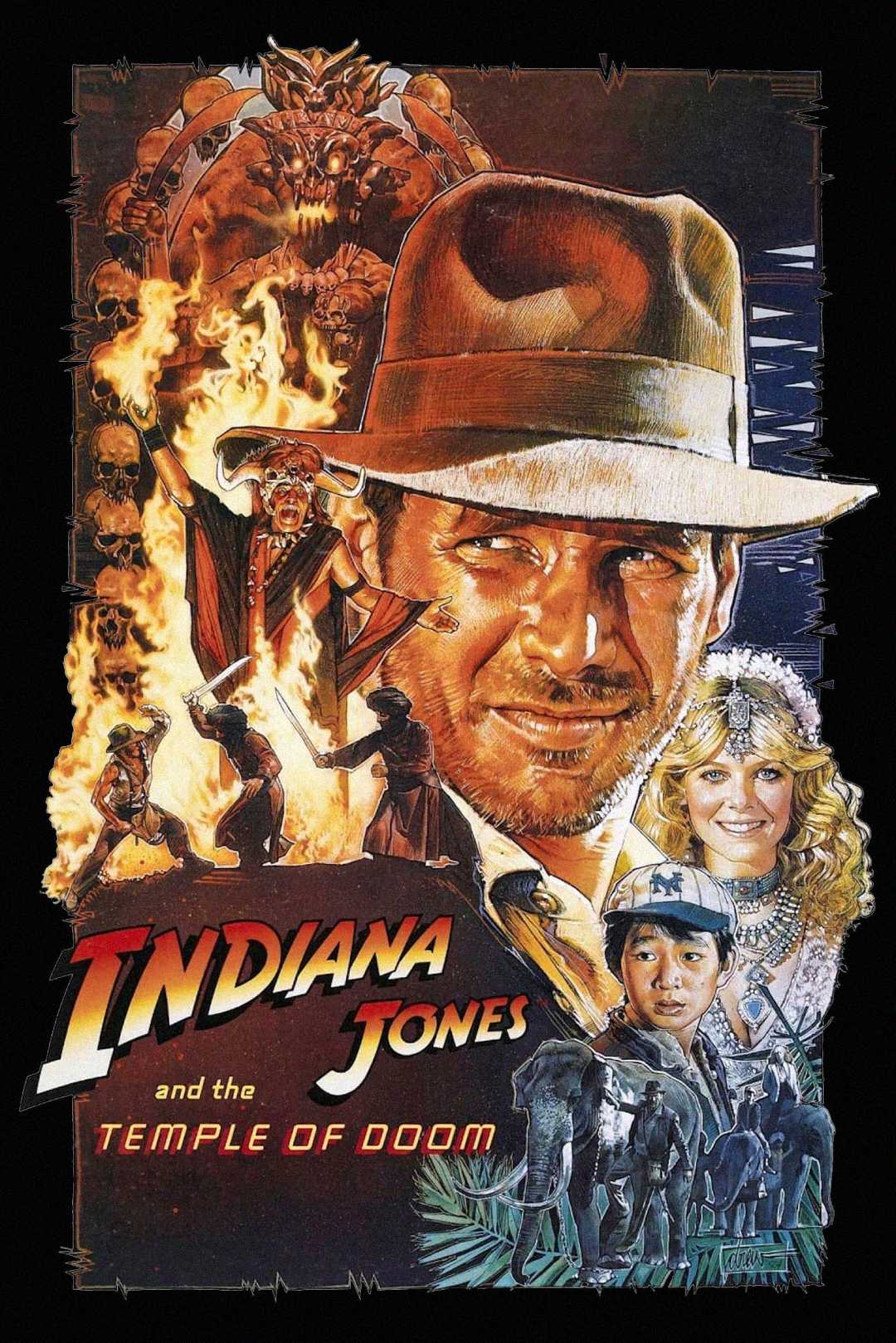
Many viewers were surprised by the elaborate musical opening sequence in Temple of Doom. Spielberg intentionally referenced classic Hollywood musicals and glamorous nightclub performances. The unusual beginning demonstrated Spielberg’s interest in combining different cinematic styles instead of following predictable formulas for action movies.
15. Minority Report Predicted Future Technology
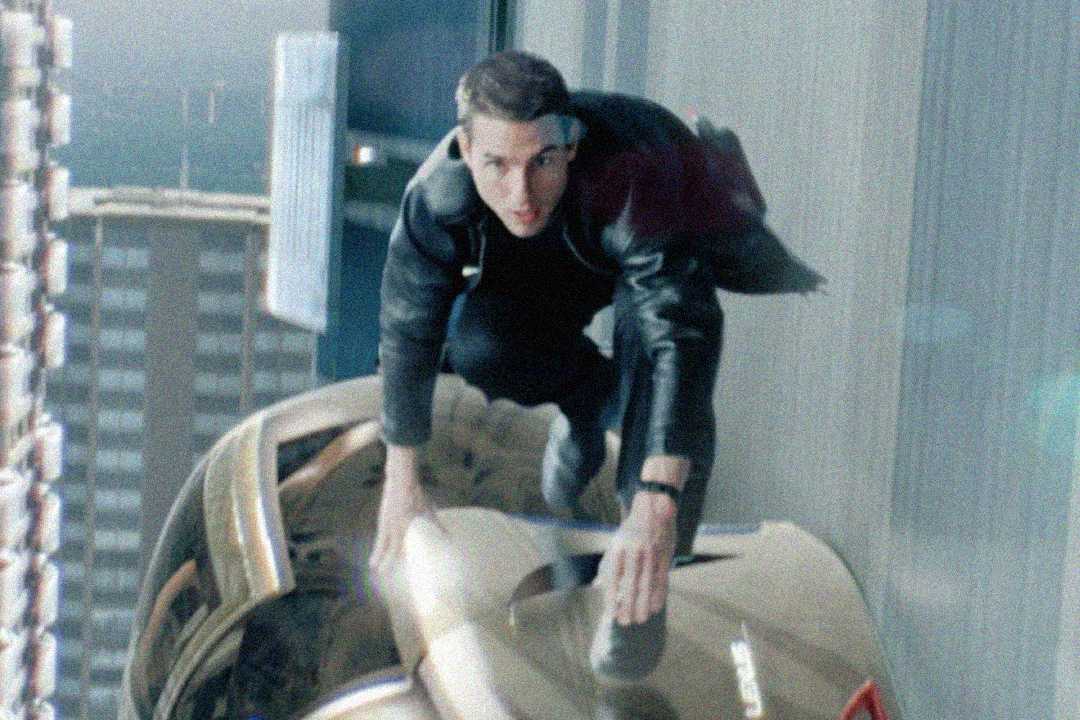
Before filming Minority Report, Spielberg met with scientists and technology specialists to discuss what the future might realistically look like. Some concepts from the movie, including gesture-controlled screens and targeted advertising, later became surprisingly close to real-world technology.
16. Spielberg Uses Recurring Visual Themes Across His Films
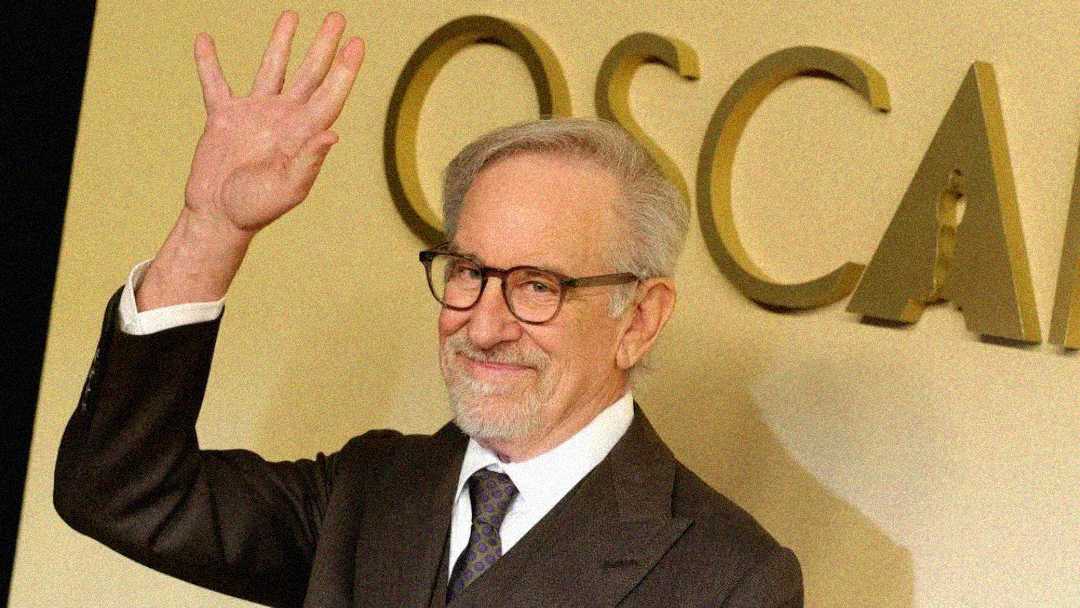
Film critics often point out Spielberg’s repeated use of glowing light, silhouettes, and characters staring upward in amazement. These visual choices appear in movies ranging from Close Encounters to E.T. and A.I. Artificial Intelligence. The technique became part of Spielberg’s signature directing style and helped audiences instantly recognize the emotional tone of his films.
17. Spielberg Still Studies Movies Constantly
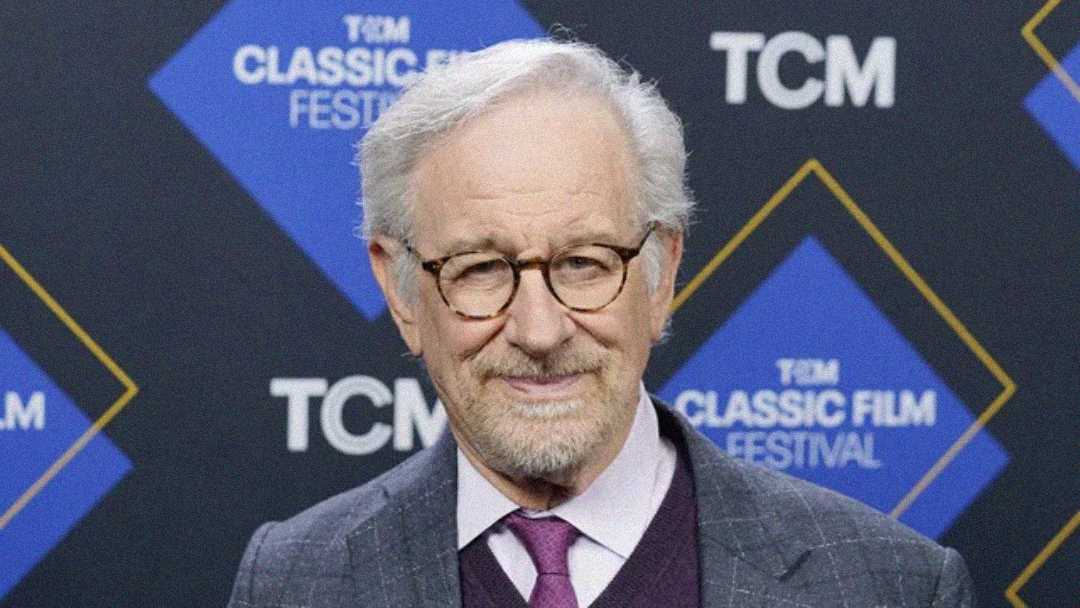
Despite becoming one of Hollywood’s most successful filmmakers, Spielberg has often said he still studies classic movies and learns from other directors. That dedication to constant improvement explains why Spielberg successfully moved between genres for decades, directing adventure films, dramas, historical stories, science fiction movies, and deeply personal projects like The Fabelmans.
Did you enjoy discovering these Spielberg secrets and myths? Keep reading to learn more about filmmakers like Spielberg and the fascinating creative decisions that shaped modern cinema.
Looking back at these stories, it becomes even more interesting to see how many famous Spielberg movies were shaped by unexpected challenges, personal memories, and creative risks. Some of Hollywood’s most iconic scenes happened because productions went wrong, while others came directly from Spielberg’s childhood experiences and lifelong fascination with storytelling. What makes these behind-the-scenes details so fascinating is how they reveal the evolution of one of cinema’s greatest directors. Watching how films were created gives fans a deeper appreciation for the imagination, experimentation, and dedication that defined Spielberg’s incredible career.
If you enjoyed this article, we recommend exploring more of our content about filmmaking, legendary directors, movie history, and the secrets behind iconic productions. The world of cinema is filled with fascinating stories, creative risks, and unforgettable moments that continue inspiring audiences around the world. Some of our recommendations:15 Classic Movies With Dark Stories Behind the Scenes, 25 Behind-the-Scenes Photos from The Lord of the Rings That Bring Back the Nostalgia, and 20 Rare Photos of Actors Being Coached by Directors Behind-The-Scenes.