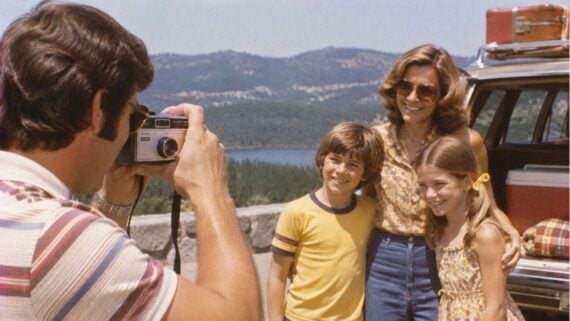
1970s vacations involved paper maps, travel agents, film cameras, and sometimes a suitcase full of traveler’s checks. Even buying an airline ticket was a completely different experience.
In 1976, road trips were a major part of American vacation culture, but gasoline shortages, regulated airfares, and limited communication options shaped how families traveled. Here are 17 differences that might make today’s travelers appreciate a few modern conveniences.
1. Travel Agents Could Spend Hours Doing What Booking Websites Do in Minutes
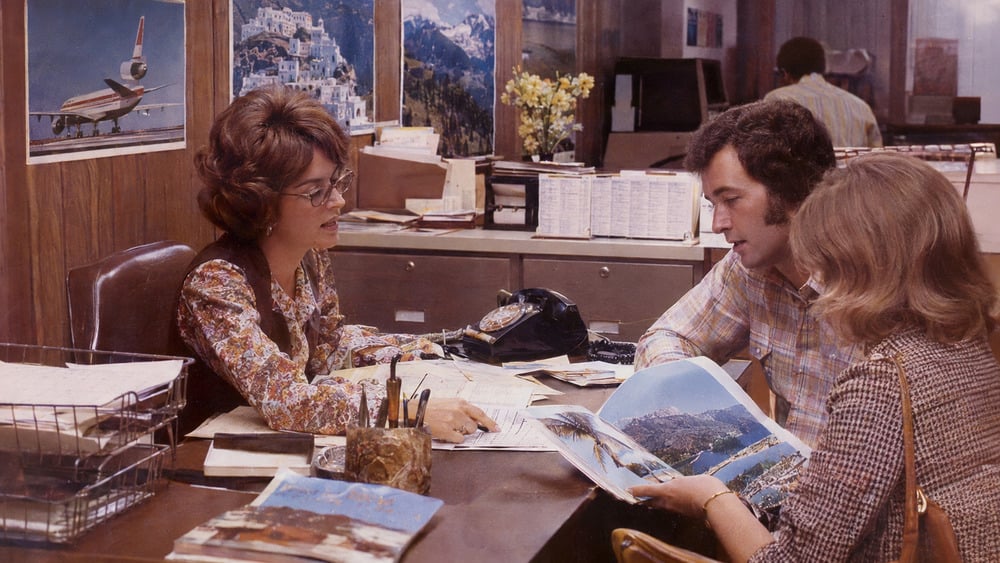
In 1976, booking a complicated vacation often meant visiting a travel agency, where an agent consulted printed schedules and contacted airlines to check available seats. American Airlines began installing computerized reservation terminals in 130 travel agency offices that year, but much of the industry still relied on telephone calls and manual searches. Comparing dozens of flights from your couch? Not an option.
2. Airfares Were Still Controlled by the Federal Government
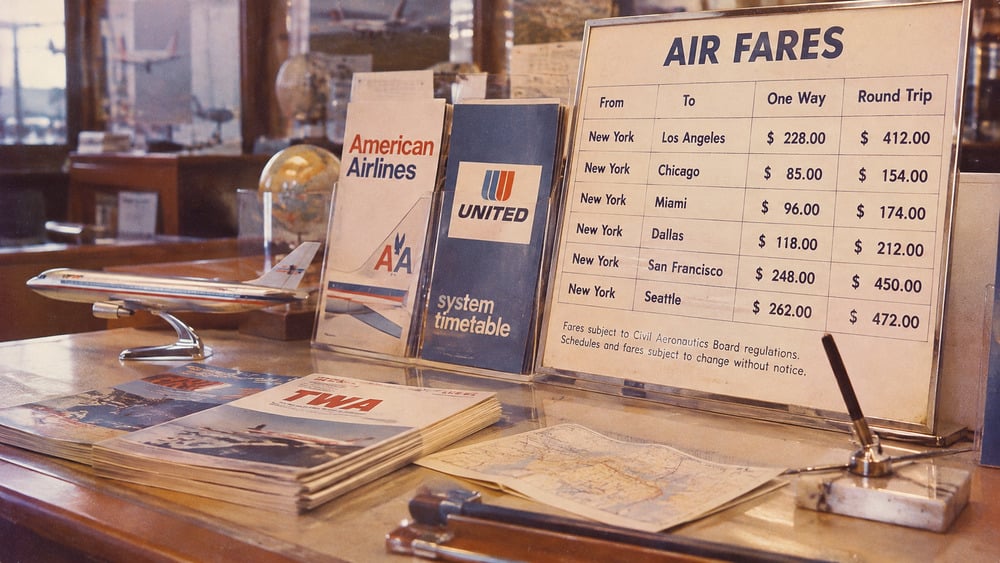
Airlines operating interstate routes couldn´t freely set prices or launch routes the way they can today. The Civil Aeronautics Board regulated fares and route access, limiting competition and helping keep ticket prices relatively high. That changed after President Jimmy Carter signed the Airline Deregulation Act on October 24, 1978, transforming how Americans bought plane tickets.
3. Losing an Airline Ticket Could Become a Serious Vacation Problem
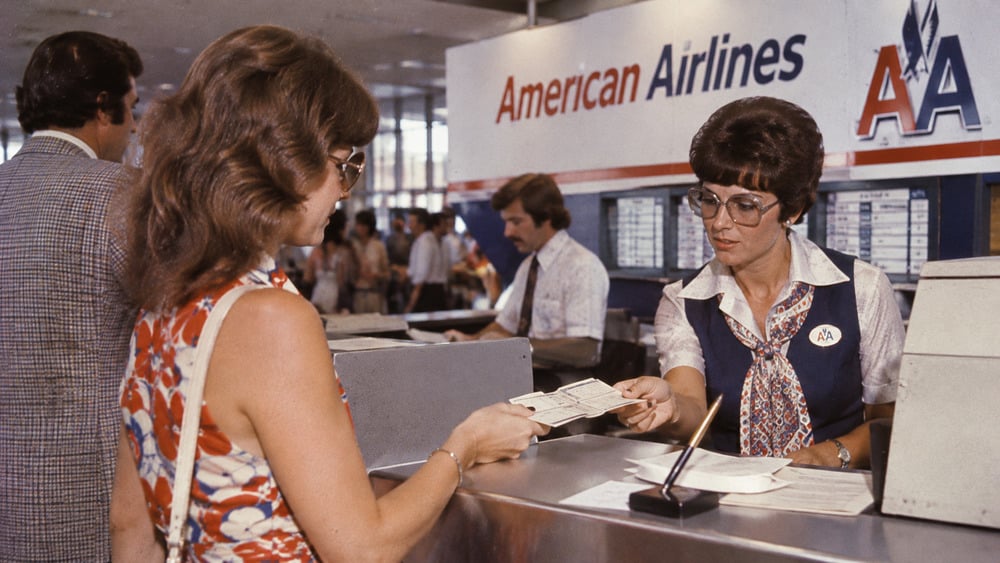
Forget digital boarding passes. Travelers carried small paper ticket booklets containing individual flight coupons, sometimes printed using carbon paper. Airlines collected the appropriate coupons during travel, and losing them could mean visiting an airline office to arrange replacement paperwork. Not exactly how anyone wanted to start a vacation.
4. Passengers Could Still Smoke on Airplanes
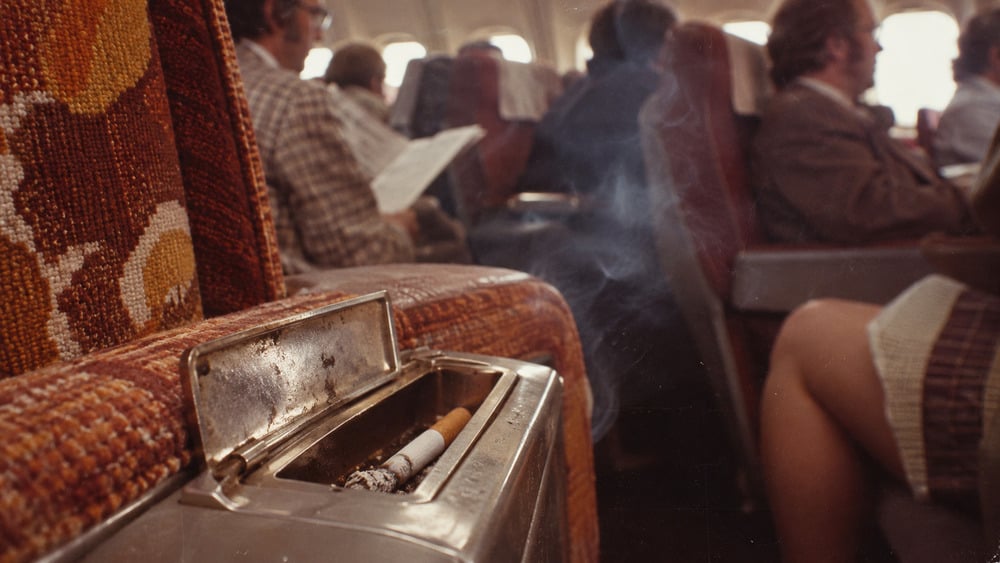
A family flying to Florida in 1976 might share a cabin with passengers smoking cigarettes. Federal regulation introduced in 1973 required separate smoking and nonsmoking sections, but it didn’t eliminate smoke from the aircraft. Imagine spending an entire flight sitting a few rows away from someone lighting up.
5. Airport Security Already Existed, but It Was Much Less Complicated
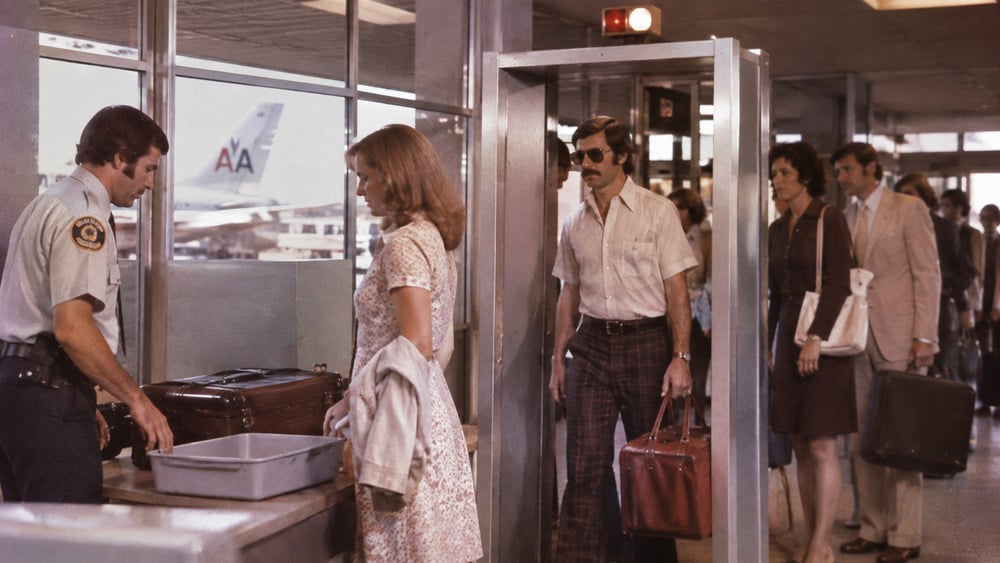
Contrary to popular nostalgia, Americans in 1976 didn´t simply walk onto commercial flights without screening. Following a wave of hijackings, federal rules required passenger screening and carry-on baggage inspections beginning January 5, 1973. However, modern TSA procedures and familiar liquid restrictions hadn’t appeared yet. Airport security was already there, just with a very different routine.
Trending on The Scroller


6. Road Trips Could Involve Custom-Made Maps From AAA
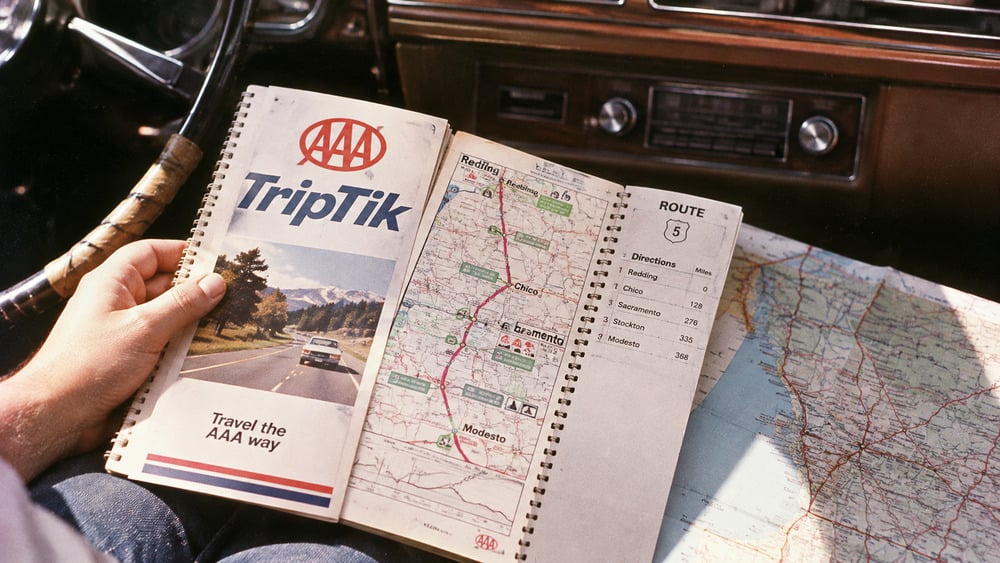
Before GPS, many vacationers visited an AAA office for a personalized TripTik, a spiral-bound collection of maps showing their intended route. An agent could highlight roads and identify attractions, road conditions, and other useful details. The Henry Ford´s historical travel resources document this once-familiar service. Getting lost was still possible, but at least the directions came with a personal touch.
7. Families Had to Think Seriously About Finding Gasoline
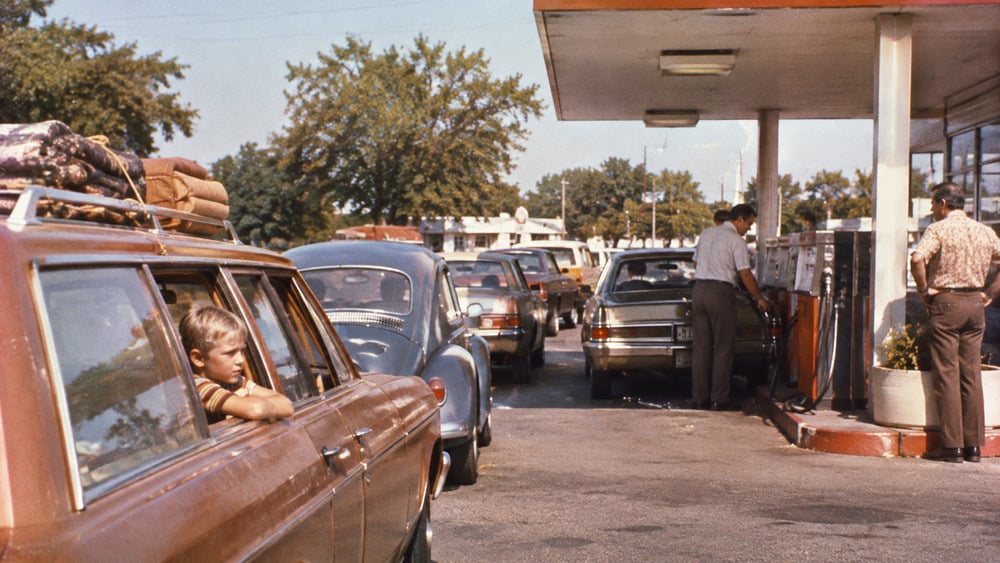
The 1973-74 oil crisis left a lasting impression on American vacation planning. Gas stations in some places experienced long lines, restricted sales, or temporary fuel shortages, making extended road trips less appealing. At Mount Rainier National Park, officials even recorded reduced travel during the first half of 1974 because of gasoline shortages. Imagine planning your entire getaway around whether you could fill the tank.
8. Highway Vacation Drives Were Slower Because of a National 55 MPH Limit
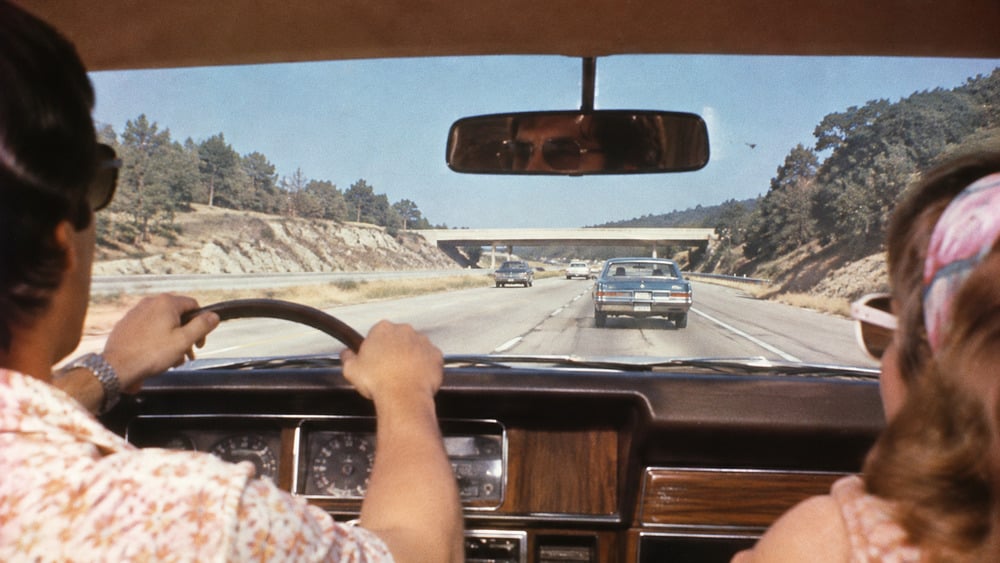
A coast-to-coast road trip in 1976 came with a restriction modern drivers might find frustrating: the national maximum speed limit was 55 mph. Congress established it in 1974 to conserve energy following the oil embargo. Even long, open stretches of Interstate highway were subject to the limit. Those family road trips probably felt a little longer.
Sign up for our newsletter
9. Two-Week Summer Vacations Were More Common
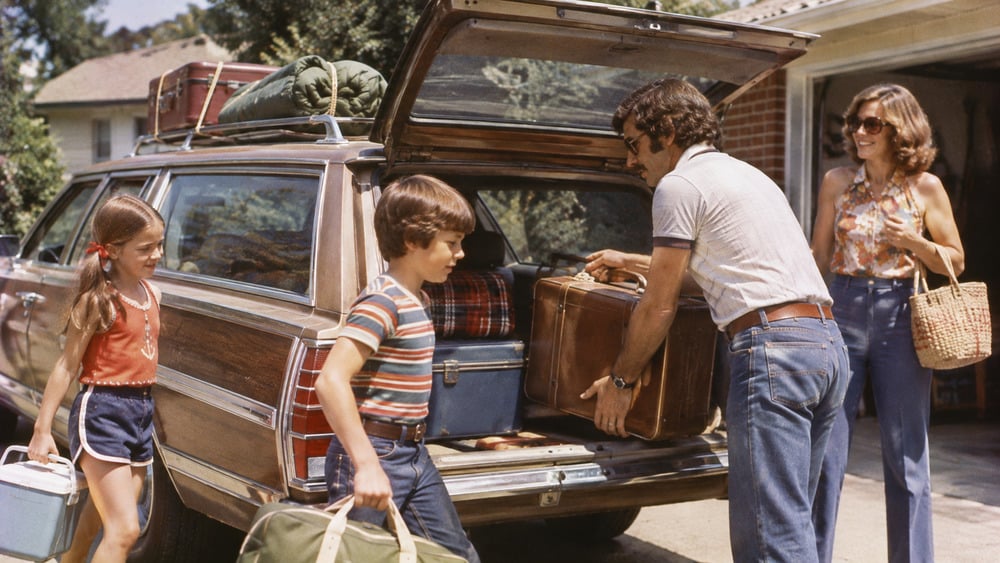
According to the National Park Service, the typical American family vacation before the late 1970s lasted about two weeks, often during the school summer break. Higher fuel costs, changing work patterns, and the growing popularity of shorter trips eventually reshaped that tradition. Two whole weeks away? That sounds pretty appealing.
10. Traveler’s Checks Were a Popular Alternative to Carrying Cash
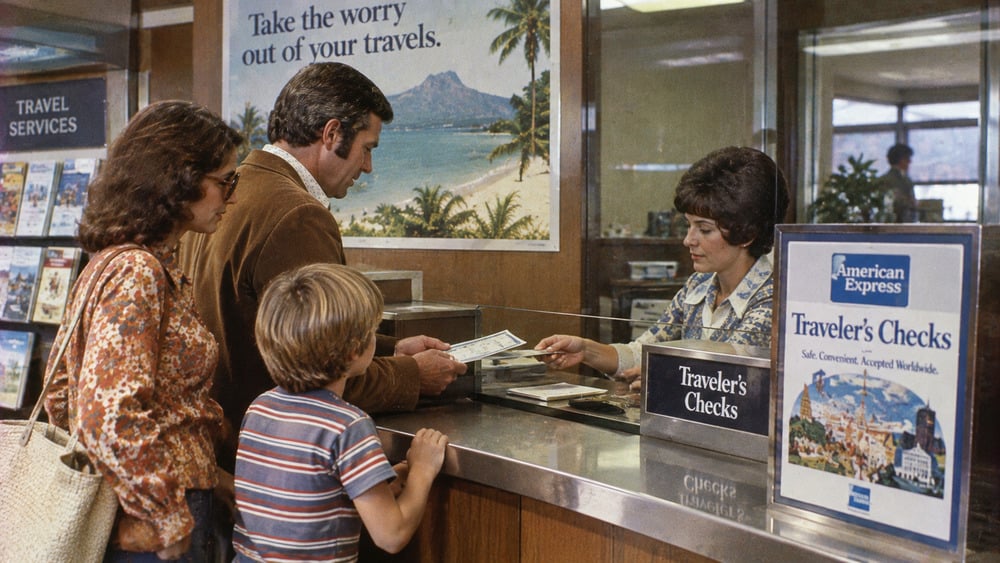
1970s vacations often involved purchasing traveler´s checks before leaving home. Before ATMs became widespread and credit cards gained broader acceptance, these prepaid checks could be exchanged for cash or used at participating businesses, reducing the risk of losing an entire vacation budget. American Express helped make them famous through advertising. Losing your wallet was stressful enough without losing all your spending money.
11. Finding a Good Motel Often Meant Trusting a Printed Directory
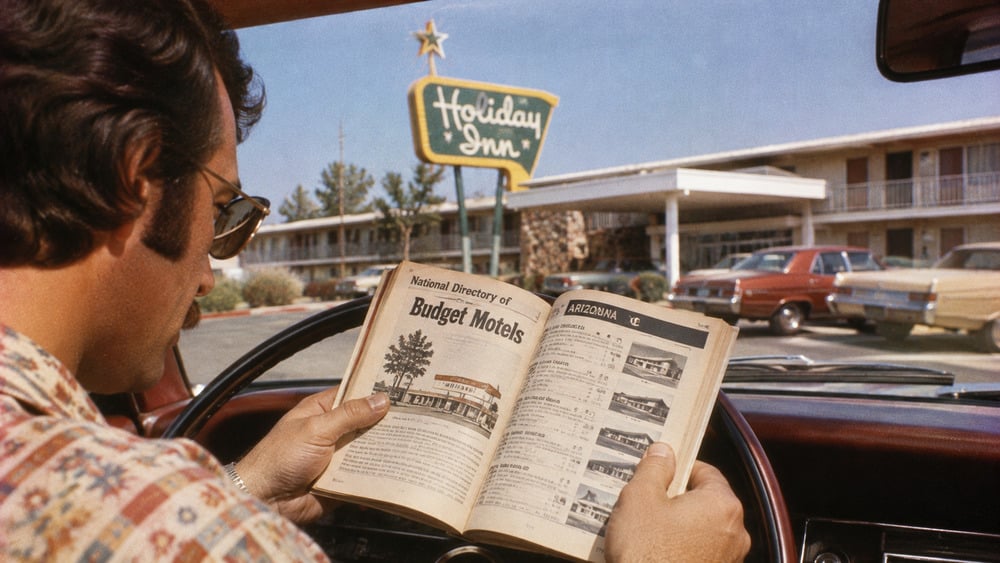
Travelers couldn´t scroll through hundreds of hotel reviews or inspect recent guest photos before booking a room. Instead, they relied on printed directories, travel guides, recommendations, and familiar chains. Publications such as the National Directory of Budget Motels helped identify affordable accommodations, while Holiday Inn’s recognizable signs and standardized amenities offered reassurance along unfamiliar highways. Sometimes, choosing a motel required a little faith.
12. Vacation Photos Couldn’t Be Reviewed Immediately
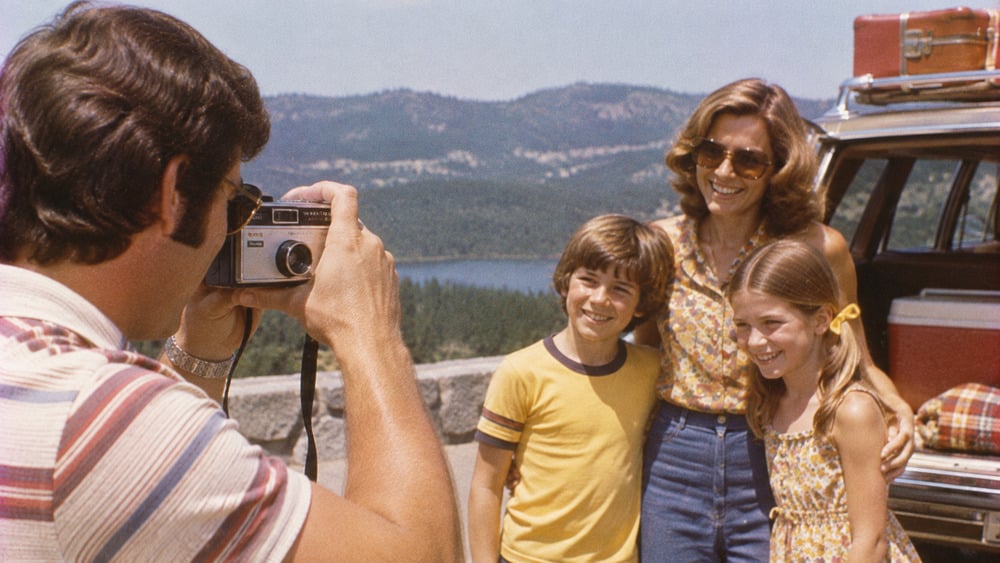
Taking pictures on vacation in 1976 required patience. Families using popular Kodak Instamatic cameras had to finish their rolls of film and get them developed before discovering whether the photographs turned out well. Interestingly, Kodak had invented a prototype digital camera in 1975, but it was nowhere near becoming an everyday vacation accessory. That blurry family portrait remained a mystery until the film came back.
13. Families Recorded Their Adventures on Super 8 Film
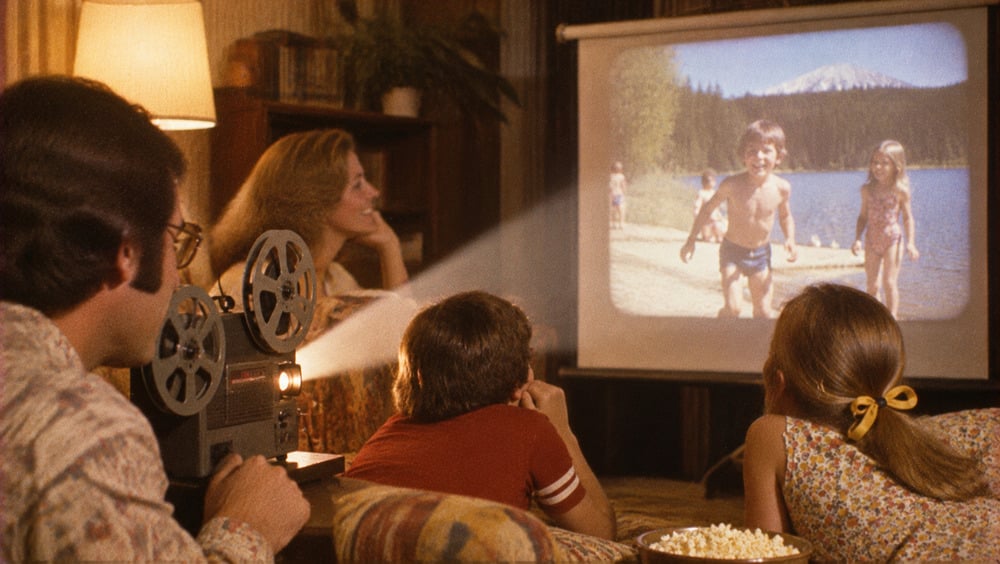
Before smartphone videos and household camcorders, some families documented vacations with Super 8 movie cameras. Kodak introduced the format in 1965, and magnetic sound film was made available.1973, it allowed synchronized audio with suitable equipment. Watching the footage later could mean setting up a projector and gathering everyone around a screen. Vacation movie night was practically an event of its own.
14. Sending a Postcard Was Part of the Vacation Experience
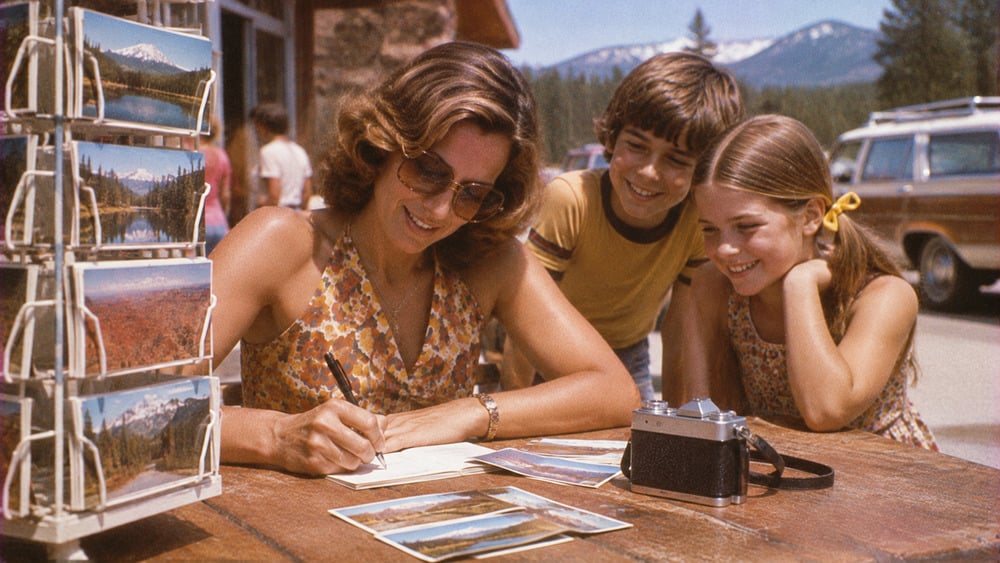
Many travelers bought colorful postcards showing beaches, hotels, national parks, or famous landmarks, wrote a few lines on the back, and mailed them to friends or relatives. In 1976, mailing a standard domestic postcard cost just 7 cents. No instant vacation updates, no photo dumps, just a little message that might arrive after you got home.
15. Calling Home Could Mean Finding a Pay Phone and Some Change
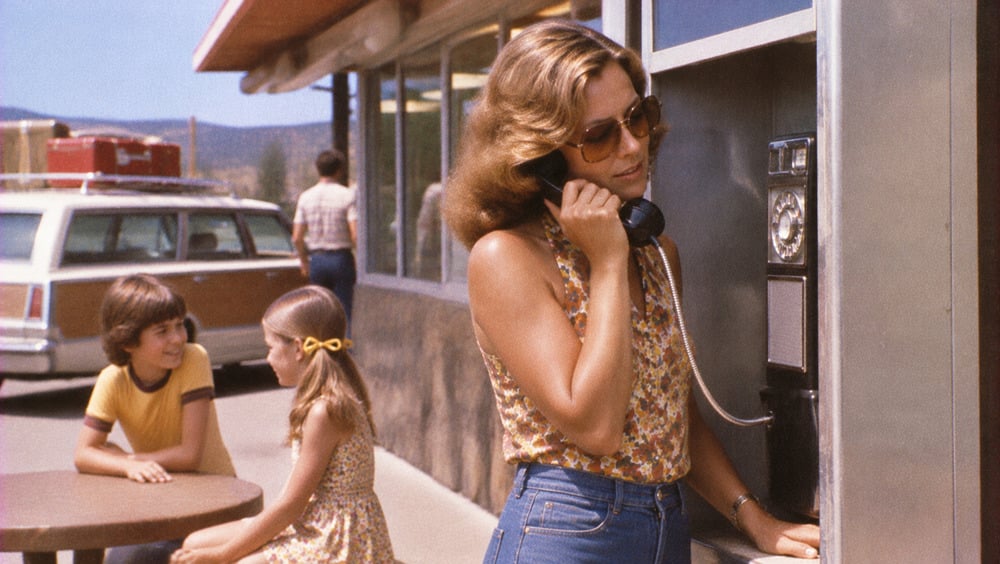
1976, vacationers couldn´t send a quick text or share their live location when plans changed. Contacting family often meant finding a public telephone, using coins or arranging an operator-assisted call, and hoping someone answered. Pay phones were so familiar that NASA´s Kennedy Space Center even had a space-capsule-shaped telephone booth for visitors. Can you imagine trying to coordinate a family vacation without a group chat?
Vacations in 1976 required considerably more preparation, patience, and paperwork. Today’s technology has eliminated many of those hassles, but unfolding road maps, mailing postcards, and gathering around a projector remain memorable parts of travel history. And maybe there’s something worth remembering about a vacation that didn’t come with constant notifications.
Keep Exploring The Scroller
Ready for another trip down memory lane? Keep exploring The Scroller for more forgotten traditions, everyday history, and surprising reminders of just how much life has changed in 50 years:
20 Tourist Attractions That Defined Family Vacations in the 1990s
19 Photos That Capture What Summer Vacation Looked Like Before Smartphones