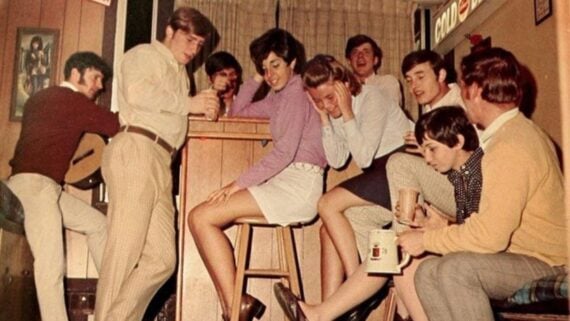
Kids growing up in the 1960s experienced a much slower, simpler pace of life compared to today. Without constant entertainment or instant access to everything, they had to wait, adapt, and find their own ways to stay busy. Patience was not something they practiced on purpose; it was just part of everyday life.
This list looks at fifteen reasons kids in the 1960s may have developed more patience. From how they spent their free time to the way they communicated and solved problems, these moments offer a glimpse into a childhood shaped by a very different world. Let’s dive into 15 reasons kids were more patient.
1. Looking answers up in encyclopedias

There were no instant answers in the 1960s. Finding an answer meant pulling out a set of heavy books and searching page by page. You had to rely on alphabetical order and your own patience to track things down. If you guessed wrong, you started over and tried again. It could take quite a while to land on the exact info you needed. This process made even simple questions feel like a small project.
2. Kids waited for letters rather than sending emails
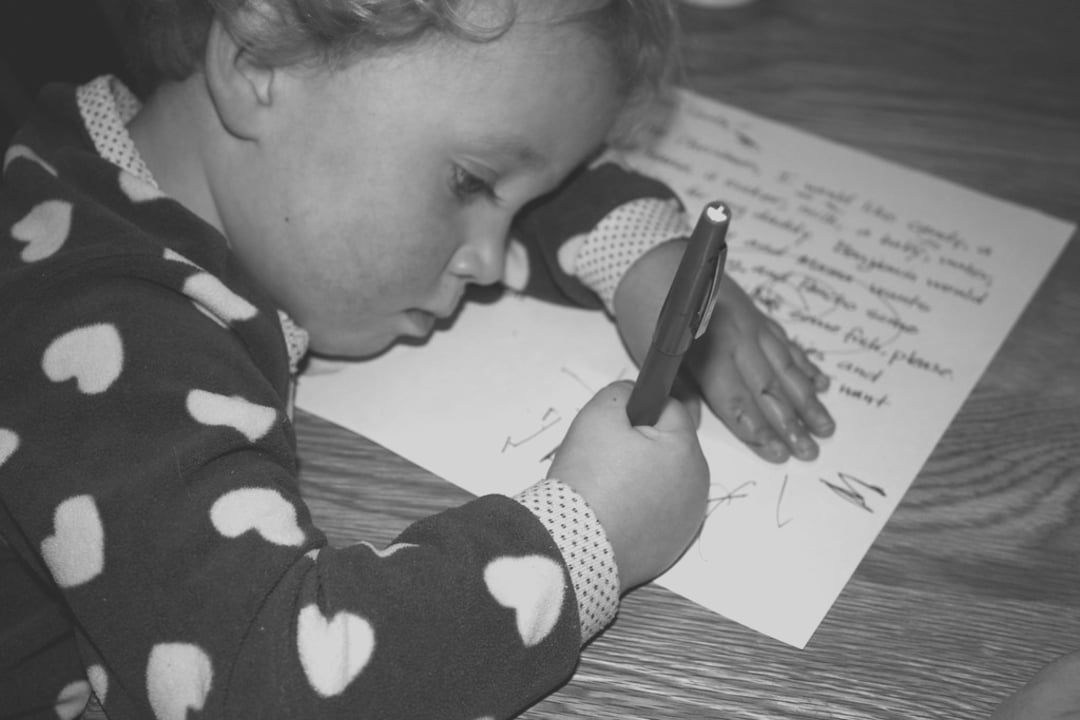
Communication moved at the pace of the postal service, not your thoughts. After sending a letter, there was nothing to do but wait. Days or even weeks could pass before you heard anything back, so conversations unfolded slowly, which made each message feel important.
3. Kids watched TV on a fixed schedule
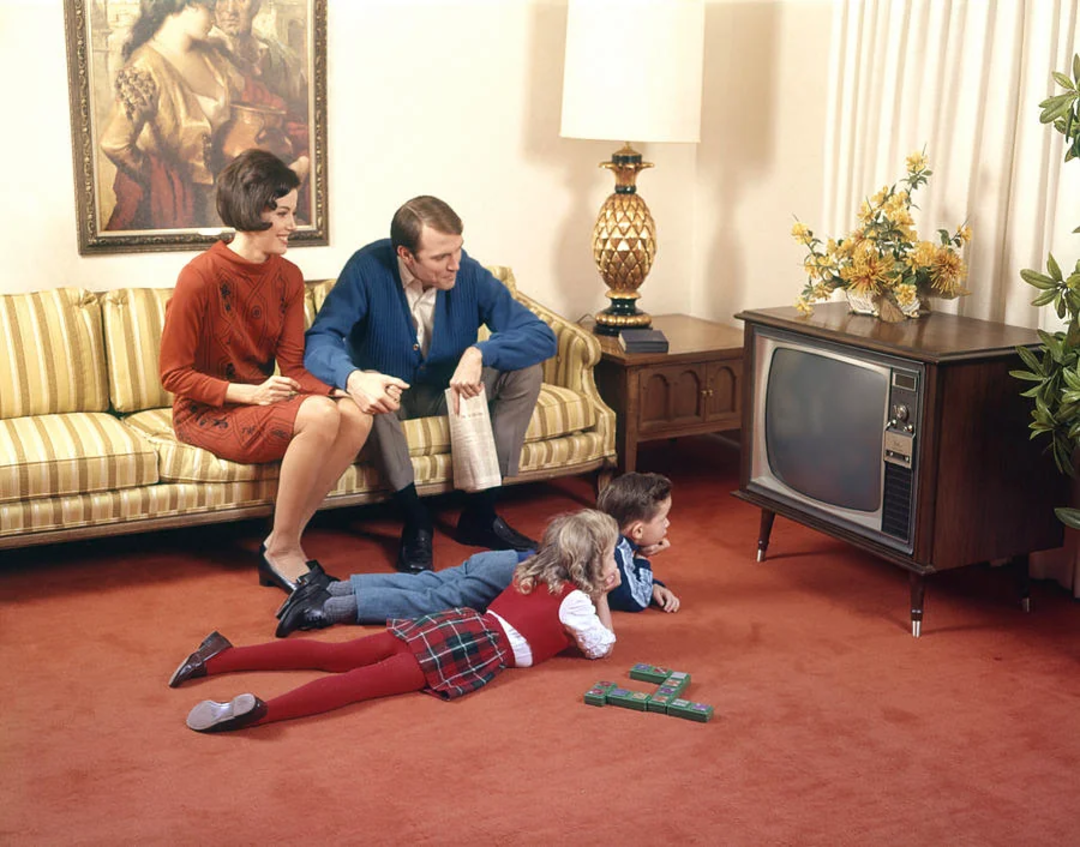
Shows came on at one specific time, and you had to be ready. If you missed the start, you were out of luck. There was no rewind or second chance later that night. People learned to plan around what they wanted to watch, which turned simple entertainment into something you had to commit to.
4. Kids couldn’t get instant photos
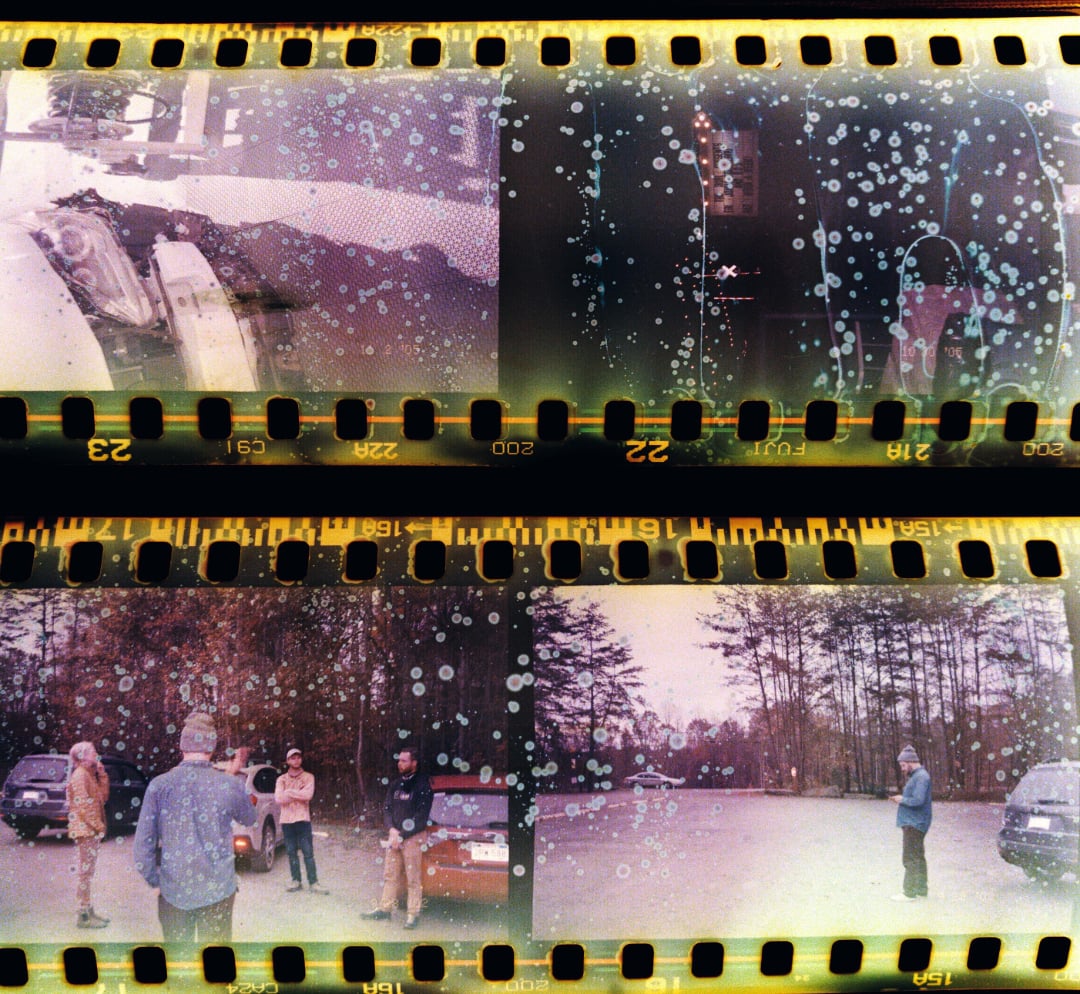
’60s kids couldn’t just snap a photo on their phones, so taking a photo was only the beginning of the process. You could not see the results right away, no matter how curious you were. The film had to be taken to a shop and processed over time, and many times the photos didn’t turn out as expected. Waiting made each image feel like a surprise.
5. Busy signals on the phone
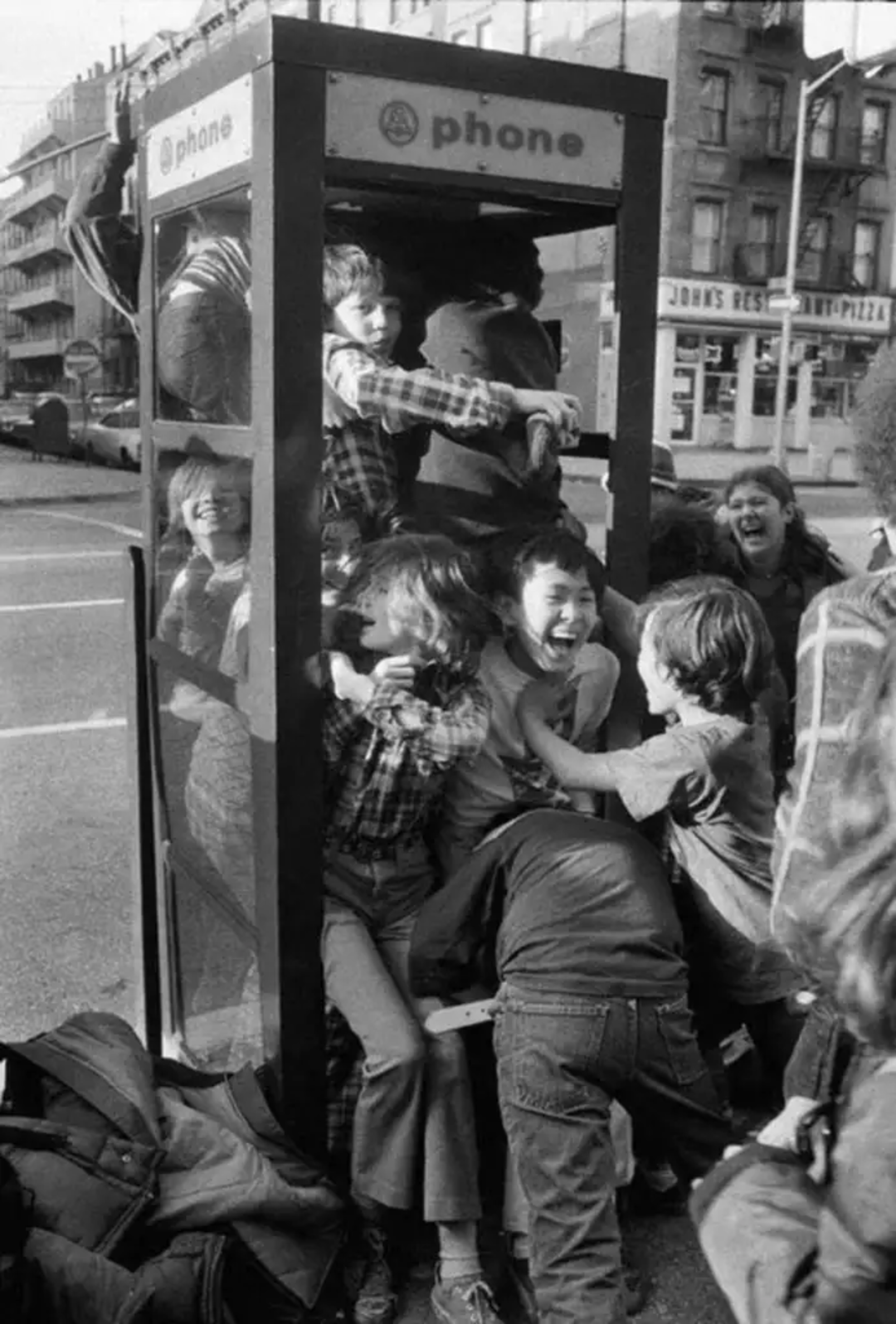
In the 1960s, it was common for houses to only have one phone, so calling someone didn’t guarantee you’d reach them. If the line was busy, you heard a tone and had to hang up. There was no leave a message, and there was no cell phone to call your friend on instead. A simple call could turn into a waiting game in the ’60s.
Trending on The Scroller

6. Waiting for your favorite song on the radio
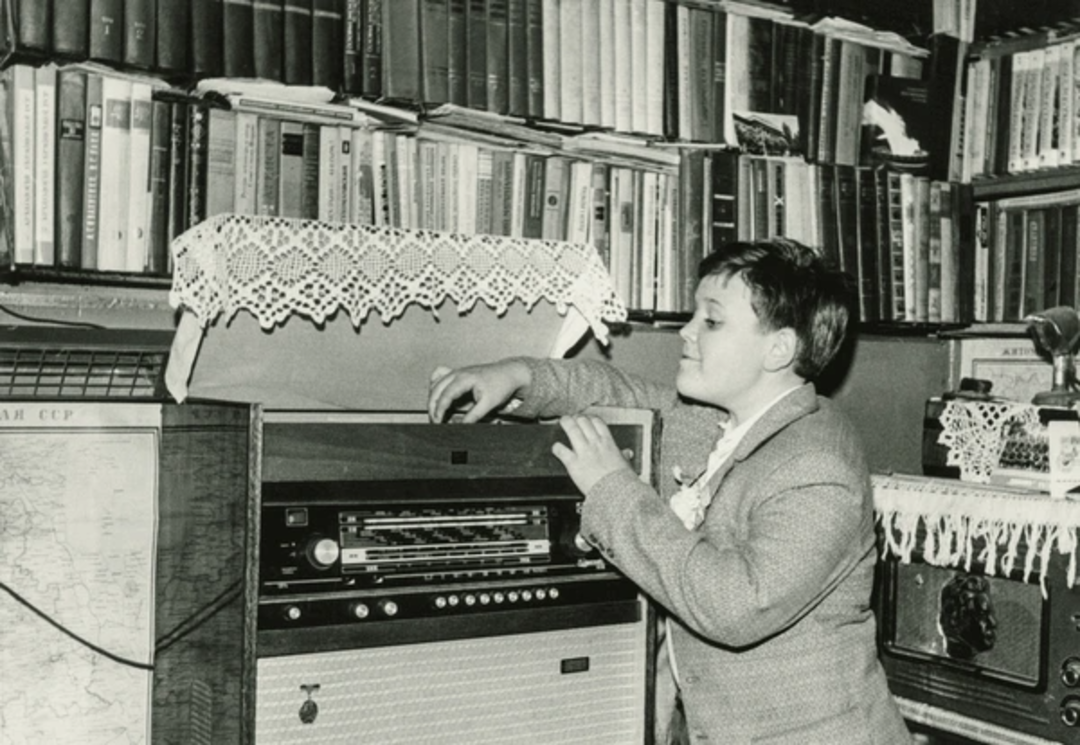
You couldn’t choose what played or when it played. Instead, you listened and hoped your favorite song would come on. Sometimes it took hours, or it didn’t happen at all. Missing it meant starting the wait over again, so it was nothing less of unpredictable.
7. Handwriting school assignments
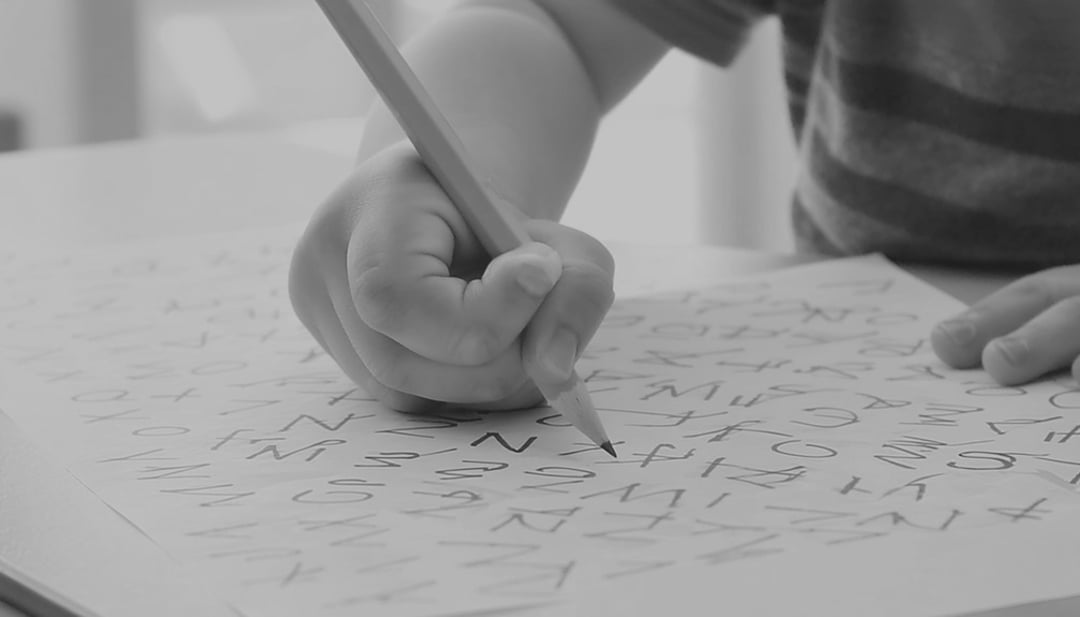
Every assignment had to be written carefully by hand. There was no quick fix for messy work, so you had to slow down and pay attention to every word. The effort encouraged a steady, deliberate pace. If you haven’t handwritten a letter in a long time, I encourage you to give it a shot.
8. Using maps for directions
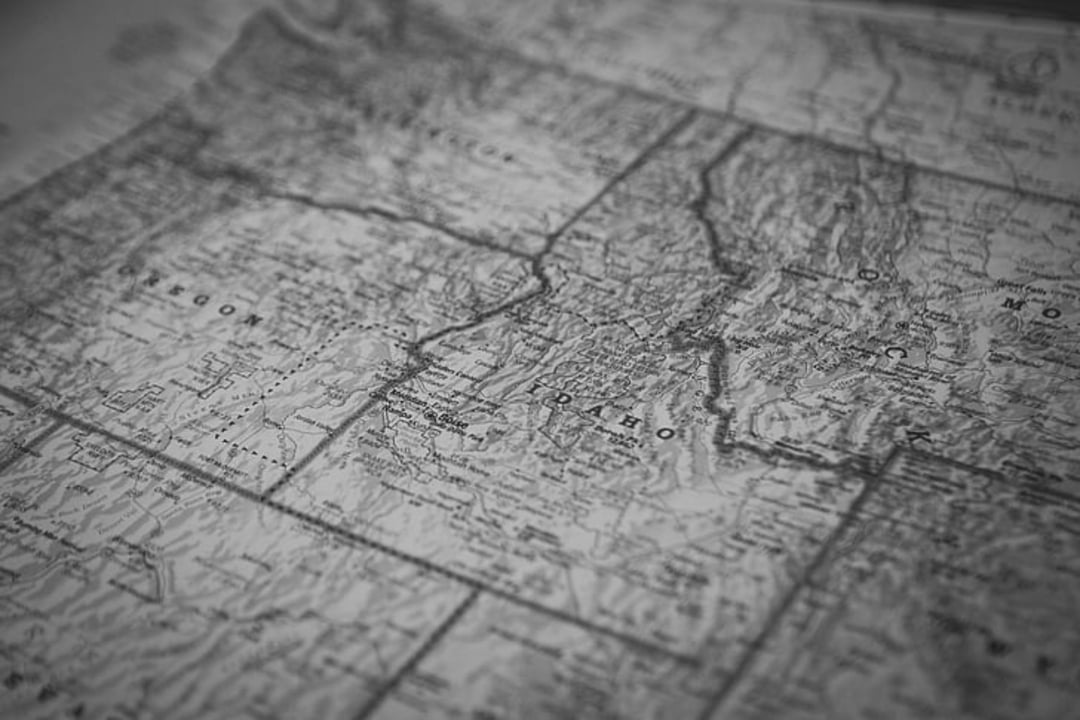
Getting somewhere in the ’60 required a map and planning your route. If you made a wrong turn, you had to stop and figure it out on your own. There was no GPS guiding you step by step, so it took lots of time to get back on track. To any ’60s kid who was put in charge of being the navigator, we are sorry for you.
Sign up for our newsletter
9. Fixing things yourself
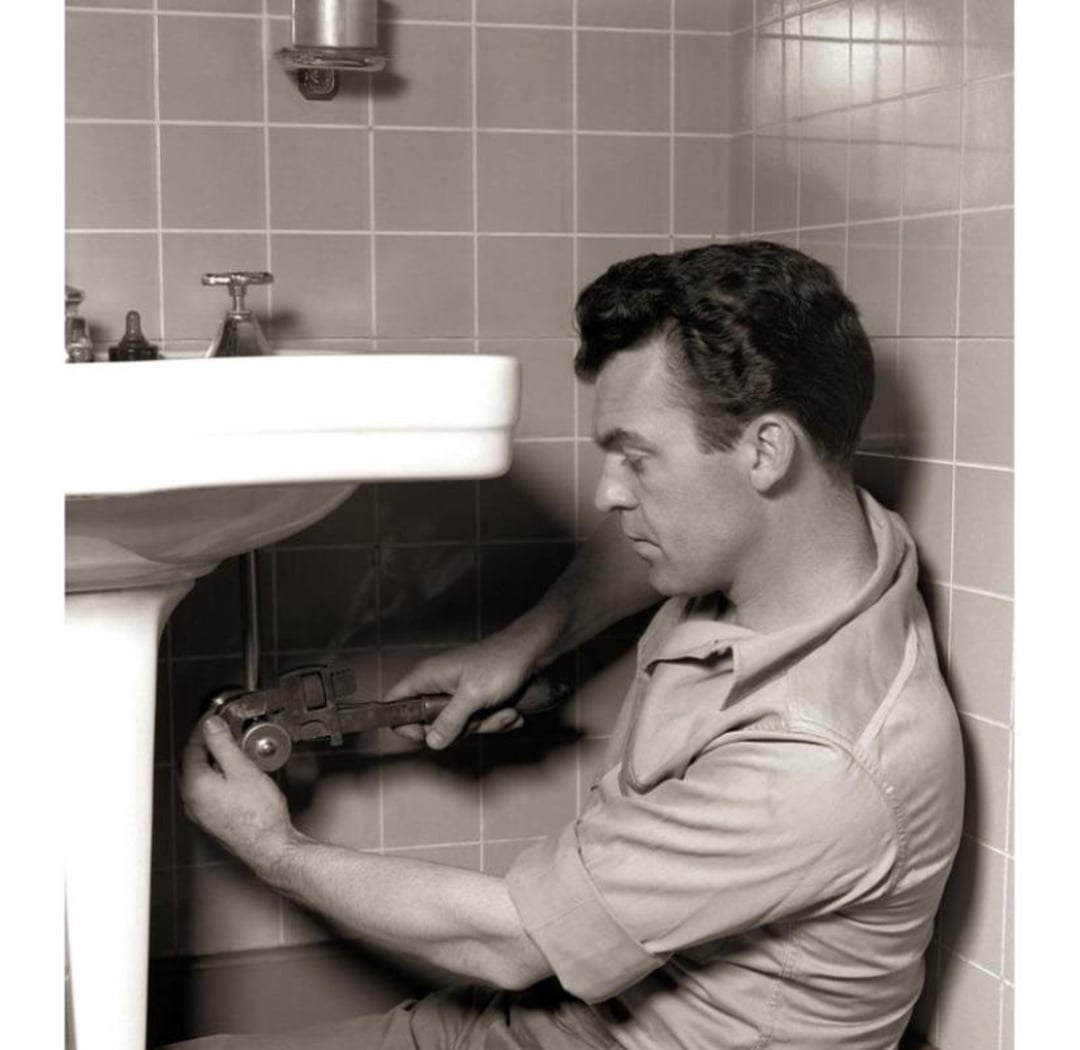
If you had to fix your sink, or a door on your oven broke, you didn’t call someone, you grabbed Dad’s toolbox. There was no easy shortcut, so it encouraged persistence and careful thinking to fix things at home.
10. Listening to whole albums
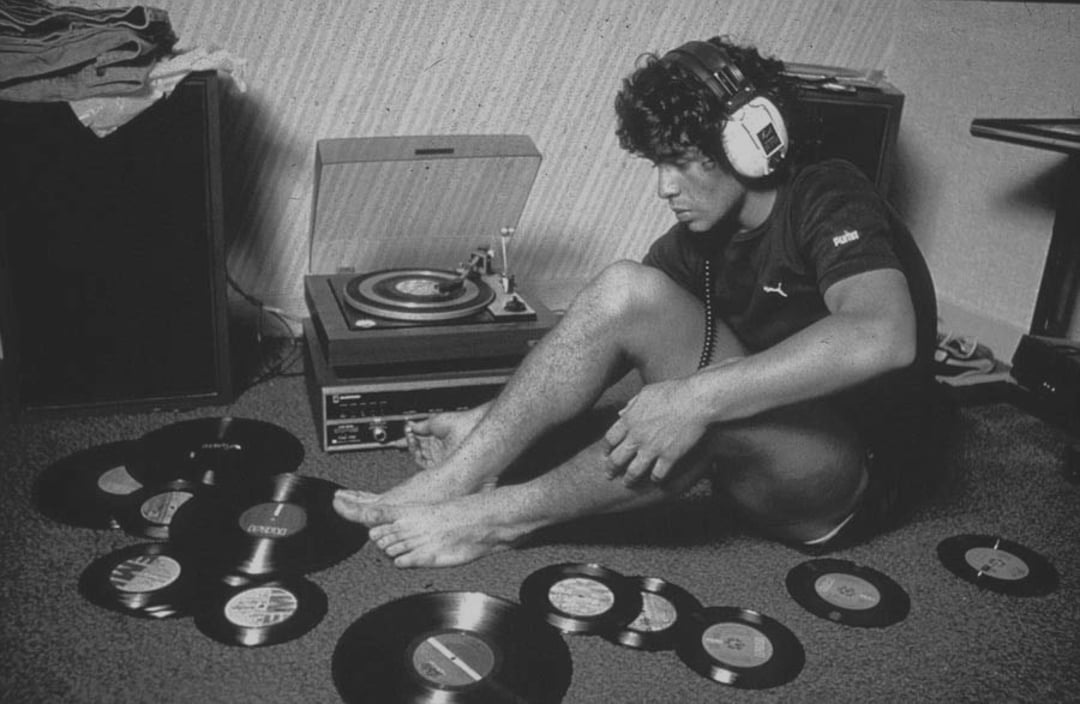
Vinyls were played one side at a time, so you listened to songs in the order they were placed. Skipping around wasn’t simple, so it encouraged people to sit with each track. Listening to the whole album was a part of the experience.
11. Waiting for a turn on shared equipment

Whether it was the family TV, a bike, or the car, you rarely had something all to yourself. You had to wait until others were finished before you could use it, and most times, your turn came later than you hoped. Sharing made patience a part of everyday life.
12. Getting up to change the TV channel or adjust the antenna
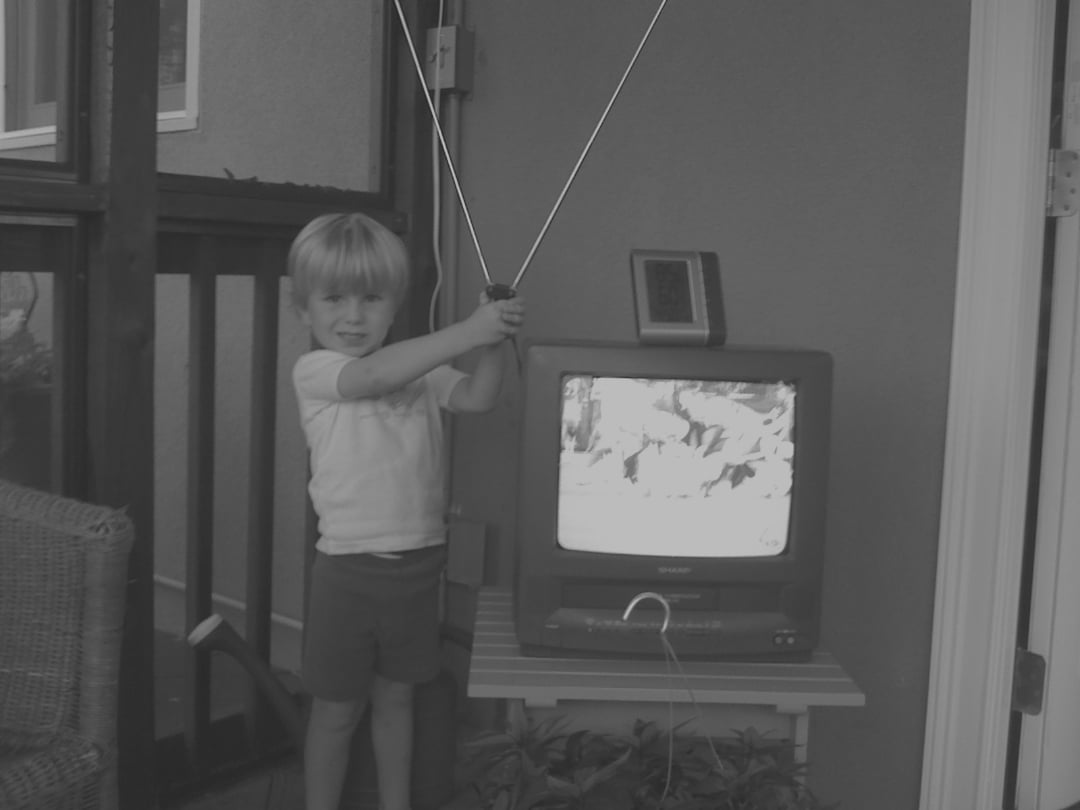
There were no remote controls to make things easier. If you wanted to switch the channel, you had to walk over and do it yourself. And guess who was getting up to fix the antenna if the channel went static? I’ll tell you one thing: it wasn’t Dad.
13. No updates on public transportation
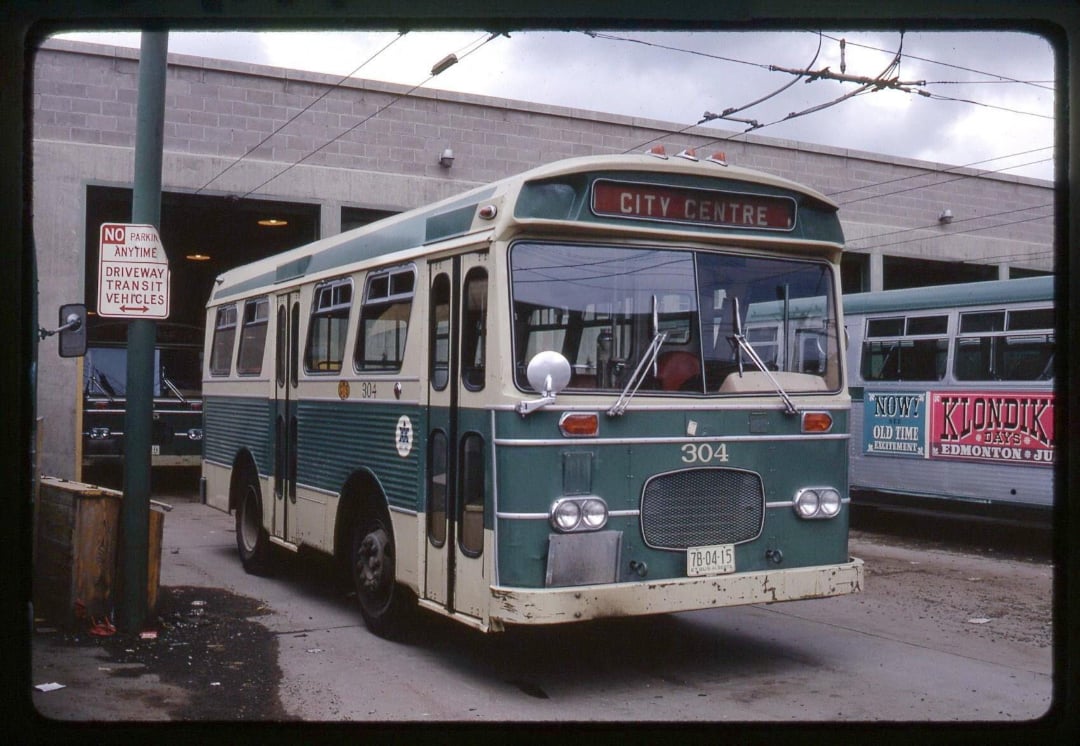
Buses and trains ran on set schedules that did not adjust to you. And if the bus was running 20 minutes late, there were no phone updates to let you know. You’d stand at the bus station and wait for time to pass.
14. ’60s Kids had boring car rides
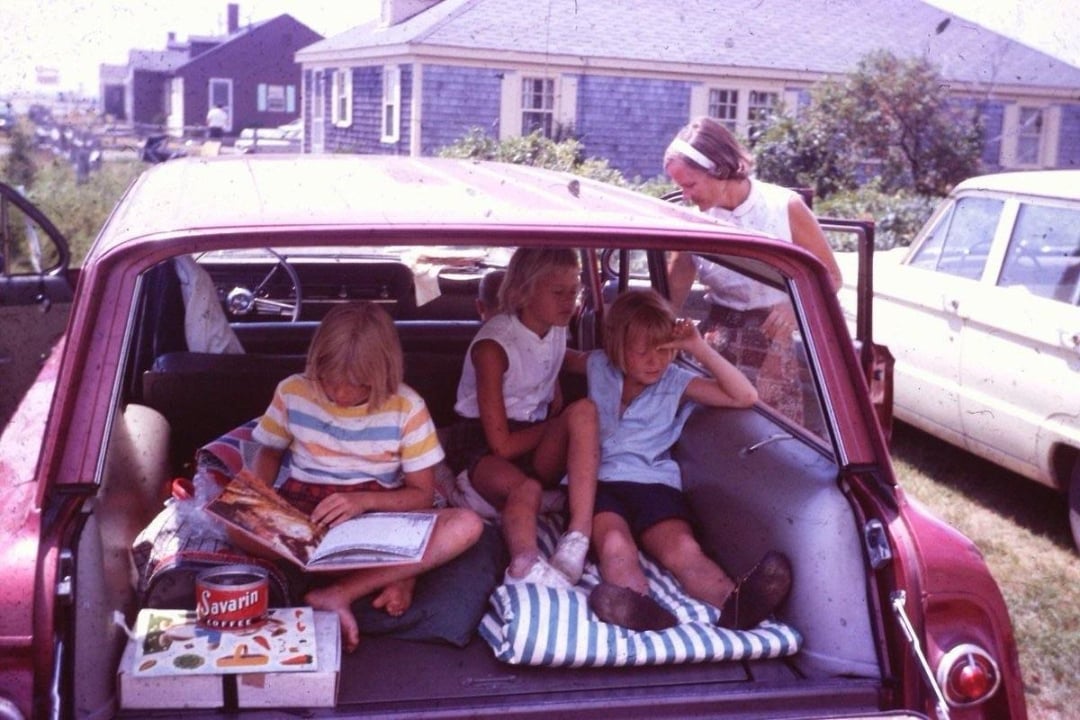
Car rides didn’t come with cell phones and built-in entertainment to make the time pass quickly. Kids sat in the back seat, looking out the window or making up their own games. A five-hour car ride is bad enough today; just imagine it with no YouTube to pass the time. This was a major lesson on how to be patient, even though kids uttered “Are we there yet?” hundreds of times.
15. Rewinding cassette tapes
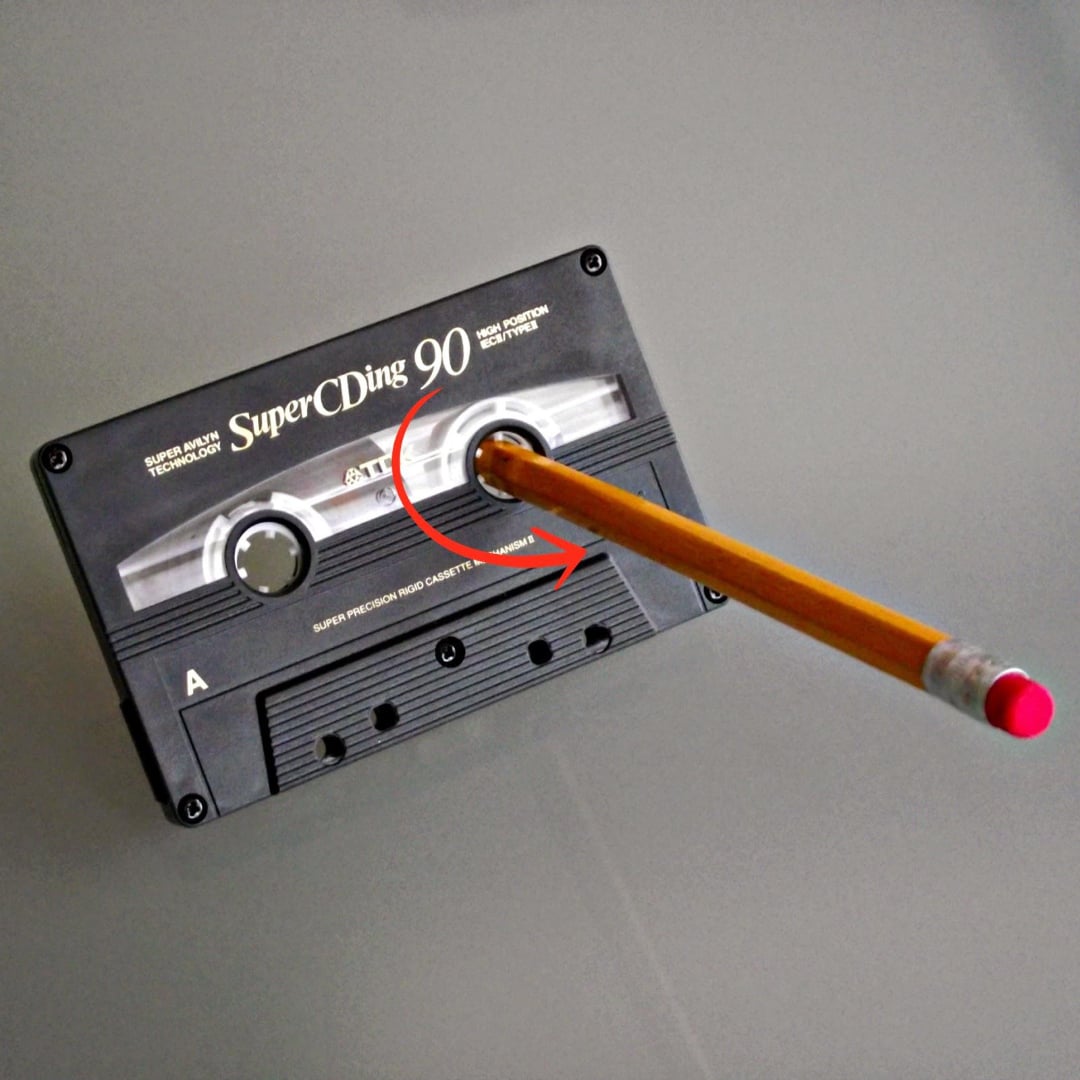
You couldn’t press a button to replay a track in the ’60s, so listening to a song again meant manually rewinding the tape. You had to guess where to stop, and 90% of the time you’d overshoot or fall just short. There was no quick skip to the exact moment you wanted, so it took a bit of trial and error to get it right.
Want to see more content from the 1960s?
Check out 15 Famous Foods That Were Invented by Accident in The 1960s (and Became Icons), or take a look at 20 Military Photos That Embody Military Life In The 1960s. Finally, if you want to see some stories about the worst criminals of the ’60s, check out 20 Trippy Stories about the 1960s Worst Criminals.