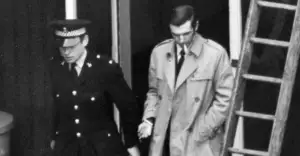
The 1960s felt bright on the surface and darker underneath. These criminals turned headlines into late-night whispers, with assassinations, cult murders, and cases that never really closed.
What follows is the who, the why, and the ripple effect that still shows up in documentaries and dinner table debates.
1. Charles Manson
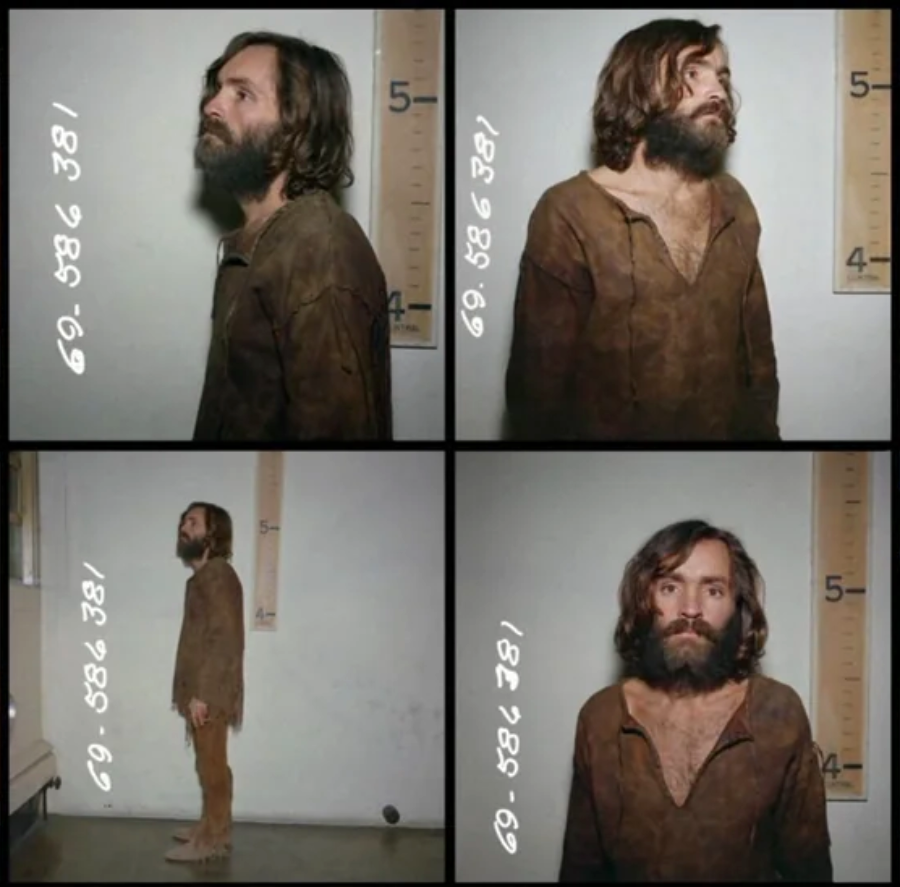
He never swung a knife on camera, but he orchestrated the 1969 Tate-LaBianca murders through his followers. The “family” ran on control, fear, and warped prophecy. He was convicted of first-degree murder and conspiracy. He died in prison.
2. Ian Brady and Myra Hindley
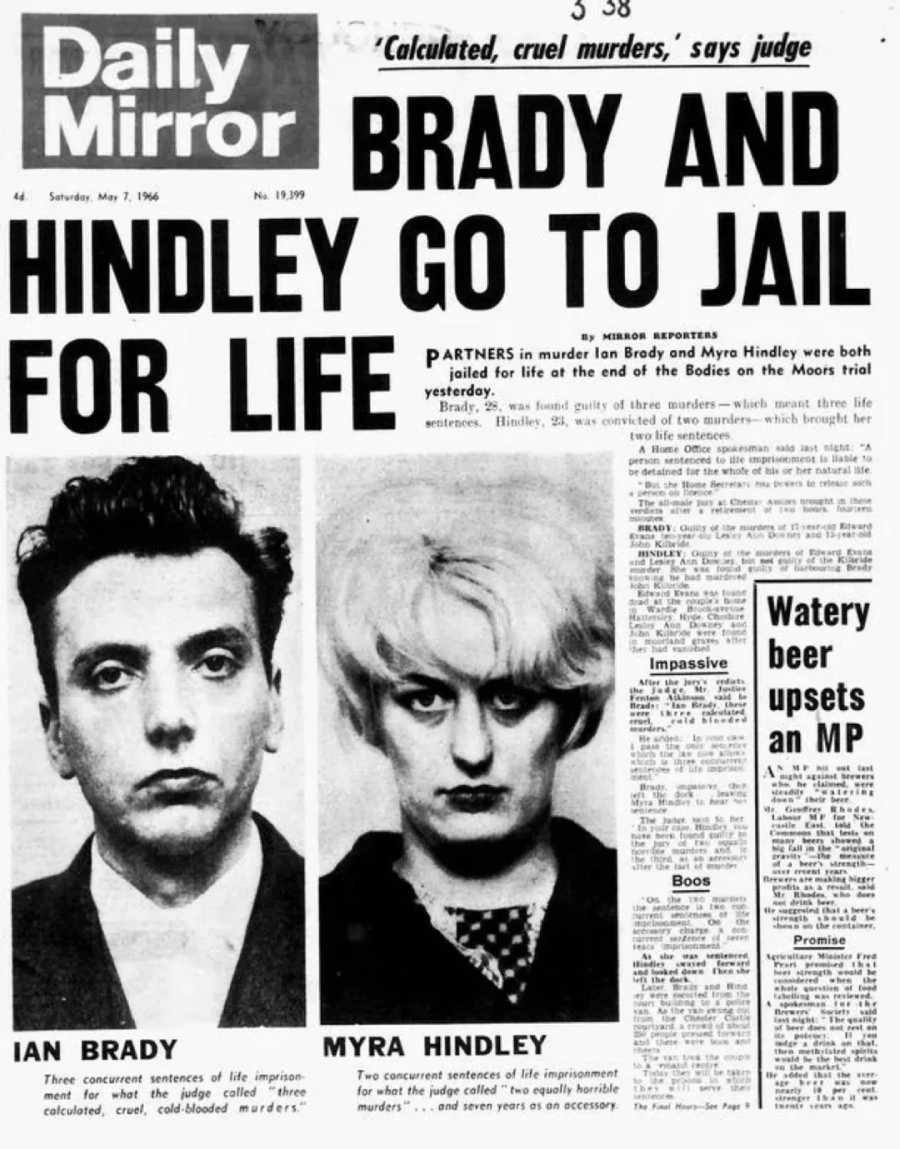
The Moors Murders haunted Britain through the mid-1960s. They lured and killed children, then hid the bodies on Saddleworth Moor. Both were convicted in 1966, and the country never forgot their faces.
3. Albert DeSalvo – The Boston Strangler
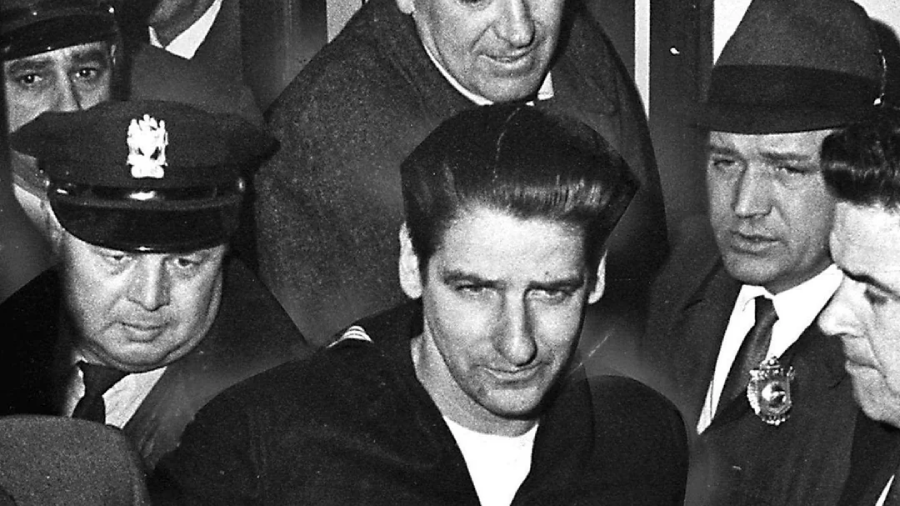
Between 1962 and 1964, Boston lived in fear as women were found murdered in their homes. DeSalvo confessed, and later, DNA tied him to at least one of the murders. He died in prison after a stabbing.
4. Richard Speck
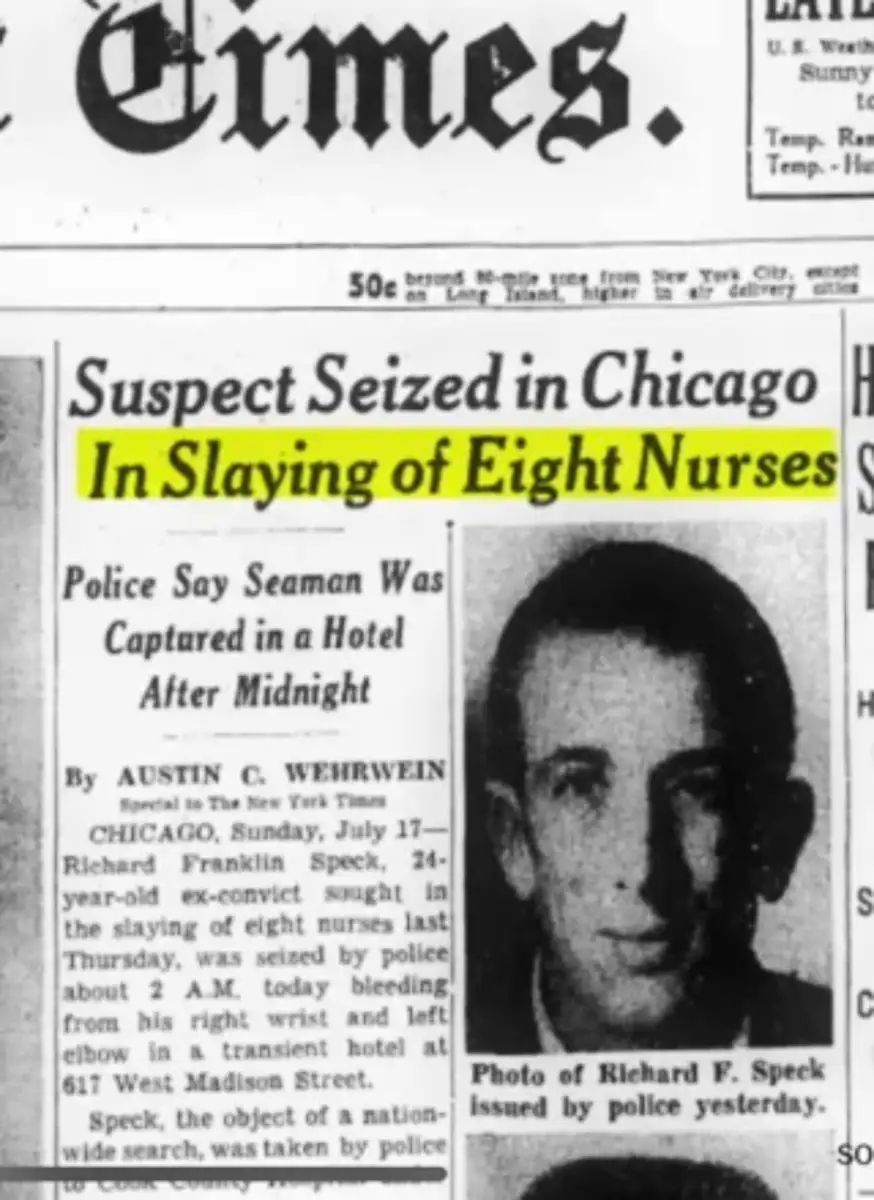
In 1966, he broke into a Chicago townhouse and killed eight student nurses. The city froze, and a lone survivor’s testimony sealed the case. He was sentenced to life, and his name became shorthand for terror.
5. Zodiac Killer
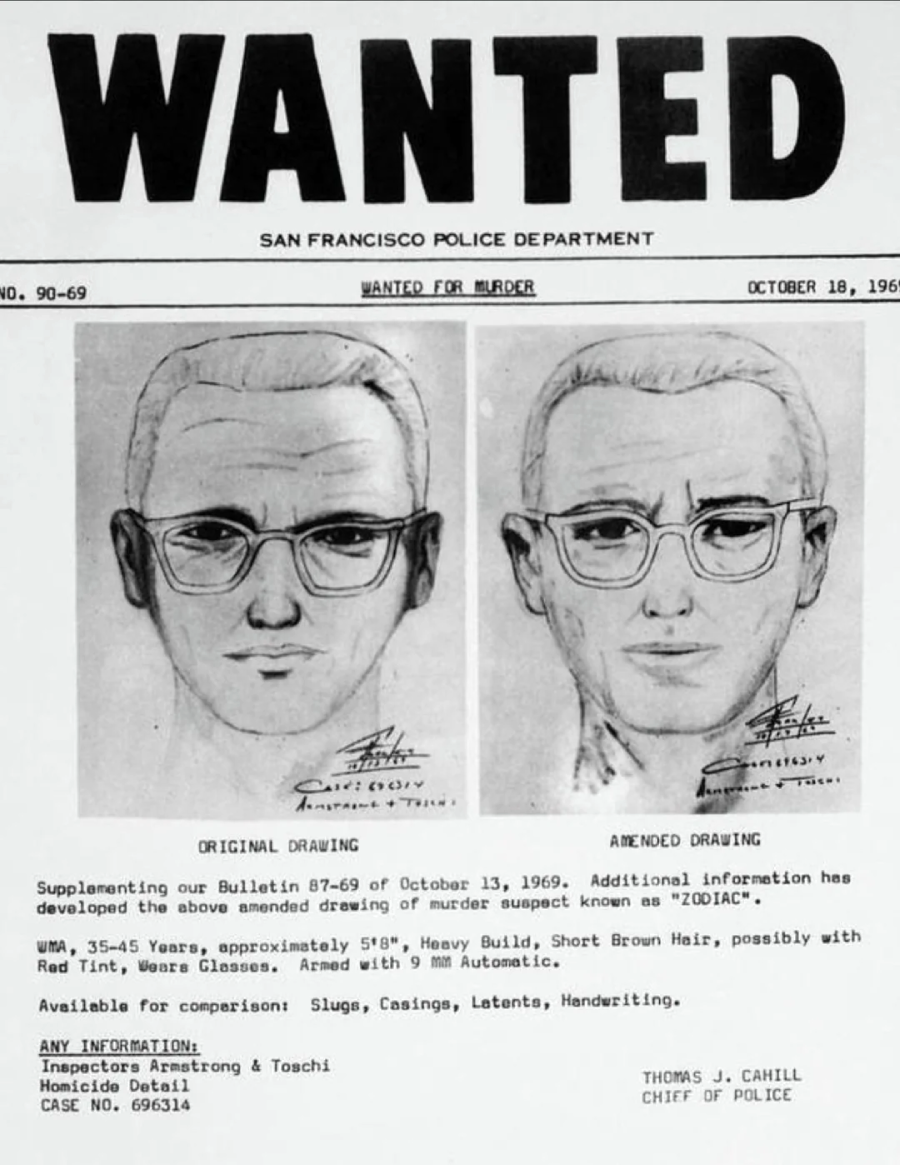
In the late 1960s, Northern California got letters, ciphers, and murders that felt like taunts. Police chased clues that went nowhere. The case remains officially unsolved, and the myth only grew.
Trending on The Scroller
6. Sirhan Sirhan
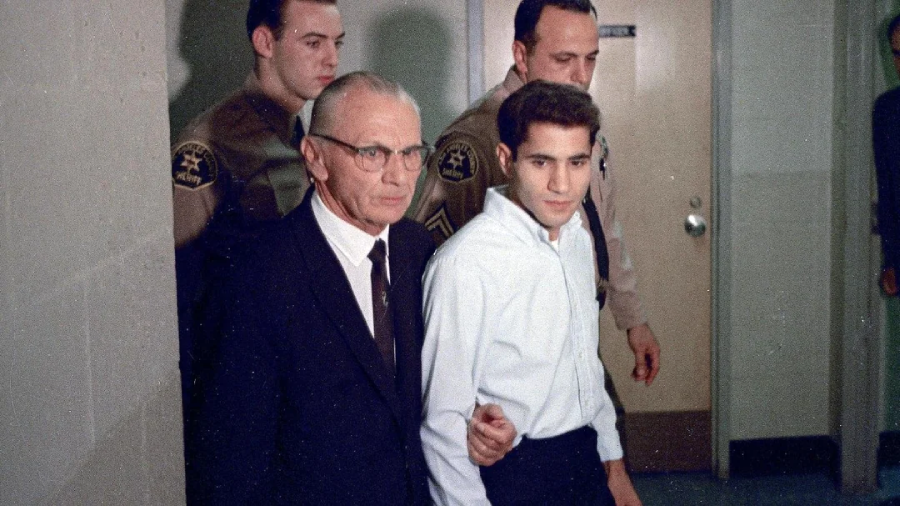
He shot Senator Robert F. Kennedy at the Ambassador Hotel in 1968. The scene was chaos, flashbulbs, and a stunned nation. He was convicted of murder and given life in prison.
7. Lee Harvey Oswald
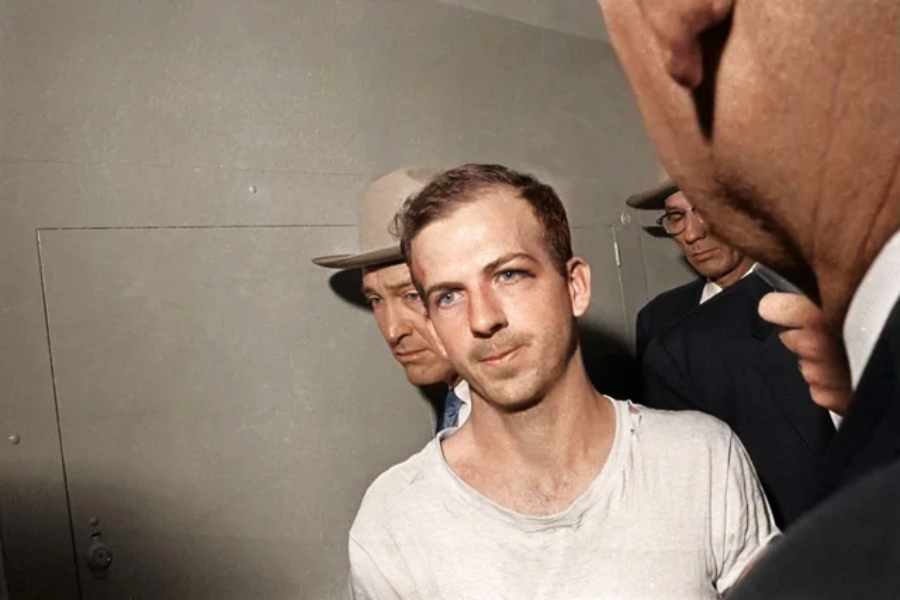
He was arrested for the assassination of President John F. Kennedy in 1963. Two days later, jack Ruby shot him on live TV. America got an arrest, but never a trial.
8. Jack Ruby
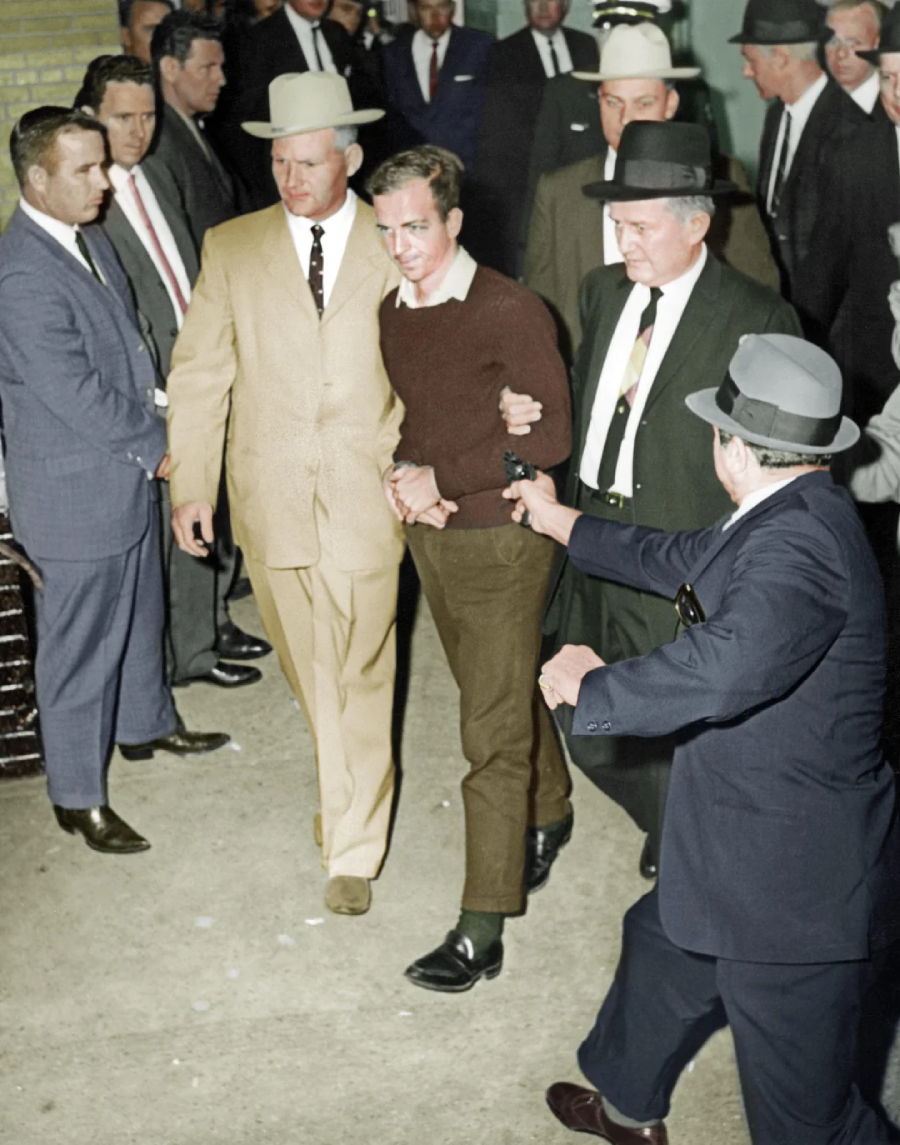
Ruby killed Oswald two days after the Dallas assassination. He said it was about grief and anger. The act only deepened the fog around the case.
Sign up for our newsletter
9. James Earl Ray
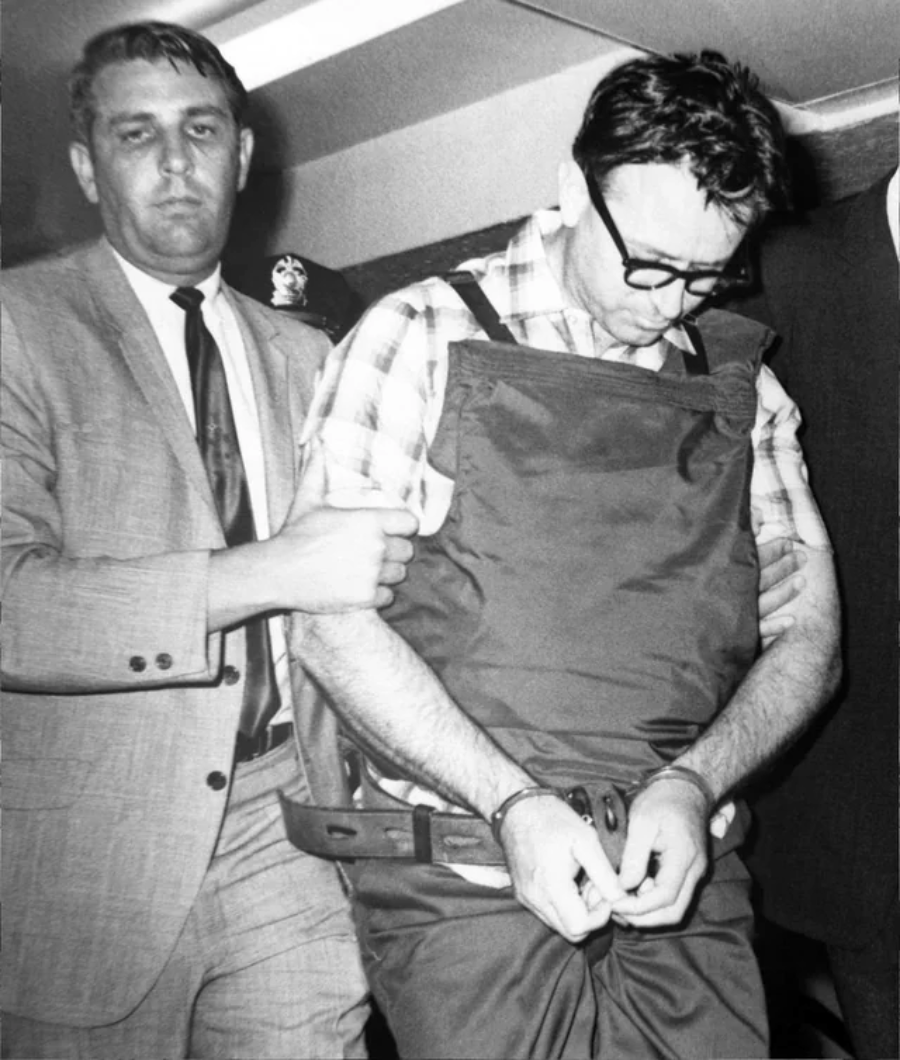
Dr. Martin Luther King Jr. was shot in Memphis in 1968. Ray pleaded guilty, and then spent years trying to change his story. He died in prison, and the doubts never fully left.
10. Charles Whitman
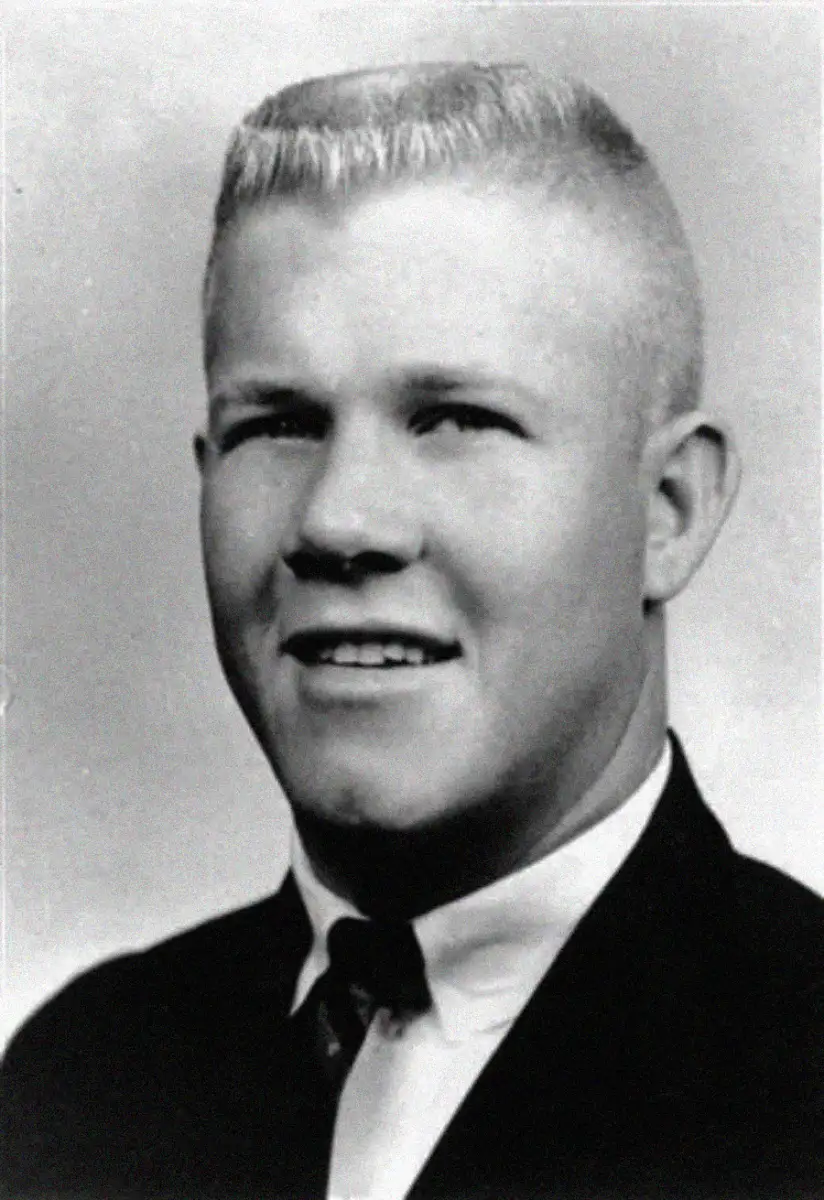
In 1966, the former Marine climbed the University of Texas tower and opened fire. Austin police and civilians pushed back under gunfire in a long, hot siege. The campus never looked the same.
11. Graham Young – The Teacup Poisoner
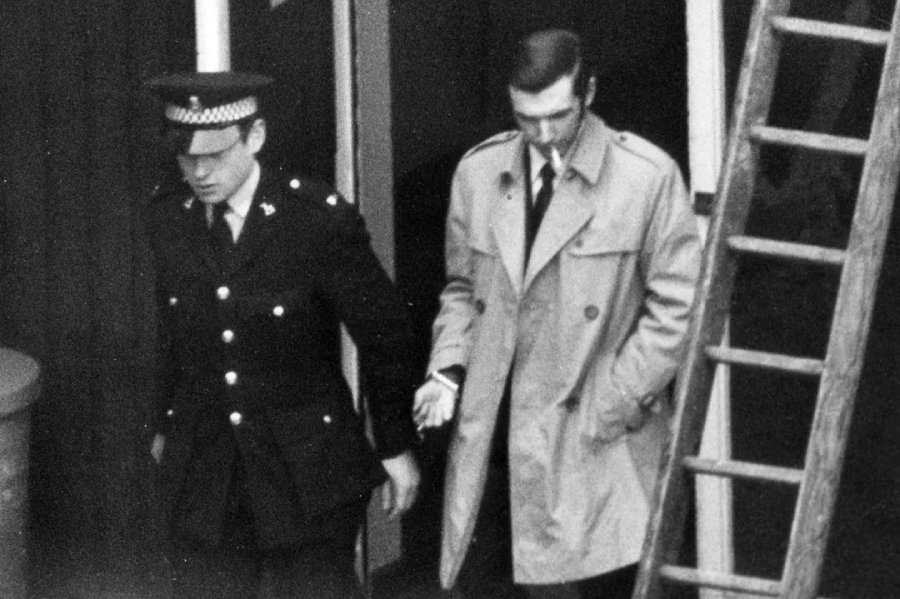
In early ’60s London, a teen chemist poisoned his family and his classmates with thallium and antimony. He was detained and later released, then he poisoned his co-workers in the ’70s.
12. Mary Bell
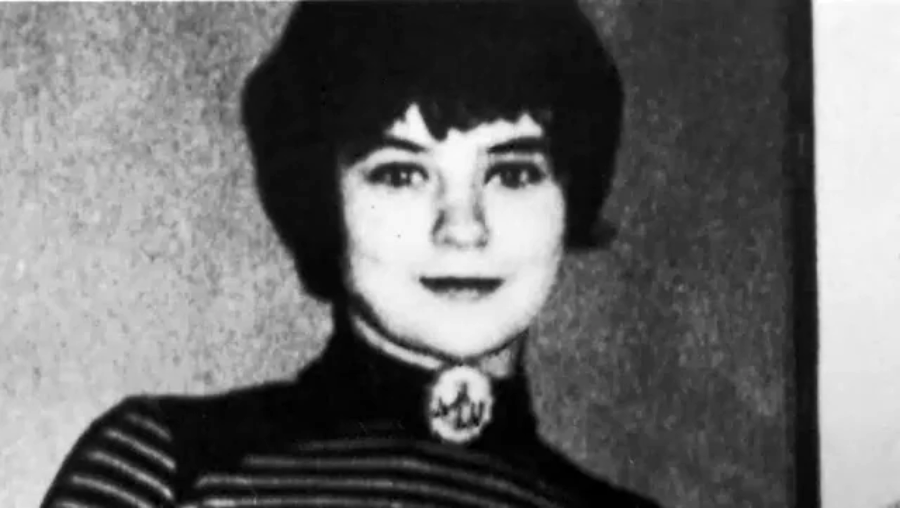
She was only eleven when she killed two boys in Newcastle in 1968. Courts called it manslaughter with diminished responsibility, and Britain struggled with the idea of a child who could do that.
13. The Kray twins
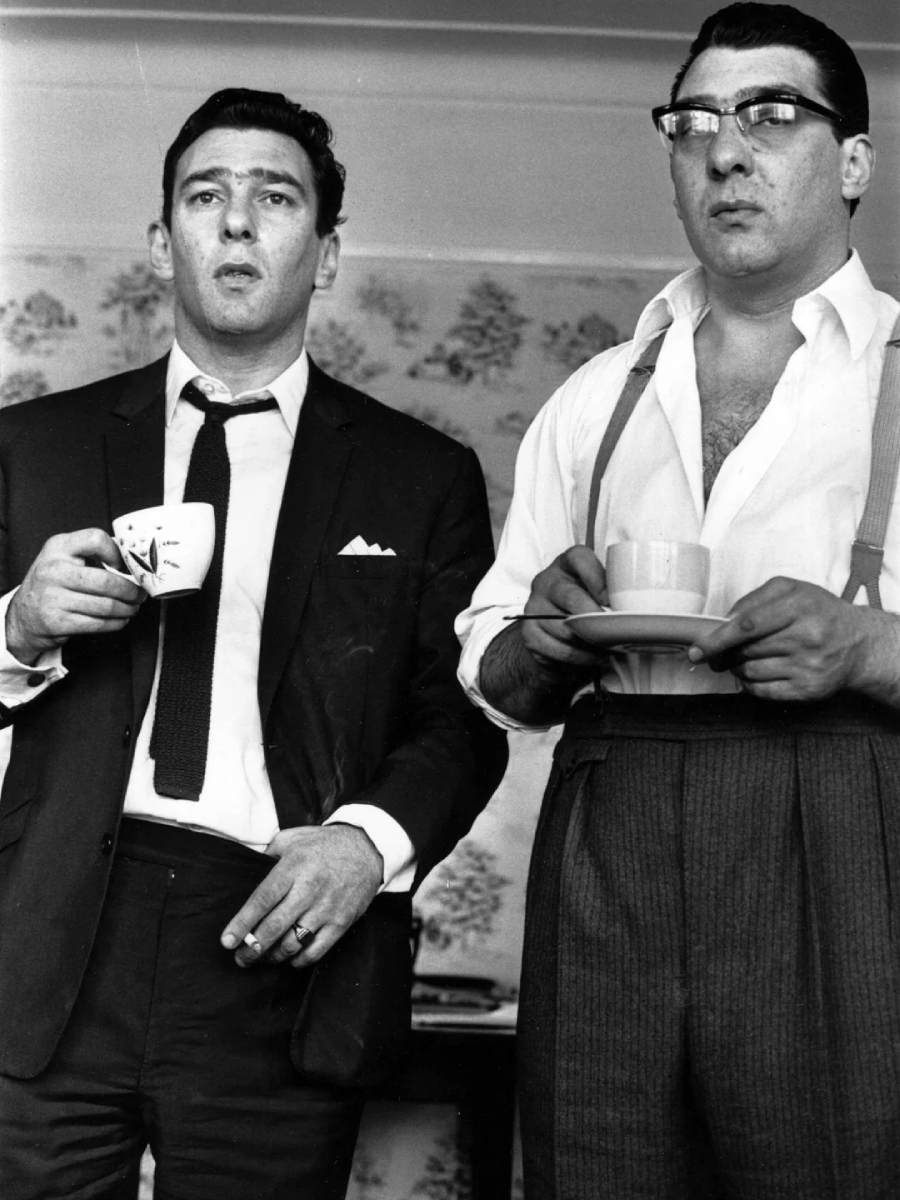
Ronnie and Reggie were East End celebrities mixed with extortion and murder. They shook hands with stars at nightclubs and terrorized rivals after hours. In 1969, the law finally caught up.
14. Bruce Reynolds – Great Train Robbery
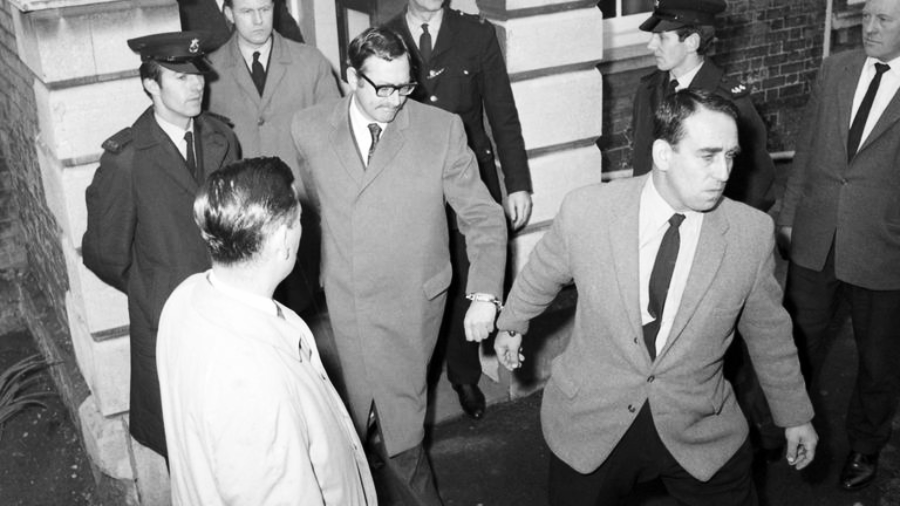
He planned the 1963 heist that grabbed millions from a Royal Mail train. The haul looked like a movie plot, and the hunt looked like a war of patience. Prison came, then a long afterlife in myth.
15. Ronnie Biggs – Great Train Robbery
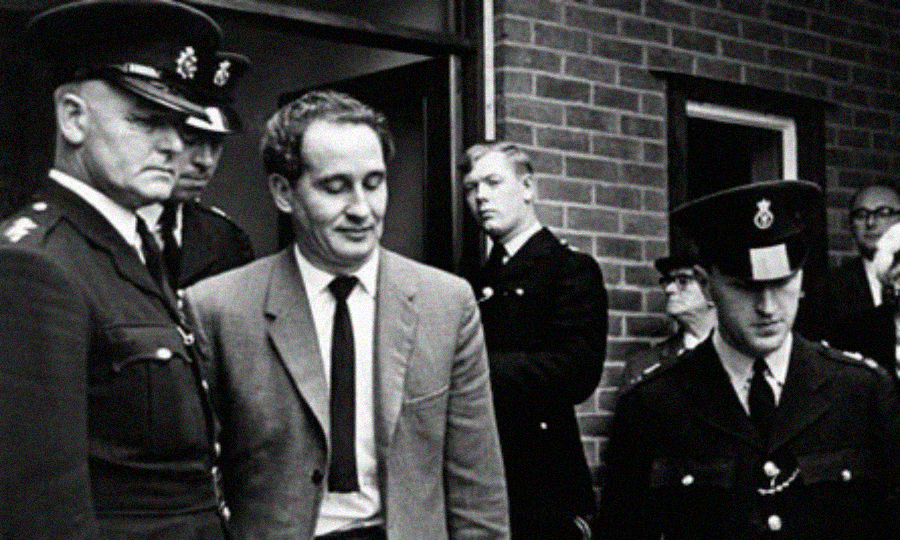
He escaped prison and lived as a tabloid headline across continents. Every sighting felt like a postcard from the ’60s refusing to end. He surrendered decades later.
16. Winston Moseley
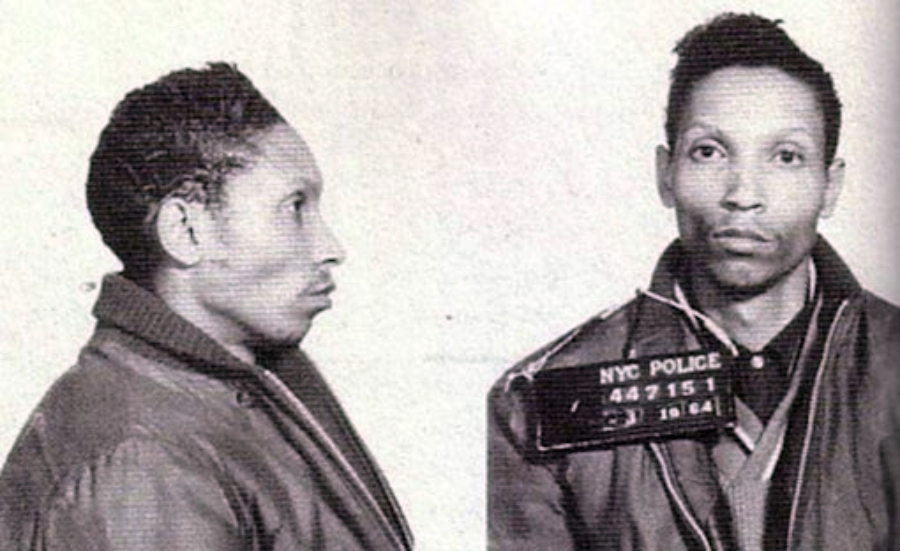
He killed Kitty Genovese in 1964, a case that became famous for the “bystander effect” narrative. The story changed how police hotlines and emergency calls worked. The myth got messy, but the reforms stuck.
17. Charles Schmid – The Pied Piper of Tucson
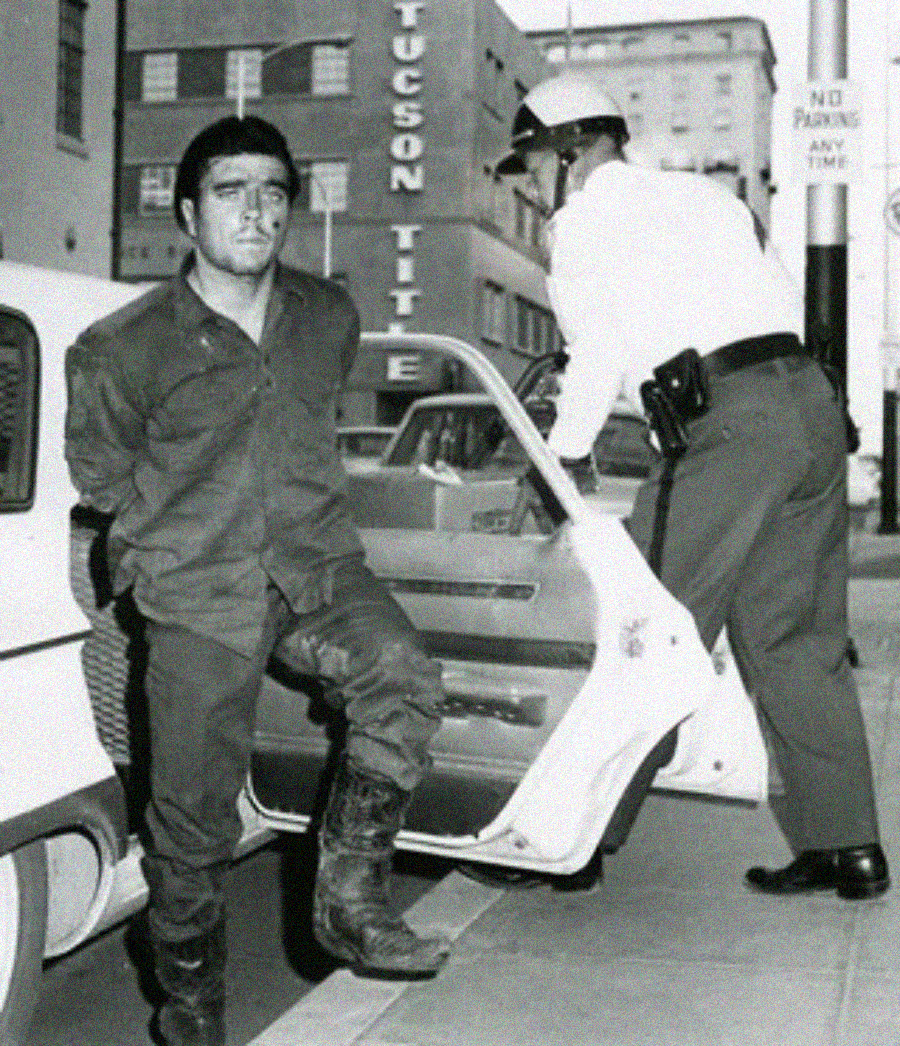
He charmed teens and then murdered in 1964-65. The desert felt big enough to hide secrets until it didn’t. The trials showed how glamour can rot from the inside.
18. Charles “Tex” Watson
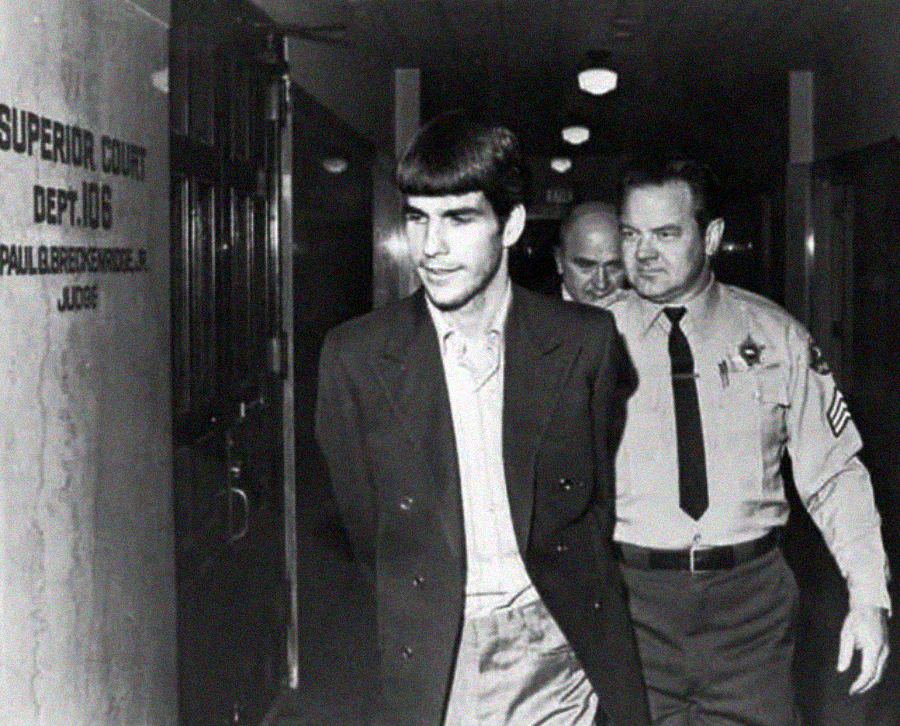
He became Manson’s main enforcer. Across two nights in August 1969, he led the attacks that shocked Hollywood. His calm testimony later showed how ordinary someone can look while describing horror.
19. Valerie Solanas
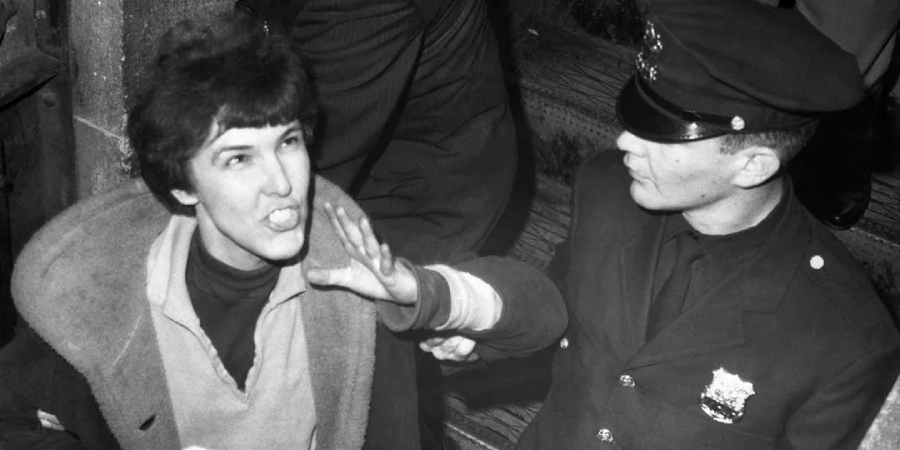
In 1968, she shot artist Andy Warhol in his Manhattan studio and was arrested the same day. A radical writer best known for the SCUM Manifesto, she pleaded guilty to a lesser assault charge and served time.
20. Bobby Beausoleil
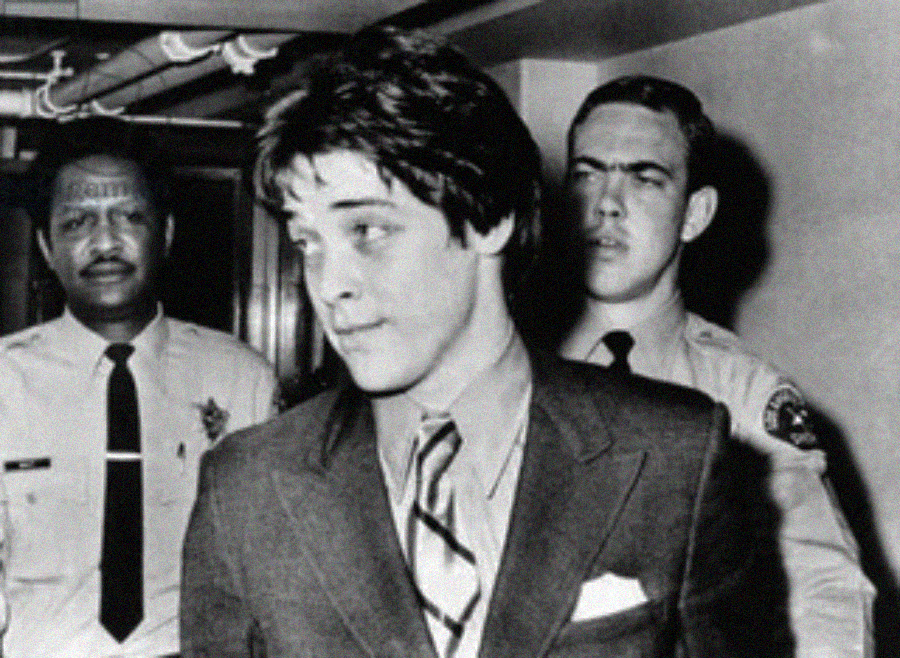
He was a Manson associate, and he murdered musician Gary Hinman in 1969, before the Tate-LaBianca killings. He was convicted of first-degree murder and spent decades in prison, often cited as the case that foreshadowed the Family’s later attacks.
Explore more historical content:
If these ’60s stories pulled you back into the decade’s mix of color and dread, keep the vibes going with these 20 Photos of Female Criminals from the 1960s, or these 20 Yearbook Photos of History’s Most Infamous Male Criminals. If you want more ’60s content, check these 20 Vintage Photos That Capture Adulthood in the 1960s.