Humans have built sensors that can see heat, measure magnetic fields, and identify chemicals in microscopic amounts. Yet many animals perform similar jobs naturally, often while flying, swimming, hunting, or simply looking for food. Their senses do not always outperform specialized equipment, but they can combine faint signals in ways researchers still find difficult to reproduce. Some of these abilities are already inspiring new medical devices, navigation systems, and robots.
1. Dogs Can Smell Changes Caused by Disease

A dog does not smell cancer itself. It detects patterns of volatile organic compounds released through a person’s breath, sweat, urine, or other biological samples. In controlled studies, trained dogs have distinguished samples associated with certain cancers, malaria, COVID-19, and dangerous drops in blood sugar. Researchers are developing electronic noses for the same purpose, but matching a dog’s sensitivity while also handling the enormous variety of human odors remains difficult.
2. Sharks Pick Up the Electricity of Hidden Prey
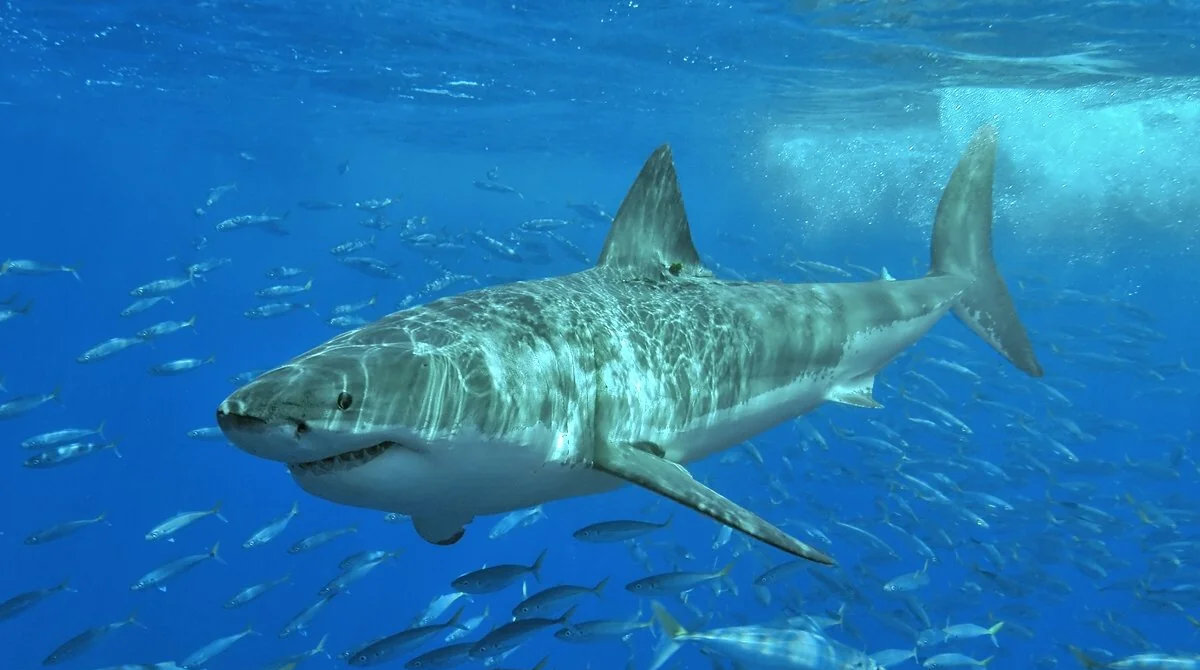
The small pores around a shark’s snout are openings to organs called the ampullae of Lorenzini. They allow sharks to sense extremely weak electric fields produced by muscle contractions and nerve activity in nearby animals. A fish buried under sand may be invisible and nearly motionless, but its body still gives off enough of a signal for a hunting shark to locate it. Engineers can measure such fields with specialized equipment, although building a compact system with the same combination of sensitivity, direction finding, and instant response is another matter.
3. Pit Vipers Detect Body Heat in Darkness
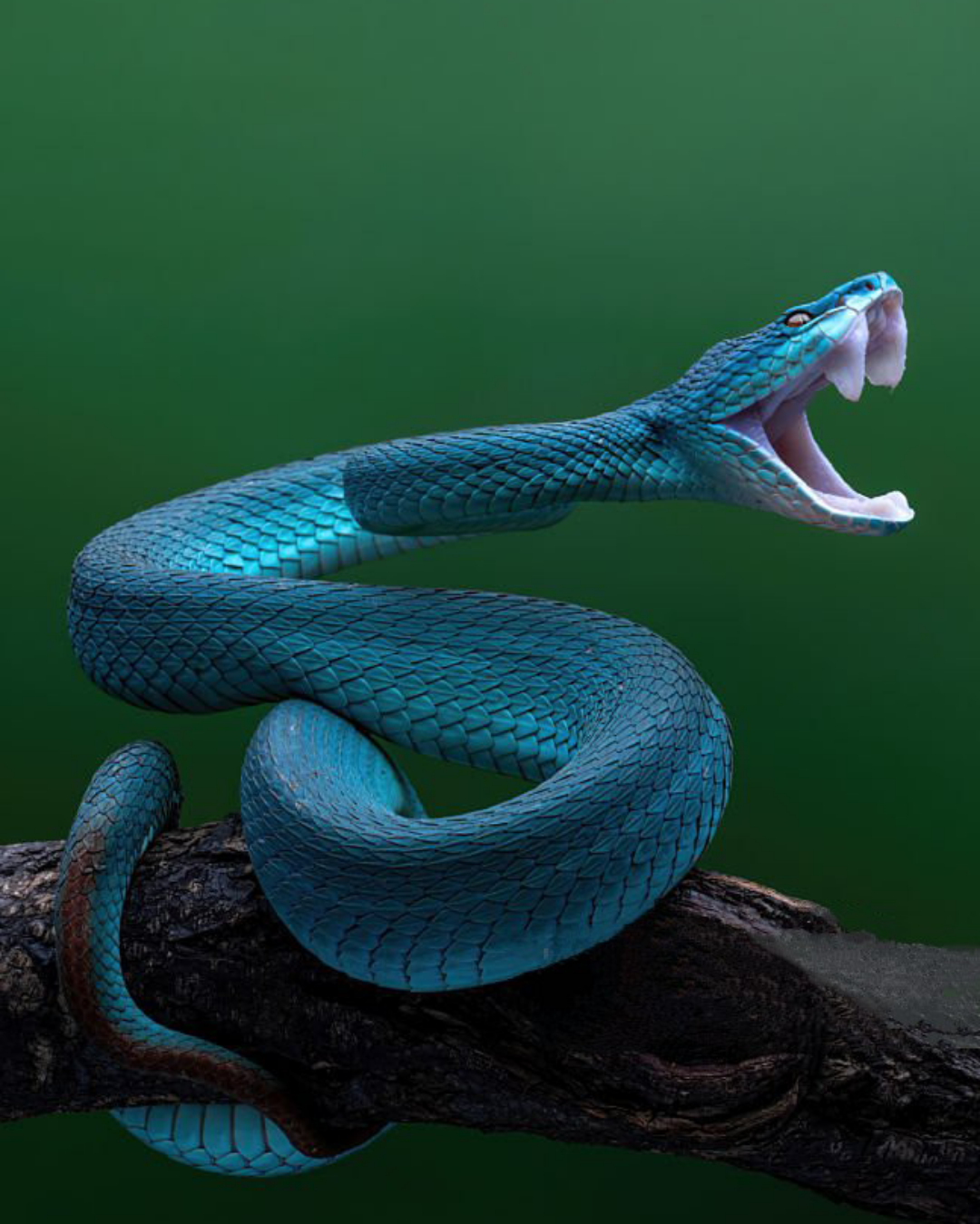
Rattlesnakes, pythons, and boas have facial pit organs that respond to infrared radiation from warm objects. This gives them thermal information about nearby prey even when the available light is poor. Humans have excellent infrared cameras, but the snake accomplishes its version of thermal imaging with tiny biological structures and processes the information alongside ordinary vision.
4. Pigeons Sense Earth’s Magnetic Field
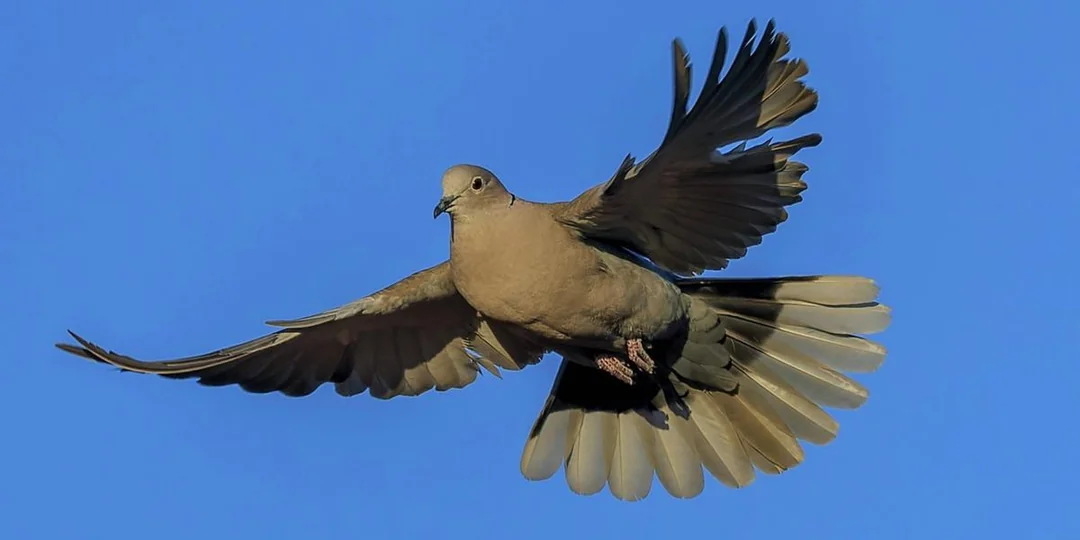
Homing pigeons can return from unfamiliar locations using several clues, including smell, landmarks, the sun, and Earth’s magnetic field. Scientists agree that magnetic information plays a role, but the exact biological mechanism remains under investigation. Magnetometers can measure the same field with great precision, yet researchers are still working out how a pigeon’s nervous system turns that invisible signal into practical navigation.
5. Bees Read the Electrical Signals Around Flowers
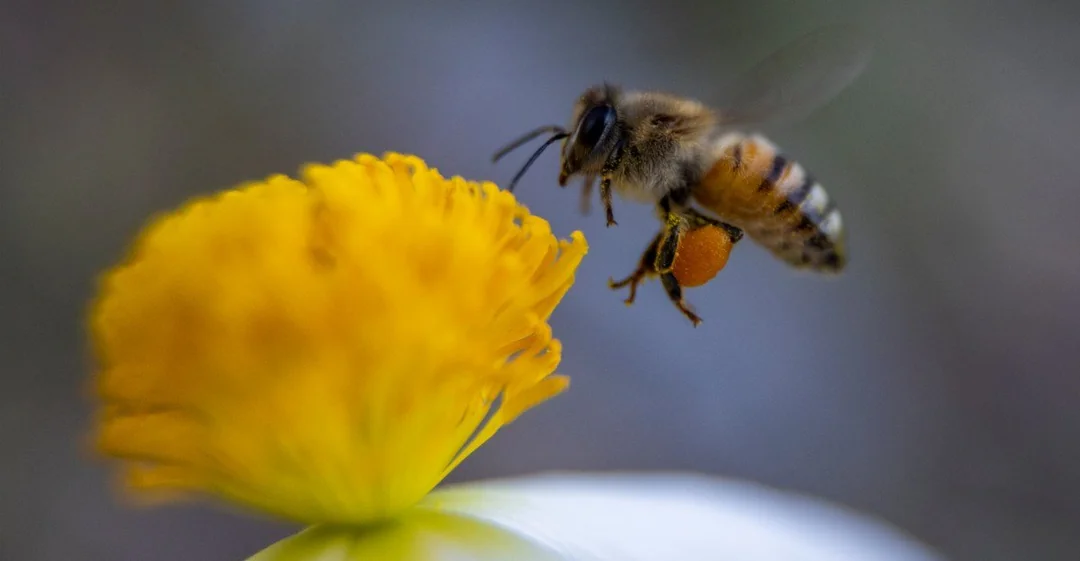
Flowers often carry weak negative electrical charges, while flying bees tend to become positively charged. When a bee approaches, it can sense the flower’s electric field through movements in its tiny body hairs. The field may even change after another insect lands, giving the next visitor information about whether the flower was recently disturbed. Laboratory instruments can measure these forces, but bees use them during everyday flights without carrying anything heavier than pollen.
Trending on The Scroller
6. Reindeer See Ultraviolet Light
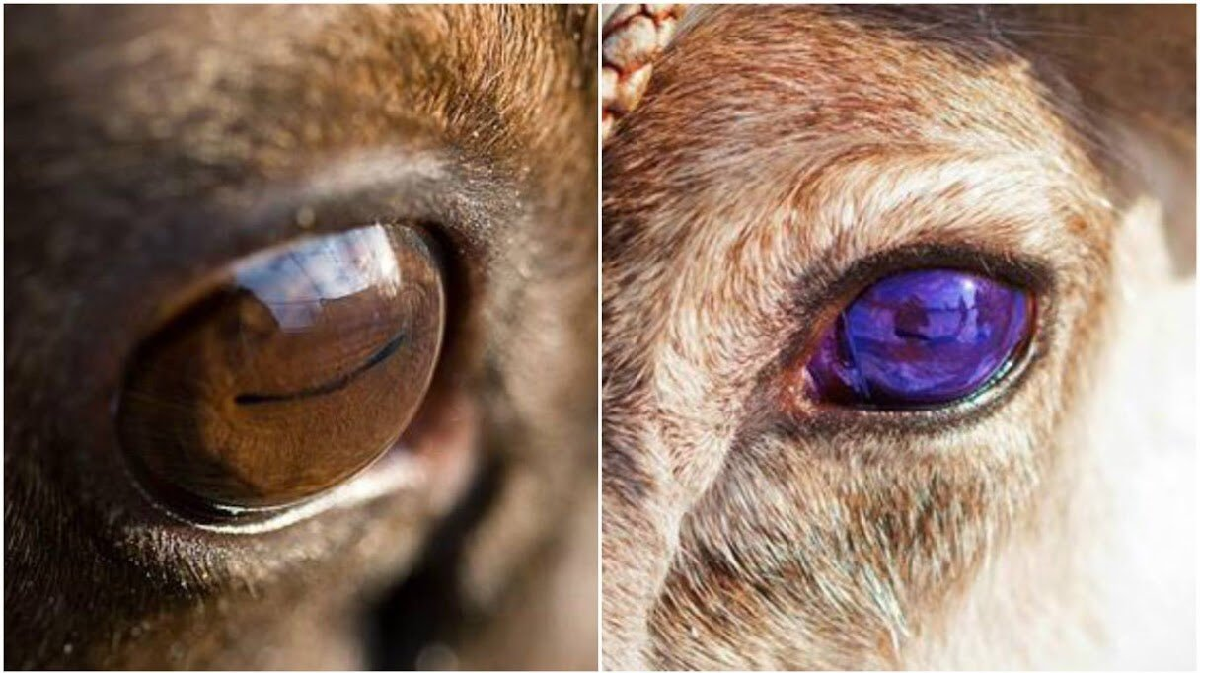
The snowy Arctic can look like a mostly white landscape to human eyes, but reindeer receive ultraviolet wavelengths that humans cannot see. Urine, fur, and certain plants absorb or reflect UV light differently from snow, creating contrasts that may help reindeer find food and notice predators. UV cameras can reveal a comparable view, though reindeer get it continuously through their own eyes.
7. Mantis Shrimp Detect Polarized Light
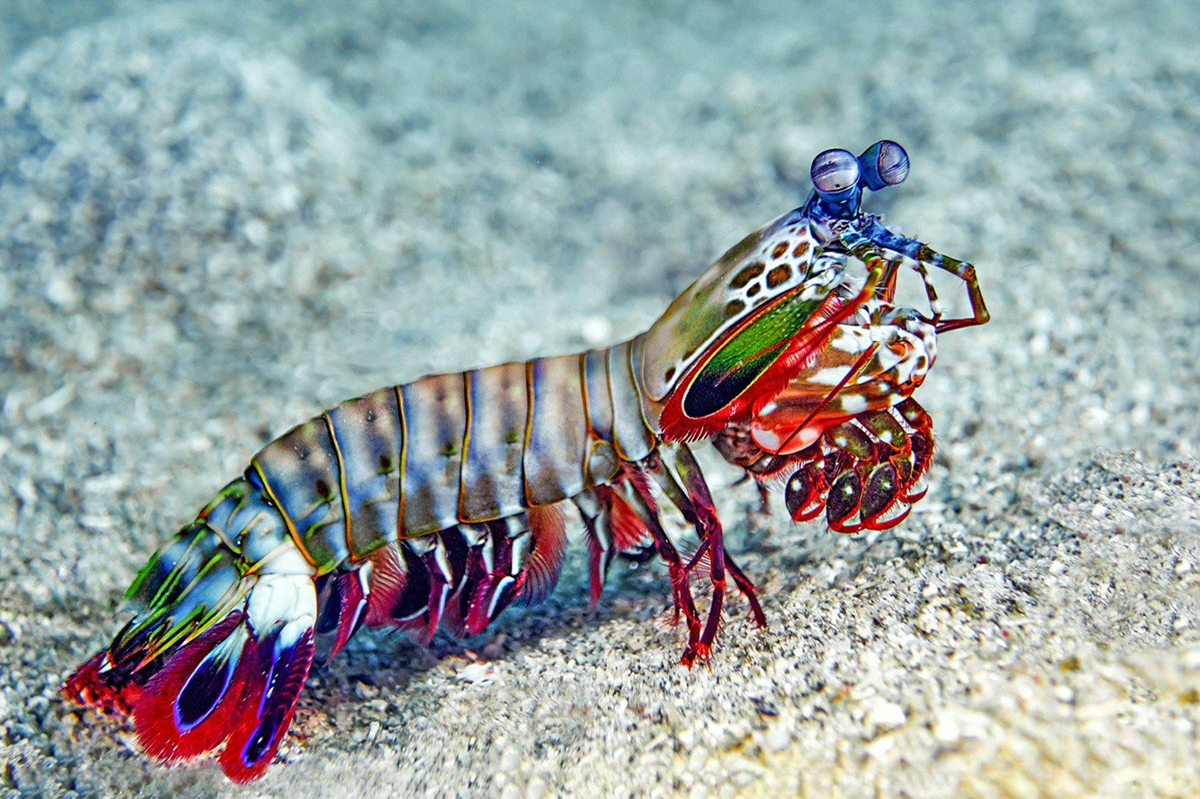
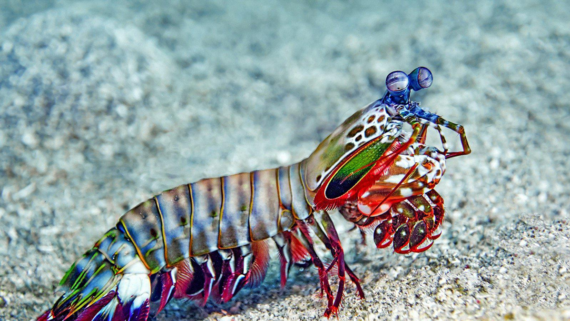
Mantis shrimp have unusually complex eyes that can detect forms of polarized light, including circular polarization in some species. This may help them communicate, recognize reflective surfaces, and navigate through visually confusing underwater environments. Polarization cameras exist, but researchers continue to study how mantis shrimp handle so much visual information with relatively small nervous systems.
8. Salmon Recognize the Chemical Signature of Home
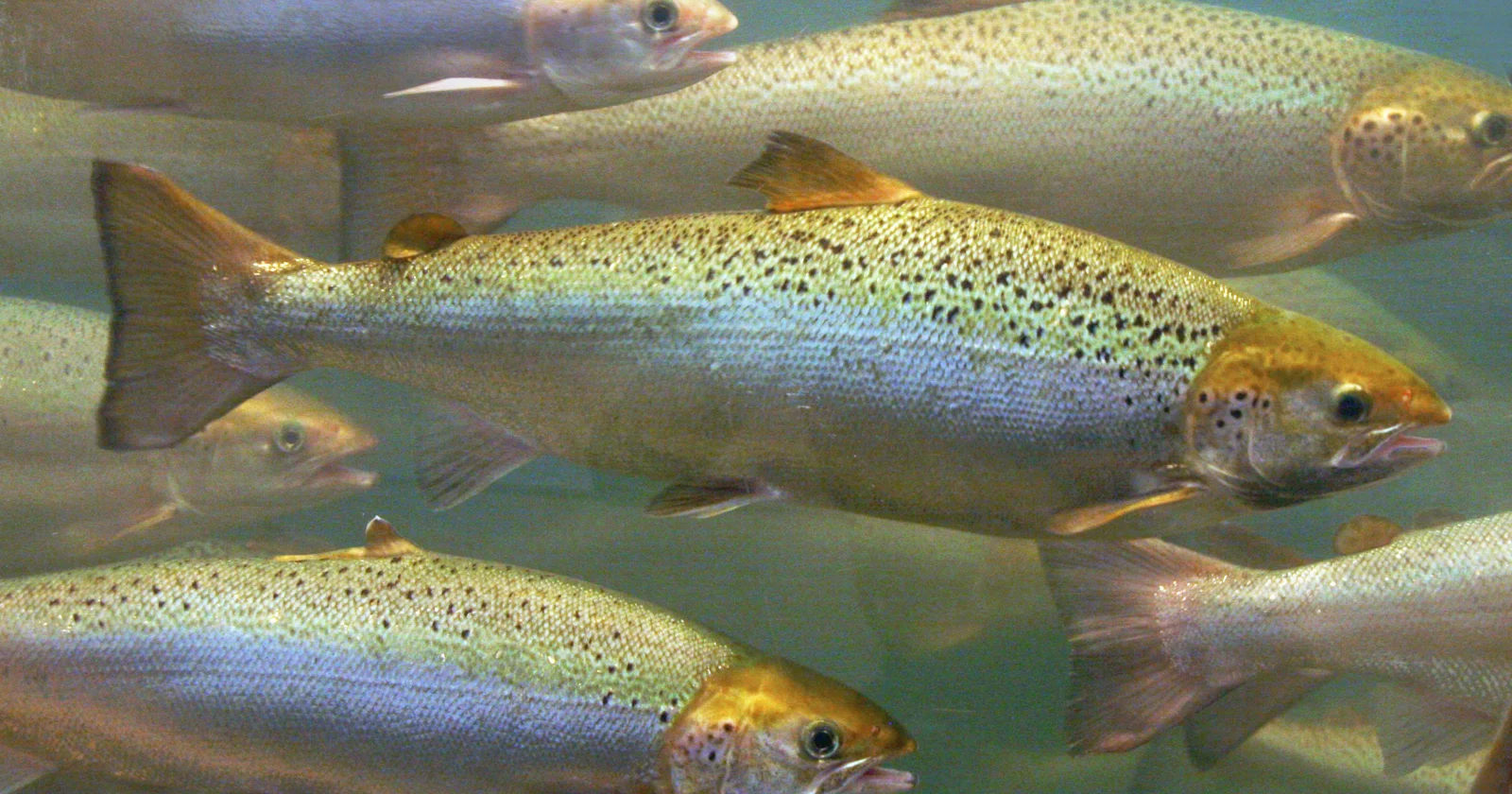
After years at sea, many salmon return to the same river system where they began life. Part of that journey appears to involve magnetic information, while the final approach depends heavily on smell. Each stream carries a particular chemical mixture shaped by its soil, vegetation, and water sources. Sensors can analyze water samples one compound at a time, but a salmon recognizes a meaningful environmental signature while swimming through constantly changing conditions.
Sign up for our newsletter
9. Sea Turtles Carry a Magnetic Map

Young sea turtles cross enormous stretches of ocean without maps, satellites, or lessons from their parents. Experiments indicate that they respond to both the strength and angle of Earth’s magnetic field, allowing them to recognize different geographic regions. Researchers describe this as a kind of inherited magnetic map, although exactly how the information is detected and encoded is still being studied.
10. Seals Track Invisible Trails Through Water
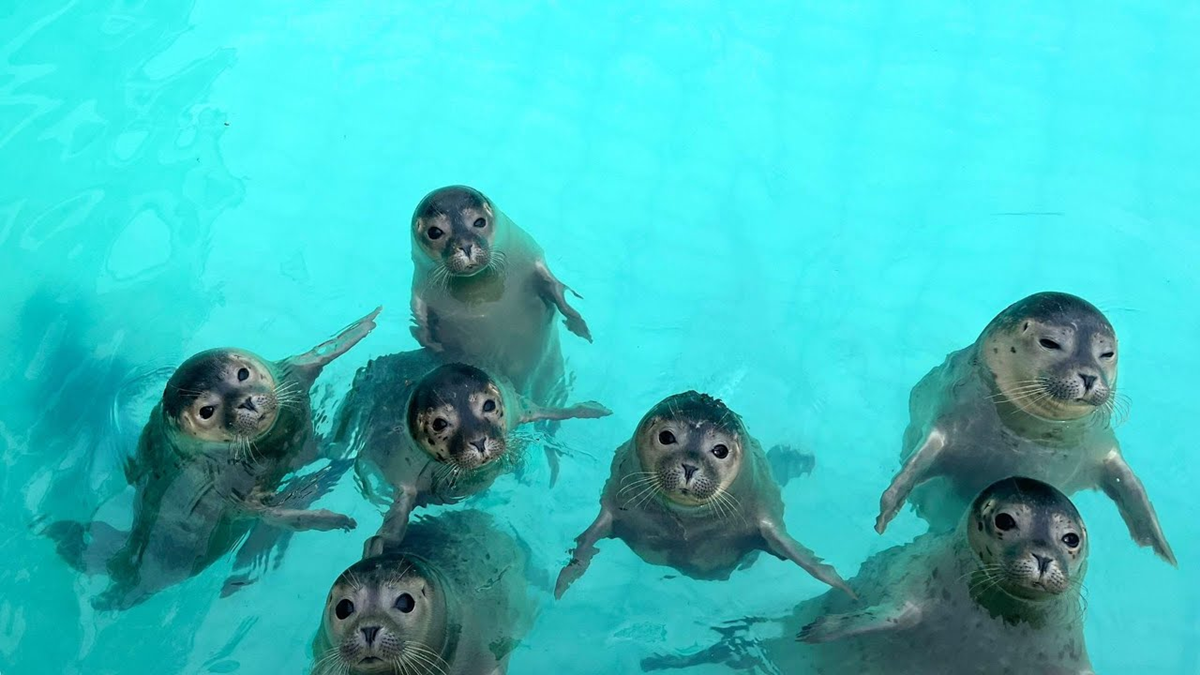
A swimming fish leaves behind a wake of disturbed water long after it has moved away. Harbor seals can follow these hydrodynamic trails using highly sensitive whiskers that respond to tiny changes in flow. Underwater robots use sonar and flow sensors, but reliably tracing a fading wake through turbulent water remains a complicated engineering problem.
11. Dolphins Can Inspect Objects With Sound
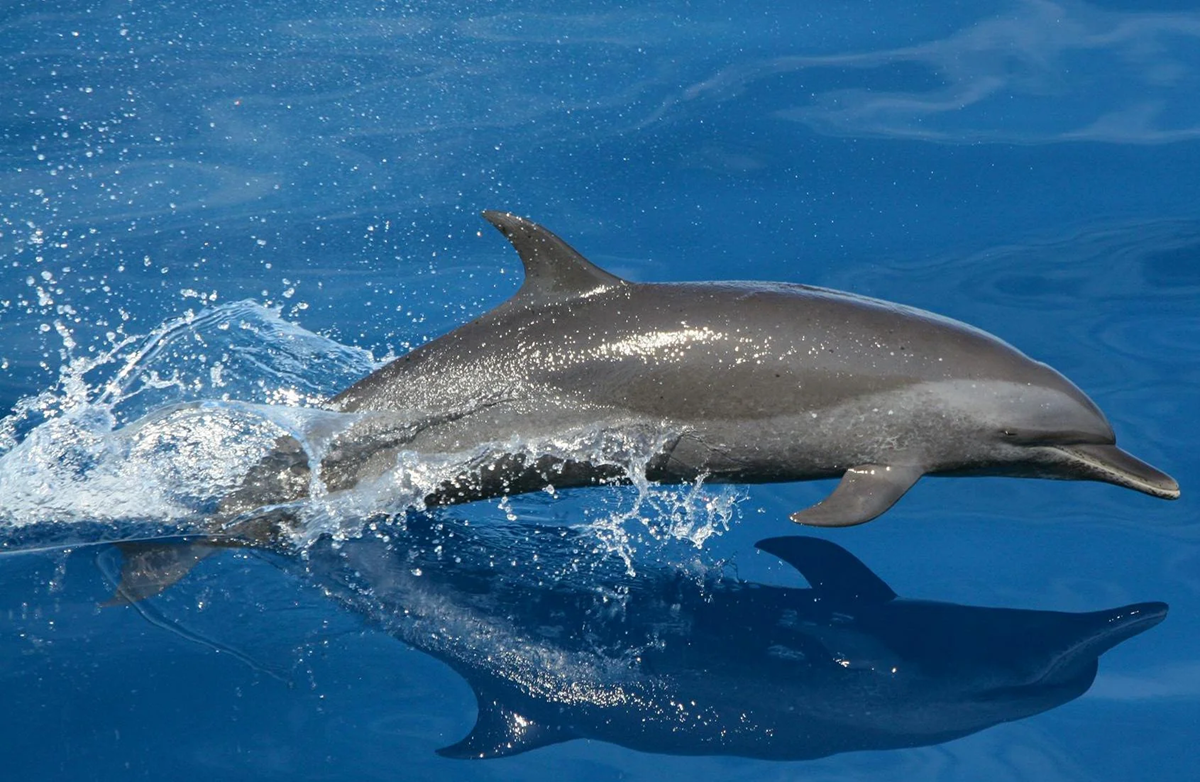
A dolphin sends out clicks and interprets the returning echoes to locate and examine objects underwater. It can distinguish shapes, materials, and internal differences that human eyes cannot see in murky water. Sonar performs a similar task, but scientists are still learning how dolphins extract such detailed information so quickly from a stream of echoes.
12. Ants Can Learn the Odor Pattern of Tumors
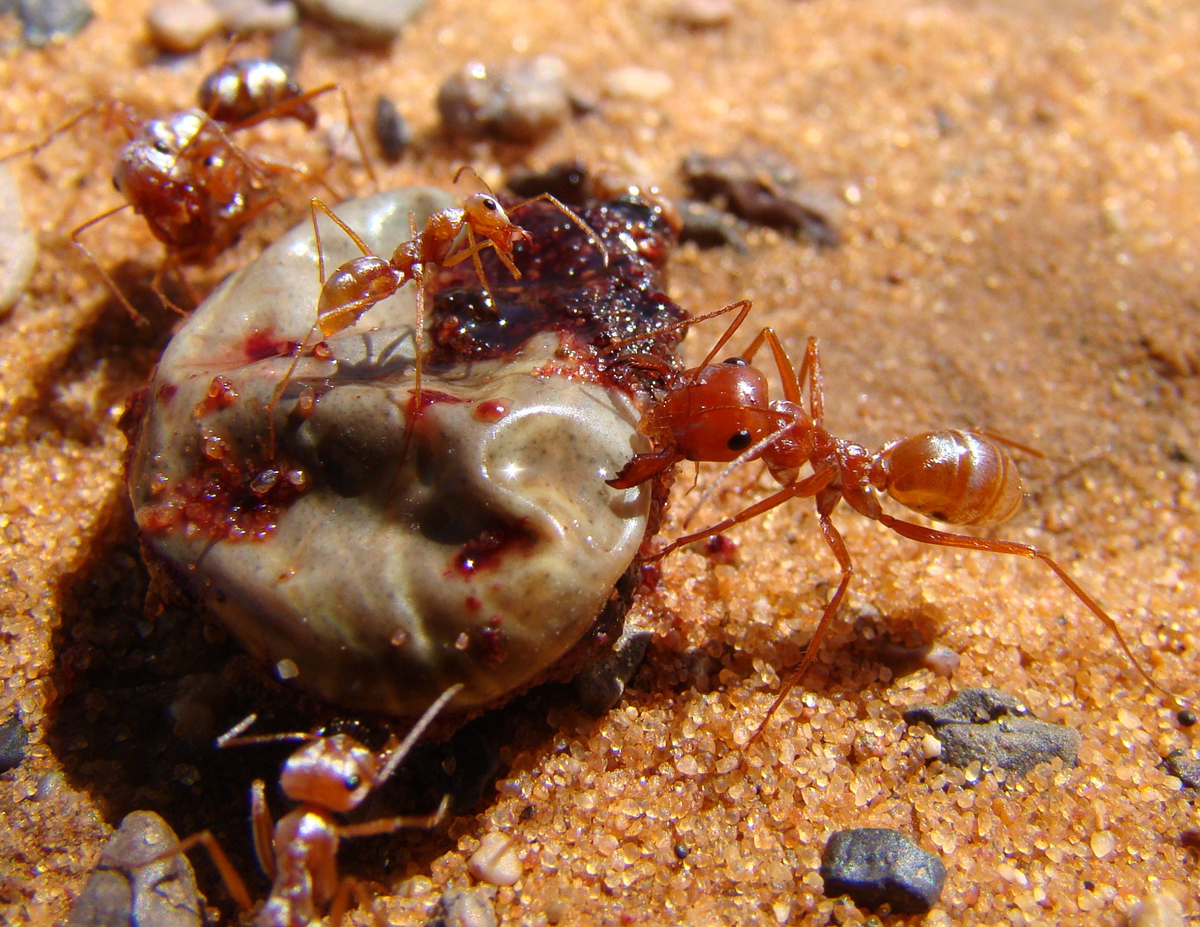
Ants have highly sensitive odor receptors in their antennae, and laboratory experiments suggest they can be trained to recognize chemical changes associated with tumors. In a 2023 study, Formica fusca ants learned to distinguish urine from healthy mice from urine belonging to mice carrying human breast-cancer tumors after only three conditioning sessions. The research is still at the proof-of-concept stage, but it could help scientists develop faster and less expensive ways to detect disease-related odor patterns.
13. Moths Find Partners From Tiny Chemical Traces
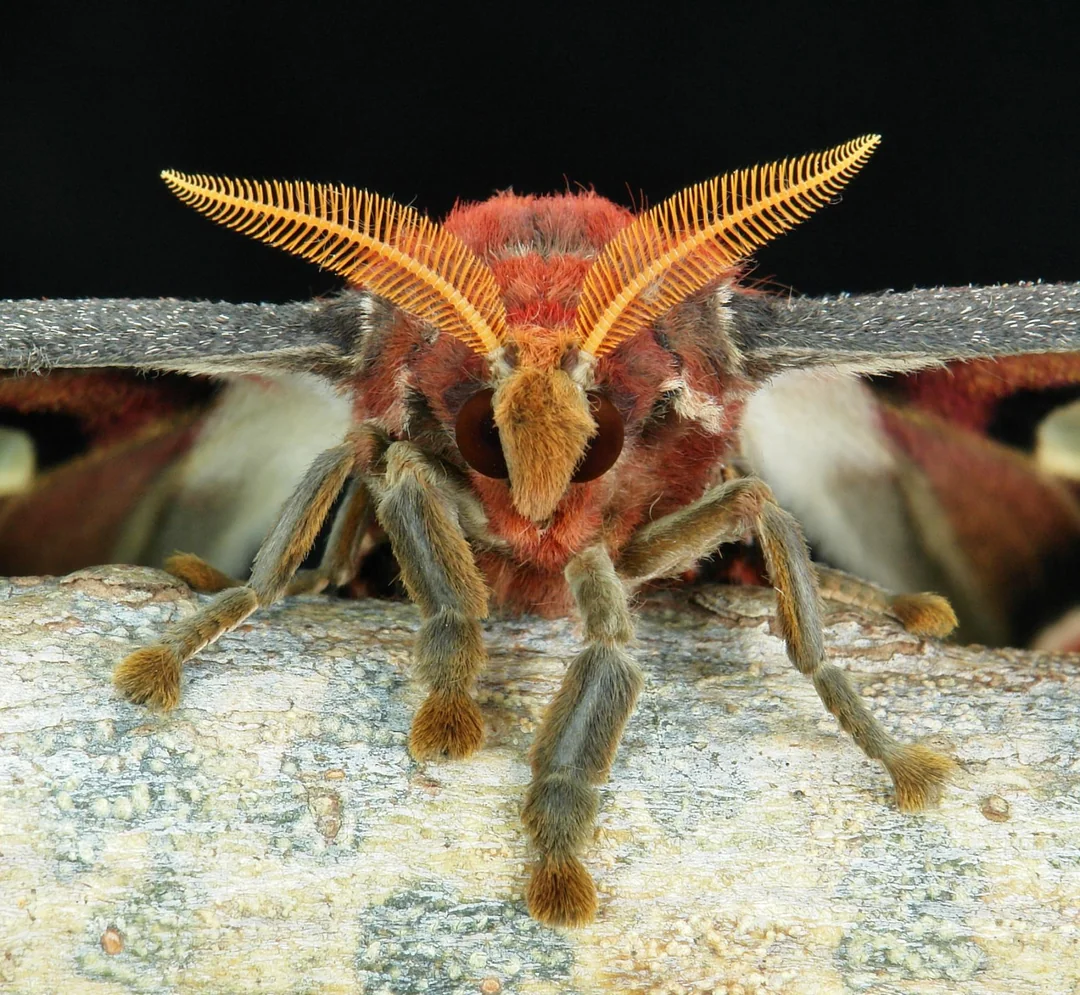
A male moth can follow minute amounts of a female’s pheromones through air filled with competing smells and shifting currents. Its feathery antennae collect individual odor molecules, while its nervous system helps determine where the intermittent scent is coming from. Chemical detectors can identify incredibly small concentrations, but copying the moth’s mobile search strategy has proved useful and challenging for robotics researchers.
14. Electric Fish Build a Picture Without Light
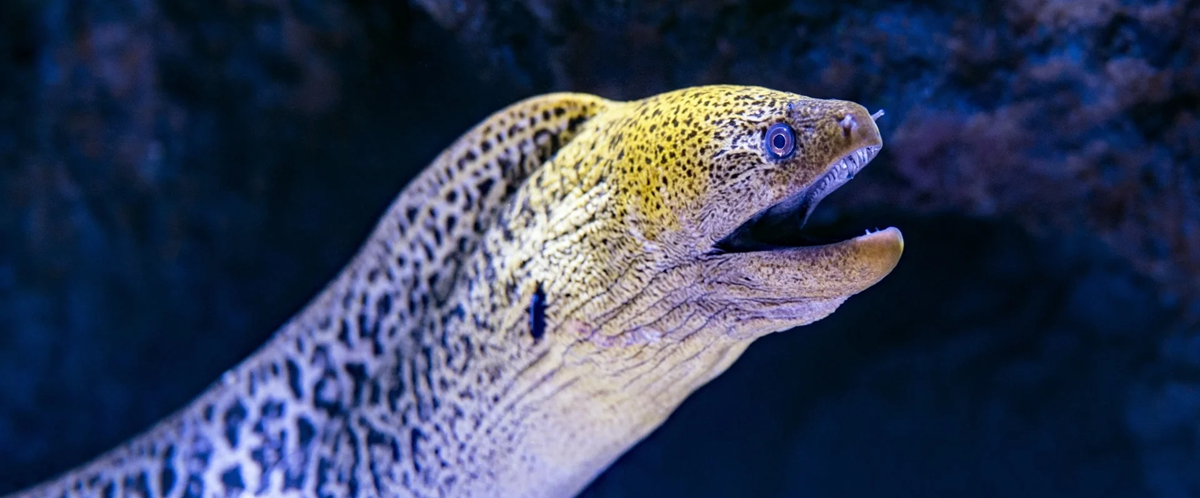
Weakly electric fish generate pulses and monitor how nearby objects distort the resulting electric field. Conductive and nonconductive materials alter the signal differently, allowing the fish to move and find food in dark or muddy water. Some species can even use electrical pulses produced by nearby fish to extend the information available to them. Engineers have created electrolocation systems for underwater robots, but the compact biological version remains remarkably efficient.
In the mood for more?
Check out 15 Animals With Social Lives More Complicated Than Most Humans, or take a look at 14 Animals That Thrive in Places Most Creatures Can’t. If you want to see more unusual animal abilities, you can check out 15 Animals With Weird Defense Mechanisms.