A pug and a wolf don’t seem to have much in common, but they’re part of the same remarkable story. Over thousands of years, humans have bred animals for everything from thicker wool and larger bodies to unusual colors and appearances. In some cases, the changes have been so dramatic that the original wild animal is almost impossible to recognize. These 15 domesticated breeds show just how far selective breeding has taken some familiar species.
1. Pug: From Gray Wolf to Flat-Faced Companion
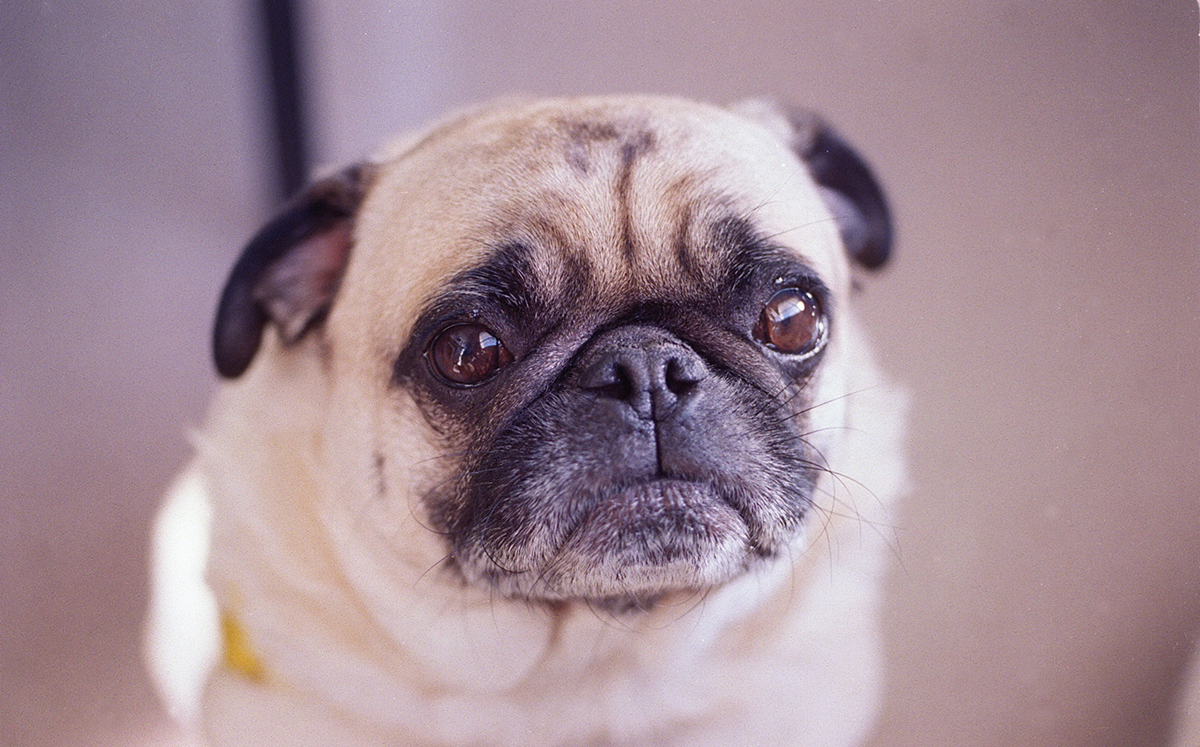
It’s difficult to imagine a pug surviving in the wilderness alongside its distant wolf relatives. With its flattened muzzle, curled tail, and compact body, the breed looks nothing like the gray wolves from which domestic dogs descended. Pugs have a long history in China, where small, short-faced dogs were favored as companions, particularly in wealthy households. Generations of breeding exaggerated features that were already unusual in dogs, eventually producing the familiar face seen today. Unfortunately, that short muzzle can also cause serious breathing difficulties, one of the less appealing consequences of selective breeding.
2. Angora Rabbit: A Wild Rabbit Hidden Under Wool
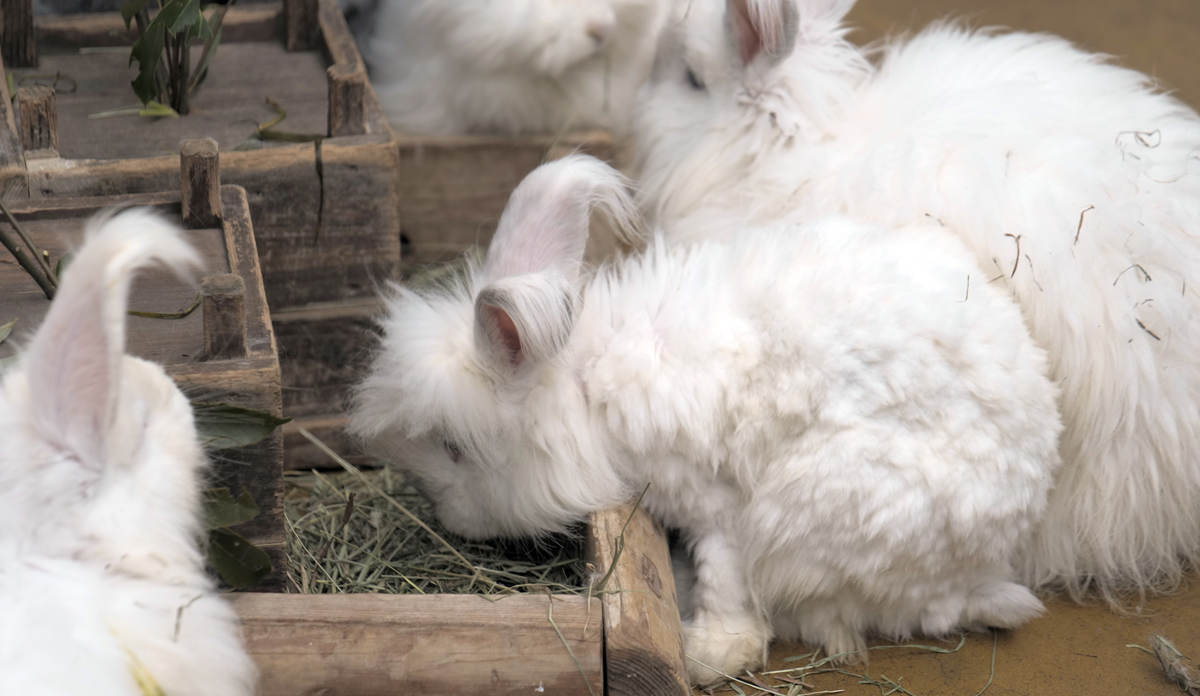
Wild European rabbits have relatively short fur, upright ears, and bodies built for quickly disappearing into burrows. The Angora rabbit went in a very different direction. Bred for its exceptionally long, soft wool, it can develop such a thick coat that its face and body shape become difficult to distinguish. Angora rabbits have been kept for their fiber for centuries, and their wool is still used in specialty textiles. Without regular grooming or shearing, however, that impressive coat can become badly matted.
3. Silkie Chicken: A Bird That Looks Covered in Fur
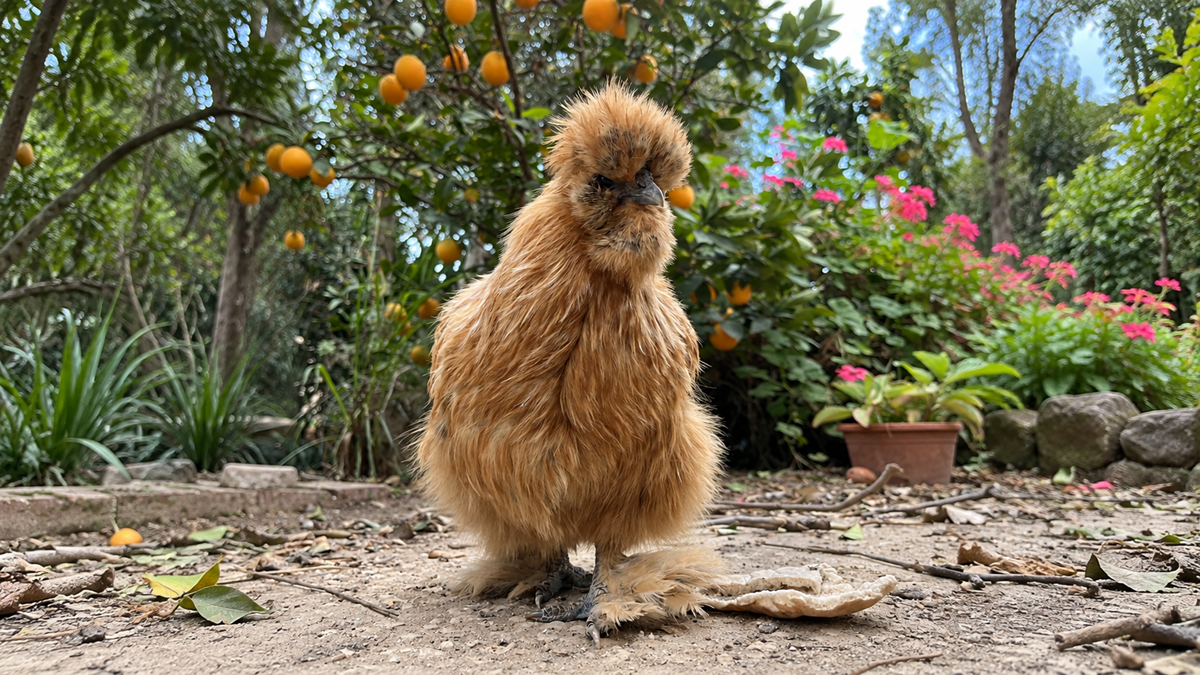
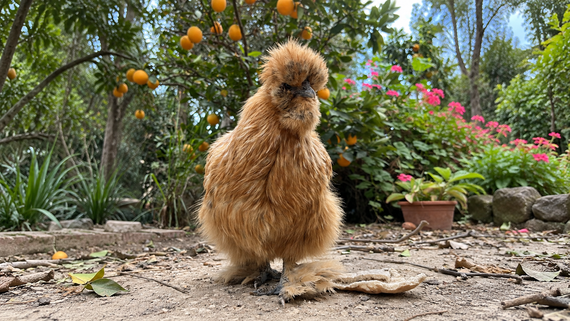
The red junglefowl of Southeast Asia, the principal wild ancestor of domestic chickens, has sleek feathers and an unmistakably birdlike appearance. Silkies look as though someone replaced those feathers with cotton wool. Their fluffy plumage comes from a feather structure that lacks the usual interlocking arrangement, giving it a soft, hair-like texture. They also have dark skin and, typically, five toes on each foot rather than the usual four. Silkies have been associated with Asian poultry breeding for centuries, and their unusual appearance made them popular ornamental birds far beyond their original range.
4. Belgian Blue Cattle: From Aurochs to Extraordinary Muscles
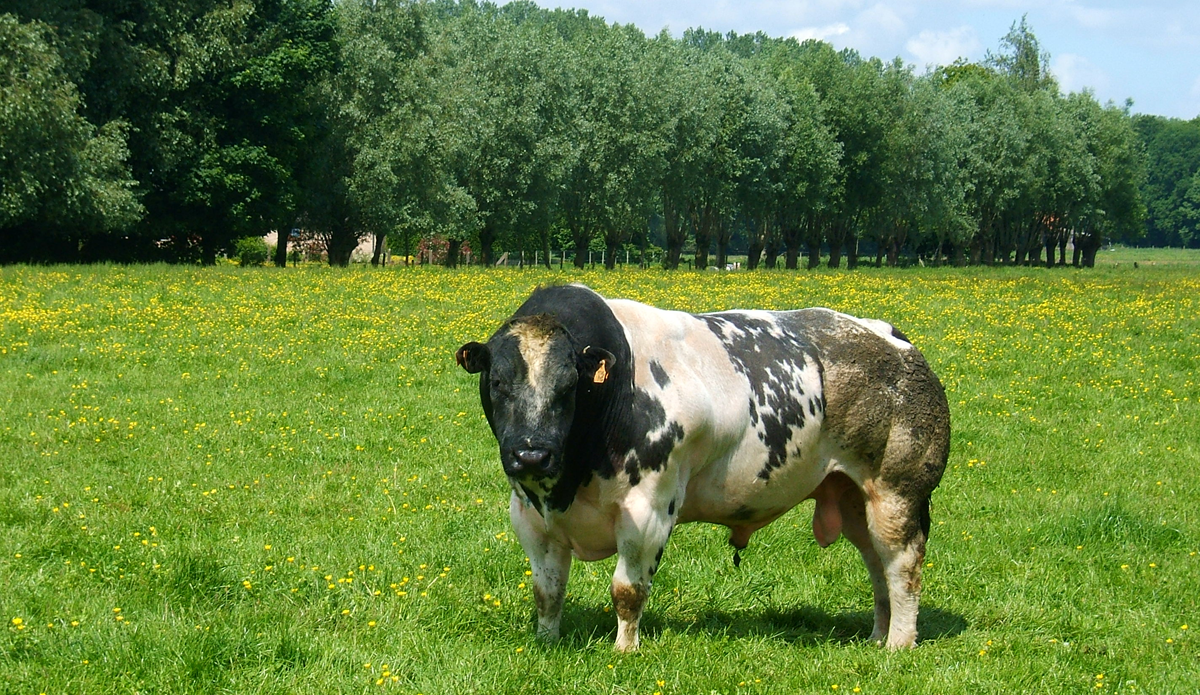
The aurochs, the extinct wild ancestor of domestic cattle, was a large, athletic animal with long legs and formidable horns. Belgian Blue cattle are impressive for another reason: their enormous muscular development. The breed carries a mutation affecting myostatin, a protein that normally helps regulate muscle growth. The resulting condition, commonly called double muscling, produces unusually pronounced muscles, particularly around the shoulders and hindquarters. Belgian Blue cattle were developed through generations of selective breeding, although their extreme body proportions can make calving difficult.
5. Fantail Pigeon: The Rock Dove With a Peacock’s Tail
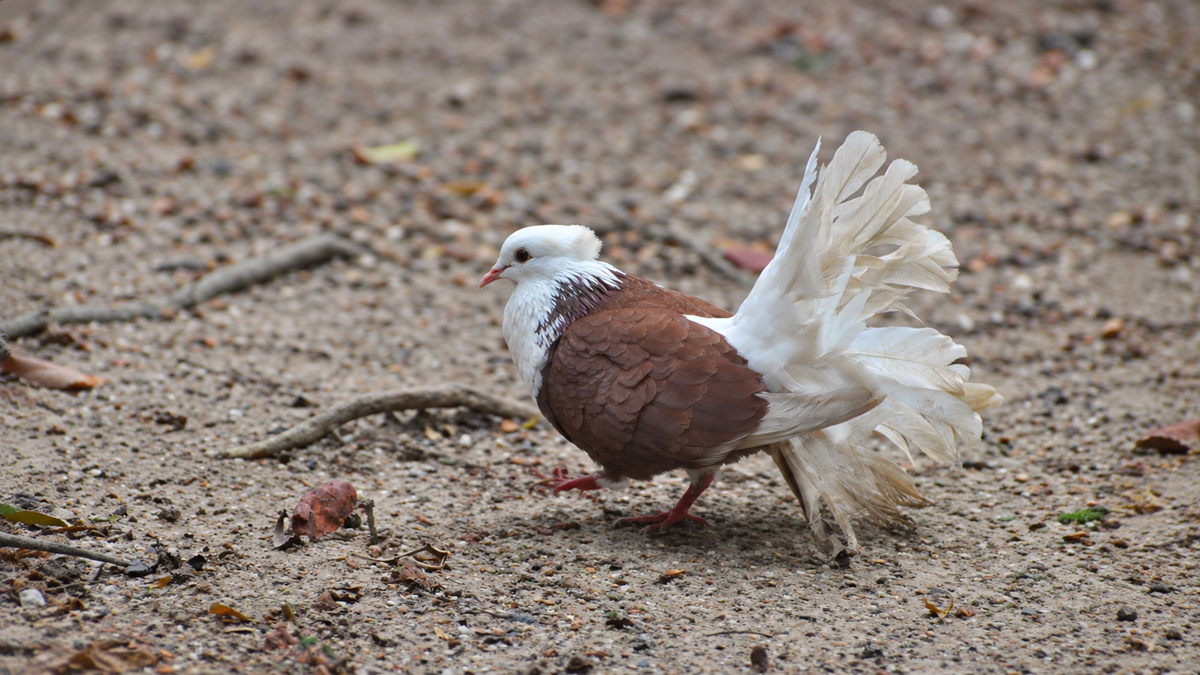
The ordinary pigeons seen around city squares are remarkably close in appearance to their wild ancestor, the rock dove. Fantail pigeons are another matter. Their most distinctive feature is a large, upright fan of tail feathers, giving them a silhouette that looks almost borrowed from a miniature peacock. Selective breeding also produced varieties with unusually arched necks and prominent chests. Charles Darwin studied fancy pigeons while investigating variation under domestication, fascinated by how birds with such different appearances could all descend from the same wild species.
Trending on The Scroller


6. Ranchu Goldfish: From Streamlined Fish to Round-Bodied Ornament
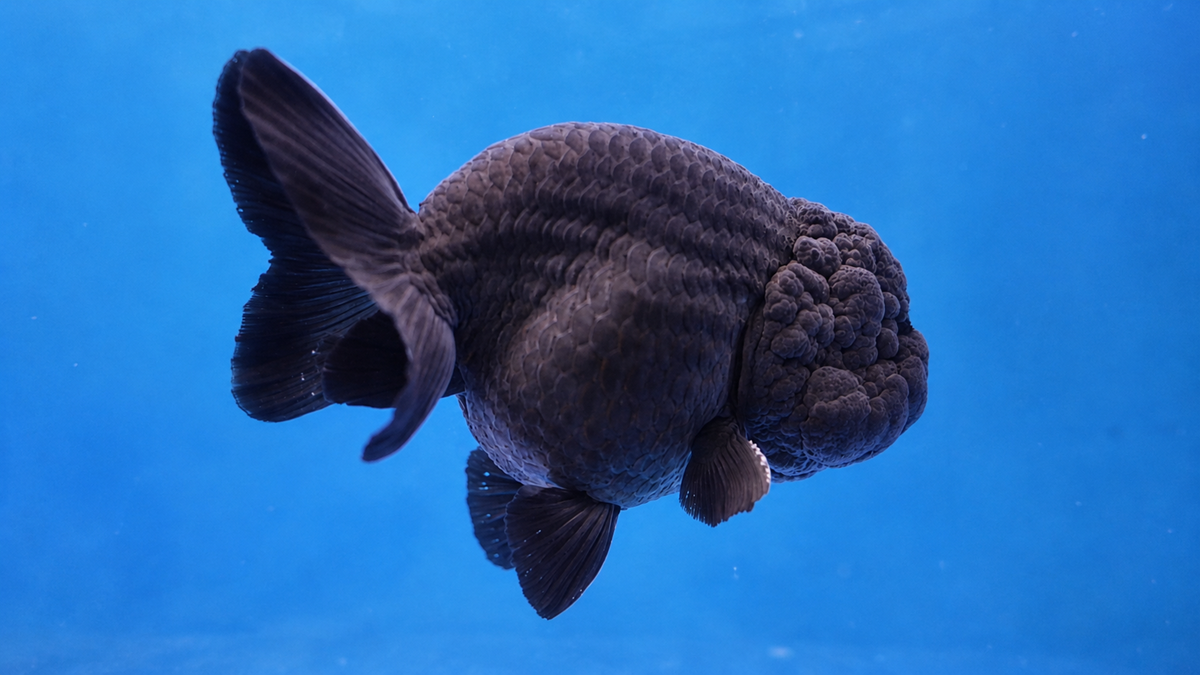
Goldfish were domesticated in China from wild members of the Carassius auratus lineage, fish with relatively streamlined bodies suited to swimming in natural waters. The ranchu, developed in Japan from earlier Chinese goldfish varieties, barely resembles that original form. It has a rounded body, no dorsal fin, and often a distinctive fleshy growth around the head. Its swimming movements can appear awkward compared with those of ordinary goldfish. Breeders deliberately selected these features for ornamental appeal rather than the demands of life in the wild.
7. Merino Sheep: The Wild Mouflon’s Remarkable Woolly Relative
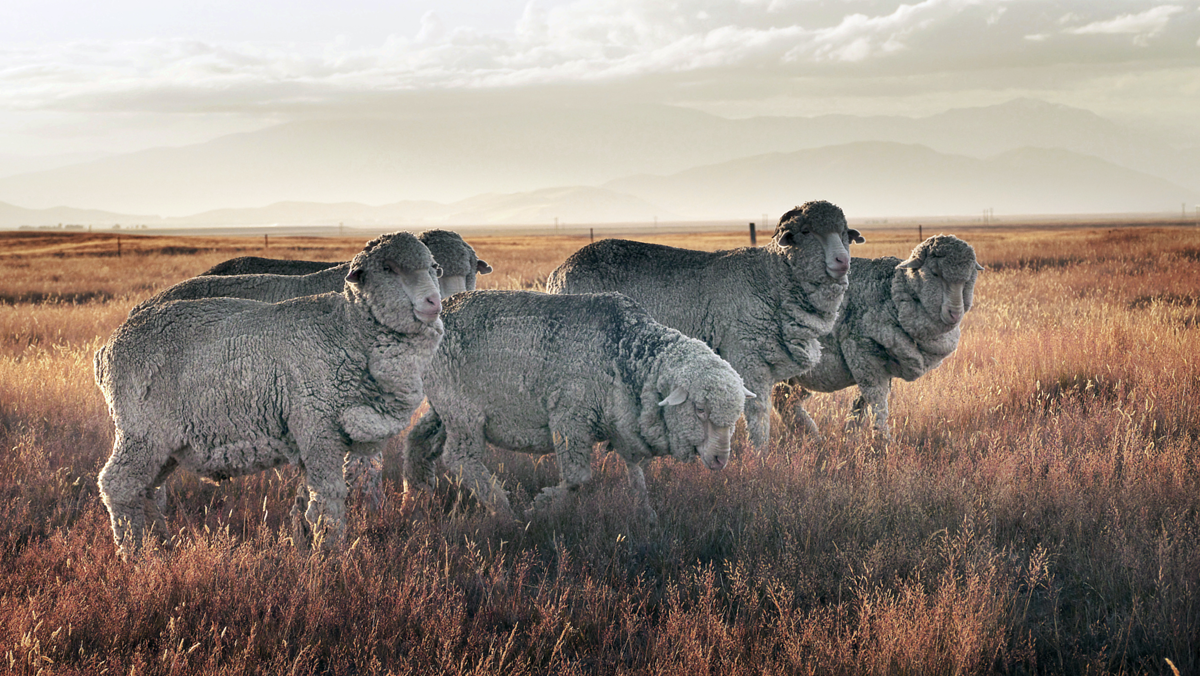
Wild sheep ancestors had coats that were much less specialized than those of modern wool breeds, and many wild sheep still shed their hair seasonally. Merino sheep produce large quantities of fine, densely packed wool. The breed became closely associated with Spain, where Merino flocks were highly valued for centuries before spreading to other parts of the world. Modern Merinos can grow such heavy fleeces that regular shearing is necessary for their welfare. An unshorn Merino looks remarkably different from the more athletic wild sheep that contributed to domestic sheep ancestry.
8. Indian Runner Duck: The Duck That Stands Like a Penguin
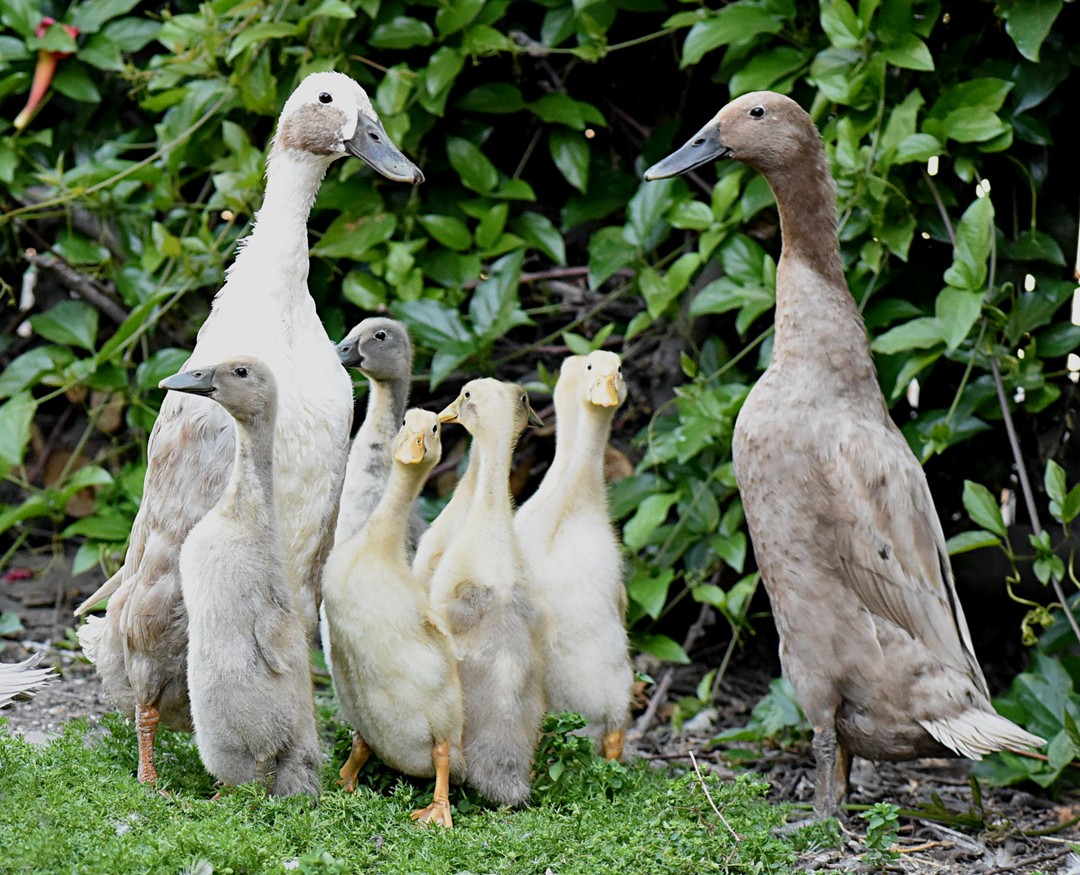
Most domestic ducks descended primarily from the wild mallard, a bird with a fairly horizontal body and a familiar waddling walk. Indian Runner ducks have an almost upright posture, long necks, and a narrow body that gives them an entirely different outline. Rather than waddling slowly, they often move with a quick, distinctive gait. The breed developed in Southeast Asia and became well known in Europe during the nineteenth century. Despite their unusual shape, Runner ducks are closely related to ordinary farmyard ducks and are especially valued for egg production.
Sign up for our newsletter
9. Sphynx Cat: The Nearly Hairless Relative of Wild Cats
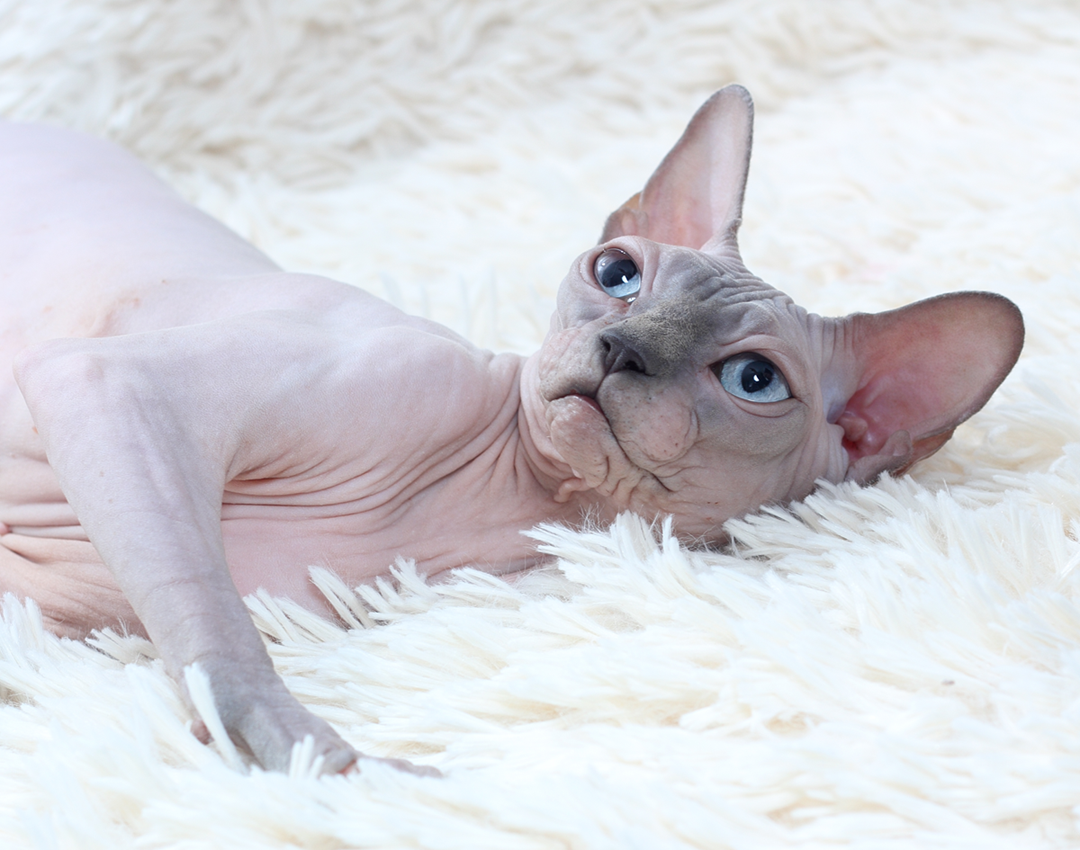
Domestic cats trace most of their ancestry to the African wildcat, a lean, short-haired hunter with a striped coat. The Sphynx looks rather different. Its almost hairless body, wrinkled skin, large ears, and prominent facial features give it an appearance unlike that of most other domestic cats. The modern breed developed from naturally occurring hairlessness mutations, with organized breeding beginning in North America during the twentieth century. Sphynx cats aren’t always completely bald, either. Many have a fine covering of fuzz that makes their skin feel almost like suede.
10. Broad Breasted White Turkey: A Very Different Wild Turkey
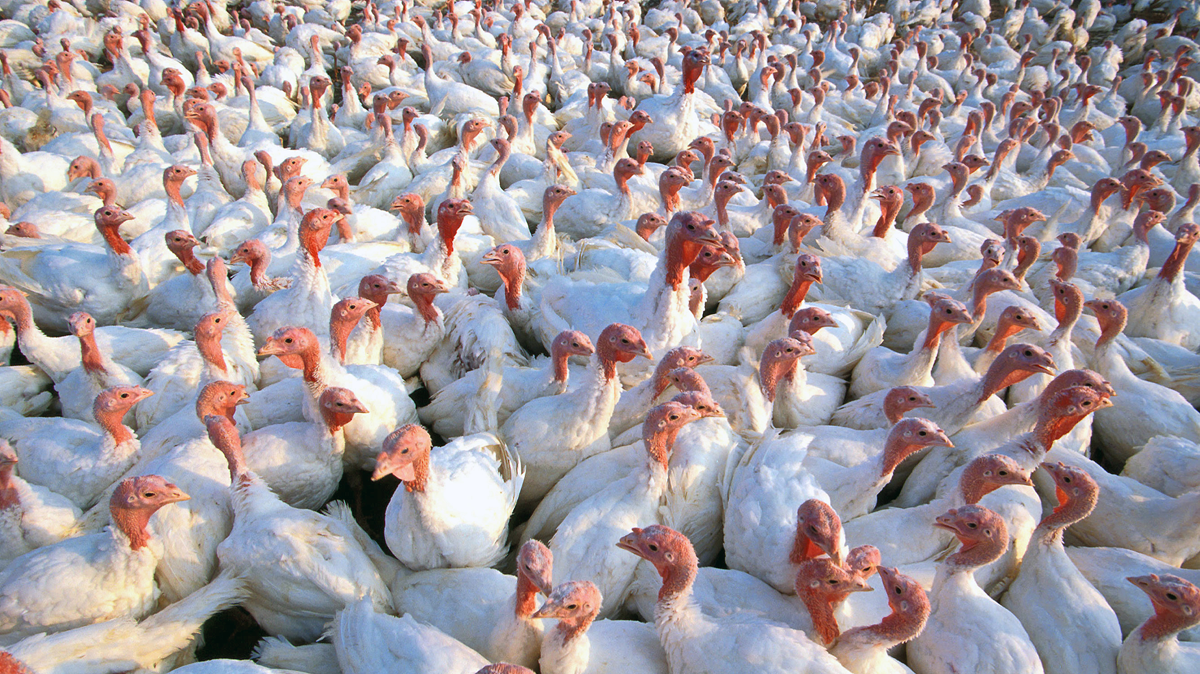
Wild turkeys are powerful birds capable of running quickly and flying short distances into trees. The Broad Breasted White, a commercial turkey variety, has been selected for a much larger body and particularly heavy breast muscles. Its proportions are so different that natural mating is generally impractical in commercial breeding, where artificial insemination is commonly used. The familiar white feathers also differ dramatically from the darker, iridescent plumage of wild turkeys. It’s an example of how breeding for meat production can change an animal’s body in relatively few generations.
11. Dachshund: A Wolf Descendant Built Like a Sausage
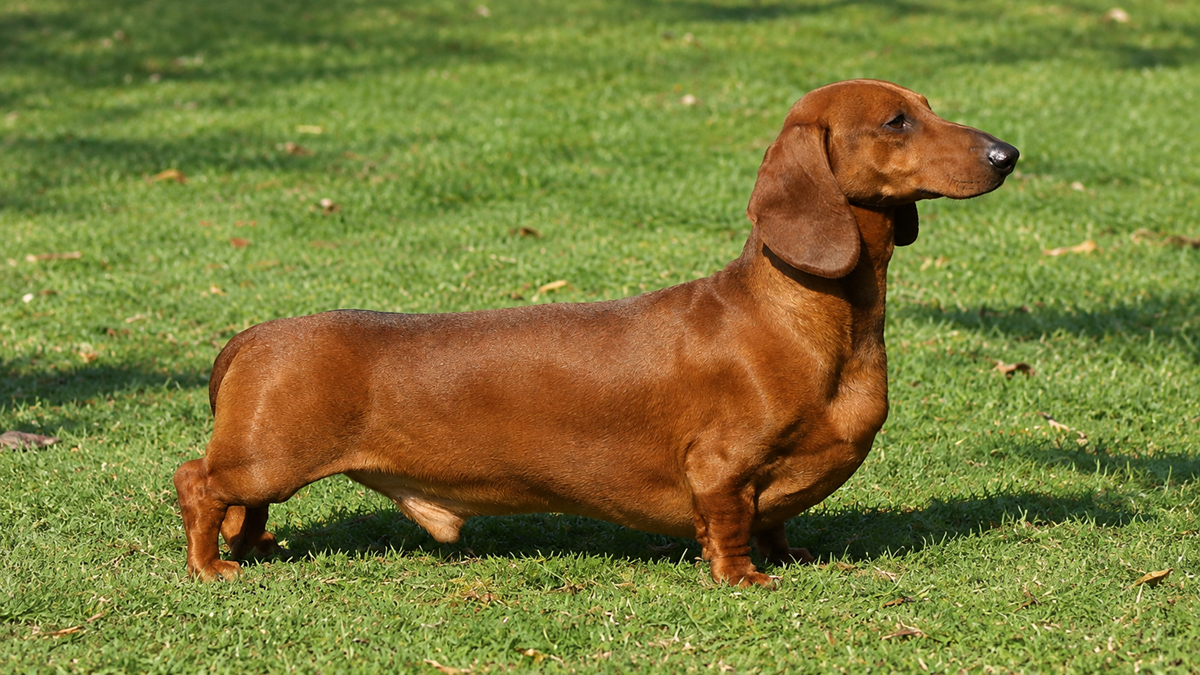
Long bodies and extremely short legs aren’t particularly useful for wolves, but they once served a practical purpose for certain hunting dogs. Dachshunds were developed in Germany to pursue badgers and other animals into underground burrows. Their short limbs are associated with a form of disproportionate dwarfism that breeders selected for over generations. The result is a dog with a body shape far removed from that of its wild ancestors. Those unusual proportions also make Dachshunds particularly vulnerable to certain spinal problems, including intervertebral disc disease.
12. Kunekune Pig: The Round Little Relative of Wild Boars
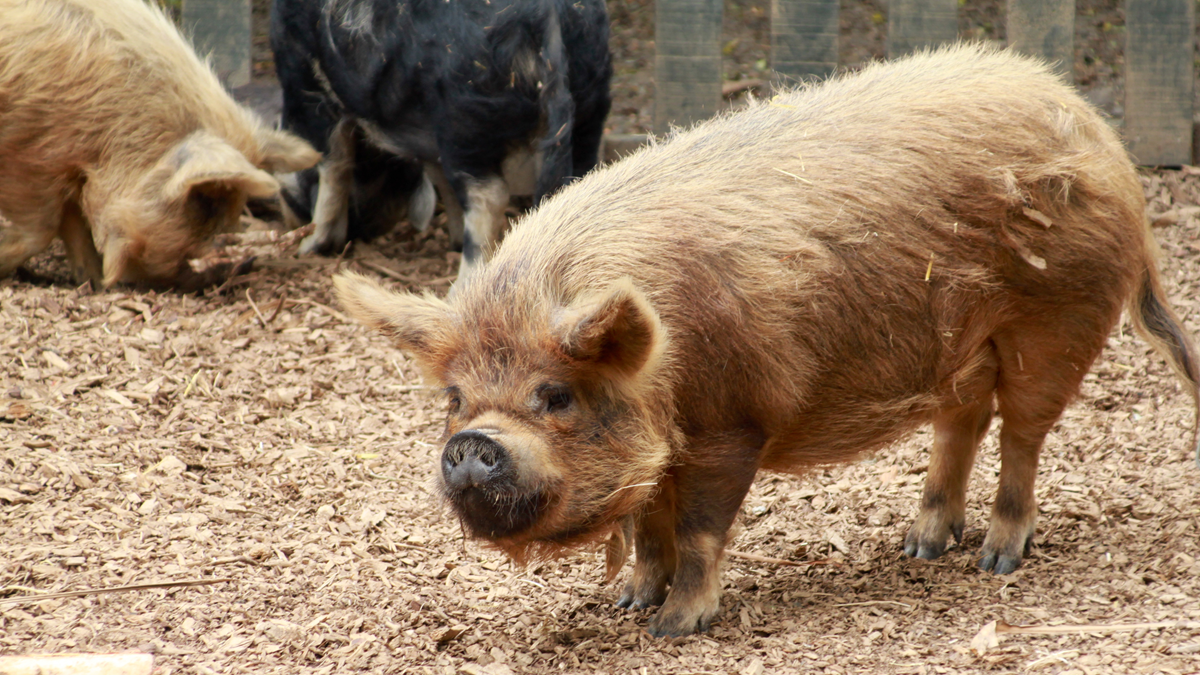
A wild boar has a long snout, relatively lean body, coarse hair, and impressive tusks. The Kunekune pig, traditionally associated with New Zealand, has a short snout, rounded body, and often a pair of fleshy wattles hanging from its jaw. Its name comes from Māori and refers to its plump appearance. Kunekunes are generally smaller and more compact than many commercial pig breeds, with a reputation for relatively docile temperaments. Their ancestry ultimately leads back to wild boars, although the precise history of the breed’s arrival and development in New Zealand remains uncertain.
13. Alpaca: From Wild Vicuña to Fluffy Fiber Producer
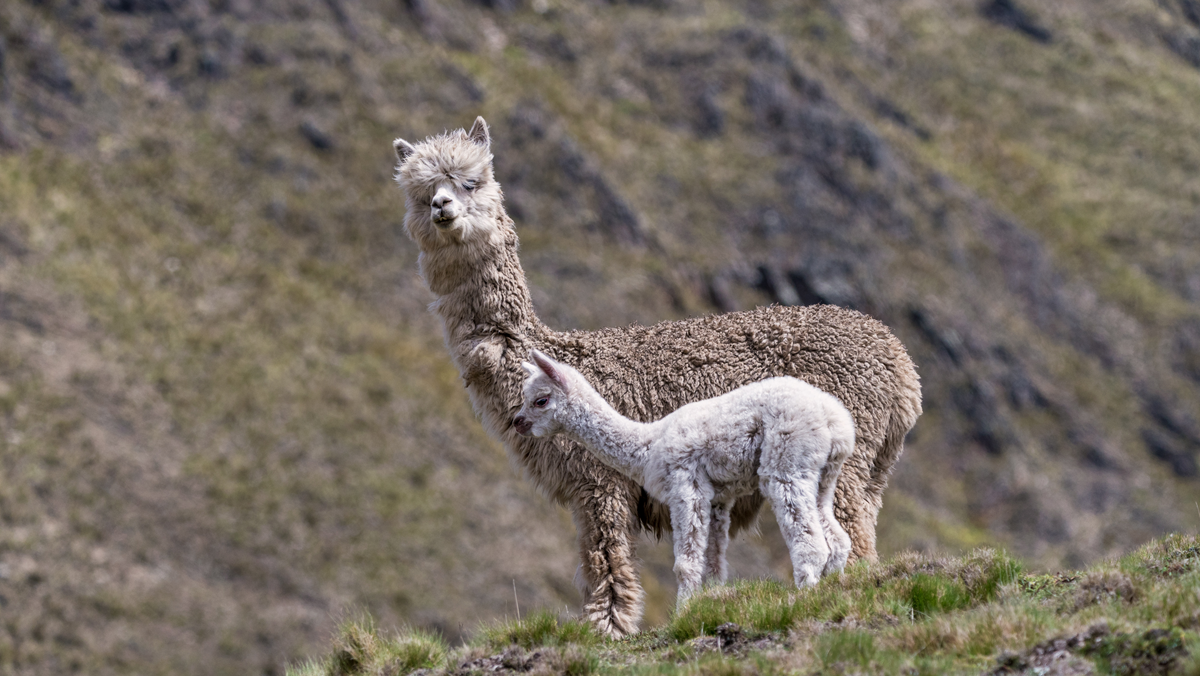
Wild vicuñas are slim, long-necked animals that live high in the Andes, where their fine coats help them handle freezing mountain temperatures. Alpacas look considerably fluffier, especially when their fleece is left to grow. They were domesticated thousands of years ago in South America, and genetic research points to the vicuña as their principal wild ancestor, although centuries of crossbreeding with llamas have made their family history a little complicated. Breeders gradually favored animals with thicker, more abundant fleece, producing the woolly appearance familiar today. Some alpacas grow so much fiber that their legs and even parts of their faces become difficult to see beneath it.
14. Domestic Silkworm: The Moth That Lost Its Ability to Fly
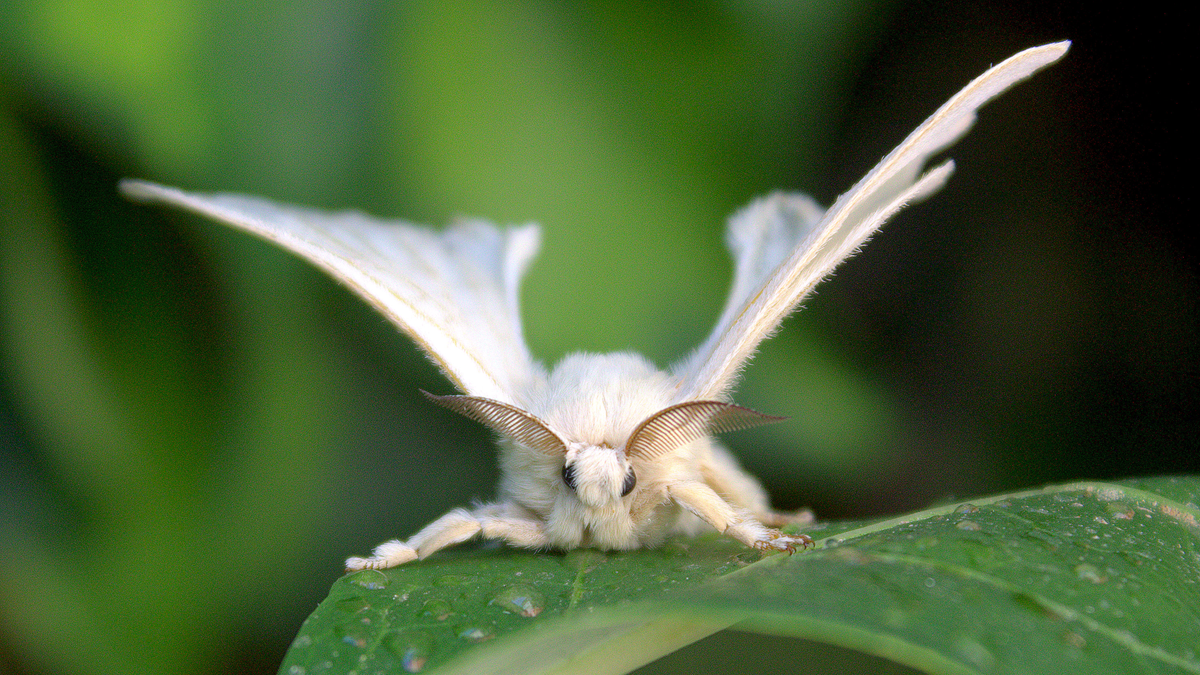
The domestic silkworm, Bombyx mori, is one of the more unusual results of animal domestication. Its wild ancestor, the Chinese wild silkmoth Bombyx mandarina, can fly and survive without human care. After thousands of years of breeding for silk production, domestic silkmoths have become heavily dependent on people. Adult domestic silkmoths generally cannot fly, and their larvae are raised under controlled conditions to produce silk cocoons. It’s difficult to think of many domesticated animals that have lost such a fundamental ability along the way.
15. Modern Broiler Chicken: The Jungle Bird Transformed by Farming
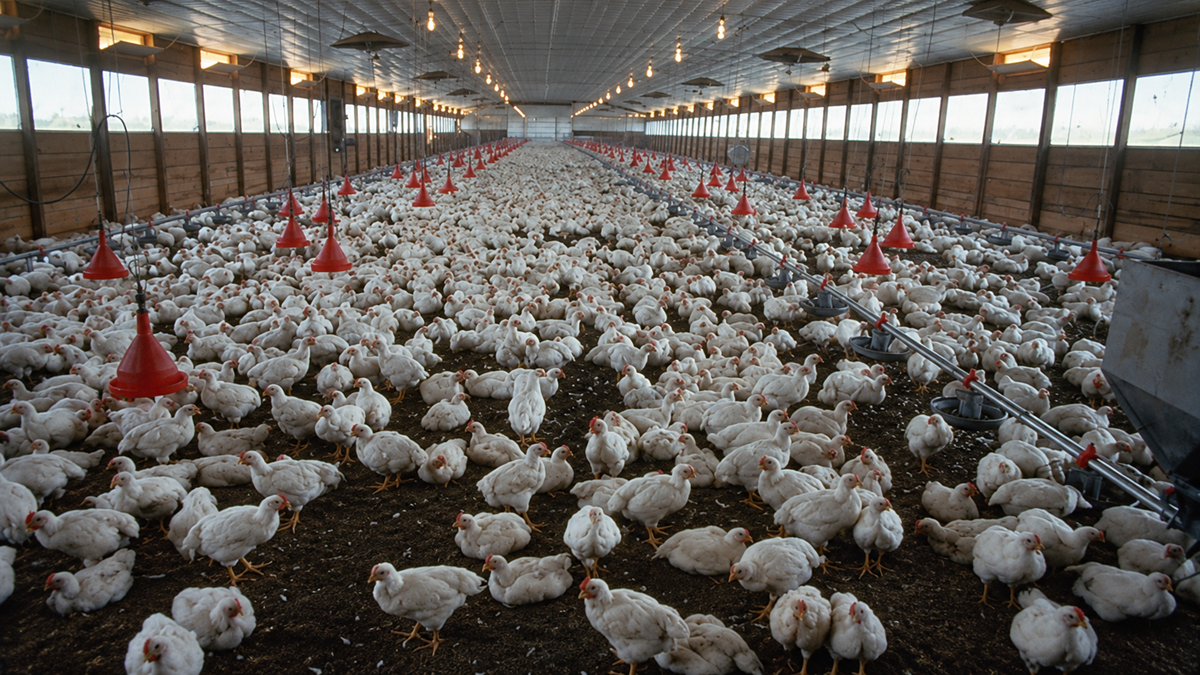
The red junglefowl is a relatively light, active bird capable of flying up into trees to roost. Modern commercial broiler chickens have been selectively bred for rapid growth, efficient feed conversion, and large breast muscles. Their bodies have become much heavier and broader than those of their wild ancestors, and the difference is especially noticeable at a young age. Some fast-growing broilers can develop leg and mobility problems associated with their growth and body weight. Although both animals belong to the same domesticated lineage, placing a modern broiler beside a wild junglefowl reveals how dramatically breeding priorities have changed the chicken.
In the mood for more?
Check out 15 Surprising Ways Wild Animals Are Adapting to City Life, or take a look at 14 Animal Friendships Between Species That Shouldn’t Work. If you want to see more stories about animals and breeds, you can check out 15 Animals That Could Soon Disappear Forever.