Humans have spent centuries wondering what goes on inside the minds of creatures around us, prompting bold researchers to invent extraordinary ways to talk directly with animals. Rather than settling for simple barks, chirps, or tail wags, dedicated scientists have constructed underwater keyboards, mechanical insects, and custom sign language classrooms to bridge the biological divide.
Some of these ambitious experiments produced astonishing breakthroughs in cross-species understanding, while others turned into bizarre scientific episodes that sound straight out of a surreal movie. From flooding an entire Caribbean house so a researcher could live beside a bottlenose dolphin to burying massive speakers in the African savanna to broadcast seismic rumbles, the quest to crack nature’s hidden languages has pushed laboratory creativity to the absolute limit. Here are twelve unusual methods scientists have used to start a conversation with the animal kingdom.
1. Living inside a flooded house to teach a dolphin English
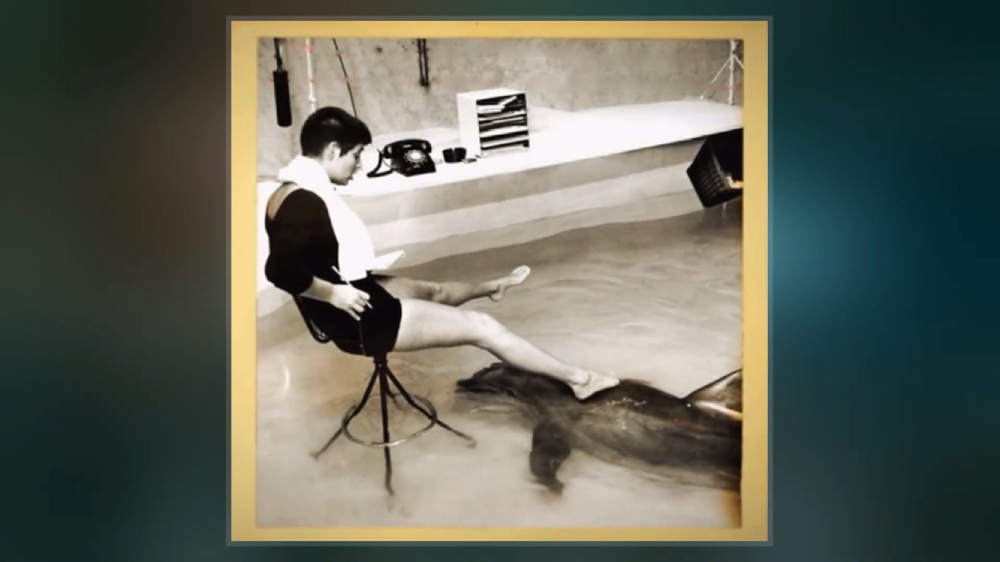
In 1965, neuroscientist John C. Lilly funded a bizarre experiment in St. Thomas where researcher Margaret Howe Lovatt lived for months inside a partially flooded two-story house alongside a young bottlenose dolphin named Peter. Lovatt slept on a suspended bed above the water and spent hours every day trying to teach Peter to mimic English words through his blowhole, capturing rare photographs of the pair interacting in the waist-deep living room.
2. Teaching Washoe the Chimpanzee American Sign Language
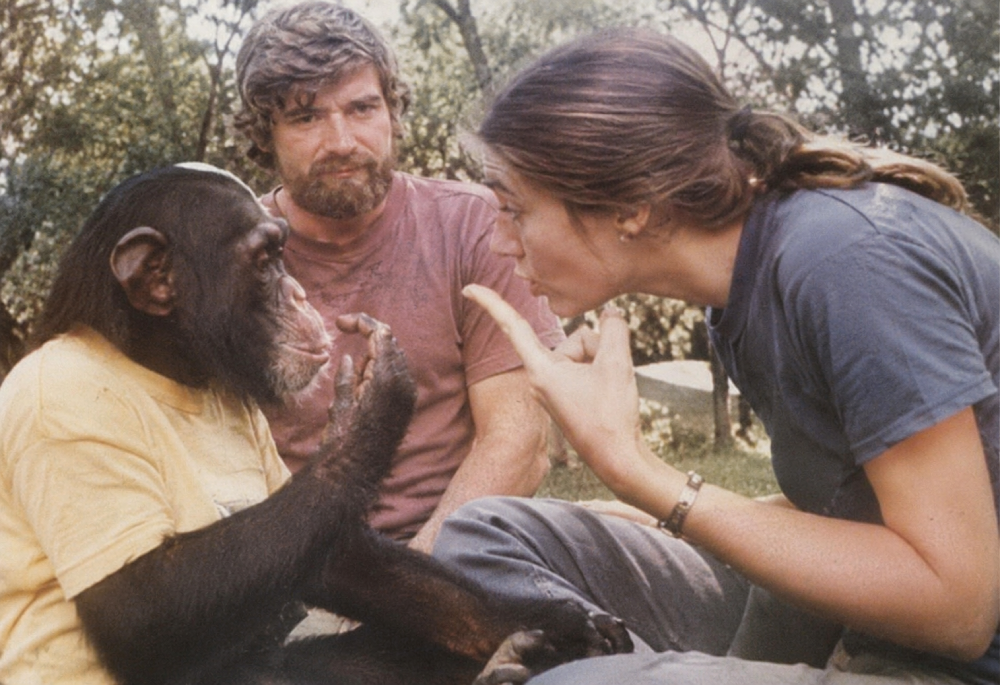
Starting in 1967 in Reno, Nevada, psychologists Allen and Beatrix Gardner raised an infant chimpanzee named Washoe just like a human child and communicated exclusively using American Sign Language. Washoe eventually mastered roughly three hundred and fifty distinct signs and even combined words creatively, famously signing “water bird” the first time she spotted a swan gliding across a pond.
3. Building a mechanical brass honeybee to dance directions
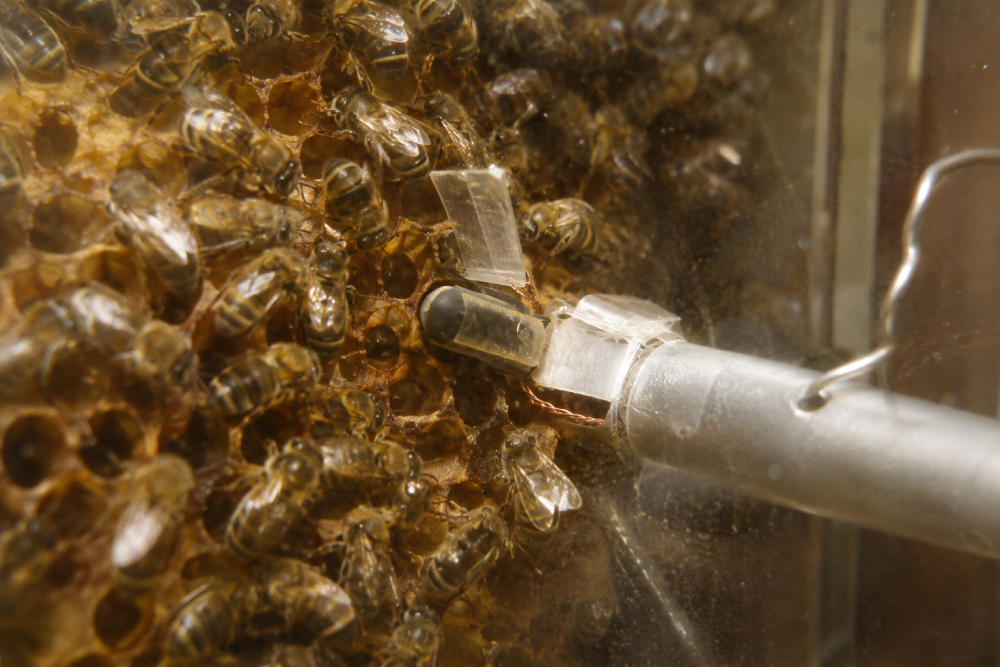
To prove that honeybees share precise flight coordinates through movement, Danish biologist Axel Michelsen constructed a tiny robotic bee out of brass, wax, and a piece of razor blade in 1989. Controlled by a computer inside a glass observation hive, the mechanical insect vibrated its wings and performed the signature figure-eight waggle dance, successfully convincing real worker bees to fly straight to specific sugar water stations.
4. Kanzi the bonobo’s geometric lexigram touchscreen
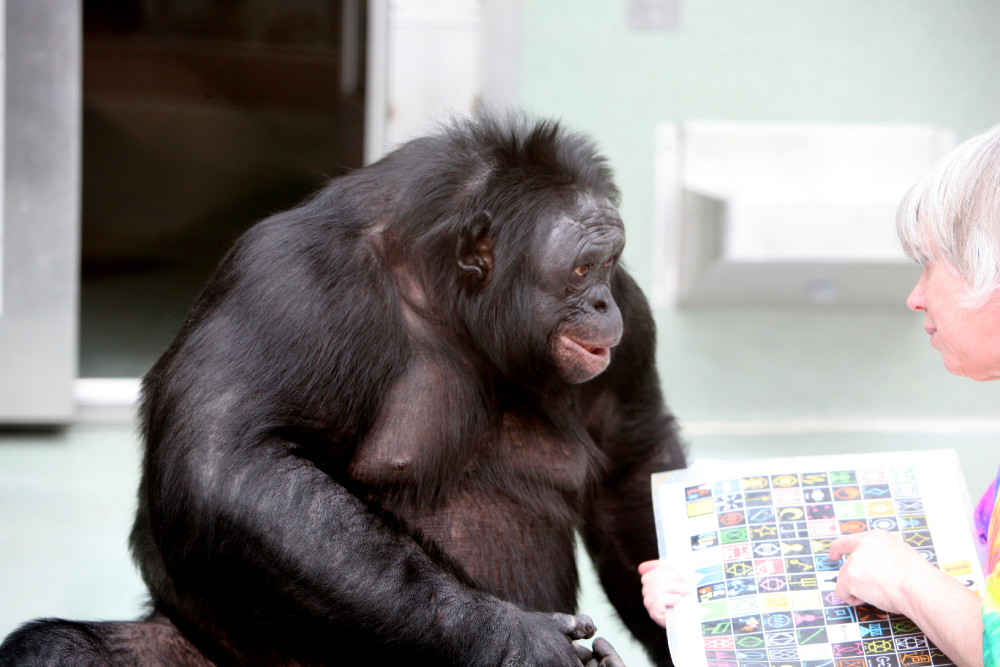
During the 1980s at Georgia State University, primatologist Sue Savage-Rumbaugh introduced a young bonobo named Kanzi to large laminated boards and computer touchscreens covered in colorful abstract symbols called lexigrams. Without formal training, Kanzi learned to press hundreds of geometric icons in sequence to request specific foods, ask to watch movies, and even tell researchers where he wanted to walk in the woods.
5. Burying subwoofers in the dirt to send seismic elephant calls
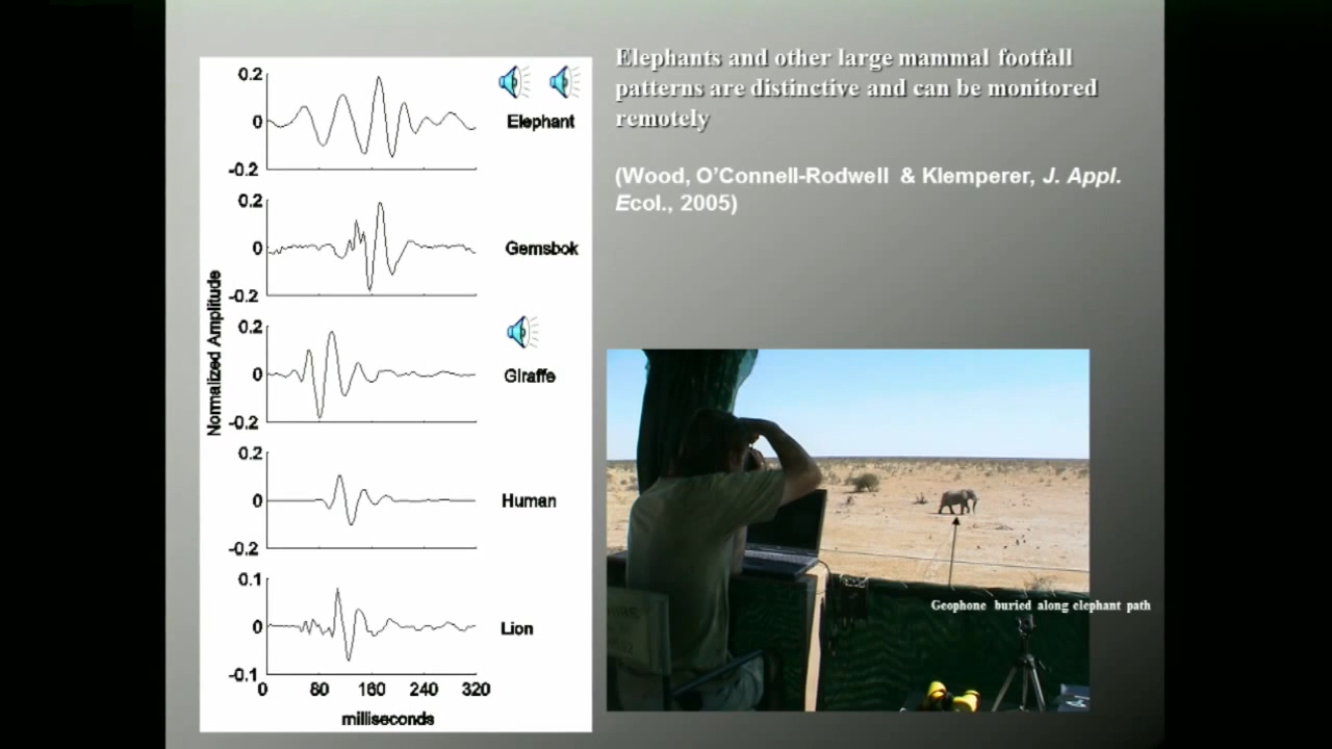
In the late 1990s and early 2000s, Stanford biologist Caitlin O’Connell-Rodwell discovered that wild elephants detect low-frequency warning rumbles traveling through the ground via sensitive receptors in their feet. To test this subterranean communication channel in Namibia’s Etosha National Park, her team buried heavy-duty subwoofers in the dry earth and played recorded alarm calls, watching distant herds freeze and huddle together in immediate response.
Trending on The Scroller


6. Alex the African grey parrot’s color and shape quizzes
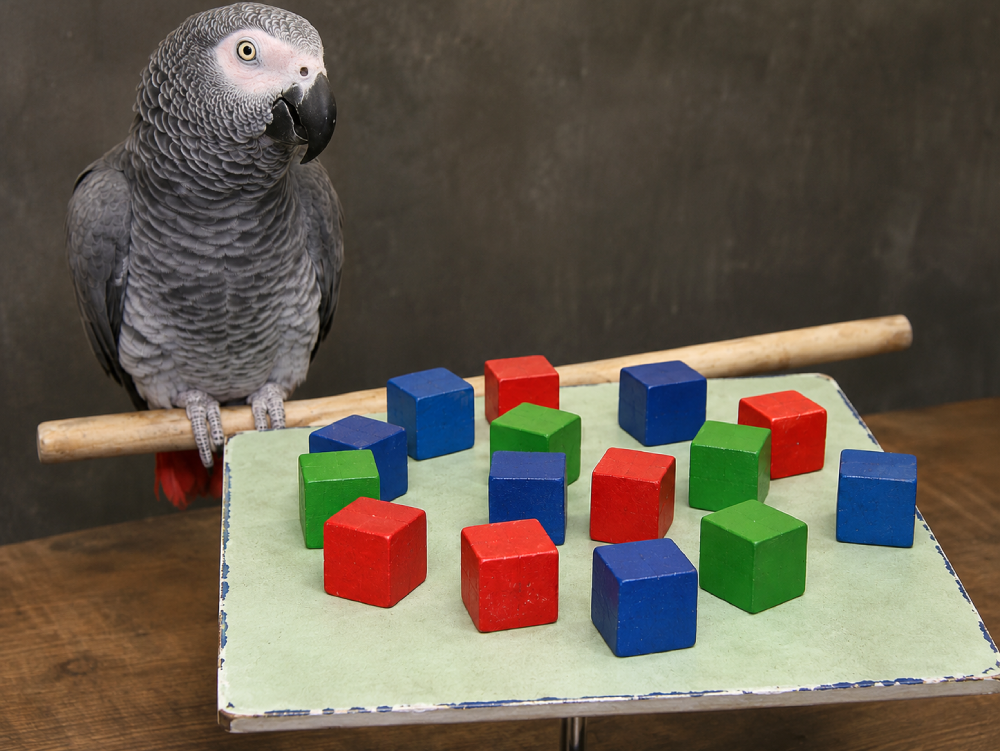
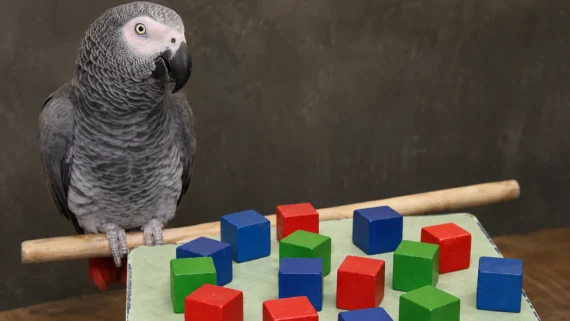
Beginning in 1977, animal psychologist Irene Pepperberg spent three decades working with an African grey parrot named Alex using a rival-model training technique where two humans competed for toys. Rather than mindlessly repeating phrases, Alex learned to verbally identify fifty different objects, seven colors, and five shapes, and he once famously looked into a mirror and asked researchers what color he was.
7. Decoding prairie dog alarm chirps with parabolic microphones
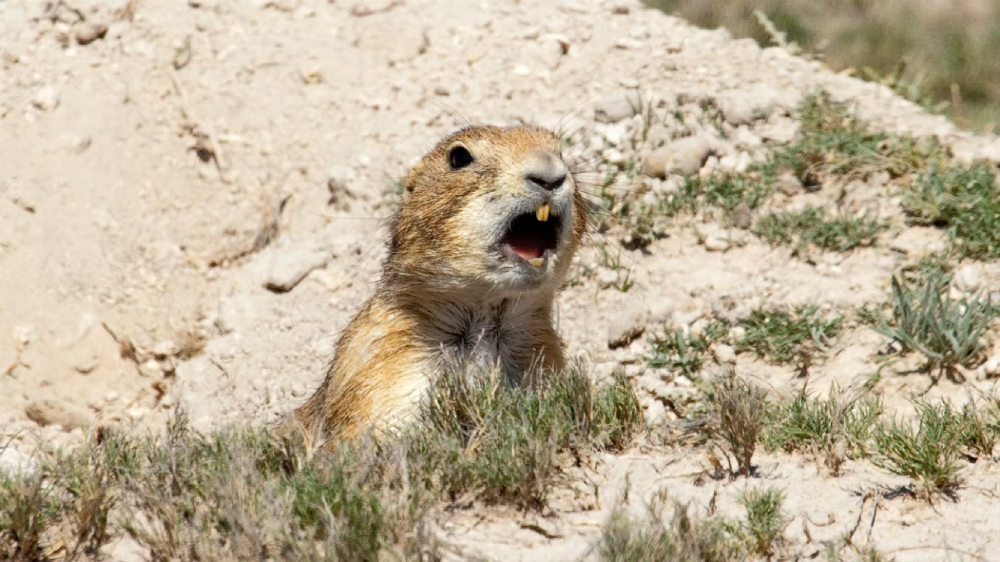
Starting in the 1980s at Northern Arizona University, behavioral ecologist Con Slobodchikoff set up parabolic microphones across grassland colonies to record the high-pitched warning barks of Gunnison’s prairie dogs. By playing back altered audio clips through hidden speakers, he proved that their rapid chirps act like descriptive sentences that specify whether an approaching human is tall, short, or wearing a blue shirt.
8. Playing 1,022 stuffed toy name games with Chaser the Collie
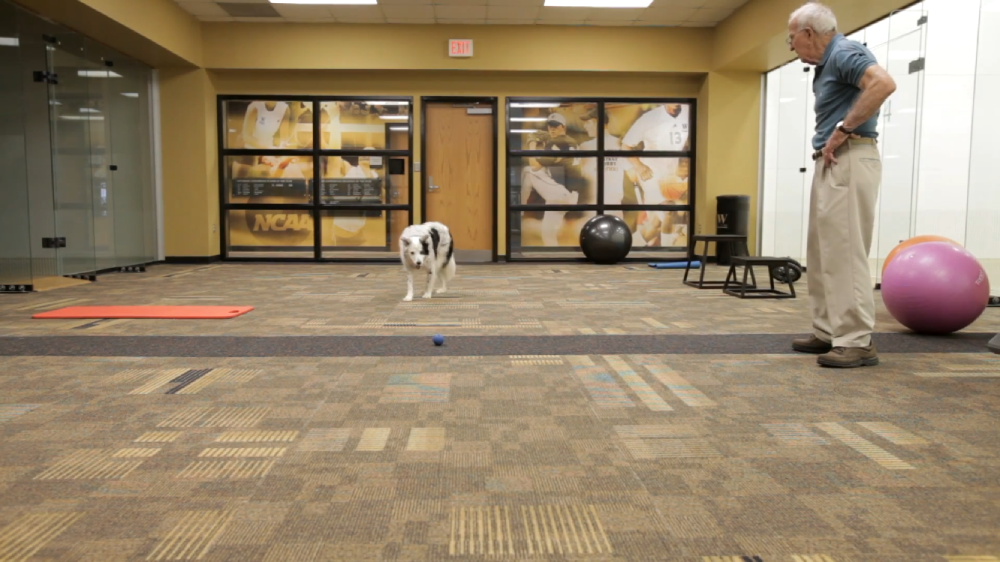
In 2004, Wofford College psychologist John Pilley began daily four-hour training sessions with his border collie, Chaser, to test the upper limits of canine language comprehension. Pilley wrote individual names with a marker on more than one thousand plush toys and plastic balls, proving Chaser could fetch every single item on command and even deduce the name of a brand-new toy by process of elimination.
Sign up for our newsletter
9. Having a twenty-minute underwater chat with a humpback whale
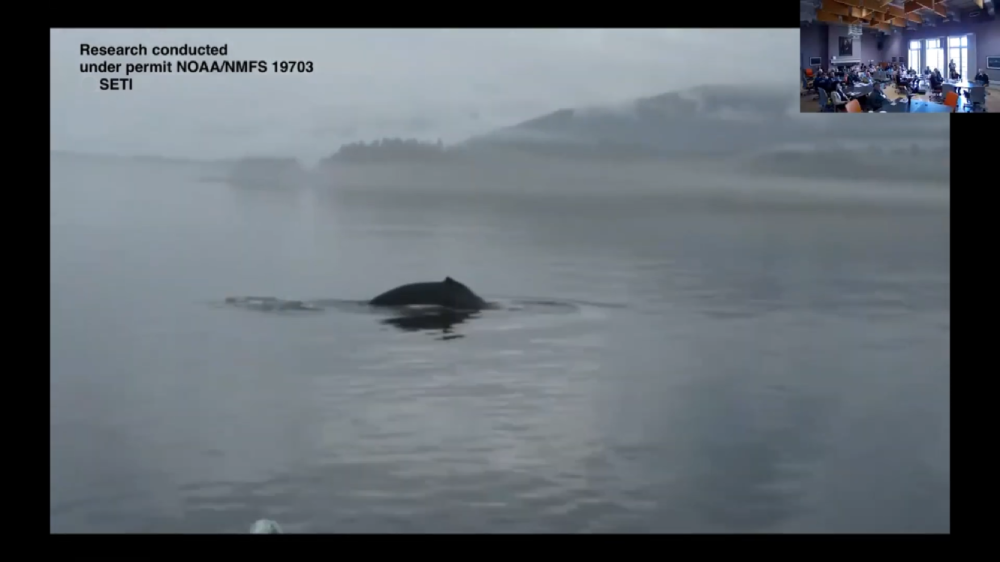
In late 2023, a research team from UC Davis and the SETI Institute, led by Brenda McCowan, lowered underwater speakers off the coast of Southeast Alaska and broadcast a recorded humpback contact call. A curious female whale named Twain swam directly toward their boat and matched the exact timing intervals of their acoustic playback signals for twenty straight minutes in an unprecedented marine exchange.
10. Wearing underwater hydrophone keypads to whistle with wild dolphins
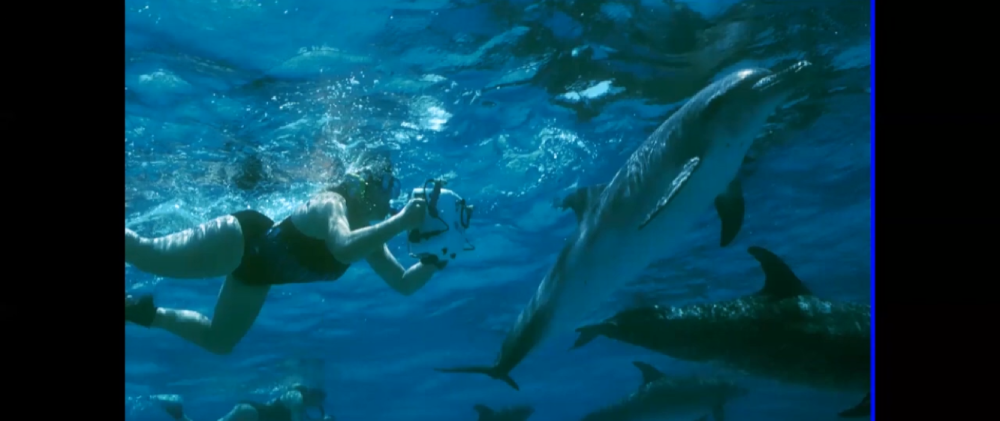
In the early 2010s, marine biologist Denise Herzing teamed up with wearable computing pioneer Thad Starner to build CHAT, a chest-mounted underwater computer worn by divers in the Bahamas. Equipped with a forearm keypad and underwater speakers, the waterproof rig allowed divers to emit synthetic whistles representing objects like scarves and seaweed while translating wild Atlantic spotted dolphin whistles in real time.
11. Koko the gorilla’s emotional sign language vocabulary
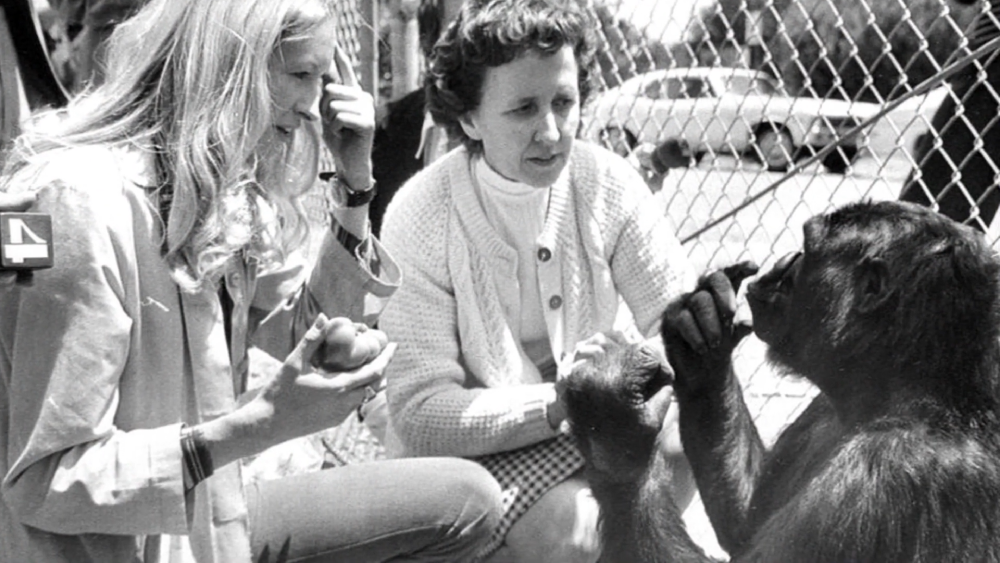
Beginning in 1972 at Stanford University, psychologist Francine “Penny” Patterson taught a western lowland gorilla named Koko a modified version of American Sign Language alongside spoken English. Koko eventually used over one thousand signs to express complex feelings, joke with visitors, and lovingly care for her famous pet kitten, All Ball, whose death she mourned using signs for sadness and crying.
12. Translating Egyptian fruit bat arguments with machine learning
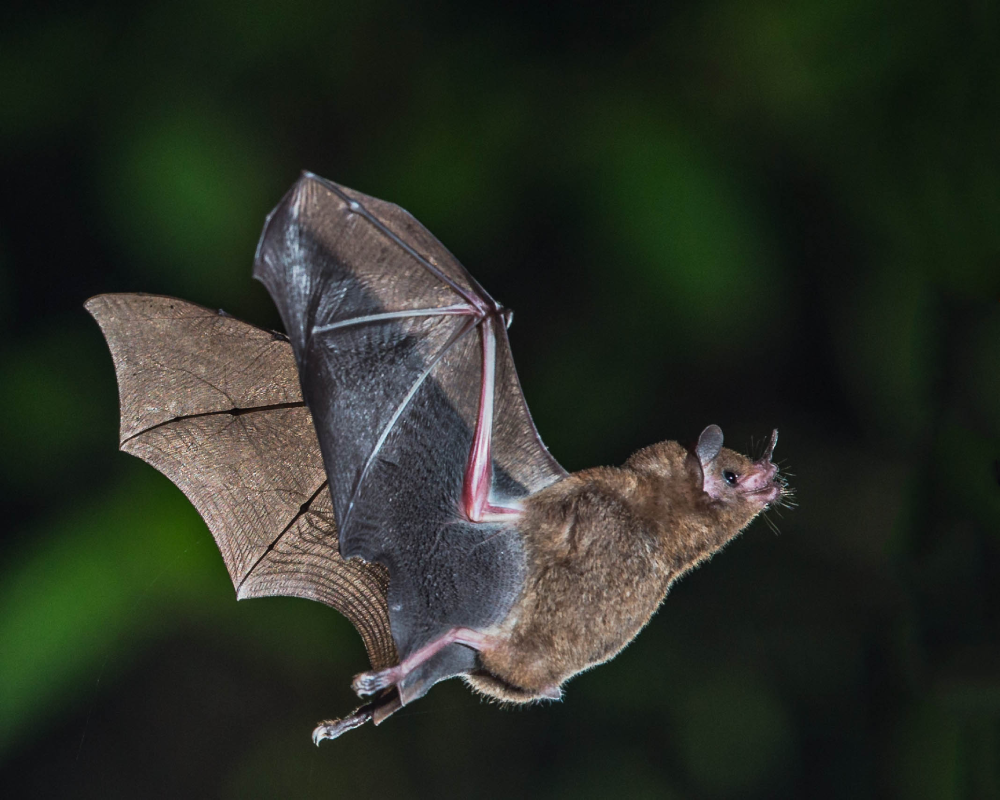
In 2016, neuroecologist Yossi Yovel at Tel Aviv University recorded nearly fifteen thousand nocturnal vocalizations inside an Egyptian fruit bat colony using high-speed cameras and ultrasonic microphones. Feeding the screeching audio files into a voice-recognition algorithm revealed that the bats were not making random noise, but rather arguing specifically over food scraps, sleeping spots, and unwanted mating advances.
Want more interesting scientific discoveries?
Watching dedicated scientists build tiny brass insects, flood living rooms, and underwater keyboards proves just how badly humanity wants to understand what other creatures are thinking. Even when these ambitious experiments take unexpected turns, they remind us that intelligence and communication take many astonishing forms across the natural world. If you enjoy uncovering bizarre scientific history, make sure to check out these Nature’s Clues: 12 Times Animals Solved Scientific Mysteries or these 15 Animal Migrations That Still Puzzle Scientists. You may also like these 15 Major Science Theories That Were Wrong.