Human medicine spends billions trying to heal damaged organs, yet the natural world is filled with extraordinary creatures that casually rebuild severed limbs, eyes, and even entire hearts on their own. While a deep paper cut leaves us with a permanent scar, certain animals treat catastrophic injuries as a minor inconvenience.
Scientists have spent centuries peering through microscopes in awe as severed flatworms sprout brand-new brains and sea slugs abandon their entire bodies to grow fresh ones from scratch. From desert rodents that regrow ear cartilage without a single mark to marine animals that eject their own organs to escape predators, nature’s biological repair kits put modern science fiction to shame. Here are twelve remarkable animals capable of regenerating parts of their bodies.
1. The Mexican axolotl
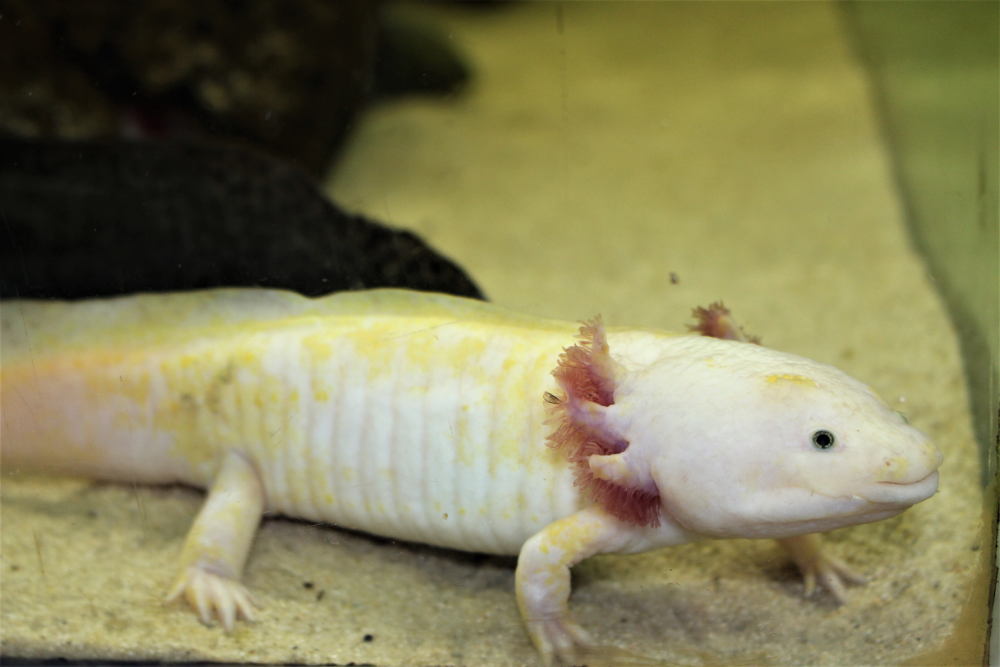
Found natively in the ancient lake channels of Xochimilco in Mexico City, the Mexican axolotl (Ambystoma mexicanum) can regrow entire limbs, jaws, spinal cord tissue, and even parts of its brain without leaving a trace of scar tissue. In 2009, developmental biologist Elly Tanaka and her team in Dresden demonstrated how specialized cells near a wound revert to a flexible state to reconstruct bone, muscle, and nerves in exact proportion.
2. The planarian flatworm
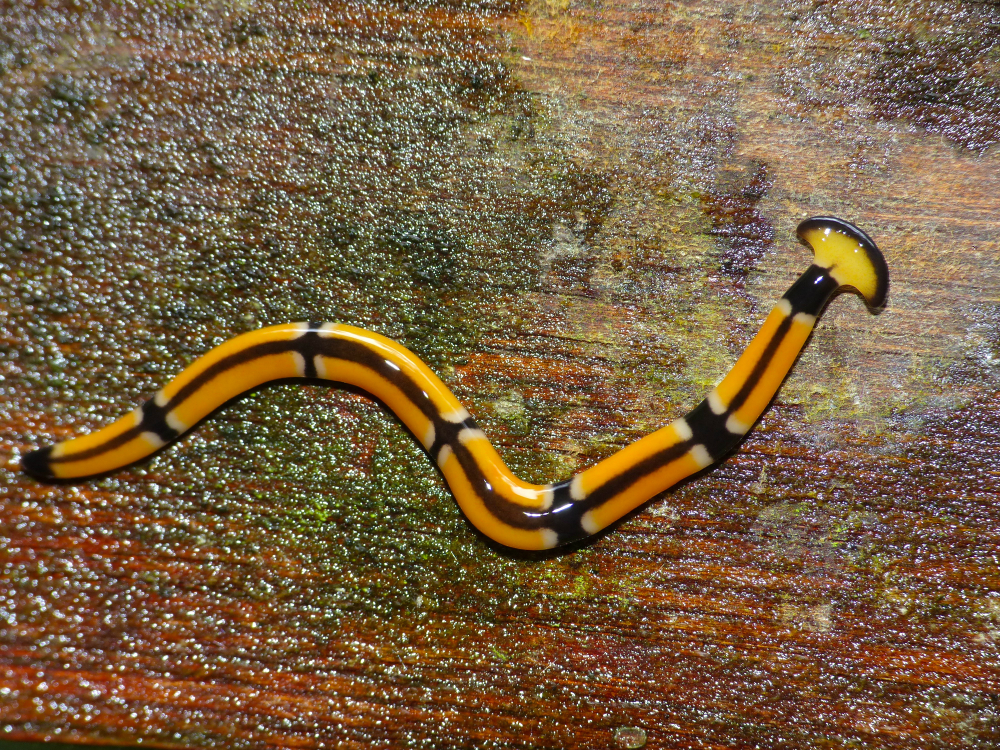
Slice a freshwater planarian (Schmidtea mediterranea) into tiny pieces, and almost every single fragment will transform into a completely functional new worm. Back in 1898, American geneticist Thomas Hunt Morgan proved that a piece measuring just one-279th of the original animal still contained enough stem cells to rebuild an entire body, complete with a working brain and light-sensing eyespots.
3. The self-decapitating sacoglossan sea slug
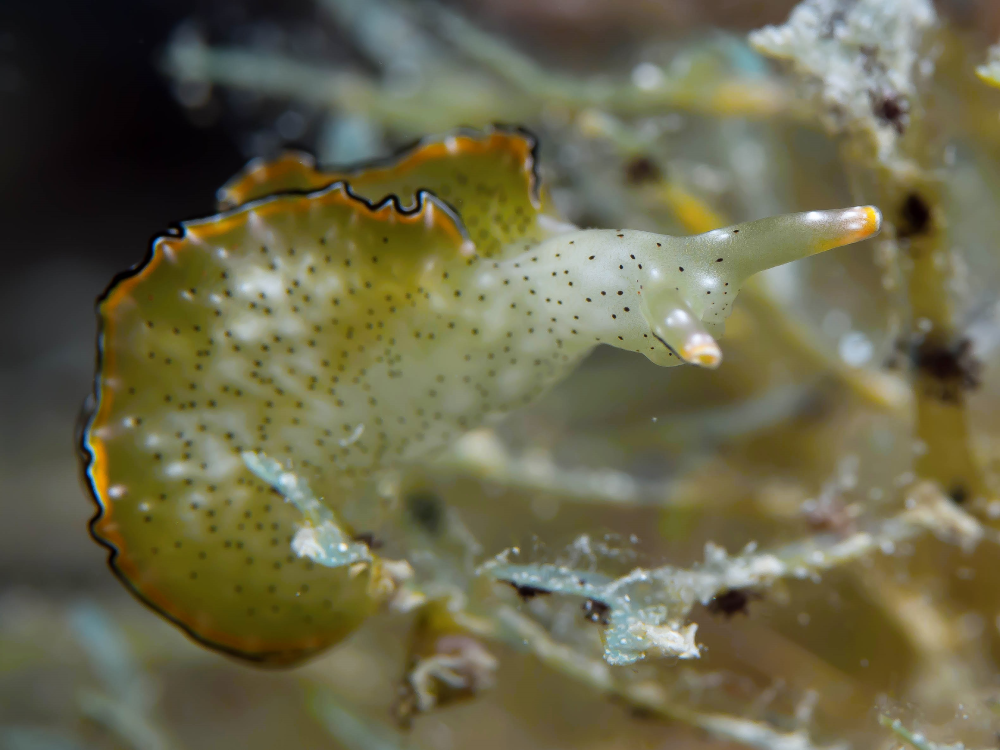
In 2021, Japanese biologist Sayaka Mitoh at Nara Women’s University shocked the marine biology world after observing a sacoglossan sea slug (Elysia marginata) intentionally sever its own head from its body. While the discarded torso slowly withered away, the detached head kept crawling around, survived by photosynthesizing sunlight through stolen algae chloroplasts, and regenerated a brand-new heart and body within three weeks.
4. The African spiny mouse
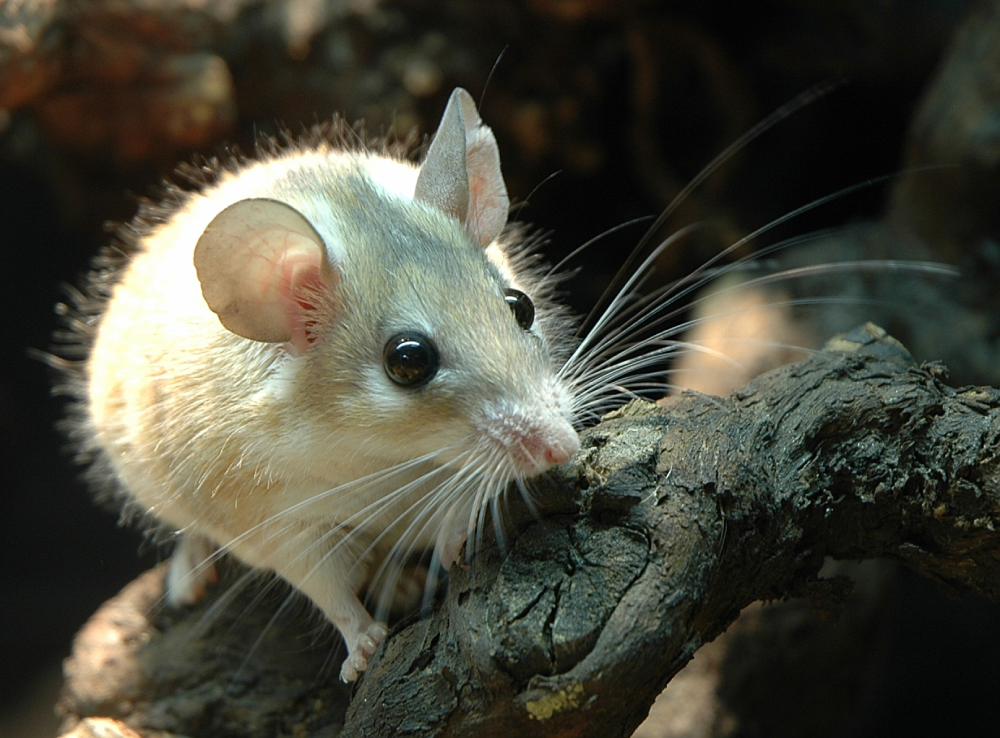
Unlike virtually every other mammal on Earth, the African spiny mouse (Acomys cahirinus) heals massive wounds with fresh tissue rather than thick scar fibers. Biologist Ashley Seifert published a landmark 2012 study at the University of Florida showing that these desert rodents shed fragile skin patches to slip away from predators and subsequently regrow hair follicles, sweat glands, fur, and even ear cartilage intact.
5. The zebrafish
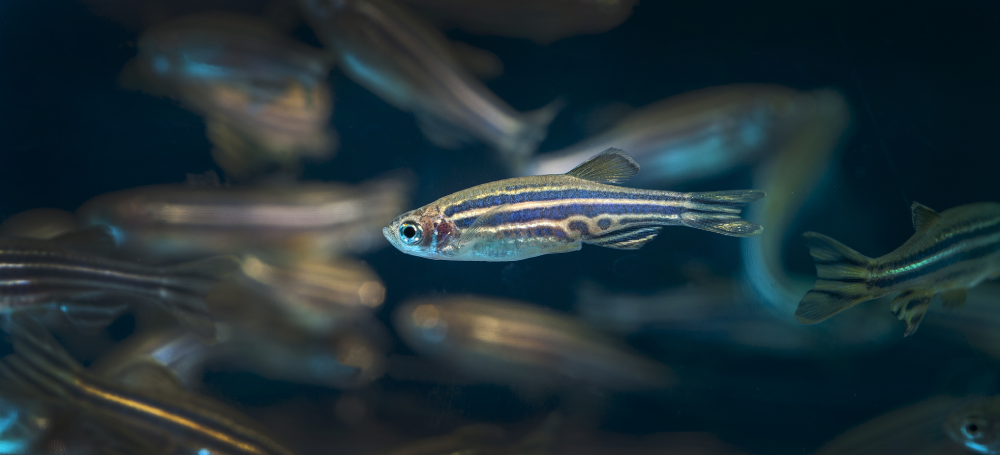
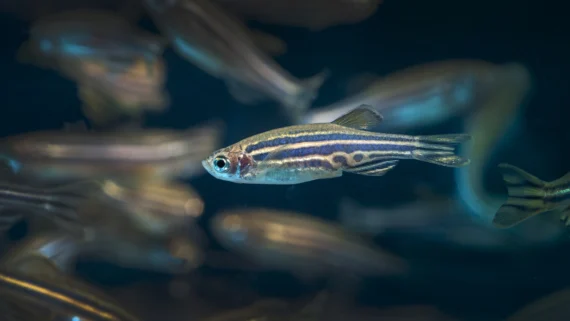
This tiny striped aquarium favorite (Danio rerio) possesses an extraordinary cardiac repair system that allows it to rebuild damaged heart muscle without permanent scarring. In 2002, Duke University researcher Kenneth Poss revealed that zebrafish can completely regenerate up to twenty percent of a clipped heart ventricle within two months, alongside damaged fins, spinal nerves, and eye retinas.
Trending on The Scroller
6. The red-spotted newt
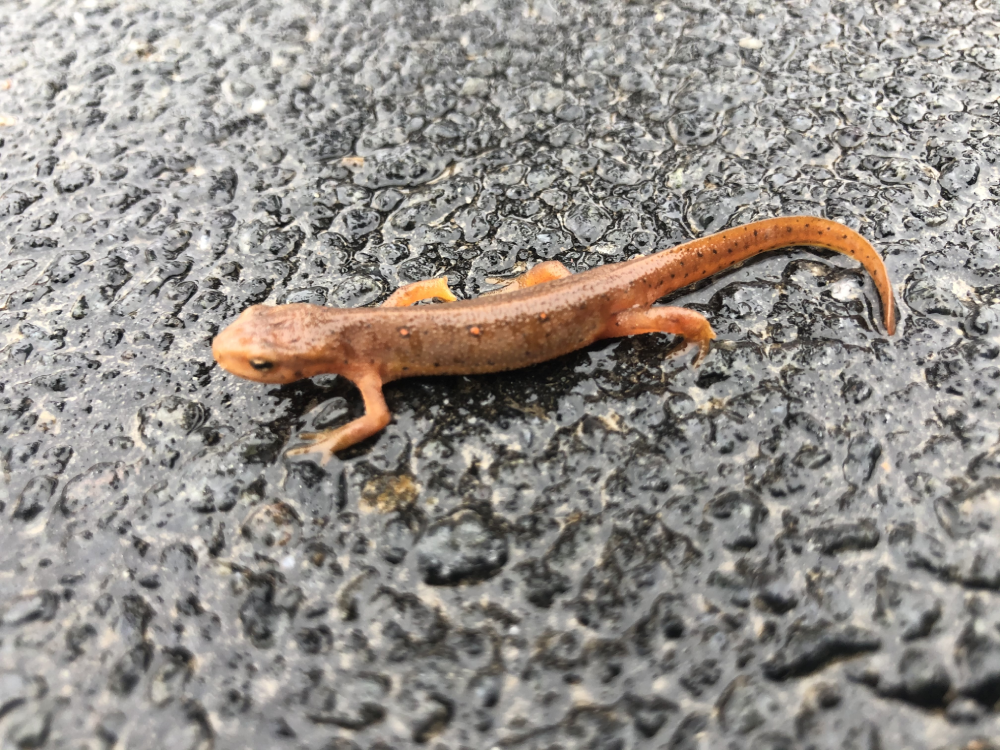
Native to North American woodlands and ponds, the red-spotted newt (Notophthalmus viridescens) can repeatedly reconstruct the entire crystalline lens of its eye if damaged. During an astonishing sixteen-year experiment published in 2011, Japanese biologist Goro Eguchi surgically removed eye lenses from the same newts eighteen separate times, and every single replacement grew back indistinguishable from the original.
7. The sea cucumber
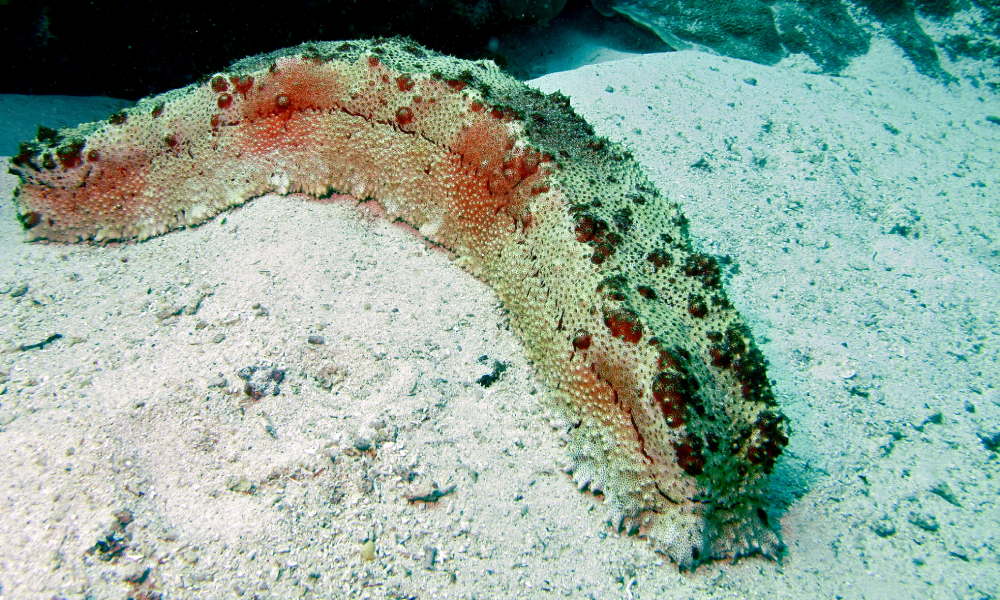
When cornered by hungry crabs or fish, marine holothurians like the brown rock sea cucumber (Holothuria glaberrima) violently contract their muscles and expel their digestive tract, respiratory trees, and reproductive organs out of their bodies. As extensively documented by University of Puerto Rico neurobiologist José García-Arrarás, these squishy seabed dwellers calmly crawl away and regenerate a complete internal organ system within a few weeks.
8. The comet sea star
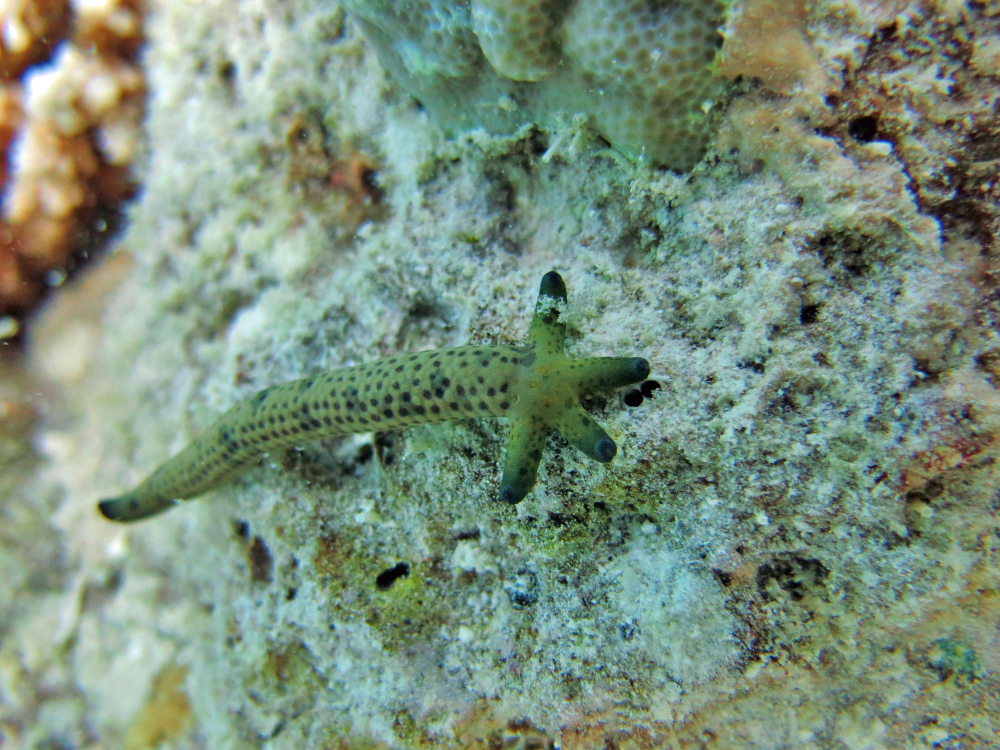
While many starfish can replace a missing ray, the Indo-Pacific comet sea star (Linckia multifora) regularly drops a single healthy arm that crawls off independently to become a whole new organism. Marine biologists observing coral reefs have long noted how the lone severed limb sprouts four tiny new arms from one end, giving the regenerating animal the striking appearance of a shooting star.
Sign up for our newsletter
9. The garden snail
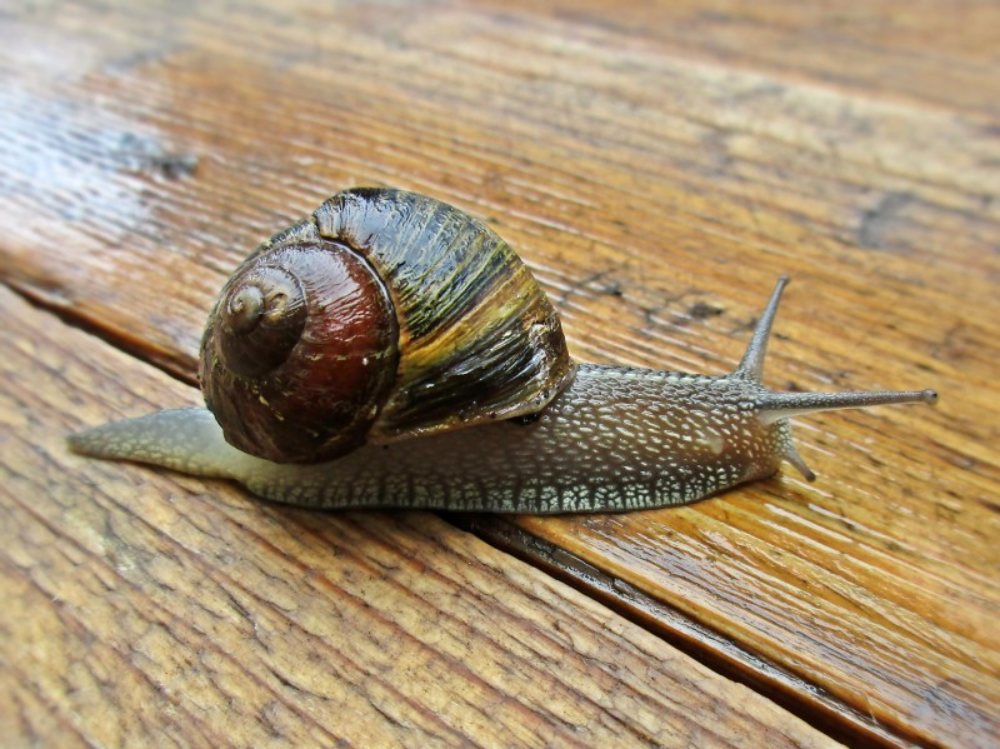
Tucking away into its shell is not the only survival trick possessed by the common garden snail (Cornu aspersum), which can regrow amputated eye stalks complete with working optical lenses and nerves. In 1768, Italian priest and naturalist Lazzaro Spallanzani famously demonstrated that land snails could rebuild severed ocular tentacles and even parts of their heads within a matter of weeks.
10. Red deer and elk

Male cervids such as red deer (Cervus elaphus) are the only mammals capable of shedding and regenerating an entire complex organ every single year. Powered by specialized periosteal stem cells studied closely by modern biomedical researchers, their branching bony antlers, covered in blood vessels, nerves, and velvety skin, can grow up to an inch per day each spring.
11. The green anole lizard
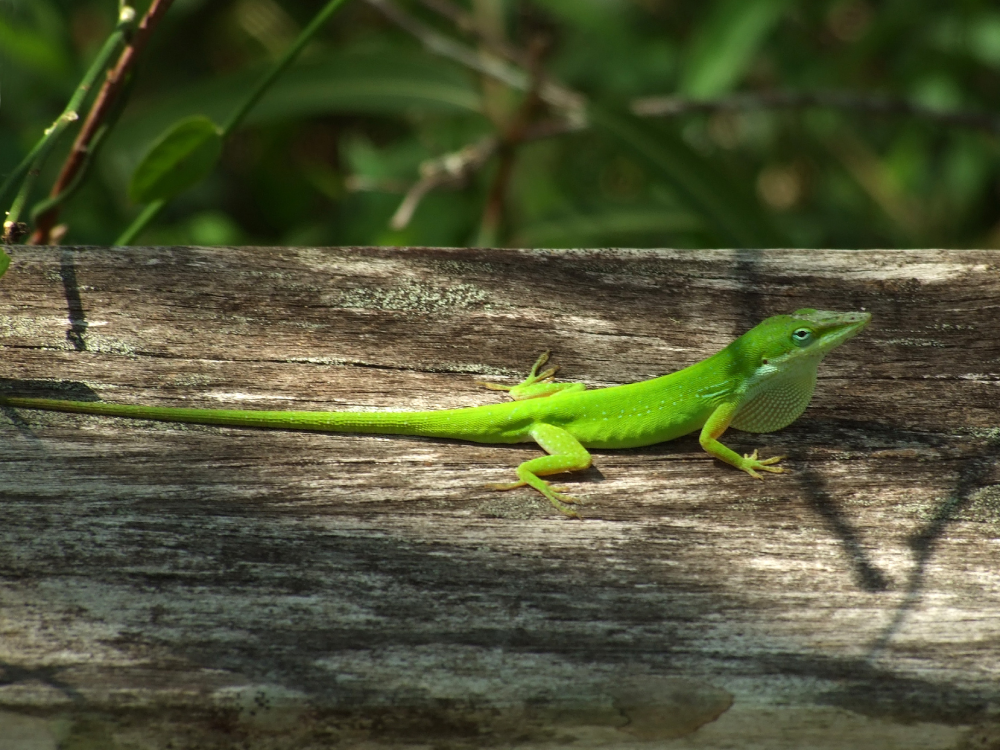
North America’s green anole (Anolis carolinensis) famously detaches its tail to distract predators, leaving behind a wriggling decoy while it escapes into the foliage. In 2014, Arizona State University geneticist Kenro Kusumi mapped the lizard’s genome and identified 326 specific genes that switch on to build a replacement tail supported by a flexible tube of cartilage.
12. The starlet sea anemone
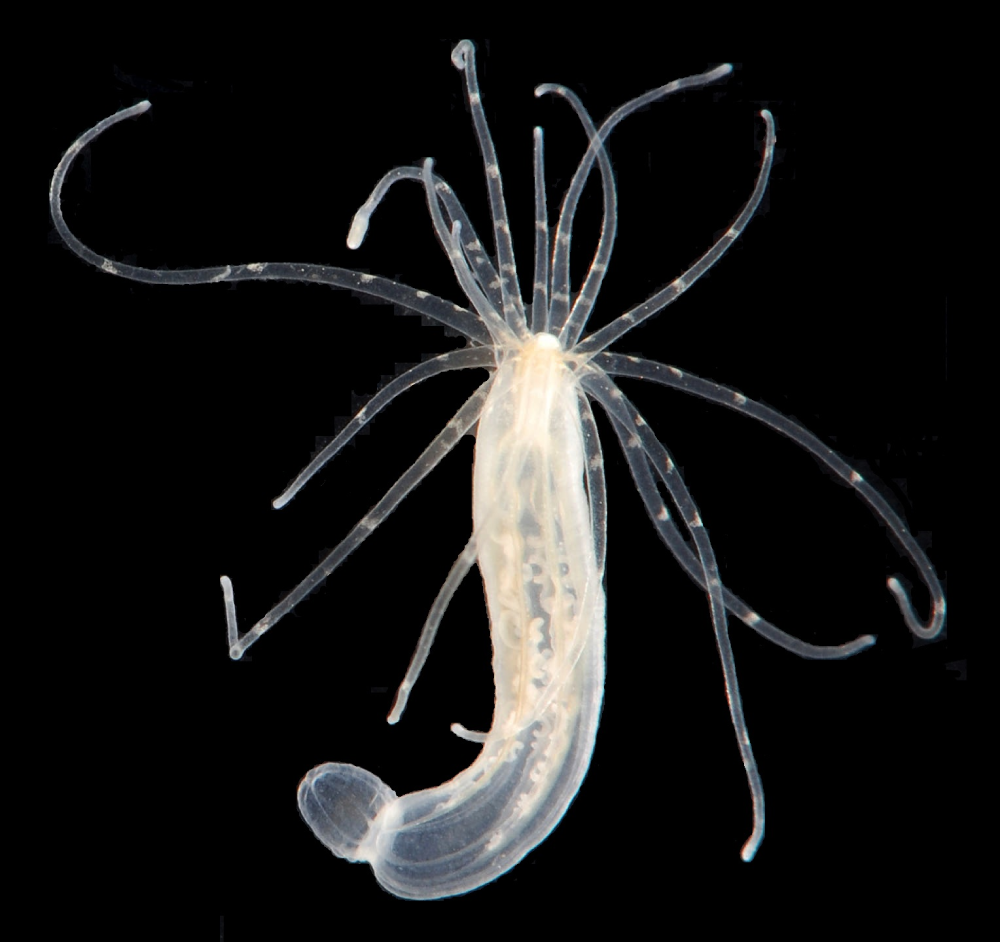
Found in shallow coastal lagoons, the starlet sea anemone (Nematostella vectensis) can be sliced completely in half and still survive as two separate, genetically identical animals. Developmental biologists at institutions like Norway’s Sars International Centre have shown that bisected polyps rapidly reorganize their muscle fibers and nerve nets to rebuild missing mouths or bases in just days.
Check out more fascinating facts about animals:
Watching a tiny sea slug regrow an entire body or a salamander rebuild parts of its brain makes human healing look remarkably slow by comparison. Studying these biological superpowers is not just fascinating to look at, as scientists continue unlocking these genetic blueprints to inspire future regenerative medicine for humans. If you enjoy exploring astonishing natural wonders, make sure to check out these 12 Bizarre Things Animals Do Before Changing Seasons or these Masters of Disguise: 15 Animals That Change Their Appearance. You may also like these: Nature’s Clues: 12 Times Animals Solved Scientific Mysteries.