Old laws often sound bizarre when they’re separated from the world that created them. Many were practical responses to everyday problems involving horses, public health, outdated technology, or city life that have largely disappeared over time. The laws sometimes remained on the books long after the original problem had faded, turning ordinary regulations into historical curiosities.
Instead of laughing at these forgotten rules, it’s more revealing to ask what they were trying to solve. Behind each law was a society dealing with challenges that modern technology, infrastructure, and changing social habits eventually made obsolete, leaving behind legal reminders of worlds that no longer exist.
1. Red Flag Act
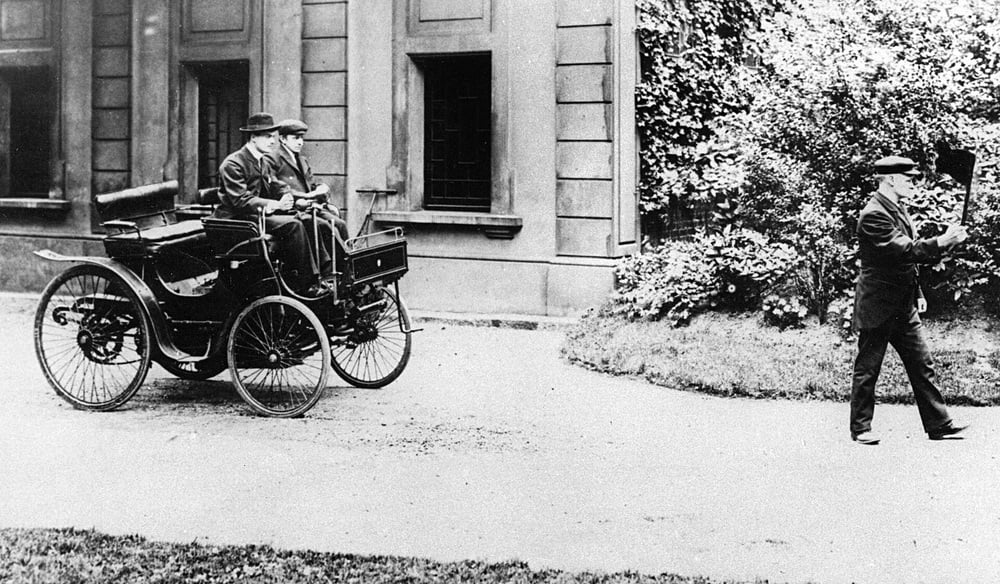
When self-propelled vehicles first appeared on British roads, they shared space with horses, pedestrians, and horse-drawn wagons that had never encountered noisy engines before. Britain’s Locomotive Act of 1865 famously required certain road vehicles to be accompanied by three people, including one walking ahead carrying a red flag to warn everyone nearby. Can you imagine driving a car that’s legally required to follow a person on foot? And how different did early automobiles seem before people became accustomed to seeing them on public roads? What looks absurd today was once considered an important safety precaution.
2. Anti-Spitting Laws
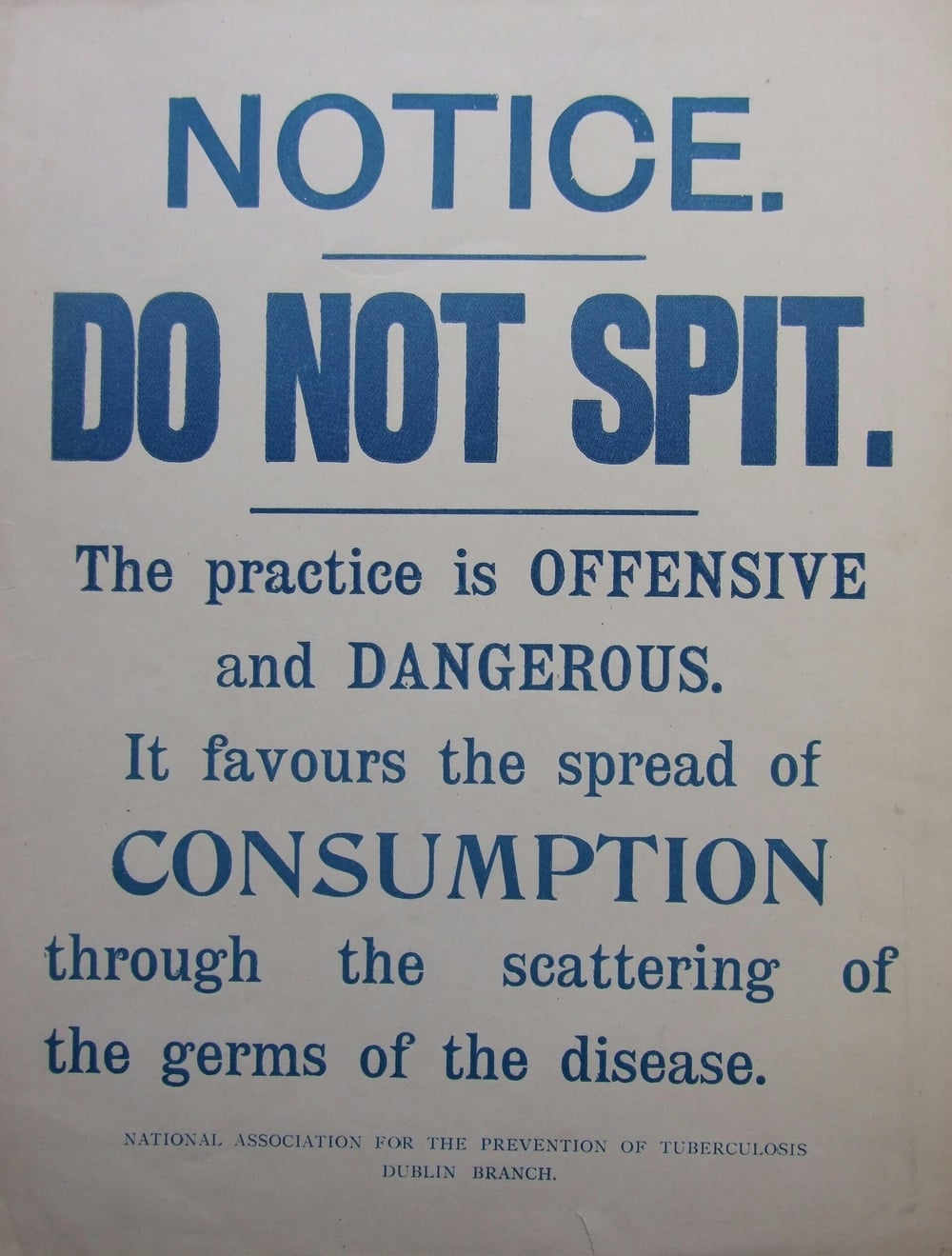
During the late nineteenth and early twentieth centuries, cities around the world adopted anti-spitting ordinances as public health officials fought the spread of tuberculosis. Because infected sputum could transmit disease, something as ordinary as spitting on a sidewalk became a serious public health concern rather than merely an unpleasant habit. Why would cities spend time enforcing rules about something so seemingly minor? And how many people today realize that public spitting was once viewed as a major disease-control issue? These laws reflected medical fears that have largely faded thanks to better treatment and changing social habits.
3. Bread Weight Rules

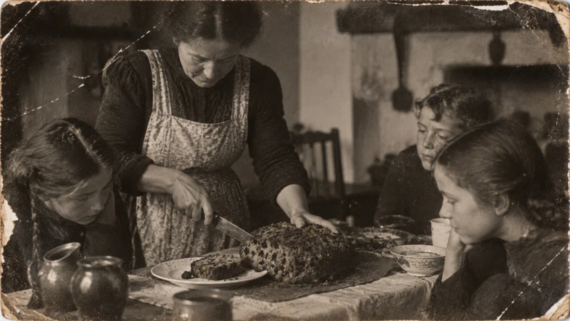
Bread wasn’t just another food. For many families, it was a daily necessity, which is why governments created detailed regulations governing its weight, quality, and sometimes even its price. Short-weight loaves or poor-quality bread could directly harm consumers, making careful oversight an important part of everyday life. Should something as ordinary as a loaf of bread be regulated by law? And how much trust would shoppers have if every bakery could sell whatever size loaf it wanted? In many places, protecting consumers started with protecting their bread.
4. Telegraph-Wire Regulations
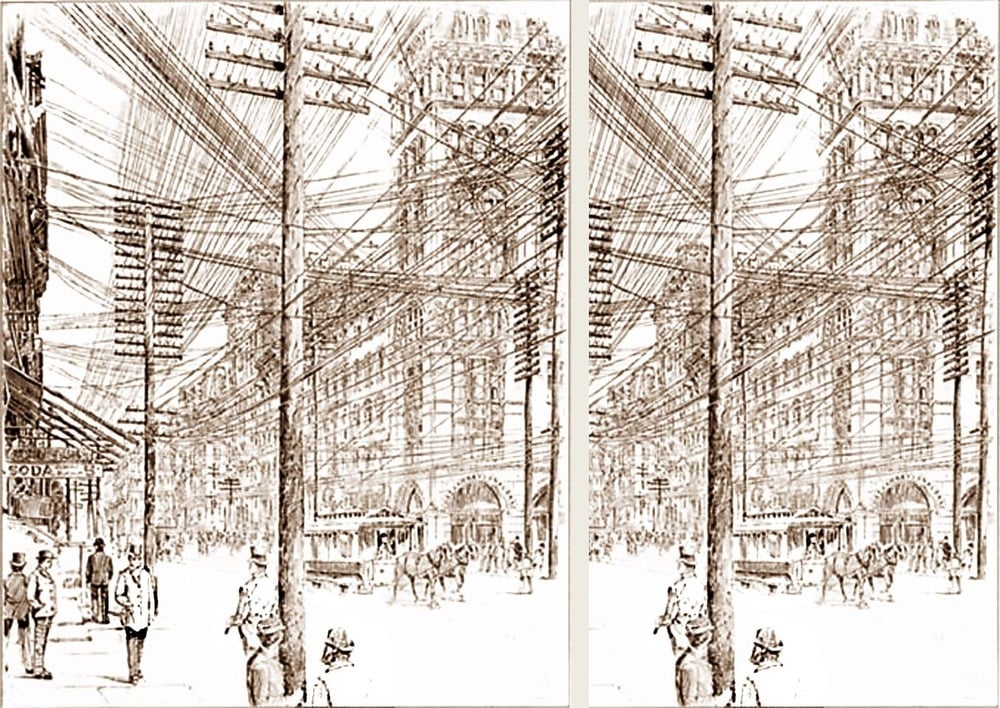
As telegraph, telephone, and electrical systems spread through growing cities, streets became crowded with poles and tangled overhead wires that created safety hazards, visual clutter, and maintenance problems. Municipal governments responded with regulations controlling where wires could be installed and how utility companies managed this expanding network. What happens when every new technology competes for the same space above a city street? And how do governments keep innovation from becoming infrastructure chaos? The skyline itself briefly became a legal problem.
5. Hatpin Restrictions
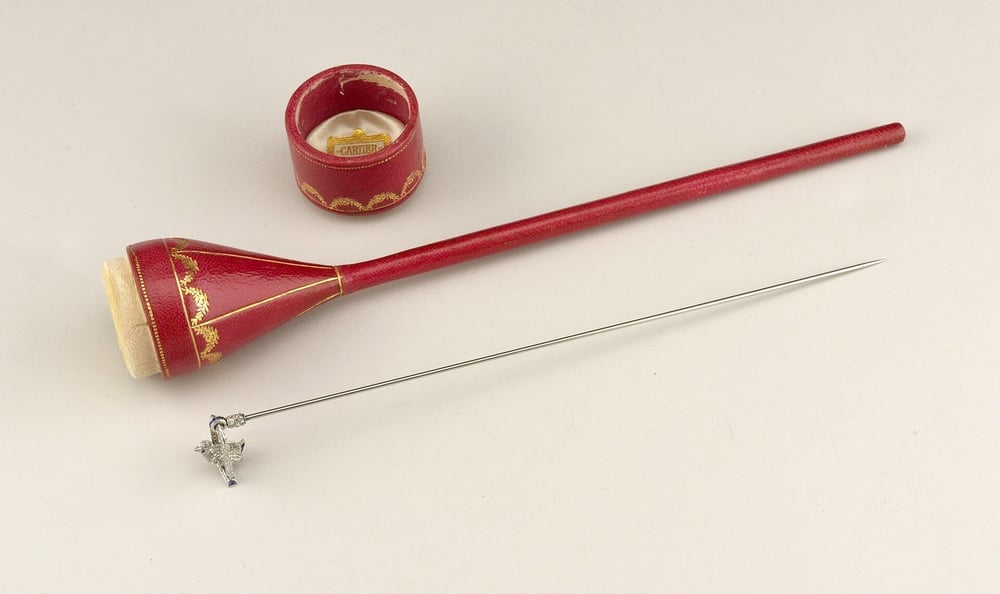
Fashion unexpectedly became a public safety issue during the early twentieth century when large hats were secured with long, sharp hatpins that sometimes extended dangerously beyond the brim. Several cities introduced restrictions on especially long hatpins or required protective covers to reduce accidental injuries in crowded public places. Could a fashion accessory really become dangerous enough to justify new laws? And how often does changing clothing create entirely new legal problems? Sometimes public safety begins with something as small as the point of a pin.
Trending on The Scroller

6. Mandatory Road Labor
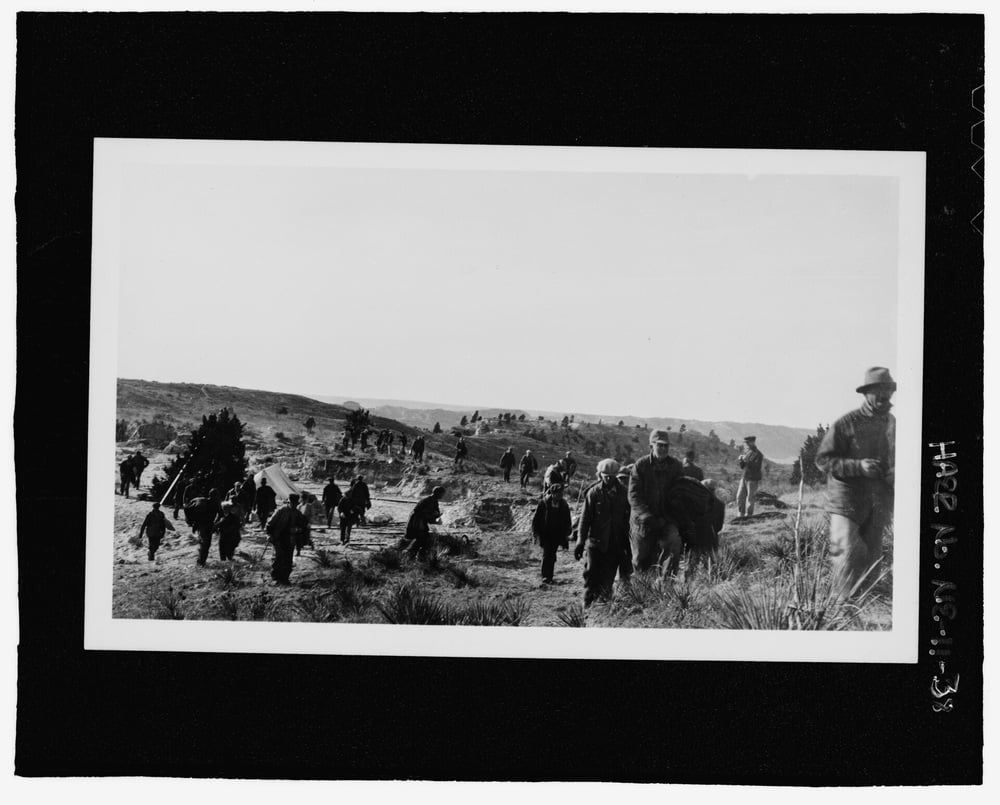
Before governments established modern highway departments funded through taxes, many communities required residents to contribute several days of physical labor each year maintaining local roads. Instead of simply paying for road repairs, ordinary citizens often became the workforce responsible for keeping important routes usable. Can you imagine receiving a legal notice telling you to spend your weekend repairing roads? And how different would transportation feel if maintaining highways depended on your own shovel instead of public crews? Civic responsibility once included manual labor as well as paying taxes.
7. Horse-Manure Ordinances
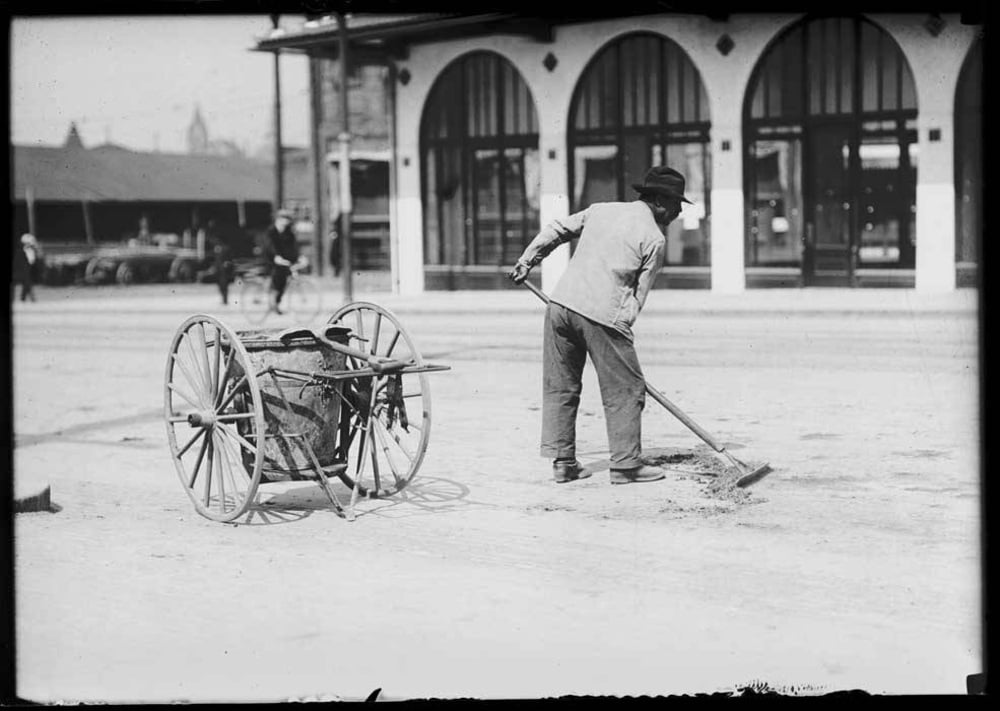
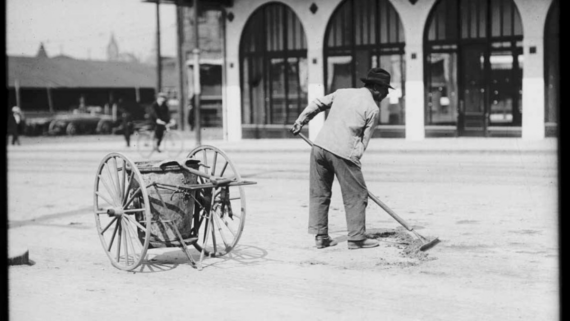
Before automobiles transformed cities, horses generated enormous quantities of manure every day, creating sanitation problems, attracting flies, and producing unpleasant odors that municipal governments struggled to control. Laws regulating stable waste, street cleaning, and manure removal became essential parts of urban management in horse-powered cities. What happens when a city’s main transportation system also creates mountains of waste every single day? And how quickly did that legal problem disappear once engines replaced horses? The automobile solved more than a transportation challenge. It quietly eliminated an entire category of sanitation law.
8. Sunday Blue Laws
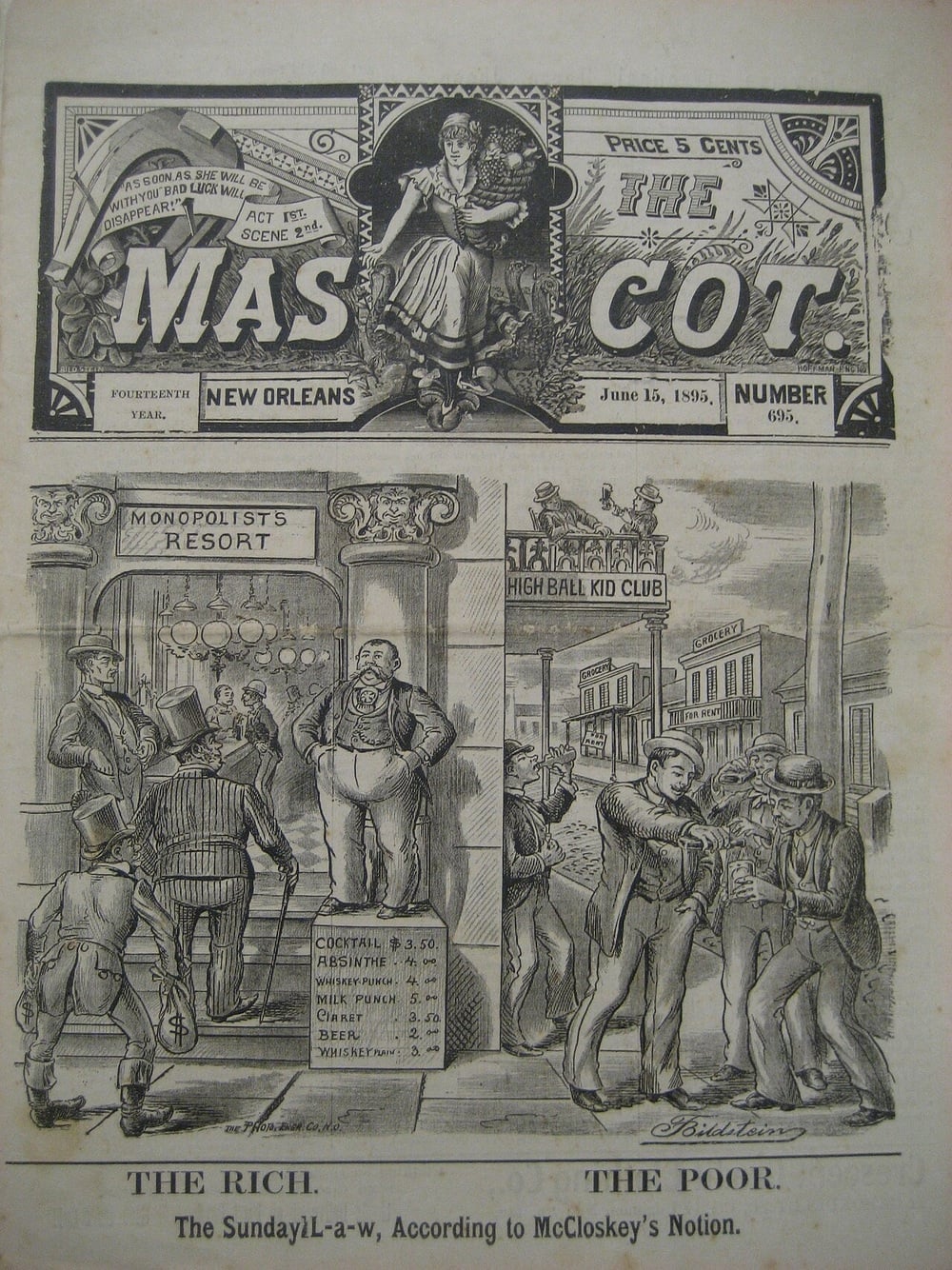
For centuries, many jurisdictions restricted shopping and commercial activity on Sundays through so-called Blue Laws, reflecting religious traditions, social expectations, and the belief that communities should observe a common day of rest. Although some of these laws remain in limited forms, many were repealed or significantly weakened as attitudes toward work and commerce changed. Should governments decide when businesses are allowed to open? And how much do changing lifestyles influence which laws remain practical over time? Weekly routines have changed just as much as the rules that once governed them.
Sign up for our newsletter
9. Carpet-Beating Restrictions
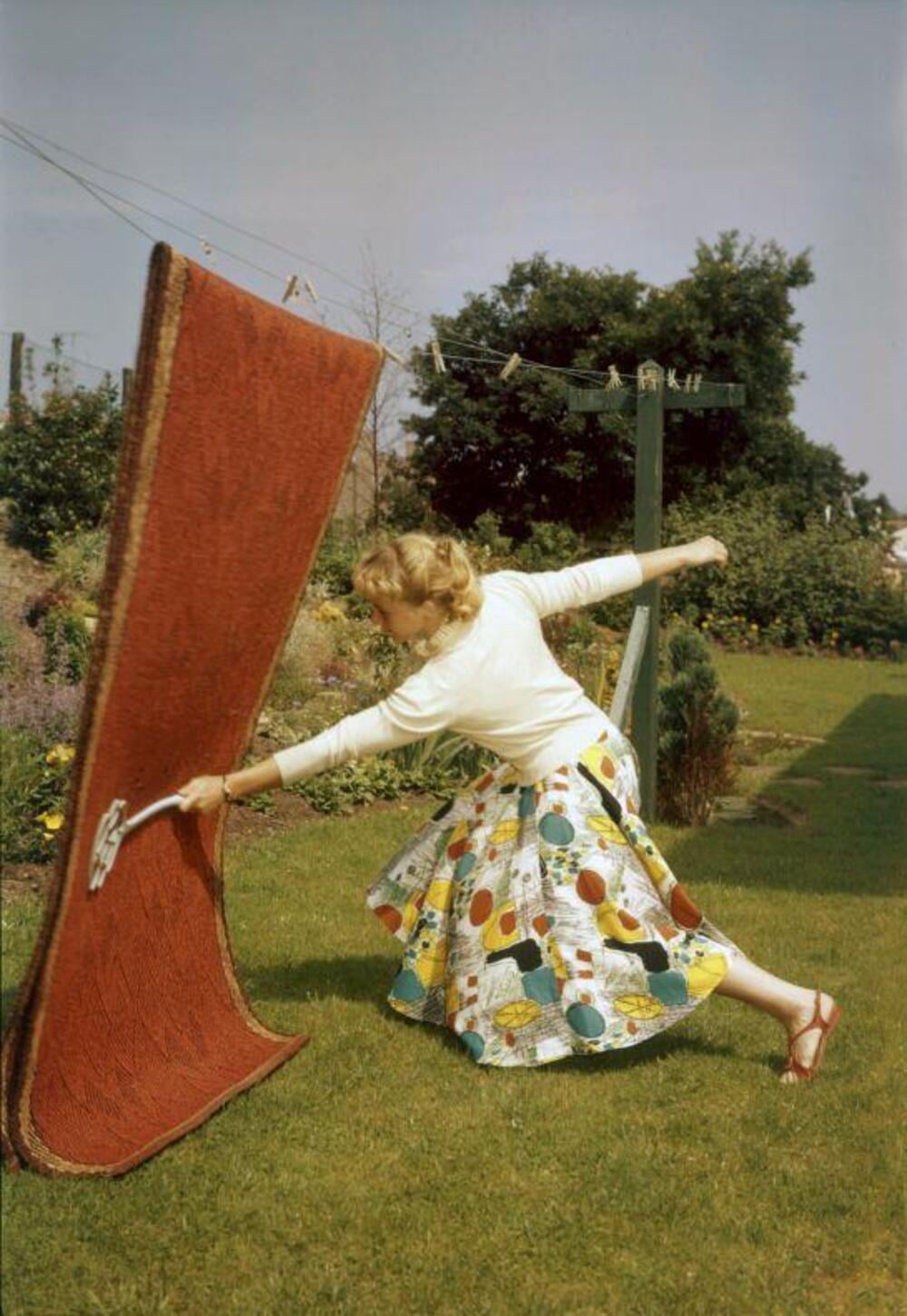
Long before vacuum cleaners became household essentials, many people cleaned rugs by carrying them outdoors and beating the dust out with sticks or paddles. The practice created clouds of dirt, loud noise, and neighborhood disputes, prompting some cities to regulate when and where carpets could be cleaned. How dusty did city streets become before electric vacuum cleaners arrived? And can one household appliance quietly eliminate an entire legal problem? Sometimes technological progress replaces regulations without anyone noticing.
10. Early Automobile Speed Limits
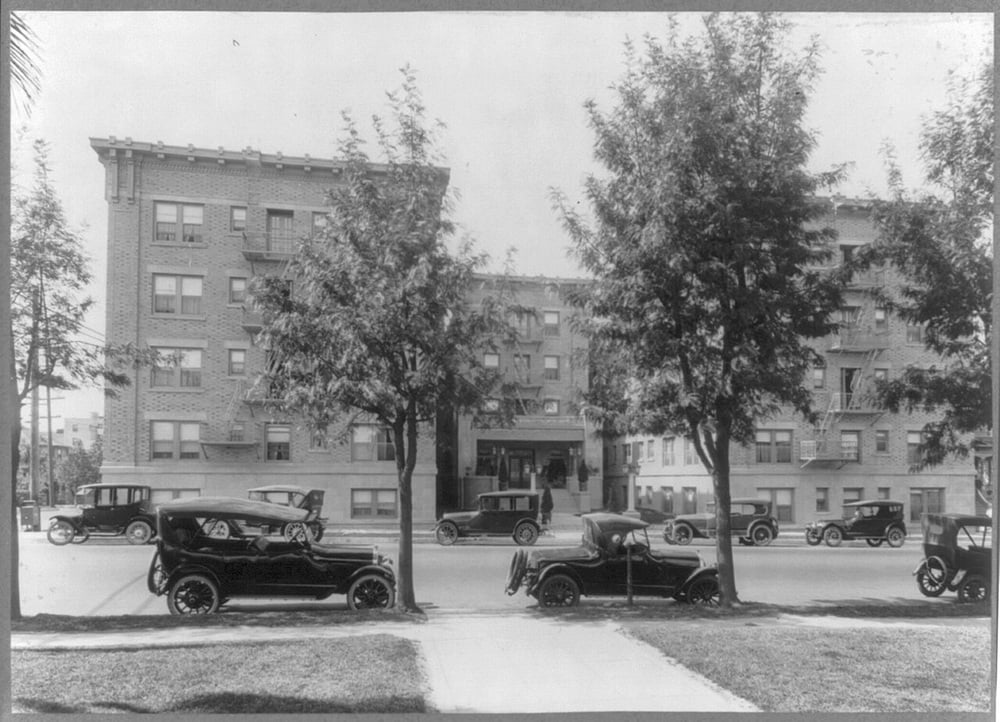
The first automobiles often faced speed limits that seem unbelievably slow by modern standards because roads lacked traffic lights, painted lanes, guardrails, and other familiar safety features. Cars also shared space with horses, bicycles, pedestrians, and wagons, making cautious speeds a practical response to unfamiliar technology rather than an attempt to frustrate drivers. Would you feel safe driving quickly on roads built for horses instead of cars? And how much does the design of a road determine the speed that’s actually safe? Early speed limits reflected a transportation system still learning how automobiles fit into everyday life.
11. Public Bathhouse Rules
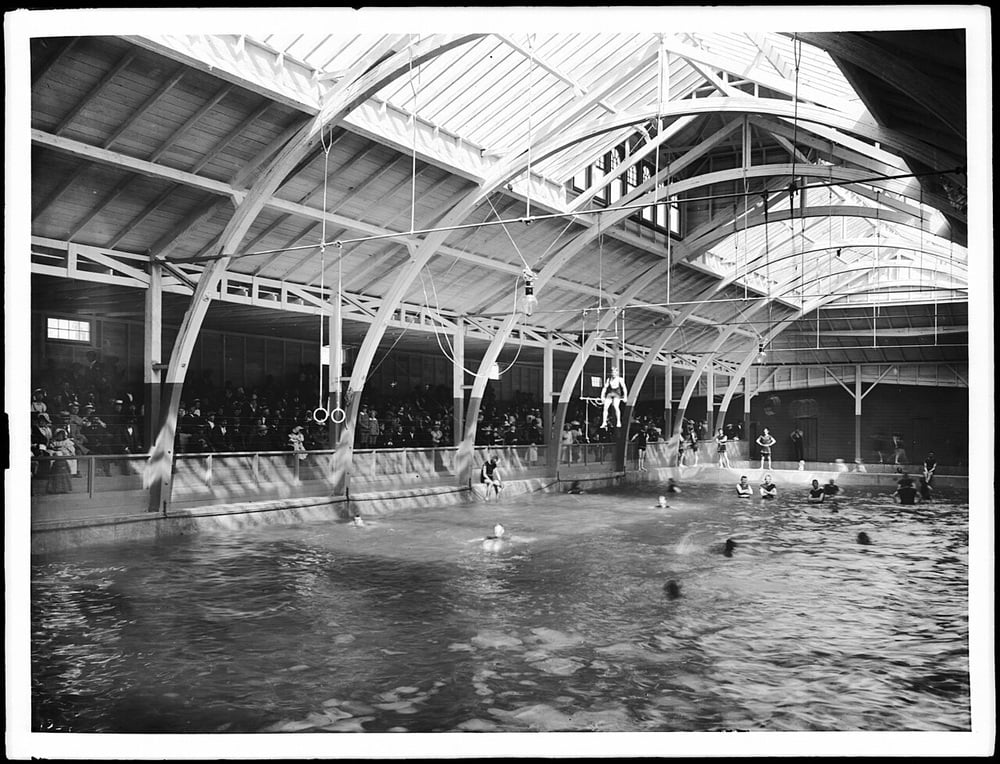
Before most homes had private bathrooms, public bathhouses served as essential parts of daily life, providing places to wash, socialize, and conduct business. Because so many people depended on them, municipalities introduced regulations covering sanitation, maintenance, operating practices, and public access to help keep these busy facilities safe and functional. What happens when an entire city’s hygiene depends on shared public spaces? And how different would daily life feel if taking a bath meant visiting a public building instead of your own home? Cleanliness once relied as much on civic infrastructure as personal habit.
12. Sumptuary Clothing Laws
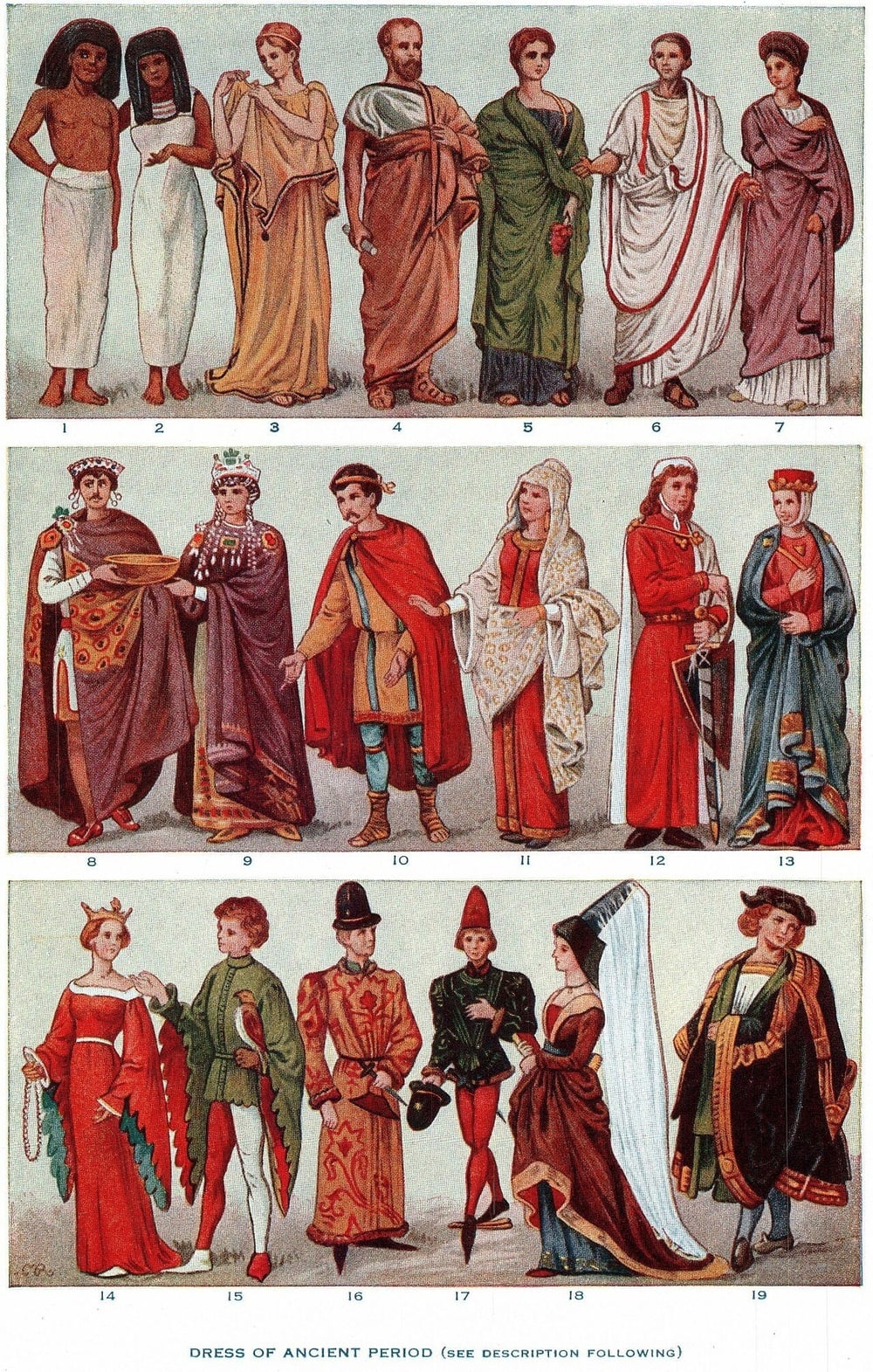
In many parts of medieval and early modern Europe, governments passed sumptuary laws restricting who could wear certain fabrics, colors, furs, or luxury items according to social rank. The goal wasn’t fashion advice but preserving visible class distinctions in societies where clothing immediately signaled status. Should governments decide what people are allowed to wear based on their social position? And how much influence can clothing have over the way society organizes itself? Fashion once carried legal consequences as well as personal expression.
13. Ice Delivery Regulation
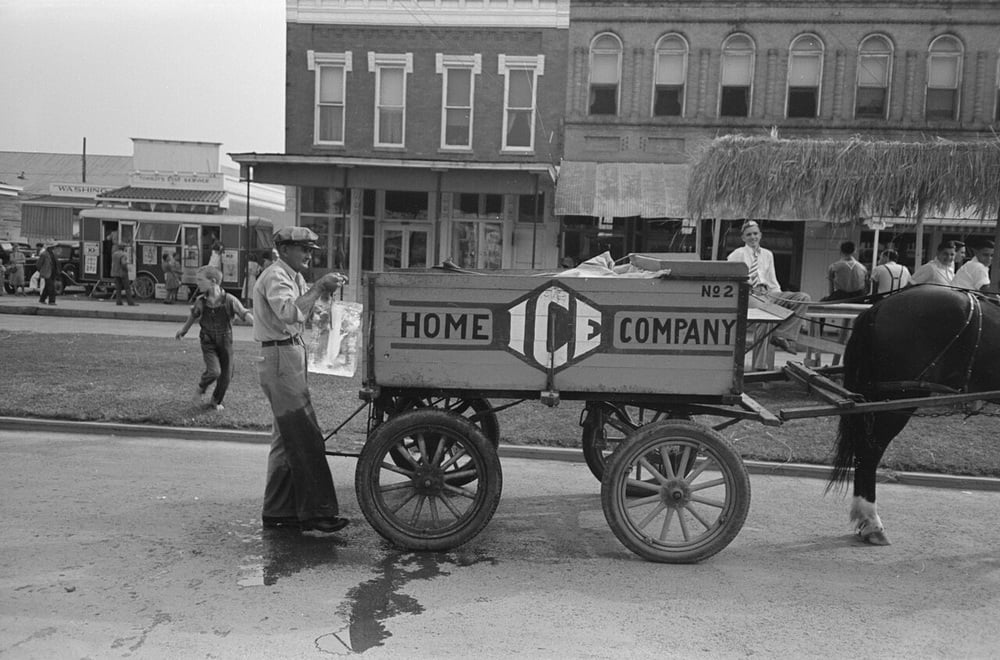
Before refrigerators became common, households relied on blocks of ice delivered by wagon to keep food fresh during warm weather. Because this fragile cold chain affected food safety, governments often regulated parts of the ice trade, from commercial practices to public health concerns surrounding storage and distribution. Can you imagine planning your week around the arrival of an ice wagon? And how quickly did refrigeration make an entire industry, along with many of its regulations, almost disappear? One household appliance quietly replaced a complex delivery system.
14. Wandering Livestock Rules
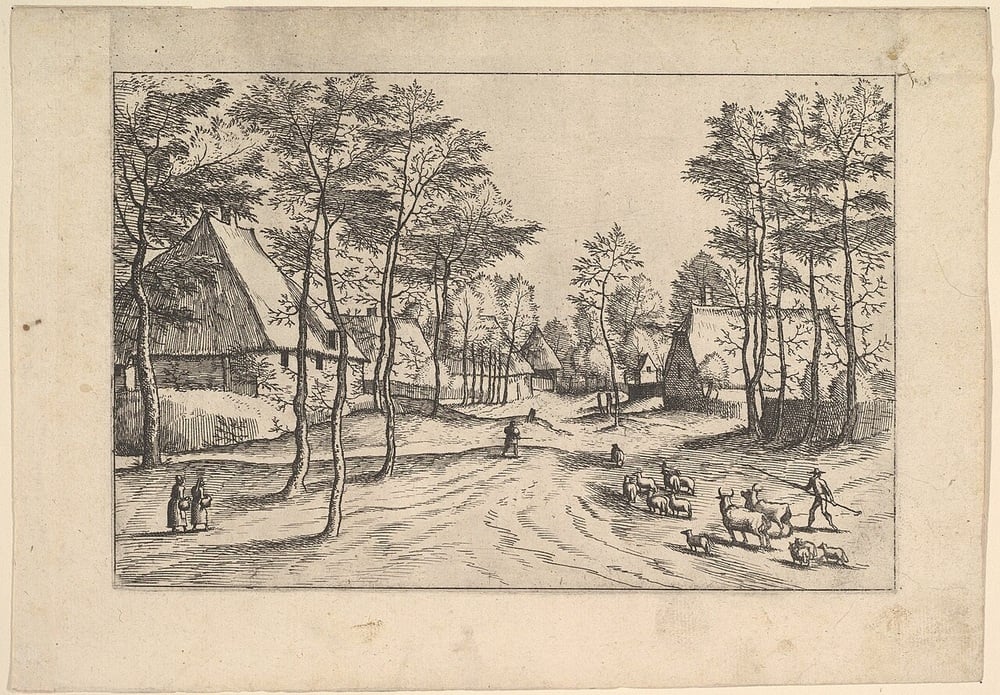
In many growing towns and cities, pigs, goats, cattle, and other livestock regularly wandered through public streets, damaging property, blocking traffic, and creating sanitation problems. Municipal ordinances regulated where animals could roam because the stray-animal problem once involved creatures that people also depended on for food and work. What would your morning commute look like if livestock regularly crossed downtown streets? And how different do city laws become once animals move from neighborhoods to farms? Urban life changed as livestock gradually disappeared from everyday streets.
15. Street-Lamp Requirements
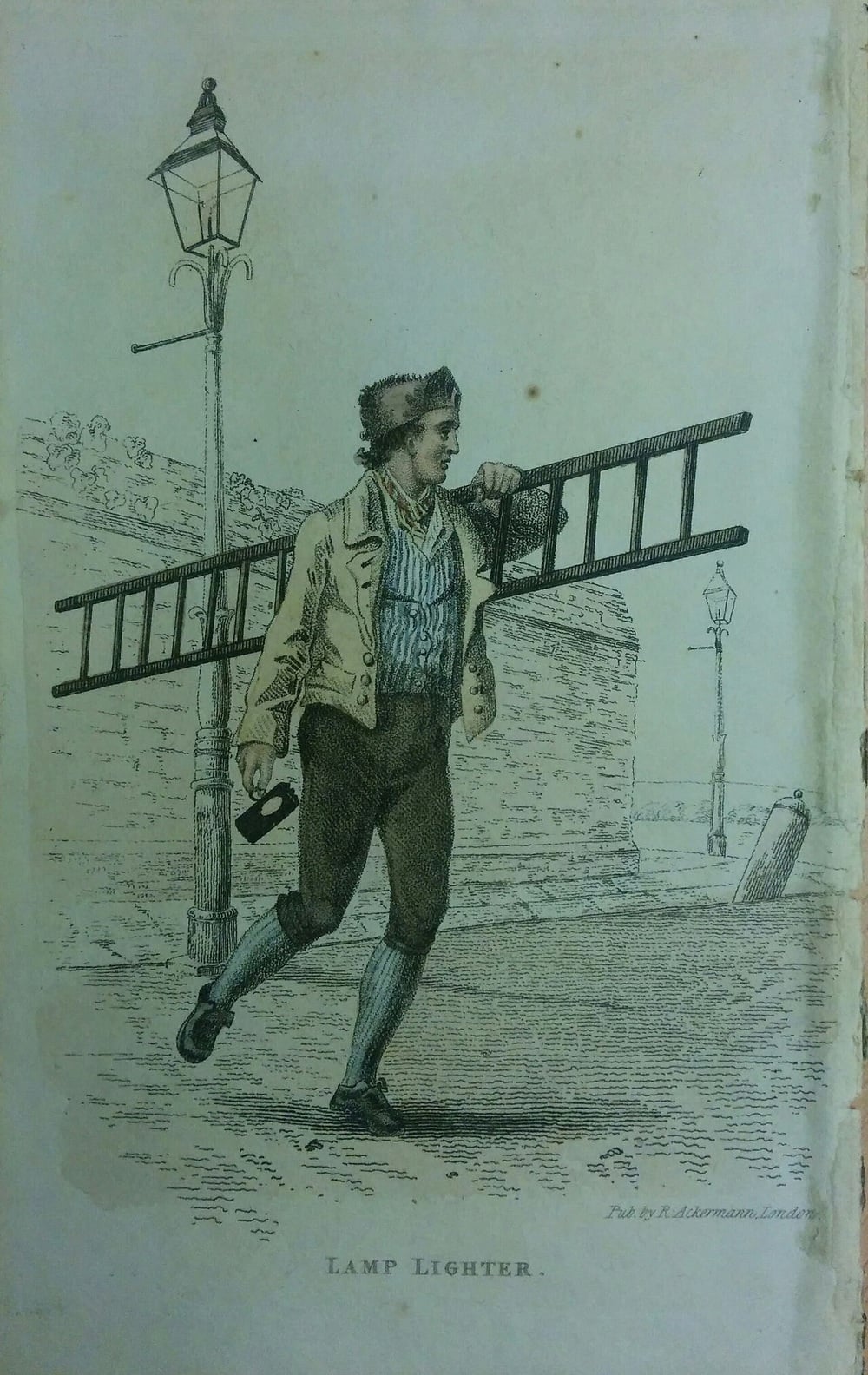
Before electric lighting and automatic timers, cities relied on human lamplighters who walked from lamp to lamp every evening, lighting gas or oil streetlights and returning later to extinguish them. Municipal rules governed when these lights had to be lit and maintained because public safety depended on thousands of small daily routines carried out by hand. Can you imagine an entire city’s nighttime lighting depending on people carrying ladders and lanterns? And how many forgotten professions quietly disappeared once technology automated their work? Streetlights were once as much about schedules as they were about illumination.
16. Milk Delivery Rules
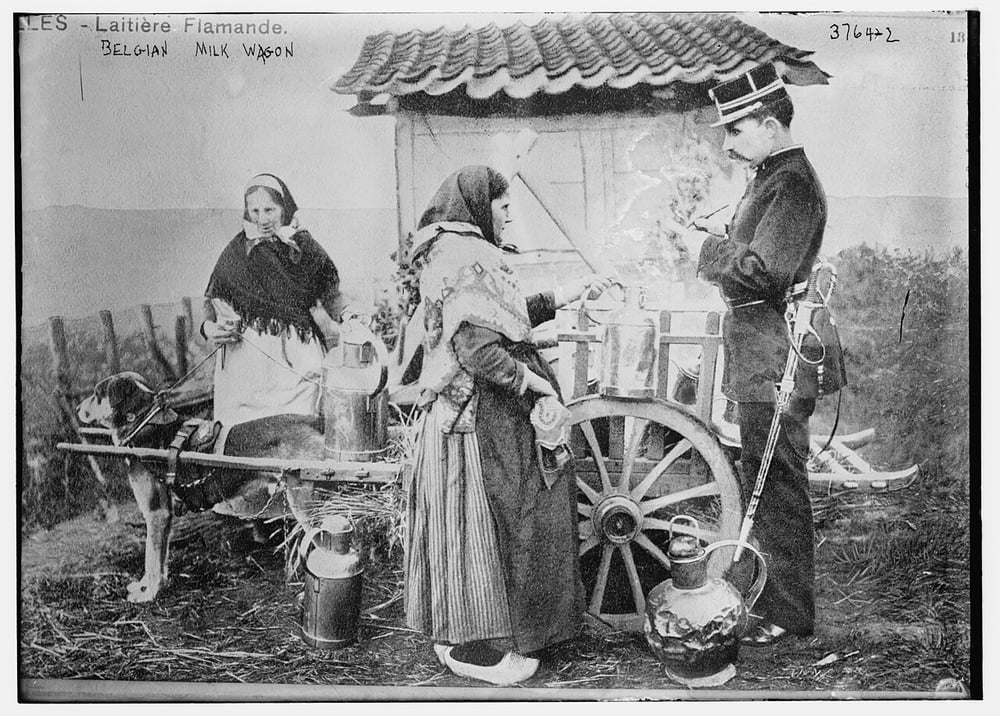
Before refrigeration became standard in homes and stores, fresh milk spoiled quickly and could spread dangerous diseases if it wasn’t handled properly. Governments introduced regulations covering storage, transportation, cleanliness, and doorstep delivery because one of the most important foods at the breakfast table depended on a delicate cold chain that barely existed by modern standards. How carefully would you treat milk if it had to travel through the city without electric refrigeration? And how many modern food safety rules began with something as ordinary as a bottle of milk? Technology eventually solved many of the problems these laws were designed to address.
17. Street-Game Restrictions
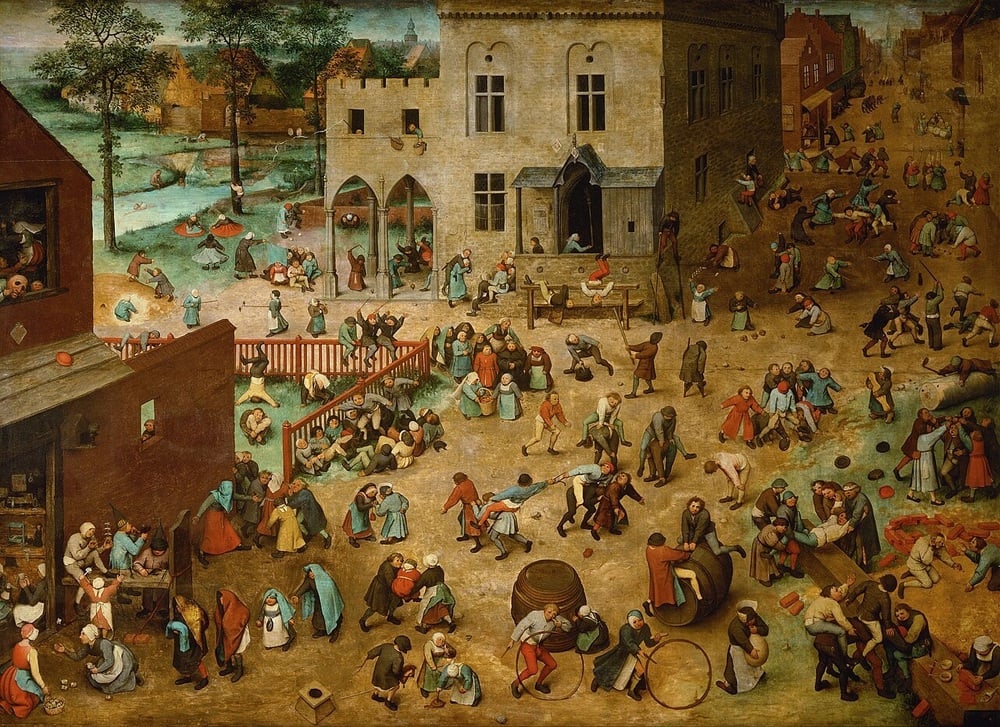
Long before neighborhoods filled with parked cars, children often used public streets as playgrounds for hoop rolling, ball games, and other activities. As traffic increased with horses, wagons, and later automobiles, many municipalities introduced restrictions to reduce congestion and improve safety in increasingly busy streets. Should city streets belong to transportation or to play? And how differently would childhood look if the road outside your house doubled as your neighborhood playground? Urban growth gradually changed both the streets and the laws that governed them.
18. Horse-Hitching Ordinances
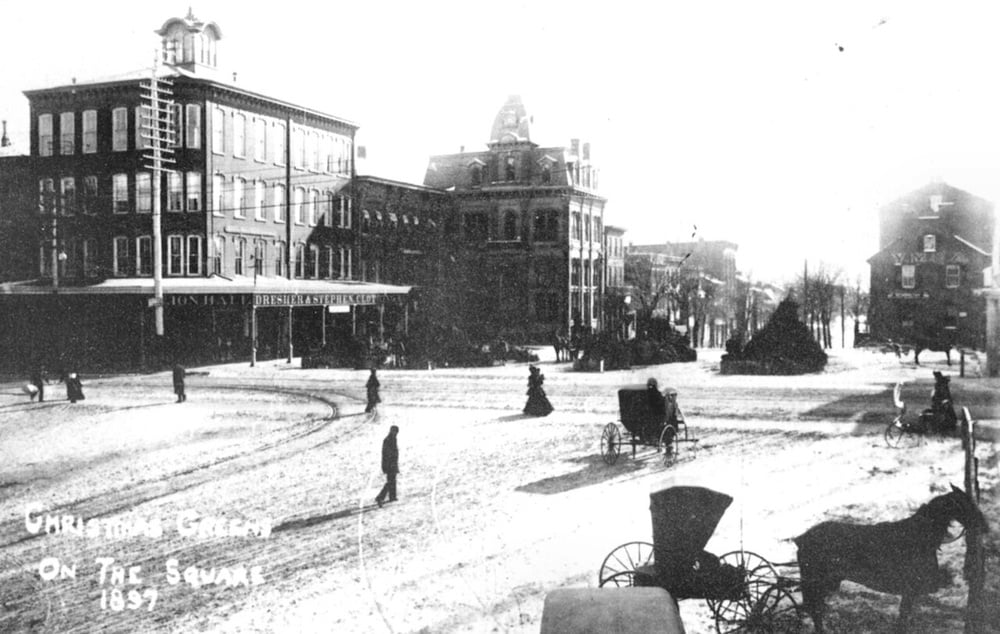
Parking regulations existed long before automobiles, except they applied to horses instead of cars. Cities created ordinances specifying where horses could be tied, how long they could remain unattended, and how owners should prevent runaway animals from blocking busy streets or causing accidents. Would today’s parking tickets seem less frustrating if they involved reins instead of steering wheels? And how much of modern traffic law has roots in managing horses rather than automobiles? Transportation changed, but the need to organize busy streets remained remarkably familiar.
19. Chimney Rules
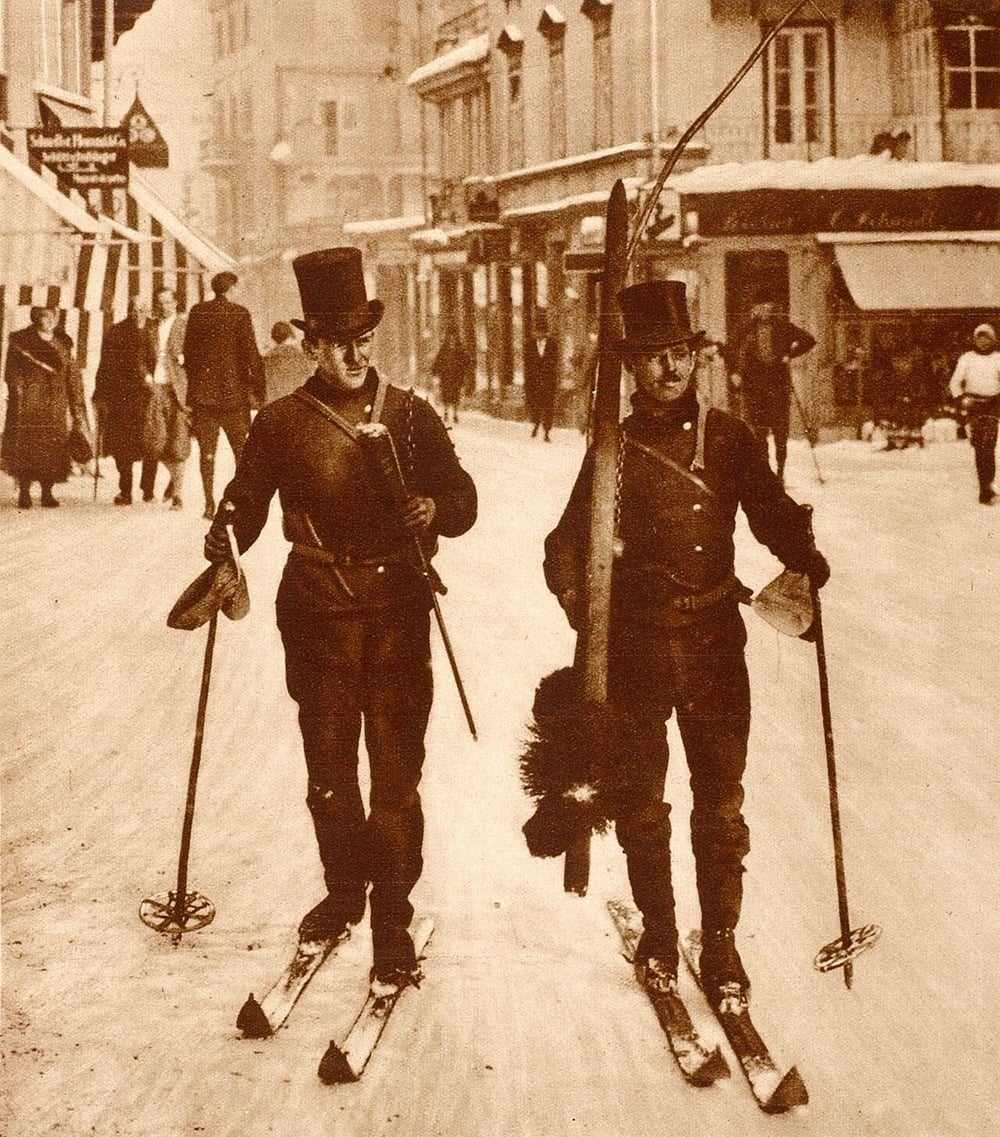
In densely populated towns built largely from wood, neglected chimneys posed a serious fire hazard. Soot buildup could ignite unexpectedly, sending flames through tightly packed neighborhoods, so many cities required regular chimney inspections and cleaning to reduce the risk of catastrophic urban fires. How many disasters were prevented by something as ordinary as sweeping a chimney? And what happens when thousands of small household fireplaces become a citywide safety concern? Fire prevention once depended on maintaining countless little furnaces scattered across every neighborhood.
20. Chamber-Pot and Waste-Dumping Rules
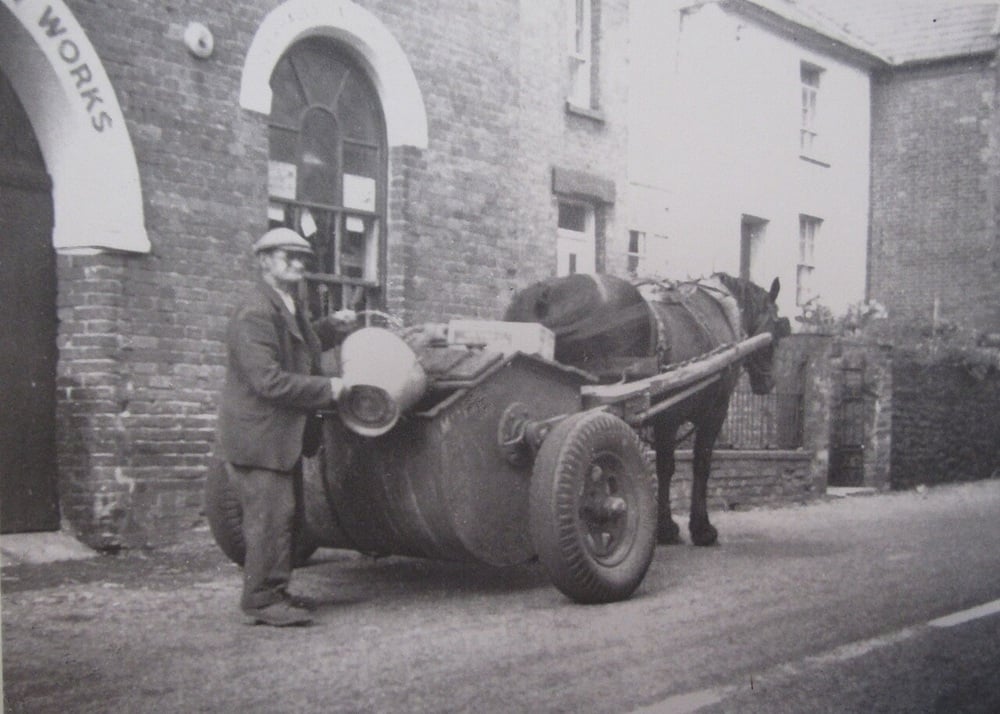
Before sewer systems and indoor plumbing became widespread, disposing of household waste presented one of the biggest sanitation challenges cities faced. Municipal authorities introduced rules governing where chamber pots could be emptied and how human waste should be collected or removed to reduce disease, foul odors, and contamination in crowded urban environments. Can you imagine living in a city without underground sewers? And how much of modern public health depends on infrastructure that’s almost completely invisible today? Some of history’s most important laws simply existed because flushing a toilet wasn’t yet an option.
Old laws often seem amusing only because the everyday problems they addressed have quietly disappeared. Whether they dealt with horses, telegraph wires, public bathhouses, chimney fires, or milk deliveries, these regulations reflected practical attempts to solve the challenges of their own time. Looking beyond the strange wording reveals that the laws themselves weren’t necessarily bizarre. The vanished world they regulated is what now feels unfamiliar.
Keep Exploring The Scroller
History isn’t just preserved in monuments and museums. It’s also hidden inside forgotten rules that once shaped everyday life. Keep exploring The Scroller for more surprising stories about how changing technology, culture, and daily routines transformed the laws that people once considered perfectly ordinary:
12 Strange 1800s Laws That Were Actually Enforced
10 Strange Old Tax Laws In The U.S. That Once Existed
20 Legendary Firearms Used By The Old West’s Most Famous Outlaws