
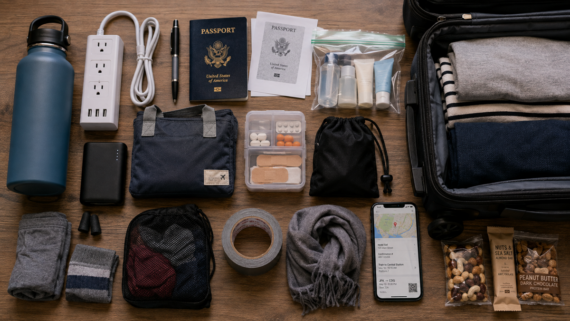
People who travel often tend to pack differently after a few delayed flights, uncomfortable hotel rooms, and unexpectedly long days in transit. Their bags are not necessarily bigger, they are just filled with small things that solve annoyingly specific problems. Some of these items barely take up any space, yet can make a surprising difference when plans go wrong. They are also exactly the sort of things occasional travelers rarely think about until they need them.
1. An Empty Reusable Water Bottle
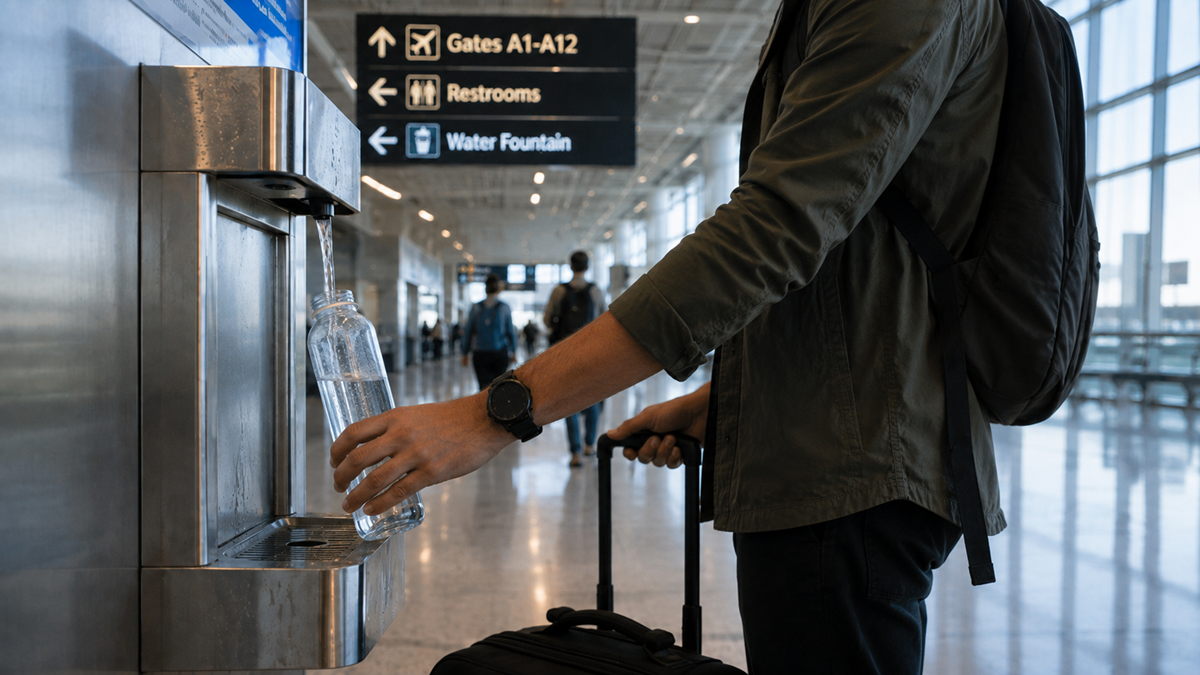
Airport security rules make traveling with a full bottle inconvenient, but an empty one is a different story. Frequent flyers often carry a lightweight reusable bottle through security and fill it at a water fountain afterward, instead of repeatedly buying bottled water at inflated airport prices. It is particularly useful during connections, long train rides, and hotel stays where grabbing a drink is not always as simple as expected.
2. A Small Power Strip
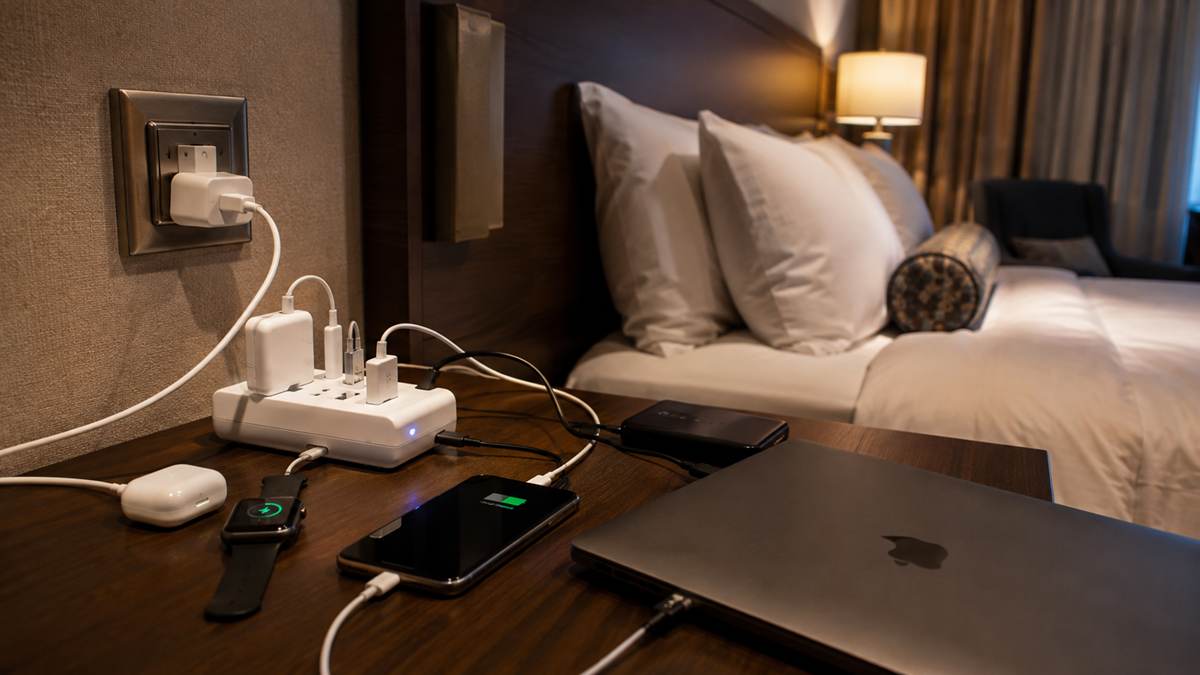
Hotel rooms can have six lamps and somehow only one conveniently located outlet. A compact power strip or multi-port charger turns that single socket into a charging station for a phone, watch, laptop, headphones, and other electronics. It is especially handy in older hotels where outlets are hidden behind furniture or nowhere near the bed.
3. A Pen
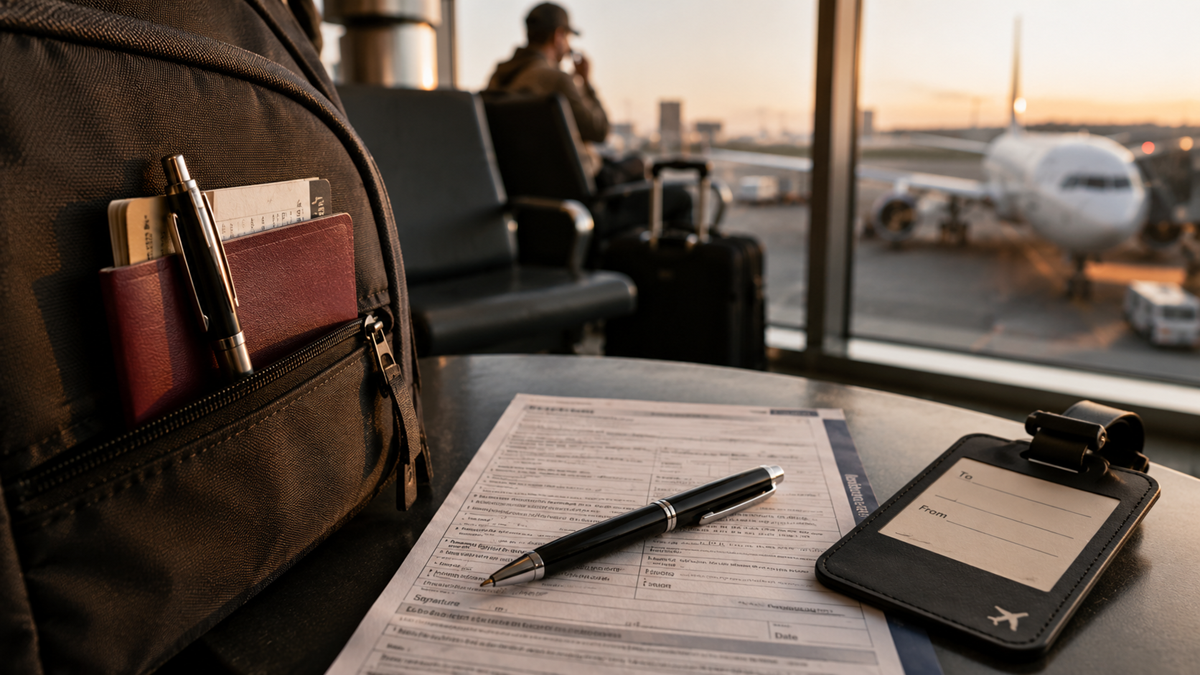
It sounds almost absurdly basic, which is probably why so many people forget one. Immigration forms, customs declarations, luggage tags, hotel notes, and the occasional paper document still exist, and borrowing a pen from another passenger gets old quickly. Experienced travelers often keep one permanently tucked into a backpack pocket.
4. A Photocopy of Important Documents
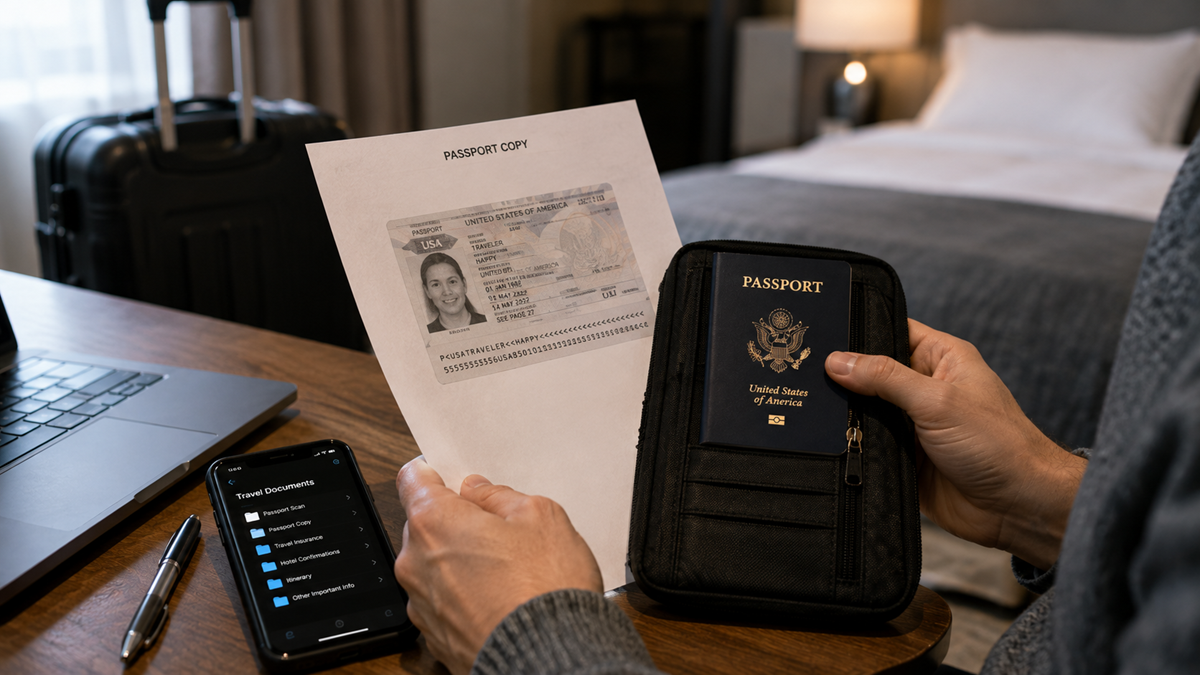
Most travelers protect their passport but rarely think about what happens if it disappears. Frequent travelers may carry a paper photocopy of the identification page and keep digital copies securely stored somewhere separate as well. A copy cannot replace a passport, but having the details immediately available can make conversations with a consulate, airline, or local authority much easier.
5. A Few Zip-Top Bags
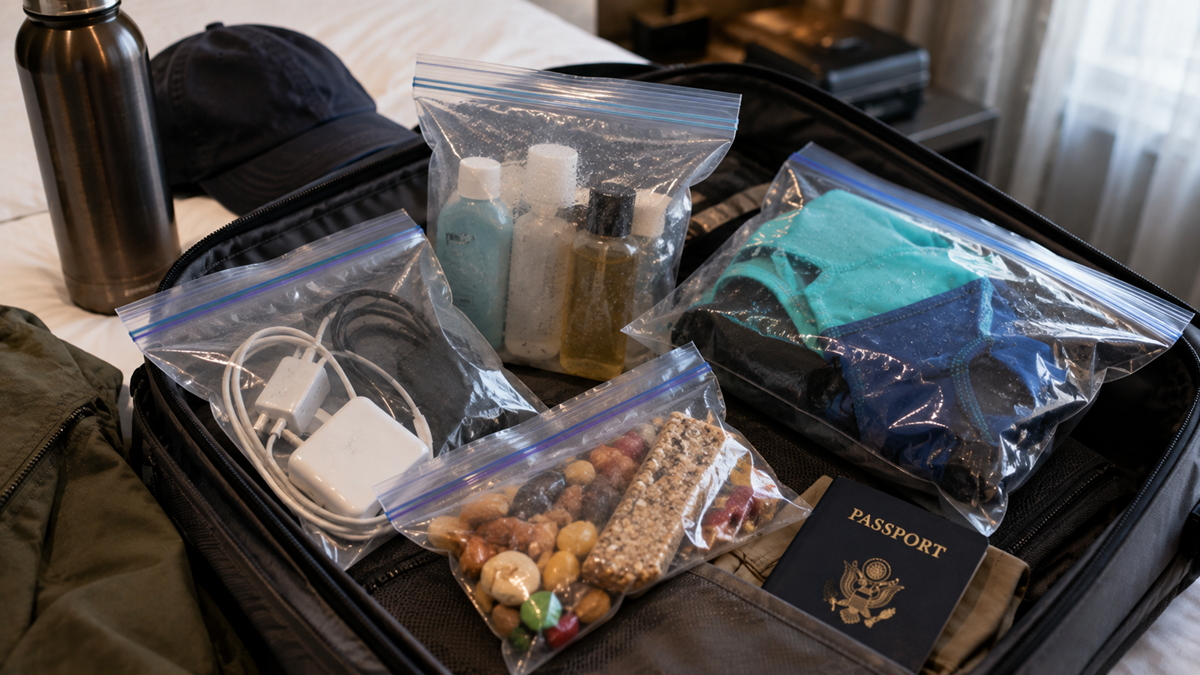
They weigh almost nothing and somehow keep finding jobs. Zip-top bags can isolate a leaking toiletry bottle, protect electronics from rain, hold wet swimwear, organize loose cables, store snacks, or keep a passport dry inside a day bag. Bringing two or three takes virtually no space.
Trending on The Scroller


6. A Portable Battery
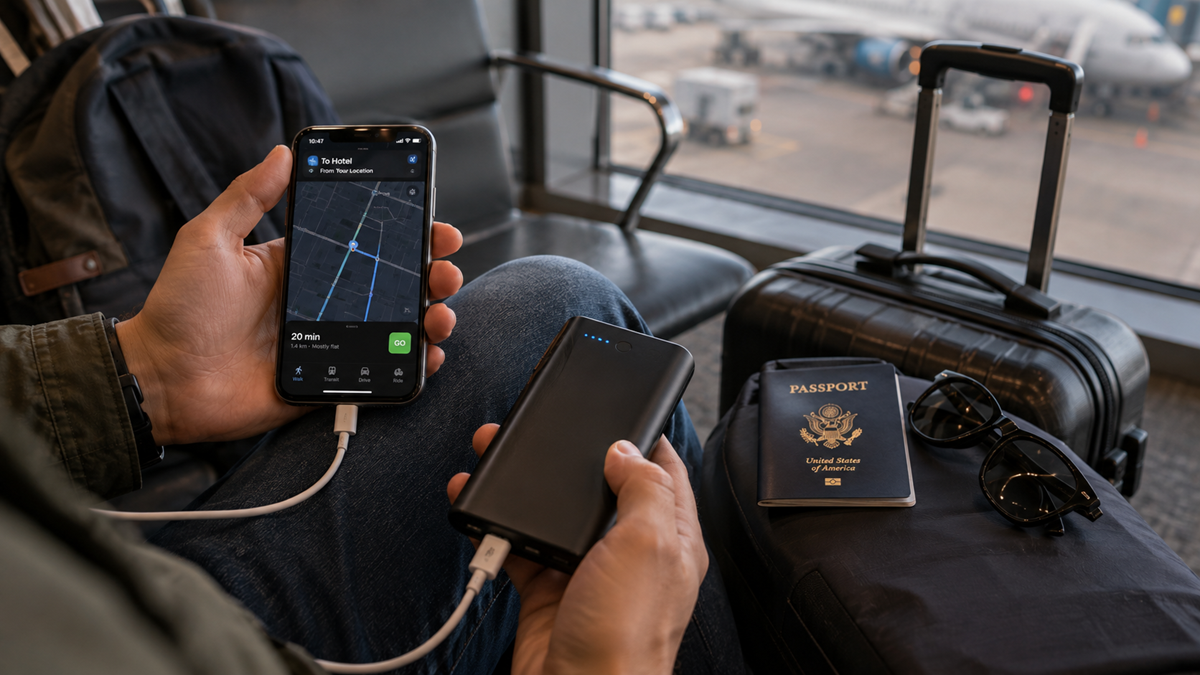
A phone is now a boarding pass, map, translator, camera, wallet, hotel key, and emergency contact device all at once. That makes a dead battery considerably more serious than it used to be. Frequent travelers tend to carry a charged power bank, especially on travel days when navigation and mobile data can drain a phone surprisingly fast.
7. Earplugs
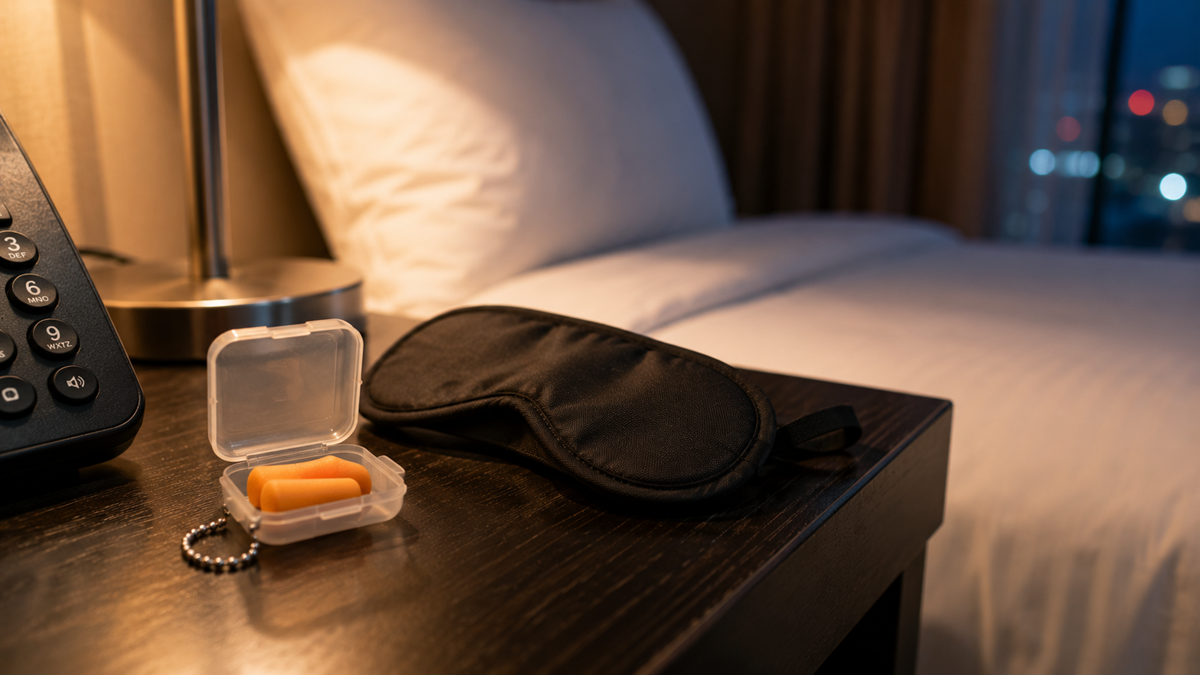
Hotel walls are not always as substantial as they look. Earplugs can rescue a night beside a busy road, a loud elevator, an enthusiastic hotel bar, or a neighboring room with a television running until 2 a.m. They also work on planes and trains, and a tiny pair takes less room than almost anything else in the bag.
8. A Lightweight Tote Bag
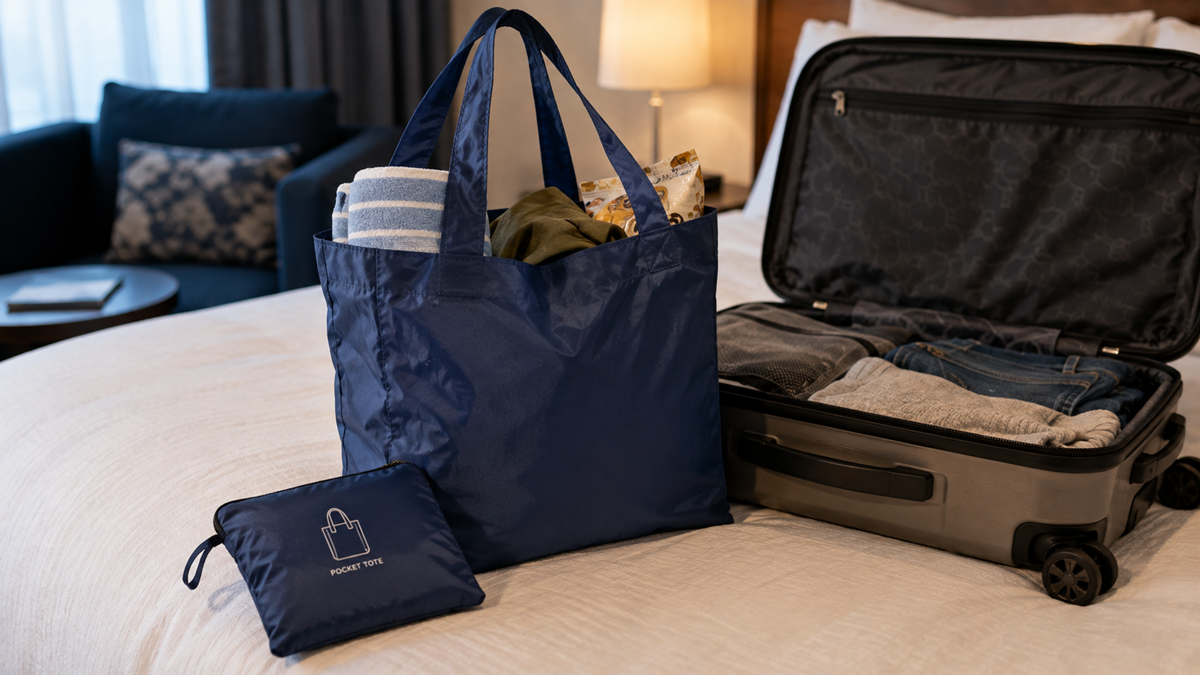
A foldable tote starts the trip looking unnecessary and usually earns its place before the return flight. It can become a grocery bag, beach bag, laundry carrier, temporary day bag, or overflow space when a suitcase has somehow become harder to close than it was at home. Frequent travelers often choose one that folds into its own pocket.
Sign up for our newsletter
9. A Basic Medication Kit
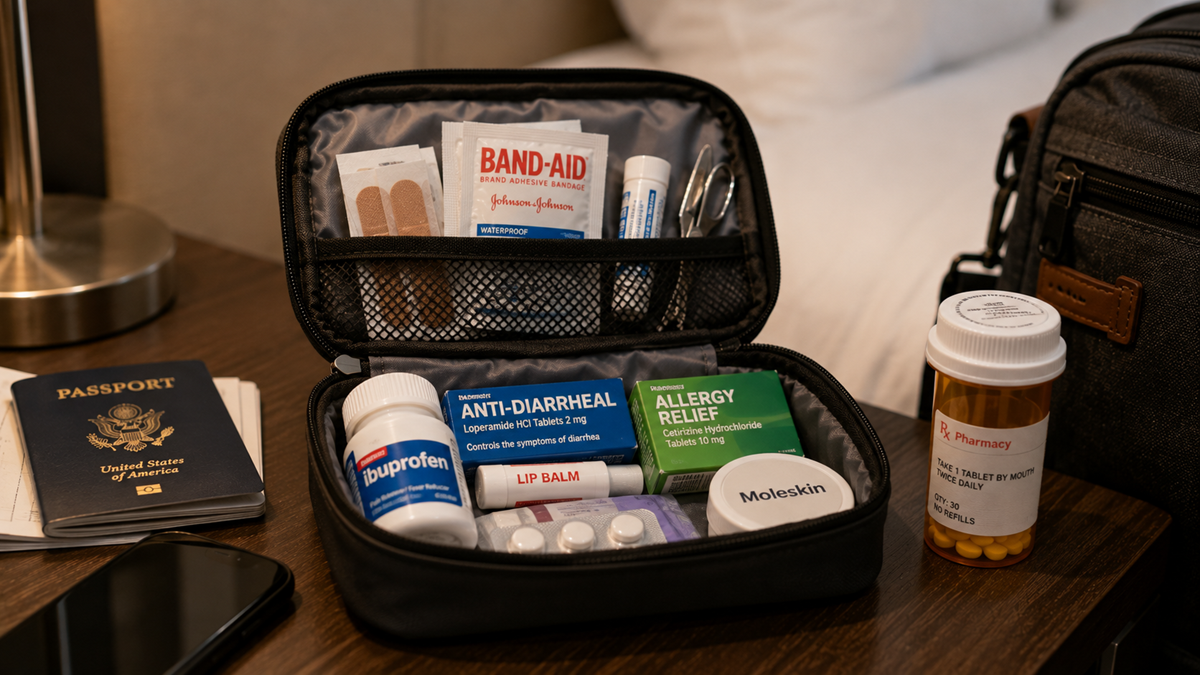
This does not need to resemble a field hospital. A few familiar over-the-counter basics, adhesive bandages, and any personal medications can prevent a minor headache, stomach problem, blister, or cold from turning into an afternoon spent searching for a pharmacy in an unfamiliar neighborhood. Travelers carrying prescription medication also tend to keep it in their hand luggage rather than checked baggage.
10. A Change of Clothes in the Carry-On
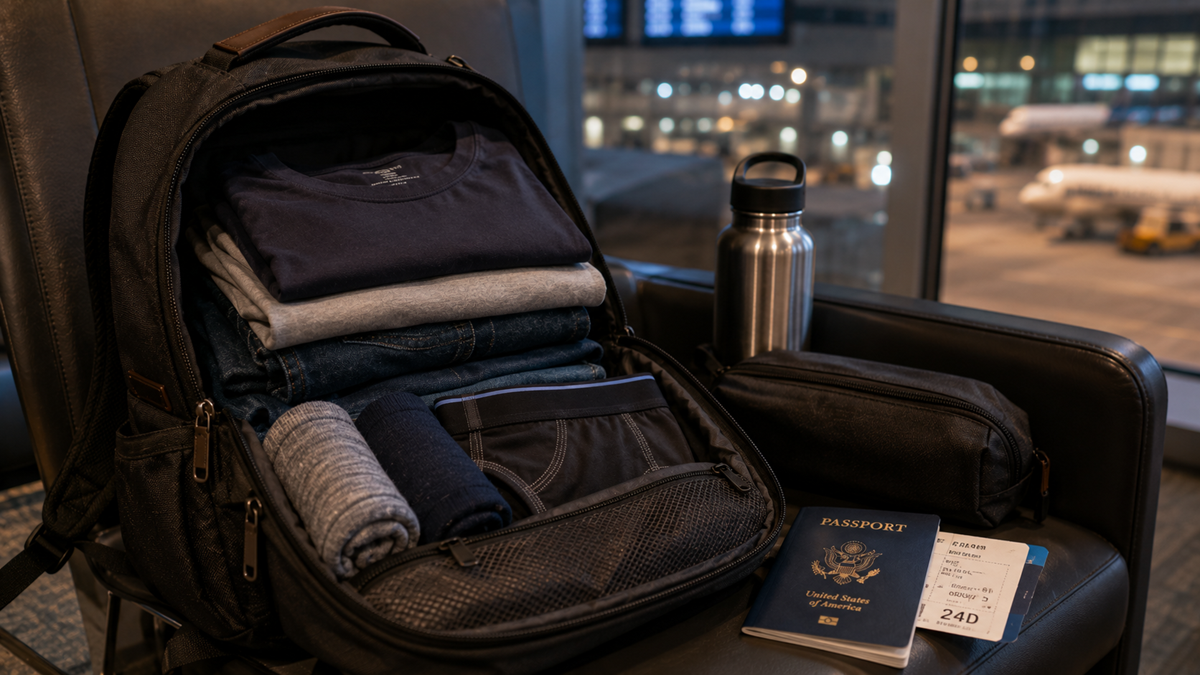
Lost luggage teaches this lesson quickly. Frequent flyers often keep clean underwear, socks, and at least one simple change of clothes in their personal bag, even when they plan to check a suitcase. If the checked bag takes an unexpected detour, the first night of the trip becomes much less unpleasant.
11. A Laundry Bag
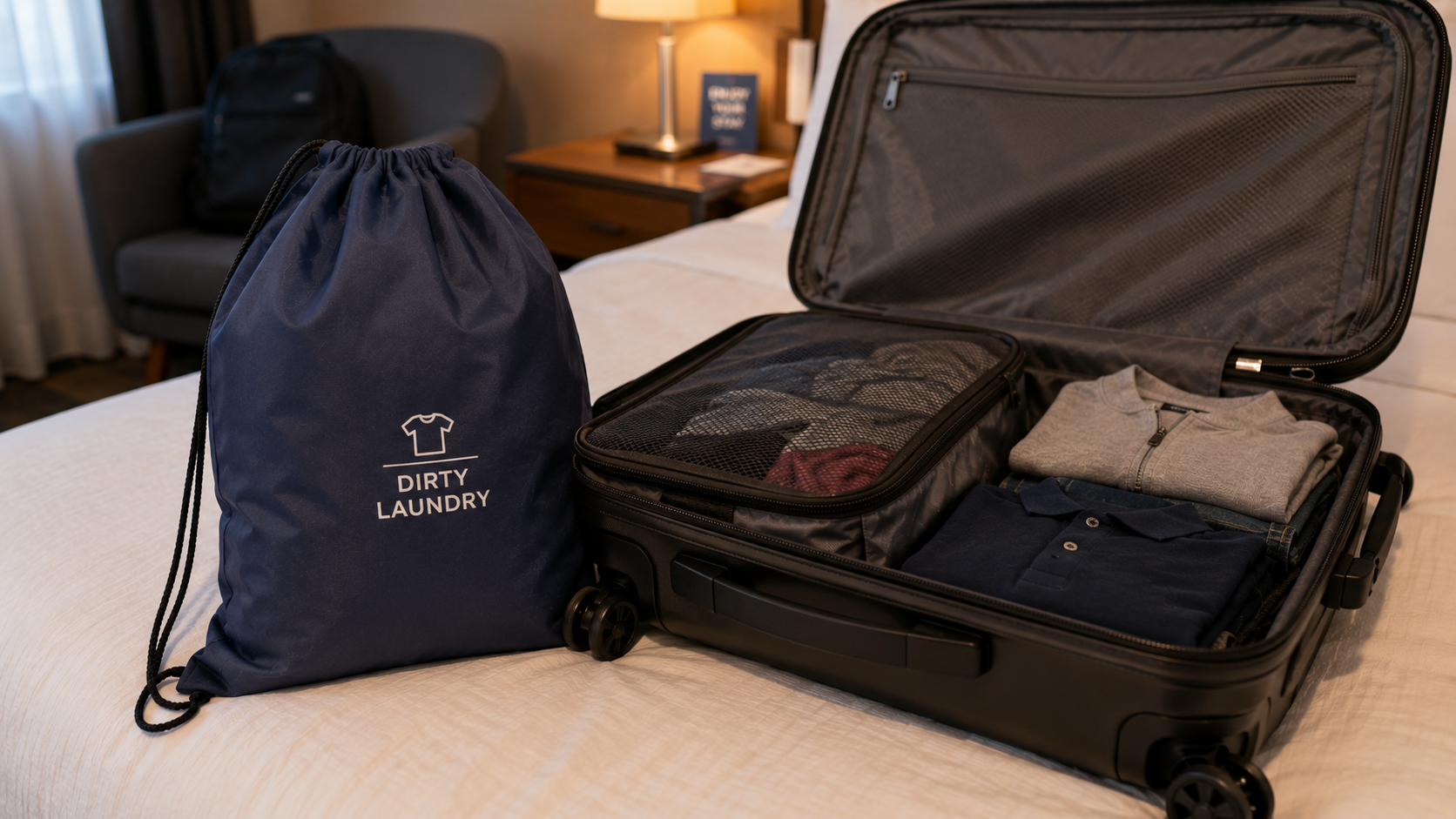
Without some kind of designated laundry bag, clean and worn clothes gradually merge into one increasingly questionable pile. A simple drawstring sack keeps them separated and makes unpacking much easier when the trip is over. Some travelers use a packing cube for the same purpose and let it slowly become the dirty-clothes cube during the journey.
12. A Tiny Roll of Tape
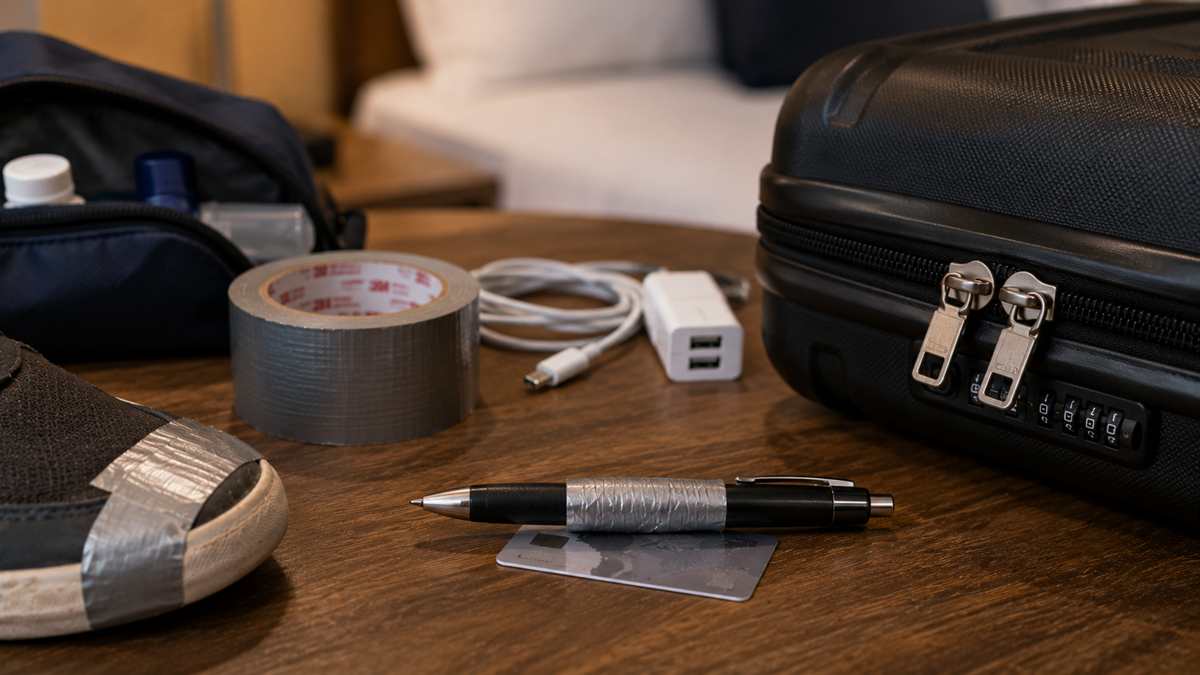
Tape is one of those objects nobody expects to use until a suitcase zipper, charging cable, shoe, package, or toiletry container suddenly needs a temporary repair. Frequent travelers sometimes wrap a small amount of duct tape around a pen or old card instead of carrying an entire roll. It is not elegant, but neither is arriving home with a suitcase held shut by optimism.
13. A Scarf or Lightweight Layer
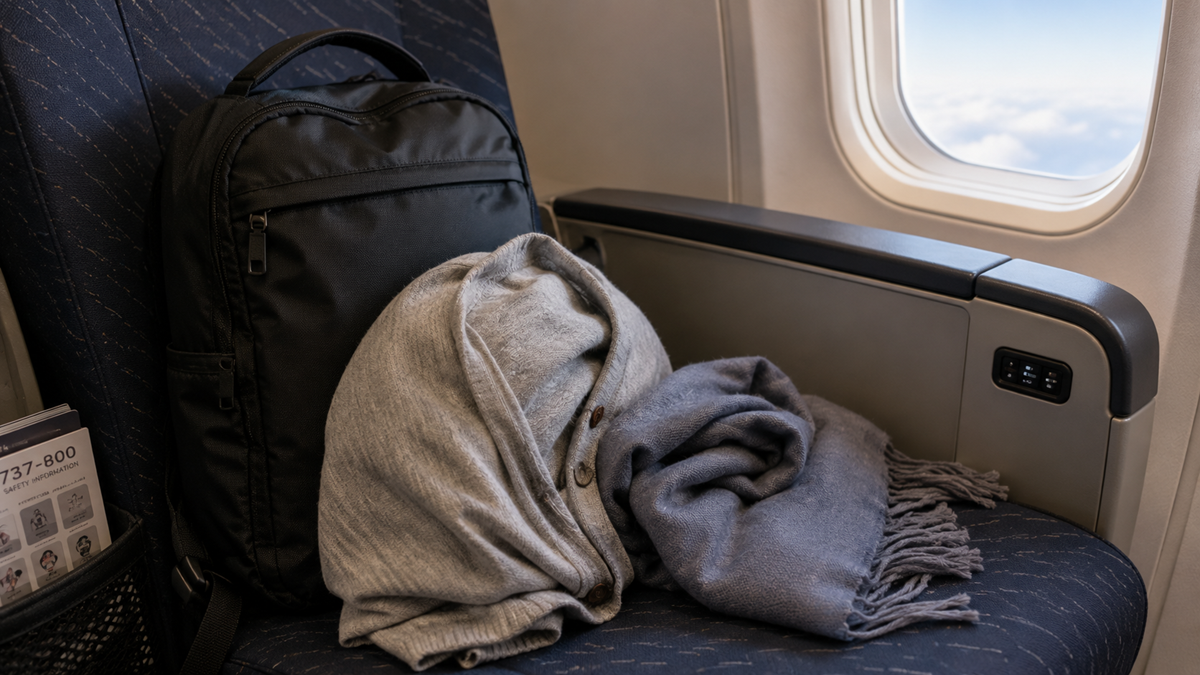
The weather outside may be hot while the plane cabin feels like refrigerated storage. A lightweight scarf, overshirt, or thin sweater handles aggressive air conditioning without consuming much luggage space. It can also double as a makeshift pillow, sun cover, or extra layer during an unexpectedly cool evening.
14. Offline Maps and Screenshots
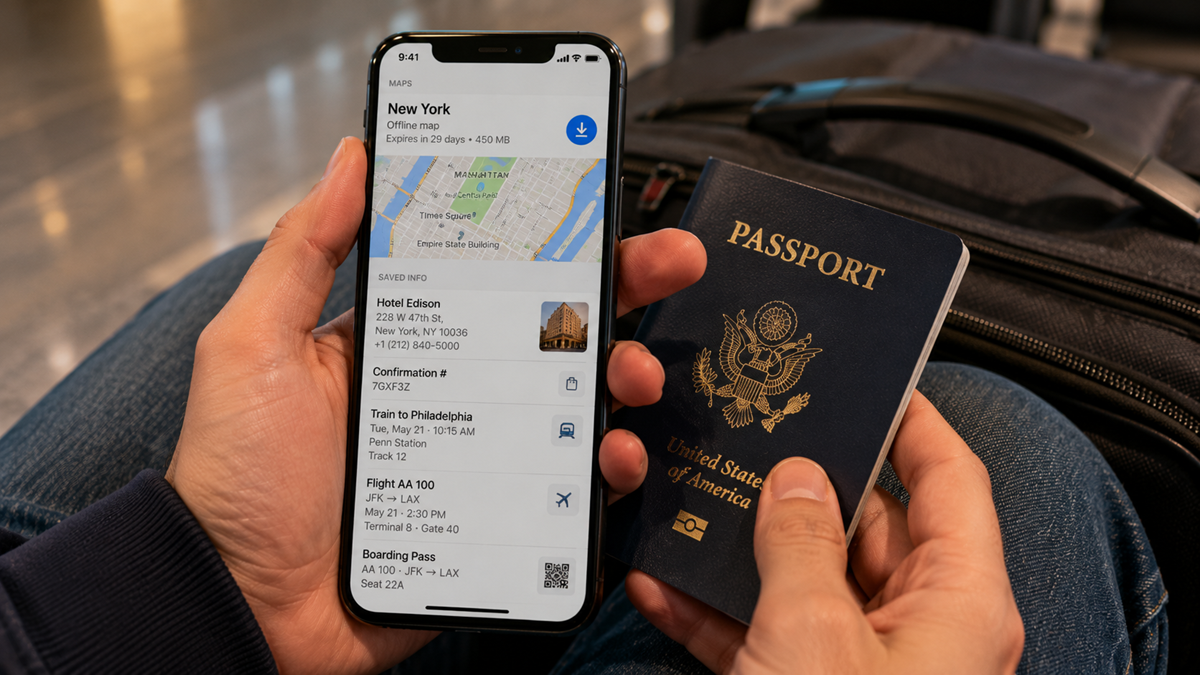
Technically, this one does not take up any suitcase space at all. Before leaving Wi-Fi, experienced travelers often download an offline map and screenshot important details such as hotel addresses, reservation numbers, train information, and boarding passes. Mobile service has a talent for disappearing at exactly the moment someone needs to figure out which direction the station is.
15. A Few Emergency Snacks
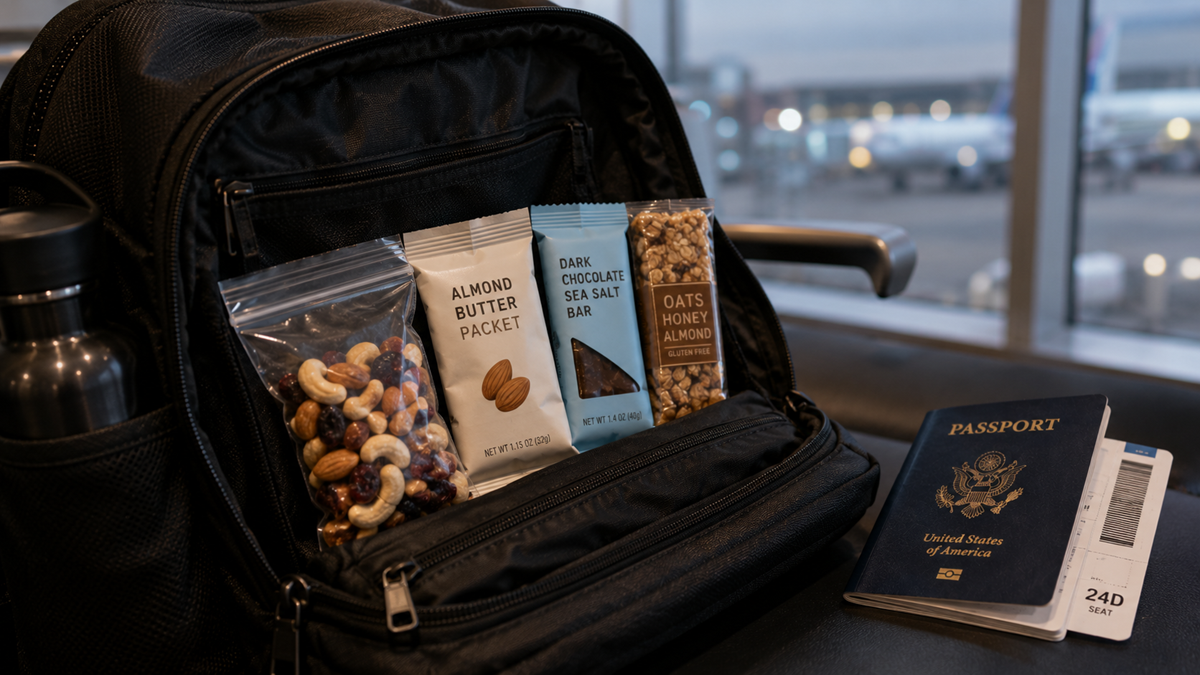
Frequent travelers learn not to assume food will appear exactly when expected. Flights get delayed, restaurants close, airport kitchens shut down, and trains sometimes arrive long after dinner. A couple of compact snacks can turn an irritating delay into something much more manageable, especially during long transfer days.
In the mood for more?
Check out 15 Travel Mistakes Beginners Make (and how to avoid them), or take a look at 15 Airport Experiences So Good Travelers Arrive Early. If you want to see more travel stories, you can check out 15 Travel Destinations That Used to Be Completely Off-Limits to Tourists.
Images generated by AI