The nineteen-sixties are often celebrated as a golden era of automotive innovation, defined by sleek muscle cars, radical body designs, and powerful V8 engines. However, beneath the glitz of glamorous showroom unveilings, several ambitious classic cars suffered rocky debuts that nearly derailed their reputations. Automakers pushed the boundaries of technology and styling so rapidly that many new releases debuted with severe mechanical flaws, awkward proportions, or poor marketing strategies.
Understanding why these nineteen-sixties cars stumbled at launch offers a fascinating look into the high-stakes world of mid-century vehicle manufacturing. From dangerous handling quirks that sparked national safety investigations to groundbreaking rotary engines that melted their own seals, these early failures forced manufacturers to adapt quickly. Here are sixteen classic vehicles from the decade that faced serious struggles upon launch and the surprising reasons why.
1. Chevrolet Corvair
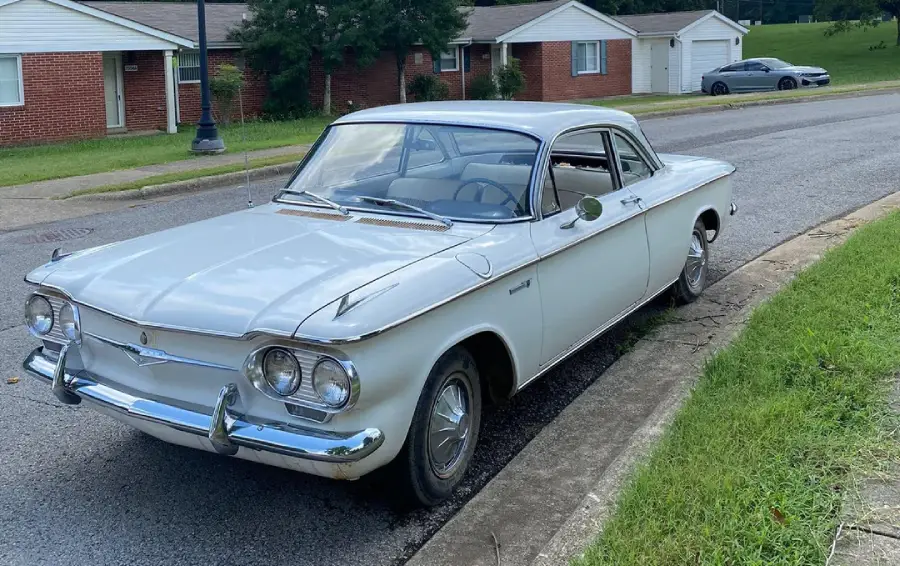
Unveiled with an innovative rear-mounted, air-cooled engine, the Corvair suffered immediate backlash due to its initial swing-axle rear suspension design. Under sharp cornering, the rear tires could tuck under the body, leading to unpredictable handling that eventually made the vehicle the prime target of Ralph Nader’s book Unsafe at Any Speed.
2. Ford Edsel – 1960
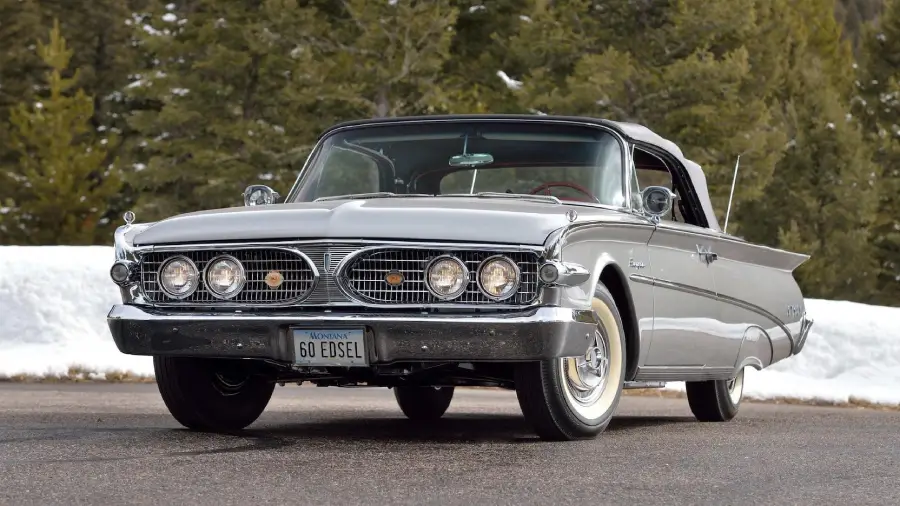
Although launched in late 1957, the Edsel dragged its disastrous reputation directly into the 1960 model year before Ford abruptly pulled the plug. Mechanics struggled with rushed factory assembly quality, while consumers deeply disliked the controversial vertical horse-collar front grille design that cost Ford hundreds of millions in losses.
3. NSU Ro 80
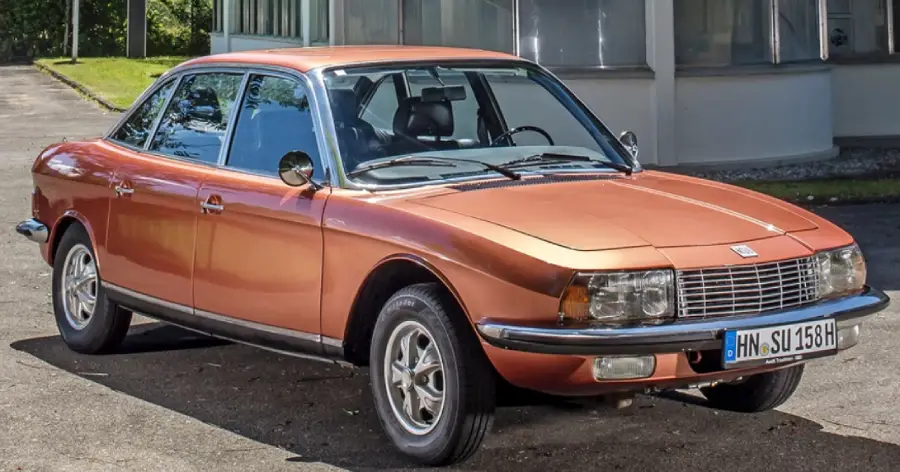
This forward-thinking German sedan debuted with a revolutionary twin-rotor Wankel engine, but its apex seals wore out after just twenty thousand miles. Early buyers experienced catastrophic engine failures so frequently that drivers routinely greeted each other on the road by holding up fingers to show how many replacement engines their car was on.
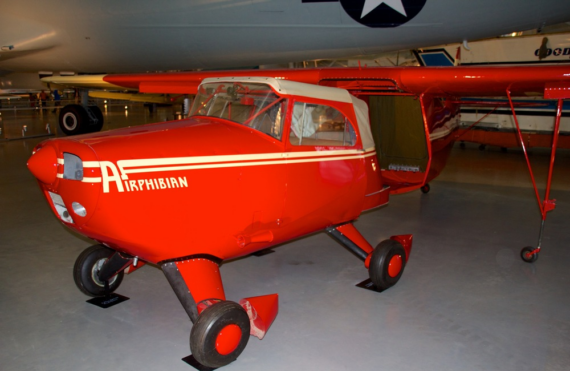
4. Amphicar Model 770
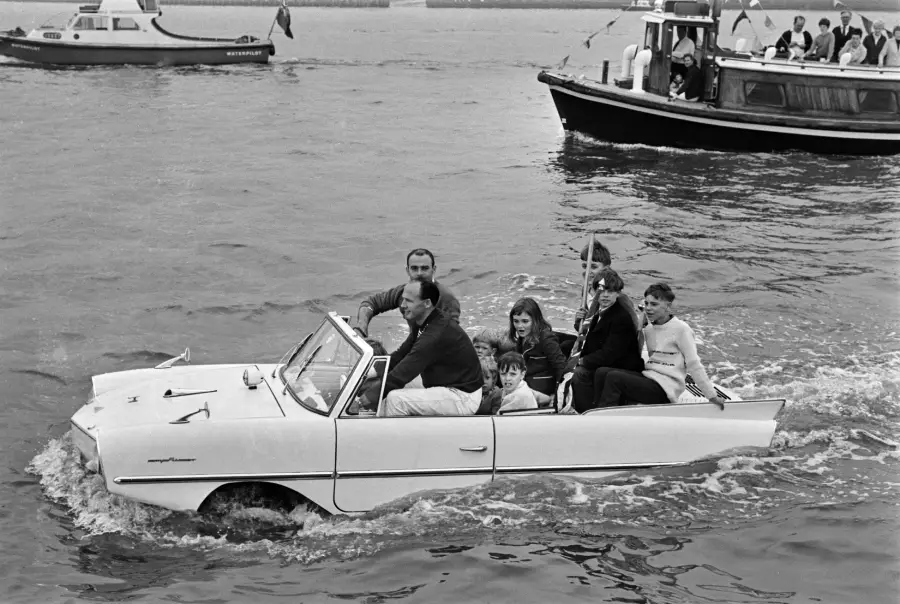
Promoted as the ultimate amphibious vehicle capable of driving on roads and cruising across lakes, the Amphicar performed both tasks rather poorly. Its heavy steel body made it sluggish on land, and if the bilge pump failed or the door seals leaked while in the water, the vehicle sank straight to the bottom.
5. Pontiac Tempest – 1961
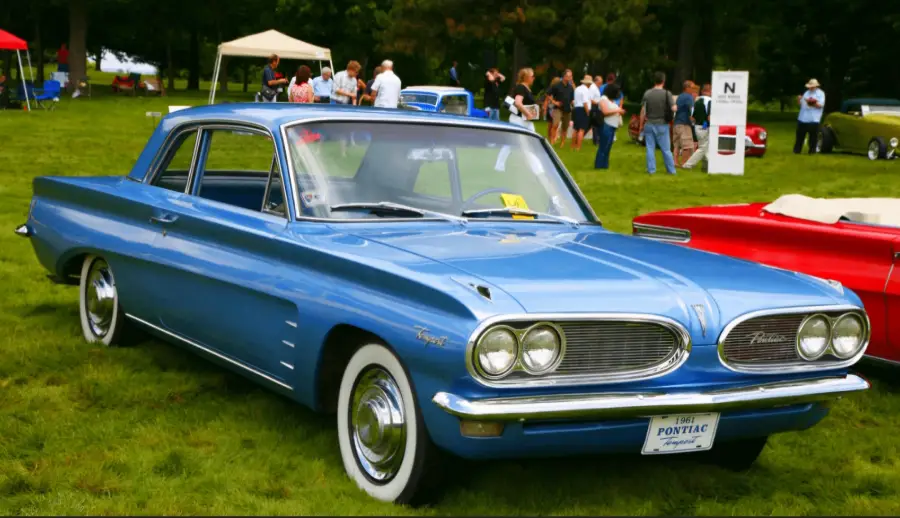
Featuring an innovative flexible driveshaft nicknamed the rope drive alongside a rear transaxle, the early Tempest promised perfect weight distribution. However, the experimental driveshaft produced intense, uncomfortable cabin vibrations at highway speeds that terrified early buyers until engineers revised the rubber mounting system.
Trending on The Scroller
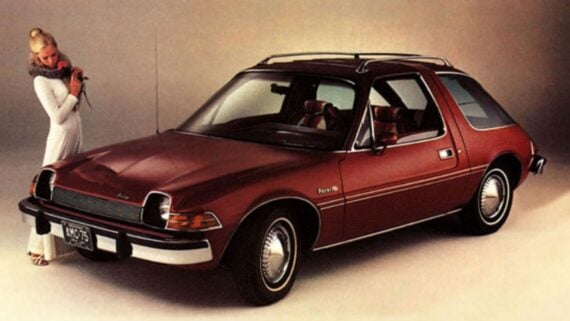

6. Chrysler Turbine Car
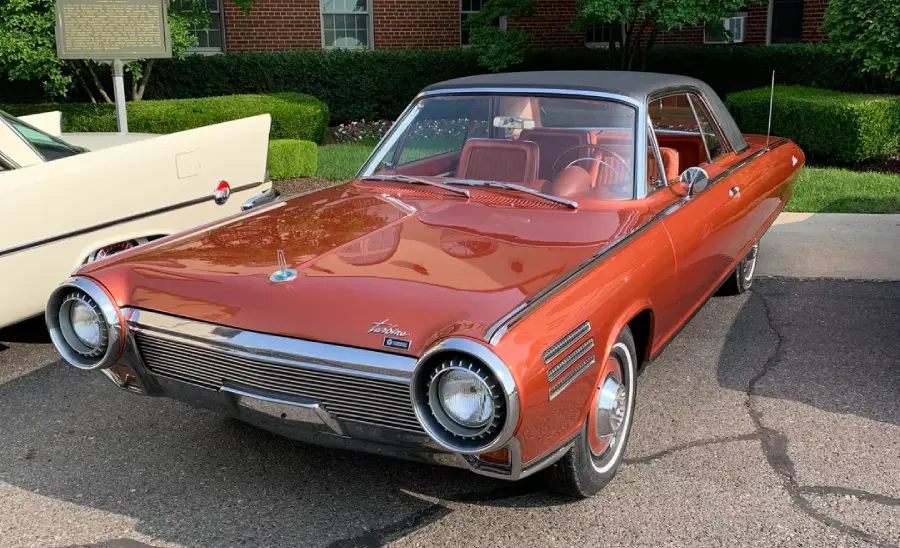
Chrysler distributed fifty-five experimental turbine-powered coupes to selected members of the public in 1963 to test daily drivability. While the engine could run on anything from diesel to tequila, it suffered from severe throttle lag, terrible fuel economy, and exhaust so blisteringly hot it melted the asphalt behind it at stoplights.
7. Renault Dauphine

Imported to North America in massive quantities during the early 1960s, the Dauphine struggled to handle American highway speeds and long-distance driving demands. Its thin sheet metal rusted at an alarming rate, and its tiny four-cylinder engine took over twenty-two seconds to reach sixty miles per hour.
8. Austin America
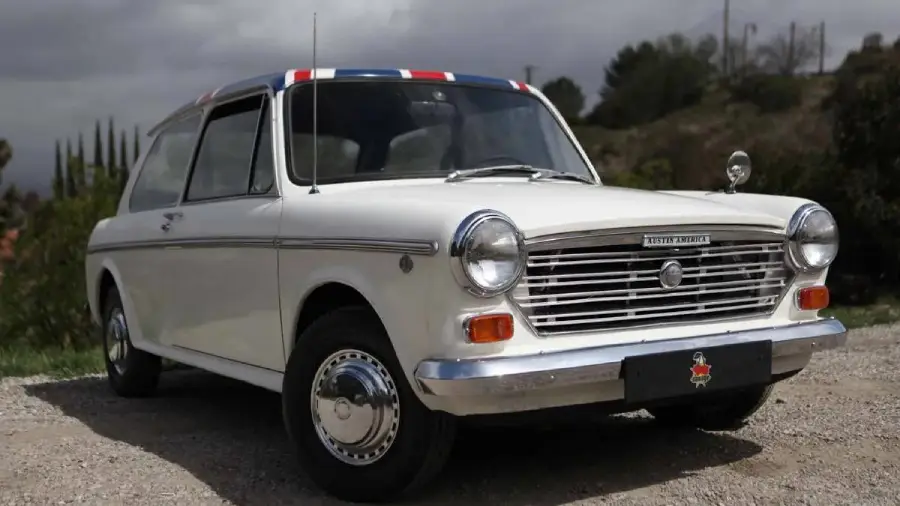
Designed specifically to crack the North American compact vehicle market, the Austin America arrived with a sophisticated fluid suspension system that proved completely unreliable. The early automatic transmissions failed prematurely, and the car’s electrical components frequently shorted out when exposed to rain or road salt.
Sign up for our newsletter
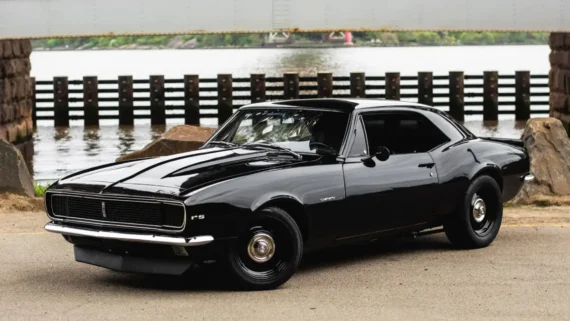
9. Chevrolet Camaro – 1967
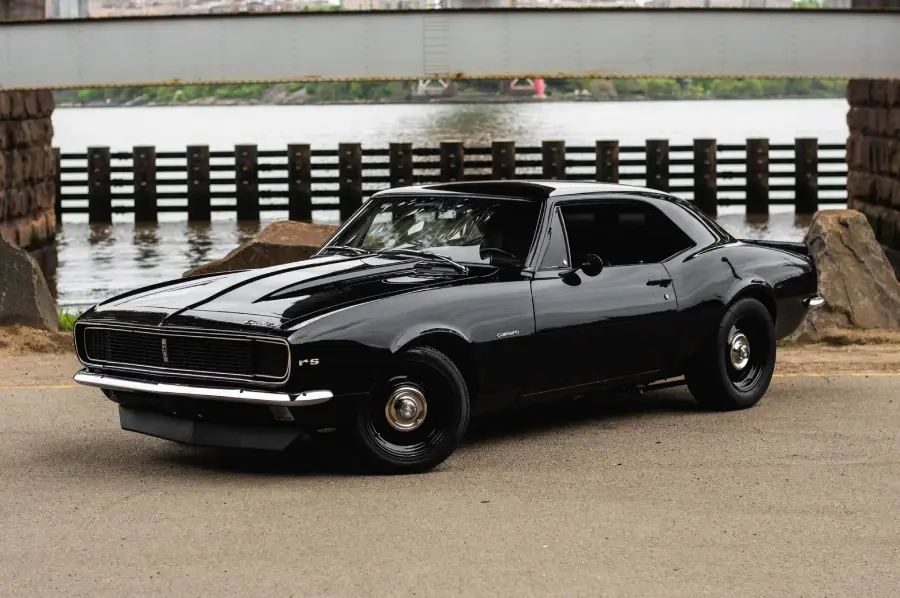
Rushed into production to compete directly with the wildly successful Ford Mustang, early 1967 Camaros suffered from severe rear-wheel hop under hard acceleration. Chevy engineers had to quickly introduce staggered rear shock absorbers mid-year to stabilize the rear axle during performance launches.
10. Triumph TR7
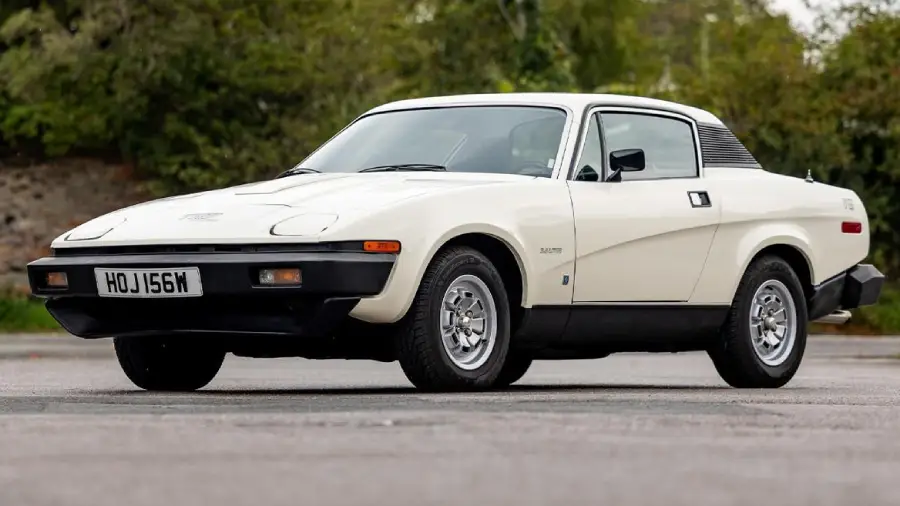
Though officially launching in the mid-1970s, late-1960s development and early production runs suffered immensely from severe labor strikes across British Leyland factories. The resulting early units suffered from atrocious build quality, frequent electrical failures, and pop-up headlights that permanently stuck in the open position.
11. Dodge Charger – 1966
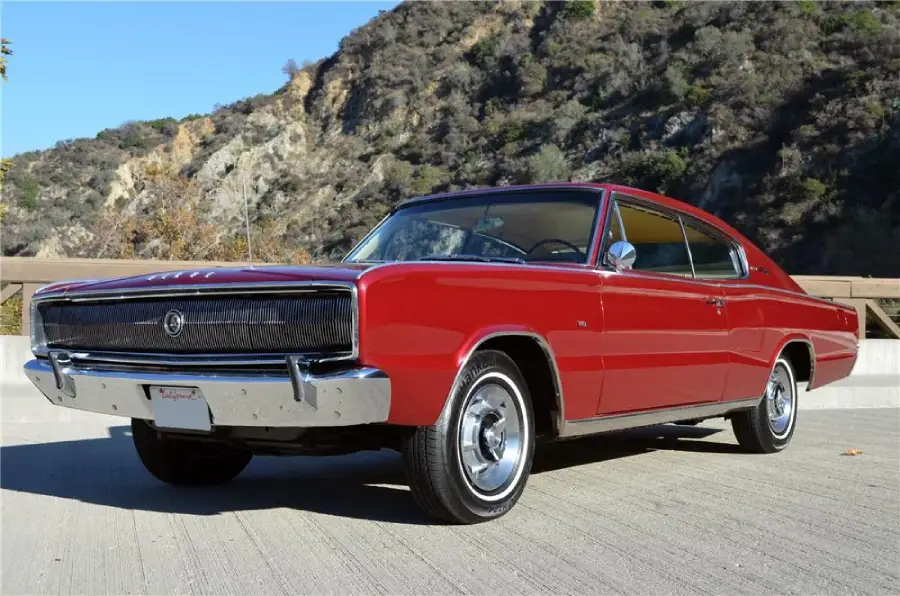
When the first-generation Charger debuted with its sleek fastback roofline, NASCAR drivers quickly discovered a terrifying aerodynamic flaw at high speeds. The fastback shape created tremendous rear lift on racetracks, forcing Dodge to add a rear spoiler to keep the back tires planted on the pavement.
12. Fiat 850 Spider
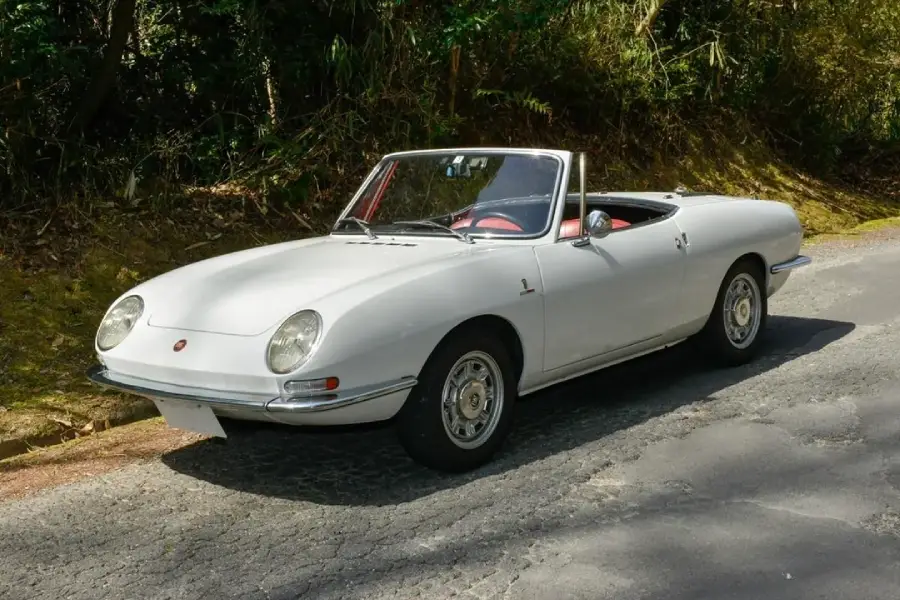
Designed by Bertone, this stylish Italian convertible offered gorgeous styling at an affordable price point, but its lightweight body lacked structural rigidity. Early models suffered from extreme frame flex on bumpy roads, causing the convertible tops to pop loose and doors to jam shut while driving.
13. Plymouth Barracuda – 1964
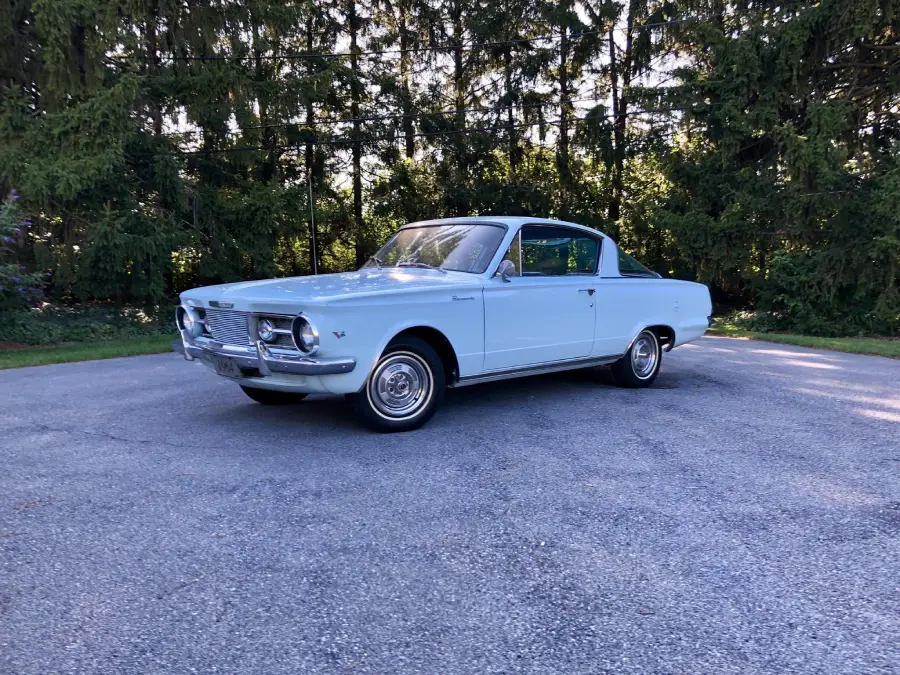
Debuting just two weeks before the Ford Mustang, the original Barracuda featured the largest single piece of glass ever installed on a production car for its rear window. However, the massive glass panel made the cabin swelteringly hot in the summer and added excess weight to the rear of the vehicle.
14. Subaru 360

Imported to the United States in 1968 as a budget microcar, the tiny Subaru 360 weighed under one thousand pounds and featured backward-opening suicide doors. Consumer Reports declared the car explicitly unsafe after a crash test, stating that the bumper aligned directly with the headlights of standard American vehicles.
15. Oldsmobile Toronado – 1966
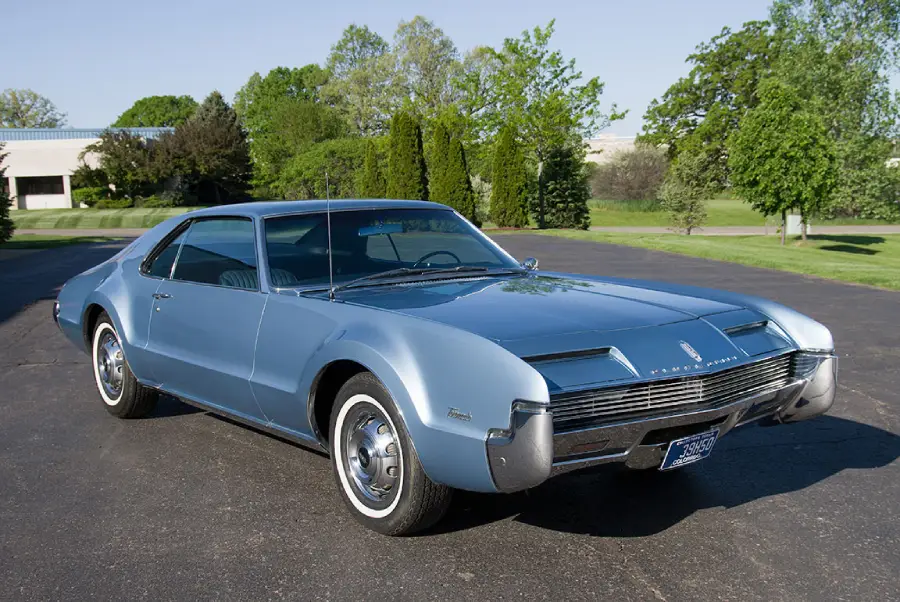
As the first American front-wheel-drive car in decades, the heavy Toronado, packing a massive V8 engine, pushed sixties tire technology past its absolute limits. Early owners reported severe front tire wear within a few thousand miles and experienced noticeable brake fade during heavy stopping.
16. Jaguar XJ6 – 1968
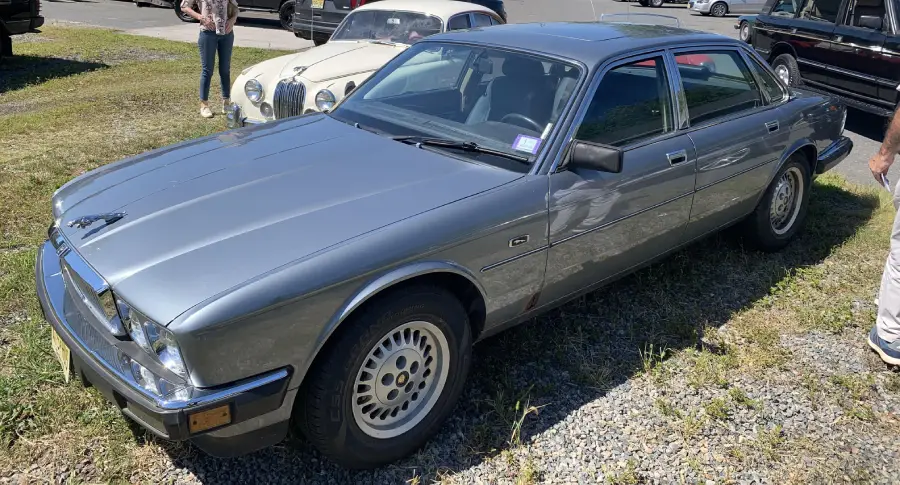
While praised by journalists for its smooth ride and handling, Jaguar’s complex dual-fuel tank delivery system confused new owners and frequently clogged. Furthermore, early production units suffered from severe overheating issues due to undersized cooling fans installed in the engine bay.
Want to see more cool cars from the past?
Exploring the design flaws, mechanical glitches, and engineering oversights of these classic vehicles highlights just how challenging automotive innovation truly was in decades past. The ways manufacturers corrected these early blunders paved the way for modern automotive safety and performance standards. If you love discovering classic automotive stories, vintage pop-culture archives, and retro deep dives, be sure to check out these 14 Unusual 1960s Cars That Turned Heads, or 20 Cool Cars That Defined the Nineties. You may also like these 20 of the Ugliest Cars from the 1970s.