Many everyday items, tools, and foods carry names so familiar that we rarely stop to consider where those words originated. Across history, pioneering scientists, engineers, and creative thinkers attached their surnames to groundbreaking ideas, forever linking their personal legacies with daily household objects. From crucial medical machinery and military gear to popular snacks and leisure items, these inventions transformed global industry while turning their creators into permanent entries in the modern dictionary.
Tracing the origins of eponyms reveals surprising historical stories, personal rivalries, and unexpected moments of inspiration. In some cases, the inventors eagerly attached their names to market their products, while in other instances, the public simply adopted the creator’s name as shorthand for a revolutionary new process. Exploring these famous historical figures and their lasting contributions provides a fascinating look at how personal identity shapes the language of everyday life. Here are sixteen famous creations named directly after the people who brought them to life.
1. The jacuzzi
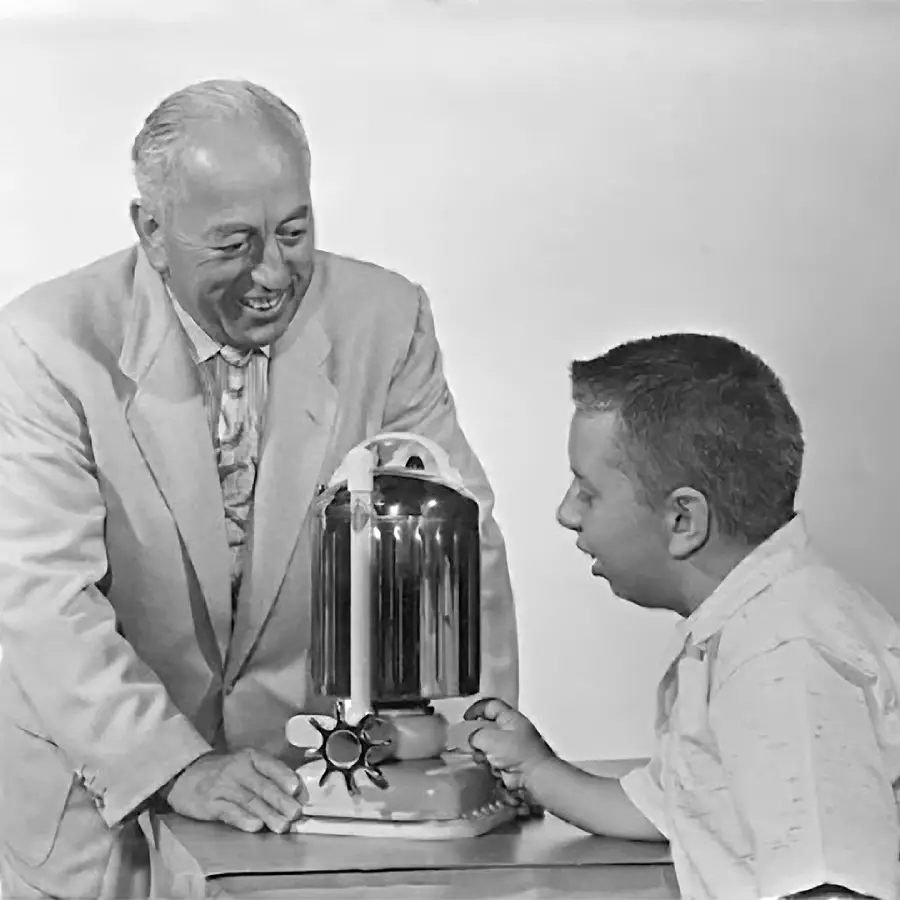
Italian immigrant Candido Jacuzzi invented the portable hydrotherapy pump in 1948 to relieve his toddler son Kenneth’s severe juvenile rheumatoid arthritis. The family company later transformed the medical device into an iconic luxury whirlpool bath for residential homes during the late 1960s.
2. The Morse code
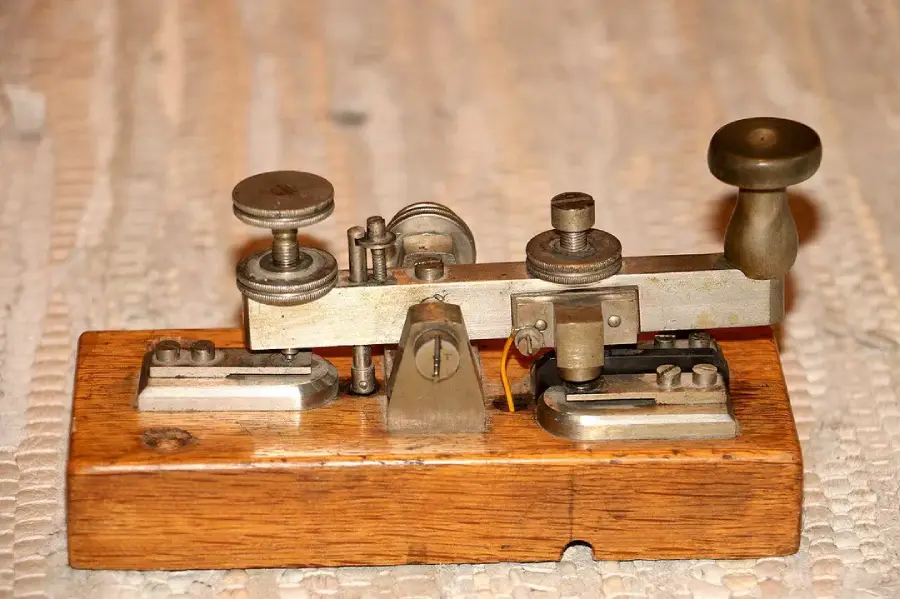
American painter turned inventor Samuel Morse co-developed this revolutionary communication system in the 1830s alongside Alfred Vail. Morse’s system represented letters using short and long pulses of electric current, making long-distance telegraphy practical for the first time in human history.
3. The sandwich
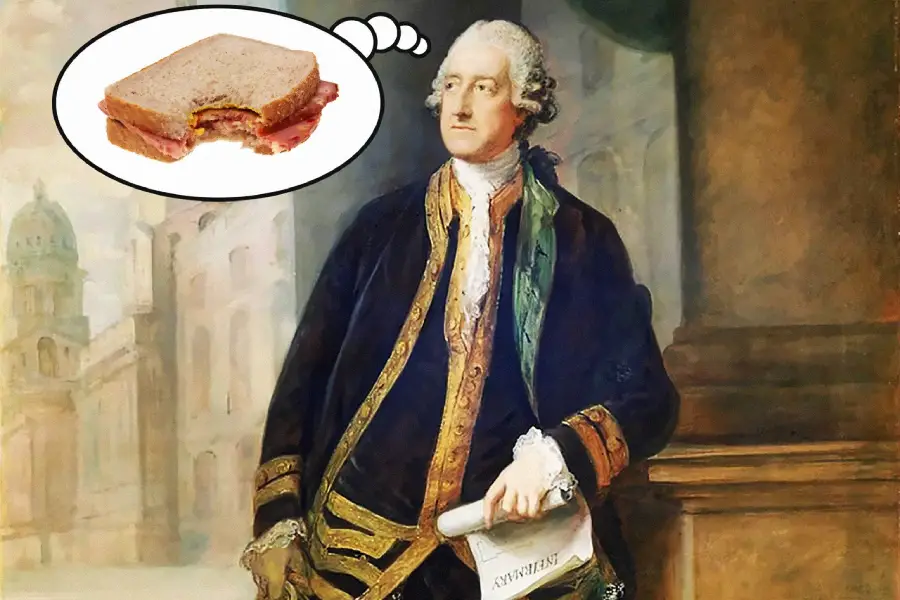
John Montagu, the 4th Earl of Sandwich, popularized holding meat between two slices of bread in 1762 so he could eat without leaving his gambling table or getting grease on his playing cards. While people had eaten bread and meat together before, Montagu’s social prominence gave the quick meal its lasting name.
4. The Braille system
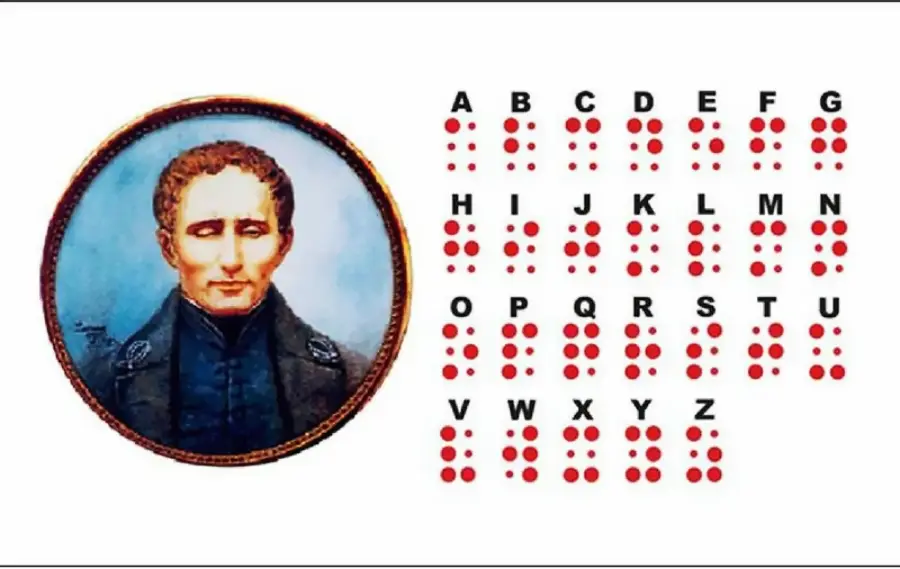
French educator Louis Braille developed the raised-dot tactile writing system in 1824 when he was just fifteen years old. Blinded in one eye during a childhood workshop accident, he based his system on a tactile military code created for soldiers communicating quietly in the dark.
5. The Diesel engine
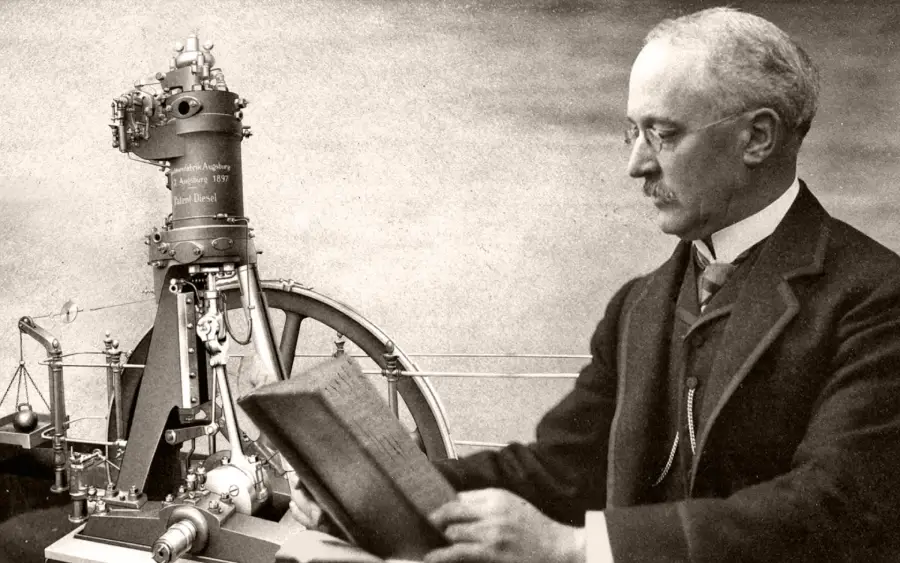
German mechanical engineer Rudolf Diesel patented his heavy-oil internal combustion engine in 1893, achieving significantly higher efficiency than contemporary steam engines. His sudden, mysterious death aboard a passenger steamer in 1913 occurred just as his engine was revolutionizing global maritime transport.
Trending on The Scroller
6. The guillotine
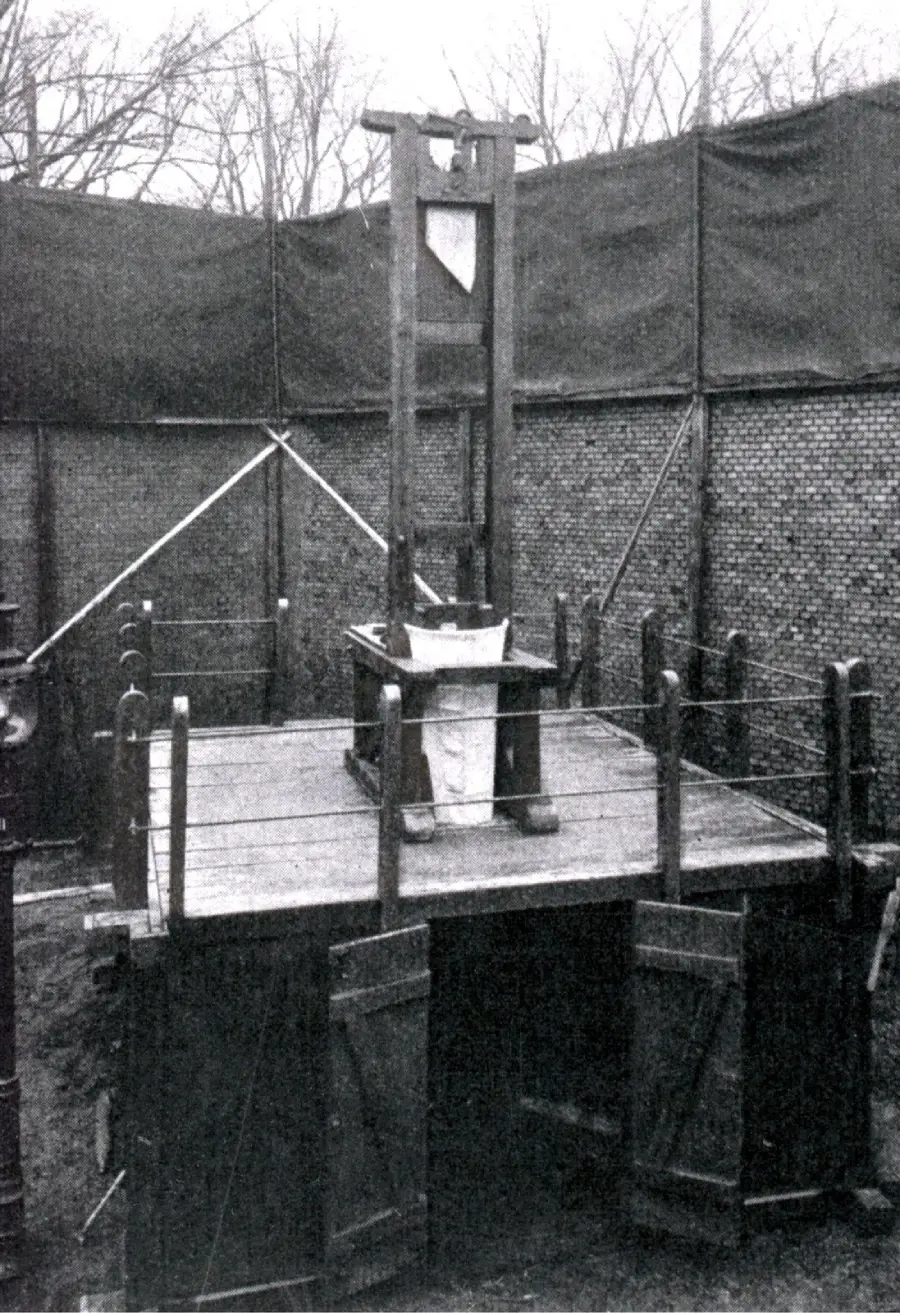
French physician Joseph-Ignace Guillotin proposed using a mechanical blade for capital punishment in 1789, aiming to create a humane and equal method of execution for all social classes. Ironically, Guillotin himself did not invent the machine, and his family was so distressed by the association that they petitioned the government to change the device’s official name.
7. The Heimlich maneuver
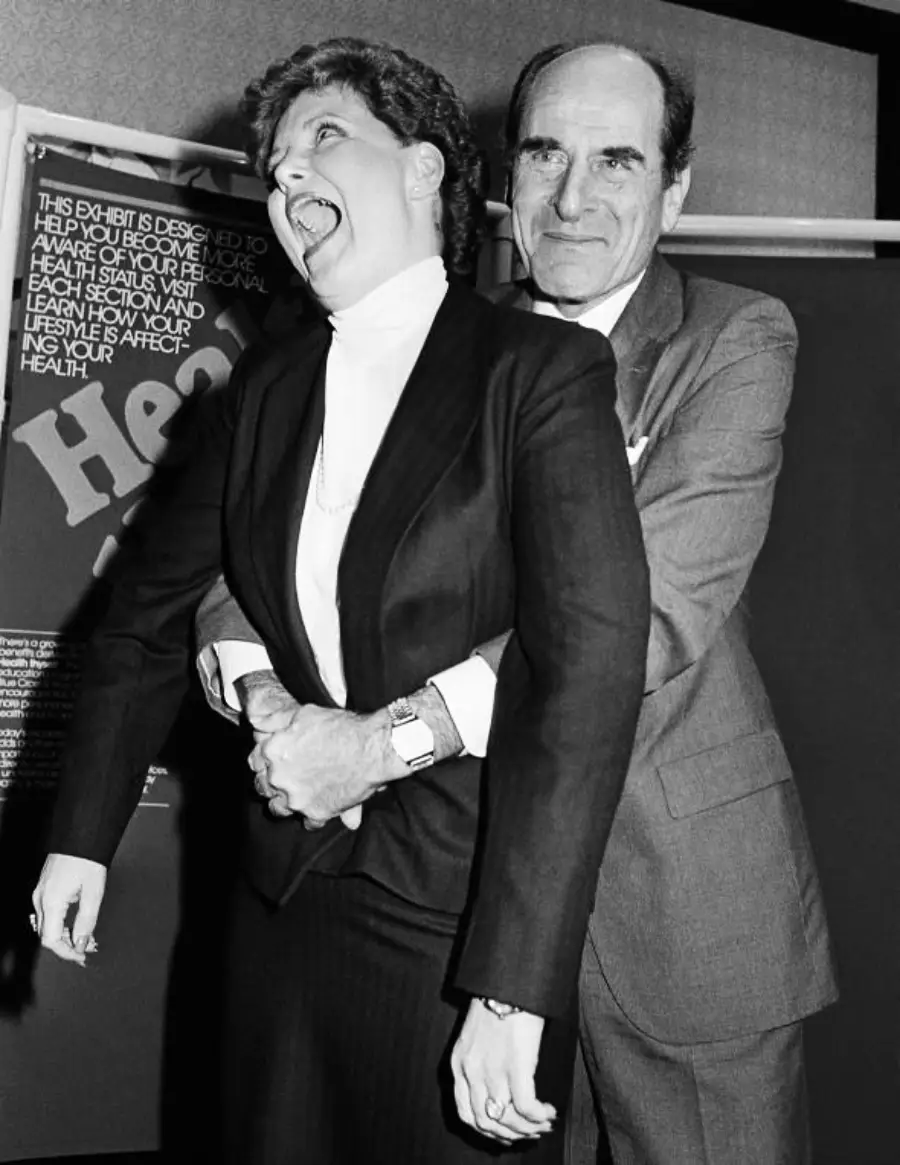
American thoracic surgeon Henry Heimlich published his groundbreaking abdominal thrust technique in 1974 to dislodge foreign objects from choking victims’ airways. Heimlich controversially used the technique himself for the first recorded time at age 96 to save a fellow nursing home resident in 2016.
8. The Ferris wheel
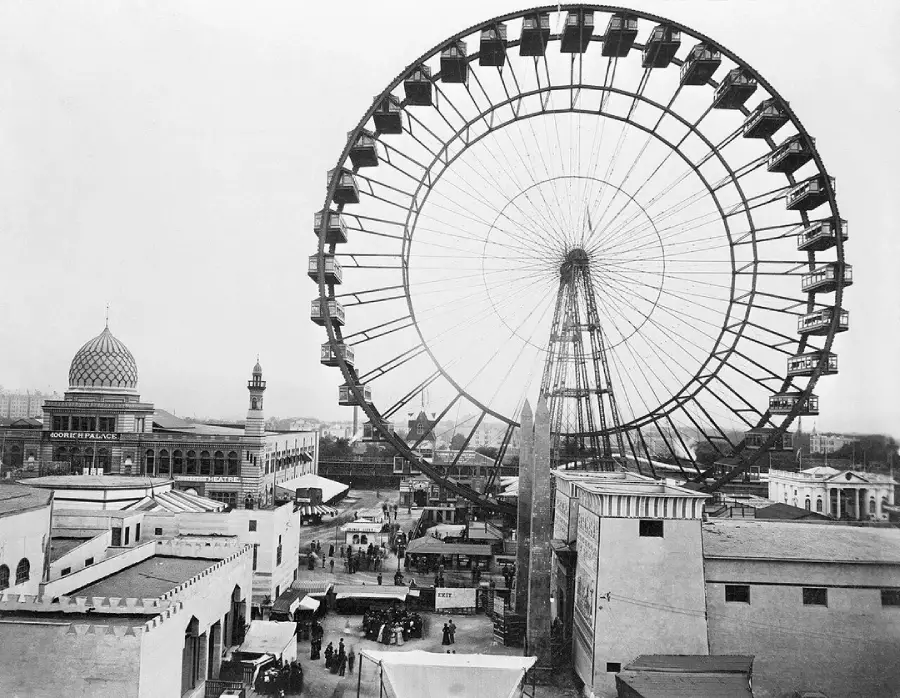
Civil engineer George Washington Gale Ferris Jr. designed the original 250-foot steel observation wheel for the 1893 World’s Columbian Exposition in Chicago. Created to rival Paris’s newly built Eiffel Tower, the massive structure featured thirty-six car enclosures capable of carrying over two thousand passengers at once.
Sign up for our newsletter
9. The saxophone
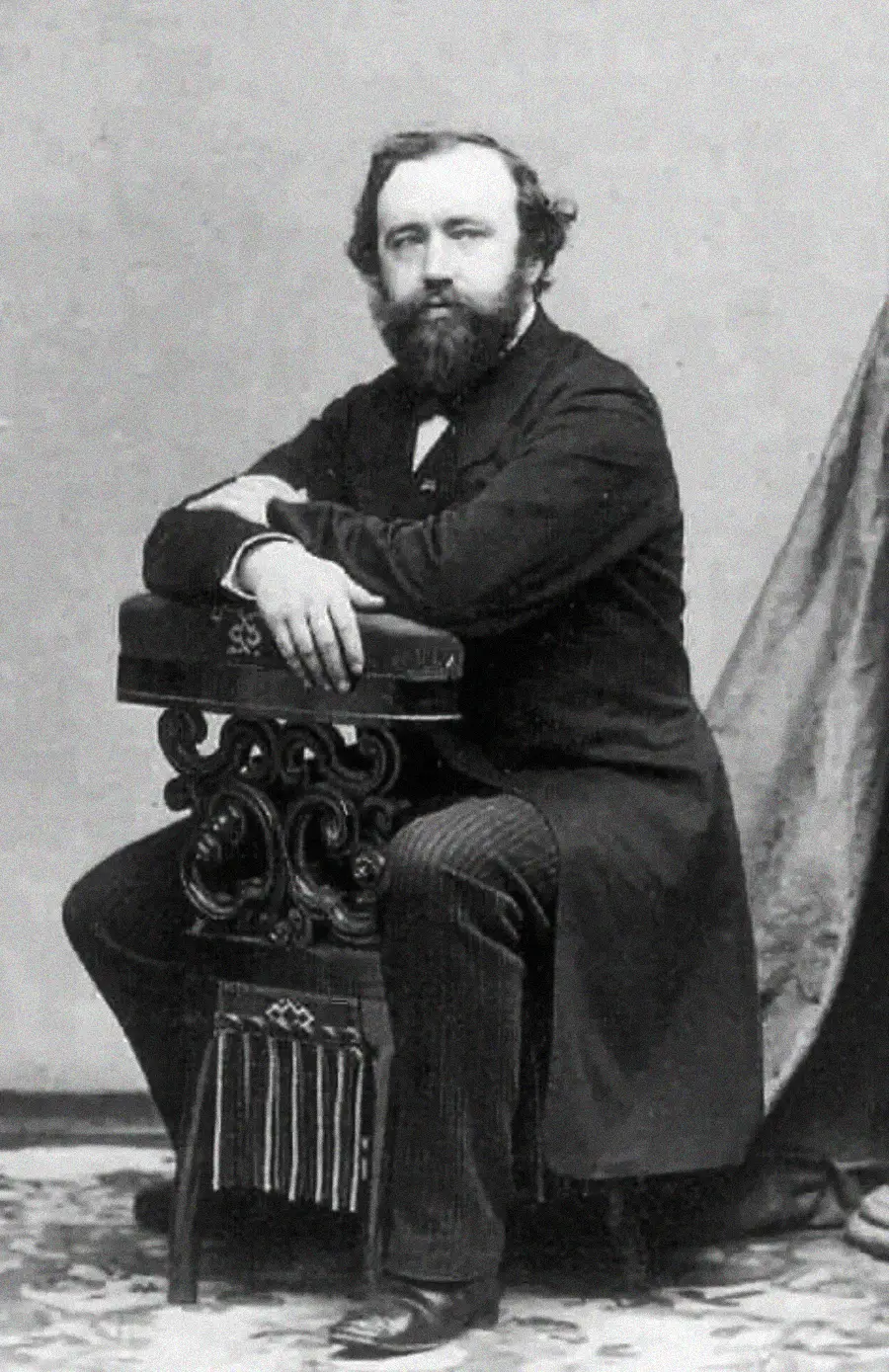
Belgian instrument maker Adolphe Sax patented the saxophone in 1846, designing it to bridge the acoustic tonal gap between brass and woodwind instruments. His fierce competition with rival French instrument builders led to dozens of patent lawsuits and multiple bankruptcy filings throughout his career.
10. The Mason jar
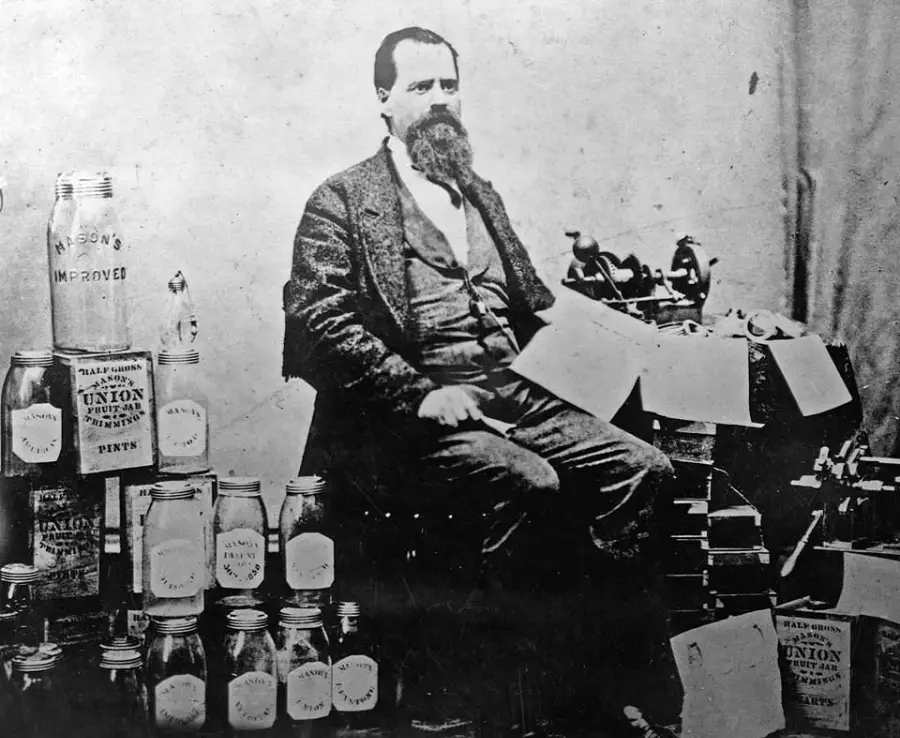
American tinsmith John Landis Mason patented the molded glass screw-top food preservation jar in 1858, featuring a threaded zinc lid that created an airtight seal. Mason failed to patent the rubber sealing ring that made the jar truly reliable, missing out on massive commercial profits before his patent expired.
11. The Molotov cocktail

Finnish soldiers coined this sarcastic term during the Winter War of 1939 to mock Soviet Foreign Minister Vyacheslav Molotov. When Molotov claimed Soviet bombers were dropping food baskets over Finland, the Finns responded by crafting improvised incendiary bottles as “a drink to go with the food.”
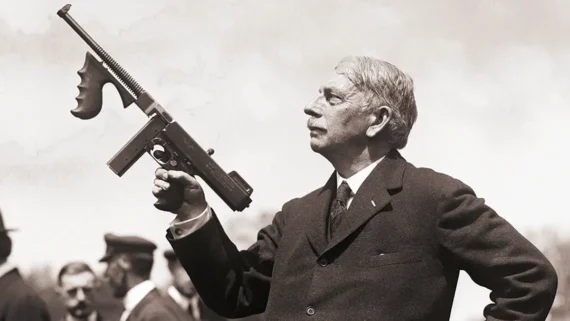
12. The Tommy gun
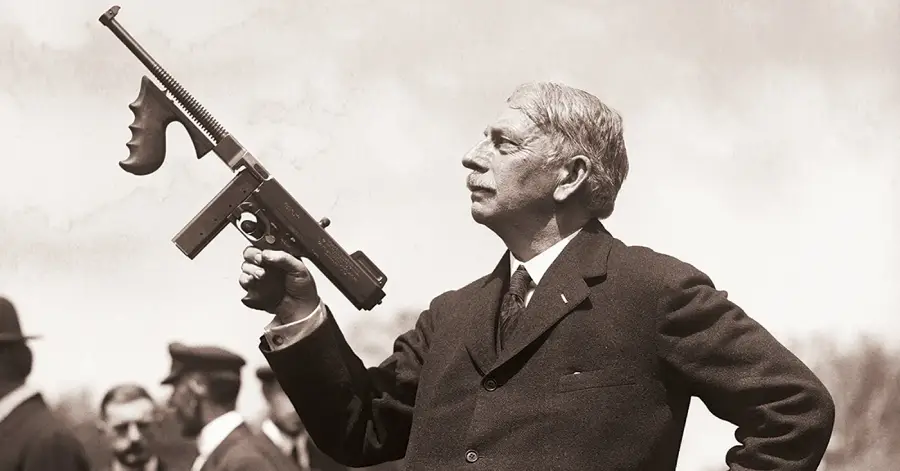
U.S. Army General John T. Thompson developed the submachine gun in 1918, intending it to break the deadly trench warfare stalemate of World War I. Arriving too late for wartime use, the weapon unexpectedly gained infamy among Prohibition-era gangsters before becoming a standard-issue military firearm in World War II.
13. The pasteurization process
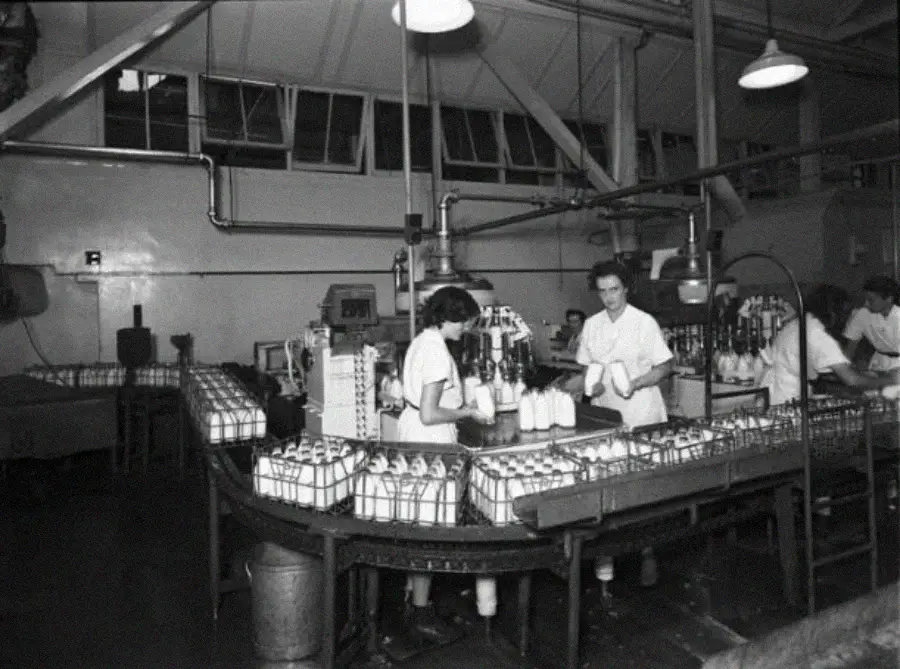
French chemist Louis Pasteur developed this vital heat-treatment technique in 1864 to kill harmful microbes in wine and beer without spoiling their flavor. The process was only later applied to fresh milk, dramatically reducing infant mortality rates across the globe.
14. The Geiger counter
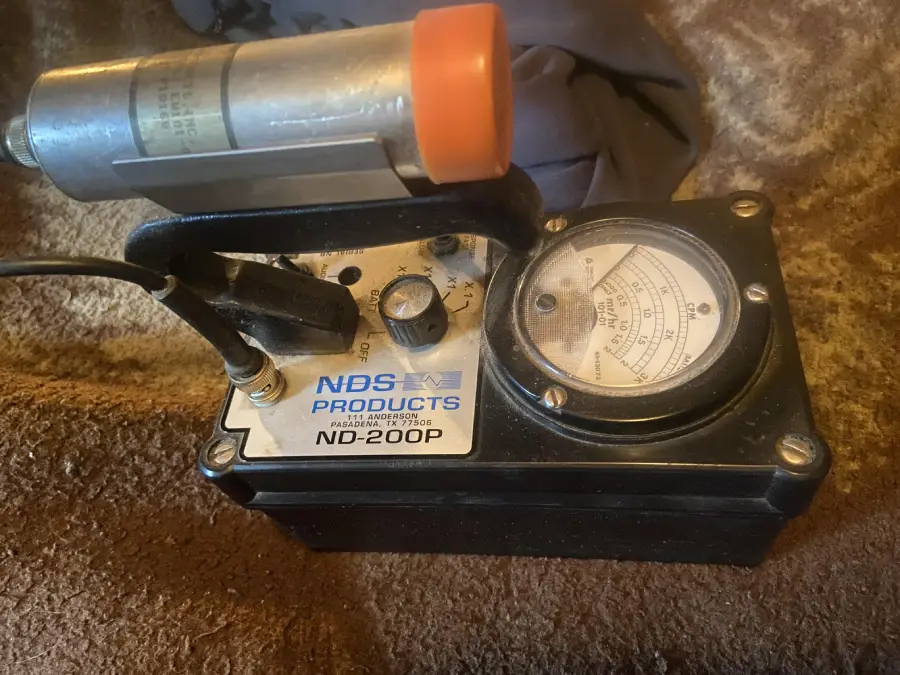
German physicist Hans Geiger invented the radiation detection device in 1908 alongside Ernest Rutherford, later refining it into a portable electronic model with Walther Müller in 1928. The compact tool allowed scientists to measure ionizing radiation instantly through audible clicks.
15. The Tupperware
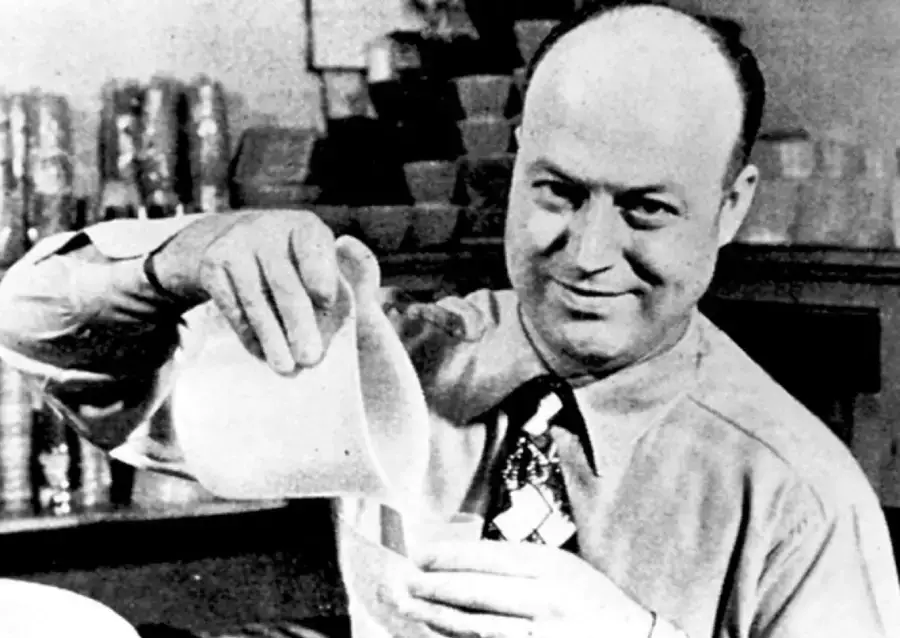
American chemist Earl Tupper created flexible, airtight polyethylene containers in 1946 using a purified byproduct of the oil refining process. The products struggled in traditional retail stores until Brownie Wise pioneered the famous home sales party model, propelling Tupperware into millions of suburban kitchens.
16. The Gatling gun
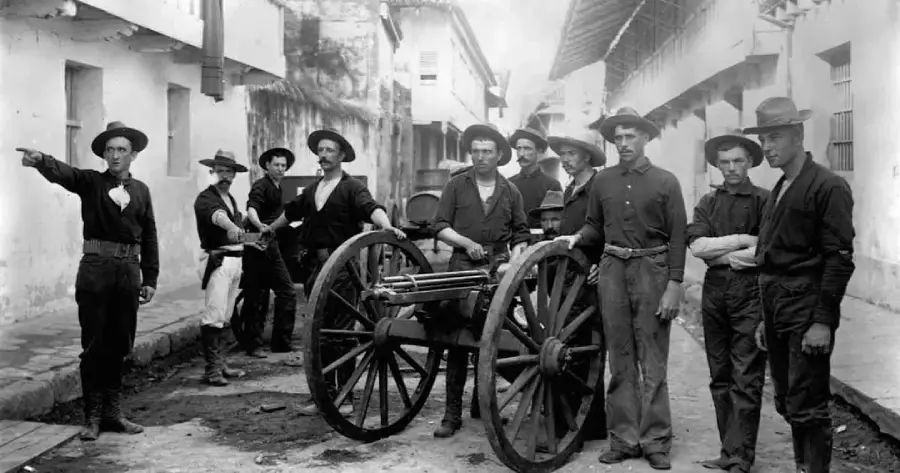
American inventor Richard Jordan Gatling patented the hand-cranked, multi-barrel rapid-fire gun in 1862, hoping its sheer firepower would reduce the overall size of armies and convince humanity to abandon warfare. Instead, his deadly invention became the direct precursor to the modern automatic machine gun.
Want to know more about interesting inventions from the past?
Looking back at the stories behind these everyday words shows just how deeply individual human lives are woven into our shared language. The mix of medical breakthroughs, military history, and casual kitchen tools proves that inspiration can strike anyone, anywhere. If you enjoy diving into historical facts, design origins, and fascinating cultural deep dives, be sure to explore these 14 Past Inventions That Predicted Modern Tech, or these 14 Ridiculous Real Inventions That People Actually Patented. You may also like these 16 Surprising Origins of Everyday Home Items.