Winter on the WWII home front ran on habits that feel tough to picture now. Heat was limited, groceries were rationed, and evenings arrived early with the blackout siren. Families closed off spare rooms, layered sweaters, and learned to stretch every candle, coal scoop, and cup of sugar.
People also turned small routines into a patriotic duty. Grease cans sat by the stove, knitting projects rode streetcars, and neighbors took turns in civil-defense patrols. These were ordinary habits in an extraordinary season, and they shaped how America got through the cold.
1. Heating by coupon
Fuel was rationed, so families kept thermostats low and closed off rooms they didn’t “need.” Draft stoppers, extra quilts, and hot water bottles did the rest. Many homes aimed for the mid-60s indoors and wore sweaters as a rule, not a style.
2. Blackout evenings that arrived with the dark
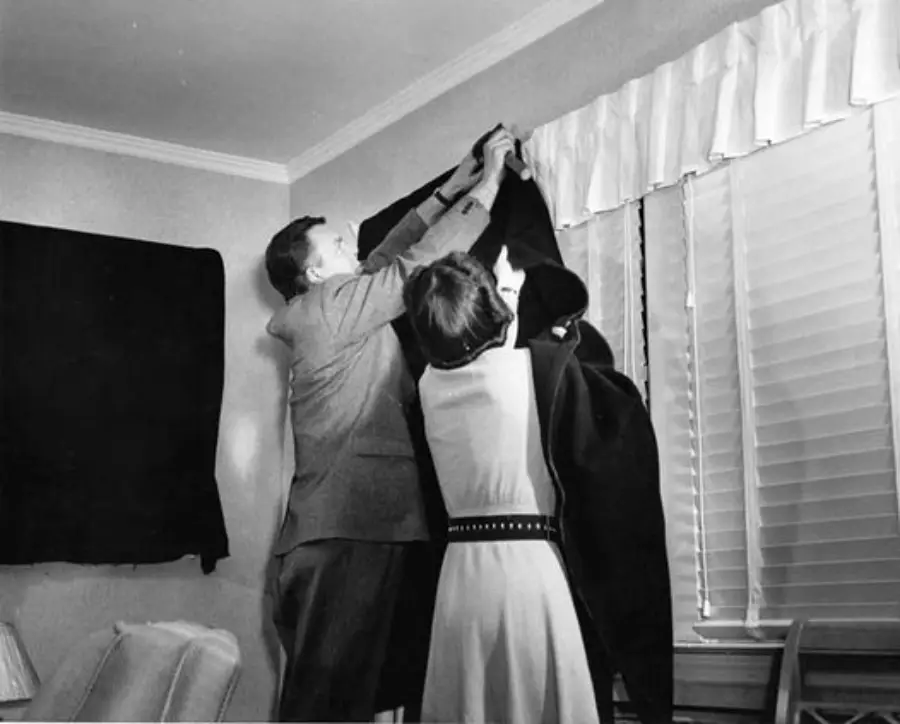
Short winter days meant more hours under blackout rules. Households pulled heavy curtains, taped window edges, and covered keyholes to keep light from leaking. Air-raid wardens walked cold streets and reminded anyone who forgot.
3. Ration books in a snow pocket
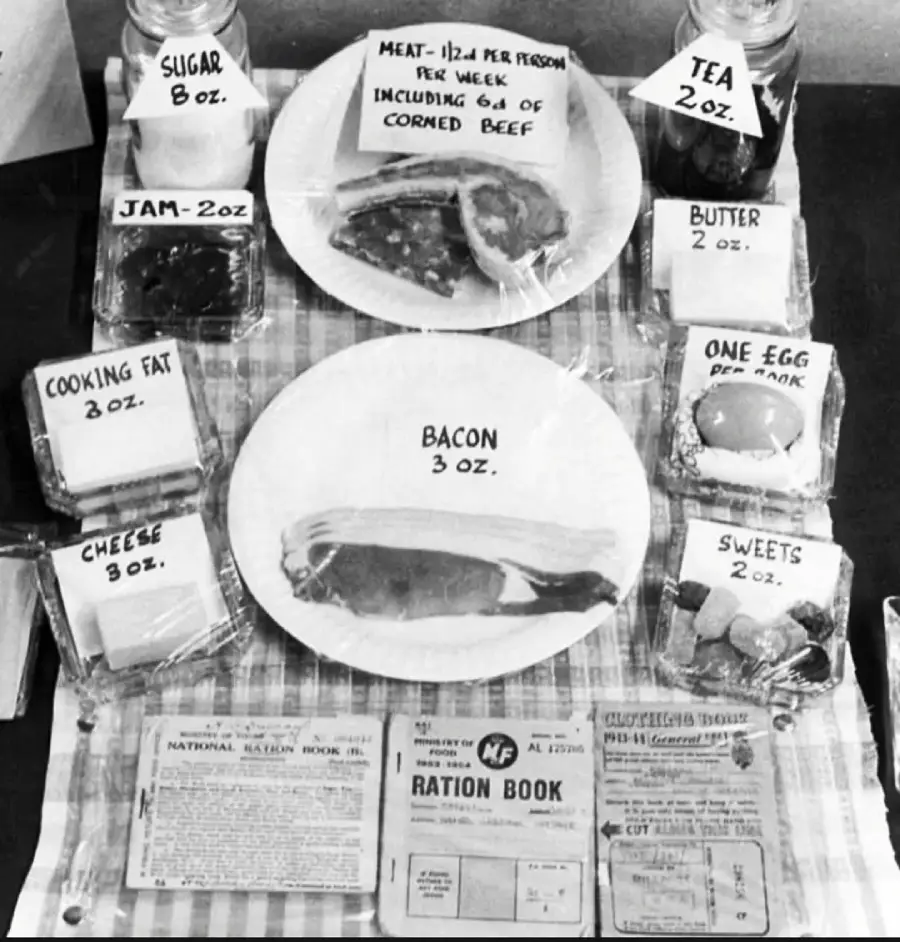
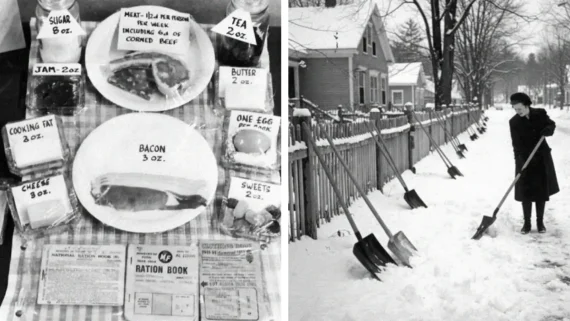
People lined up in coats and boots with ration books tucked inside their mittens. Coupons decided butter, sugar, meat, and canned goods; even the holiday’s baking depended on them. Shoppers learned to swap recipes and make do when shelves were thin.
4. Victory canning and the winter pantry
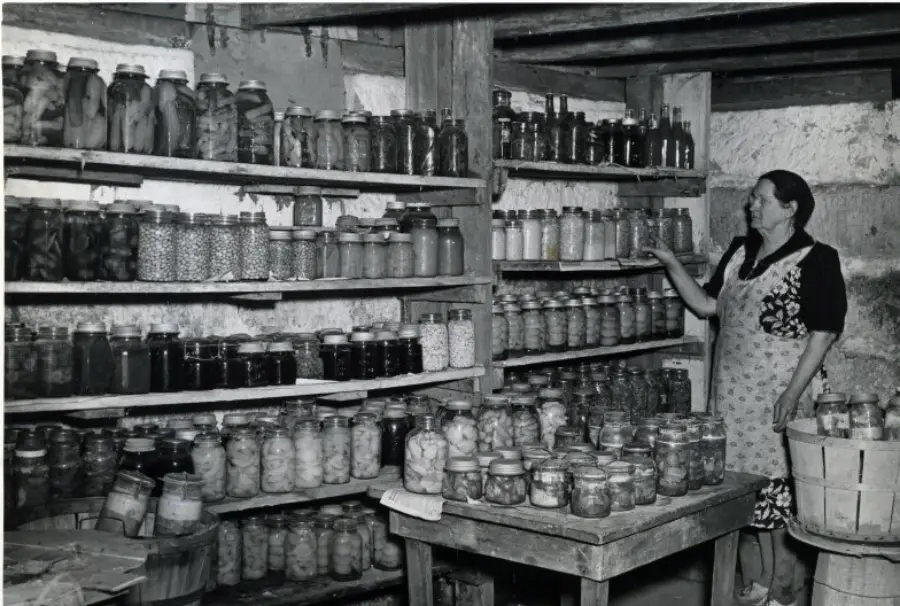
Summer gardens fed winter tables through jars, root cellars, and crocks. Families stretched stews with preserved vegetables and saved precious sugar for birthdays or Christmas. “Waste nothing” was a kitchen rule, not a slogan.
5. Carpooling, chains, and careful miles
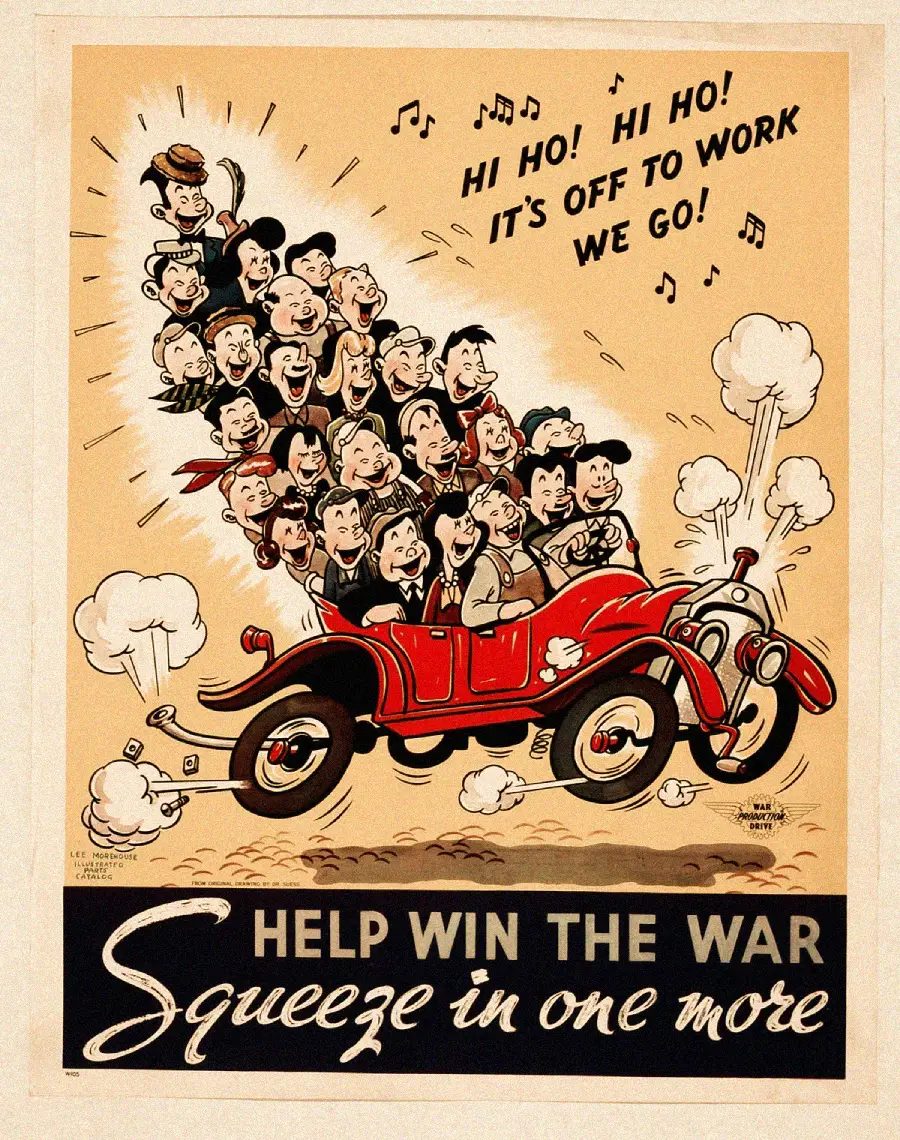
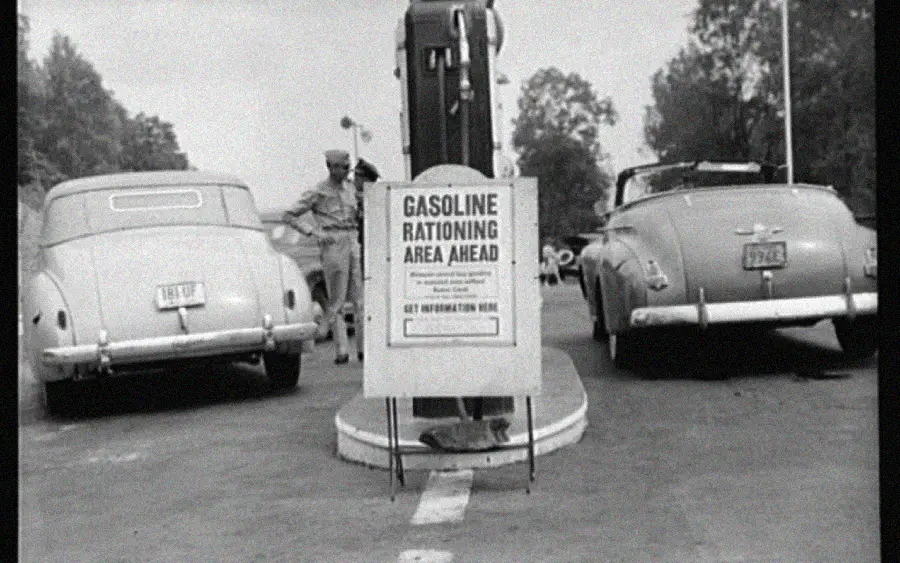
Gas and tire rationing kept cars parked unless a trip truly mattered. Neighbors shared rides, fitted chains for icy roads, and planned errands in one loop. Many left the car and took the bus, even in sleet.
Trending on The Scroller

6. Kitchen grease saved for the war effort
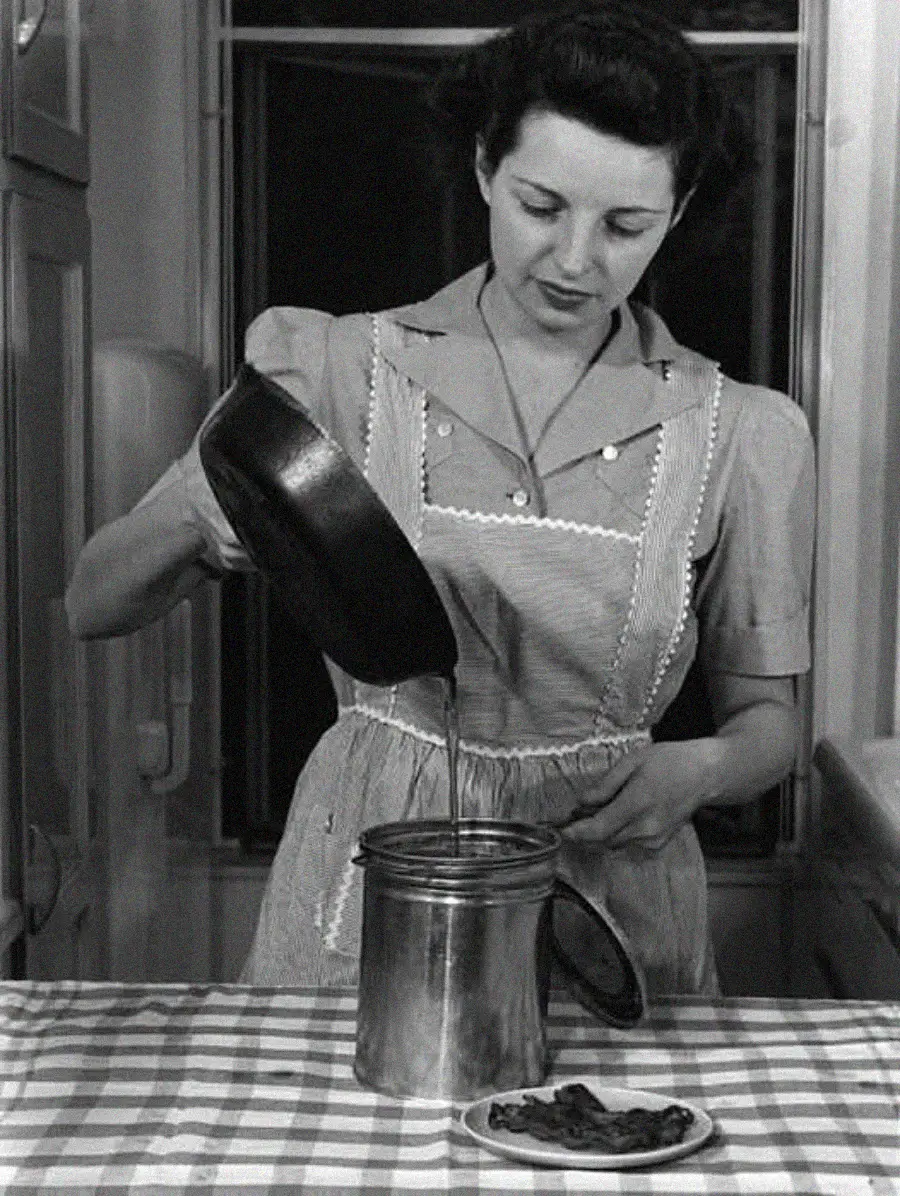
A coffee can by the stove collected bacon and roast drippings. People turned the fat in at the butcher, who sent it off for processing. It became glycerin for wartime needs, which made every Sunday roast feel useful twice.
7. Knitting circles that didn’t take winters off
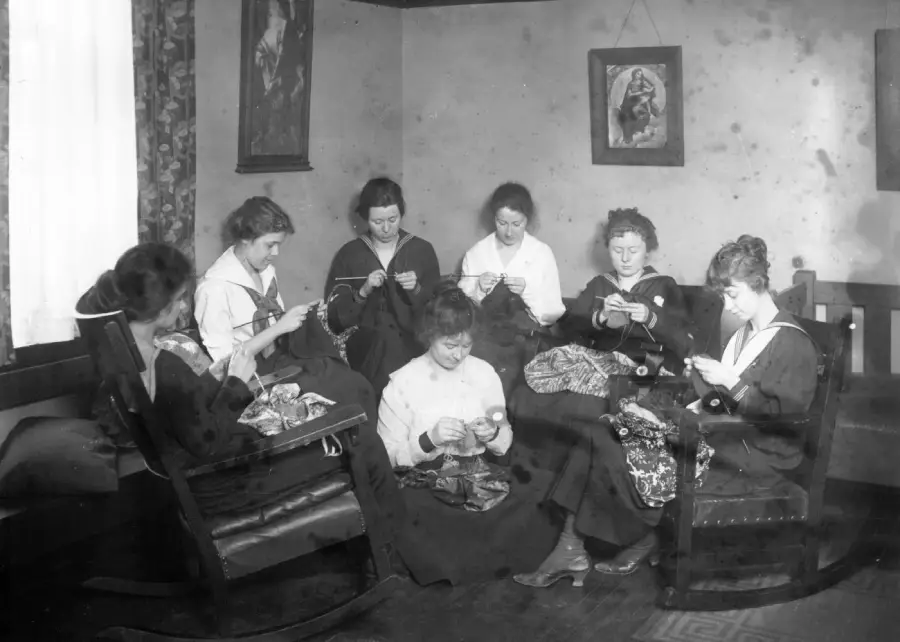
Wool socks, watch caps, and scarves for service members were standard projects. Women and teens brought needles to church basements, streetcars, and lunch breaks. A pair of finished socks felt like sending warmth in an envelope.
8. Cold-weather scrap drives
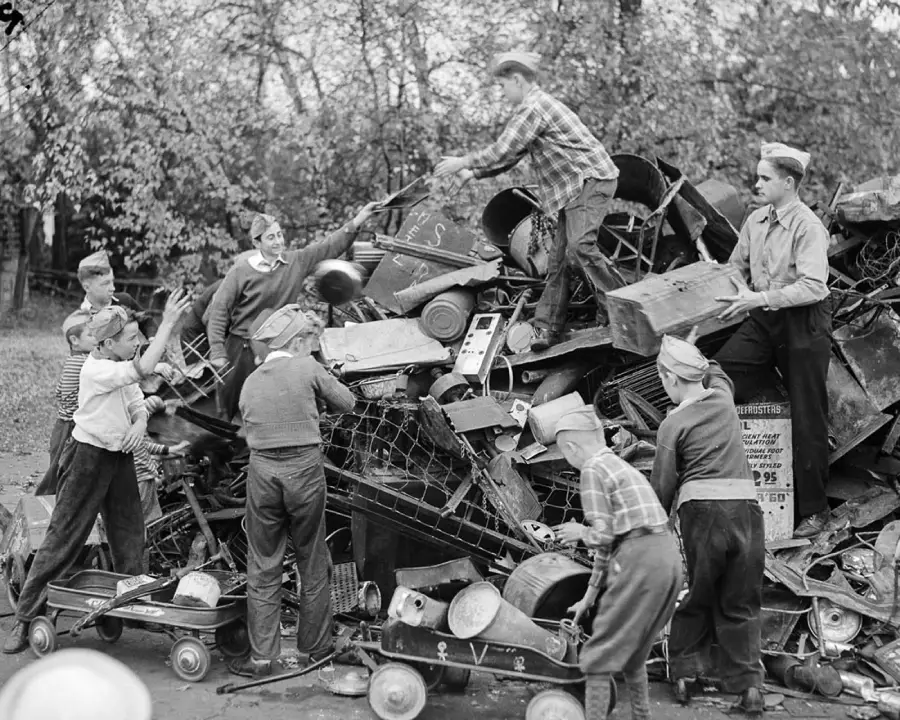
Even in slush, communities piled newspapers, metal pots, and old tools in schoolyards. Kids helped tie bundles and drag sleds of scrap. The goal was simple: turn attic clutter into something the factories could use.
Sign up for our newsletter
9. Make-do winter wardrobes
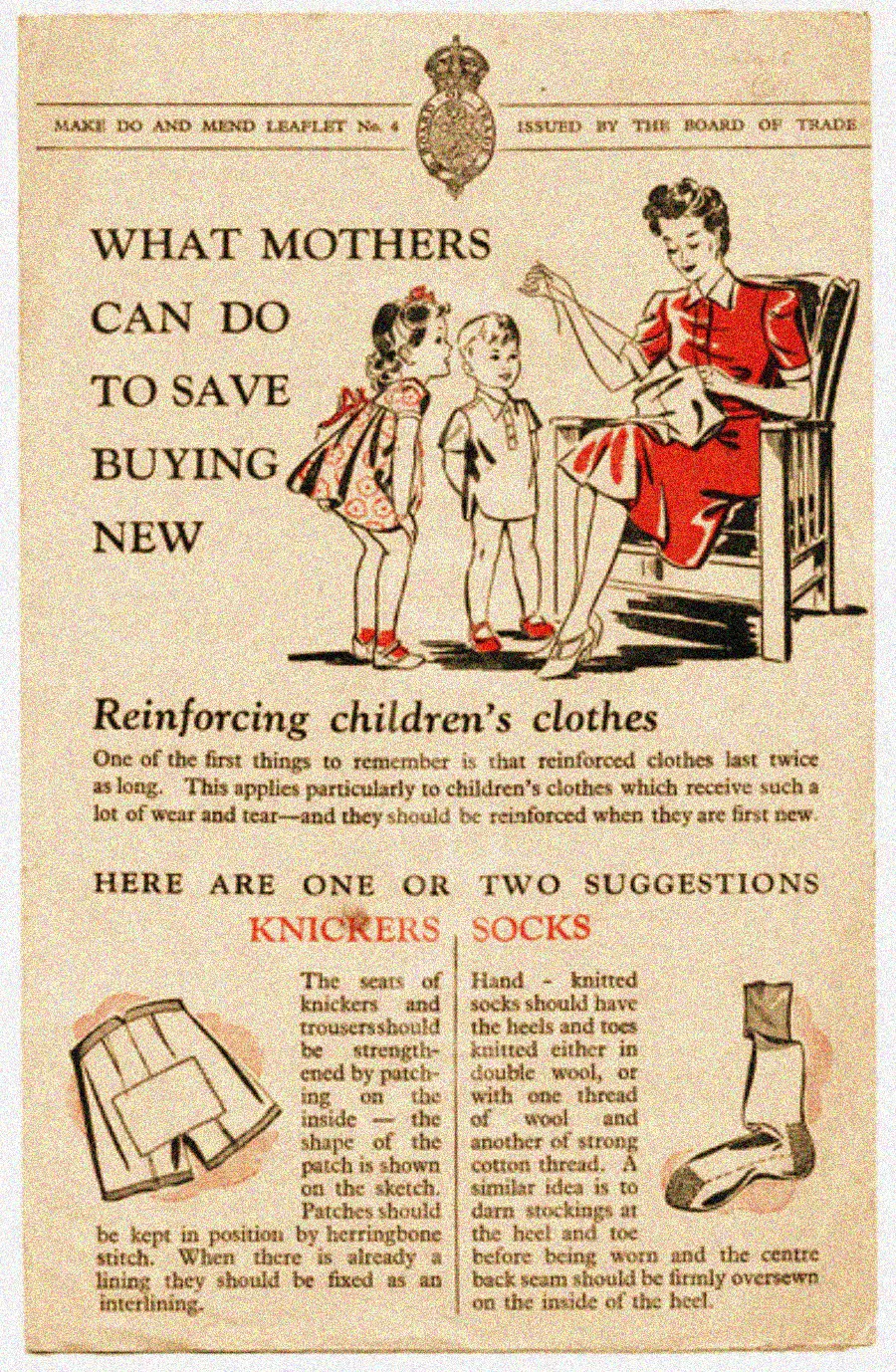
People darned wool socks, re-hemmed coats, and added elbow patches to sweaters. Shoe leather got re-soled, and hand-me-downs kept moving through families. New clothes were the exception; repairs were the habit.
10. Holiday gifts that were practical and homemade
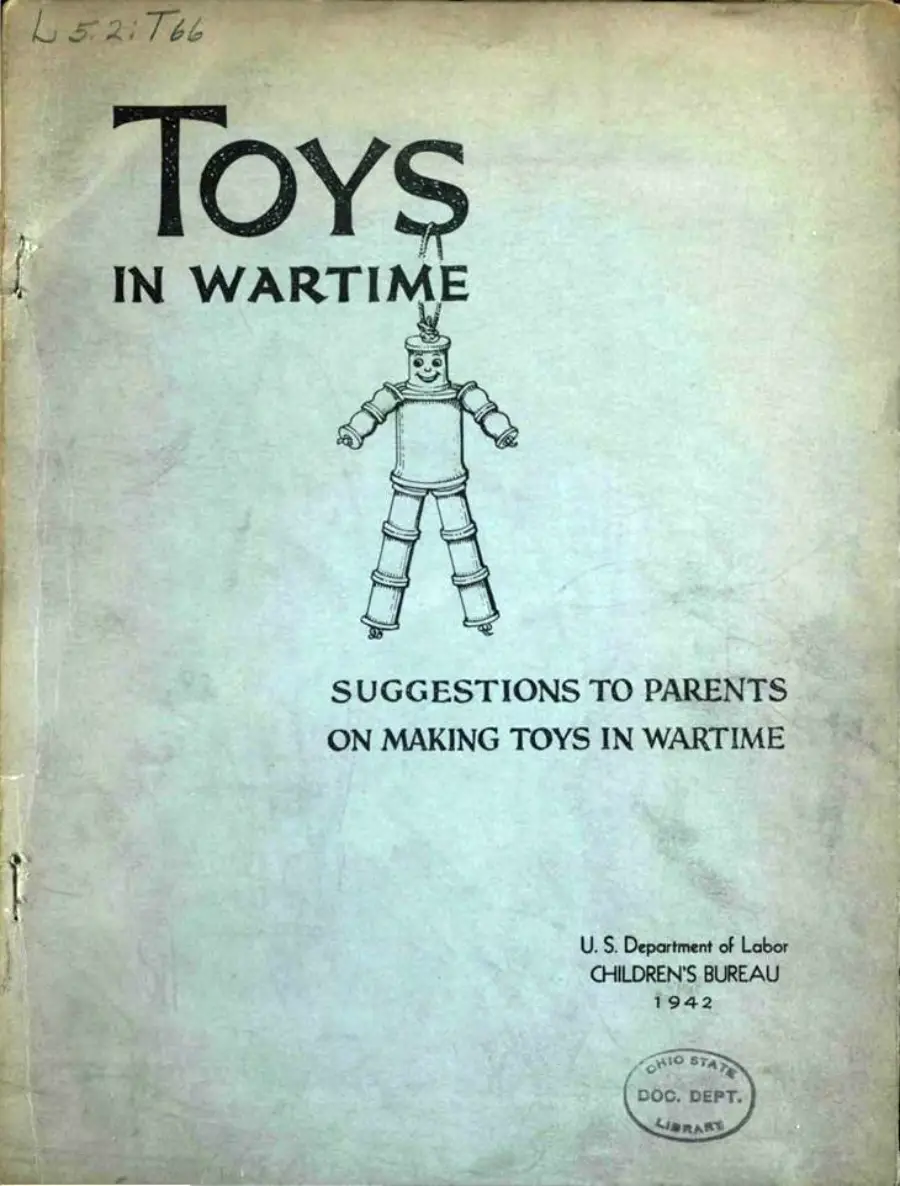
Paper, tape, and ribbon were rationed, so wrapping was neat and minimal. Many gifts were hand-knit, baked, or carved, and Christmas cards were short to save postage. Mailing deadlines came early to reach bases and small towns.
11. V-Mail and the season’s shortest letters
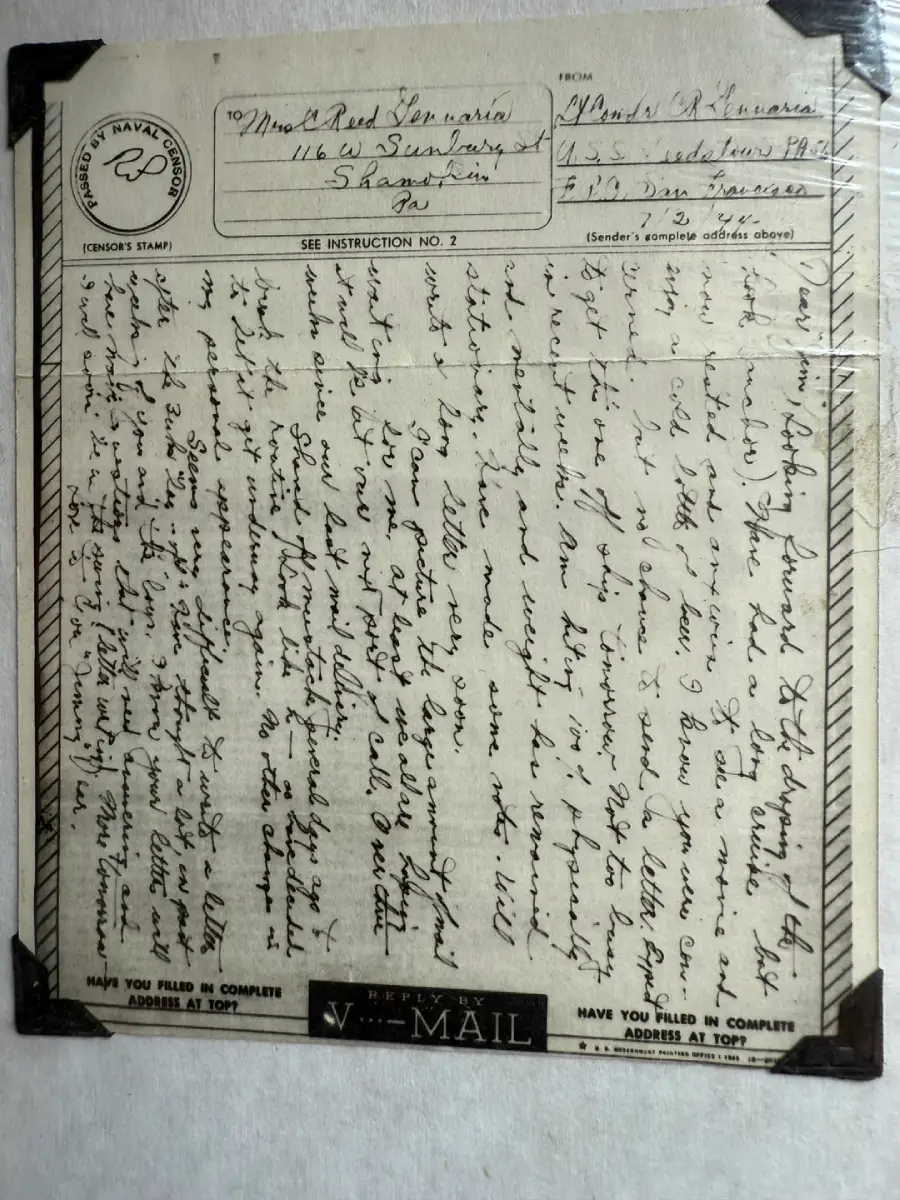
Winter mailbags were heavy, but V-Mail kept them lighter. Families wrote tiny, tidy letters that were photographed and printed small on the other end. It wasn’t cozy, but it meant more notes reached more people.
12. Ice, ash, and careful steps
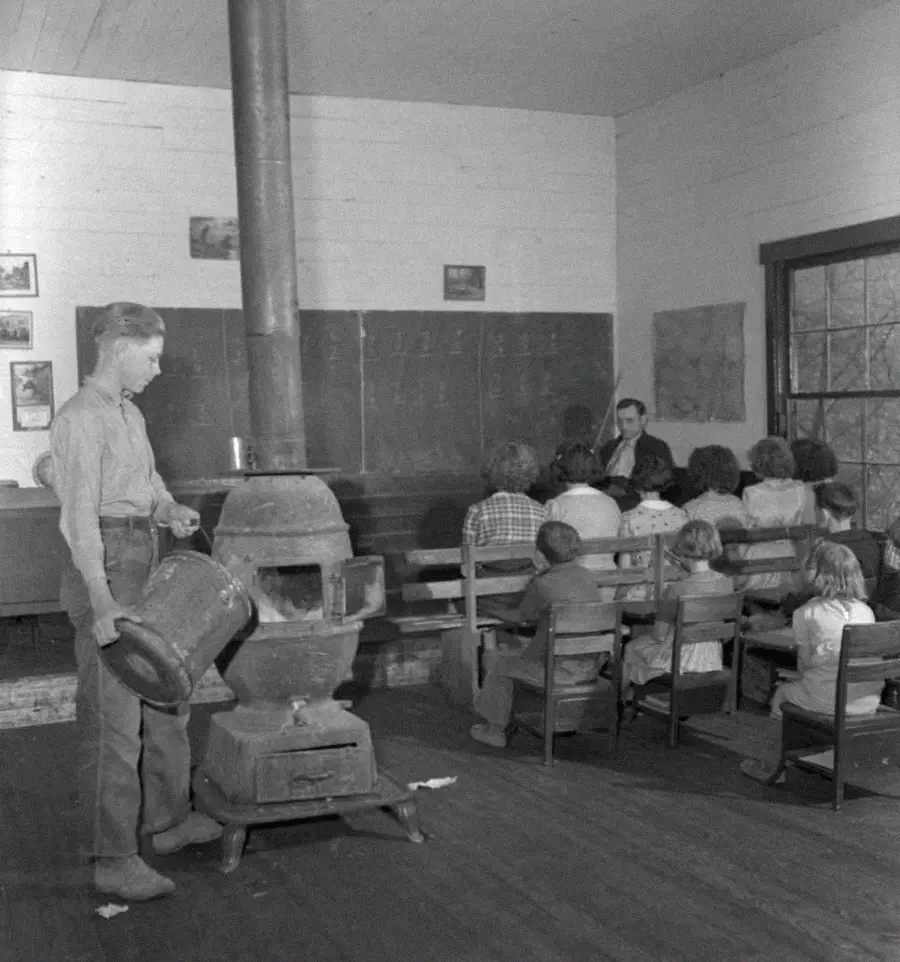
Coal stoves produced plenty of ash, and households saved it for icy porches. A scoop of ash added grip where salt was scarce. Everyone learned to shuffle carefully because falls meant doctor visits, and those were rationed, too.
13. Storm windows, cellophane, and tape
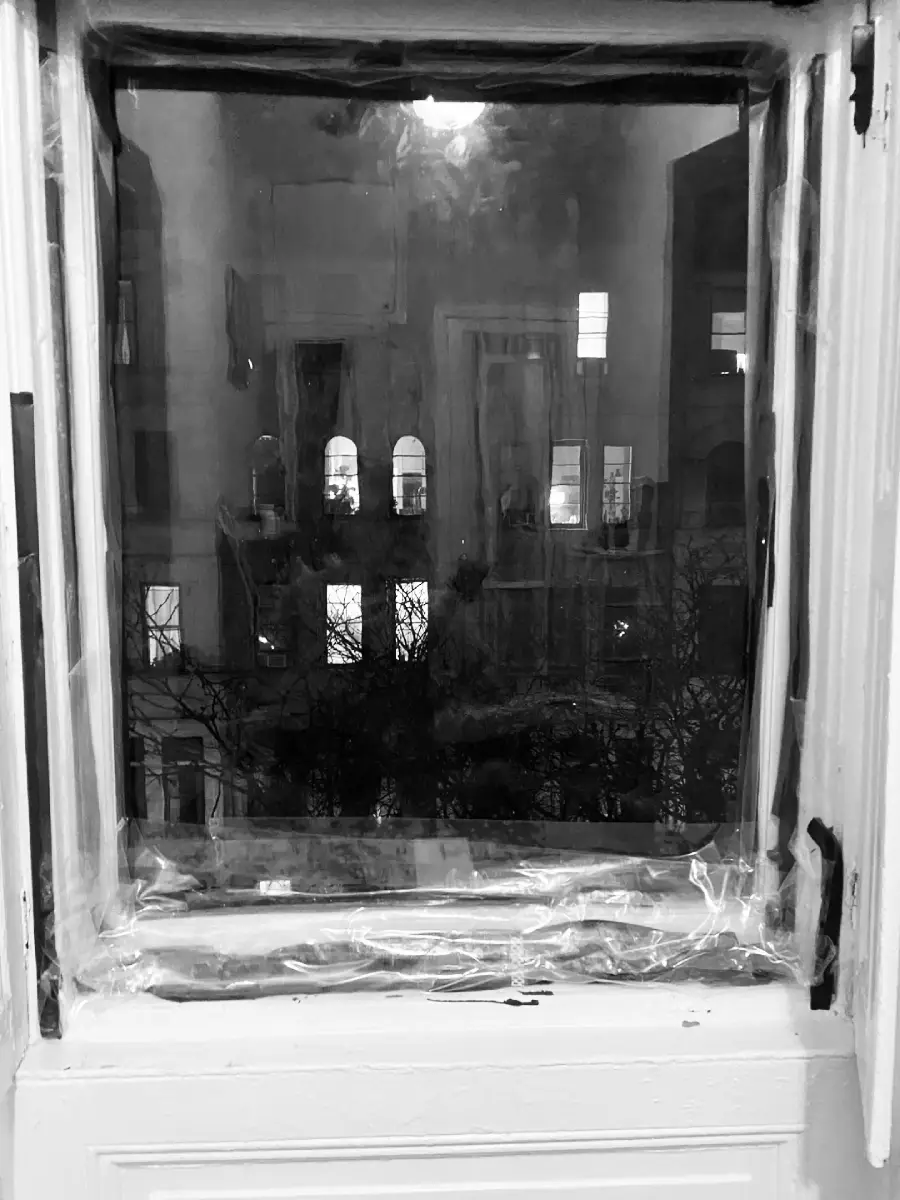
Homes stretched transparent film across window frames and sealed gaps with tape. Storm windows and extra felt around doors kept precious heat inside. It wasn’t pretty, but the fuel coupons lasted longer.
14. Neighborhood shoveling as a civic duty
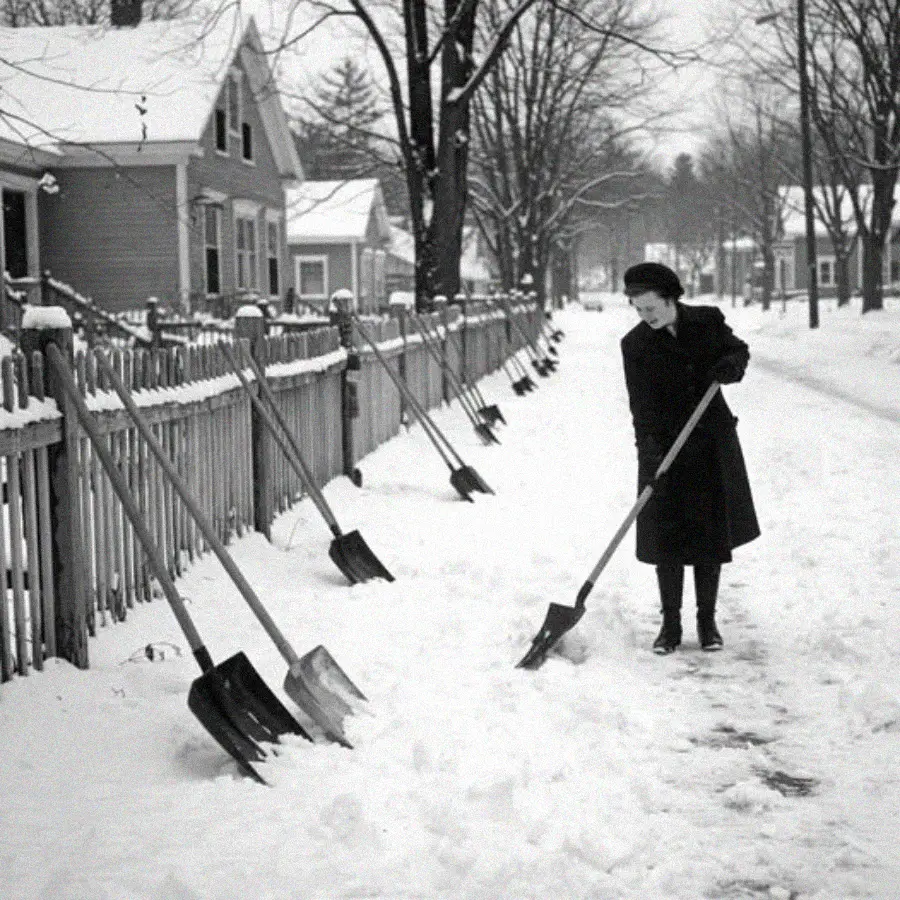
Street equipment was limited, so blocks organized their own snow clears. Kids shoveled for stamps or cookies, adults swapped thermoses and took the heavy drifts. The sidewalk became a team project and one less thing for the city to handle.
Explore more lifestyle content:
Those winter habits were small, but they were stubborn routines that carried people through a hard season. If this glimpse into home-front life hit a nerve, keep scrolling through these 20 Common Family Traditions From the ’50s That Feel Totally Foreign Today, or these 20 Vintage Photos of Working-Class Life in the 1930s. You can also check these 20 Photos That Show What Life Looked Like in the Roaring Twenties.