During the late 20th century, the toy industry experienced rapid growth, filling playroom shelves with increasingly complex electronic gadgets, action figures, and interactive playsets. However, manufacturing oversight and safety testing before the turn of the millennium were far less stringent than today’s rigorous consumer protection standards. As a result, millions of popular juvenile products reached store shelves and suburban homes despite containing hidden mechanical defects, choking hazards, or dangerous electrical components.
Looking back at these recalled products is so eye-opening because of how immensely popular many of them were before health authorities intervened. From spinning plastic launchers that turned into high-speed projectiles to snack-chomping dolls that couldn’t differentiate between toy food and human hair, parents routinely purchased these items without a second thought. Examining these hazardous retro products offers a fascinating look at how consumer advocacy groups permanently reshaped child safety guidelines for future generations. Here are fifteen children’s products that were recalled before the 2000s.
1. Cabbage Patch Snacktime Kids – 1997
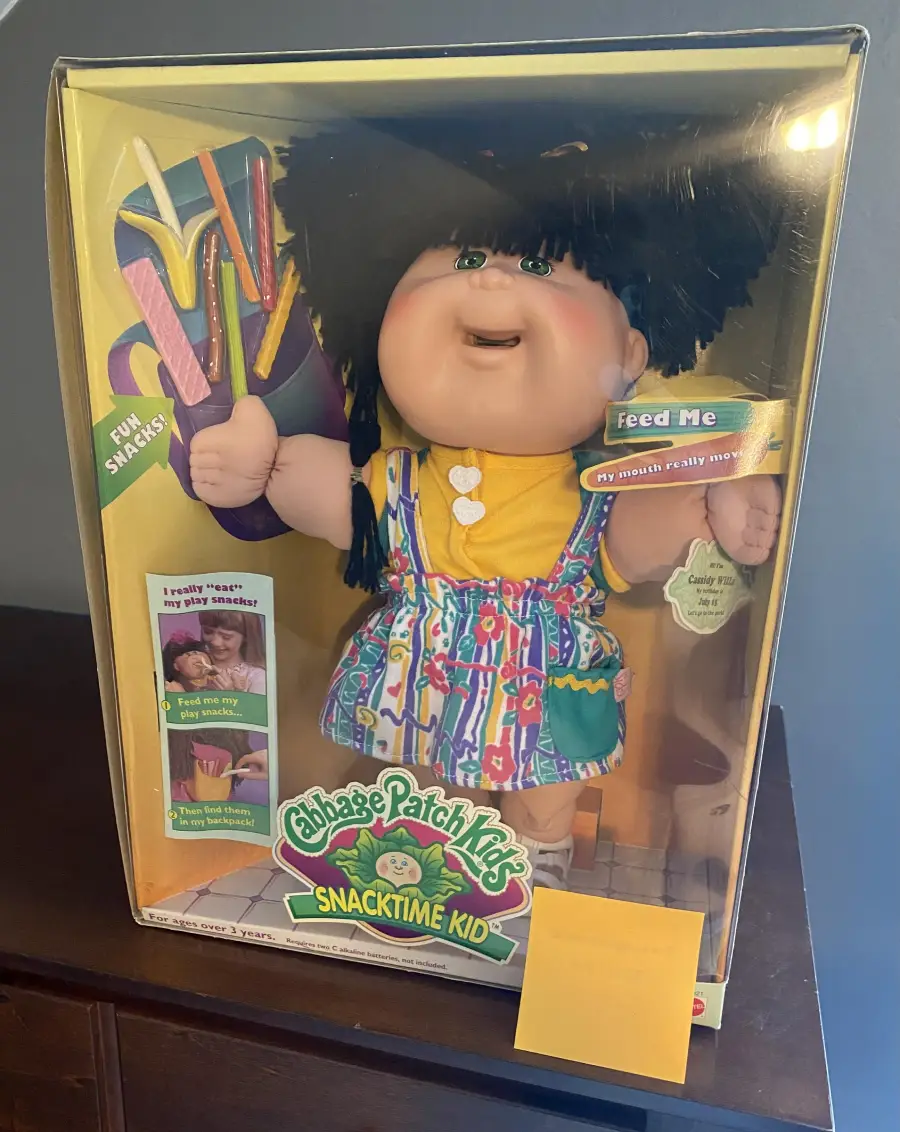
Featuring motorized mechanical jaws designed to “chew” plastic food accessories, these iconic dolls lacked an emergency shut-off switch. Mattel offered a voluntary recall and a one-hundred-dollar refund after dozens of children suffered painful incidents where the doll’s rollers pulled in human hair and fingers.
2. Sky Dancers – 2000
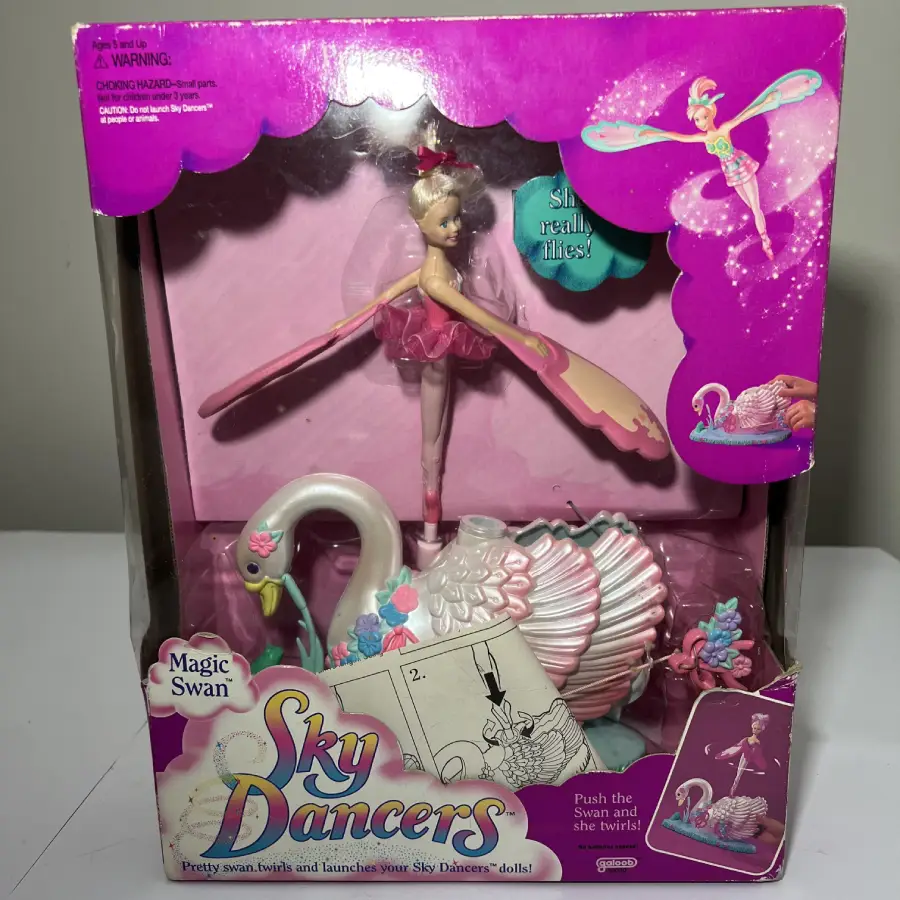
Launched in 1994, these flying fairy dolls were launched into the air by pulling a cord on a mechanical base. Galoob recalled nearly nine million units after reporting over one hundred primary injuries, including scratched corneas, chipped teeth, and facial lacerations caused by unpredictable flight paths.
3. Battlestar Galactica Missile Launcher toys – 1979
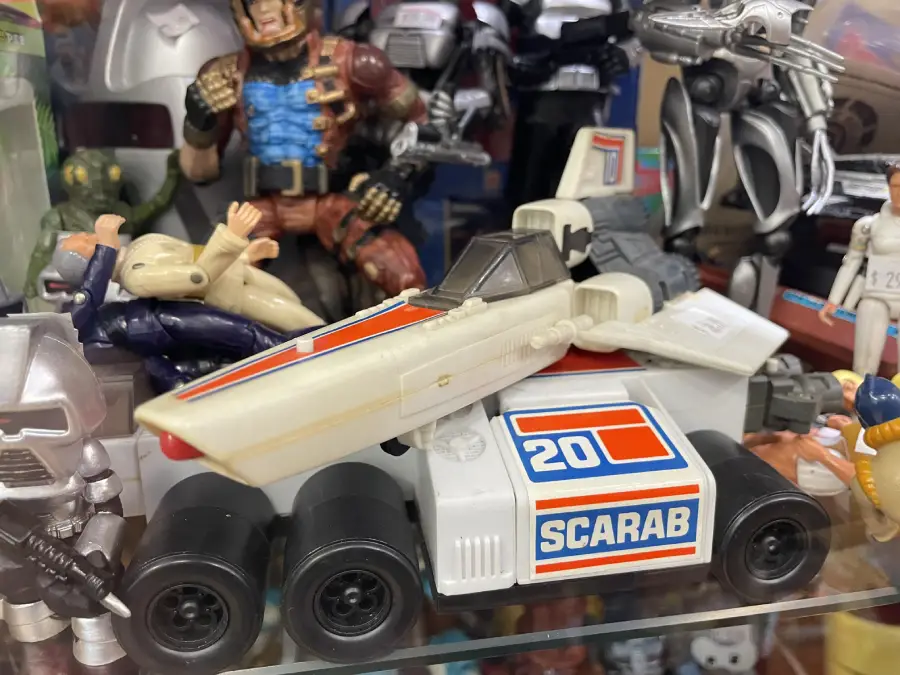
Following a tragic choking incident involving a four-year-old child, Mattel issued a major recall for its line of space vehicles equipped with small spring-loaded red plastic missiles. This pivotal safety crisis directly led to the universal implementation of choking-hazard warning labels on toy packaging industry-wide.
4. Early models of Easy-Bake Oven
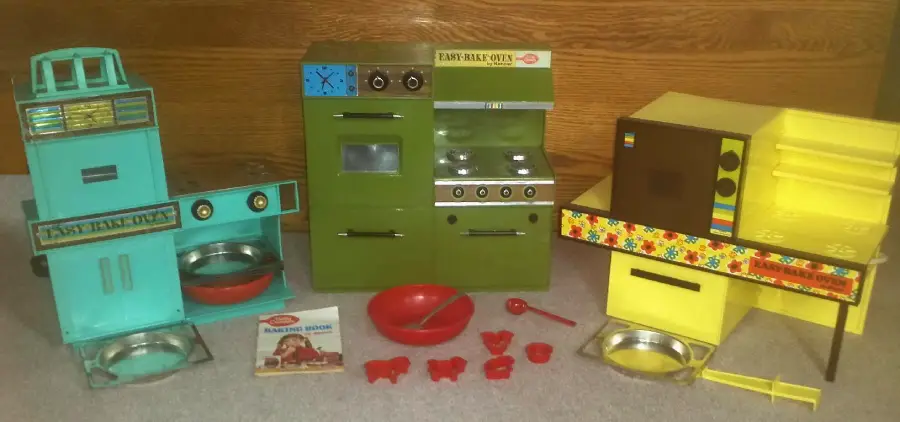
Long before modern plastic safety latches were introduced, early versions of this classic lightbulb-powered oven featured metal front doors that got dangerously hot. Multiple redesigns and safety recalls occurred over the decades after young bakers suffered severe contact burns while retrieving tiny cake pans.
5. Clackers – Late 1960s
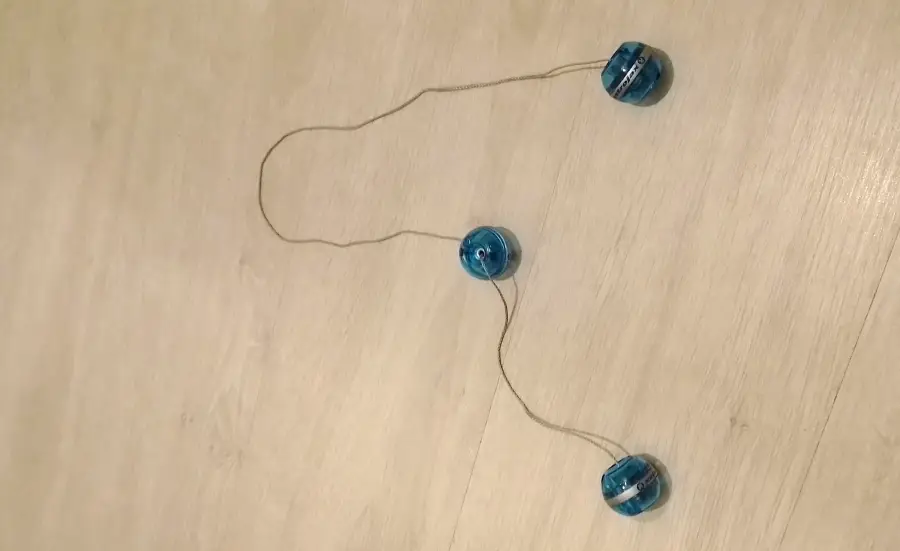
Consisting of two heavy acrylic balls suspended on a string, this craze required kids to swing the balls rapidly until they struck each other above and below the hand. The Consumer Product Safety Commission banned them after discovering the hard glass-like plastic balls frequently shattered upon impact, sending sharp shrapnel flying.
Trending on The Scroller

6. Lawn darts – 1988
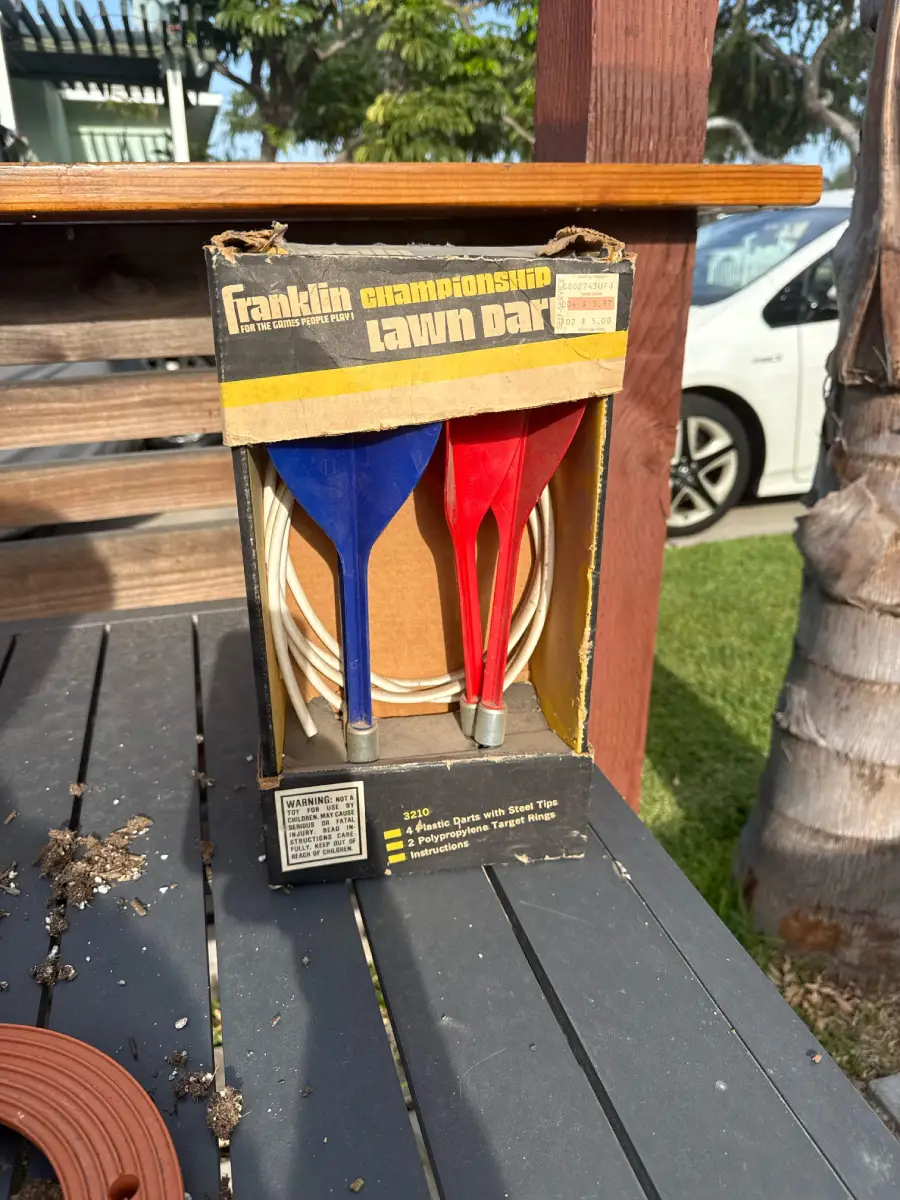
Featuring heavy metal-weighted tips designed to pierce grass targets, these outdoor backyard games proved extremely dangerous when thrown by young children. After causing severe head injuries and multiple fatalities over two decades, the CPSC issued a strict full ban on the sale of all metal lawn darts in 1988.
7. Slap bracelets – 1990
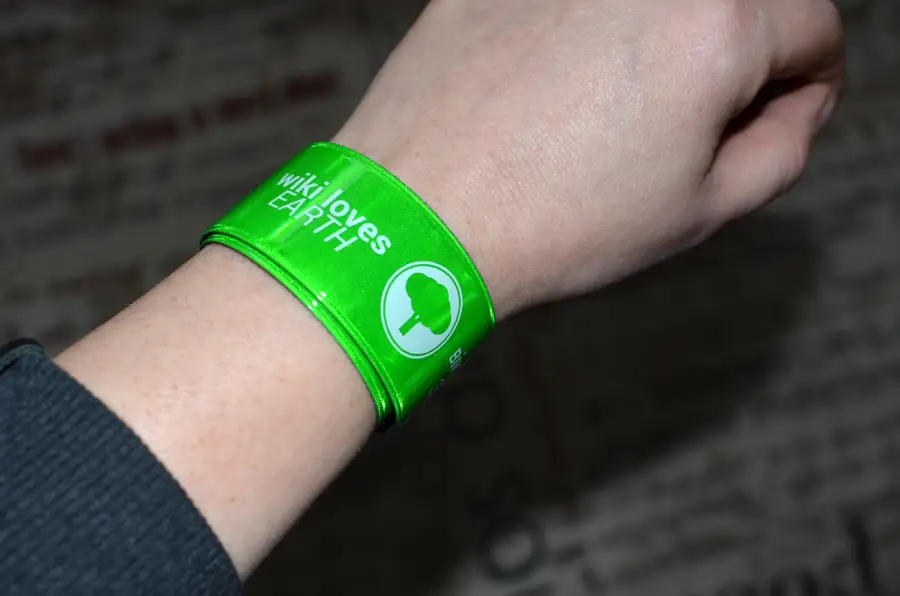
Made of flexible steel spring bands covered in colorful fabric, these snapping wrist accessories became a massive schoolyard fad. Many school districts and consumer boards banned and recalled cheap knockoff versions after the thin fabric wearing down exposed sharp metal edges that caused cuts on children’s wrists.
8. Atomic Energy Lab by Gilbert – 1951
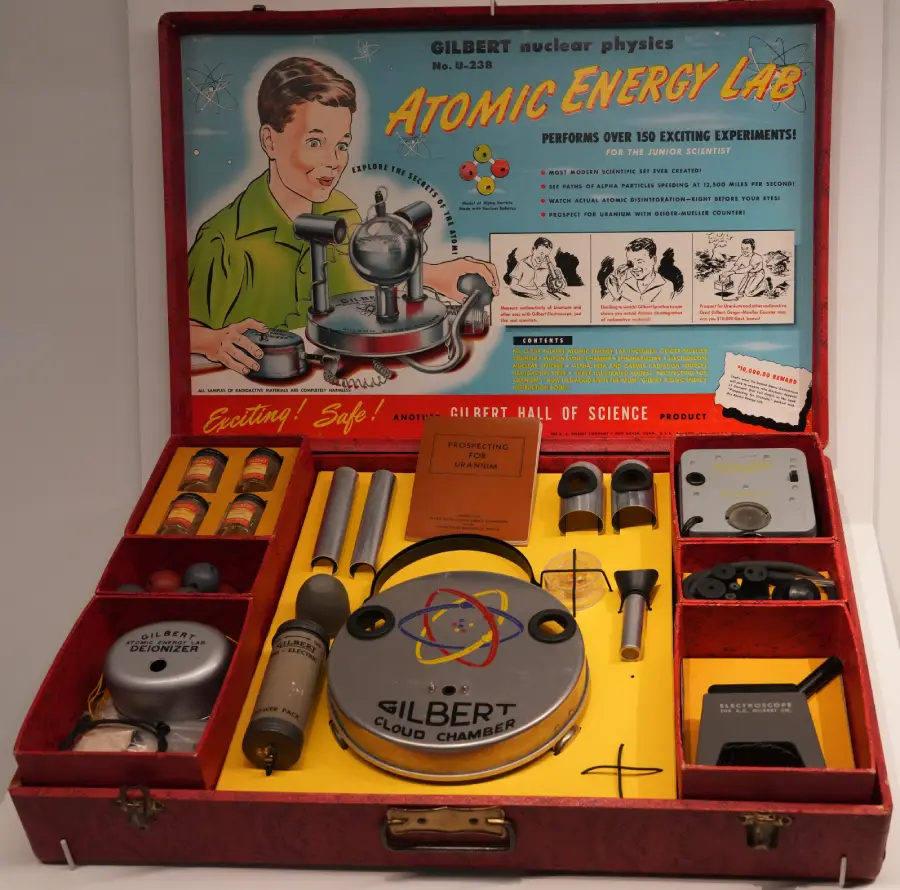
This educational science kit famously came packaged with four real types of uranium ore and a working cloud chamber to view alpha particles. The dangerous set was quietly pulled from market shelves after sales flopped and fears grew regarding prolonged radiation exposure in home bedrooms.
Sign up for our newsletter
9. Monster Science Colossal DNA grow monsters – 1990s

These tiny dry novelty figures were designed to expand up to eight hundred times their original size when placed in water. They were recalled after safety boards realized that if a child swallowed the dry toy, it could expand dangerously inside the intestinal tract and cause fatal blockages.
10. Burger King Pokémon Poké Balls – 1999
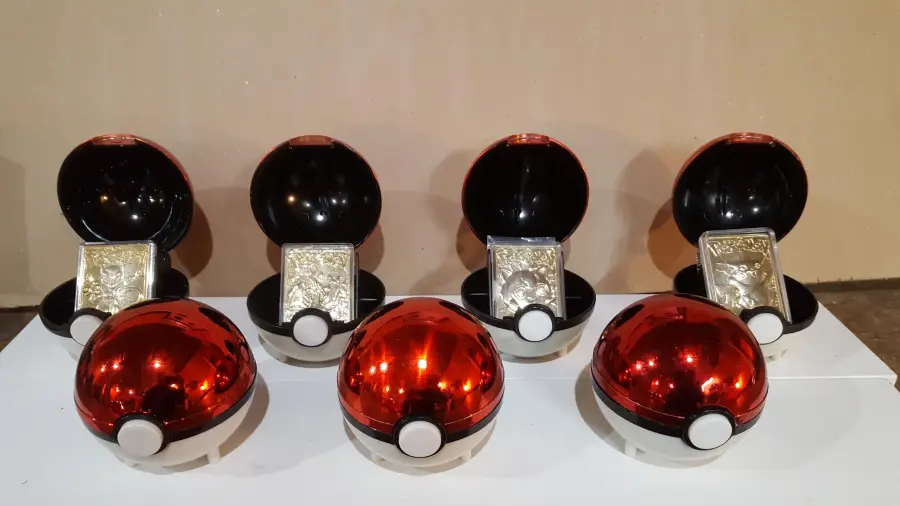
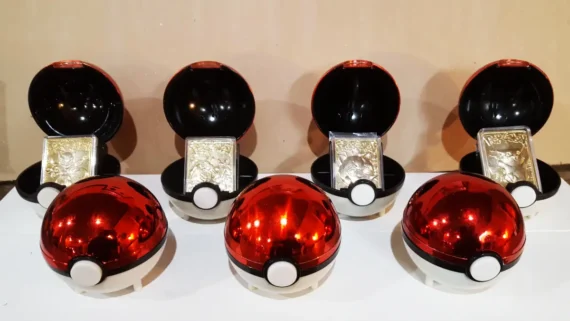
Distributed inside kids’ meals to promote the hit anime film, these hard plastic outer containers measured about three inches in diameter. Fast-food giant Burger King issued a massive recall of over twenty-five million units after reports revealed the flexible half-spheres could cover a child’s nose and mouth, posing a suffocation risk.
11. CSI Fingerprint Examination kits – Late 1990s
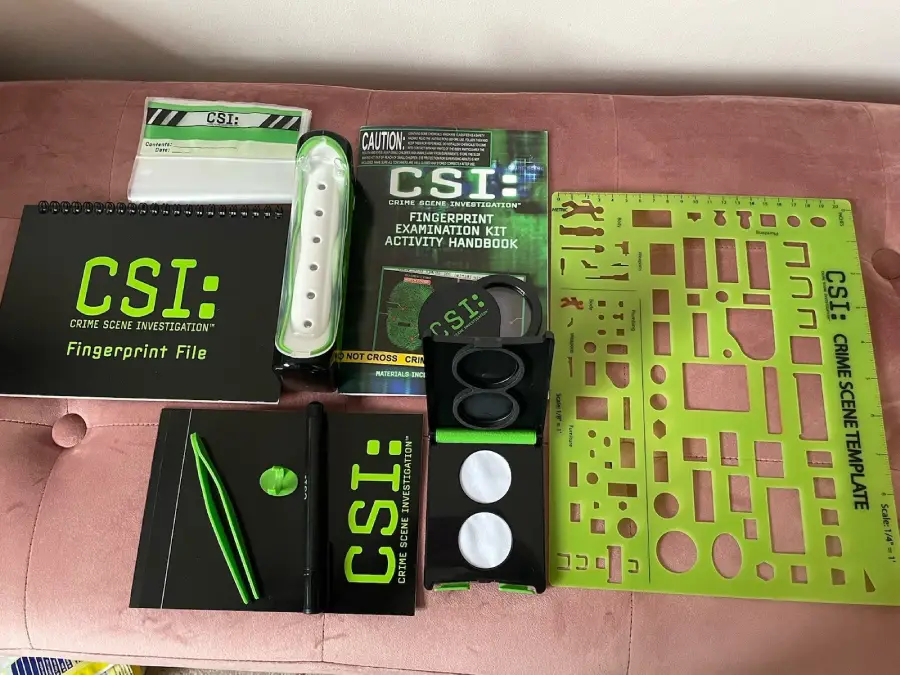
High-tech forensic toys designed to let children dust for prints around the house faced major product recalls after laboratory testing detected asbestos fibers in the dusting powder. Distributors pulled the kits nationwide and filed for bankruptcy due to long-term health liability concerns.
12. Fisher-Price Power Wheels ride-on vehicles – 1998
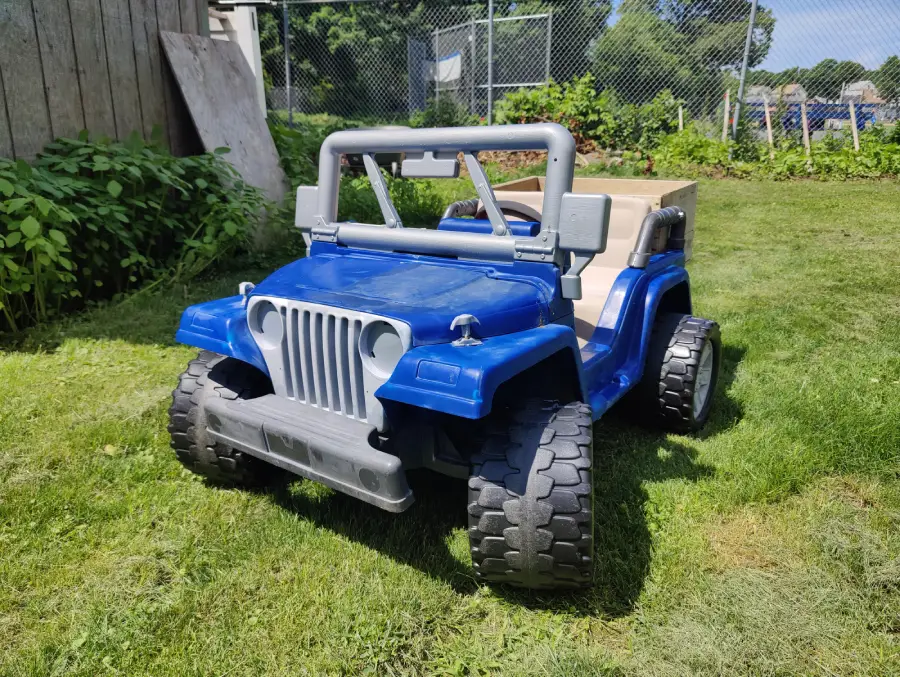
Nearly ten million battery-powered ride-on cars were recalled due to severe electrical component failures. Overheating internal wiring harnesses and sticking electrical contact switches caused numerous vehicle fires and prevented children from stopping the cars while driving.
13. Creepy Crawlers Bug Makers – 1990s
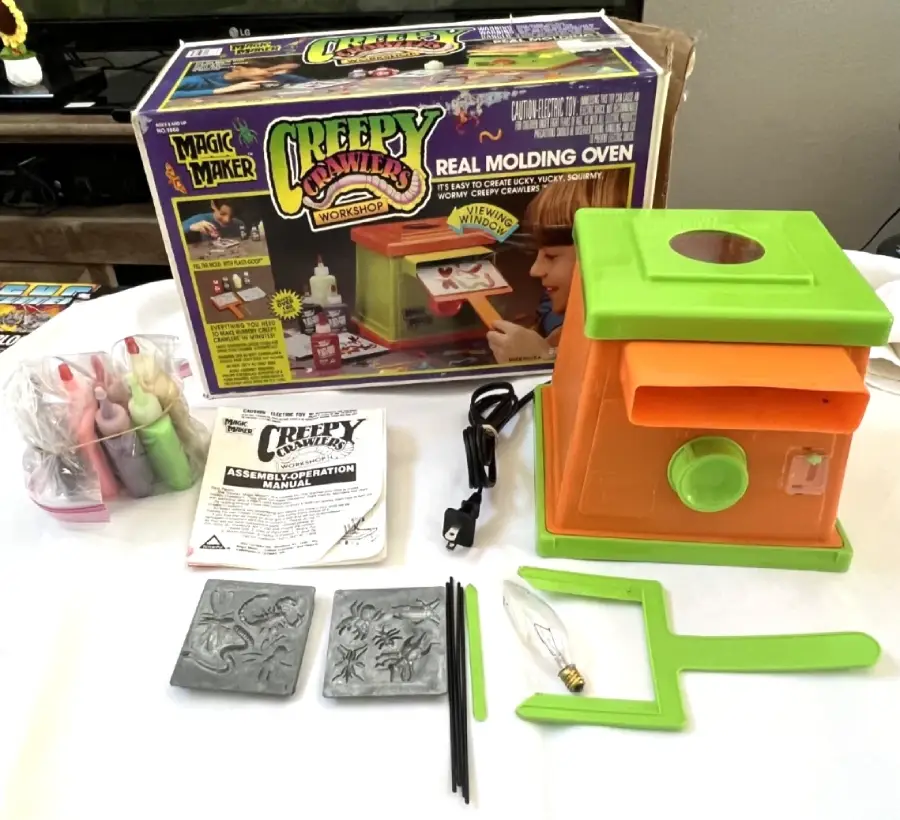
The original 1960s sets allowed children to pour liquid “Plasti-Goop” into open metal molds heated on an open electric hot plate reaching over three hundred degrees. While the 1990s version added a locked door, earlier generations faced heavy warnings due to severe contact burn risks.
14. Rubber ducks – 1970s
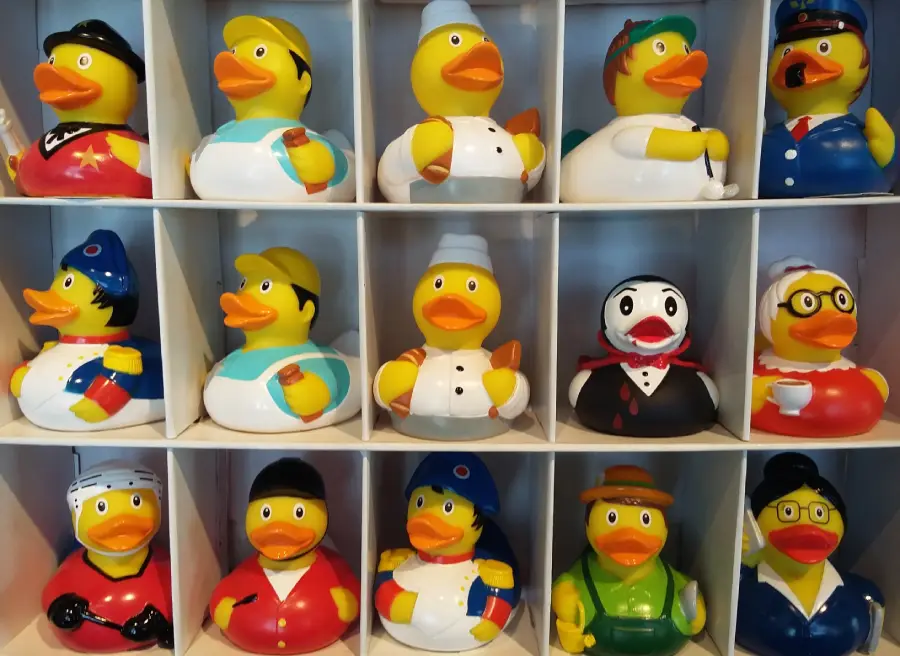
Classic squeaking bath toys frequently featured small metal or hard plastic reed whistles inserted into their bases to create sound when squeezed. Major manufacturers recalled various batches after discovering the tiny squeaker inserts easily detached during chewing, posing a primary choking hazard.
15. Baby walkers with wheels – Pre-1997 models
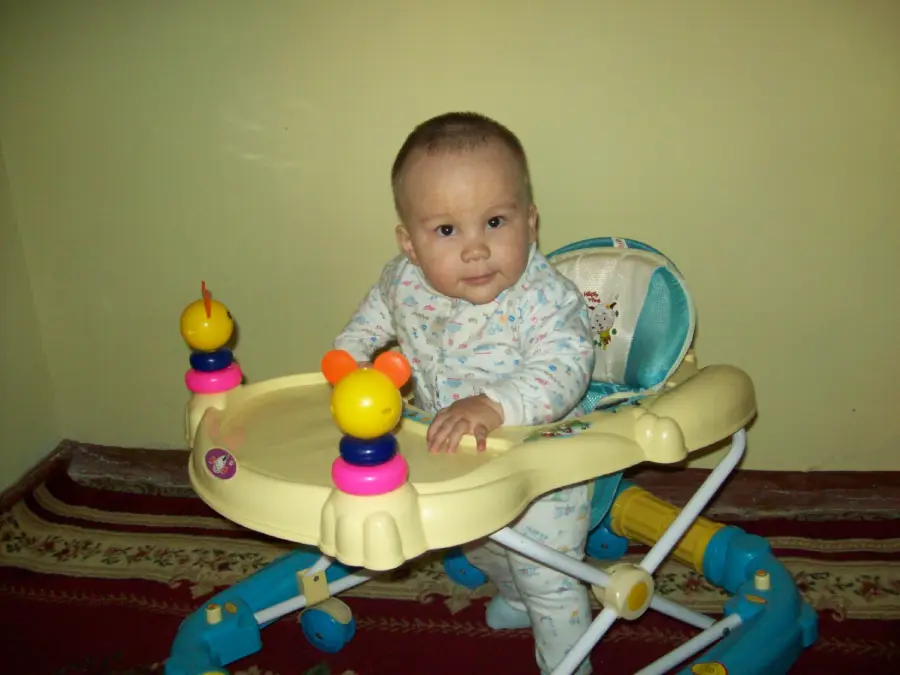
Traditional baby walkers featuring open wheel bases allowed non-walking infants to reach high speeds across hardwood floors. They accounted for tens of thousands of emergency room visits annually, primarily from babies rolling down staircases or reaching hot stove surfaces before stricter anti-tip standards were mandated.
Explore more toys from the past:
Reviewing these dangerous toy recalls and obsolete safety standards highlights how dramatically child protection regulations have improved over the decades. The elimination of hazardous mechanical jaws, sharp metal projectiles, and toxic materials ensures modern playrooms are safer than ever before. If you enjoy exploring retro lifestyle archives, historic consumer history, and fascinating deep dives into toys from the past, be sure to check out these 20 Dangerous Toys Kids Played With in the 1970s, or these 30 Toys from the ’80s That Were Actually Dangerous. You may also like these 17 Old Toys That Are Worth a Fortune.