The 1970s were a magical time for toys. They were colorful, creative, and sometimes came with instructions that basically said: “Have fun, and please try not to injure yourself.” Many toys from that era would look completely shocking today. Some involved heat, sharp objects, chemicals, or surprisingly little adult supervision. But the story is more complicated than simply saying everything was “banned.” Some toys were recalled, some were redesigned, and some are still sold with modern warnings and safety standards.
What changed was not that kids suddenly became more fragile. Safety research, regulations, and product design simply caught up with risks that were not always understood at the time. These are the dangerous toys from the 1970s that make you wonder how childhood came with so much adventure… and so few warning labels.
1. Lawn Darts
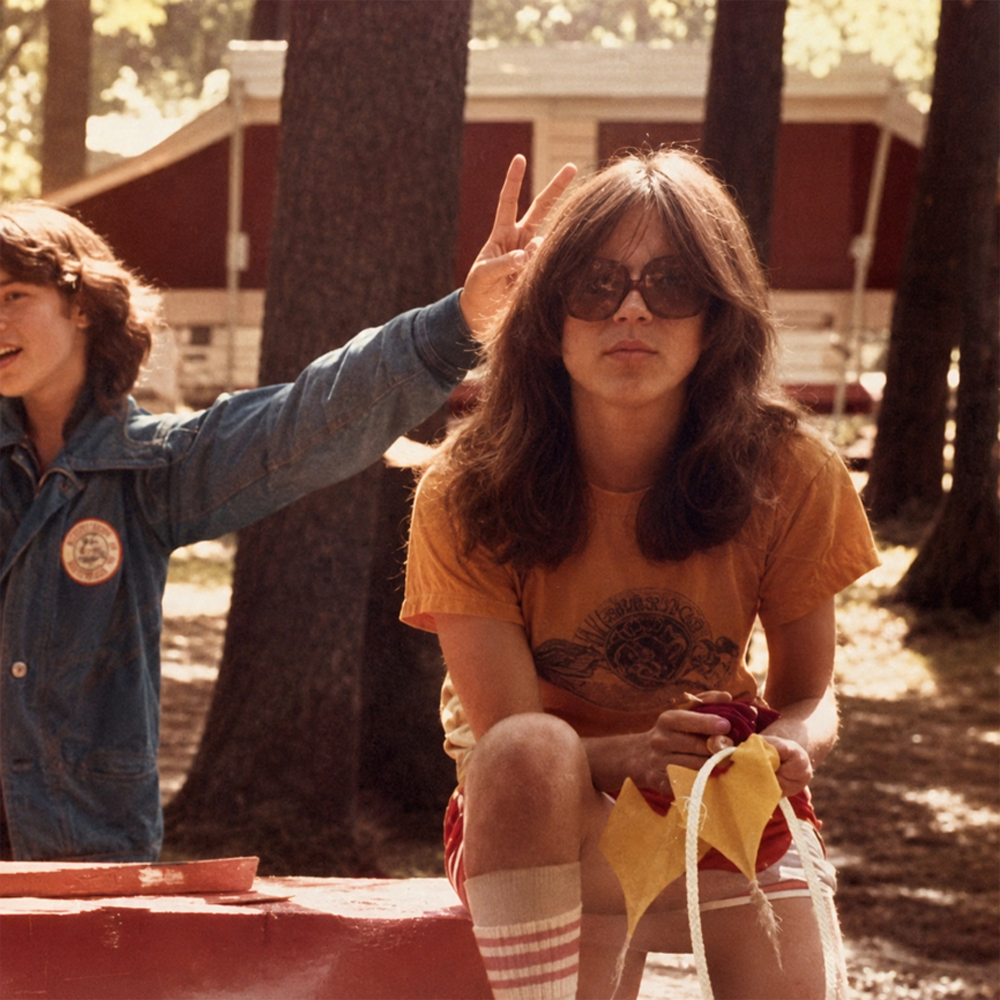
Someone looked at a dart, made it much bigger, added a sharp metal tip, and apparently thought: “Perfect backyard entertainment.” Lawn darts turned ordinary family gatherings into a game of accuracy, distance, and hoping nobody wandered into the target area at the wrong moment. The toy became controversial after serious injuries, and the sharp-point versions were banned by the U.S. Consumer Product Safety Commission in 1988. The strange part? For many families, it was just another weekend activity sitting next to the barbecue grill. Today, the idea of casually throwing giant metal darts around the yard feels like a product meeting that desperately needed one more person to raise their hand.
2. Clackers
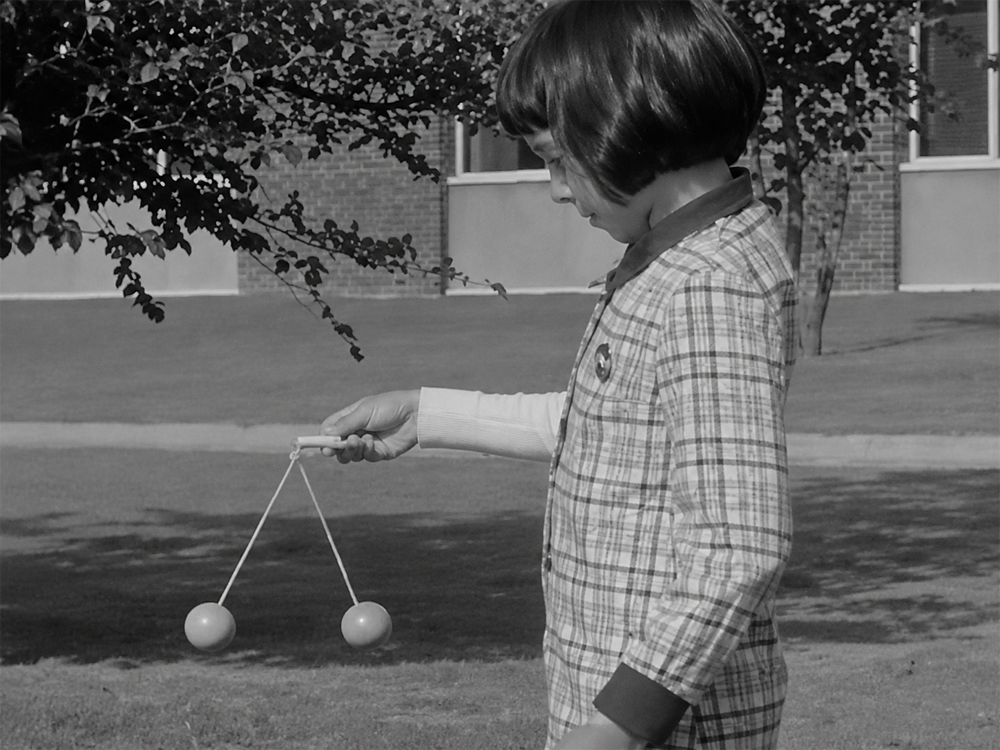
Remember the sound of two hard acrylic balls repeatedly smashing together? That was Clackers. The toy was simple: hold a string, swing the balls, and try to make them collide over and over. The problem was that some versions could shatter under impact, sending pieces flying. Schools and some jurisdictions restricted them, although the story was more complicated than a simple nationwide ban. Looking back, it is impressive that a toy whose main feature was “hit two hard objects together as fast as possible” eventually created safety concerns.
3. Battlestar Galactica Missile-Launching Toys
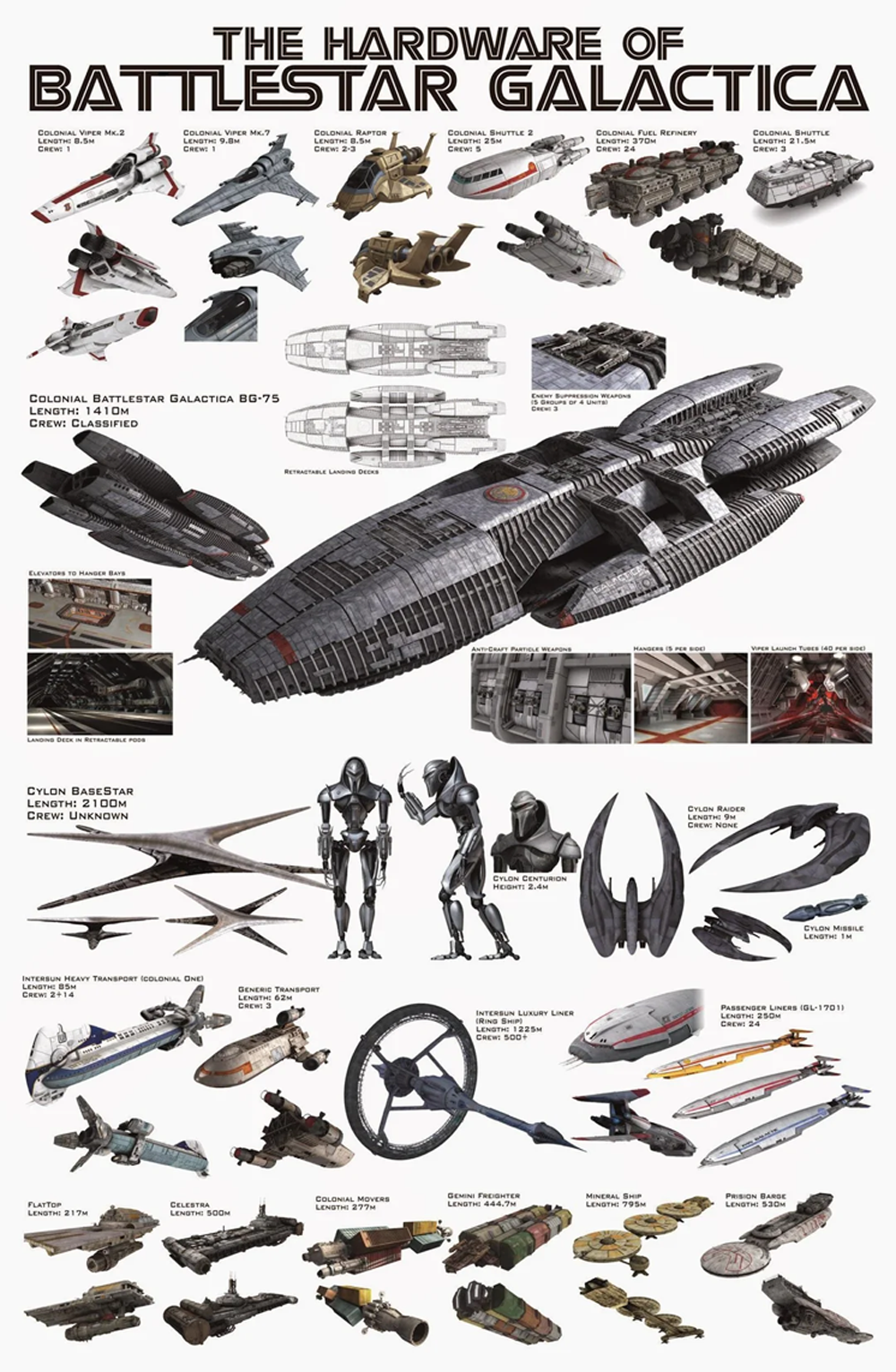
Nothing says “space adventure” quite like tiny plastic missiles flying across the living room. The Battlestar Galactica toy line captured the excitement of the popular TV series, but some projectile features created serious safety concerns. Mattel recalled certain missile-launching toys after reports involving injuries and choking hazards. The idea was simple: recreate the action from the show. The unexpected problem was that kids were very good at turning “launch missiles” into “launch missiles directly toward each other.”
4. Water Wiggle
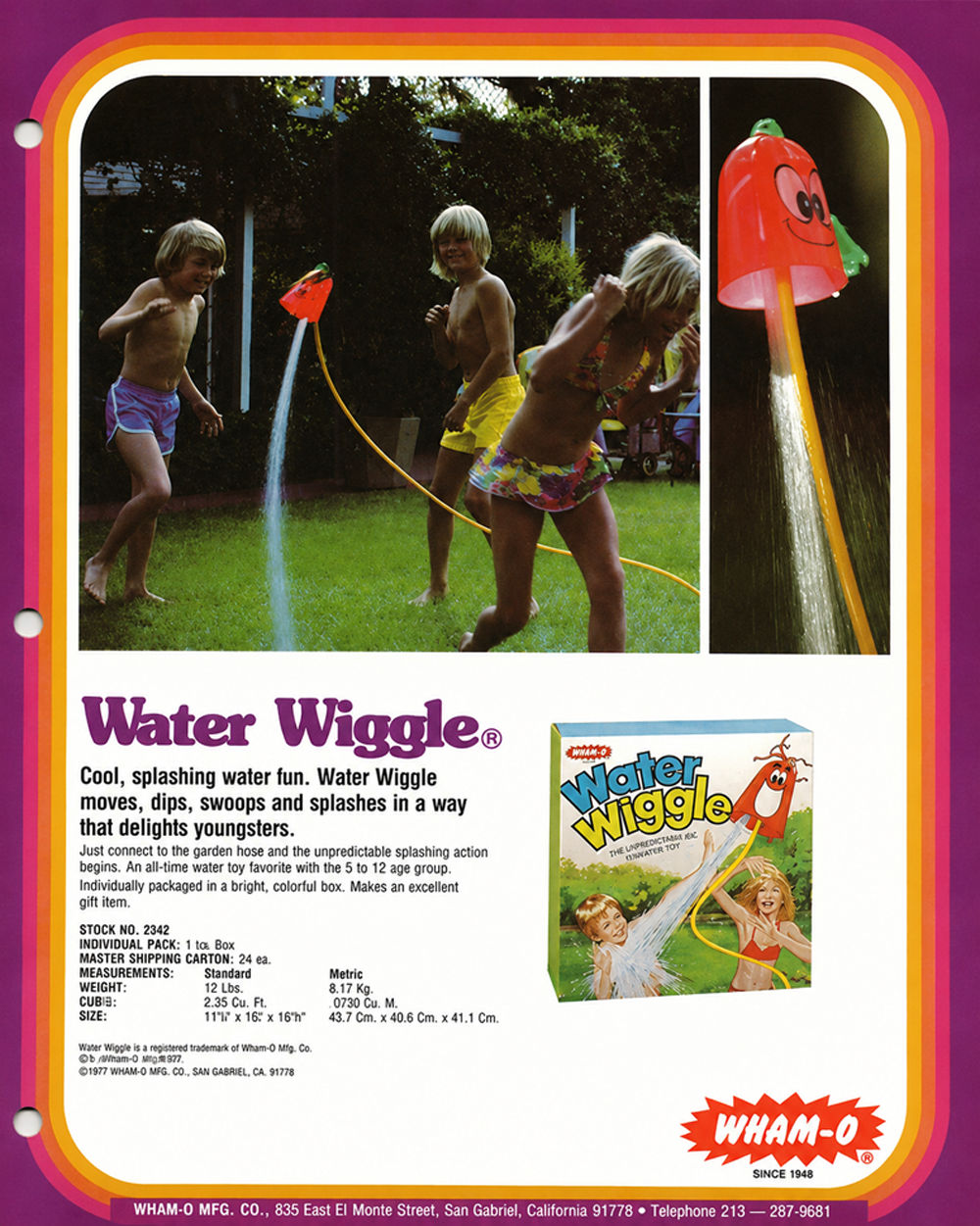
A toy hose that dances around sounds harmless. Then you remember that children were involved. Water Wiggle connected to a garden hose and moved unpredictably as water pushed through it, creating a chaotic backyard toy that was popular in the 1970s. However, certain failures involving the attachment created a serious injury hazard, leading to recalls. The toy basically combined water pressure, movement, and children running around. What could possibly go wrong?
5. Super Elastic Bubble Plastic
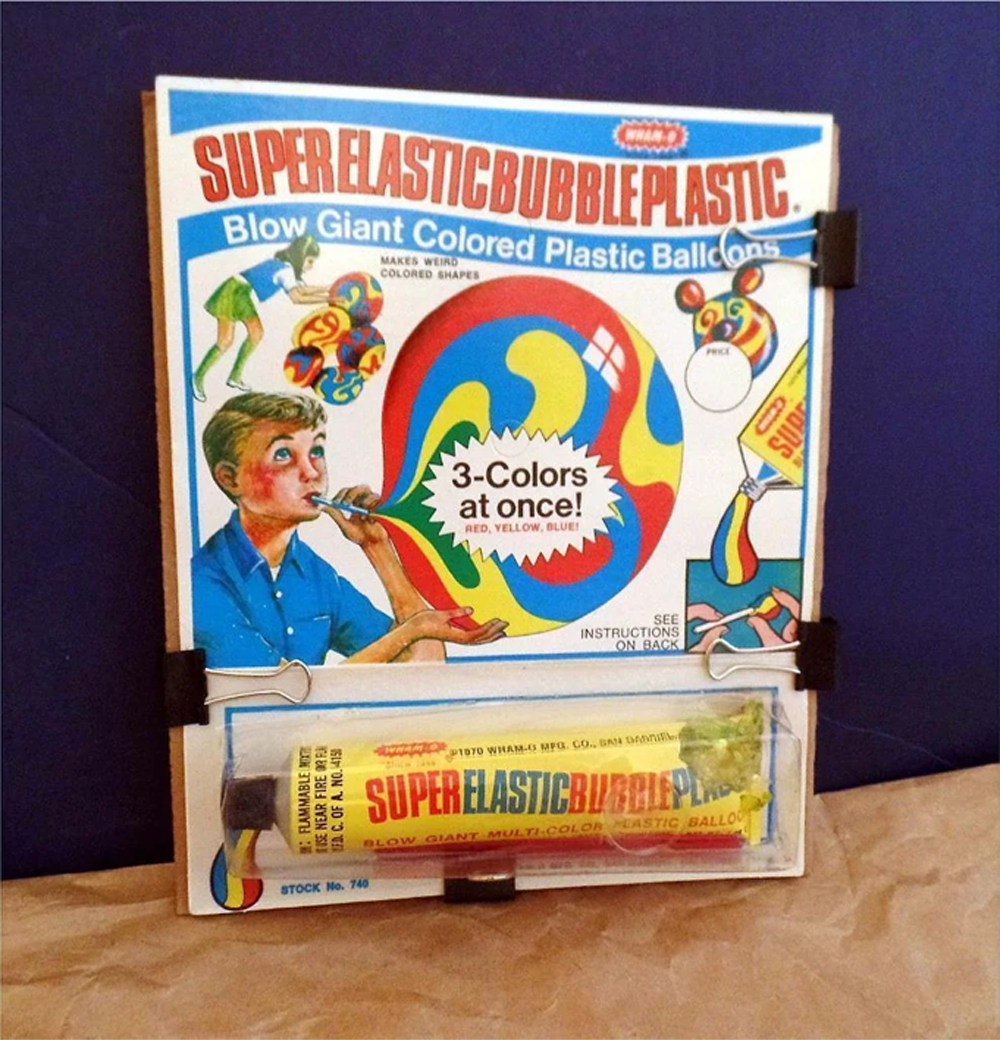
This one sounds like a science experiment disguised as a toy. Children squeezed a chemical-filled tube onto a straw and blew it into a stretchy plastic bubble. The fun part was watching the strange balloon-like creation appear. The less fun part was realizing the product relied on solvent-containing materials that required more caution than many kids probably considered. It was not a villainous toy from a science-fiction movie. It was just a very 1970s example of a time when “Can kids make bubbles with chemicals?” apparently received a much faster yes than it would today.
Trending on The Scroller


6. Creepy Crawlers Thingmaker
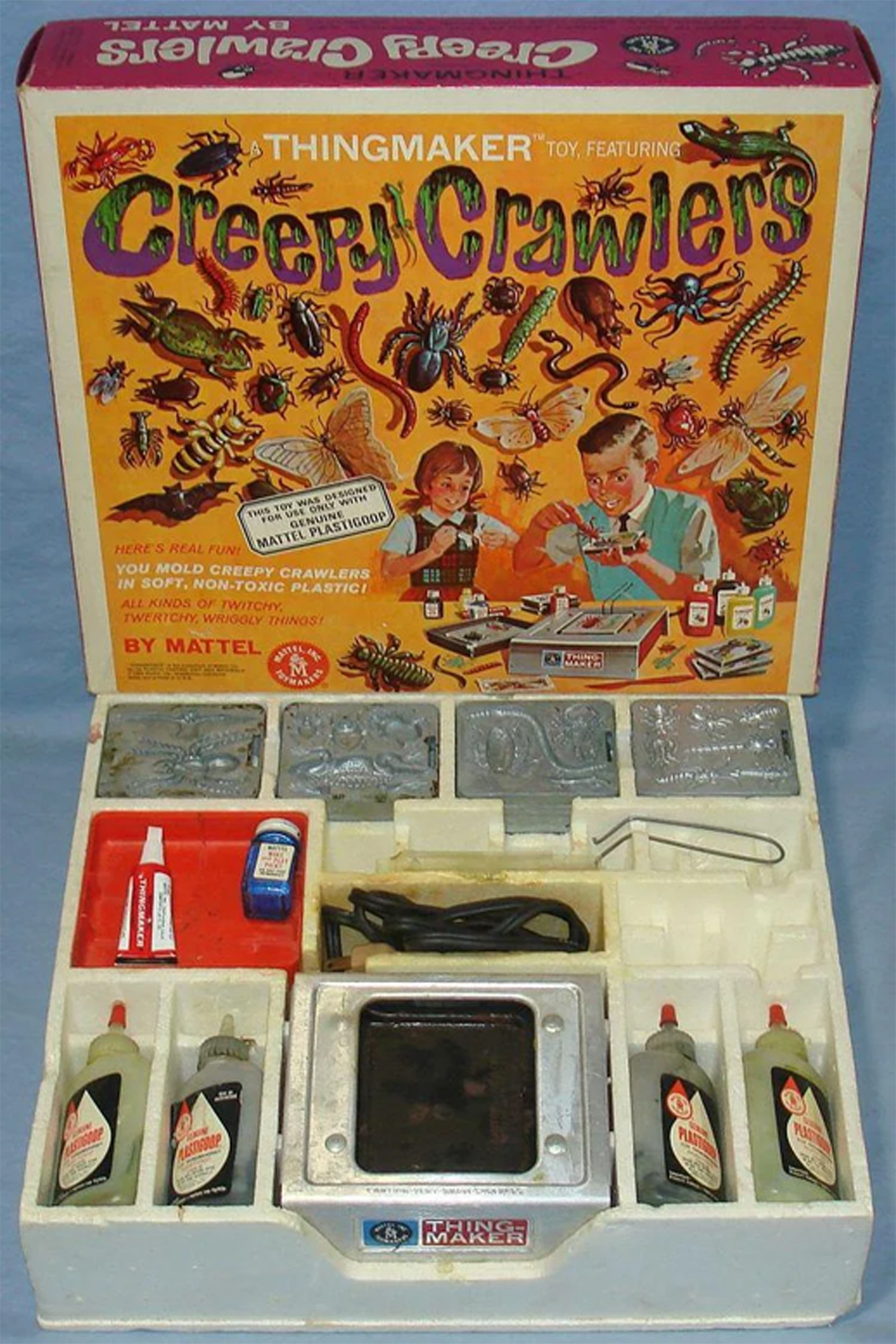
A toy that let kids create their own creepy creatures sounds like harmless fun until you remember one important detail: it involved a very hot metal plate. The Creepy Crawlers Thingmaker allowed children to pour liquid plastic into molds and create their own bugs, monsters, and strange little creations. The problem was that earlier versions reached extremely high temperatures, making burns a real concern before later designs were changed. It was basically a tiny factory for children, except the factory had a heating element sitting on the kitchen table.
7. Easy-Bake Oven
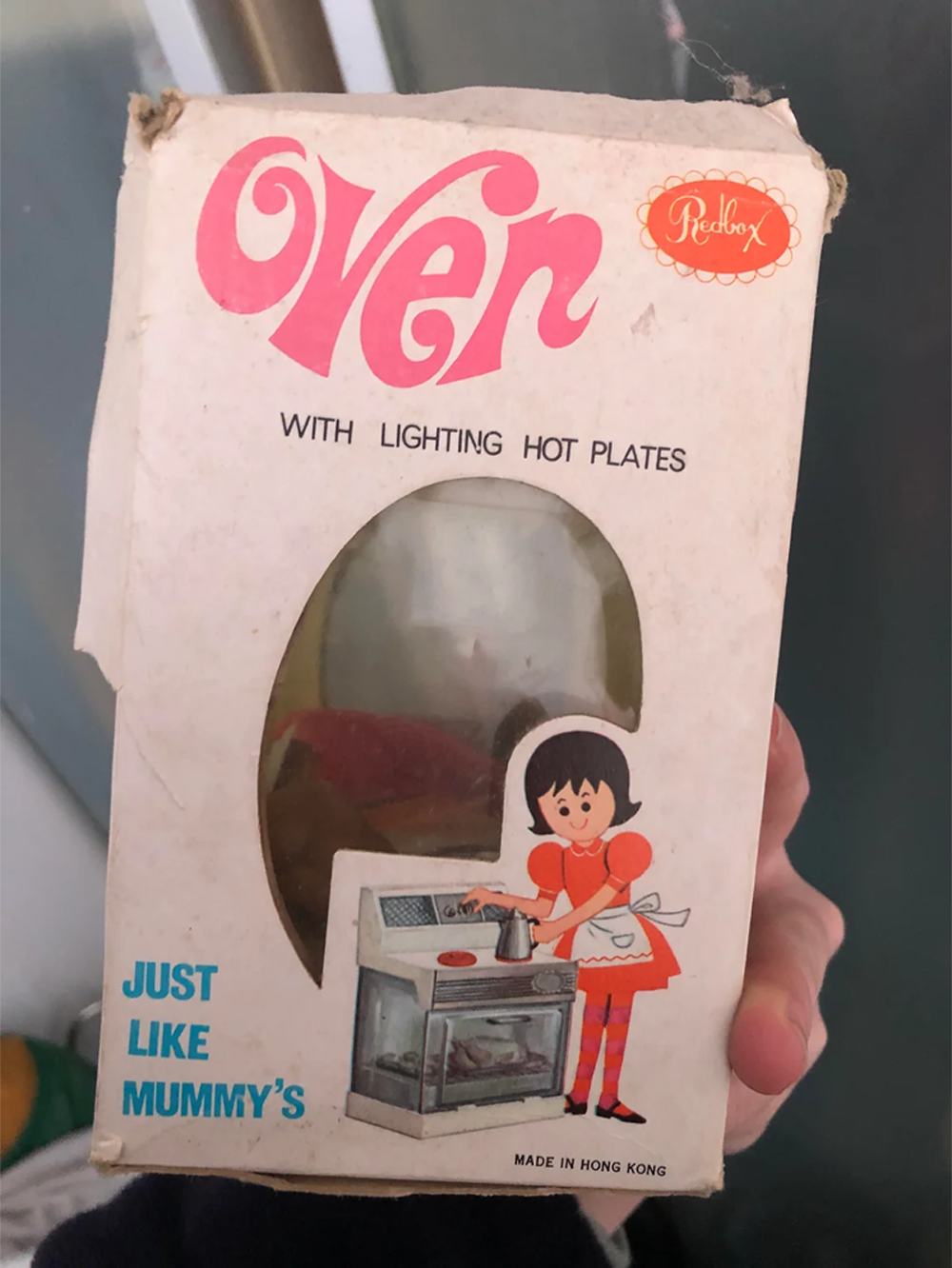
The Easy-Bake Oven was every child’s dream: a miniature kitchen where you could finally make your own tiny desserts. The only problem was that early versions relied on a real heat source inside a toy. Later recalls and redesigns addressed safety issues, but the original concept feels surprising today. A child-sized oven that actually baked food sounds adorable until you remember the phrase “small child + hot appliance” is not exactly a perfect safety combination.
8. Wood-Burning Kits
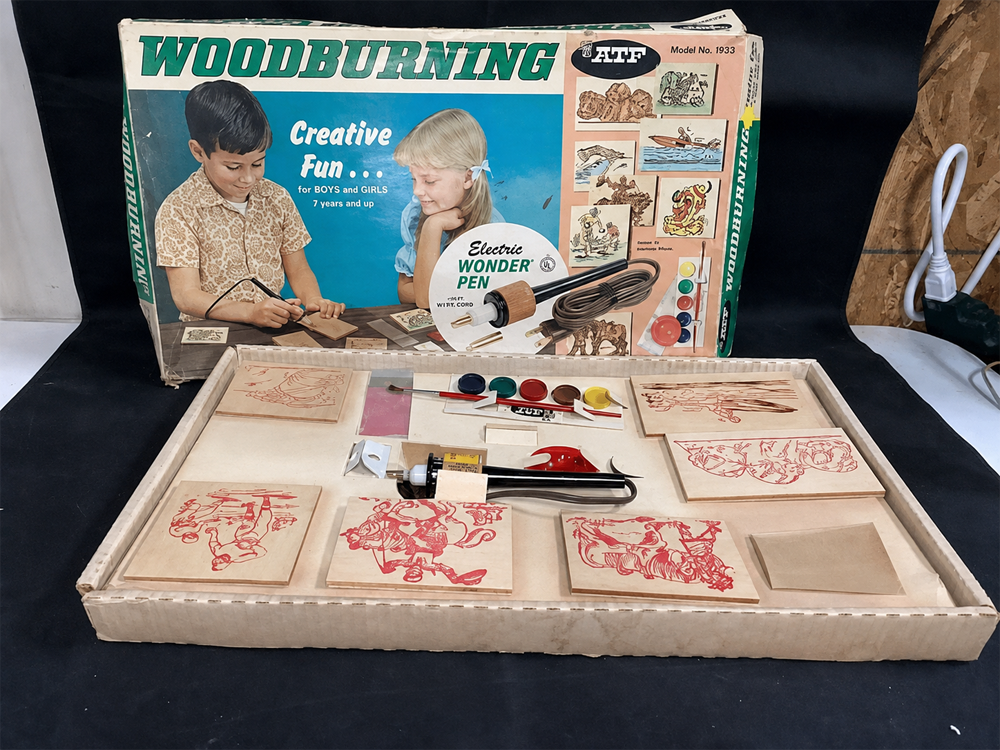
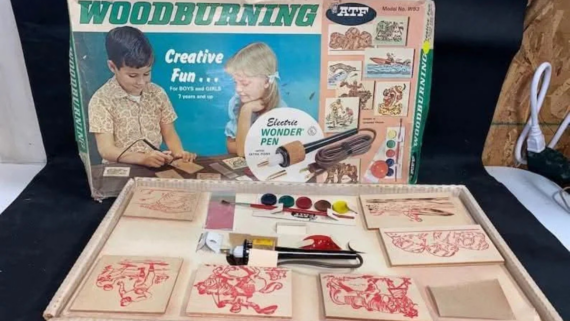
Somewhere in the 1970s, someone decided children should experience the joy of decorating wood with a tool that literally burns it. Wood-burning kits allowed kids to create designs by using a heated pen on wooden surfaces. They are still sold today with age recommendations and safety warnings, but the older versions reflected a time when creative toys often came with fewer barriers between imagination and potential injury. Because nothing says “craft afternoon” quite like handing a child a miniature branding iron.
Sign up for our newsletter
9. Children’s Chemistry Sets
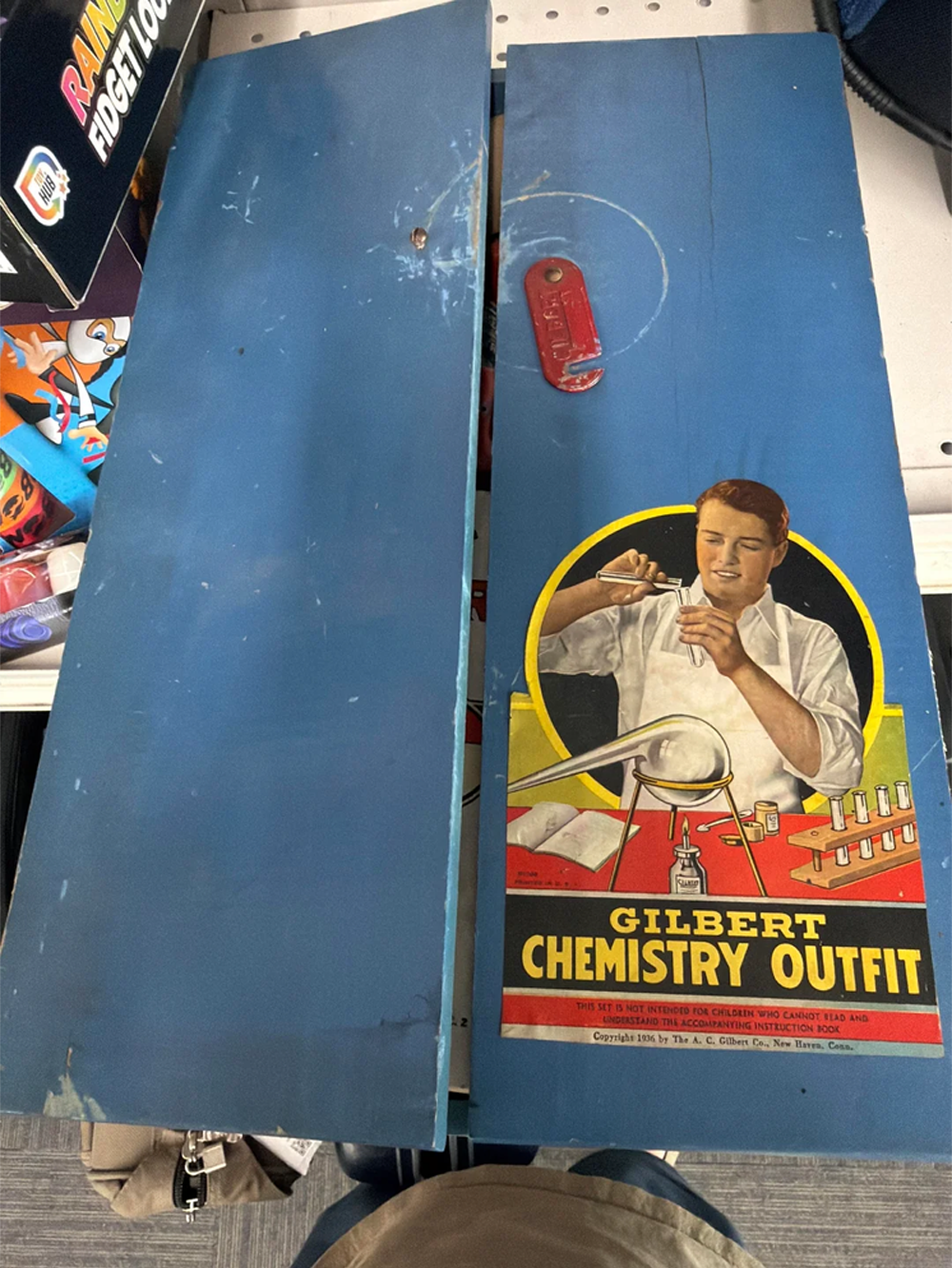
Before science kits became carefully controlled experiments, some chemistry sets felt like a laboratory had been shrunk down and placed in a child’s bedroom. Many 1970s chemistry sets contained more advanced materials than the simplified versions sold today, encouraging kids to mix substances and explore scientific reactions. Modern regulations changed what is included, but the fascination remains the same. The difference is that today’s parents are probably a little happier knowing their child’s “experiment” will not require a phone call to the poison control center.
10. BB Guns
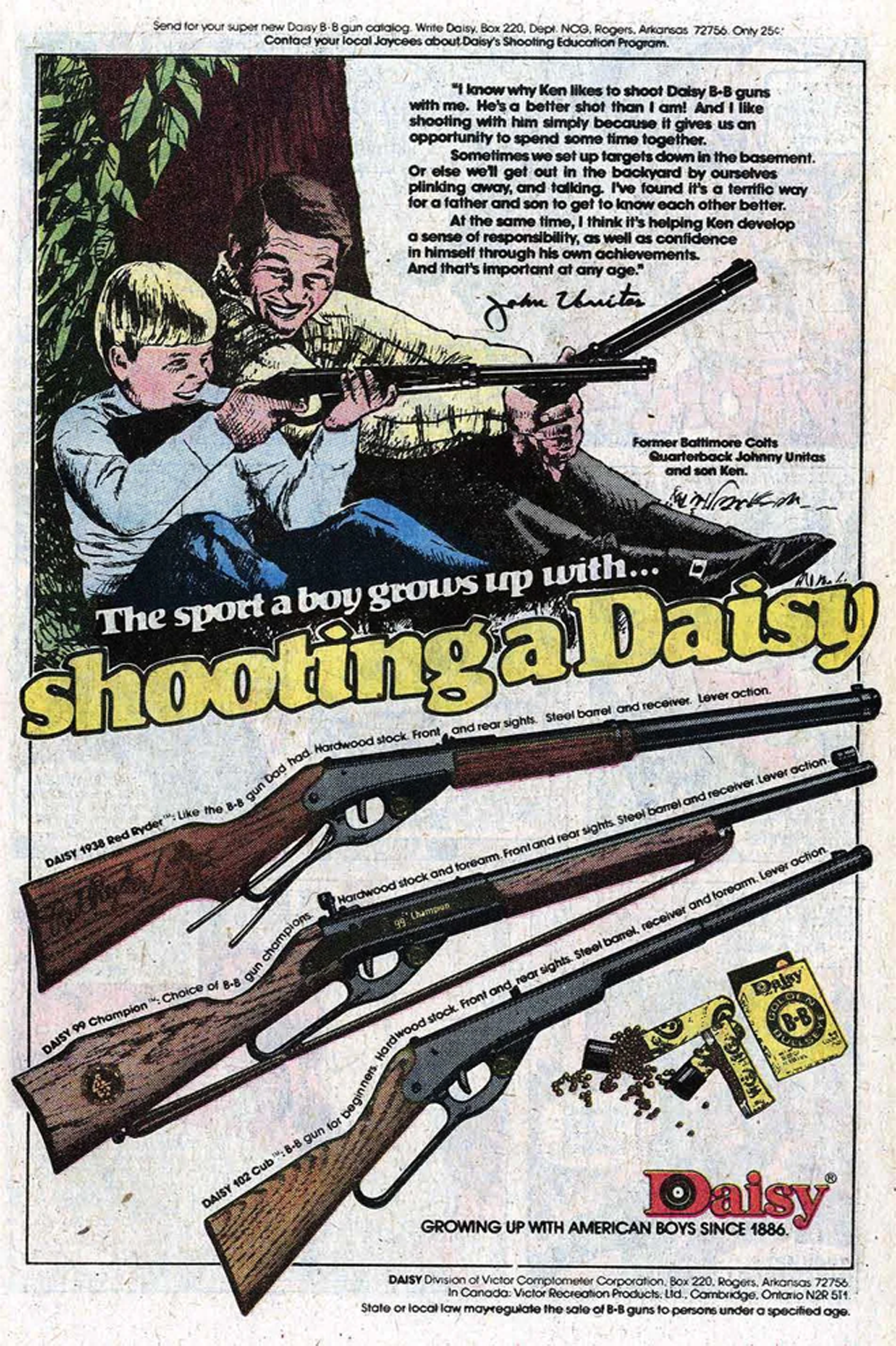
The phrase “it’s just a toy” gets complicated when the object can actually cause an injury. BB guns were heavily marketed to young people and often presented as a way to learn responsibility, target practice, or outdoor skills. They are still sold today, but they are not considered ordinary toys and come with safety concerns, especially around eye injuries. For many kids growing up in the 1970s, getting one felt like a rite of passage. For modern parents, the first question might be less “Where are the targets?” and more “Where are the safety goggles?”
11. Slip ’N Slide
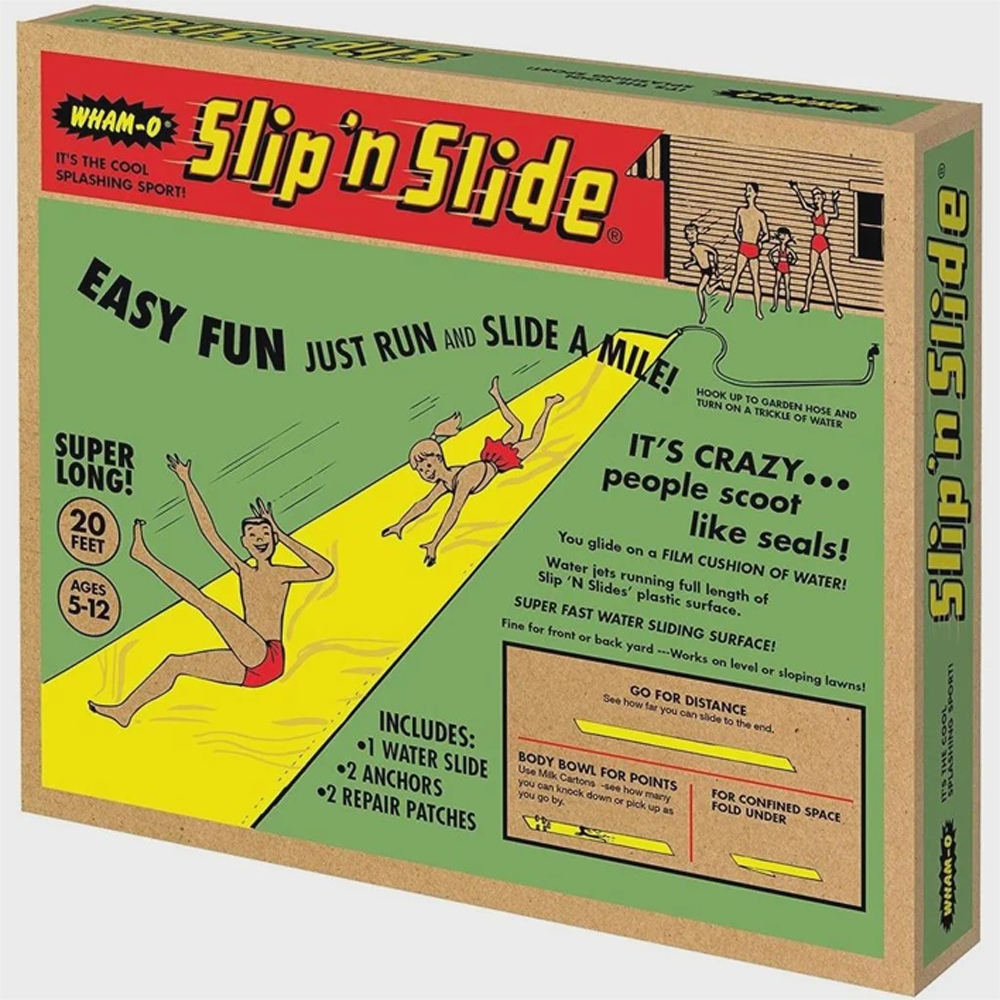
It looked innocent enough: a long piece of shiny plastic, a garden hose, and the promise of becoming an Olympic-level backyard athlete for about five minutes. The Slip ’N Slide became a summer favorite because it turned an ordinary lawn into a homemade water park. The problem was that people sometimes used it in ways the product was not designed for, especially with older users launching themselves at high speed. The toy is still sold today, but safety warnings exist for a reason. Because apparently, “running full speed and landing on a wet sheet of plastic” was not as foolproof as it sounded.
12. Trampolines
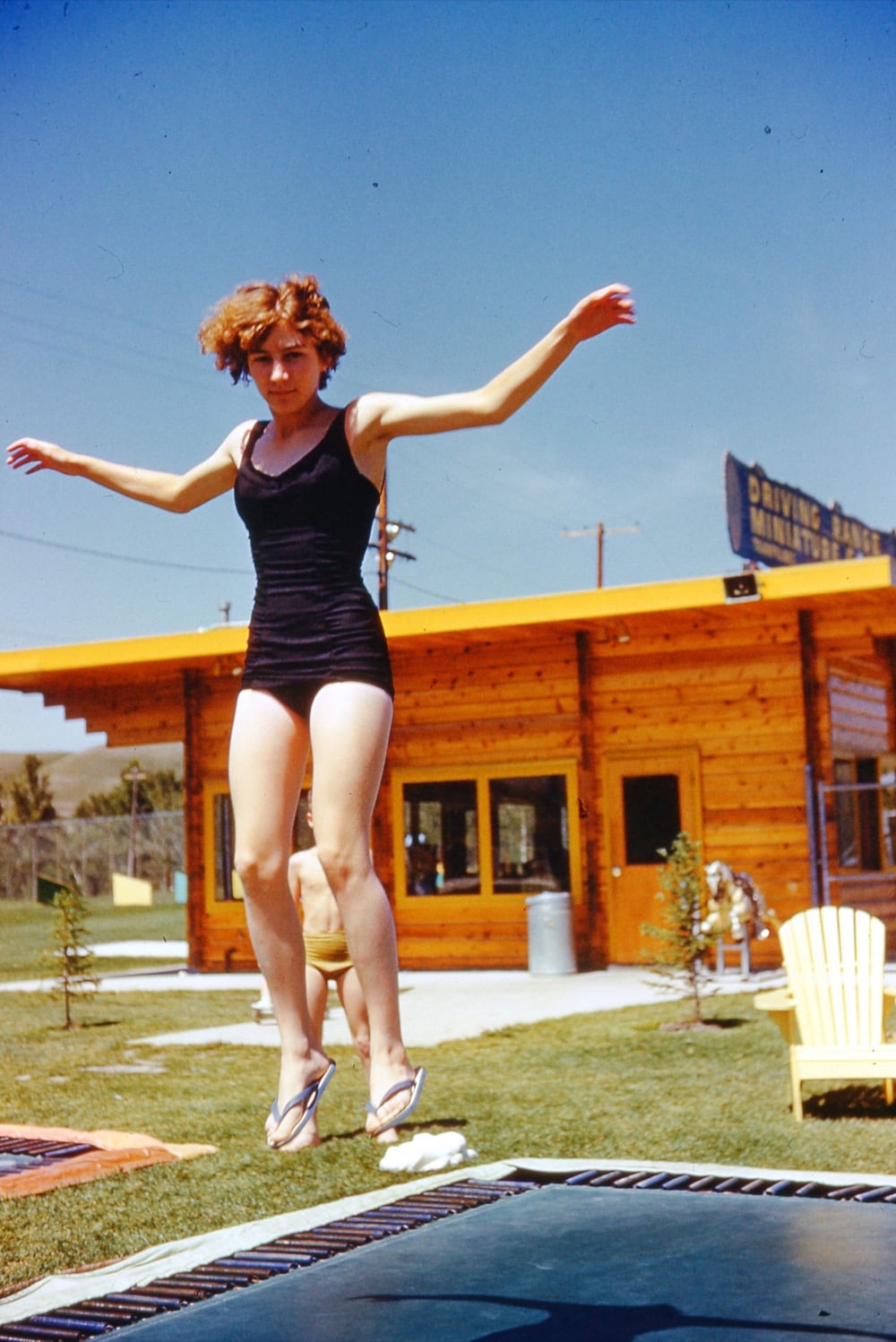
Few toys captured childhood freedom quite like a trampoline. Jumping higher than everyone else felt like a superpower, and backyard trampolines became gathering spots for entire neighborhoods. The problem was that the excitement came with real risks, including fractures and head or neck injuries. Modern safety guidance changed how trampolines are used, but the basic appeal remains the same. Who doesn’t remember looking at one and thinking, “I can definitely jump higher than that?”
13. Pogo Sticks
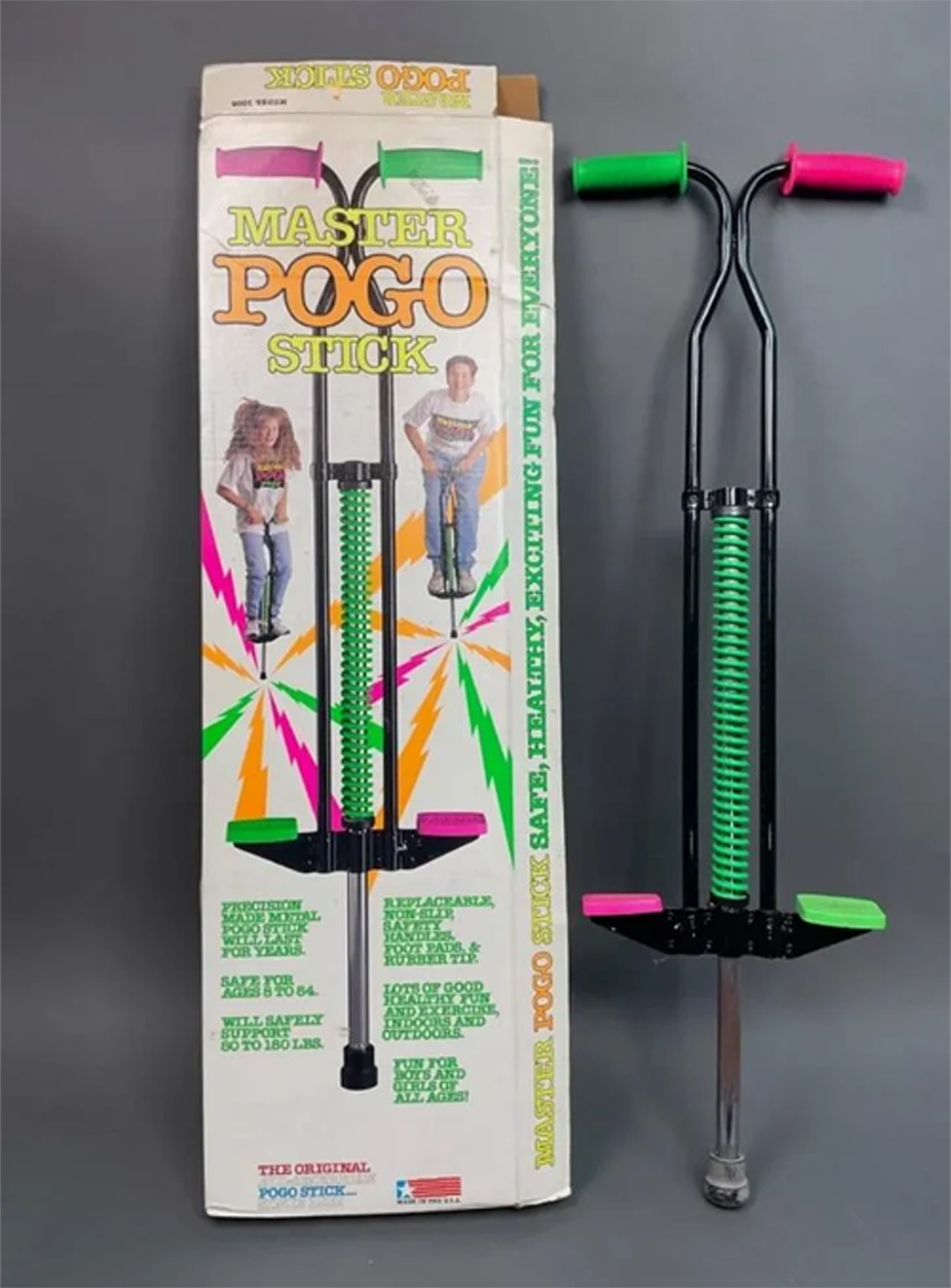
The pogo stick was basically a challenge disguised as a toy. The goal was simple: balance on a spring-loaded stick and keep bouncing without falling. Of course, falling was a major part of the experience. Pogo sticks are still sold today with protective equipment recommendations, but older versions reflected a time when kids were often expected to learn coordination through trial, error, and the occasional dramatic wipeout.
14. Metal Roller Skates
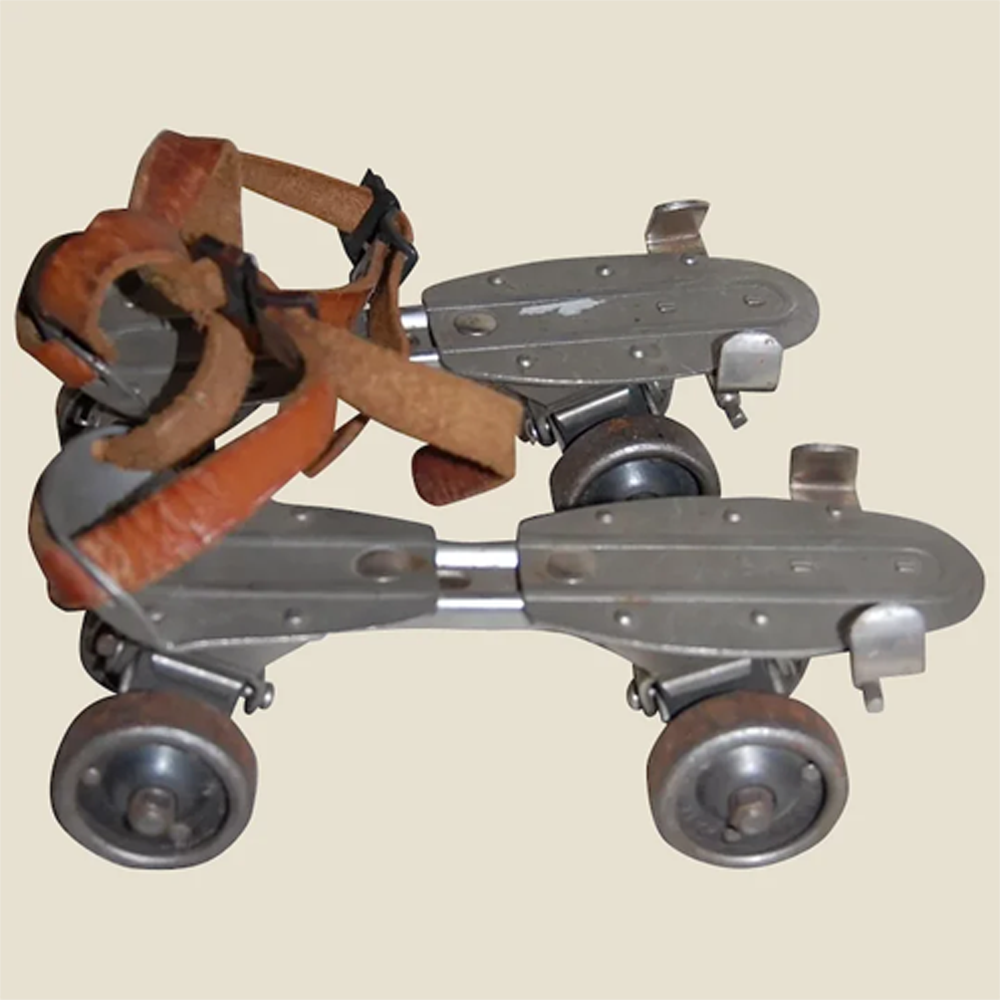
Before smooth modern designs and protective gear became common, roller skating was a little more unpredictable. Many children in the 1970s strapped on metal roller skates and practiced on sidewalks, driveways, and neighborhood streets. The wheels were less forgiving, the surfaces were less controlled, and falling was practically part of the learning process. Still, there was something magical about gliding down the street with absolutely no idea whether the next turn would be graceful or a complete disaster.
15. Early Skateboards
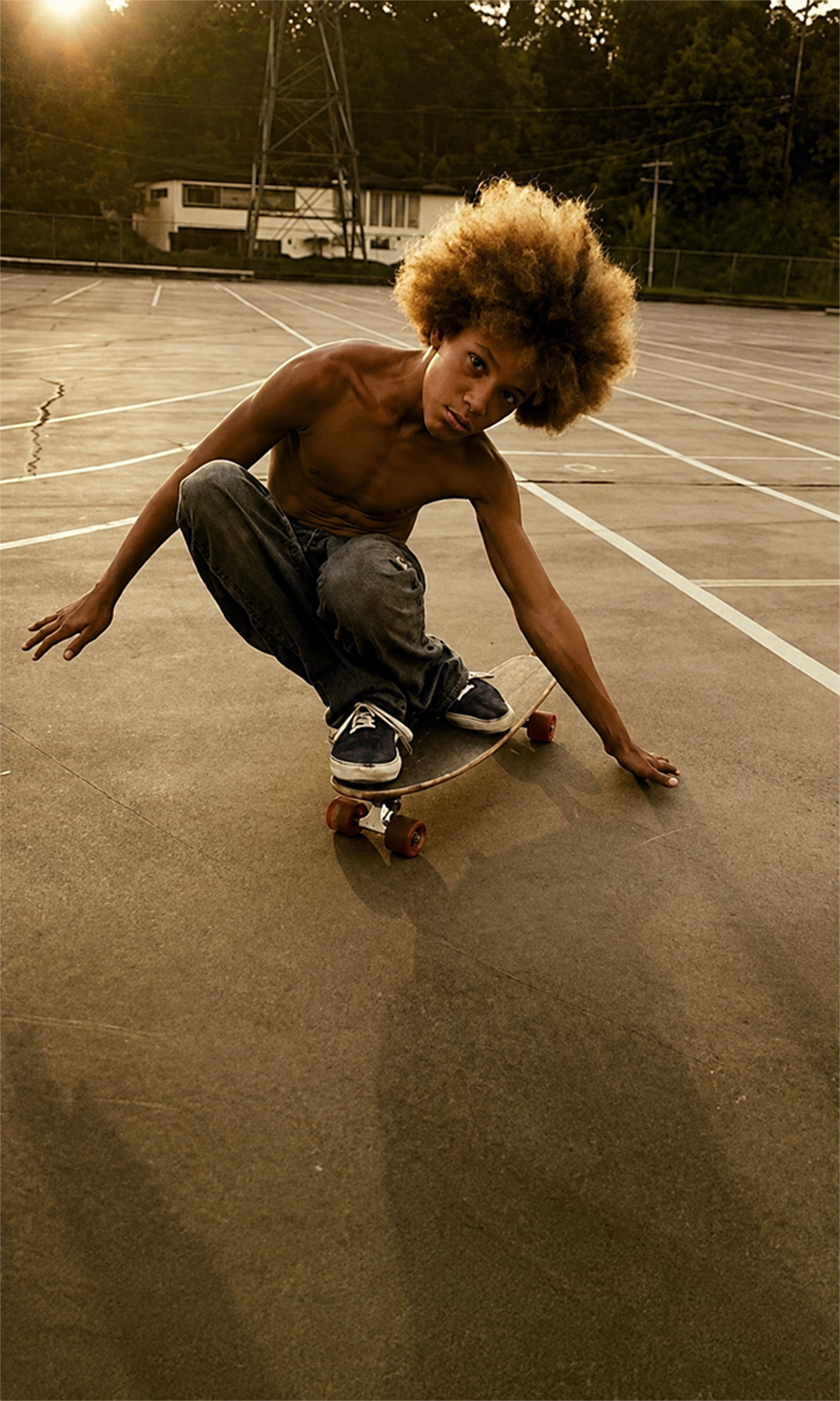
The 1970s skateboard boom turned sidewalks, empty pools, and driveways into unofficial skate parks. Modern skateboard culture comes with helmets, protective gear, and professionally designed spaces, but early riders often learned through experimentation. Boards were evolving, safety standards were different, and every trick involved a negotiation between confidence and gravity. The sport survived because kids kept trying, even when the pavement had very strong opinions about their technique.
16. Cap Guns
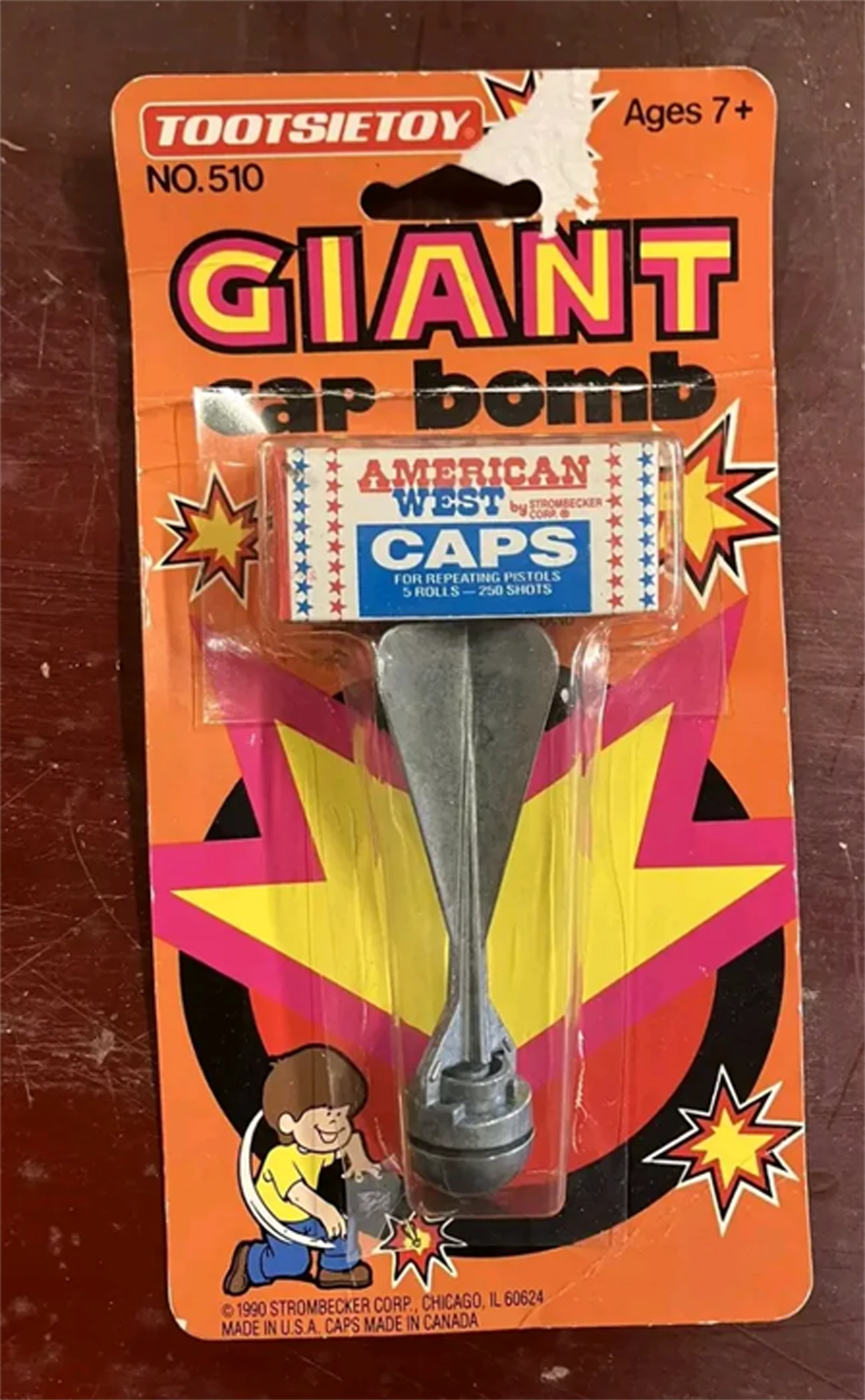
There was a time when pretending to be a cowboy meant carrying a toy weapon that actually made noise. Cap guns gave kids the full dramatic experience: the tiny explosion sound, the smell of the caps, and the feeling that the backyard had suddenly become the Wild West. They are still available in modified forms today, but concerns around hearing, projectiles, and confusion with real firearms changed how these toys are designed and marketed. Funny how a little roll of paper caps once felt like the height of action-adventure.
17. Toy Ovens and Hot Plates
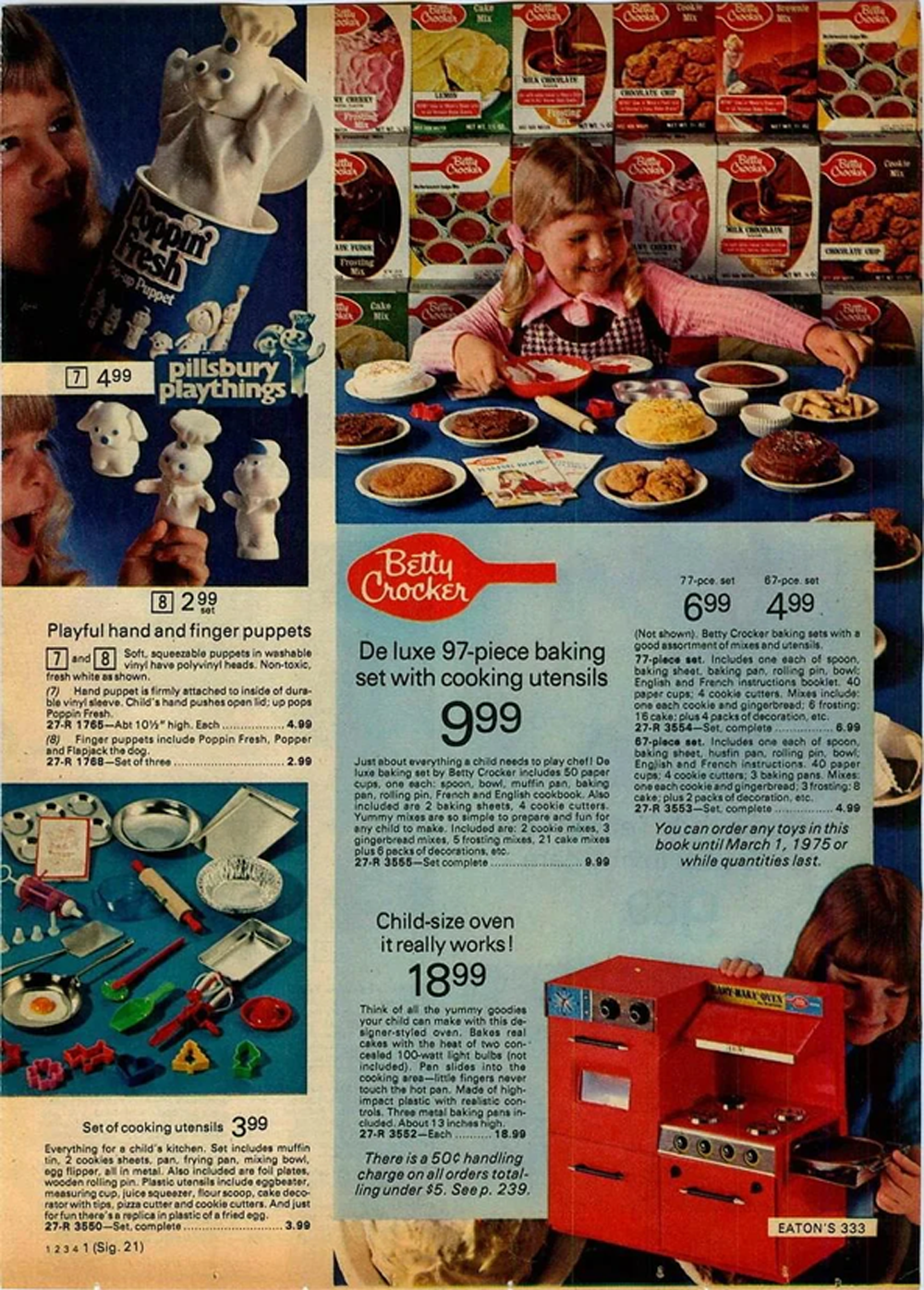
A miniature kitchen sounds adorable until you remember it was actually cooking. Some toy ovens from past decades used real heating elements, creating the kind of play experience that felt incredibly realistic but also came with obvious risks. Specific models faced recalls or redesigns, and modern versions focus much more on safety. Did anyone else grow up thinking a child-sized appliance was the perfect introduction to cooking?
18. Projectile Dart Guns
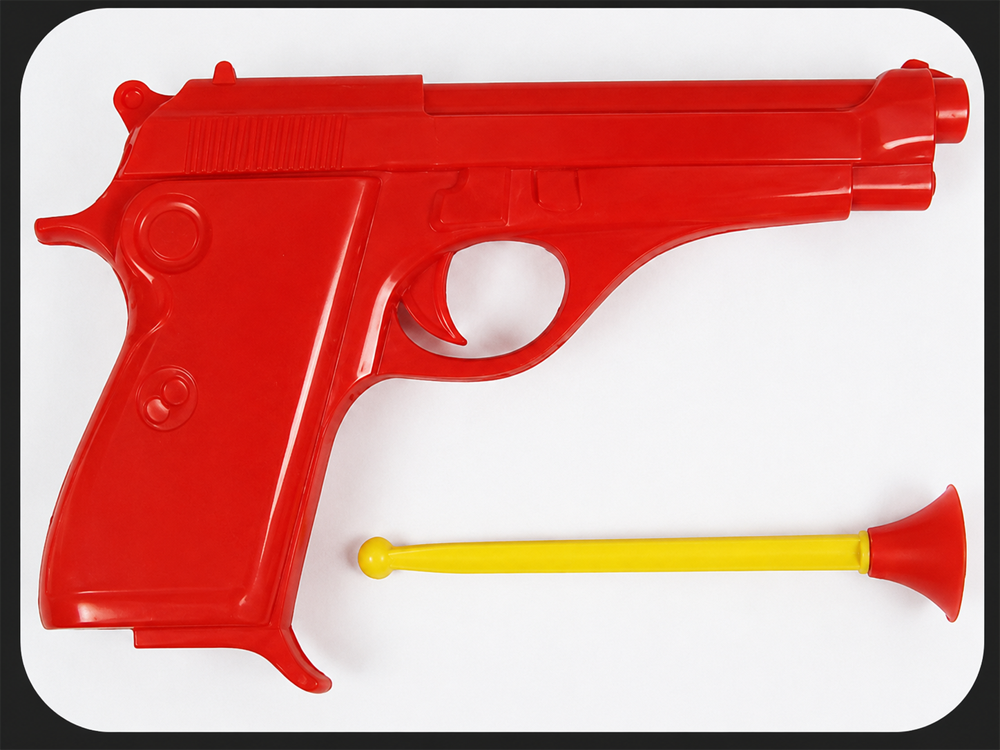
The idea was simple: aim, fire, and enjoy the thrill of launching something across the room. The problem was that not every projectile toy was created equally. Some versions used harder darts or designs that raised safety concerns, leading to recalls and changes over time. Modern foam dart toys are much more controlled, but older versions remind us that “it shoots something” was once considered a pretty convincing selling point.
19. Inflatable Pool Toys
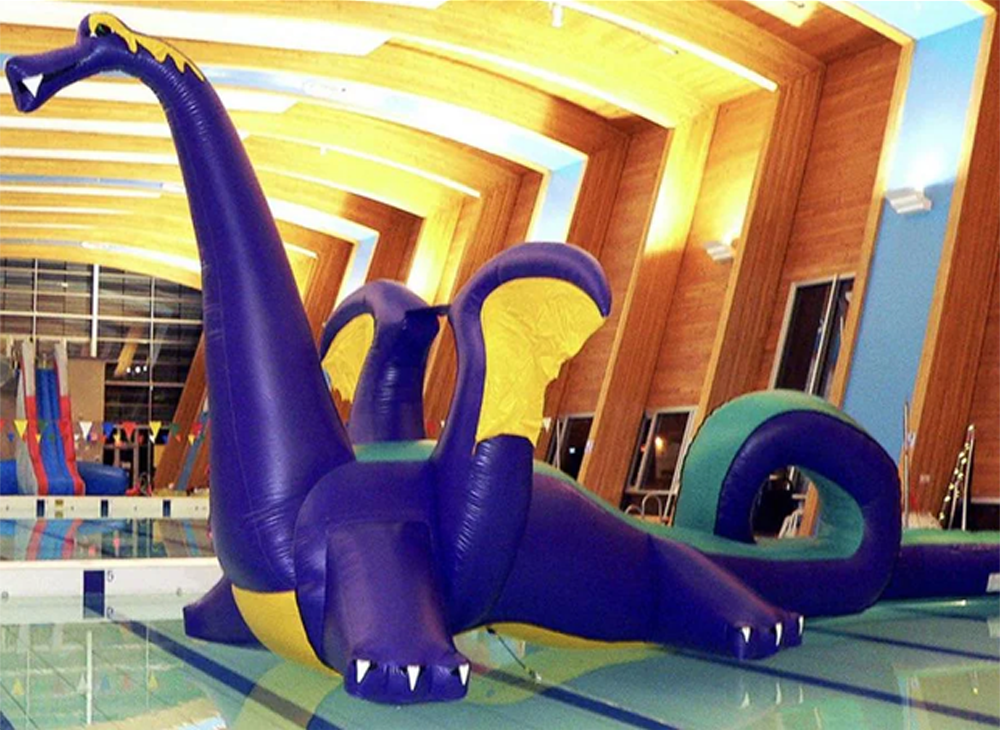
They looked like flotation devices. They acted like pool accessories. The confusion was the problem. Inflatable rings, animals, and floating toys became backyard and beach staples, but they were never meant to replace actual safety equipment. The danger came from treating them as something they were not designed to be. Because honestly, who has not looked at a giant inflatable raft and thought, “This basically counts as a boat”?
20. High-Powered Toy Rockets
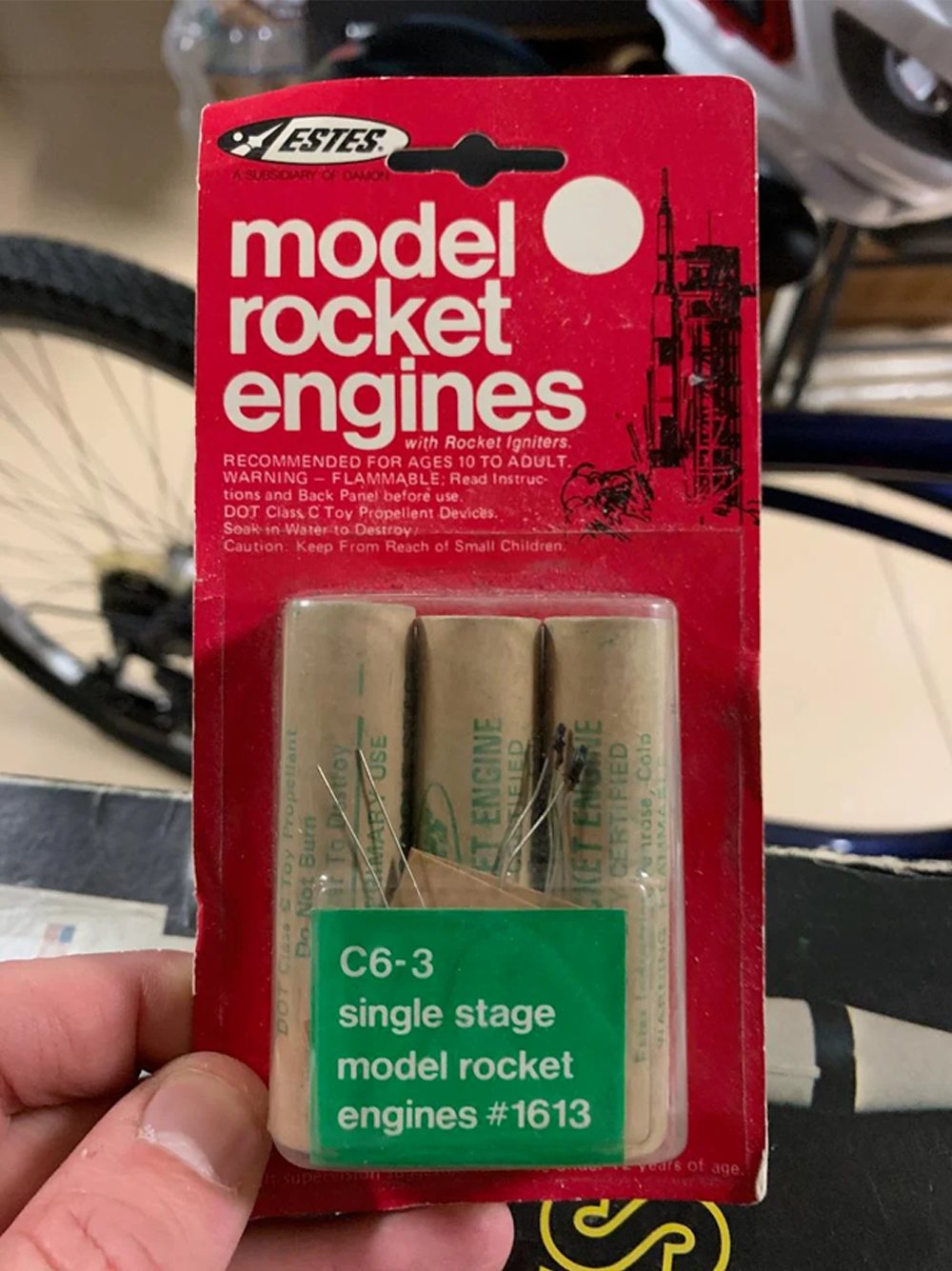
For some kids, the dream was not just playing with a toy. It was launching something into the sky. Model rockets gave children a taste of engineering and experimentation, and many kits still exist today under safety guidelines. The important distinction is between certified models and unsafe homemade launches. The 1970s version of backyard science was full of imagination, but sometimes it also involved standing a little too close to something you had just sent flying upward.
The dangerous toys from the 1970s were not simply examples of careless parenting or a reckless era. They were products of their time, created during a period when safety standards, regulations, and research were still evolving. Some disappeared after recalls. Others were redesigned. Many are still around today, just with more warnings, better instructions, and fewer chances of turning playtime into an emergency room visit.
What makes these toys fascinating is not just the danger. It is the reminder that childhood itself has changed. The games stayed creative, but the rules around them became much more careful. Because looking back, the strangest question is not “How did kids play with these?” It is “What things do we consider completely normal today that future generations will find unbelievable?”
Keep Exploring The Scroller
Love discovering the forgotten toys, trends, and everyday moments that shaped past generations? Keep Exploring The Scroller for more surprising history, nostalgic memories, and stories that prove the past was often stranger than we remember:
16 Toys That Many Kids Asked For Holiday Season In The 1990s
20 Toys From The 1930s That Should’ve Come With Warning Labels