
Some old social rules sound strange now because they were once treated as ordinary, polite, or even necessary. They shaped how people dressed, worked, dated, behaved in public, and understood their place in society. A few were simply fussy, but others reveal how much power, class, gender, and reputation controlled everyday life. Looking back at them is less about laughing at the past and more about noticing how many “proper” behaviors were built on ideas we no longer accept so easily.
1. Women Were Expected to Quit Their Jobs After Marriage
OLDSCHOOLCOOL / VIA REDDIT
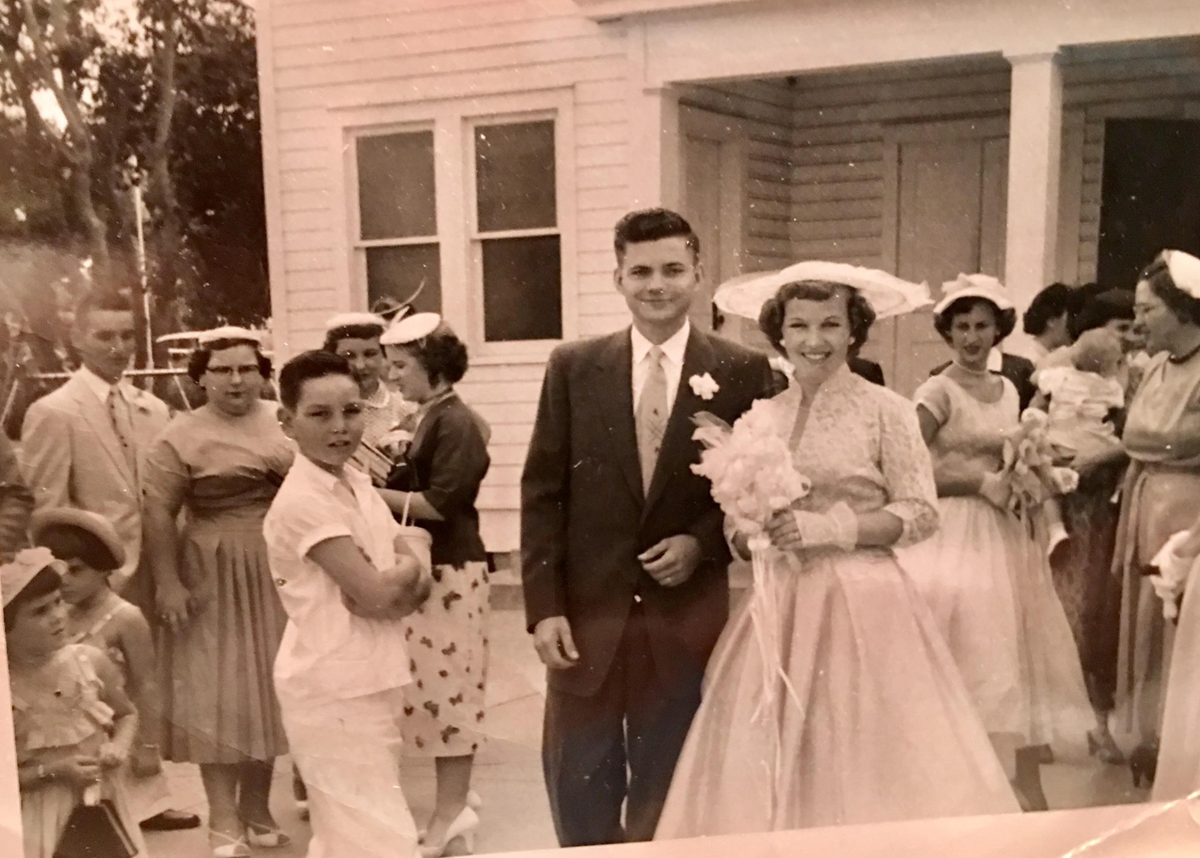
For much of the 20th century, a woman’s job was often treated as something temporary, useful only until she became a wife. In some workplaces, marriage bars formally or informally pushed women out once they married, especially in teaching, banking, and office work. The idea was that a married woman belonged at home, while a paid position should go to a man supporting a family. It aged badly because it turned ambition into something suspicious and made financial independence look like a social problem.
2. Men Were Supposed to Pay for Everything on a Date
PICS / VIA REDDIT
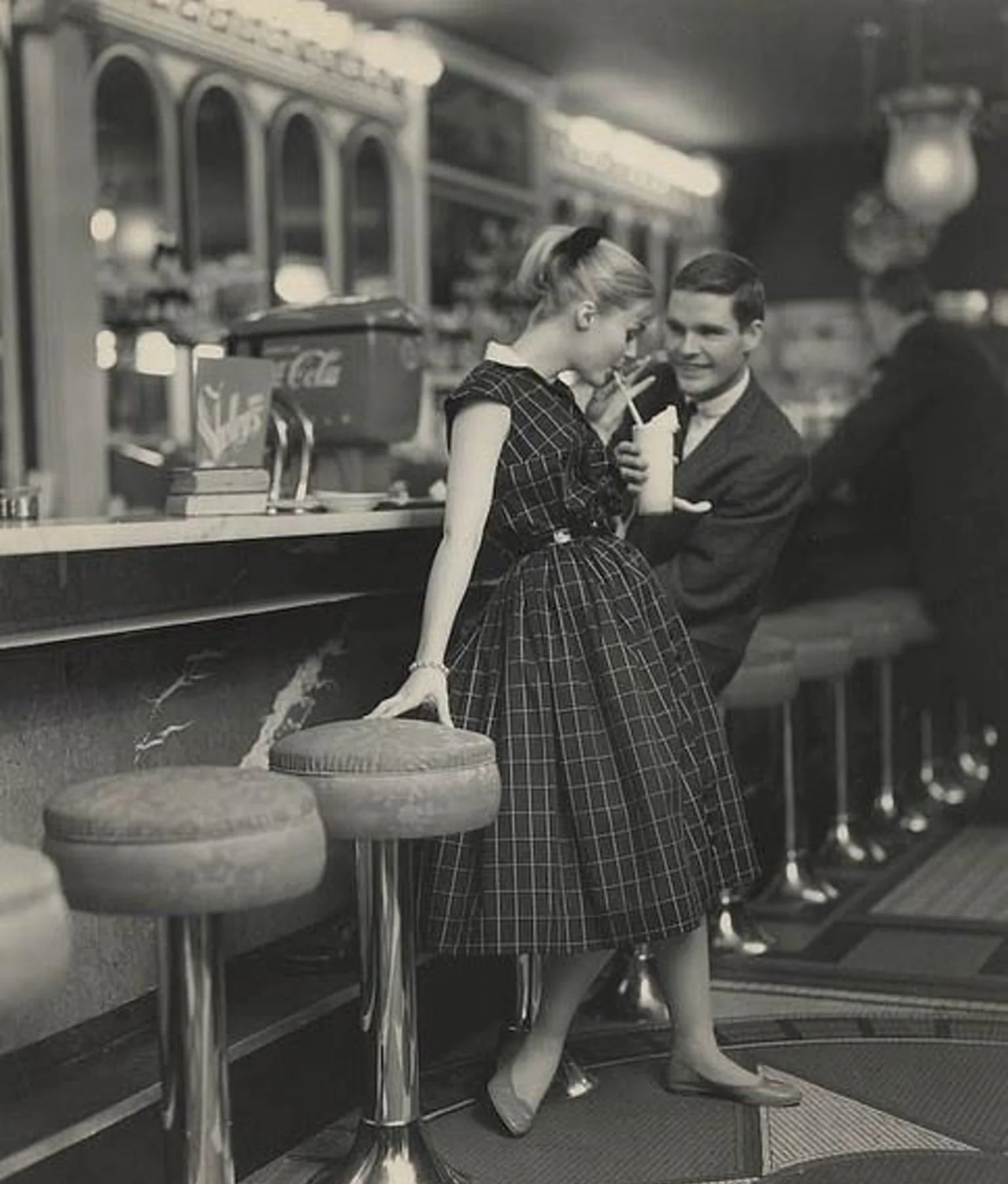
At one time, the bill at dinner was almost a performance of gender roles. The man paid, the woman accepted, and everyone pretended this arrangement said something noble about manners. In reality, it often came with quiet expectations about control, gratitude, and who got to lead the relationship. Plenty of people still enjoy treating someone, but the old rule that one gender must always pay now feels less like romance and more like a script nobody agreed to write.
3. Children Had to Be Seen and Not Heard

OLDSCHOOLCOOL / VIA REDDIT
This rule was once repeated so casually that it became almost a household slogan. Children were expected to stay quiet around adults, avoid interrupting, and accept decisions without much explanation. It may have made dinner parties easier, but it also taught many kids that their feelings, questions, and discomfort were inconvenient. Today, it reads as less about manners and more about keeping young people powerless.
4. Divorce Was Treated Like a Public Failure
HISTORY / VIA REDDIT
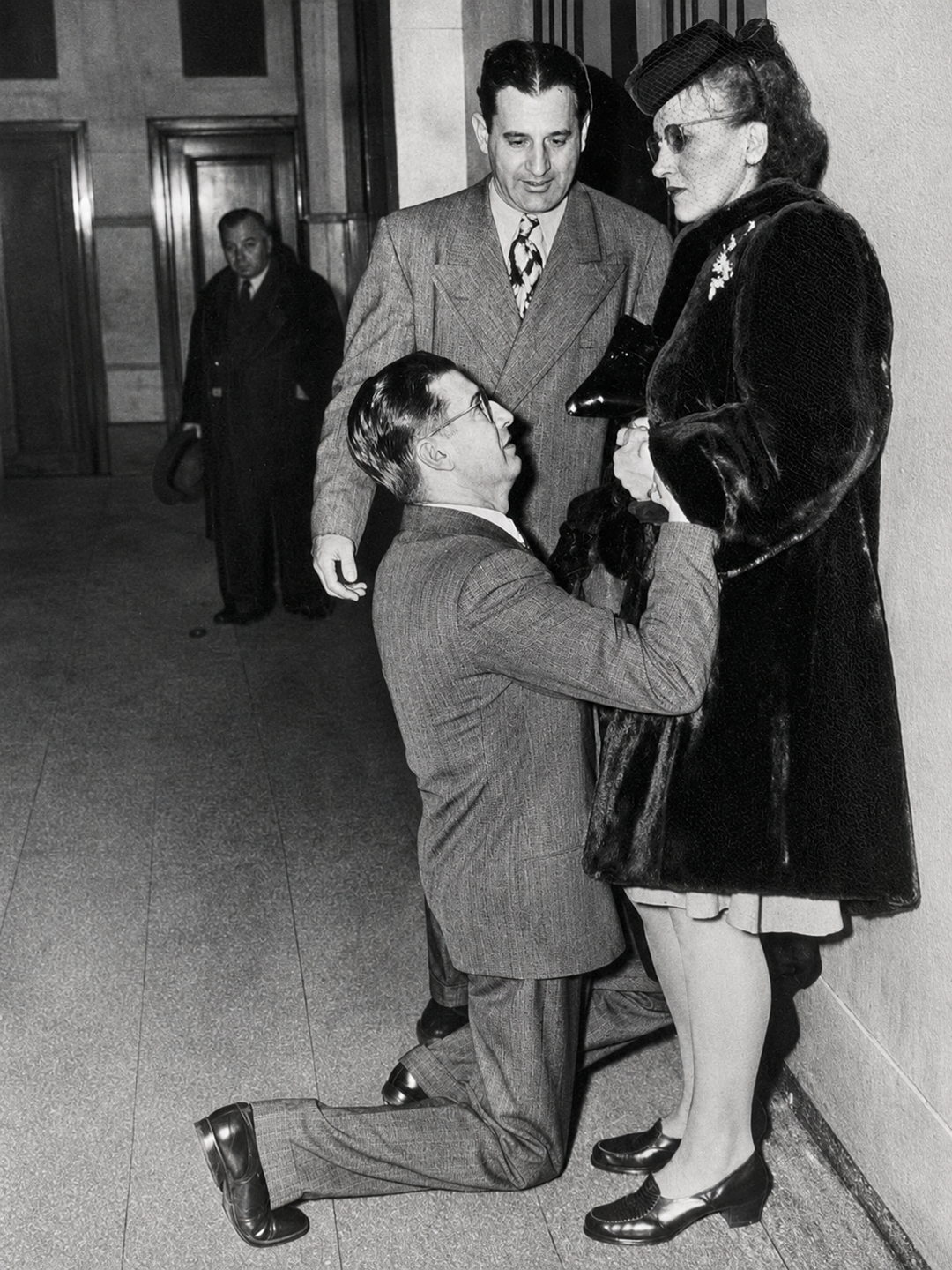
For generations, divorce carried a heavy social stain, especially for women. Families whispered about it, neighbors judged it, and some communities treated divorced people as if they had done something morally reckless. The pressure to stay married at any cost meant many people remained in unhappy, unsafe, or completely loveless relationships just to avoid shame. What once passed as protecting the family now looks like protecting appearances.
5. Left-Handed Children Were Forced to Use Their Right Hand
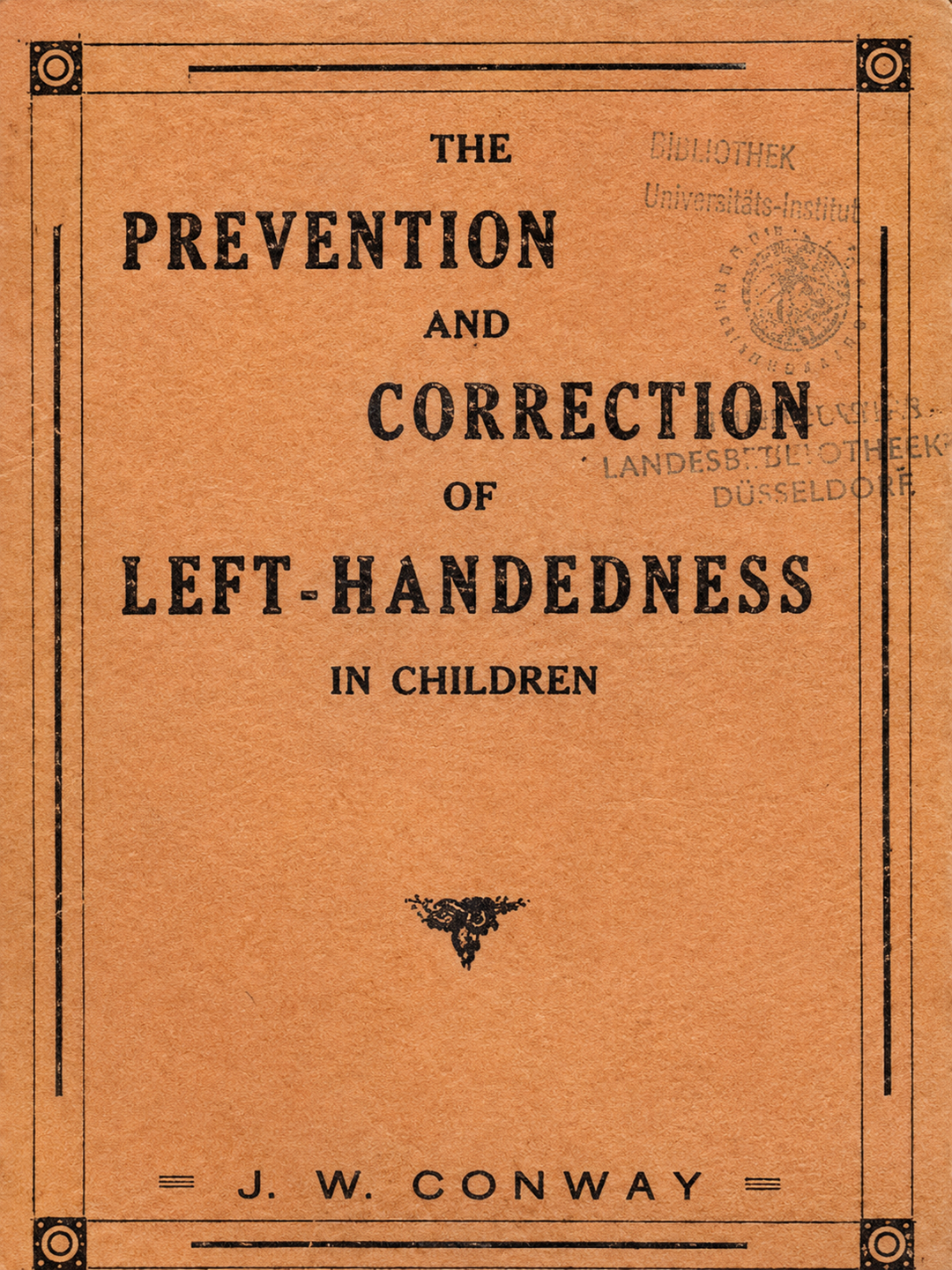
INTERESTING / VIA REDDIT
It sounds almost absurd now, but left-handed children were often corrected, scolded, or physically trained to write with their right hand. Teachers and parents sometimes saw left-handedness as messy, stubborn, or even improper. The result was a lot of needless frustration for kids who were simply wired differently. A rule that once looked like discipline now seems like a perfect example of adults inventing a problem where there wasn’t one.
Trending on The Scroller
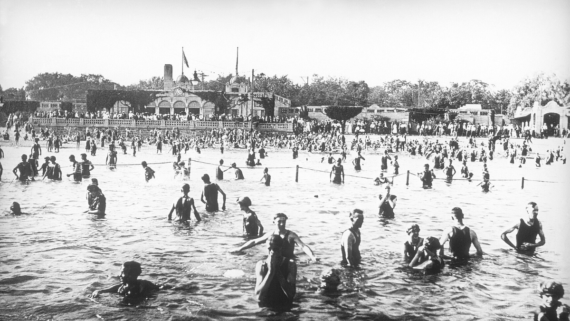

6. Women Were Told to Smile More

OLDSCHOOLCOOL / VIA REDDIT
The old demand that women should smile was everywhere, in offices, restaurants, street encounters, family gatherings, and photographs. It was framed as friendliness, but it often meant women were expected to make everyone else comfortable, no matter how they actually felt. A neutral face could be called rude, cold, or unfeminine. That rule aged terribly because it confused politeness with emotional labor.
7. Crying Was Considered Unmanly
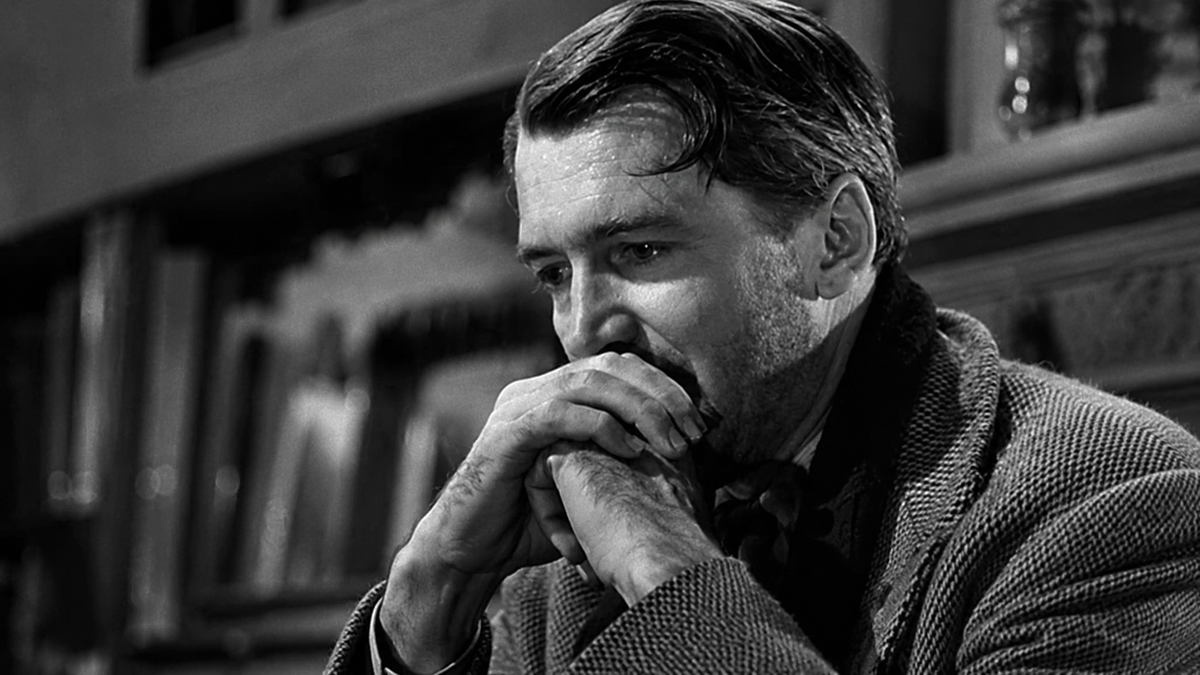
MOVIEDETAILS / VIA REDDIT
Boys heard it in different versions: “be tough,” “don’t cry,” “take it like a man.” The message was simple and damaging; sadness was weakness unless it was hidden. Men were allowed anger far more easily than grief, fear, or tenderness. That old rule did not create stronger people; it just taught many of them to suffer quietly.
8. Chaperones Were Treated as Necessary for Respectable Dating
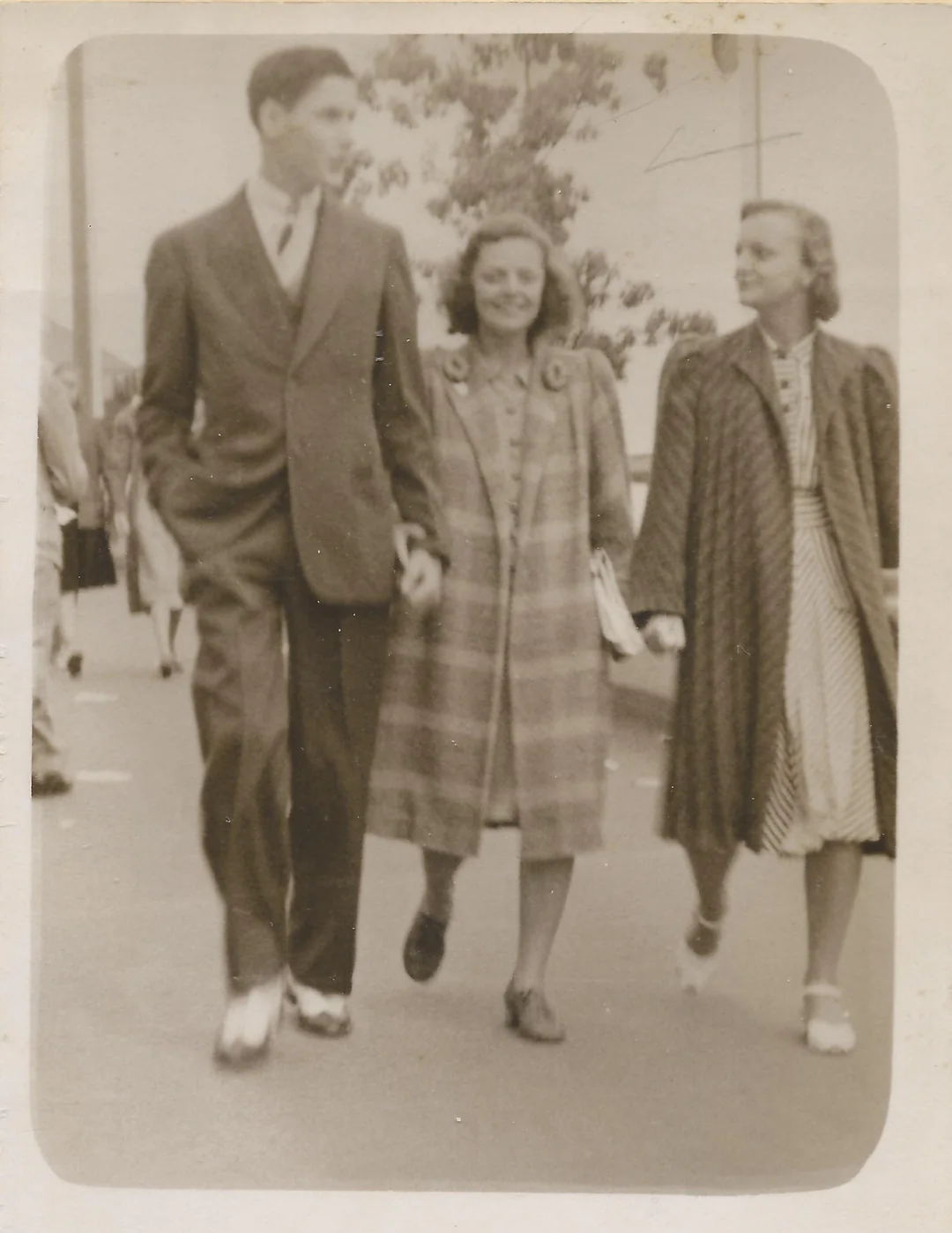
OLDSCHOOLCOOL / VIA REDDIT
In many social circles, dating was not really a private activity. A couple might be accompanied by a parent, sibling, older relative, or family friend whose job was to make sure nothing looked improper. Chaperones were presented as a way to protect reputations, but they also turned ordinary courtship into something watched and managed by other people. The whole custom feels dated now because it treated trust, attraction, and privacy as problems that needed supervision.
Sign up for our newsletter
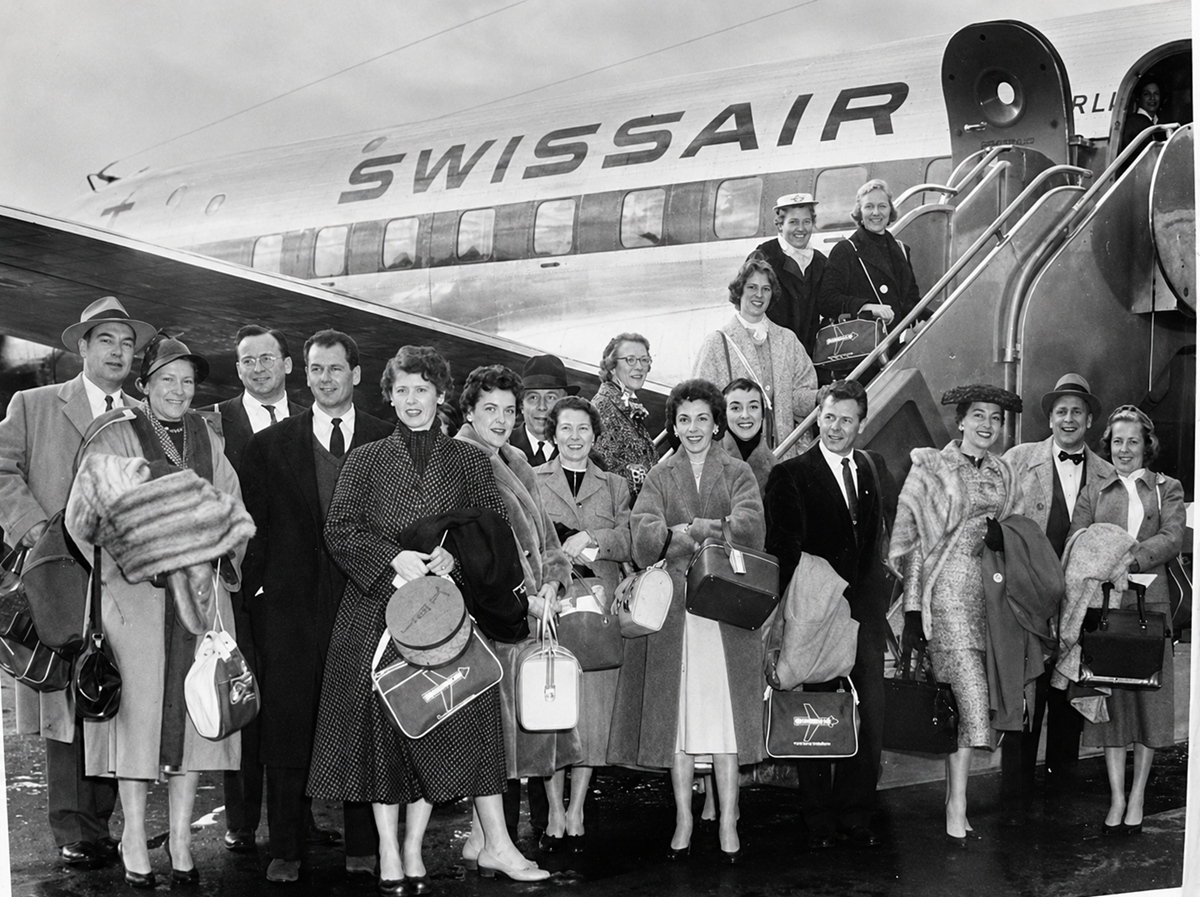
9. People Were Expected to Dress Up for Air Travel
THEWAYWEWERE / VIA REDDIT
There was a time when flying meant suits, dresses, hats, polished shoes, and the feeling that the airport was a stage. Part of that came from air travel being expensive and relatively exclusive, but it also created a narrow idea of who looked like they “belonged” on a plane. Comfort was secondary to presentation. The rule seems quaint at first, until you remember how often respectability has been used to judge people before they even speak.
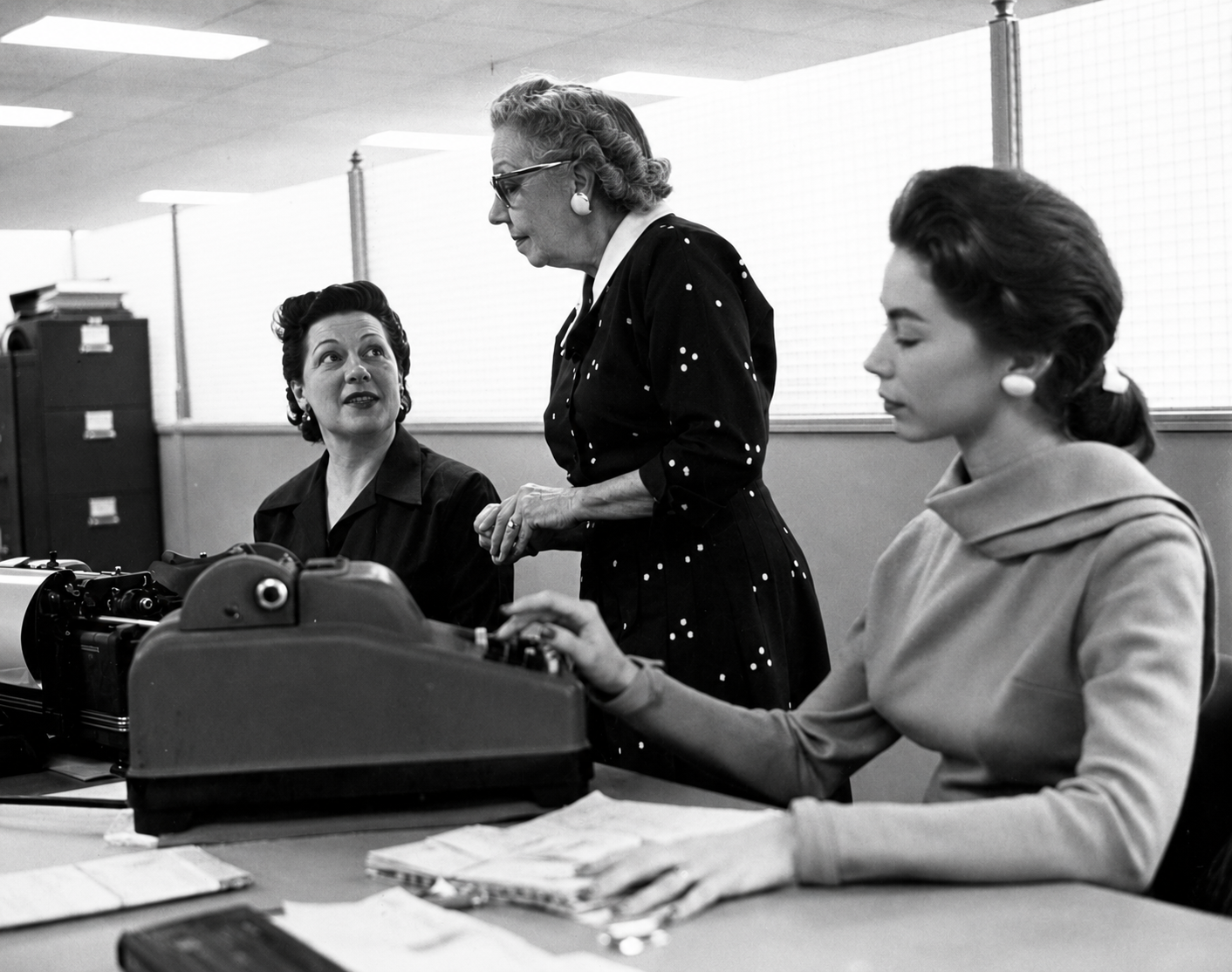
10. Employees Were Expected to Hide Pregnancy at Work
50s / VIA REDDIT
Pregnancy in the workplace was once treated as something inconvenient, almost embarrassing. Women worried about being passed over, pushed out, or treated as less serious the moment people found out. Some were expected to leave before they were visibly pregnant, as if the office could not survive the sight of real life happening. It aged badly because it exposed how many workplaces were designed around pretending workers had no bodies, families, or needs.
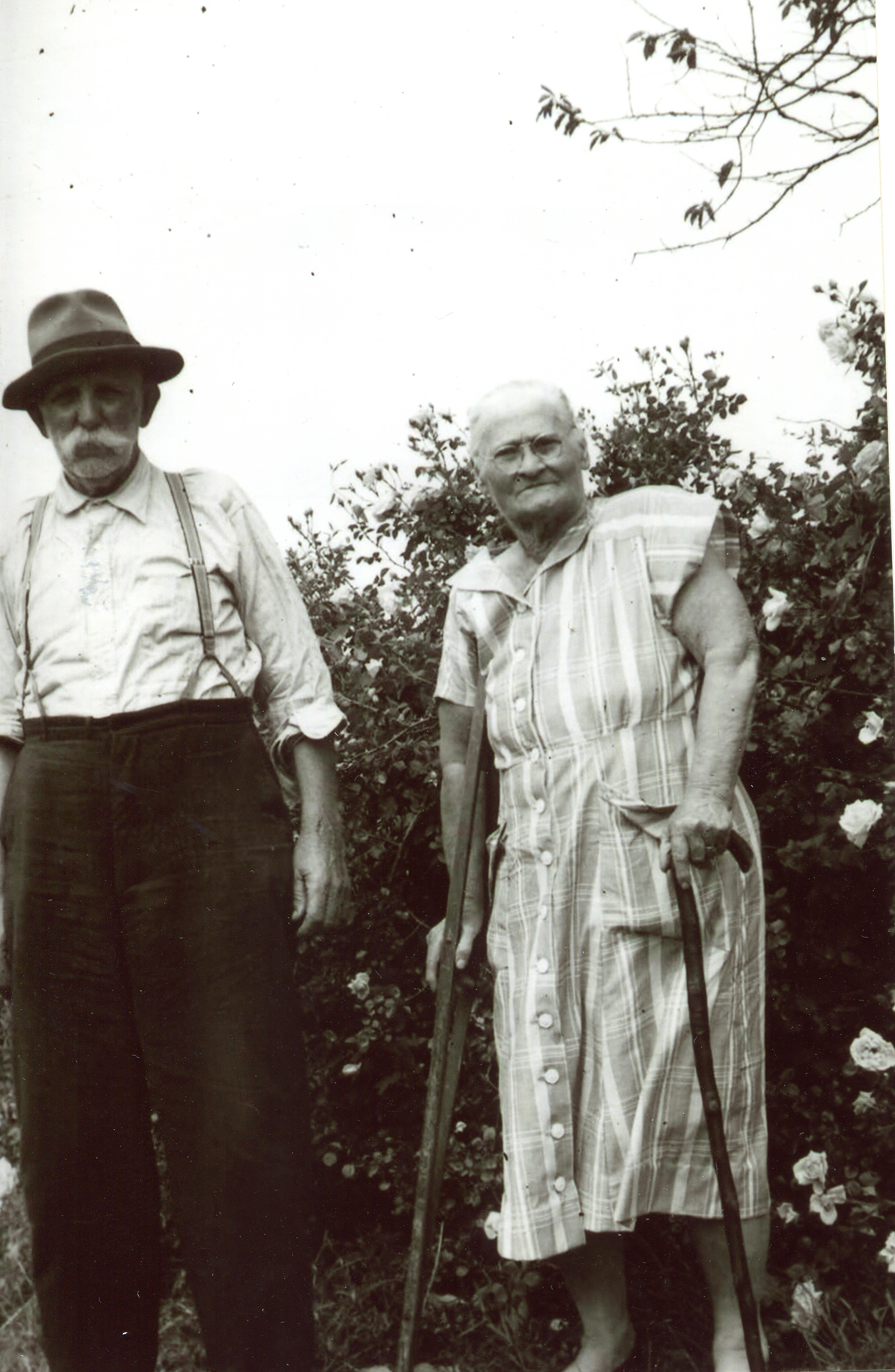
11. You Were Supposed to Respect Elders No Matter What
OLDPHOTOS / VIA REDDIT
Respect for older people can be meaningful, but the old version often left no room for boundaries. Age alone was treated as proof of wisdom, authority, and moral correctness. Younger people were expected to stay quiet even when adults were cruel, wrong, or unfair. The rule feels outdated because respect works better when it goes both ways.
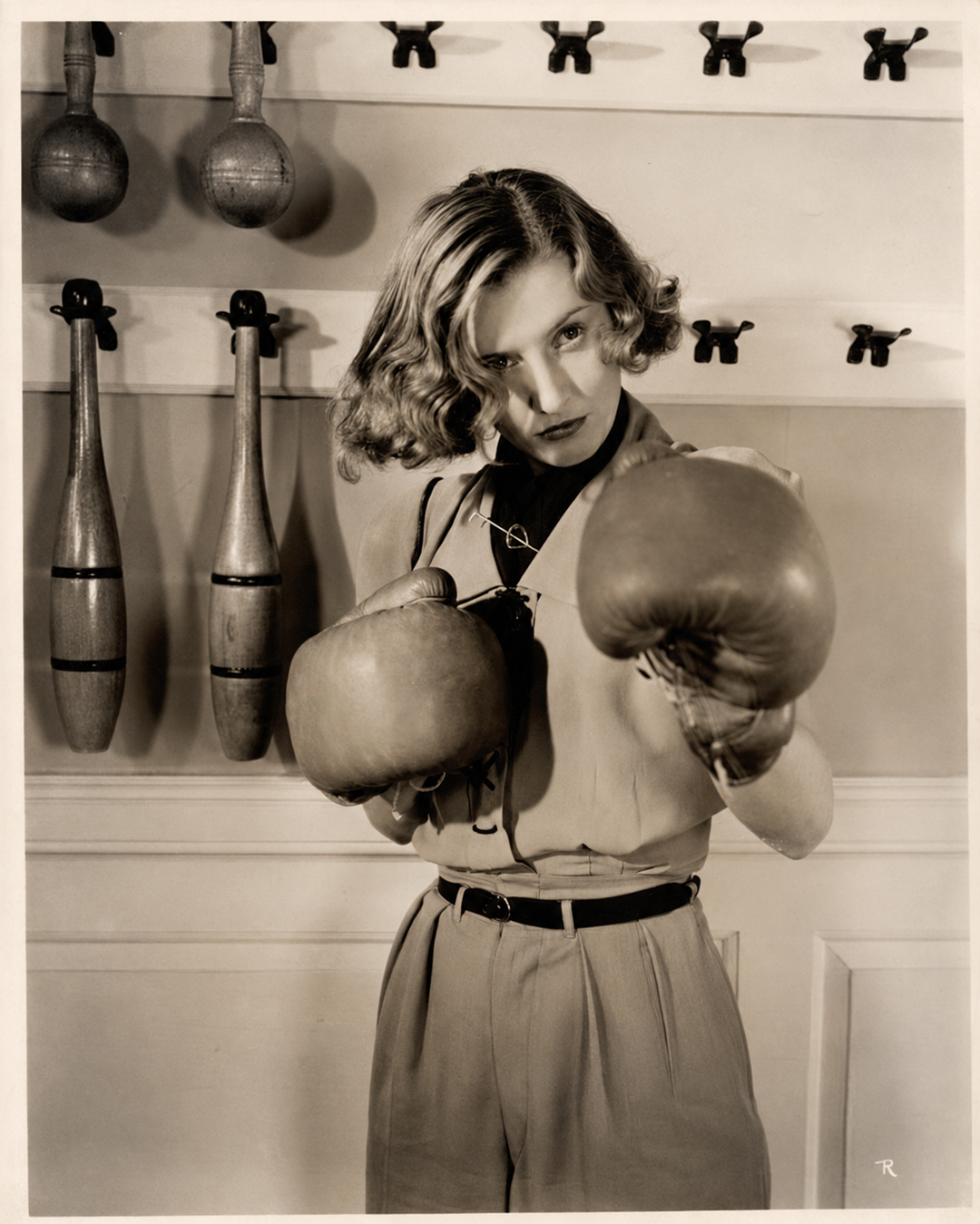
12. Women Couldn’t Be Too Ambitious
OLDSCHOOLCOOL / VIA REDDIT
Ambition has not always been judged evenly. A driven man could be admired as focused, serious, or impressive, while a driven woman was more likely to be called difficult, unfeminine, or too much. The rule was never usually written down, which made it harder to challenge. It lived in comments, jokes, promotions that never happened, and the strange pressure to succeed without appearing to want success too badly.
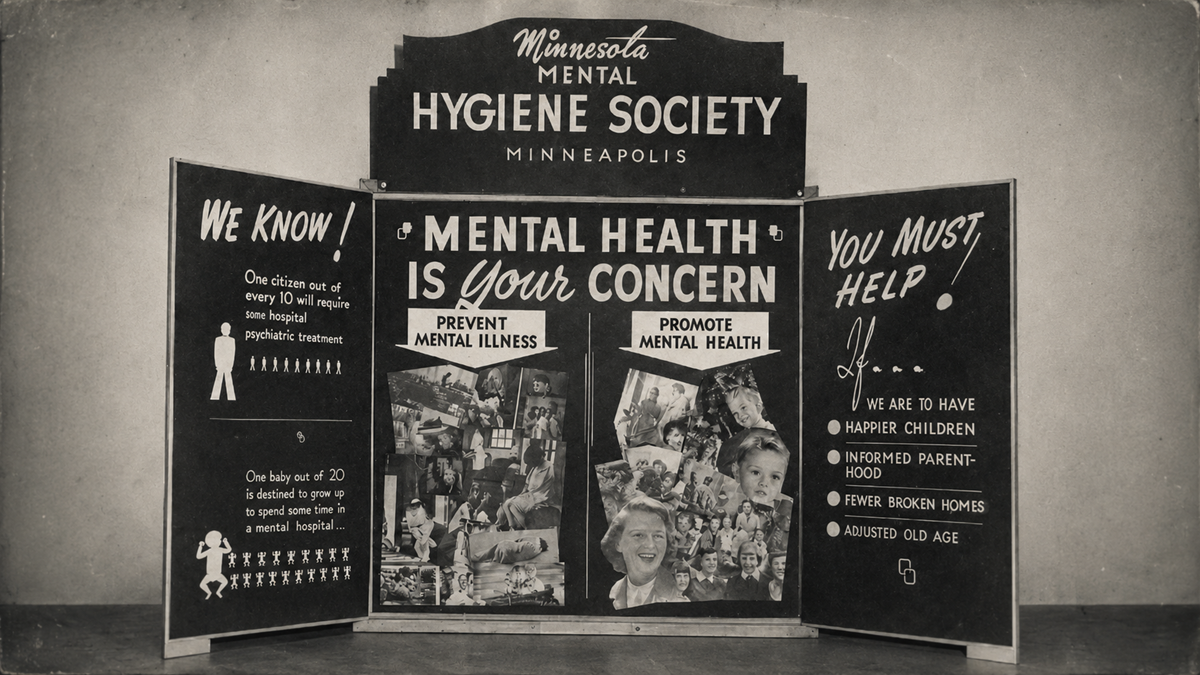
13. Talking About Mental Health Was Considered Shameful
HISTORY / VIA REDDIT
People once had far fewer public words for anxiety, depression, trauma, burnout, or grief. Many families treated emotional struggles as private weaknesses, not conditions deserving care. The advice was often to toughen up, keep busy, pray harder, or never mention it outside the house. That silence did not make people healthier; it just made suffering easier to ignore.
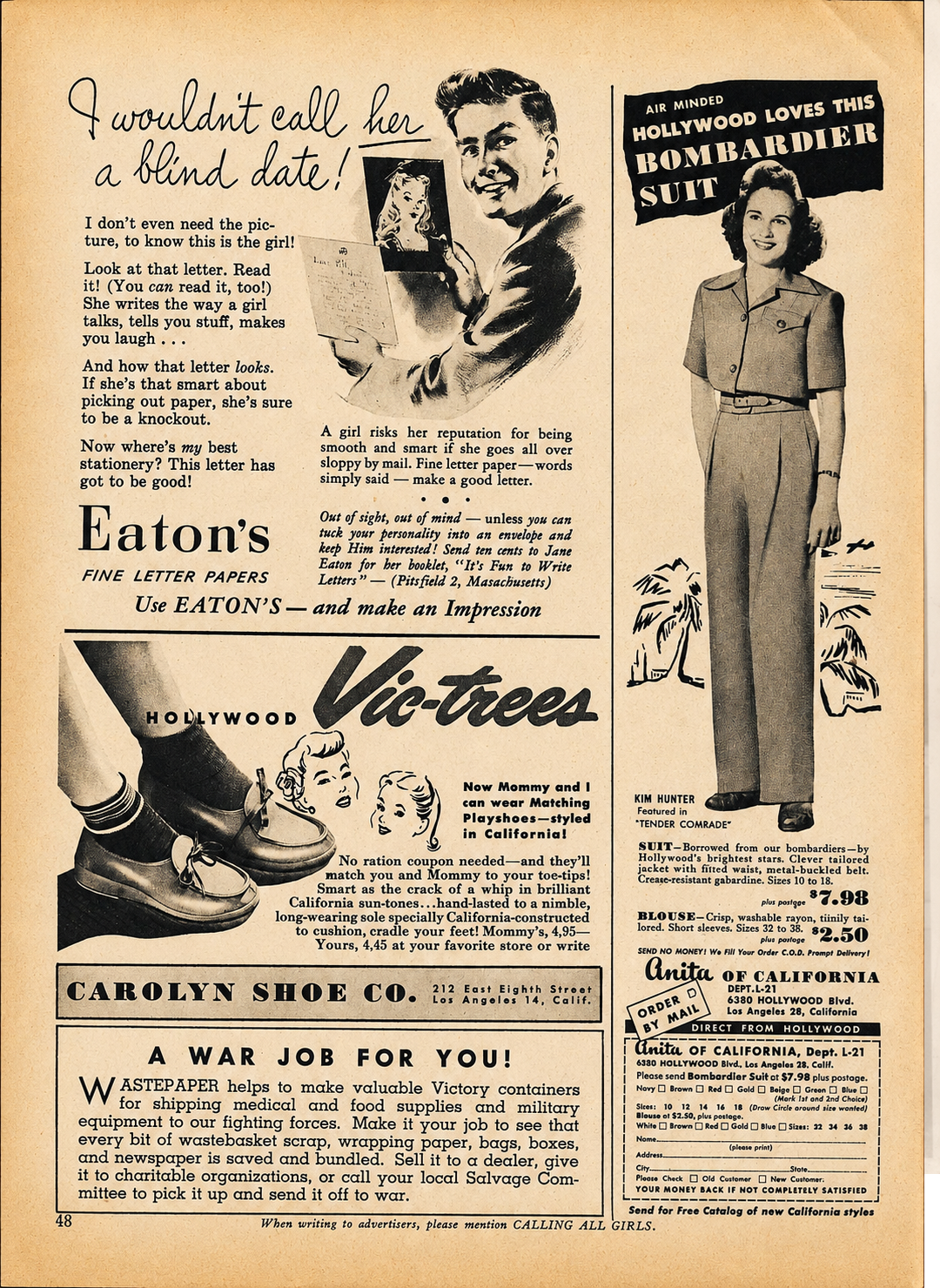
14. “Good Girls” Were Expected to Protect Their Reputation
VINTAGEADS / VIA REDDIT
The phrase “good girl” carried a whole social rulebook inside it. It told women how to dress, where to go, who to date, how late to stay out, and what people were allowed to assume about them afterward. Men’s reputations were usually more flexible, while women’s could be damaged by rumor alone. Few old rules have aged worse than the idea that a woman’s worth depended on how carefully other people approved of her behavior.
In the mood for more?
Check out 16 Habits That Were Socially Accepted in the 1960s but Are Considered Wrong Today, or take a look at 10 Truly Bizarre Social Rules That People Actually Followed in the 1800s. If you want to see more social history, you can check out 16 Bizarre Traditions Around the World That Locals Take Very Seriously.