
The built environment surrounding modern consumers is packed with a massive variety of engineered objects designed to streamline our daily routines, electronics, and household maintenance. Walking into a contemporary kitchen, retail store, or vehicle workspace means interacting with hundreds of manufactured goods whose shapes and textures have become completely second nature to us. However, a significant number of these familiar designs contain subtle contours, hidden compartments, or unique material choices that serve highly technical functions most users completely overlook. Industrial designers spend thousands of hours refining these hidden mechanics, embedding practical utility directly into the minor structural details of the products we utilize every single day.
The fascinating reality of these hidden product features highlights just how thoughtfully our consumer manufacturing pipelines are organized behind the scenes. The truth is that when an item displays a seemingly decorative ridge, an unprompted plastic tab, or a small hole in its base, these specific objects are usually executing a precise mechanical task engineered for safety or long-term durability. Before modern manufacturing standardized these industrial blueprints, engineers developed ingenious physical shortcuts to prevent structural damage, block chemical erosion, or safeguard consumers from daily household accidents. Let’s look at sixteen everyday items with highly specific functional purposes that most people never manage to easily guess, revealing the clever engineering hidden in plain sight.
1. The small hole at the bottom of padlocks
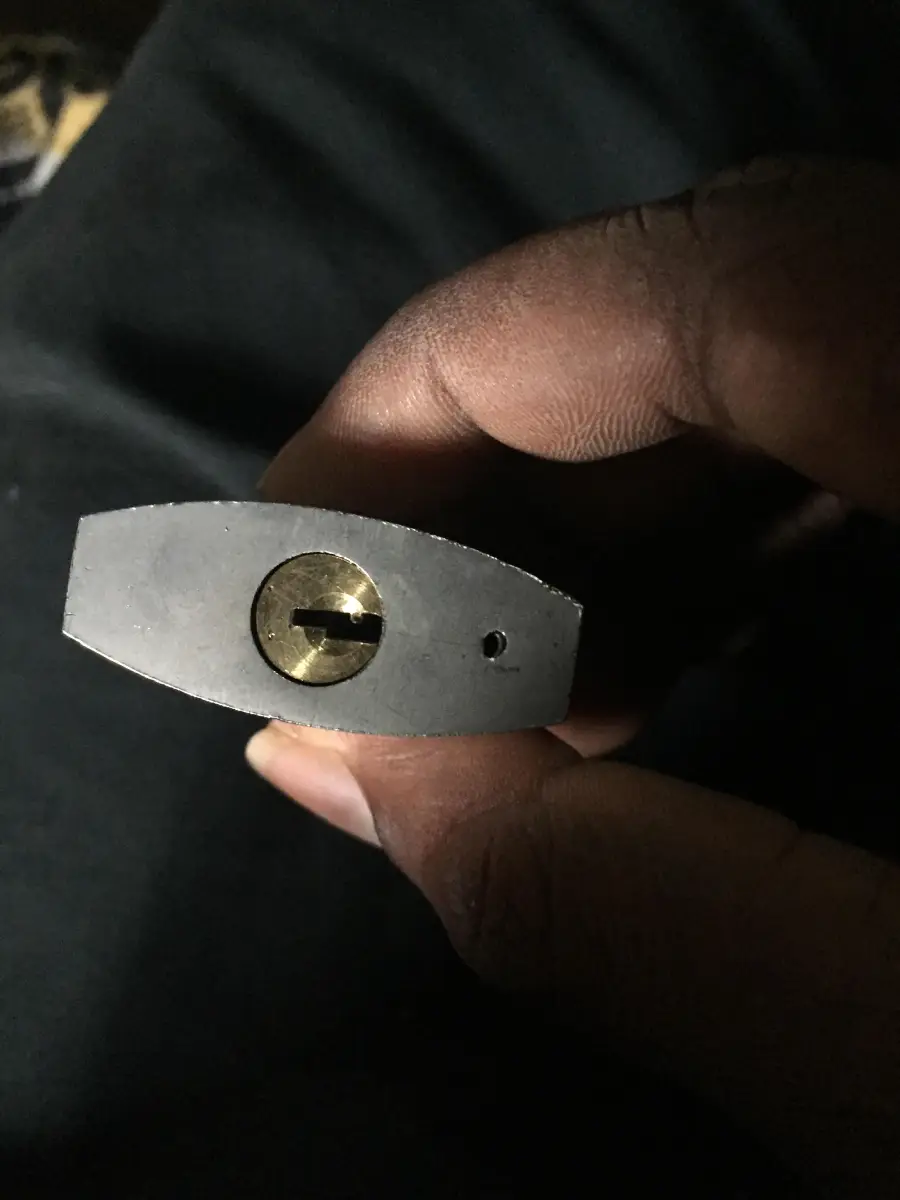
The tiny drainage opening located right next to the keyhole on standard outdoor padlocks is engineered to prevent rainwater from pooling inside the internal chamber. This simple structural exit allows water to escape freely to block internal rust, while simultaneously serving as a convenient entry point for owners to inject lubricating oil directly into the mechanical springs.
2. The indented bottoms of wine bottles

Known technically in the bottling industry as a punt, the deep circular indentation at the base of glass wine bottles serves to reinforce the container’s structural integrity. This curved shape distributes high internal pressure evenly across the glass walls, which is especially critical for sparkling varieties, while also allowing sediment to settle naturally into a narrow ring at the bottom.
3. The tiny plastic disc inside soda bottle caps
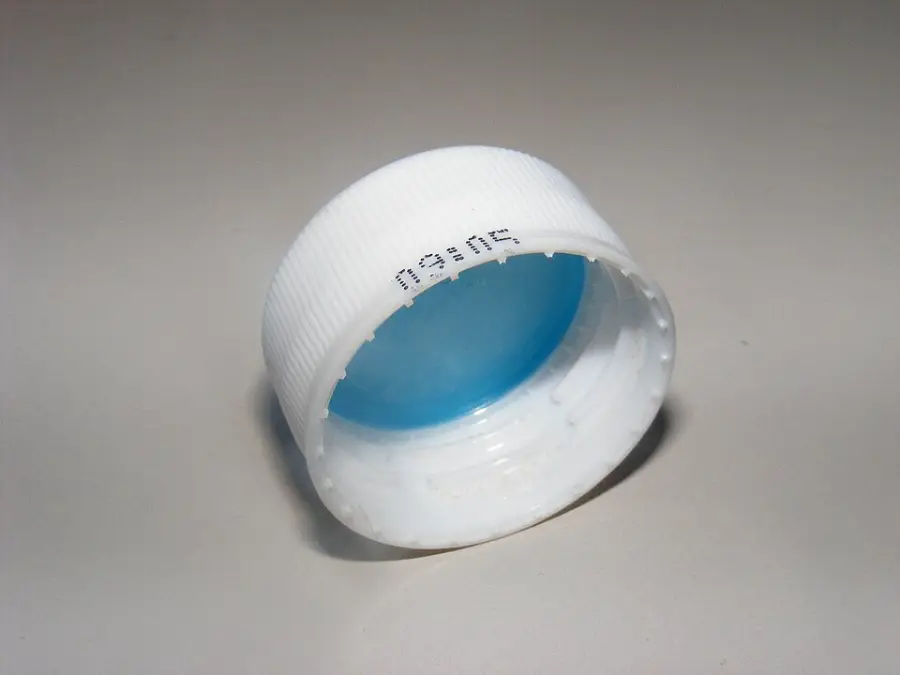
Peeling open the plastic lid of a commercial carbonated beverage reveals a soft, transparent plastic liner nestled tightly inside the top groove. This flexible disc acts as a highly specialized pressure seal, compressing flat against the glass or plastic rim to prevent carbon dioxide gas from gradually escaping and leaving the soda flat.
4. The fabric loop on the back of button-down shirts
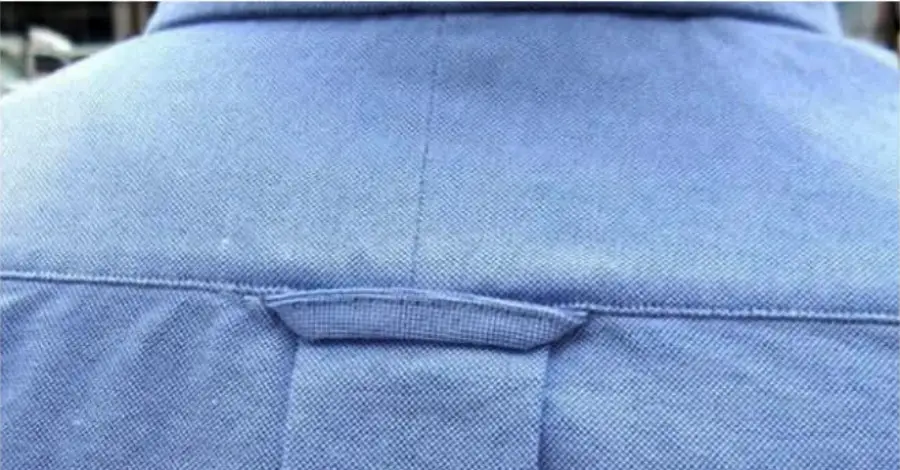
Originally popularized by sailors and East Coast university students in the mid-twentieth century, the small woven loop stitched onto the back shoulder yoke is called a locker loop. It was explicitly designed to allow individuals to hang their garments up on standard wall hooks without causing the fabric to wrinkle or crease when traditional hangers were unavailable.
5. The extra brass rivets on denim jeans pockets
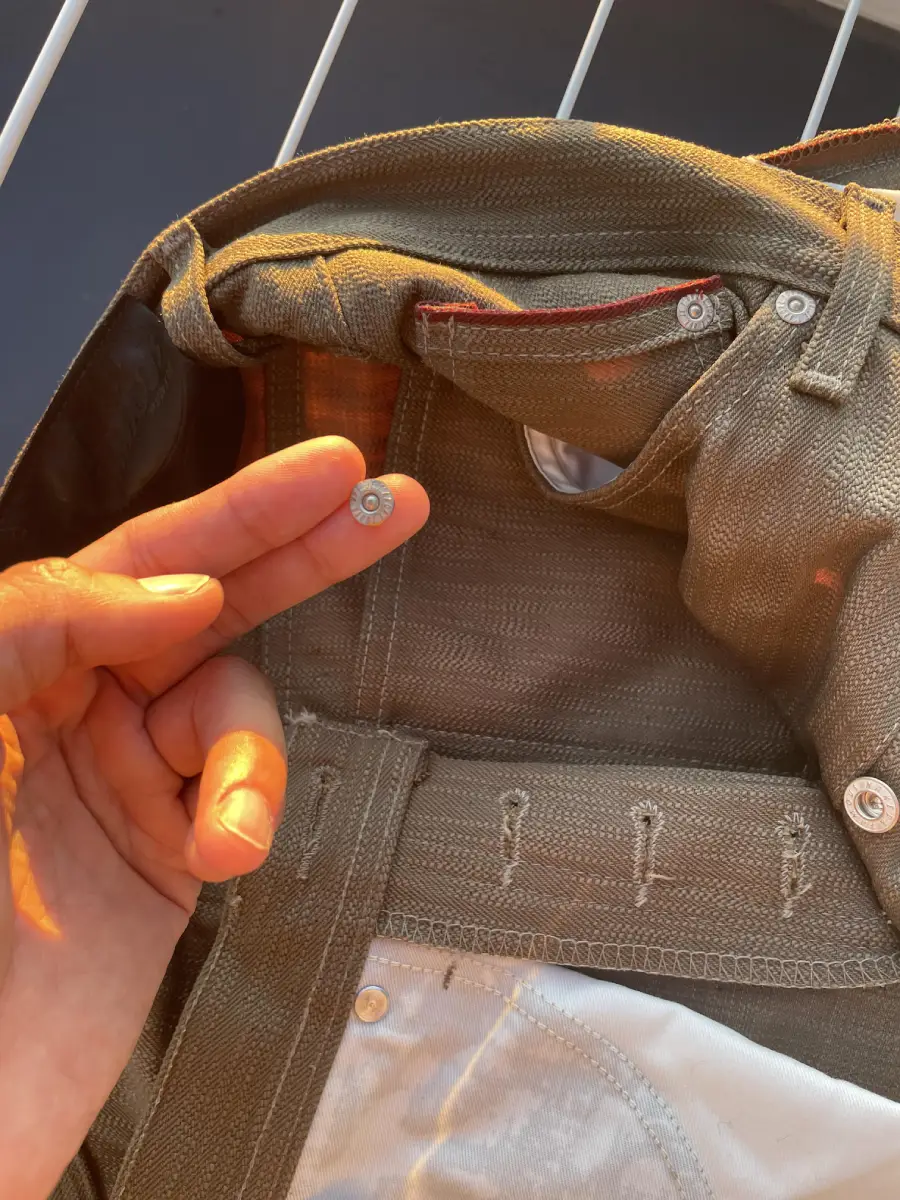
The tiny, circular metal buttons hammered into the corners of classic denim jeans are functional reinforcements called rivets, introduced by Levi Strauss in 1873. Miners and laborers routinely tore their pants at these specific stress points, prompting the addition of copper fasteners to permanently secure the heavy fabric seams under intense physical strain.
Trending on The Scroller


6. The tiny hole in airplane windows
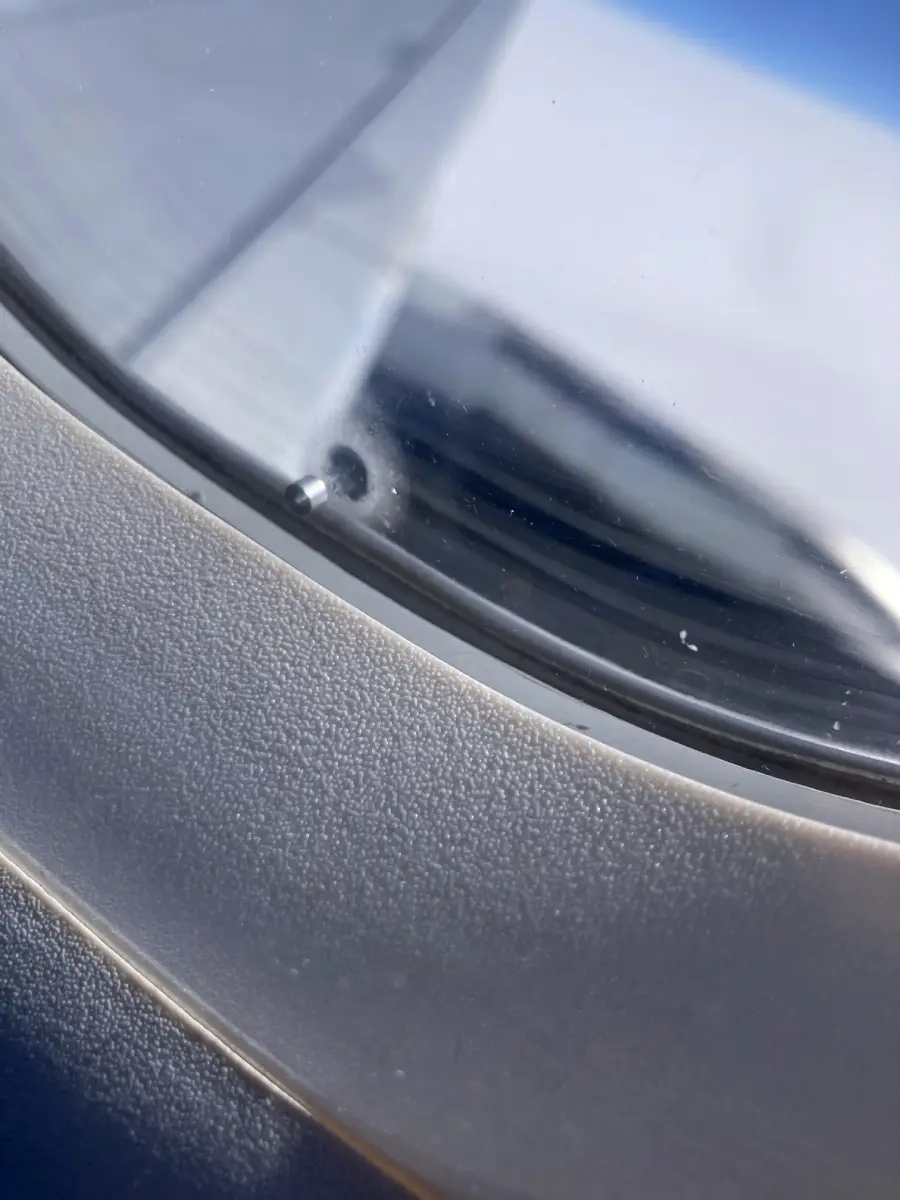
Every standard commercial aircraft window features a microscopic opening known as a breather or bleed hole drilled directly into the middle acrylic pane. This tiny vent safely manages the massive pressure differential between the high-altitude cabin atmosphere and the freezing outside air, while also preventing moisture from clouding up the glass view.
7. The caps on measuring tapes
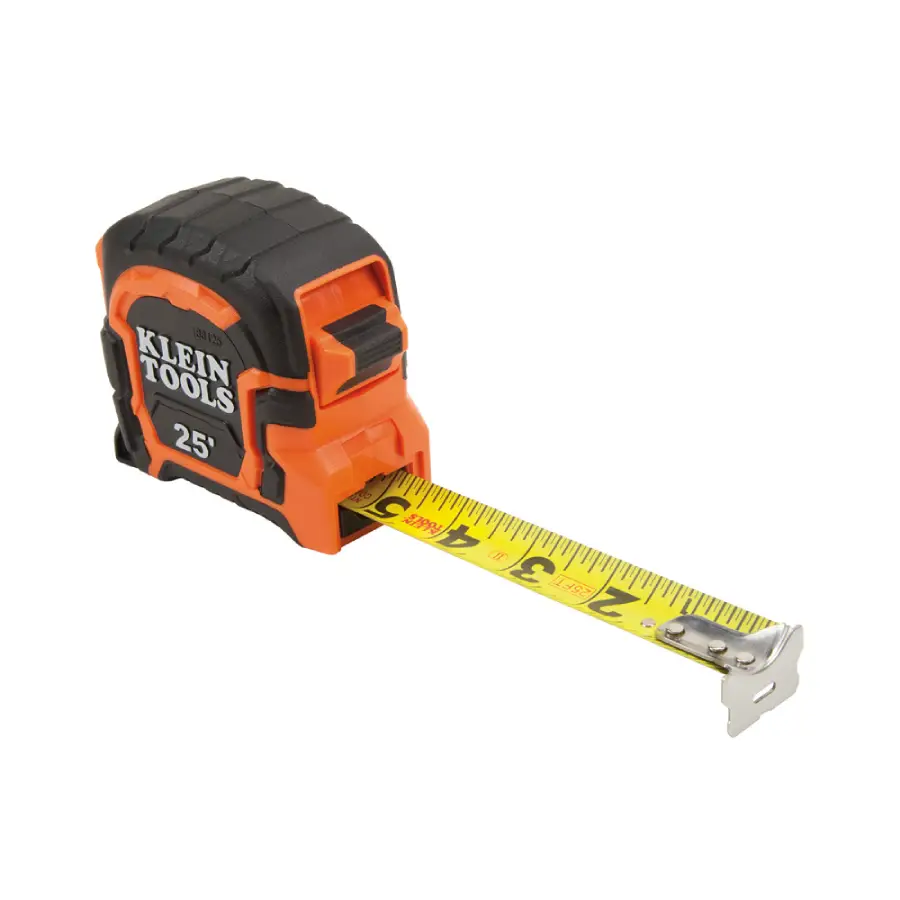
The sliding metal hook at the absolute tip of a construction tape measure features a small, serrated bottom edge and a distinct rectangular slot built into the metal. The jagged edge is specifically designed to let workers scratch a visible mark into drywall or lumber without a pencil, while the internal slot is sized to anchor perfectly onto the exposed head of a nail or screw.
8. The raised ridges on the F and J computer keys

A close inspection of a standard computer keyboard reveals a tiny, tactile horizontal bump positioned directly on the middle surface of the F and J letters. These subtle indicator marks operate as the universal anchor point for touch typists, allowing users to position their hands correctly across the home row entirely by feel without looking down.
Sign up for our newsletter
9. The cylinder on laptop charging cords
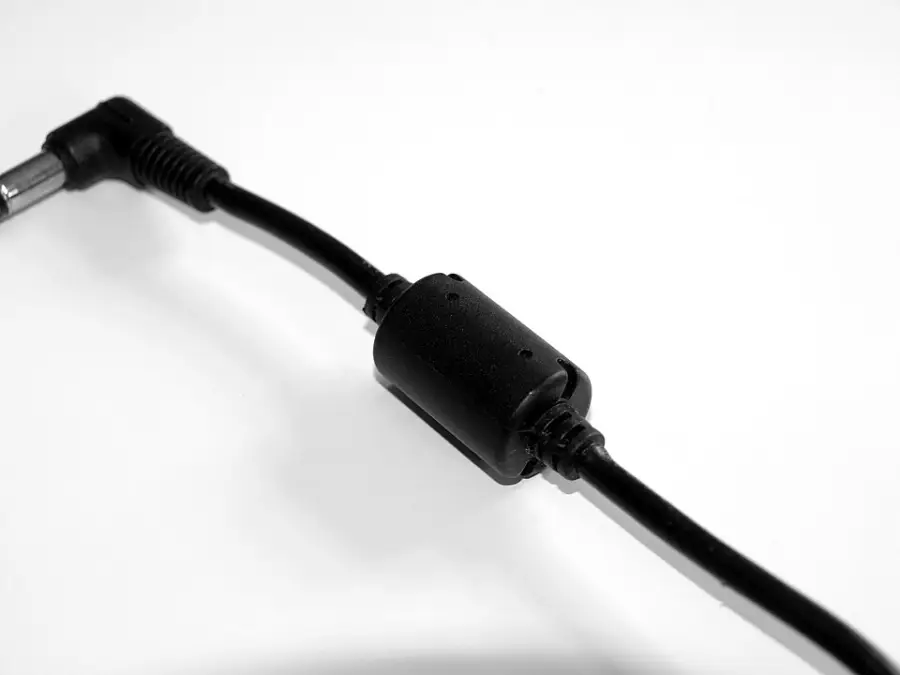
The heavy, plastic-coated lump integrated near the end of most computer power cables is a passive electronic component called a ferrite core or choke. This solid block of iron oxide works to suppress high-frequency electromagnetic noise and radio interference generated by the power line, ensuring the connected laptop charges safely without disrupting nearby electronics.
10. The small tab beneath the rearview mirrors

Flipping the manual plastic lever located at the bottom of a standard automotive rearview mirror instantly dims the blinding glare of high beams from vehicles driving behind you. This adjustment tilts the mirror’s internal prismatic glass wedge, directing the intense primary light reflection away from your eyes while reflecting a dim, safe image onto your windshield.
11. The tiny hole in the cap of ballpoint pens
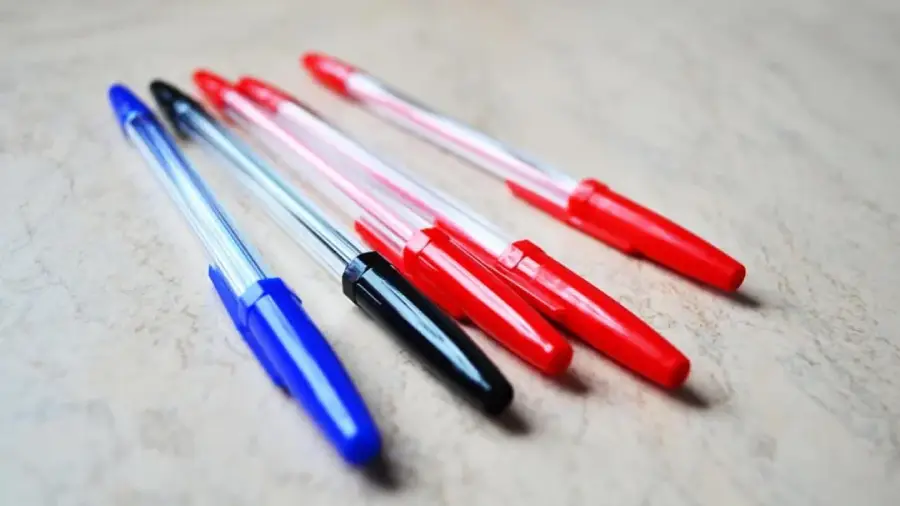
Major stationery manufacturers like BIC introduced a prominent ventilation hole at the absolute apex of their clear plastic pen caps as a critical lifesaving measure. If a young child accidentally swallows the cap and traps it in their windpipe, the integrated airway allows oxygen to flow continuously until emergency medical personnel can clear the obstruction.
12. The small pocket inside denim jeans

The tiny, rectangular compartment nestled neatly inside the front right pocket of casual denim trousers was originally engineered in the nineteenth century to hold a pocket watch. While modern consumers occasionally utilize the compact space for loose change or tickets, the original dimensions were calculated to keep a gentleman’s delicate timepiece completely secure from scratches.
13. The removable headrest on automobile seats

The heavy adjustable head restraints fitted onto car seats are built with long, sturdy metal prongs that can be pulled completely out of the seatback frame by pressing a small release tab. Beyond providing comfort, these solid metal bars are engineered to operate as emergency glass breakers, allowing passengers to manually smash a side window if they become trapped inside a vehicle.
14. The small arrow next to the gas gauge symbol

An elegant dashboard feature on modern vehicles is the microscopic triangle arrow integrated directly next to the digital or mechanical fuel pump icon. This indicator points explicitly toward the left or right side of the car layout, reminding drivers exactly which side the fuel filler door is located on before they pull up to a gas station.
15. The tabs on foil and plastic wrap boxes
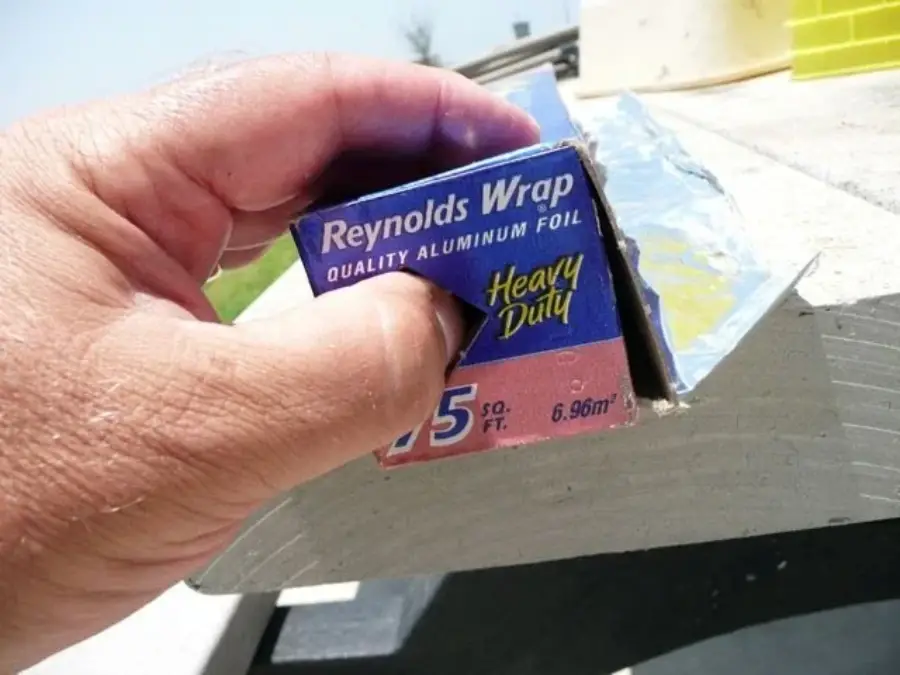
The cardboard packaging panels used to house kitchen aluminum foil and plastic cling wraps feature perforated triangular tabs on both end walls that can be pressed inward. Pushing these flaps into the box interior locks the heavy internal rolling cylinder firmly into place, preventing the entire roll from flying out of the cardboard housing when you pull a sheet.
16. The zig-zag edge on bobby pins
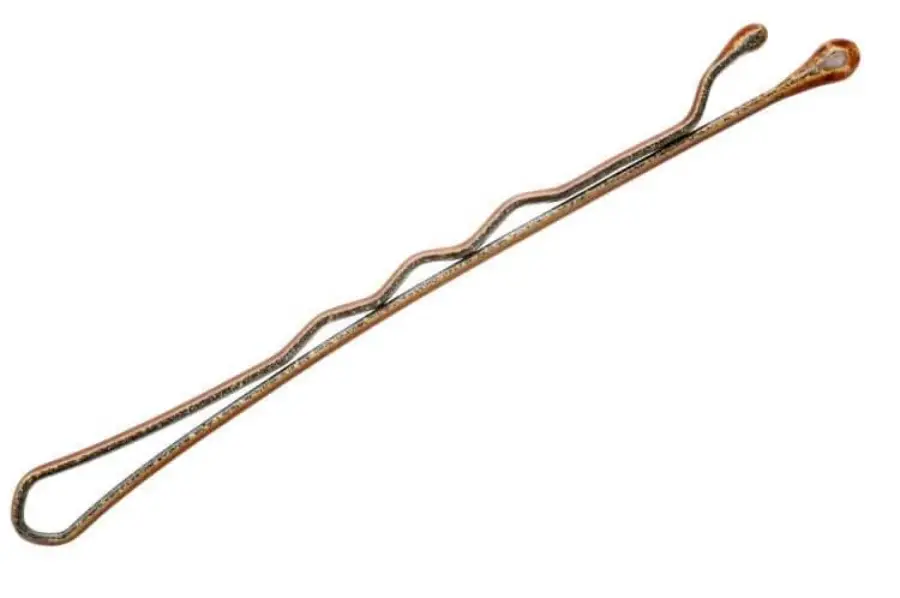
The classic metal hair clip features one completely flat side and a contrasting side engineered with a distinct, repeating zig-zag wave structure. For the accessory to hold a hairstyle with maximum efficiency, the wavy side must face downward toward the scalp, as the ridges are designed to catch and lock hair close to the head.
Explore more weird facts:
Revisiting these clever engineering details serves as an excellent reminder of the incredible dedication, subtle design logic, and consumer history built directly into our favorite household goods. Looking over these padlock drainage vents, keyboard touch indicators, and protective pen cap openings proves that while manufacturing machinery and modern digital materials change completely across the decades, the value of functional problem-solving remains entirely constant. When we choose to look past the superficial appearance of these everyday items to appreciate the deliberate mechanical thought built directly into their shapes, we gain a much deeper understanding of industrial history. If you enjoyed this detailed look back at the hidden mechanics that define past generations of design, make sure to explore these 18 Dark Origins Behind Items You Use Without Thinking or 20 Objects That Are Shockingly Huge in Real Life. You may also like these 20 Fun Facts That Sound Too Strange to Be True.