
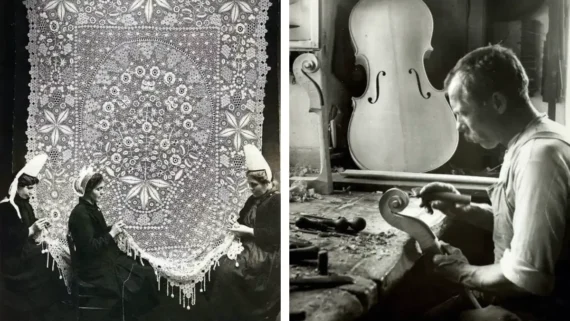
Think about the last time you bought a piece of furniture, a book, or even a simple kitchen knife. In our modern, highly automated world, almost everything we own is the result of massive industrial assembly lines, 3D printers, and digital design software. We have grown so accustomed to instant, mass-produced convenience that we rarely stop to think about the physical labor and deep personal expertise that once went into creating everyday items. There was a time when a single object was not just a commodity, but a masterpiece of personal dedication and generational knowledge.
The sheer speed of technological advancement has quietly pushed dozens of incredibly complex, hands-on jobs out of the mainstream workforce and into the pages of history books. These historic occupations did not just require showing up to a shift; they demanded a lifetime of practice, muscle memory, and specialized techniques that most modern professionals will never have to learn. From the precise math of navigating open oceans by the stars to the physical rhythm of shaping red-hot iron, these lost jobs represent a level of patience and craftsmanship that is rapidly vanishing from our daily lives. Let’s take a look at fourteen fascinating historic occupations that relied on skills almost nobody learns anymore.
1. Handbookbinder
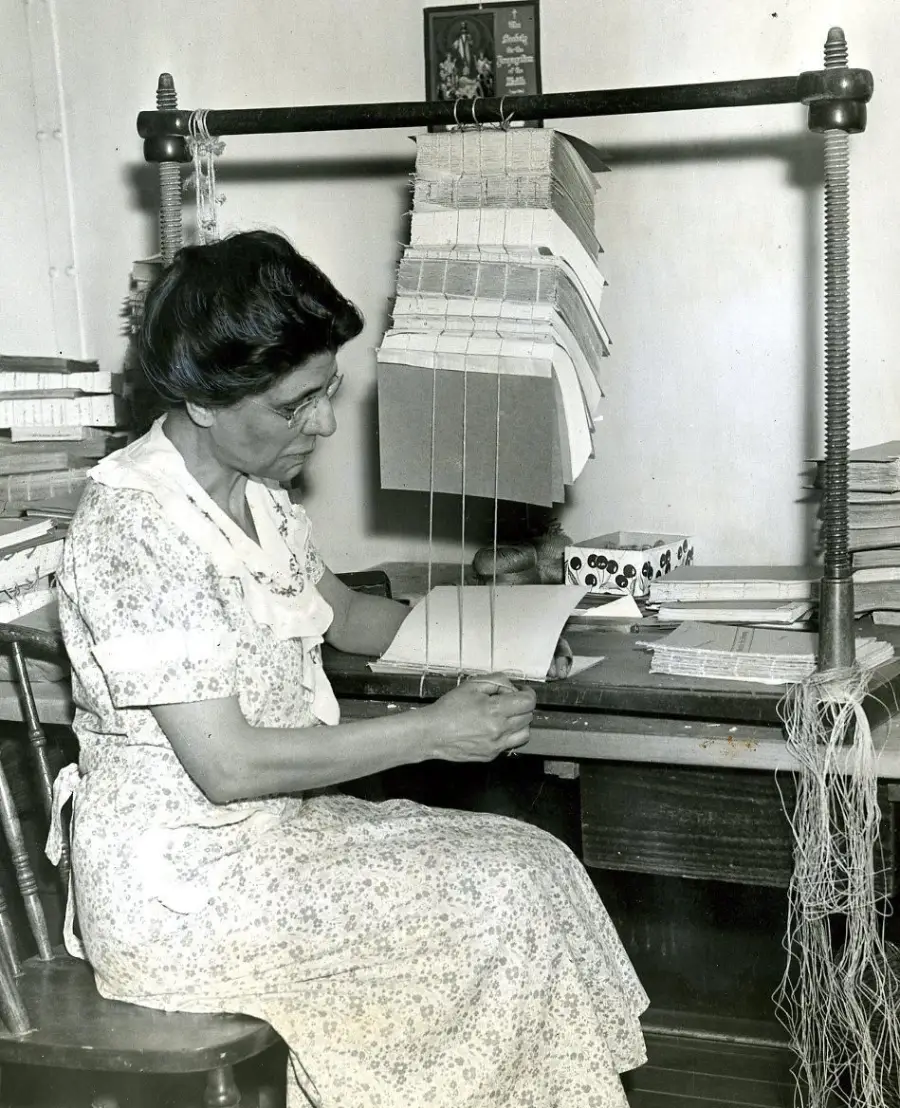
The traditional art of binding books required years of formal training to master the delicate chemistry of starch pastes and the mechanical art of hand-stitching. To protect invaluable pages, master bookbinders had to cook their own wheat adhesives from scratch and use heavy, hand-carved brass stamps heated over open flames to press genuine gold leaf into delicate leather covers.
2. Cabinet maker
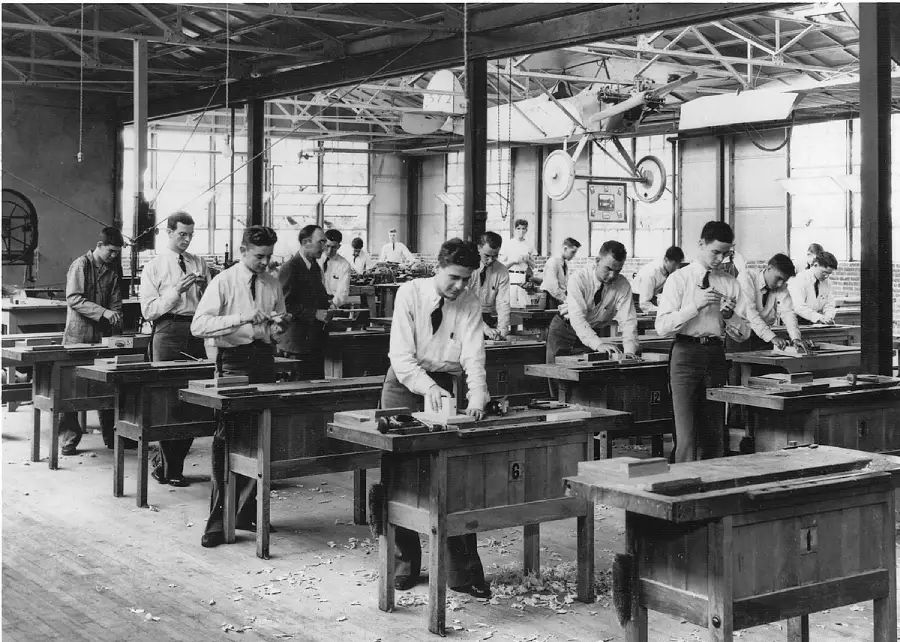
Before flat-pack cardboard furniture dominated the global market, custom cabinetmakers built heavy, solid-wood furniture engineered to endure for multiple generations. These artisans relied on highly complex joinery techniques like the blind mortise and tenon to lock heavy timber together permanently, creating massive wardrobes that could withstand centuries of use without a single metal nail or drop of modern glue.
3. Watchmaker
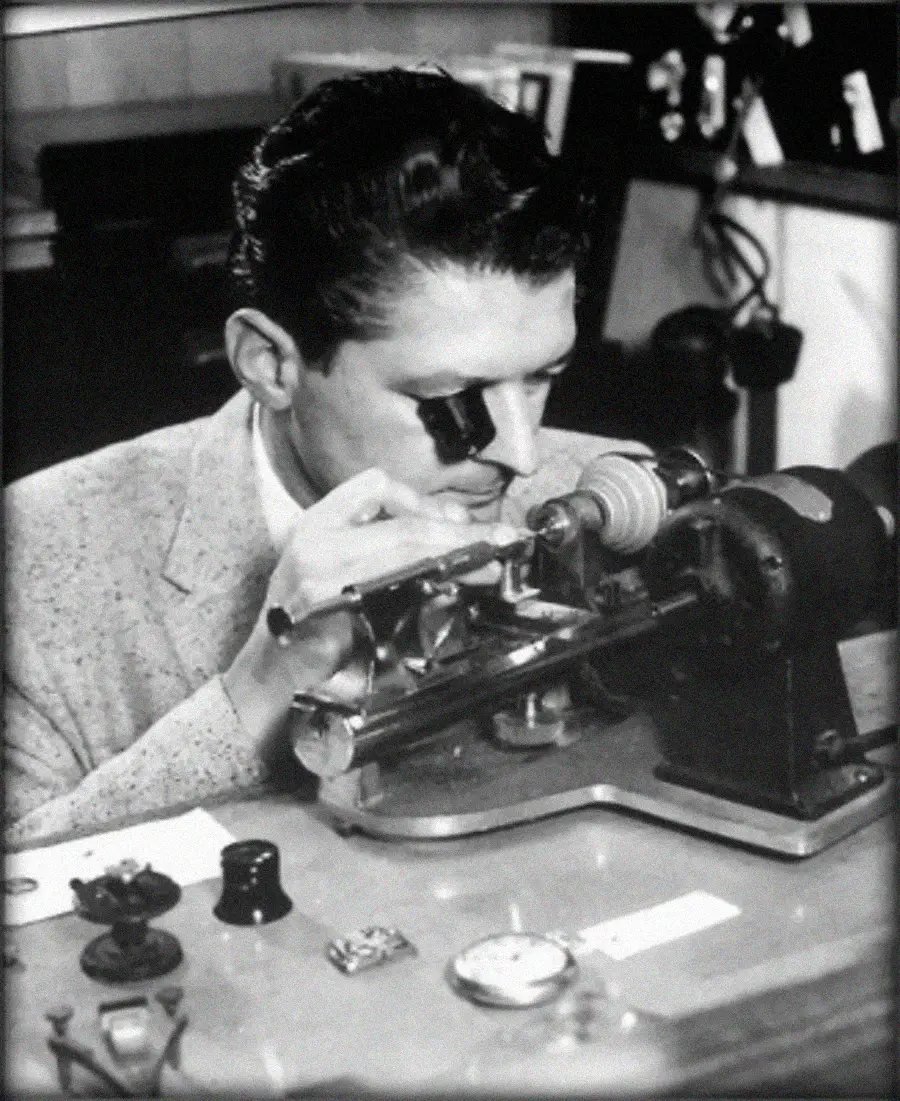
Assembling and repairing a mechanical timepiece required the steady hands of a surgeon, exceptional eyesight, and an intimate understanding of hundreds of microscopic parts. A fully trained Swiss watchmaker operated on a microscopic scale, meticulously balancing dozens of tiny gears and hairsprings that were often thinner than a human eyelash.
4. Artisanal blacksmith
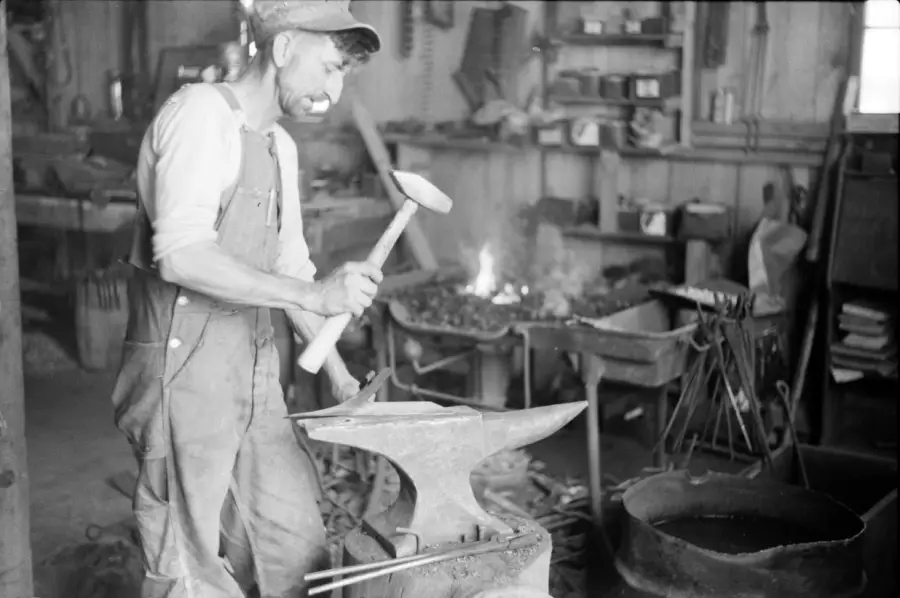
Forging metal by hand over an iron anvil required a deep, almost intuitive understanding of metallurgy and thermal dynamics. A true master blacksmith could read the exact carbon temperature of the steel simply by watching the subtle shifts in the fire’s color, knowing precisely when to strike the metal before it became too brittle to shape.
5. Embroider and lacemaker
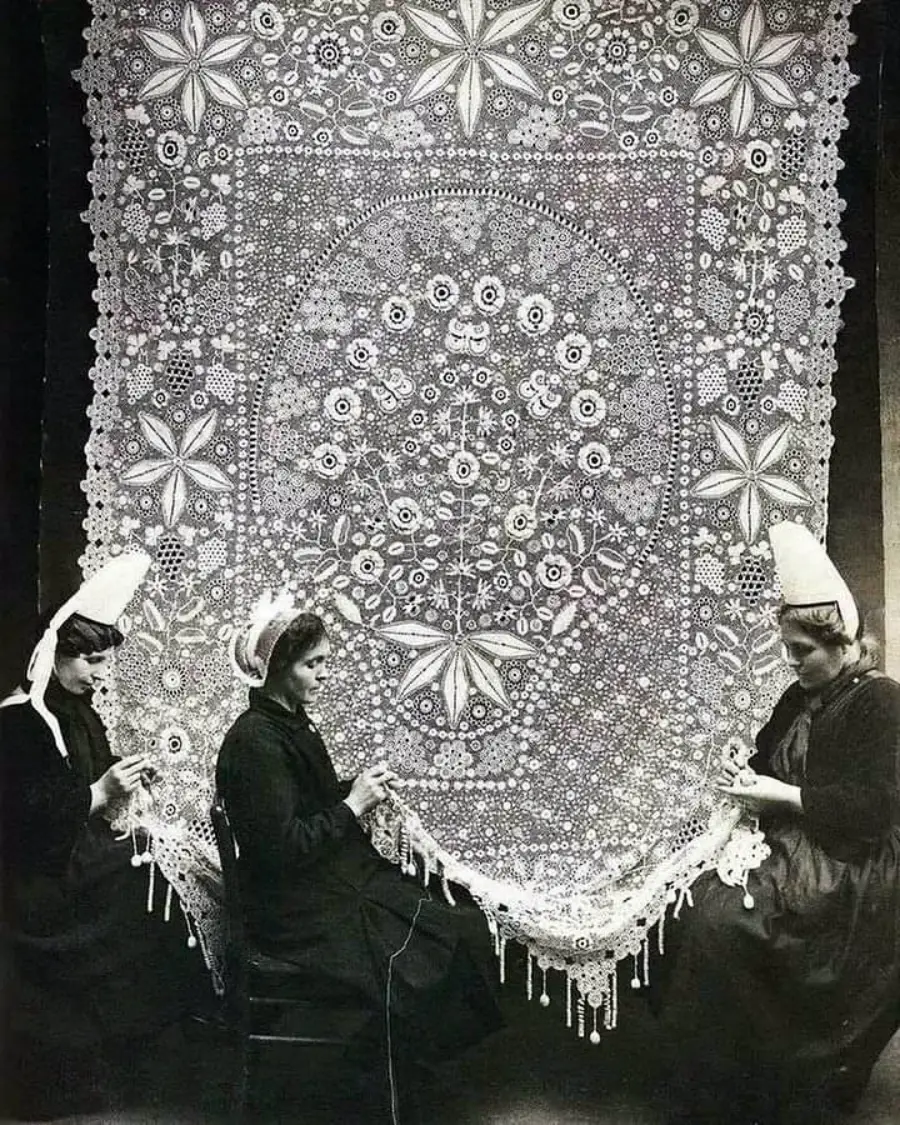
Once a vital skill passed down through generations of women, high-end lacemaking involved working with dozens of tiny wooden bobbins to construct incredibly intricate textile patterns. Elite lacemakers in regions like Brussels and Venice spent months working in highly restricted light to prevent eye strain, creating delicate fabrics that no modern machine has ever been able to replicate with the same level of depth.
Trending on The Scroller


6. Celestial navigator
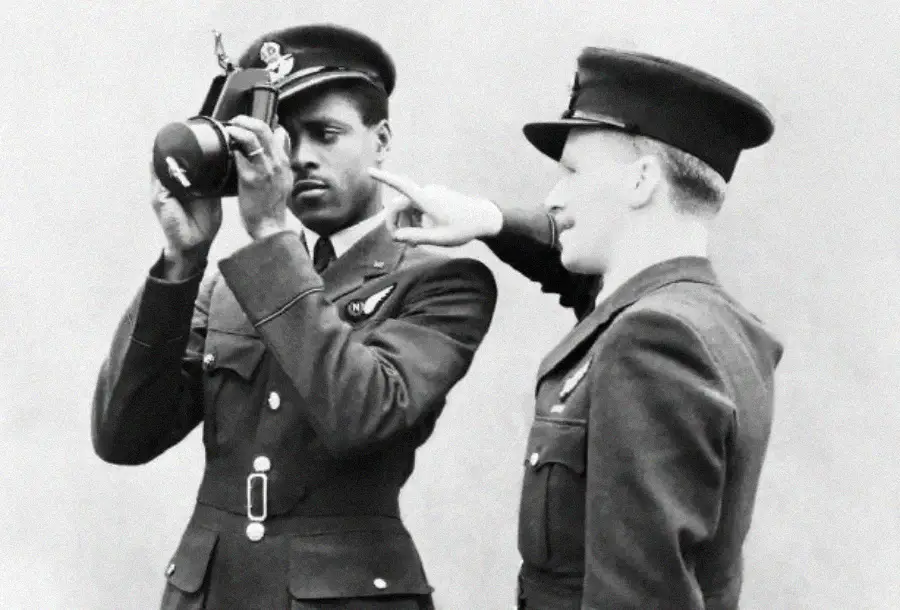
Before global satellite networks automated maritime travel, guiding a massive ship across the open ocean required officers to read the night sky like a map. This high-stakes job required a navigator to look through a brass sextant to measure the precise angle of the sun or stars relative to the horizon, executing complex manual trigonometry where a minor math error could lose the ship at sea.
7. Stenographer
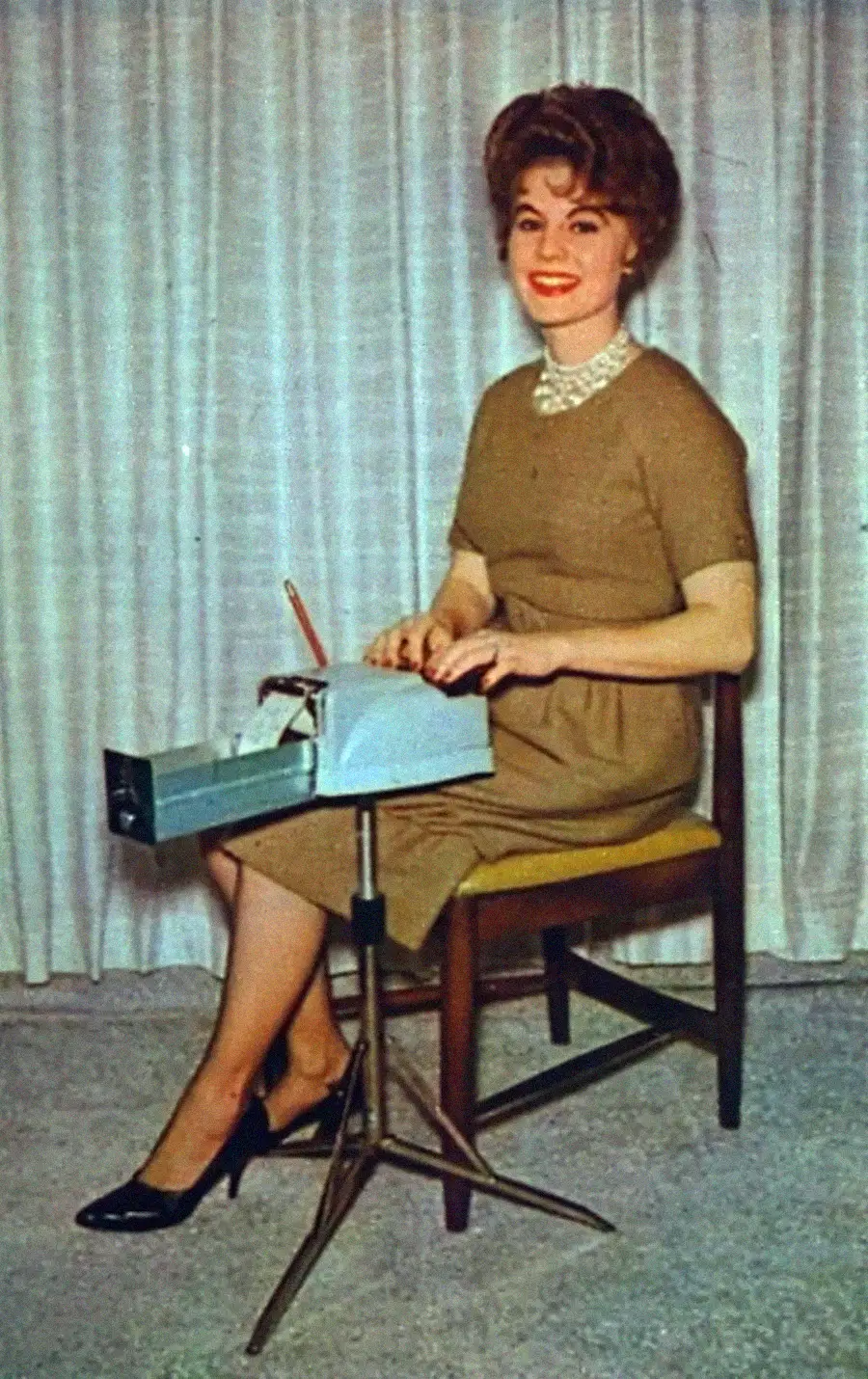
Using highly stylized, simplified pen strokes to match the rapid speed of human speech, professional court stenographers could comfortably write over two hundred words per minute in real time. This shorthand system was a foundational tool for journalism and legal proceedings before digital audio recordings and automated voice-recognition software rendered the physical skill almost entirely obsolete.
8. Traditional tanner
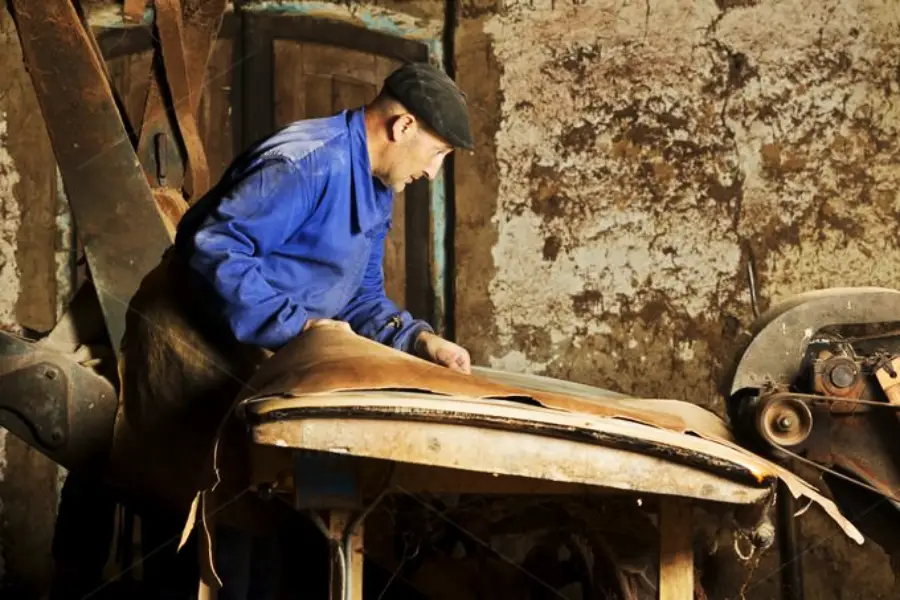
Transforming a raw, delicate animal hide into a durable piece of leather was a slow, highly aromatic craft that relied entirely on natural raw ingredients. Before synthetic chemicals modernized the factory process, traditional tanners spent months fermenting hides in deep wooden vats filled with natural oak-bark tea to cure and preserve the leather.
Sign up for our newsletter
9. Stained glass artist
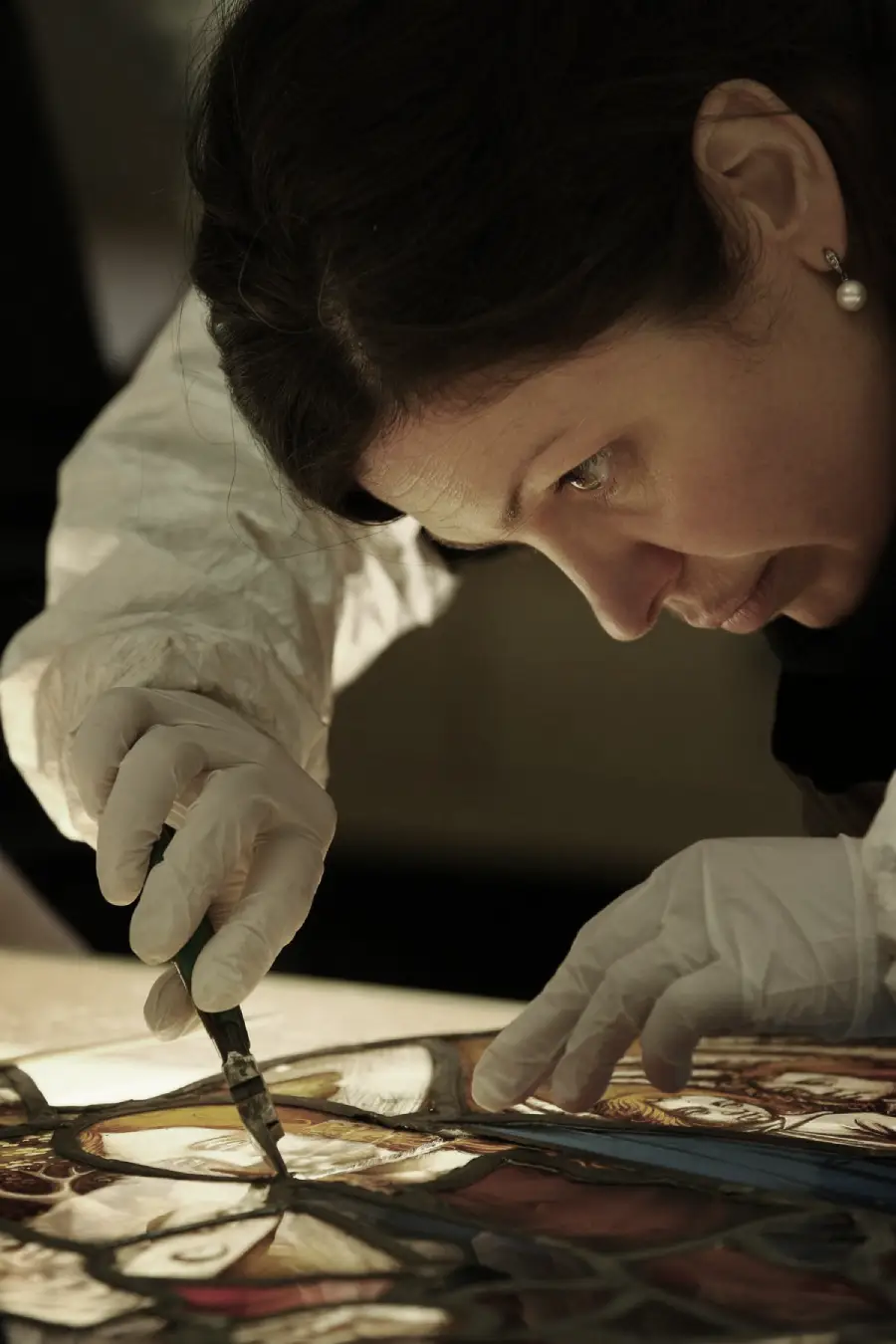
Designing and assembling the massive stained glass windows of historic cathedrals required a profound knowledge of structural engineering, lead joinery, and glass chemistry. Medieval glassmakers were so deeply protective of their secret recipes for vibrant colors like ruby red, which required adding actual metallic gold to the molten glass, that the formulas were guarded like state secrets.
10. Postmaster of horses
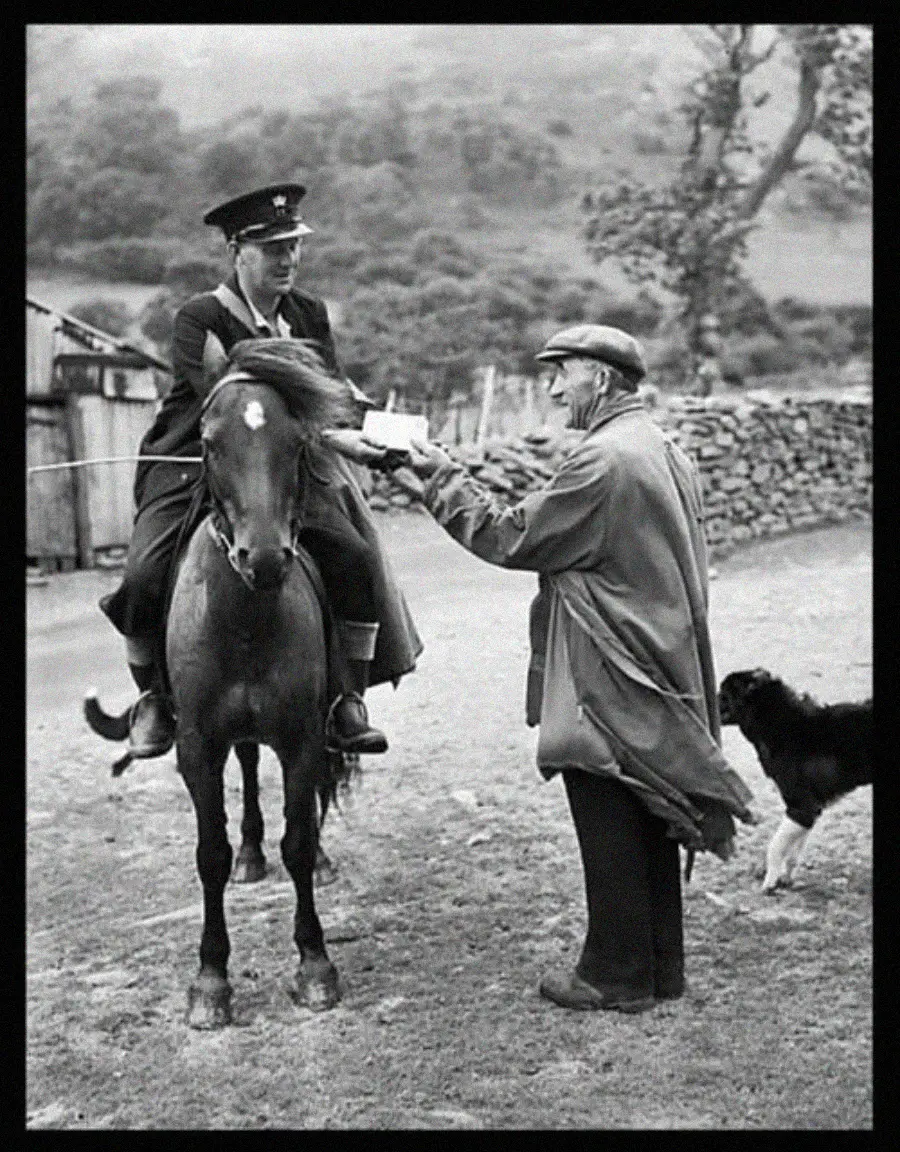
Before the steam locomotive revolutionized overland travel, managing the rapid post-chaise and mail networks required an elite level of animal husbandry and logistical coordination. The postmaster had to monitor hundreds of carriage horses, using deep veterinary intuition to instantly spot subtle signs of muscle fatigue or lameness before the animal could ruin the mail delivery schedule.
11. Cooper
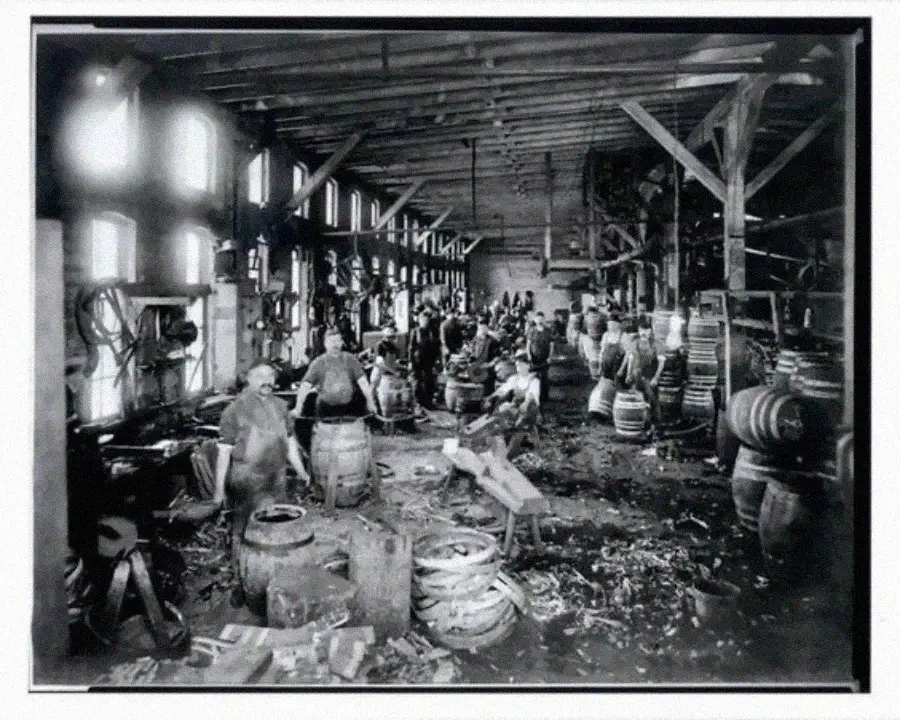
Fabricating watertight wooden barrels to store and age liquids was one of the most highly respected trades of the pre-industrial economy. Building a proper barrel required the cooper to carefully heat and steam thick oak staves to bend them into shape, relying purely on precision wood-to-wood compression rather than a single drop of glue or caulking to seal the joints.
12. Traditional goldsmith
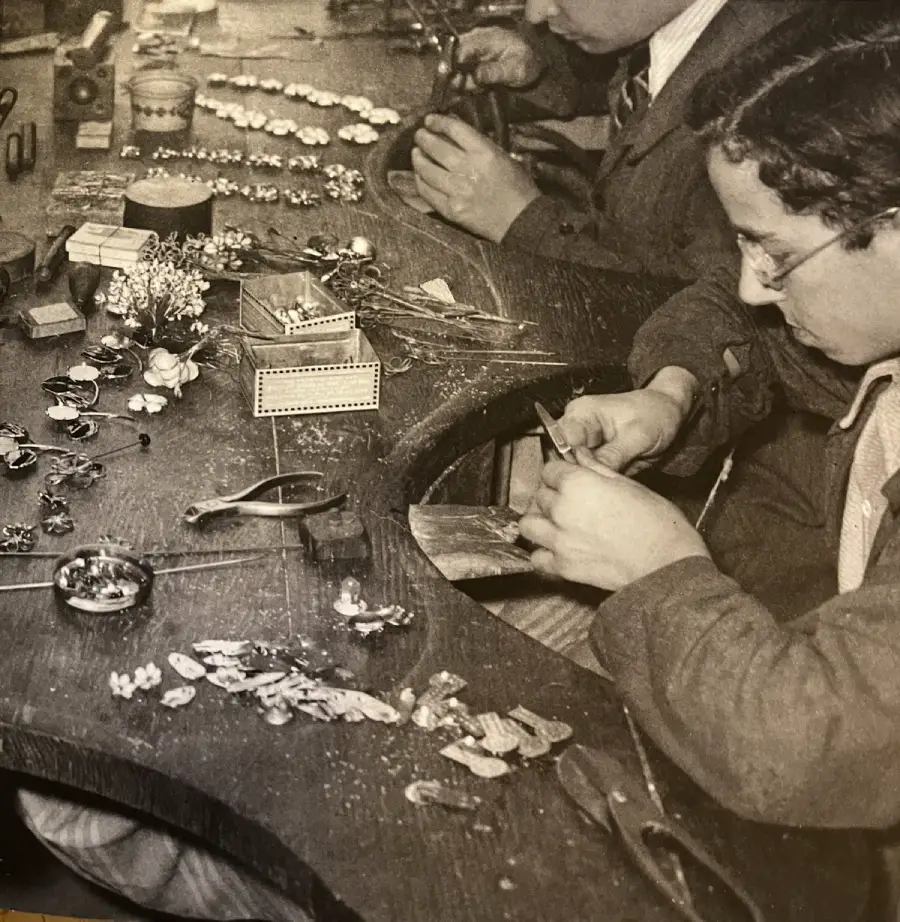
Before industrial electroplating and modern automated casting systems standardized jewelry production, a traditional goldsmith had to manually refine, alloy, and shape precious metals using only hand tools and a blowpipe. This highly specialized trade required years of practice to master the art of hand-pulling raw gold into microscopic filigree wires, delicately soldering intricate patterns without melting the surrounding design, and creating custom gem settings that relied purely on physical tension rather than modern adhesives.
13. Master calligrapher
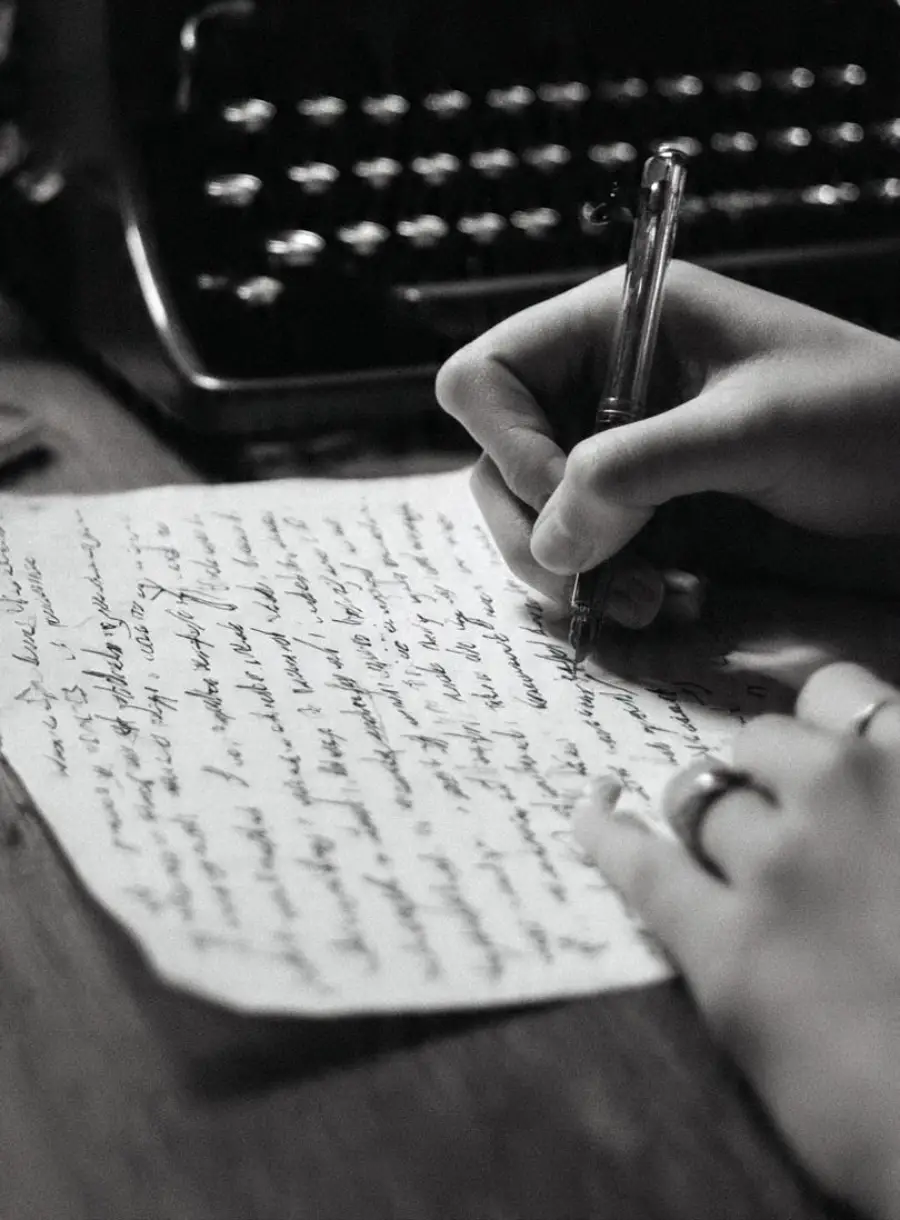
In historical cultures where the written word was treated as a sacred art form, professional calligraphers spent decades refining their pen control and posture. Master calligraphers of traditional Arabic scripts, for example, had to memorize over one hundred distinct writing styles, each governed by its own incredibly strict mathematical proportions based on the width of their hand-cut reed pens.
14. Luthier
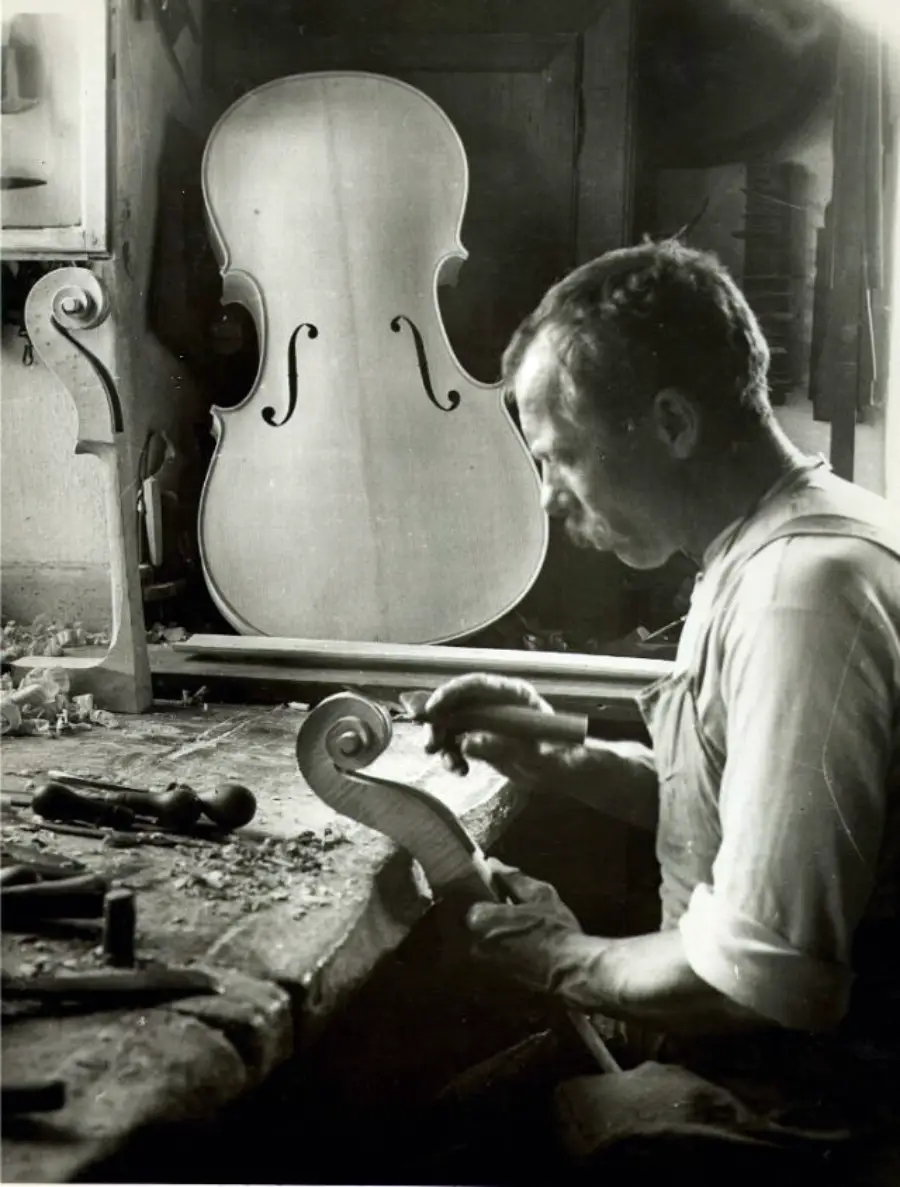
Crafting a premium violin, cello, or classical guitar by hand is an acoustic science that relies on decades of listening to how different cuts of wood vibrate. Classic luthiers in seventeenth-century Cremona developed complex mineral ground layers and specialized sun-thickened oil varnishes that modern scientists are still trying to fully decode using high-tech scanning microscopes.
Explore more interesting jobs from the past:
Reflecting on these incredibly detailed historic trades serves as a beautiful reminder of the immense patience, dedication, and physical mastery that defined the professional world for centuries. While modern automated technologies and digital conveniences have undoubtedly made our daily lives much easier, we lose a little bit of our shared human history every time one of these classic artisanal skills fades into obscurity. If you love exploring the fascinating ways our daily habits, tools, and cultural traditions have transformed over the generations, you will definitely want to dive into these 14 Historical Jobs That Modern Machines Completely Replaced or 16 White-Collar Jobs That Changed Forever After Computers. You may also like these 20 Vintage Photos That Show How Dangerous Jobs Used to Be.