The 20th century was full of jobs that now seem almost impossible to believe. Some involved dangerous chemicals, some required working high above the ground, and others were illegal from the start. Safety rules were often weak, ignored, or still decades away. For the people doing the work, though, these were not strange historical footnotes. They were simply how the bills got paid.
1. Radium Dial Painter
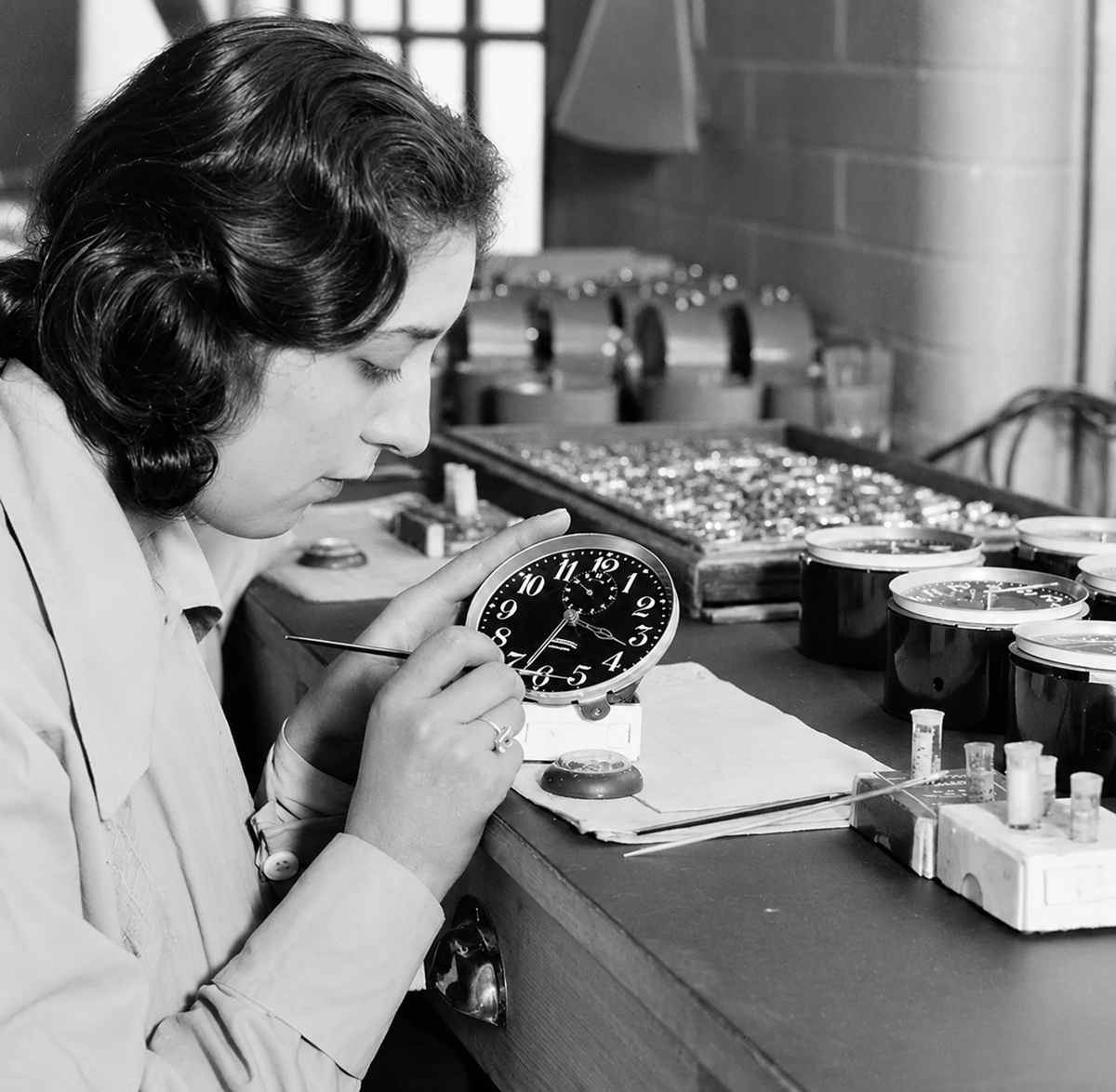
Painting tiny numbers onto watches did not sound especially risky. In the 1910s and 1920s, workers used luminous paint containing radium and were often told to shape their brushes with their lips to keep the tips fine. That meant swallowing a small amount of radioactive material over and over again. Many of the women later developed severe jaw damage, anemia, bone problems, and cancer, after being assured that the paint was safe.
2. White Phosphorus Match Worker
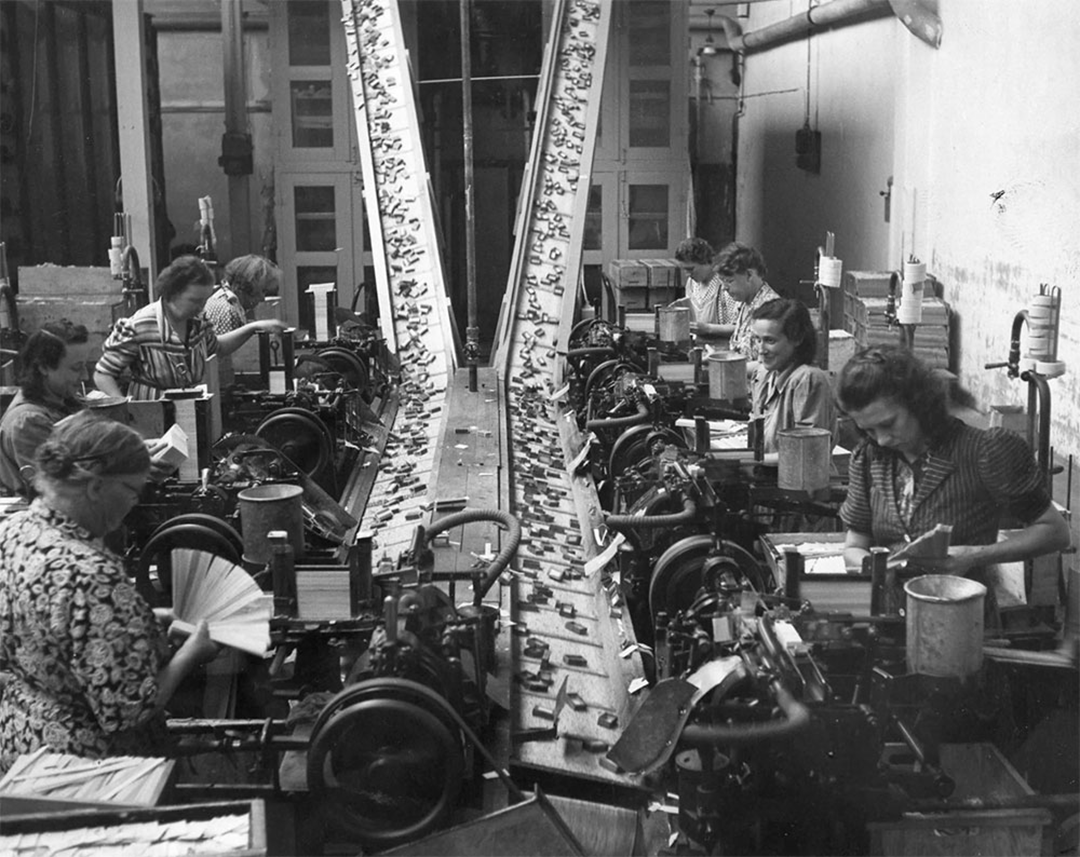
Match factories had a particularly grim workplace illness known as “phossy jaw.” Workers exposed to white phosphorus could develop painful infections and decay in the jawbone, sometimes leaving them badly disfigured. The smell, smoke, and chemicals were part of the normal factory environment. By the early 20th century, public pressure and new laws finally began pushing white phosphorus matches out of production.
3. Hawks Nest Tunnel Driller
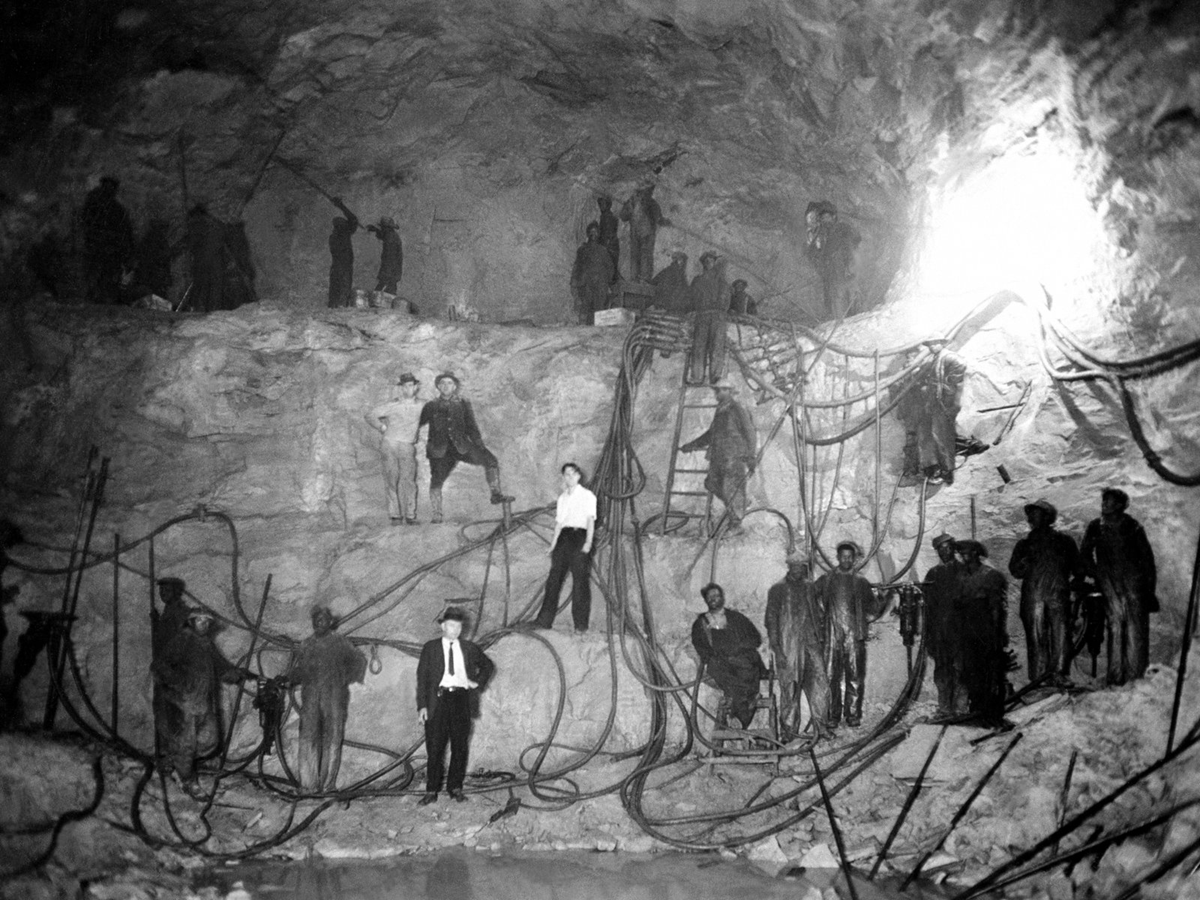
In the early 1930s, men drilling a tunnel through Gauley Mountain in West Virginia worked in thick clouds of silica dust. Many had little or no effective respiratory protection. Some became sick after only a short period on the job, developing an aggressive form of silicosis that damaged their lungs with frightening speed. The exact death toll is still debated, but the Hawks Nest project became one of the ugliest industrial disasters in American history.
4. Prohibition Bootlegger
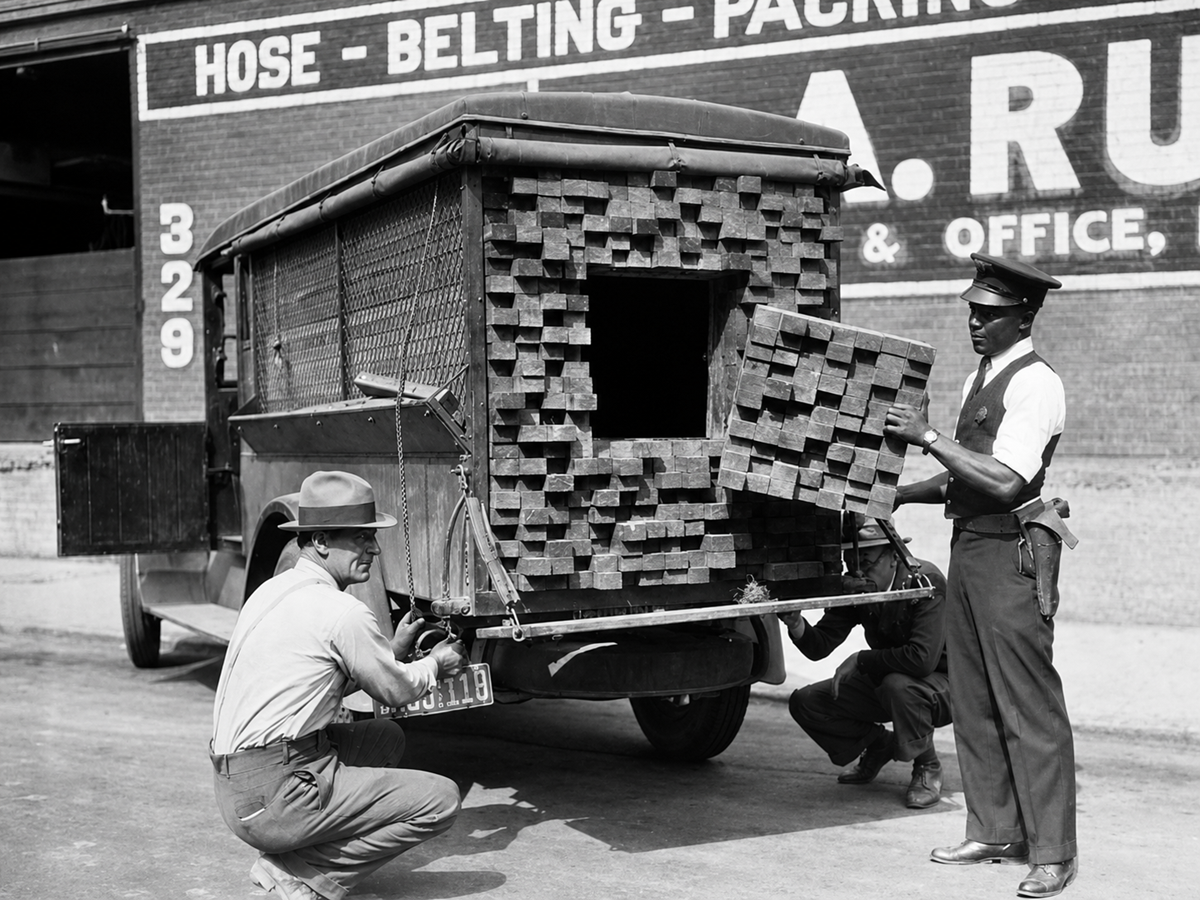
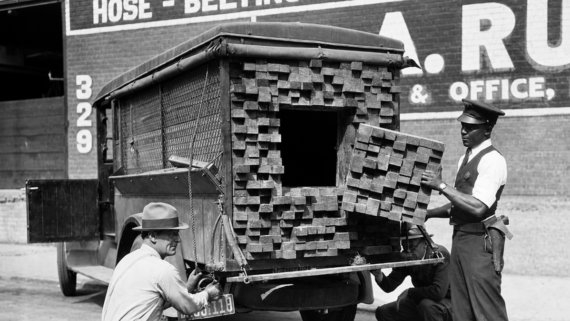
Bootleggers were delivery drivers, mechanics, smugglers, and criminals rolled into one. During Prohibition, they moved illegal liquor along back roads while trying to avoid federal agents, local police, hijackers, and rival gangs. Their cars were often modified to carry more weight and still outrun anyone following them. It was risky work, but the money could be much better than what legal jobs offered.
5. Early Airmail Pilot
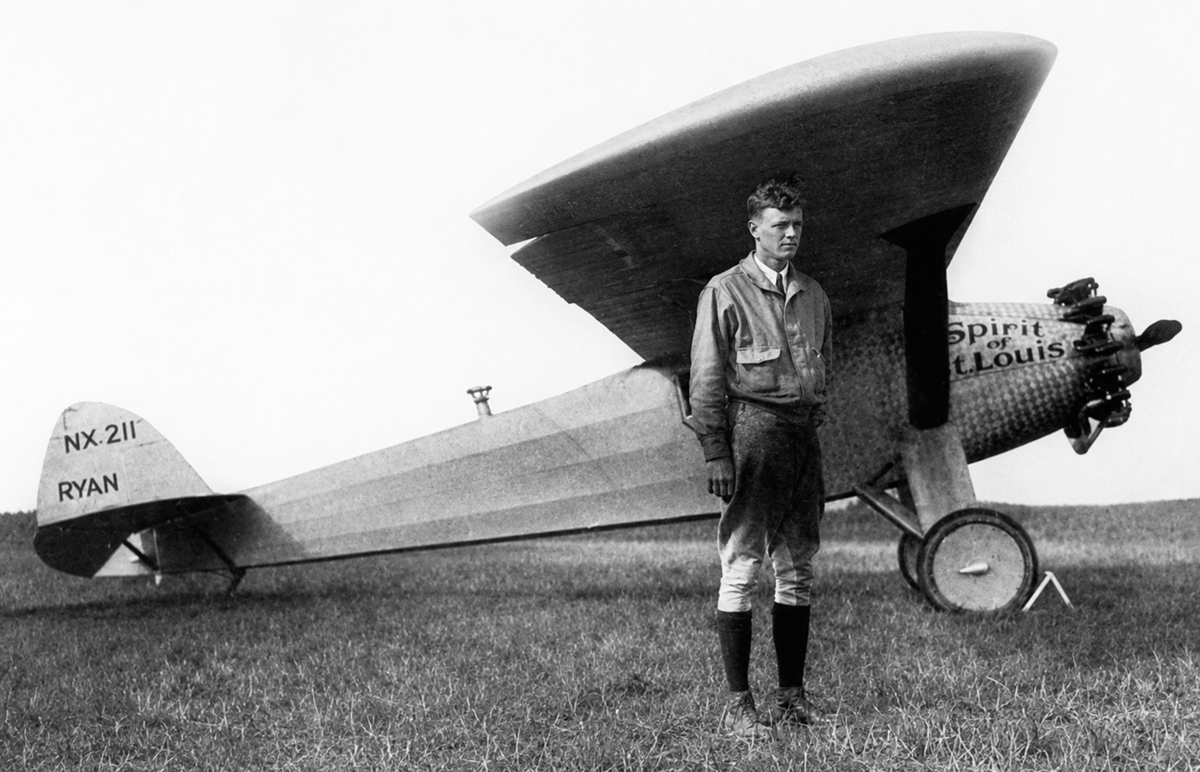
Early airmail pilots flew in open cockpits with limited instruments and very little reliable weather information. They followed railroad tracks, roads, and rivers because modern navigation systems did not exist. Fog, darkness, mechanical failures, and poorly marked landing fields made routine routes genuinely dangerous. Delivering a bag of letters sometimes meant flying an aircraft that felt only slightly more dependable than a homemade machine.
Trending on The Scroller

6. Asbestos Insulator
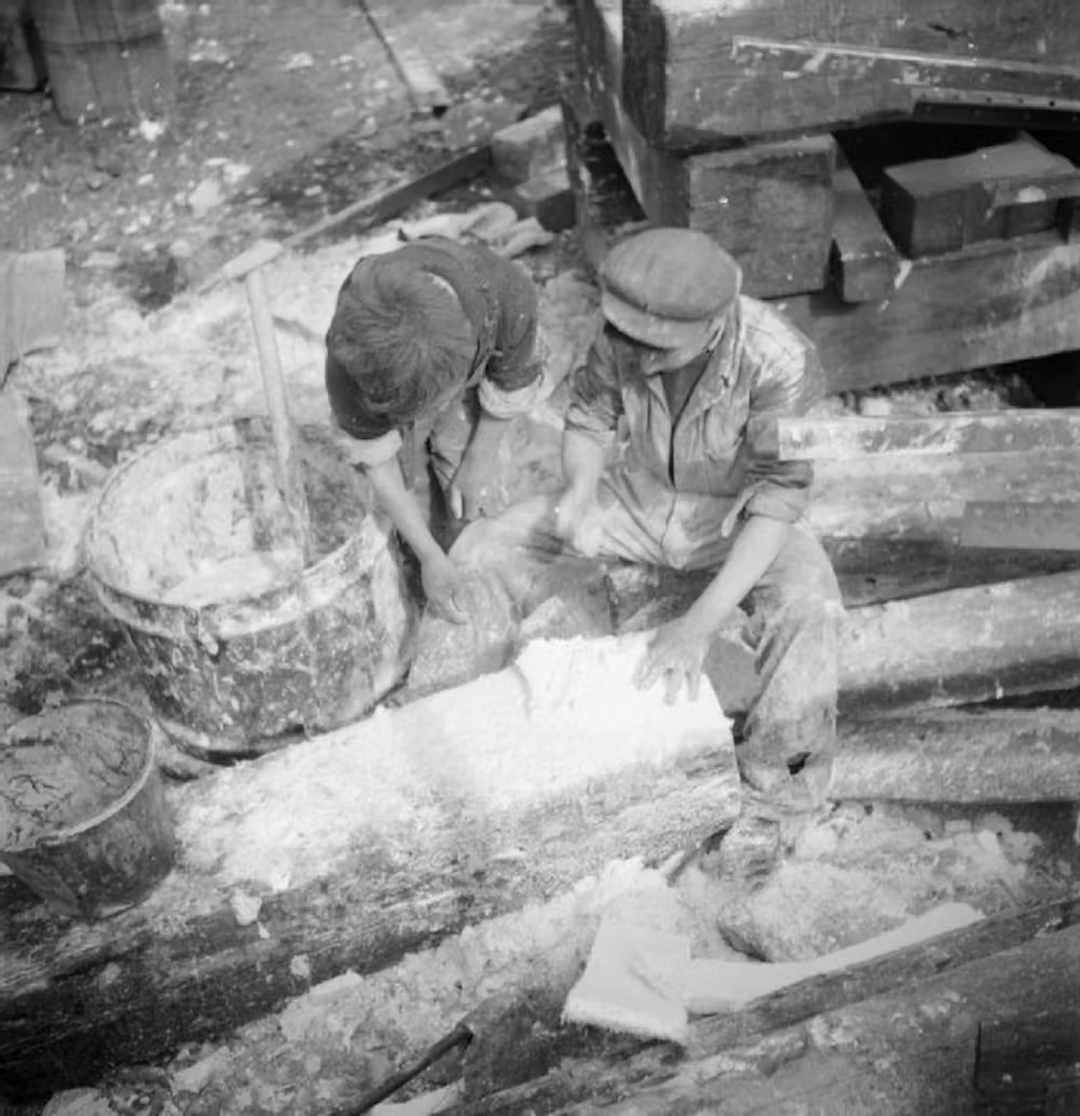
For decades, asbestos was treated as a useful industrial miracle. Insulation workers cut and fitted it around boilers, pipes, ships, factories, and office buildings, often breathing in clouds of fine dust while they worked. The fibers could remain in the lungs for years before causing serious illness. Some workers also carried the dust home on their clothes, unknowingly exposing their families.
7. Coal Loader
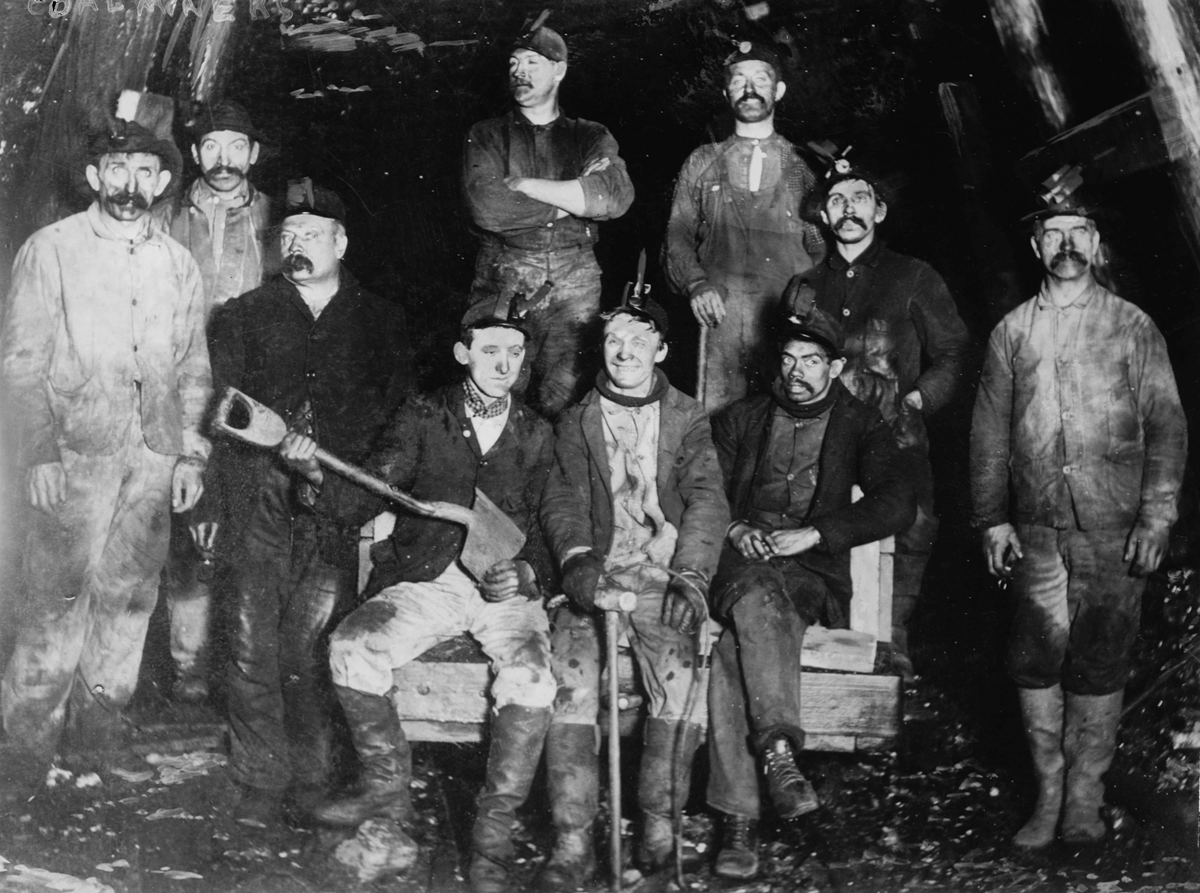
Coal loaders spent long shifts underground breaking up coal and moving it by hand. The dangers were everywhere: unstable roofs, explosive gases, machinery, blasting, and dust that settled deep in the lungs. In some mines, workers were paid according to how much coal they moved, which encouraged speed in a place where rushing could be deadly. It was exhausting work even on a good day.
8. Silent-Film Stunt Performer
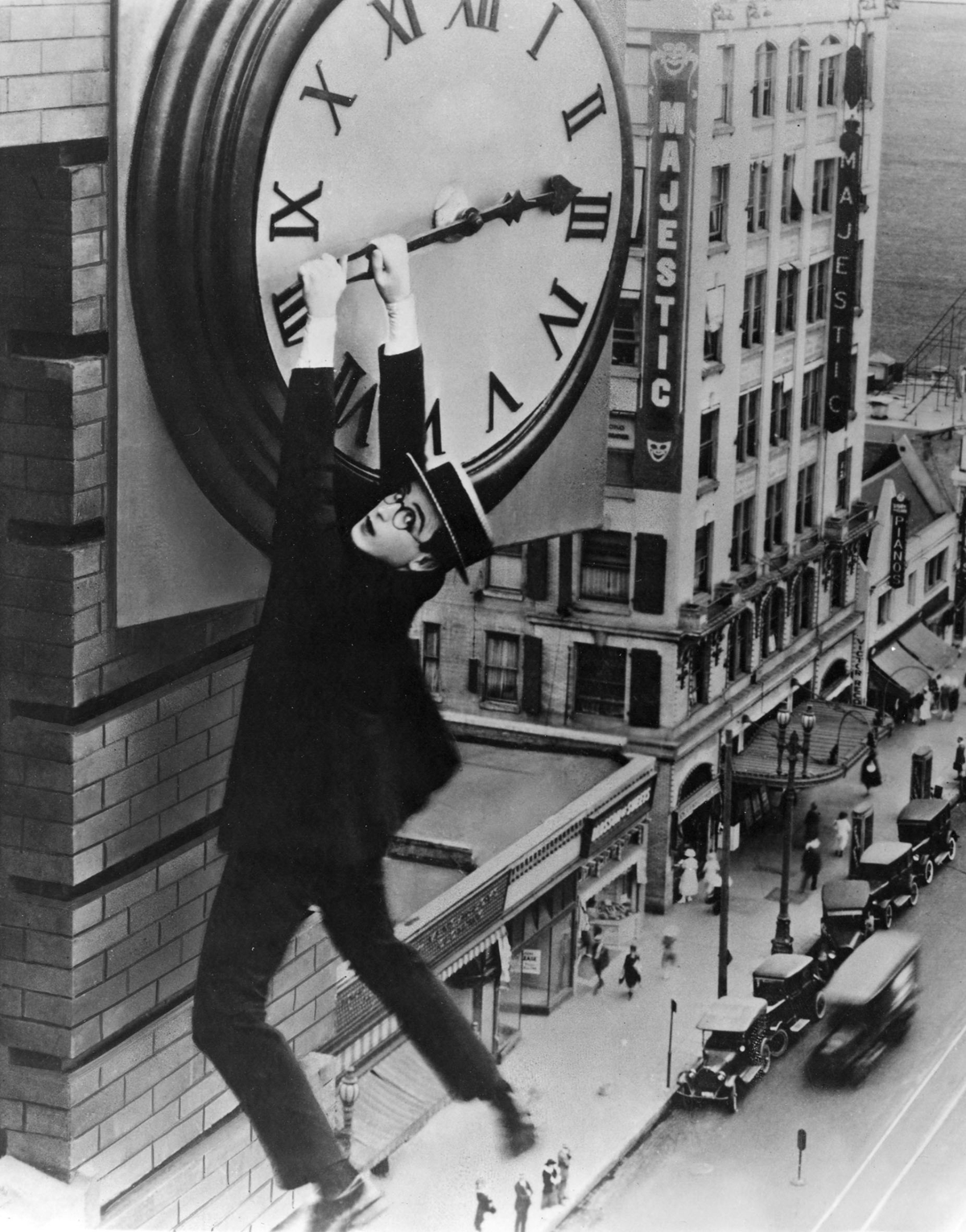
Silent movies loved trains, burning buildings, speeding cars, and actors dangling from places no sensible person would climb. Stunt performers created those scenes without modern harnesses, crash mats, digital effects, or large safety teams. Some jumped between moving vehicles or climbed onto aircraft while cameras rolled. A successful stunt looked effortless on screen, but there was often very little between the performer and a serious injury.
Sign up for our newsletter
9. Shipyard Worker
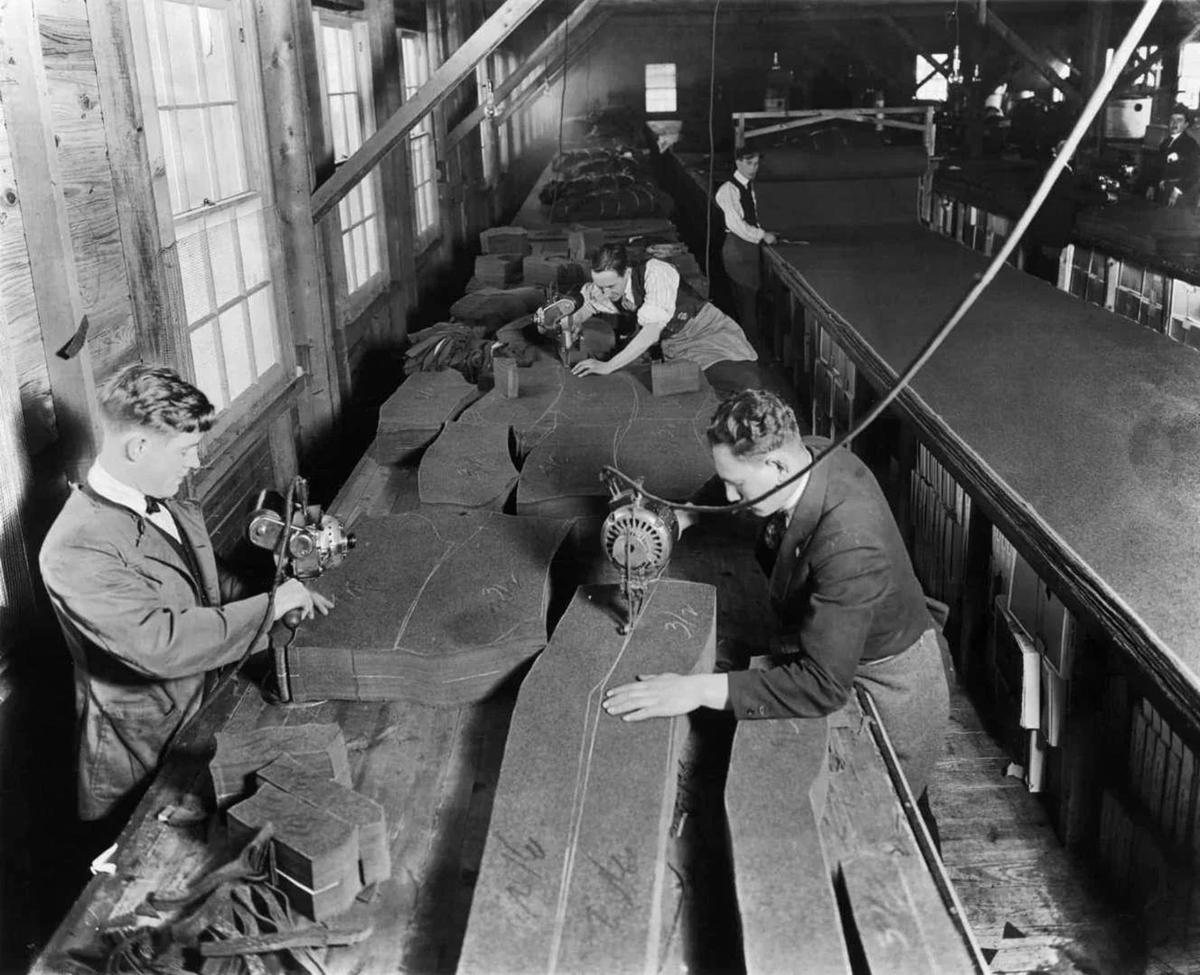
Shipyards were crowded, noisy places filled with steel, welding equipment, cables, paint fumes, and heavy machinery. Workers squeezed into narrow compartments and climbed over unfinished sections of ships while construction continued around them. Falls, fires, crushing injuries, and toxic exposure were all part of the risk. Asbestos was also used heavily in many ships, especially around engines and pipes.
10. Industrial Spray Painter
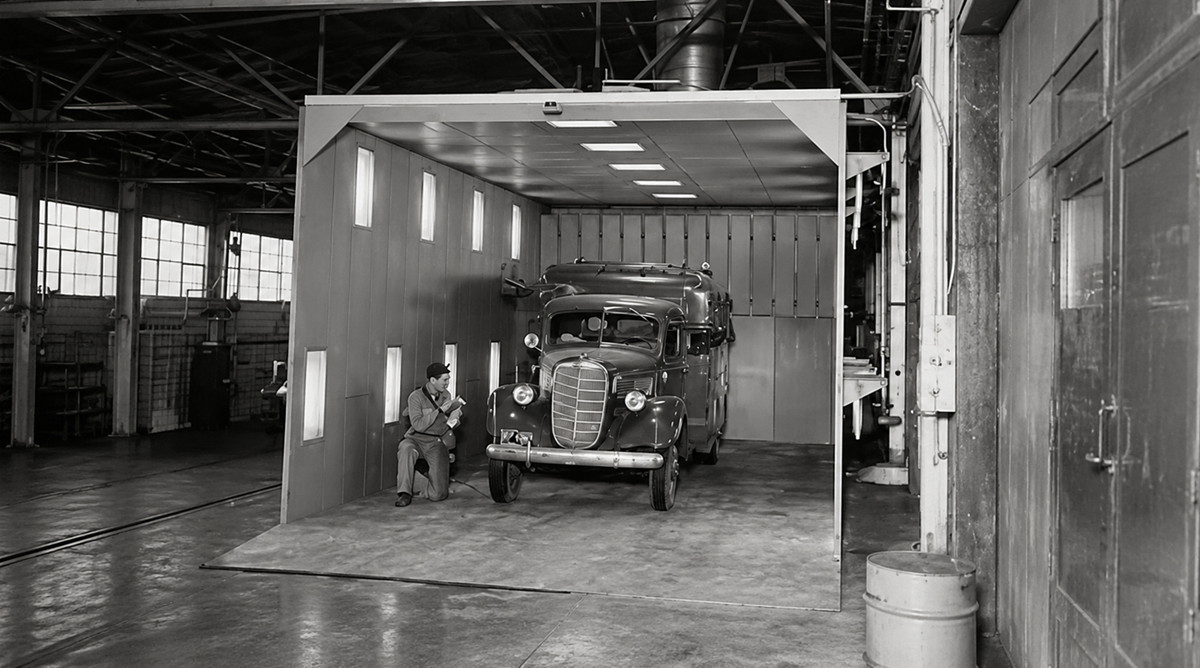
Industrial spray painting often meant standing in a mist of solvents, lead-based coatings, and chemical fumes. Ventilation was not always effective, and protective equipment varied widely from one workplace to another. The paint settled on skin, clothing, and everything nearby. Over time, repeated exposure could affect the lungs, nervous system, and other parts of the body.
11. River Log Driver
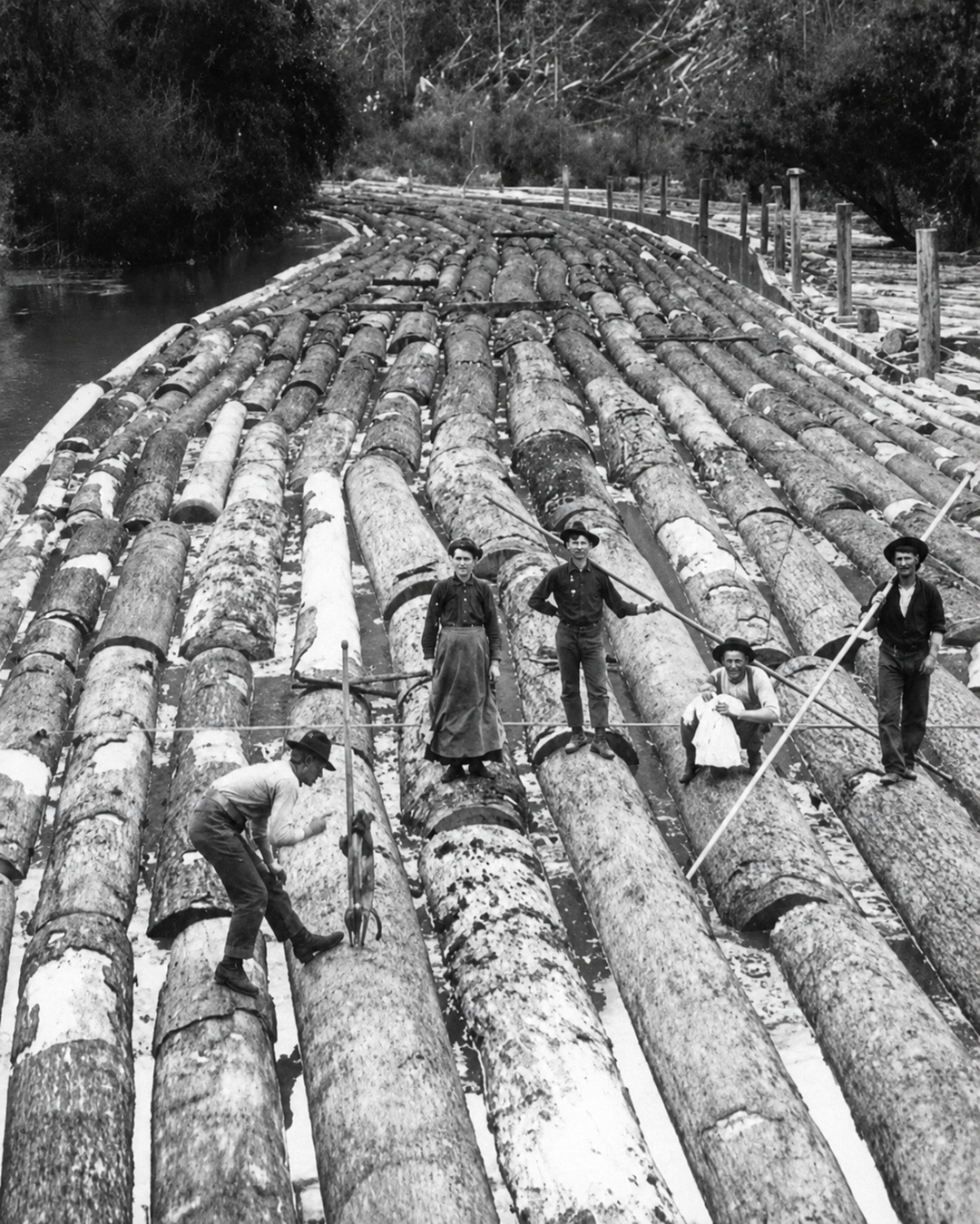
Log drivers moved timber down rivers before trucks took over much of the job. They walked across floating logs, broke apart jams, and tried to keep thousands of heavy trunks moving in the right direction. Falling into the water was bad enough. Falling beneath the logs was worse.
12. Skyscraper Ironworker
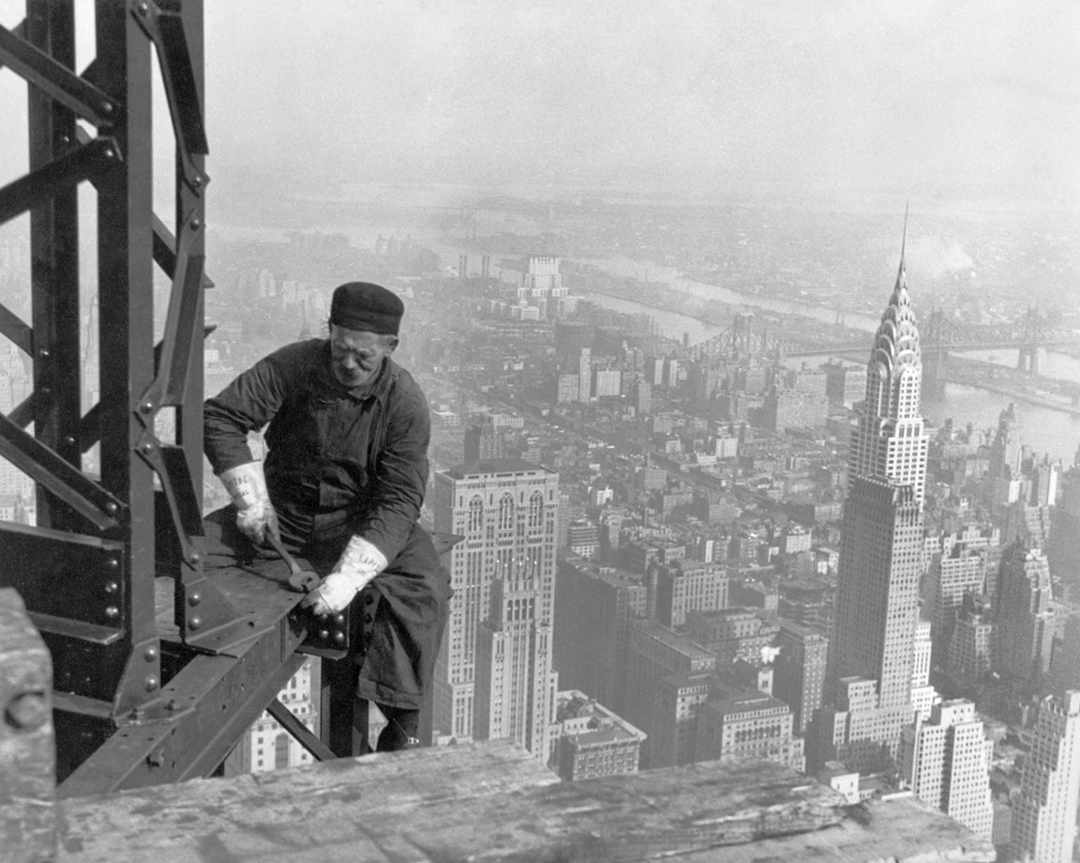
Ironworkers building early skyscrapers spent their days on narrow steel beams high above city streets. Fall protection was minimal compared with modern standards, and wind could make even a simple movement difficult. Workers carried tools, handled hot rivets, and crossed open frameworks as if they were ordinary walkways. The famous photographs look daring because the work really was.
13. Meatpacking Line Worker
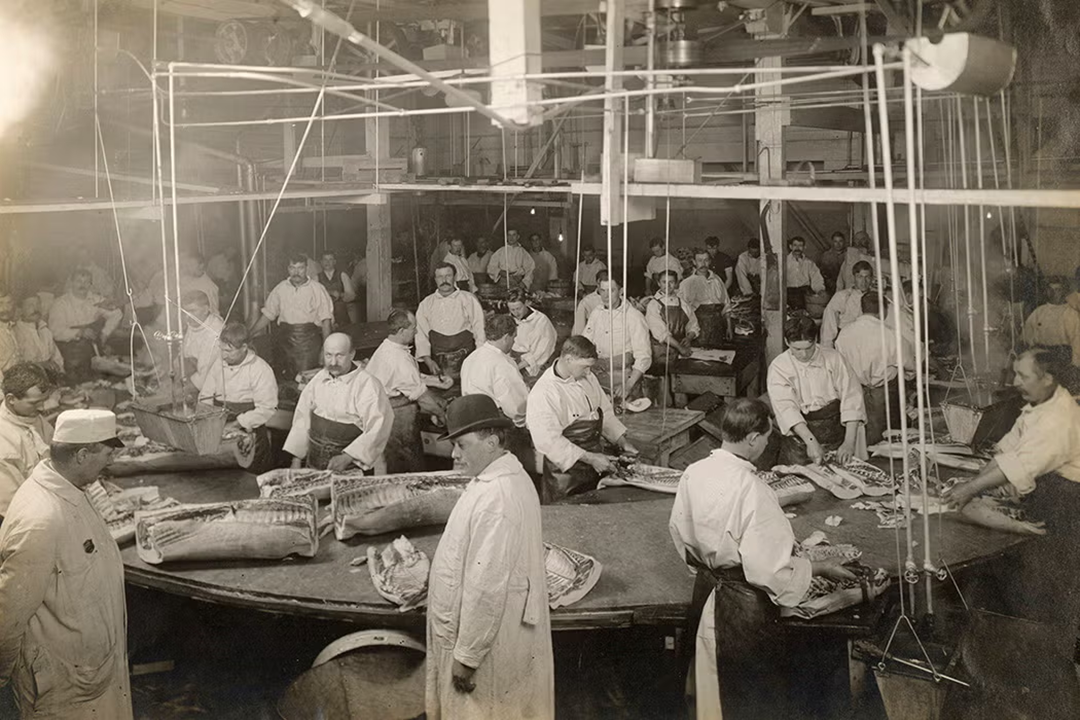
Meatpacking plants were built around speed. Workers used knives, hooks, saws, and heavy machinery while carcasses moved continuously through the building. Floors became slippery, the work was repetitive, and one tired movement could cause a serious injury. The pace rarely slowed just because somebody was struggling to keep up.
14. Wartime Munitions Worker
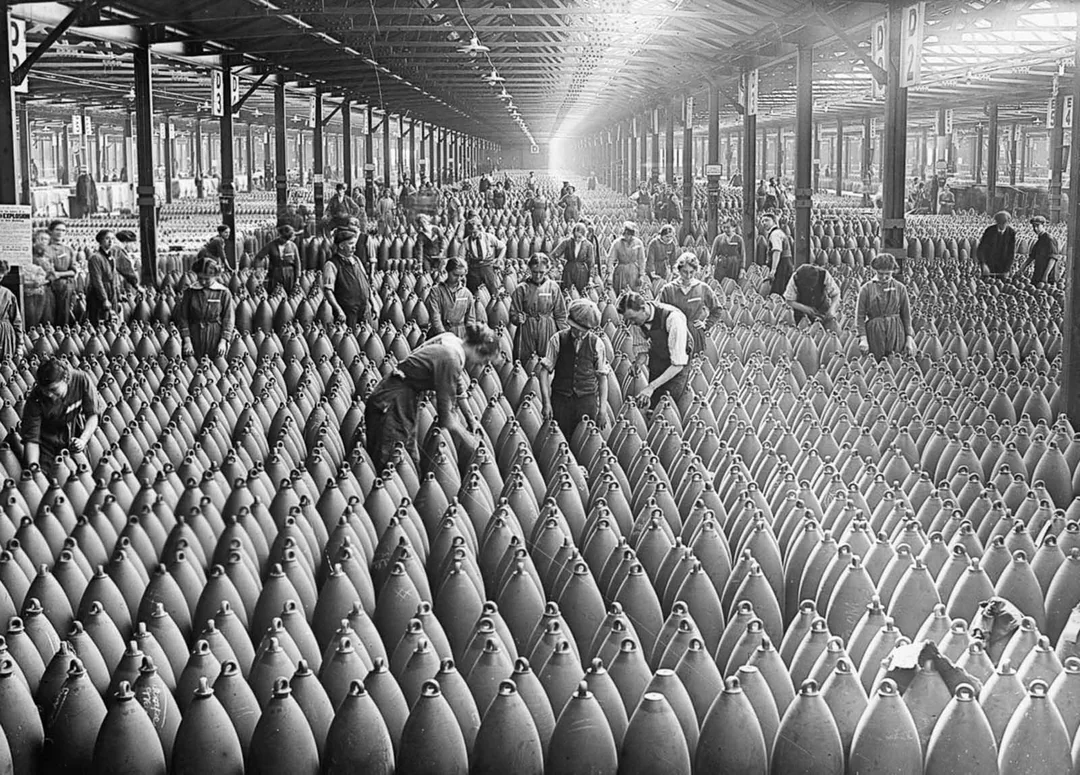
Munitions factories expanded quickly during both world wars, bringing in workers who often had limited experience with explosives or industrial chemicals. Production quotas were high, and training could be brief. A small spark, contaminated batch, or machinery failure could trigger a disaster. The workers were far from the front, but the job still carried a very real chance of death.
In the mood for more?
Check out 14 Seasonal Jobs That Shaped Small Towns for Decades, or take a look at 14 Jobs That Involved Skills Most People No Longer Learn. If you want to see more strange working histories, you can check out 17 Real Jobs in 2026 That Sound Completely Invented.