Every family seemed to have one person who believed almost nothing should be thrown away, and in many households that person was Mom. An empty container wasn’t really empty, a worn-out towel still had years of life ahead of it, and even the tiniest household item could someday save the day. These weren’t random piles of clutter. For every 80s mom, there was an entire category between “useful” and “trash”: “might come in handy later.”
1. Plastic Grocery Bags
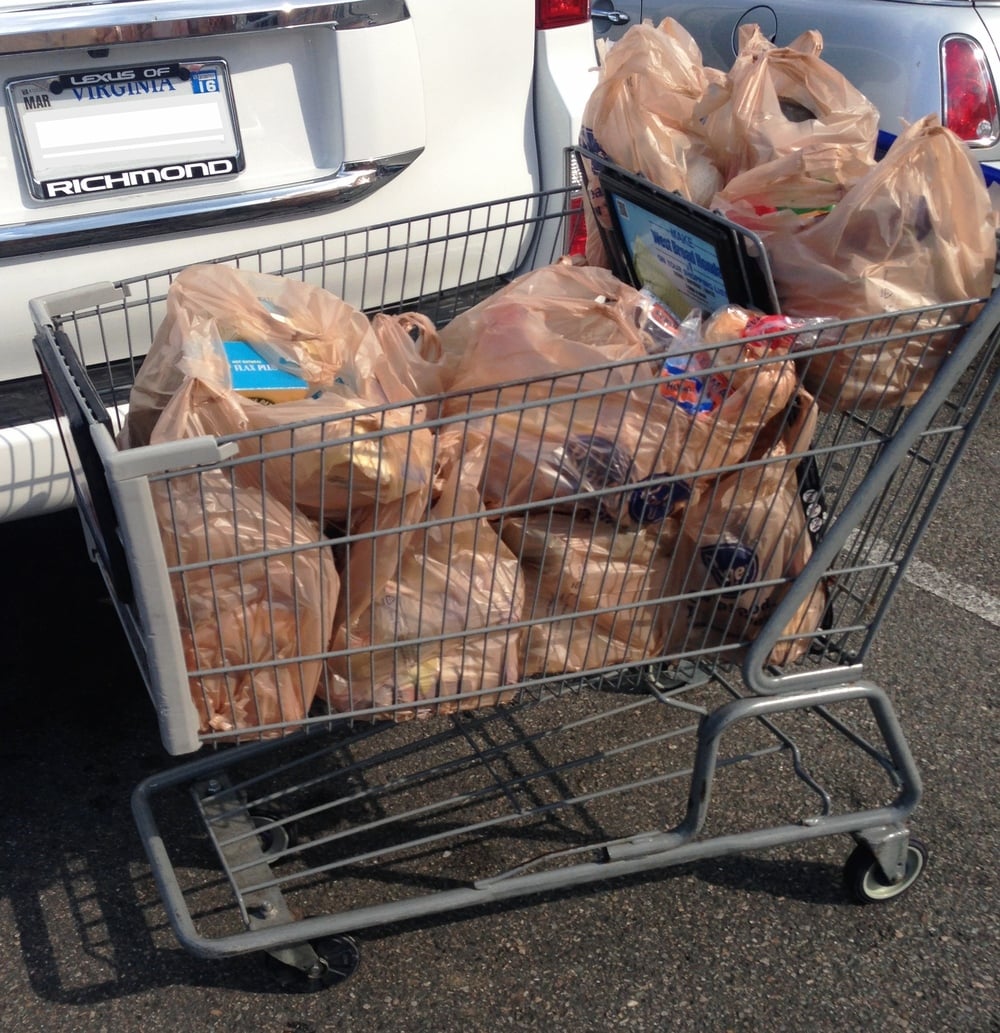
The moment a plastic grocery bag crossed the front door, its career as a shopping bag was officially over. It immediately became a future trash liner, lunch bag, packing material, or something to carry wet shoes after a rainy day. Before long, every 80s mom had a larger bag somewhere under the sink that existed solely to hold dozens of other bags waiting for their next assignment.
2. Margarine Tubs
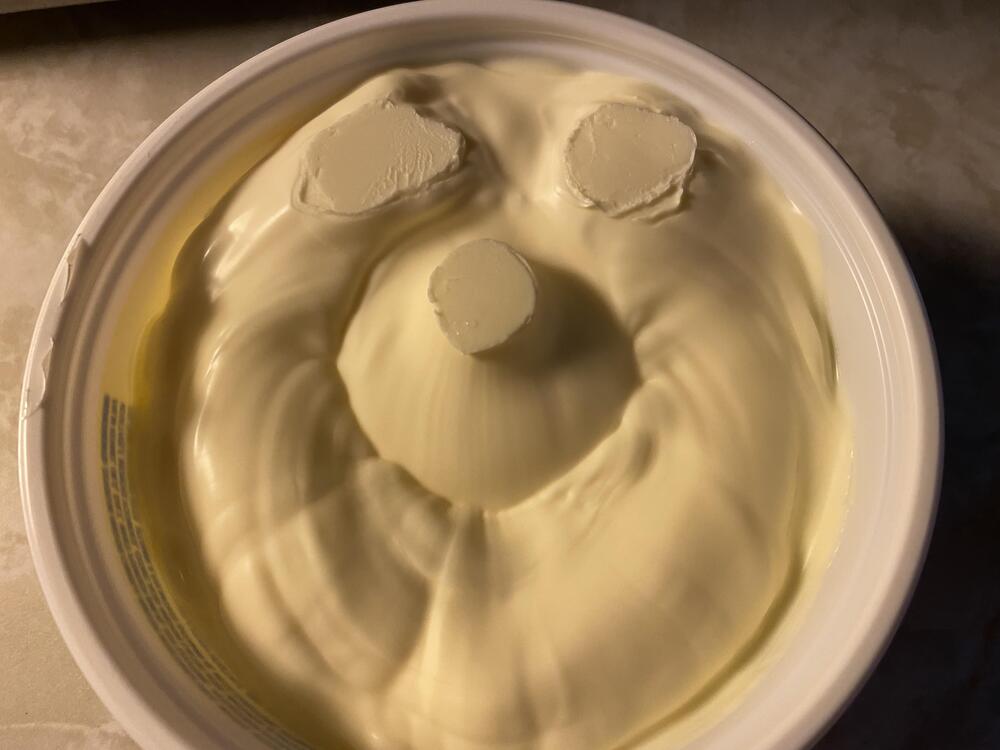
Opening a margarine container rarely guaranteed you were about to find margarine. Leftover meatloaf, mashed potatoes, soup, or yesterday’s spaghetti were all equally likely to be hiding inside. Once the original contents were gone, the container simply earned a permanent promotion to reusable food storage, often surviving far longer than anyone expected.
3. Glass Jars
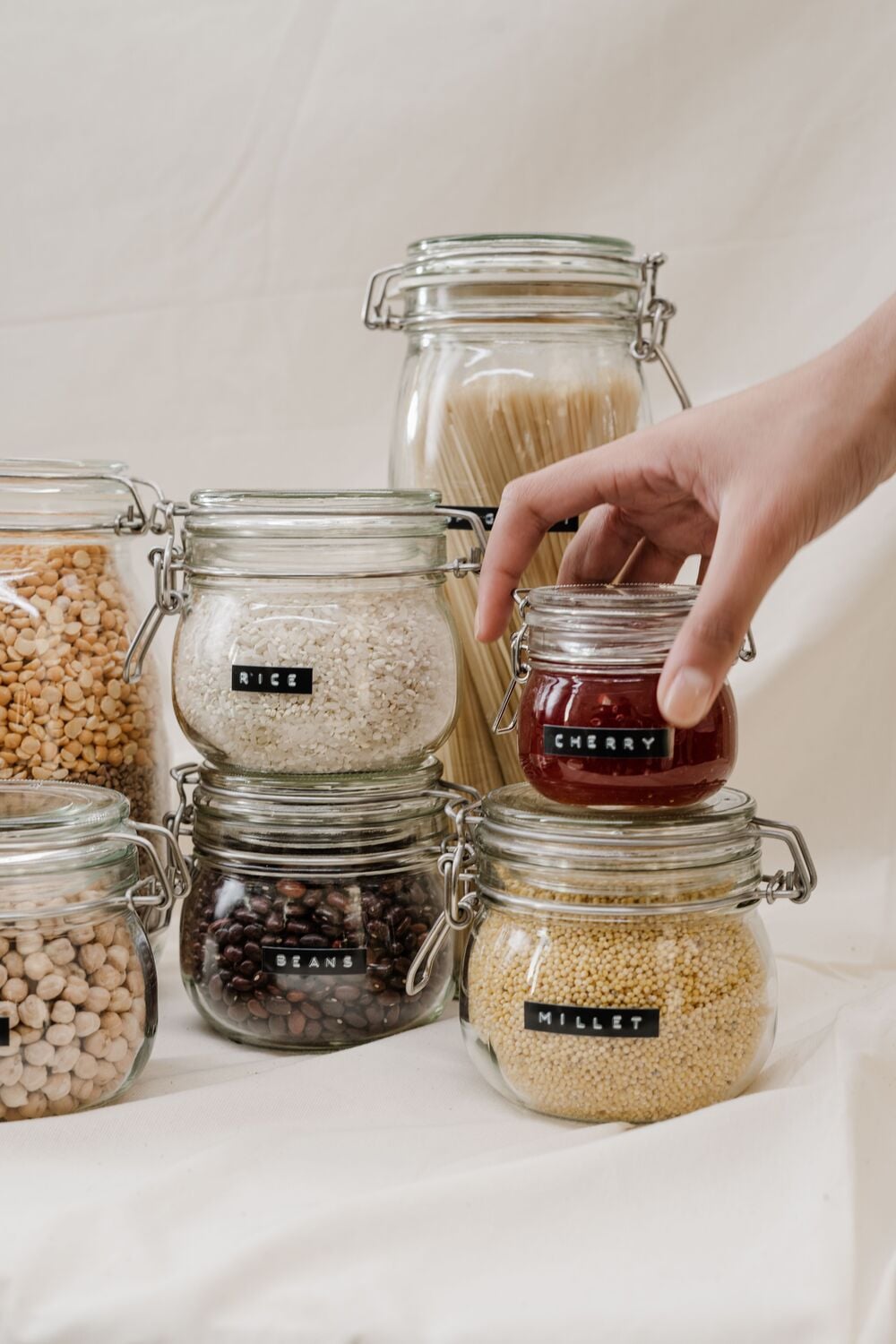
Somewhere in the kitchen cabinet sat a growing collection of empty jelly, pickle, and pasta sauce jars that nobody seemed willing to recycle. Why? Because eventually something would need one. Coins, screws, bacon grease, homemade jam, buttons, nails, or leftovers all found new homes inside glass jars that had already completed their first job.
4. The Danish Cookie Tin
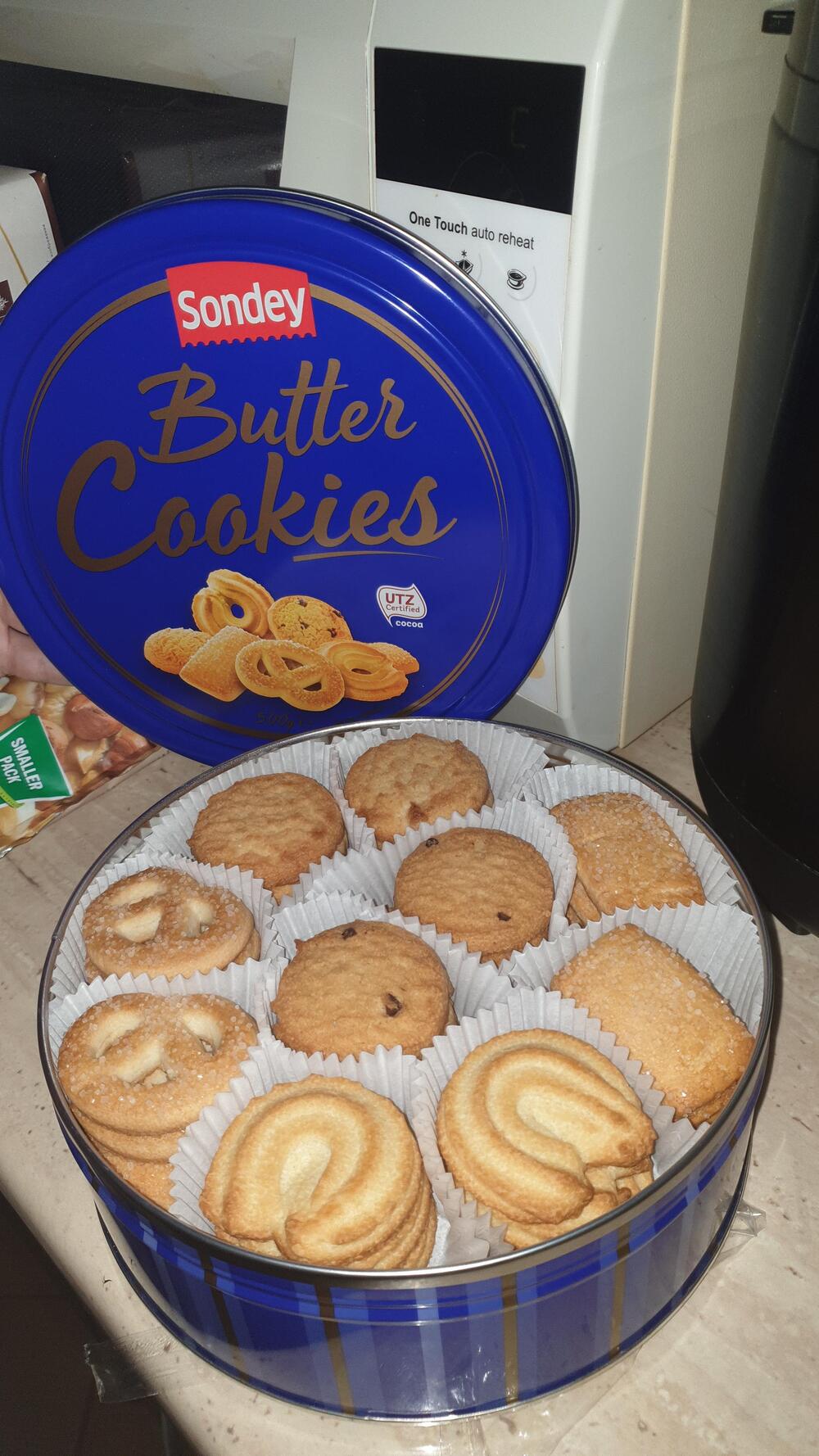
Few childhood disappointments were as universal as opening a Danish butter cookie tin and discovering there wasn’t a single cookie left inside. Instead, the familiar blue container had quietly transformed into permanent housing for sewing needles, thread, spare buttons, safety pins, and tiny supplies that somehow never seemed to belong anywhere else.
5. Buttons From Old Clothes
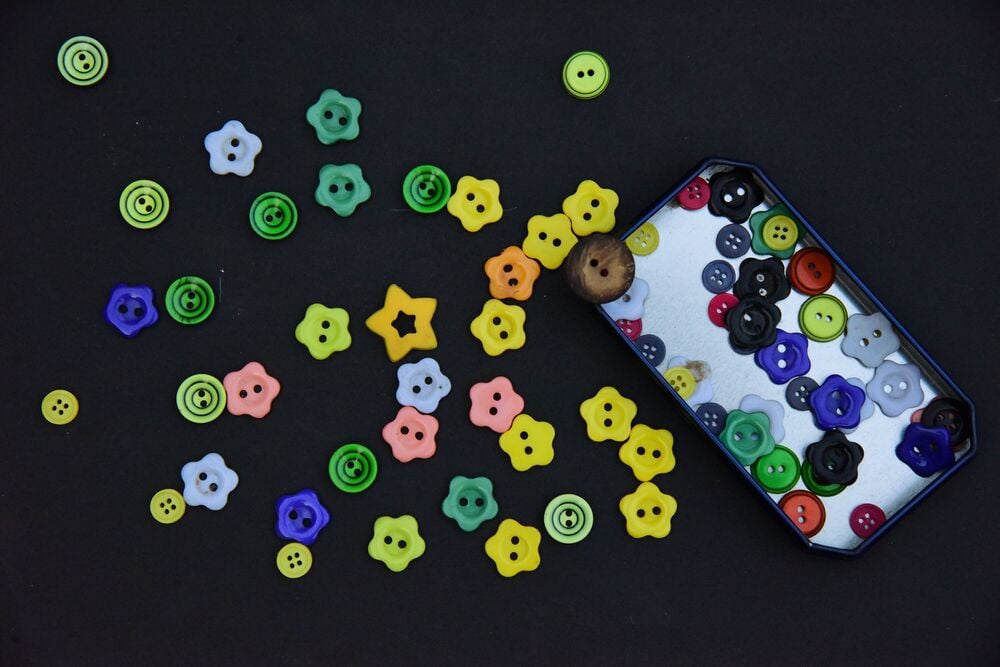
Why throw away a perfectly good button just because the shirt had reached the end of its life? Every 80s mom seemed convinced that one day, years into the future, that exact button might rescue another sweater, coat, or pair of pants. Most were never used, but somehow that never weakened the logic behind saving them.
Trending on The Scroller
6. Rubber Bands
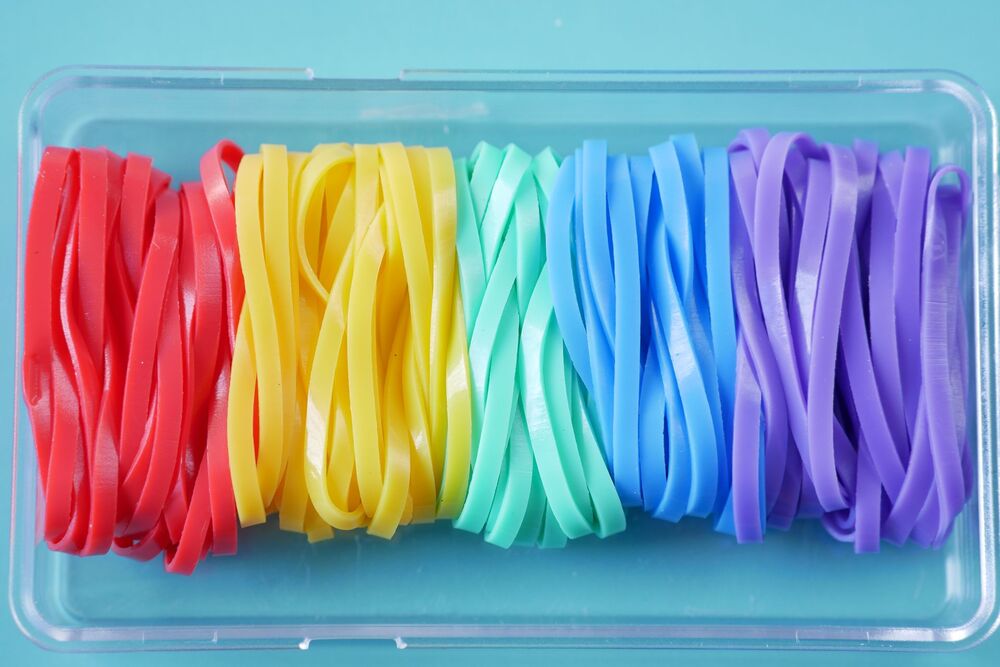
Rubber bands had a remarkable ability to multiply without anyone buying more. They arrived wrapped around newspapers, produce, or random packages, then quietly migrated to the junk drawer where they formed a tangled collection that seemed to grow on its own. Who knew when one might come in handy? Apparently, every 80s mom did.
7. Twist Ties
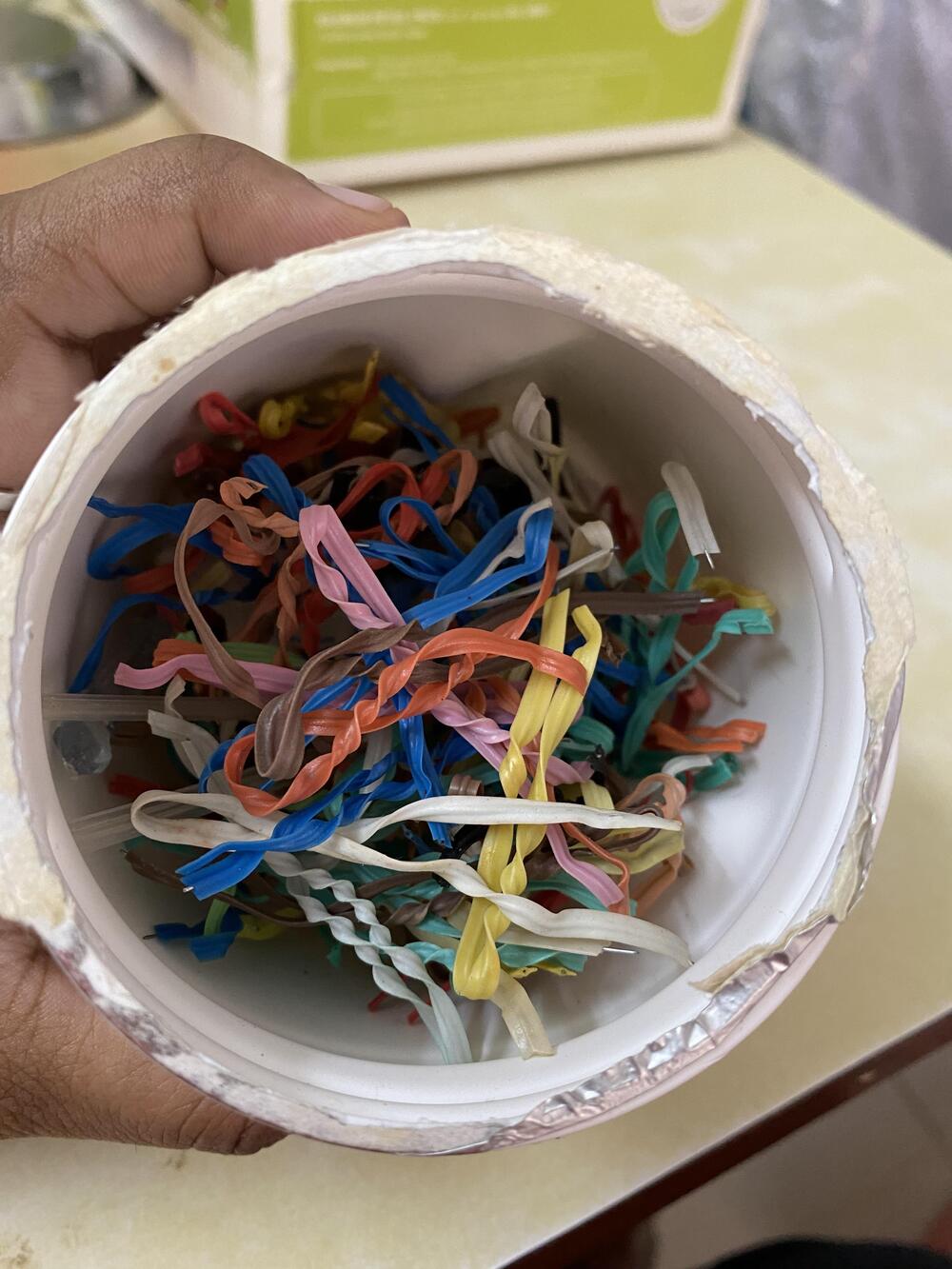
Most people tossed the little twist tie into the trash the moment they opened a loaf of bread. Not Mom. Those tiny pieces of wire were carefully removed, straightened, and tucked away because they were perfect for closing bags, bundling cords, labeling plants, or solving some future problem nobody had encountered yet.
8. Aluminum Foil
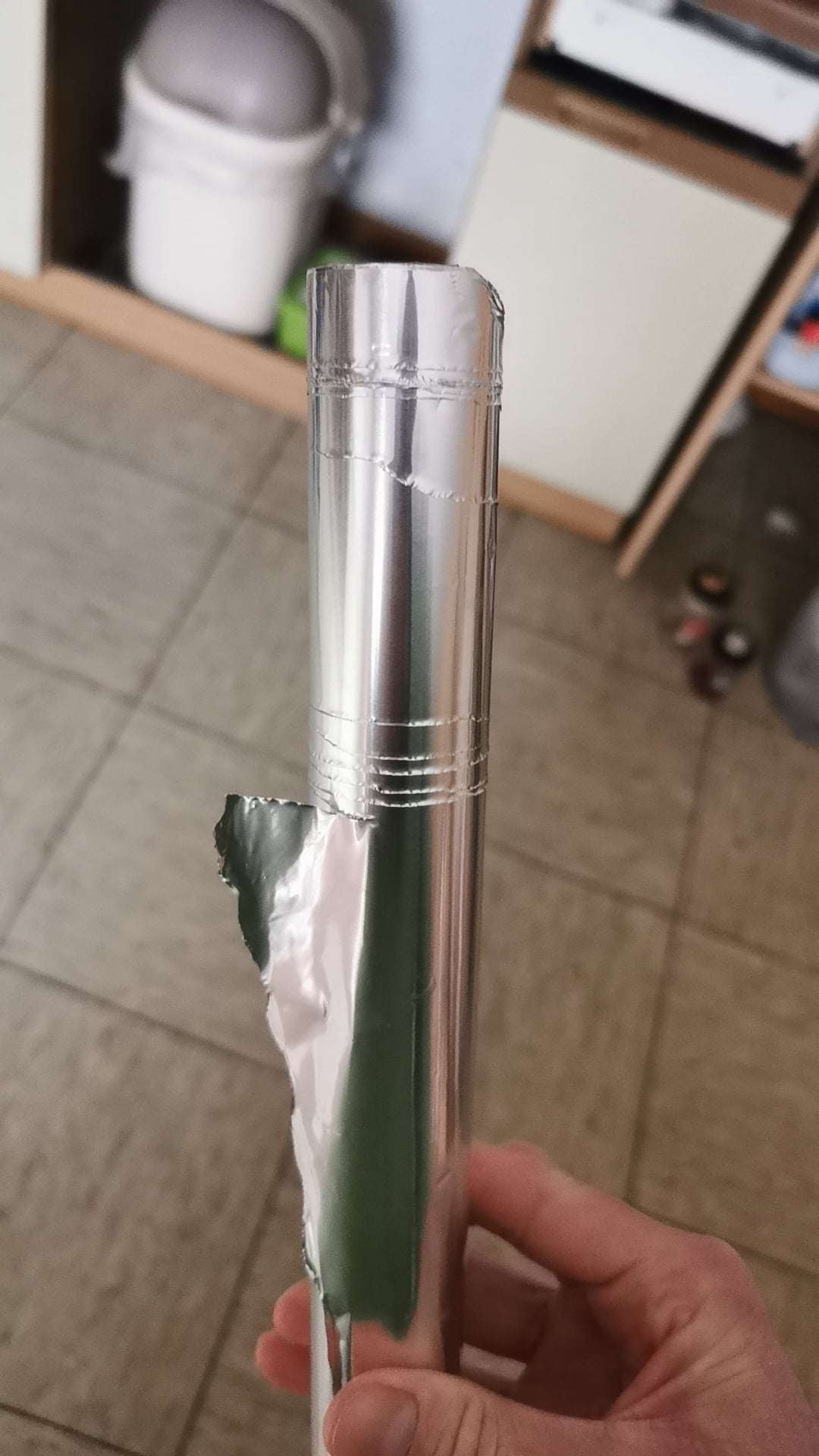
A sheet of aluminum foil wasn’t automatically finished after one meal. If it looked clean enough, many households carefully smoothed it out, folded it neatly, and saved it for another day. Throwing it away immediately felt almost wasteful when there was still plenty of life left in it.
Sign up for our newsletter
9. Wrapping Paper
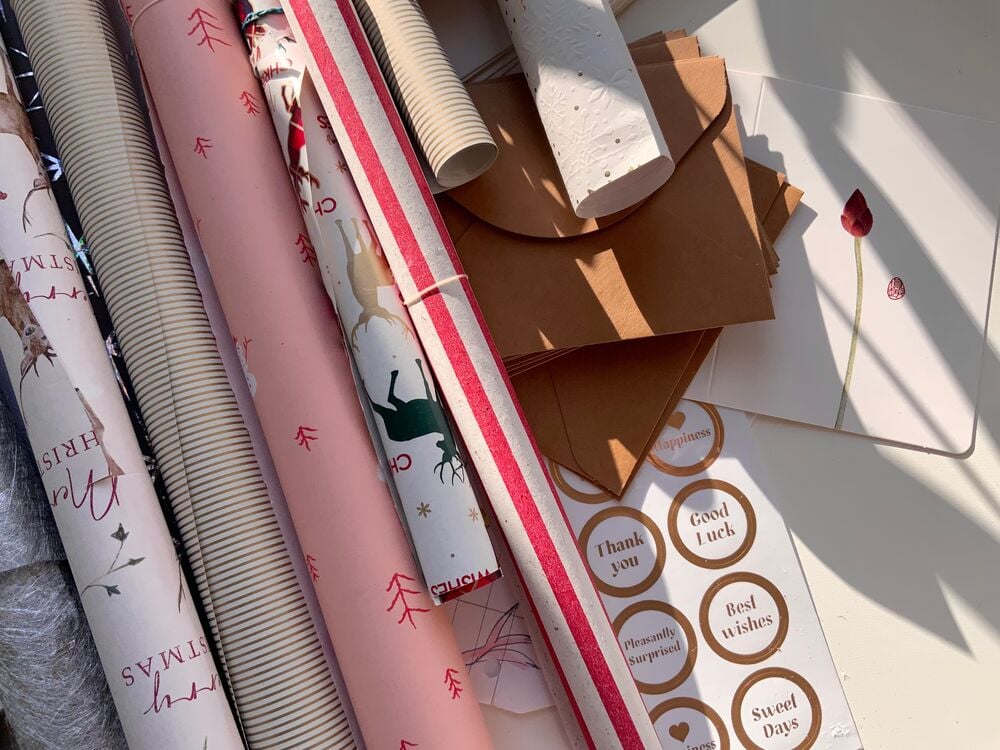
Opening birthday and Christmas presents sometimes felt like participating in a preservation project. Torn paper was one thing, but neat folds and careful tape removal meant the wrapping could be flattened, stored, and used again. Ripping into a gift too enthusiastically often earned a gentle reminder to “be careful with the paper.”
10. Gift Bows
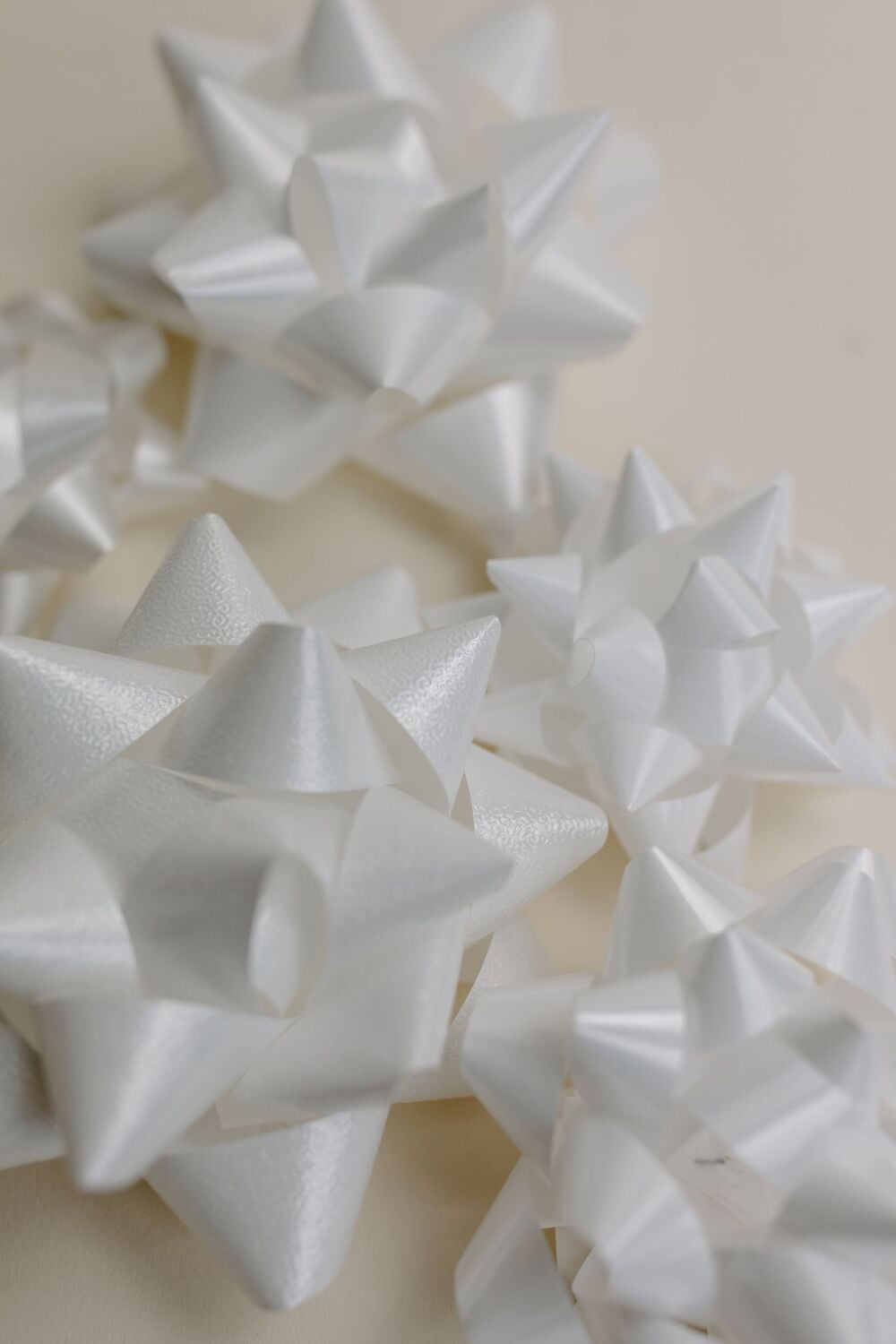
How could a tiny bow survive Christmas after Christmas? By being peeled off with surprising care instead of ripped away. If it still held its shape and remained sticky enough, it joined a growing collection waiting patiently for the next birthday, anniversary, or holiday. Some bows probably wrapped more presents than most people ever received.
11. Gift Bags
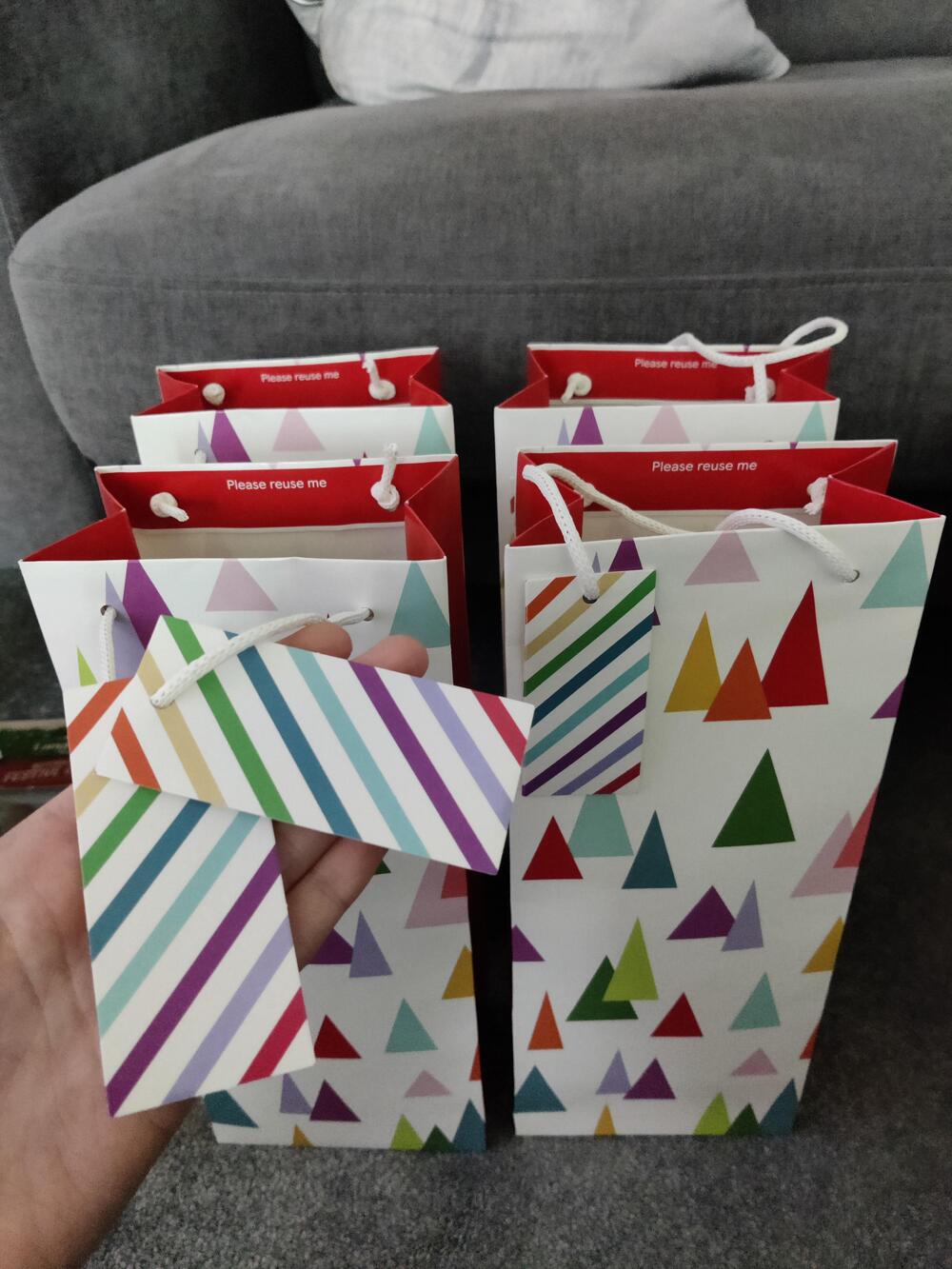
A nice gift bag was almost guaranteed to have multiple owners over the years. Instead of being crumpled up and discarded, it was carefully folded, tucked into a closet, and patiently waited for another birthday or holiday. Did anyone really know who had originally bought it? After enough celebrations, probably not.
12. Ribbon
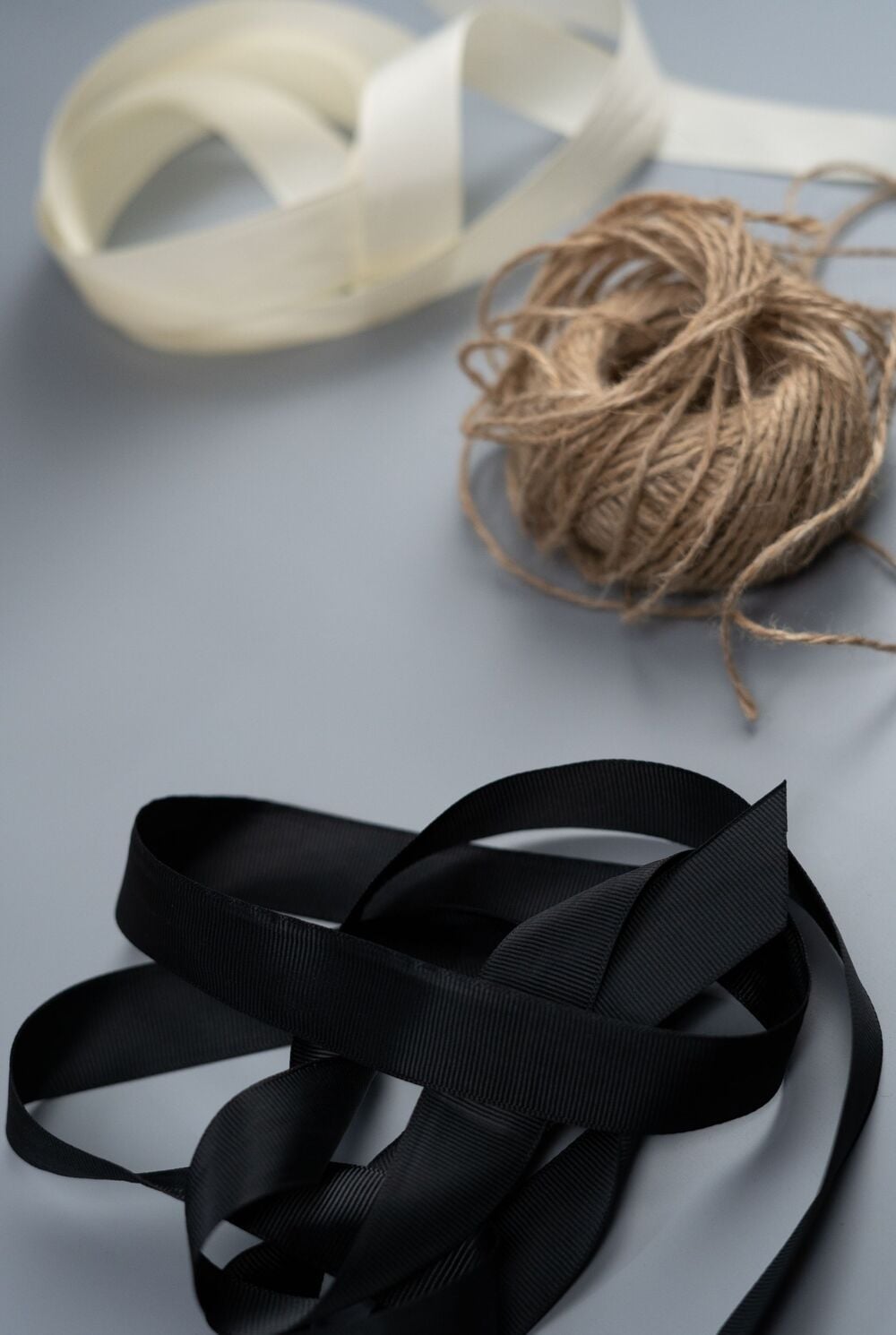
Even the shortest piece of ribbon seemed far too valuable to throw away. Whether it came from a gift box, a flower arrangement, or holiday wrapping, it was neatly rolled up and added to a growing collection for future crafts, decorations, or presents. Somehow, four leftover inches always felt like they might become exactly what was needed someday.
13. Shoeboxes
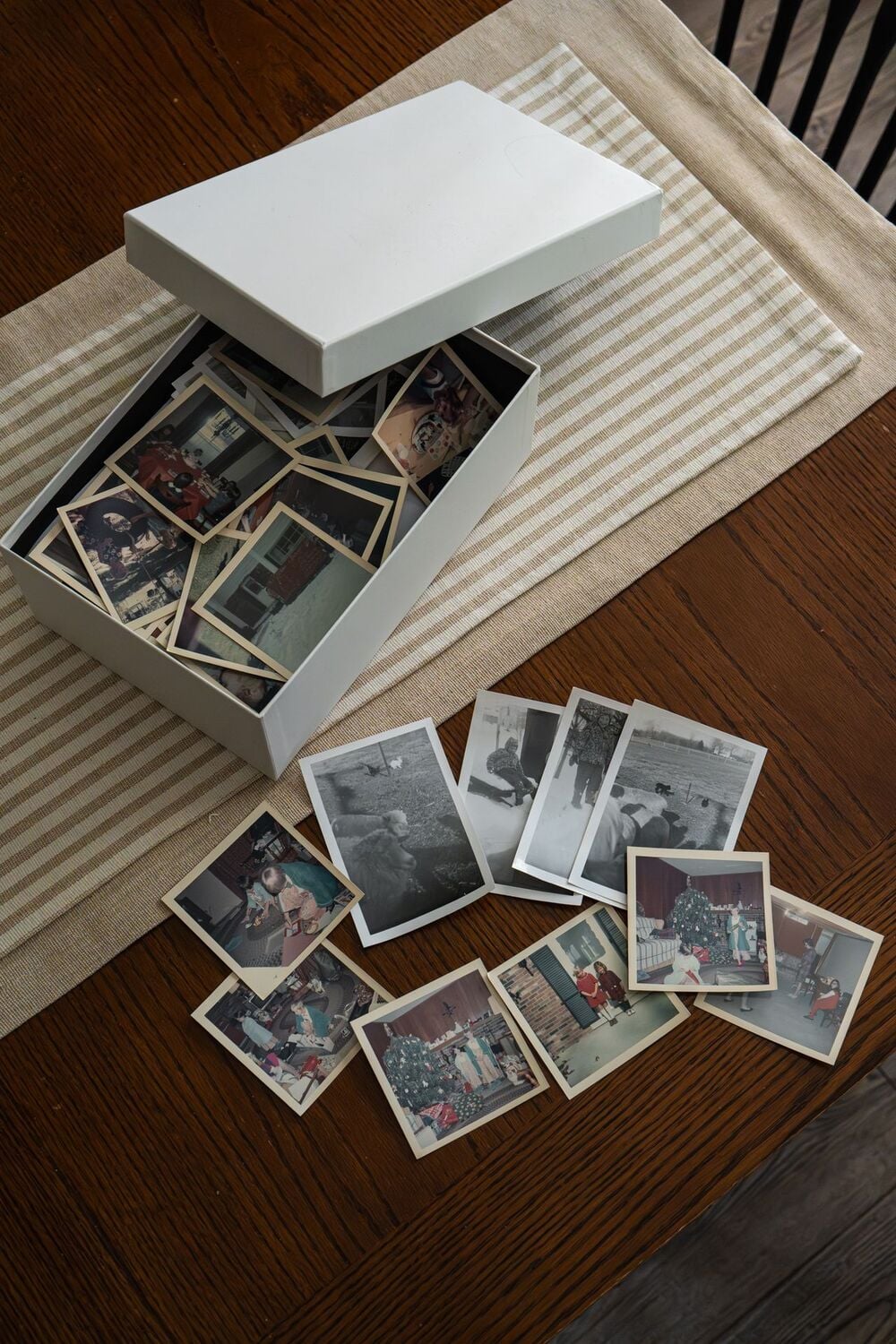
Long before decorative storage bins became popular, empty shoeboxes handled the job perfectly well. Old photographs, receipts, greeting cards, craft supplies, letters, and countless miscellaneous treasures all found their way into sturdy cardboard boxes that quietly organized family life without anyone paying extra for them.
14. Coffee Cans
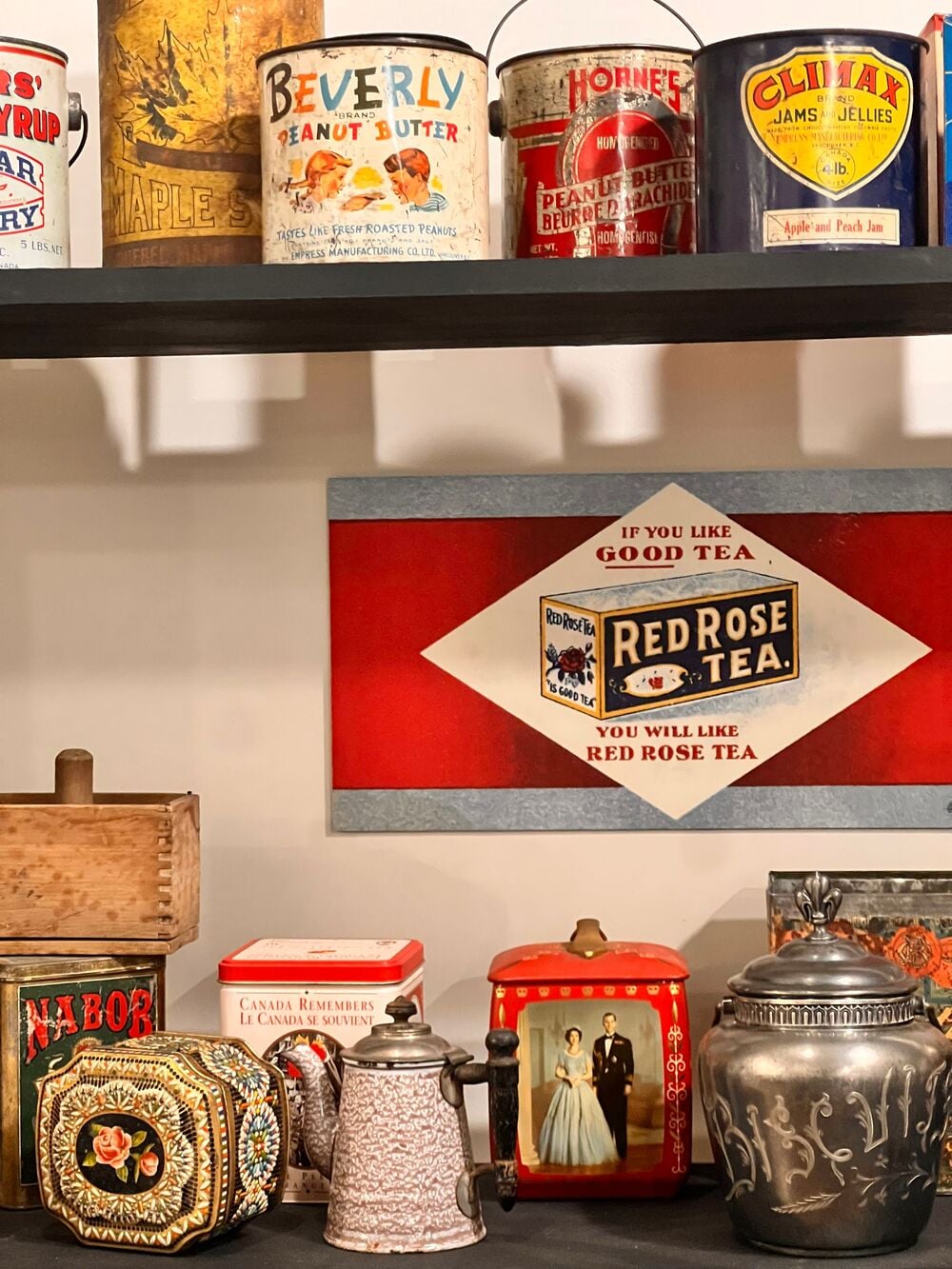
Finishing a can of coffee didn’t mean the container had reached the end of its usefulness. Those sturdy metal or plastic cans became homes for loose change, nails, screws, spare buttons, garden supplies, and just about anything too small to leave lying around. Storage solutions existed long before anyone bought matching organizers.
15. Bread Bags
Throwing away an empty bread bag simply wasn’t part of the plan. Once the loaf was gone, the bag could return as freezer storage, a lunch bag, a way to wrap homemade bread, or even a handy cover for leftovers. The bread had disappeared, but the packaging was just beginning its second career.
16. Takeout Containers
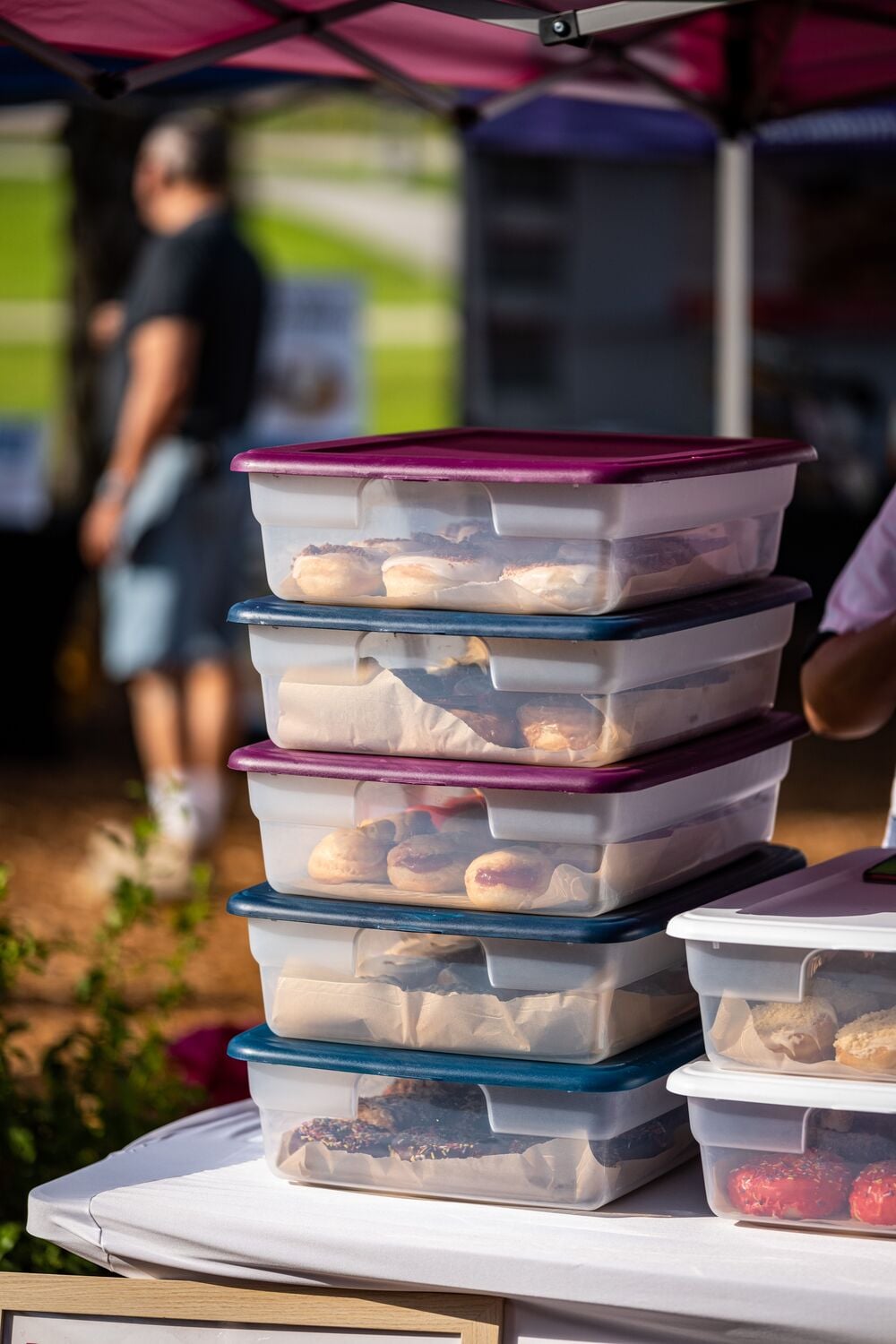
Not every takeout container was created equal. If it was sturdy enough, it earned a permanent place in the kitchen cabinet instead of the trash can. Before long, stacks of washed deli containers were ready for soups, leftovers, chopped vegetables, or anything else that needed a lid. Some probably outlasted the restaurants they originally came from.
17. Old Towels
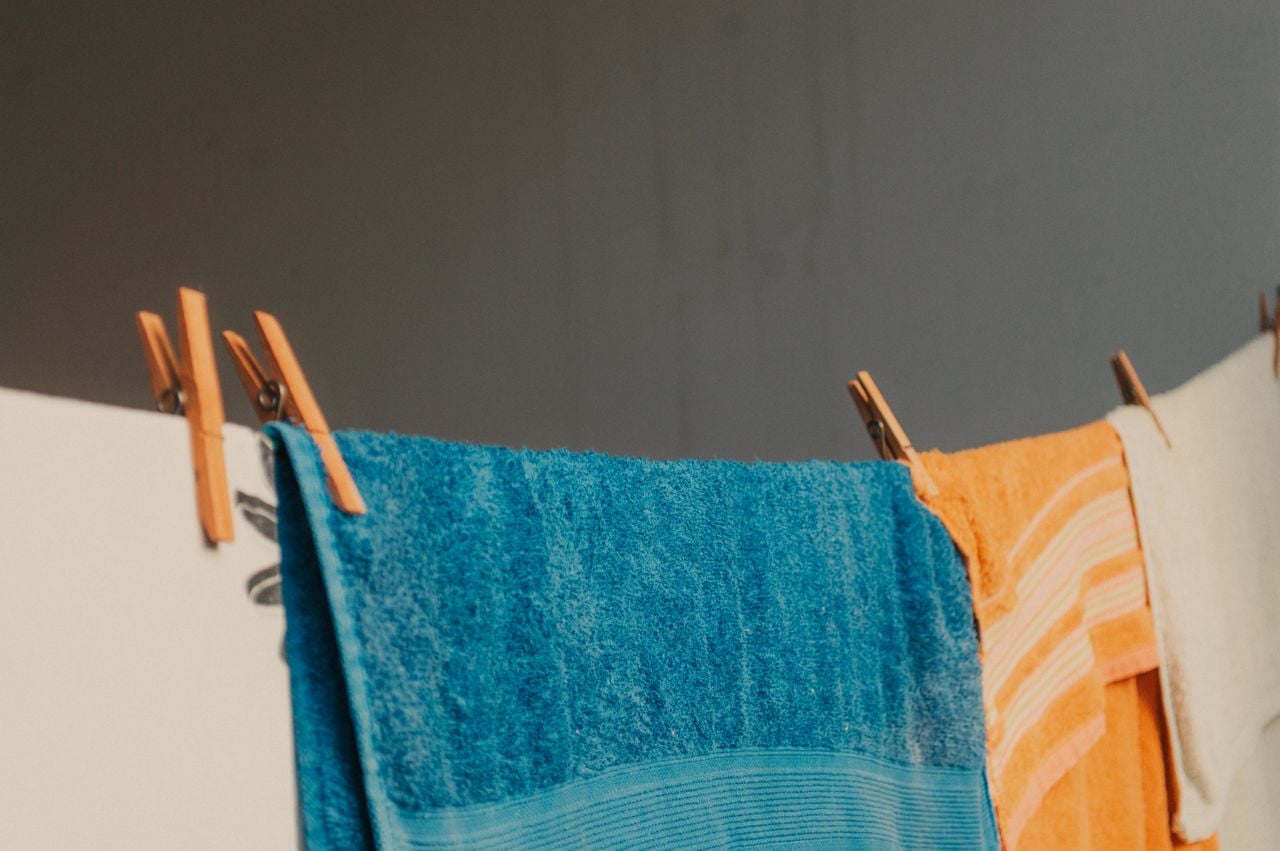
A towel almost never retired completely. First it left the bathroom, then it became the dog’s towel, later the cleaning towel, and eventually the garage rag. Every 80s mom seemed to believe fabric still had something left to give long after it stopped looking presentable enough for guests.
18. Worn-Out T-Shirts
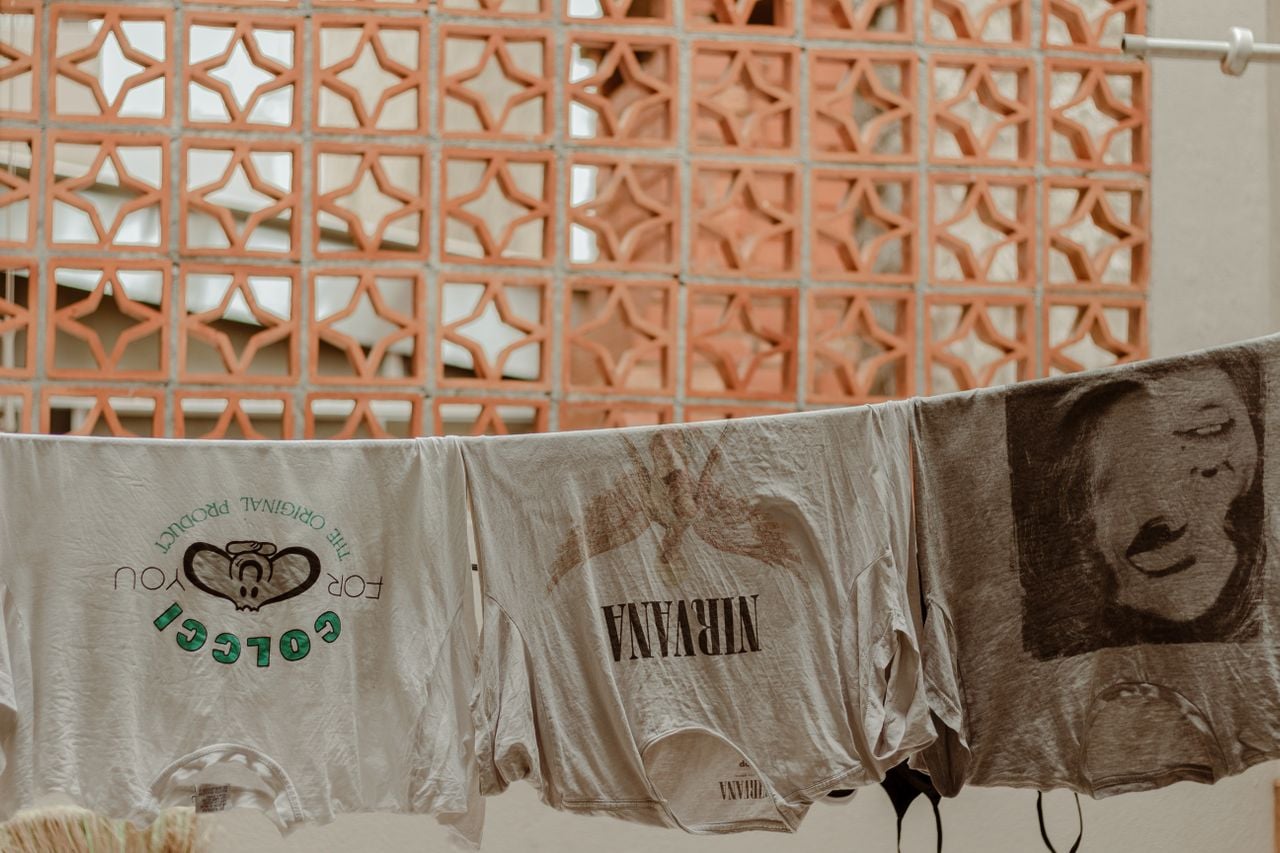
Even when a T-shirt had too many holes or stains to wear in public, it wasn’t necessarily finished. It might spend years wiping windows, polishing furniture, cleaning paintbrushes, or tackling messy household jobs. Clothes didn’t simply wear out. They quietly changed departments.
19. Mystery Keys
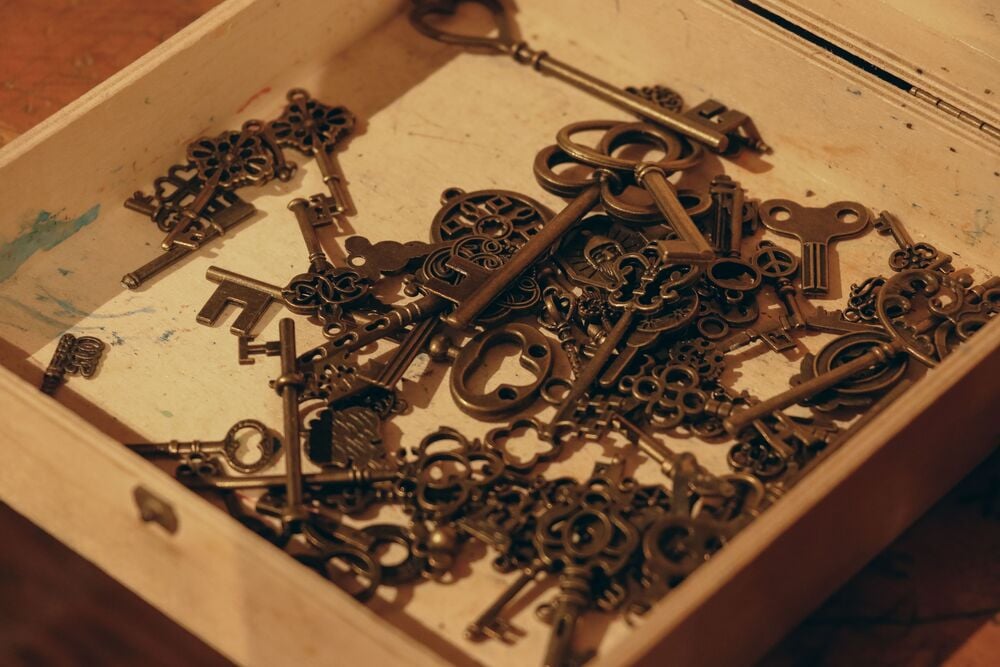
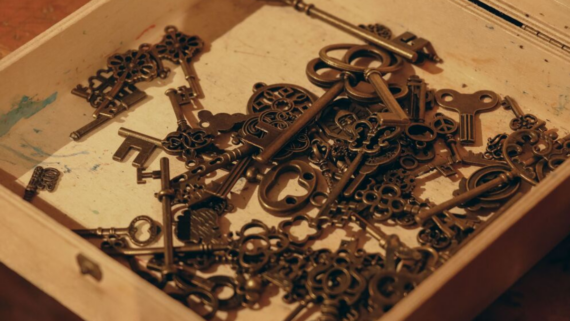
Why did every junk drawer contain a handful of keys that nobody recognized? Because throwing one away felt like tempting fate. What if it opened the shed, an old filing cabinet, or the padlock you hadn’t used in years? No one knew what they belonged to anymore, which somehow made them even harder to part with.
20. Batteries That Might Still Work
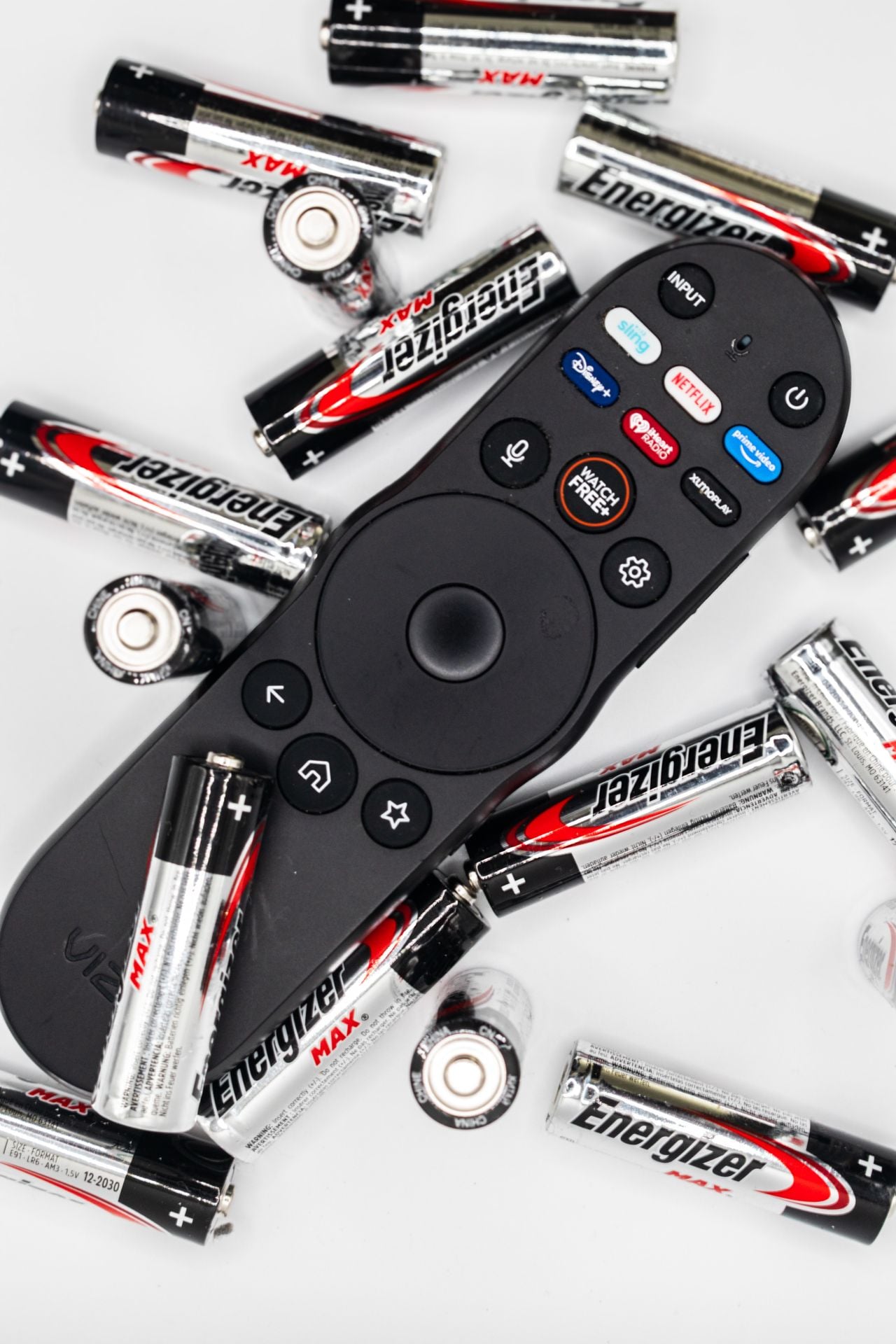
Every junk drawer seemed to contain a small collection of batteries that had already failed one test but hadn’t completely lost Mom’s confidence. They might not power a toy anymore, but perhaps they’d still work in the wall clock or the TV remote. How many times did someone test the same battery before finally admitting it was actually dead?
21. Recipe Clippings
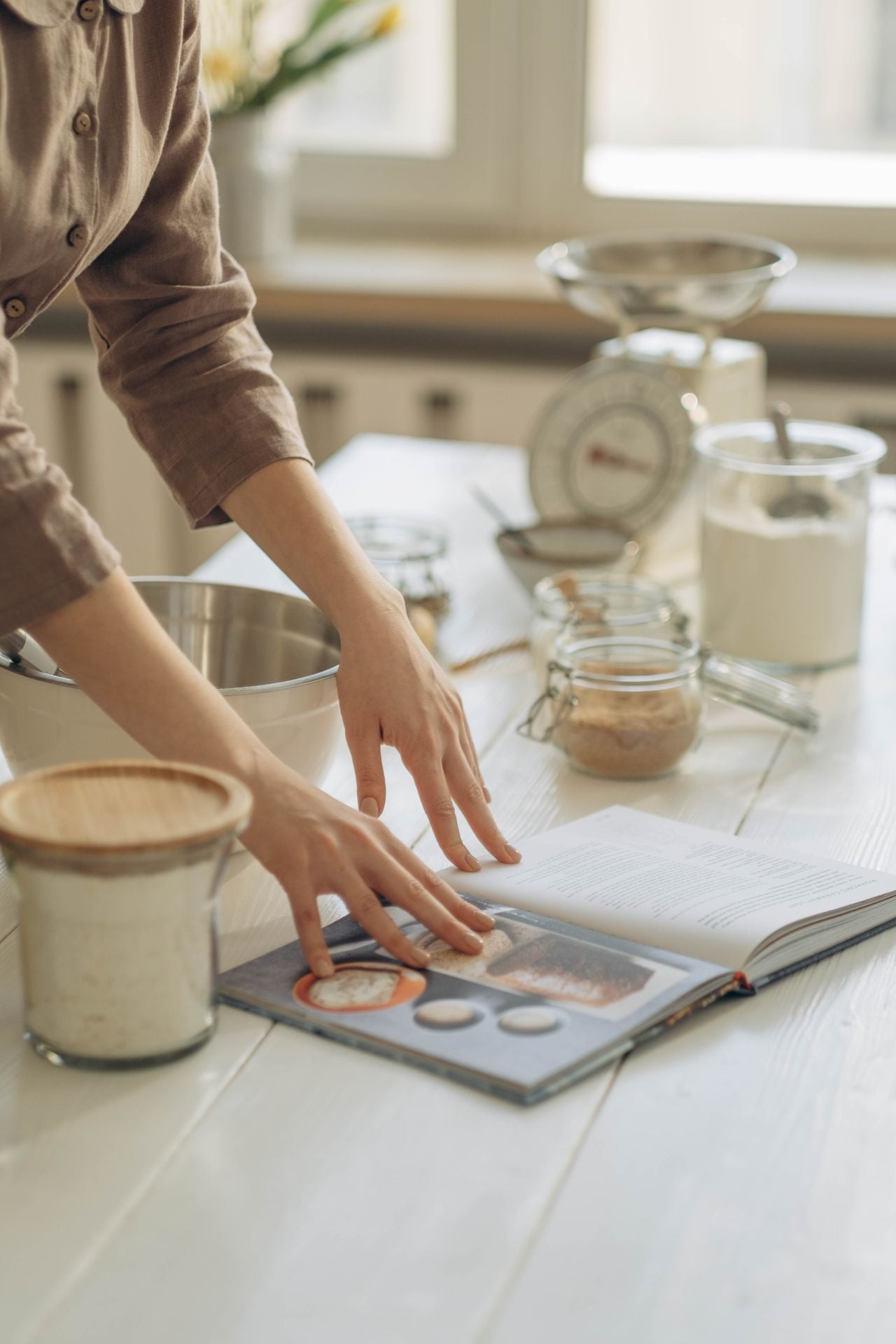
Long before anyone searched online for dinner ideas, recipes arrived folded inside newspapers, magazines, cereal boxes, and food packaging. Every promising one was carefully cut out and tucked into recipe boxes, cookbooks, or kitchen drawers, creating a homemade version of Pinterest made entirely from paper.
22. Appliance Manuals
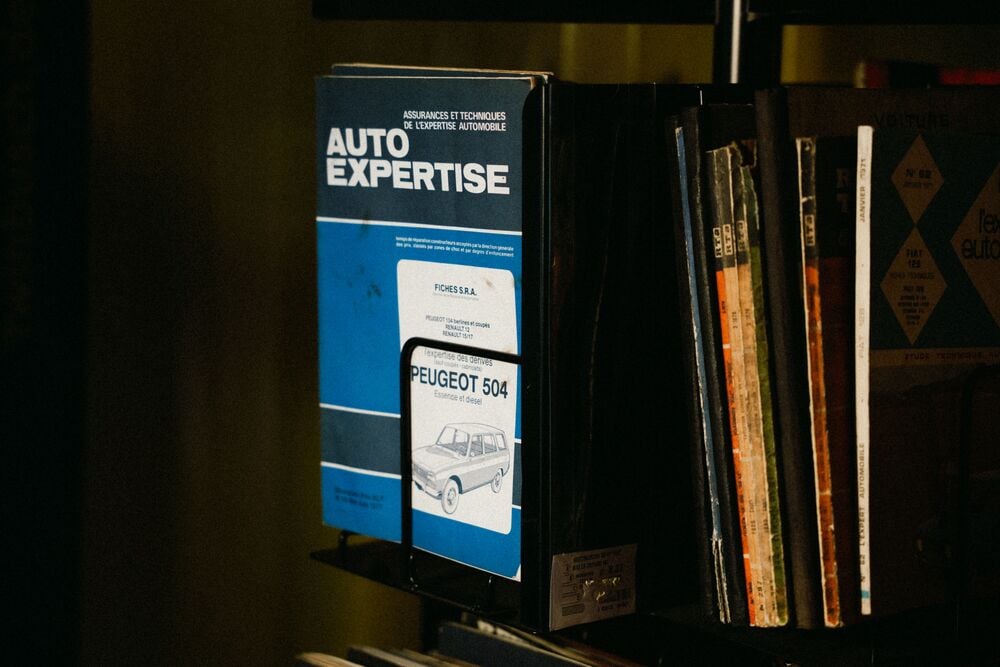
The blender might have stopped working years ago, but somehow its instruction manual was still right where Mom left it. Manuals for microwaves, vacuum cleaners, coffee makers, and every other appliance were carefully filed away because one day they might answer an important question. Sometimes the paperwork outlived the appliance itself.
23. The Junk Drawer
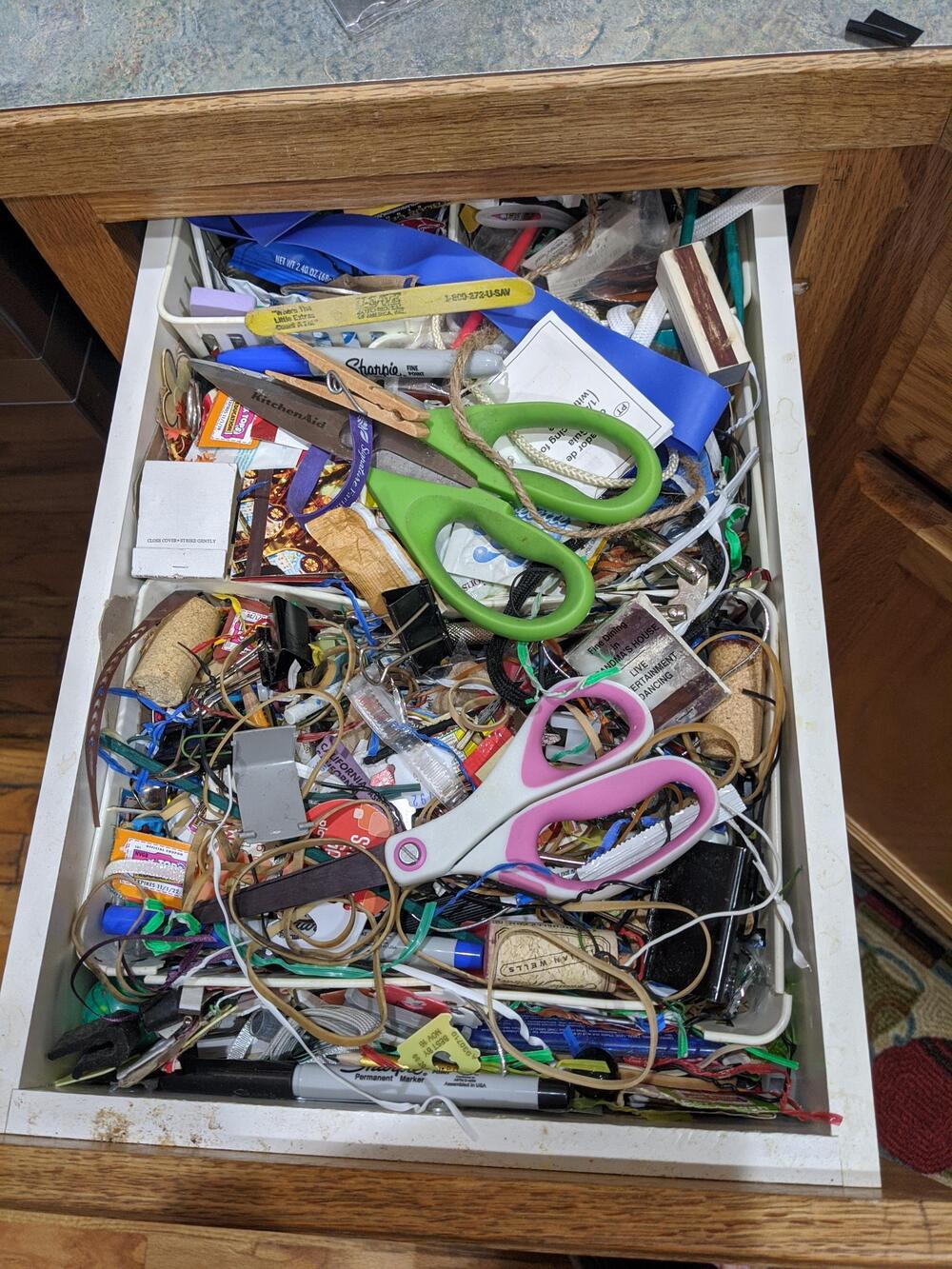
Every 80s mom eventually needed one place where all the “might be useful someday” items could live together. Rubber bands, twist ties, mystery keys, old batteries, spare pens, tape, coins, and countless other odds and ends somehow found their way into the same drawer. It wasn’t really clutter. It was a physical archive of possibilities, where nothing was quite useful yet, but nothing was ready to become trash either.
Looking back, it wasn’t really about saving money or refusing to throw things away. Every 80s mom seemed to follow an unwritten household rule: objects didn’t fall into only two categories, useful or trash. There was always a third possibility, “just in case.” Ironically, many of those habits would probably be called reuse, upcycling, or sustainable living today. Back then, they were simply part of how Mom ran the house.
Keep Exploring The Scroller
Some of the strongest memories from the 1980s aren’t the big milestones. They’re the little household habits everyone thought were unique to their own family until years later, when they discovered millions of other people grew up exactly the same way. Keep exploring The Scroller for more nostalgic moments that will have you saying, “My mom did that too.”:
15 Everyday Habits Middle-Class Moms Lived By In The 1960s
16 Things Parents Bought In The 80s That Felt Like A Big Deal