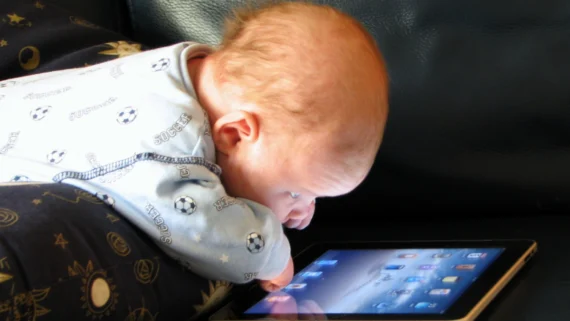
Growing up is a universal experience, but the tools kids use to navigate childhood change at lightning speed with every passing decade. While Gen Z remembers the early days of social media and the transition from analog to digital, the newest generation is born into a world where everything is “smart,” connected, and instantly available. Watching how these young ones interact with technology can feel like looking into a different dimension, where the tactile joys of the past have been replaced by high-definition glass screens. It’s a shift that has fundamentally changed the way they play, learn, and even eat their breakfast.
For today’s kids, the concept of waiting or searching for entertainment is almost non-existent thanks to the magic of algorithms and high-speed Wi-Fi. Many of the rituals that Gen Z held dear, like squinting at the back of a cereal box for a hidden puzzle or waiting all week for a specific cartoon to air, have simply vanished from the daily routine. These behavioral shifts are fascinating because they highlight just how much our environment shapes our habits from a very young age. We’ve rounded up twenty modern habits that prove childhood in the 2020s is a completely different ballgame compared to just fifteen years ago.
1. iPad breakfast over cereal box puzzles

Instead of spending their morning trying to find the hidden path in a cardboard maze on the back of a cereal box, many kids today are glued to a tablet while they eat. The tactile experience of reading the nutritional facts or playing the cut-out games on the packaging has been replaced by the endless scroll of YouTube Kids or TikTok. It’s a quiet, digital start to the day that would have been impossible for Gen Z, who relied on the back of the box for their morning entertainment. Interestingly, some cereal brands have even started removing these games entirely because they simply can’t compete with the lure of a 4K screen.
2. Swiping physical photos and magazines

It is incredibly common to see a toddler walk up to a physical photograph or a paper magazine and try to swipe the image to see the next one. Because they are raised on touchscreens, their brains are wired to believe that every flat surface should respond to their fingertips. Gen Z grew up knowing the difference between a static page and a glowing screen, but for modern little ones, the tap and zoom instinct is practically a biological reflex. It is a hilarious and slightly eerie reminder of how deeply digital interfaces have integrated into human development.
3. Asking Alexa for help with everything

Whether it’s a math problem or a request for a joke, today’s youngsters treat smart speakers like a member of the family. They don’t search through a physical dictionary or wait for a parent to answer a question when they can just shout toward a device on the kitchen counter. For Gen Z, getting an answer meant actually typing into Google or -heaven forbid- opening an encyclopedia. The sheer confidence these kids have when demanding information from an AI would have felt like a scene from a sci-fi movie only a decade ago.
4. Talking selfies before they can tie their shoes

For many toddlers today, the front-facing camera is a mirror they’ve known since birth. While Gen Z might remember the awkwardness of the MySpace angle or early digital cameras, today’s kids naturally pout, pose, and check their lighting before they’ve even mastered basic motor skills. It’s a level of self-awareness and digital presence that feels entirely instinctive to them. This constant performance for an invisible audience is a massive shift from the candid, blurry childhood photos of previous generations.
5. Using FaceID to unlock their parents’ world

Watching a five-year-old grab a locked smartphone and expertly tilt it toward their face to trigger the biometric sensor is a truly modern sight. They don’t think of security as a code or a pattern; they see their own face as the ultimate key to entertainment. To Gen Z, who grew up memorizing PINs or swiping Unlock bars, this feels like something out of a high-security spy movie. It creates a world where access is instantaneous, removing the gatekeeper barrier that used to exist between children and technology.
Trending on The Scroller

6. Watching other people play video games instead of playing
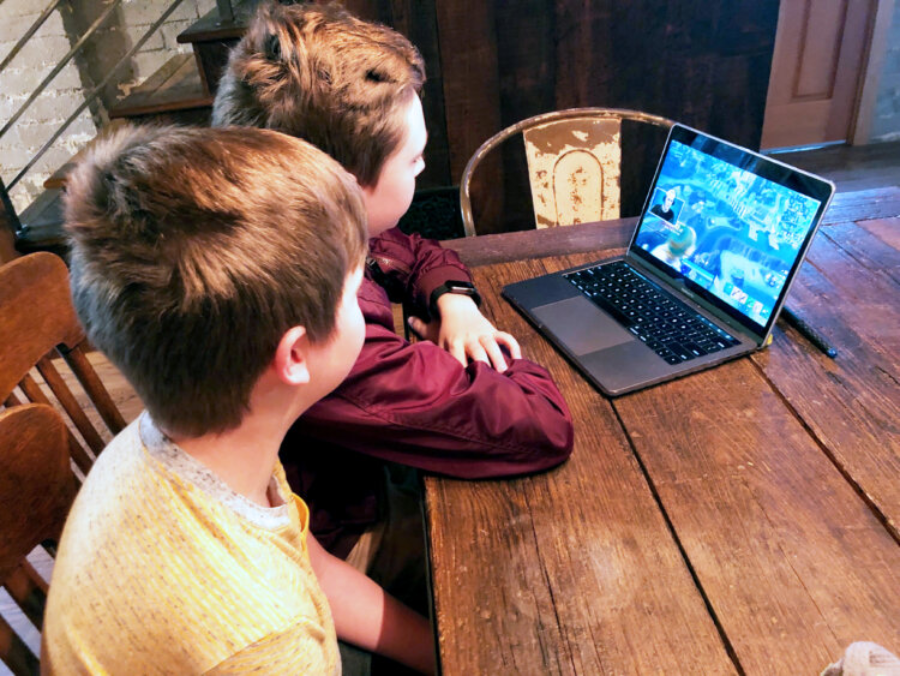
A major hallmark of modern childhood is the hours spent watching streamers on YouTube or Twitch rather than picking up the controller themselves. For Gen Z, the joy was in the active participation, but for today’s kids, the commentary and personality of the influencer are just as important as the game. This passive consumption turns gaming into a spectator sport, much like traditional TV. It’s a social phenomenon that many older generations find baffling, yet it’s the primary way this generation connects with their favorite titles.
7. Expecting “Skip Ad” buttons in real life
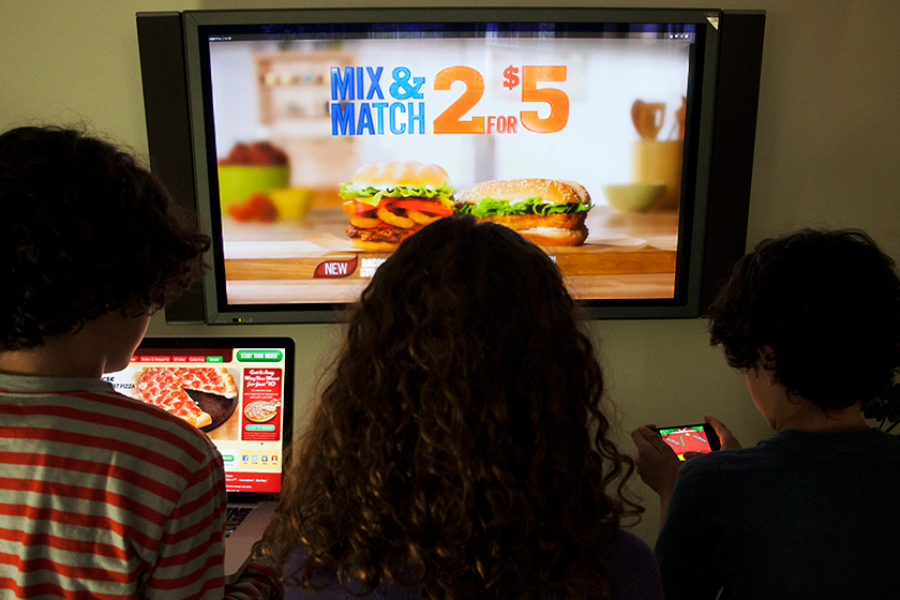
Modern youngsters are so accustomed to the five-second countdown on YouTube that they genuinely get frustrated when they encounter a commercial on old-fashioned cable TV. They often ask where the Skip Ad button is or why they can’t just fast-forward through a live broadcast. For Gen Z, commercials were the designated snack break or bathroom run, but for these kids, an unskippable ad feels like a personal affront to their time. This On-Demand expectation has completely eliminated the concept of patience when it comes to media.
8. FaceTime calls over traditional phone conversations
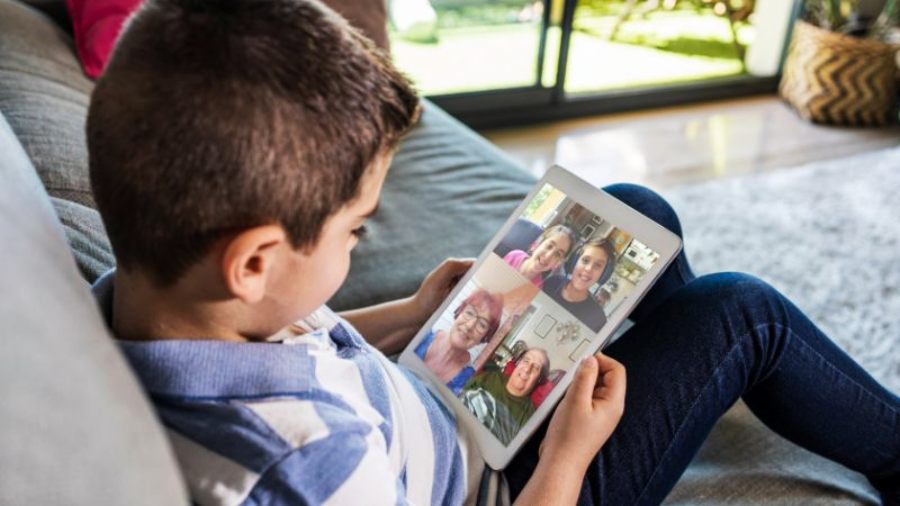
If you hand a modern child a phone and tell them to call Grandma, their first instinct is to hold the device out in front of them at arm’s length. The idea of a voice-only call, where you hold a plastic receiver to your ear, is almost extinct for them. They expect every conversation to be a high-definition video exchange where they can show off their toys or their latest drawing. To them, if you can’t see the person you’re talking to, the call hasn’t really started yet.
Sign up for our newsletter
9. Knowing their way around a remote, but not a VCR

While Gen Z can still remember the satisfying clunk of a VHS tape sliding into a player, today’s kids view that technology as a confusing relic of the Stone Age. They can navigate complex streaming menus with multiple profiles and voice-activated search, yet the idea of rewinding a physical object is a mystery to them. To them, movies are intangible files stored in the cloud, not physical boxes that take up space on a shelf. This shift has turned media into something that is perpetually available, never needing to be returned to a store.
10. Digital hand-me-downs

The traditional hand-me-down of a bicycle or a bag of clothes has been supplemented (or replaced) by the “hand-me-down” iPad. When a parent upgrades their device, the old, cracked-screen model becomes the child’s primary toy and window to the world. For Gen Z, a hand-me-down usually meant a GameBoy Color or a stack of trading cards, but for modern kids, it’s a powerful computer. It changes the way they value “stuff,” as their most prized possession is often a piece of glass and silicon rather than a physical action figure.
11. Asking “What’s the Wi-Fi?” as a first question

Entering a new home or a restaurant usually triggers a specific reflex in today’s youth: the immediate hunt for the internet password. They view a lack of connectivity as a total blackout of their social and entertainment lives. While Gen Z enjoyed the novelty of Wi-Fi as it became more common, modern kids treat it as a basic utility, like running water or electricity. To them, a place without a signal isn’t a “getaway”; it’s a broken environment that needs to be fixed immediately.
12. Playing virtual tag on Roblox rather than outdoors
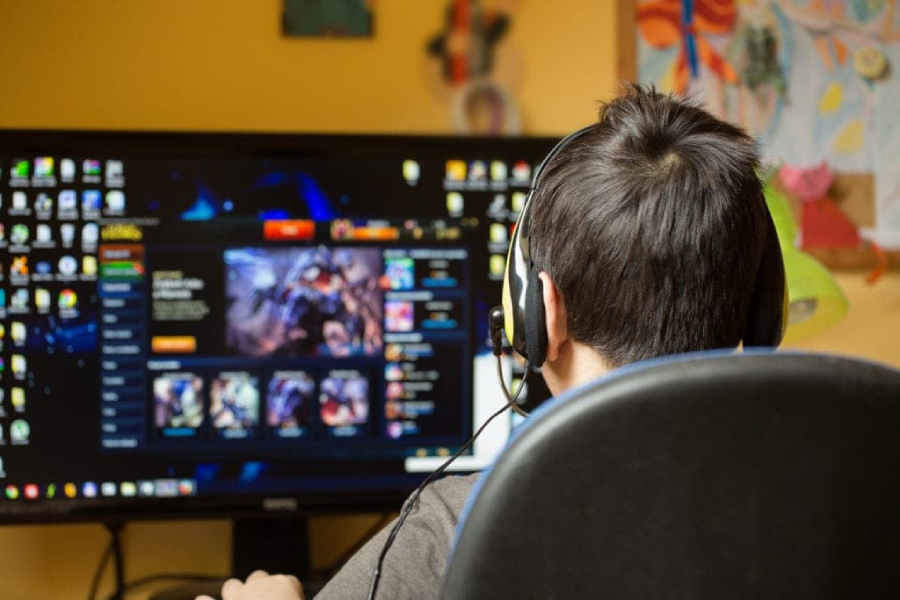
While physical tag still happens, many modern friendships are built through digital tag in massive online platforms like Roblox or Minecraft. They meet up at a specific coordinate in a virtual world to play games, chat, and build structures together. For Gen Z, the meeting spot was the local park or the end of the driveway, but for these kids, the location is a server. This has shifted the concept of neighborhood from a physical geography to a digital community of players.
13. Understanding “Influencer” as a valid career choice

When you ask a modern child what they want to be when they grow up, YouTuber or Influencer is frequently at the top of the list. They don’t see these roles as hobbies; they see them as legitimate, high-paying career paths with fame and collabs. Gen Z wanted to be astronauts or doctors, but today’s kids want to be the person who unboxes toys or reviews snacks for millions of subscribers. It reflects a world where the most valuable currency is likes and engagement rather than a traditional trade or degree.
14. Searching for the charging port on non-electronic toys

There is a hilarious and slightly tragic habit where kids pick up a traditional wooden toy or a plastic doll and look for a place to plug it in. If a toy doesn’t light up, make noise, or have a screen, they often assume it’s broken or dead. They have become so used to the idea of everything needing a battery that a silent, analog toy feels strangely incomplete. For them, play is something that usually requires a power source and a firmware update.
15. Expecting groceries to just appear via delivery apps

Today’s youth live in an era where the grocery store is an app on a phone, and the food arrives at the front door within thirty minutes. They don’t experience the ritual of the big weekly shop or the struggle of waiting in a long checkout line with a parent. For Gen Z, the supermarket trip was a major event (and a chance to beg for candy), but for modern kids, the kitchen pantry is just a place where “Instacart” magically refills the shelves. This has created a complete disconnect between the product and the process of acquiring it.
16. Using emojis as a primary language
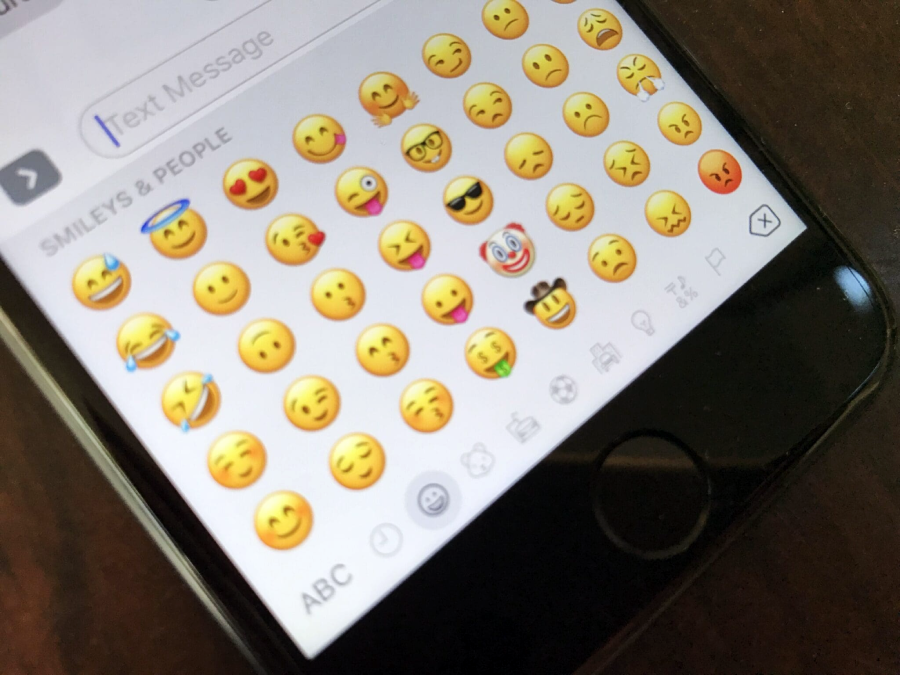
Modern kids often communicate using hieroglyphics made of yellow smiley faces and skulls before they can even spell complex words. They understand the emotional nuance of a specific emoji better than some adults, using them to punctuate every thought and feeling. While Gen Z helped pioneer the emoji, today’s generation uses them as a cornerstone of their literal vocabulary. It’s a visual shorthand that allows them to communicate across language barriers in games and social platforms with ease.
17. The lack of “privacy” of vlogging their daily lives

Many youngsters today are digital natives who have been on the internet since their first ultrasound was posted on Facebook. They are incredibly comfortable talking to a camera and narrating their day as if they are the stars of their own reality show. To Gen Z, privacy was something you guarded, but for these kids, sharing every “OOTD” (Outfit of the Day) or lunch choice is just standard procedure. They live in a world where “if it wasn’t recorded, it didn’t happen.”
18. Never knowing the “dial-up” struggle

The screeching sound of a dial-up modem is a foreign noise to a child who has never waited more than two seconds for a video to buffer. They live in a high-speed world where a delay of five seconds feels like an eternity. Gen Z remembers the days of “don’t use the phone, I’m on the internet,” but today’s kids live in a house where ten different devices are connected simultaneously. This constant, seamless flow of data has removed the waiting phase of the internet experience entirely.
19. Using iPads as digital pacifiers in public
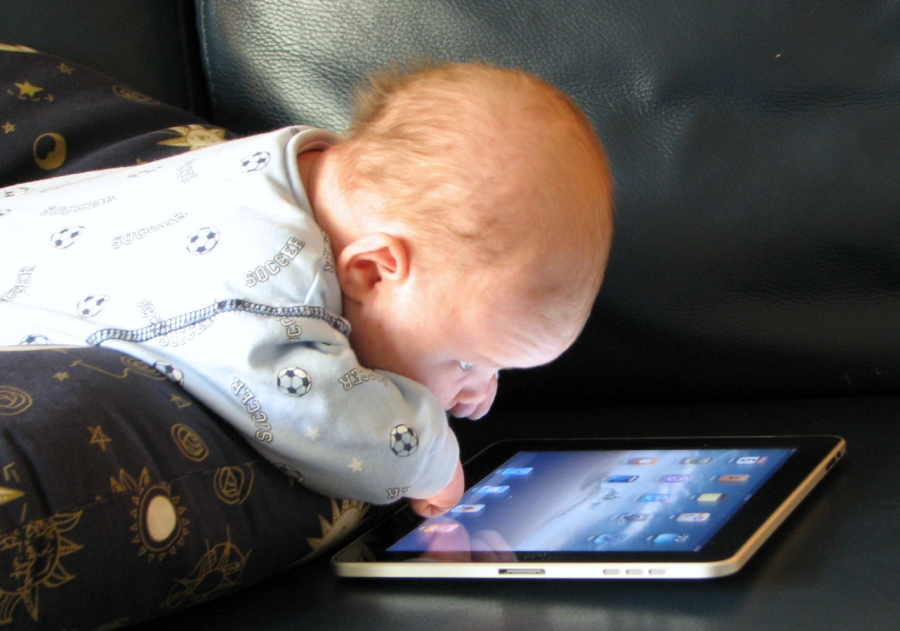
In any restaurant today, you are likely to see a child sitting silently at a table, mesmerized by a screen while the adults talk. The iPad has become the all-in-one tool for preventing tantrums and keeping kids occupied in boring moments. While Gen Z had to make do with a coloring book or “I Spy,” modern children have an entire universe of cartoons and games at their fingertips. It’s a digital shield against boredom that has changed the way children interact with public social spaces.
20. The touchscreen confusion with car windows
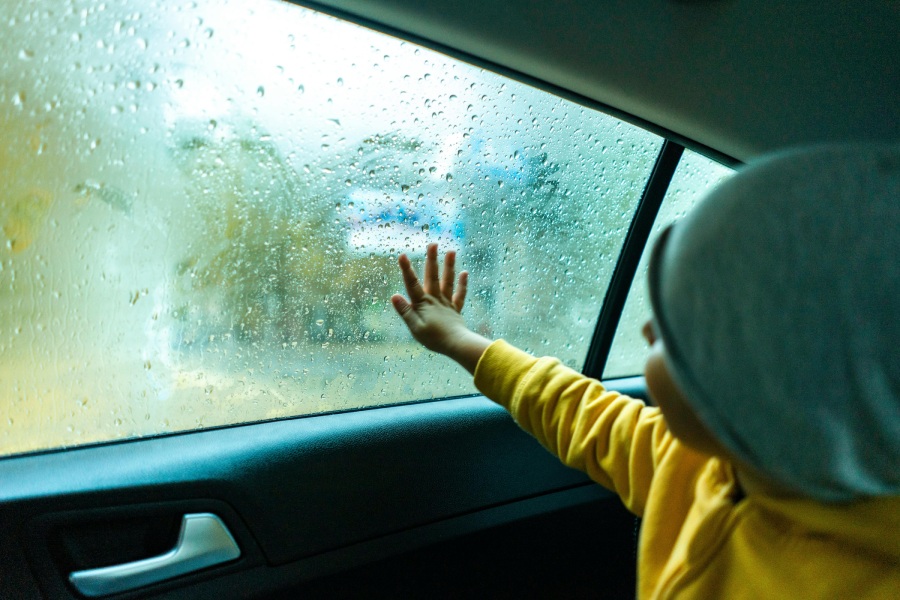
There is a famous viral trend of kids trying to pinch and zoom on a car window to see a bird or a building outside more clearly. They have become so reliant on the functionality of a tablet that they forget the physical world doesn’t have a zoom feature. To them, every window is a screen that should be interactive, leading to moments of genuine confusion when the glass doesn’t react. It is the ultimate example of how deeply digital logic has overwritten their perception of the physical world.
Want more facts about kids?
Watching the way kids interact with our hyper-connected world reminds us that normal is a very relative term that changes with every new gadget. While we might miss the simple joy of a cereal box maze, it’s fascinating to see a whole new generation build their own unique rituals in the digital age. If you enjoyed this generational deep-dive, don’t miss these 20 Things Older Generations Did That Kids Today Won’t Get, or 18 Things People Did in the ’90s That Would Confuse Kids Today. You can also check out these 15 Reasons ’70s Kids Had More Patience.