Kids who grew up in the ’70s lived in a world that was much different than the one children experience today. There were fewer instant conveniences, and everyday activities required planning, patience, and simply finding ways to pass the time. Because of that, patience became a part of childhood.
From how they entertained themselves to how they communicated and learned, these moments offer a glimpse into a childhood that was shaped by a very different time. Let’s dive into 15 reasons kids were more patient in the ’70s.
1. No screens in the car
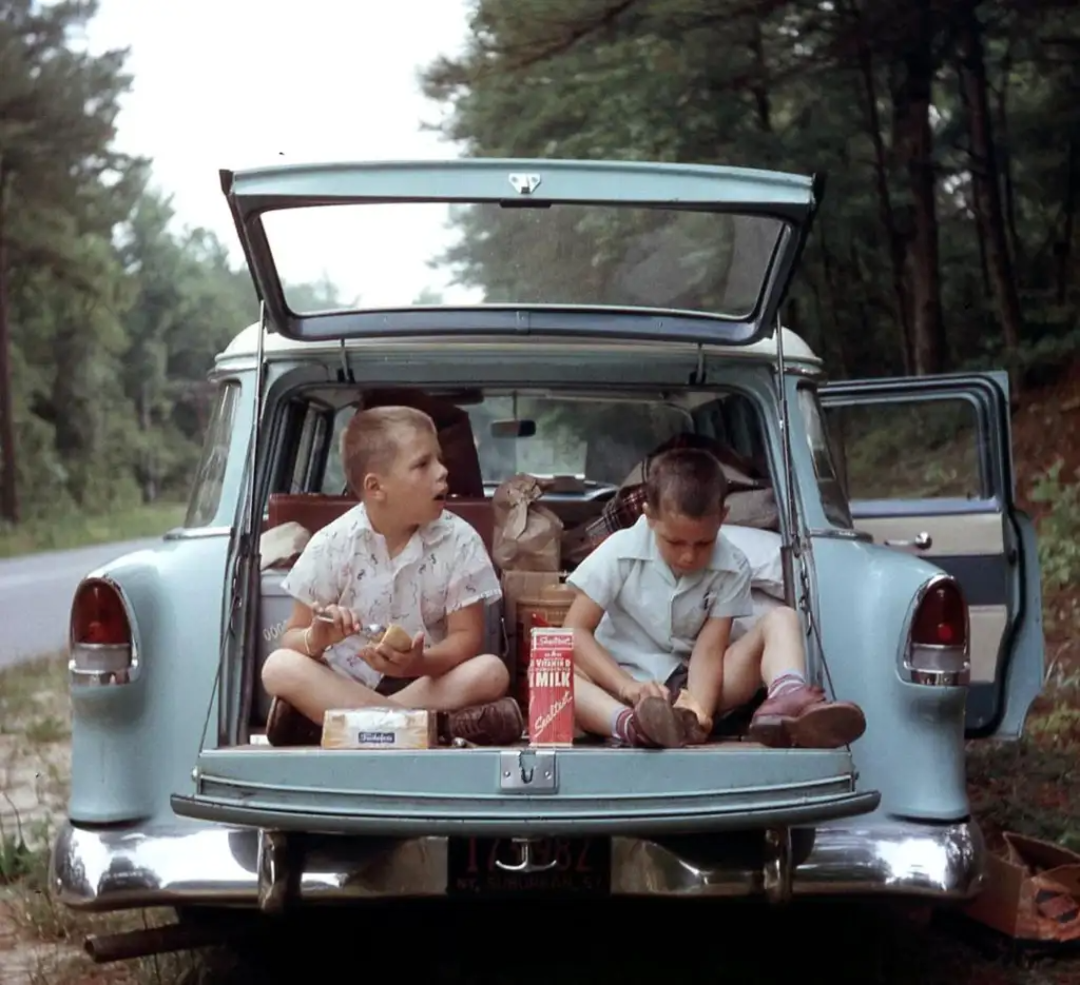
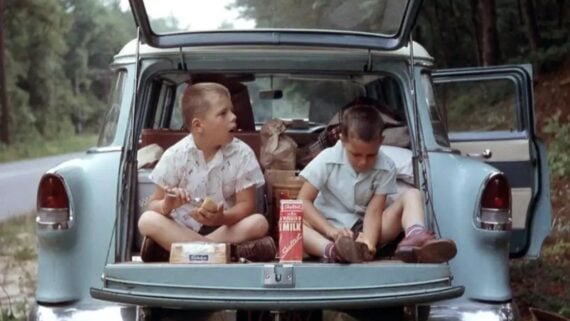
Road trips didn’t come with tablets, movies, or handheld gaming systems. Kids rode in the backseat, watching telephone poles flash by or trying to spot unusual license plates from other states. Some counted cows, others made up games with their siblings, and many simply stared out the window, letting their imagination wander. Long drives felt longer, and learning how to pass the time quietly was part of the experience.
2. No texting
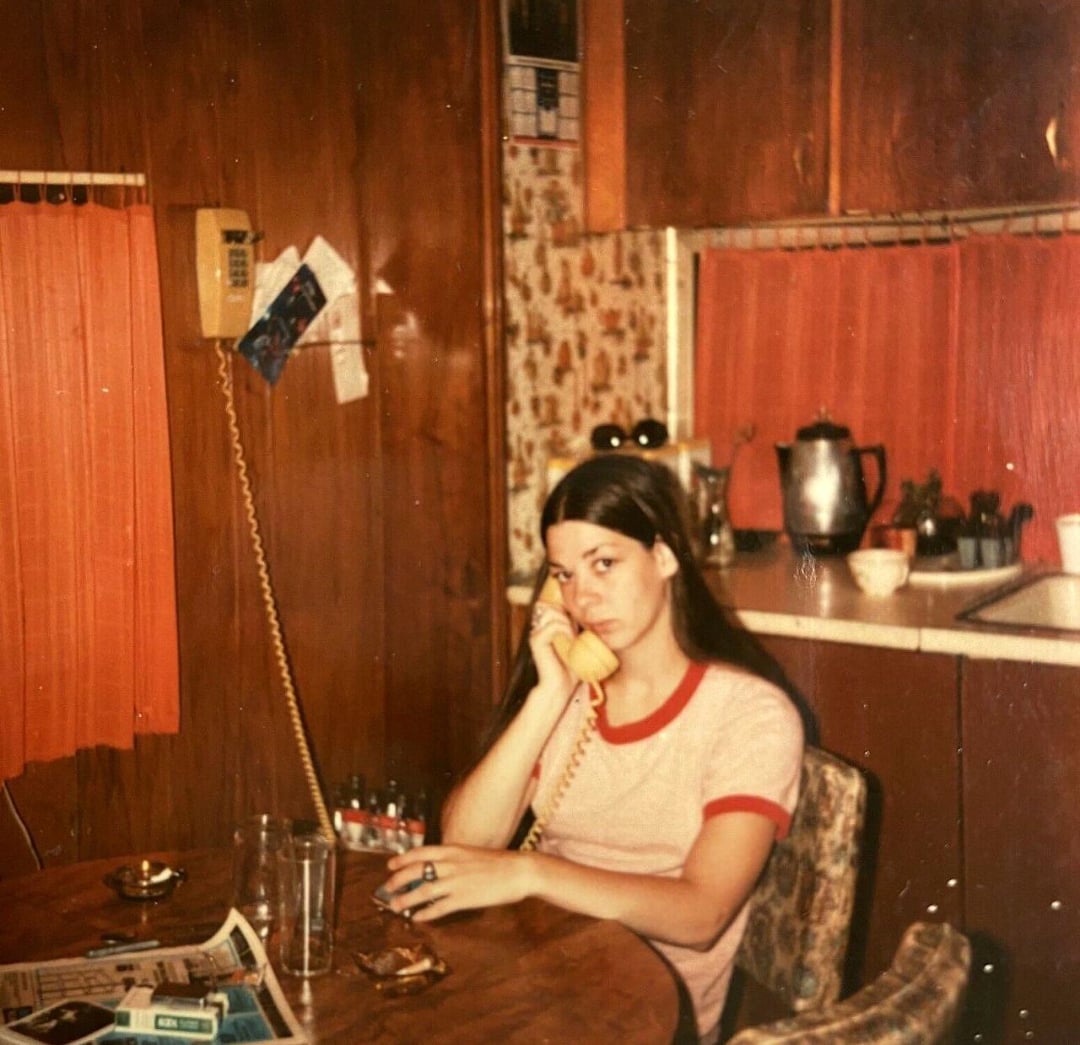
There were no text messages or quick social media chats. If a kid wanted to get in contact with a friend, they had to call or write to them.
3. Photos had to be developed

Taking a picture didn’t come with instant results. Cameras used film, and once the roll was finished, it had to be dropped off at a store for processing. Days might pass before the envelope of printed photos came back. The anticipation of finally seeing those pictures made the wait worthwhile.
4. Recording songs from the radio
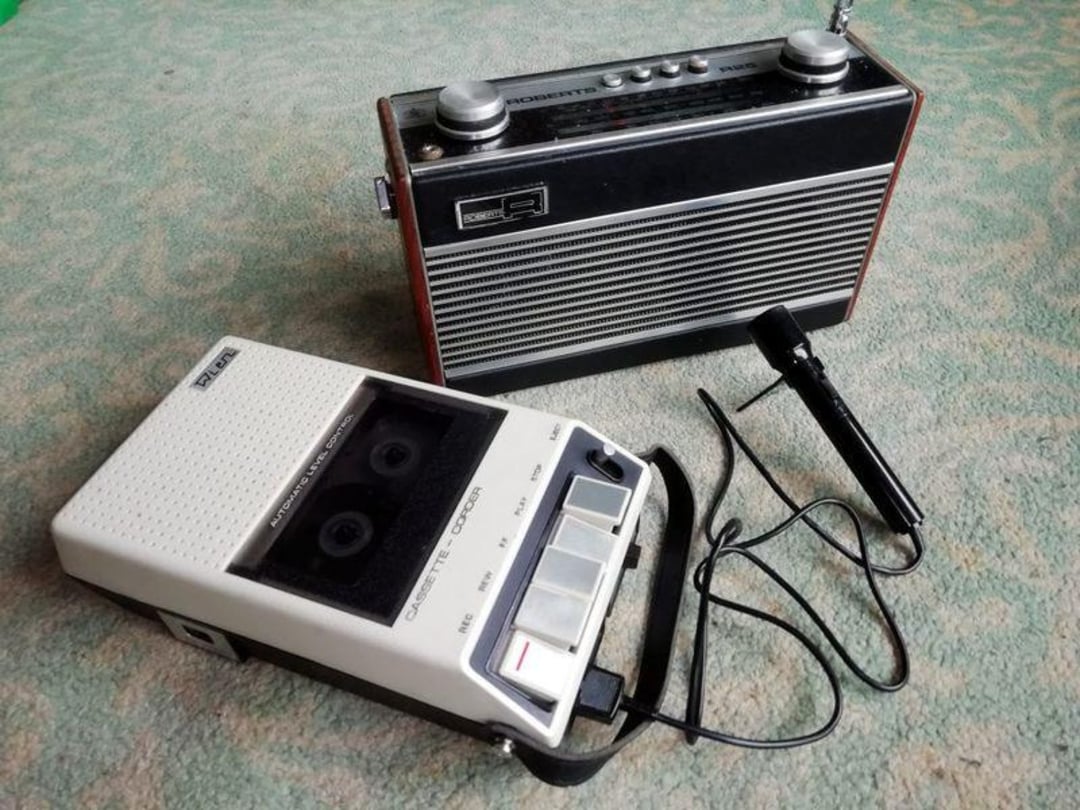
You couldn’t just hop on YouTube and play your favorite songs in the ’70s. When a favorite song played on the radio, kids rushed to grab a cassette recorder and press the record button. Timing had to be just right, and the DJ sometimes talked over the intro. If the moment was missed, there was nothing to do but hope the station played it again later.
5. Using a map rather than GPS
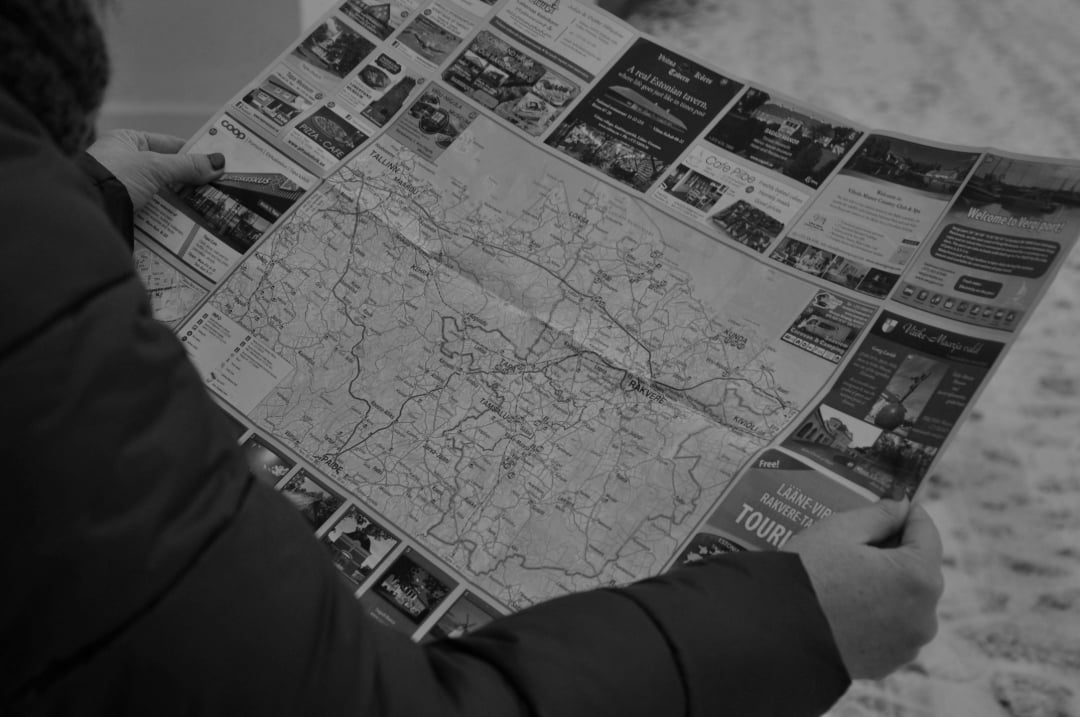
’70s kids know the pain of having to navigate for Mom and Dad while they drove. Getting lost was inevitable, but that doesn’t mean it didn’t make Dad lose his temper. Wrong turns happened, and figuring out the way back could take a little while. Those moments slowed the journey but also made it more memorable.
Trending on The Scroller


6. Letters took time to travel
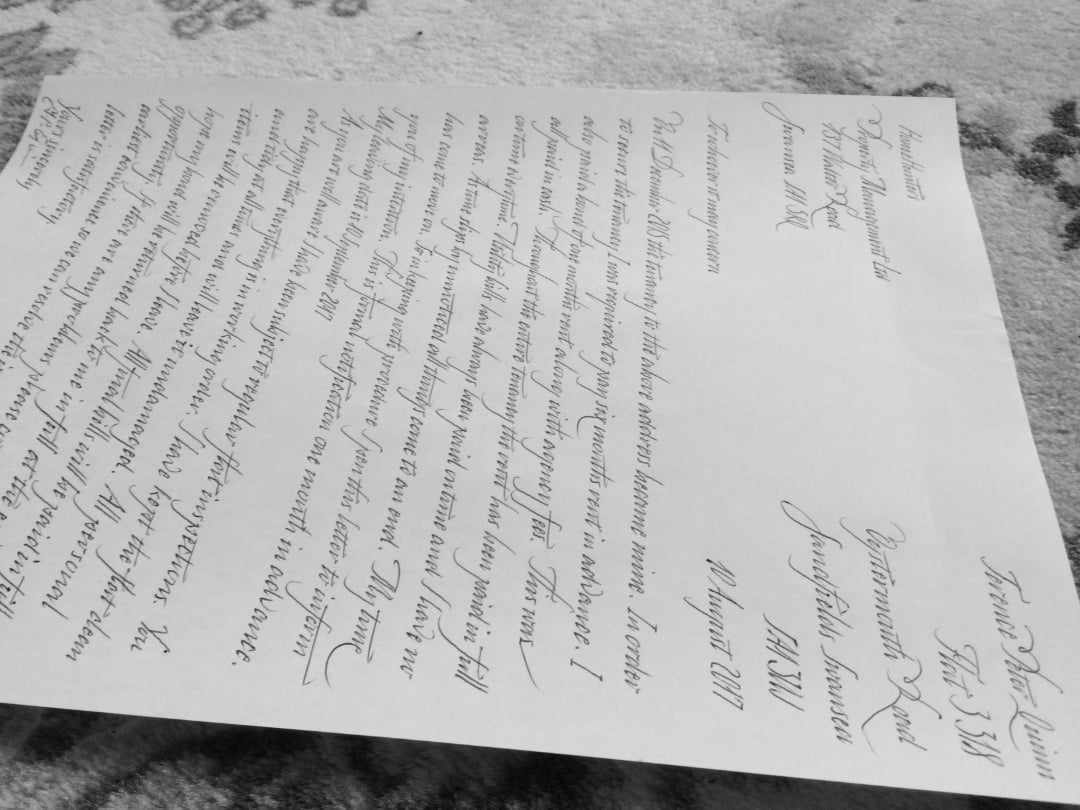
You couldn’t just shoot a text or an email, so you had to handwrite your message and send it to people who lived far away. Keeping in touch with relatives or pen pals meant writing an actual letter and mailing it. After that, the waiting began. It might take several days, sometimes longer, before a reply showed up in the mailbox
7. Searching for something meant opening a book

If a ’70s kid had a question about an assignment, the answer wasn’t a quick search away. They had to grab an encyclopedia set or head to the library and start flipping through pages. Sometimes the information took hours to find, especially if the topic was buried deep in a book. Research required persistence, which naturally taught patience.
8. Typewriters instead of personal computers
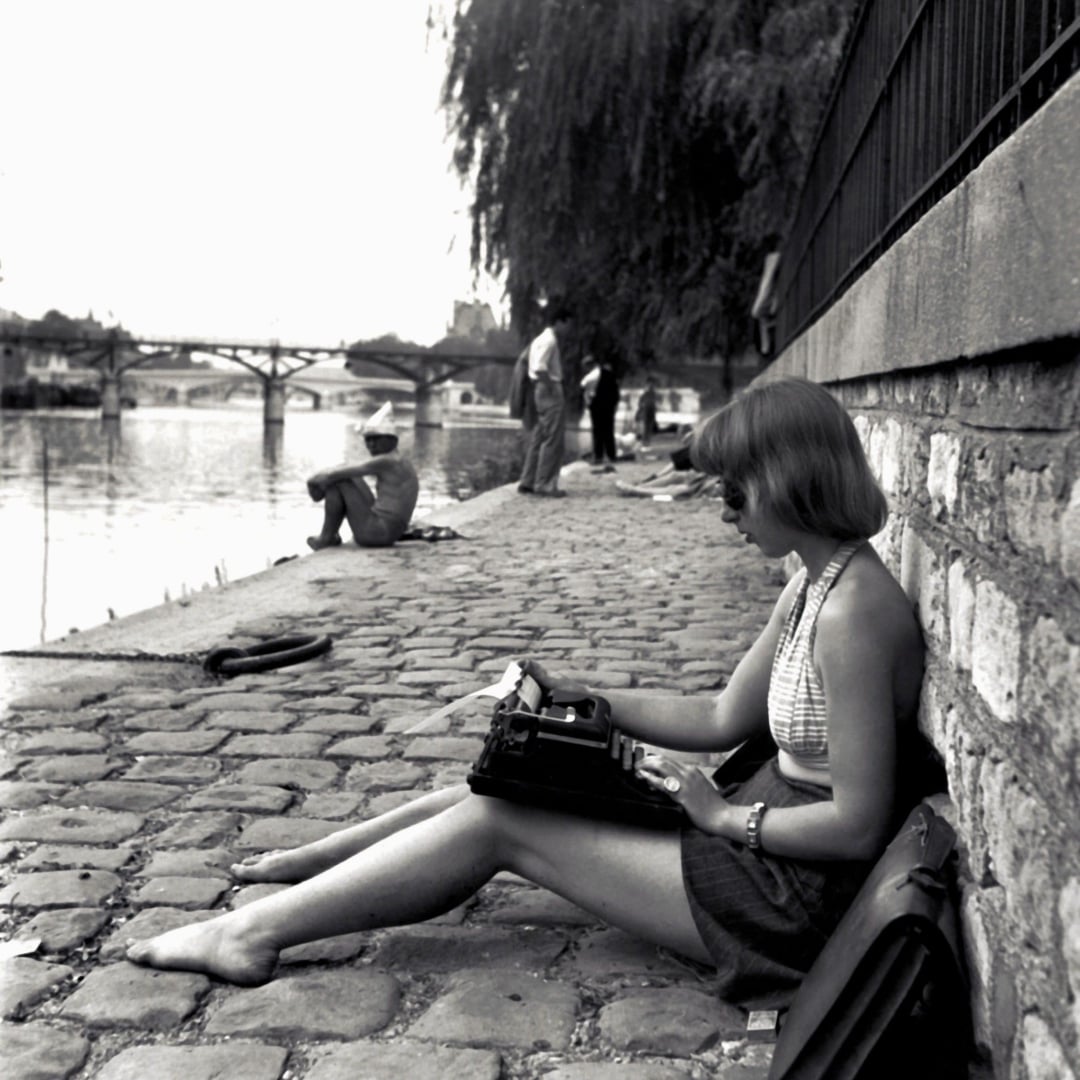
School reports weren’t typed on laptops with easy editing tools. High schoolers used typewriters, where a single mistake could mean starting the entire page over again. White-out helped, but it wasn’t perfect. Finishing a paper required careful typing with plenty of patience.
Sign up for our newsletter
9. Sharing the family TV
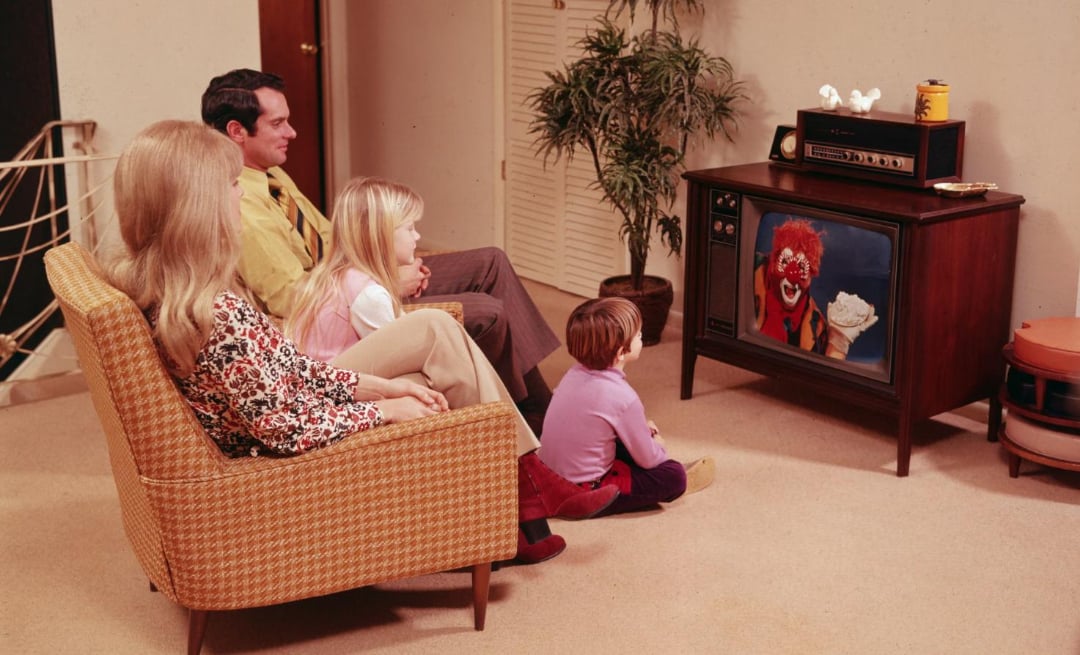
Most homes in the ’70s had only one TV. That meant everyone had to agree on what to watch. In other words, families watched what mom and dad wanted to. Kids often waited until their parents finished their shows before their turn came. It was a simple lesson in patience and compromise.
10. No streaming services

Kids couldn’t watch their favorite shows whenever they wanted. Most cartoons aired on Saturday mornings, and that window of time felt almost magical. Kids waited all week for those few hours in front of the TV, so missing a show meant waiting another entire week.
11. One phone for the whole house

Most homes had a single phone, which meant that if someone else was using it, everyone else had to wait their turn. Long conversations could tie up the line for a while, and patience was just part of the routine. ’70s kids learned that communication didn’t always happen instantly.
12. Getting up to change the channel

Changing the TV channel meant physically turning a dial or pressing a clunky button. There were only a few options anyway, so kids often lingered on whatever was playing. If nothing looked interesting, they simply moved on and found something else to do.
13. Ordering from a catalog

Rather than searching for what you want on Amazon, kids flipped through hundreds of pages of toys and gadgets. They circled favorites or folded corners for later. Actually getting one of those items, though, usually meant holding out until a birthday or the holidays. The catalog built anticipation long before anything showed up at the house.
14. The neighborhood pay phone
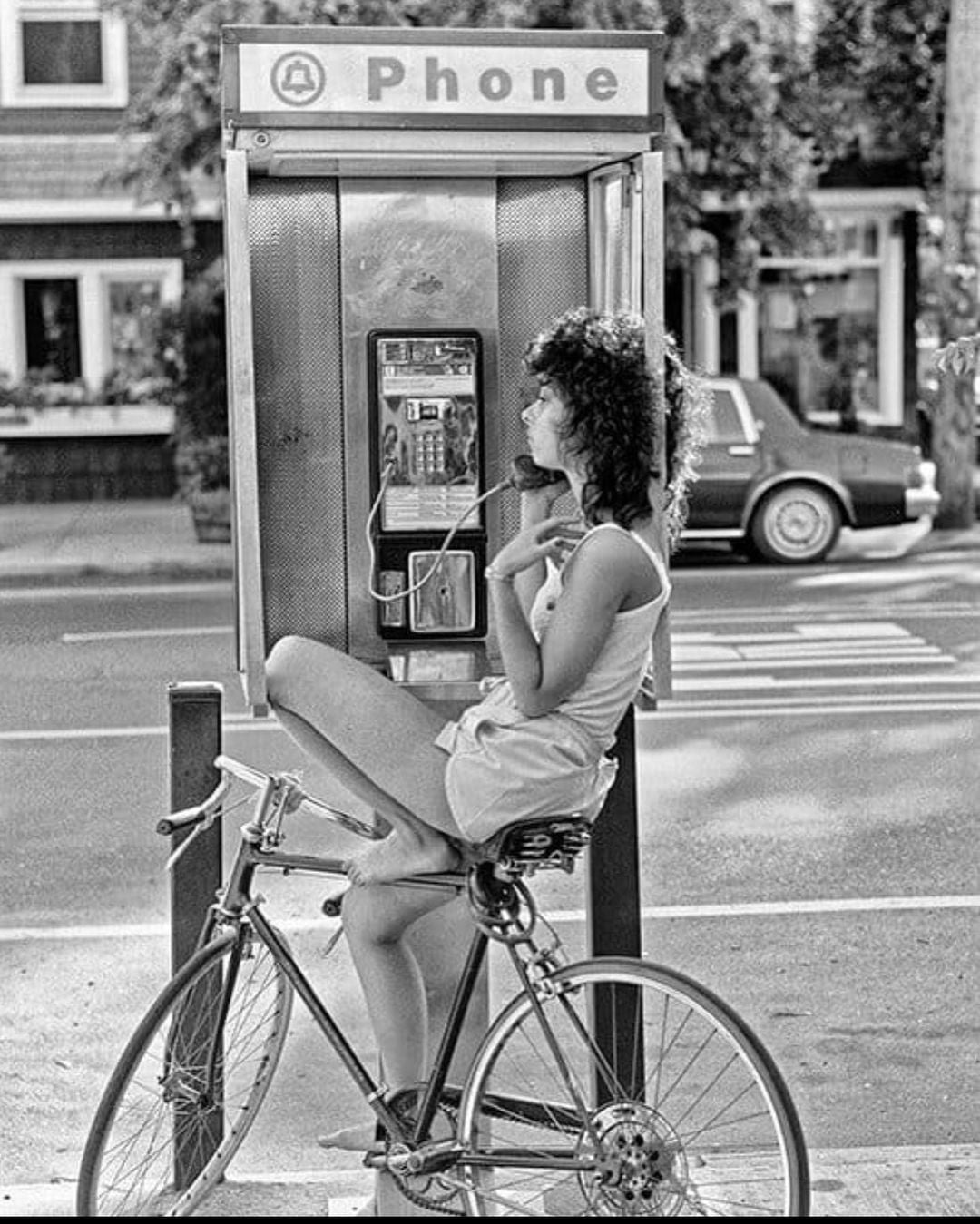
If you needed to make a call while you were out and about, you couldn’t shoot mom a text; you searched for a payphone. You needed a pocket full of change just to let your parents know your plans.
15. Listening to a record from start to finish

If you bought a vinyl, you listened to the whole album until your favorite songs came on. Skipping songs wasn’t easy, so kids listened to the entire record. Waiting for the next favorite song was part of the experience.
Want to see more ’70s content.
Check out 18 Vintage Photos of 1970s Park Equipment That Would Be Banned Today, or take a look at 20 Iconic Celebrities Who Peaked in the 1970s. Finally, if you want to see the most infamous criminals from the ’70s, check out 15 of the Most Infamous Criminals from the Smokin’ Seventies (1970s).