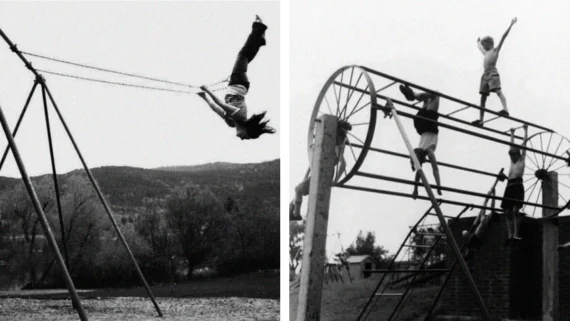
For anyone who grew up in the 1970s, the local playground wasn’t just a place to spend a Saturday afternoon; it was a proving ground made of scorched metal and jagged concrete. The park equipment of the era was designed with a philosophy that prioritized durability and “character building” over what we now consider basic safety standards. There were no rubber mats to cushion a fall, only hard-packed dirt or gravel that seemed specifically designed to scuff knees and elbows. These structures were towering monuments to a time when parental supervision was low, and the thrill of a 15-foot drop was just part of the weekend routine.
Looking back at these vintage photos, it’s almost hard to believe that this park equipment was ever considered appropriate for children. From spinning carousels that reached dizzying speeds to metal slides that could reach temperatures hot enough to fry an egg by mid-July, the playgrounds of the ’70s were a wild frontier of unpadded risks. Today’s modern playgrounds are masterpieces of soft edges and safety-rated plastics, making these old-school steel “death traps” look like something out of a medieval training camp. Let’s take a nostalgic (and slightly nervous) look back at eighteen playground features that would definitely be banned by any modern safety board.
1. The 15-foot sizzling metal slide
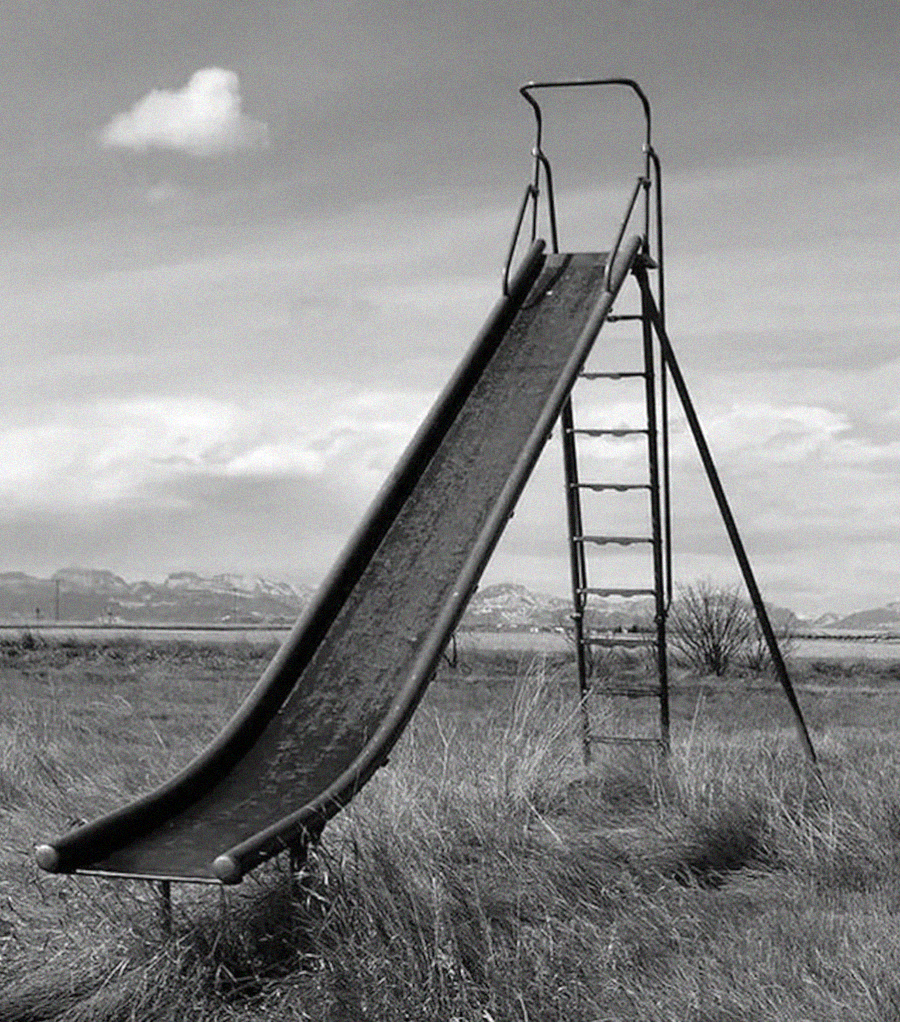
In the 1970s, slides weren’t the colorful plastic curves we see today; they were towering sheets of unshaded stainless steel. During the summer months, these slides could reach surface temperatures exceeding 150ºF, turning a fun ride into a test of physical endurance. Children would often try to slide on pieces of wax paper just to gain more speed, oblivious to the fact that there were no side rails to keep them from flying off the top. It was a rite of passage to end a slide with a dull thud on the hard ground below, usually with a fresh slide burn to show for it.
2. The Witch’s Hay spinning swing
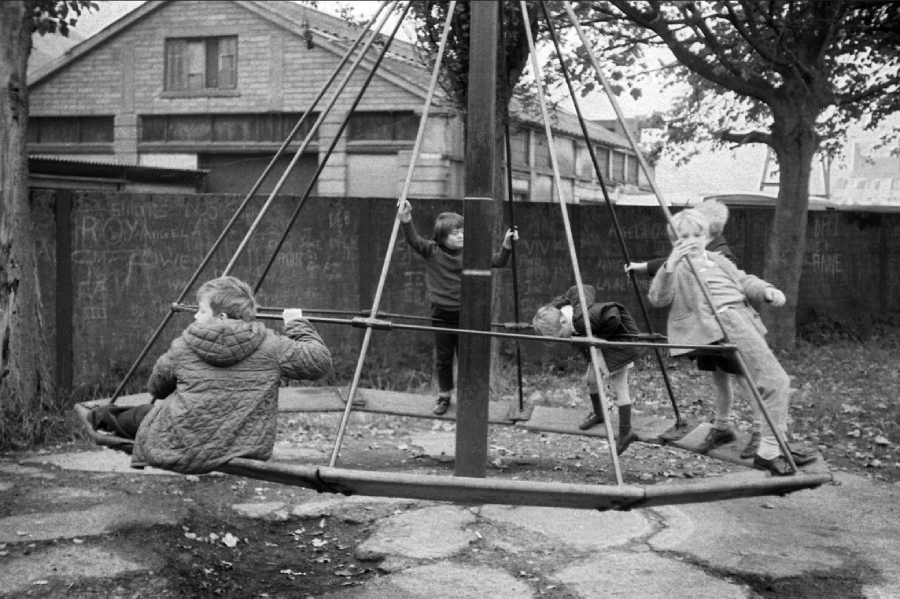
The Witch’s Hat was essentially a heavy metal cone suspended from a central pole, allowing dozens of kids to hang on while it spun and swung wildly in all directions. There was absolutely no way to control the momentum once it started, and the gap between the moving cone and the central pole was a notorious spot for pinched fingers. Because it lacked any sort of seating or harnesses, kids would frequently be launched into the air if they lost their grip. It remains one of the most iconic banned pieces of equipment because it combined high speeds with zero stability.
3. The concrete culvert tunnels
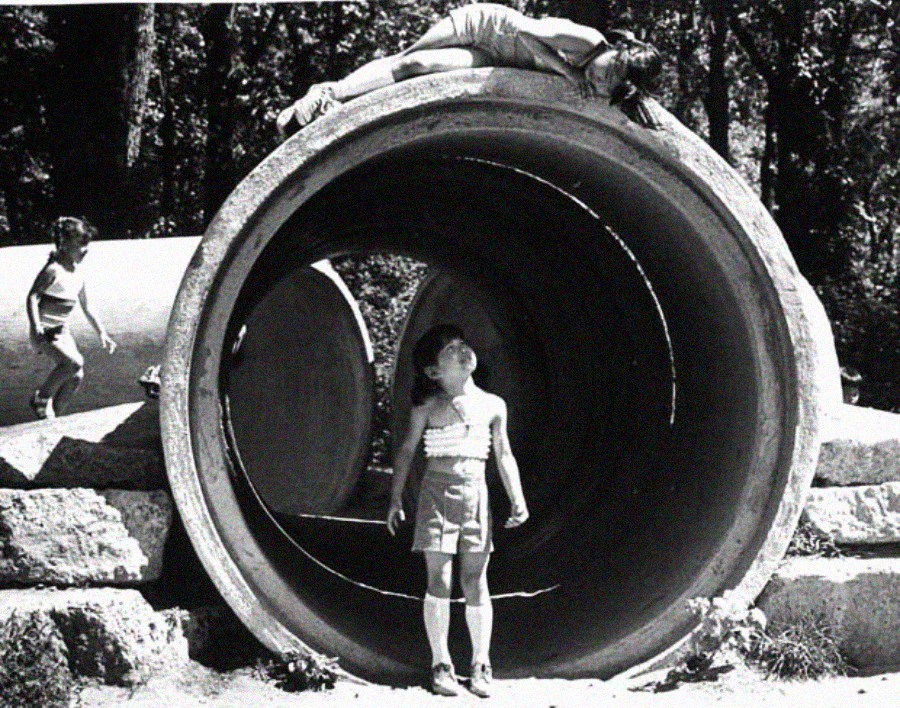
Long before tunnels were made of brightly colored, ventilated plastic, playgrounds often featured actual industrial concrete pipes half-buried in the dirt. These tunnels were dark, damp, and frequently became home to local wildlife or broken glass, yet they were a staple of 1970s park design. There was no padding on the jagged edges, so a quick crawl often resulted in scraped palms and bumped heads. Designers at the time believed these raw materials encouraged imaginative play, but today they are mostly remembered as cold, claustrophobic hazards.
4. The giant metal jungle gym
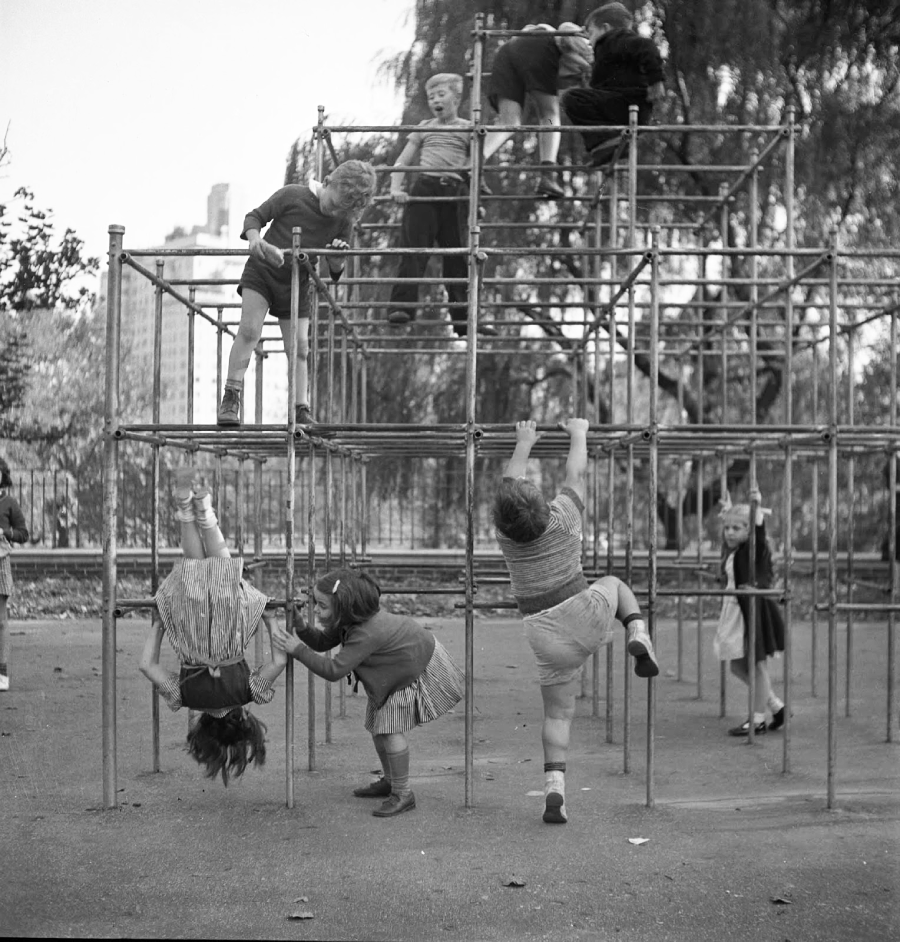
The classic 70s jungle gym was a massive grid of iron bars that could stand over 10 feet tall, often placed directly over asphalt or sun-baked earth. There was no fall zone protection, meaning a slip from the top bar resulted in a direct impact with the hardest surface available. Kids would hang by their knees at the very top, competing to see who could stay upside down the longest without falling. Modern safety codes now require specific “soft-fall” depths that make these towering steel cages a relic of a much riskier past.
5. The animal spring rockers with pinch points
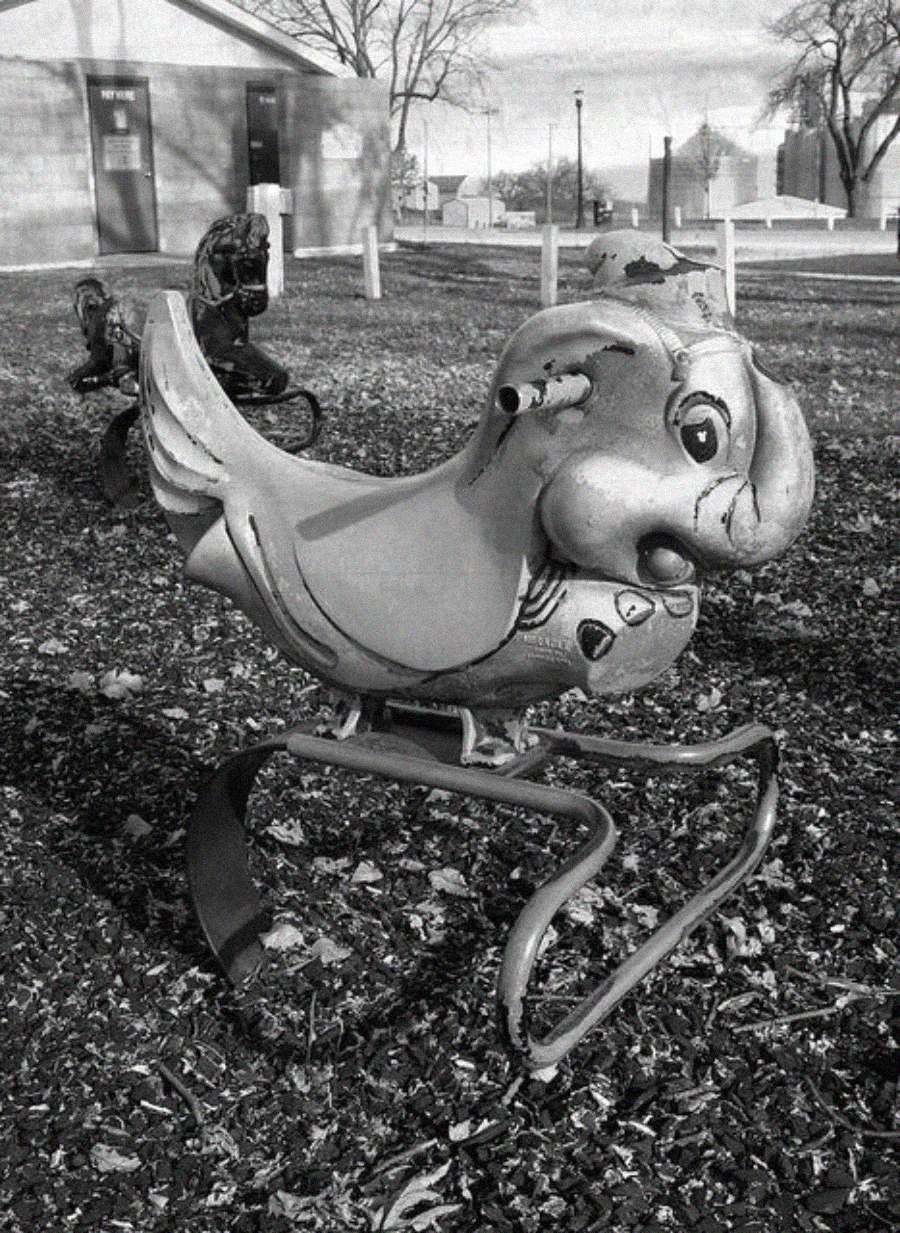
While spring-mounted animals are still around, the 1970s versions were heavy-duty cast-iron monsters mounted on massive, exposed steel springs. The gap in the spring was perfectly sized to catch small feet or fingers, especially when multiple children tried to rock on the same animal at once. These springs were so stiff that they could deliver a powerful kickback if a child let go too suddenly. Unlike the enclosed plastic springs of today, these were literal tension traps waiting for an unwary hand.
Trending on The Scroller

6. The rocket ship multi-level tower
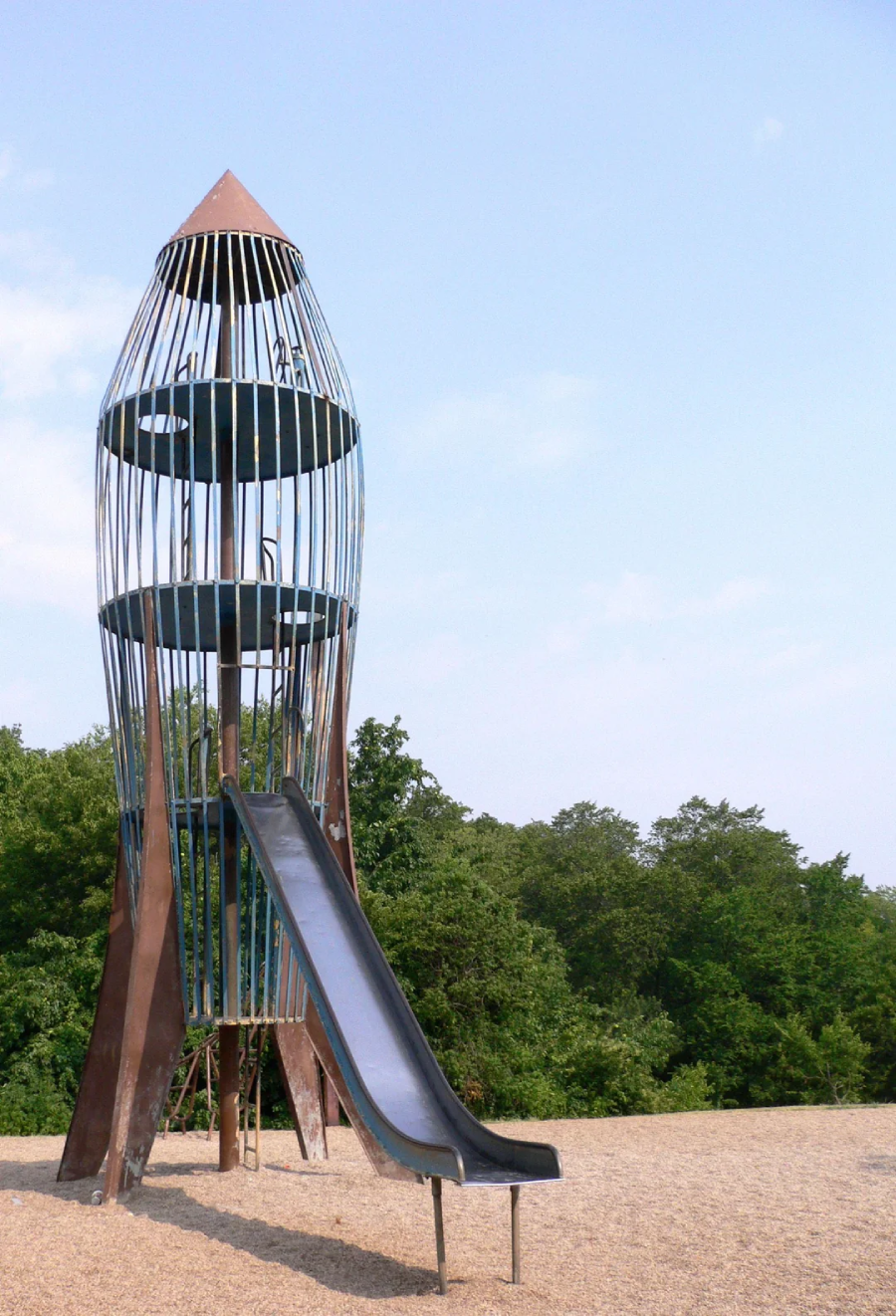
In the heat of the Space Race, every park seemed to have a three-story metal rocket ship that was essentially a vertical maze of ladders and steel plates. These towers were notoriously narrow, meaning once a child climbed to the top cockpit, there was almost no room to turn around or pass others safely. The drop from the top level was often ten to fifteen feet, and the internal ladders were frequently slick with rain or humidity. It offered a great view of the neighborhood, but it was a long, hard fall for any aspiring young astronaut who lost their footing.
7. The teeter-totters of terror
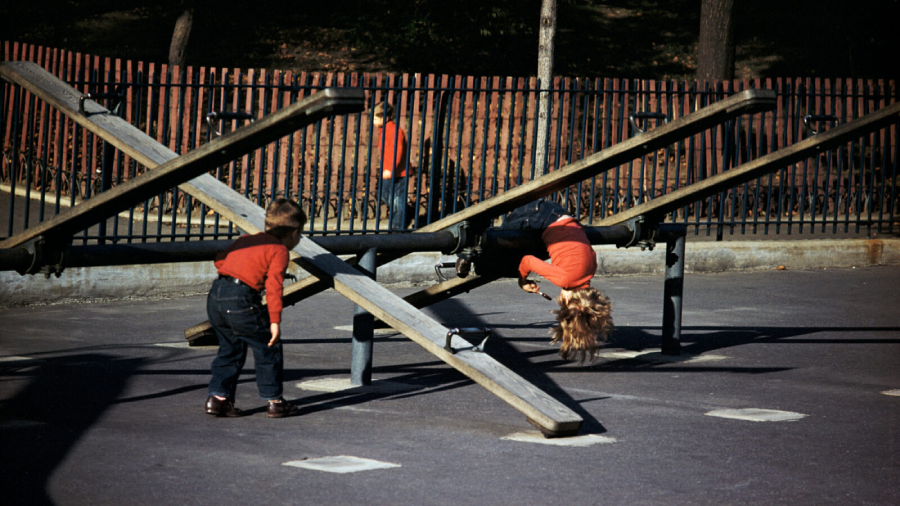
Before the era of dampened springs and plastic seats, teeter-totters were simply long, heavy wooden planks bolted to a central iron pivot. These boards were notorious for producing massive splinters, as the wood was rarely sanded or treated against the elements. The danger factor was maximized by the person at the bottom, who could suddenly stand up and let the person on top crash down to the ground. There were no handles on many models, so kids simply had to grip the rough edges of the wood and hope for the best.
8. The high-flying tire swings
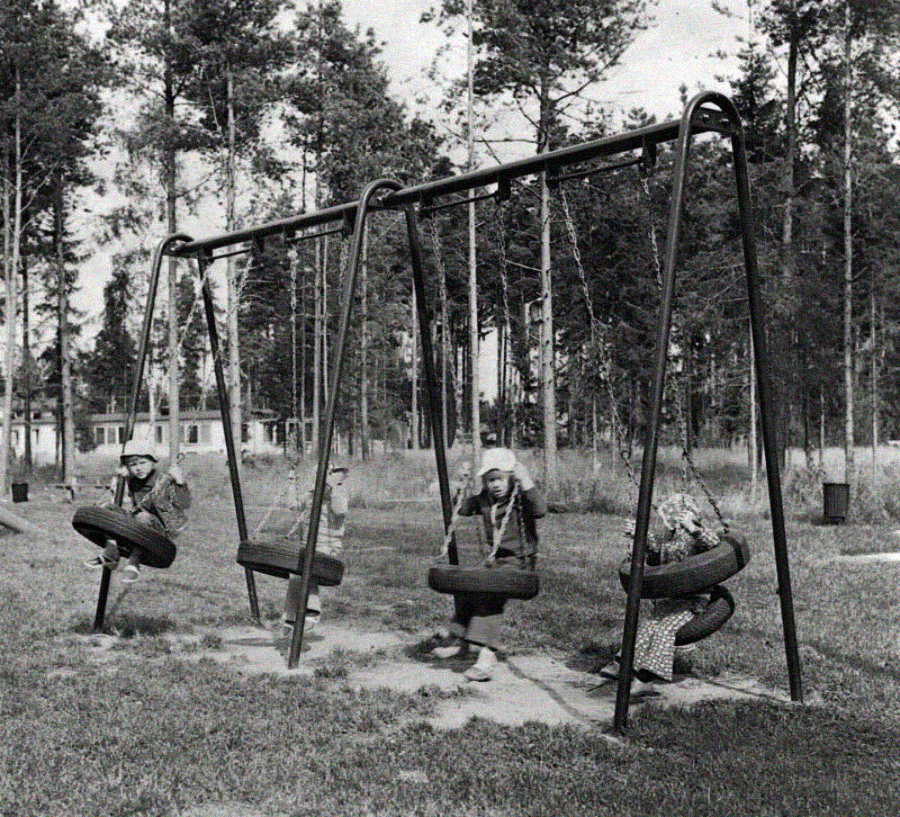
The 70s tire swing was usually a massive tractor tire suspended by three heavy-duty metal chains that met at a single swivel point. Because the tire was so heavy, it acted like a wrecking ball if it hit a bystander, often leading to bruised ribs or worse. The center of the tire frequently collected stagnant rainwater and debris, creating a messy and slippery seat for whoever was brave enough to jump in. These swings allowed for 360-degree rotation, which usually resulted in a tangled mess of chains and a very dizzy group of children.
Sign up for our newsletter
9. The metal merry-go-round
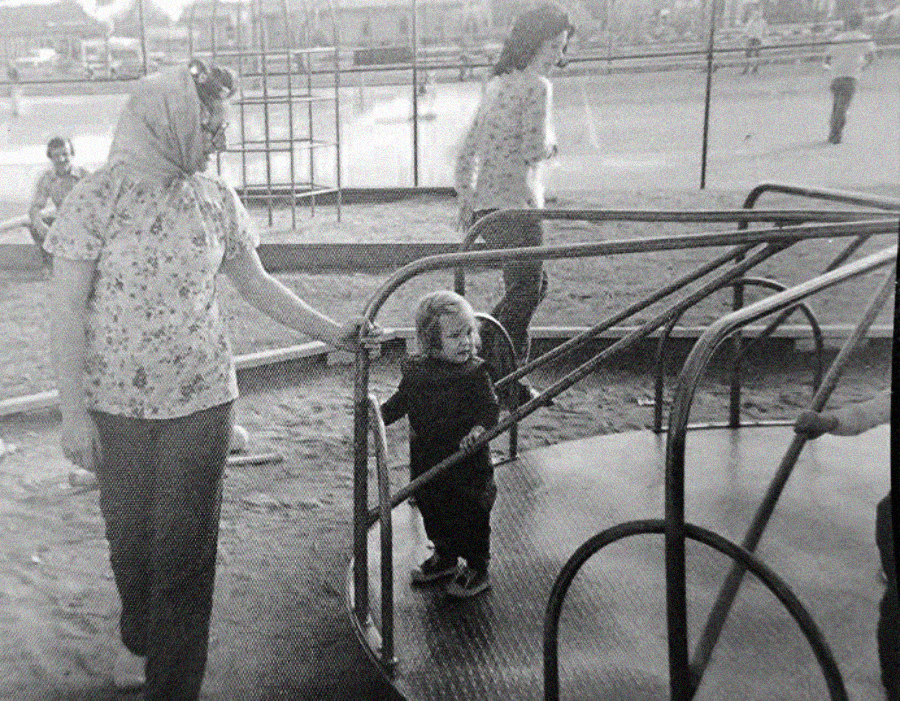
This playground staple was a heavy iron disc that could be spun to terrifying speeds by a group of older kids running alongside it. The “floor” of the merry-go-round was often made of expanded metal mesh that could scrape skin like a cheese grater if someone fell while it was moving. The gap between the spinning platform and the stationary ground was a notorious “pinch point” for toes and fingers. Once it reached top speed, the centrifugal force would pin smaller children to the outer rails, making it nearly impossible for them to climb off until it stopped.
10. The horizontal ladder over concrete
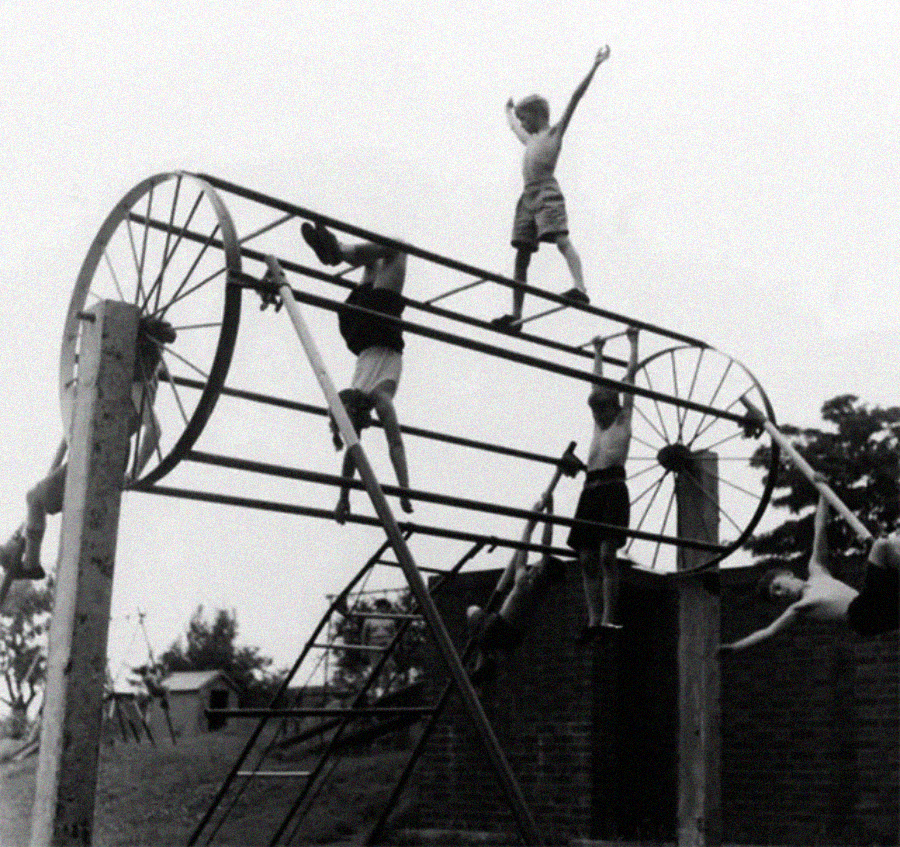
While monkey bars are still a playground favorite, the 1970s versions were often set at heights that would be illegal today, sometimes towering eight feet above the ground. To make matters worse, they were frequently installed over asphalt or packed-down dirt that offered zero shock absorption. Falling was considered a part of the learning process, and a broken arm was almost viewed as a badge of honor during the summer months. Modern versions are significantly lower to the ground and must be placed over several inches of safety-rated rubber or wood chips.
11. The giant strides
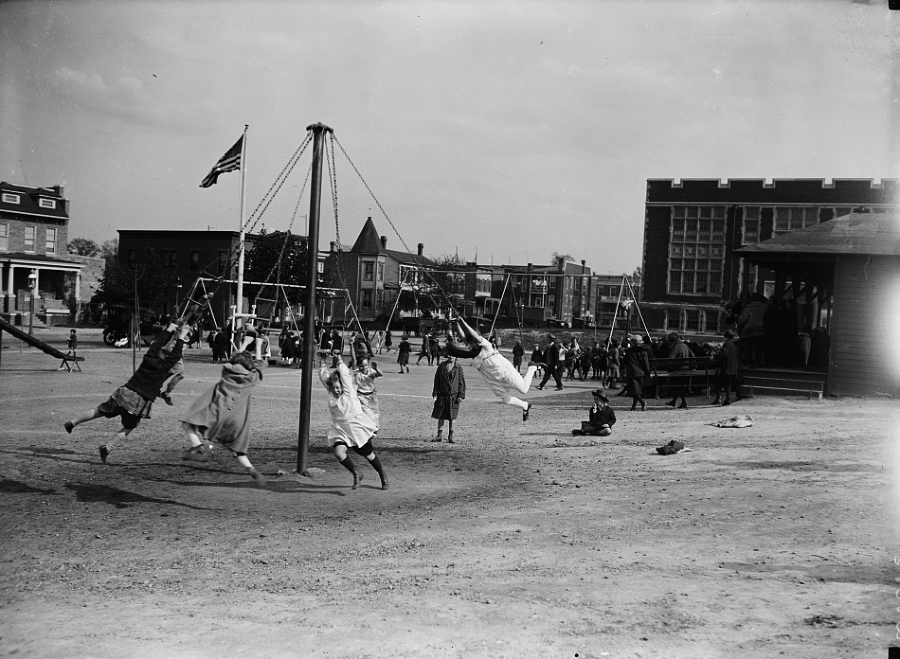
The giant stride was a tall pole with a rotating top that held several long ropes or chains with metal handles at the end. Kids would grab a handle and run in a circle until their momentum lifted them off the ground, swinging them high into the air. If one child let go, the handle would whip back and strike the other participants with incredible force. It was a chaotic mix of high-speed collision risks and grip-strength testing that was eventually pulled from parks due to the high frequency of injuries.
12. The concrete animal statues
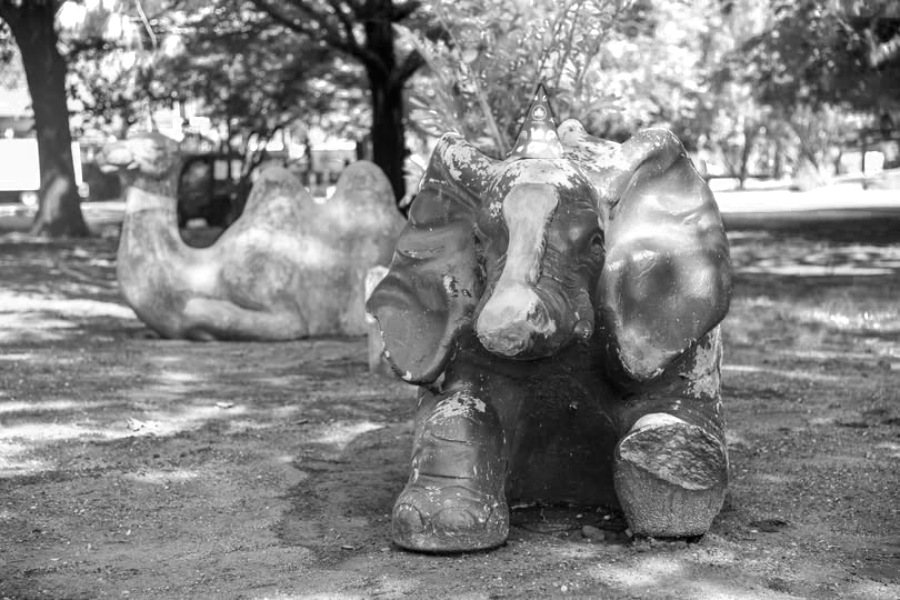
Many parks in the ’70s featured “sculptural” play elements, which usually meant giant, painted concrete turtles, whales, or frogs. These statues were as hard as a sidewalk and featured no padding whatsoever, making them essentially a decorated trip hazard. While they looked great in photos, a slip from the top of a concrete turtle resulted in a very painful landing. Over time, the paint would chip away, revealing the rough, abrasive aggregate underneath that acted like sandpaper on bare skin.
13. The chain link fences
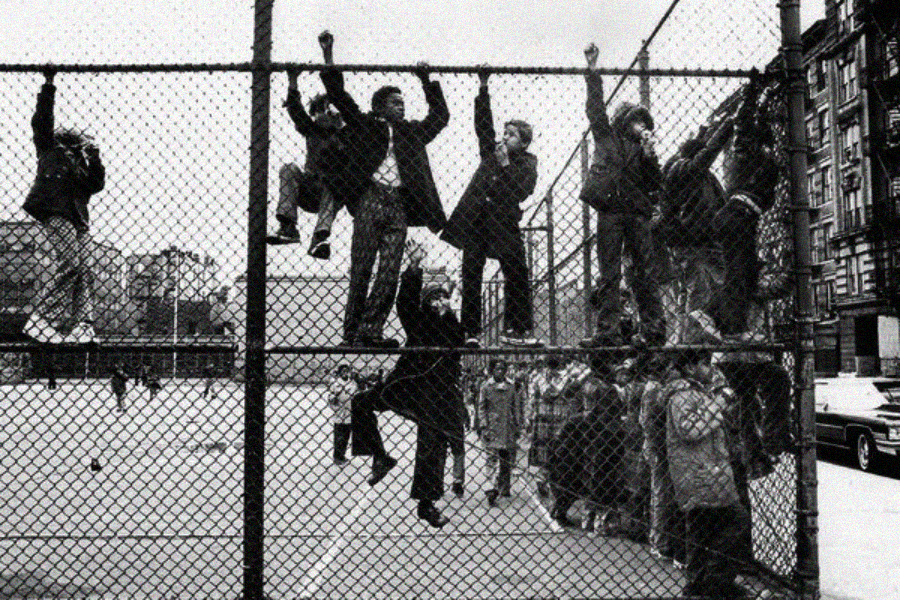
Technically not equipment, the heavy-duty chain link fences that surrounded 1970s parks were treated as a climbing wall by every kid in the neighborhood. These fences often had sharp, twisted wire burrs at the top that could easily snag clothing or skin. Kids would race to see who could reach the top rail first, often hanging over the edge with no safety netting or protection. Today’s park boundaries are usually much more decorative and designed specifically to discourage climbing for safety reasons.
14. The log roll
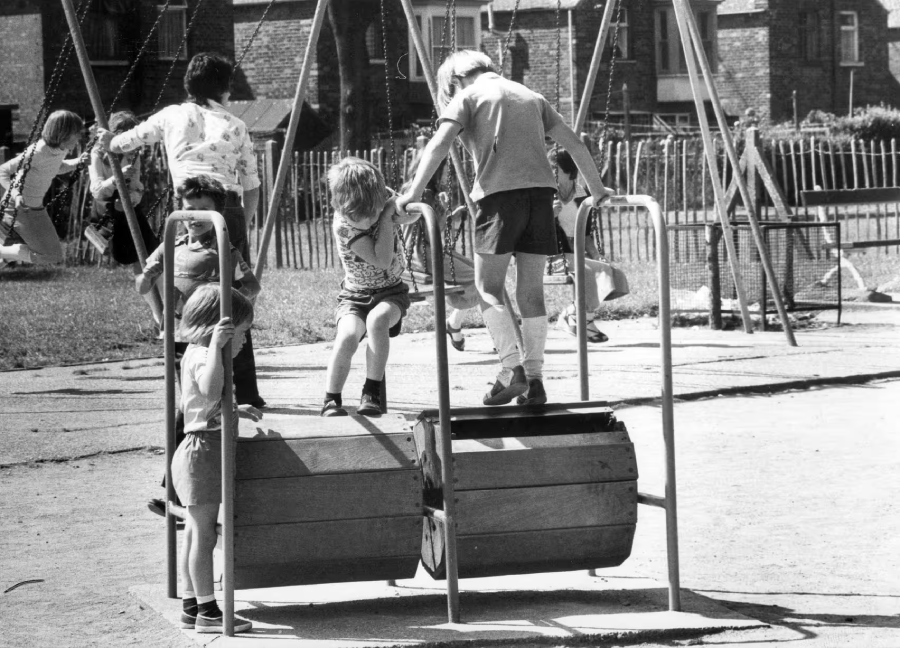
The log roll was a large, horizontal wooden or metal cylinder that spun freely on an axis, mimicking the dangerous work of a lumberjack. The goal was to stay on top while the log spun, which almost always ended with the child being thrown backward onto the ground. It was incredibly difficult to master, and the potential for a child to get their leg caught under the spinning cylinder was a constant worry for parents. It’s one of those “what were they thinking?” pieces of equipment that has completely vanished from modern catalogs.
15. The sky-high swings
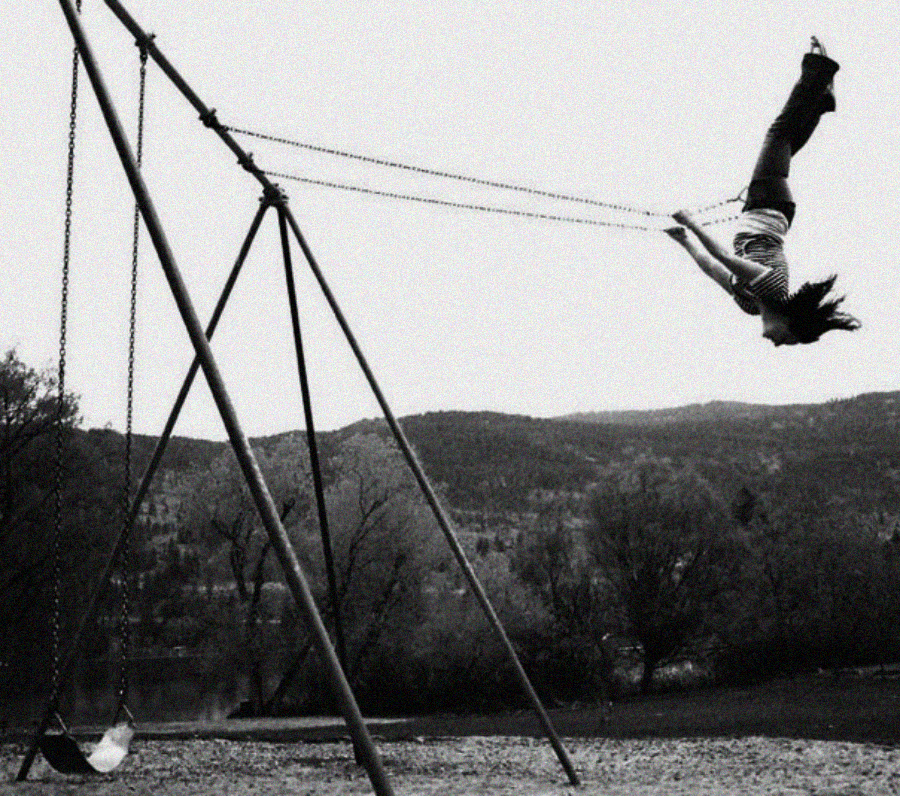
Swings in the ’70s featured incredibly long chains that allowed for a massive range of motion, often sending kids high above the crossbar. The seats were usually made of hard, unyielding wood or heavy black rubber that could deliver a serious blow if a child walked behind a moving swing. It was a common challenge to jump from the swing at the highest point of the arc, landing on the hard ground several feet away. Today’s swings have shorter chains, anti-wrap technology, and soft, flexible seats to prevent impact injuries.
16. The arch bridge
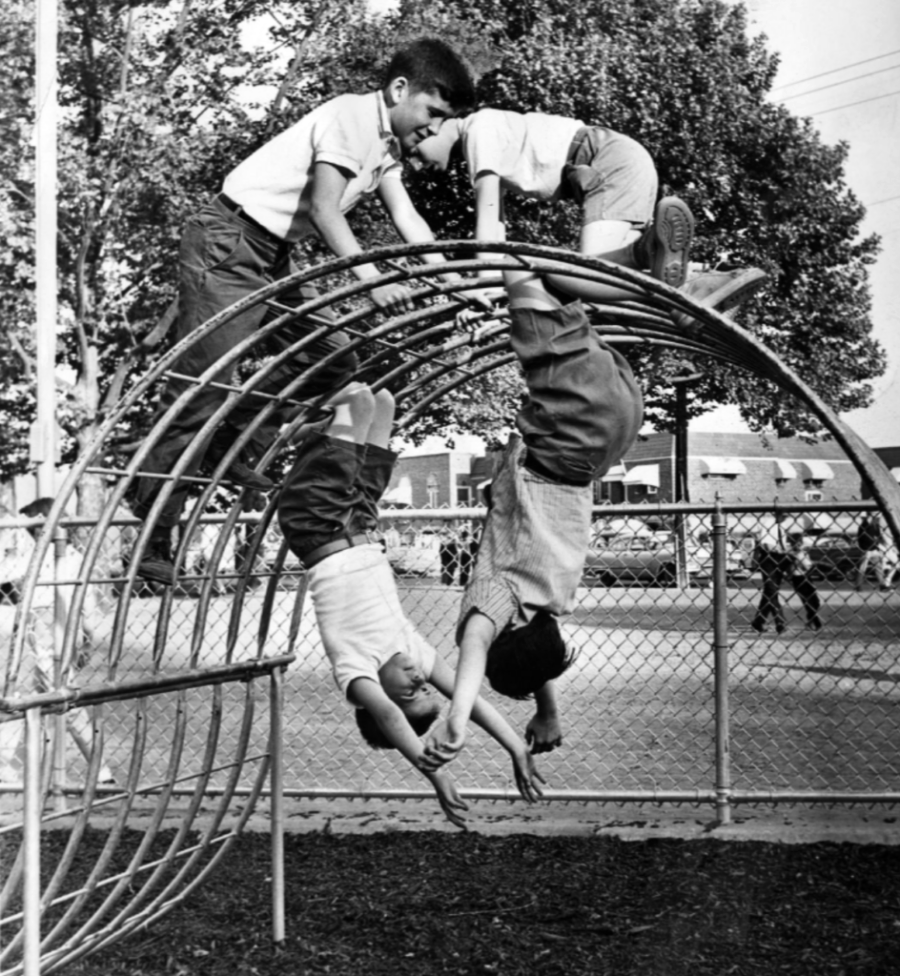
This arched climbing frame was made of thin metal rungs that formed a steep bridge, often reaching heights of six or seven feet. The steps were usually narrow and could become extremely slippery when wet or even just dusty. There were no handrails on the sides, meaning a child’s only grip was the same rungs their feet were on. A slip on the way up or down meant a tumble through the middle of the frame, hitting several metal bars on the way to the dirt.
17. The fire pole
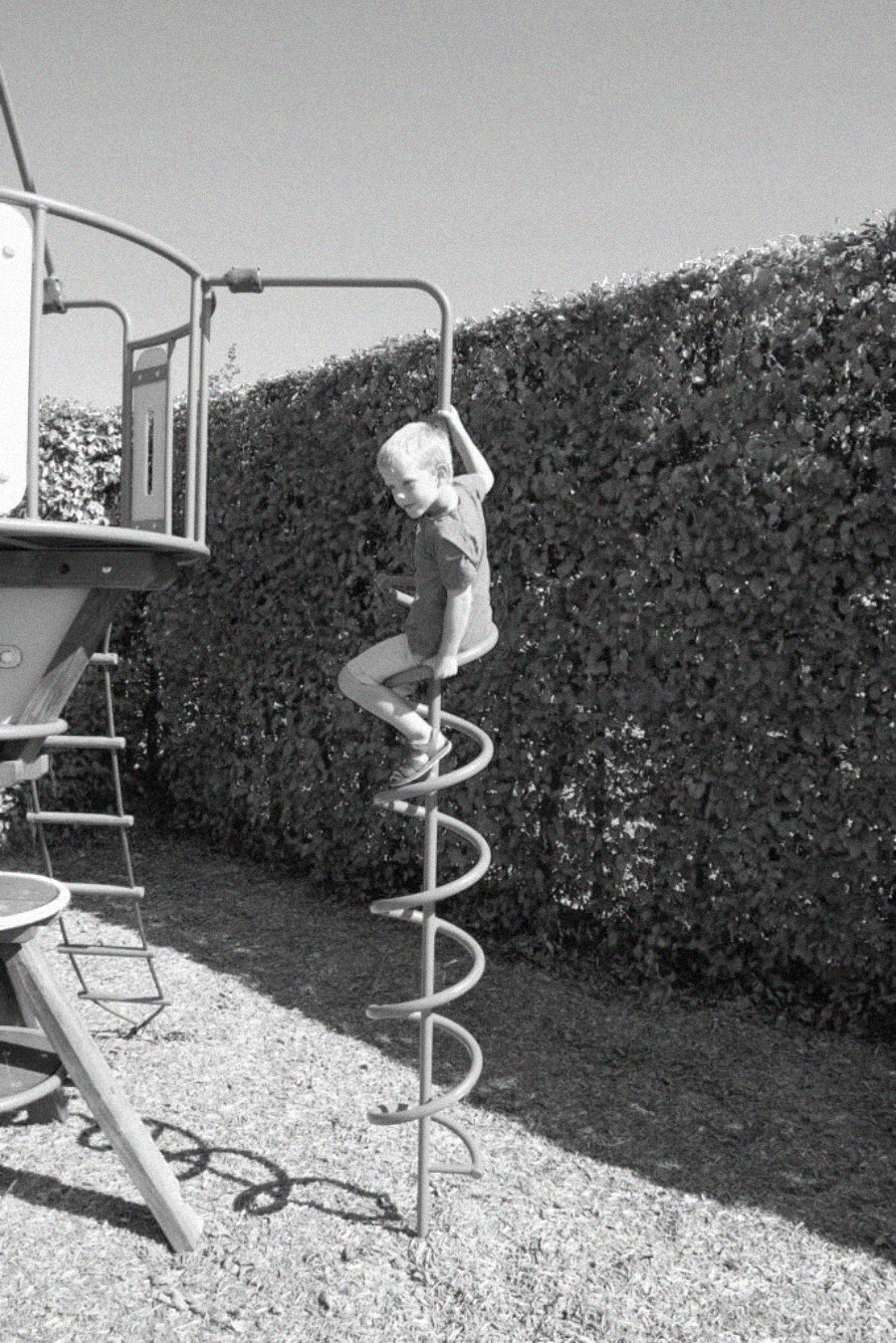
Often attached to the side of a tall wooden or metal tower, the fire pole was a straight vertical drop with no platform or guardrail at the top. To use it, a child had to step out into empty air and wrap their limbs around the pole to slow their descent. If they lost their grip halfway down, there was nothing to stop a straight vertical fall to the ground. Modern versions are usually much shorter and include loop entries to ensure the child is securely on the pole before they start moving.
18. The sandpit
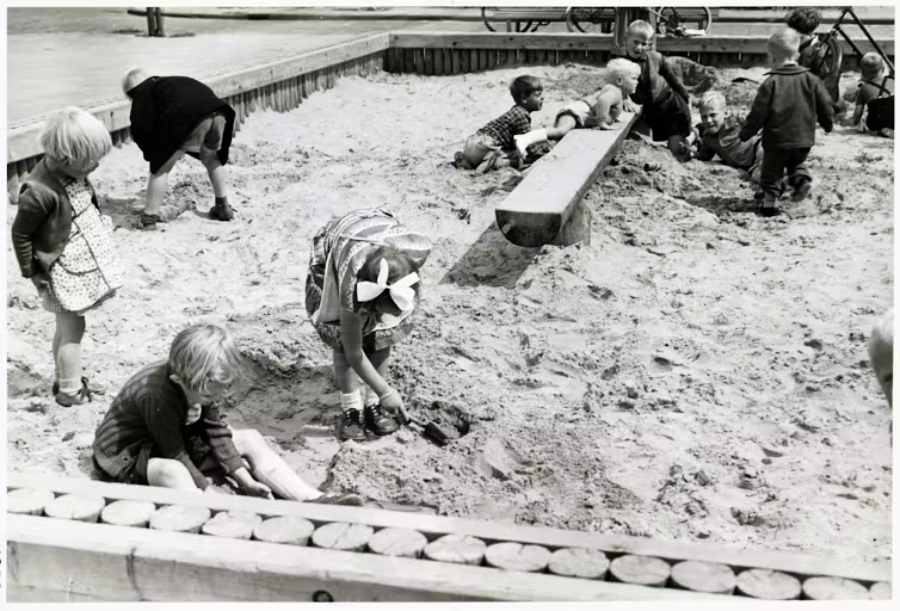
While sand is still used today, 1970s sandpits were often massive, uncontained areas that weren’t regularly filtered or cleaned. These pits frequently hid “treasures” like jagged rocks, broken glass, or the remnants of a local cat’s visit. Because they were rarely raked, the sand would often pack down into a surface that was nearly as hard as concrete. Today’s sandboxes are typically smaller, covered when not in use, and filled with specific, washed play-sand that is safe for little hands.
Want more vintage photos?
It is a fascinating and slightly terrifying trip down memory lane to realize just how much we’ve changed our perspective on childhood play. These vintage photos of park equipment prove that the 1970s were a unique era of high-risk, high-reward fun that would never pass a modern inspection. If you’re ready to dive into nostalgia, don’t miss these 20 Vintage Concert Photos Before the Digital Age, or Throwback Thursday: 23 Photos That Perfectly Capture The ’70s. You can also enjoy these 20 Things Older Generations Did That Kids Today Won’t Get.