
Most everyday objects seem so familiar that we stop thinking about how they’re actually designed to work. We learn by watching other people, improvise when something seems obvious, and rarely stop to read the manual. As a result, many useful features go unnoticed for years, even though engineers intentionally built them into products we use every single day.
The surprising part isn’t that these objects have hidden functions. It’s that many of those functions aren’t hidden at all. They’re simply easy to overlook. From kitchen appliances and office supplies to car safety features and household tools, understanding the original design often makes everyday tasks easier, safer, and more efficient without buying anything new.
1. Tape Measure Hook
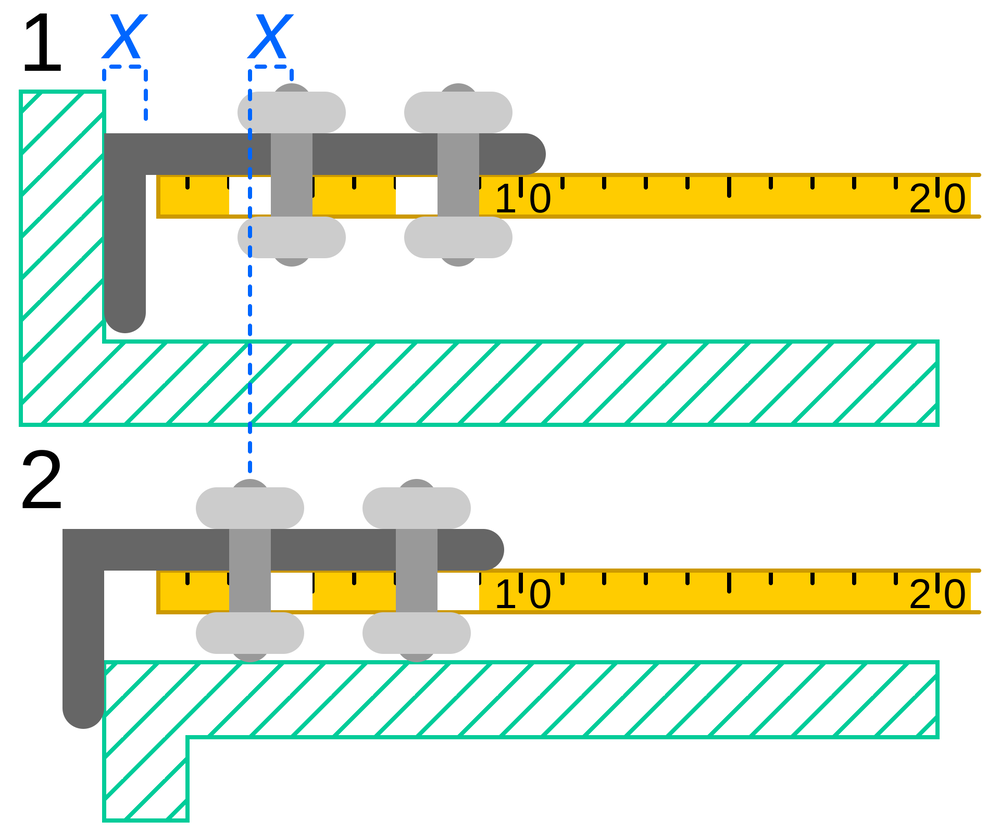
If you’ve ever noticed the metal hook at the end of a tape measure wobbling slightly, you might have assumed it was damaged. In reality, that tiny movement is intentional. On designs such as Stanley’s Tru-Zero tape measures, the hook slides by exactly its own thickness, allowing measurements to remain accurate whether you’re measuring from the outside edge of an object or hooking onto the inside edge. What looks like a manufacturing flaw is actually a carefully engineered calibration feature.
2. Desktop Stapler
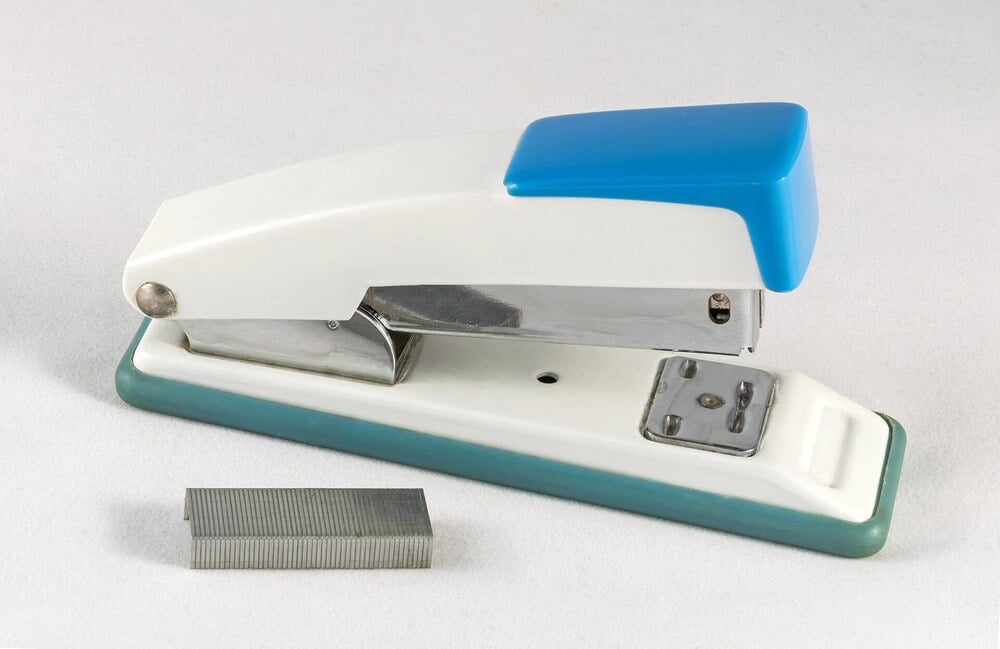
Most people use a stapler in only one way, but many desktop models can do much more. Opening the stapler fully allows it to tack papers directly onto bulletin boards, while some models include a rotating anvil that changes how the staple bends. Instead of permanently folding the ends inward, it creates a temporary pinning staple that’s much easier to remove later without damaging the paper.
3. Refrigerator Crisper Drawers
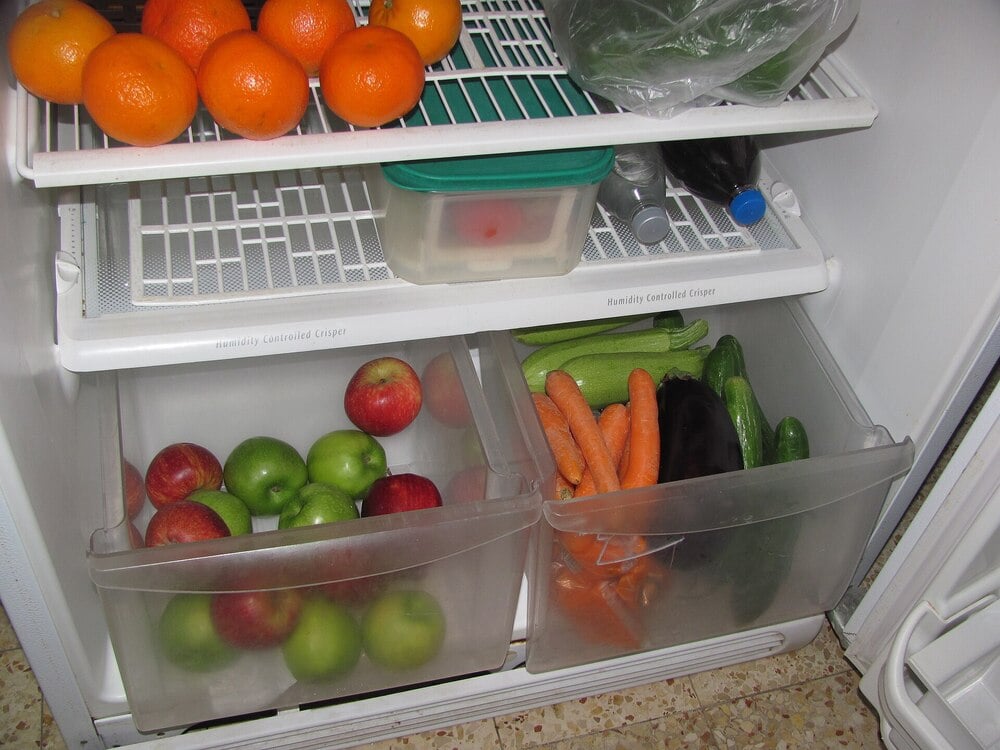
Those humidity sliders inside refrigerator crisper drawers aren’t decorative. They’re designed to control airflow based on the type of produce you’re storing. High humidity helps leafy vegetables stay crisp by trapping moisture, while low humidity allows excess moisture and ethylene gas to escape, making it better suited for many fruits. Treating every drawer exactly the same means you’re ignoring one of the refrigerator’s most useful food-preservation features.
4. Car Head Restraint

Despite the name many people use, a head restraint isn’t designed to function as a pillow. Its primary purpose is safety. When adjusted to the proper height and distance behind your head, it helps reduce the risk of whiplash during a rear-end collision by limiting how far the head can snap backward. Comfort is secondary to crash protection, which is why positioning it correctly matters far more than simply raising or lowering it until it feels comfortable.
5. Toilet Plunger
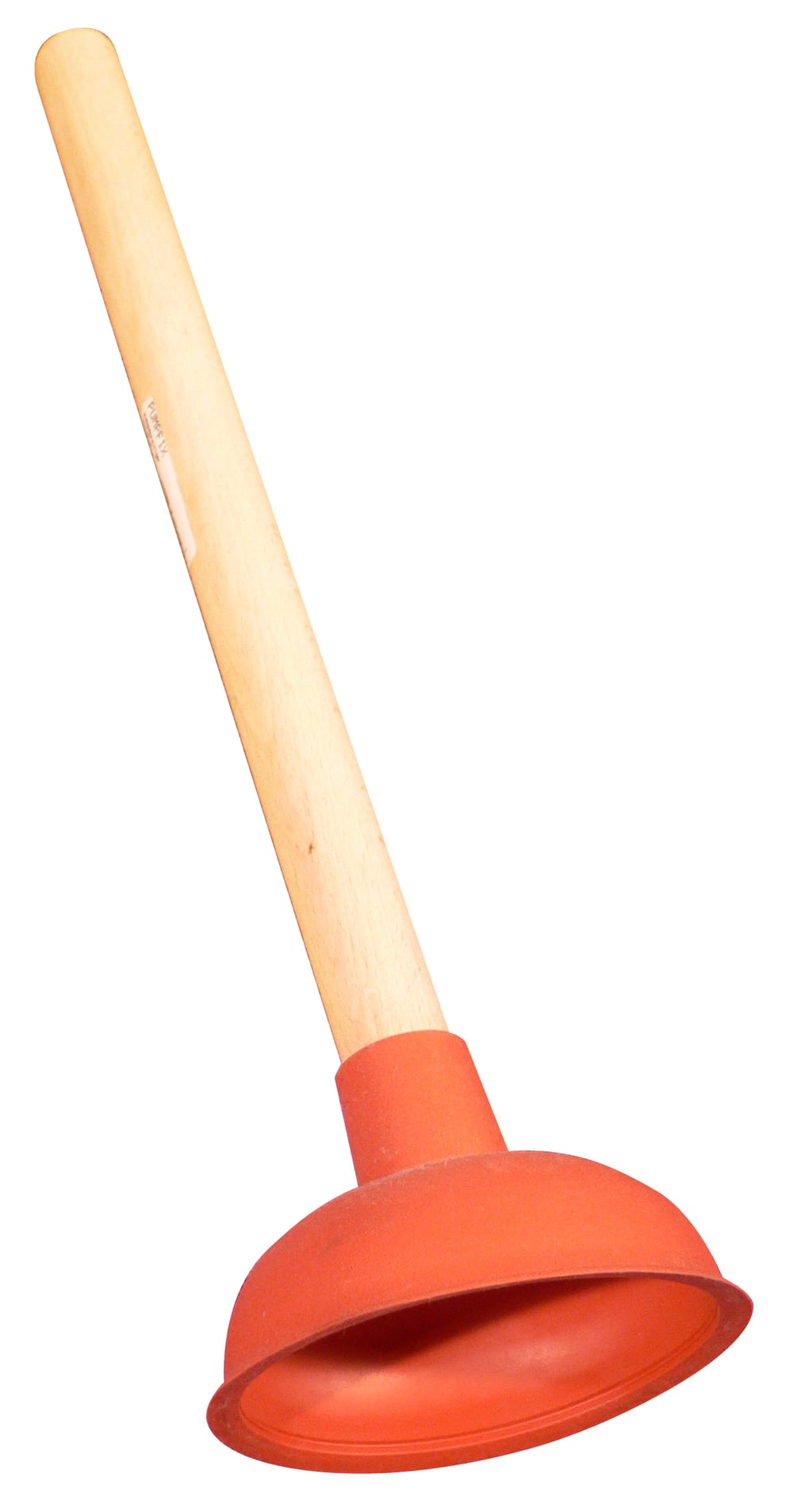
Not all plungers are built for the same job. A flat cup plunger works best on sinks and other flat drains, while toilets are designed to be used with a flange plunger that includes an extended rubber sleeve to create a tighter seal inside the toilet outlet. Using the wrong style doesn’t necessarily make unclogging impossible, but it usually makes the task much harder than it needs to be. Have you ever blamed the plunger when the real problem was simply using the wrong kind?
Trending on The Scroller


6. Fire Extinguisher

In an emergency, many people instinctively aim a fire extinguisher at the flames. However, standard PASS guidance recommends aiming at the base of the fire, where the burning fuel is located. Sweeping the extinguisher across the source of the fire is far more effective than spraying the flames themselves, and it’s equally important to keep a clear escape route behind you while using it. The goal isn’t to chase the fire. It’s to remove what keeps it burning.
7. Manual Rearview Mirror

If your rearview mirror has a small tab underneath it, that lever isn’t there to adjust the mirror’s position. On manual day/night mirrors, flipping the tab changes the mirror’s angle to reduce glare from headlights behind you while still allowing you to see traffic. Many drivers never touch it, even though it can make nighttime driving noticeably more comfortable. Since this feature depends on the mirror design, newer vehicles with auto-dimming mirrors may not include it.
8. Fuel-Gauge Arrow

Running low on gas in an unfamiliar car often leads to one simple question: which side is the fuel door on? Many vehicles answer that question directly on the dashboard. A small arrow next to the fuel pump icon usually points toward the side of the vehicle where the fuel filler door is located, saving drivers from guessing when they pull up to the pump. Because this feature isn’t present on every vehicle, it’s worth checking whether your car includes it.
Sign up for our newsletter
9. Oven Bottom Drawer

The drawer beneath your oven may not be storage at all. Depending on the model, it could serve as a storage compartment, a warming drawer, or even a broiler. Since different manufacturers use the space differently, storing baking sheets or plastic items there without checking the owner’s manual can be both ineffective and potentially unsafe. One drawer may look identical to another while serving an entirely different purpose.
10. Dishwasher
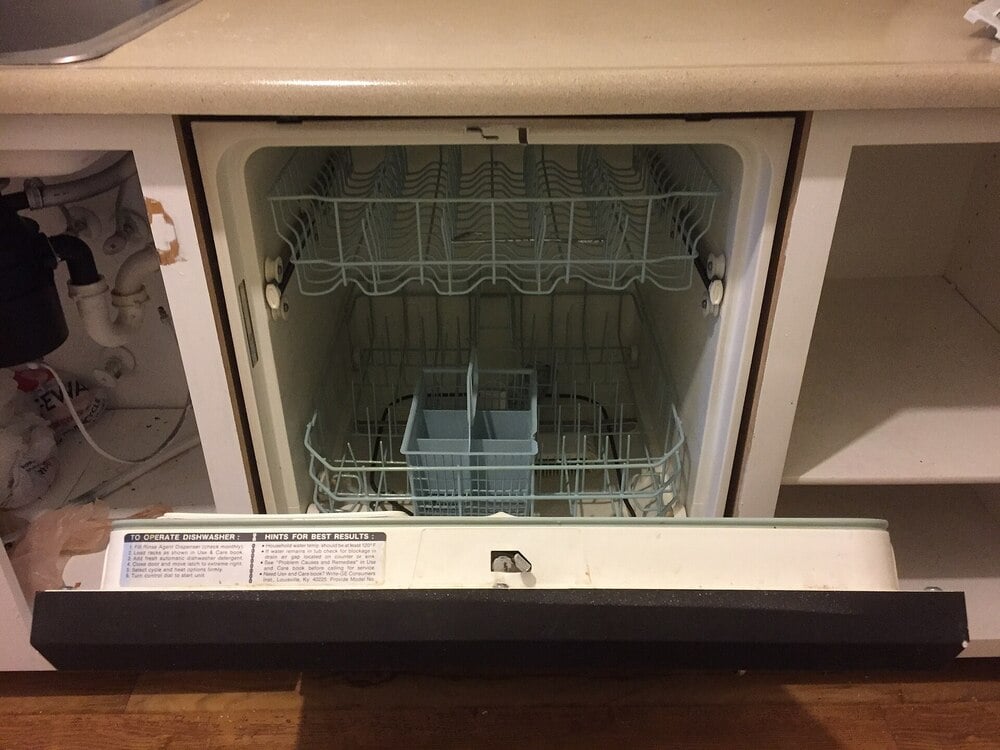
Many modern dishwashers are designed to work without fully pre-rinsing dishes. Scraping away large food scraps is usually enough, while excessive rinsing can waste water and may even interfere with how some dishwasher sensors and detergents are designed to operate. Of course, recommendations vary slightly by model and detergent, so it’s always worth checking the manufacturer’s guidance. Could one of the most common kitchen habits actually be creating extra work instead of saving it?
11. Segmented Utility Knife
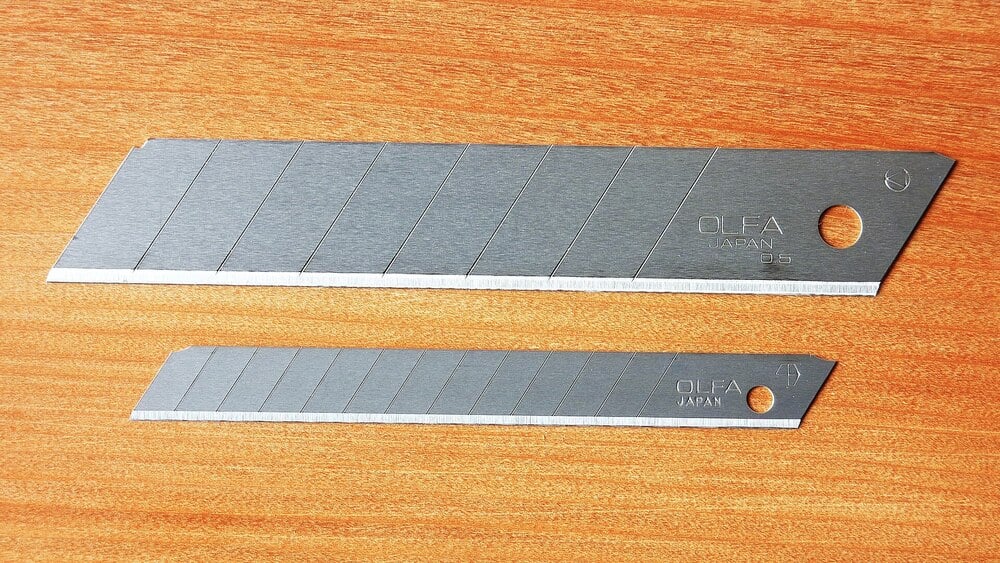
Many snap-off utility knives are designed with built-in replacement blades hiding in plain sight. Instead of continuing to use a dull tip, the scored blade segments can be safely snapped off using the tool’s cap or another method recommended by the manufacturer, exposing a fresh cutting edge underneath. The blade isn’t wearing out all at once. It’s gradually revealing a series of new edges as you need them.
12. Bobby Pin
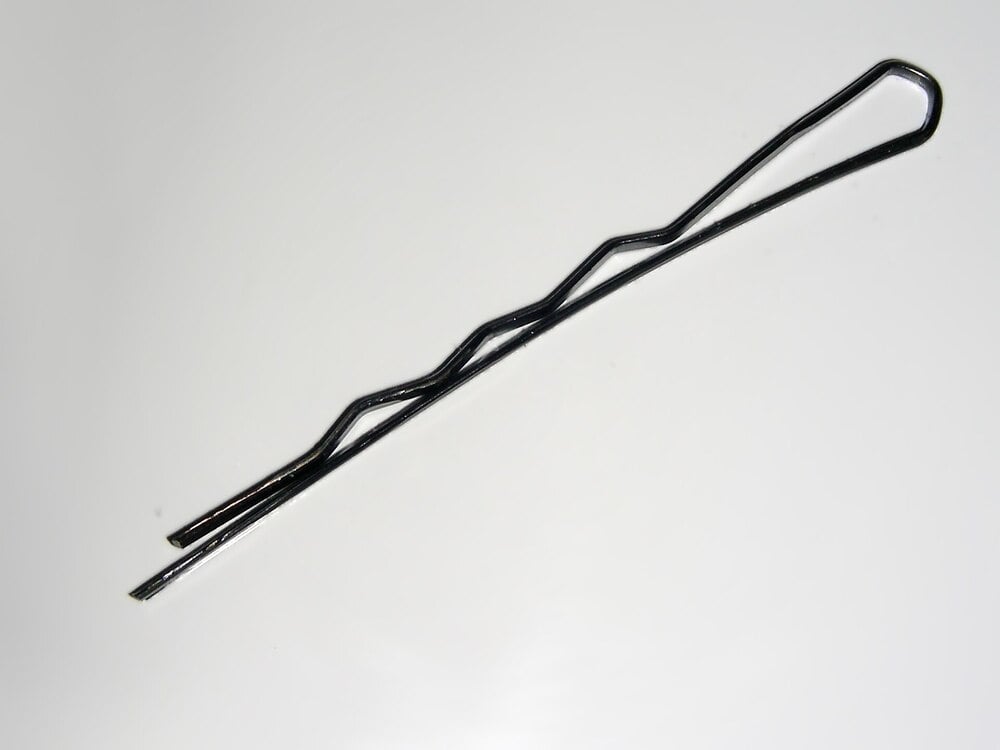
Most people insert a bobby pin with the smooth side against the scalp, but for classic designs the wavy side is generally intended to face the hair. Those ridges help create extra grip, allowing the pin to hold more securely while the smooth side remains visible. Because bobby pin designs vary by brand, it’s worth remembering that this guideline applies to traditional styles rather than every version on the market.
13. Smoke Alarm
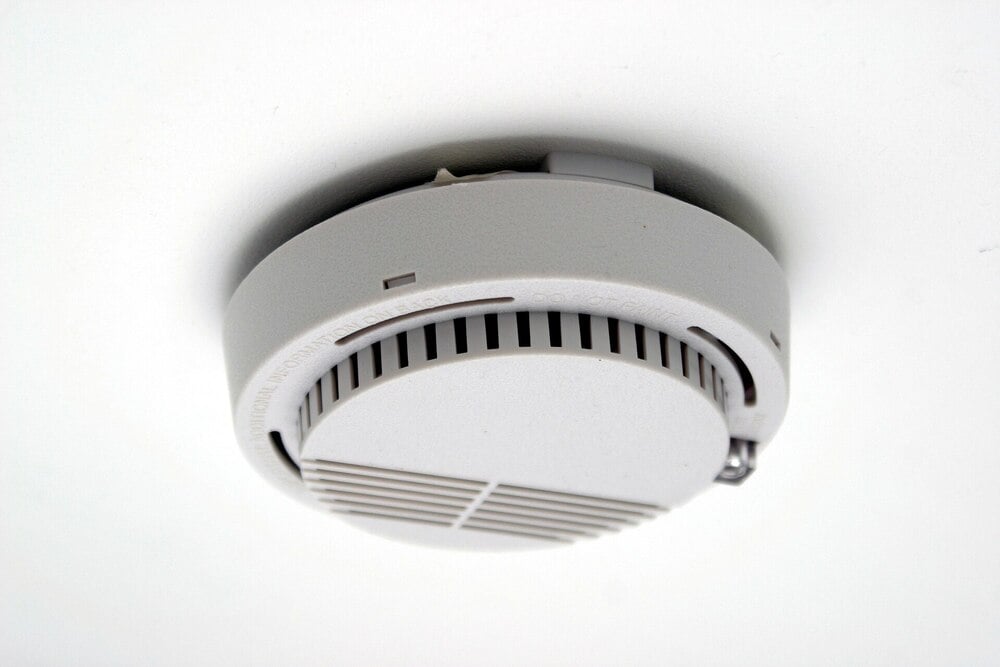
A smoke alarm that hasn’t made a low-battery chirp isn’t necessarily working correctly. That’s why the test button exists. Pressing it periodically verifies that the alarm’s electronics and sounder are functioning, rather than simply confirming the battery hasn’t completely failed. Waiting until you hear an unexpected chirp may tell you the battery is weak, but it doesn’t replace regular functional testing.
14. Aluminum Foil Box

Many aluminum foil boxes include small push-in tabs on both sides that lock the roll in place while you pull and tear off a sheet. Since these tabs blend into the packaging, many people never notice them and struggle with rolls that constantly slide out of the box. Not every brand uses this feature, but when it’s there, those tiny tabs can make dispensing foil much easier.
15. Washing-Machine Detergent Drawer
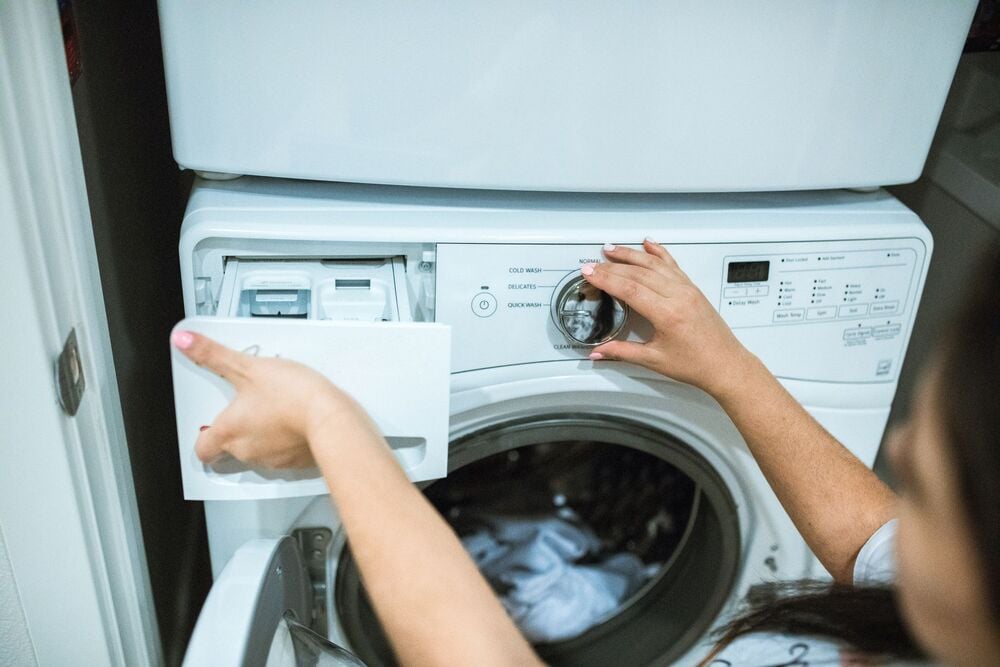
The compartments inside a washing machine’s detergent drawer aren’t interchangeable. One is intended for the main wash, another for a prewash cycle, and another for fabric softener, each releasing its contents at different stages of the wash. Pouring products into the wrong section changes when they’re dispensed, which can reduce their effectiveness. Have you ever assumed those little symbols were just labels when they’re actually part of the machine’s timing system?
16. Freezer / Refrigerator Door Shelves

The shelves built into your refrigerator door may be the most convenient place to store frequently used items, but they’re usually not the coldest. Because the door is opened repeatedly throughout the day, those shelves experience greater temperature fluctuations than the interior of the refrigerator. For highly perishable foods like milk, storing them deeper inside the main compartment often helps maintain a more consistent temperature and better freshness.
17. Chef’s Knife

Many beginner cooks grip a chef’s knife by the handle alone, but professional technique often uses a pinch grip instead. By placing your thumb and index finger on the blade near the bolster while wrapping the remaining fingers around the handle, you gain greater control and precision during cutting. It’s a small adjustment that can make chopping feel steadier and more comfortable when practiced safely.
18. Cutting Board
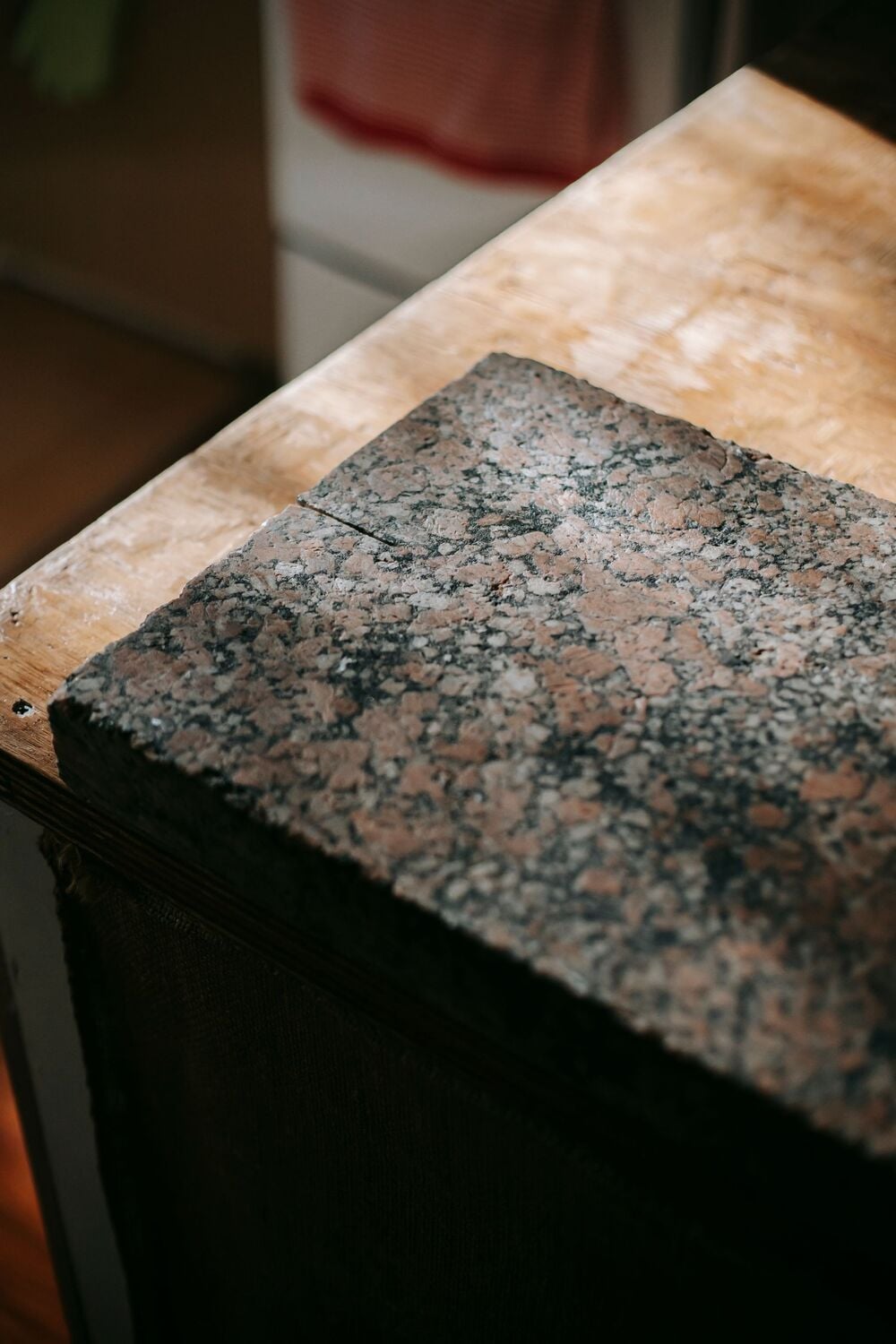
A cutting board shouldn’t slide around the countertop while you’re working. Placing a damp towel or a non-slip mat underneath helps keep it securely in place, reducing the risk of the board shifting unexpectedly while you’re using a knife. It’s one of the simplest kitchen safety techniques, yet it’s often overlooked because it takes only a few seconds to set up properly.
19. Keyboard F and J Keys
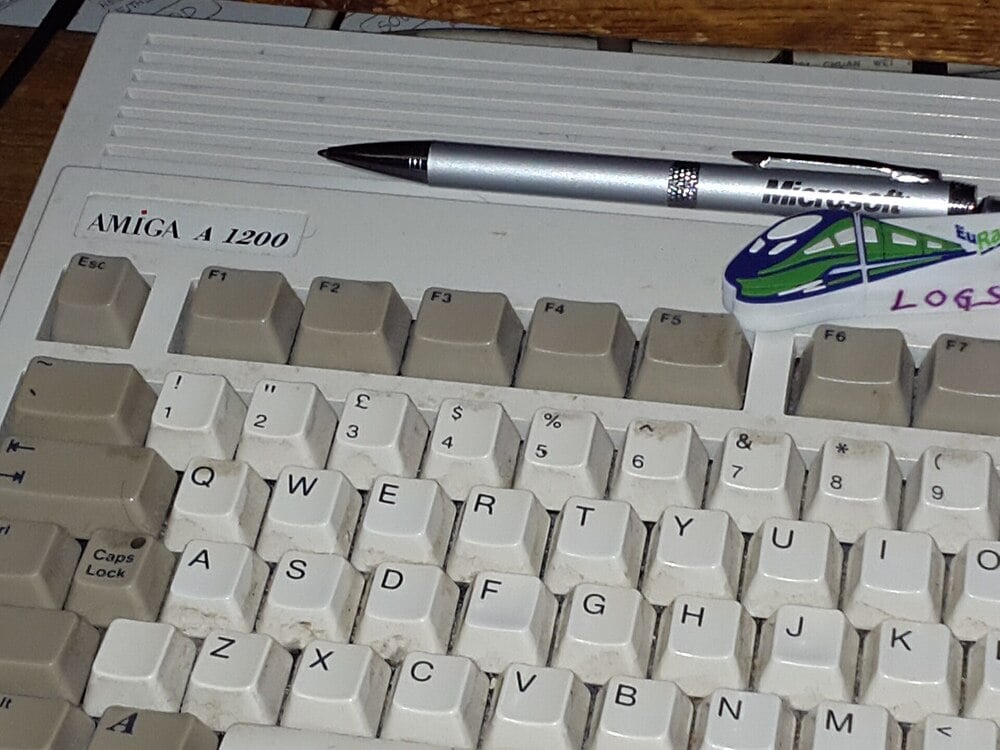
Those tiny raised bumps on the F and J keys aren’t random manufacturing details. They’re tactile reference points that help touch typists position their index fingers on the home row without looking at the keyboard. Once your fingers find those two keys, the rest of the keyboard naturally falls into place, allowing faster and more accurate typing.
20. Pen Cap With a Hole
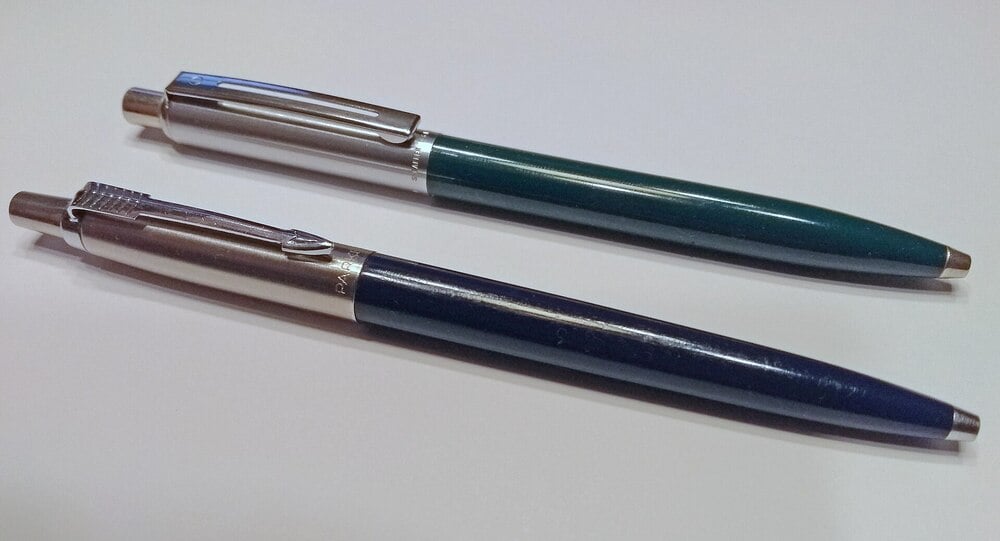
The small hole found in the caps of many pens isn’t there because the plastic mold was incomplete. On many capped pen designs, it’s an intentional safety feature that allows some airflow if the cap is accidentally swallowed, helping reduce the risk of complete airway obstruction. Since not every manufacturer uses the same design, the feature isn’t universal, but when present, it serves a far more important purpose than most people realize. Isn’t it surprising that one tiny hole can represent years of safety engineering?
21. Toothbrush and Toothpaste

Advertisements often show toothbrushes covered from end to end with toothpaste, but that’s not how dental professionals recommend using it. For children, guidance typically calls for a rice grain-sized amount or a pea-sized amount depending on age, illustrating that more toothpaste isn’t automatically better. The thick ribbon seen in commercials is designed to look appealing on camera, not to demonstrate proper dosage.
22. Staple Remover
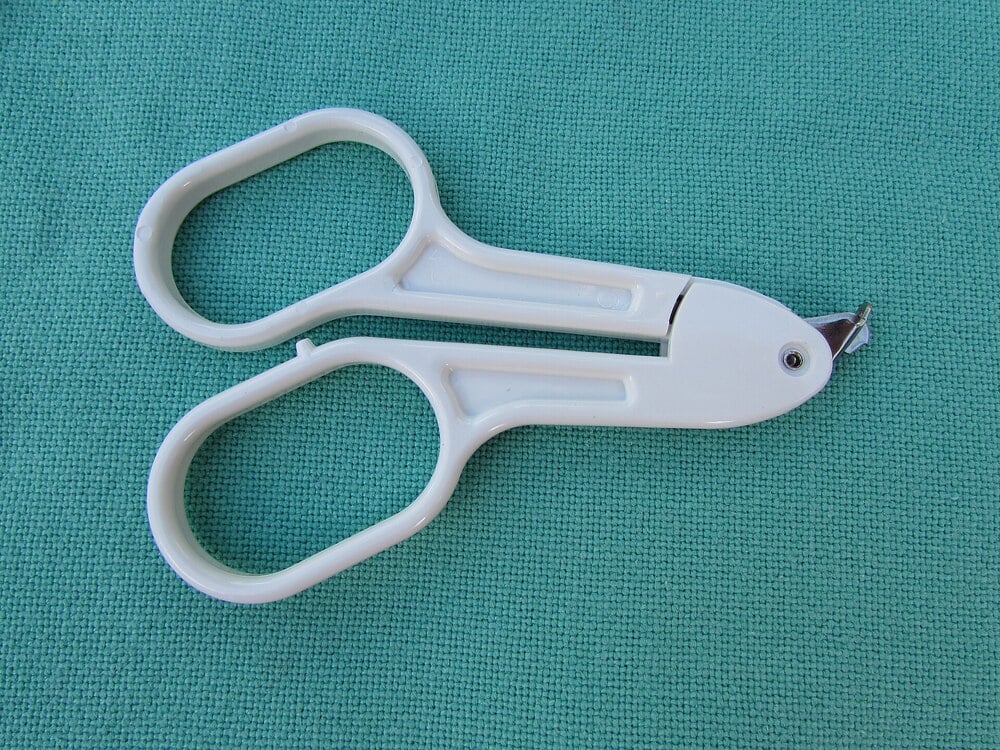
Many people treat a staple remover like a pair of pliers, pinching hard and pulling upward until the paper tears. The tool actually works through leverage. Its metal jaws are designed to slide beneath the staple first, lifting it cleanly before it’s removed. Using it the way it was intended usually protects both the document and your patience, proving that even the simplest office tools often work better when you understand the design behind them.
Many everyday objects seem self-explanatory, but good design often hides its best ideas in plain sight. From tape measures and staplers to refrigerators, smoke alarms, and kitchen tools, these features weren’t added by accident. They were intentionally engineered to make products safer, more accurate, or more efficient, even if many people never discover them. Understanding the original design doesn’t just satisfy curiosity. It helps you get more out of the things you already use every day.
Keep Exploring The Scroller
The most interesting discoveries aren’t always new inventions. Sometimes they’re hidden inside the everyday objects sitting on your desk, in your kitchen, or in your toolbox. Keep exploring The Scroller for more surprising stories about the clever designs, forgotten details, and practical ideas hiding in plain sight:
20 Photos Of People Using Common Objects In The Most Inefficient Ways
Weird Wednesday: 16 Mysterious Objects That People Could Not Identify