Technological progress, automation, and shifting cultural standards have dramatically reshaped the modern workplace over the past century. Jobs that once required manual dexterity, physical endurance, or specialized mechanical skills have been transformed by computers and modern machinery. Looking back at historical trade photography shows how dramatically daily professional routines and ordinary jobs have evolved since the mid-twentieth century.
Archived images capture an era when human operators, specialized craftsmen, and manual technicians performed tasks that are now fully digitized or automated. From switchboard operators manually routing calls with heavy cables to draftspeople filling massive rooms with wooden drawing boards, these historical occupations highlight a distinct, hands-on approach to daily work. Examining how these everyday jobs functioned in decades past offers a fascinating window into industrial history. Here are fourteen vintage photos of ordinary professions that look completely different today.
1. Telephone switchboard operators
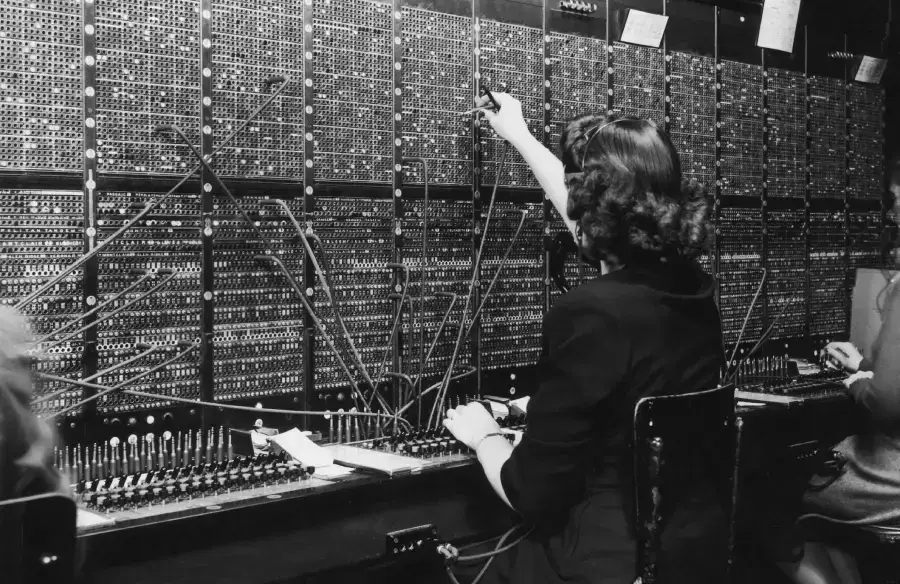
Before digital routing and cellular networks, telephone switchboard operators manually connected every phone call using physical cords and jacks. Operating these heavy wooden switchboards required incredible speed and focus, with operators handling hundreds of manual plug insertions every hour to connect callers across towns and cities.
2. Architectural draftsmen in open drawing halls
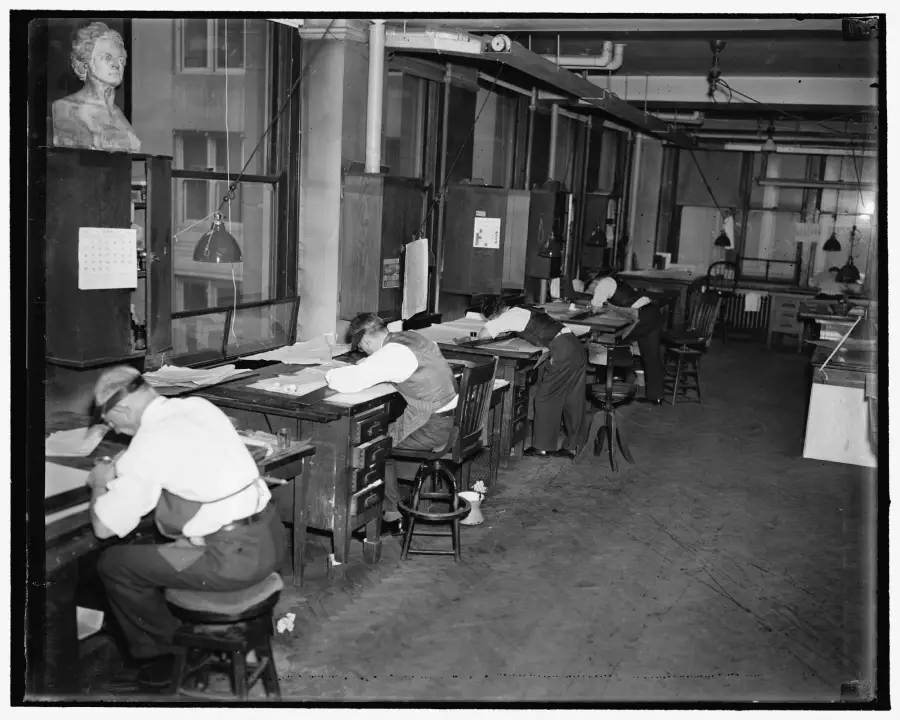
Prior to computer-aided design (CAD) software, teams of architects and draftspeople worked in massive rooms filled with angled wooden drafting tables. Using T-squares, compasses, and ink pens, they spent months manually drawing precise structural blueprints on large sheets of vellum paper.
3. Bowling alley pinsetters
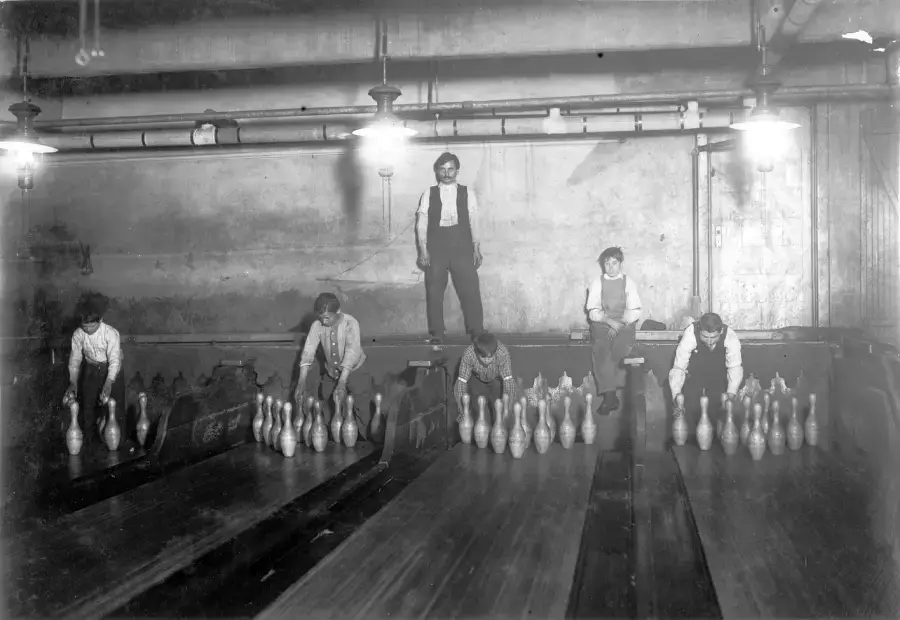
Before automated mechanical pinsetters were installed in the 1950s, young workers known as pinboys stood at the end of bowling lanes to reset fallen pins by hand. These workers had to dodge heavy rolling balls and clear shattered pins quickly to keep games moving smoothly.
4. Newspaper Linotype operators
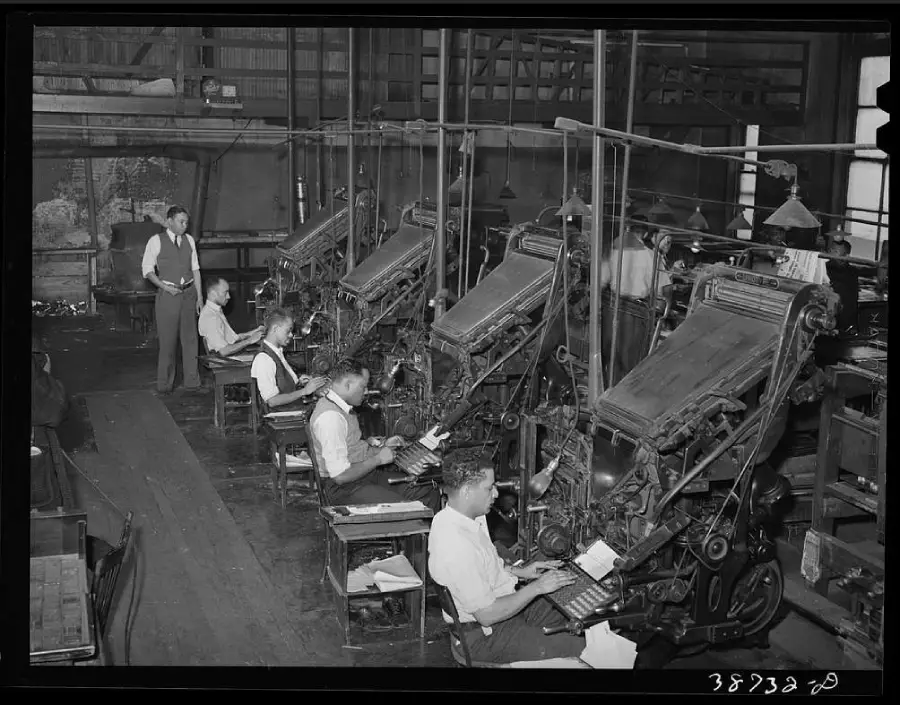
In the era before digital publishing, typesetting for daily newspapers relied on Linotype machine operators who typed text on a specialized 90-key keyboard. The complex mechanical beast melted lead to cast entire lines of type into metal strips, which were then assembled by hand to print news pages.
5. Elevator operators
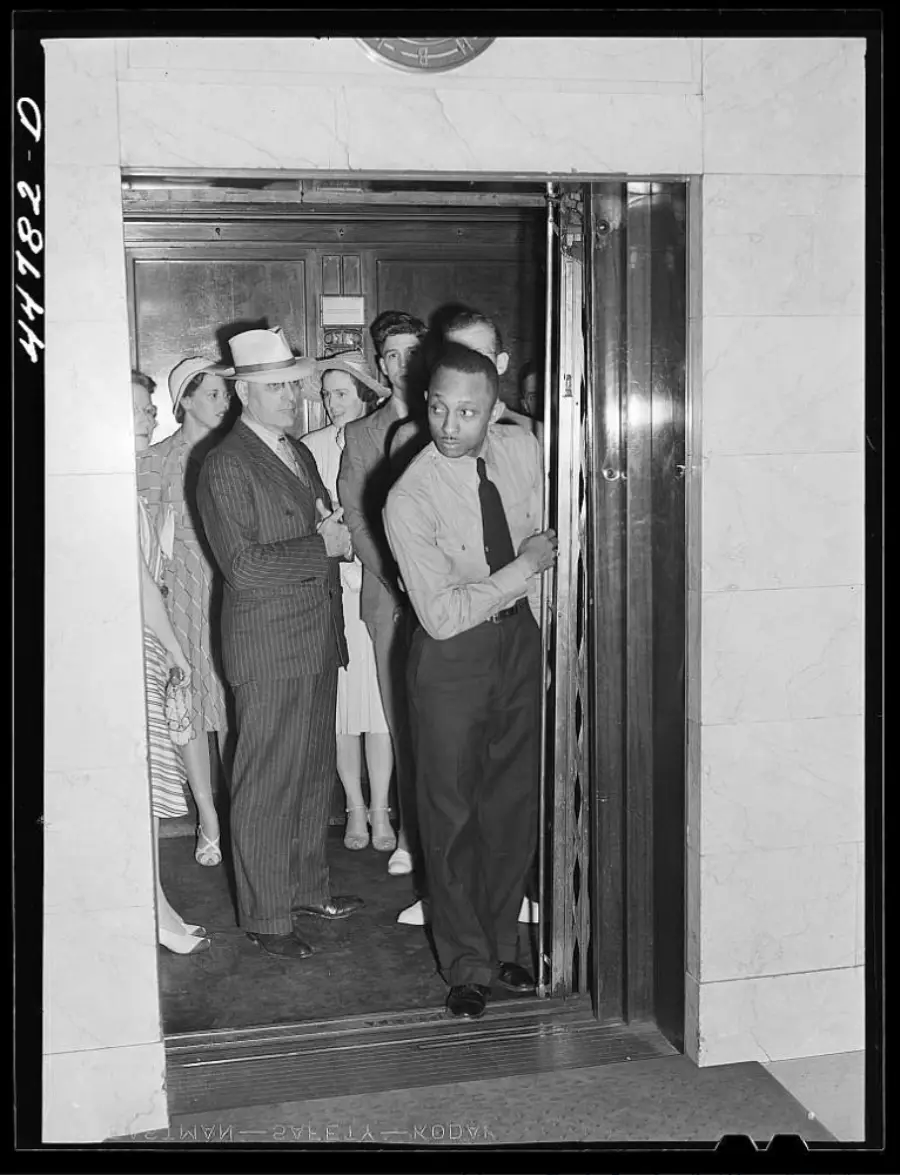
Mid-century elevators lacked automated floor buttons, requiring trained operators to manually open heavy metal doors and control lever-operated motor speeds. Operators had to align the elevator car precisely flush with the building floor to prevent passengers from tripping while stepping out.
Trending on The Scroller

6. Bank tellers handling paper ledgers
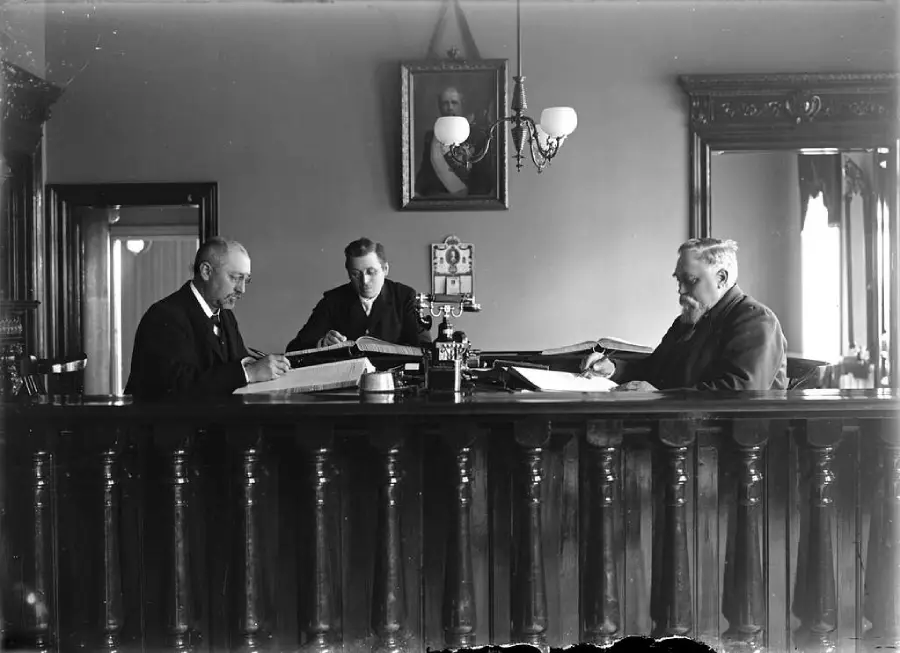
Before online banking and computerized databases, bank tellers recorded every single deposit, withdrawal, and balance change by hand in thick paper ledgers. Tellers used mechanical adding machines and physical rubber stamps to process cash transactions behind heavy brass teller cages.
7. Gas station attendants providing full service
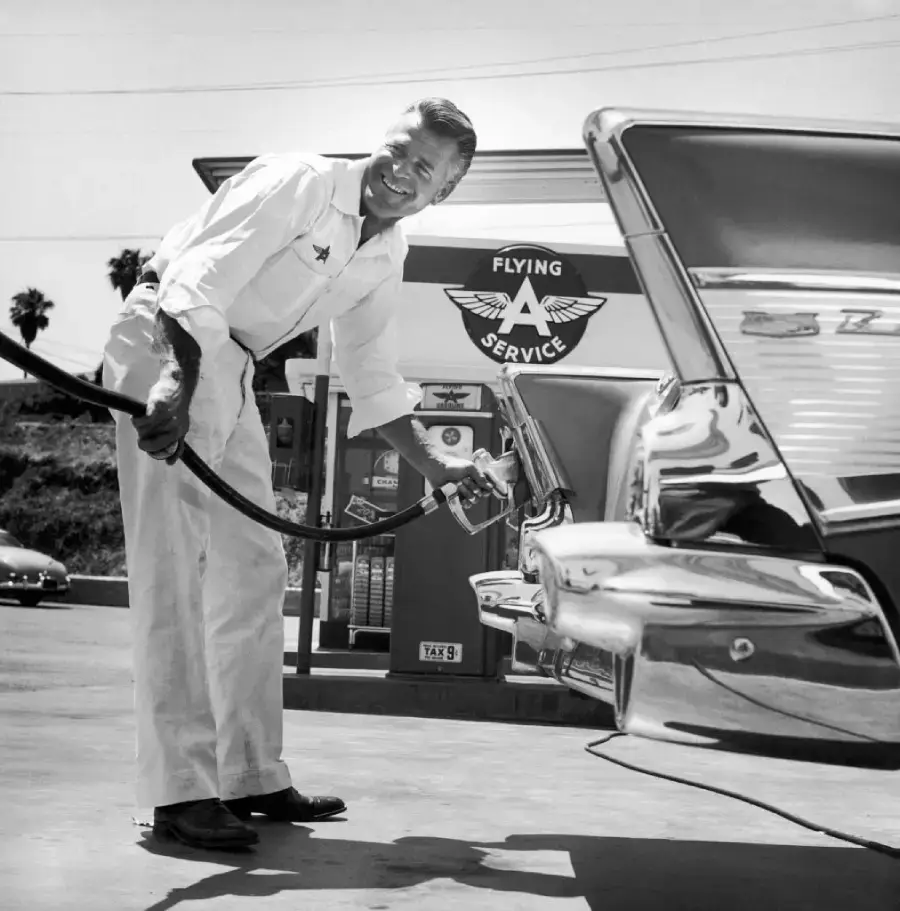
Filling up your car at mid-century service stations was a complete hospitality experience delivered by uniformed attendants. The moment a vehicle pulled up over the rubber chime hose, attendants pumped the fuel, checked the engine oil level, checked tire pressure, and cleaned the windshield at no extra charge.
8. Milkmen delivering glass bottles
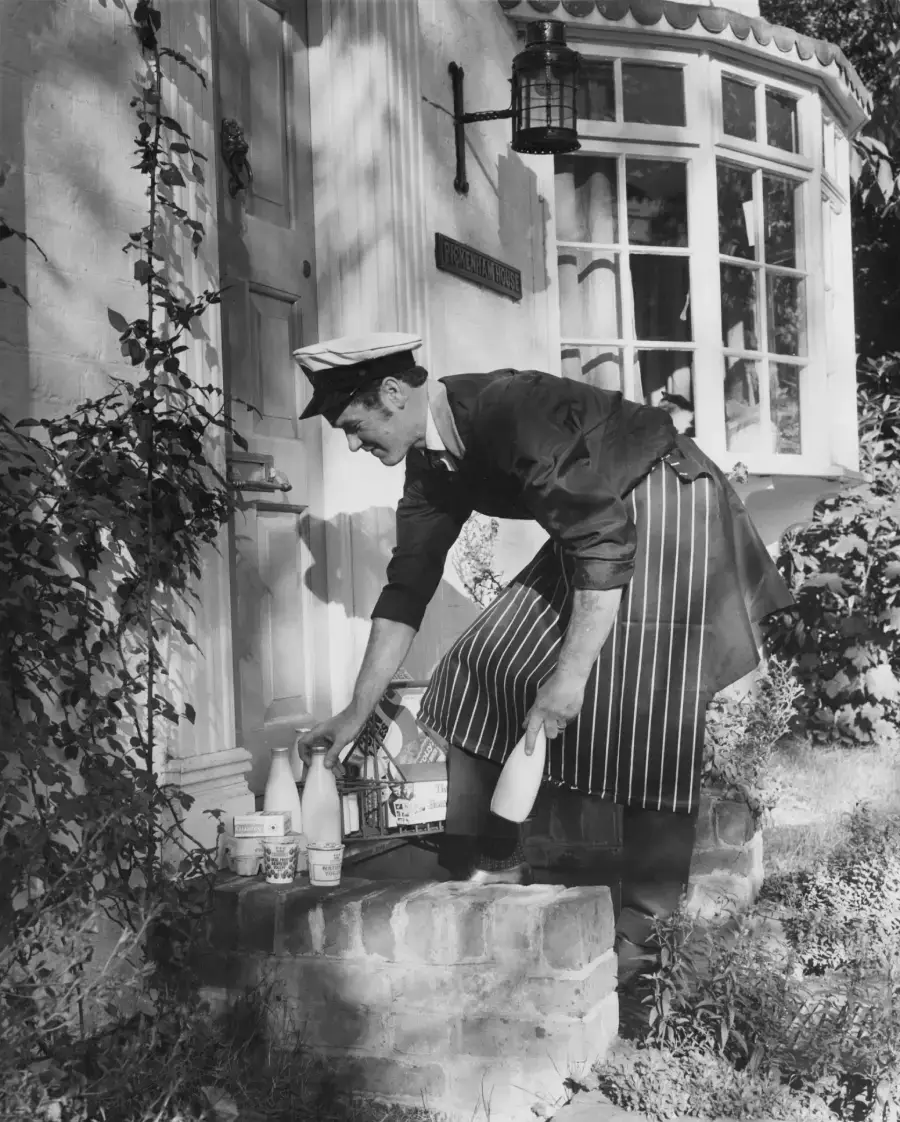
Before modern refrigeration and supermarket dominance, milkmen delivered fresh dairy products straight to residential doorsteps early every morning. Operating specialized step-van delivery trucks, they collected empty glass bottles left on the porch and replaced them with cold, insulated milk crates.
Sign up for our newsletter
9. Streetlamp lighters
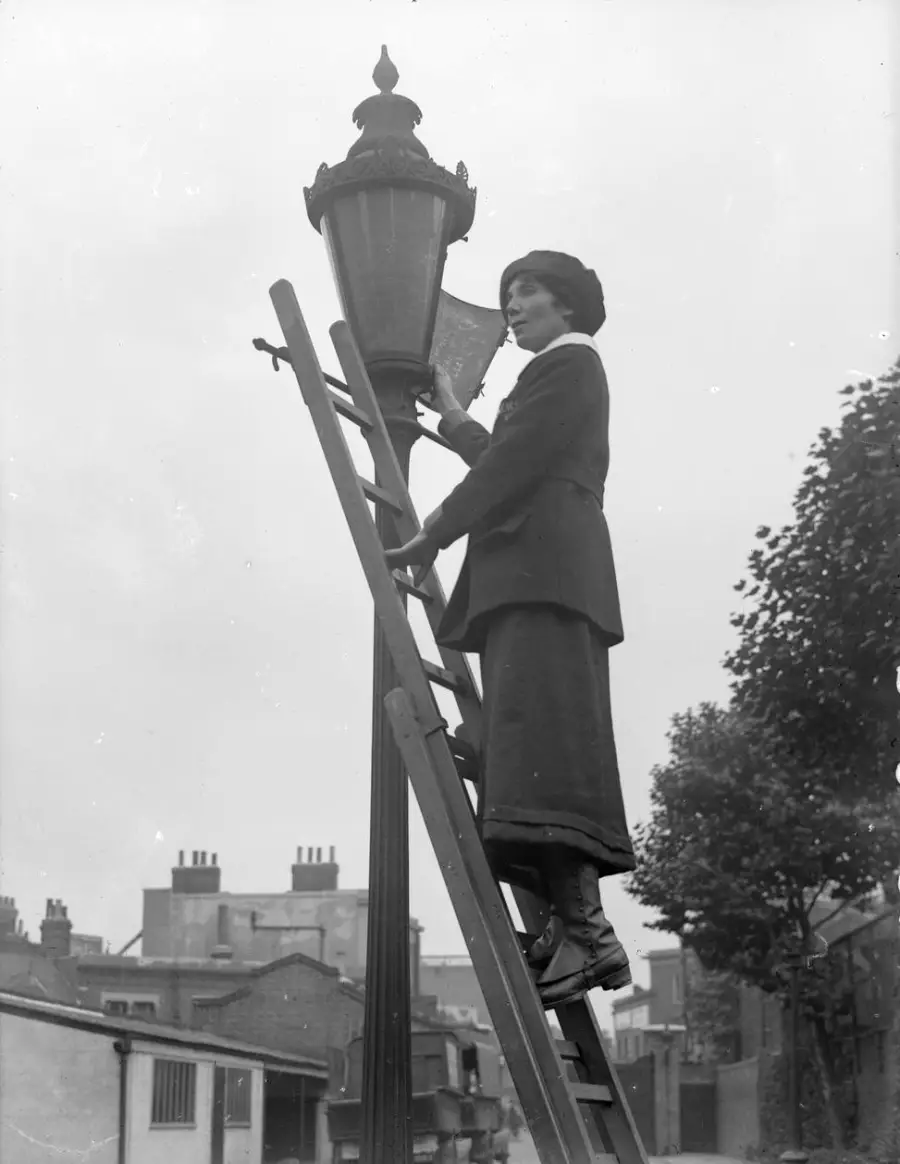
Before municipal electric grids powered street lighting systems, lamp lighters walked city streets at dusk carrying long poles to light gas lamps individually. In addition to ignition duties, they carried small ladders to clean soot off glass lantern globes and replace worn mantles.
10. Clock punch card factory workers
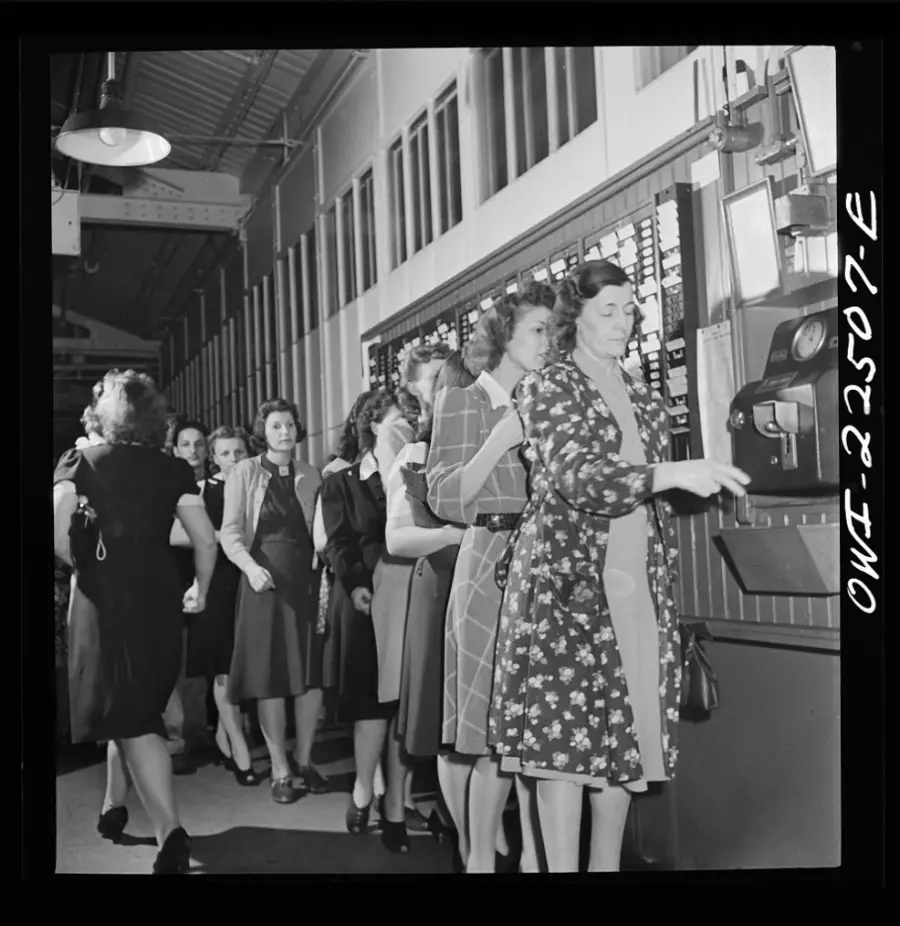
Before digital timecards and biometric scanners, factory employees lined up at shift changes to insert heavy paper cards into mechanical punch clocks. The loud metallic thud stamped the exact arrival and departure times on physical cards, which payroll departments then audited manually.
11. Human computers calculating flight paths
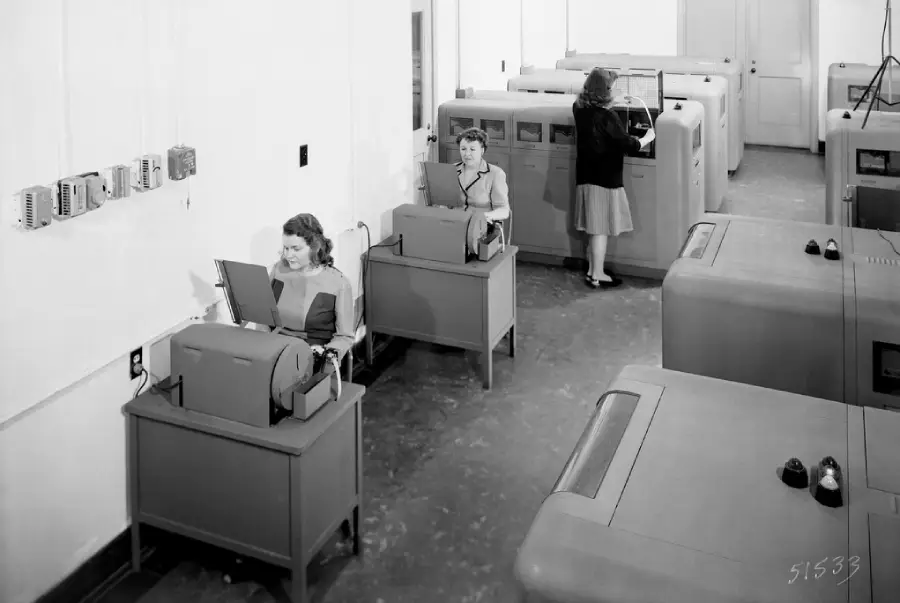
Before electronic supercomputers, NASA and scientific institutions employed teams of skilled mathematicians known as “human computers.” Working with slide rules, graph paper, and mechanical calculators, these professionals manually calculated complex orbital trajectories and flight physics for space missions.
12. Milkmen testers and cream separators
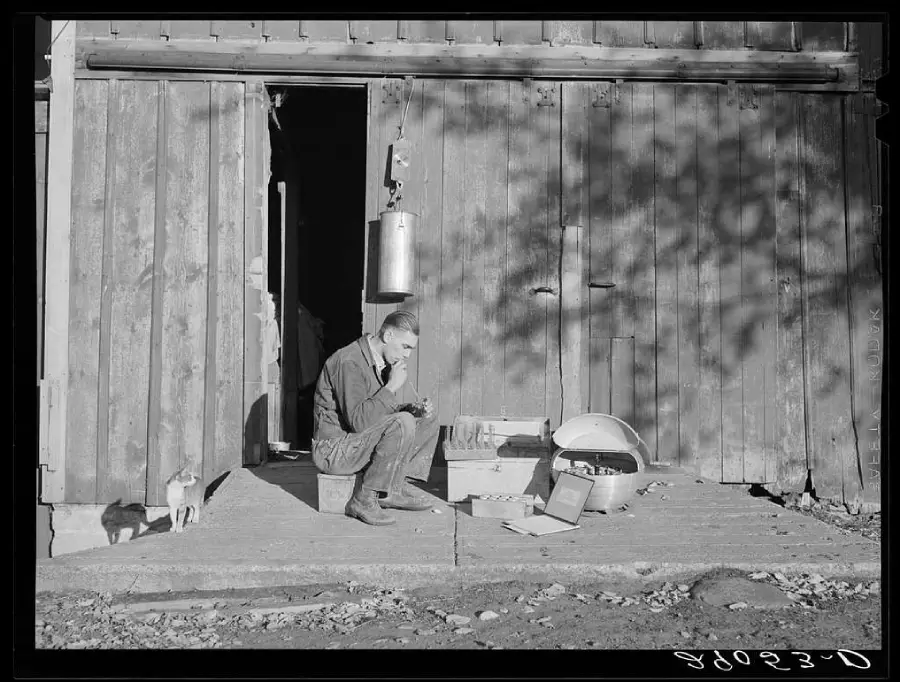
Dairy processing facilities relied on specialized lab technicians who manually tested raw milk samples for fat content using glass test tubes and hand-cranked centrifuges. Technicians adjusted mechanical separators to divide whole milk into cream and skim portions before bottling.
13. Radio sound effects artists
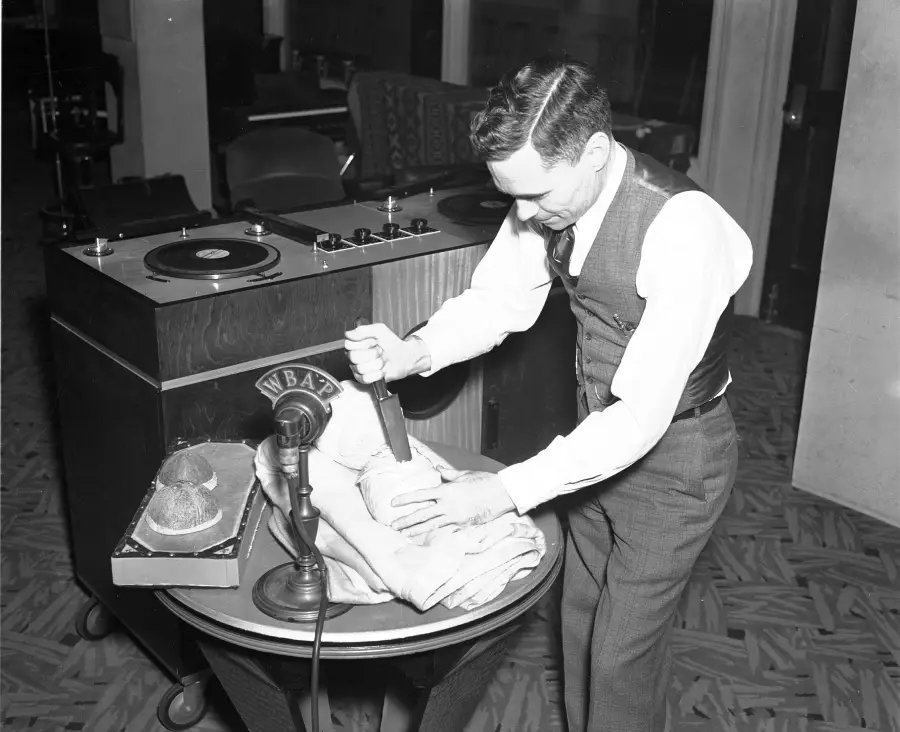
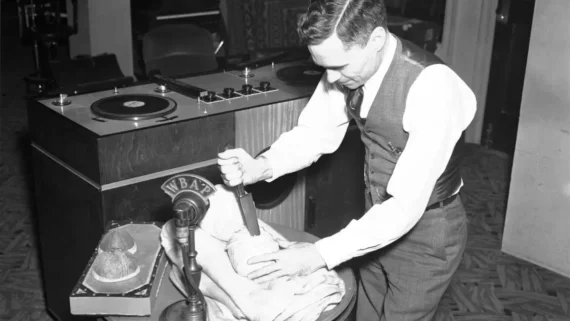
During the golden age of live radio broadcasts, sound effects artists created realistic ambient sounds using physical props live on air. To bring radio plays to life, artists squeezed leather shoes in gravel boxes, slammed miniature wooden doors, and crinkled cellophane to simulate crackling fires.
14. Car manufacturing line welders
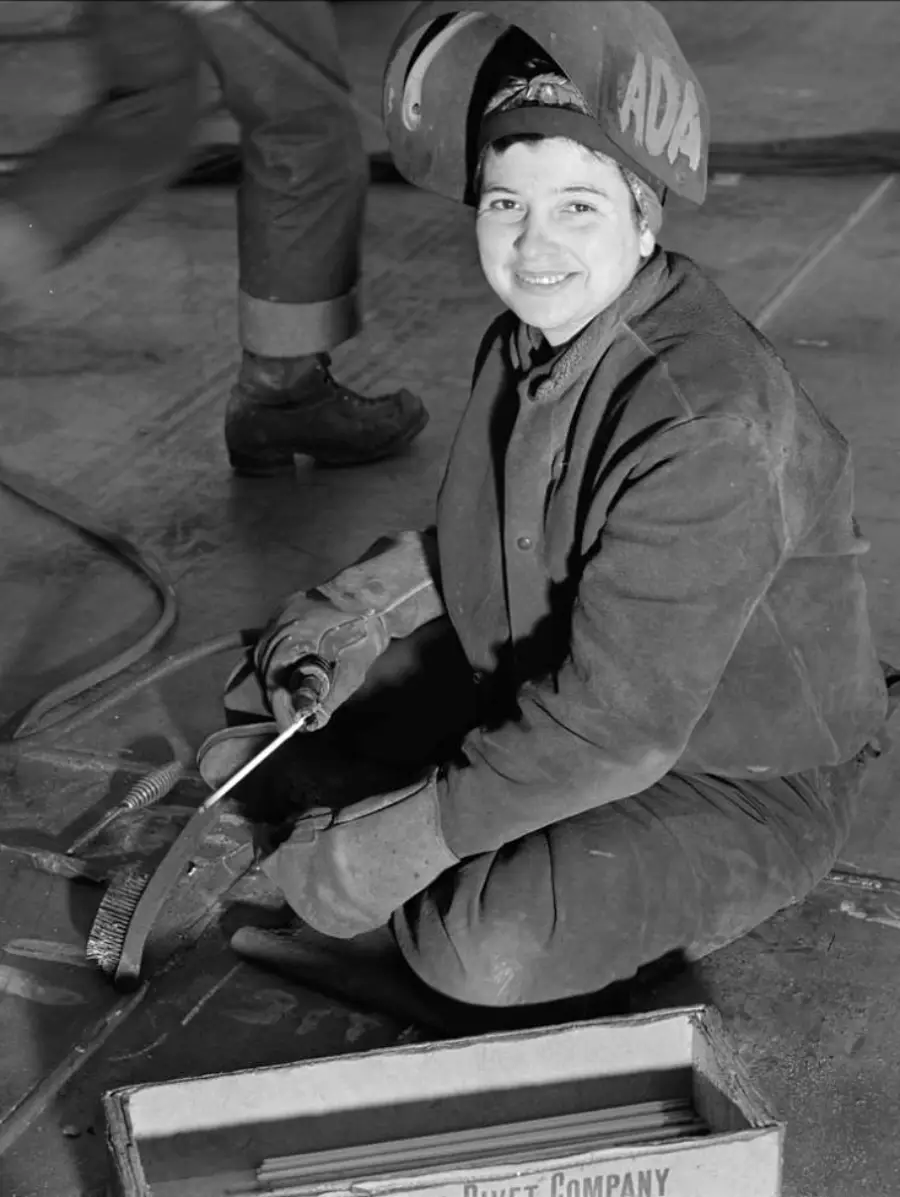
Before robotic arms dominated automotive assembly lines, auto workers performed heavy structural welds by hand while standing under suspended chassis frames. Wearing heavy leather aprons and protective hoods, teams of welders manually joined body panels together using heavy spot-welding guns.
Explore more interesting jobs from the past:
Looking back at these vintage photos of daily jobs brings a new appreciation for the physical labor, specialized skills, and manual effort that built modern industry. The stark contrast between hand-operated machinery and modern digital automation shows just how far workplace technology has advanced over the decades. If you enjoy exploring historical photography, nostalgic workplace archives, and fascinating cultural deep dives, be sure to check out these 21 Vintage Photos of Switchboard Operators or these 19 Vintage Photos of Classic Milkmen. You may also like these 14 Historic Jobs Done Entirely by Hand.