Urban legends have a peculiar talent for making the impossible sound just believable enough. An alligator beneath New York, a stranger calling from inside the house, a mysterious passenger who disappears from a moving car. Most of these stories become stranger every time they are retold, but some contain a surprising kernel of reality: an actual crime, accident, sighting, person, or public panic. The fascinating part is watching what happened next, when history stopped being history and started becoming folklore.
1. New York’s Sewer Alligators Weren’t Completely Imaginary
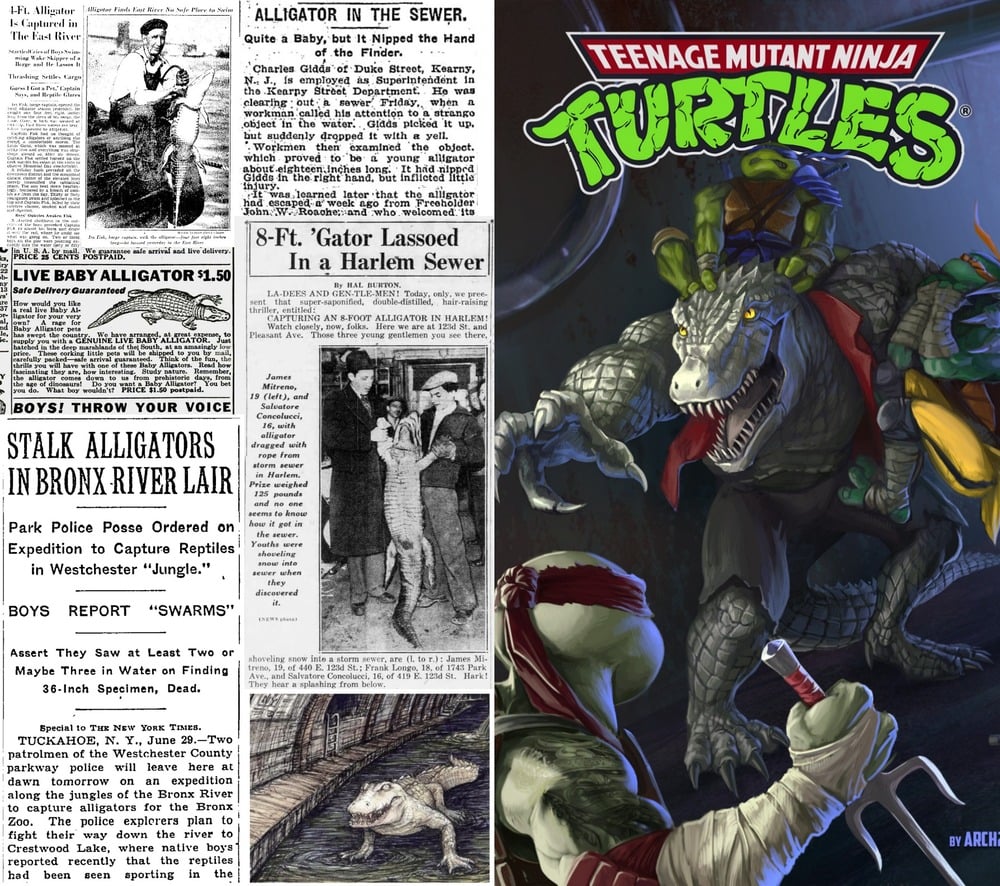
Giant albino alligators secretly breeding beneath Manhattan sound perfect for a comic book, and eventually the idea even found its way into pop culture. But New York really did have some unusual reptile encounters. In February 1935, an alligator was found in an East Harlem sewer. Other isolated discoveries helped give the story just enough credibility to survive. Somewhere along the way, a few misplaced reptiles became an entire underground civilization of sewer alligators.
2. The Bunny Man Started With Two Very Strange Encounters
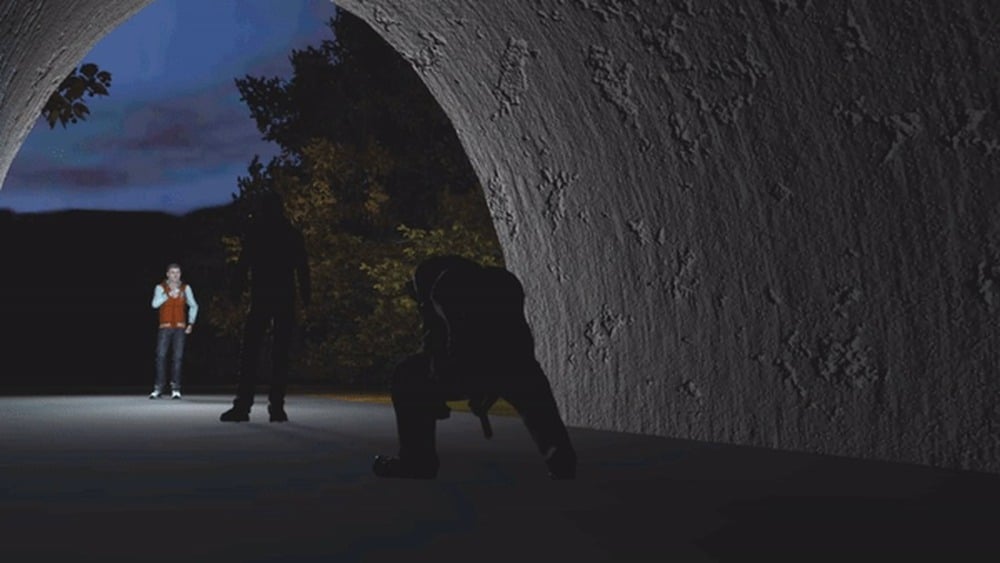
A murderous rabbit-costumed figure haunting a bridge sounds almost too carefully designed to be an urban legend. Yet the story grew from reported incidents in Fairfax County, Virginia, in October 1970 involving a man wearing what witnesses described as a rabbit-like outfit and carrying an axe or hatchet. The later legend became considerably darker, adding Bunny Man Bridge, murders, ghosts, and supernatural details. Reality provided the costume and weapon. Folklore handled the rest.
3. The Poisoned Halloween Candy Panic Had a Real Murder Behind It
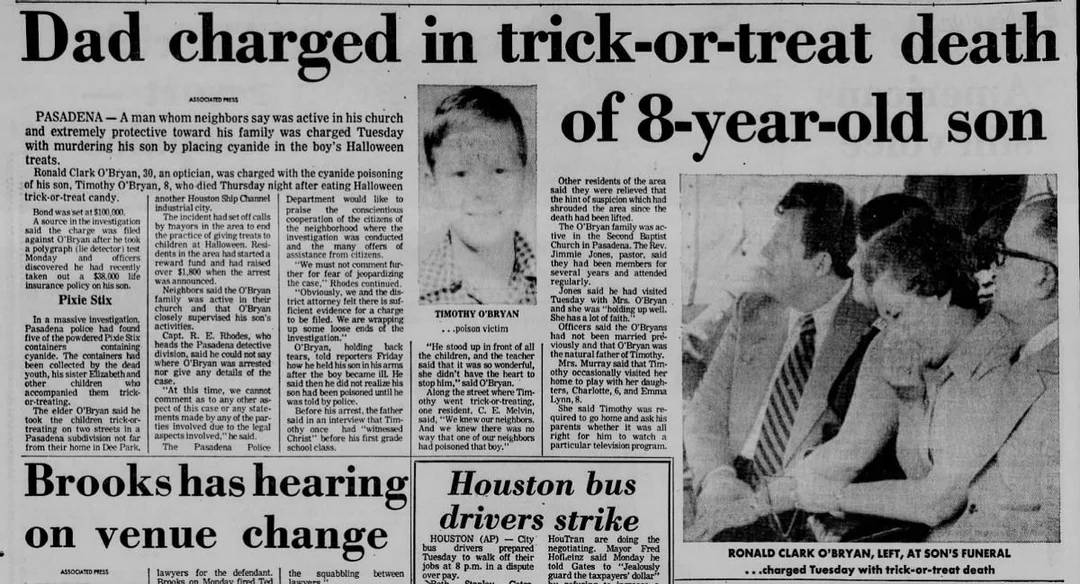
Parents have been warned for decades about strangers hiding poison inside Halloween treats, but one notorious real case turned that fear in a disturbing direction. In 1974, Timothy O’Bryan died after consuming cyanide-laced Pixy Stix. The person responsible was not an anonymous stranger handing out candy. It was his own father. Instead of disproving the stranger-danger story, the publicity surrounding the murder helped reinforce a fear that was already circulating.
4. The Green Man Was Actually a Real Person
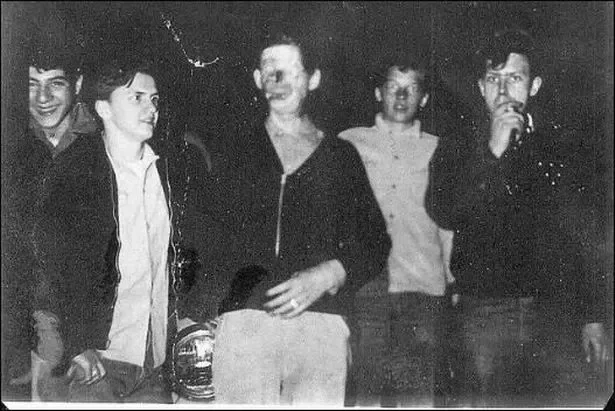
Imagine driving along a Pennsylvania road at night and encountering a severely disfigured man walking alone in the darkness. That genuinely happened, but the person behind the sightings was Raymond Robinson, whose injuries resulted from a childhood electrical accident. Because he often walked at night, stories about him spread locally and gradually transformed him into Charlie No-Face or the Green Man. What became a supernatural-sounding legend began with something much more human: a real person whose appearance strangers turned into folklore.
5. The Babysitter Story May Have Borrowed From a Real Murder

The setup has become horror-story shorthand: a babysitter receives frightening calls, only to discover that the caller is already inside the house. One real crime is frequently mentioned alongside the legend: the 1950 murder of babysitter Janett Christman. But this is where urban legends become slippery. There is no proven historical chain showing that her murder directly created the famous story. It may have influenced later retellings, or the similarities may simply have encouraged people to connect them afterward.
Trending on The Scroller

6. The Killer in the Back Seat Has No Single Confirmed Origin
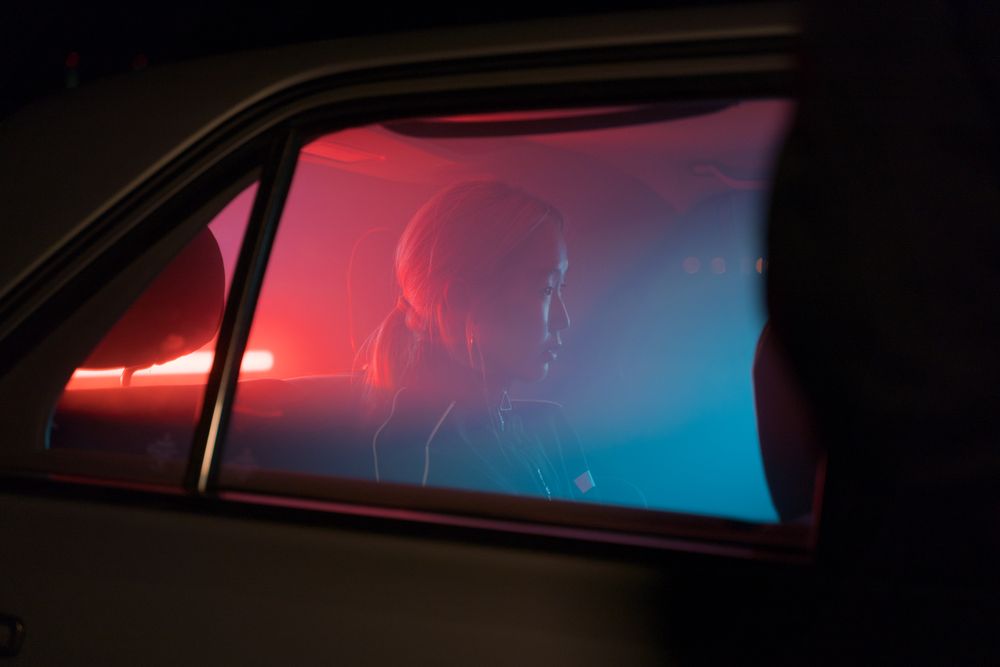
You know the setup: someone is driving alone at night when another motorist behaves strangely, flashing headlights or desperately trying to get their attention. The apparent threat eventually becomes the hero because someone dangerous was hiding in the back seat. Folklorists had documented versions of this story by the late 1960s, and several real crimes have been suggested as possible inspirations. None, however, has been securely established as the event that started it all.
7. Resurrection Mary Turned Chicago Roads Into a Ghost Story
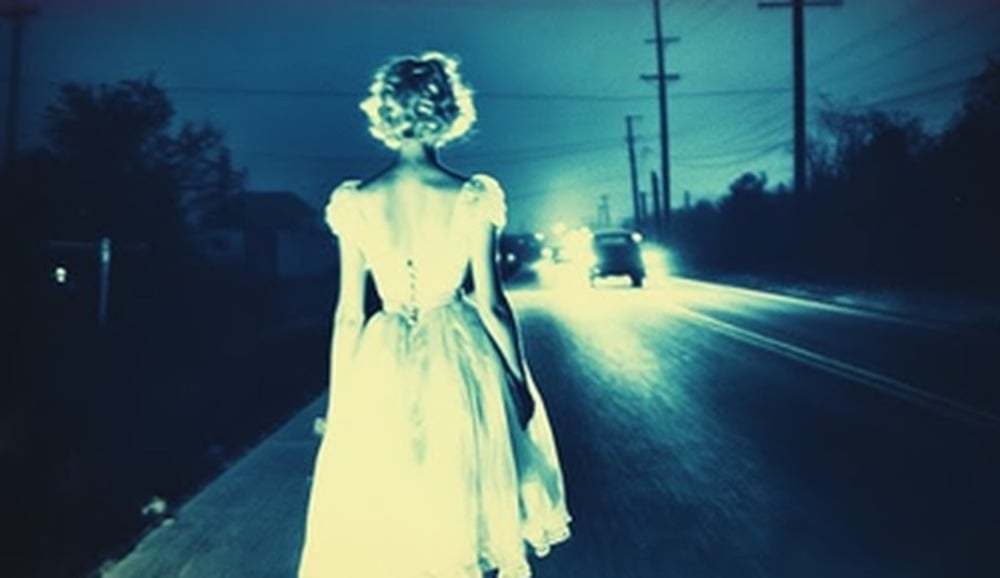
A young woman asks for a ride, travels silently through the night, and then disappears near a cemetery. Chicago’s version became known as Resurrection Mary, a vanishing hitchhiker associated with Resurrection Cemetery, Archer Avenue, local dance halls, and stories of fatal traffic accidents. Various real women have been proposed as the mysterious Mary, which certainly makes the legend more tempting to believe. The problem? None has ever been conclusively identified as the woman behind the story.
8. Mothman Became Entangled With a Real Disaster

Something strange was reportedly being seen around Point Pleasant, West Virginia, in 1966. Witness accounts describing a mysterious winged figure eventually produced the creature known as Mothman. Then reality delivered a tragedy far more terrible than the sightings: the Silver Bridge collapsed in December 1967, killing 46 people. Later retellings fused the two events together, sometimes portraying Mothman as a warning of the coming disaster. The sightings came first, but the bridge collapse helped transform a local mystery into an enduring legend.
Sign up for our newsletter
9. Polybius Is Fake, but the Paranoia Around It Wasn’t

Supposedly, a mysterious arcade cabinet appeared around Portland in 1981, caused bizarre psychological effects in players, and attracted visits from shadowy government agents. There is no credible evidence that the legendary Polybius machine actually existed. So why does the story feel strangely plausible? Its ingredients echo real concerns from the era, including investigations involving arcades, fears about the health effects of video games, and Cold War suspicion of government activity. Polybius appears to be fiction assembled from anxieties that were very real.
10. Cropsey Was a Boogeyman Before Real Crimes Entered the Story
For some Staten Island children, Cropsey was already the name of the frightening figure lurking somewhere beyond the safe edges of the neighborhood. Then actual crimes became associated with former Willowbrook employee Andre Rand, and the boundaries between local folklore and reality grew increasingly messy. Cropsey was not simply invented because of those crimes. The boogeyman tradition existed beforehand. Over time, however, the fictional monster and real criminal case became so entangled that separating one story from the other became part of the mystery itself.
11. Spring-Heeled Jack Started With Reports of a Real Attacker
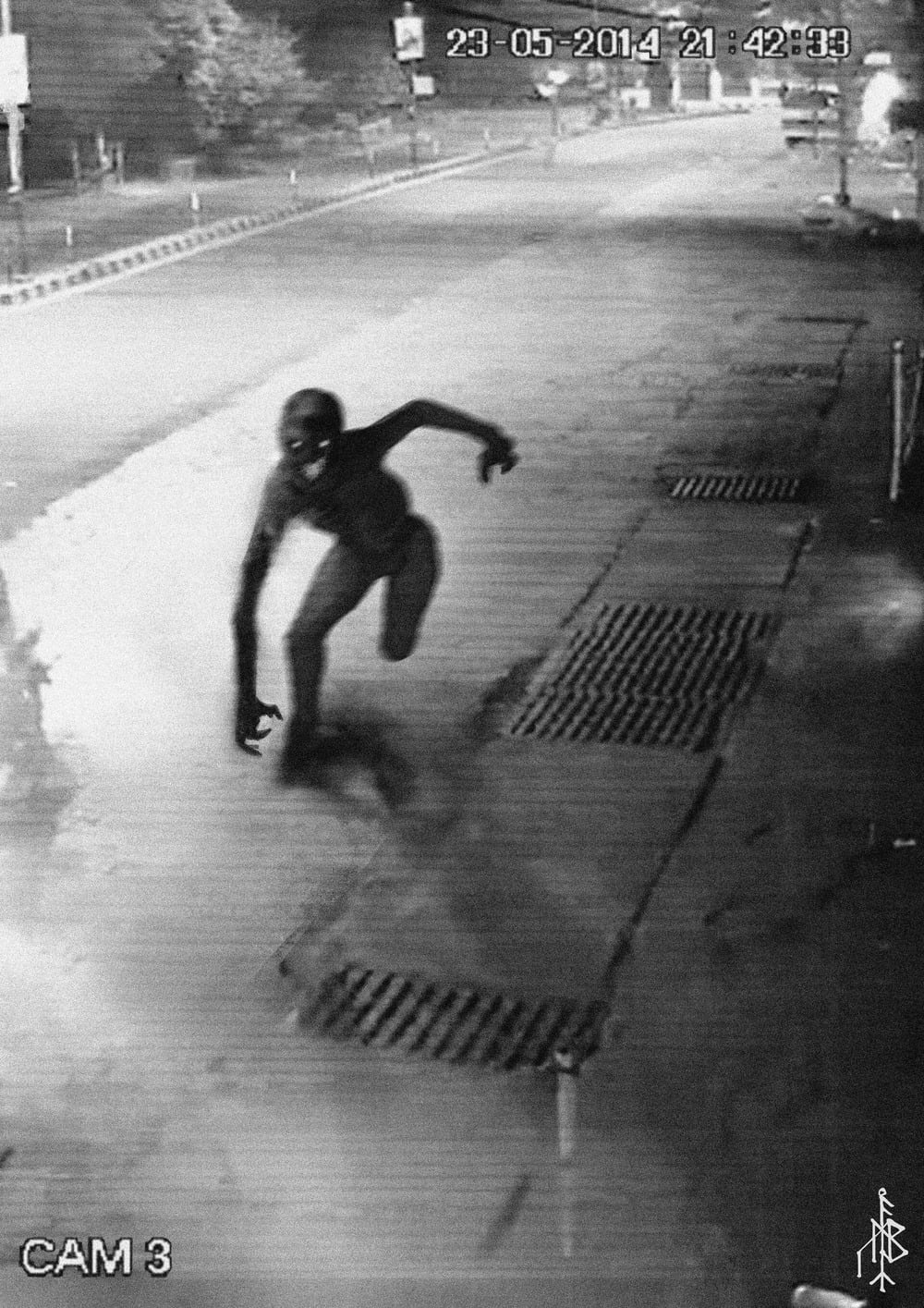
Long before superheroes were leaping across rooftops, London had its own impossible jumper. Reports from 1837 and 1838 described a mysterious attacker frightening people around the city. What witnesses actually encountered remains uncertain, but newspapers and popular entertainment rapidly embellished the story. Soon Spring-Heeled Jack had claws, supernatural abilities, and the power to make extraordinary leaps. Whatever stood at the beginning of the legend, an attacker, prankster, or something else, Victorian storytelling turned it into a monster.
12. The Mad Gasser of Mattoon Created a Real Town-Wide Panic
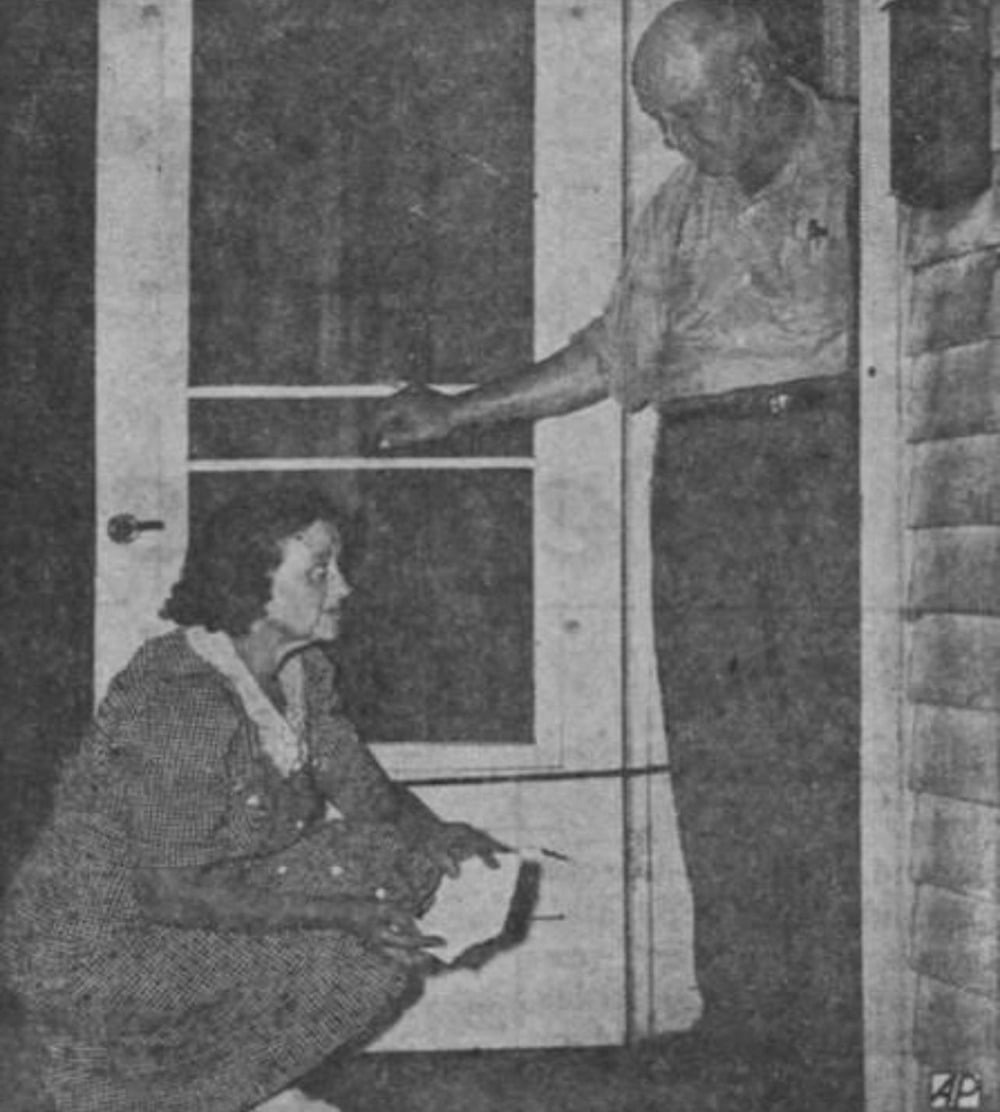
In 1944, residents of Mattoon, Illinois, began reporting something deeply unsettling: strange odors followed by symptoms including nausea and temporary paralysis. Newspapers covered claims that an unknown attacker was releasing gas into homes, and the mysterious figure became known as the Mad Gasser. Yet no culprit was ever identified. Explanations have ranged from environmental causes to mass psychogenic illness. The strange part is that the panic itself is documented, even if the sinister person supposedly causing it may never have existed.
13. The Hook May Have Borrowed From Real Postwar Fears
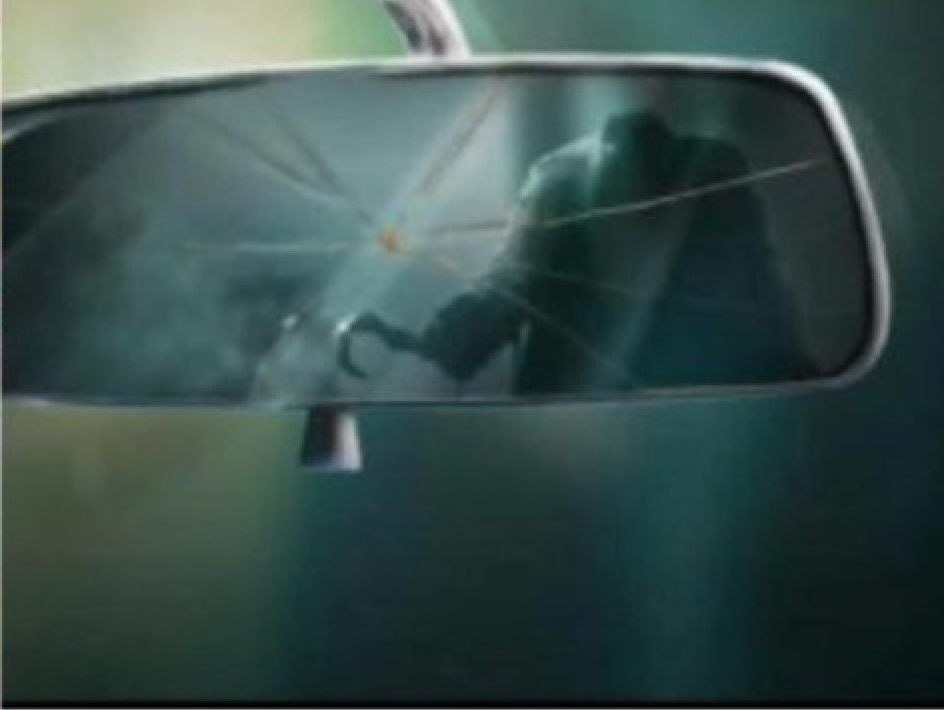
A young couple parks somewhere secluded. The radio announces that a dangerous escaped killer has a hook for a hand. They leave, and later discover a hook hanging from the car door. Few urban legends deliver their punchline quite so efficiently. The story has been linked to real crimes and postwar anxieties, including the 1946 Texarkana attacks, but there is no evidence proving that one specific incident created it. Sometimes folklore does not copy history. It absorbs the fears history leaves behind.
14. The Phantom Killer Wasn’t an Urban Legend
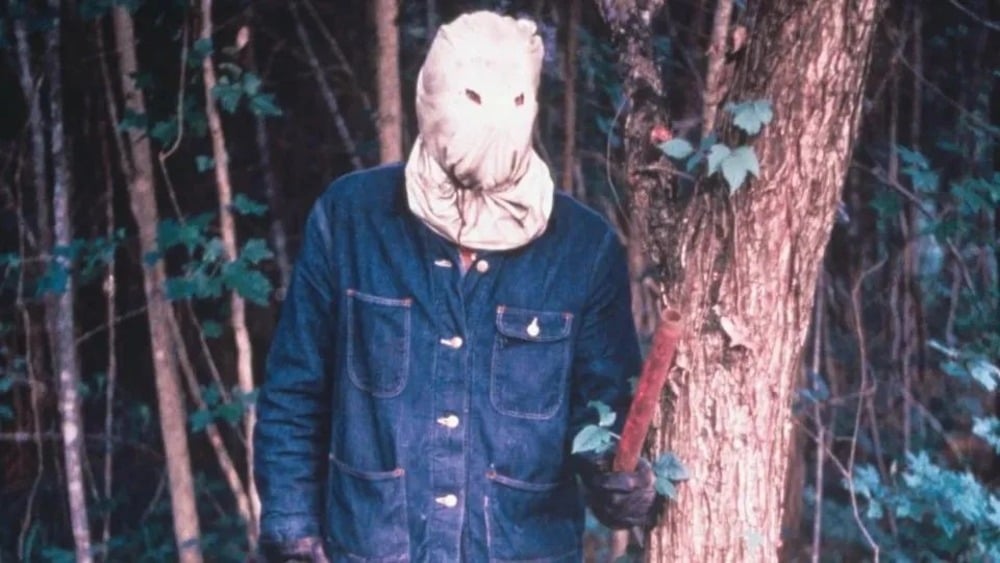
This time, the frightening figure was real. In 1946, an unidentified attacker targeted people around Texarkana, committing a series of assaults and murders that terrified the community. Newspaper coverage helped popularize the name “Phantom Killer,” while the fact that the crimes remained unsolved gave the story an unusually long life. Over the decades, the case moved beyond police reports and headlines into books, movies, and local storytelling. No supernatural embellishment was necessary. The unanswered question of who did it was unsettling enough.
15. Bloody Mary Probably Wasn’t Mary I
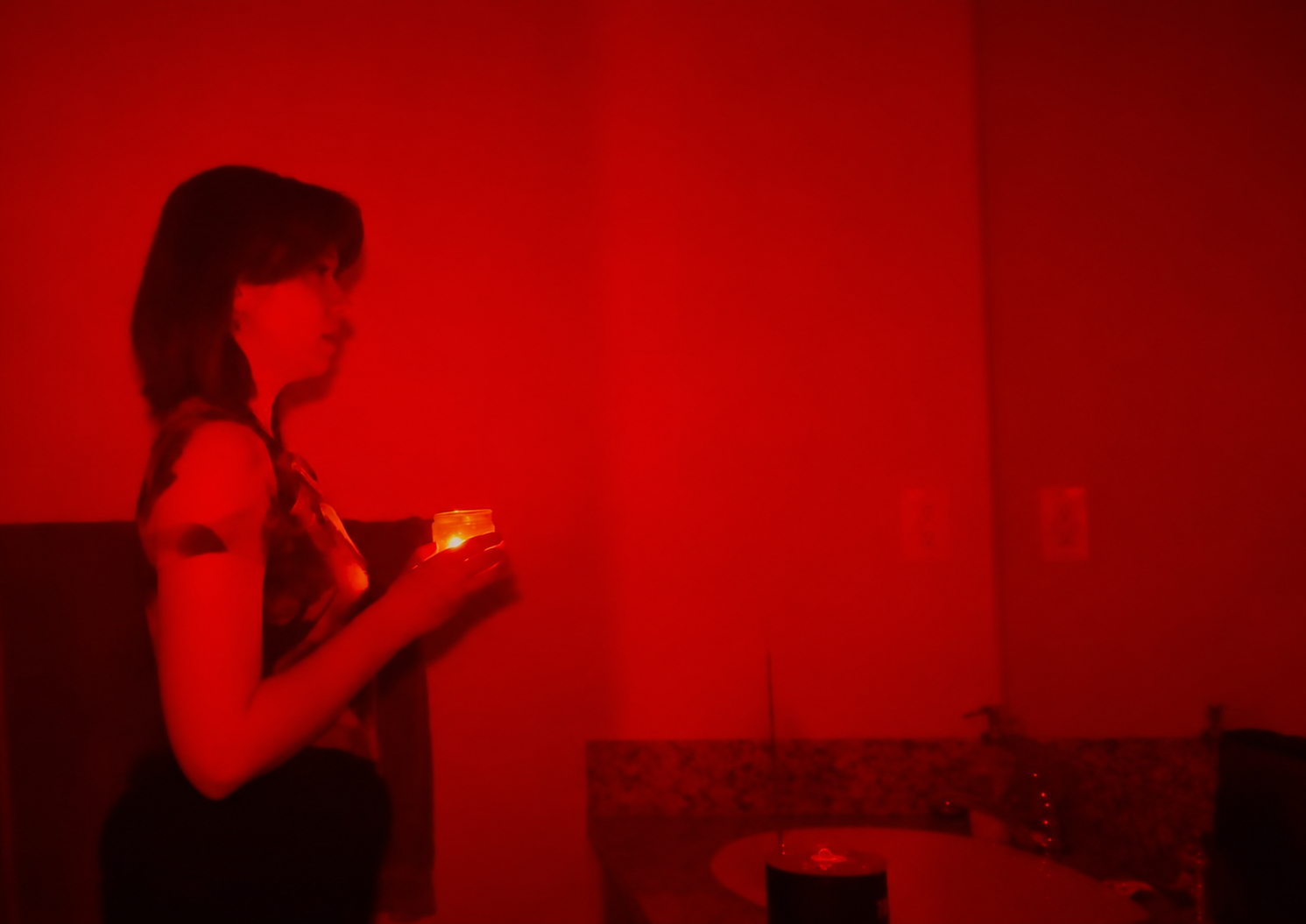
Say her name into a mirror and something terrifying is supposed to appear. Depending on who told you the story, Bloody Mary might be Mary I of England, a woman named Mary Worth, a murdered witch, or someone else entirely. Those historical explanations are popular, but none has been established as the ritual’s true origin. Documented twentieth-century folklore shows versions of the mirror game circulating independently of those later identifications. So that wonderfully specific “true story” someone told at a sleepover? It probably arrived after the legend.
16. The Vanishing Hitchhiker Adapted an Old Ghost Story for the Automobile

The car stops for a lonely passenger on the side of the road. Everything seems ordinary until the passenger suddenly disappears, and the driver later learns that the person died years ago. The automobile version feels distinctly modern, but the basic idea is much older. Phantom-traveler stories existed before cars became common, then naturally migrated onto highways. Real roadside deaths were sometimes attached to local versions, giving communities their own supposedly true ghost passenger.
17. The Black-Eyed Children Began With One Alleged Encounter
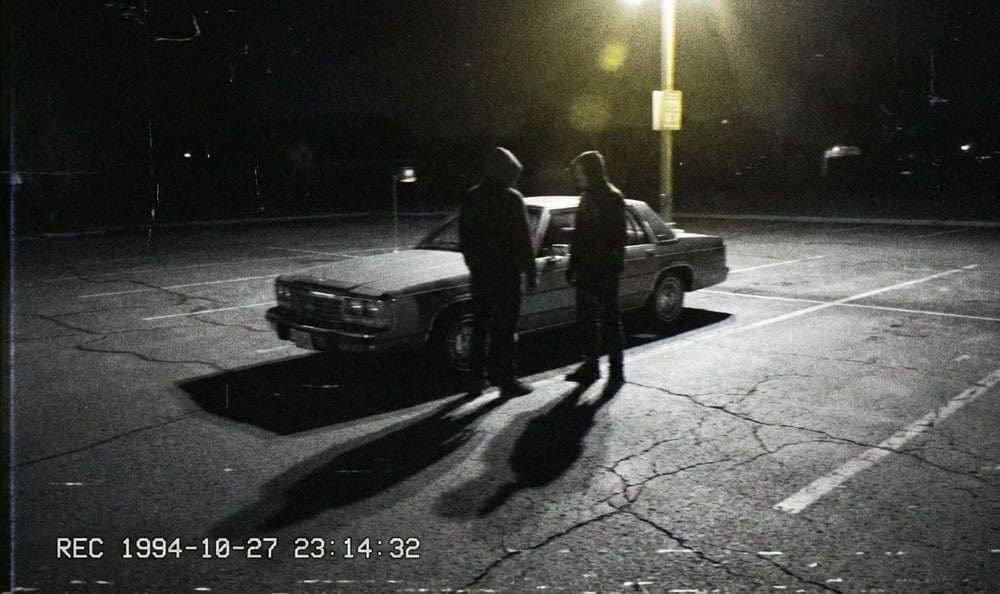
Unlike legends that evolved over generations, this one has a surprisingly modern starting point. The black-eyed children story is commonly traced to journalist Brian Bethel’s account of an alleged 1996 encounter in Abilene, Texas. He described meeting strange children whose eyes appeared completely black. The encounter itself remains an unverified personal claim, but what happened afterward is easier to follow: the story spread, others produced similar accounts, and the internet gradually turned one eerie anecdote into a recognizable supernatural archetype.
18. The Killer Clown Panic Mixed Real Pranks With a Mountain of Rumors
Remember when it suddenly seemed as though creepy clowns were lurking everywhere? During the 2016 clown scare, some people really did dress as clowns to frighten or prank others. But those incidents became tangled with hoaxes, copycats, false reports, and rapidly spreading social-media posts. That combination created the impression of something much larger. It is an unusually clear example of how urban legends can form almost in real time: a handful of genuine incidents gives hundreds of questionable stories just enough credibility to travel.
19. Stranger-Abduction Stories Borrow Power From Rare Real Cases

Few rumors spread faster than a warning that someone is pretending to be an official in order to take children. Stories about fake social workers and other impostors sometimes gain credibility because impersonation and attempted abductions can occur in real life. But there is an important catch with this particular legend: no single documented case in the research can be confidently identified as its historical origin. The fear is real; individual crimes can be real, but connecting one specific event to the entire legend would go further than the evidence allows.
The fascinating thing about urban legends is not simply whether they are true or false. It is how easily a real person, crime, accident, rumor, or moment of panic can become something much larger. History supplies a fragment, people fill the gaps, and eventually the story begins living a life of its own.
Keep Exploring The Scroller
The truth has a habit of being stranger than the legend. Keep exploring the real events, forgotten stories, and historical oddities hiding behind the tales everyone thinks they already know:
16 Urban Legends People Once Believed Were Real
10 Urban Legends That Are Scarier Because They’re Actually True